
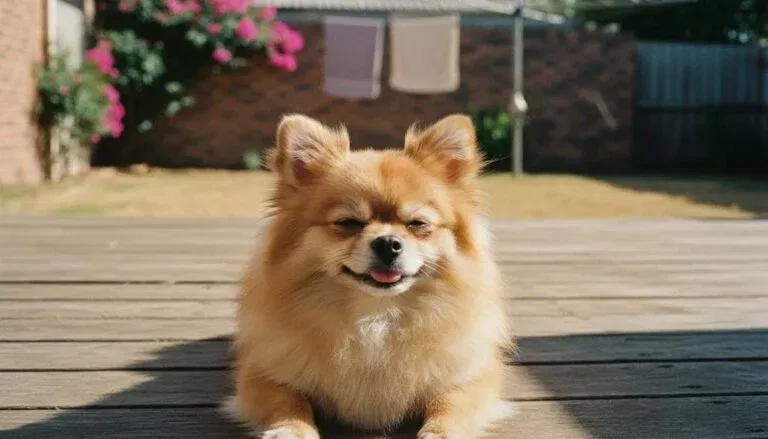
There are few things in the dog world more eye-catching than a Pomeranian that fits in the palm of your hand. A ball of orange fluff with fox-like eyes and a personality that could fill a football stadium. The teacup Pomeranian is social media gold, and Australians are searching for them in record numbers.
But here’s what the viral videos don’t show: emergency vet visits for blood sugar crashes, dental bills that rival human orthodontics, and breeders who use “teacup” as a sales gimmick to charge thousands extra for a dog that may live years less than a standard Pomeranian.
This guide covers the full picture — teacup Pomeranian price in Australia, size, health problems, grooming reality, and how to tell a responsible breeder from a scammer. Whether you’re browsing teacup Pomeranian puppies for sale in Melbourne, Sydney, Brisbane, or Perth, read this before you put down a deposit.
What You’ll Learn
- Breed traits & temperament
- Health concerns to know
- True cost in Australia
- Training & exercise needs
- Is this breed right for you?
Quick Facts at a Glance
| Trait | Details |
|---|---|
| Official Breed? | No — “teacup” is not recognised by the ANKC, AKC, or any kennel club. There is one Pomeranian breed. |
| Parent Breed | Pomeranian (toy group; descended from German Spitz) |
| Full Grown Height | Under 15 cm (6 inches) at the shoulder |
| Full Grown Weight | Under 1.5 kg (3.5 lbs); standard Pomeranians are 1.4–3.2 kg (3–7 lbs) |
| Coat | Thick double coat — dense undercoat, long straight outer coat. Colours: orange, cream, white, black, sable, chocolate, merle, parti, and more. |
| Shedding | Moderate–heavy — double coat sheds year-round with seasonal blowouts |
| Temperament | Bold, confident, playful, loyal; can be territorial and yappy |
| Lifespan | 7–14 years (standard Pomeranian: 12–16 years) |
| Price (AUD) | $3,000–$10,000+ for “teacup”; $2,500–$6,000 for ANKC-registered standard |
| Suitability | Singles, couples, retirees; adults-only households preferred |
| Exercise | Low–moderate — short daily walks and indoor play |
| Grooming | High — daily brushing, regular professional grooming |
History & Origins
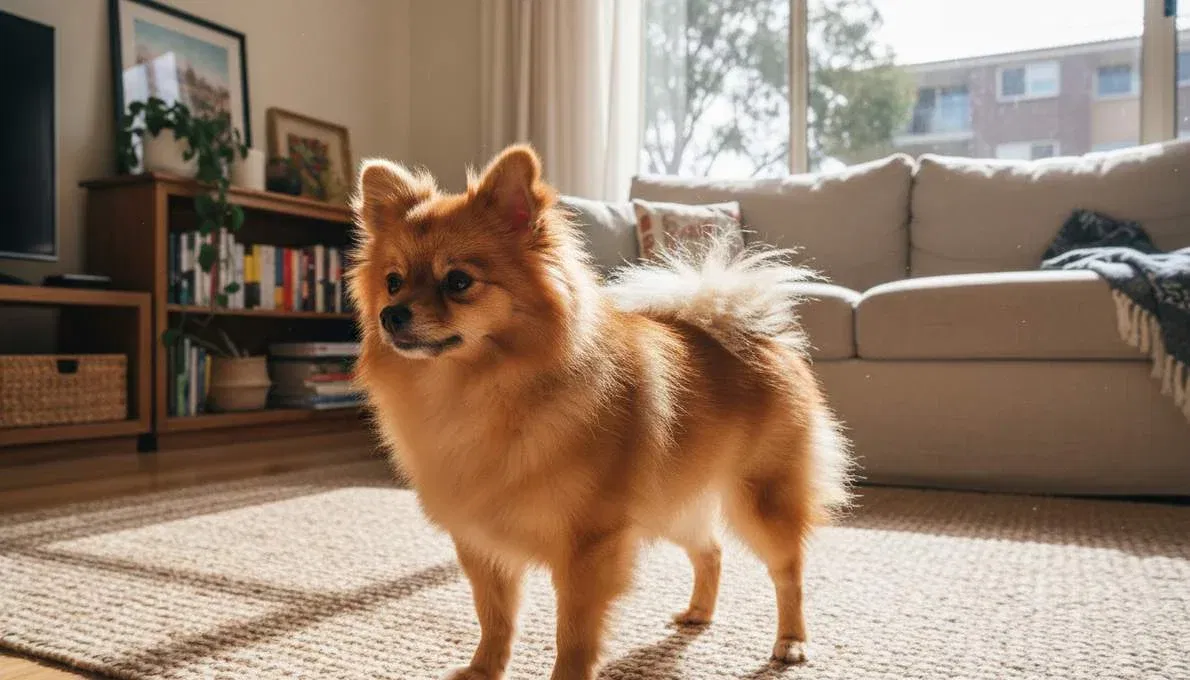
The Pomeranian descends from large Spitz sled dogs of the Arctic, originally weighing around 14 kg (30 lbs). The breed was selectively miniaturised in the Pomerania region of northeastern Europe (modern-day Germany/Poland) and rose to fame in 18th-century England when Queen Victoria fell in love with a small Pomeranian during a trip to Italy. Victoria’s breeding programme is credited with reducing the Pomeranian’s size by roughly 50%.
The AKC recognised the Pomeranian in 1898. The modern breed standard calls for a weight of 1.4–3.2 kg (3–7 lbs) with a preferred show weight of 1.8–2.7 kg (4–6 lbs). The ANKC follows a similar standard, with a height at the withers of 18–22 cm.
There is no official teacup Pomeranian. No kennel club recognises “teacup,” “micro,” “mini,” or “toy” Pomeranian as a separate breed or size variety. The Pomeranian is already classified as a toy breed — there’s no smaller official category. When breeders use “teacup,” they’re describing a Pomeranian that falls below the breed standard, usually under 1.5 kg (3.5 lbs) as an adult.
Leading Pomeranian preservation breeders in Australia — many with 30–50 years of experience — have been vocal about teacup Pomeranians being a marketing gimmick used by unscrupulous breeders and puppy scammers. Terms like “micro mini Pomeranian” and “pocket Pomeranian” are red flags, not selling points.
Temperament & Personality
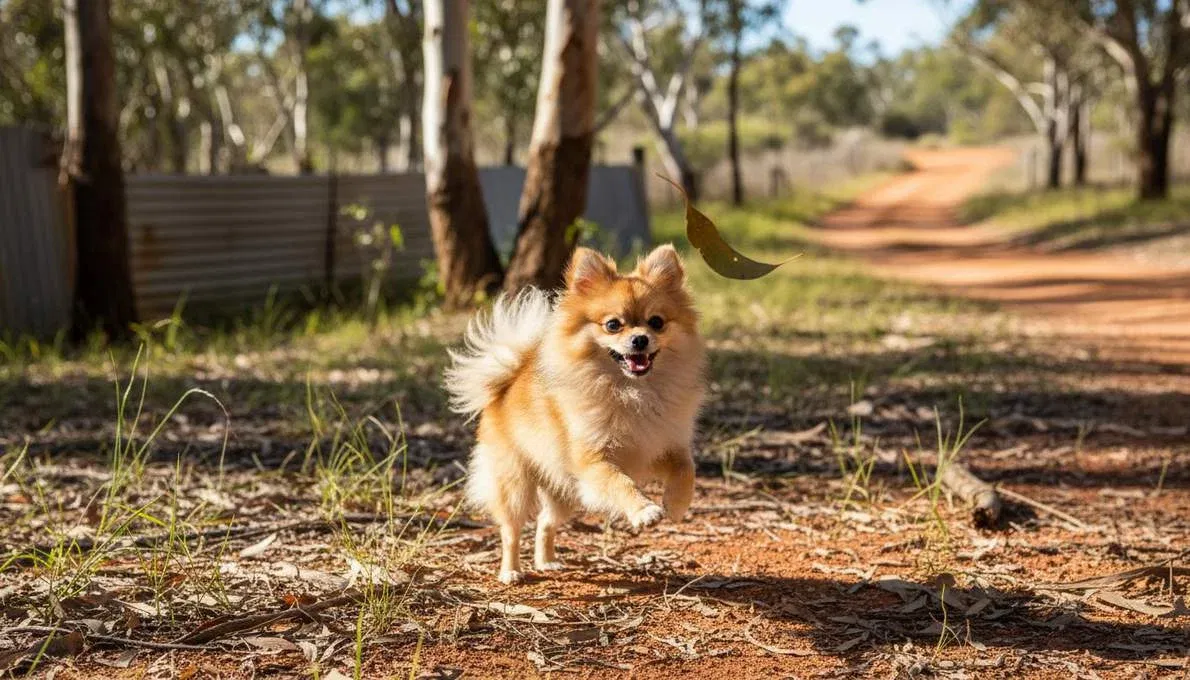
Pomeranians are famous for having personalities ten times their size. Teacup Pomeranians are no different — they’re the same breed, just smaller.
- Bold and confident: Pomeranians genuinely don’t know they’re small. They’ll bark at dogs five times their size, strut around like they own the place, and demand your attention. This confidence is charming but can also create problems if not managed.
- Loyal and devoted: They bond tightly to their owner — often one person in particular. This loyalty makes them wonderful companions but also contributes to separation anxiety and possessive behaviour.
- Playful and energetic: Despite their size, Poms are surprisingly active. They enjoy short bursts of play, toy chasing, and exploring. Teacup-sized dogs tire more quickly, but the energy is still there.
- Vocal — very vocal: Pomeranians bark. At strangers, at the doorbell, at birds, at nothing. They’re alert watchdogs by nature. Without consistent training, a teacup Pom will bark excessively — a particular issue in apartment living and with close neighbours.
- Can be snappy with children: Their tiny size makes them defensive around unpredictable movements. They may nip when startled, grabbed, or overwhelmed. Teacup Pomeranians are not recommended for families with children under 8–10 years old.
- Intelligent but stubborn: Poms are clever dogs who learn quickly when motivated — and just as quickly learn what they can get away with. Spoiling a teacup Pom (which is tempting because they’re so small) creates behavioural problems. Treat them like a dog, not an accessory.
Health & Genetic Conditions
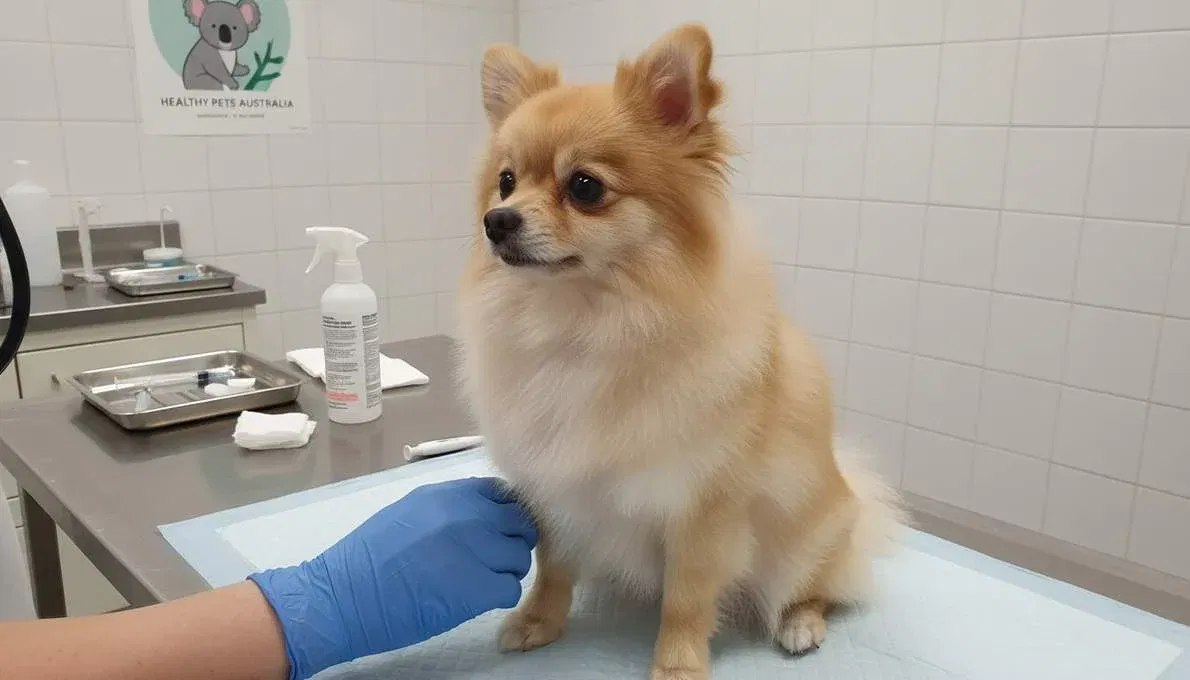
Standard Pomeranians are generally a long-lived, healthy breed when well-bred. However, breeding below the standard weight introduces and magnifies serious health risks. If you’re considering a teacup Pomeranian dog, these are the conditions you need to budget for.
- Hypoglycaemia (low blood sugar): The most dangerous and immediate risk. Teacup Pomeranians burn glucose rapidly and have minimal reserves. Missed meals, stress, cold, or excitement can trigger lethargy, tremors, seizures, collapse, and death. Puppies need 4–6 small meals daily. Always carry glucose gel.
- Luxating patella: One of the most common orthopaedic conditions in Pomeranians. The kneecap dislocates from its groove, causing intermittent or persistent lameness. Worse in undersized dogs. Surgical correction in Australia costs $2,000–$5,000 per knee.
- Tracheal collapse: The cartilage rings supporting the windpipe weaken and flatten, causing a chronic honking cough, breathing difficulty, and exercise intolerance. Common in very small dogs. Use a harness — never a collar. Severe cases may need surgical stenting ($3,000–$7,000 AUD).
- Patent ductus arteriosus (PDA) & heart disease: A congenital heart defect where a blood vessel fails to close after birth. Pomeranians are also prone to mitral valve disease as they age. Heart conditions can lead to congestive heart failure. Diagnosis requires echocardiograms; treatment ranges from medication to surgery.
- Alopecia X (“black skin disease”): A coat condition somewhat unique to Pomeranians where the dog progressively loses fur and the skin darkens. It’s cosmetic but distressing for owners. Cause is not fully understood; treatment options are limited.
- Dental overcrowding: Full adult teeth in a jaw smaller than your thumb. Overlapping and retained baby teeth cause plaque build-up, gum infections, and tooth decay. Annual dental cleanings ($400–$1,000+ AUD) and extractions are standard. This is virtually inevitable in teacup-sized dogs.
- Legg-Calvé-Perthes disease: The blood supply to the femoral head (hip joint) deteriorates, causing joint collapse. Common in small breeds, painful, and often requires surgical removal of the femoral head ($2,000–$4,000 AUD).
- Bone fragility: Extremely thin, delicate bones that fracture from minor falls, jumps, or rough handling. A leap off a couch can break a leg. A toddler’s grip can fracture ribs.
- Hypothyroidism: Underactive thyroid causing weight gain, lethargy, skin issues, and coat loss. Manageable with lifelong medication but requires regular blood monitoring.
What preservation breeders say: Reputable ANKC Pomeranian breeders in Australia are overwhelmingly against the teacup trend. They breed to the standard (1.8–2.7 kg preferred) and screen for patellar luxation, cardiac conditions, and eye disorders. If a breeder’s primary selling point is extreme small size, they are not breeding responsibly.

Lifespan & Longevity
Standard Pomeranians enjoy one of the longest lifespans of any breed: 12–16 years, with many reaching their late teens. Teacup Pomeranians, unfortunately, often have shorter lifespans of 7–14 years, depending on breeding quality and health management. Some poorly bred teacup Poms live as few as 3–7 years.
To maximise your teacup Pomeranian’s life expectancy:
- Feed small, frequent meals (3–4 times daily for adults; 4–6 for puppies) to prevent hypoglycaemia.
- Prioritise dental care — daily tooth brushing and annual professional cleanings.
- Use a harness, never a collar, to protect the trachea.
- Keep them warm in winter (dog coats, heated beds) and cool in summer (avoid hot pavement, sun exposure).
- Puppy-proof obsessively. Block stairs, secure furniture gaps, never leave them unattended on elevated surfaces.
- Schedule six-monthly vet check-ups with cardiac and patellar screening.
- Get comprehensive pet insurance before any health issues emerge.
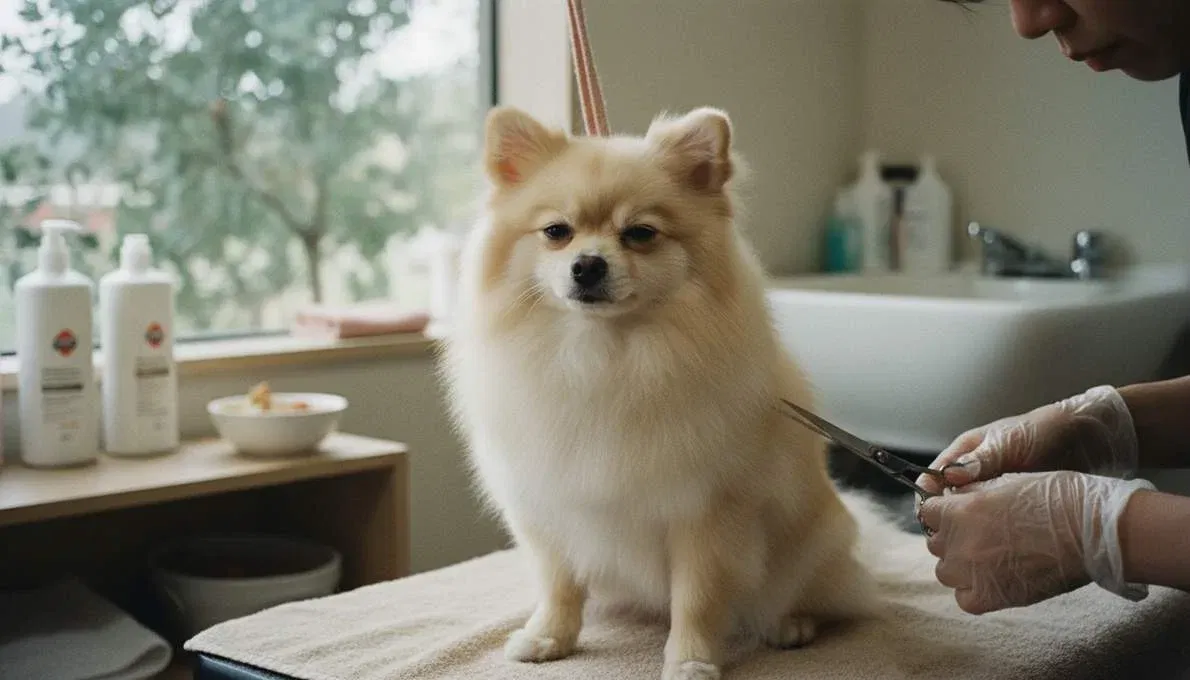
Grooming & Coat Care
The Pomeranian’s magnificent double coat is a defining feature of the breed — and the number one underestimated commitment for new owners. Unlike Maltese or Maltipoos, Pomeranians do shed, and they shed a lot relative to their size.
| Task | Frequency | Est. Cost (AUD) |
|---|---|---|
| Brushing | Daily — pin brush and slicker brush to prevent matting | DIY — brush set ~$25–$50 |
| Professional grooming | Every 4–6 weeks | $60–$120 per session |
| Bathing | Every 2–4 weeks | DIY or included in grooming |
| Coat blowout (heavy shed) | Twice yearly (major undercoat shed) | Extra grooming session recommended |
| Dental care | Daily brushing; annual professional clean | $400–$1,000+ per dental |
| Nail trimming | Every 2–3 weeks | $10–$20 at groomer, or DIY |
Never shave a Pomeranian. Their double coat insulates against both heat and cold. Shaving damages the coat structure and it may never grow back properly — a condition related to alopecia X. If you want a lower-maintenance cut, ask your groomer for a “teddy bear trim” that shortens the coat without cutting to the skin.
Teacup Pomeranians go through a “puppy uglies” phase around 4–8 months where they shed their puppy coat and look patchy and scraggly before the adult double coat grows in. This is completely normal — not a health issue.

Exercise Needs
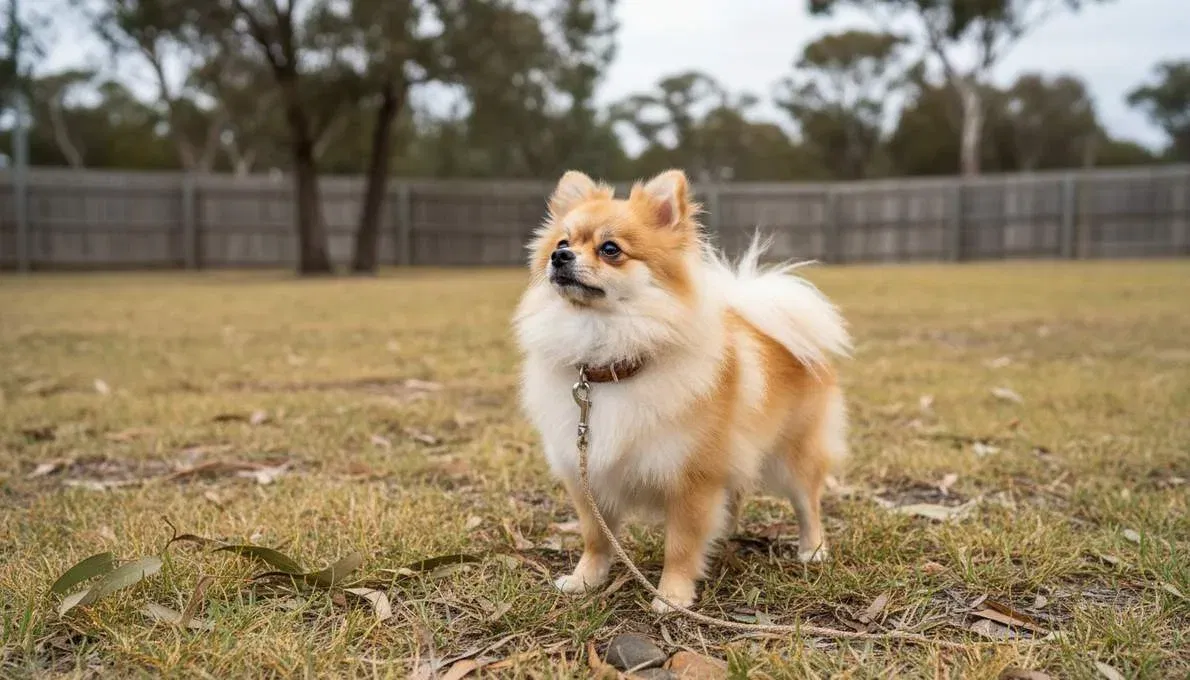
Pomeranians are more active than most people expect from a toy dog. Standard Poms enjoy 30–45 minutes of daily activity. Teacup Pomeranians need less — two short walks (10–15 minutes each) plus indoor play sessions are sufficient.
Australian climate warning: Despite their thick coats, teacup Pomeranians are extremely vulnerable to overheating in Australian summers. Their small body mass means they overheat and dehydrate quickly. Walk only in cool morning or evening hours. In winter, their tiny bodies also lose heat fast — a coat is needed for outdoor time in Melbourne, Canberra, Hobart, and other cooler regions.
Mental stimulation is equally important. Poms are intelligent dogs that get bored easily, and a bored Pom is a barking Pom. Puzzle toys, training games, snuffle mats, and rotating toy selection help keep their minds active.
Training Guide
| Age | Focus | Honest Difficulty |
|---|---|---|
| 8–12 weeks | Toilet training, crate intro, handling, name recognition | Hard. Tiny bladder, stubborn streak. Puppy pads will be a long-term feature for most teacup owners. |
| 3–6 months | Sit, come, stay; socialisation with people, dogs, sounds | Moderate. Very smart but easily distracted. Use high-value treats. 3–5 minute sessions. |
| 6–12 months | Bark management, leash manners, independence training | Moderate–hard. This is when “small dog syndrome” sets in if you haven’t been consistent. They will try to rule the house. |
| 1 year+ | Ongoing manners, trick training, confidence building | Easy–moderate. Well-trained Poms are delightful, willing partners. But you need to maintain boundaries. |
The “small dog syndrome” trap: Because teacup Pomeranians are tiny and adorable, many owners skip training, carry them everywhere, and allow behaviours they’d never tolerate in a larger dog — barking, growling at guests, refusing to walk on a leash, snapping. The result is a poorly socialised, anxious, territorial little dog. Treat your teacup Pom like a real dog with real training, and they’ll be a joy. Spoil them without structure, and they’ll be a nightmare.
Cost of Ownership (AUD)
Purchase Price
| Source | Price Range (AUD) |
|---|---|
| ANKC-registered show breeder (standard Pomeranian) | $2,500–$6,000+ |
| Breeder marketing “teacup” or “micro” Pomeranian | $3,000–$10,000+ |
| Rare colours (merle, lavender, blue) or show-quality lines | $6,000–$15,000+ |
| Unregistered / backyard breeder | $500–$2,000 |
| Rescue or rehome (adult Pomeranian) | $250–$600 |
Scam warning: Pomeranian puppy scams are rampant in Australia. Fake “teacup” breeders use stolen photos, require upfront deposits via bank transfer, and either send no dog or deliver a different breed entirely. Never buy a puppy without visiting in person, meeting the parents, and seeing registration papers. If a deal looks too good to be true, it’s almost certainly a scam.
Annual Ongoing Costs
| Expense | Est. Annual Cost (AUD) |
|---|---|
| Food (premium small-breed formula) | $350–$650 |
| Professional grooming (every 5–6 weeks) | $520–$1,200 |
| Vet check-ups & vaccinations | $300–$600 |
| Pet insurance (comprehensive) | $500–$1,000 |
| Dental cleaning | $400–$1,000 |
| Flea, tick & worming | $100–$250 |
| Toys, bedding, clothing, misc. | $100–$350 |
| TOTAL (healthy year) | $2,270–$5,050 |
If major health issues arise — patellar surgery, tracheal stenting, cardiac treatment, Legg-Perthes surgery — expect to add $3,000–$10,000+ in a single year. Pet insurance from day one is essential with any teacup dog.
What About the “Teacup Pomeranian Husky”?
One of the highest-volume searches in Australia is “teacup pomeranian husky” — so let’s clear this up.
A Pomsky is a Pomeranian crossed with a Siberian Husky. They’re a real crossbreed, first intentionally bred around 2012, and they typically weigh 9–14 kg (20–30 lbs) as adults. That’s a medium-sized dog, not a teacup.
There is no such thing as a teacup Pomsky. Anyone advertising a “teacup Pomeranian Husky” weighing under 3 kg is either selling a scam, a different breed entirely, or a dangerously undersized dog. Huskies are medium-large working dogs — their genetics don’t produce teacup offspring, even when crossed with a Pomeranian. If you’re interested in a Pomsky, expect a dog that’s significantly larger than a Pomeranian and prepare for much higher exercise needs and heavy shedding.

Is a Teacup Pomeranian Right for You?
- You’re home most of the day or work from home.
- You want a bold, charismatic companion with a big personality in a tiny body.
- You’re willing to commit to daily grooming and regular professional grooming.
- You have no young children or large, energetic pets.
- You can afford premium vet care, dental work, and comprehensive pet insurance.
- You’re experienced enough with dogs to train firmly and consistently.
- You have toddlers or young children — both the injury risk and the snapping risk are real.
- You hate dog hair. Pomeranians shed. A lot. Year-round. This is a shedding breed.
- You want a quiet dog — Pomeranians bark, and teacup-sized ones can be even more reactive.
- You work long hours away from home — separation anxiety will become a problem.
- You’re on a tight budget — grooming, dental, and vet costs are unavoidable and substantial.
- You’re uncomfortable supporting breeding practices that prioritise size over health.
a standard-sized Pomeranian from an ANKC-registered show or preservation breeder. The Pomeranian is already one of the smallest breeds in the world at 1.8–2.7 kg. A well-bred standard Pom is tiny, magnificent, and far less likely to suffer the health issues associated with extreme miniaturisation. The difference between a “teacup” and a standard Pom is often just a few hundred grams — but the health and lifespan difference can be enormous.
- Teacup Pomeranians are charismatic, gorgeous dogs — there’s a reason they dominate social media. When healthy and well-bred, they’re loyal, entertaining, and deeply bonded companions.
- The health risks are serious and well-documented. Hypoglycaemia, tracheal collapse, heart disease, patellar luxation, dental disease, and bone fragility aren’t scare tactics — they’re documented realities of extreme small size.
- The scam risk is high. “Teacup” is the most abused marketing term in Australian dog sales. Puppy scams, misrepresented breeds, and sick puppies from unregistered breeders are rampant. Proceed with extreme caution.
- Buy standard, buy registered, buy healthy. An ANKC-registered Pomeranian from a preservation breeder who health-tests their dogs is already one of the tiniest, fluffiest dogs alive. You’ll get the same enormous personality — without the enormous vet bills.
FAQs
How big does a full grown teacup Pomeranian get?
A full grown teacup Pomeranian typically stands under 15 cm (6 inches) at the shoulder and weighs under 1.5 kg (3.5 lbs). Some marketed as “micro” may be even smaller. For comparison, a standard Pomeranian weighs 1.8–3.2 kg — so the size difference is smaller than many buyers expect.
How much does a teacup Pomeranian cost in Australia?
Prices range widely. ANKC-registered standard Pomeranians from reputable breeders cost $2,500–$6,000+. Dogs marketed as “teacup” cost $3,000–$10,000+, with rare colours pushing prices even higher. Extremely cheap puppies ($500–$1,000) from Gumtree or Facebook should be approached with extreme caution — scams and backyard breeding are rampant.
How long do teacup Pomeranians live?
Healthy, well-bred teacup Pomeranians can live 10–14 years. However, poorly bred teacup Poms may live only 3–7 years due to congenital health issues. Standard Pomeranians typically live 12–16 years, with many reaching their late teens.
What is a pink teacup Pomeranian?
There is no naturally pink Pomeranian. “Pink teacup Pomeranian” is a social media trend featuring dogs that have been temporarily dyed or digitally edited. Dyeing a dog’s coat can cause skin irritation and allergic reactions. Legitimate Pomeranian colours include orange, cream, white, black, chocolate, sable, merle, and parti-colour.
What is a teacup Pomeranian Husky?
A Pomsky (Pomeranian × Siberian Husky) is a real crossbreed, but it’s a medium-sized dog weighing 9–14 kg — not a teacup. There is no legitimate teacup Pomsky. Anyone advertising one is either running a scam or misrepresenting the dog’s expected size.
Do teacup Pomeranians bark a lot?
Yes. Pomeranians are one of the most vocal toy breeds. They bark to alert, to demand attention, when excited, and sometimes seemingly for no reason. Consistent training from puppyhood can reduce excessive barking, but complete silence is not a realistic expectation with this breed.
Are teacup Pomeranians good for apartments?
Potentially, if barking is managed. Their tiny size and low exercise needs make them physically suited to apartment living. However, excessive barking can create problems with neighbours, so bark training is essential from day one.
Where can I find teacup Pomeranian breeders in Australia?
Start with ANKC-registered Pomeranian breeders on Dogzonline. Look for breeders registered with Dogs NSW, Dogs Victoria, Dogs QLD, or their state equivalent who breed to the ANKC standard and health-test their dogs. Be very cautious with anyone advertising “teacup” or “micro” Pomeranians — these terms are marketing labels, not breeding standards.
Can I find a white teacup Pomeranian in Australia?
White Pomeranians exist and are beautiful, but they’re less common than orange and cream. White Pom puppies from ANKC breeders may command a premium. Be cautious of “teacup white Pomeranian” ads — verify the dog is a purebred Pomeranian with registration papers, not a Spitz mix or scam listing.
What’s the difference between a micro and a teacup Pomeranian?
Nothing — both are marketing terms with no official definition. Some sellers use “micro” to suggest an even smaller dog than “teacup,” but neither term is recognised by any kennel club. The smaller the dog, the higher the health risks.
1. Pomeranian.org — Complete Teacup Pomeranian Puppy Facts: https://pomeranian.org/blog/2023/11/25/teacup-pomeranian/
2. Pomeranian.org — How Big Do Teacup Pomeranians Get?: https://pomeranian.org/blog/2022/05/14/how-big-do-teacup-pomeranians-get/
3. Pomeranian.org — Teacup Pomeranian Lifespan Facts: https://pomeranian.org/blog/2023/10/03/teacup-pomeranian-lifespan/
4. PetMD — Pomeranian Dog Breed Health and Care (Vet-Reviewed): https://www.petmd.com/dog/breeds/pomeranian
5. SpiritDog Training — Teacup Pomeranian Breed Profile: https://spiritdogtraining.com/breeds/teacup-pomeranian/
6. Native Pet — Your Guide to the Typical Pomeranian Lifespan: https://nativepet.com/blogs/health/pomeranian-life-span
7. Pomeranians Australia — Cost of a Pomeranian Puppy Dog Guide: https://pomeranians.com.au/pomeranian-price/
8. Dogzonline — Pomeranian Breeders in Australia (ANKC): https://www.dogzonline.com.au/breeds/breeders/pomeranian.asp
9. Dogzonline — How Much Does It Cost To Buy A Pomeranian: https://www.dogzonline.com.au/resources/getting-started/are-you-ready-for-a-dog/how-much-does-it-cost-to-buy-a-pomeranian
10. Canine Pals — Teacup Pomeranian Lifespan: What You Need to Know: https://caninepals.com/teacup-pomeranian-lifespan/