
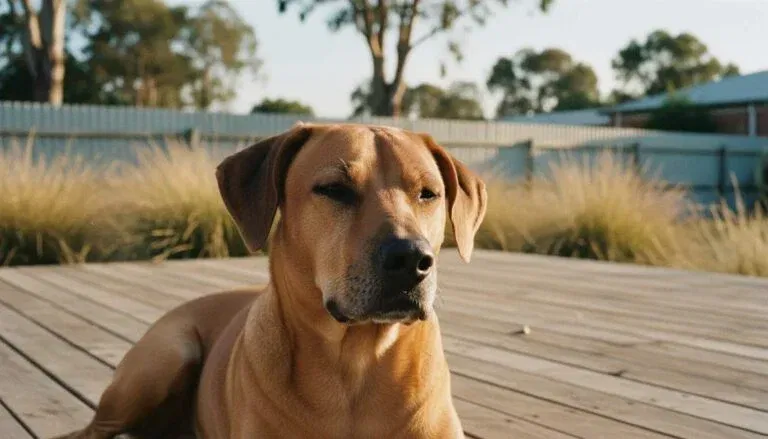
There’s a particular kind of confidence that comes with a Rhodesian Ridgeback walking beside you. Not arrogance — more like quiet authority. This is a dog that was bred to track lions across the African savanna, and it carries that history in every measured stride. The ridge of backward-growing hair along its spine isn’t just a quirky coat pattern — it’s the signature of one of the most capable and dignified breeds you’ll ever share a couch with.
But here’s where it gets real: the Rhodesian Ridgeback is not a dog for everyone. They’re independent thinkers who’d rather negotiate than obey, athletic enough to run beside a horse for kilometres, and strong-willed enough to test even experienced owners. In Australia, they’ve steadily grown in popularity — but too many end up in rescue because people underestimate what “lion dog” actually means in a suburban backyard.
This guide strips away the romanticised nonsense and gives you what you actually need: honest temperament insights, real Australian pricing, verified health data, and a clear picture of whether this magnificent breed belongs in your life.
What You’ll Learn
- Breed traits & temperament
- Health concerns to know
- True cost in Australia
- Training & exercise needs
- Is this breed right for you?
Quick Facts at a Glance
| Attribute | Details |
|---|---|
| Breed Group | Hound (ANKC Group 4) |
| Origin | Southern Africa (Zimbabwe / South Africa) |
| Height (Male) | 63–69 cm (25–27 inches) |
| Height (Female) | 61–66 cm (24–26 inches) |
| Weight (Male) | 36–41 kg (80–90 lb) |
| Weight (Female) | 29–34 kg (64–75 lb) |
| Lifespan | 10–12 years |
| Coat | Short, dense, sleek — light wheaten to red wheaten |
| Shedding | Low to moderate; year-round with seasonal increases |
| Temperament | Dignified, loyal, independent, aloof with strangers |
| Exercise Needs | High — minimum 1.5–2 hours daily |
| Good with Kids | Yes, with supervision (large breed — can knock small children) |
| Puppy Price (AUD) | $1,500–$4,000+ from registered ANKC breeders |
| First Arrived in Australia | 1966 |
History & Origins
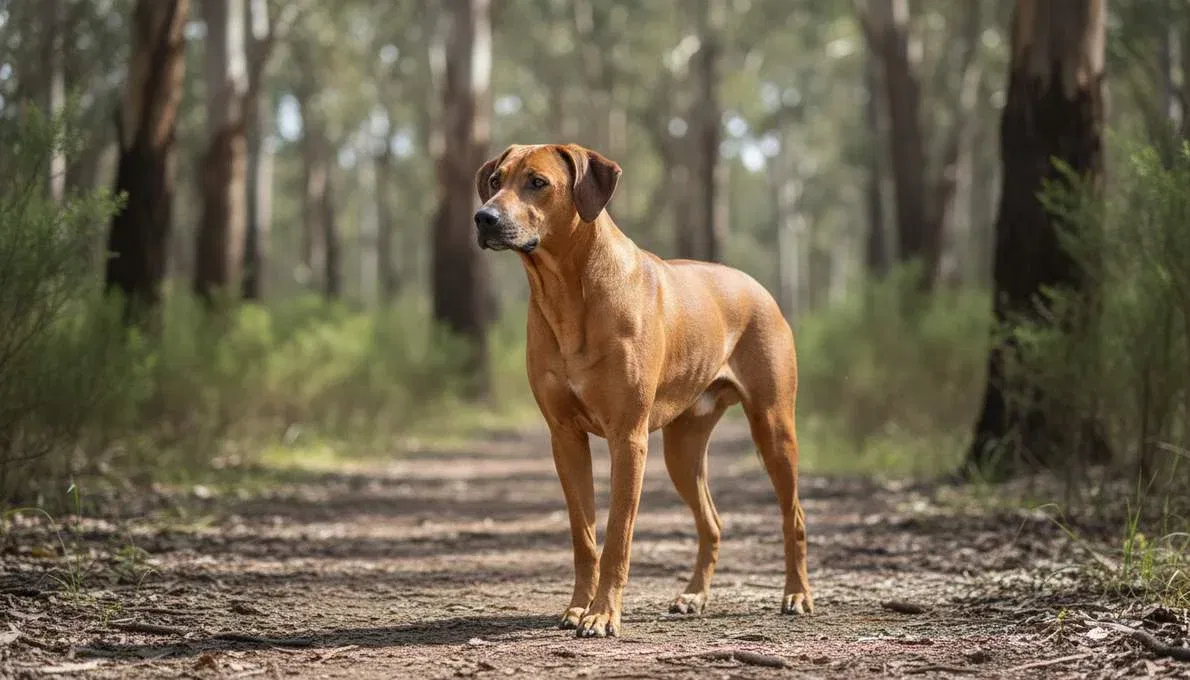
The Rhodesian Ridgeback’s story begins long before colonial hunters arrived in southern Africa. The Khoikhoi people of the Cape Peninsula had been keeping semi-domesticated hunting dogs for centuries — lean, ridged-back dogs described by early European traders as “absolutely fearless” when guarding camps and tracking game. That distinctive ridge of backward-growing hair? It came from these indigenous dogs, not from any European breed.
When Dutch settlers arrived at the Cape in the mid-1600s, they brought European breeds with them: Great Danes, Mastiffs, Greyhounds, and Bloodhounds. Over the next two centuries, these were crossed with the Khoikhoi’s ridged dogs to create a versatile hunting companion that could handle the brutal African terrain, temperature swings from scorching days to freezing nights, limited water, and the constant threat of predators.
The breed we recognise today was shaped in the late 1800s by big-game hunter Cornelius van Rooyen in Rhodesia (now Zimbabwe). Van Rooyen used these dogs to track and bay lions — holding them at a distance until hunters arrived. Importantly, the Rhodesian Ridgeback never killed lions. Their role was to use their speed, agility, and sheer bravery to keep the lion cornered and distracted. That’s where the nickname “African Lion Dog” or “Lion Hound” comes from.
The first breed standard was written by F.R. Barnes in Bulawayo in 1922 and approved by the South African Kennel Union in 1927. The standard has barely changed since. The first Rhodesian Ridgeback arrived in Australia in 1966, and the breed has steadily built a devoted following here, with around 80 registered ANKC breeders currently active across the country.
Temperament & Personality
If you’ve ever met a Rhodesian Ridgeback, you’ll know they have a presence. They don’t bound up to strangers wagging their tails like a Labrador. Instead, they’ll assess you quietly, decide whether you’re worth their time, and then either acknowledge you with a dignified sniff or ignore you entirely. This aloofness with strangers is a core breed trait, not a flaw.
With their own family, though, it’s a completely different story. Rhodesian Ridgebacks are deeply affectionate — the kind of dog that leans their entire 40-kilogram body against your legs, drapes across your lap on the couch (yes, they think they’re lapdogs), and follows you from room to room. They form incredibly strong bonds with their people and can be genuinely sensitive to their owner’s mood.
The ANKC breed standard describes their temperament as “dignified, intelligent, aloof with strangers, but showing no aggression or shyness.” That’s accurate, but it undersells the stubbornness. Ridgebacks are independent thinkers bred to make decisions on their own while tracking dangerous game. Give them a command they don’t see the point of, and they’ll look at you as if to say, “I heard you. I’m choosing not to.”
Short answer: yes, naturally. They have a deep, authoritative bark that they use sparingly — only when something genuinely seems off. Ridgebacks rarely bark without reason, which makes it all the more effective when they do. Their size, confidence, and natural protectiveness make them excellent deterrent dogs. They won’t attack unprovoked, but they will position themselves between their family and a perceived threat without being told to.
Ridgebacks are generally patient and tolerant with children, especially kids they’ve grown up with. They’ll put up with a surprising amount of toddler-level handling. However, their sheer size means they can accidentally knock small children over during excited moments, so supervision is always necessary with younger kids. Teaching children how to interact respectfully with any large dog is non-negotiable.
No — not when properly bred and socialised. The breed isn’t inherently aggressive, but they are protective and can be dominant if not trained from a young age. Poorly socialised Ridgebacks, or those from irresponsible breeders who don’t screen for temperament, can develop reactivity or territorial behaviour. This is a breed where buying from a registered ANKC breeder and investing in early socialisation genuinely matters.
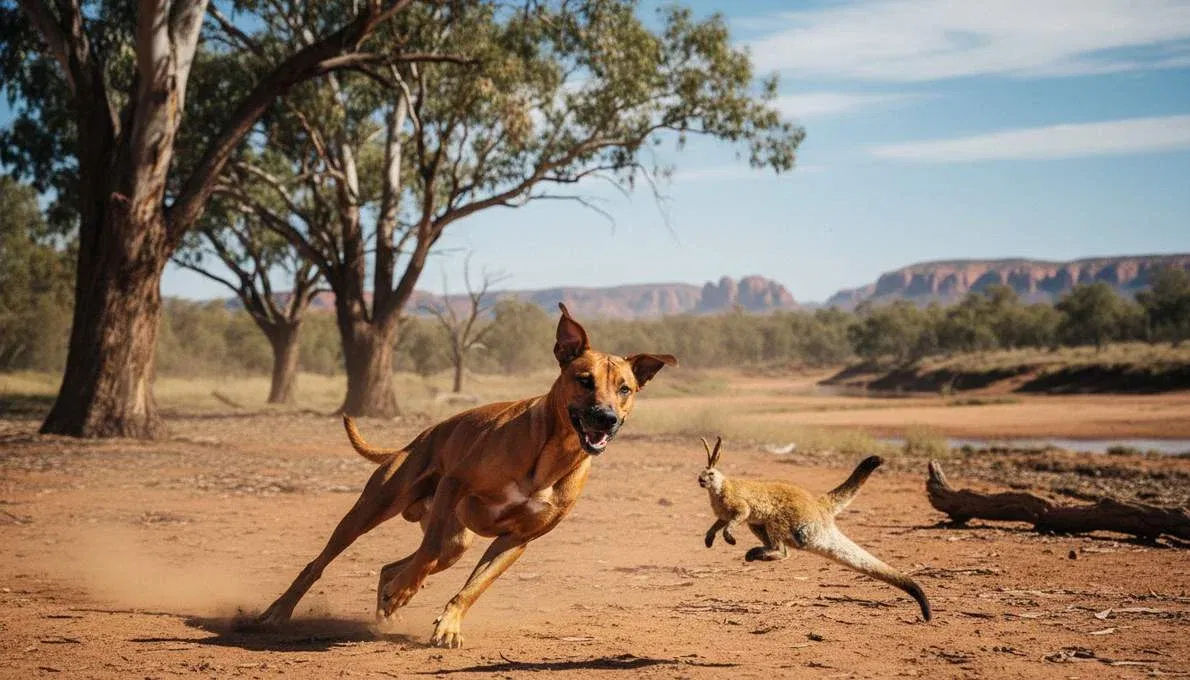
This is where the lion-hunting heritage shows up in everyday life. Rhodesian Ridgebacks have a strong prey drive. If they’re raised with cats from puppyhood, they can learn to coexist peacefully — many Ridgeback owners report their dogs ignoring or even befriending household cats. But a Ridgeback that hasn’t been socialised with cats may see them as something to chase. Small animals like rabbits and guinea pigs should always be kept secured and separate.
Health & Genetic Conditions
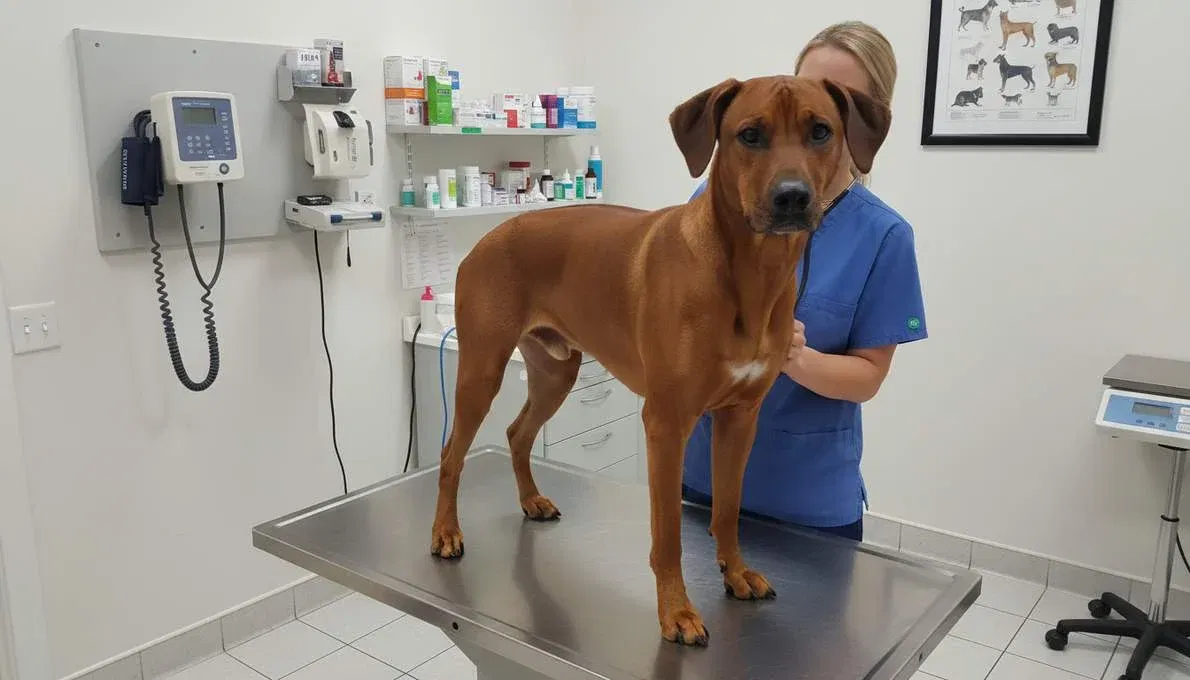
No breed is immune to health problems, and being honest about the Rhodesian Ridgeback’s vulnerabilities helps you plan ahead financially and emotionally. The good news is that Ridgebacks are generally a hardy, athletic breed. The not-so-good news is that certain conditions are more common in this breed than others.
Prevalence: This is a breed-defining health concern found almost exclusively in Rhodesian Ridgebacks. A study analysing 12,700 puppies across 1,622 litters in Germany found an overall prevalence of 2.53%, with a heritability estimate of 0.78 — meaning genetics account for nearly 80% of the risk. [PubMed – Dermoid Sinus Study] It is a congenital defect present at birth, where a tube-like channel forms under the skin along the spine when the skin and underlying tissue fail to fully separate during development. [Gallant] Debris and bacteria can collect inside, causing abscesses or — in the worst cases — infections that reach the spinal canal. [ManyPets]
Symptoms: It may appear as a small dimple, tuft of hair, or narrow skin opening along the top of the neck, back, or near the base of the tail. [Gallant] As the dog grows, recurring infections around the area, swelling, or discharge can develop. [ManyPets] In severe cases where the sinus extends deep toward the spine, neurological symptoms — weakness, stumbling, or loss of bladder control — can appear. [ManyPets]
Treatment Cost (AUD): CT or MRI imaging is needed before surgery to assess how deep the sinus extends — this alone can cost $1,000–$2,500. [petinsurance.com.au] Surgical removal, ideally done early in puppyhood before infections develop, typically runs $2,000–$5,000 AUD depending on complexity. [petinsurance.com.au] Dogs treated promptly go on to live completely normal, healthy lives. [Gallant]
Prevention: Reputable breeders check every puppy carefully before sale and do not breed from affected dogs. [ManyPets] Ask your breeder whether puppies have been assessed by a vet before going to their new homes, and run your own fingers gently along the puppy’s spine before committing — a responsible breeder will welcome this. [RRCUS Health Screenings]
Prevalence: Both hip and elbow dysplasia are well-documented inherited joint conditions in Rhodesian Ridgebacks, and the Rhodesian Ridgeback Club of the United States (RRCUS) includes OFA hip and elbow evaluation as a required health clearance for all breeding dogs. [RRCUS Health Screenings] The genes responsible are polygenetic — meaning multiple genes from both parents contribute — so even two healthy-looking parents can produce affected offspring without proper screening. [RRCUS Health Screenings] Elbow dysplasia is also the most common cause of forelimb lameness in dogs of this size. [ManyPets]
Symptoms: Stiffness after rest, reluctance to climb stairs or jump into the car, a swaying or “bunny hop” gait when running, and visible loss of muscle in the back or front legs over time. [iHeartDogs] Elbow dysplasia typically shows up earlier — between 4 and 18 months — with intermittent forelimb lameness that worsens after exercise. [Dogster] Both conditions almost always lead to arthritis without proper management. [ManyPets]
Treatment Cost (AUD): Mild to moderate cases are managed with joint supplements, anti-inflammatory medication, hydrotherapy, and weight control at an ongoing cost of $500–$2,000 per year. [petinsurance.com.au] Surgical correction for severe cases runs $3,000–$8,000+ per joint for a dog of this size, and some dogs require treatment in multiple joints. [petinsurance.com.au]
Prevention: Always ask to see OFA or PennHIP clearance certificates for both parents’ hips and elbows before buying a puppy. [RRCUS Health Screenings] Avoid overfeeding a growing Ridgeback — rapid weight gain during the first 12–18 months puts significant stress on joints that are still forming. [OFA hip health]
Prevalence: The Rhodesian Ridgeback’s deep, narrow chest puts it firmly in the high-risk category for GDV — a life-threatening emergency where the stomach fills with gas and twists on itself, cutting off blood supply to surrounding organs. [Pet Insurance Review] Without immediate surgical intervention it is fatal, and symptoms can escalate from mild distress to collapse in a matter of hours. [VCA Hospitals] There is also a hereditary component, meaning lines with a history of bloat carry higher risk. [ManyPets]
Symptoms: A visibly swollen or hard belly, repeated unsuccessful attempts to vomit, excessive drooling, obvious restlessness, laboured breathing, and a dog that cannot settle or lie comfortably. [iHeartDogs] If you notice these signs, treat it as an emergency and head straight to a vet — do not wait to see if it improves on its own. [VCA Hospitals]
Treatment Cost (AUD): Emergency surgery costs $3,000–$8,000+ AUD depending on how quickly the dog is treated and whether any tissue damage has occurred. [petinsurance.com.au] A preventive procedure called a gastropexy — where the stomach is surgically tacked to the abdominal wall to prevent it from twisting — can be done at the time of desexing and is worth discussing with your vet for this breed. [ManyPets]
Prevention: Feed your Ridgeback two to three smaller meals a day rather than one large feed. [AKC bloat guide] Avoid any vigorous exercise for at least an hour before and after meals. [ManyPets] Ask your vet about a prophylactic gastropexy at the time of desexing — for deep-chested breeds this is a genuinely worthwhile conversation. [Pet Insurance Review]
Prevalence: JME is an inherited epilepsy caused by a mutation of the DIRAS1 gene and is found exclusively in Rhodesian Ridgebacks. [Animal Genetics] Research has identified a carrier rate of around 15% in the breed, and a separate cohort study of 400 Ridgebacks found approximately 6% were carriers. [AnimaLabs] [GenoCan] Both parents must carry the faulty gene to produce an affected puppy, meaning a carrier bred to a clear dog poses no risk to offspring. [ManyPets]
Symptoms: Affected dogs develop frequent muscle jerks and twitches — often described by owners as resembling a sudden electric shock — starting anywhere between 6 weeks and 18 months of age. [CombiBreed] Jerks tend to happen when the dog is relaxed, drowsy, or falling asleep, and can be triggered by flashing light in around 35% of cases. [AnimaLabs] The condition worsens over time and progresses to full seizures — many affected dogs are euthanised when quality of life deteriorates. [Animal Genetics]
Treatment Cost (AUD): There is no cure. Anti-seizure medication can provide some relief and is used in dogs where quality of life remains reasonable, costing $500–$2,000/year. [petinsurance.com.au] The DNA test to identify carrier or clear status costs around $100–$200 AUD per dog through an accredited laboratory. [petinsurance.com.au]
Prevention: Ask your breeder for a JME DNA test result for both parents before purchasing a puppy. [RRCUS Health Screenings] Two carriers must never be bred together. [ManyPets] A carrier dog can still be bred safely, but only when paired with a dog that tests clear — this combination cannot produce affected puppies. [AnimaLabs]
Prevalence: Lymphocytic thyroiditis — an immune-mediated form of hypothyroidism — is specifically flagged by the RRCUS as a significant concern in this breed, and the club recommends annual thyroid blood panels on all breeding dogs from age 1 to 6, with a final check at age 8. [RRCUS Health Screenings] It typically develops in dogs aged 4–10 years and has a clear hereditary component. [Dogster] The RRCUS also recommends testing for the TgAA antibody — even dogs with currently normal thyroid levels that test positive for this antibody are considered at risk and should not be used in breeding. [RRCUS Health Screenings]
Symptoms: Gradual weight gain without eating more, low energy, a dull or thinning coat, dry skin, feeling cold easily, and a noticeably flat personality compared to the Ridgeback’s usual active and alert nature. [iHeartDogs] Recurring skin infections alongside these signs are another common red flag. [iHeartDogs] A simple blood test confirms the diagnosis. [Gallant]
Treatment Cost (AUD): A daily thyroid tablet (levothyroxine) is the standard treatment and costs around $300–$700/year — affordable and effective for life. [Gallant] Most Ridgebacks see a clear improvement in energy and coat quality within weeks of finding the right dose. [Gallant]
Prevention: Ask for OFA thyroid clearance on both parents. [RRCUS Health Screenings] Annual blood panels from around age 3–4 onwards give the best chance of catching it before symptoms become obvious and affect day-to-day quality of life. [OFA thyroid registry]
Prevalence: Degenerative myelopathy is a progressive spinal cord disease documented in Rhodesian Ridgebacks that tends to appear in older dogs. [iHeartDogs] It is caused by a known genetic mutation and a DNA test is available through the OFA, allowing breeders to identify clear, carrier, and at-risk dogs before breeding. [OFA DM testing] Dogs that test as “at risk” (two copies of the mutation) have a significantly higher likelihood of developing the condition as they age. [OFA DM testing]
Symptoms: The first signs are weakness and wobbling in the back legs — your Ridgeback may drag their feet when walking, stumble on uneven ground, or struggle to get up from rest. [iHeartDogs] Over months this progresses to full paralysis of the hind limbs. The condition is not painful, but it is irreversible and has no cure. [Pet Insurance Review]
Treatment Cost (AUD): $500–$3,000+ for specialist neurology consultations, physiotherapy, and mobility aids such as a dog wheelchair in later stages. [petinsurance.com.au] There is no medication to slow or stop the progression — management focuses on keeping the dog comfortable and mobile for as long as possible. [Pet Insurance Review]
Prevention: Ask your breeder for a DM DNA test result confirming both parents have been tested. [OFA DM testing] Dogs that test “at risk” should not be bred. Annual vet checks from around age 7 onwards allow any early gait changes to be caught and managed sooner rather than later. [iHeartDogs]
Lifespan & Longevity
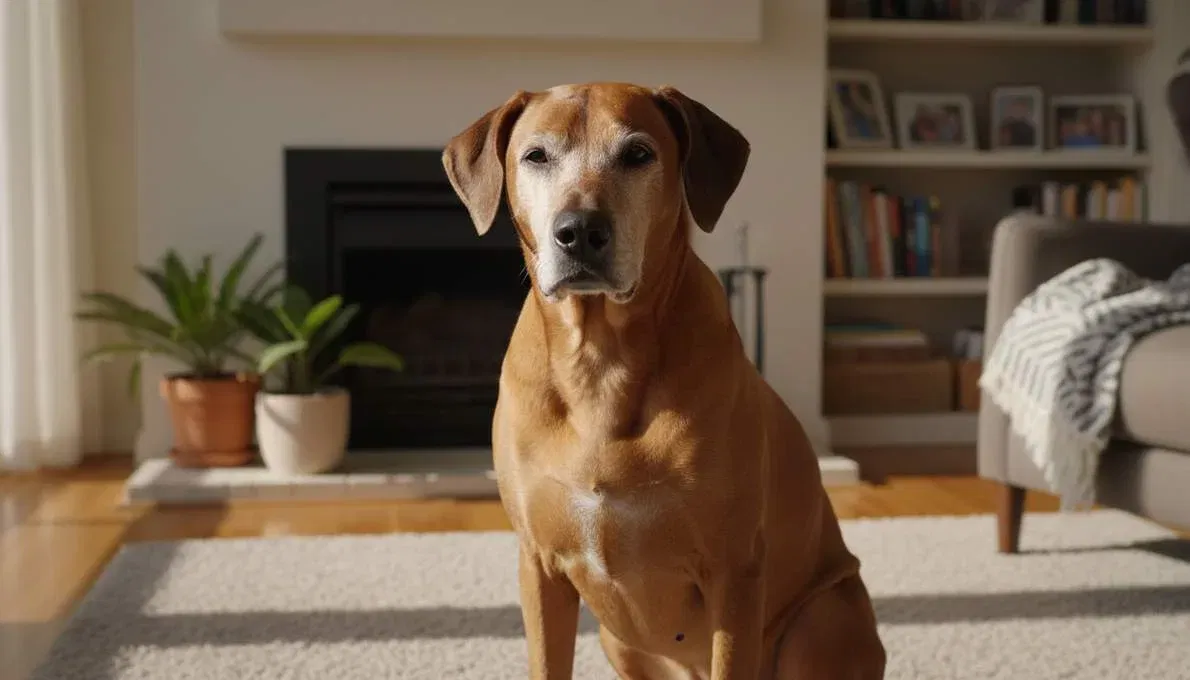
The average Rhodesian Ridgeback lifespan is 10 to 12 years, which is fairly standard for a large breed. Some well-cared-for Ridgebacks have been known to reach 13–14, though this isn’t typical. Dogs Australia notes that “many have reached the age of 15 years,” but that’s the exception rather than the rule.
What Affects Lifespan
Genetics play a significant role — buying from health-tested parents gives your dog the best start. Beyond genetics, the biggest factors are diet quality, maintaining a healthy weight (obesity shortens large-breed lifespans significantly), consistent exercise, preventative veterinary care, and dental health. In Australian conditions, heat management is also important, as Ridgebacks can overheat during extreme summer temperatures.
Age-Specific Care Tips
| Life Stage | Key Focus Areas |
| Puppy (0–12 months) | Controlled exercise (no long runs or jumping); socialisation window closes at 16 weeks; large-breed puppy food for steady growth |
| Adolescent (1–3 years) | Obedience training reinforcement; increase exercise gradually; first hip/elbow screening after 12 months |
| Adult (3–7 years) | Peak fitness; annual health checks; dental cleaning; weight monitoring |
| Senior (7+ years) | Twice-yearly vet visits; joint supplements; thyroid monitoring; softer bedding; reduced high-impact exercise |
Grooming & Care
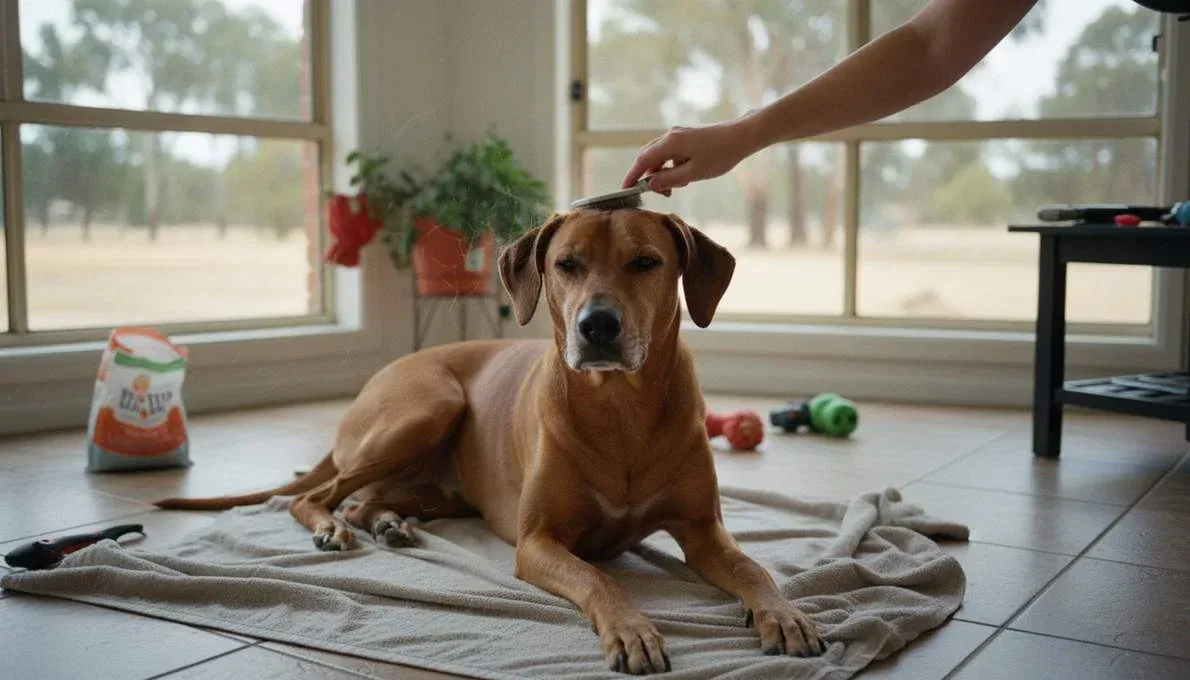
If you’re coming from a long-coated breed, the Rhodesian Ridgeback’s grooming needs will feel like a holiday. Their short, dense coat is genuinely low-maintenance. But “low-maintenance” doesn’t mean “no maintenance.”
Shedding
Rhodesian Ridgebacks shed. Not dramatically — you won’t be pulling tumbleweeds of fur from your couch like you would with a Husky — but those short wheaten hairs embed themselves in upholstery and clothes with surprising tenacity. Shedding increases seasonally, particularly heading into summer and winter. A weekly brush with a rubber curry comb or bristle brush keeps it manageable.
| Grooming Task | Frequency | Notes |
| Coat Brushing | Weekly | Rubber curry comb or bristle brush; daily during shedding season |
| Bathing | Every 6–8 weeks | Only when needed; overbathing strips natural oils |
| Nail Trimming | Every 2–3 weeks | Many Ridgebacks dislike clippers — try a nail grinder |
| Ear Cleaning | Weekly | Floppy ears trap moisture; check for redness or odour |
| Teeth Brushing | 2–3 times weekly | Daily is ideal; use dog-specific enzymatic toothpaste |
| Tick & Flea Prevention | Monthly | Critical in Australian conditions; paralysis ticks are a real threat in QLD/NSW coastal areas |
Exercise Needs
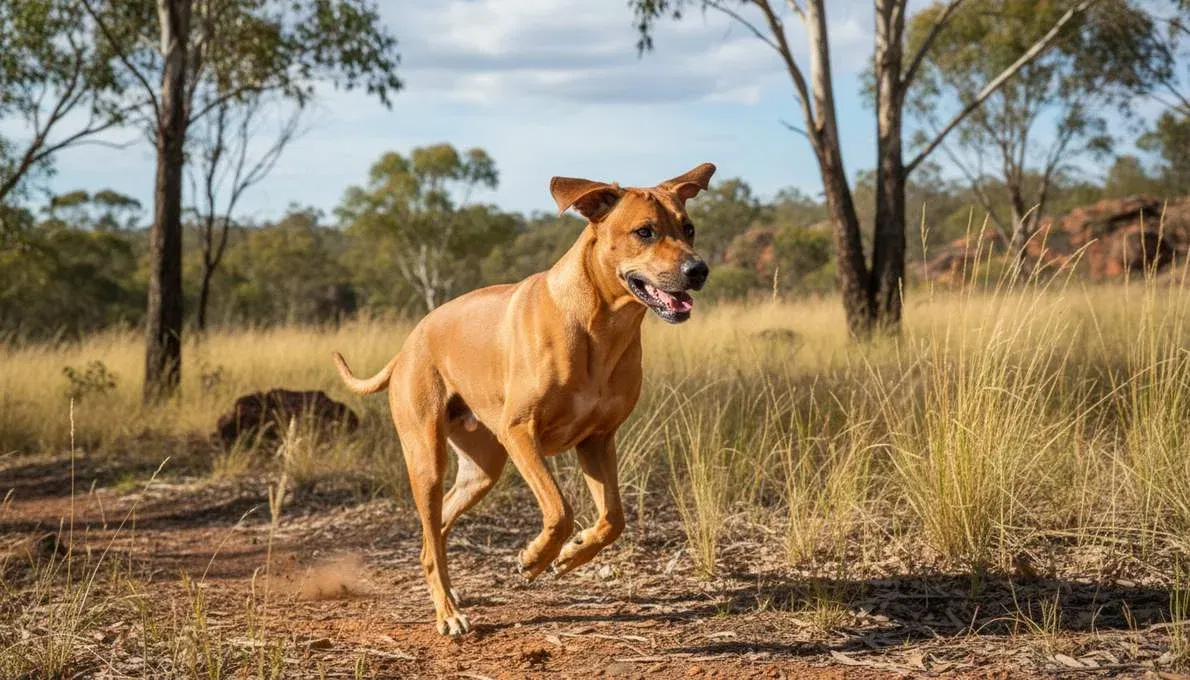
Rhodesian Ridgebacks were bred to run alongside horses for hours across the African bush. That endurance doesn’t disappear because your dog lives in a suburban house. A bored, under-exercised Ridgeback will find creative ways to entertain themselves — usually involving your garden, your furniture, or your fence.
Plan for a minimum of 1.5 to 2 hours of exercise daily. This should include a combination of structured walks, off-lead running in secure areas, and mental stimulation. Ridgebacks excel at lure coursing, tracking, and agility — activities that engage both their body and their brain.
Australian Climate Considerations
Australia’s heat is the biggest exercise concern for Ridgeback owners. Despite their African origins, Rhodesian Ridgebacks can overheat in extreme Australian summers, especially in Northern QLD, NT, and inland areas. During hot months, exercise should be restricted to early morning and late evening. Always carry water, watch for signs of heat stress (excessive panting, drooling, stumbling), and provide shade and cool areas at home. Never exercise your Ridgeback on hot pavement — if the road is too hot for your bare hand, it’s too hot for their paws.
In cooler months and milder climates like Melbourne, Hobart, and Adelaide, Ridgebacks thrive with longer hikes, beach runs, and outdoor adventures. They’re natural athletes and genuinely enjoy physical challenges.
Puppy Exercise Warning
Ridgeback puppies grow fast — too fast for their developing joints if over-exercised. Until 12–18 months of age, avoid long runs, repetitive jumping, and forced exercise on hard surfaces. The general rule is 5 minutes of structured exercise per month of age, twice daily. Free play on soft ground is fine.
Training Guide
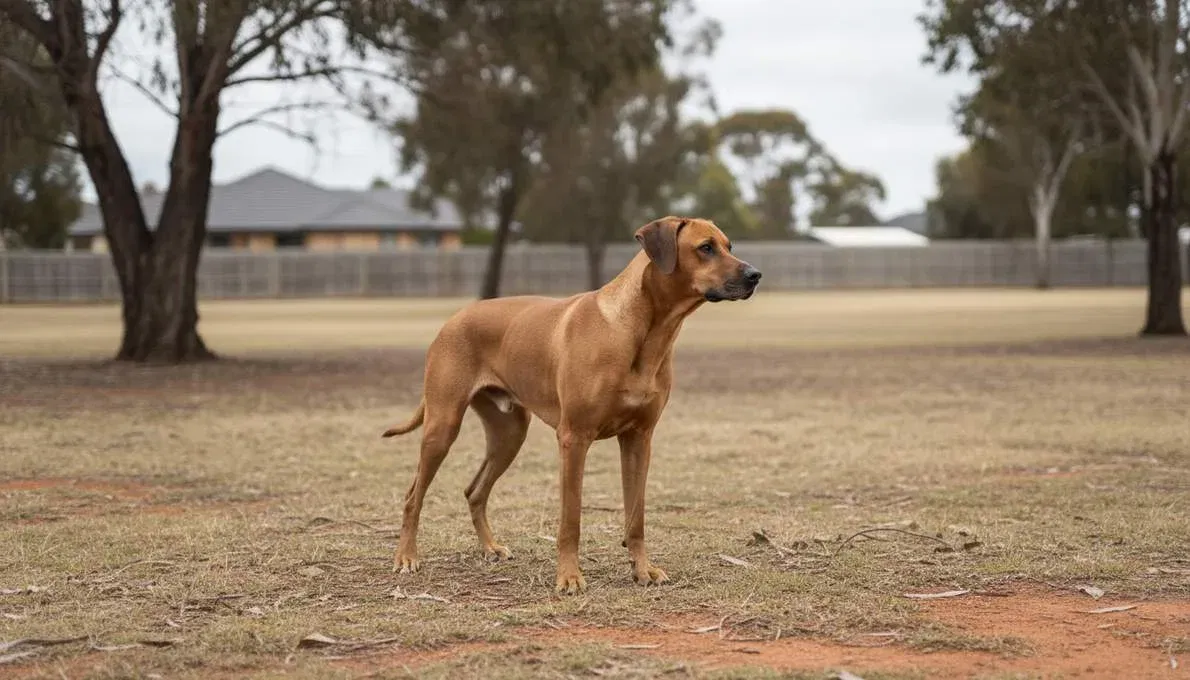
Training a Rhodesian Ridgeback isn’t like training a Golden Retriever. Retrievers want to please you. Ridgebacks want to know what’s in it for them. This isn’t a deficiency — it’s a feature of a breed that was built to think independently in life-or-death situations. But it does mean you need a different approach.
Positive reinforcement works best. Harsh corrections will make a Ridgeback shut down or become resentful — the original breed standard specifically warned that “rough treatment should never be administered to these dogs.” Use high-value treats, keep sessions short and varied, and be consistently firm without being forceful.
Honest Training Difficulty
On a scale of 1 to 10, training difficulty sits around 7. Ridgebacks are intelligent and capable learners, but their independence means they’ll test boundaries repeatedly, especially during adolescence (roughly 8 months to 2.5 years). Early socialisation — exposing your puppy to different people, dogs, environments, and sounds before 16 weeks — is absolutely critical. A well-socialised Ridgeback is a confident, stable adult. A poorly socialised one can become anxious, reactive, or overly protective.
| Age | Training Focus |
| 8–16 weeks | Socialisation priority; name recognition; basic sit, stay, come; crate training; bite inhibition |
| 4–6 months | Puppy school; leash manners (critical — they’ll be strong pullers); recall reinforcement; impulse control games |
| 6–12 months | Adolescent rebellion begins; reinforce basics daily; introduce “leave it” and “drop” commands; continue socialisation |
| 1–2 years | Advanced obedience; off-lead reliability (only in safe areas); introduce dog sports; manage selective hearing |
| 2+ years | Ongoing reinforcement; mental enrichment; trick training; they mature slowly — true calmness comes around age 3–4 |
Cost of Ownership in Australia
Rhodesian Ridgebacks are not a cheap breed to own. Between the purchase price, food for a large athletic dog, and potential health costs, you should have a clear financial picture before committing.
Purchase Price
From a registered ANKC breeder in Australia, expect to pay between $1,500 and $4,000 for a Rhodesian Ridgeback puppy. Show-quality puppies from champion bloodlines can exceed $4,000. Some established kennels with extensive health testing and waiting lists price their puppies at $4,500+. There are approximately 80 registered Rhodesian Ridgeback breeders across Australia, so you may need to join a waiting list.
Adoption through rescue organisations typically costs $200 to $1,000, which usually includes desexing, vaccinations, and microchipping. Rhodesian Ridgeback-specific rescue groups operate in most states.
Ongoing Annual Costs
| Expense | Annual Estimate (AUD) | Notes |
| Premium Dog Food | $1,200–$2,000 | Large breed; 2–3 cups/day |
| Veterinary Care (routine) | $400–$800 | Annual check, vaccines, parasite prevention |
| Pet Insurance | $600–$1,500 | Highly recommended for this breed |
| Council Registration | $30–$200 | Varies by council; desexed discount |
| Grooming | $100–$300 | Low-maintenance coat; mostly DIY |
| Toys, Beds, Accessories | $200–$500 | Large breed gear costs more |
| Training / Puppy School | $200–$600 | First year; ongoing classes optional |
| TOTAL (first year) | $4,500–$10,000+ | Including purchase price |
| TOTAL (ongoing per year) | $2,700–$5,700 | Excluding unexpected vet bills |
Finding a Breeder
Start with your state’s Rhodesian Ridgeback breed club: the Rhodesian Ridgeback Club of QLD, VIC, SA, WA, and NSW all maintain breeder directories and can point you to ethical, health-testing breeders. Dogs Australia (dogsaustralia.org.au) lists registered ANKC breeders by state. Always ask to see hip and elbow scores, DM and JME DNA results, and evidence of dermoid sinus screening.
Rescue & Adoption
If your heart is set on a Ridgeback but you’d prefer to adopt, Rhodesian Ridgeback rescue organisations operate across Australia. These dogs are often surrendered due to lifestyle changes, not behavioural problems. Rescued Ridgebacks can make wonderful companions, though they may need extra patience during the settling-in period.

Is the Rhodesian Ridgeback Right for You?
You have experience with large, independent breeds (or you’re willing to invest heavily in training). You have a securely fenced yard — Ridgebacks can be escape artists. You lead an active lifestyle and can commit to 1.5–2 hours of daily exercise. You want a loyal, calm companion that doubles as a natural watchdog. You’re prepared for the financial commitment of a large breed, including pet insurance.
You’re a first-time dog owner who isn’t prepared for a strong-willed breed. You work long hours and the dog will be left alone for extended periods — Ridgebacks can develop separation anxiety. You live in a small apartment without outdoor access. You have small pets (rabbits, guinea pigs) that can’t be kept securely separated. You want a dog that obeys instantly without question — that’s a German Shepherd, not a Ridgeback. You’re not prepared to manage a dog with a high prey drive around wildlife and small animals.
Rhodesian Ridgeback cross breeds are increasingly common in Australia. Popular crosses include the Rhodesian Ridgeback x Staffy, Rhodesian Ridgeback x Mastiff, Rhodesian Ridgeback x Labrador, Rhodesian Ridgeback x Rottweiler, Rhodesian Ridgeback x Great Dane, and Rhodesian Ridgeback x Pitbull. While crossbreeds can inherit wonderful traits from both parents, they’re unpredictable in terms of temperament, size, and health. If you’re set on a specific temperament profile, a purebred from health-tested parents is a safer bet. Many crosses end up in rescue, so adoption is always worth exploring.
The Rhodesian Ridgeback is a magnificent, athletic, deeply loyal breed that rewards the right owner with unwavering companionship and quiet dignity. They are not starter dogs, they’re not low-maintenance, and they’re not for people who want blind obedience.
Here’s what it comes down to:
They’re one of the most loyal and protective breeds you can own — a natural guardian that rarely barks without reason.
They require experienced, consistent handling, genuine daily exercise, and early socialisation to reach their potential.
Budget realistically: $2,700–$5,700 per year in ongoing costs, plus $1,500–$4,000+ for the puppy, and always have an emergency vet fund.
If you can meet those requirements, a Rhodesian Ridgeback won’t just be your dog — they’ll be your shadow, your protector, and the most dignified couch potato you’ve ever seen.
Frequently Asked Questions
How much does a Rhodesian Ridgeback cost in Australia?
Expect to pay $1,500 to $4,000+ from a registered ANKC breeder. Show-quality puppies from champion lines can exceed $4,500. Adoption through rescue typically costs $200–$1,000.
Are Rhodesian Ridgebacks good family dogs?
Yes, when properly socialised. They’re patient with children and protective of their family. However, their size means supervision is needed with young kids, and their independent nature requires experienced handling.
Do Rhodesian Ridgebacks shed a lot?
They shed moderately. Their short coat doesn’t mat, but the fine hairs stick to everything. Weekly brushing and regular vacuuming keeps it manageable.
How long do Rhodesian Ridgebacks live?
The average Rhodesian Ridgeback lifespan is 10 to 12 years. With excellent care, some reach 13–14. Buying from health-tested parents gives your dog the best chance at a long life.
Are Rhodesian Ridgebacks dangerous or aggressive?
Not inherently. They’re protective and reserved with strangers, which is often misread as aggression. Proper socialisation, responsible breeding, and consistent training produce stable, confident dogs. Poorly bred or unsocialised dogs from any breed can develop behavioural issues.
What is the ridge on a Rhodesian Ridgeback?
The ridge is a strip of hair along the dog’s back that grows in the opposite direction to the rest of the coat. It starts behind the shoulders and tapers toward the hips, with two symmetrical whorls (crowns) at the top. It’s caused by a genetic mutation inherited from indigenous African dogs and is the breed’s defining feature.
Can Rhodesian Ridgebacks live in apartments?
It’s not ideal. They’re large, athletic dogs that need space to move and a secure yard to relax in. If you live in an apartment, you’d need to commit to extensive daily exercise outside the home and provide plenty of mental enrichment.
How much exercise does a Rhodesian Ridgeback need?
A minimum of 1.5 to 2 hours daily, including walks, running, and mental stimulation. Under-exercised Ridgebacks become destructive and restless. They excel at dog sports like lure coursing, tracking, and agility.
Are Rhodesian Ridgebacks hypoallergenic?
No. While their short coat produces less dander than some breeds, they are not hypoallergenic. They shed year-round and produce the same allergens as other dog breeds.
What were Rhodesian Ridgebacks originally bred for?
They were bred in southern Africa to track and bay (hold at bay) lions for big-game hunters — hence the nickname African Lion Dog. They also served as farm guardians and family protectors. They never killed lions; their role was to use speed and courage to corner the lion until hunters arrived.
1. Dogs Australia — Rhodesian Ridgeback Breed Profile — https://dogsaustralia.org.au/BrowseBreed/browse-a-breed/116/Rhodesian-Ridgeback/
2. National Rhodesian Ridgeback Council Australia — Breed Standard — https://www.nrrcaustralia.org/breed-standard
3. Rhodesian Ridgeback Club of South Australia — Puppies & Health Testing — https://www.rrclubsa.com/puppies
4. PetMD — Rhodesian Ridgeback Dog Breed Health and Care — https://www.petmd.com/dog/breeds/rhodesian-ridgeback
5. UFAW — Rhodesian Ridgeback: Dermoid Sinus — https://www.ufaw.org.uk/dogs/rhodesian-ridgeback-dermoid-sinus
6. PubMed — Prevalence and segregation analysis of dermoid sinus in Rhodesian Ridgebacks (2022) — https://pubmed.ncbi.nlm.nih.gov/35150843/
7. American Kennel Club — Rhodesian Ridgeback Breed Information — https://www.akc.org/dog-breeds/rhodesian-ridgeback/
8. Rhodesian Ridgeback Club of the United States — Dermoid Sinus — https://www.rrcus.org/Dermoid