
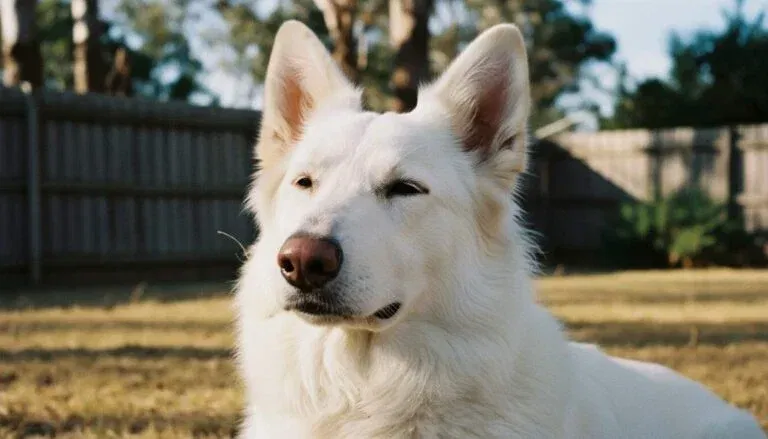
Look at a White Swiss Shepherd and your first thought is obvious: that’s a white German Shepherd. You’re not entirely wrong — the two breeds share DNA, history, and a silhouette that’s hard to tell apart from across a park. But spend ten minutes with a White Swiss Shepherd dog and you’ll notice the differences. A softer temperament. A calmer energy. Less intensity, more willingness to please. The White Swiss Shepherd is the German Shepherd’s more relaxed cousin — all the intelligence, loyalty, and working ability, with the volume turned down a notch.
Also known as the Berger Blanc Suisse, this breed exists because white-coated German Shepherds were unfairly banned from the GSD standard in the 1960s. Dedicated breeders — first in the United States, then in Switzerland — kept the white dogs going and eventually developed them into a recognised breed in their own right. The White Swiss Shepherd was officially recognised by the FCI in 2002, the UK Kennel Club in 2017, and has been on the ANKC register since 2008.
This guide covers what actually separates the White Swiss Shepherd from a white German Shepherd, realistic Australian ownership costs, the health tests you need to insist on, and why the MDR1 gene mutation is something every owner must understand before their first vet visit.
What You’ll Learn
- Breed traits & temperament
- Health concerns to know
- True cost in Australia
- Training & exercise needs
- Is this breed right for you?
Quick Facts at a Glance
| Trait | Details |
|---|---|
| Breed Group | Pastoral / Herding (ANKC Group 5) |
| Origin | Switzerland (developed from white German Shepherd lines originating in the US) |
| Size | Large: Males 60–66 cm (23.5–26 in), Females 55–61 cm (21.5–24 in) |
| Weight | 25–40 kg (55–88 lbs) |
| Coat | Dense double coat — medium or long; straight to slightly wavy |
| Colour | White only (shades from bright white to ivory/cream) |
| Lifespan | 12–14 years |
| Temperament | Intelligent, loyal, gentle, alert, protective, calmer than GSD |
| Exercise Needs | 1.5–2+ hours daily (physical + mental stimulation) |
| Shedding | Heavy — year-round with seasonal “coat blows” |
| Good With Kids | Excellent — patient and protective |
| Apartment Friendly | Not ideal — needs space and a yard |
| Hypoallergenic | No — heavy shedder |
History & Origins
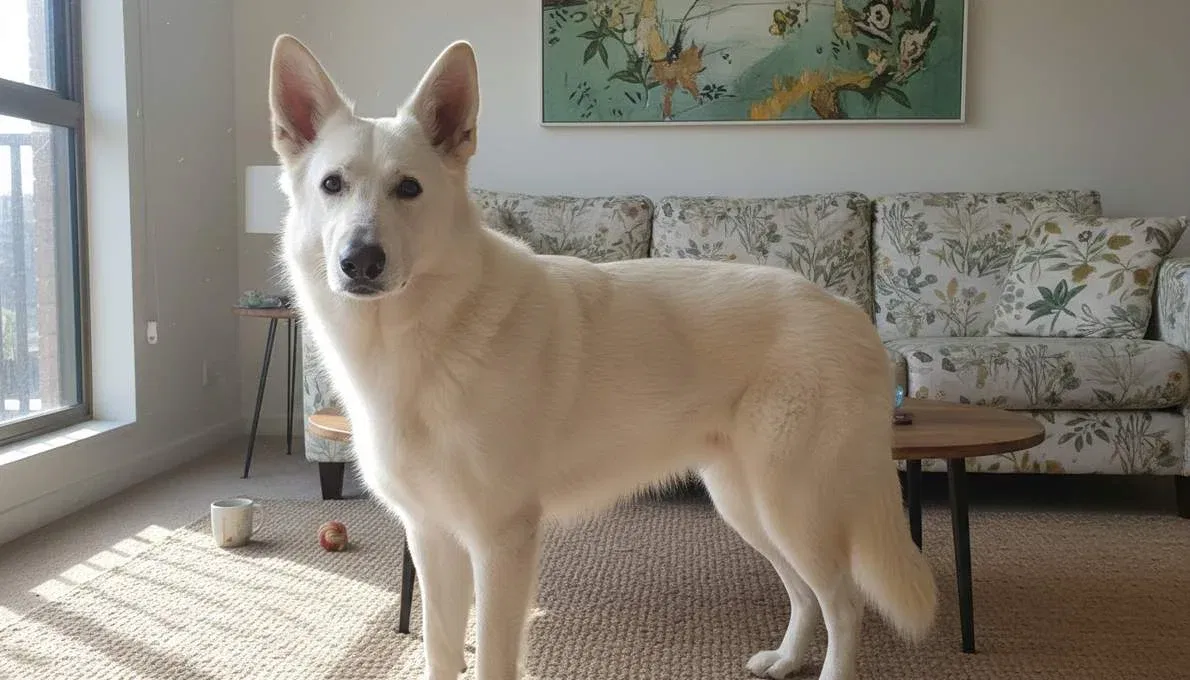
The White Swiss Shepherd’s story is inseparable from the German Shepherd’s. White-coated dogs have existed within GSD lines since the breed’s foundation. Horand von Grafrath — the dog considered the first German Shepherd — carried the recessive gene for white coat colour, and white puppies appeared regularly in GSD litters.
For decades, white GSDs were registered, bred, and shown without issue. Then, in 1959, the German Shepherd’s parent club in Germany declared white dogs albinos (they’re not) and blamed them for colour dilution issues in the breed (they don’t cause them). White dogs were banned from the German breed standard, and this ban spread across most of the world. Only a few countries — notably the United States and Canada — continued to register and breed white German Shepherds.
The modern White Swiss Shepherd traces its development to the 1960s and 1970s. A male named Lobo, born in the US in 1966, was imported to Switzerland and became the breed’s founding patriarch. More imports from North America followed, and Swiss breeders developed the white dogs into a distinct breed with its own standard. The Swiss Kennel Club recognised them in 1991, the FCI granted official breed status in 2002, and the UK Kennel Club followed in 2017.
In Australia, the first White Swiss Shepherds arrived from Slovakia in 2004, imported by Peter Leitmann and Julie Kowald. The ANKC recognised the breed in 2008. The breed’s Australian community has grown steadily, with ANKC-registered breeders now operating in multiple states. The White Swiss Shepherd Dog Club of Australia (WSSDCA) also maintains its own registry and breeder network.
Temperament & Personality
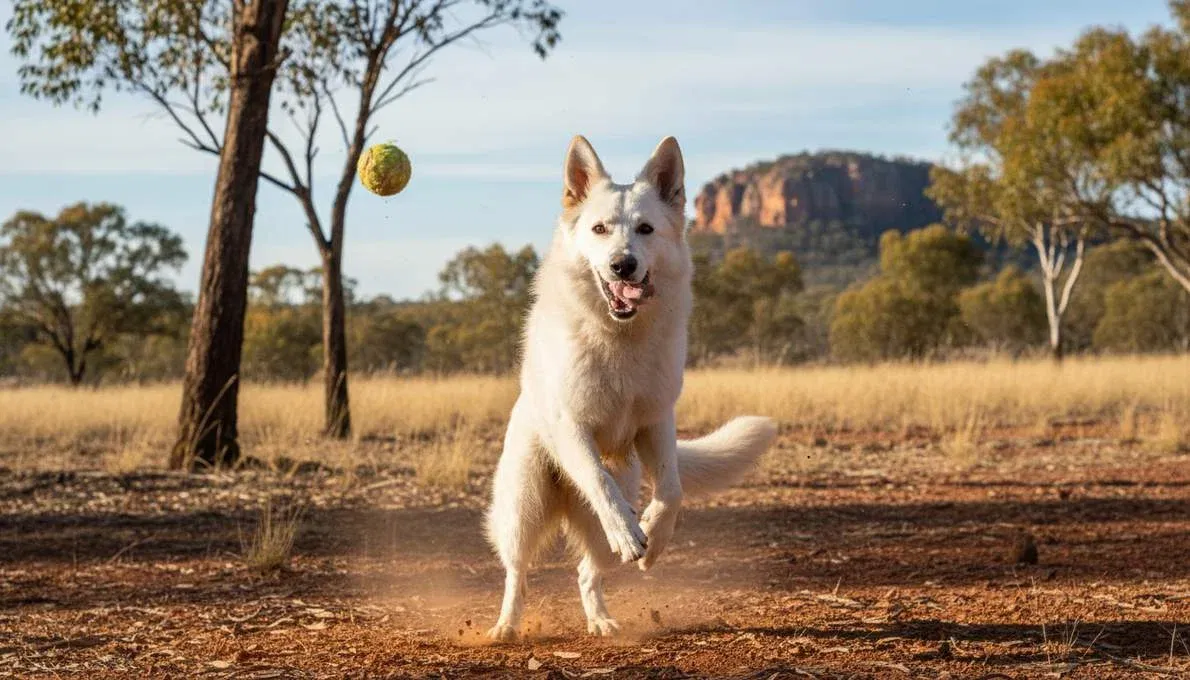
The White Swiss Shepherd dog temperament is often described as a “softer” version of the German Shepherd. This isn’t a criticism — it’s a genuine difference in breed character that makes the White Swiss appealing to a different type of owner.
Like all shepherd breeds, the White Swiss is highly intelligent with a strong desire to work. They learn quickly, respond well to positive reinforcement training, and excel in obedience, agility, tracking, and search and rescue. They need mental stimulation as much as physical exercise.
White Swiss Shepherds bond deeply with their families. They have a natural protective instinct and will alert you to anything unusual, but they’re generally described as less reactive and less “triggery” than working-line German Shepherds. The breed standard calls for a dog of “high social competence” that adapts well to different social situations — not an aloof or aggressive guard dog.
Expect a White Swiss Shepherd to be friendly but measured with people they don’t know. Early socialisation is essential to prevent this natural reserve from tipping into shyness or fearfulness. Some bloodlines have been criticised for excessive timidity, so temperament testing by the breeder matters.
While they’re good family dogs, White Swiss Shepherds often bond most strongly with one person — typically whoever feeds, trains, and spends the most time with them. This isn’t a problem, but be aware that the dog may gravitate toward one family member.
This is a breed that wants to be with its people. White Swiss Shepherds that are left alone for extended periods can develop anxiety, excessive barking, and destructive behaviour. They’re not suited to households where everyone is out for 8+ hours a day.
Excellent. They’re patient, gentle, and naturally inclined to “herd” and keep watch over children. Their herding instinct means they prefer to keep the family group together — historically that group was sheep, but a White Swiss is perfectly happy if the group is humans.
Generally good when properly socialised. Their prey drive is lower than many working breeds, and they typically get along well with other dogs. Early introductions to cats and smaller pets are advisable.
Health & Genetic Conditions
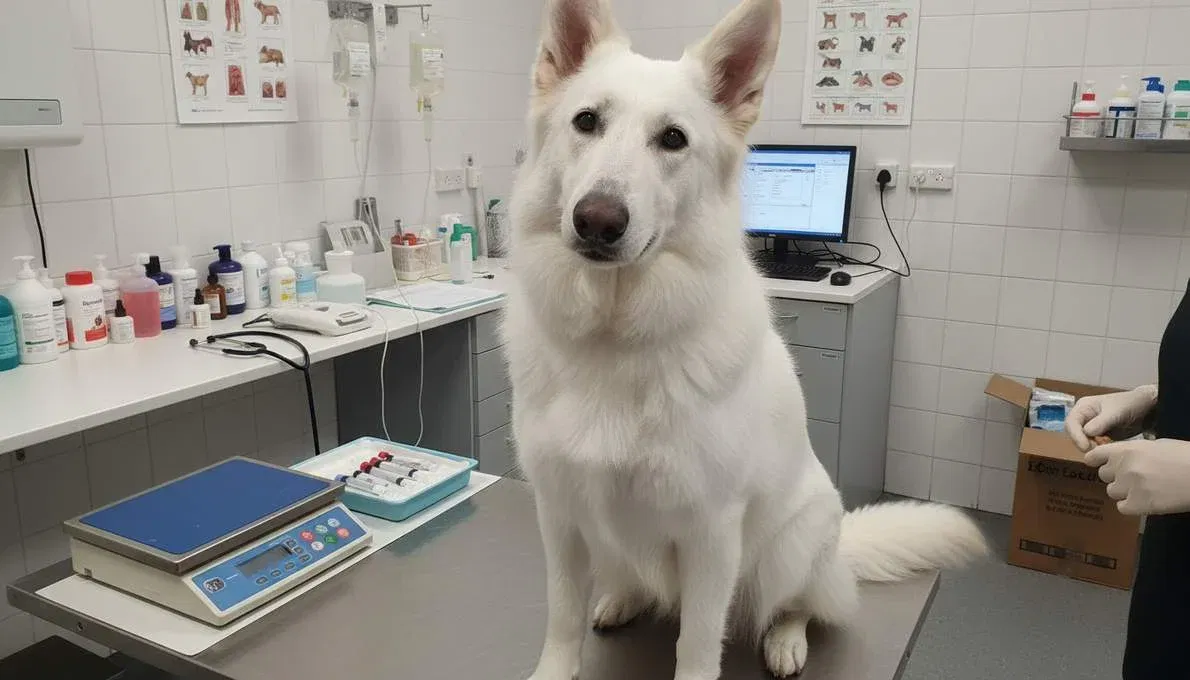
The White Swiss Shepherd is a relatively healthy breed with a good lifespan for its size. However, it shares several health concerns with its German Shepherd relatives, and there’s one critical condition — MDR1 drug sensitivity — that every owner must understand.
Prevalence: Joint disease is the primary structural health concern in the breed. According to OFA data through December 2024, approximately 13.3% of White Swiss Shepherds evaluated had dysplastic hips (mild, moderate, or severe). Elbow dysplasia is a more significant problem — the breed is ranked 22nd worst out of 161 breeds in the OFA elbow database. The breed does have approximately 25% tighter hips on average than the German Shepherd Dog based on PennHIP data, reflecting the structural differences from the upright topline required by the breed standard.
Symptoms: Reduced willingness to exercise, stiffness when rising after rest, a swaying or bunny-hopping gait, and reluctance to climb stairs or jump. Some dogs show subtle front leg lameness from elbow dysplasia before hip issues become apparent. Symptoms can emerge as early as six months of age.
Treatment Cost (AUD): Mild cases are managed with joint supplements, physiotherapy, and anti-inflammatories ($100–$350/month). Surgical options such as total hip replacement, FHO, or elbow corrective surgery range from $4,000–$10,000 per joint depending on procedure and severity.
Prevention: OFA or PennHIP hip clearance and OFA elbow clearance are mandatory CHIC requirements — confirm both parents hold current certificates. Feed a large-breed puppy diet to prevent overnutrition-driven bone malgrowth, keep puppies lean, and limit high-impact exercise on hard surfaces until growth plates close at around 18 months.
Prevalence: Degenerative myelopathy is a well-documented inherited concern in the breed, shared with the German Shepherd Dog through common ancestry. The SOD1 gene mutation associated with DM is tested for in all White Swiss Shepherd breeding stock, and the breed has made measurable progress — the WSSCA reported a 25% decrease in DM mutations documented between 2021 and 2024. The disease typically begins between 8 and 14 years of age.
Symptoms: Progressive loss of coordination in the hind limbs — wobbling, dragging of the feet, and knuckling over when walking. The disease is not painful but advances steadily, progressing from hind limb weakness to full paralysis over months to years. Early signs are often mistaken for hip dysplasia, making accurate diagnosis important.
Treatment Cost (AUD): There is no cure. Supportive care including physiotherapy, hydrotherapy, mobility carts, and nursing management costs $200–$800/month as the disease advances. Diagnostic workup to confirm DM and rule out other causes (MRI, CSF analysis) runs $1,500–$3,000.
Prevention: A DNA test is available through Embark, Wisdom Panel, and UC Davis VGL. Dogs with two copies of the mutation (at-risk) should not be bred together — at minimum, only breed at-risk dogs to clear (N/N) partners. Importantly, the DNA test is not perfectly predictive — some at-risk dogs never develop DM and some clinically normal dogs have developed it, indicating the disease likely has additional genetic or environmental components not yet fully understood.
Prevalence: The MDR1 (ABCB1) gene mutation is present in the White Swiss Shepherd due to shared ancestry with German Shepherd lines in which the mutation circulates. The WSSCA tracks this mutation annually and reports it is declining in the breed with active testing — MDR1 mutations reported to the OFA have reduced since 2021. Affected dogs cannot properly clear certain drugs from the brain, creating risk of severe neurological toxicity.
Symptoms: No symptoms occur in everyday life. Reactions develop only when an affected dog receives a trigger drug — including ivermectin-based parasite treatments, certain anti-diarrhoeal medications (loperamide), and some anaesthetic and chemotherapy agents. Signs of toxicity include tremors, seizures, disorientation, excessive salivation, slow heart rate, and in severe cases, coma or death.
Treatment Cost (AUD): DNA testing costs $60–$100 and is a one-time result. A toxicity episode requires emergency hospitalisation typically costing $2,000–$6,000. Always inform your vet of MDR1 status before any procedure or prescription — this is particularly critical for routine worming and heartworm prevention products.
Prevention: All breeding stock should be DNA-tested for MDR1 through Embark, Wisdom Panel, or UC Davis VGL. Results should be on file with your regular vet. Alternative heartworm and parasite prevention products that do not rely on ivermectin are available — your vet can advise on safe options for MDR1-affected or carrier dogs.
Prevalence: Digestive problems are a standout health concern in the breed. A Dutch breed health survey found 13.6% of White Swiss Shepherds experienced digestive system disorders — significantly higher than the 3–10% range reported for most other breeds studied. Problems are typically described as food allergy, food intolerance, chronic diarrhoea, or a sensitive stomach rather than a single specific diagnosis.
Symptoms: Recurrent loose stools, chronic diarrhoea, excessive gas, vomiting after meals, poor coat condition, and weight loss despite a normal or increased appetite. Some dogs also develop skin reactions alongside gut symptoms, suggesting a systemic immune-mediated component in certain cases.
Treatment Cost (AUD): Hydrolysed or novel-protein prescription diets cost $120–$250/month. Veterinary workup for chronic digestive disease (faecal testing, endoscopy, biopsy) runs $800–$2,500. Ongoing management with prescription food and periodic vet monitoring adds $1,500–$3,000/year in moderate cases.
Prevention: No DNA test is available. Feed a high-quality, large-breed diet with limited ingredient lists. Introduce dietary changes gradually and avoid frequent food switching. If chronic digestive issues appear, pursue proper veterinary investigation early rather than trialling multiple foods without guidance — identifying the specific trigger is far more effective than long-term trial and error.
Prevalence: As a deep-chested large breed sharing close ancestry with the German Shepherd, the White Swiss Shepherd carries an elevated risk of gastric dilatation-volvulus. GDV is one of the most acutely life-threatening emergencies in dogs of this body type and can be fatal within 30–60 minutes of onset if untreated.
Symptoms: A rapidly distending abdomen, unproductive retching or gagging, restlessness, drooling, and a dog that cannot settle or get comfortable. The stomach fills with gas and twists on itself, cutting off blood supply. These signs demand immediate emergency veterinary attention — do not wait to see if the dog improves on its own.
Treatment Cost (AUD): Emergency GDV surgery costs $4,000–$8,000 and carries a mortality risk even with prompt treatment. Prophylactic gastropexy — a preventive surgical procedure that tacks the stomach to prevent twisting — costs $500–$1,500 when performed at the same time as desexing and is strongly recommended for this breed.
Prevention: Discuss prophylactic gastropexy with your vet at the time of desexing. Feed two or three smaller meals daily rather than one large one, and avoid vigorous exercise for at least one hour before and after feeding. Elevated feeding bowls are no longer recommended — current evidence does not support them and may actually increase risk in some breeds.
⚠️ Critical: MDR1 Drug Sensitivity. This is the single most important health consideration for White Swiss Shepherd owners. The MDR1 gene mutation (ABCB1 gene) affects a protein that controls how certain drugs are absorbed and distributed in the body, particularly to the brain. Dogs with this mutation can have severe — potentially fatal — reactions to commonly prescribed medications including ivermectin (in many heartworm preventatives), loperamide (Imodium), acepromazine, and several chemotherapy drugs.
Every White Swiss Shepherd should be DNA tested for MDR1 before their first vet visit. The test costs around $80–$150 and is a simple cheek swab. Once you know your dog’s MDR1 status, ensure it’s flagged prominently in their veterinary records so no vet ever prescribes a contraindicated medication. This is non-negotiable.Health testing before breeding. Reputable Australian breeders should conduct, at minimum: hip and elbow scoring (X-rays), MDR1 DNA testing, Degenerative Myelopathy (DM) DNA testing, eye examinations, and full breed-specific DNA profiling.
Health testing before breeding. Reputable Australian breeders should conduct, at minimum: hip and elbow scoring (X-rays), MDR1 DNA testing, Degenerative Myelopathy (DM) DNA testing, eye examinations, and full breed-specific DNA profiling. Ask for results before purchasing a puppy. Walk away from any breeder who doesn’t test.
Lifespan & Longevity
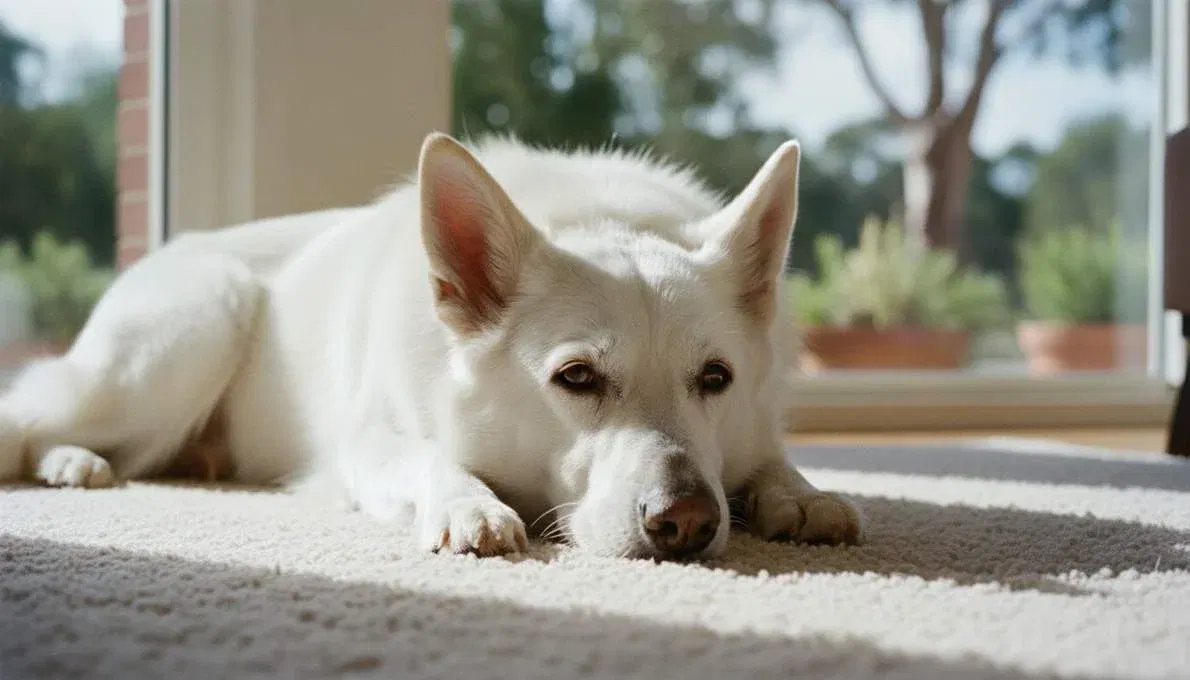
The White Swiss Shepherd lifespan is 12 to 14 years, which is very good for a large breed dog. Their longevity compares favourably to German Shepherds, which average 9–13 years.
Puppy stage (0–2 years): Feed a high-quality large-breed puppy food formulated for controlled growth — rapid growth increases joint disease risk. Avoid forced exercise on growing joints: no long runs, no repetitive jumping, no stairs until at least 12 months. Socialise extensively during the critical window (8–16 weeks) to prevent adult fearfulness. Get MDR1 and DM DNA tests done early.
Adult stage (2–10 years): Prime years. Maintain 1.5–2 hours of daily exercise with mental enrichment. Annual vet check-ups should include hip and elbow assessment, cardiac auscultation, and thyroid screening. Keep weight lean — excess weight significantly worsens joint disease in large breeds.
Senior stage (10+ years): Increase vet visits to twice yearly. Monitor for degenerative myelopathy signs (hind limb weakness, knuckling), vision changes, and thyroid shifts. Joint supplements, physiotherapy, and a senior-appropriate diet can maintain comfort and mobility.
Grooming & Care
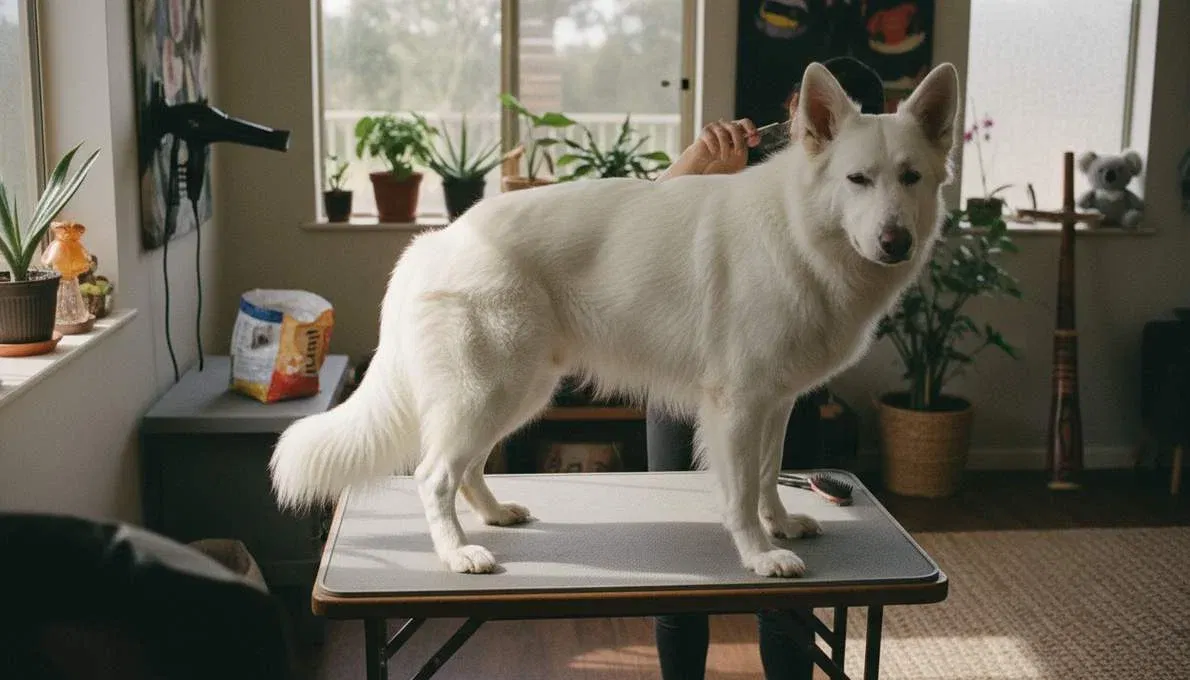
If you want a low-shedding breed, the White Swiss Shepherd is emphatically not it. This is a heavy-shedding, double-coated breed that leaves white hair on everything you own. The trade-off is a stunning coat that’s easier to maintain than you might expect — it just sheds. A lot.
Grooming Schedule
| Task | Frequency | Notes |
|---|---|---|
| Brushing | 2–3 times per week (daily during coat blows) | Use an undercoat rake and slicker brush. Regular brushing controls shedding volume significantly. |
| Bathing | Every 6–8 weeks or as needed | Use a quality dog shampoo. Avoid over-bathing — strips natural oils from the double coat. |
| Ear Cleaning | Weekly | Erect ears are less infection-prone than floppy ears, but regular checks prevent buildup. |
| Nail Trimming | Every 2–3 weeks | Active dogs on hard surfaces may self-maintain, but check regularly. |
| Dental Care | Daily brushing ideal; minimum 3x/week | Large breeds benefit from dental chews alongside brushing. |
| Coat Blow Management | Twice yearly (spring & autumn) — heavy shedding for 2–4 weeks | A high-velocity dryer speeds the process enormously. Many groomers offer deshedding baths. |
The white coat myth. Many prospective owners worry that a white coat means more grooming or shows dirt easily. In practice, the White Swiss Shepherd’s coat is self-cleaning to a surprising degree — dried mud brushes out easily from the dense double coat. The real maintenance isn’t cleaning; it’s managing the sheer volume of hair that ends up on your floors, furniture, and clothes. Invest in a quality vacuum cleaner and lint rollers. You’ll need them.
Medium vs long coat. The breed comes in two coat lengths. The medium coat is denser and closer to the body; the long coat has feathering on the ears, legs, and tail. Both shed heavily. The long coat requires slightly more frequent brushing to prevent matting, particularly behind the ears and around the hindquarters.
Exercise Needs
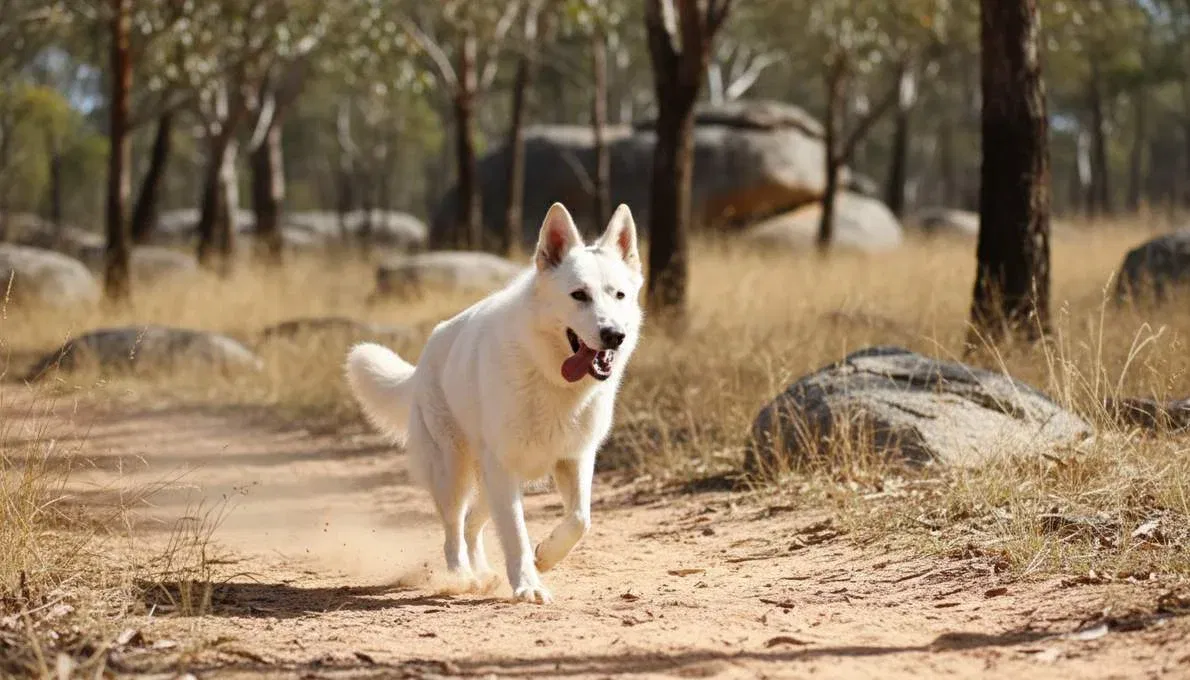
The White Swiss Shepherd is a working breed that needs 1.5 to 2+ hours of daily exercise, combining physical activity with mental stimulation. An under-exercised White Swiss Shepherd will become noisy, destructive, and hyperactive — this is not a breed you can walk for 20 minutes and leave in the backyard.
Ideal activities include: structured walks and off-leash running in secure areas, obedience and rally training, agility courses, tracking and nose work, hiking and bush walking, and fetch or Frisbee sessions. Many White Swiss Shepherds also excel in search and rescue training and therapy dog work.
⚠️ Australian climate warning:
The dense double coat makes heat a genuine concern. In Australian summers, exercise only in the early morning or late evening. Provide constant access to shade and fresh water. Watch for signs of heat stress: excessive panting, drooling, staggering, or collapse. Never leave a double-coated breed in a hot car — not even for five minutes. In cooler months, the White Swiss Shepherd thrives and can exercise for extended periods without issue.
Puppy exercise caution.
Large-breed puppies are particularly vulnerable to joint damage from over-exercise. Follow the general guideline of 5 minutes of structured exercise per month of age, twice daily. A 4-month-old puppy gets two 20-minute sessions. Free play on soft ground is fine; avoid repetitive impact activities like jumping, stairs, and jogging on hard surfaces until the dog is at least 12–18 months old.
Mental stimulation is non-negotiable.
This is an intelligent breed that needs problem-solving challenges. Puzzle feeders, training sessions, scent games, and new environments all satisfy the White Swiss Shepherd’s mental needs. A physically tired but mentally bored White Swiss will still find ways to entertain itself — usually by destroying something.
Training Guide
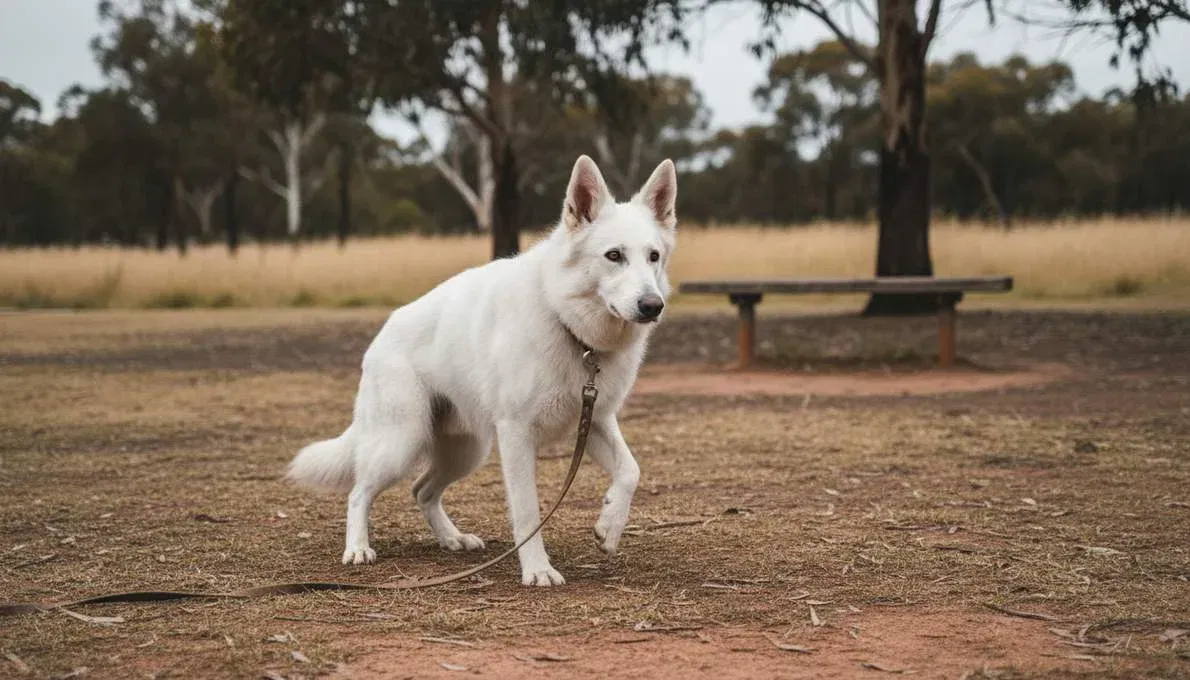
White Swiss Shepherd training is generally a pleasure. These are highly intelligent dogs that want to work with their handler. The key difference from German Shepherds is sensitivity — White Swiss Shepherds respond poorly to harsh corrections, raised voices, or heavy-handed training methods. They’ll shut down, become stubborn, or lose confidence.
Socialisation & Training Timeline
| Age | Training Focus | Honest Difficulty Level |
|---|---|---|
| 8–16 weeks | Socialisation (people, environments, sounds, surfaces), crate training, name response, house training | Easy — eager to learn and bond; socialisation is critical |
| 4–6 months | Basic obedience (sit, stay, come, down), leash manners, impulse control, continued socialisation | Easy–Moderate — quick learners but can be sensitive to corrections |
| 6–12 months | Reliable recall, duration commands, introduction to dog sports, structured adolescent management | Moderate — adolescent testing of boundaries; consistency essential |
| 1–2 years | Advanced obedience, off-leash reliability, working roles, confidence building | Moderate — maturing nicely; may go through a second fear period |
| 2+ years | Maintenance training, sport specialisation, trick training, therapy dog certification | Enjoyable — settled, cooperative adult dogs |
Socialisation is everything.
The number one training priority for a White Swiss Shepherd puppy is extensive, positive socialisation. This breed’s natural reserve with strangers means that without deliberate exposure to a wide variety of people, places, sounds, and situations during the critical period (8–16 weeks), they can become fearful, anxious, or reactive as adults. Enrol in puppy school, visit cafes, walk in busy areas, invite visitors to your home, and expose them to as many new experiences as possible.
Confidence building.
Some White Swiss Shepherd bloodlines are prone to nervousness. If your puppy shows signs of anxiety, work with a qualified force-free behaviourist early. Building confidence through controlled exposure, reward-based training, and positive experiences is far easier in a young puppy than in an adult dog.
Cost of Ownership in Australia
| Expense | Estimated AUD Cost |
|---|---|
| Registered White Swiss Shepherd puppy (ANKC breeder) | $3,500–$6,000 |
| Initial setup (crate, bed, bowls, leads, grooming tools, toys) | $600–$1,200 |
| Annual food (premium large-breed diet) | $1,200–$2,000 |
| Annual vet check-ups & vaccinations | $400–$700 |
| Pet insurance (comprehensive, large breed) | $60–$120/month |
| Desexing | $400–$800 |
| Grooming (DIY with professional deshedding baths 2–4x/year) | $200–$600/year |
| DNA testing (MDR1, DM, full breed profile) | $150–$400 (one-time) |
| Hip & elbow X-rays (if not done by breeder) | $400–$800 (one-time) |
| Training (puppy school + ongoing) | $400–$800 |
| Emergency vet fund (recommended reserve) | $3,000–$5,000 |
Total first-year cost estimate: $7,000–$12,000+ (including purchase price). Ongoing annual costs: $3,000–$5,000. The White Swiss Shepherd is a moderately expensive breed to own, primarily due to food costs (large dog) and the importance of comprehensive pet insurance for a breed susceptible to joint disease.
Where to find White Swiss Shepherd puppies in Australia:
Start with ANKC-registered breeders through Dogs Australia. Notable Australian breeders include: Eiramor (TAS), Eishund, Edelvalley (NSW — the kennel that developed the ANKC breed standard extension), Royalemerald (NSW, Riverina), Inkdwitswiss (SA), and Amourdublanc. The White Swiss Shepherd Dog Club of Australia (WSSDCA) also maintains a breeder directory. Expect waiting lists of 6–12+ months for well-bred puppies.
Non-ANKC registries.
Be aware that some Australian White Swiss Shepherds are registered through the WSSDCA rather than ANKC. Both registries have active breeders, but only ANKC registration allows participation in Dogs Australia events and shows. If this matters to you, confirm the registration body before committing.

Is a White Swiss Shepherd Right for You?
want a large, intelligent, loyal dog with a calmer temperament than a GSD; have experience with herding or working breeds (or are committed to learning); can provide 1.5–2+ hours of daily exercise and mental stimulation; have a house with a securely fenced yard; work from home or can avoid leaving the dog alone for extended periods; and are prepared for heavy shedding and regular grooming.
live in a small apartment without outdoor space; are away from home for 8+ hours daily without a plan for the dog; want a low-shedding or hypoallergenic breed; prefer a hands-off, independent dog; are unwilling to commit to ongoing training and socialisation; or live in a very hot climate without air conditioning (the double coat and Australian heat are a serious welfare concern).
The biggest question. Genetically, they’re closely related — the White Swiss Shepherd was developed from white GSD lines. Key differences: the White Swiss is generally described as calmer, less reactive, and slightly softer in temperament. The GSD (including white-coated GSDs) tends to be more intense, more driven, and more commonly used in protection roles. Structurally, some White Swiss Shepherds have moved away from the GSD silhouette, with a straighter back and less exaggerated angulation. In Australia, the German Shepherd Club of WA (and some other state clubs) classifies all white dogs as Swiss Shepherds — they won’t register them as GSDs.
The White Canadian Shepherd, American White Shepherd, and White Swiss Shepherd share the same ancestral lines — white German Shepherds that were preserved in North America. The “Canadian” and “American” labels are largely informal and refer to white shepherd dogs bred in those countries, often under their own club registries. The White Swiss Shepherd is the FCI and ANKC-recognised breed with a formal standard. If you’re buying in Australia, look for ANKC or WSSDCA registration.
The White Swiss Shepherd is a striking, intelligent, and devoted breed that deserves to be known on its own merits — not just as a white version of something else. For owners who want the intelligence and loyalty of a German Shepherd with a calmer, gentler edge, the White Swiss is an outstanding choice.
Three things to remember: (1) Get the MDR1 DNA test done before your first vet visit — this is a genuine safety issue, not optional. (2) Socialise early and extensively — the breed’s natural reserve needs deliberate counterbalancing. (3) Accept the shedding. Buy a quality vacuum, stock up on lint rollers, and embrace the fact that your black clothes will never be truly black again. The trade-off is a breathtakingly beautiful dog that will follow you to the ends of the earth.
Frequently Asked Questions
Is a White Swiss Shepherd the same as a White German Shepherd?
No, they are separate breeds with shared ancestry. The White Swiss Shepherd was developed from white German Shepherd lines but has been bred as a distinct breed since the 1960s, with a calmer temperament and a straighter back. White German Shepherds are still GSDs with a white coat, while White Swiss Shepherds are recognised as their own breed by the FCI and ANKC.
How much does a White Swiss Shepherd cost in Australia?
A registered White Swiss Shepherd puppy from an ANKC breeder typically costs $3,500–$6,000. Total first-year ownership costs, including purchase, setup, vet care, and training, can range from $7,000 to $12,000+.
What is MDR1 drug sensitivity?
MDR1 is a genetic mutation that affects how certain drugs are processed. Dogs with this mutation can have severe, potentially fatal reactions to common medications like ivermectin (in some heartworm preventatives) and loperamide (Imodium). Every White Swiss Shepherd should be DNA tested for MDR1 before their first vet visit.
Do White Swiss Shepherds shed a lot?
Yes, they are heavy shedders. They have a dense double coat that sheds year-round, with intense “coat blows” twice a year. Regular brushing (2–3 times a week, daily during coat blows) is essential to manage the hair.
Are White Swiss Shepherds good family dogs?
Yes, they are excellent family dogs. They are patient, gentle, protective, and bond deeply with their families. They are particularly good with children, but early socialisation and training are crucial.
What’s the difference between a White Swiss Shepherd and a White Canadian Shepherd?
They share the same ancestral lines (white German Shepherds preserved in North America). “White Canadian Shepherd” and “American White Shepherd” are informal terms for dogs bred in those countries, often under separate club registries. The White Swiss Shepherd is the FCI and ANKC-recognised breed with a formal standard.
How long do White Swiss Shepherds live?
The average lifespan is 12–14 years, which is excellent for a large breed. With proper care, regular vet check-ups, and a healthy lifestyle, many live into their mid-teens.
Are White Swiss Shepherds hard to train?
No, they are highly intelligent and eager to please, making them generally easy to train. However, they are sensitive and respond best to positive reinforcement methods. Harsh corrections can cause them to shut down.
Can German Shepherds be white?
Yes, white-coated German Shepherds exist due to a recessive gene. However, they are banned from the German breed standard and many kennel clubs. In Australia, many clubs classify white dogs as Swiss Shepherds and will not register them as GSDs.
Where can I find White Swiss Shepherd breeders in Australia?
Start with the ANKC (Dogs Australia) website. Reputable breeders include Eiramor (TAS), Edelvalley (NSW), Royalemerald (NSW), Inkdwitswiss (SA), and Amourdublanc. The White Swiss Shepherd Dog Club of Australia (WSSDCA) also maintains a breeder directory. Expect waiting lists.
1. Wisdom Panel — White Swiss Shepherd Breed Facts: https://www.wisdompanel.com/en-us/dog-breeds/white-swiss-shepherd
2. DogZone — White Swiss Shepherd Breed Information: https://www.dogzone.com/breeds/white-swiss-shepherd/
3. Basepaws — White Swiss Shepherd Dog Breed Information: https://basepaws.com/dog-breeds/white-swiss-shepherd-dog
4. BetterPet — White Swiss Shepherd Breed Guide: https://www.betterpet.com/learn/white-swiss-shepherd
5. Purina UK — Swiss White Shepherd Breed Guide: https://www.purina.co.uk/find-a-pet/dog-breeds/swiss-white-shepherd
6. The Kennel Club — White Swiss Shepherd Dog: https://www.royalkennelclub.com/search/breeds-a-to-z/breeds/pastoral/white-swiss-shepherd-dog-imp/
7. World of Dogz — White Swiss Shepherd Guide: https://worldofdogz.com/white-swiss-shepherd/
8. DogzOnline Australia — White Swiss Shepherd Breeders: https://www.dogzonline.com.au/breeds/breeders/white-swiss-shepherd-dog.asp
9. Edelvalley White Swiss Shepherds: https://www.edelvalley.com
10. Royalemerald White Swiss Shepherds: https://www.royalemeraldshepherds.com/
11. White Swiss Shepherd Breeders Club Alliance: https://wssbreedersclub.webs.com/
12. ANKC — White Swiss Shepherd Dog Survey: https://ankc.org.au/MemberNewsItemDetail/?id=2623