

There’s a reason the West Highland White Terrier has been the face of whisky brands, dog food ads, and Christmas cards for decades. That compact white body, those dark button eyes, and that confident little strut are almost impossibly charming. But if you’ve ever actually lived with a Westie, you know the truth: beneath that adorable exterior lives a dog with the self-assurance of a CEO and the stubbornness of a toddler who’s decided they’re not leaving the park.
West Highland White Terriers — Westies to everyone who knows them — are one of the most recognisable terrier breeds in the world. Originally bred in the Scottish Highlands to hunt vermin, foxes, and otters, they’re small dogs with enormous personalities. They’re also a breed with some genuine health considerations, particularly around skin conditions, that every prospective owner needs to understand before bringing one home.
This guide covers the Westie’s temperament, health issues (especially the skin problems the breed is known for), grooming needs, realistic Australian costs, and an honest assessment of whether this iconic little terrier suits your lifestyle.
What You’ll Learn
- Breed traits & temperament
- Health concerns to know
- True cost in Australia
- Training & exercise needs
- Is this breed right for you?
Quick Facts at a Glance
| Trait | Details |
|---|---|
| Breed Group | Terrier (ANKC Group 2) |
| Origin | Poltalloch, Argyllshire, Scotland — 19th century |
| Size | Small: approximately 28 cm (11 in) at shoulder |
| Weight | 7–10 kg (15–22 lbs); males slightly heavier |
| Coat | Dense white double coat — hard outer, soft undercoat |
| Colour | White only |
| Lifespan | 12–16 years (average 13.4 years per VetCompass study) |
| Temperament | Confident, alert, friendly, stubborn, playful, independent |
| Exercise Needs | 45–60 minutes daily |
| Shedding | Low–Moderate (coat holds dead hair; needs stripping/clipping) |
| Good With Kids | Yes with older children; can nip if handled roughly |
| Apartment Friendly | Yes — good size, but barking can be an issue |
| Hypoallergenic | Yes — low shedding, but no dog is truly 100% hypoallergenic |

History & Origins
The West Highland White Terrier traces its roots to the Scottish Highlands, where it was developed from the same stock that produced the Cairn Terrier, Scottish Terrier, and Dandie Dinmont. The breed’s origin story has a dramatic twist: according to breed lore, Colonel Edward Donald Malcolm of Poltalloch in Argyllshire began selectively breeding white terriers after one of his reddish-brown dogs was tragically shot during a hunt, mistaken for a fox. From that point on, Malcolm insisted on breeding only white dogs so they could never be confused with quarry.
The breed was originally known as the Poltalloch Terrier, then the Roseneath Terrier, before settling on the name West Highland White Terrier. The Kennel Club (UK) formally recognised the breed in 1907. These tough little dogs were bred to go underground after rats, foxes, badgers, and otters — work that required courage, tenacity, and an independent streak that Westie owners will recognise instantly.
The breed’s popularity exploded in the mid-20th century, driven by its photogenic appearance and use in advertising. In Australia, the West Highland White Terrier Club of NSW and the West Highland White Terrier Club of Victoria have been active for decades, supporting the breed through shows, health initiatives, and breeder education. However, like in the UK, Westie registrations have declined in recent years — a trend that breed enthusiasts hope may actually improve overall health by reducing pressure on breeders to produce puppies for a mass market.

Temperament & Personality
The West Highland White Terrier temperament is a study in contradictions. They’re affectionate but independent. Playful but stubborn. Friendly but opinionated. They’ll curl up on your lap one minute and refuse to come inside the next because they’re convinced there’s something important happening behind the garden shed.
Westies have no concept of their own size. They’ll approach large dogs with the same swagger they use with Chihuahuas. This confidence is endearing but can get them into trouble at dog parks. Socialisation helps them learn appropriate boundaries, but the self-assurance is hardwired.
Unlike some breeds that live to please their owners, Westies make their own assessments of whether a command is worth following. This isn’t defiance for the sake of it — it’s the legacy of a dog bred to make split-second decisions underground without human guidance. Training requires patience, consistency, and high-value rewards.
Westies bark. A lot. They’re alert dogs that will announce visitors, passing dogs, suspicious leaves, and sometimes nothing at all. Training can moderate this, but if you need a quiet dog, the Westie is probably not your breed. Apartment living is possible but requires active barking management.
Westies are generally good with children, particularly those old enough to handle a dog respectfully. They’re playful and energetic, which makes them great companions for active kids. However, Westies don’t tolerate rough handling and may nip if pulled, poked, or cornered. Always supervise interactions with young children.
Westies can coexist with other dogs, particularly if raised together, but same-sex aggression can occur. Their terrier prey drive means small animals like rabbits, guinea pigs, and birds are at risk. Introductions with cats should be managed carefully and early.
Health & Genetic Conditions
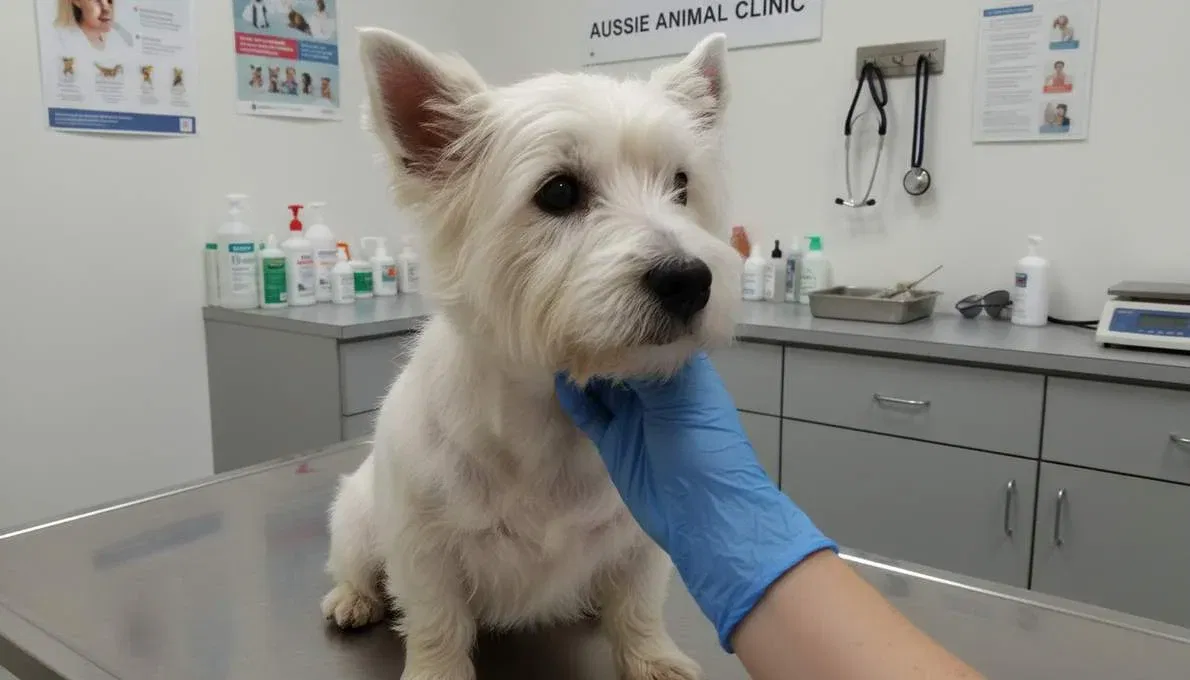
Let’s address the elephant in the room: yes, West Highland White Terriers have a well-documented predisposition to skin problems. Research suggests that up to 66% of Westies may develop skin infections by age three. A major UK VetCompass study of over 6,600 Westies found allergic skin disorder in 6.5% of dogs seen in a single year — and that figure likely understates the lifetime prevalence. However, the picture is more nuanced than “all Westies have bad skin.” Many Westies live their entire lives with perfectly healthy skin, and the breed’s declining popularity may actually be improving skin health overall as breeders become more selective.
Prevalence: Skin disease is the most-discussed health issue in the breed. Allergic skin disorder affects an estimated 25% of West Highland White Terriers — one of the highest rates recorded for any breed — and was confirmed as a significant concern in the 2005 WHWTCA health survey of over 6,000 owners. Environmental allergens such as dust mites, pollens, and moulds are the most common triggers, with food sensitivities also playing a role in some dogs.
Symptoms: Intense itching causing constant scratching, paw chewing, face rubbing, and rolling. The ears, belly, and paws are most commonly affected. Rust-red staining of the fur from saliva is a telltale sign, along with recurring secondary bacterial and yeast skin infections. Many dogs show first signs within their first year of life.
Treatment Cost (AUD): Management is lifelong. Apoquel or Cytopoint injections run $800–$2,500/year. Allergy testing and immunotherapy adds $1,500–$3,000 initially. Medicated shampoos, ear treatments, and repeat vet visits for infections all contribute to ongoing costs that can easily exceed $3,000/year in moderate-to-severe cases.
Prevention: No DNA test exists. Choose breeders who openly discuss skin health across multiple generations of their lines. Avoid cigarette smoke exposure, minimise known environmental allergens at home, and keep up with flea prevention year-round — flea allergy dermatitis reliably worsens underlying atopy in this breed.
Prevalence: Westie Lung Disease is a progressive, fatal respiratory condition that is primarily and distinctively prevalent in this breed, with the University of Edinburgh first reporting it in Westies in 1999. The average age at onset is 9–13 years, though dogs as young as 2 have been affected. Lung scarring occurs over 12–18 months before respiratory failure makes the condition unsurvivable. Respiratory disease was the most common cause of death in the 2019 UK VetCompass study of the breed.
Symptoms: The earliest signs are easy to miss — a dry cough or hack triggered by lead pressure on the neck, slower eating, or tiring more quickly on walks. As the disease progresses, breathing becomes laboured and rapid, the dog seeks unusual resting positions to avoid chest pressure, and exercise tolerance drops significantly. Crackles can often be heard across the lungs.
Treatment Cost (AUD): There is no cure. Palliative care including corticosteroids, bronchodilators, cough suppressants, and sildenafil for pulmonary hypertension costs $200–$600/month. Diagnostic chest CT (required for confident diagnosis) runs $1,500–$3,000. Most affected dogs are humanely euthanised within 32 months of symptom onset.
Prevention: No DNA test or screening protocol currently exists. Avoid exposing your Westie to cigarette smoke — it is one of the few documented environmental risk factors. Owners of Westies aged 7 and over should be alert to any subtle changes in breathing or exercise capacity and report them promptly rather than attributing them to normal ageing.
Prevalence: CMO is an autosomal recessive inherited bone disease most commonly found in West Highland White Terriers, where it is also called “Westie jaw” or “lion’s jaw.” One study found that 66 of affected dogs were either Westies or Scottish Terriers. It typically appears in puppies between 4 and 7 months of age, causing abnormal and painful bone growth along the jaw and skull.
Symptoms: Pain when opening the mouth, reluctance to eat, drooling, jaw swelling, and lethargy. The abnormal bone growth can prevent the dog from fully opening its mouth in severe cases. Raised calcium and enzyme levels on bloodwork and thickening visible on X-ray confirm the diagnosis.
Treatment Cost (AUD): Pain management with NSAIDs and supportive care during the active growth phase costs $300–$800. Most cases stabilise or even partially regress once the dog reaches adulthood around 12 months. Severe cases causing permanent jaw restriction may require surgical assessment, adding $2,000–$5,000.
Prevention: No DNA test is currently available for CMO. Because it is autosomal recessive, both parents must carry the gene — ask breeders directly whether CMO has appeared in their lines or close relatives. Do not breed from affected dogs or their known-carrier parents.
Prevalence: This inherited enzyme deficiency causes progressive haemolytic anaemia in affected Westies, with most affected dogs dying by four years of age. It is autosomal recessive and can be entirely avoided through DNA testing. The Westie Foundation of America recommends all breeding stock be tested through the University of Pennsylvania’s PennGen laboratory.
Symptoms: Pale gums, exercise intolerance, weakness, an enlarged liver and spleen, and progressive anaemia. Affected puppies and young dogs often appear healthy at first, with deterioration accelerating in the first few years of life. There is no cure and affected dogs do not reach old age.
Treatment Cost (AUD): Supportive care including blood transfusions and management of anaemia costs $1,500–$4,000 per hospitalisation episode. Bone marrow transplant is the only curative option but is rarely available and extremely expensive. Most owners opt for quality-of-life care until euthanasia is necessary.
Prevention: A DNA test is available through UC Davis VGL, Paw Print Genetics, and PennGen. All breeding Westies should be tested — carriers can be bred safely to a clear partner, but two carriers must never be mated. Confirm both parents are DNA-tested clear before purchasing a puppy.
Prevalence: Westies are 3.23 times more likely to develop chronic hepatitis and 3.87 times more likely to experience hepatocellular (liver cell) death compared to other dogs, according to a 2021 British study of clinical records. Copper accumulation in the liver is associated with chronic hepatitis in the breed, though the mode of inheritance has not been fully established.
Symptoms: Early signs are subtle — reduced appetite, weight loss, increased thirst and urination, and mild lethargy. As liver disease progresses, jaundice (yellowing of the eyes or skin), abdominal fluid accumulation, and neurological signs from hepatic encephalopathy can develop. Many cases are first picked up on routine bloodwork before obvious symptoms appear.
Treatment Cost (AUD): Management involves a low-copper diet, copper-chelating medications such as D-penicillamine ($80–$200/month), and liver-supportive supplements. Regular liver enzyme monitoring every 3–6 months adds $150–$300 per panel. Advanced liver failure requiring hospitalisation and intensive care can cost $3,000–$8,000.
Prevention: No DNA test is available. Annual liver enzyme panels from middle age (5 years onwards) are a sensible precaution for all Westies. Feed a balanced diet avoiding high-copper ingredients, and ask breeders about any history of liver disease in their lines.
Skin management is a lifestyle, not a one-off fix. If your Westie develops atopy, expect ongoing management: medicated shampoos (many owners swear by Malaseb or similar anti-fungal/antibacterial washes), dietary adjustments, potentially medications like Apoquel or Cytopoint injections, and regular vet visits. It’s manageable but not cheap, and it’s a commitment for the life of the dog. Ask your breeder about the skin history of both parents.
Westie Lung is the serious one. Idiopathic pulmonary fibrosis replaces the stretchy tissue in the lungs with rigid scar tissue, making breathing progressively harder. It primarily affects older Westies and there is no cure — only management with steroids and bronchodilators. If you notice your ageing Westie coughing or becoming exercise-intolerant, see your vet promptly.

Lifespan & Longevity
The West Highland White Terrier lifespan is 12 to 16 years. A large-scale UK VetCompass study found a median lifespan of 13.4 years, with males averaging 13.8 years and females 12.9 years. The most common causes of death were lower respiratory tract disease (10.2%), cancer (10.2%), and spinal cord disorders (7.8%).
Puppy stage (0–2 years): Feed a quality small-breed puppy food. Start socialisation and grooming routines immediately. Watch for early signs of skin issues (itching, redness) which can appear from 6 months. Begin dental care from puppyhood.
Adult stage (2–8 years): Maintain consistent exercise (45–60 minutes daily), a skin-supportive diet, and regular grooming. Annual vet visits with skin checks. Monitor weight — obesity affects 6.1% of Westies and worsens joint and skin issues. Dental cleanings as needed.
Senior stage (8+ years): Increase vet visits to twice yearly. Watch closely for respiratory symptoms (coughing, wheezing — potential Westie Lung), liver issues (jaundice, appetite changes), and diabetes (increased thirst/urination). Senior diet, joint supplements, and adjusted exercise intensity. Many Westies remain active and cheerful well into their teens with proactive care.

Grooming & Care
West Highland White Terrier grooming is a genuine commitment. That dense white double coat looks effortless in photos, but maintaining it requires regular work — especially if you want to avoid the “dingy grey Westie” look.
Grooming Schedule
| Task | Frequency | Notes |
|---|---|---|
| Brushing | 2–3 times per week (slicker brush + comb) | Prevents matting in undercoat. Focus on legs, belly, and behind ears. |
| Hand Stripping | Every 8–12 weeks (maintains proper coat texture) | Pulls dead outer coat. Preserves harsh, weather-resistant texture. |
| Clipping (alternative) | Every 6–8 weeks | Faster and easier but softens coat over time. Most pet owners choose this. |
| Bathing | Every 3–4 weeks | Use a whitening or brightening shampoo for best results. Medicated shampoo if skin issues present. |
| Ear Cleaning | Weekly | Otitis externa is common (10.6% of Westies). Keep ears dry and clean. |
| Nail Trimming | Every 2–3 weeks | Overgrown nails affect 7.2% of Westies — don’t neglect this. |
| Dental Care | Daily brushing ideal | Periodontal disease is the #1 disorder in the breed (15.7%). Start young. |
| Eye & Skin Checks | Weekly | Monitor for discharge, redness, itching, or skin changes. |
West Highland White Terrier grooming styles. The traditional Westie cut features a rounded head (the iconic “chrysanthemum” shape), a shorter body clip, and slightly longer leg and skirt furnishings. Show dogs are hand-stripped for a harder coat texture. Pet owners typically opt for a clipper cut which is quicker and cheaper but softens the coat. Either way, professional grooming every 6–8 weeks is standard.
Best shampoo for West Highland White Terriers. For healthy-skinned Westies, a quality whitening dog shampoo (like Plush Puppy or Fidos White & Bright, both available in Australia) keeps the coat bright. For Westies with skin issues, your vet may recommend medicated options like Malaseb (antibacterial/antifungal) or an oatmeal-based soothing shampoo. Avoid human shampoos — the pH is wrong for dogs.
Do West Highland White Terriers shed? Less than most breeds, but they’re not non-shedding. The wiry outer coat holds dead hair rather than dropping it freely, which is why regular brushing and stripping/clipping is needed to remove it. This low-shedding quality is why Westies are considered hypoallergenic, although no breed is truly allergy-free.

Exercise Needs
One of the Westie’s genuine advantages is that their exercise needs are moderate and manageable for most lifestyles. They’re active and playful, but they don’t need the two-hour daily marathon that a working gun dog or herding breed demands.
Plan for 45 to 60 minutes of activity daily. This can include walks, garden play sessions, fetch, and mental stimulation through training or puzzle toys. Westies love to explore and will happily investigate every bush and corner on a walk — that terrier nose is always working.
⚠️ Australian climate warning:
Westies are prone to sunburn on their pink skin, especially on the ears, nose, and any areas with thin hair coverage. Use a dog-safe sunscreen during Australian summers. Their dense coat can also cause overheating in extreme heat — exercise in the early morning or evening during hot months. Keep a summer clip shorter to help them stay cool, but don’t shave down to the skin as the coat provides UV protection.
Digging.
Like most terriers, Westies love to dig. They were bred for it. If you have a pristine garden, prepare to defend it or provide an acceptable digging zone. Mental stimulation and adequate exercise reduce (but may not eliminate) the urge to excavate.

Training Guide
West Highland White Terrier training is an exercise in patience and creativity. They’re intelligent enough to learn anything, but independent enough to decide when and whether to comply. The key is making training fun, rewarding, and short.
Socialisation & Training Timeline
| Age | Training Focus | Honest Difficulty Level |
|---|---|---|
| 8–16 weeks | Socialisation, crate training, bite inhibition, handling for grooming | Easy–Moderate — enthusiastic but easily distracted |
| 4–6 months | Sit, stay, come, leash manners, tolerating grooming and bathing | Moderate — opinions are forming |
| 6–12 months | Recall, impulse control, barking management, meeting strangers calmly | Challenging — teenage terrier stubbornness peaks |
| 1–2 years | Advanced obedience, proofing commands in distracting environments | Improving — but never expect robotic obedience |
| 2+ years | Maintenance, enrichment, earthdog trials, agility | Enjoyable — mature Westies are entertaining training partners |
Barking management starts early.
Teach a “quiet” command from puppyhood and reward silence. Avoid inadvertently reinforcing barking by giving attention (even negative attention) when they bark. Adequate exercise and mental stimulation reduce boredom-barking significantly.
Grooming cooperation is a training priority.
Given the Westie’s grooming demands, teaching them to accept brushing, bathing, ear cleaning, and handling from puppyhood is essential. Make grooming sessions positive with treats and praise. A Westie that fights grooming is a miserable experience for everyone.
Cost of Ownership in Australia
Westies are more affordable to purchase than some terrier breeds, but their ongoing health costs — particularly for skin management — can add up significantly.
| Expense | Estimated AUD Cost |
|---|---|
| Registered Westie puppy (breeder) | $2,500–$4,500 |
| Rescue / Adoption fee | $300–$600 |
| Initial setup (crate, bed, bowls, lead, toys) | $400–$700 |
| Annual food (premium small-breed diet; hypoallergenic if needed) | $800–$1,500 |
| Annual vet check-ups & vaccinations | $350–$600 |
| Pet insurance (comprehensive — strongly recommended) | $50–$110/month |
| Desexing | $300–$600 |
| Professional grooming (every 6–8 weeks) | $500–$1,200/year |
| Skin condition management (if applicable) | $500–$3,000/year |
| Dental care (professional cleaning) | $500–$1,500 per procedure |
| Training (puppy school + follow-up) | $300–$600 |
| Emergency vet fund (recommended reserve) | $2,000–$3,000 |
Total first-year cost estimate: $6,000–$10,000+ (including purchase price). Ongoing annual costs: $3,000–$6,000, potentially higher if skin or liver conditions require ongoing management. Pet insurance is strongly recommended for this breed — the skin and respiratory conditions alone can generate thousands in vet bills.
Where to find Westie puppies in Australia: Start with Dogs Australia registered breeders. The West Highland White Terrier Club of NSW and the West Highland White Terrier Club of Victoria are excellent starting points for finding reputable breeders who health-test their stock. Ask specifically about the skin history of both parents and their lines. Expect a waiting list for well-bred puppies.
Rescue option: West Highland White Terrier rescue organisations exist in Australia and can be a wonderful way to give an adult Westie a second chance. Adult rescue dogs have established temperaments and their health profile is already known, which removes some of the uncertainty around skin conditions.

Is a Westie Right for You?
A Westie is a great fit if you: want a small, confident, characterful dog with a big personality; can commit to regular professional grooming every 6–8 weeks; are prepared to manage potential skin conditions (including budget for treatment); have older children who can handle a dog respectfully; want a hypoallergenic breed that’s genuinely low-shedding; and can tolerate (and manage) barking.
A Westie is NOT for you if you: want a quiet, placid dog; can’t afford potential ongoing skin or health management costs; have very young children who may handle the dog roughly; want a breed that’s highly obedient and eager to please; or have small pets like rabbits or birds in the home.
Westie vs Maltese: Maltese are smaller, silkier-coated, less terrier-like in temperament, and generally quieter. Westies are sturdier, more independent, and more active. If you want a lapdog, the Maltese is a better fit. If you want a small dog with terrier spirit, choose the Westie.
The West Highland White Terrier is a breed that rewards honest expectations. They’re not the low-maintenance lapdog their teddy-bear appearance might suggest. They’re spirited, stubborn, and come with real health considerations. But for owners who understand and embrace the terrier temperament, a Westie offers years of companionship, entertainment, and unwavering loyalty in a compact, photogenic package.
Three things to remember: (1) Budget for skin care — even if your Westie never develops atopy, having a financial safety net for potential treatment is wise. (2) Grooming is non-negotiable — that white coat requires professional maintenance every 6–8 weeks. (3) Dental care from day one — periodontal disease is the single most common disorder in the breed, and prevention is far cheaper than treatment.
Frequently Asked Questions
How much does a West Highland White Terrier cost?
Registered Westie puppies from reputable Australian breeders typically cost $2,500–$4,500 AUD. Ongoing costs including grooming, potential skin management, and vet care can run $3,000–$6,000 per year.
Are West Highland White Terriers hypoallergenic?
Yes, Westies are considered hypoallergenic. Their wiry coat sheds minimally and produces less dander than most breeds. However, no dog breed is truly 100% hypoallergenic, and some allergy sufferers may still react.
Do West Highland White Terriers shed?
Very little compared to most breeds. Their coat holds dead hair rather than dropping it, which is why regular brushing and professional grooming (stripping or clipping) is needed to remove it.
What are the most common Westie health problems?
Skin conditions (atopic dermatitis, epidermal dysplasia), periodontal disease, ear infections, patellar luxation, idiopathic pulmonary fibrosis (“Westie Lung”), copper hepatopathy, dry eye, and diabetes. Skin issues are the most well-known concern, affecting a significant portion of the breed.
How long do West Highland White Terriers live?
The average Westie lifespan is 12–16 years. A large-scale UK study found a median lifespan of 13.4 years. Males tend to live slightly longer than females on average.
What is Westie Armadillo Syndrome?
A breed-specific skin condition (epidermal dysplasia) causing thickened, scaly, intensely itchy skin. It’s caused by abnormal skin cell growth, often complicated by yeast overgrowth. There’s no cure, but it can be managed with medicated baths, anti-yeast treatment, and ongoing veterinary care.
Are Westies good family dogs?
Yes, for families with older children (6+) who can interact with the dog respectfully. Westies are playful, confident, and affectionate but don’t tolerate rough handling and may nip. They’re not ideal for homes with very young children or small pets.
Do Westies bark a lot?
Yes. Westies are alert, vocal dogs that will bark at visitors, noises, and anything they find interesting. Training can moderate barking, but it’s a core terrier trait. If you need a quiet dog, this breed may not suit you.
Can Westies be black?
No. The breed standard requires a pure white coat. If you see a dog that looks like a “black Westie,” it’s likely a Scottish Terrier, a Cairn Terrier, or a mixed breed. The West Highland White Terrier was specifically bred to be white to distinguish it from quarry during hunts.
1. VetCompass / Royal Veterinary College — West Highland White Terriers under primary veterinary care in the UK (2019): https://cgejournal.biomedcentral.com/articles/10.1186/s40575-019-0075-2
2. Royal Veterinary College — UK falls out of puppy-love with Westies: https://www.rvc.ac.uk/vetcompass/news/uk-falls-out-of-puppy-love-with-westies
3. PetMD — West Highland White Terrier Health and Care: https://www.petmd.com/dog/breeds/west-highland-white-terrier
4. WebMD Pets — West Highland White Terriers: All You Need to Know: https://www.webmd.com/pets/dogs/what-to-know-west-highland-white-terriers
5. Dogster — 15 Westie Health Issues (Vet Answer): https://www.dogster.com/ask-the-vet/westie-health-issues-vet-answer
6. Vet Help Direct — West Highland White Terrier Health Problems: https://vethelpdirect.com/vetblog/2025/01/19/west-highland-white-terrier-health-problems/
7. Pooch & Mutt — West Highland Terrier Breed Guide: https://www.poochandmutt.co.uk/blogs/by-breed/west-highland-terrier
8. American Kennel Club — West Highland White Terrier: https://www.akc.org/dog-breeds/west-highland-white-terrier/