
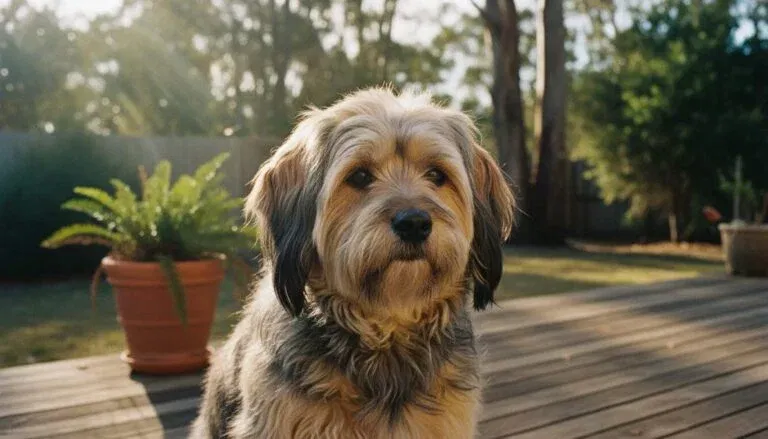
The Tibetan Terrier is one of the most misunderstood breeds in the dog world. The name is misleading on every count: they’re not terriers (no prey drive, no ratting instinct), and while they originated in Tibet, they’re classified as a non-sporting/companion breed.
For over 2,000 years, these shaggy, medium-sized dogs served as watchdogs and companions in Buddhist monasteries high in the Himalayas. Monks considered them sacred and called them “bringers of luck.” They were never sold — only given as gifts.
Today’s Tibetan Terrier is a devoted, sensitive, and surprisingly athletic companion with a spectacular double coat, unique snowshoe feet, and a temperament that sits somewhere between a loyal guardian and a playful clown.
If you’re searching for Tibetan Terrier puppies for sale in Australia, here’s everything you need to know — including the substantial grooming commitment most people underestimate.
What You’ll Learn
- Breed traits & temperament
- Health concerns to know
- True cost in Australia
- Training & exercise needs
- Is this breed right for you?
Quick Facts at a Glance
| Trait | Details |
|---|---|
| Official Breed? | Yes — ANKC, AKC (Non-Sporting Group), and FCI recognised. Known as Tsang Apso in Tibet. |
| True Terrier? | No. Has no terrier instincts. Name was given by European travellers who thought they resembled terriers. |
| Height | 35–41 cm (14–16 inches); females slightly smaller |
| Weight | 8–14 kg (18–30 lbs); ideal 9–11 kg |
| Coat | Long, profuse double coat (fine outer coat, woolly undercoat). All colours except liver and chocolate. |
| Shedding | Low day-to-day; seasonal coat blows in spring/autumn |
| Temperament | Affectionate, sensitive, loyal, playful; reserved with strangers; alert watchdog |
| Lifespan | 13–16 years (some reach 18+) |
| Price (AUD) | $3,000–$5,000+ from registered breeders |
| Suitability | Families with older children, couples, active singles; apartments with exercise |
| Exercise | Moderate — 30–45 minutes daily, plus play |
| Grooming | High — multiple brushing sessions per week; professional grooming every 6–8 weeks |
| Unique Feature | Large, flat “snowshoe” feet for Himalayan traction |
History & Origins
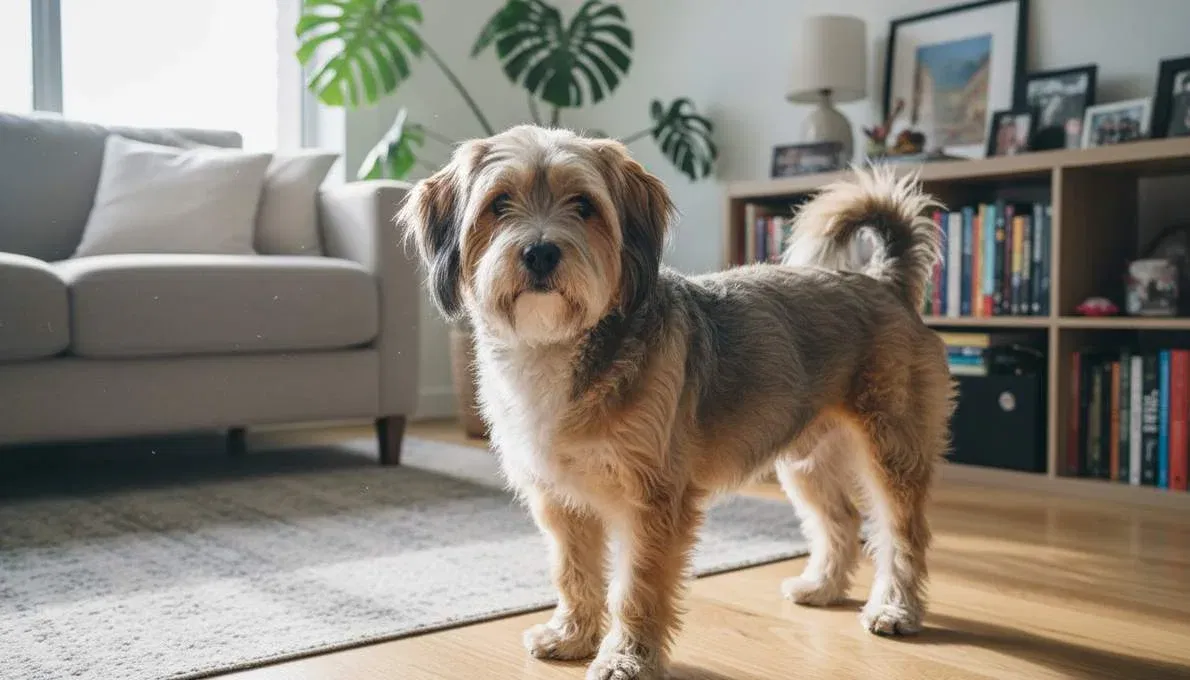
The Tibetan Terrier’s history stretches back over 2,000 years to the monasteries and villages of Tibet’s Lost Valley (the Tsang province). Monks bred them as companions, watchdogs, and good-luck charms. They were considered sacred — selling a Tibetan Terrier was believed to bring bad luck — so they were only ever given as gifts.
The breed developed in one of the harshest environments on Earth: high-altitude Himalayas with freezing temperatures, rocky terrain, and deep snow. This shaped the Tibetan Terrier’s most distinctive physical traits: a heavy double coat for insulation and large, flat, round “snowshoe” feet that provide traction on snow and uneven ground.
The breed arrived in Europe in the 1920s through Dr. Agnes Greig, a British physician working in India. She was gifted a gold-and-white female named Bunti after treating a Tibetan patient, and later acquired a male. She established the Lamleh kennel and began breeding. The Kennel Club of India recognised the breed in 1930, initially as “Lhasa Terrier,” then renamed it “Tibetan Terrier” — a misnomer that stuck. The AKC recognised the breed in 1973 as a non-sporting breed.
The Tibetan Terrier is an ancestor breed that contributed to the development of the Shih Tzu, Lhasa Apso, Tibetan Spaniel, and the Polish Lowland Sheepdog.
Why the Tibetan Terrier Isn’t a Terrier
This matters for anyone expecting terrier behaviour. True terriers (Jack Russell, Fox Terrier, Yorkie) were bred to hunt vermin. They’re typically feisty, high-energy, prey-driven, and stubborn. The Tibetan Terrier shares none of these traits.
- No prey drive: They weren’t bred for hunting. While they’ll chase a ball, they’re not fixated on small animals the way true terriers are. Most coexist well with cats.
- Sensitive, not scrappy: Tibetan Terriers are emotionally sensitive and respond poorly to harsh treatment. True terriers tend to be tougher and more independent.
- Watchdog, not hunter: Their monastic role was to alert — to bark when strangers approached. They’re excellent watchdogs but not aggressive.
- Moderate energy: They need exercise but are content with 30–45 minutes daily. They’re calmer and more adaptable than most terrier breeds.
If you’re drawn to the name but want actual terrier energy, consider a Jack Russell or Tenterfield Terrier instead. If you want a loyal, sensitive, shaggy companion — the Tibetan Terrier is your dog.
Temperament & Personality
- Deeply loyal: Tibetan Terriers bond intensely with their family. They want to be with you constantly — following you around the house, sitting at your feet, sleeping nearby. This devotion is one of their most valued traits.
- Sensitive and perceptive: They read emotions and respond to your mood. Harsh voices, arguments, or stress in the household can genuinely upset them. They thrive in calm, loving environments.
- Reserved with strangers: Unlike bouncy, everyone-is-my-friend breeds, Tibetan Terriers are initially cautious with new people. This isn’t shyness (extreme shyness is an AKC fault) — it’s the watchdog instinct. Once they assess someone as safe, they warm up.
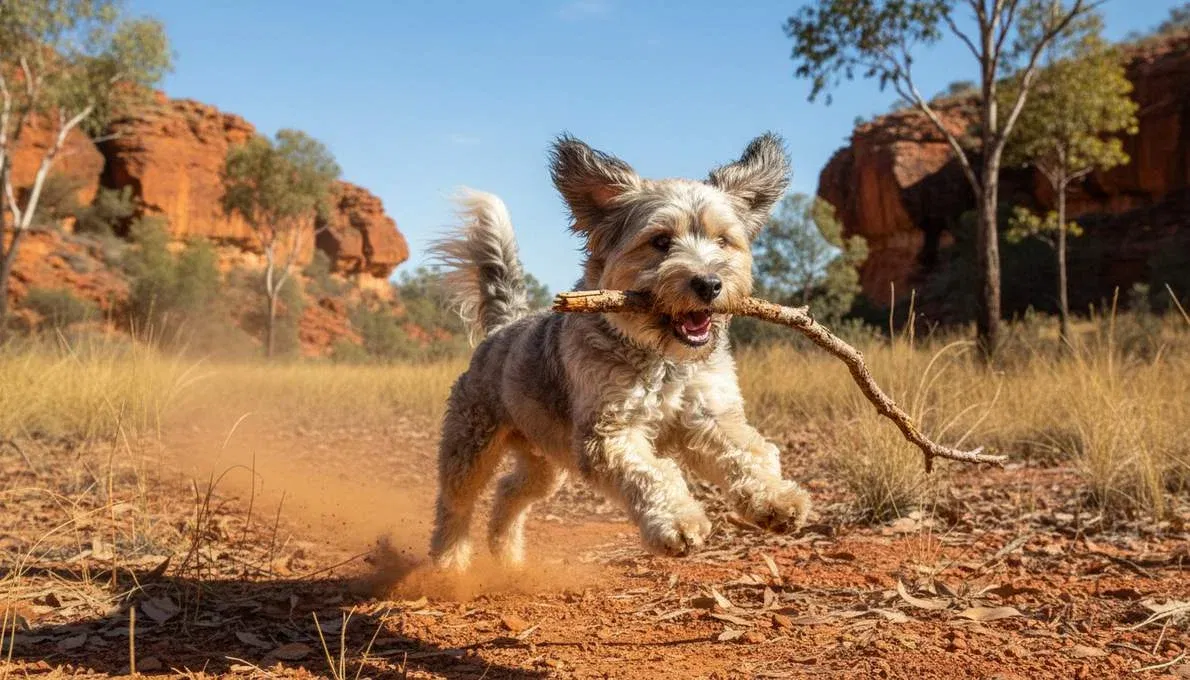
- Playful and occasionally silly: Despite their dignified appearance, they have a genuine clown streak. They’ll make you laugh with unexpected antics, especially when young. They calm down around age 2 but retain their playfulness.
- Good with children: Best with older, calmer children who respect boundaries. They can be overwhelmed by toddlers or rough play. They’re not fragile, but their sensitive nature means they need kids who understand gentle handling.
- Good with other pets: Generally compatible with cats and other dogs, especially if raised together. Their lack of prey drive is a significant advantage over true terrier breeds.
- Alert barker: They will bark when someone approaches. Bred for exactly this purpose. Training helps manage it, but you won’t eliminate the instinct entirely. Apartment dwellers should be aware.
Tibetan Terrier vs Lhasa Apso
A high-volume comparison. Both are Tibetan breeds with long coats, but they’re quite different dogs.
| Tibetan Terrier | Lhasa Apso | |
|---|---|---|
| Size | 35–41 cm, 8–14 kg (medium) | 25–28 cm, 5–8 kg (small) |
| Build | Square, sturdy, athletic | Longer than tall; smaller frame |
| Coat | Long double coat; should not touch ground | Long, heavy coat; can reach floor length |
| Temperament | Playful, sensitive, devoted; calmer | Confident, assertive, independent; can be stubborn |
| With strangers | Reserved but approachable once assessed | More naturally suspicious; can be aloof |
| Energy | Moderate | Low–moderate |
| With kids | Good with older children | Can be less tolerant of children |
| AKC Group | Non-Sporting | Non-Sporting |
| Key Difference | Larger, more athletic, generally softer temperament | Smaller, more independent, stronger guard instinct |
Both breeds share Tibetan monastery origins, but the Tibetan Terrier is the bigger, more athletic, and generally easier-going of the two. The Lhasa Apso tends to be more independent and strong-willed.
Tibetan Terrier vs Havanese
Another common comparison for people considering a medium-coated companion breed.
| Tibetan Terrier | Havanese | |
|---|---|---|
| Size | 35–41 cm, 8–14 kg | 23–29 cm, 3–6 kg |
| Origin | Tibet (monastery watchdog) | Cuba (companion dog) |
| Coat | Heavy double coat; higher maintenance | Long, silky single coat; moderate maintenance |
| Temperament | Loyal, reserved with strangers, moderate energy | Outgoing, friendly with everyone, playful |
| With strangers | Initially cautious | Warm and welcoming |
| Hardiness | Very hardy; bred for harsh conditions | Less hardy; sensitive to cold |
| Grooming | High | Moderate–high |
The Tibetan Terrier is the sturdier, more reserved dog; the Havanese is smaller, friendlier with everyone, and better for families wanting a social butterfly. Both have high grooming needs.

Health & Genetic Conditions
Tibetan Terriers are a generally healthy breed with good longevity. A 2024 UK study found an average life expectancy of 13.8 years — above the purebred average. However, several genetic conditions require awareness and testing.
Key Health Conditions
- Canine neuronal ceroid lipofuscinosis (NCL / Batten disease): The most serious breed-specific condition. A progressive neurological disease causing night blindness, followed by full blindness, seizures, motor deterioration, dementia, and aggression. It’s fatal. The gene was identified in 2009, and a DNA test is available. A German study found approximately one-third of Tibetan Terriers were carriers. Responsible breeders DNA-test and never breed two carriers together. Always ask your breeder for NCL test results.
- Primary lens luxation (PLL): The lens displaces in the eye, causing pain, vision loss, and glaucoma. Tibetan Terriers are one of the more commonly affected breeds. Caused by a mutation in the ADAMTS17 gene. DNA test available. The TTCA requires PLL testing for CHIC certification.
- Progressive retinal atrophy (PRA): Gradual degeneration of the retina leading to blindness. DNA testing available for some forms.
- Hip dysplasia: Malformation of the hip joint causing pain and arthritis. More common in the breed than in most similar-sized dogs. Breeding dogs should be hip-scored.
- Luxating patella: Kneecap dislocation. Common in small-to-medium breeds. Vet screening of breeding dogs recommended.
- Hypothyroidism: Underactive thyroid causing weight gain, lethargy, and coat changes. Manageable with daily medication.
- Allergies and skin conditions: Some Tibetan Terriers develop environmental or food allergies causing skin irritation. Their long coat can mask early signs — check skin regularly during grooming.
DNA testing is critical for this breed. NCL and PLL are both devastating and entirely preventable through responsible breeding. The Tibetan Terrier Club of America now requires DNA-based eye tests for CHIC certification. In Australia, insist on seeing NCL and PLL results from your breeder.

Lifespan & Longevity
Tibetan Terriers typically live 13–16 years, with some reaching 18+. A 2024 UK study placed the breed’s average at 13.8 years — well above the 12.7 average for purebreds.
To maximise your Tibetan Terrier’s lifespan:
- Buy from a breeder who DNA-tests for NCL and PLL.
- Maintain a healthy weight — the breed can be prone to overeating.
- Provide regular exercise to support hip and joint health.
- Keep up with grooming to catch skin issues early.
- Annual vet check-ups with eye exams; six-monthly for seniors.
- Dental care — daily brushing and annual professional cleanings.
Grooming & Coat Care
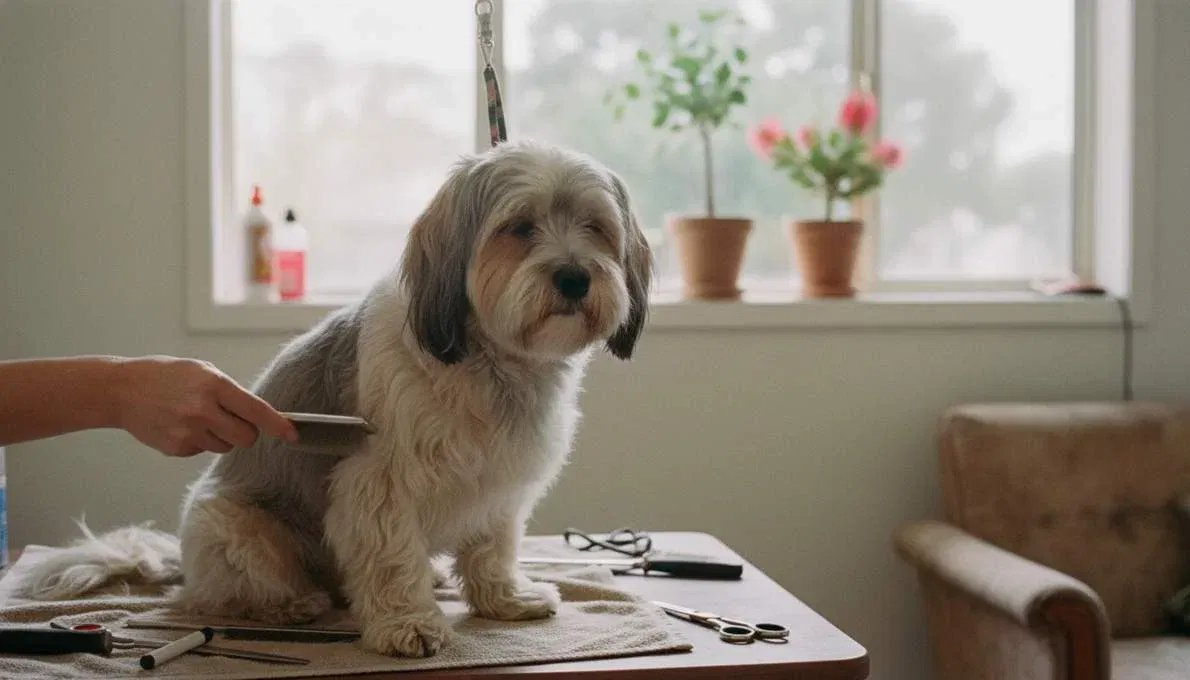
This is the section most potential owners underestimate. The Tibetan Terrier’s coat is stunning — and demanding. It’s a long, profuse double coat: a fine outer layer over a woolly undercoat. Without regular maintenance, it mats rapidly and painfully.
| Task | Frequency | Est. Cost (AUD) |
|---|---|---|
| Thorough brushing & combing | 3–4 times per week (daily during coat change) | DIY — pin brush, slicker, metal comb ~$40–$60 |
| Professional grooming | Every 6–8 weeks | $80–$150 per session |
| Bathing | Every 2–4 weeks, or as needed | DIY or included in grooming |
| Eye cleaning | Daily — hair falls over eyes | Wipes ~$15–$25 |
| Dental care | Daily brushing; annual professional clean | $400–$800 per dental |
| Ear cleaning | Weekly — hair grows in ears | Ear cleaner ~$15 |
| Nail trimming | Every 2–3 weeks | $10–$20, or DIY |
Haircut Styles: Short Hair vs Full Coat
Many keywords reference “short hair Tibetan Terrier,” “shaved Tibetan Terrier,” “puppy cut,” and “teddy bear cut.” Here’s the reality:
- Full show coat: Long, flowing, parted down the back. Beautiful but extremely time-consuming. Requires near-daily brushing. Most owners do not maintain a full coat.
- Puppy cut / short clip: Coat trimmed to 2–5 cm all over. The most popular pet option. Dramatically reduces grooming time and keeps the dog cooler in Australian climates. Every 6–8 weeks at the groomer.
- Teddy bear cut: Face and head rounded; body trimmed to medium length. A good compromise between the show coat and a full clip. Requires more grooming than a puppy cut.
- Shaved: Some owners shave in summer. This works but removes the coat’s UV protection. If you shave, apply pet-safe sunscreen and monitor for sunburn.
Shedding and hypoallergenic claims: Tibetan Terriers shed minimally day-to-day but blow their coat in spring and autumn. They produce less dander than many breeds and are often described as “hypoallergenic-friendly.” However, no dog is truly hypoallergenic. Spend time with a Tibetan Terrier before committing if you have allergies.
Coat Colours
Almost any colour or combination is accepted — one of the breed’s visual charms.
- White: Solid white or predominantly white.
- Black: Solid black. Striking and popular.
- Gold / Golden: The rarest solid colour. Highly sought after.
- Brown: Warm brown tones. Note: liver and chocolate (with brown nose leather) are not accepted in the breed standard.
- Black and white: Classic parti-colour. Very common.
- Brindle: Subtle tiger-stripe patterning. Unique and eye-catching.
- Sable: Colour-tipped hairs over a lighter base. Often gold or grey sable.
- Tricolour: Three-colour combinations; relatively uncommon.
Tibetan Terrier puppies often change colour as they mature. A black puppy may lighten to grey or silver; gold may deepen or fade. This is normal and part of the breed’s charm.
Exercise Needs
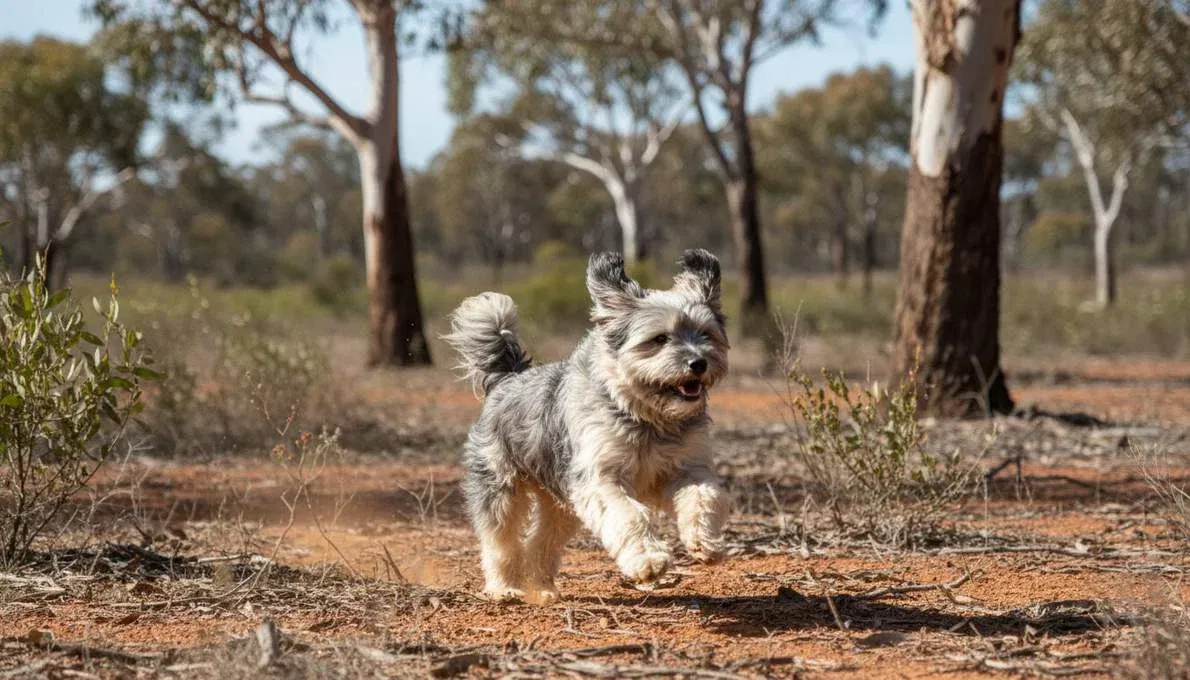
- 30–45 minutes of daily exercise: walks, play, or hiking.
- They’re surprisingly athletic and enjoy hiking and agility.
- Their snowshoe feet give them excellent traction on uneven ground.
- Tolerant of temperature extremes — they handle cold well (bred for it) and manage heat if clipped short and given shade.
- They calm down significantly around age 2; young Tibetan Terriers can be quite bouncy.
Australian climate note: their heavy double coat means they can overheat in Australian summers if kept in full coat. A puppy cut or short clip is strongly recommended for warmer months. Ensure access to shade, water, and air conditioning on hot days. Walk early morning or late evening in summer.
Training Guide
| Age | Focus | Tips |
|---|---|---|
| 8–12 weeks | Socialisation, handling, crate training, toilet training | Critical period for socialisation — expose to many people, dogs, environments. Positive reinforcement only; they shut down with harsh methods. |
| 3–6 months | Sit, come, stay; continued socialisation; grooming habituation | Begin daily grooming routine NOW. A TT that learns to enjoy grooming as a puppy will tolerate it for life. One that doesn’t will fight it forever. |
| 6–12 months | Recall, leash manners, bark management, independence training | Their watchdog bark is instinctive. Teach “quiet” early and consistently. Build confidence with new experiences. |
| 1 year+ | Advanced obedience, agility, trick training | TTs are intelligent and enjoy learning. Keep sessions varied — they get bored with repetition. They excel at agility and rally. |
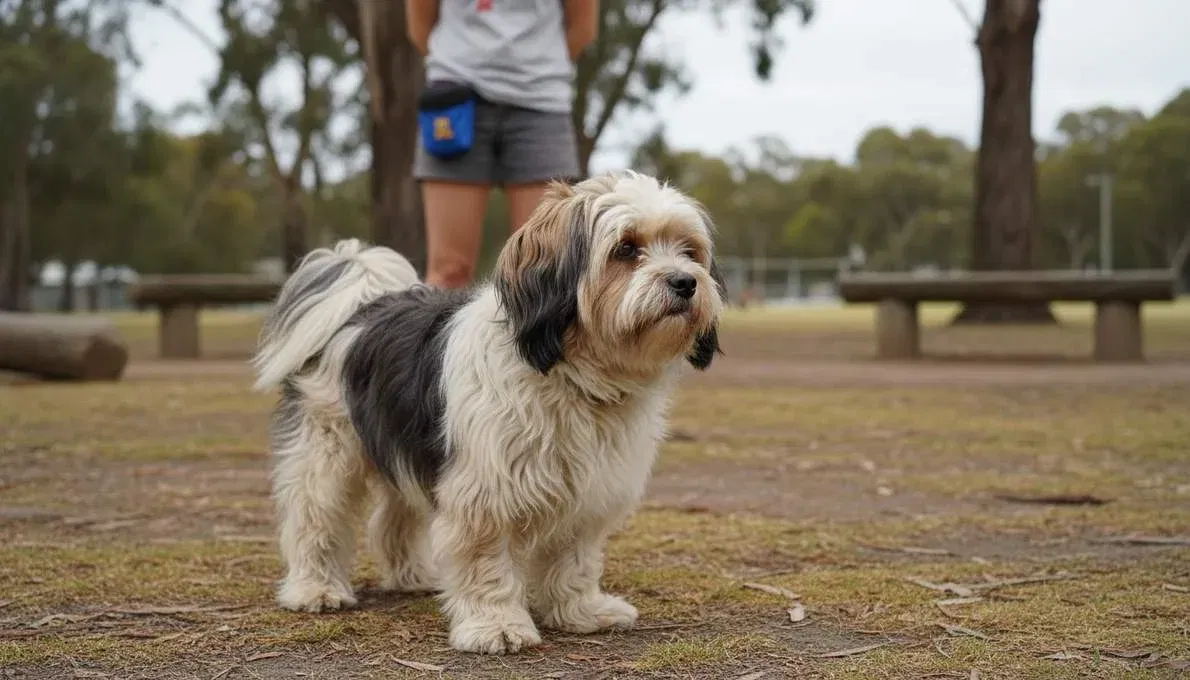
The sensitivity factor: Tibetan Terriers are one of the more sensitive breeds. They respond to your tone, body language, and emotional state. Yelling, physical corrections, or frustration will shut them down. Positive reinforcement, patience, and calm consistency produce a beautifully trained dog. This breed rewards gentle handling with deep loyalty.
Cost of Ownership
Purchase Price
| Source | Price Range (AUD) |
|---|---|
| ANKC-registered breeder | $3,000–$5,000+ |
| Show potential from champion lines | $4,000–$6,000+ |
| Import (breed is rare in Australia) | $5,000–$10,000+ including transport |
| Rescue or rehome (rare) | $300–$600 |
Availability warning: Tibetan Terriers are rare in Australia. There are very few ANKC-registered breeders, and waiting lists can be 12–24+ months. Be prepared to travel interstate for a puppy, or to wait.
Annual Ongoing Costs
| Expense | Est. Annual Cost (AUD) |
|---|---|
| Food (premium medium-breed formula) | $500–$900 |
| Professional grooming (every 6–8 weeks) | $520–$1,200 |
| Vet check-ups & vaccinations | $300–$600 |
| Pet insurance (comprehensive) | $400–$800 |
| Dental cleaning | $400–$800 |
| Flea, tick & worming | $100–$250 |
| Grooming tools, eye care, misc. | $100–$250 |
| TOTAL (healthy year) | $2,320–$4,800 |
Grooming is the biggest ongoing expense. A puppy cut every 6–8 weeks at $80–$150 adds up. If you learn to groom at home, you can reduce this significantly — but it requires investment in tools and time.
Popular Tibetan Terrier Crosses
- Tibetan Terrier x Poodle (Ttoodle / Tibetan Poo): The most common cross. Aims to combine the TT’s temperament with the Poodle’s low-shedding coat. Results vary — coat type, size, and temperament are not guaranteed in first-generation crosses.
- Tibetan Terrier x Lhasa Apso: Two closely related Tibetan breeds. Produces a smaller dog with similar grooming needs. Temperament is usually friendly and loyal.
- Tibetan Terrier x Shih Tzu: Combines two Tibetan-origin breeds. Generally produces a smaller, affectionate companion. Brachycephalic risk from the Shih Tzu side.
- Tibetan Terrier x Cocker Spaniel: A larger cross producing an active, friendly dog with a wavy coat. Energy levels tend to be moderate to high.
Note: no crosses are ANKC-registered. If you want a health-tested, registered dog with predictable traits, buy a purebred from an ANKC breeder.
Is a Tibetan Terrier Right for You?
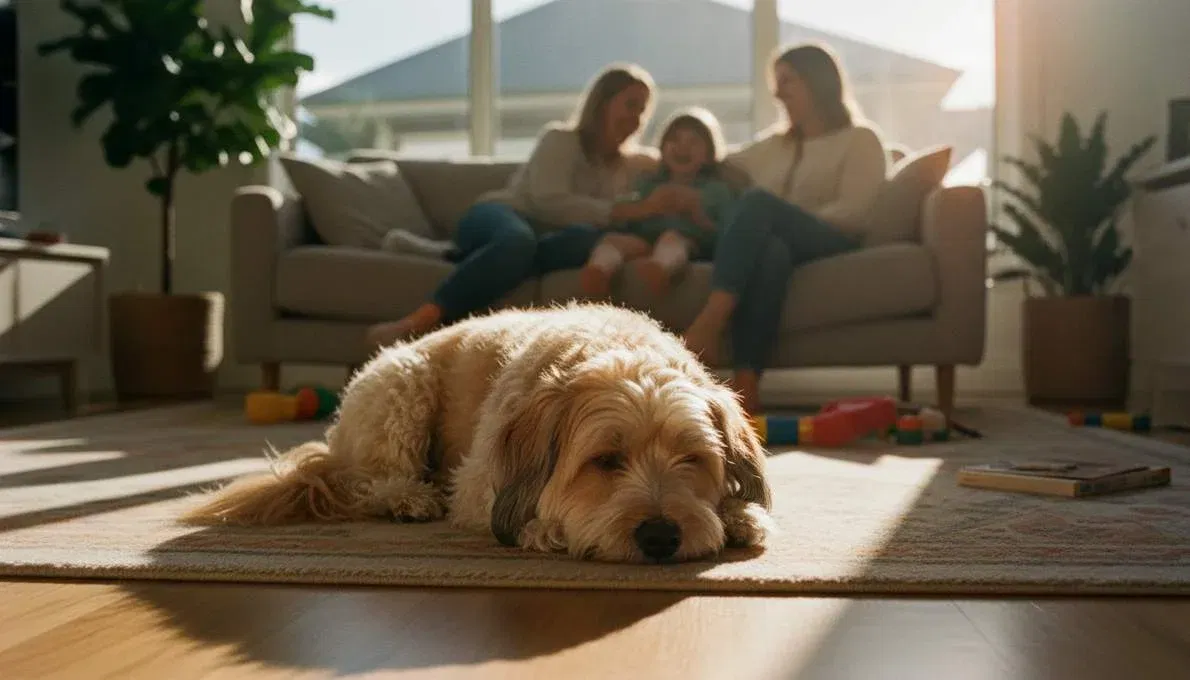
- Want a loyal, devoted companion that bonds deeply with your family.
- Can commit to regular grooming — or are happy to keep them in a puppy cut.
- Have older children (8+) who understand gentle handling.
- Want a medium-sized dog that’s hardy and long-lived.
- Are prepared to wait — reputable breeders in Australia have long waiting lists.
- Appreciate a dog that’s sensitive, intuitive, and emotionally connected.
- You want a low-grooming dog — the coat is the highest-maintenance element of this breed.
- You want an instant friend for everyone — they’re reserved with strangers.
- You want a quiet dog — they bark to alert, and it’s a strong instinct.
- You want terrier energy and prey drive — despite the name, they’re not terriers.
- You need a dog quickly — availability in Australia is limited.
- The Tibetan Terrier is a genuinely special breed — 2,000 years of companionship breeding has produced a dog that is deeply loyal, intuitive, and emotionally connected to its people.
- The grooming commitment is real. Don’t buy this breed unless you’re prepared for multiple brushing sessions per week and regular professional grooming. A puppy cut makes it manageable, but it’s never a no-maintenance breed.
- DNA testing is non-negotiable. NCL (Batten disease) and PLL are both preventable through responsible breeding. Any breeder who doesn’t test for these conditions should be avoided.
- If you can commit to the coat and find a reputable breeder, the Tibetan Terrier rewards you with a long-lived (13–16+ years), healthy, devoted companion unlike any other breed.
FAQs
How big is a full grown Tibetan Terrier?
A full grown Tibetan Terrier stands 35–41 cm (14–16 inches) and weighs 8–14 kg (18–30 lbs). They’re a medium-sized, square-proportioned dog — larger and sturdier than a Lhasa Apso or Shih Tzu.
Are Tibetan Terriers hypoallergenic?
They’re better than average for allergy sufferers. Their double coat sheds minimally day-to-day and produces less dander than many breeds. However, they blow their coat seasonally, and no dog is truly 100% hypoallergenic. Spend time with one before committing if allergies are a concern.
Do Tibetan Terriers shed?
Minimally on a day-to-day basis, but they do blow their coat (shed in clumps) during spring and autumn. Regular brushing during these periods is essential. A puppy cut reduces the visible shedding significantly.
How much does a Tibetan Terrier cost in Australia?
$3,000–$5,000+ from ANKC-registered breeders. The breed is rare in Australia, so expect waiting lists of 12–24 months. Imports can cost $5,000–10,000+.
How long do Tibetan Terriers live?
13–16 years on average, with some reaching 18+. A 2024 UK study found an average of 13.8 years — well above the purebred average of 12.7 years.
What’s the difference between a Tibetan Terrier and a Lhasa Apso?
The Tibetan Terrier is larger (35–41 cm vs 25–28 cm), more athletic, and generally softer in temperament. The Lhasa Apso is smaller, more independent, and tends to have a stronger guard instinct. Both have demanding coats.
Are Tibetan Terriers rare?
Yes, particularly in Australia. There are very few ANKC-registered breeders, and puppies are in high demand. The AKC ranks them 106th in popularity in the US, and the Tibetan Terrier Club of America lists just 16 breeders nationally.
What is NCL (Batten disease) in Tibetan Terriers?
A fatal progressive neurological disease. Symptoms begin with night blindness and progress to full blindness, seizures, dementia, and death. A DNA test has been available since 2009. Approximately one-third of Tibetan Terriers are carriers. Responsible breeders test and never breed two carriers together.
What is a miniature Tibetan Terrier?
There is no miniature variety. The Tibetan Terrier is already a medium-sized breed. If someone is advertising a “mini Tibetan Terrier,” they’re likely describing a crossbreed (possibly with a Lhasa Apso or Tibetan Spaniel) or a smaller individual within the breed.
What Tibetan Terrier haircut styles are there?
The main options are: full show coat (long, flowing, high-maintenance), puppy cut (trimmed to 2–5 cm all over — most popular for pets), teddy bear cut (rounded face, medium body length), or a full shave (reduces grooming but removes UV protection). Most Australian owners opt for a puppy cut.
Where can I find Tibetan Terrier breeders in Australia?
Start with Dogzonline and the ANKC/Dogs Australia breeders directory. Contact Dogs NSW, Dogs Victoria, or your state kennel club. Named breeders in keyword data include Gengala and Araki. Be prepared to wait and possibly travel interstate.
1. AKC — Tibetan Terrier Dog Breed Information: https://www.akc.org/dog-breeds/tibetan-terrier/
2. PetMD — Tibetan Terrier Dog Breed Health and Care (Vet-Reviewed): https://www.petmd.com/dog/breeds/tibetan-terrier
3. Wikipedia — Tibetan Terrier (Life Expectancy, NCL, PLL): https://en.wikipedia.org/wiki/Tibetan_Terrier
4. Dogster — Tibetan Terrier: Info, Pictures, Facts & Traits (Vet-Reviewed): https://www.dogster.com/dog-breeds/tibetan-terrier
5. DogTime — Tibetan Terrier Breed Information & Characteristics: https://dogtime.com/dog-breeds/tibetan-terrier
6. Chewy — Tibetan Terrier Breed: Characteristics, Care & Photos: https://www.chewy.com/education/dog-breeds/tibetan-terrier
7. Hill’s Pet — The Tibetan Terrier Dog Breed: https://www.hillspet.com.au/dog-care/dog-breeds/tibetan-terrier
8. Wisdom Panel — Tibetan Terrier Facts (Genetic Health): https://www.wisdompanel.com/en-us/dog-breeds/tibetan-terrier
9. AdoptAPet — Tibetan Terrier Breed Profile: https://www.adoptapet.com/dog-breeds/tibetan-terrier
10. AKC Official Breed Standard (PDF): https://images.akc.org/pdf/breeds/standards/TibetanTerrier.pdf