
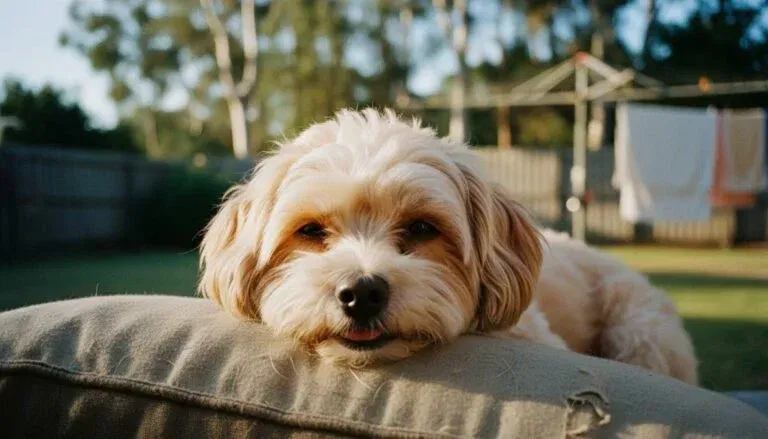
Half Maltese, half Toy Poodle, and small enough to fit in a coffee cup. The teacup Maltipoo — also called a Moodle in Australia — has become one of the most searched-for designer dogs in the country. And it’s easy to see why: fluffy coat, teddy bear face, big personality, tiny body.
But behind the Instagram-perfect photos is a reality that most teacup Maltipoo ads don’t mention. “Teacup” isn’t a breed, a registered size, or a guarantee of anything — it’s a marketing label used to charge more for undersized dogs. And shrinking an already-small crossbreed introduces health risks that can turn an adorable puppy into a very expensive veterinary project.
This guide covers what a teacup Maltipoo actually is, what they cost in Australia, the health problems you should budget for, and how to find a healthy one — whether you’re searching in Melbourne, Sydney, Brisbane, or anywhere else.
What You’ll Learn
- Breed traits & temperament
- Health concerns to know
- True cost in Australia
- Training & exercise needs
- Is this breed right for you?
Quick Facts at a Glance
| Trait | Details |
|---|---|
| Official Breed? | No — Maltipoos are a crossbreed (Maltese × Toy Poodle). “Teacup” is an unofficial size label not recognised by the ANKC, AKC, or any kennel club. |
| Also Known As | Moodle (Australia), Teacup Moodle, Micro Maltipoo, Maltese Poodle Mix |
| Full Grown Height | Under 20 cm (8 inches) at the shoulder |
| Full Grown Weight | 1.8–2.7 kg (4–6 lbs); standard Maltipoos are 2.3–9 kg (5–20 lbs) |
| Coat | Soft, wavy to curly; low-shedding. Colours include white, cream, apricot, red, brown, black, and parti-colour. |
| Shedding | Very low — considered hypoallergenic (inherited from both parent breeds) |
| Temperament | Affectionate, playful, intelligent, eager to please; can be anxious if left alone |
| Lifespan | 10–15 years (standard Maltipoos: 12–16 years) |
| Price (AUD) | $3,000–$8,000 from breeders marketing “teacup”; standard Maltipoos $2,000–$6,000 |
| Suitability | Singles, couples, retirees; adults-only or older-children households |
| Exercise | Low — 15–20 min walks plus indoor play |
| Grooming | Moderate–high — daily brushing, professional grooming every 4–6 weeks |
History & Origins
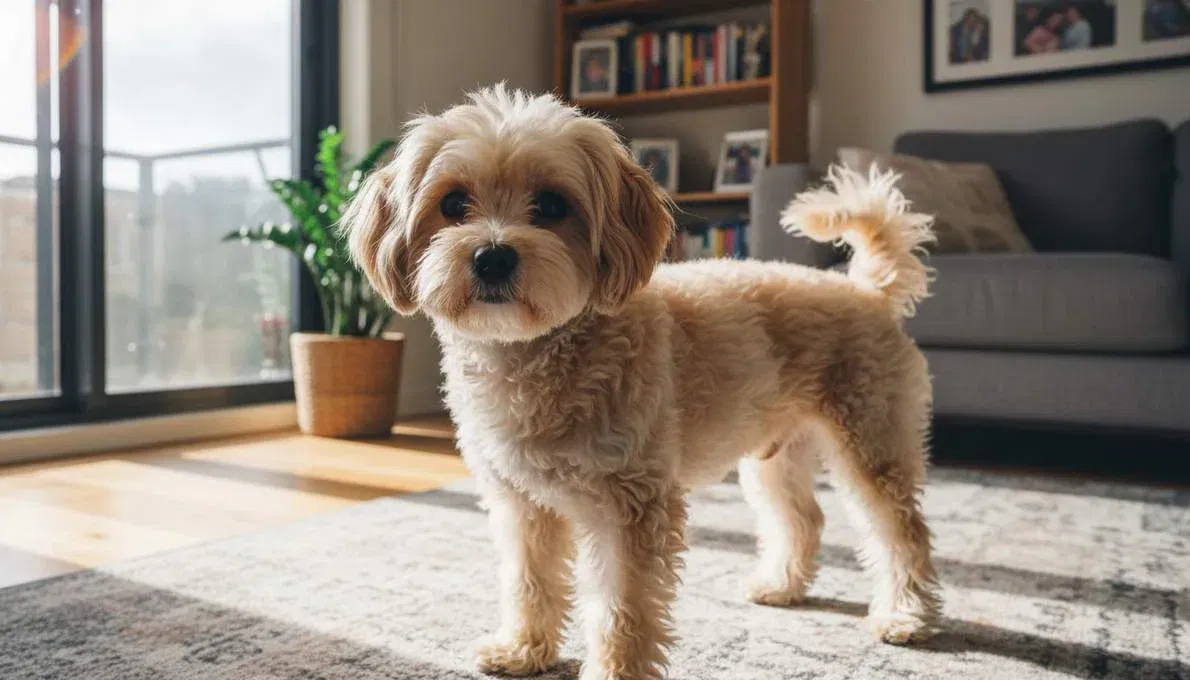
The Maltipoo is a deliberate cross between a Maltese and a Toy Poodle (or occasionally a Miniature Poodle). It’s one of the original “designer dog” crossbreeds, first bred in the United States during the 1990s to combine the Maltese’s gentle, affectionate temperament with the Poodle’s intelligence and low-shedding coat.
In Australia, the Maltipoo is commonly called a Moodle. The crossbreed gained popularity in the early 2000s and has since become one of the most sought-after small designer dogs across NSW, Victoria, Queensland, and beyond.
The “teacup” label is entirely unofficial. No kennel club anywhere — not the ANKC, AKC, UKC, or FCI — recognises a “teacup” Maltipoo as a distinct breed or variety. Since the Maltipoo itself is already an unregistered crossbreed (it has no breed standard), there’s no agreed-upon definition of what “teacup” even means. In practice, breeders use the label for any Maltipoo expected to mature under about 2.5 kg (5–6 lbs).
Teacup Maltipoos are typically produced by crossing the smallest available Maltese with the smallest Toy Poodle — or by selecting the runts from successive litters. Some are first-generation (F1) crosses; others are multi-generational Maltipoo-to-Maltipoo pairings where breeders select for decreasing size. Both approaches carry risks when the primary breeding goal is “as small as possible.”
Temperament & Personality
When they’re healthy and well-socialised, teacup Maltipoos are genuinely delightful companion dogs. They inherit appealing traits from both parent breeds:
- Affectionate and people-oriented: Maltipoos live for human contact. They’ll follow you from room to room, curl up on your lap, and thrive on attention. They’re often described as “velcro dogs.”
- Intelligent and trainable: The Poodle genes give them sharp minds and an eagerness to learn. They pick up commands quickly and enjoy training sessions — especially with treats involved.
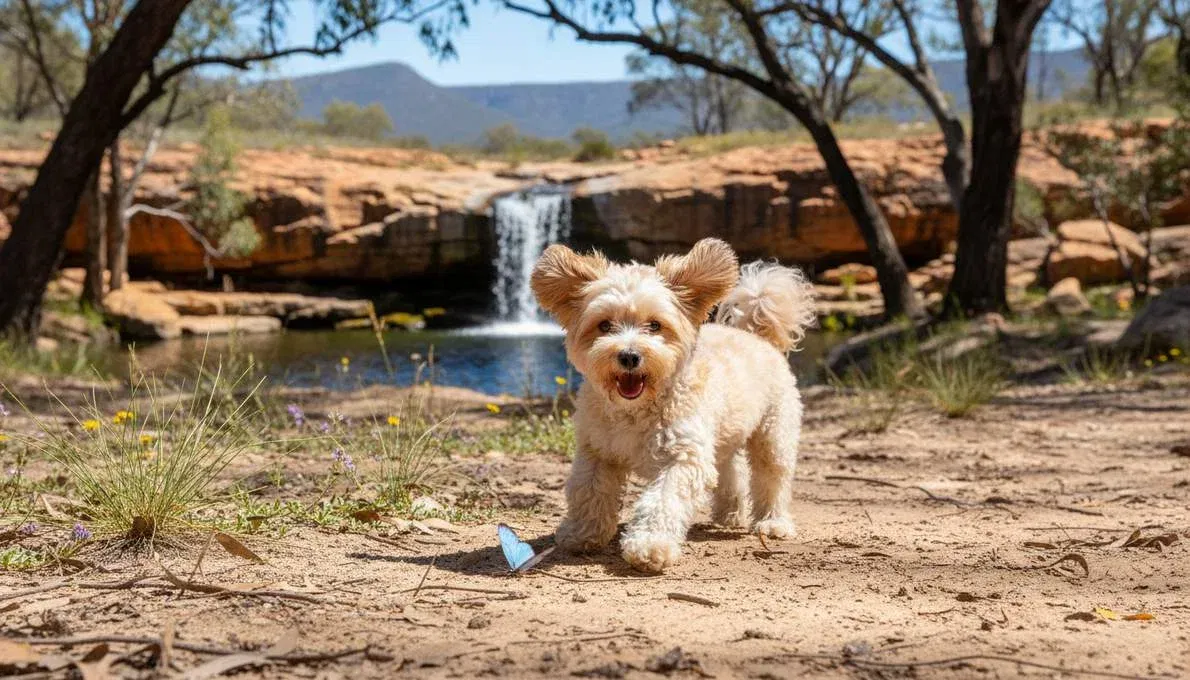
- Playful and energetic in bursts: They’ll have zoomies around your lounge room, chase toys, and play fetch in miniature. But their energy tanks are small — a 15-minute play session tires them out.
- Sensitive and anxious: This is the flip side. Maltipoos — especially teacup-sized ones — are emotionally sensitive. They don’t handle loud environments, harsh corrections, or being left alone well. Separation anxiety is extremely common in this crossbreed.
- Can be barky: Both Maltese and Poodles are alert breeds. A teacup Maltipoo will bark at doorbells, passing dogs, unfamiliar noises, and sometimes nothing at all. Training helps, but expect some degree of vocal alertness.
- Gentle but fragile around children: They’re sweet-natured dogs, but their tiny size makes them vulnerable to injury from rough handling. Best for households with older children or adults only.
The temperament you get also depends on whether your Maltipoo leans more Maltese (cuddly, loyal, potentially barky) or more Poodle (active, smart, potentially more independent). With crossbreeds, there’s always a genetic lottery.

Health & Genetic Conditions
Maltipoos benefit from “hybrid vigour” — the general principle that crossbred dogs are less likely to inherit certain purebred health issues. However, this advantage diminishes significantly when you breed for extreme small size. Teacup Maltipoos are at elevated risk for conditions inherited from both parent breeds, amplified by their tiny frames.
- Hypoglycaemia (low blood sugar): The biggest immediate risk. Tiny dogs burn through glucose fast and can’t store adequate reserves. Skipped meals, stress, cold weather, or overexertion can trigger lethargy, tremors, seizures, and collapse. Teacup Maltipoo puppies may need 4–6 small meals daily. Always keep glucose gel or Karo syrup on hand.
- Luxating patella: Kneecaps slipping out of position — very common in both Maltese and Toy Poodles, so the Maltipoo inherits this risk from both sides. Causes intermittent limping and pain. Surgery costs $2,000–$5,000 per knee in Australia.
- Dental overcrowding: Full-sized adult teeth in a miniature jaw. Leads to overlapping teeth, plaque build-up, gum disease, and painful infections. Annual professional dental cleaning ($400–$1,000+ AUD) is virtually guaranteed, plus likely extractions as they age.
- Progressive retinal atrophy (PRA): An inherited eye disease from the Poodle side causing gradual vision loss and eventual blindness. Reputable Poodle breeders DNA-test for PRA — but many casual crossbreeders don’t.
- White Dog Shaker Syndrome: Inherited from the Maltese side. Causes involuntary full-body tremors, particularly in small white dogs. Usually manageable with medication but requires ongoing veterinary treatment.
- Liver shunts (portosystemic shunt): A condition where blood bypasses the liver. Both Maltese and Toy Poodles are predisposed. Symptoms include stunted growth, seizures, and disorientation. Treatment ranges from dietary management to surgery ($3,000–$10,000+ AUD).
- Epilepsy and seizures: Both parent breeds carry epilepsy risk. Teacup-sized dogs may be more susceptible due to their smaller brain structure and vulnerability to metabolic stress.
- Bone fragility: Delicate, thin bones that fracture easily from falls off furniture, rough play, or being stepped on. A jump from a couch can result in a broken leg for a sub-2 kg dog.
- Tracheal collapse: The windpipe weakens and narrows, causing a honking cough, breathing difficulty, and exercise intolerance. Common in very small dogs. Use a harness, never a collar.
Key point: a well-bred standard-sized Maltipoo (3–7 kg) from health-tested parents is a genuinely robust little dog with fewer inherited risks. The health problems above are disproportionately concentrated in dogs bred to extreme small sizes.
Lifespan & Longevity
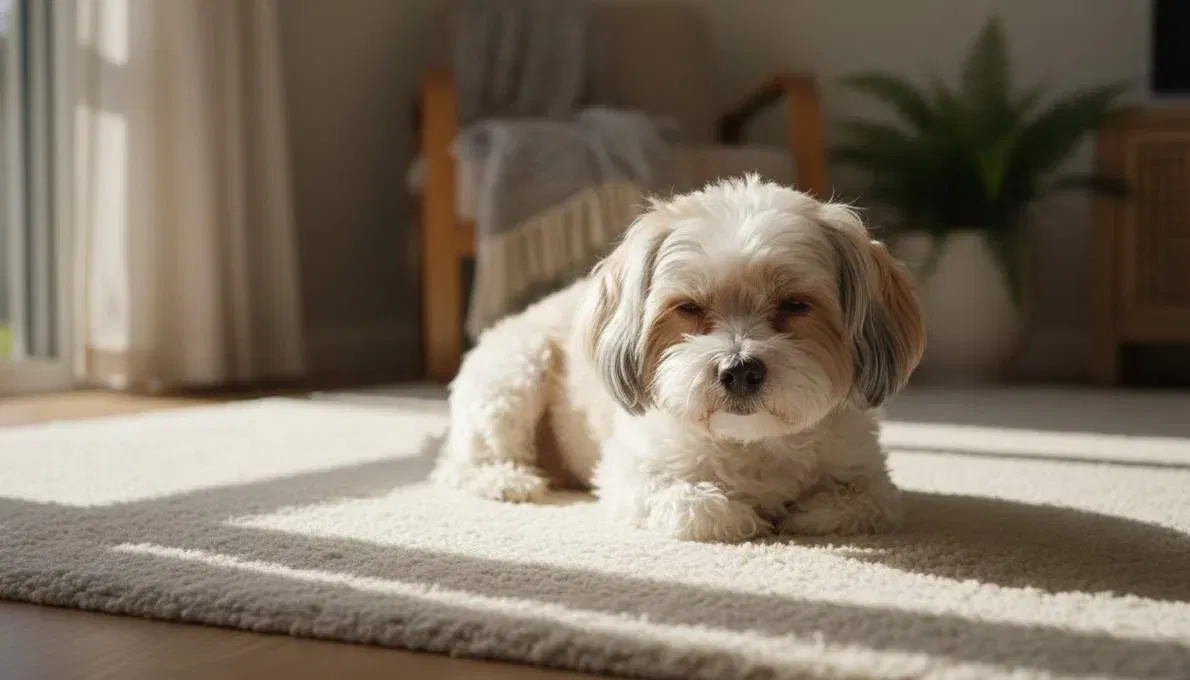
Standard Maltipoos are known for impressive longevity, typically living 12–16 years. Teacup Maltipoos generally have a shorter lifespan of 10–15 years, though this varies widely based on genetics and care quality.
To maximise your teacup Maltipoo’s life expectancy:
- Feed 3–4 small meals per day (puppies: 4–6) to prevent blood sugar crashes.
- Prioritise dental care — brush teeth daily and schedule professional cleanings annually.
- Keep them warm. They have low body mass and limited ability to regulate temperature. Australian winters in Melbourne, Hobart, Adelaide, and Canberra require dog coats and warm bedding.
- Use a harness rather than a collar to protect the trachea.
- Puppy-proof your home. Block access to stairs, secure furniture gaps, and never leave them unattended on beds or couches.
- Six-monthly vet check-ups, not annual. Teacup dogs need more frequent monitoring.
- Comprehensive pet insurance from day one — not accident-only cover.
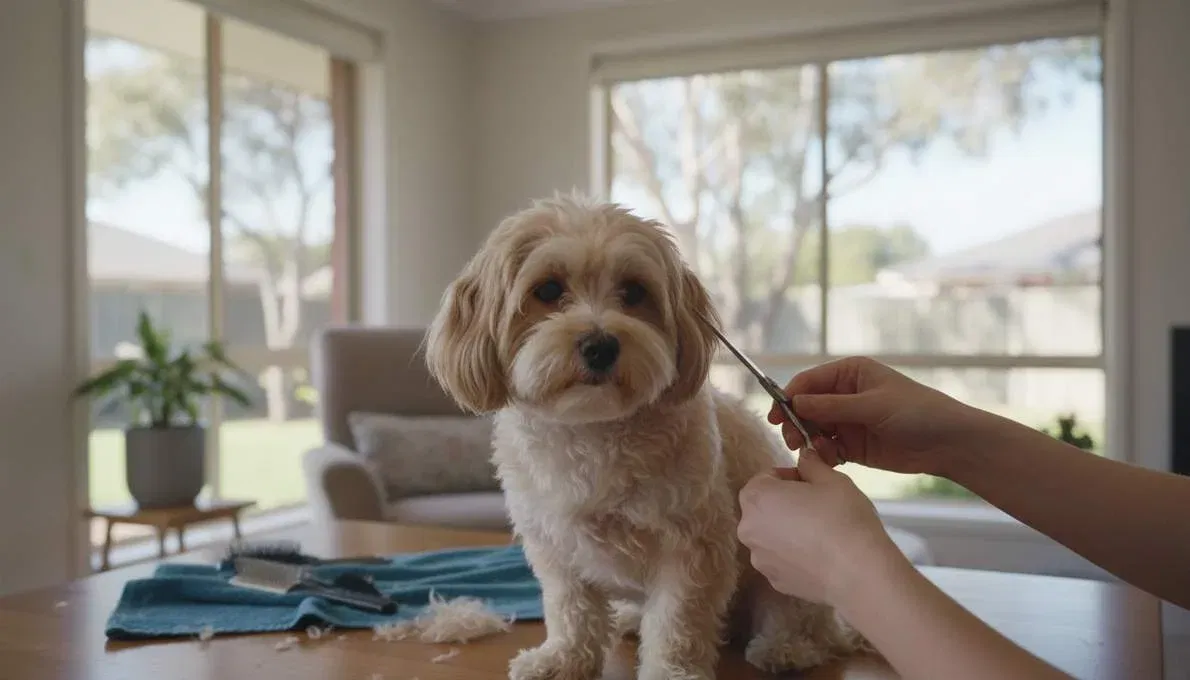
Grooming & Coat Care
The Maltipoo coat is one of their biggest selling points — soft, low-shedding, and often tolerable for allergy sufferers. But it’s not maintenance-free. The coat texture varies from wavy (more Maltese influence) to curly (more Poodle influence), and both types mat easily without regular care.
Grooming Schedule
| Task | Frequency | Est. Cost (AUD) |
|---|---|---|
| Brushing & combing | Daily (curly coats) or every 2–3 days (wavy coats) | DIY — slicker brush & comb ~$25–$45 |
| Professional grooming | Every 4–6 weeks | $60–$110 per session |
| Bathing | Every 2–3 weeks | DIY or included in grooming |
| Tear stain cleaning | Daily (especially lighter-coated dogs) | Tear stain wipes ~$15–$25 |
| Dental care | Daily brushing; annual professional clean | $400–$1,000+ per dental |
| Nail trimming | Every 2–3 weeks | $10–$20 at groomer, or DIY |
| Ear cleaning | Weekly (floppy ears trap moisture) | Ear cleaner ~$15–$25 |
Most teacup Maltipoo owners choose a “teddy bear cut” or “puppy cut” — coat trimmed to a uniform short length across the body — which reduces daily brushing time significantly while keeping that adorable fluffy look.
Ear care matters. Maltipoos have floppy, hairy ears that create warm, moist environments perfect for yeast and bacterial infections. Weekly ear cleaning and keeping ear hair trimmed are essential — skip this, and you’ll be paying for ear infection treatments regularly.
Exercise Needs
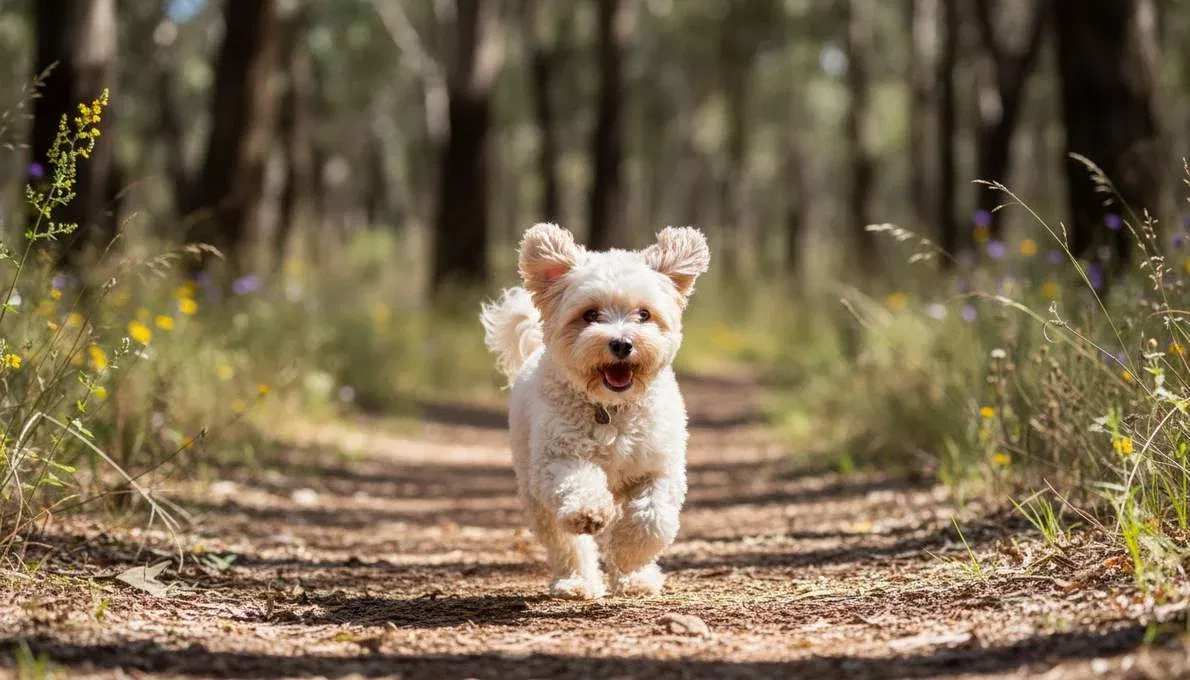
Teacup Maltipoos have very modest exercise requirements. A couple of short walks (10–15 minutes each) and indoor play sessions are typically enough to keep them happy and healthy. They’re excellent apartment dogs and don’t need a backyard.
Australian climate warning: Like all tiny dogs, teacup Maltipoos are vulnerable to both heat and cold. In Australian summers, never walk them on hot pavement — walk early morning or after sunset. In winter, a dog coat is essential for outdoor time, especially in southern states. These dogs cannot thermoregulate effectively at under 2.5 kg.
Mental stimulation is more important than physical exercise for this crossbreed. Puzzle feeders, snuffle mats, hide-and-seek games, and short training sessions will keep a teacup Maltipoo mentally engaged and less likely to develop anxiety-driven behaviours.
Training Guide
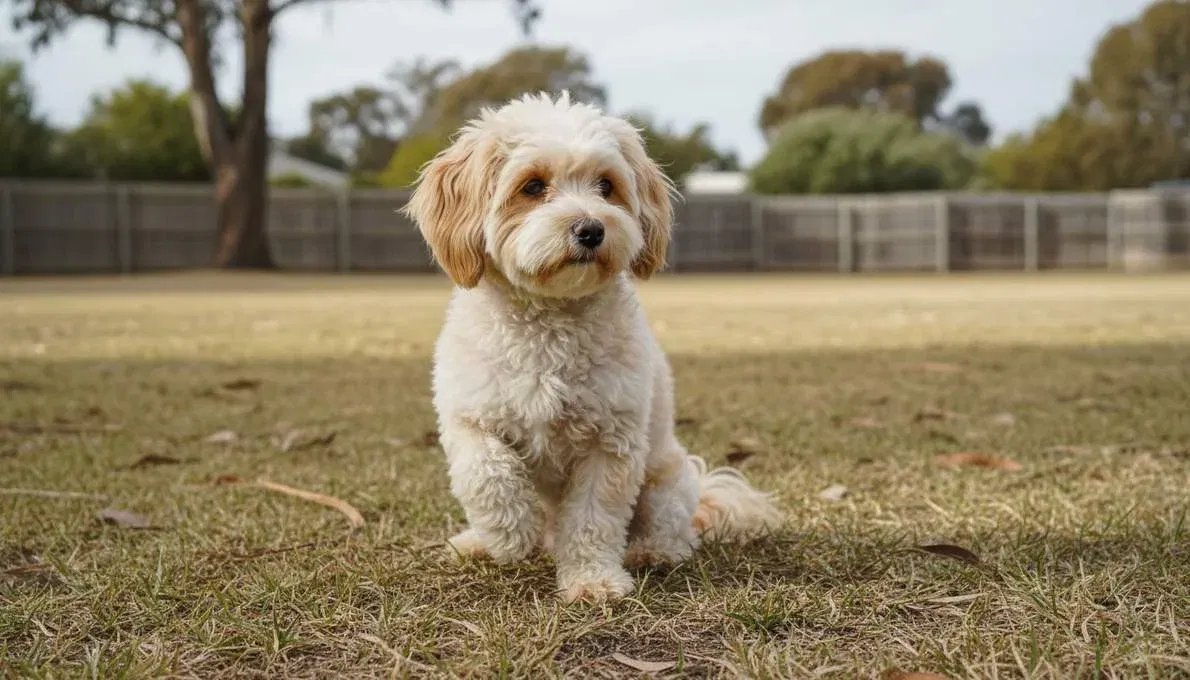
Socialisation & Training Timeline
| Age | Focus | Honest Difficulty |
|---|---|---|
| 8–12 weeks | Toilet training, crate introduction, gentle handling, name recognition | Hard. Tiny bladder = frequent accidents. Indoor puppy pads are almost always needed long-term. |
| 3–6 months | Sit, come, stay; socialisation with people, dogs, sounds | Moderate. Smart and food-motivated, but short attention spans. 5-minute sessions max. |
| 6–12 months | Leash manners, barking management, alone-time training | Moderate–hard. Separation anxiety typically surfaces here. Address it early or it becomes entrenched. |
| 1 year+ | Ongoing confidence building, trick training, manners reinforcement | Easy–moderate. They love to please and respond well to positive reinforcement. |
The toilet training reality: Maltipoos, especially teacup-sized, are notoriously difficult to house-train. Their bladders are genuinely tiny and they physically cannot hold it for long periods. Most experienced owners use a combination of outdoor training and permanent indoor puppy pads or a grass patch. If you’re expecting a fully outdoor-trained dog within a few weeks, adjust your expectations.
Separation anxiety warning: This is the single biggest behavioural challenge with Maltipoos. They bond intensely to their owners and can become destructive, vocal, and distressed when left alone. Crate training, gradual alone-time building, and enrichment toys help — but if you work full-time away from home with no plan for your dog, a Maltipoo of any size is not the right choice.
Cost of Ownership (AUD)
Purchase Price
| Source | Price Range (AUD) |
|---|---|
| Reputable breeder (standard-sized Maltipoo/Moodle) | $2,000–$6,000 |
| Breeder marketing “teacup” or “micro” size | $3,000–$8,000+ |
| Unregistered or backyard breeder | $800–$2,000 |
| Rescue or rehome (adult Maltipoo) | $250–$800 |
Why the huge price range? Since Maltipoos are crossbreeds, there’s no ANKC registration or breed standard setting benchmarks. Pricing is entirely set by the breeder and driven by demand, coat colour (apricot and red command premiums), claimed size, and generation (F1, F1b, etc.). The “teacup” label alone can add $1,000–$3,000 to the price with no health guarantee attached.
Annual Ongoing Costs
| Expense | Est. Annual Cost (AUD) |
|---|---|
| Food (premium small-breed formula) | $350–$650 |
| Professional grooming (every 5–6 weeks) | $520–$1,100 |
| Vet check-ups & vaccinations | $300–$600 |
| Pet insurance (comprehensive) | $500–$1,000 |
| Dental cleaning | $400–$1,000 |
| Flea, tick & worming | $100–$250 |
| Ear care, tear stain products, toys, bedding | $100–$350 |
| TOTAL (healthy year) | $2,270–$4,950 |
Serious health issues — luxating patella surgery, liver shunts, epilepsy management — can add $3,000–$10,000+ in a single year. Pet insurance is essential, not optional, with a teacup Maltipoo.

Teacup Maltipoo Colours
One of the Maltipoo’s biggest appeals is coat colour variety. While purebred Maltese are always white, the Poodle parent introduces a spectrum of colour possibilities:
- White and cream: The most common. Classic Maltipoo look inherited from the Maltese side. Prone to visible tear staining.
- Apricot: Hugely popular and often priced at a premium. Ranges from pale gold to warm peach. The apricot teacup Maltipoo is one of the most searched-for variants in Australia.
- Red: Deep, rich reddish-brown. Relatively rare and commands high prices. Red teacup Maltipoos are in high demand.
- Brown and chocolate: Warm brown tones from the Poodle parent. Can lighten (or “clear”) as the dog ages, so the puppy colour may not be the adult colour.
- Black: Less common in Maltipoos but possible when the Poodle parent carries strong black genes. Black teacup Maltipoos are striking but may fade to silver or grey over time.
- Parti-colour: Two or more colours in patches. Adds visual interest but is less predictable with crossbreeds.
Colour fading is normal. Many Maltipoo puppies’ coats lighten significantly as they mature. That rich chocolate puppy may become a soft caramel adult. This is a Poodle trait, not a health issue, but buyers should be aware.
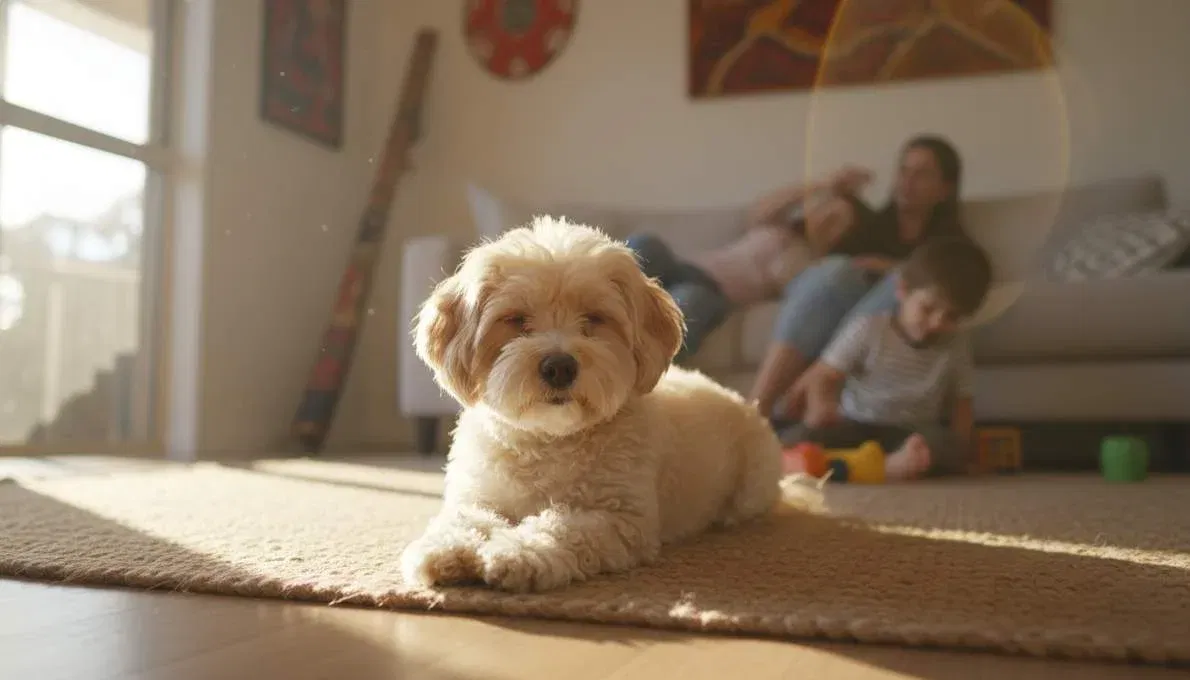
Is a Teacup Maltipoo Right for You?
- You’re home most of the day or can bring your dog to work.
- You want a low-shedding, allergy-friendly companion for apartment or unit living.
- You enjoy grooming and don’t mind regular professional grooming costs.
- You have no young children or large, boisterous pets.
- You can afford comprehensive vet care and pet insurance.
- You’re patient with toilet training and comfortable using indoor puppy pads long-term.
- You work full-time away from home — separation anxiety will be severe.
- You have toddlers or young children — the injury risk is too high on both sides.
- You’re on a tight budget — grooming, vet, dental, and insurance costs add up quickly.
- You expect a fully house-trained dog — teacup Maltipoos are among the hardest toy dogs to toilet train.
- You want a robust, adventurous outdoor dog — this is a fragile indoor companion.
a standard-sized Maltipoo (3–6 kg) from a reputable breeder who health-tests both parent dogs. You get the same adorable coat, the same loving temperament, and a far more resilient dog. The difference between a “teacup” and a standard toy Maltipoo is often only 1–2 kg — but the health difference can mean years of extra life and thousands of dollars in avoided vet bills.
- Teacup Maltipoos are charming, affectionate, and genuinely loveable — when they’re healthy. A well-bred, well-socialised one can be a wonderful companion for over a decade.
- The risks are real and the costs are high. Hypoglycaemia, patellar issues, dental disease, seizures, and separation anxiety aren’t rare edge cases — they’re common realities of owning a very small designer dog.
- Don’t pay a premium for “teacup.” The label adds thousands to the price with no health benefit. A standard-sized Maltipoo from health-tested parents is already a tiny, gorgeous, hypoallergenic companion — with a stronger body and a longer expected life.
- Ask the hard questions. If a breeder’s main selling point is size or colour, and they can’t show you health-test results for both parent dogs, walk away. Your wallet — and your heart — will thank you later.
FAQs
How big does a full grown teacup Maltipoo get?
A full grown teacup Maltipoo typically stands under 20 cm (8 inches) at the shoulder and weighs 1.8–2.7 kg (4–6 lbs). Dogs marketed as “micro teacup” may be even smaller, sometimes under 1.5 kg. Standard Maltipoos range from 2.3–9 kg, depending on whether a Toy or Miniature Poodle was used in the cross.
How much does a teacup Maltipoo cost in Australia?
Teacup Maltipoo puppies for sale in Australia typically range from $3,000 to $8,000, with apricot, red, and particularly small dogs at the top end. Standard-sized Maltipoos (Moodles) from reputable breeders generally cost $2,000–$6,000. Be cautious of cheap puppies under $1,000 — these often come from unscreened, unregistered sources.
What’s the difference between a Maltipoo and a teacup Maltipoo?
Size. A standard Maltipoo weighs 2.3–9 kg; a “teacup” Maltipoo weighs under about 2.7 kg. There’s no official breed distinction — “teacup” is a marketing term. Teacup Maltipoos are more prone to health problems due to their extreme small size and the breeding practices used to produce them.
How long do teacup Maltipoos live?
Teacup Maltipoos typically live 10–15 years, compared to 12–16 years for standard-sized Maltipoos. Their lifespan depends heavily on breeding quality, diet, dental care, weight management, and proactive veterinary monitoring.
Are teacup Maltipoos hypoallergenic?
They’re considered low-shedding and more allergy-friendly than most breeds, thanks to the Poodle influence on their coat. However, no dog is truly 100% hypoallergenic. People with severe allergies should spend time with a Maltipoo before committing to ownership.
Do teacup Maltipoos bark a lot?
They can. Both Maltese and Poodles are alert, vocal breeds, and the Maltipoo inherits this tendency. Consistent training from puppyhood can reduce nuisance barking, but some degree of alert barking is a permanent personality trait. Teacup-sized dogs may bark more due to feeling vulnerable.
What colours do teacup Maltipoos come in?
Teacup Maltipoos come in white, cream, apricot, red, brown, chocolate, black, silver, and parti-colour (mixed patches). Apricot and red are the most popular and expensive. Coat colour often fades as the dog matures — this is a normal Poodle trait, not a defect.
Can I find teacup Maltipoo breeders in Australia?
Yes, but be cautious. Since Maltipoos are crossbreeds, they can’t be registered with the ANKC. Look for breeders who DNA-test both parent dogs (PRA, patellar luxation, cardiac screening), allow home visits, provide health guarantees, and can show you both parents. Check platforms like RightPaw for vetted breeders. Avoid Gumtree and Facebook sellers who can’t provide documentation.
Are teacup Maltipoos good for apartments?
Excellent. Their tiny size, low exercise needs, and low shedding make them one of the best apartment dogs available. The main apartment concern is barking — address this with training from day one, or your neighbours will let you know about it.
What’s the difference between a Maltipoo and a Moodle?
Nothing. “Moodle” is the Australian nickname for a Maltipoo (Maltese × Poodle cross). Both terms describe the same crossbreed. You’ll see “Moodle” used more commonly on Australian breeder sites and pet platforms.
1. PawSafe — Teacup Maltipoo Complete Guide: https://pawsafe.com/blogs/dog-breeds/teacup-maltipoo
2. Dogster — Teacup Maltipoo: Info, Pictures, Care Guide & Traits (Vet-Reviewed): https://www.dogster.com/dog-breeds/teacup-maltipoo
3. Crockett Doodles — Maltipoo Size & Growth Guide: https://www.crockettdoodles.com/maltipoo-size-guide/
4. A-Z Animals — How Big Do Teacup Maltipoos Get? Growth Chart: https://a-z-animals.com/blog/how-big-do-teacup-maltipoos-get-growth-chart-by-age-and-important-milestones/
5. Premier Pups — A Guide to Teacup Maltipoos: https://premierpups.com/blogs/teacup-maltipoo-guide
6. PetMaltipoo — Teacup Maltipoo and Toy Maltipoo Dogs: https://www.petmaltipoo.com/teacup-maltipoo
7. ASPCA Pet Insurance — Maltipoo FAQs: Size, Shedding, and Care: https://www.aspcapetinsurance.com/resources/maltipoo/
8. PetsOnline Australia — Maltipoo Prices Australia: https://petsonline.com.au/dog-breeds/maltipoo/prices/
9. Kudlepups Australia — Moodles (Maltipoo) Breed Guide: https://kudlepups.com.au/moodles/
10. Embrace Pet Insurance — Maltipoo Breed Guide: https://www.embracepetinsurance.com/dog-breeds/maltipoo