
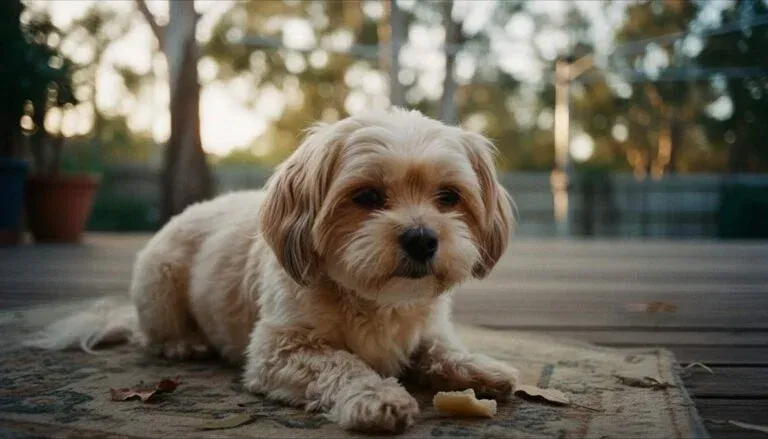
All silk, no undercoat, and a personality that could fill a room. The teacup Maltese is the miniaturised version of one of the world’s oldest and most adored companion breeds — and it’s blowing up in Australian pet circles.
But “teacup” isn’t a breed, a registered size, or a mark of quality. It’s a marketing label slapped on undersized Maltese dogs to charge a premium. And the health trade-offs that come with shrinking an already-tiny dog can be expensive, heartbreaking, and avoidable.
Whether you’re searching for teacup Maltese puppies for sale in Melbourne, Sydney, Brisbane, or anywhere else in Australia, this guide covers what you actually need to know — size, price, health risks, grooming demands, and how to avoid getting burned by unethical breeders.
What You’ll Learn
- Breed traits & temperament
- Health concerns to know
- True cost in Australia
- Training & exercise needs
- Is this breed right for you?
Quick Facts at a Glance
| Trait | Details |
|---|---|
| Official Breed? | No — “teacup” is not recognised by the ANKC, AKC, or FCI. There is one Maltese breed. |
| Parent Breed | Maltese (toy group) |
| Full Grown Height | Under 18 cm (7 inches) at the shoulder |
| Full Grown Weight | Under 1.8 kg (4 lbs); standard Maltese are 1.8–3.2 kg (4–7 lbs) |
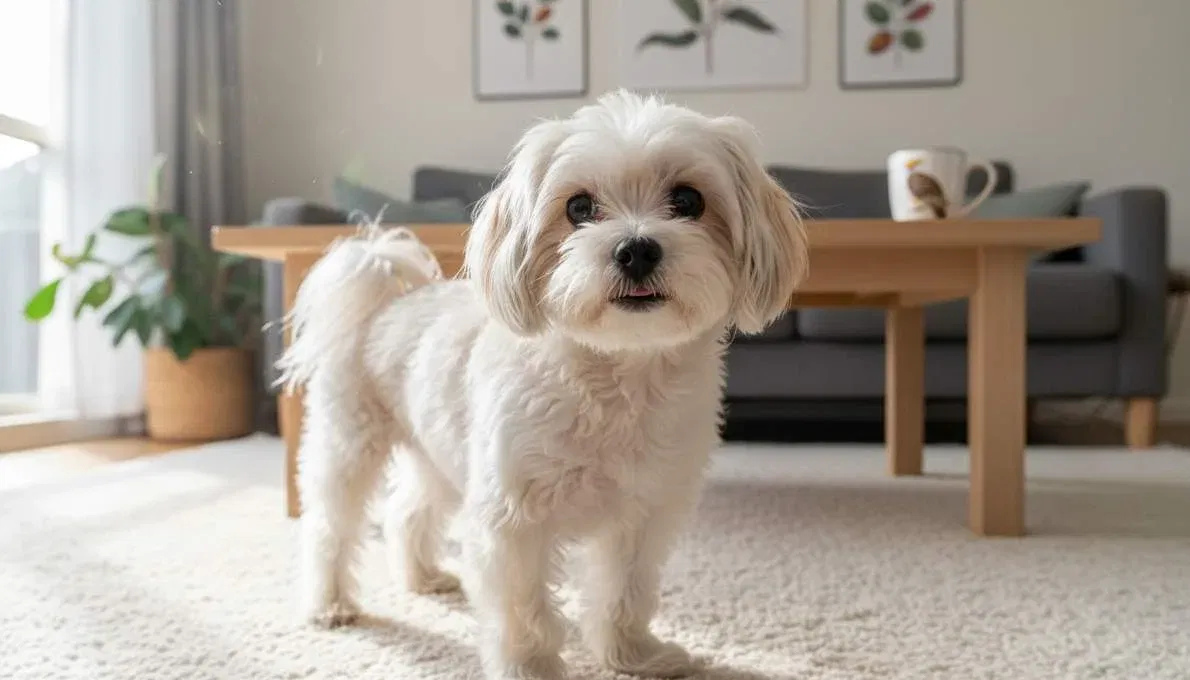
| Coat | Long, silky, single-layered; white (occasionally with lemon or ivory tints) |
| Shedding | Very low — considered hypoallergenic (no undercoat) |
| Temperament | Affectionate, playful, gentle, alert; can be yappy if untrained |
| Lifespan | 10–15 years (standard Maltese: 12–15 years) |
| Price (AUD) | $3,000–$6,000+ for dogs marketed as teacup; $2,500–$4,500 for standard-sized |
| Suitability | Singles, couples, retirees; adults-only households preferred |
| Exercise | Low — short daily walks and indoor play |
| Grooming | High — daily brushing if coat is kept long; regular professional grooming |
History & Origins
The Maltese is one of the oldest toy breeds in recorded history. Ancient Greeks built tombs for their beloved Maltese companions, Roman writers described them as “perfectly proportioned”, and they appear in paintings and literature spanning over 2,000 years. The breed is believed to have originated on the island of Malta, though some historians trace its roots to Phoenician trading routes across the Mediterranean.
The modern Maltese was refined in Europe over centuries, and the ANKC recognises a single breed standard: a dog not exceeding 25 cm at the shoulder with a weight typically between 1.8–3.2 kg. The AKC prefers 4–6 lbs (1.8–2.7 kg) with an upper limit of 7 lbs (3.2 kg).
There is no official teacup Maltese. No kennel club anywhere recognises “teacup,” “micro,” or “miniature” Maltese as a separate size or variety. When a breeder uses the word “teacup,” they’re describing a Maltese that falls below the breed standard — usually under 1.8 kg as an adult. These dogs are typically produced by breeding the smallest individuals in a litter (runts) across multiple generations.
Some breeders have crossed Miniature Poodles or Spaniels into Maltese lines to reduce size, which technically makes the offspring a crossbreed — not a purebred Maltese at all. Always ask if the parents are purebred and registered.

Temperament & Personality
The Maltese temperament is one of the breed’s biggest drawcards, and teacup-sized Maltese dogs inherit the same charming personality:
- Affectionate to the core: Maltese were bred for thousands of years as companions. They live to be near you, on you, or beside you. They’re lap dogs in the truest sense.
- Playful and spirited: Despite their size, they’re surprisingly energetic in short bursts. They’ll zoom around your living room, pounce on toys, and charm you with their enthusiasm.
- Alert and vocal: Maltese bark. A lot. They’re excellent watchdogs for their size, but without training, they can become nuisance barkers — especially teacup-sized dogs that feel more vulnerable.
- Prone to separation anxiety: Leaving a teacup Maltese alone for long hours is a recipe for barking, destructive behaviour, and genuine distress. They need consistent company.
- Gentle with adults, risky with kids: Their tiny frame makes them vulnerable to accidental injury from toddlers and young children. They can also nip defensively when startled. Best suited to adults-only or older-children households.
A well-socialised teacup Maltese is a joyful, friendly, confident little dog. An unsocialised one is often fearful, snappy, and anxious. Early and gentle socialisation makes all the difference.

Health & Genetic Conditions
Standard Maltese are generally a healthy breed with a solid lifespan. Breeding them smaller than the standard, however, introduces and amplifies a range of health risks. If you’re considering a teacup Maltese dog, you need to understand these honestly.
- Hypoglycaemia (low blood sugar): The most immediate danger. Tiny dogs burn glucose fast and can’t store reserves. Missed meals, stress, or cold weather can trigger weakness, tremors, seizures, and death. Teacup Maltese puppies often need 4–6 small meals per day. Keep glucose gel on hand.
- Luxating patella: The kneecap slips out of place, causing limping and pain. Very common in toy breeds and worsened in undersized dogs. Surgical correction in Australia costs $2,000–$5,000 per knee.
- Patent ductus arteriosus (PDA): A congenital heart defect where a blood vessel near the heart fails to close after birth. Requires surgical correction. One of the more serious heart conditions seen in Maltese.
- Microvascular dysplasia / Liver shunts: A liver condition where blood bypasses the liver, allowing toxins to circulate. Maltese are predisposed. Symptoms include poor growth, seizures, and disorientation. Treatment ranges from dietary management to surgery ($3,000–$10,000+ AUD).
- Dental overcrowding: Full-sized adult teeth crammed into a jaw smaller than a matchbox. Causes overlapping teeth, gum disease, and painful infections. Annual dental cleanings ($400–$1,000+ AUD) and likely extractions are part of the deal.
- White Dog Shaker Syndrome: A neurological condition causing full-body tremors in small white dogs. More common in Maltese than almost any other breed. Usually manageable with corticosteroids but requires veterinary treatment.
- Bone fragility and open fontanelle: Like Chihuahuas, some teacup Maltese retain a soft spot on the skull. Their thin, delicate bones fracture more easily from minor falls or rough handling.
- Encephalitis: Maltese are susceptible to necrotising encephalitis (brain inflammation). It’s rare but serious, and teacup-sized dogs may be more vulnerable.
What responsible breeders say: reputable Maltese breeders in Australia — many of whom have been breeding for decades — do not intentionally produce teacup-sized dogs. They breed to the ANKC standard and focus on health, temperament, and correct structure. If a breeder’s primary selling point is how small their dogs are, that’s a red flag.
Lifespan & Longevity
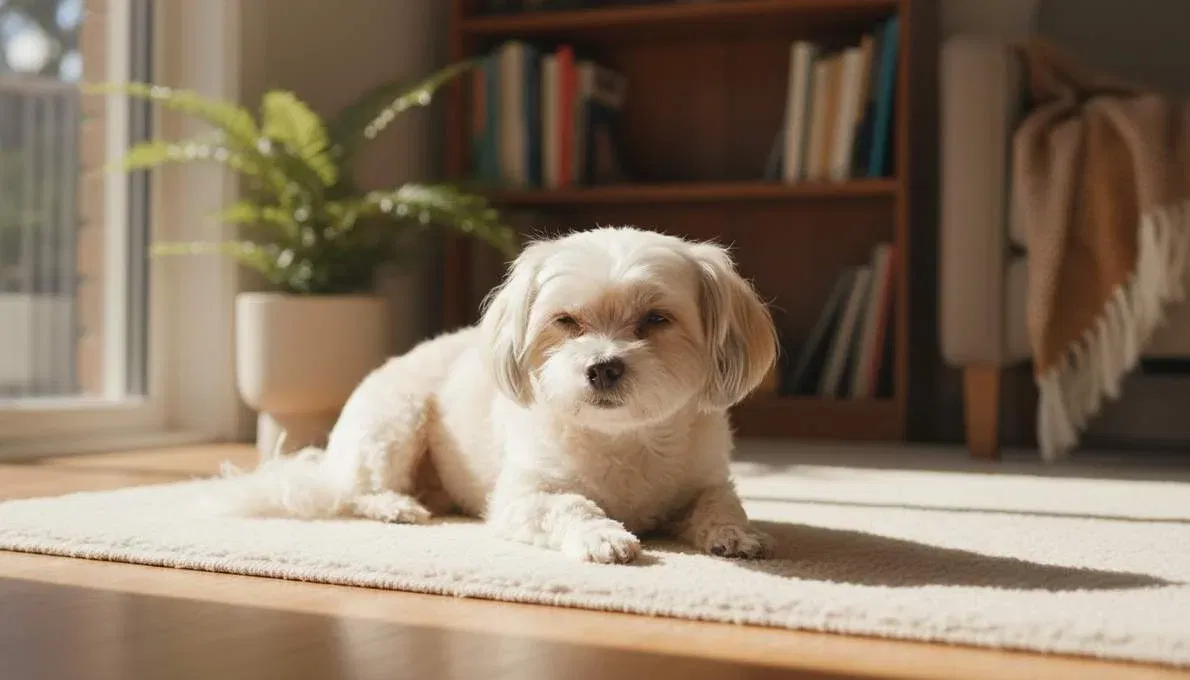
Standard Maltese typically live 12–15 years, with many reaching 16 or beyond with good care. Teacup Maltese may have a shorter lifespan of 10–15 years, depending on their health and breeding quality.
To maximise your teacup Maltese’s life expectancy:
- Feed small, frequent meals (3–4 times daily) to prevent blood sugar crashes.
- Prioritise dental hygiene — dental disease is the number one preventable health issue in small breeds.
- Keep them warm. Maltese have no undercoat and lose body heat fast. Australian winters in Melbourne, Hobart, and Canberra demand dog coats and heated sleeping areas.
- Schedule six-monthly vet visits — not annual. Teacup dogs need closer monitoring.
- Maintain a healthy weight. Even 200 g of excess weight on a 1.5 kg dog is medically significant.
- Invest in pet insurance from day one. Comprehensive cover, not just accident-only.
Grooming & Care
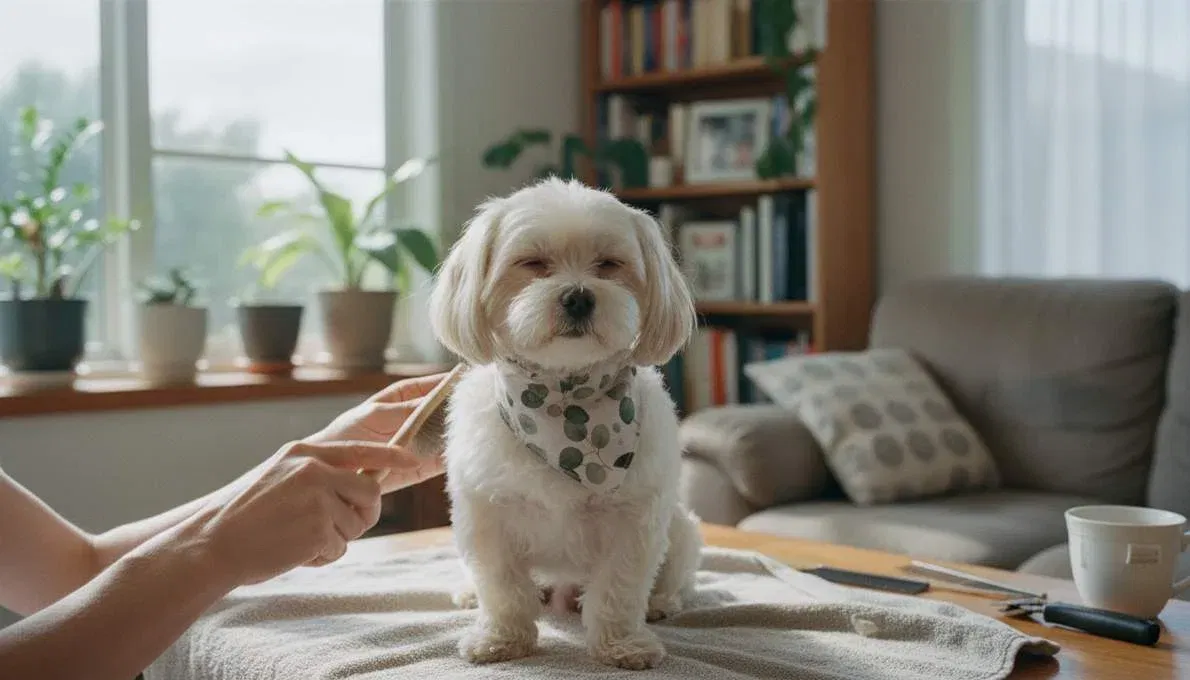
If you’re getting a Maltese — teacup or standard — prepare yourself: this breed’s coat is beautiful but high-maintenance. Their single-layer silk coat doesn’t shed much (which is great for allergies) but mats easily and stains visibly because it’s white.
Grooming Schedule
| Task | Frequency | Est. Cost (AUD) |
|---|---|---|
| Brushing & combing | Daily if coat is long; 2–3x/week if clipped short | DIY — pin brush & comb ~$25–$40 |
| Professional grooming | Every 4–6 weeks | $60–$100 per session |
| Bathing | Every 1–2 weeks (white coat stains easily) | DIY or included in grooming |
| Tear stain cleaning | Daily | Tear stain wipes ~$15–$25 |
| Dental care | Daily brushing; annual professional clean | $400–$1,000+ per dental |
| Nail trimming | Every 2–3 weeks | $10–$20 at groomer, or DIY |
Tear staining is the bane of every Maltese owner’s life. Those reddish-brown streaks under the eyes are caused by a protein in tears called porphyrin. Daily wiping with a damp cloth or tear stain wipe, keeping the face hair trimmed, and using filtered water can help reduce staining.
Many teacup Maltese owners opt for a “puppy cut” (coat clipped short all over) to reduce daily grooming from 20+ minutes to a quick 5-minute brush. It’s less glamorous than the flowing show coat but far more practical for pet owners.

Exercise Needs
Teacup Maltese need very little physical exercise — a couple of short walks (10–15 minutes each) and indoor play sessions are enough. They’re apartment-friendly dogs by nature and don’t need a backyard to be happy.
Australian climate warning: Maltese are heat-sensitive and cold-sensitive. In summer, never walk them on hot pavement — their paw pads burn in seconds. Walk early morning or after sunset. In winter, they need a coat outdoors. A sub-2 kg dog with no undercoat cannot regulate body temperature effectively in extreme weather.
Mental enrichment is more valuable than physical exercise for this breed. Puzzle feeders, snuffle mats, training games, and rotating toys will keep a teacup Maltese stimulated and content.
Training Guide
Socialisation & Training Timeline
| Age | Focus | Honest Difficulty |
|---|---|---|
| 8–12 weeks | Toilet training, crate introduction, gentle handling | Hard. Tiny bladder = constant accidents. Puppy pads will be a permanent feature for many. |
| 3–6 months | Sit, come, stay; early socialisation with people and dogs | Moderate. Smart and eager to please, but easily distracted. Keep sessions to 5 minutes. |
| 6–12 months | Leash manners, managing barking, independence training | Moderate–hard. Barking and separation anxiety set in here if not addressed early. |
| 1 year+ | Ongoing manners, trick training, confidence building | Easy–moderate. They want to be with you and will work for praise and tiny treats. |
The toilet training reality: Maltese — especially teacup-sized ones — are one of the most difficult toy breeds to house-train. Their bladders are genuinely tiny, and they can’t hold it for long periods. Many experienced owners use a combination of outdoor toilet training and permanent indoor puppy pads. This isn’t a training failure — it’s a reality of owning a very small dog.
Cost of Ownership (AUD)
Purchase Price
| Source | Price Range (AUD) |
|---|---|
| ANKC-registered breeder (standard Maltese) | $2,500–$4,500 |
| Breeder marketing “teacup” size | $3,000–$6,000+ |
| Unregistered/backyard breeder | $800–$2,000 |
| Maltese Shih Tzu or Maltipoo crossbreed | $1,200–$3,000 |
| Rescue/rehome (adult Maltese) | $250–$600 |
Annual Ongoing Costs
| Expense | Est. Annual Cost (AUD) |
|---|---|
| Food (premium small-breed formula) | $400–$700 |
| Professional grooming (every 5–6 weeks) | $520–$1,000 |
| Vet check-ups & vaccinations | $300–$600 |
| Pet insurance | $500–$1,000 |
| Dental cleaning | $400–$1,000 |
| Flea, tick & worming | $100–$250 |
| Tear stain products, toys, bedding | $100–$300 |
| TOTAL (healthy year) | $2,320–$4,850 |
If serious health issues arise — liver shunts, heart defects, or surgical patellar correction — expect to add $3,000–$10,000+ in a single year. Pet insurance is non-negotiable with a teacup Maltese.

Is a Teacup Maltese Right for You?
- You’re home most of the day or work from home.
- You want an affectionate, low-exercise lap dog for apartment living.
- You’re willing to commit to daily grooming and regular professional grooming.
- You have no young children or large, energetic pets.
- You can afford premium vet care and comprehensive pet insurance.
- You have toddlers or young children — the injury risk is too high.
- You hate grooming or can’t commit to daily coat maintenance.
- You work long hours away from home with no doggy daycare.
- You’re on a tight budget — Maltese grooming and vet costs add up fast.
- You’re uncomfortable supporting breeding practices that prioritise size over health.
a standard-sized Maltese from an ANKC-registered breeder. The Maltese is already one of the smallest toy breeds in the world, typically 1.8–3.2 kg. A well-bred standard Maltese is tiny, gorgeous, and far less likely to suffer the health issues associated with extreme miniaturisation. The difference between a “teacup” and a standard Maltese is often just a few hundred grams — but the health difference can be years of life.
- Teacup Maltese are enchanting dogs — gentle, glamorous, and deeply devoted. If you get a healthy one, they’ll be your shadow and your best friend for over a decade.
- The health risks are real. Hypoglycaemia, liver shunts, dental disease, heart defects, and fragile bones aren’t scare tactics — they’re documented consequences of breeding for extreme small size.
- Buy standard, not teacup. A registered, health-tested Maltese from a reputable breeder is already one of the tiniest dogs you’ll ever meet. You’ll get the same silky coat, the same loving nature — and a dog built to last.
FAQs
How big does a full grown teacup Maltese get?
A full grown teacup Maltese typically stands under 18 cm (7 inches) at the shoulder and weighs under 1.8 kg (4 lbs). Some marketed as “micro teacup” may weigh as little as 0.9–1.3 kg. Standard Maltese weigh 1.8–3.2 kg, so the size difference is often surprisingly small.
How much does a teacup Maltese cost in Australia?
Teacup Maltese puppies for sale in Australia typically range from $3,000 to $6,000+, with rare colours or particularly small sizes commanding higher prices. ANKC-registered standard Maltese from reputable breeders generally cost $2,500–$4,500. Be cautious of cheap puppies from unregistered sellers.
What is the difference between a Maltese and a teacup Maltese?
There is no breed difference. “Teacup” is a marketing term for a Maltese that is smaller than the breed standard. The ANKC and AKC recognise only one Maltese breed. Teacup Maltese are more prone to health issues due to their extreme small size and are often produced through questionable breeding practices.
How long do teacup Maltese live?
Teacup Maltese typically live 10–15 years, compared to 12–15+ years for standard-sized Maltese. Their lifespan depends heavily on breeding quality, diet, dental care, and proactive veterinary management.
Are teacup Maltese hypoallergenic?
Maltese are considered hypoallergenic because they have a single-layer silk coat with very low shedding and produce less dander than double-coated breeds. However, no dog is 100% hypoallergenic. People with severe allergies should spend time with a Maltese before committing.
Do teacup Maltese bark a lot?
Yes. Maltese are alert, vocal dogs and teacup-sized dogs tend to be even more reactive because they feel more vulnerable. Consistent training from puppyhood can reduce excessive barking, but expect some degree of “watchdog” alertness as a permanent personality trait.
Can you get a brown teacup Maltese?
Purebred Maltese are white (sometimes with light lemon or ivory shadings). A “brown teacup Maltese” is almost certainly a crossbreed — likely a Maltipoo (Maltese × Poodle) or Maltese Shih Tzu cross. If a breeder is selling a brown dog as a purebred Maltese, that’s a significant red flag.
Where can I find teacup Maltese breeders in Australia?
Start with ANKC-registered breeders on Dogzonline or RightPaw. Look for breeders registered with Dogs Victoria, Dogs NSW, Dogs QLD, or their state equivalent. Reputable Maltese breeders focus on health, temperament, and correct structure — not extreme small size. Be cautious with Gumtree, Facebook, and Trading Post sellers.
What’s the difference between a teacup Maltese and a Maltipoo?
A Maltese is a purebred toy dog. A Maltipoo is a Maltese crossed with a Toy or Miniature Poodle — a designer crossbreed. Some “teacup Maltese” sold online are actually Maltipoos or other Maltese crosses. Always ask to see registration papers if you want a purebred.
1. PetMaltese — Maltese Size Guide: https://www.petmaltese.com/maltese-size
2. Dog Academy — Teacup Maltese Complete Guide: https://dogacademy.org/breeds/teacup-maltese
3. A-Z Animals — Teacup Maltese Dog Breed Guide: https://a-z-animals.com/animals/teacup-maltese/
4. Cuteness — Differences Between Toy Maltese & Teacup Maltese: https://www.cuteness.com/article/differences-toy-maltese-teacup-maltese/
5. Dogzonline — Maltese Breeders & Puppies for Sale (ANKC): https://www.dogzonline.com.au/breeds/breeders/maltese.asp
6. RightPaw — Maltese Breeders Australia: https://rightpaw.com.au/dogs/breed/maltese
7. LuckyTail — Teacup Maltese Dog Breed Guide: https://luckytail.com/blogs/pet/teacup-maltese
8. Premier Pups — Teacup Maltese: Debunking Myths & Understanding Facts: https://premierpups.com/blogs/teacup-maltese-complete-guide
9. Dogster — Teacup Dogs: Ethics, Facts & Health Issues (Vet-Verified): https://www.dogster.com/lifestyle/teacup-dogs-small-dog-breeds-health-ethics-puppies-pictures-photos
10. MalteseOnly Forum — Size of Maltese (Discussion): https://malteseonly.com/archives500/518.html