
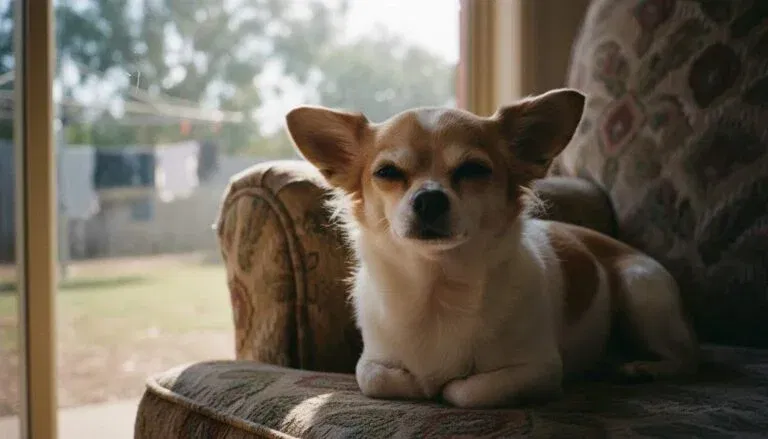
They weigh less than a block of cheese, fit inside a coffee mug, and will stare down a German Shepherd without flinching. Teacup Chihuahuas are the tiny, trembling, ferociously loyal dogs that have taken over social media feeds — and divided the dog world in the process.
But behind the adorable photos of a chihuahua in a teacup lies a complicated reality. These dogs aren’t a separate breed. They’re regular Chihuahuas bred to be abnormally small, and the health consequences can be serious, expensive, and heartbreaking.
Whether you’re searching for teacup chihuahua puppies for sale in QLD, NSW, or Victoria, or just wondering how big a full grown teacup chihuahua actually gets, this guide covers everything — honestly and without the sales pitch.
What You’ll Learn
- Breed traits & temperament
- Health concerns to know
- True cost in Australia
- Training & exercise needs
- Is this breed right for you?
Quick Facts at a Glance
| Trait | Details |
|---|---|
| Official Breed? | No — “teacup” is a marketing label, not an ANKC or AKC recognised size |
| Parent Breed | Chihuahua (smooth coat or long coat) |
| Full Grown Height | Under 15 cm (6 inches) at the shoulder |
| Full Grown Weight | Under 1.8 kg (4 lbs); some marketed under 1.3 kg |
| Coat Types | Smooth (short hair) or Long haired; both occur in teacup size |
| Head Types | Apple head (round skull, 90° stop) or Deer head (flatter, longer muzzle) |
| Coat Colours | Fawn, black, white, chocolate, blue, lilac, merle, tan, tri-colour, cream & more |
| Temperament | Loyal, feisty, alert, clingy; can be snappy if poorly socialised |
| Lifespan | 7–12 years (shorter than standard Chihuahuas at 14–16 years) |
| Price (AUD) | $1,500–$5,000+ depending on breeder, colour, and coat type |
| Suitability | Adults, singles, elderly; NOT young children or large-dog households |
| Exercise | Low — about 20 minutes daily; easily over-exercised |
| Grooming | Low to moderate — smooth coats need minimal grooming; long coats need weekly brushing |
History & Origins
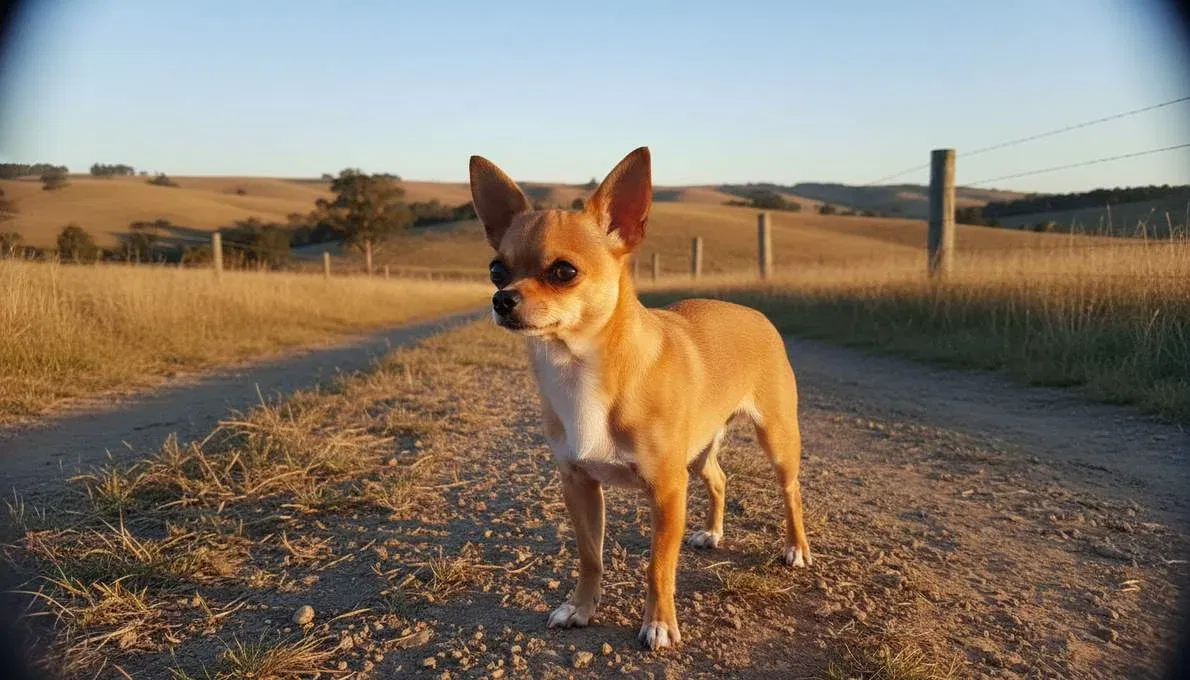
The Chihuahua is the world’s smallest recognised dog breed, named after the Mexican state of Chihuahua where they were first documented in the mid-1800s. Genetic studies suggest the breed descends from ancient pre-Columbian dogs kept by indigenous peoples of the Americas, making it one of the oldest dog lineages in the Western Hemisphere.
The American Kennel Club first registered a Chihuahua in 1904, and the breed has been a fixture of the toy group ever since. The ANKC recognises two varieties — smooth coat and long coat — but only one size. According to the breed standard, a Chihuahua should weigh no more than 2.7 kg (6 lbs) and stand between 15–23 cm at the shoulder.
There is no such thing as a “teacup” Chihuahua breed. No kennel club anywhere in the world recognises “teacup,” “micro,” “pocket,” or “miniature” as an official Chihuahua size. These are marketing terms used by breeders to charge a premium for dogs that are smaller than the breed standard — often because they were bred from the runts of litters over multiple generations.
The Dogzonline website, which lists ANKC-registered breeders in Australia, explicitly warns buyers that “The Tea-Cup Chihuahua doesn’t exist” and advises caution. Despite this, the demand for teacup chihuahua dogs remains enormous, driven largely by celebrity culture and social media.
Temperament & Personality
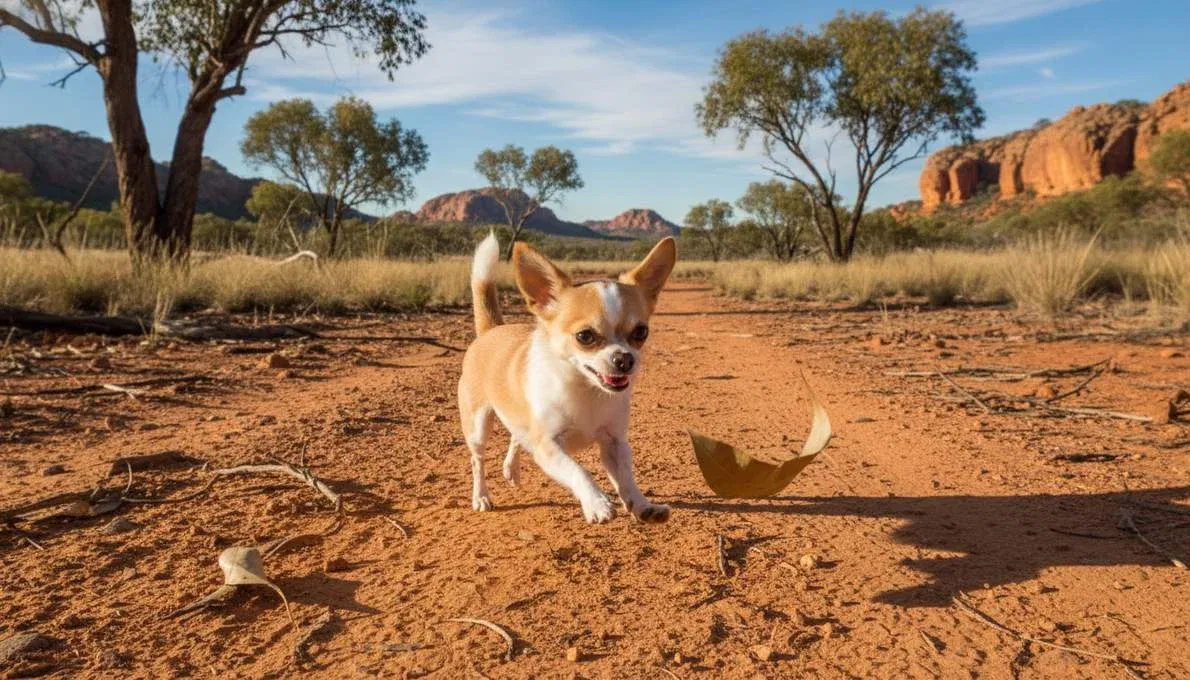
Chihuahuas are famously big personalities in tiny bodies, and teacup-sized Chihuahuas are no exception. They bond intensely with their owner — often one person above all others — and will follow you from room to room like a tiny, trembling shadow.
- Fiercely loyal: They will try to protect you from dogs ten times their size. This is endearing but also dangerous for a dog that weighs less than 2 kg.
- Prone to separation anxiety: Teacup Chihuahuas cannot cope well with being left alone. If you work full-time away from home, expect barking, destructive behaviour, and a very stressed dog.
- Can be snappy: Chihuahuas that aren’t socialised early often develop a reputation for nipping, growling at strangers, and being generally defensive. This isn’t a breed trait — it’s a training failure. Socialise early and consistently.
- Not ideal with young children: A toddler can accidentally step on, sit on, or drop a teacup Chihuahua with devastating consequences. These dogs also tend to nip when they feel threatened, making them a poor match for under-8s.
- Why do teacup Chihuahuas shake? It’s one of the most searched questions about this dog. They shake due to a combination of high metabolism, cold sensitivity, excitement, and anxiety. It’s normal for the breed but can also signal hypoglycaemia, which is a medical emergency in tiny dogs.
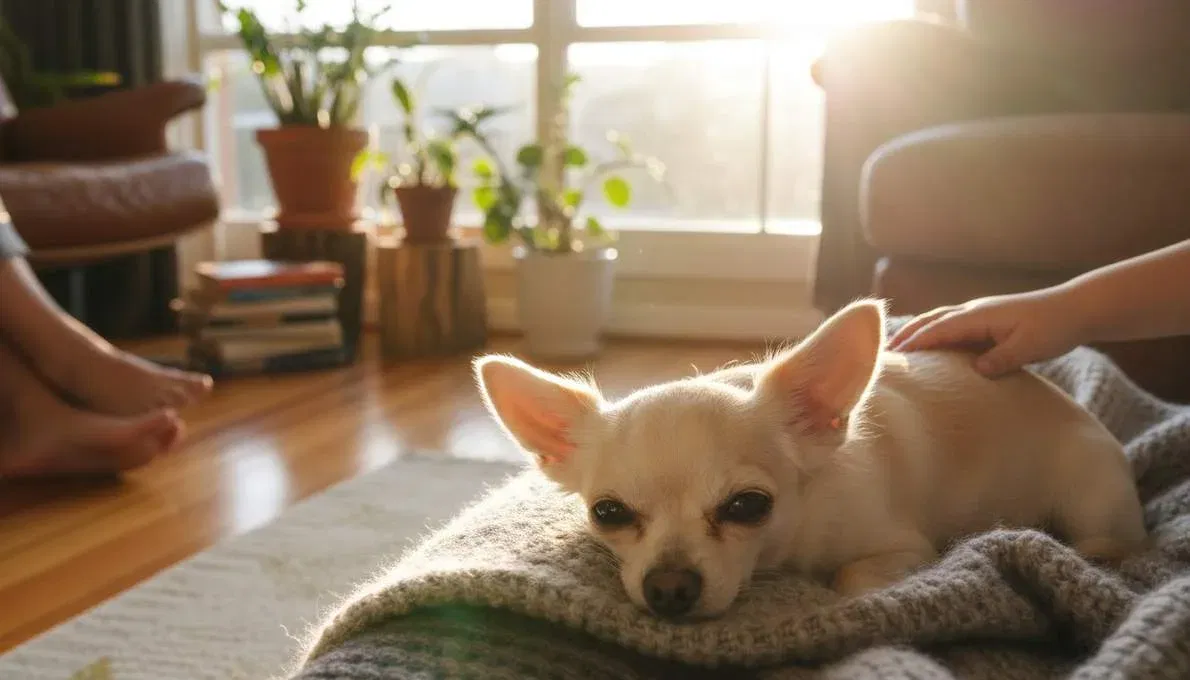
At their best, a well-socialised teacup Chihuahua is a confident, affectionate, entertaining companion. They’re ideal for singles, retirees, and couples who can give them near-constant company and gentle handling.

Health & Genetic Conditions
This is the section that matters. Chihuahuas are already the smallest dog breed in the world. Breeding them to be even smaller amplifies every existing health vulnerability and introduces new ones. If you’re considering a teacup chihuahua, you need to understand what you’re signing up for.
- Hypoglycaemia (low blood sugar): The most dangerous and common issue. Tiny dogs burn glucose fast and can’t store enough. Missing a meal, stress, or cold weather can trigger weakness, tremors, seizures, and death. Teacup Chihuahua puppies often need feeding 4–6 times a day. Many owners keep honey or glucose gel on hand for emergencies.
- Hydrocephalus (“water on the brain”): A build-up of fluid in the skull that causes seizures, vision problems, and neurological damage. Apple head teacup Chihuahuas are particularly at risk because of their domed skull shape. Treatment may involve medication or surgery. Cost in Australia: $3,000–$10,000+.
- Patellar luxation: The kneecap slips out of its groove, causing limping and pain. Extremely common in all Chihuahuas but worse in teacup-sized dogs with delicate bone structure. Surgical correction costs $2,000–$5,000 per knee in Australia.
- Tracheal collapse: The windpipe weakens and collapses, causing a honking cough and breathing difficulties. Tiny dogs are more prone. Always use a harness, never a collar — pressure on the neck worsens this condition.
- Dental overcrowding: A full set of adult teeth in a jaw the size of your thumb causes overlapping, gum disease, and painful infections. Budget for annual dental cleanings ($400–$1,000+ AUD) and expect extractions.
- Open fontanelle (molera): Chihuahuas are born with a soft spot on their skull (like a human baby). In some teacup-sized dogs, this never fully closes, leaving the brain vulnerable to injury from even minor bumps.
- Heart disease: Chihuahuas can develop mitral valve disease and patent ductus arteriosus (a congenital heart defect). Regular cardiac screening is recommended.
- Bone fragility: A fall from a sofa, a misstep off a porch, or being accidentally kicked can cause fractures. Their bones are thinner and weaker than those of a standard-sized Chihuahua.
What vets say: veterinary professionals and animal welfare organisations widely discourage breeding for teacup size. The AKC does not recognise it. The ANKC does not recognise it. Reputable breeders focus on producing healthy Chihuahuas within the breed standard, not the smallest dog possible.

Lifespan & Longevity
Standard Chihuahuas are one of the longest-lived dog breeds, with healthy individuals regularly reaching 14–16 years and some living beyond 18. Teacup Chihuahuas, however, often have significantly shorter lifespans — typically 7–12 years — due to the health conditions associated with extreme miniaturisation.
A 2022 UK veterinary study found the average Chihuahua lifespan to be around 7.9 years, though this figure was likely skewed by the prevalence of unhealthy teacup-bred dogs in the sample. Well-bred, standard-sized Chihuahuas from responsible breeders regularly exceed this average.
To maximise a teacup Chihuahua’s lifespan:
- Feed small, frequent meals (3–4 times daily for adults, 4–6 for puppies) to prevent hypoglycaemia.
- Keep them warm — Chihuahuas lack an undercoat and lose body heat rapidly. Australian winters in Melbourne, Hobart, or Canberra require dog coats and heated beds.
- Prioritise dental care — dental disease introduces bacteria into the bloodstream and worsens heart conditions.
- Schedule six-monthly vet check-ups, not annual. These dogs need closer monitoring.
- Get pet insurance from day one. It’s not optional with this dog.
Grooming & Care
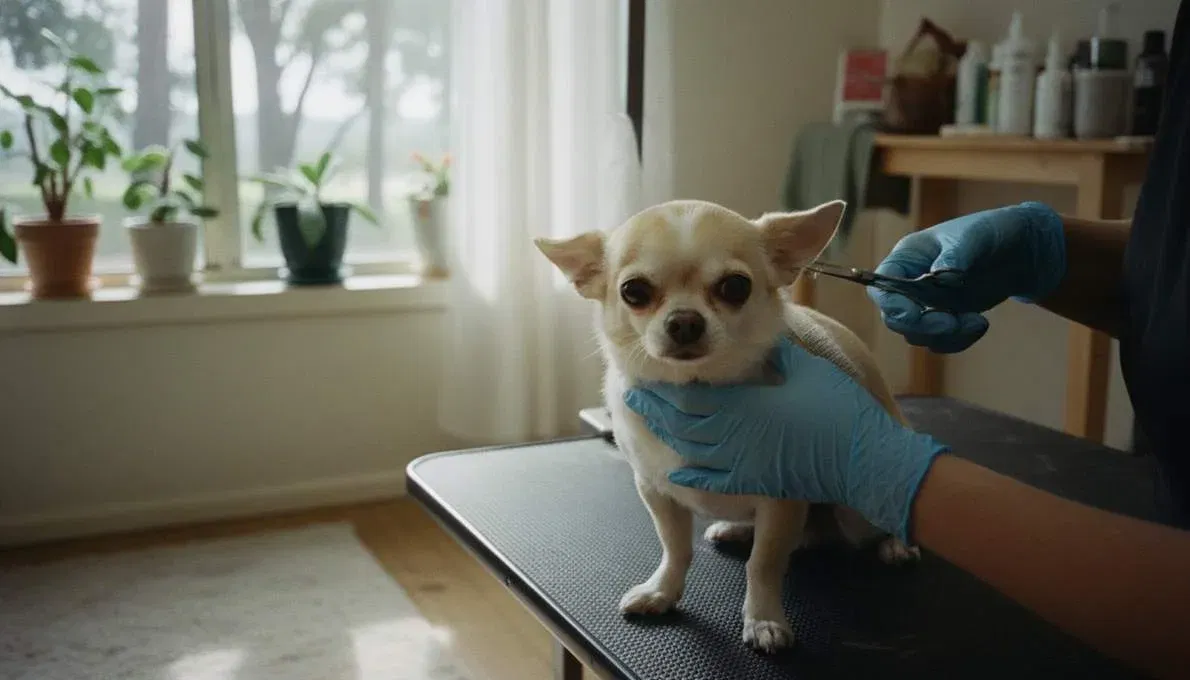
One genuine advantage of the Chihuahua — teacup or otherwise — is that they’re one of the lowest-maintenance breeds for grooming. But “low maintenance” doesn’t mean “no maintenance.”
Grooming Schedule
| Task | Frequency | Est. Cost (AUD) |
|---|---|---|
| Brushing | Weekly (smooth); 2–3x/week (long haired) | DIY — soft bristle brush ~$15–$25 |
| Bathing | Every 3–4 weeks | DIY or $30–$50 at groomer |
| Nail trimming | Every 2–3 weeks | $10–$20 at groomer, or DIY |
| Dental care | Daily brushing; annual professional clean | $400–$1,000+ per professional dental |
| Ear cleaning | Weekly | DIY — ear cleaner ~$15 |
| Professional groom | Every 6–8 weeks (long coat); optional for smooth coat | $40–$70 per session |
Long haired teacup Chihuahuas (also called fluffy teacup Chihuahuas) have a soft, feathery coat that doesn’t require trimming but does need regular brushing to prevent matting around the ears, chest, and legs. Smooth coat teacup Chihuahuas shed lightly year-round and just need a weekly once-over with a soft brush.
Neither coat type is hypoallergenic. Chihuahuas shed, and if you have allergies, they’re not the right breed for you.
Exercise Needs
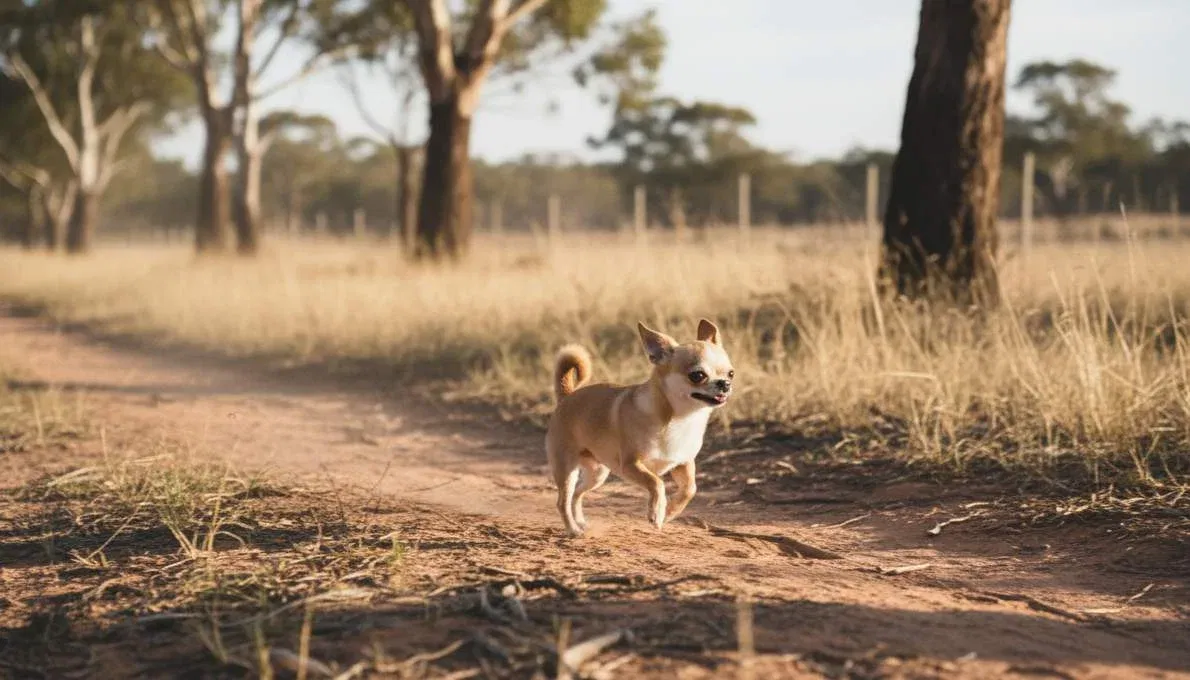
Teacup Chihuahuas need very little exercise — about 20 minutes of gentle activity per day is enough. A short walk around the block and some indoor playtime will satisfy most of them. They’re emphatically not hiking dogs, running partners, or beach sprinters.
Australian climate warning: Chihuahuas are extremely heat-sensitive and cold-sensitive. In Australian summers, never walk them on hot pavement — their tiny paw pads burn in seconds. Walk early morning or after dark. In winter, especially in southern states, they need a dog coat or jumper outdoors. A sub-2 kg dog with no undercoat can become hypothermic shockingly fast.
Mental stimulation is more important than physical exercise for this breed. Puzzle feeders, snuffle mats, and short training sessions keep their sharp little minds occupied. A bored Chihuahua is a barking, destructive Chihuahua.
Training Guide
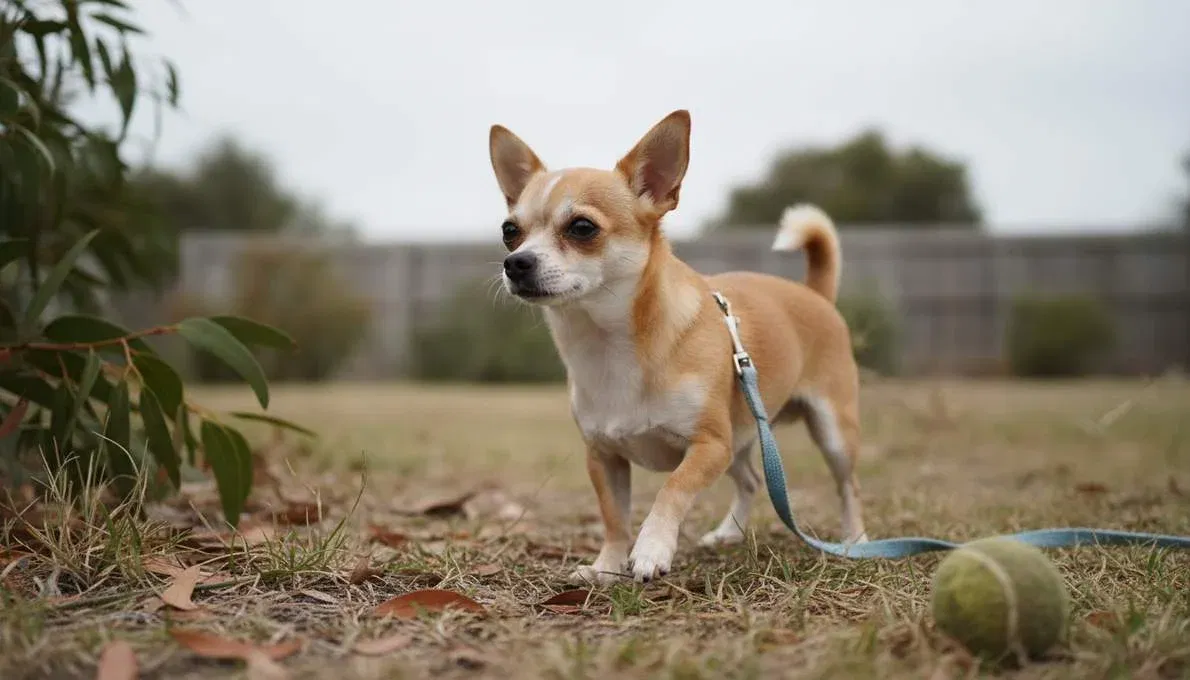
Chihuahuas are intelligent but notoriously stubborn. Training a teacup Chihuahua requires patience, consistency, and very small treats.
Socialisation & Training Timeline
| Age | Focus | Honest Difficulty |
|---|---|---|
| 8–12 weeks | Toilet training, gentle handling, crate introduction | Very hard. Tiny bladder, frequent accidents. Puppy pads are your friend — possibly permanently. |
| 3–6 months | Basic commands (sit, come, stay), early socialisation | Moderate. Keep sessions to 5 minutes. They’re smart but lose interest fast. |
| 6–12 months | Leash manners, bite inhibition, managing barking & stranger aggression | Hard. This is where bad habits set in if you’re not consistent. Don’t let them get away with nipping because they’re cute. |
| 1 year+ | Ongoing manners, confidence-building, trick training | Easy–moderate. They’re bonded to you and trainable with the right motivation. |
The biggest training mistake: treating them like a baby instead of a dog. Carrying them everywhere, letting them bark at other dogs uncorrected, and never letting them walk on their own creates a fearful, aggressive adult. Teacup Chihuahuas are small, not helpless. Train them like a real dog and they’ll behave like one.
Cost of Ownership (AUD)
Purchase Price
| Source | Price Range (AUD) |
|---|---|
| ANKC-registered breeder (standard Chihuahua) | $2,500–$4,500 |
| Breeder marketing “teacup” size | $3,000–$5,000+ |
| Unregistered/backyard breeder | $800–$2,500 |
| Rescue/rehome (adult Chihuahua) | $250–$600 |
Annual Ongoing Costs
| Expense | Est. Annual Cost (AUD) |
|---|---|
| Food (premium small-breed formula) | $300–$600 |
| Vet check-ups & vaccinations | $300–$600 |
| Pet insurance | $500–$1,000 |
| Dental cleaning | $400–$1,000 |
| Grooming (long coat only) | $300–$560 |
| Flea, tick & worming | $100–$250 |
| Clothes, bedding, accessories | $100–$300 |
| TOTAL (healthy year) | $2,000–$4,310 |
If your teacup Chihuahua develops a major health condition — and many do — expect to add $2,000–$10,000+ per year for specialist treatment, surgery, or ongoing medication. Pet insurance is essential. Get comprehensive cover from the day you bring them home.
Is a Teacup Chihuahua Right for You?
- You’re home most of the day or can bring your dog with you.
- You live alone or with another adult and want a devoted one-person dog.
- You have no young children or large, boisterous pets.
- You can afford premium vet care, pet insurance, and potentially expensive health interventions.
- You understand you’re getting a fragile dog that needs gentle handling and close monitoring.
- You have kids under 8 — the injury risk to the dog (and nip risk to the child) is too high.
- You want a robust, outdoorsy dog that can handle rough play.
- You’re on a tight budget — unexpected vet bills can be brutal.
- You work long hours away from home with no alternative care.
- You’re uncomfortable supporting breeding practices that prioritise size over health.
a standard-sized Chihuahua from an ANKC-registered breeder. You’ll get the same enormous personality, the same loyalty, the same adorable face — in a dog that’s still tiny (under 2.7 kg) but significantly healthier and likely to live years longer. The Chihuahua is already the smallest dog breed in the world. It doesn’t need to be smaller.
- Teacup Chihuahuas are charismatic, fiercely loyal, and unforgettable — there’s a reason they’re one of the most searched dog breeds in Australia. When they’re healthy, they’re extraordinary companions.
- The health risks are real and significant. Hypoglycaemia, hydrocephalus, bone fractures, dental disease, and patellar luxation aren’t rare edge cases — they’re common outcomes of breeding for extreme small size.
- Buy standard, not teacup. A well-bred Chihuahua from a registered breeder is already one of the tiniest dogs you’ll ever own. You’ll spend less at the vet, more years with your dog, and sleep easier knowing your pet isn’t a product of questionable breeding.
FAQs
How big does a full grown teacup Chihuahua get?
A full grown teacup Chihuahua typically stands under 15 cm (6 inches) at the shoulder and weighs under 1.8 kg (4 lbs). Some dogs marketed as “micro” teacup Chihuahuas may weigh as little as 1–1.3 kg. There is no official standard for teacup size, so actual adult size varies significantly between breeders.
How much does a teacup Chihuahua cost in Australia?
Teacup Chihuahuas in Australia typically cost $1,500–$5,000+ depending on the breeder, coat type (long haired command higher prices), colour (rare colours like blue and lilac cost more), and location. ANKC-registered standard Chihuahuas from reputable breeders generally cost $2,500–$4,500. Be wary of unusually cheap puppies — they’re often from unregistered breeders with no health testing.
What is the difference between a teacup Chihuahua and a regular Chihuahua?
There is no genetic or breed difference. “Teacup” simply describes a Chihuahua that is smaller than the breed standard. The AKC and ANKC recognise only one Chihuahua size (up to 2.7 kg). “Teacup,” “micro,” and “pocket” are marketing terms. Teacup Chihuahuas are more prone to health issues because of their extreme small size.
What’s the difference between an apple head and deer head teacup Chihuahua?
Apple head Chihuahuas have a rounded, dome-shaped skull with a pronounced 90-degree stop (where the forehead meets the muzzle). Deer head Chihuahuas have a flatter skull, longer muzzle, and larger ears. The apple head conformation is the breed standard. Both types can be teacup-sized, but apple heads may be more prone to hydrocephalus due to their skull shape.
How long do teacup Chihuahuas live?
Teacup Chihuahuas typically live 7–12 years, which is significantly shorter than the 14–16 year lifespan of a standard Chihuahua. Their shortened lifespan is directly linked to health conditions caused by extreme miniaturisation, including heart disease, hypoglycaemia, and neurological issues.
Are teacup Chihuahuas good pets?
They can be wonderful companions for the right person — typically a single adult or couple who is home most of the day, has no young children, and can afford potentially high vet costs. They are not good pets for families with small kids, people who work long hours away from home, or first-time dog owners unprepared for their health needs.
Do teacup Chihuahuas bark a lot?
Chihuahuas in general are vocal dogs, and teacup Chihuahuas are no exception. They bark at strangers, noises, other dogs, and sometimes at nothing at all. Early training and socialisation can reduce excessive barking, but some degree of alertness barking is bred into the Chihuahua temperament.
Are teacup Chihuahuas hypoallergenic?
No. Neither smooth coat nor long haired Chihuahuas are hypoallergenic. Both shed, and both produce dander. If you have dog allergies, a Chihuahua is not the right breed for you.
Where can I find teacup Chihuahua puppies for sale in Australia?
We recommend starting with ANKC-registered breeders listed on Dogzonline or RightPaw. Look for breeders who health-test parent dogs, raise puppies in a home environment, and focus on breeding healthy Chihuahuas rather than the smallest possible size. Be cautious with Gumtree, Trading Post, and social media sellers — always verify registration and ask to see health testing results.
Can a teacup Chihuahua have puppies?
Technically yes, but breeding teacup-sized Chihuahuas is extremely risky. Their tiny pelvis makes natural birth dangerous, and caesarean sections are often required. Pregnancy puts enormous strain on a body that weighs less than 2 kg. Most vets and ethical breeders strongly advise against breeding teacup-sized Chihuahuas.
1. American Kennel Club — Chihuahua Breed Standard: https://www.akc.org/dog-breeds/chihuahua/
2. Wikipedia — Chihuahua (dog breed): https://en.wikipedia.org/wiki/Chihuahua_(dog_breed)
3. Dogzonline — Chihuahua Puppies for Sale (ANKC Breeders): https://www.dogzonline.com.au/breeds/puppies/chihuahua-smooth-coat.asp
4. Chihuahua Club of Victoria Inc. — Buying a Chihuahua: https://www.chihuahuaclubvictoria.com/buying-a-chihuahua.asp
5. RightPaw — Chihuahua Breeders Australia: https://rightpaw.com.au/dogs/breed/chihuahua
6. Dogster — Teacup Dogs: Ethics, Facts & Health Issues (Vet-Verified): https://www.dogster.com/lifestyle/teacup-dogs-small-dog-breeds-health-ethics-puppies-pictures-photos
7. Cuteness — Full Grown Teacup Chihuahua Size Guide: https://www.cuteness.com/article/difference-between-teacup-toy-chihuahuas/
8. Pawlicy Advisor — Chihuahua Growth & Weight Chart: https://www.pawlicy.com/blog/chihuahua-growth-and-weight/
9. Wild Earth — Teacup Chihuahua Breed Guide: https://wildearth.com/blogs/dog-knowledge/teacup-chihuahua-breed-guide
10. Spirit Dog Training — Teacup Chihuahua Breed Profile: https://spiritdogtraining.com/breeds/teacup-chihuahua/