
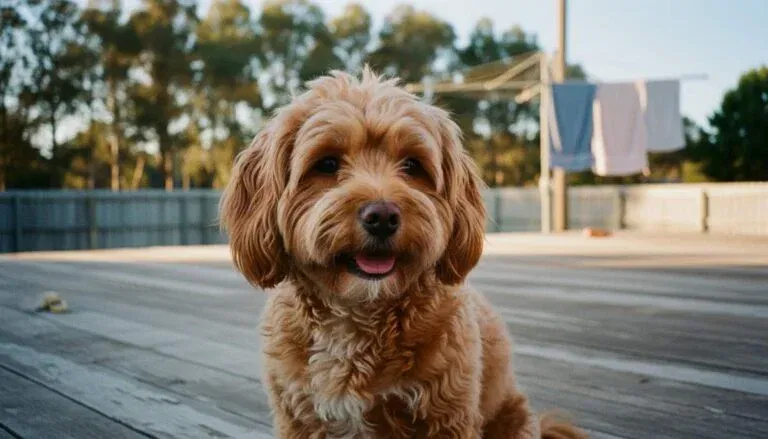
They weigh less than a bag of flour, fit inside a handbag, and have eyes that could make a grown tradie cry. Teacup Cavoodles are the smallest version of Australia’s most popular designer breed — and they’re blowing up on social media.
But here’s the thing nobody puts in the Instagram caption: teacup Cavoodles are controversial. Vets worry about them. Ethical breeders refuse to produce them. And the health issues that come with shrinking an already-small dog down to pocket size can be heartbreaking — and expensive.
This guide is for anyone searching for teacup Cavoodle puppies for sale, or wondering whether a full grown teacup Cavoodle is really as tiny as the photos suggest. We’ll cover the honest truth about size, price, health risks, and what to look for in a breeder — all from an Australian perspective.
What You’ll Learn
- Breed traits & temperament
- Health concerns to know
- True cost in Australia
- Training & exercise needs
- Is this breed right for you?
Quick Facts at a Glance
| Trait | Details |
|---|---|
| Breed Type | Designer crossbreed (not officially recognised) |
| Parent Breeds | Cavalier King Charles Spaniel × Toy Poodle (smallest specimens) |
| Full Grown Size | 20–25 cm at the shoulder |
| Full Grown Weight | 2–4 kg (under 3 kg for “true” teacup) |
| Coat Type | Wavy to curly; low to non-shedding |
| Coat Colours | Ruby, apricot, caramel, black, black & tan, Blenheim, tri-colour |
| Temperament | Affectionate, gentle, people-oriented, can be anxious |
| Lifespan | 10–14 years (often shorter than standard Cavoodles) |
| Price (AUD) | $4,500–$7,000+ from breeders advertising teacup size |
| Suitability | Adults, couples, elderly; NOT young children or boisterous homes |
| Exercise Needs | Low — short daily walks, gentle play |
| Grooming Needs | High — brushing every 1–2 days, professional grooming every 6 weeks |

History & Origins
The standard Cavoodle — a cross between a Cavalier King Charles Spaniel and a Poodle — has been bred in Australia since the late 1990s and quickly became the country’s most popular designer dog. The breed was originally developed to combine the Cavalier’s gentle, affectionate temperament with the Poodle’s low-shedding coat and sharp intelligence.
Cavoodles come in several sizes depending on the Poodle parent used. A Miniature Poodle cross produces a mini Cavoodle (roughly 8–12 kg), while a Toy Poodle cross produces a toy Cavoodle (roughly 5–8 kg). The teacup Cavoodle sits below even the toy size.
There is no official breed standard for teacup Cavoodles. The term “teacup” is a marketing label, not a recognised size category. No major kennel club — including the ANKC (Australian National Kennel Council) — recognises teacup as an official size for any breed.
Teacup Cavoodles are typically produced by selectively breeding the smallest dogs in a litter (often called “runts”) across multiple generations. Some breeders cross an already-small toy Cavoodle back to a very small Toy Poodle to push the size down further. The goal is a dog that stays under 3 kg as an adult — small enough to carry in a bag or cradle in one arm.
This is where the controversy starts, and it’s something any buyer should understand before searching for teacup Cavoodle puppies for sale in Melbourne, Sydney, or anywhere else in Australia.

Temperament & Personality
Teacup Cavoodles inherit the same sweet, people-loving nature as their larger Cavoodle cousins. They are deeply affectionate, love a lap cuddle, and tend to bond strongly with one or two people in the household. Their Poodle intelligence means they pick up cues quickly and can be surprisingly switched-on for such a tiny dog.
That said, their size does affect their behaviour in ways you might not expect:
- Separation anxiety is common. Teacup Cavoodles crave company and can become distressed when left alone. If you work full-time away from home, this isn’t the dog for you — or you’ll need a very reliable doggy daycare.
- They can be nervous. A dog this small knows it’s vulnerable. Loud noises, sudden movements, and bigger dogs can trigger fear responses. Early socialisation is critical, but it needs to be done gently and carefully.
- Not ideal around young children. A toddler can accidentally injure a teacup Cavoodle just by stepping on them or picking them up incorrectly. Even well-meaning kids play rough, and a 2 kg dog can’t take it. If you have children under 8, a standard or mini Cavoodle is a much safer choice.
- They’re portable but still dogs. It’s tempting to carry them everywhere, but teacup Cavoodles still need to walk on their own four legs, sniff things, and experience the world like a real dog. Over-coddling leads to fearful, poorly socialised adults.
At their best, a well-socialised teacup Cavoodle is a calm, devoted companion who’ll follow you from room to room and curl up beside you every evening. They suit singles, couples, retirees, and apartment dwellers who can give them consistent company throughout the day.
Health & Genetic Conditions
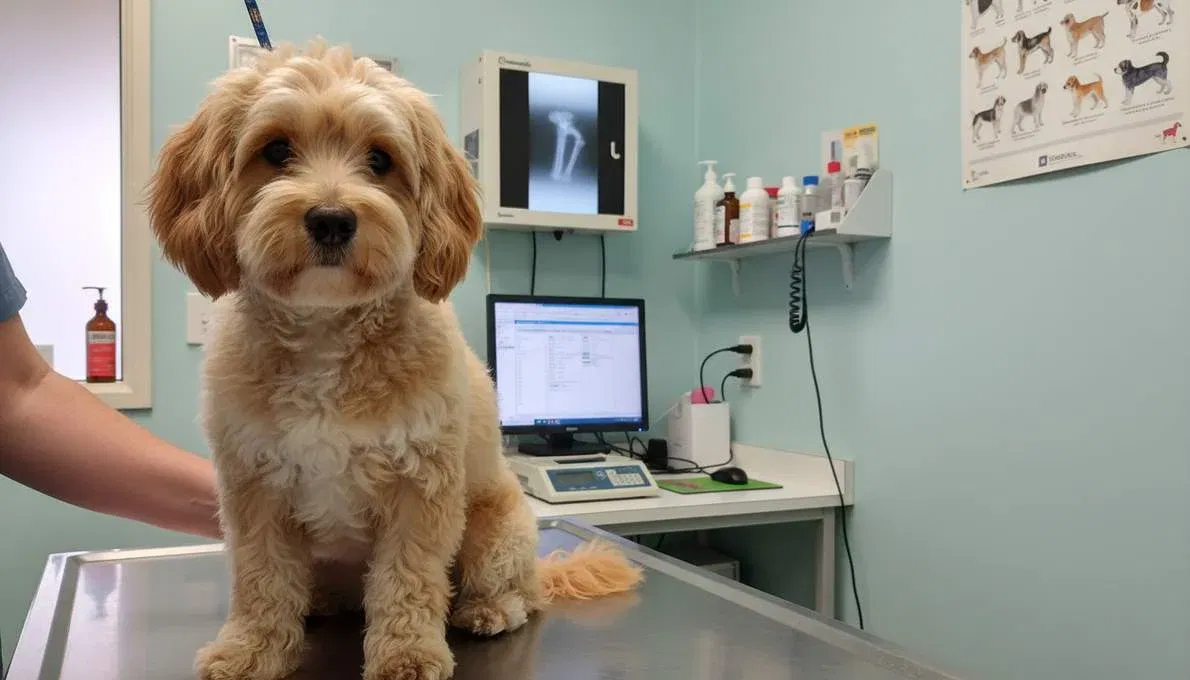
This is the section that matters most — and the one that’s hardest to write. If you’re already in love with the idea of a teacup Cavoodle, please read this with an open mind. These health risks are well-documented by veterinary professionals and animal welfare organisations, and they deserve your honest consideration before you commit.
Standard Cavoodles are already prone to certain inherited conditions. Shrinking the dog to teacup size doesn’t remove those risks — it amplifies them.
- Degenerative Mitral Valve Disease (DMVD): This is the big one. DMVD affects the one-way valve in the heart, causing it to leak over time. It’s extremely common in Cavaliers — it may affect over half of all Cavaliers by age 5. Cavoodles can inherit this condition, and while crossbreeding reduces the risk somewhat, it doesn’t eliminate it. Treatment involves lifelong medication and regular cardiac monitoring. Estimated cost: $1,500–$4,000+ per year for ongoing management in Australia.
- Chiari-like Malformation (CM) & Syringomyelia (SM): A neurological condition where the skull cavity is too small for the brain, leading to fluid-filled cavities in the spinal cord. Cavaliers are particularly prone. It causes chronic pain, phantom scratching, and in severe cases, disability. It can’t be diagnosed in puppies under six months.
- Progressive Retinal Atrophy (PRA): An inherited eye disease causing gradual vision loss that eventually leads to blindness. There is no cure, but DNA testing of parent dogs can identify carriers. Ask your breeder for PRA test results.
- Patellar Luxation: The kneecap slips out of position, causing intermittent lameness. Common in toy and miniature breeds. Surgical correction in Australia typically costs $2,000–$5,000 per knee.
- Sebaceous Adenitis: A skin condition from the Poodle side that damages the oil-producing glands, leading to hair loss and scaling. There’s no cure, only lifelong management.
These are the risks that come specifically from breeding dogs to be abnormally small:
- Hypoglycaemia (low blood sugar): Tiny dogs burn through glucose fast and can’t store much. Missing a meal or being stressed can trigger weakness, tremors, seizures, and in severe cases, death. Teacup puppies often need to eat 4–6 small meals a day.
- Bone fragility: A jump off a couch or a stumble down a step can cause fractures. Their bones are thinner and less dense than those of a properly sized dog.
- Dental overcrowding: A full set of adult teeth crammed into a tiny jaw causes overlapping, gum disease, and painful extractions. Budget for regular dental work.
- Tracheal collapse: The windpipe weakens and collapses, causing a honking cough and breathing difficulties. Common in tiny toy breeds.
- Difficulty regulating body temperature: Extremely small dogs lose body heat quickly. Australian winters in Melbourne, Canberra, or Hobart can be genuinely dangerous for a 2 kg dog without proper warmth.
The bottom line: veterinary professionals and animal welfare organisations widely discourage deliberate teacup breeding. No ethical breeder will prioritise size over health. If a breeder is specifically marketing “teacup” Cavoodles, it’s a red flag — not a selling point.
Lifespan & Longevity
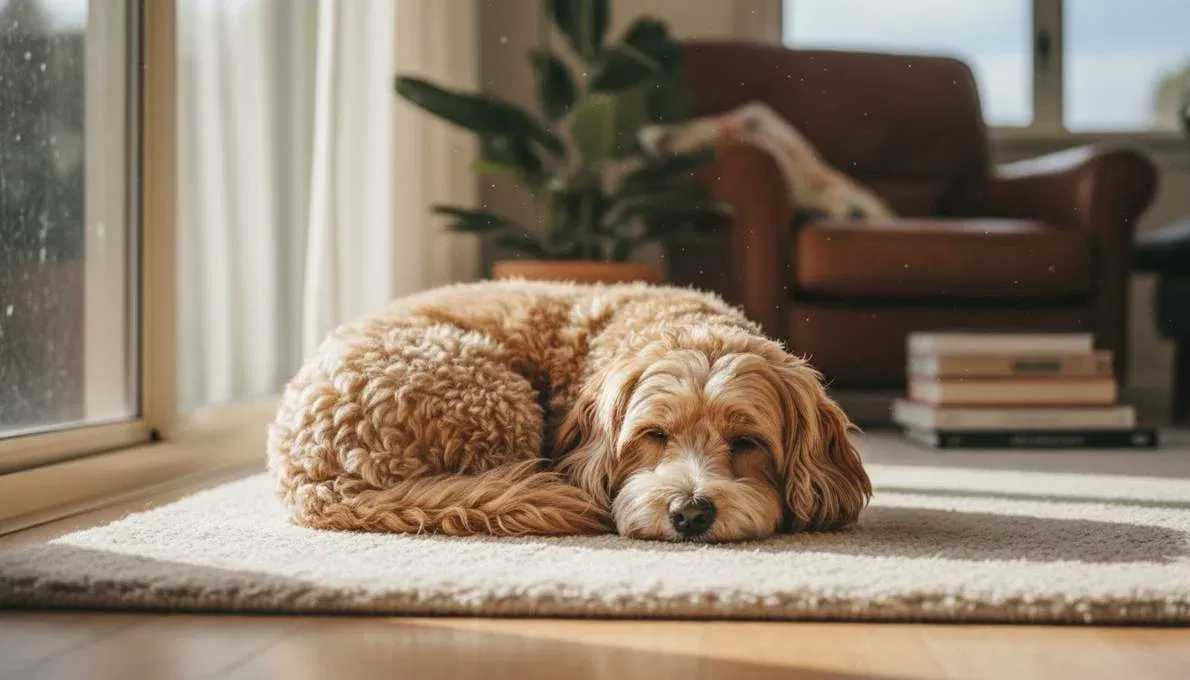
Standard and toy Cavoodles typically live 12–15 years, with some reaching 16 or 17 with excellent care. Teacup Cavoodles, unfortunately, often have shorter lifespans — typically 10–14 years — due to the health conditions associated with their extreme miniaturisation.
The biggest factors that determine a teacup Cavoodle’s lifespan are:
- Heart health: DMVD is the leading concern. Regular cardiac check-ups from age 1 onward are essential.
- Weight management: Even 500 g of excess weight on a 3 kg dog is significant. Keep them lean.
- Diet quality: High-quality food with real protein sources (not grain-heavy kibble) makes a genuine difference.
- Dental care: Dental disease doesn’t just cause bad breath — it introduces bacteria into the bloodstream, worsening heart conditions.
If you commit to a teacup Cavoodle, commit to proactive vet care. Six-monthly check-ups, annual heart screenings, and regular dental work aren’t optional — they’re the price of keeping this dog alive and comfortable.
Grooming & Care
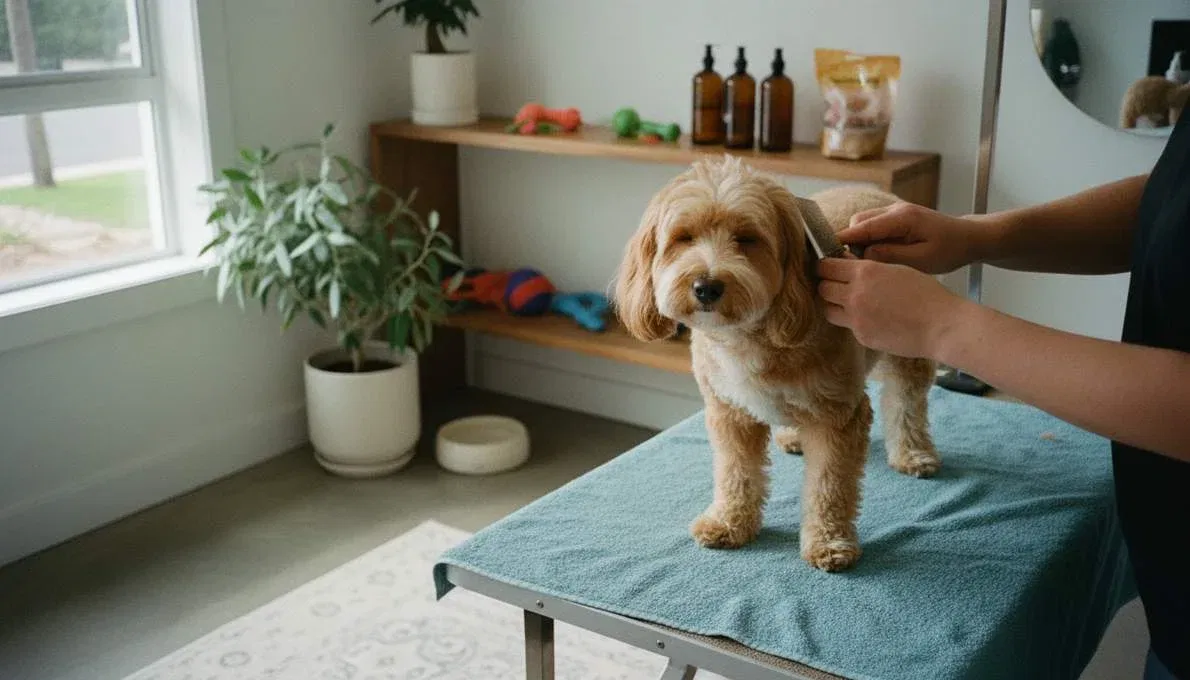
A teacup Cavoodle’s coat is one of their most appealing features — soft, fluffy, and usually low-shedding. But it’s also high-maintenance. Their coats can be straight, wavy (fleece), or curly (wool), and the curlier the coat, the more upkeep it needs.
Grooming Schedule
| Task | Frequency | Estimated Cost (AUD) |
|---|---|---|
| Brushing & combing | Every 1–2 days | DIY (quality slicker brush ~$25–$40) |
| Professional grooming | Every 5–6 weeks | $60–$100 per session |
| Ear cleaning | Weekly | DIY (ear cleaner ~$15–$25) |
| Nail trimming | Every 2–3 weeks | $10–$20 at groomer, or DIY |
| Dental care | Daily brushing; annual professional clean | $400–$1,000+ per professional dental |
| Bathing | Every 2–4 weeks | DIY or included in grooming |
Tip: start grooming routines from day one. Teacup Cavoodle puppies need to get used to being brushed, having their ears handled, and having their teeth checked early. The earlier they accept it, the less stressful it is for everyone — especially a groomer trying to work on a nervous 2 kg dog.
Exercise Needs
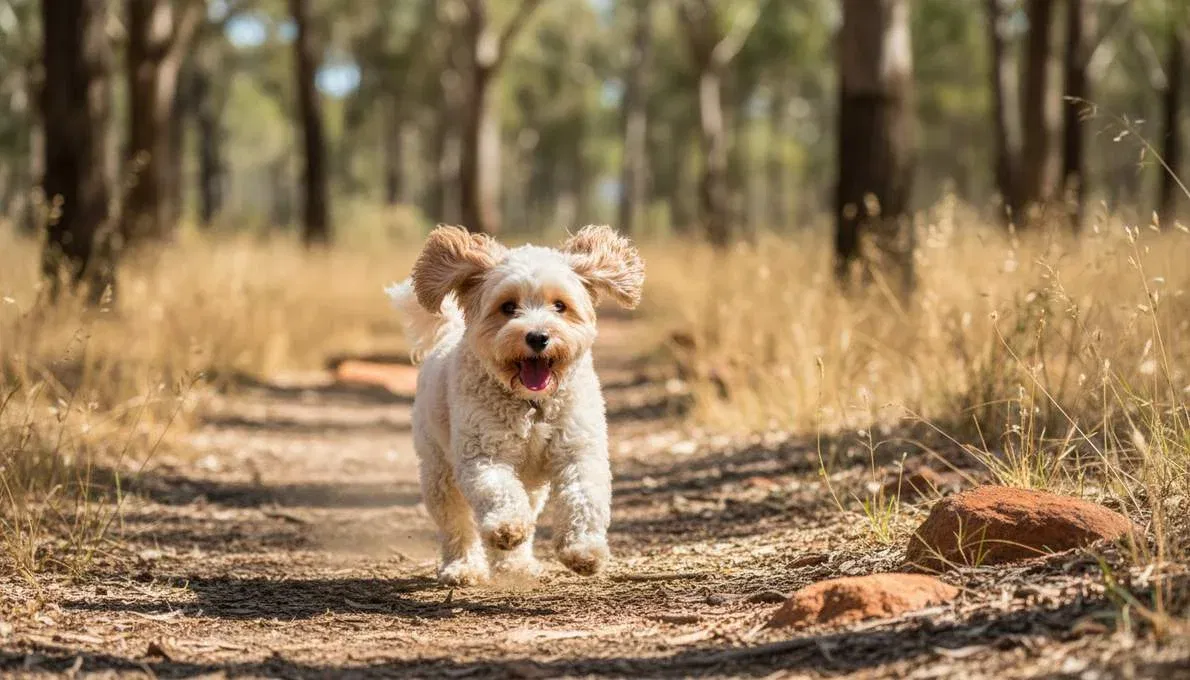
Teacup Cavoodles don’t need much exercise, but they do need some. A couple of short walks per day (10–15 minutes each) plus indoor play is enough for most. They’re not hiking partners or running buddies — their tiny legs and fragile joints simply can’t handle it.
Australian climate warning: Teacup Cavoodles are extremely vulnerable to heat. On hot days (above 28°C), skip the walk entirely. Pavement can burn their paws within seconds. Walk early morning or after sunset, stick to grass, and always carry water. In summer, keep outdoor time to an absolute minimum.
In cold weather, a dog coat or jumper isn’t a fashion statement — it’s essential. A sub-3 kg dog loses body heat rapidly and can become dangerously cold in winter conditions, particularly in southern Australian states.
Mental stimulation matters more than physical exercise for these dogs. Puzzle feeders, snuffle mats, training games, and nose work will tire out a teacup Cavoodle far more effectively than a long walk.
Training Guide
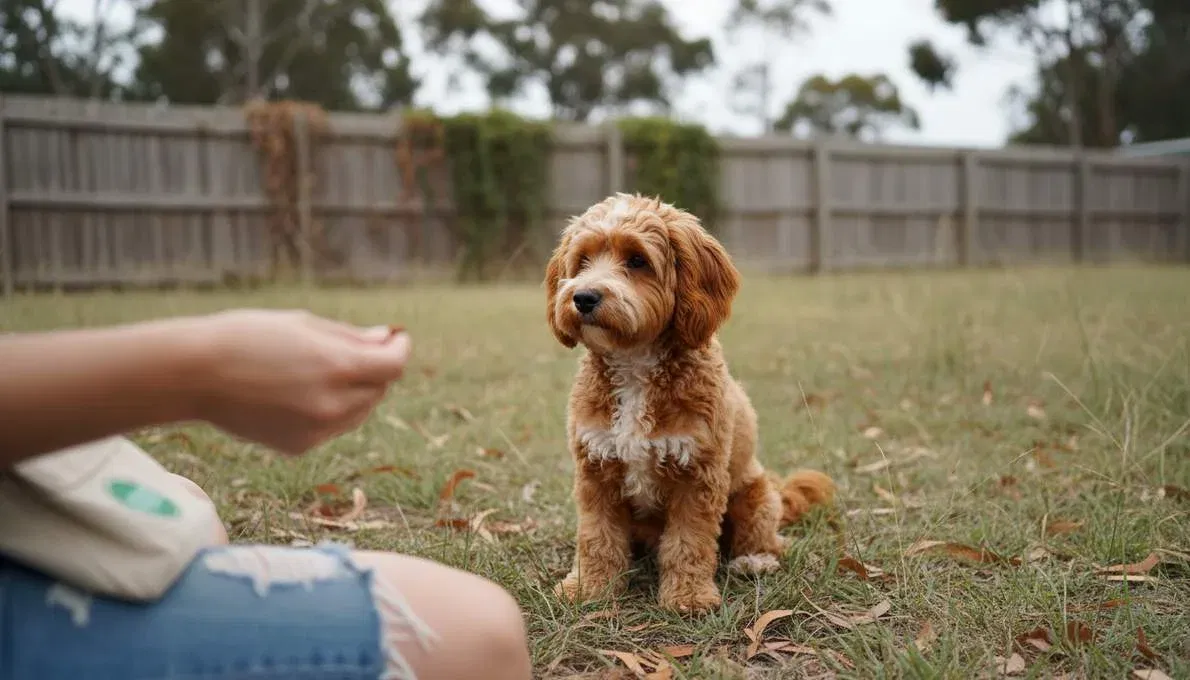
Teacup Cavoodles are intelligent and eager to please, which makes them trainable — but their small size creates some unique challenges.
Socialisation & Training Timeline
| Age | Focus | Honest Difficulty |
|---|---|---|
| 8–12 weeks | Toilet training, gentle handling, crate introduction | Hard. Tiny bladder = frequent accidents. Use puppy pads + patience. |
| 3–6 months | Basic commands (sit, stay, come), socialisation | Moderate. Keep sessions short (5 min). Positive reinforcement only. |
| 6–12 months | Leash manners, recall, managing separation anxiety | Moderate. Start alone-time training early or it becomes a serious issue. |
| 1 year+ | Ongoing manners, trick training, confidence building | Easy. They’re bonded to you and want to work with you. |
Toilet training is the biggest challenge. A teacup Cavoodle’s bladder is genuinely tiny, and they physically cannot hold it as long as a larger dog. Many owners use a combination of outdoor toilet training and indoor puppy pads permanently. This isn’t a failure — it’s reality with a very small dog.
Never use punishment-based training. These are sensitive dogs that shut down fast if you raise your voice. Positive reinforcement with tiny, soft treats works best.
Cost of Ownership (AUD)
Let’s be blunt: teacup Cavoodles are expensive to buy and expensive to own. The purchase price is just the beginning.
Purchase Price
| Source | Price Range (AUD) |
|---|---|
| Teacup Cavoodle from breeder advertising teacup size | $4,500–$7,000+ |
| Toy Cavoodle from registered, DNA-tested breeder | $3,500–$5,500 |
| Standard/Mini Cavoodle from registered breeder | $2,500–$4,500 |
| Rescue/Rehome Cavoodle (adult) | $300–$800 |
Annual Ongoing Costs
| Expense | Estimated Annual Cost (AUD) |
|---|---|
| Food (premium small-breed formula) | $500–$900 |
| Professional grooming (every 6 weeks) | $520–$870 |
| Vet check-ups & vaccinations | $300–$600 |
| Pet insurance | $600–$1,200 |
| Dental cleaning | $400–$1,000 |
| Flea, tick & worming | $150–$300 |
| Toys, bedding, accessories | $100–$300 |
| TOTAL (healthy year) | $2,570–$5,170 |
If your teacup Cavoodle develops a serious health condition — which is statistically likely — expect to add $2,000–$8,000+ per year for specialist treatment, ongoing medication, or surgical intervention. Pet insurance is not optional with this dog. Get it from day one.
Is a Teacup Cavoodle Right for You?
- You’re home most of the day or can bring your dog to work.
- You live in an apartment or small home and want a quiet, low-energy companion.
- You have the budget for premium vet care, pet insurance, and regular grooming.
- You don’t have young children or large dogs in the home.
- You’re prepared for a dog that may need extra medical attention throughout its life.
- You want a robust dog that can roughhouse, hike, or handle active kids.
- You’re away from home for 8+ hours a day without a dog sitter.
- You’re on a tight budget — unexpected vet costs with this dog can be steep.
- You’re uncomfortable supporting breeding practices that prioritise size over health.
- You want a dog that’s easy to toilet train (teacup dogs are notoriously difficult).
If you love the Cavoodle temperament and want a small dog, consider a well-bred toy Cavoodle from a registered breeder who DNA tests both parents. You’ll get a dog that’s still small (5–7 kg), still adorable, and far more likely to live a long, healthy life. The size difference between a toy and a “teacup” is minimal, but the health difference can be enormous.
- Teacup Cavoodles are genuinely lovely dogs — sweet-natured, portable, and deeply loyal. If you end up with a healthy one, you’ll wonder how you lived without them.
- The health risks are real and well-documented. Hypoglycaemia, heart disease, bone fragility, and dental issues are not rare exceptions — they’re common outcomes of breeding for extreme miniaturisation.
- Buy smart, not small. A DNA-tested toy Cavoodle from a registered, ethical breeder is a better investment in every measurable way. You’ll spend less upfront, less at the vet, and more years with your dog.
FAQs
How big does a full grown teacup Cavoodle get?
A full grown teacup Cavoodle typically stands 20–25 cm at the shoulder and weighs between 2–4 kg. Dogs marketed as “true teacup” are usually under 3 kg. However, because there’s no official size standard, the actual adult size can vary significantly depending on the breeder’s breeding practices and the size of the parents.
How much does a teacup Cavoodle cost in Australia?
Teacup Cavoodle puppies for sale in Australia typically range from $4,500 to $7,000 or more, depending on the breeder, colour, and location. Breeders in Sydney and Melbourne tend to charge at the higher end. Remember that the purchase price is only a fraction of the lifetime cost — vet bills, grooming, and insurance will add $2,500–$5,000+ per year.
Are teacup Cavoodles healthy?
Teacup Cavoodles face more health risks than standard or toy-sized Cavoodles. Common issues include hypoglycaemia, bone fractures, dental overcrowding, tracheal collapse, and inherited conditions like mitral valve disease and progressive retinal atrophy. Veterinary organisations generally discourage breeding dogs to teacup size because of these elevated health risks.
What’s the difference between a teacup Cavoodle and a toy Cavoodle?
A toy Cavoodle is a cross between a Cavalier King Charles Spaniel and a Toy Poodle, typically weighing 5–8 kg as an adult. A teacup Cavoodle is bred to be even smaller — usually under 3–4 kg — by selectively breeding the smallest dogs in each litter over multiple generations. “Teacup” is not an officially recognised size.
Where can I find teacup Cavoodle puppies for sale in Melbourne or Sydney?
While breeders in Melbourne and Sydney do advertise teacup Cavoodle puppies, we strongly recommend focusing your search on registered breeders who DNA test both parent dogs, can show you heart clearances, and prioritise health over size. Look for breeders registered with MDBA, RPBA, RightPaw, or your state’s breeder registry. Be cautious of anyone who uses “teacup” as a primary selling point.
Do teacup Cavoodles bark a lot?
Teacup Cavoodles are not typically excessive barkers, but they can become vocal if they’re anxious, bored, or under-socialised. Separation anxiety is common in very small companion breeds, and barking or whining when left alone is one of the most frequent complaints from owners.
How long do teacup Cavoodles live?
Teacup Cavoodles typically live 10–14 years, which is slightly shorter than the 12–15 year lifespan of a standard or toy Cavoodle. Their shorter lifespan is linked to the health conditions associated with extreme miniaturisation. Regular vet care, quality nutrition, and proactive health monitoring can help maximise their lifespan.
Are teacup Cavoodle breeders ethical?
This depends on the individual breeder. However, most veterinary and animal welfare bodies advise against deliberately breeding for teacup size because it prioritises appearance over health. Ethical breeders focus on producing healthy dogs with sound temperaments and will DNA test both parents for inherited conditions. If a breeder is specifically selecting for the smallest possible size without comprehensive health testing, that’s a concern.
1. Cavalier Health — Mitral Valve Disease: https://cavalierhealth.org/mitral_valve_disease.htm
2. RSPCA Australia — Smart Puppy Buyer’s Guide: https://www.rspca.org.au/
3. Raggy Dogs Blog — Toy Cavoodle Fact Sheet: https://raggydogs.com.au/blog/toy-cavoodle-fact-sheet-everything-you-need-to-know-read-this-first/
4. PuppyLover — Cavoodle Size Guide (Teacup, Toy, Miniature & Standard): https://puppylover.com.au/cavoodle-size-guide-teacup-toy-miniature-standard/
5. Cavoodle Community Australia — Health Problems: https://cavoodlecommunity.com.au/what-health-problems-can-cavoodles-have
6. Dig-In — 5 Common Cavoodle Health Problems: https://www.dig-in.com.au/5-common-cavoodle-health-problems/
7. Dogster — Teacup Dogs: Ethics, Facts & Health Issues (Vet-Verified): https://www.dogster.com/lifestyle/teacup-dogs-small-dog-breeds-health-ethics-puppies-pictures-photos
8. St Argo — Cavoodle Owner’s Guide (Interview with Boutique Breeder): https://st-argo.com/blogs/our-advice/cavoodle-owners-guide-australia
9. Vets Love Pets — Vet’s Guide to Cavoodles: https://vetslovepets.com.au/blogs/dog/cavoodle-breed-guide
10. WoofSpark — How Big Do Cavoodles Get? Complete Size Guide: https://www.woofspark.com.au/cavoodle-size-guide/