
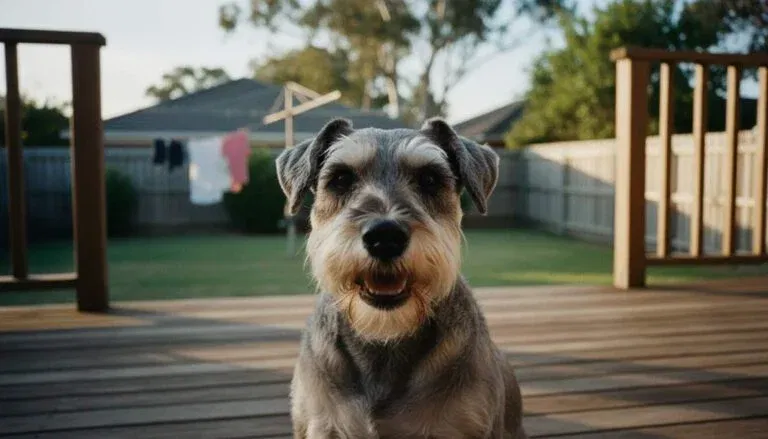
Everyone knows the Miniature Schnauzer. Everyone’s heard of the Giant. But the Standard Schnauzer — the original, the one the other two were built from — is the best-kept secret in the entire schnauzer family. Often described as “the dog with the human brain,” the Standard Schnauzer is wickedly intelligent, fiercely loyal, and just opinionated enough to keep you on your toes for the next 13 to 16 years.
Developed in medieval Germany as a farm dog, ratter, and guardian, the Standard Schnauzer was the working man’s all-rounder long before the term existed. They guarded market carts, cleared barns of vermin, herded livestock, and even served as dispatch carriers in World War I. In 1997, a Standard Schnauzer won Best in Show at Westminster — and still most people walked past the breed without recognising it.
If you want a dog that’s smarter than it has any right to be, built like a welterweight boxer, and comes with a moustache that would make a Victorian gentleman jealous — the Standard Schnauzer is worth your attention. But this isn’t a breed for passive owners. They’ll respect you, love you, and occasionally try to outsmart you. Here’s what that actually looks like.
What You’ll Learn
- Breed traits & temperament
- Health concerns to know
- True cost in Australia
- Training & exercise needs
- Is this breed right for you?
Standard Schnauzer at a Glance
| Trait | Detail |
|---|---|
| Breed Group | Utility (ANKC Group 6) |
| Origin | Germany, Middle Ages (14th–15th century) |
| Size | Males 47–50 cm | Females 44–47 cm at the shoulder |
| Weight | Males 18–20 kg | Females 16–18 kg |
| Coat | Double coat — wiry, harsh outer coat with dense, soft undercoat. Requires hand-stripping or clipping. |
| Colours | Salt and pepper or solid black. Black and silver also occurs. |
| Lifespan | 13–16 years |
| Temperament | Intelligent, spirited, loyal, alert, determined, sometimes willful |
| Exercise Needs | Moderate to high — 45–60+ minutes daily plus mental stimulation |
| Shedding | Very low when properly groomed — considered hypoallergenic |
| Good With Kids | Yes — playful and protective. Best with older children who can match their energy. |
| Apartment Friendly | Possible with adequate exercise and stimulation. May bark. |
| Hypoallergenic | Yes — low-shedding, low-dander coat. One of the better breeds for allergy sufferers. |
| Barking Level | Moderate to high — alert barkers and vocal communicators |
History & Origins
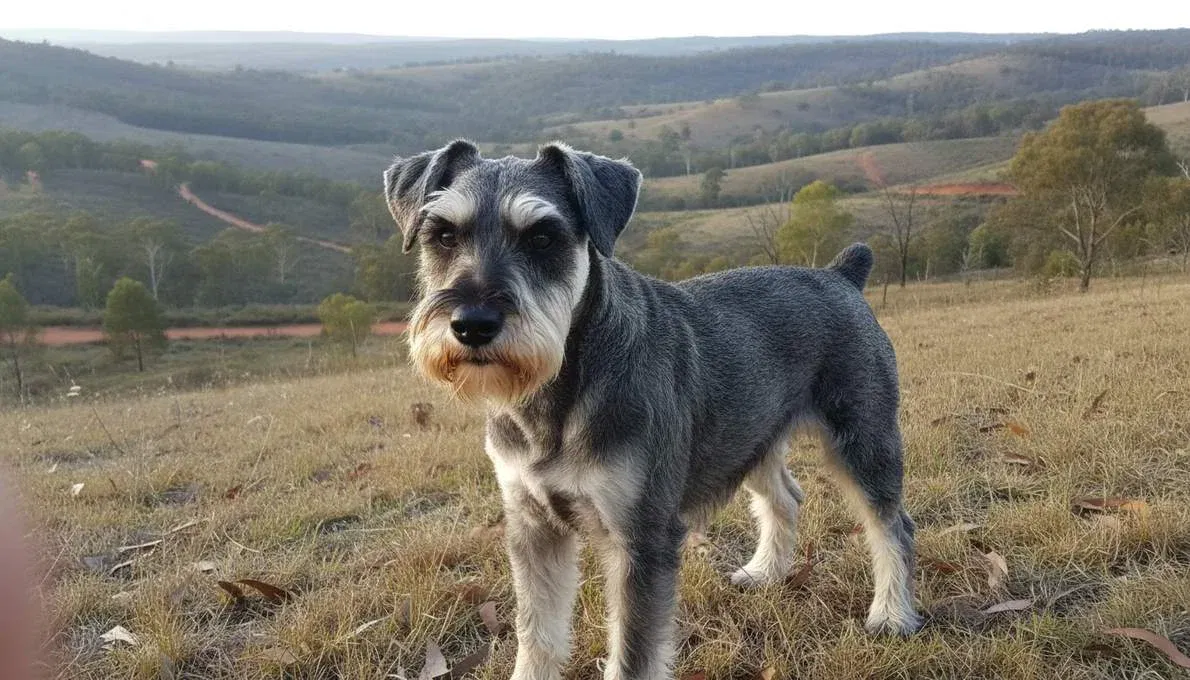
The Standard Schnauzer is the original schnauzer — the prototype from which both the Miniature and the Giant were later developed. The breed traces its roots to medieval Germany, possibly as far back as the 14th or 15th century. The name comes from the German word Schnauze, meaning “snout” or “muzzle,” a nod to the breed’s most distinctive feature: that magnificent bearded face.
The Standard Schnauzer was likely created by crossing early pinscher-type dogs with poodle and spitz breeds. The result was a versatile farm dog: intelligent enough to guard property and market carts, quick enough to catch rats, and bold enough to herd livestock. German farmers relied on these dogs as all-purpose workers, and the breed earned a reputation for reliability and toughness.
The breed was first exhibited in Germany in 1879 under the name Wire-Haired Pinscher. By 1900, the name “Schnauzer” was officially adopted. They arrived in the United States in the early 1900s and were recognised by the AKC in 1904. During World War I, Standard Schnauzers served as dispatch carriers and Red Cross aides on the front lines — proof of their intelligence and trainability under the most demanding conditions.
In the 1850s, German breeders used the Standard Schnauzer as the foundation for two new sizes: crossing with Affenpinschers and Miniature Pinschers created the Miniature Schnauzer, while crosses with Great Danes and other large breeds produced the Giant Schnauzer. It’s worth noting that unlike poodles (where the three sizes share genetics), the three schnauzer sizes involve different breed crosses — they’re related but genetically distinct.
In Australia, the Standard Schnauzer has a small but dedicated following. The Miniature is far more popular, and the Standard remains comparatively rare. Active breeders exist across several states, but litters are infrequent and waiting lists are common.
Temperament & Personality
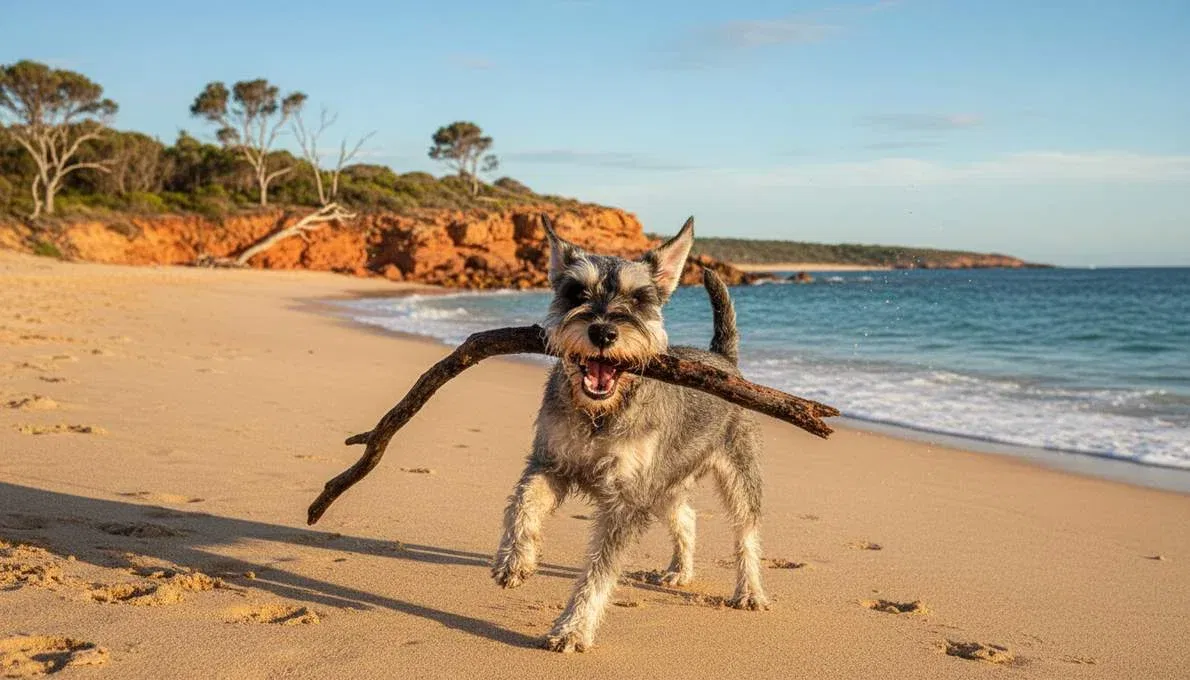
The Standard Schnauzer has been called “the dog with the human brain” — and anyone who’s owned one will tell you that’s not entirely a compliment. This breed is exceptionally intelligent, but it’s the kind of intelligence that comes with opinions, strategies, and the occasional power play. A Standard Schnauzer doesn’t just follow commands; it evaluates whether following that command is in its interest first.
Among the sharpest of all breeds. Standard Schnauzers pick up new concepts rapidly, remember training (both good and bad habits) long-term, and are creative problem-solvers. They’ll figure out how to open doors, manipulate situations, and test boundaries with impressive determination. This intelligence is a double-edged sword: brilliant to train if you’re engaging, but frustrating if you’re not one step ahead.
Standard Schnauzers are deeply devoted to their family and naturally protective. They make excellent watchdogs — alert, vocal, and suspicious of strangers until properly introduced. This protectiveness is an asset for many owners, but it requires proper socialisation to prevent it from tipping into wariness or territorial behaviour.
Reserved. Unlike the Miniature Schnauzer (which is generally friendlier with new people), the Standard takes its time assessing unfamiliar humans. They’re not aggressive, but they don’t rush to greet strangers either. Early, extensive socialisation is important to develop a balanced, confident adult.
Variable. Some Standards are social and playful with other dogs; others develop same-sex aggression, particularly males. Prey drive toward smaller animals (rats, squirrels, cats) is strong — these were bred as ratters, and the instinct runs deep. A Standard Schnauzer and a pet hamster under the same roof is a recipe for heartbreak.
Good to excellent. Standards are playful, energetic, and protective of children in their family. They’re best suited to families with older children who can engage in active play. Their energy and strength can be overwhelming for very small children.
Health & Genetic Conditions
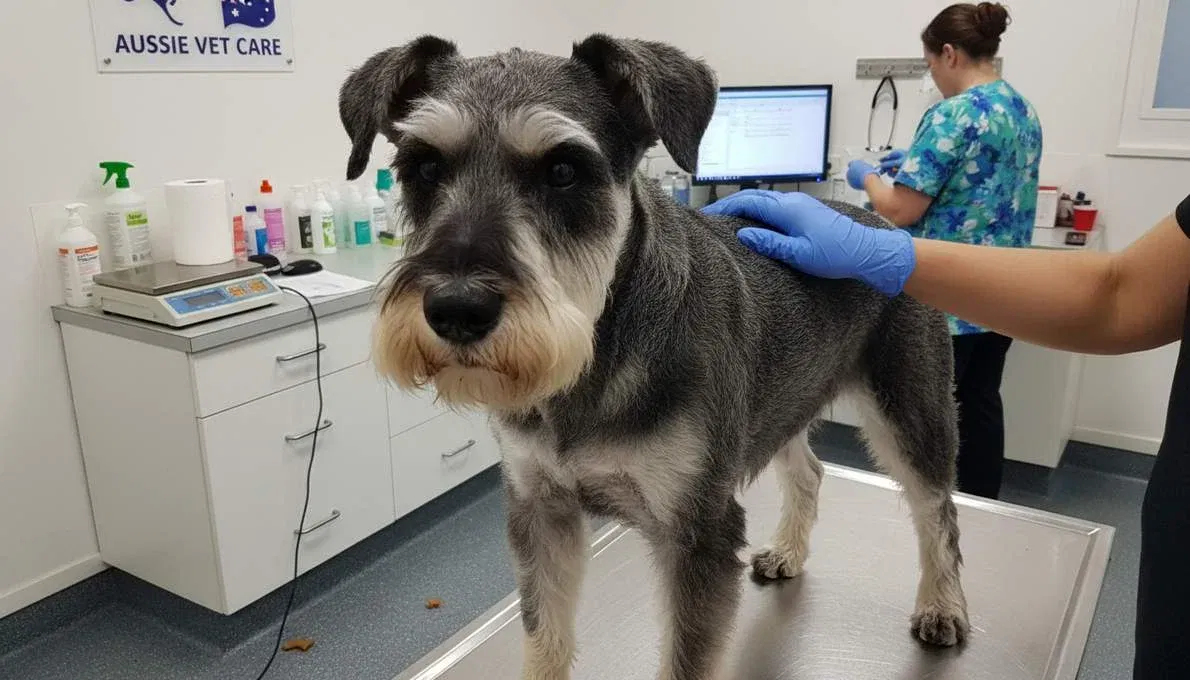
The Standard Schnauzer is one of the healthiest medium-sized breeds in existence. The Standard Schnauzer Club of America regularly surveys owners and consistently reports very few breed-specific problems. That said, no breed is completely free of genetic health risks.
Prevalence: Hip dysplasia is the most historically significant orthopaedic concern in the Standard Schnauzer and the condition that sparked the breed’s most sustained health screening effort. [Standard Schnauzer Club of America – Health FAQs] According to the SSCA, concerned breeders decades ago sharply reduced the incidence of hip dysplasia in the US through consistent radiographic screening — a success story often cited as a model for breed health programmes. The SSCA continues to recommend that all breeding stock be radiographically evaluated and cleared before use. The Standard Schnauzer sits within the FCI Group 2 (Pinscher, Schnauzer, Molossoid types), which as a group carries one of the higher relative risks for hip dysplasia across all breed groups, making continued vigilance important.
Symptoms: Many affected dogs show no symptoms in puppyhood, with stiffness and reduced willingness to exercise becoming the first owner-noticed signs in young adulthood. As osteoarthritis progresses with age, signs become more consistent: difficulty rising after rest, a shortened stride, reluctance to jump or use stairs, and visible muscle wasting over the hindquarters as the dog shifts weight onto the front end to compensate. Symptoms often worsen in cold, damp weather. Standard Schnauzers are physically active, confident dogs who may mask pain well — changes in play behaviour or exercise tolerance are worth investigating promptly.
Treatment Cost (AUD): Medical management with anti-inflammatory medication, joint supplements, and physiotherapy runs $500–$2,000/year for mild-to-moderate cases. [petinsurance.com.au] Surgical options including femoral head ostectomy ($2,000–$4,000/hip) or total hip replacement ($6,000–$10,000/hip) are available for severely affected dogs. Hydrotherapy is particularly valuable for this athletic breed, building supportive muscle mass without joint impact.
Prevention: OFA or PennHIP evaluation of both parents before breeding is the SSCA’s standard recommendation. Ask breeders for hip certification on each parent. Maintaining a lean body weight throughout the dog’s life, avoiding high-impact exercise on hard surfaces before 12 months, and feeding a joint-supportive diet through puppyhood all reduce the risk of early arthritis expression in genetically susceptible dogs.
Prevalence: Idiopathic epilepsy — seizures with no identifiable underlying structural cause — is a recognised inherited condition in the Standard Schnauzer and is consistently listed by veterinary breed guides as one of the top health concerns for the breed. [PetMD – Standard Schnauzer] Multiple veterinary clinic breed profiles describe Standard Schnauzers as “commonly afflicted” with primary epilepsy. There is no DNA test available for the condition in this breed, and the precise inheritance pattern is not fully characterised, which makes prevention through breeding selection difficult. Seizures typically begin between 6 months and 3 years of age.
Symptoms: Seizures may range from brief focal episodes — where the dog appears confused, stares blankly, or shows minor twitching of one limb — through to full generalised tonic-clonic seizures involving loss of consciousness, full-body convulsing, paddling limbs, involuntary urination or defecation, and a post-seizure recovery period of disorientation lasting minutes to hours. A dog experiencing a first seizure, a cluster of seizures within 24 hours, or a seizure lasting more than 5 minutes requires emergency veterinary attention. Between episodes, epileptic dogs are typically neurologically normal.
Treatment Cost (AUD): Lifelong anti-epileptic medication — typically phenobarbitone and/or potassium bromide — costs approximately $40–$150/month depending on dose, with blood level monitoring required every 6 months ($150–$300/test). [petinsurance.com.au] With good medication management, many epileptic Standard Schnauzers achieve good seizure control and live normal active lives. Specialist neurology referral for refractory cases costs $400–$800 for initial consultation plus diagnostics.
Prevention: No DNA test exists. Ask breeders directly about any history of seizures in the lines behind both parents and grandparents. Avoid purchasing from breeders who deflect or minimise questions about neurological history. Responsible breeders exclude known epileptic dogs and their close relatives from breeding programmes.
Prevalence: Von Willebrand disease — the most common inherited bleeding disorder in dogs — has been identified in the Standard Schnauzer, with Type 1 (the mildest and most common form) being the variant present in the breed. [VCA Animal Hospitals – Von Willebrand’s Disease] Von Willebrand factor (vWF) is a protein essential for normal platelet function and clot formation at sites of vessel injury. Dogs with Type 1 vWD have reduced (but not absent) vWF levels. Many carry the trait without showing obvious bleeding signs until challenged — surgery, trauma, whelping, or dental procedures can all unmask a previously unnoticed bleeding tendency. A DNA test is available and is recommended by the SSCA for breeding dogs.
Symptoms: Mild cases may only become apparent as prolonged bleeding following surgery, tooth extraction, or injury. More noticeably affected dogs may show spontaneous nosebleeds, blood in urine, bleeding from the gums, prolonged bleeding from minor wounds, or unusual bruising. Female dogs may bleed excessively during heat cycles or after whelping. Some dogs reach middle age without any obvious episode, making routine pre-surgical testing particularly important even in clinically normal dogs.
Treatment Cost (AUD): Routine management for mild cases is minimal in non-surgical situations. [petinsurance.com.au] For planned surgery, treatment with desmopressin (DDAVP) can temporarily raise vWF levels in Type 1 dogs — cost is approximately $50–$150/dose. Blood or fresh frozen plasma transfusions are required for active uncontrolled bleeding — emergency transfusion costs $500–$2,000 depending on volume required. DNA testing costs approximately $60–$100 and should be standard for all breeding dogs.
Prevention: DNA testing of all breeding stock is recommended. Always inform any veterinarian — including for routine procedures such as desexing — if a Standard Schnauzer has a known vWD status or has not been tested. Reputable breeders will know the vWD status of their breeding dogs and provide documentation on request.
Prevalence: Pancreatitis is a recognised breed predisposition in Standard Schnauzers and is identified as one of the top three health concerns for the breed by multiple sources. [iHeartDogs – Standard Schnauzer Health] The Standard Schnauzer’s predisposition is not as extreme as seen in the Miniature Schnauzer (which has an extraordinary susceptibility to hyperlipidaemia-driven pancreatitis), but the breed still carries an elevated risk. Pancreatitis occurs when digestive enzymes activate prematurely within the pancreas rather than in the small intestine, causing the organ to effectively begin digesting itself. Triggers include high-fat meals, dietary indiscretion (garbage eating), obesity, and certain medications — but episodes can occur with no obvious precipitating cause.
Symptoms: Acute pancreatitis typically presents suddenly: vomiting, severe abdominal pain (the dog may adopt a characteristic “prayer position” with the front end lowered and hindquarters raised to relieve pressure), loss of appetite, lethargy, and sometimes diarrhoea. Fever may be present. Severe cases can progress to systemic inflammation, shock, and involvement of other organs — acute pancreatitis can be life-threatening. Chronic, low-grade pancreatitis causes more subtle recurring symptoms: intermittent vomiting, reduced appetite, weight loss, and general dullness after meals.
Treatment Cost (AUD): Mild outpatient cases managed with fluid support, anti-nausea medication, and fasting cost $300–$800. [petinsurance.com.au] Severe hospitalised cases requiring IV fluids, intensive monitoring, and extended treatment can run $2,000–$5,000 or more. Dogs with recurrent pancreatitis require permanent dietary management on a low-fat diet.
Prevention: Keep Standard Schnauzers lean — obesity is a significant risk factor. Feed a consistent, moderate-fat diet and avoid feeding table scraps, fatty trimmings, or rich treats. Secure rubbish bins. Any Standard Schnauzer with a history of pancreatitis should be maintained on a prescription low-fat diet long-term, with high-fat foods permanently avoided.
All costs estimated in AUD as of 2026. Metro specialist pricing (Sydney, Melbourne) at the higher end.
Essential breeder tests: The Canine Health Information Centre (CHIC) recommends hip evaluation, ophthalmologist examination, and DCM DNA testing for all breeding Standard Schnauzers. A responsible breeder will provide results for all three. The DCM DNA test is particularly important — it’s a recessive trait, meaning carrier dogs show no symptoms but can produce affected puppies.
Lifespan & Longevity
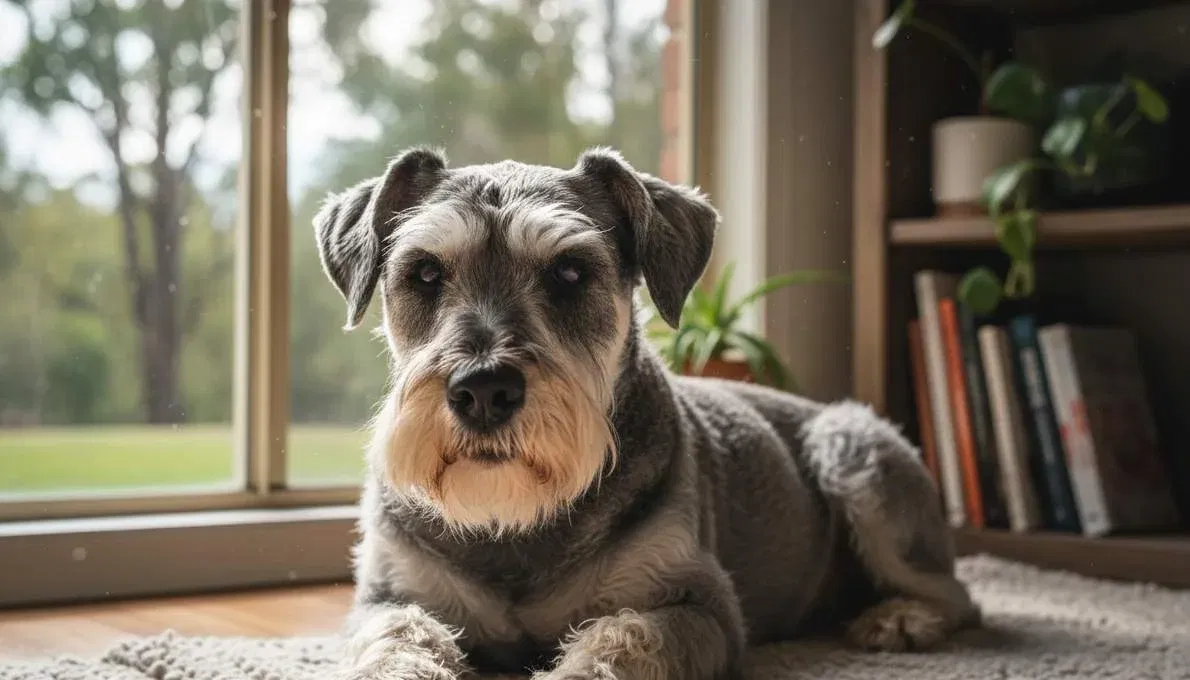
Standard Schnauzers are long-lived dogs, typically reaching 13 to 16 years. Some sources cite 12–14 as a more conservative range, but many Standards exceed 14 with good care. Their robust health, moderate size, and functional build all contribute to excellent longevity.
Puppy stage (0–12 months): Quick learners from day one. Socialisation is critical during the first four months — expose to many people, dogs, environments, and sounds. Begin grooming handling early so the puppy accepts brushing, stripping, and beard maintenance. Standard Schnauzer puppies grow rapidly and need high-quality puppy food until approximately 12 months.
Adult (1–9 years): Peak energy and working years. Maintain regular exercise, mental stimulation, and grooming. Annual vet checks with cardiac auscultation recommended (listen for DCM signs). Weight management is important — Standards love food and can become overweight if overfed.
Senior (9+ years): Energy levels moderate but many Standards remain active and sharp well into their teens. Twice-yearly vet visits recommended. Watch for eye changes (cataracts), joint stiffness, and dental deterioration. Heart monitoring becomes increasingly important in older dogs.
Grooming & Care
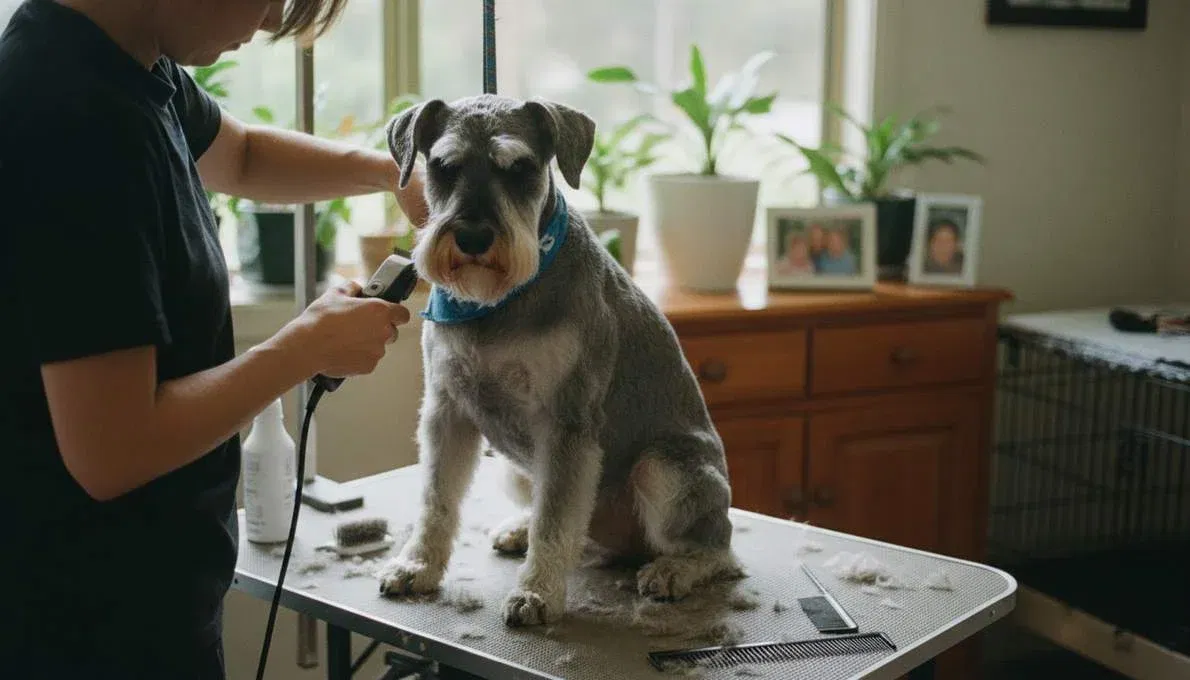
The Standard Schnauzer’s coat is one of its most distinctive features — and one of its biggest maintenance commitments. The wiry double coat doesn’t shed like most dogs, but it requires regular grooming to stay healthy and look its best. There are two approaches: hand-stripping (traditional) and clipping (practical).
Grooming Schedule
| Task | Frequency | Notes |
|---|---|---|
| Hand-Stripping | Every 4–6 months | Traditional method: pulling dead outer coat by hand to maintain correct wiry texture and colour. Time-consuming but preserves the harsh coat. Required for show dogs. |
| Clipping (Alternative) | Every 6–8 weeks | Faster and easier but softens the coat texture and may lighten salt-and-pepper colouring over time. Standard for pet dogs. |
| Brushing | 2–3 times weekly | Bristle brush or slicker through the body. Comb the beard, eyebrows, and leg furnishings daily to prevent mats. |
| Beard Cleaning | After meals | The schnauzer beard is a food, water, and debris magnet. Wipe after every meal. Neglected beards cause skin irritation and smell. |
| Ear Cleaning | Weekly | Check for wax build-up. Ear hair may need plucking to maintain airflow. |
| Nail Trimming | Every 2–3 weeks | Active dogs on hard surfaces may self-maintain. |
| Dental Care | Daily brushing ideal | Medium breeds are prone to dental disease. Start brushing young. |
Hand-stripping vs clipping explained: Hand-stripping removes dead hair from the root, allowing new wiry hair to grow in. This maintains the correct harsh texture that repels dirt and water. Clipping cuts the hair shaft, leaving the dead root behind. Over time, clipping softens the coat, makes it less weather-resistant, and can lighten the salt-and-pepper colour. If you’re not showing your dog, clipping is perfectly fine and much more practical. If you want the classic schnauzer look and texture, learn to hand-strip or find a groomer experienced with terrier coats.
Ungroomed Standard Schnauzer: Left completely ungroomed, a Standard Schnauzer’s coat grows long and shaggy, with heavy matting in the beard and leg furnishings. It’s a look some people find endearing, but it’s not ideal for the dog — matted coat traps heat, moisture, and debris against the skin. Regular maintenance (even just clipping) is important for comfort and health.
Exercise Needs
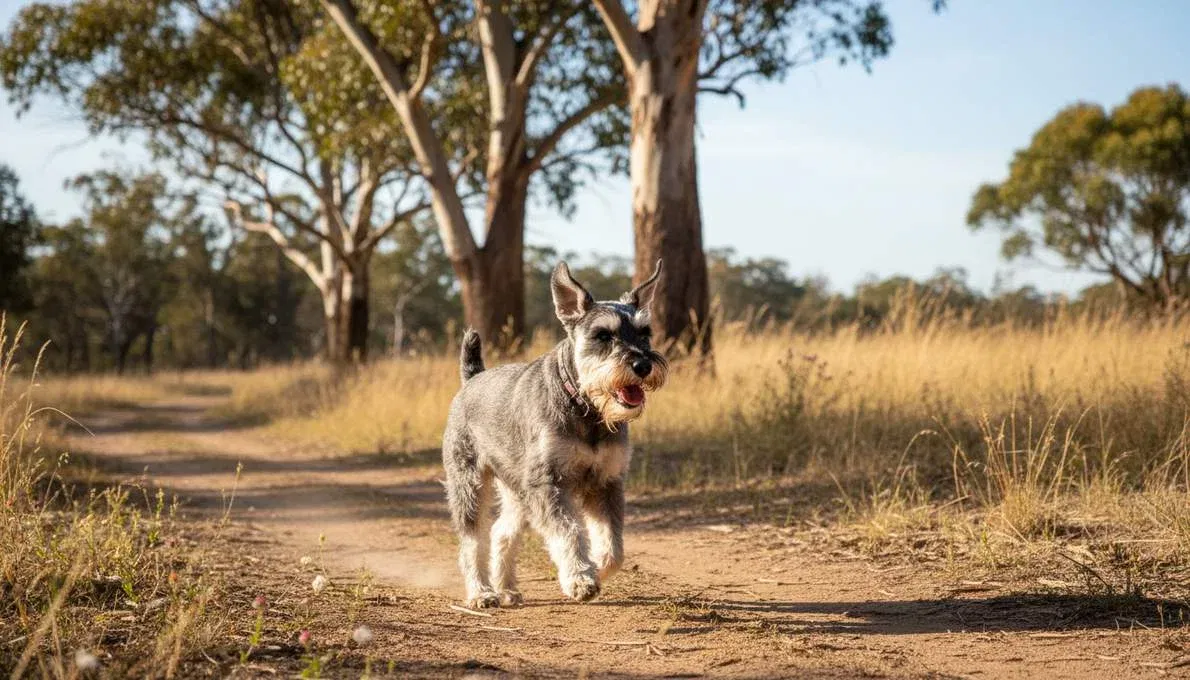
Standard Schnauzers need 45 to 60+ minutes of active exercise daily. They’re athletic, energetic dogs that were bred to work all day on German farms. A quick walk around the block won’t cut it — they need genuine physical activity combined with mental challenges.
They excel at agility, obedience trials, tracking, barn hunt (a natural fit for ratters), rally, and even therapy work. If you’re looking for a medium-sized dog to do sports with, the Standard Schnauzer is a top-tier choice. Their intelligence and drive make them outstanding competitors.
Mental stimulation is non-negotiable. A physically tired Standard Schnauzer with a bored brain will still find ways to cause trouble. Puzzle feeders, training sessions, scent games, and new experiences should be part of the daily routine. These dogs need their minds worked as much as their bodies.
Australian climate note: Standard Schnauzers handle the Australian climate well. Their wiry coat provides insulation in cooler weather and doesn’t trap excessive heat in summer (especially when clipped). Exercise during cooler parts of the day in peak summer, provide shade and water, and they’ll manage comfortably. They’re not heat-sensitive the way brachycephalic breeds are.
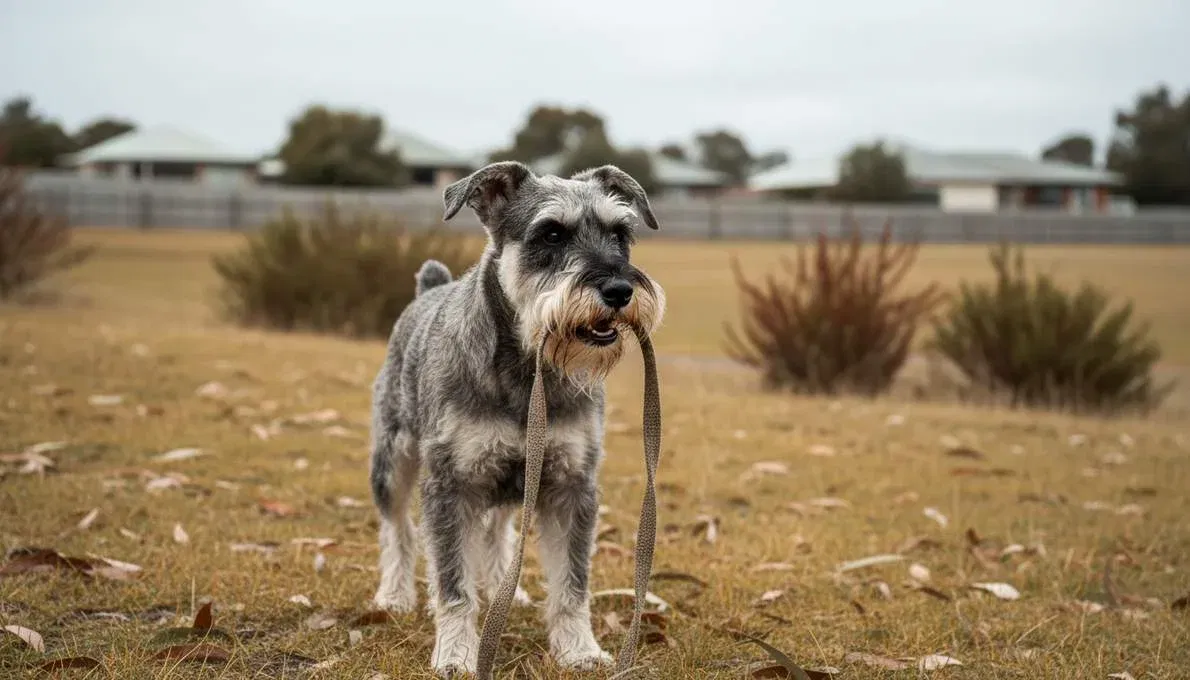
Prey drive warning: Standard Schnauzers have a strong prey drive. They were bred to hunt and kill rats, and that instinct extends to squirrels, lizards, birds, and small animals. Off-lead exercise in unfenced areas is risky — recall is unreliable when something interesting runs. Secure fencing is essential, and most Standard Schnauzer experts recommend keeping them on-lead in open areas.
Training Guide
Training a Standard Schnauzer is a conversation, not a lecture. They’re too smart for repetitive drills and too independent for blind obedience. The key is engagement: keep training interesting, varied, and rewarding, and you’ll have a brilliantly responsive dog. Bore them or bully them, and you’ll have a determined adversary with a very long memory.
Socialisation & Training Timeline
| Age | Focus | What to Expect |
|---|---|---|
| 8–12 weeks | Socialisation & handling | Expose to many people, dogs, environments. Begin grooming handling (beard, paws, ears). Standards are naturally reserved — positive early experiences are critical. |
| 12–16 weeks | Basic commands | Sit, stay, come, leave it. Standards learn fast but test boundaries early. Keep sessions short, fun, and rewarding. Avoid repetition. |
| 4–6 months | Lead manners & impulse control | Loose-lead walking, “wait,” “drop it.” Begin recall training with high-value rewards. Redirect prey drive to appropriate outlets. |
| 6–12 months | Adolescence & independence | Standards become more independent and opinionated during adolescence. Consistency and patience essential. Avoid harsh corrections — they remember. |
| 1–2 years | Advanced training & sports | Channel intelligence into agility, tracking, obedience, or barn hunt. The Standard Schnauzer’s working drive needs an outlet. |
| 2+ years | Ongoing enrichment | A well-trained adult Standard is an extraordinary companion. Continue varied training and mental challenges. Never stop being interesting. |
Honest difficulty rating: 6/10. Not hard to train in terms of learning ability — they pick things up instantly. The difficulty is in managing their independence, determination, and tendency to challenge authority. Positive reinforcement works well; harsh methods backfire badly. Standard Schnauzers hold grudges against people who treat them unfairly. Best suited to experienced, confident owners who enjoy a dog that thinks for itself. First-time owners can succeed but should invest heavily in professional training.
Cost of Ownership in Australia
| Expense | Estimated Cost | Notes |
|---|---|---|
| Puppy Purchase Price | $2,500–$5,000 AUD | From a registered ANKC breeder with hip, eye, and DCM testing. Waiting lists of 6–12+ months are common due to breed rarity. |
| Initial Setup | $500–$1,000 AUD | Crate, bed, bowls, lead, harness, grooming tools (slicker brush, metal comb, stripping knife if hand-stripping), initial vet check. |
| Annual Food | $600–$1,000 AUD | High-quality protein-rich diet. Standards are medium-sized and not heavy eaters. |
| Annual Vet (Routine) | $350–$700 AUD | Vaccinations, check-ups, worming, dental check, annual cardiac auscultation. |
| Grooming | $800–$1,800 AUD/year | Professional clipping every 6–8 weeks ($80–$120/session) or hand-stripping 2–3 times yearly ($150–$250/session). Plus home brushing tools. |
| Pet Insurance | $40–$70 AUD/month | Recommended for DCM and orthopaedic coverage. Budget $480–$840/year. |
| Training Classes | $300–$700 AUD | Puppy school plus ongoing training. Consider dog sports for enrichment. |
| Emergency Vet Fund | $1,500–$3,000 AUD | Set aside for potential DCM management, hip surgery, or bladder stone treatment. |
Lifetime cost estimate: $22,000–$42,000 AUD over 13–16 years. Grooming is the significant ongoing cost. The breed’s excellent health and long lifespan mean you’re likely to have fewer emergency vet bills than many other breeds, which helps balance the overall spend.
For breeders in Australia, contact the Schnauzer Club of your state (Victoria, NSW, QLD, WA all have active groups) or search DogzOnline for ANKC-registered Standard Schnauzer breeders. The breed is rarer than the Miniature, so patience is needed. Some Australian breeders specialise in Standards — breed clubs can direct you. Rescue is uncommon for Standards but worth checking with schnauzer rescue groups.
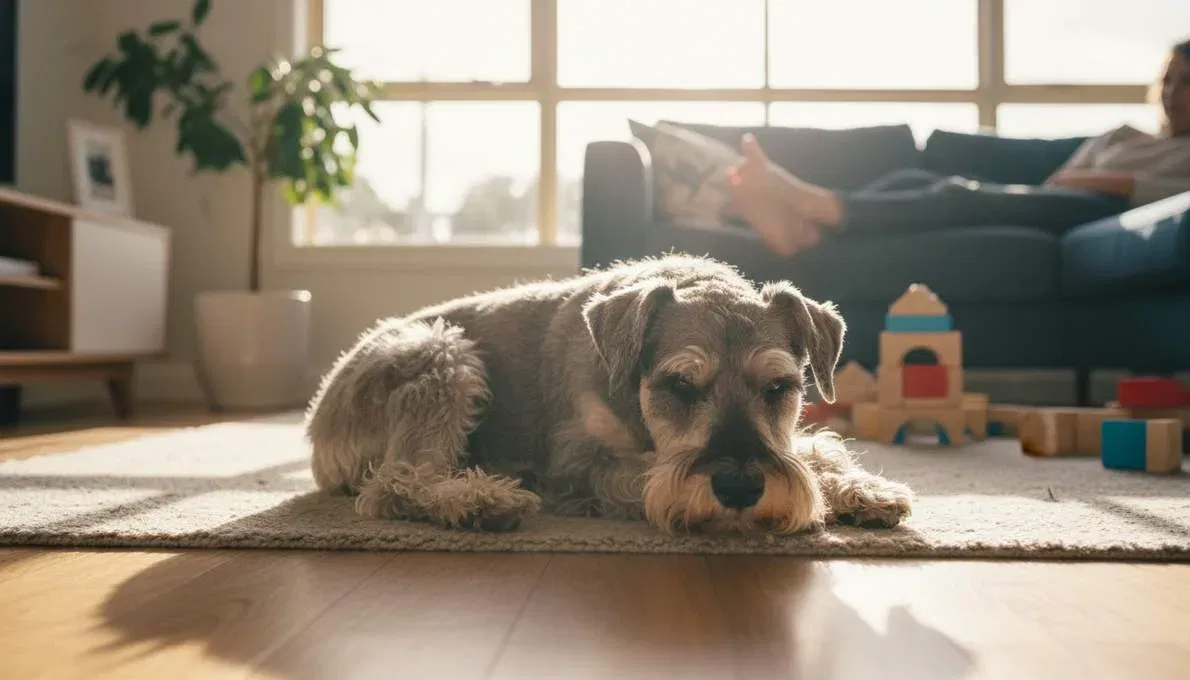
Is the Standard Schnauzer Right for You?
want an intelligent, loyal, protective companion; enjoy training and can handle a dog that challenges you intellectually; lead an active lifestyle with time for daily exercise and mental stimulation; want a hypoallergenic, low-shedding breed; can commit to regular professional grooming; appreciate a good watchdog that takes home security seriously; and want a medium-sized, robust dog with exceptional longevity.
want a dog that obeys without question (they’ll always have opinions); keep small pets like hamsters, guinea pigs, or mice (strong prey drive); want a universally friendly, tail-wagging greeter for everyone; don’t have time for grooming maintenance; prefer a quiet dog (they bark to communicate, alert, and express opinions); or want an easy, low-effort first dog.
The Miniature is smaller (30–36 cm, 5–9 kg), more outgoing with strangers, and generally easier for first-time owners. The Standard is larger (44–50 cm, 16–20 kg), more reserved, more protective, and more demanding of experienced handling. The Standard also has fewer health issues — Miniatures are prone to pancreatitis, urinary stones, and eye problems at higher rates. If you want the schnauzer personality turned up to 11 with more substance and working drive, choose the Standard.
The Giant is significantly larger (60–70 cm, 35–47 kg), needs more space, more exercise, and more confident handling. They’re better suited to experienced large-breed owners with substantial property. The Standard delivers the same intelligence and loyalty in a more manageable package.
The Standard Schnauzer is a medium-sized, hypoallergenic, exceptionally healthy dog with one of the longest lifespans of any breed its size. They’re intelligent, loyal, protective, and athletic — a genuine all-rounder in a package that fits comfortably into most Australian households.
The trade-offs are the grooming commitment, the strong-willed personality, and the breed’s rarity in Australia making puppies hard to source. This is a dog that demands engagement — mental, physical, and emotional.
If you’re the kind of owner who wants a dog that thinks, communicates, and occasionally argues with you — and you wouldn’t have it any other way — the Standard Schnauzer is one of the most rewarding breeds you’ll ever live with.
Frequently Asked Questions
Do Standard Schnauzers shed?
Standard Schnauzers are considered a low-shedding breed. Their wiry double coat does not shed in the same way as smooth-coated breeds. Instead, dead hairs become trapped in the dense undercoat and need to be removed through regular brushing or hand-stripping. This makes them a good choice for people with mild allergies, though no dog is 100% hypoallergenic.
Are Standard Schnauzers hypoallergenic?
Yes, Standard Schnauzers are considered one of the better hypoallergenic breeds. Their low-shedding coat produces less dander (the primary allergen for most people). However, individual reactions vary, and it’s recommended to spend time with the breed before committing if you have severe allergies.
How much does a Standard Schnauzer cost in Australia?
A Standard Schnauzer puppy from a registered ANKC breeder typically costs between $2,500 and $5,000 AUD. The price reflects the breed’s rarity, health testing performed on the parents, and the breeder’s reputation. Waiting lists of 6 to 12 months or more are common.
What is the difference between a Standard and Miniature Schnauzer?
The Standard is the original, medium-sized (44–50 cm, 16–20 kg) breed. The Miniature is a smaller (30–36 cm, 5–9 kg) variant developed later. Beyond size, Standards are generally more reserved with strangers, more protective, and have a stronger working drive. They also tend to have fewer breed-specific health issues than Miniatures.
Do Standard Schnauzers bark a lot?
Standard Schnauzers are alert and vocal. They will bark to alert you to visitors, unusual sounds, or anything they perceive as a threat. With proper training, you can manage excessive barking, but they will never be a silent breed. They are communicative and use barking to express themselves.
Are Standard Schnauzers good guard dogs?
Yes, they are excellent watchdogs and capable guard dogs. They are naturally protective of their family and property, alert, and suspicious of strangers. Their medium size and confident demeanor make them an effective deterrent. Proper socialisation is crucial to ensure their protectiveness doesn’t become over-the-top.
How long do Standard Schnauzers live?
Standard Schnauzers are a long-lived breed, with a typical lifespan of 13 to 16 years. Their robust health and moderate size contribute to their excellent longevity. Many live well into their teens with proper care.
How do you groom a Standard Schnauzer?
Grooming requires regular maintenance. The traditional method is hand-stripping every 4–6 months to maintain the harsh coat texture. Most pet owners opt for clipping every 6–8 weeks. Daily beard combing, weekly brushing, and regular ear cleaning and nail trimming are also essential.
Can Standard Schnauzers live in apartments?
Yes, it is possible with sufficient daily exercise and mental stimulation. They are a medium-sized, adaptable breed. However, their tendency to bark at noises and their need for active playtime mean apartment living requires a committed owner who can meet their needs. A house with a secure yard is ideal.
Are Standard Schnauzers easy to train?
They are highly intelligent and learn commands quickly, but they are not necessarily “easy” to train. Their independent nature means they will question commands and test boundaries. Training requires patience, consistency, and positive reinforcement. They are best suited to experienced owners who enjoy a thinking partner.
1. American Kennel Club — Standard Schnauzer Breed Information: https://www.akc.org/dog-breeds/standard-schnauzer/
2. PetMD — Standard Schnauzer Health and Care: https://www.petmd.com/dog/breeds/standard-schnauzer
3. Standard Schnauzer Club of America: https://www.standardschnauzer.org/
4. Daily Paws — Standard Schnauzer Information and Characteristics: https://www.dailypaws.com/dogs-puppies/dog-breeds/standard-schnauzer
5. Dogster — Standard Schnauzer Breed Info: https://www.dogster.com/dog-breeds/standard-schnauzer
6. Chewy — Standard Schnauzer Breed Guide: https://www.chewy.com/education/dog-breeds/standard-schnauzer
7. WebMD Pets — What to Know About Standard Schnauzers: https://www.webmd.com/pets/dogs/what-to-know-about-standard-schnauzers
8. Canine Health Information Centre (CHIC) — Standard Schnauzer: https://www.caninehealthinfo.org/
9. Canna-Pet — Standard Schnauzer Lifespan, Temperament & More: https://canna-pet.com/breed/standard-schnauzer/