
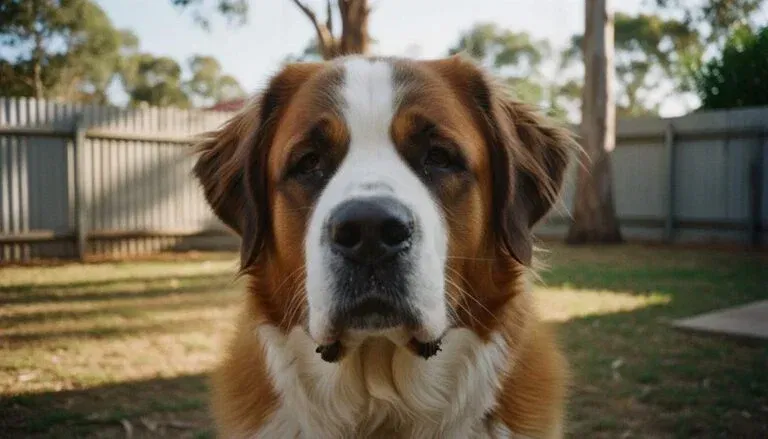
There’s no halfway with a St Bernard. You either accept a dog that weighs more than most adults, sheds enough to stuff a pillow weekly, leaves ropes of drool on your walls, and takes up the entire couch — or you get a different breed. There is no low-maintenance version of this dog.
But here’s the thing: people who own St Bernards wouldn’t trade them for anything. The breed’s patience, gentleness, and sheer devotion to their family is legendary. These are dogs that were originally bred by monks in the Swiss Alps to rescue travellers buried in snow — and they carry that calm, purposeful, “I will save you” energy into everything they do, including lying on your feet while you watch television.
Owning a St Bernard in Australia comes with specific challenges that don’t exist in Switzerland. The heat is a genuine welfare concern. The costs are higher than most people expect. The lifespan is shorter than most people want to hear. And the drool — the drool is inescapable. If you’re still reading, you might just be a St Bernard person. Let’s make sure you know exactly what that means.
What You’ll Learn
- Breed traits & temperament
- Health concerns to know
- True cost in Australia
- Training & exercise needs
- Is this breed right for you?
St Bernard at a Glance
| Trait | Detail |
|---|---|
| Breed Group | Utility (ANKC Group 6) |
| Origin | Swiss Alps — Great St Bernard Hospice, 17th century |
| Size | Males 70–90 cm | Females 65–80 cm at the shoulder |
| Weight | Males 64–90+ kg | Females 54–70+ kg |
| Coat | Two types: short and smooth, or long and rough. Both are dense and weather-resistant. |
| Colours | White with red, mahogany, orange, or brindle markings. Dark face mask and ears typical. |
| Lifespan | 8–10 years |
| Temperament | Gentle, patient, affectionate, calm, watchful, protective |
| Exercise Needs | Moderate — 30–45 minutes daily. Not a high-energy breed. |
| Shedding | Heavy — sheds year-round with major seasonal blowouts twice yearly |
| Good With Kids | Exceptional — one of the most patient and gentle breeds with children |
| Apartment Friendly | Not recommended. Needs space to move and lie comfortably. |
| Hypoallergenic | No — heavy shedders and droolers |
| Barking Level | Low to moderate — generally quiet dogs that bark only when necessary |
| Drooling Level | Extreme — this is a defining characteristic |
History & Origins
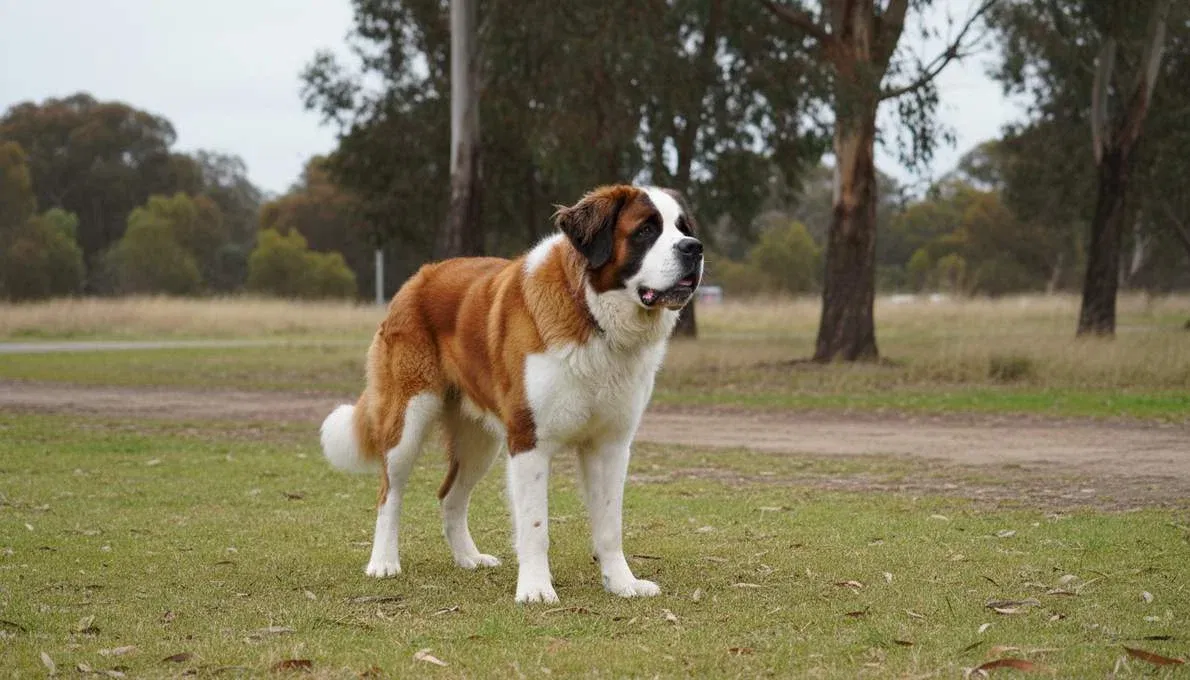
The St Bernard’s origin story is one of the most romantic in all of dogdom. The breed is named after the Great St Bernard Pass, a treacherous mountain route connecting Switzerland and Italy at an elevation of over 2,400 metres. In the 11th century, a monk named Bernard of Menthon established a hospice at the summit to shelter travellers crossing the pass. By the mid-1600s, the monks had begun keeping large dogs — likely descended from Asiatic mastiff-type dogs brought to Switzerland by the Romans — as companions and watchdogs.
The monks quickly discovered these dogs had an extraordinary ability to locate people buried in avalanches. The St Bernard’s massive size, dense coat, and incredible sense of smell made them ideal rescue animals. They would track down lost travellers, dig through snow, and lie beside victims to keep them warm until help arrived. Over the centuries, St Bernards are credited with saving over 2,000 lives on the pass.
The most famous rescue dog was Barry, who served at the hospice in the early 1800s and is said to have saved over 40 lives during his career. Barry’s story became so celebrated that the breed was temporarily known as “Barryhund.” Other historical names include Hospice Dogs, Swiss Alpine Dogs, and Monastery Dogs. The iconic image of a St Bernard carrying a small brandy barrel around its neck, while popular in art, is largely a Victorian invention — though it became permanently associated with the breed through Sir Edwin Landseer’s paintings.
The breed was first officially recognised in Switzerland in 1880. The AKC recognised the St Bernard in 1885, making it one of the earliest breeds in their registry. In modern culture, the 1992 film Beethoven and its sequels made the breed a household name worldwide. In Australia, St Bernards have a dedicated but relatively small following, with active breed clubs in most states.
Temperament & Personality
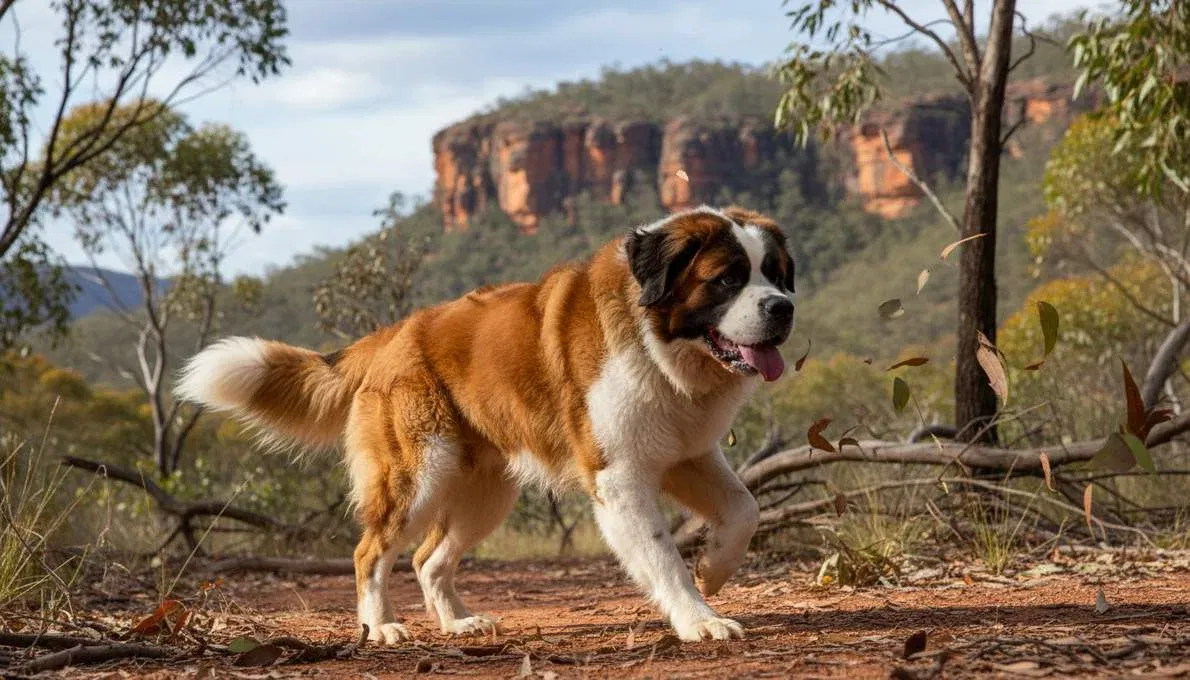
The St Bernard temperament is the reason people fall in love with this breed despite the drool, the shedding, and the sheer physical logistics. These are profoundly gentle, patient, affectionate dogs with a calm presence that fills a room — and given their size, they literally fill most rooms.
The defining St Bernard trait. They move carefully, interact gently, and seem to understand their own size in a way that many giant breeds do not. Their patience with children is remarkable — St Bernards will tolerate being climbed on, hugged, and pestered with a quiet dignity that few breeds can match. They are not aggressive dogs by nature, and unprovoked aggression in a well-bred St Bernard is extremely rare.
St Bernards are among the best family dogs in existence when it comes to temperament around children. They’re watchful, tolerant, and protective. The main concern isn’t temperament — it’s size. A St Bernard doesn’t need to be aggressive to knock a toddler over; simply turning around or wagging its tail can send a small child sprawling. Supervision is essential, not because the dog might be dangerous but because it’s enormous.
Generally good. St Bernards have low prey drive and usually coexist peacefully with cats and other dogs, especially when raised together. Their calm demeanour makes them less likely to start conflicts. Size awareness is important — they can accidentally injure smaller pets simply by lying on them or stepping on them.
St Bernards are naturally watchful and will position themselves between their family and perceived threats. They don’t bark excessively, but their deep bark and imposing size are effective deterrents. They’re not guard dogs in the trained sense, but their instinct to protect their people is strong.
St Bernards are intelligent but not always eager to obey on command. They have a calm, deliberate personality that some owners describe as stubborn. It’s more accurate to say they move at their own pace. They’ll do what you ask — eventually. Patience is the key to living with this breed, and harsh training methods are both ineffective and unnecessary.
St Bernards don’t fully mature mentally until 2 to 3 years of age. This means you’ll have a puppy brain in an enormous body for quite some time. A clumsy, enthusiastic 50 kg adolescent St Bernard is a force of nature. Training and patience during this extended puppyhood are essential.
Health & Genetic Conditions
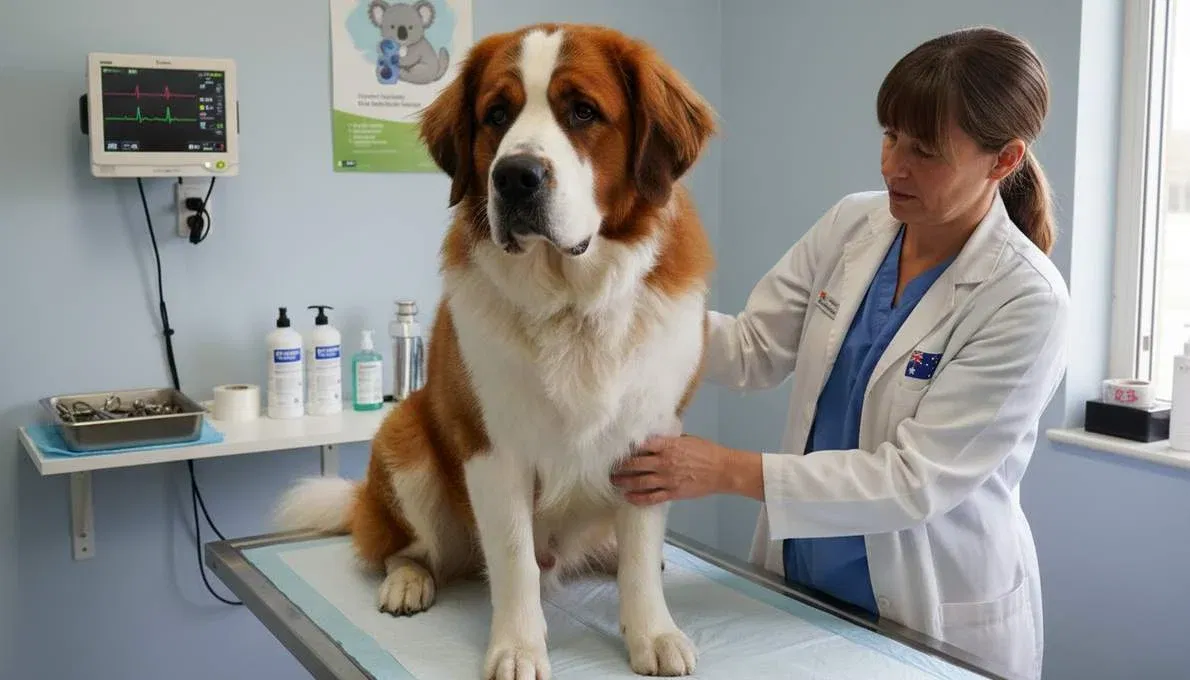
This is the section that every prospective St Bernard owner needs to read carefully. Giant breeds carry significant health risks, and St Bernards are no exception. Their shorter-than-average lifespan is directly linked to the physical demands of their size, and several serious conditions are common in the breed.
Prevalence: Hip dysplasia is arguably the most significant structural health problem in the Saint Bernard, affecting the breed at one of the highest rates of any dog. [OFA Hip Dysplasia Statistics via Ortocanis] OFA data places the Saint Bernard’s hip dysplasia rate at approximately 46–47% of all evaluated dogs — meaning nearly half of screened Saints show some degree of abnormal hip development. This extraordinarily high figure is compounded by the breed’s enormous weight, which loads already-imperfect joints with extraordinary mechanical force, accelerating the progression to secondary arthritis. Elbow dysplasia is similarly prevalent and is caused by a collection of developmental joint abnormalities that produce chronic pain and progressive laming in the forelimbs. Both conditions have a strong hereditary component and are worsened by rapid growth, excess body weight, and inappropriate exercise during puppyhood.
Symptoms: In young dogs, hip dysplasia often first appears as a reluctance to exercise, a characteristic bunny-hopping gait when running, and intermittent hind-end stiffness after rest. As secondary osteoarthritis develops, signs become more persistent: difficulty rising from the floor, an obvious swaying or rolling hindquarter gait, reluctance to use stairs or jump into vehicles, and visible muscle wasting over the hindquarters. Elbow dysplasia typically causes front-leg lameness in young adults — often worse after rest — with visible swelling around the elbow joint and a tendency to carry one or both forelimbs with a slightly outward rotation. In a dog of Saint Bernard size, even moderate joint pain has enormous functional impact.
Treatment Cost (AUD): Medical management of mild-to-moderate cases — joint supplements, anti-inflammatories, weight management, hydrotherapy — costs $1,000–$3,000/year. [petinsurance.com.au] Total hip replacement runs $7,000–$12,000 per hip in a giant breed. Elbow surgery (arthroscopy, ulnar osteotomy) costs $3,000–$6,000 per elbow. Giant breed surgical costs significantly exceed those of medium dogs due to anaesthesia complexity, implant size, and recovery demands.
Prevention: OFA or PennHIP hip and elbow certification of both parents before any breeding is the foundational requirement — ask breeders to show results for both parents. Feed a giant-breed-specific puppy diet (not standard puppy food) to avoid excessively rapid growth, restrict high-impact activity before 18 months, and maintain a lean body weight throughout the dog’s life. Even well-bred Saints need proactive joint management from early adulthood.
Prevalence: GDV is the most acutely life-threatening condition a Saint Bernard owner will face. The breed’s deep, narrow chest creates the ideal anatomical conditions for the stomach to fill with gas and then rotate on its own axis — cutting off the blood supply to the stomach, spleen, and major abdominal vessels within minutes. [Dogster – St. Bernard Health Issues] Saint Bernards rank among the highest-risk breeds for GDV. A family history of bloat further elevates individual risk. The condition can be fatal within 30 minutes to a few hours if not treated, even in otherwise healthy dogs.
Symptoms: The classic presentation is a dog that attempts to vomit repeatedly but produces nothing — unproductive retching is the hallmark emergency sign. The abdomen distends visibly and feels tense and drum-like when tapped. The dog becomes increasingly distressed, restless, or conversely collapsed and unresponsive as shock develops. Pale or blue-tinged gums indicate cardiovascular compromise and signal imminent death without intervention. Any Saint Bernard showing unproductive retching and abdominal distension must be taken to an emergency clinic immediately — every minute counts.
Treatment Cost (AUD): Emergency GDV surgery — stomach derotation, assessment of tissue viability, and gastropexy — costs $4,000–$8,000 and requires intensive post-operative care. [petinsurance.com.au] Prophylactic gastropexy (stomach tacking to prevent twisting before GDV ever occurs), performed electively at the time of desexing, costs approximately $500–$1,500 and is strongly recommended by most vets for this breed.
Prevention: Prophylactic gastropexy at desexing is the single most effective preventive measure and is broadly recommended for all Saint Bernards. Feed two to three smaller meals daily rather than one large meal, place food bowls on the floor rather than raised stands, restrict vigorous exercise for at least one hour before and after meals, and avoid stress at mealtimes. Know the location of your nearest 24-hour emergency vet before an emergency occurs.
Prevalence: Saint Bernards carry a breed predisposition to dilated cardiomyopathy — a progressive disease in which the heart muscle weakens and the chambers enlarge, reducing the heart’s ability to pump blood effectively. [PetMD – Saint Bernard] DCM is considered a genetic condition in the breed, with giant-breed body size itself being an independent risk factor for the development of cardiac muscle disease. The condition is often silent in its early stages — many affected dogs have no obvious symptoms until the heart disease is advanced. Following diagnosis, most dogs survive an average of around two years with appropriate medication. Annual cardiac screening with auscultation is recommended from middle age onwards.
Symptoms: Early DCM may be detected only as a heart murmur or arrhythmia found incidentally at a routine vet check. As the condition progresses, owners notice exercise intolerance — the dog tires quickly on walks it used to manage easily — a persistent soft cough (from fluid accumulating in the lungs), increased respiratory rate at rest, weight loss, weakness, and abdominal distension from fluid accumulation. Sudden collapse or death from cardiac arrhythmia can occur in advanced cases. Any new cough or exercise intolerance in a middle-aged or older Saint Bernard warrants prompt cardiac evaluation.
Treatment Cost (AUD): Cardiac medication — typically pimobendan, ACE inhibitors, and diuretics — costs $150–$500/month depending on the drug combination required. [petinsurance.com.au] Echocardiography (cardiac ultrasound) for diagnosis and monitoring costs $400–$800 per assessment. While DCM is not curable, early medical management can meaningfully extend comfortable life expectancy.
Prevention: There is no DNA test for DCM in Saint Bernards. Annual cardiac auscultation from age 3 onwards is reasonable, with echocardiography recommended if any murmur or arrhythmia is detected. Ask breeders about cardiac history in the lines behind both parents. Maintaining lean body weight reduces cardiac workload throughout the dog’s life.
Prevalence: Saint Bernards, along with other giant breeds, carry a significantly elevated lifetime risk of osteosarcoma — an aggressive primary bone cancer that typically arises in the long bones of the limbs. [Embrace Pet Insurance – Saint Bernard] Giant-breed dogs are disproportionately affected by osteosarcoma compared to smaller dogs, and Saint Bernards are specifically named in multiple veterinary breed health guides as being at increased risk alongside lymphoma and other cancers. The disease is aggressive — it spreads to the lungs early — and carries a poor long-term prognosis even with treatment. The average age of diagnosis is middle to older adulthood.
Symptoms: The most common presenting sign is a progressive, unexplained lameness in one limb — typically a front leg — that does not resolve with rest or anti-inflammatory treatment. Firm, painful swelling develops over the affected bone, which is warm to the touch. Affected dogs are often intensely lame and in significant pain. Because osteosarcoma can weaken the bone structurally, a pathological fracture (a fracture occurring through diseased bone with minimal trauma) is sometimes the first event that brings the dog to a vet. Any unexplained limb lameness in a middle-aged or older Saint Bernard should prompt urgent radiography of the affected limb.
Treatment Cost (AUD): Limb amputation combined with chemotherapy — the current standard of care — costs $8,000–$15,000 total and extends median survival to approximately 10–12 months. [petinsurance.com.au] Palliative pain management without surgery costs $300–$800/month but typically provides only weeks of comfortable quality life. Stereotactic radiation is an emerging limb-sparing alternative available at specialist centres.
Prevention: No preventive measures or screening tests exist for osteosarcoma. Maintaining a lean body weight throughout the dog’s life may reduce the mechanical stress on bones during the growth phase. Any bone pain, swelling, or unexplained lameness in an adult Saint Bernard should be investigated radiographically without delay — early detection marginally improves treatment options.
Prevalence: Eyelid conformational problems are extremely common in the Saint Bernard, driven directly by the breed’s characteristic heavy facial skin, prominent jowls, and loose periocular tissue. [UC Davis VGL – Genetic Diversity Saint Bernard] Entropion (inward rolling of the eyelid margin, causing fur and eyelid skin to rub against the eye surface) and ectropion (outward drooping of the lower eyelid, leaving the inner eyelid surface exposed and prone to infection) frequently occur together or alternately in the same dog. These are conformation-related rather than single-gene inherited conditions and are considered part of the breed’s KC-designated high-profile monitoring status. Both significantly impact welfare if untreated.
Symptoms: Entropion causes constant pain — the dog squints persistently, produces excessive tears (creating rust-coloured tear staining below the eye), paws at the face, and is reluctant to open the affected eye in bright light. Untreated, friction from the inverted lid causes corneal ulceration — a painful and vision-threatening complication. Ectropion causes a different problem: the drooping lower eyelid collects debris, dust, and bacteria, leading to chronic conjunctivitis (red, weeping, mucous-discharging eyes), recurrent eye infections, and the characteristic moist, red appearance of the exposed inner eyelid. Many Saints have both conditions simultaneously.
Treatment Cost (AUD): Surgical correction of entropion (eyelid-tacking or permanent resection) costs $1,000–$2,500 per eye. [petinsurance.com.au] Ectropion repair costs similarly. Corneal ulcers arising from untreated entropion add further costs of $500–$2,000 depending on severity. Mild ectropion may be managed long-term with regular cleaning and antibiotic eye drops ($50–$150/month) rather than surgery.
Prevention: There is no genetic test. Ask breeders whether puppies’ parents have required eyelid surgery, as the condition has a strong hereditary basis even without a single identified gene. Any Saint Bernard showing persistent squinting, excessive tearing, or eye discharge from puppyhood should receive ophthalmological examination before the condition causes corneal damage.
All costs estimated in AUD as of 2026. Giant breed veterinary costs skew higher due to increased anaesthesia, medication doses, and surgical complexity.
Hip scores, elbow scores, cardiac evaluation, and ophthalmologist examination are the recommended health screenings for breeding St Bernards. A responsible breeder will provide results for all four. Ask specifically about bloat history in the breeding lines — families with GDV history carry elevated risk.
This is a surgical procedure where the stomach is tacked to the abdominal wall to prevent the twisting that causes GDV. Many veterinarians recommend performing this procedure at the time of desexing. For a deep-chested giant breed like the St Bernard, a preventive gastropexy can be genuinely life-saving. Discuss this with your vet early.

St Bernard Lifespan & Longevity
The St Bernard lifespan is 8 to 10 years. Some sources cite 8 to 9 as more realistic, and reaching 10 is considered a good outcome. This is the hardest reality of giant breed ownership — the bigger the dog, the shorter the life. For context, a medium-sized dog typically lives 12 to 15 years. Prospective St Bernard owners must accept this trade-off with open eyes.
Puppy stage (0–18 months): St Bernard puppies grow at an astonishing rate. They can gain 1–2 kg per week in early growth phases. It is absolutely critical to feed a giant-breed-specific puppy formula — standard puppy food provides too much calcium and energy, causing bones to grow faster than joints can support. This leads to developmental orthopaedic disease. Slow, controlled growth saves joints and extends life.
Adolescent (18 months–3 years): Still maturing mentally and physically. The body reaches adult size around 18–24 months but the brain catches up later. Continue joint-protective nutrition, avoid high-impact exercise (no sustained running or jumping until growth plates close), and maintain training consistency.
Adult (3–6 years): Prime years. Maintain a lean body weight — this is the single most important thing you can do for your St Bernard’s longevity. An overweight giant breed is a ticking clock for joint failure, heart disease, and shortened life. Annual vet checks with cardiac auscultation and joint assessment.
Senior (6+ years): In giant breeds, 6 is senior. Twice-yearly vet visits. Watch closely for lumps (osteosarcoma), lameness, exercise intolerance, and breathing changes. Joint supplements (glucosamine, chondroitin, omega-3s) become important. Soft, supportive bedding is essential to prevent calluses and ease joint pain. Many St Bernards slow significantly by 7–8 years.

St Bernard Grooming & Care
Grooming a St Bernard is a substantial commitment. The breed comes in two coat types — short (smooth) and long (rough) — and both shed heavily. Add in the drool management, and you’re looking at a dog that requires daily attention to stay clean and comfortable.
Grooming Schedule
| Task | Frequency | Notes |
|---|---|---|
| Brushing | 2–3 times weekly (daily during seasonal blowouts) | Use an undercoat rake and slicker brush. Long-coated Saints need extra attention around ears, tail, and legs to prevent matting. Short-coated Saints shed just as much but mat less. |
| Bathing | Monthly or as needed | A significant logistical challenge given the dog’s size. Many owners use self-service dog washes or garden hoses in warm weather. Ensure thorough drying to prevent skin issues. |
| Drool Management | Multiple times daily | St Bernards drool constantly, especially after eating, drinking, and during excitement or heat. Keep drool rags accessible. Wipe face folds and jowls regularly to prevent skin infections and odour. |
| Ear Cleaning | Weekly | Floppy ears trap moisture and debris. Check for redness, odour, or discharge. Clean with vet-approved ear solution. |
| Eye Care | Daily | Check for discharge, redness, or irritation. Entropion/ectropion can cause ongoing eye issues. Wipe tear stains. |
| Nail Trimming | Every 2–3 weeks | Giant breed nails grow fast and bear enormous weight. Keep short to maintain healthy foot posture. |
| Dental Care | Daily brushing ideal | Large breeds are prone to dental disease. Scale of the mouth makes brushing challenging but important. |
| Skin/Callus Checks | Weekly | Check elbows and hocks for calluses. Provide thick, soft bedding to prevent pressure sores. |
Short coat vs long coat: Both coat types shed heavily. The short-haired St Bernard has a dense, smooth coat that’s easier to brush but still sheds prolifically. The long-haired St Bernard has a rougher, wavier coat that mats more easily around the ears, legs, and tail, requiring more grooming time. Both coat types serve the same insulating function. In Australia’s climate, neither coat type offers an advantage — the breed is heat-sensitive regardless.

St Bernard Exercise Needs
Despite their size, St Bernards have moderate exercise requirements. They’re not a high-energy breed — their natural state is calm and somewhat lazy. A daily walk of 30 to 45 minutes plus some gentle play is typically sufficient for adult dogs. They’re not built for jogging, agility, or sustained high-intensity exercise.
Puppy exercise restrictions:
This is critically important. St Bernard puppies must not be over-exercised. Their bones and joints are growing at an enormous rate, and high-impact activity (running, jumping, stairs, slippery floors) can cause permanent damage to developing growth plates. The general rule for giant breed puppies is five minutes of structured exercise per month of age, twice daily. A four-month-old puppy gets two 20-minute walks. Free play in a soft, grassed area is fine in addition to this.
CRITICAL: Heat sensitivity in Australia.
This is the most serious practical challenge of owning a St Bernard in Australia. The breed was developed for the Swiss Alps — freezing temperatures, snow, and ice. Their dense double coat, massive body, and large muscle mass generate and retain heat extremely efficiently. In Australian summers, they are at severe risk of heatstroke.
In practice, this means: exercise only in the early morning or after dark during summer months; provide air-conditioned or well-ventilated indoor spaces at all times; ensure constant access to fresh, cool water; never leave a St Bernard in a car, garage, or unshaded yard; provide wading pools or cooling mats; clip the coat shorter in summer (long-coated Saints) if your vet recommends it. If you live in tropical or subtropical Australia (north Queensland, Northern Territory), a St Bernard is not a suitable breed for your climate.
St Bernard Training Guide
Training a St Bernard is less about difficulty and more about timing. A 10 kg St Bernard puppy that jumps up is endearing. A 70 kg adult doing the same will put someone in hospital. Every behaviour you allow in a puppy becomes exponentially more consequential as the dog grows. Start training from day one.
Socialisation & Training Timeline
| Age | Focus | What to Expect |
|---|---|---|
| 8–12 weeks | Socialisation & handling | Expose to many people, environments, and calm dogs. Begin body handling (paws, mouth, ears) — you’ll need to manage this dog’s body for the next decade. Start loose-lead walking immediately. |
| 12–16 weeks | Basic commands & no jumping | “Sit,” “stay,” “leave it.” Zero tolerance for jumping on people. Four-on-the-floor from day one. Positive reinforcement works — Saints are eager to please but move at their own pace. |
| 4–8 months | Lead manners & impulse control | The puppy is gaining 1–2 kg per week and getting strong. Reinforce loose-lead walking. Begin “wait” at doorways and food bowl. This prevents a 90 kg adult from bolting through doors. |
| 8–18 months | Adolescent management | Large, clumsy, still growing. Reinforce all commands. Continue socialisation. Avoid high-impact exercise. Patience is essential — adolescent Saints can be comically uncoordinated. |
| 18 months–3 years | Maturity & reliability | Mental maturity developing. Training becomes more consistent. Continue reinforcing manners. The reward for early training investment is a calm, reliable giant companion. |
| 3+ years | Maintenance | A well-trained adult St Bernard is one of the most pleasant dogs to live with. Continue mental stimulation, gentle exercise, and regular vet checks. |
Honest difficulty rating: 4/10 for willingness, 7/10 for logistics. St Bernards are willing, gentle, and responsive to positive training. The difficulty is entirely logistical: controlling and managing an enormous, strong dog that drools on the training treats. Professional puppy classes are strongly recommended so that basic manners are established before the dog physically outmatches you.
Cost of Ownership in Australia
| Expense | Estimated Cost | Notes |
|---|---|---|
| Puppy Purchase Price | $2,500–$5,000 AUD | From a registered ANKC breeder with hip, elbow, cardiac, and eye testing. Breeding St Bernards responsibly is expensive, reflected in the price. |
| Initial Setup | $600–$1,500 AUD | Extra-large crate, giant-breed bed, heavy-duty bowls, lead/harness rated for 90+ kg, drool rags, initial vet check. Giant-breed equipment costs more. |
| Annual Food | $1,500–$2,500 AUD | St Bernards eat 4–8 cups of premium food daily. Must be giant-breed-specific formula, especially during growth. This is a significant ongoing cost. |
| Annual Vet (Routine) | $500–$1,000 AUD | Vaccinations, check-ups, worming, flea/tick prevention. Medication doses are size-dependent and cost more for giant breeds. |
| Grooming | $200–$600 AUD/year | Mostly home grooming (brushes, deshedding tools). Professional bath/groom at a facility equipped for giant breeds $80–$150 per session. |
| Pet Insurance | $80–$150 AUD/month | Essential for giant breeds. Bloat surgery, hip replacements, and cancer treatment generate enormous bills. Budget $960–$1,800/year. Some insurers charge premium rates for giant breeds. |
| Preventive Gastropexy | $400–$1,500 AUD | One-time cost if done during desexing. Potentially life-saving for bloat-prone breeds. |
| Joint Supplements | $300–$600 AUD/year | Glucosamine, chondroitin, omega-3s. Recommended from early adulthood. Helps extend mobility and quality of life. |
| Training Classes | $200–$600 AUD | Puppy school plus basic obedience. Non-negotiable for a dog this size. |
| Emergency Vet Fund | $5,000–$10,000 AUD | Giant breed emergencies (bloat, cruciate tears, cancer) are expensive. Build this fund or ensure comprehensive insurance. |
Lifetime cost estimate:
$30,000–$60,000 AUD over 8–10 years. This is at the higher end of dog ownership costs due to food volume, giant-breed vet pricing, and the likelihood of significant health events. Budget honestly and insure early.
For breeders, contact the St Bernard Club of your state (NSW, Victoria, QLD, WA, and SA all have active clubs) or search DogzOnline for ANKC-registered breeders. Reputable breeders will discuss bloat prevention, joint health, and heat management openly. Waiting lists are common. Rescue is possible through breed-specific rescue groups, though St Bernards appear in rescue less frequently than more popular breeds.

Is the St Bernard Right for You?
want a gentle, affectionate, patient family dog; have older children who can interact safely with a giant breed; have a large home with room for a very large dog to move and lie comfortably; live in a cooler climate region or have reliable air conditioning; can commit to the financial costs of giant breed ownership; don’t mind drool (seriously — it will be on your clothes, walls, and ceiling); and want a calm, low-energy companion rather than a high-drive working dog.
live in a small apartment; live in tropical or very hot parts of Australia without reliable cooling; want a low-cost dog (food, vet, and insurance costs are substantial); can’t handle heavy shedding and constant drool; want a dog with a 12–15-year lifespan; need a dog that’s easy to transport in a standard vehicle; or want a highly active running or hiking partner.
Both are large Swiss breeds, but they’re quite different. The Bernese (40–50 kg) is significantly smaller, more energetic, and better suited to active families who hike, run, and train regularly. The St Bernard (54–90+ kg) is much larger, calmer, lazier, and better suited to families wanting a gentle, low-energy companion. Bernese Mountain Dogs have their own serious health issues (histiocytosis, a cancer affecting the breed at alarming rates) and a similar 7–10-year lifespan.
A fully black St Bernard is not standard for the breed. The breed standard calls for a white base coat with red, mahogany, orange, or brindle markings, plus a dark face mask. Dogs advertised as “black St Bernards” may be heavily marked, crossbred, or from non-standard lines. If colour purity matters to you, choose a breeder who follows ANKC breed standards.
The St Bernard is one of the kindest, most patient dogs you’ll ever meet. Their gentleness with children is virtually unmatched, their loyalty is absolute, and their calm presence brings a unique serenity to a household. There’s a reason the monks trusted these dogs to save human lives in the most extreme conditions on earth.
The costs of that kindness are real: a shorter lifespan than most breeds, significant financial commitment, heat management challenges in Australian conditions, and enough drool to fill a swimming pool over a lifetime. Giant breed ownership is not for everyone, and it shouldn’t be entered into lightly.
If you have the space, the budget, the climate, and the willingness to accept that the best dog you’ve ever owned might only be with you for eight to ten years — the St Bernard will fill every one of those years with more love, warmth, and slobber than you thought possible.
Frequently Asked Questions
How long do St Bernards live?
The St Bernard lifespan is 8 to 10 years. Some sources cite 8 to 9 as more realistic, and reaching 10 is considered a good outcome. This is the hardest reality of giant breed ownership — the bigger the dog, the shorter the life. For context, a medium-sized dog typically lives 12 to 15 years. Prospective St Bernard owners must accept this trade-off with open eyes.
How much does a St Bernard cost in Australia?
Puppy purchase price from a registered ANKC breeder ranges from $2,500 to $5,000 AUD. The lifetime cost of ownership is estimated at $30,000–$60,000 AUD over 8–10 years, factoring in food, vet care, insurance, and potential health issues. Giant breed ownership is expensive due to higher food volume, medication doses, and veterinary costs.
Are St Bernards good family dogs?
Yes, St Bernards are exceptional family dogs when it comes to temperament. They are gentle, patient, affectionate, and protective. Their patience with children is remarkable. The main concern is size — a St Bernard can accidentally knock over a small child simply by turning around or wagging its tail. Supervision is essential, not because the dog is dangerous, but because it’s enormous.
Do St Bernards drool a lot?
Yes, extreme drooling is a defining characteristic of the breed. St Bernards drool constantly, especially after eating, drinking, and during excitement or heat. Owners must be prepared to wipe drool from walls, furniture, clothing, and even ceilings. Drool management is a daily, multiple-times-a-day task.
Can St Bernards live in Australia?
Yes, but with significant climate management. The breed is extremely heat-sensitive due to its dense double coat and massive body. In Australia, they require air-conditioned indoor spaces, exercise only during the coolest parts of the day in summer, constant access to water, and cooling aids. They are not suitable for tropical or very hot parts of Australia without reliable cooling.
What is the difference between a St Bernard and a Bernese Mountain Dog?
Both are large Swiss breeds, but they differ significantly. The Bernese Mountain Dog (40–50 kg) is smaller, more energetic, and better suited to active families. The St Bernard (54–90+ kg) is much larger, calmer, lazier, and better suited as a gentle, low-energy companion. Both have serious health issues and a similar 7–10-year lifespan.
Do St Bernards shed?
Yes, heavily. St Bernards shed year-round with major seasonal blowouts twice a year. Both the short and long coat types shed profusely. Regular brushing (2–3 times weekly, daily during blowouts) is required to manage the hair.
What is bloat and why should St Bernard owners worry?
Bloat (Gastric Dilatation-Volvulus or GDV) is a life-threatening condition where the stomach fills with gas and twists, cutting off blood supply. St Bernards are among the highest-risk breeds. Symptoms include unproductive retching and a distended abdomen. It is fatal within hours without emergency surgery. Preventive gastropexy (stomach tacking) is strongly recommended.
Are St Bernards lazy?
They are calm and have moderate exercise needs (30–45 minutes daily), not high energy. Their natural state is somewhat lazy, making them good companions for less active households. However, they are not lethargic — they still require daily mental and physical stimulation to stay healthy.
What is a black St Bernard?
A fully black St Bernard is not standard for the breed. The breed standard calls for a white base coat with red, mahogany, orange, or brindle markings, plus a dark face mask. Dogs advertised as “black St Bernards” may be heavily marked, crossbred, or from non-standard lines.
1. American Kennel Club — Saint Bernard Breed Information: https://www.akc.org/dog-breeds/st-bernard/
2. PetMD — Saint Bernard Health and Care: https://www.petmd.com/dog/breeds/saint-bernard
3. Hill’s Pet — Saint Bernard Temperament and Personality: https://www.hillspet.com/dog-care/dog-breeds/saint-bernard
4. Chewy — Saint Bernard Breed Guide: https://www.chewy.com/education/dog-breeds/saint-bernard
5. Dogster — Saint Bernard Breed Info, Pictures, Facts & Traits: https://www.dogster.com/dog-breeds/saint-bernard
6. MetLife Pet Insurance — Saint Bernard Health: https://www.metlifepetinsurance.com/blog/breed-spotlights/saint-bernard/
7. Saint Bernard Club of America: https://saintbernardclub.org/
8. iHeartDogs — St Bernard Health Problems, Lifespan & Maintenance: https://iheartdogs.com/st-bernard-health-problems-lifespan-temperament-maintenance/
9. Family Vet — Saint Bernard Dog Guide: https://www.familyvet.net/services/dogs/breeds/saint-bernards