
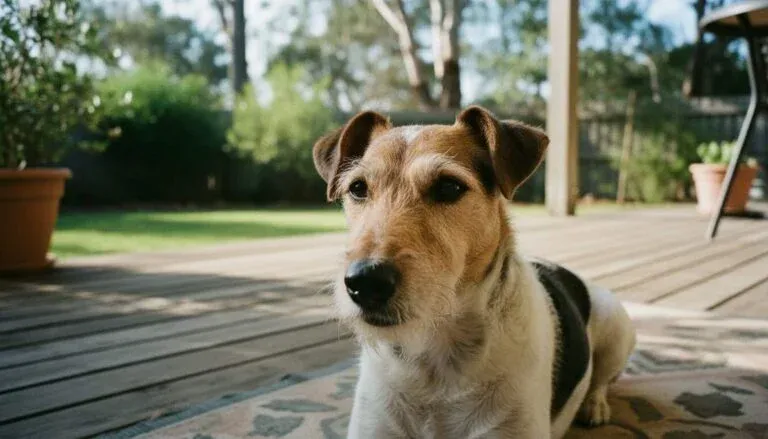
The first dog to win Best in Show at the Westminster Kennel Club Dog Show was a Smooth Fox Terrier named Warren Remedy. She won it three years running — 1907, 1908, and 1909 — and a fourth Smooth, Sabine Rarebit, took the title in 1910. For the opening decade of the world’s most famous dog show, this breed owned the ring.
That history alone would make the Smooth Fox Terrier significant. But this breed’s real legacy is what it created. The Jack Russell Terrier, Toy Fox Terrier, Rat Terrier, and Miniature Fox Terrier all descend from the Smooth Fox Terrier. It is, in the most literal sense, the founding breed of the modern terrier family.
Yet today, the Smooth Fox Terrier is classified as a Vulnerable Native Breed in the United Kingdom, with fewer than 300 annual registrations. In Australia, the breed is small in number but fiercely supported by dedicated breeders, some with kennels stretching back over 50 years. If you’re considering one, this guide covers what you actually need to know: the temperament that makes this dog both brilliant and challenging, the health conditions to screen for, where to find responsible Australian breeders, and what it really costs to own one.
What You’ll Learn
- Breed traits & temperament
- Health concerns to know
- True cost in Australia
- Training & exercise needs
- Is this breed right for you?
Quick Facts at a Glance
| Trait | Details |
|---|---|
| Official Name | Fox Terrier (Smooth) |
| Other Names | SFT, Foxie, Smooth-coated Fox Terrier, Smooth-haired Fox Terrier |
| Origin | England |
| Breed Group | Terrier (ANKC Group 2) |
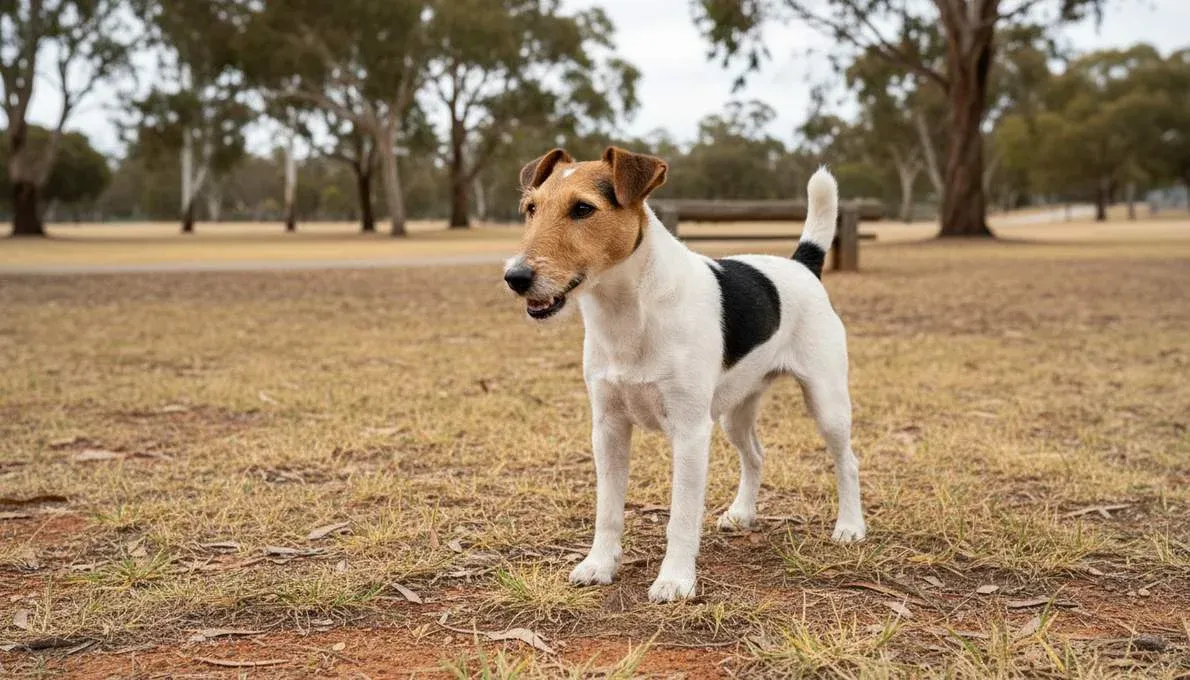
| Size | 36–39.5 cm (14–15.5 inches) at the shoulder |
| Weight | 7–8.5 kg (15–19 lbs) |
| Coat | Short, flat, hard, dense, and smooth |
| Colours | Predominantly white with black and tan, black, or tan markings |
| Lifespan | 12–15 years |
| Temperament | Bold, alert, friendly, energetic, independent, high prey drive |
| Exercise Needs | High (60+ minutes daily) |
| Grooming | Low — weekly brush, occasional bath |
| Good With Kids | Yes — best with older children who can match their energy |
| Good With Other Dogs | Selective — can be dog-aggressive, especially same-sex pairs |
| Good With Small Pets | No — strong prey drive; not safe with rabbits, guinea pigs, birds, or cats in most cases |
| Watchdog Ability | Excellent — alert, vocal, territorial |
| Hypoallergenic | No — moderate shedder |
History & Origins
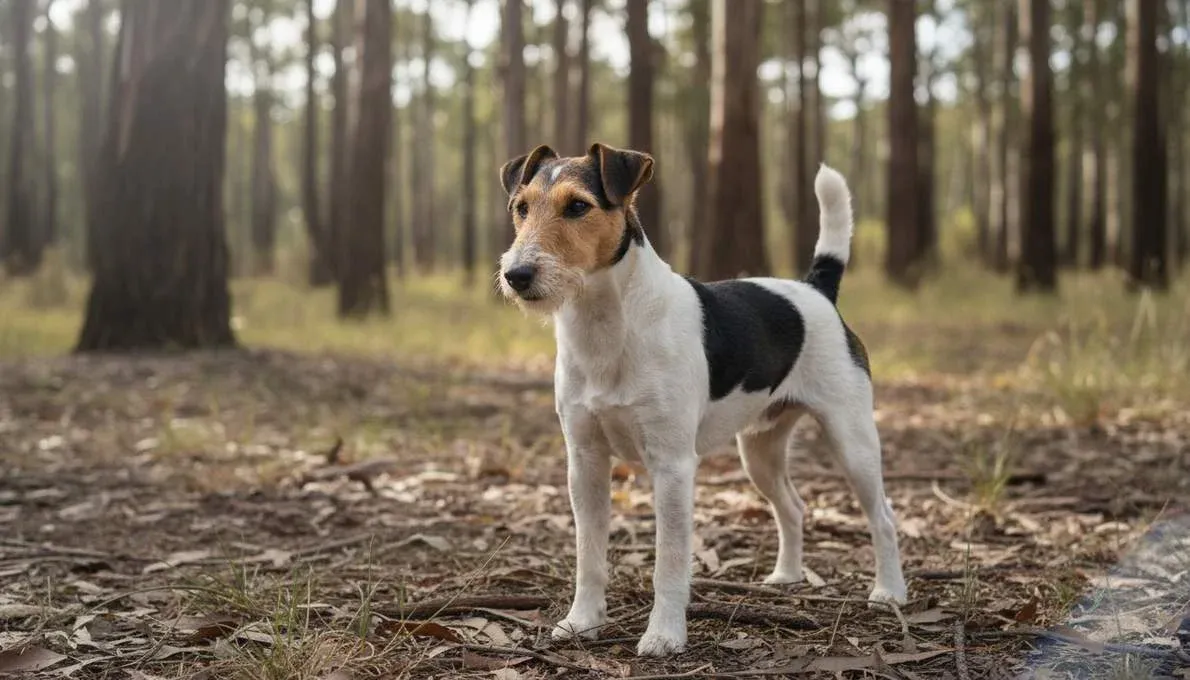
English terriers have been documented for centuries. John Caius described them in his 1577 work on English dogs, and by the 18th century, farmers and hunters relied on small, tenacious dogs to bolt foxes from their dens and kill rats around the property. These early terriers were dark-coloured and short-legged — built for going to ground rather than speed.
When mounted fox hunting became fashionable among the English gentry in the late 17th and 18th centuries, hunters needed a different kind of terrier. The dog had to be fast enough to keep up with foxhounds on a run, small enough to follow a fox underground, and predominantly white so the huntsmen wouldn’t mistake their terrier for the fox in close combat. Breeders crossed their existing terriers with Beagles and Greyhounds (for speed and stamina) and Bull Terriers (for tenacity), gradually creating a longer-legged, lighter, white-bodied dog. The Smooth Fox Terrier as a recognisable breed type emerged from this process.
The first recorded Smooth Fox Terrier was Pitch, painted by Colonel Thomas Thornton in 1790. The breed entered the show ring early — the first Fox Terrier class appeared at Islington, London, in 1862. At the 1863 Birmingham Dog Show, three foundational dogs named Old Jock, Old Tartar, and Old Trap competed and became the cornerstones of the breed. By 1873, the Birmingham Fox Terrier class drew 276 entries. The Fox Terrier Club of England was founded in 1876 and published the first breed standard the same year, making the Smooth Fox Terrier one of the earliest breeds with a written standard.
For decades, the Smooth Fox Terrier and Wire Fox Terrier were considered varieties of the same breed. The AKC recognised them as separate breeds in 1985. Modern genetic research supports this: the Smooth likely descends from the English Black and Tan Terrier, Old English White Terrier, and Bull Terrier, while the Wire descends primarily from the Rough Black and Tan Terrier of Wales. They look similar because they were interbred historically, not because they share a single origin.
In Australia. The Smooth Fox Terrier has been present in Australia for well over a century — it was among the earliest pedigree breeds imported during the colonial era. Australian breeders have maintained the breed through strong show lines, with kennels like Optimo (Queensland — over 50 years of breeding, internationally recognised), Ecirp (Victoria — Number 1 Smooth Fox Terrier Breeder in Australia multiple years), Pinnacle (NSW — multi Best in Show winners across Australia, New Zealand, and the US), and Foxanatic (NSW — home to Supreme Champion Foxanatic Tom Yum, winner of the 2022 Sydney Royal Best of Breed and National Terrier Rising Star). The breed is classified in the Terrier Group (Group 2) by the ANKC.
Smooth Fox vs Wire Fox Terrier vs Jack Russell
These three breeds are frequently confused. Here’s how they differ in practical terms for an Australian owner.
| Feature | Smooth Fox Terrier | Wire Fox Terrier | Jack Russell Terrier |
|---|---|---|---|
| Size | 36–39.5 cm, 7–8.5 kg | Up to 39 cm, 7–8.5 kg | 25–30 cm, 5–8 kg |
| Coat | Short, flat, smooth | Harsh, wiry, hand-stripped | Smooth, rough, or broken |
| Grooming | Minimal (weekly brush) | High (hand-stripping every 6–8 weeks for show) | Minimal to moderate |
| Temperament | Bold, sociable, trainable | Bold, playful, slightly more stubborn | Extremely high energy, very independent |
| Dog aggression | Moderate risk | Moderate risk | Higher risk |
| Prey drive | High | High | Very high |
| Barking | Moderate to high | Moderate to high | High |
| Availability (AU) | Rare — expect waiting lists | More common than Smooth | Very common |
The Smooth Fox Terrier sits between the Wire and the Jack Russell in many respects. It’s more refined and slightly calmer than a Jack Russell but shares the Wire’s show heritage. For people who love the Fox Terrier look but want the lowest-maintenance coat, the Smooth is the clear choice.
Temperament & Personality
The AKC calls the Smooth Fox Terrier “the gentleman of the terrier world.” That’s true — but only if gentlemen are also fearless, relentless, and capable of digging to China if something interesting is underground.
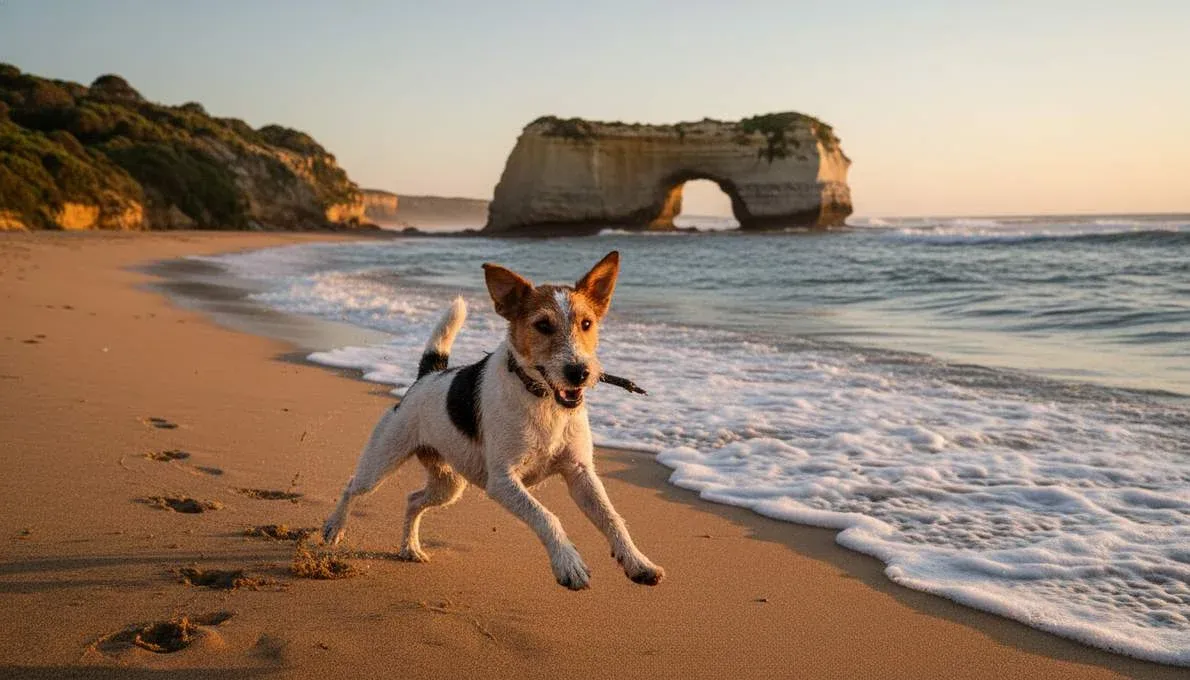
This is a high-energy dog packed into a small body. Smooth Fox Terriers were bred to run with foxhounds all day, then go underground to bolt foxes from their dens. That stamina hasn’t dimmed. They need serious daily exercise — not a gentle stroll, but running, chasing, and problem-solving activities. Under-exercised Smooths become destructive, vocal, and creative about finding their own entertainment.
Smooth Fox Terriers have no concept of their own size. They will confront much larger dogs without hesitation. This boldness is appealing but requires management — dog parks with unfamiliar large dogs can be risky if your SFT decides to start something. Early socialisation with dogs of all sizes is critical.
For all their terrier fire, Smooths are genuinely affectionate dogs. They bond closely with their families, love physical contact, and are notably good with children — especially older kids who can match their energy and play style. They’re not one-person dogs; they tend to engage with the whole family. However, their energy and bounciness can overwhelm toddlers.
This cannot be trained out. A Smooth Fox Terrier will chase cats, squirrels, birds, lizards, and anything else that moves quickly. They’ll dig after burrowing animals with the same determination that made them excel at fox bolting. Off-lead walking is risky unless you’re in a fully enclosed area — once they lock onto prey, recall ceases to exist. This breed is not safe with small household pets like rabbits, guinea pigs, or ferrets.
Smooth Fox Terriers bark. They were bred as watchdogs alongside their hunting duties, and they take this role seriously. They’ll alert you to visitors, passing dogs, suspicious sounds, and the occasional leaf blowing across the yard. Barking can be managed through training, but you’ll never have a silent SFT. If you live in an apartment or close-quartered housing, this is a genuine consideration.
Bred to go to ground after foxes, the Smooth Fox Terrier is an enthusiastic digger. Flower beds, lawns, and garden edges are all fair game. Providing a designated digging area and redirecting the behaviour is more effective than trying to eliminate it entirely. Some owners set up sandpits or soil boxes as “legal” digging zones — the dog still gets to dig, and your garden survives.

Health & Genetic Conditions
The Smooth Fox Terrier is a fairly healthy breed with a long lifespan. However, certain genetic conditions appear in the breed at higher-than-average rates, and responsible breeders screen for them.
| Condition | What You Need to Know | Estimated Vet Cost (AUD) |
|---|---|---|
| Primary Lens Luxation (PLL) | The lens of the eye dislocates, causing pain and potential blindness. Common across terrier breeds. DNA test available. Both parents should be tested before breeding. | $2,000–$4,000 per eye (surgical) |
| Patellar Luxation | Kneecap slips out of place, causing intermittent lameness and skipping gait. Ranges from Grade 1 (mild) to Grade 4 (severe). Vet examination can grade the severity. | $1,500–$3,500 per knee (surgery for Grade 3–4) |
| Legg-Calvé-Perthes Disease | Degeneration of the femoral head (hip ball joint), causing lameness and muscle wasting. Usually appears between 4–12 months. Surgical removal of the femoral head is typically curative. | $2,500–$5,000 (surgery) |
| SAMS (Spinocerebellar Ataxia) | Neurological condition causing uncoordinated movement, muscle twitching, and seizures. KCNJ10 gene mutation. DNA test available. Also found in Jack Russell and Parson Russell Terriers. | $300–$500 diagnosis + $50–$150/month medication |
| Congenital Deafness | Present from birth, linked to white coat pigmentation genetics. Can be unilateral or bilateral. BAER testing detects it at 5–6 weeks of age. | $200–$400 (BAER test); no treatment available |
| Epilepsy | Idiopathic epilepsy is inherited in the breed. Seizures typically begin between 6 months and 3 years. Managed with lifelong anti-epileptic medication and blood monitoring. | $300–$800 diagnostics + $50–$200/month ongoing |
| Wobbler Syndrome | Narrowing of neck vertebrae pinches the spinal cord, causing wobbly gait and hind limb weakness. Treatment ranges from neck braces and rehabilitation to surgery. | $3,000–$8,000+ (surgical treatment) |
| Cataracts | Clouding of the eye lens, potentially leading to blindness. Can be hereditary or age-related. Regular eye examinations detect early changes. | $2,000–$4,000 per eye (surgical removal) |
Health tests to request from your breeder: At minimum, ask for Primary Lens Luxation (PLL) DNA test results, patella examination, BAER hearing test (especially for predominantly white puppies), and a current eye examination. Leading Australian breeders are also testing for SAMS (KCNJ10 gene), conducting hip and elbow scoring, and running full breed-relevant genetic panels. Several Australian breeders now include full genetic screening panels as standard with their puppies.
Lifespan & Longevity
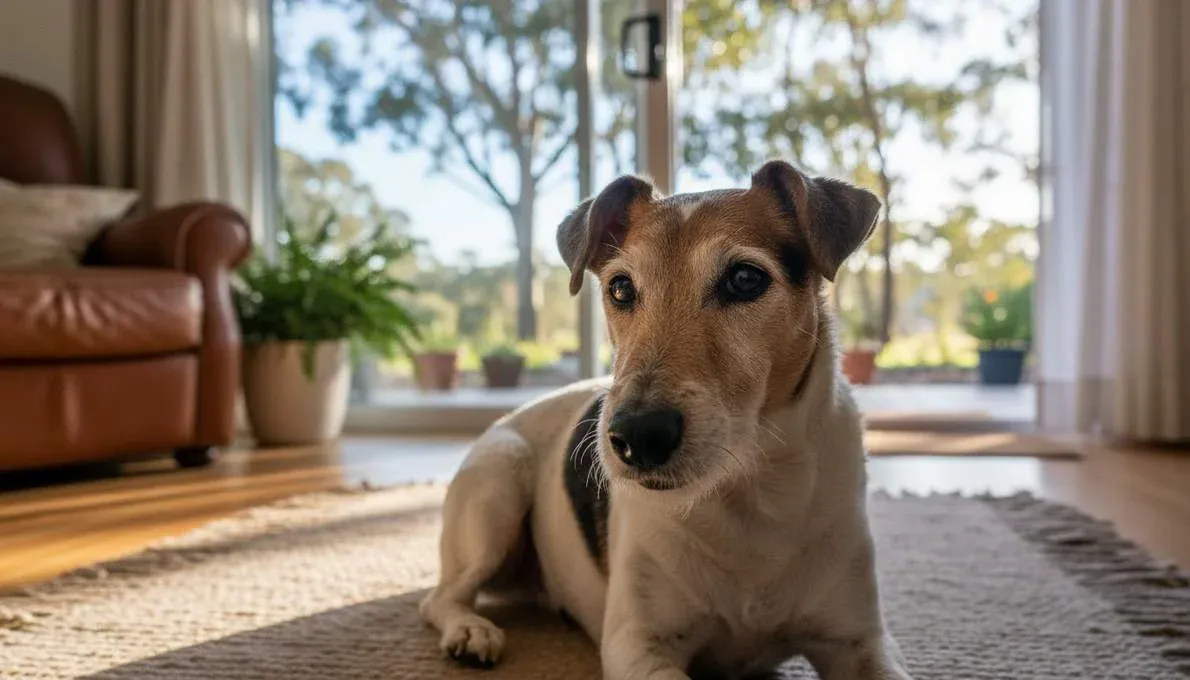
Smooth Fox Terriers typically live 12 to 15 years. Their compact, athletic build and relative freedom from extreme conformation issues contribute to a long, active life. Dogs from health-tested parents tend to reach the upper end of this range.
Puppy stage (0–1 year): Smooth Fox Terrier puppies are high-energy from day one. Legg-Calvé-Perthes disease, if present, usually shows between 4 and 12 months as limping or reluctance to bear weight on one hind leg. This is when you’ll also learn whether your puppy has congenital deafness (BAER testing ideally done by the breeder at 5–6 weeks). Early socialisation is non-negotiable — the breed’s natural boldness needs channelling, not suppressing.
Adult stage (1–9 years): Prime years with peak energy. Annual vet check-ups, dental care (SFTs are prone to dental disease), and ongoing parasite prevention are the essentials. Patellar luxation may become apparent during this stage. Keep your SFT lean — their athletic build should be visible, not hidden under excess weight.
Senior stage (9+ years): Move to biannual vet visits. Cataracts and other eye changes are more likely. Arthritis in previously affected patellar joints can emerge. Most senior Smooths remain surprisingly active and engaged, but may need shorter exercise sessions with more rest breaks.

Grooming & Care
One of the Smooth Fox Terrier’s biggest advantages over its Wire cousin is the low-maintenance coat. No hand-stripping, no professional grooming appointments, no matting — just regular brushing and occasional baths.
| Task | Frequency | Time | Notes |
|---|---|---|---|
| Brushing | Weekly | 10–15 min | Use a firm bristle brush or hound glove to keep shedding manageable. |
| Bathing | Monthly or as needed | 15–20 min | The short coat dries quickly. Use a mild dog shampoo. |
| Shedding management | Year-round; heavier seasonally | Extra brushing during coat blow | Smooth Fox Terriers are not hypoallergenic. They shed moderately and blow coat twice a year. |
| Nail trimming | Every 2–3 weeks | 5–10 min | Active dogs on hard surfaces may need less frequent trimming. |
| Ear cleaning | Fortnightly | 5 min | V-shaped drop ears can trap moisture. Check for redness or odour. |
| Dental care | 3–4 times per week | 5 min | SFTs are prone to dental problems. Start teeth brushing early and maintain it throughout their life. |
The Smooth Fox Terrier’s coat is one of the easiest in the terrier group to maintain. This is a significant practical advantage over the Wire Fox Terrier, which requires regular hand-stripping to maintain coat texture for the show ring, or clipping for pet owners.
Exercise Needs
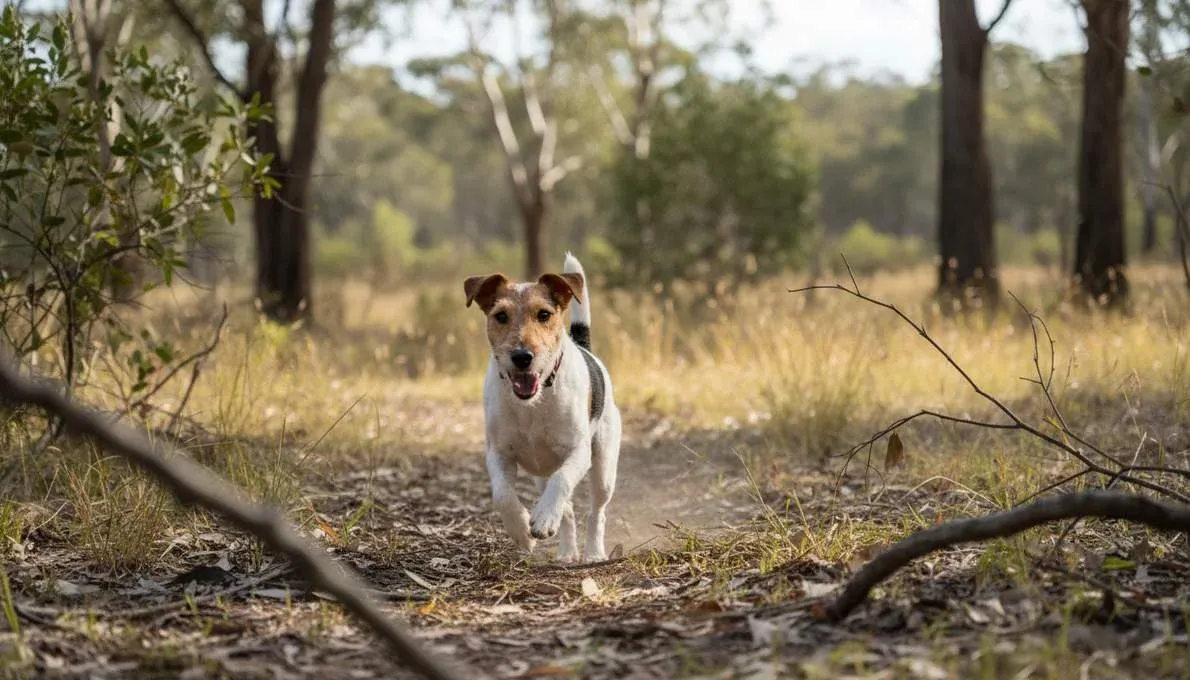
The Smooth Fox Terrier needs at least 60 minutes of vigorous exercise daily. This is not a breed you can tire out with a gentle morning walk. They were built to run alongside foxhounds for hours, then sprint underground after foxes. That energy hasn’t reduced.
What works: Long walks at a brisk pace, off-lead running in secure enclosed areas, fetch and chase games, agility training, earthdog trials, flyball, and nosework. Smooth Fox Terriers are natural athletes and excel at canine sports. They have a strong historical aptitude for trick work — the breed was widely used in circus and performance troupes for over a century.
What doesn’t work: Off-lead walking in unfenced areas (the prey drive will win over any recall training), leaving them alone in the backyard and expecting them to self-exercise (they’ll dig instead), or relying solely on short toilet walks.
Secure fencing is essential. SFTs are escape artists. They can jump surprisingly high for their size, they dig under fences, and they’ll exploit any weakness in your boundary. Check your fence line regularly. A bored, under-exercised SFT in an inadequately fenced yard will go adventuring — usually at the worst possible time.
Apartments and small yards. Smooth Fox Terriers can live in apartments if — and only if — their exercise needs are fully met. They’re small enough for apartment living and they’ll settle indoors once properly exercised. The barking is the main apartment challenge, not the space. If you commit to daily vigorous outings and mental stimulation, an SFT can work in a smaller home.
Training Guide
Smooth Fox Terriers are intelligent dogs that learn quickly. The challenge isn’t their ability to learn — it’s their willingness to comply. Like most terriers, they were bred to work independently, making decisions underground where no handler could direct them. That independence shows up in training.
| Age | Training Focus | Tips |
|---|---|---|
| 8–16 weeks | Socialisation (critical period), bite inhibition, toilet training, name recognition | Socialise extensively with dogs of all sizes, people, environments, and sounds. Terrier puppies that miss this window often develop reactivity. Start positive handling (ears, paws, mouth) for vet visits. |
| 4–6 months | Basic commands (sit, stay, come), lead walking, bark management, “leave it” | Keep sessions short (5–10 minutes) and high-energy. Use food rewards — SFTs are food-motivated. “Leave it” is the most important command for this breed. |
| 6–12 months | Recall under distraction, impulse control, continued socialisation | Adolescence hits hard in terriers. Expect boundary-testing. Stay consistent. Never trust off-lead in unfenced areas — one squirrel will undo months of work. |
| 1–2 years | Proofing commands, trick training, introduction to dog sports | SFTs have a strong aptitude for tricks and structured activities. Channel that intelligence into agility, earthdog trials, or nosework. |
Honest difficulty rating: 3/5. Smooth Fox Terriers are smarter than most dogs but also more independent. They respond well to positive reinforcement and food rewards but will disengage from repetitive or harsh training methods. The prey drive and digging are instincts you manage rather than eliminate. First-time dog owners can succeed with this breed if they’re committed to consistent training, but experienced terrier handlers will find the process smoother.
Cost of Ownership in Australia
The Smooth Fox Terrier is a rare breed in Australia. While there are dedicated breeders across multiple states, litters are infrequent and waiting lists are common. This isn’t a breed you’ll find at a pet shop or through casual backyard breeders.
Buying From a Registered Breeder
| Cost Component | Estimated Cost (AUD) |
|---|---|
| Pet-quality puppy (ANKC limited register) | $2,500–$4,500 |
| Show/breeding-quality puppy (main register) | $3,500–$5,500+ |
| Interstate transport (air or road) | $300–$600 |
| Initial vet check + C5 vaccination (if not included) | $150–$300 |
| Microchipping (usually included by breeder) | $0–$80 |
| Puppy essentials (crate, bed, bowls, lead, toys) | $250–$500 |
| TOTAL FIRST-YEAR SETUP | $3,200–$5,980+ |
Finding Australian breeders. DogzOnline (dogzonline.com.au) lists ANKC-registered Smooth Fox Terrier breeders by state. Key kennels to research include: Pinnacle (NSW — multi BIS winners across Australia, NZ, and the US, partnership with US kennel Broxden), Foxanatic (NSW — home to Supreme Champion Foxanatic Tom Yum, 2022 Sydney Royal BOB winner and Breed Challenge Competition winner), Ecirp (VIC — historically Number 1 SFT breeder in Australia), Flowalong (NSW — 30+ years in the breed), Optimo (QLD — 50+ years breeding, internationally recognised), Priorswood (QLD — multi BIS and BISS winners in Smooth and Wire Fox Terriers), Mystreebox (QLD), Gershopoin/Typhoone (QLD — Bundaberg region, health-screened parents), Krusayd (SA), and Blue Gum (QLD). Several ACT-based breeders offer DNA-tested, puppy culture-raised pups with full genetic panels and comprehensive puppy packs.
The Fox Terrier Club of Queensland and Sporting Terrier clubs in each state can also direct you to active breeders. Because the breed is rare, be prepared to join a waiting list and potentially arrange interstate transport.
Annual Ownership Costs
| Expense | Estimated Annual Cost (AUD) |
|---|---|
| Quality dry food (small to medium dog) | $500–$900 |
| Routine vet visits (annual check-up, vaccinations) | $250–$450 |
| Flea, tick & worm prevention | $200–$350 |
| Pet insurance (comprehensive) | $400–$800 |
| Dental care (professional clean every 1–2 years, averaged) | $300–$750 |
| Grooming supplies (brush, shampoo — minimal costs) | $30–$80 |
| Toys, treats, enrichment (puzzle toys recommended) | $100–$250 |
| Council registration | $30–$100 (varies by council) |
| Emergency vet fund (recommended annual savings) | $500–$1,000 |
| TOTAL ANNUAL COST | $2,310–$4,680 |
The Smooth Fox Terrier is one of the cheapest terrier breeds to maintain in terms of grooming. No professional grooming appointments, no hand-stripping tools, no de-matting sessions. Food costs are lower than larger breeds. The main financial risk is health-related — patellar luxation surgery, lens luxation treatment, or epilepsy management can be significant expenses. Comprehensive pet insurance is strongly recommended.
Is the Smooth Fox Terrier Right for You?
Lead an active lifestyle and can commit to at least 60 minutes of vigorous daily exercise. Hiking, running, and dog sports are activities that suit this breed perfectly.
Want a small, athletic dog with genuine character and personality. SFTs are entertaining, bold, and endlessly amusing. They’ll make you laugh daily.
Appreciate the terrier temperament — independent thinking, tenacity, and spirit. If you’ve owned terriers before and enjoyed the experience, you’ll love a Smooth.
Want low-maintenance grooming without sacrificing style. The short coat makes the Smooth Fox Terrier one of the easiest terrier breeds to keep clean.
Have small pets. Rabbits, guinea pigs, ferrets, birds, and in many cases cats are not safe around a breed with this level of prey drive. No amount of training will reliably override the instinct to chase.
Want a calm, low-energy companion. The SFT’s energy level is high and non-negotiable. They need activity, engagement, and stimulation every single day.
Need reliable off-lead recall in open areas. The prey drive makes this unrealistic for most SFTs. Enclosed spaces only for off-lead exercise.
Live in a noise-sensitive environment without the ability to manage barking through training and enrichment. SFTs are vocal dogs, and while training helps, complete silence is not on the table.
Health. Generally long-lived and sturdy, with a lifespan of 12–15 years. The key genetic risks — lens luxation, patellar luxation, and deafness — can all be screened for, and responsible breeders do. Ask for PLL DNA results, patella examination, and BAER testing at minimum.
Temperament. Bold, affectionate, highly energetic, and fiercely independent. The Smooth Fox Terrier is a dog with enormous personality in a compact frame. If you match its energy and respect its instincts, you’ll have a devoted, entertaining companion for over a decade.
Practicality in Australia. The breed is rare here but actively supported by dedicated show and preservation breeders across NSW, VIC, QLD, SA, and the ACT. Expect waiting lists for puppies. Prices range from $2,500 to $5,500 AUD depending on quality and breeder. The low-maintenance coat is a practical bonus for Australian owners. The main challenges are the prey drive (supervise around wildlife and small pets), the barking (train early and manage expectations), the digging (redirect rather than suppress), and the exercise commitment. For active owners who appreciate terrier character, the Smooth Fox Terrier is an outstanding choice — and one of the most historically significant dog breeds ever developed.
Frequently Asked Questions
What is the difference between a Smooth Fox Terrier and a Wire Fox Terrier?
The Smooth has a short, flat, dense coat while the Wire has a harsh, wiry coat requiring hand-stripping. Despite looking similar, genetic research suggests different ancestral origins. The Smooth descends primarily from the English Black and Tan Terrier and Bull Terrier, while the Wire descends from the Rough Black and Tan Terrier of Wales. They were officially recognised as separate breeds in 1985.
Are Smooth Fox Terriers good family dogs?
Yes, with caveats. They’re affectionate, loyal, and good with older children who can match their energy. However, their high prey drive makes them unsuitable for homes with small pets. They can be dog-aggressive, especially with same-sex dogs, and their high energy requires daily commitment.
Do Smooth Fox Terriers bark a lot?
They bark more than average. Bred as hunting and watchdogs, they’ll alert to strangers, unfamiliar sounds, and anything they find interesting. Training from puppyhood can reduce nuisance barking but won’t eliminate it entirely.
Are Smooth Fox Terriers hypoallergenic?
No. While their short coat produces less visible shedding than long-haired breeds, they shed moderately year-round and more heavily during seasonal coat blows. They are not suitable for people with significant dog allergies.
How much does a Smooth Fox Terrier cost in Australia?
Pet-quality puppies from ANKC-registered breeders typically cost $2,500–$4,500 AUD. Show or breeding quality ranges from $3,500 to $5,500+. The breed is rare in Australia, so expect waiting lists and potentially interstate transport costs of $300–$600.
Can Smooth Fox Terriers live in apartments?
Yes, if their exercise needs are fully met (60+ minutes of vigorous activity daily) and barking is managed through training. They’re small enough for apartment living and will settle indoors when properly exercised. The barking is the main apartment concern, not the space.
How much exercise does a Smooth Fox Terrier need?
At least 60 minutes of vigorous exercise daily, including brisk walks, running, chase games, and ideally structured activities like agility or earthdog trials. Mental stimulation through puzzle toys and nosework is equally important.
Are Smooth Fox Terriers good with cats?
Generally no. Their strong prey drive means most SFTs will chase cats. Some individuals raised with cats from puppyhood may coexist, but it’s never guaranteed and should always be supervised. This is not a safe breed choice if you already have cats.
Is the Smooth Fox Terrier the same as the Miniature Fox Terrier?
No. The Miniature Fox Terrier (Mini Foxie) is a separate Australian-developed breed that is much smaller (24–30 cm, 3.5–5.5 kg). While they share ancestry, the Mini Foxie was created by crossing small Smooth Fox Terriers with English Toy Terriers and Whippets and is a distinct breed.
Where can I find Smooth Fox Terrier breeders in Australia?
DogzOnline (dogzonline.com.au) lists ANKC-registered breeders by state. Key kennels include Pinnacle (NSW), Foxanatic (NSW), Ecirp (VIC), Optimo (QLD), Priorswood (QLD), Krusayd (SA), and several ACT-based breeders. State Fox Terrier breed clubs and Sporting Terrier clubs can also provide referrals. Be prepared for waiting lists.
1. Wikipedia — Smooth Fox Terrier breed history, development, recognition, Vulnerable Native Breed status, notable dogs: https://en.wikipedia.org/wiki/Smooth_Fox_Terrier
2. Wikipedia — Fox Terrier general history, Smooth vs Wire origins, show ring history, breed clubs: https://en.wikipedia.org/wiki/Fox_Terrier
3. United Kennel Club — Smooth Fox Terrier breed standard, physical description, temperament: https://www.ukcdogs.com/smooth-fox-terrier
4. The Kennel Club (UK) — Fox Terrier (Smooth) breed information, health testing recommendations: https://www.royalkennelclub.com/search/breeds-a-to-z/breeds/terrier/fox-terrier-smooth/
5. Wisdom Panel — Smooth Fox Terrier health information, SAMS genetic condition, grooming and care: https://www.wisdompanel.com/en-us/dog-breeds/fox-terrier-smooth
6. Hill’s Pet — Smooth Fox Terrier temperament, history, coat care, exercise needs: https://www.hillspet.com/dog-care/dog-breeds/smooth-fox-terrier
7. DogzOnline — Smooth Fox Terrier breeders in Australia, puppy listings, breeder profiles by state: https://www.dogzonline.com.au/breeds/breeders/fox-terrier-smooth.asp
8. Lancaster Puppies — Fox Terrier genetic health and diversity, VDEGS, degenerative myelopathy: https://www.lancasterpuppies.com/pet-advice/fox-terrier-health-genetic-risks-diversity-usa.html
9. Koko Genetics — Smooth Fox Terrier health conditions, breed description, genetic testing overview: https://www.kokogenetics.com/en/results/dog-dna-test-breed/fox-terrier-smooth
10. Omlet — Fox Terrier (Smooth) breed health, Legg-Calvé-Perthes, patellar luxation, deafness: https://www.omlet.us/breeds/dogs/fox_terrier_(smooth)/