
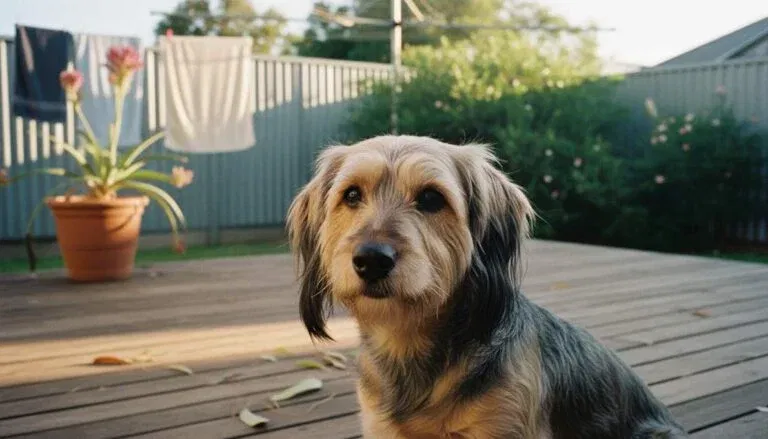
Most Australians have never seen a Skye Terrier in person — and that’s not an exaggeration. With fewer registered breeders in the country than you can count on one hand, this ancient Scottish breed is teetering on the edge of extinction. But for the handful of owners who’ve earned a Skye’s trust, the bond is unlike anything else in the dog world.
Twice as long as they are tall, draped in a flowing coat that parts down the spine like a curtain, and possessing a loyalty so intense it became the stuff of legend — the Skye Terrier is not your average lap dog. This is a breed that guarded a dead man’s grave for fourteen years straight. That kind of devotion doesn’t come with an off switch.
If you’re here because you spotted one at a dog show, stumbled across Greyfriars Bobby’s story, or you’re simply drawn to dogs that most people have never heard of, you’re in the right place. Here’s everything you need to know about owning a Skye Terrier in Australia — the real costs, the genuine challenges, and why this breed inspires a near-fanatical devotion in its people.
What You’ll Learn
- Breed traits & temperament
- Health concerns to know
- True cost in Australia
- Training & exercise needs
- Is this breed right for you?
Skye Terrier at a Glance
| Trait | Detail |
|---|---|
| Breed Group | Terrier (ANKC Group 2) |
| Origin | Isle of Skye, Scotland |
| Size | 25–26 cm (ideal height); body length approx. 103 cm nose to tail |
| Weight | Males 16–18 kg | Females 12–14 kg |
| Coat | Long, straight double coat; soft undercoat, hard flat outer coat |
| Colours | Black, dark or light grey, fawn, cream — all with black points |
| Lifespan | 12–15 years |
| Temperament | Loyal, dignified, cautious with strangers, one-person dog |
| Exercise Needs | Moderate — 20–30 minutes daily |
| Shedding | Moderate; seasonal heavier shedding in spring and autumn |
| Good With Kids | Best with older children; needs early socialisation |
| Apartment Friendly | Yes — adapts well to smaller living spaces |
| Hypoallergenic | No |
| AKC Popularity Rank | Near bottom (#178+) — classified as vulnerable/endangered |
History & Origins
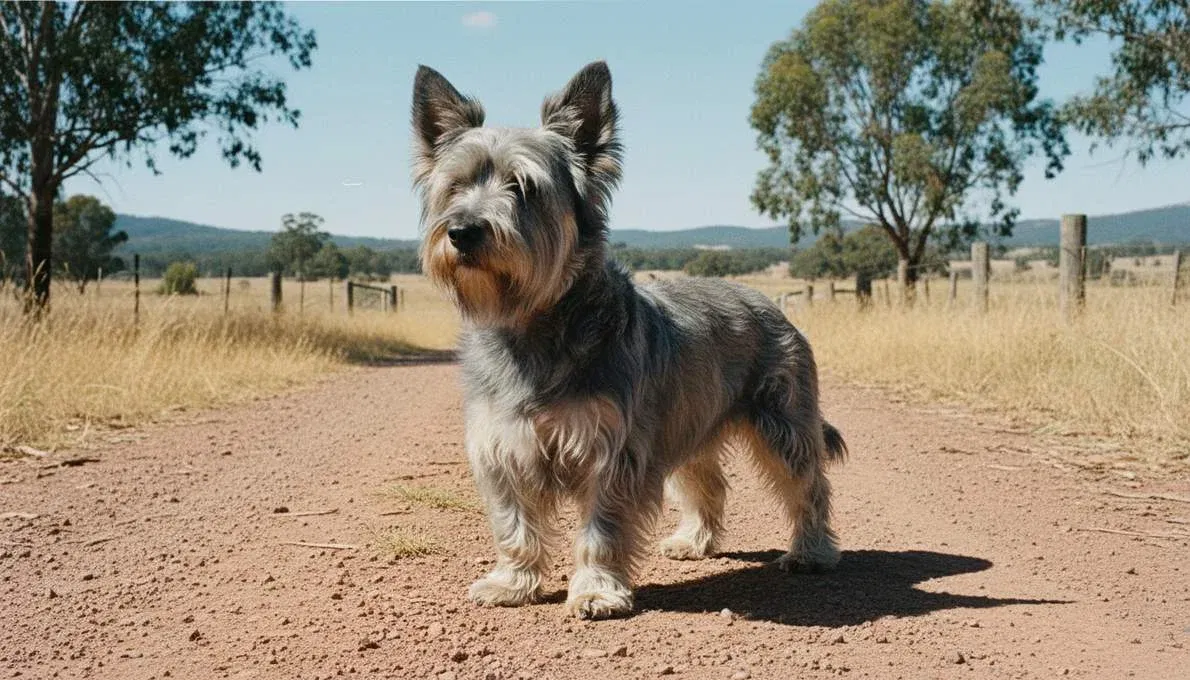
The Skye Terrier is one of the oldest terrier breeds in existence, with roots stretching back over 400 years to the rugged Isle of Skye in Scotland’s Inner Hebrides. These dogs weren’t bred to look pretty — they were working dogs through and through, developed by farmers to flush foxes, badgers, and otters from their dens. Their long, low bodies allowed them to squeeze into burrows, and their thick double coats protected them from bites, thorns, and Scotland’s relentlessly foul weather.
The first written description of the breed dates to 1570, when Johannes Caius, physician to Queen Elizabeth I, described a dog from the northernmost regions of Scotland that was so covered in hair you couldn’t see its face or body. That description still holds up remarkably well today.
One popular origin story involves a Spanish shipwreck near the Isle of Skye, with surviving Maltese-type dogs breeding with local terriers. Whether or not that’s apocryphal, the breed was well established by the time Queen Victoria took a personal interest in the 1840s, breeding both prick-eared and drop-eared varieties in her royal kennels. Almost overnight, the Skye Terrier went from a Scottish farmer’s working dog to a Victorian status symbol. As one writer of the era noted, a duchess would be embarrassed to be seen without her long-coated Skye.
The breed’s most famous representative is Greyfriars Bobby, a Skye Terrier in Edinburgh whose owner, night watchman John Gray, died in 1858. Bobby reportedly guarded his master’s grave at Greyfriars Kirkyard for 14 years until his own death in 1872. A statue and pub in Edinburgh still honour his memory today. That story alone tells you everything about the Skye Terrier temperament: once they love you, they never stop.
The AKC recognised the breed in 1887, and the Skye was a fixture at early dog shows. But popularity faded through the 20th century. Today, the Kennel Club lists the Skye Terrier as a vulnerable native breed, and in Australia, only a small number of dedicated breeders keep the breed alive. Finding a Skye Terrier puppy in Australia can mean joining a waiting list that stretches for months or even years.
Temperament & Personality
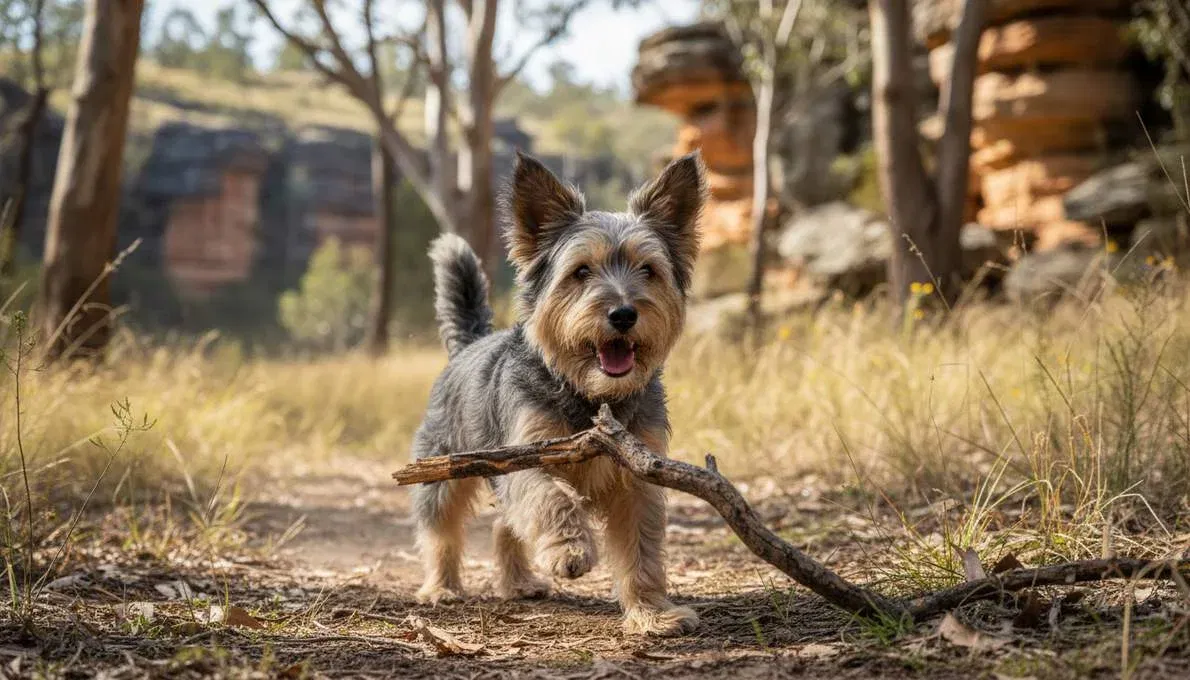
If you’re used to golden retrievers who greet every stranger like a long-lost friend, the Skye Terrier will be a culture shock. This is a breed that reserves its deepest affection for its chosen person — and may be merely polite (at best) to everyone else.
Skye Terriers are often described as “big small dogs.” They carry themselves with a quiet dignity that surprises people who expect terrier-level chaos. While they’re absolutely capable of terrier feistiness — especially if provoked by another dog — they’re generally calmer and more composed than breeds like Jack Russells or Fox Terriers.
What living with a Skye actually looks like: Your Skye will follow you from room to room. They’ll position themselves where they can see you at all times. They’ll be deeply suspicious of the courier driver but melt into a puddle when you come home. They’re not hyperactive, but they’re not couch ornaments either — they have genuine terrier drive and stamina when they choose to use it.
With strangers, expect caution. Not aggression — a well-socialised Skye won’t bite the postman — but a clear wariness that takes time to thaw. Early socialisation is absolutely critical with this breed. Puppies need exposure to different people, environments, sounds, and other animals from day one. Without it, that natural caution can harden into genuine aloofness or anxiety around new situations.
They’re also famously stubborn. Skyes are intelligent — they understand what you’re asking — but whether they comply depends entirely on whether they see the point. Think of them as the cat of the dog world: they’ll cooperate on their terms. This isn’t a breed that lives to please. It’s a breed that loves deeply but thinks for itself.
With children, Skye Terriers do best with older kids who understand boundaries. They’re not snappy, but they won’t tolerate being grabbed, pulled, or startled by toddlers. Families with younger children should consider whether they can manage both a strong-willed terrier and small humans simultaneously.
Health & Genetic Conditions
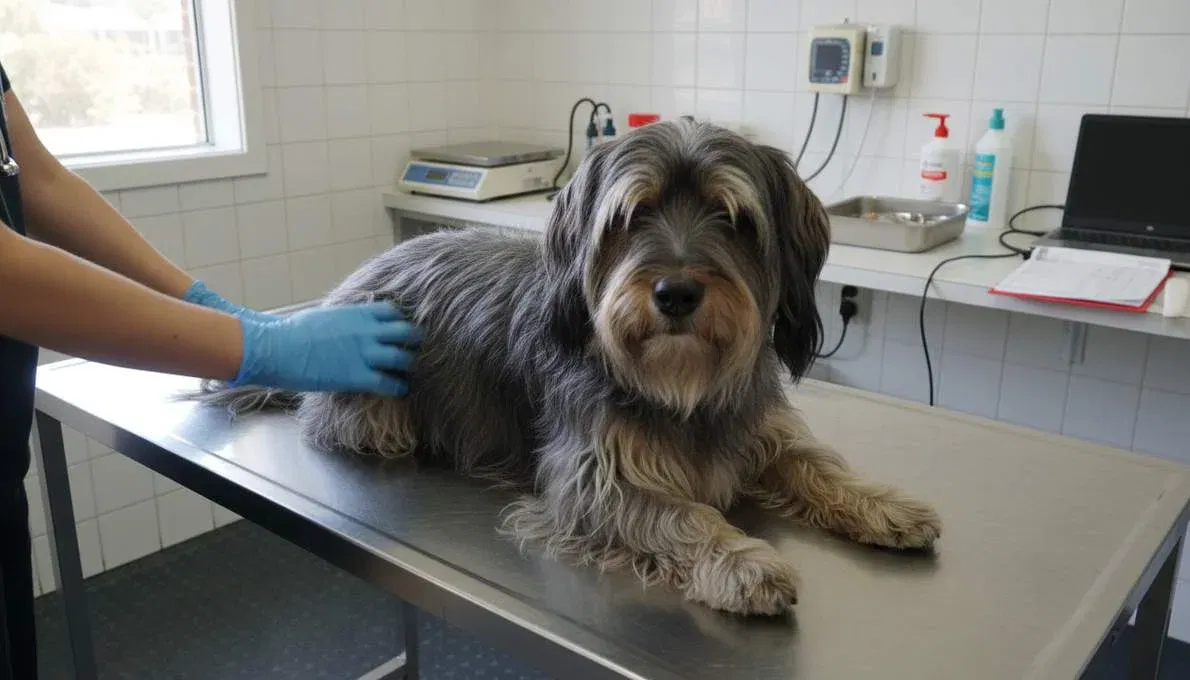
No one wants to think about health problems when they’re falling in love with a breed. But if you’re considering a Skye Terrier, you owe it to yourself — and to your future dog — to understand what this breed is predisposed to. The good news is that Skyes are generally robust. The less good news is that the conditions they are prone to can be serious.
Prevalence: Skye Terrier Hepatitis is the most reported serious condition in breed health surveillance, topping the Skye Terrier Club’s 2024 Health Report with 16 recorded cases — more than any other condition in the breed. [Skye Terrier Club 2024 Health Report] Despite its name, STH is not a true hepatitis — University of Cambridge researchers investigating the condition describe it as likely a congenital ductal plate abnormality rather than a conventional inflammatory liver disease. It was first documented in 1988 in nine related dogs and is believed to have a complex hereditary basis involving two or more genetic variants plus environmental factors. Copper accumulates in the liver, but this is considered secondary to bile flow disruption rather than a primary storage defect. Critically, some affected dogs show no clinical signs at all, even with significant liver changes visible on biopsy.
Symptoms: Vomiting, diarrhoea (including black or tarry stools indicating digested blood), and progressive fluid accumulation in the abdomen (ascites) are the hallmark signs. Jaundice — yellowing of the whites of the eyes and skin — appears in some dogs as the disease advances. Anecdotally, green-tinged teeth have been noted in affected dogs. Onset is most common in young to middle-aged adults, though cases have been recorded in dogs up to 11 years old. Definitive diagnosis requires liver biopsy showing a distinctive pattern of scarring under microscopy — ultrasound alone is unreliable, particularly in early disease.
Treatment Cost (AUD): Liver biopsy for diagnosis costs $1,500–$3,000. [petinsurance.com.au] Ongoing management — low-copper diet, liver-supportive supplements, and periodic monitoring — costs $500–$2,000+/year. With careful diagnosis and treatment, affected dogs can do well for extended periods, but the disease can progress to cirrhosis. No curative treatment exists.
Prevention: No DNA test is currently available. Cambridge University’s Canine Genetics Centre is actively researching STH and has identified a promising candidate variant, though further data from affected dogs and their relatives is needed to confirm it. Breeders should ask about the liver health history of both parents and their close relatives. Annual or biennial blood chemistry screening (including ALT/liver enzymes) is advisable for all Skye Terriers. Any Skye with unexplained gastrointestinal signs or a swollen abdomen warrants immediate veterinary assessment.
Prevalence: Hereditary renal dysplasia is the second most-reported serious condition in Skye Terrier health records, with 9 cases in the 2024 report alone and consistent representation across annual reports over many years. [Skye Terrier Club 2024 Health Report] Confirmed as an autosomal recessive hereditary condition, Skye Terrier renal dysplasia resembles juvenile renal dysplasia seen in Soft Coated Wheaten Terriers but with a typically later onset and slower progression. The kidneys fail to develop normally, gradually losing function rather than causing acute early collapse. No DNA test currently exists, making familial health histories the primary screening tool.
Symptoms: Increased thirst and urination are usually the earliest noticed changes, followed by weight loss, lethargy, reduced appetite, vomiting, and poor coat condition as kidney function declines. Because progression can be gradual, symptoms may be mistaken for general ageing or digestive issues in the early stages. Blood and urine tests will reveal elevated kidney markers (creatinine, BUN, phosphorus) and dilute urine as disease advances.
Treatment Cost (AUD): There is no cure for renal dysplasia. Management involves a kidney-supportive diet, phosphorus restriction, subcutaneous fluid therapy at home (if needed), and medications to manage symptoms — ongoing costs of $800–$3,000+/year depending on severity. [petinsurance.com.au] Ultrasound screening to detect abnormal kidney size or structure costs approximately $200–$400.
Prevention: The Skye Terrier Club recommends ultrasound examination of the kidneys at age one or older for all breeding stock, with blood and urine testing to support findings. Ask breeders to show kidney screening results for both parents and to disclose any renal disease in close relatives. Breeders should avoid breeding two carriers — though without a DNA test, carrier status can only be inferred from family history and offspring outcomes.
Prevalence: Skye Terriers are an achondroplastic (dwarf) breed, meaning their short legs relative to their body length are a form of dwarfism — the same trait seen in Basset Hounds and Dachshunds. As with those breeds, the long bones of the forelegs can grow unevenly, with the radius and ulna closing at different rates. [Skye Terrier Club – Breed Health] A Finnish elbow study found that moderate-to-severe joint incongruity was present in 50% of Skyes radiographed, and puppy lameness occurred in approximately 30% — making this one of the most common conditions in the breed. The condition typically manifests between 3 and 10 months of age and in most cases resolves as the puppy matures, but it can predispose to elbow dysplasia, degenerative joint changes, and IVDD in later life.
Symptoms: A noticeable limp — usually on one or both front legs — appearing in a puppy between 3 and 10 months old. The puppy may appear otherwise healthy and the condition is typically painless, but the limb may look slightly bowed or uneven. Owners sometimes describe it as a “bunny hop” gait on the front end. Most puppies outgrow the lameness spontaneously, but restricted exercise during this period is essential to prevent lasting joint damage.
Treatment Cost (AUD): Radiographic elbow grading costs $250–$500 and is recommended when limping is present. [petinsurance.com.au] Most affected puppies require only exercise restriction — no stairs, no jumping, no rough play — from 8–10 months. In cases with significant elbow incongruity, orthopaedic consultation and longer-term management can add $500–$2,000+.
Prevention: Puppies under 8–10 months should be strictly restricted from climbing stairs, jumping on and off furniture, and rough play with larger dogs. Ask breeders whether the puppy’s parents have been elbow-screened. The Finnish Skye Elbow Project recommends radiographic screening of all breeding stock and pairing dogs with better (lower) incongruity grades to gradually improve the breed’s fronts over generations.
Prevalence: Skye Terriers are formally identified as one of a small group of breeds with a disproportionately elevated risk of haemangiosarcoma (HSA) — a cancer of blood vessel lining cells affecting primarily the spleen, right atrium of the heart, and subcutaneous tissue. [AKC Canine Health Foundation – Canine Hemangiosarcoma] The 2024 health report recorded 5 HSA deaths, and experienced Skye owners note it is the cancer diagnosis they encounter most frequently in the breed. HSA is uniformly fatal: median survival with surgery and chemotherapy is around 5–7 months, and nearly 90% of affected dogs die within a year of diagnosis. The disease is indolent and causes no pain until a tumour ruptures, making it extraordinarily difficult to detect before crisis.
Symptoms: The cruel reality of HSA is that most dogs show no signs at all until acute collapse from internal bleeding. A ruptured splenic or cardiac tumour can cause sudden profound weakness, pale or white gums, rapid breathing, distended abdomen, and collapse — all within hours. Some owners notice subtle vague signs in preceding weeks: episodic weakness, mild lethargy, or occasional exercise intolerance that resolves — these represent minor bleeds from the tumour that the body temporarily reabsorbs. Any Skye showing sudden unexplained collapse requires emergency veterinary care immediately.
Treatment Cost (AUD): Emergency splenectomy costs $4,000–$8,000+. [petinsurance.com.au] Adjuvant chemotherapy adds a further $3,000–$8,000. Given the prognosis, owners and vets together make difficult decisions about quality-of-life versus treatment. Pet insurance covering cancer and emergency surgery is strongly advised for this breed.
Prevention: No reliable screening test or prevention exists. Periodic abdominal ultrasound in older Skyes (from age 7–8) can sometimes detect splenic masses before rupture, but tumours can grow quickly between scans. Any Skye developing unexplained lethargy, exercise intolerance, or pale gums should be assessed by a vet without delay — including an abdominal ultrasound — rather than adopting a “wait and see” approach.
Prevalence: As a chondrodystrophic breed — the same classification as Dachshunds, Basset Hounds, and French Bulldogs — Skye Terriers carry an inherent predisposition to premature degeneration of the intervertebral discs. [Wisdom Panel – Skye Terrier] The CDDY (chondrodystrophy) gene variant associated with shortened limbs also causes the disc material to calcify and harden earlier than in non-achondroplastic breeds, making discs more likely to herniate under normal activity. While the Skye Terrier Club of America notes that back problems are not as common in Skyes as might be expected given their long, low build, disc disease remains a meaningful risk — particularly in dogs who routinely jump, climb stairs, or carry excess weight.
Symptoms: Signs of disc herniation range from mild neck or back pain — reluctance to move, crying out when touched, a hunched or stiff posture — through to partial or complete paralysis of the hindlimbs in severe cases. A dog that suddenly cannot use its back legs or is dragging them is a veterinary emergency. Graded on a scale of I–V, lower grades respond well to conservative management while grades IV–V typically require urgent surgery.
Treatment Cost (AUD): Conservative management (strict cage rest, pain relief, anti-inflammatories) costs $500–$1,500 for mild cases. [petinsurance.com.au] Surgical decompression (hemilaminectomy) costs $5,000–$10,000+ and is required for severe cases. Outcome is substantially better when surgery is performed within 24–48 hours of onset of paralysis.
Prevention: Keeping Skye Terriers lean is one of the most effective measures — excess weight greatly increases disc loading. Ramps or steps should replace furniture jumping wherever possible. Puppies especially should not be allowed to repeatedly use stairs or jump during their developmental months. Any sudden change in gait, reluctance to move, or signs of neck or back pain should prompt same-day veterinary assessment rather than waiting for improvement.
Lifespan & Longevity
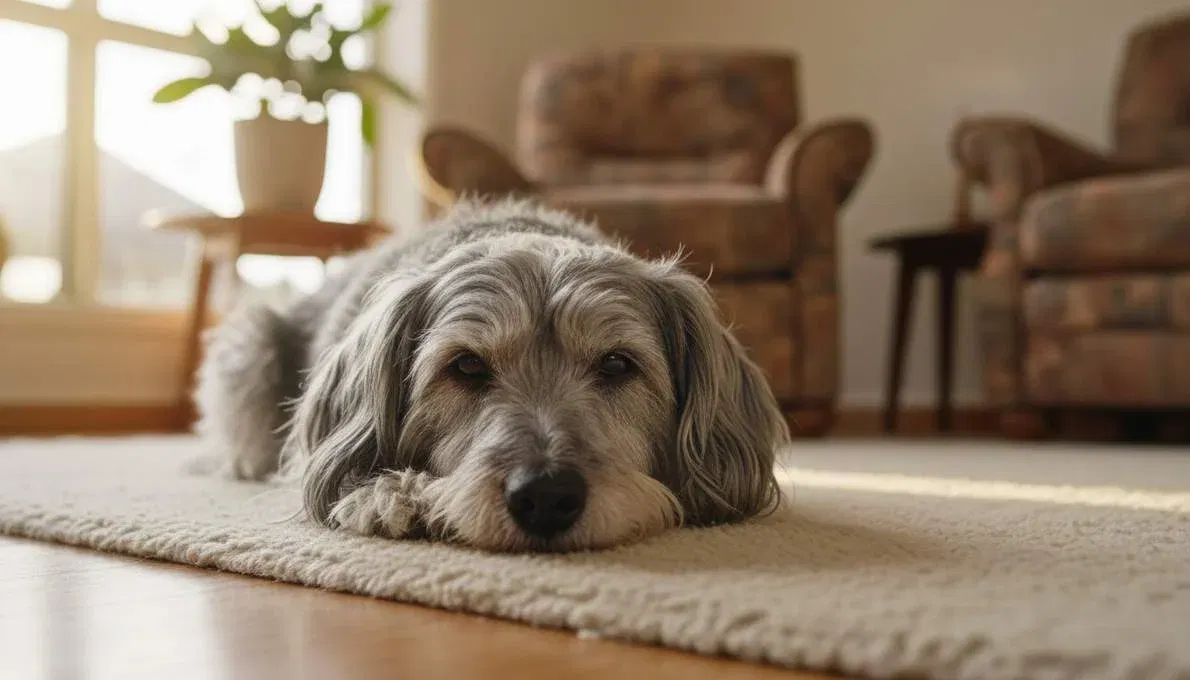
Skye Terriers typically live between 12 and 15 years, with a 2024 UK study placing the average life expectancy at 12.4 years. That’s a solid lifespan for a breed of this size — and with good care, many Skyes comfortably reach their mid-teens.
Puppy stage (0–12 months): This is a slow-maturing breed with heavy bone for its size. Protect developing joints by limiting stair climbing and jumping. Watch for puppy limp between 3 and 10 months — it looks alarming but usually resolves on its own.
Adult (1–8 years): Peak health years. Maintain regular vet check-ups, dental care, and weight management. Skyes can be sneaky overeaters, and excess weight on that long spine is a recipe for disc problems.
Senior (8+ years): Increase vet visits to twice yearly. Watch for signs of cancer (especially hemangiosarcoma), thyroid changes, and mobility issues. Many Skyes remain active and bright well into their senior years with proper care.
Grooming & Care
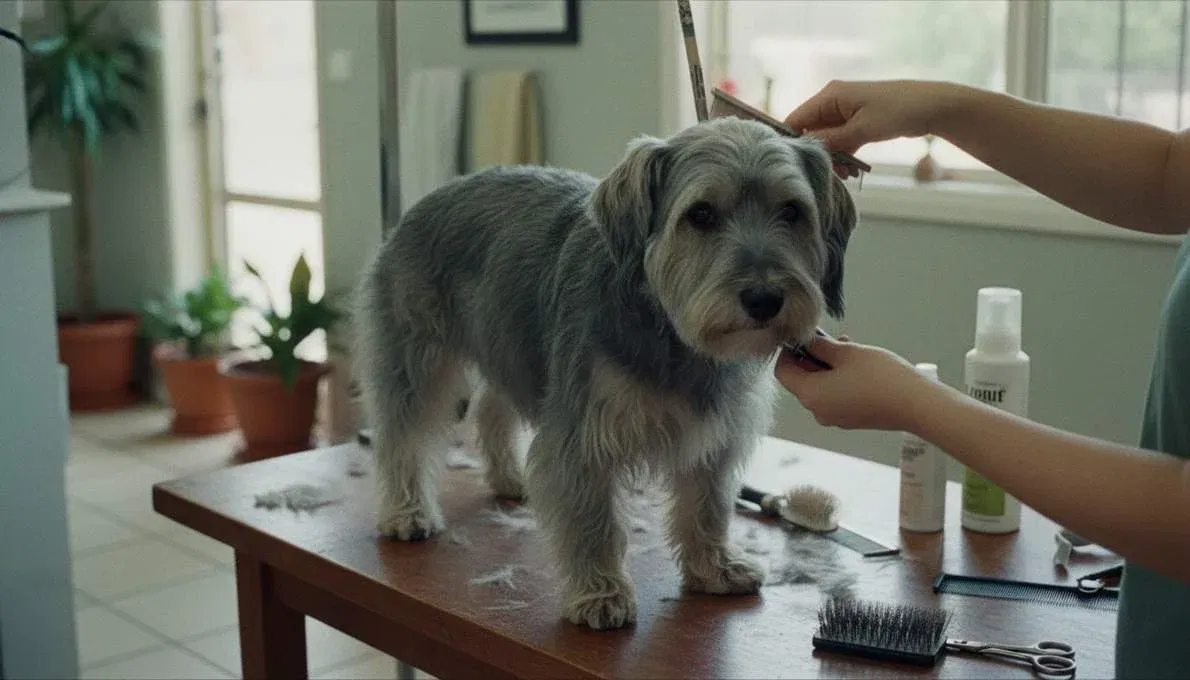
The Skye Terrier’s coat looks high-maintenance, but it’s more forgiving than you’d expect. Unlike breeds that need constant clipping and shaping, the Skye’s coat is meant to hang naturally — no scissoring or clipper work required if you keep the full coat.
Grooming Schedule
| Task | Frequency | Notes |
|---|---|---|
| Brushing | 2–3 times per week (daily during shedding season) | Use a long-toothed comb and pin brush. Work gently from ends to roots to avoid breakage. |
| Bathing | Once a month or as needed | Don’t scrub — squeeze shampoo through the coat. Dilute shampoo for easier distribution. |
| Ear Cleaning | Weekly | Skyes are prone to ear infections due to hair coverage. Check and clean ears regularly. |
| Nail Trimming | Every 2–3 weeks | Don’t forget — long nails affect gait, which matters on a dog with a long spine. |
| Dental Care | Daily brushing ideal; minimum 3x/week | Small breeds are prone to dental disease. Use dog-specific toothpaste. |
| Professional Grooming | Every 6–8 weeks (optional) | Some owners clip the coat short for easier maintenance, especially in hot Australian summers. |
| Pad Trimming | Monthly | Trim hair between the foot pads to prevent slipping and matting. |
Australian tip: If you’re in a hot climate zone (think north Queensland or outback NSW), seriously consider keeping your Skye in a shorter clip during summer. The full show coat is stunning but can cause overheating. A quality groomer who understands the breed can maintain a practical, cooler cut without sacrificing the Skye’s distinctive silhouette.
Exercise Needs
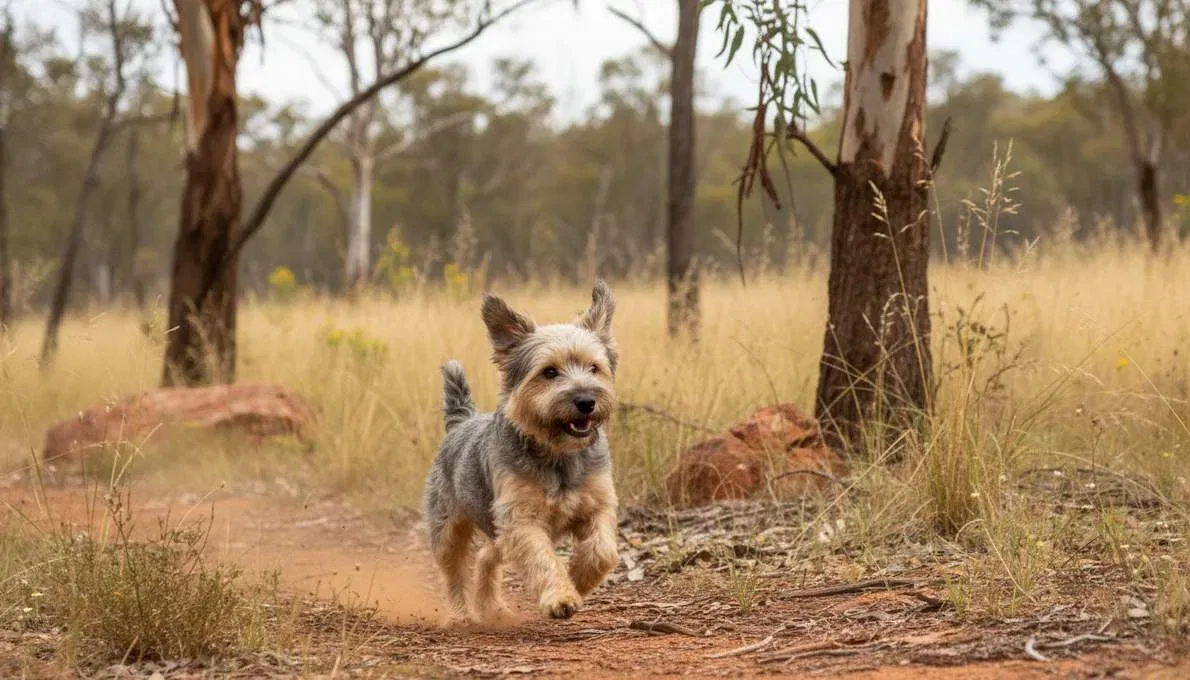
Here’s the pleasant surprise: Skye Terriers don’t need marathon-level exercise. A 20–30 minute daily walk and some interactive play is plenty for most adults. They’re one of the more laid-back terrier breeds, happy to potter around the house between outings.
That said, they’re not lazy. Skyes have genuine working-dog stamina and will happily join you for longer walks, particularly in cooler weather. They also take well to dog sports like earthdog trials, agility (with jump heights adjusted for their build), and tracking — activities that tap into their natural instincts.
Australian climate warning:
Skye Terriers have a dense double coat designed for Scottish weather, not Australian summers. Walk early in the morning or after sunset during warmer months. Avoid hot pavement — their low-slung bodies are closer to the ground than you think, and radiant heat from asphalt can cause distress quickly. Always carry water, and watch for signs of overheating including excessive panting, drooling, or reluctance to move.
One more thing: keep your Skye on a lead or in a securely fenced area. Their prey drive is genuine — these dogs were bred to chase animals into dens. A squirrel, possum, or neighbourhood cat can trigger a chase that no recall command will override.
Skye Terrier Training Guide
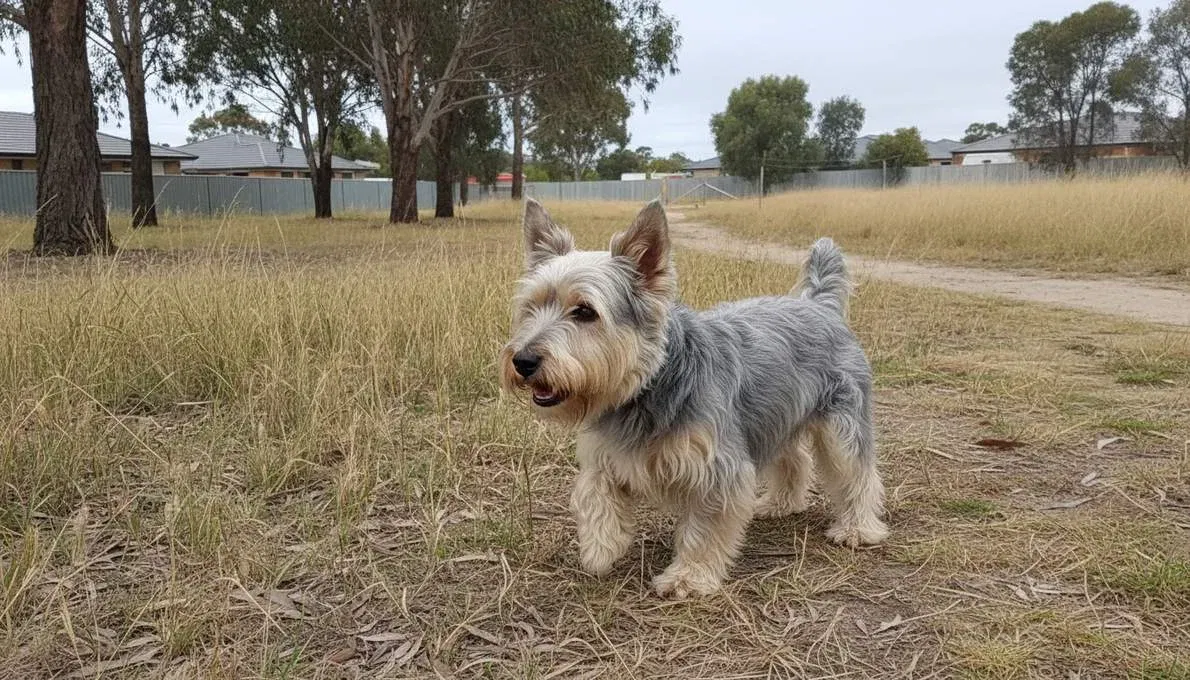
Let’s be honest: Skye Terriers are not golden retrievers in a smaller package. They’re intelligent — they ranked respectably in working intelligence tests — but they have an independent streak that can test even experienced trainers. The key word with Skyes is “consistency.”
Socialisation & Training Timeline
| Age | Focus | What to Expect |
|---|---|---|
| 8–12 weeks | Socialisation | Expose to different people, surfaces, sounds, and animals. Positive associations only. This window is critical for Skyes. |
| 12–16 weeks | Basic commands | Sit, stay, come, lead walking. Keep sessions under 5 minutes. High-value treats are essential. |
| 4–6 months | House training & manners | Skyes are generally clean dogs. Crate training works well. Begin “lie on side” training for grooming. |
| 6–12 months | Adolescence | Expect selective hearing. Maintain consistency. Don’t escalate — Skyes shut down with harsh correction. |
| 1–2 years | Ongoing reinforcement | Continue socialisation and training. Introduce dog sports or enrichment activities to keep them engaged. |
| 2+ years | Maintenance | Skyes settle into reliable adults. Occasional refreshers keep skills sharp. Mental stimulation matters as much as physical. |
Honest difficulty rating: 6/10.
Not the hardest breed to train, but definitely not the easiest. If you’ve only ever had biddable breeds like labradors or border collies, prepare for a dog that questions authority. Positive reinforcement is non-negotiable — harsh methods will make a Skye dig its heels in harder.
Cost of Ownership in Australia
Let’s talk money. Skye Terriers aren’t cheap — partly because of the breed’s quality and partly because scarcity drives pricing. Here’s what to budget in Australian dollars.
| Expense | Estimated Cost | Notes |
|---|---|---|
| Puppy Purchase Price | $3,000–$5,000 AUD | From a registered ANKC breeder with health testing. Expect a waiting list of 6–18 months. |
| Initial Setup | $500–$1,000 AUD | Crate, bed, bowls, lead, collar, grooming tools, initial vet check, microchip. |
| Annual Food | $600–$1,000 AUD | High-quality kibble or raw diet. Skyes are moderate eaters. |
| Annual Vet (Routine) | $400–$800 AUD | Vaccinations, check-ups, worming, flea/tick prevention. |
| Grooming | $400–$900 AUD/year | Professional grooming every 6–8 weeks if desired; less if you maintain the coat yourself. |
| Pet Insurance | $40–$80 AUD/month | Strongly recommended given cancer risks. Budget $480–$960/year. |
| Training Classes | $200–$500 AUD | Puppy school plus follow-up obedience. Group classes are fine. |
| Emergency Vet Fund | $2,000–$5,000 AUD | Set aside or ensure your insurance covers emergencies. Specialist treatment in Aus is expensive. |
Lifetime cost estimate: $25,000–$45,000 AUD
over 12–15 years, including purchase price. That’s not unusual for a well-cared-for dog of any breed, but it’s worth knowing upfront.
For breeders in Australia, check DogzOnline’s Skye Terrier breeder directory or contact Dogs NSW, Dogs Victoria, or your state’s ANKC-affiliated body. There are currently around 8 registered breeders across the country. Rescue is extremely rare given the breed’s small population, but the Skye Terrier Club (UK) occasionally assists with international rehoming.
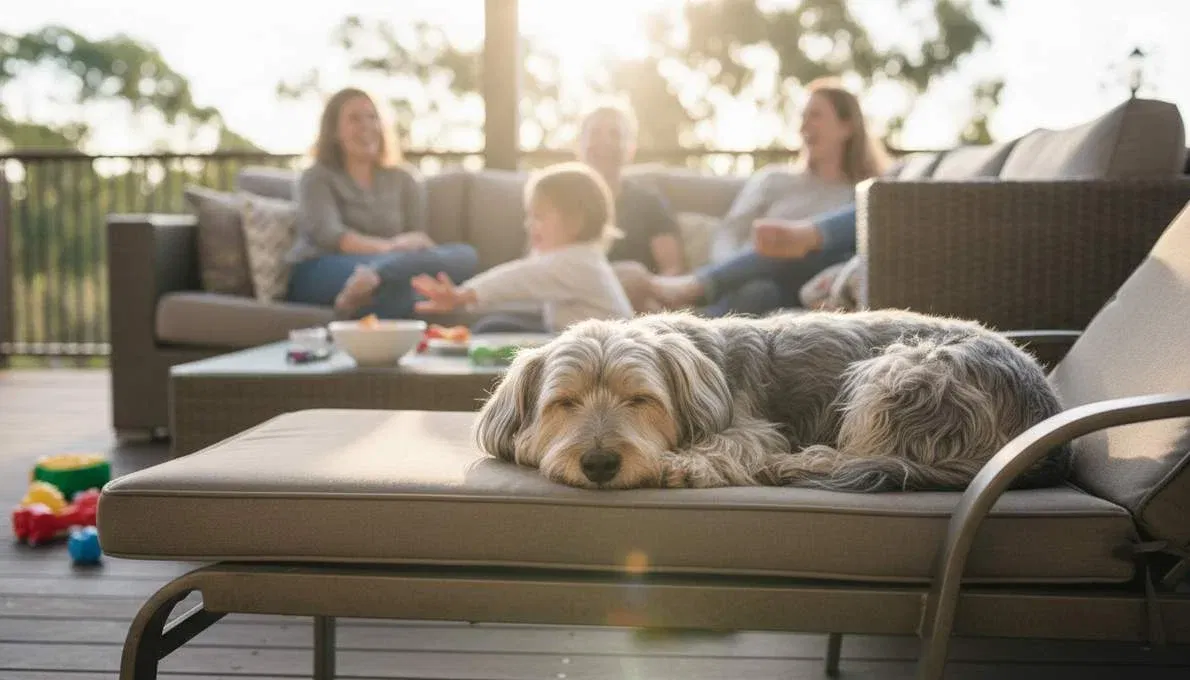
Is the Skye Terrier Right for You?
want a deeply loyal, one-person (or one-family) dog; live in a house or apartment with moderate space; can commit to regular grooming; enjoy a dog with personality and independent thinking; are patient with training and comfortable with a breed that won’t blindly obey; and are prepared for a breed with a small gene pool and associated health considerations.
want an instant best friend with every visitor; have very young children and limited supervision capacity; want a high-energy running or hiking partner; need a dog that comes perfectly trained out of the box; are unwilling to join a breeder waiting list; can’t budget for potential specialist veterinary care; or live in an extremely hot climate without air conditioning.
If you’re on the fence, consider visiting a dog show where Skye Terriers are exhibited. Speak to breeders and owners in person. This breed inspires passionate advocacy from its people — and they’ll be the first to tell you honestly whether it’s the right fit. Breeds with a similar temperament profile that may also suit you include the Cairn Terrier (more available, similarly Scottish, lighter grooming needs) or the Scottish Terrier (another independent, loyal companion).
The Skye Terrier is an ancient, endangered breed that offers unmatched loyalty to the right owner — but demands patience, commitment, and respect for its independent nature in return.
Grooming is manageable if you stay consistent, health risks are real but manageable with a responsible breeder and good vet, and the cost of ownership is in line with most purebred dogs in Australia.
If you earn a Skye’s love, you’ll have the most devoted companion of your life. Just be prepared to wait for one — and to never own any other breed again.
Frequently Asked Questions
Are Skye Terriers hypoallergenic?
No. Skye Terriers are not considered hypoallergenic. They have a double coat that sheds moderately year-round, with heavier seasonal shedding in spring and autumn. While no dog is truly 100% hypoallergenic, breeds with continuously growing hair (like Poodles) are often better for allergy sufferers.
Do Skye Terriers shed a lot?
They shed moderately. Regular brushing (2–3 times a week) will manage most of the loose hair, but expect increased shedding during seasonal coat changes. Their long coat can trap shed hair, so brushing is essential to prevent matting and keep shedding under control in the home.
Are Skye Terriers rare?
Yes, extremely. The Skye Terrier is classified as a vulnerable native breed in the UK and is one of the rarest terrier breeds worldwide. In Australia, there are only a handful of registered breeders, and puppies often have waiting lists of 6–18 months.
How much does a Skye Terrier cost in Australia?
From a registered ANKC breeder, expect to pay $3,000–$5,000 AUD for a puppy. This reflects the breed’s rarity, the health testing responsible breeders perform, and the small number of litters produced each year.
Are Skye Terriers good apartment dogs?
Yes, they can adapt well to apartment living. Their exercise needs are moderate (20–30 minutes daily), and they are generally calm indoors. However, they still require mental stimulation and consistent training. A securely fenced area for safe off-lead time is ideal.
Are Skye Terriers aggressive?
No, they are not inherently aggressive. They are cautious and reserved with strangers, which can be mistaken for aloofness. With proper socialisation from puppyhood, they should be polite, if not overly friendly, with new people. They are loyal and protective of their family.
What is Greyfriars Bobby?
Greyfriars Bobby was a Skye Terrier in 19th-century Edinburgh who became famous for guarding his owner’s grave for 14 years after the man’s death. His story is a testament to the breed’s legendary loyalty. A statue in Edinburgh commemorates him.
Can Skye Terriers handle Australian heat?
With caution. Their dense double coat is designed for cold Scottish weather. In hot Australian climates, walks should be during the coolest parts of the day, access to shade and air conditioning is vital, and many owners opt for a shorter “pet clip” during summer to help them stay cool.
What is Skye Terrier puppy limp?
A common, usually temporary condition in Skye puppies (3–10 months old) where the front legs grow unevenly, causing a limp. It typically resolves with restricted exercise (no stairs/jumping) as the puppy matures, but veterinary assessment is recommended to rule out serious elbow issues.
How long do Skye Terriers live?
Skye Terriers have a typical lifespan of 12–15 years. With excellent care, regular vet check-ups, and good genetics from a responsible breeder, many live healthy lives into their mid-teens.
1. American Kennel Club — Skye Terrier Breed Information: https://www.akc.org/dog-breeds/skye-terrier/
2. The Kennel Club (UK) — Skye Terrier Breed Standard: https://www.thekennelclub.org.uk/breed-standards/terrier/skye-terrier/
3. PetMD — Skye Terrier Dog Breed Health and Care: https://www.petmd.com/dog/breeds/skye-terrier
4. Dogs Victoria — Skye Terrier Breed Profile: https://dogsvictoria.org.au/family-pet/dogs-and-puppies/buying-a-puppy/breed-information-and-registered-breeders/skye-terrier/
5. DogzOnline — Skye Terrier Breeders in Australia: https://www.dogzonline.com.au/breeds/breeders/skye-terrier.asp
6. Wikipedia — Skye Terrier (includes 2024 UK longevity study data): https://en.wikipedia.org/wiki/Skye_Terrier
7. WebMD Pets — What to Know About Skye Terriers: https://www.webmd.com/pets/dogs/what-to-know-about-skye-terriers
8. Skye Terrier Club of America: https://www.skye-terrier-club.org/
9. Hill’s Pet — Skye Terrier Dog Breed Profile: https://www.hillspet.com/dog-care/dog-breeds/skye-terrier