
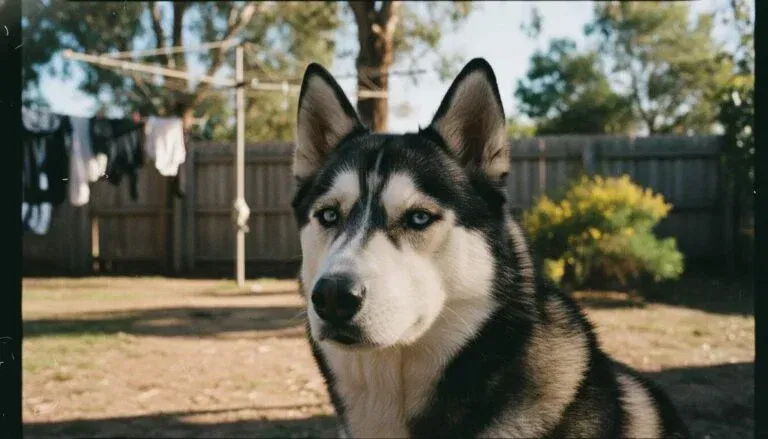
The Siberian Husky is one of the most beautiful, recognisable, and frequently surrendered dog breeds in the world. That sentence captures both the extraordinary appeal and the uncomfortable truth about this breed: people fall in love with the stunning blue eyes, the wolf-like appearance, and the charismatic personality, and then discover they’ve adopted a 20–27 kg endurance athlete with a 9,500-year-old genetic drive to run, an escape artistry PhD, a deeply independent streak, and an absolute refusal to be a guard dog. In the wrong home, a Siberian Husky is a disaster. In the right home, it is one of the most rewarding, entertaining, and genuinely magnificent dogs you will ever own.
The Siberian Husky was developed by the Chukchi people of northeastern Siberia as an endurance sled dog and family companion — a dual role that defined the breed’s character. These dogs pulled light loads at moderate speeds over vast frozen distances by day, then slept with the children to provide warmth at night. That heritage produced a dog that is extraordinarily athletic, deeply social, gentle with people (especially children), completely useless as a guard dog, and hardwired to run. In 1925, Siberian Huskies became world-famous when relay teams carried life-saving diphtheria antitoxin serum 1,085 kilometres through blizzard conditions to the icebound city of Nome, Alaska — a feat commemorated by Balto’s statue in New York’s Central Park and the annual Iditarod race.
In Australia, the Siberian Husky is classified in ANKC Group 6 (Utility) and has a dedicated community of breeders and owners. The breed adapts to Australian conditions better than many people expect, but it requires informed management — particularly around heat, exercise, containment, and the understanding that this is not a dog that will simply do as it’s told. If you can handle the fur tumbleweeds, the howling conversations, the Houdini-level escapes, and the knowledge that your dog will always love you but will never be obedient in the way a Labrador is, the Siberian Husky is an extraordinary companion.
What You’ll Learn
- Breed traits & temperament
- Health concerns to know
- True cost in Australia
- Training & exercise needs
- Is this breed right for you?
Breed Quick Facts Table
| Attribute | Details |
|---|---|
| Breed Group | ANKC Group 6 — Utility; AKC Working Group; FCI Group 5 Spitz & Primitive Types (Nordic Sledge Dogs) |
| Origin | Northeastern Siberia, Russia; developed by the Chukchi people; genetic lineage over 9,500 years old; AKC recognised 1930 |
| Height | Males: 53.5–60 cm (21–23.5 in); Females: 51–56 cm (20–22 in) |
| Weight | Males: 20–27 kg (45–60 lb); Females: 16–23 kg (35–50 lb) |
| Lifespan | 12–15 years; well-cared-for individuals can reach 16+ |
| Coat | Dense double coat — soft, thick undercoat + straight topcoat of guard hairs; naturally waterproof and self-cleaning; withstands extreme cold |
| Colours | All colours from black to pure white; common: black & white, grey & white, red/copper & white, sable, agouti (rare), pure white; white markings standard; merle NOT allowed |
| Eyes | Brown, blue, one of each (heterochromia), or parti-coloured — all acceptable per breed standard |
| Shedding | EXTREME — sheds year-round; two massive coat blows per year; one of the heaviest-shedding breeds |
| Temperament | Friendly, outgoing, independent, mischievous, playful; pack-oriented; high prey drive; escape artist; gentle with people; NOT a guard dog |
| Exercise Needs | VERY HIGH — minimum 1–2 hours daily; bred to run long distances; needs job or structured activity; susceptible to overheating |
| Good with Kids | Excellent — gentle, playful, historically slept with Chukchi children for warmth; supervision with young children (size/energy) |
| Barking / Vocalising | LOW barking but VERY vocal — howls, “woos,” chirps, talks; the Husky “conversation” is distinctive and constant |
| Apartment Suitable | Generally NO — needs secure fenced yard (high fences, dig-proof); too energetic and destructive when bored for most apartments |
History & Origins
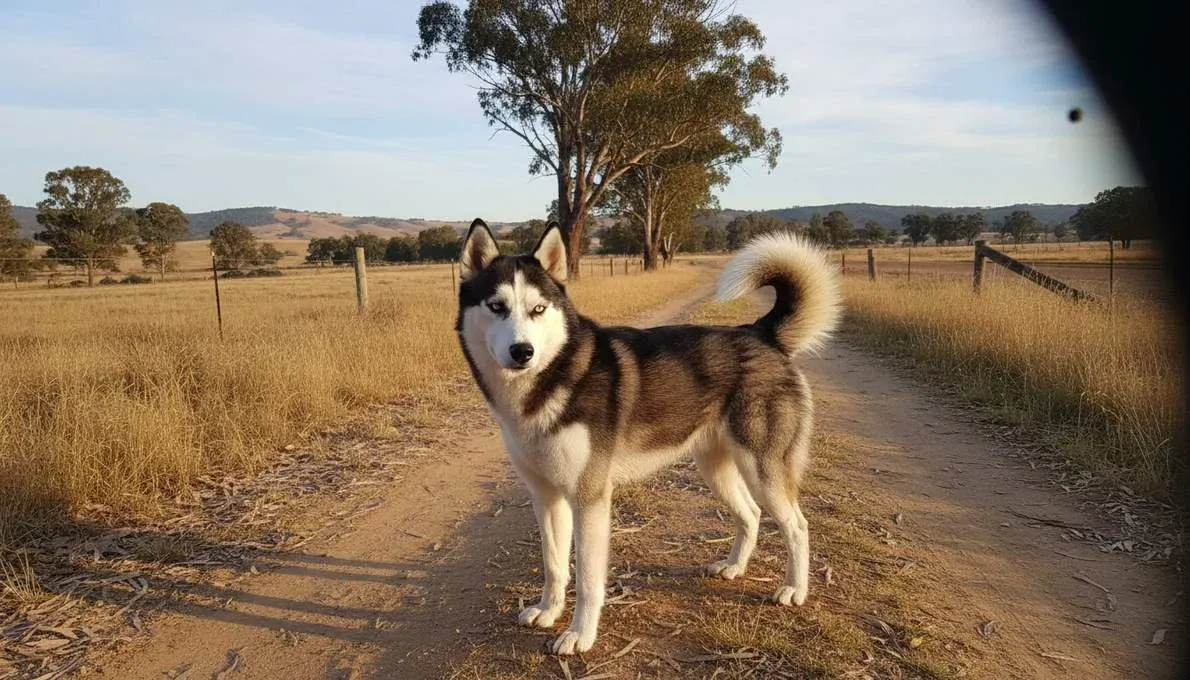
The Siberian Husky is one of the most ancient dog breeds alive today. DNA analysis has traced the breed’s lineage to over 9,500 years ago, with genetic connections to historical East Siberian dogs and ancient Lake Baikal dogs. The breed also shows significant genetic closeness with the now-extinct Taimyr wolf of North Asia — meaning the Siberian Husky is, in a very literal sense, more closely related to the wolf than most domesticated dogs.
The Chukchi people of northeastern Siberia developed the breed as an endurance sled dog capable of pulling light loads at moderate speeds over enormous distances in extreme cold. Crucially, the Chukchi also kept these dogs as family companions — the dogs slept with the children, providing warmth during the brutal Siberian winters. This dual role as both working dog and gentle family member is embedded in the breed’s DNA and explains why the Siberian Husky is simultaneously a high-drive working athlete and one of the friendliest, most people-oriented breeds in existence.
The breed arrived in Alaska in 1909, brought by Russian fur trader William Goosak for sled dog races in Nome. Local Alaskans initially dismissed the relatively small Siberians as “Siberian Rats” compared to the larger Alaskan Malamutes, but the Huskies quickly proved their worth through consistent race victories. The breed’s defining moment came in 1925 during the “Great Race of Mercy,” when relay teams of sled dogs transported diphtheria antitoxin serum 1,085 kilometres through blizzard conditions to save the icebound city of Nome. The lead dog on the final leg, Balto, became a global celebrity — a 2023 genetic study of Balto’s remains revealed ancestry shared with Tibetan Mastiffs, Greenland sled dogs, and modern Siberian Huskies.
The AKC recognised the Siberian Husky in 1930, and the Siberian Husky Club of America was founded in 1938. Today, genomic research identifies four distinct Siberian Husky populations: show dogs, pet dogs, racing sled dogs, and Seppala Siberian Huskies. In Australia, the Siberian Husky is classified in ANKC Group 6 (Utility) and has a strong community of dedicated breeders, some with 35+ years of experience. Australian breeders follow ANKC standards and many also compete in sled dog sports on dryland courses and in alpine snow events.
Temperament & Personality
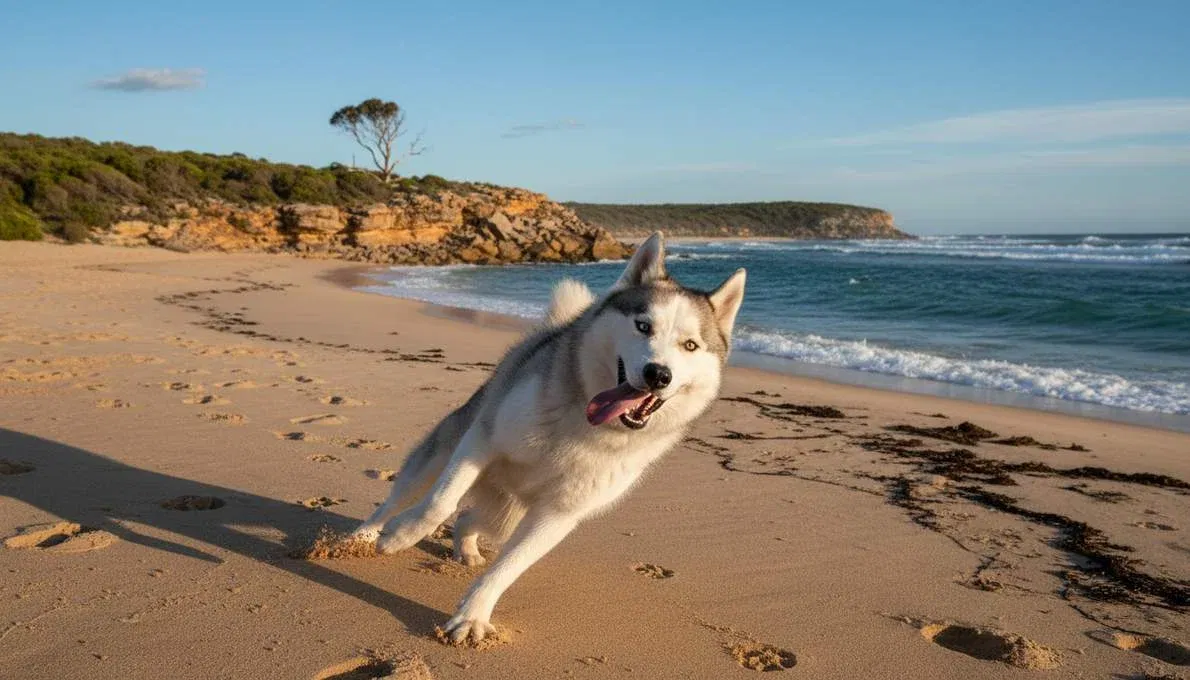
The Siberian Husky temperament is often misunderstood because the breed looks like a wolf but behaves nothing like one. This is one of the friendliest dog breeds in existence. Huskies are outgoing with strangers, gentle with children, playful into old age, and genuinely love people. They are pack dogs that thrive on social connection — both human and canine. They are terrible guard dogs precisely because they are so friendly: a Husky is more likely to show a burglar where the treats are kept than to defend your property.
The independence is the part that surprises people. The Siberian Husky is intelligent — it understands your commands. It also has its own agenda, which may not include following your commands. This is not a Golden Retriever-style “eager to please” dog. The Husky was bred to make independent decisions in extreme conditions, and that self-reliance is deeply embedded. A Husky will come when called — when it decides the timing is right. It will stay in the yard — unless something more interesting is happening on the other side of the fence. It will walk nicely on the lead — until it sees something worth chasing.
Huskies are pack dogs and generally do well with other dogs, especially when raised together. However, they have a high prey drive inherited from their heritage in environments where food was scarce. Cats, rabbits, guinea pigs, chickens, and other small animals may be viewed as prey rather than family members. Some Huskies coexist peacefully with cats they were raised with; others never will. This must be assessed individually.
The Siberian Husky is one of the most notorious escape artists in the dog world. They can jump or climb fences up to 1.8 metres (6 feet), dig under fences, find gaps you didn’t know existed, open latches, and in some cases work out how to open gates. A secure yard for a Husky means high fences (minimum 1.8 m, ideally higher), dig-proof barriers (concrete footings or buried wire along the fence line), secure latches, and constant vigilance. An escaped Husky will run — and its recall, no matter how well-trained, is unreliable when the drive to explore activates.
Health & Genetic Conditions
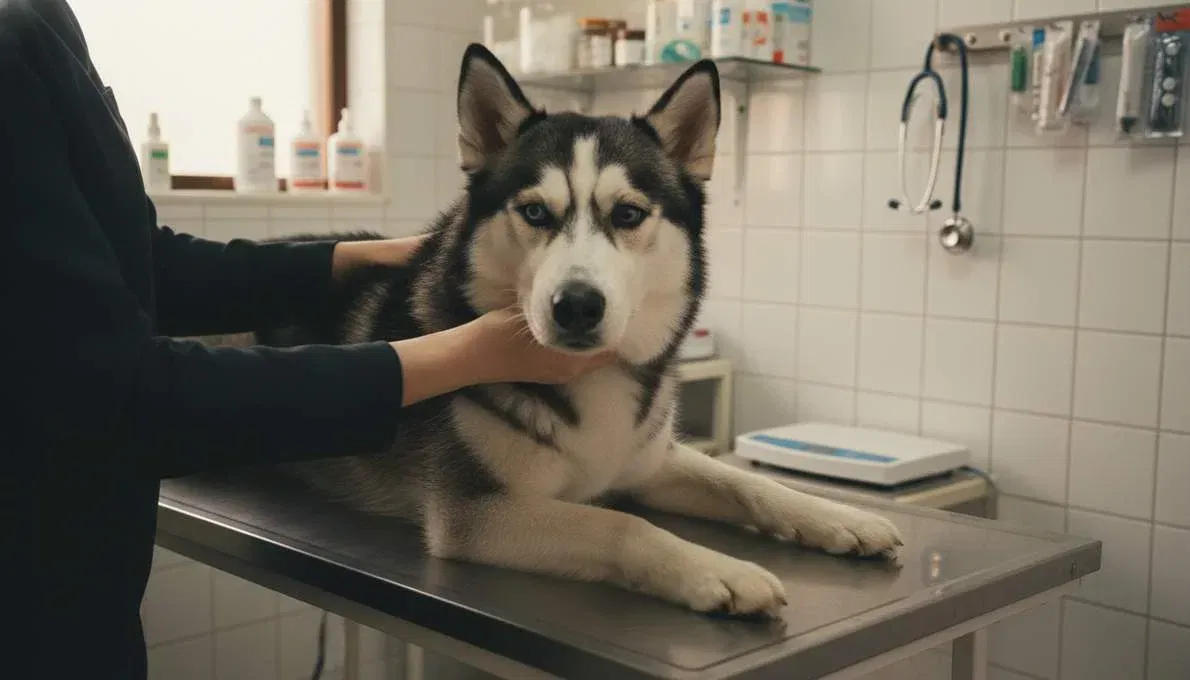
The Siberian Husky is generally a healthy and robust breed — its development under harsh conditions produced a resilient constitution. The breed does, however, have several hereditary conditions that responsible breeders screen for.
Prevalence: Hereditary cataracts are the most common genetic eye condition in the Siberian Husky and the breed’s most significant eye health priority. A 1999 American College of Veterinary Ophthalmologists survey of 1,345 Siberians found 8% affected, and more recent estimates place the figure around 10%. [Siberian Husky Club of America – Eye Testing] More strikingly, a 2021 multi-centre study found that 84% of Huskies presenting with cataracts had the hereditary form — compared to just 52% in other breeds — and the average age at presentation in Huskies was only 3.5 years, versus 9.5 years in other breeds. A risk variant in the CPT1A gene (linked to fatty acid metabolism) has been found in approximately 88% of Siberian Huskies and is strongly associated with the breed’s characteristic posterior polar cataract, which typically develops in the axial posterior cortex from around one year of age.
Symptoms: A cloudy, hazy, or blueish opacity visible in one or both eyes — often starting in one eye before the other follows months later. Mild cataracts may produce little obvious vision impairment, but rapid progressors can cause significant visual loss and secondary complications including lens-induced uveitis (inflammation) and glaucoma. Bumping into objects, reluctance to navigate unfamiliar spaces, and hesitance in dim light can be early behavioural signs.
Treatment Cost (AUD): Surgical removal (phacoemulsification) costs $2,500–$5,000 per eye and is the only effective treatment for visually significant cataracts. [petinsurance.com.au] Annual CAER eye examinations cost $150–$350. Pet insurance taken out before diagnosis is strongly advisable for this breed.
Prevention: Annual CAER (Companion Animal Eye Registry) examinations by a veterinary ophthalmologist are the Siberian Husky Club of America’s core recommendation for all breeding dogs. No fully definitive DNA test yet exists to reliably identify carriers, but breeders should avoid breeding from dogs with confirmed hereditary cataracts and prioritise lines with clean annual eye results. Ask breeders to show current eye examination certificates for both parents.
Prevalence: Corneal dystrophy is the second most common inherited eye condition in the breed, found in 3% of Siberians in the same 1999 ACVO survey. [Siberian Husky Club of America – Eye Testing] The condition involves an abnormal accumulation of lipids (fats) in the cornea, creating characteristic crystalline or hazy white deposits in the outer layer of the eye. It tends to affect young to middle-aged dogs, is more prevalent in females, and is generally painless with minimal effect on vision in most cases — though some dogs develop progressive corneal clouding.
Symptoms: Small glistening or hazy white dots or patches developing in the centre of the cornea — most easily visible in good lighting or with a torch. Vision is usually preserved in mild cases, and the dog may show no discomfort. In more advanced cases the cloudiness can spread and mildly blur the dog’s forward vision, but complete blindness from corneal dystrophy alone is rare in this breed.
Treatment Cost (AUD): Most cases require no treatment, though monitoring at annual CAER examinations is standard. If secondary ulceration develops, topical eye treatments cost $100–$300. [petinsurance.com.au] No curative treatment exists for the dystrophy itself.
Prevention: Annual ophthalmological examination for breeding dogs is the primary tool. Affected dogs should not be bred. Corneal dystrophy has no DNA test, so examination-based screening and careful selection of breeding stock remain the only prevention strategy.
Prevalence: Uveodermatologic Syndrome — the canine equivalent of Vogt-Koyanagi-Harada disease — is found more frequently in Siberian Huskies than in most other breeds. [Husky Haven of Florida – Health] Like the VKH seen in Shiba Inus and Akitas, it is an autoimmune condition where the immune system attacks pigment-producing cells (melanocytes), causing progressive uveitis (inflammation inside the eye) and skin depigmentation. The eye involvement is the most serious component, as untreated uveitis leads to secondary glaucoma, cataracts, and blindness. The skin changes — loss of pigment on the nose, lips, and eyelids — are cosmetic but serve as an important early warning sign.
Symptoms: Eye redness, squinting, cloudiness, and light sensitivity from uveitis are the urgent signs — these should never be managed conservatively in a breed predisposed to UDS. Progressive depigmentation of the nose (turning from dark to pink or white), lips, eyelids, and in some cases patches of the coat appear alongside or after the eye signs. Any Husky developing these changes simultaneously warrants prompt ophthalmology assessment.
Treatment Cost (AUD): Lifelong immunosuppressive therapy (corticosteroids plus agents such as azathioprine) costs $500–$2,500+/year. [petinsurance.com.au] Ophthalmology monitoring is ongoing. The total lifetime cost of managing UDS can be substantial, and early aggressive treatment gives the best chance of preserving vision.
Prevention: No genetic test or preventive measure exists. Owners should be familiar with the early signs — particularly nose depigmentation emerging alongside any eye changes — and seek immediate veterinary ophthalmology assessment rather than waiting. Early treatment dramatically improves outcomes.
Prevalence: The Siberian Husky is affected by a specific X-linked form of PRA (XLPRA1) caused by a mutation in the RPGR gene. The X-linked inheritance pattern means that males need only one copy of the mutation to be clinically affected, while females need two copies — making affected dogs predominantly male. [Siberian Husky Genetics – Genetic Diseases] The Siberian Husky Club of America identifies XLPRA1 as the one condition for which carrier dogs are recommended for exclusion from breeding, given that male carrier offspring are at direct risk. The mutation is considered rare in the broader gene pool but warrants testing in all breeding stock.
Symptoms: Night blindness is typically the first owner-noticed sign — the dog hesitates in dim light, bumps into objects after dark, or refuses to go outside at night. As rod cells progressively fail, day vision also deteriorates over months to years. Pupil dilation becomes more pronounced as the retina loses function. There is no treatment; the condition progresses to complete blindness in all affected dogs.
Treatment Cost (AUD): There is no treatment for PRA itself. DNA testing costs approximately $80–$120 per dog. [petinsurance.com.au] Environmental modifications (night lights, consistent furniture placement, avoiding hazards) help affected dogs adapt. Annual CAER examinations can detect early retinal changes before symptoms are obvious.
Prevention: DNA testing of all breeding dogs is recommended. Female carriers should not be bred to untested males, and ideally carriers should be phased out of breeding programmes over time to reduce the mutation’s frequency in the breed. Ask breeders for XLPRA1 DNA test results for both parents.
Prevalence: Siberian Huskies are among the breeds most commonly affected by zinc-responsive dermatosis — a skin condition arising from impaired zinc absorption or a relative dietary zinc deficiency, even when zinc intake appears adequate. [Canna-Pet – Siberian Husky Health] The condition appears to have a genetic component related to intestinal zinc uptake, making some Huskies unable to absorb sufficient zinc from a normal diet regardless of food quality. It can affect dogs at any age, and recurrence is common if supplementation stops.
Symptoms: Crusty, scaly, reddened skin lesions appearing around the eyes, mouth, chin, nose, and ears — and sometimes on the footpads and pressure points of the legs. Hair loss over affected areas is common. Secondary bacterial infections can develop in the crusted skin, causing odour and discomfort. Some dogs appear generally well despite the skin changes; others show lethargy and reduced appetite.
Treatment Cost (AUD): Oral zinc supplementation (zinc methionine or zinc sulfate) is the main treatment and costs $30–$80/month. [petinsurance.com.au] Secondary infections require antibiotic treatment. Many dogs need lifelong supplementation to prevent recurrence. A vet should determine correct zinc dosing, as excessive supplementation is toxic.
Prevention: There is no prevention for genetically predisposed dogs. Feeding a high-quality diet and avoiding high-phytate foods (such as grain-heavy diets, which can bind zinc and reduce absorption) may help. Any Husky developing persistent facial or footpad skin lesions should be assessed by a vet promptly — a zinc-responsive case responds dramatically to supplementation within weeks once correctly identified.
Prevalence: Degenerative myelopathy — a progressive spinal cord disease similar to ALS in humans — affects Huskies more frequently than many other breeds and is included in Embark’s mandatory Siberian Husky health test panel. [Embark – Genetic Health Testing for Siberian Huskies] The SOD1A gene mutation involved is autosomal recessive, meaning two copies are needed to produce clinical disease. DM typically develops in older dogs (7–14 years), beginning with progressive hindlimb weakness and loss of coordination before advancing to full paralysis and incontinence over 6–18 months.
Symptoms: Early signs are easily missed — a slight wobbliness or dragging of one or both hind feet, scuffing of the rear nails, and difficulty with turns. Over weeks to months the weakness progresses: the dog stumbles, struggles to rise, and eventually loses the ability to support weight on the hindquarters. The condition is painless throughout, but the progressive loss of function is distressing for both dog and owner.
Treatment Cost (AUD): There is no cure. Physiotherapy, hydrotherapy, and rear-support carts (wheelchairs) significantly extend comfortable mobility and quality of life, collectively costing $500–$3,000+ depending on duration and modality. [petinsurance.com.au] DNA testing costs around $80–$120 and is recommended for all breeding dogs.
Prevention: DNA test all breeding dogs and avoid affected-to-affected matings. In at-risk dogs, maintaining excellent physical conditioning through regular swimming and moderate exercise slows functional deterioration by keeping muscle mass. Regular assessment by a vet or veterinary physiotherapist from early signs allows timely introduction of mobility aids.
Lifespan & Longevity
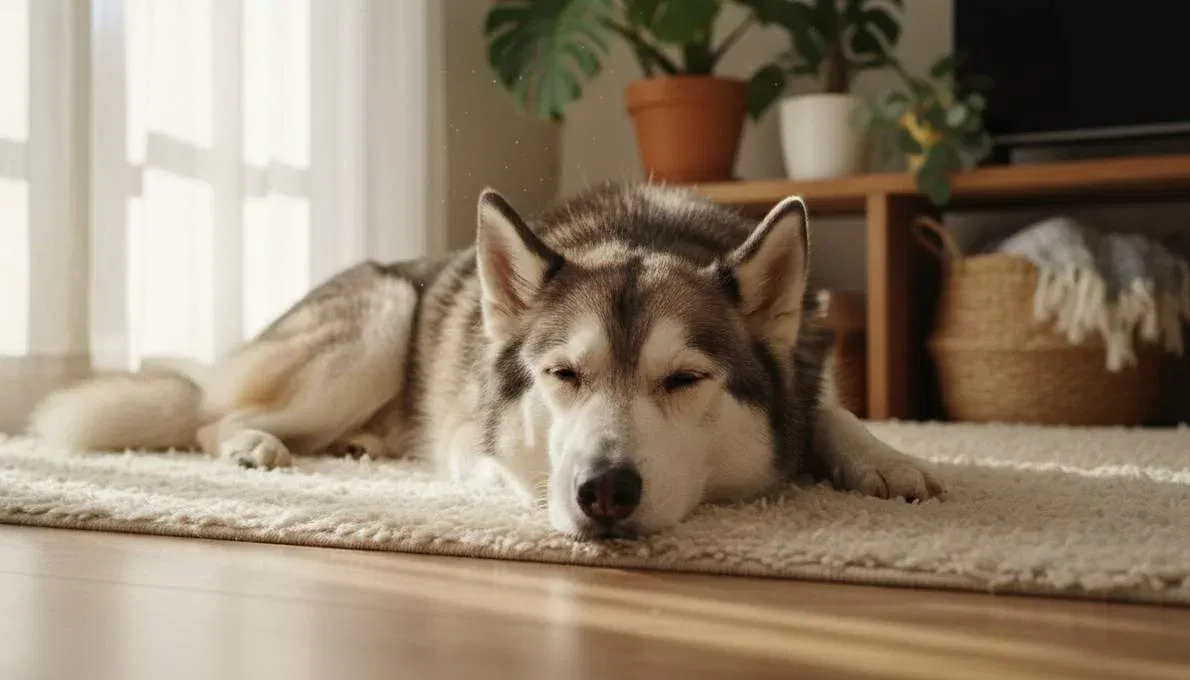
The Siberian Husky has a lifespan of 12 to 15 years, which is excellent for a medium-sized breed. Well-cared-for Huskies commonly reach 14–16 years, with some Australian breeders reporting dogs living to 16 and beyond — Arcticpalace’s “Duchess” reached 16 years, 1 month and 26 days. The breed’s longevity reflects its robust genetic heritage, developed over millennia under extreme conditions that naturally selected for health and resilience.
Key factors for a long life: maintaining a healthy weight (Huskies were bred to be efficient on minimal food — overfeeding is a genuine risk), managing exercise in heat, eye examinations starting from puppyhood, hip screening, and purchasing from breeders who health-test all breeding stock.
Lifespan & Life Stages Table
| Life Stage | Key Focus Areas |
|---|---|
| Puppy (0–12 months) | Socialisation from 8–16 weeks (people, dogs, cats if applicable, environments); crate training (separation anxiety prevention); begin lead training (pulling is instinctive); secure yard assessment; eye examination; establish grooming routine; redirect digging/chewing to appropriate outlets |
| Young Adult (1–3 years) | Highest energy period — structured exercise essential; manage escape attempts; hip scoring if breeding; continue socialisation; establish exercise routine (avoid hot conditions); mental stimulation critical; address any prey drive concerns |
| Adult (3–10 years) | Annual vet checks; annual eye exams; weight management; maintain exercise (adapt to heat); thyroid screening from mid-age; dental care; continue mental stimulation and enrichment |
| Senior (10+ years) | Twice-yearly vet visits; bloodwork; joint support; adapt exercise (still active but lower intensity); eye monitoring; cognitive enrichment; cancer screening; dental care; softer bedding |
Grooming & Coat Care
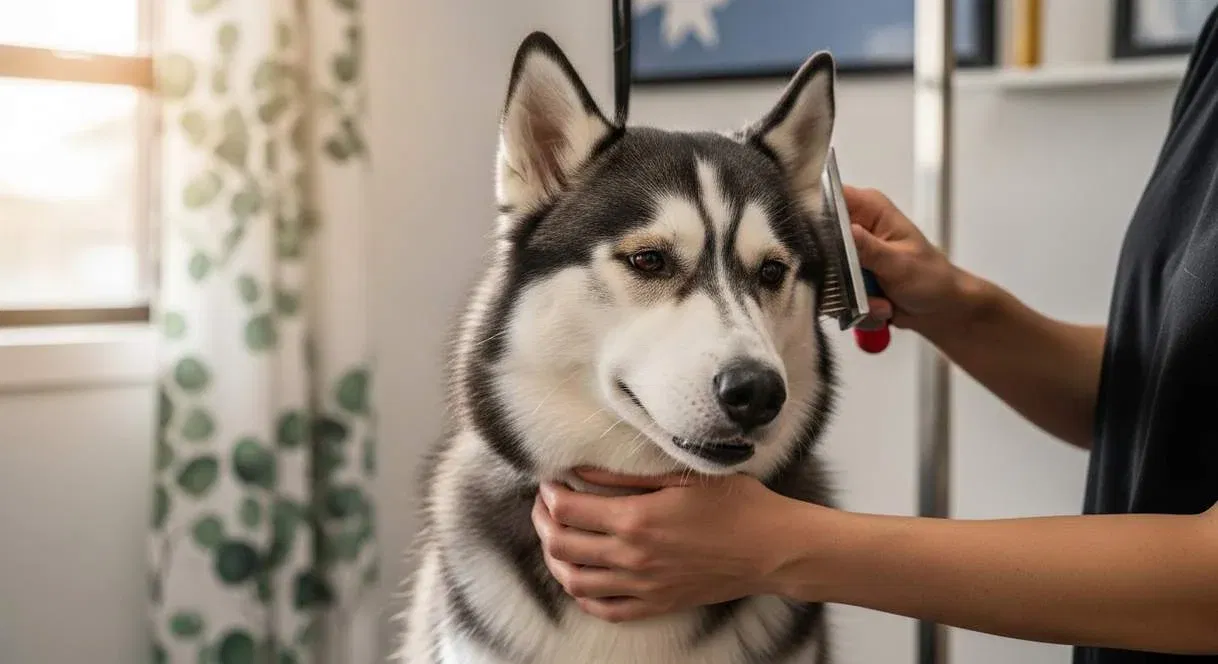
The Siberian Husky’s coat is a marvel of natural engineering. The dense double coat consists of a soft, thick undercoat that traps body heat and a straight topcoat of guard hairs that repels water and wind. This combination can withstand temperatures as low as −50 to −60°C. The coat is naturally waterproof, self-cleaning, and remarkably odour-free. Huskies groom themselves fastidiously and rarely need bathing — a few times per year is usually sufficient.
Do Siberian Huskies Shed?
Yes. Massively. The Siberian Husky is one of the heaviest-shedding breeds in existence. They shed moderately year-round and then “blow” their entire undercoat twice a year (spring and autumn) in a process that can last 3–6 weeks per blow. During coat blow, you will remove garbage bags of soft undercoat daily. Every surface, every corner, every item of clothing will be covered. A high-quality deshedding tool (undercoat rake), a powerful vacuum cleaner, and a serene acceptance of fur as a permanent lifestyle feature are essential Husky accessories.
Are Siberian Huskies Hypoallergenic?
Absolutely not. The Siberian Husky is one of the worst possible breeds for allergy sufferers. Dense double coat, extreme shedding, standard dander production.
NEVER Shave a Siberian Husky
This is critically important, especially in Australia. The Husky’s double coat provides insulation against BOTH cold AND heat. Shaving does not cool them down — it removes the coat’s natural temperature regulation, exposes the skin to sunburn and UV damage, and the coat may never grow back correctly (the undercoat may grow faster than the guard hairs, creating a matted, woolly mess that actually traps more heat). In Australian summers, the coat helps protect the Husky from heat and sun. Manage heat through shade, cool water, air conditioning, and exercising in early morning or late evening — never by shaving.
The “Wooly” Coat
Some Siberian Huskies carry a recessive gene that produces an excessively long, soft coat known as a “wooly” or “woolie” coat. While visually attractive, this is considered a fault by the breed standard because the longer coat lacks the protective guard hairs of the standard coat, mats easily, retains snow and ice, and causes quicker overheating. Wooly-coated Huskies require significantly more grooming than standard-coated dogs.
Grooming Schedule
| Grooming Task | Frequency | Notes |
|---|---|---|
| Brushing | Weekly; daily during coat blow | Undercoat rake for coat blow; pin brush or slicker for routine; work through all layers systematically |
| Bathing | 2–4 times per year | Self-cleaning coat rarely needs bathing; dog shampoo only; blow dry thoroughly after; avoid bathing during heavy shed (brush first) |
| Nail Trimming | Every 2–4 weeks | Active dogs may wear nails down naturally; start handling paws from puppyhood |
| Teeth Brushing | Several times weekly (daily ideal) | Dog-friendly toothpaste; professional cleans as recommended; dental disease prevention |
| Ear Cleaning | Weekly check | Erect ears less prone to infection; clean if waxy or dirty |
Exercise Needs
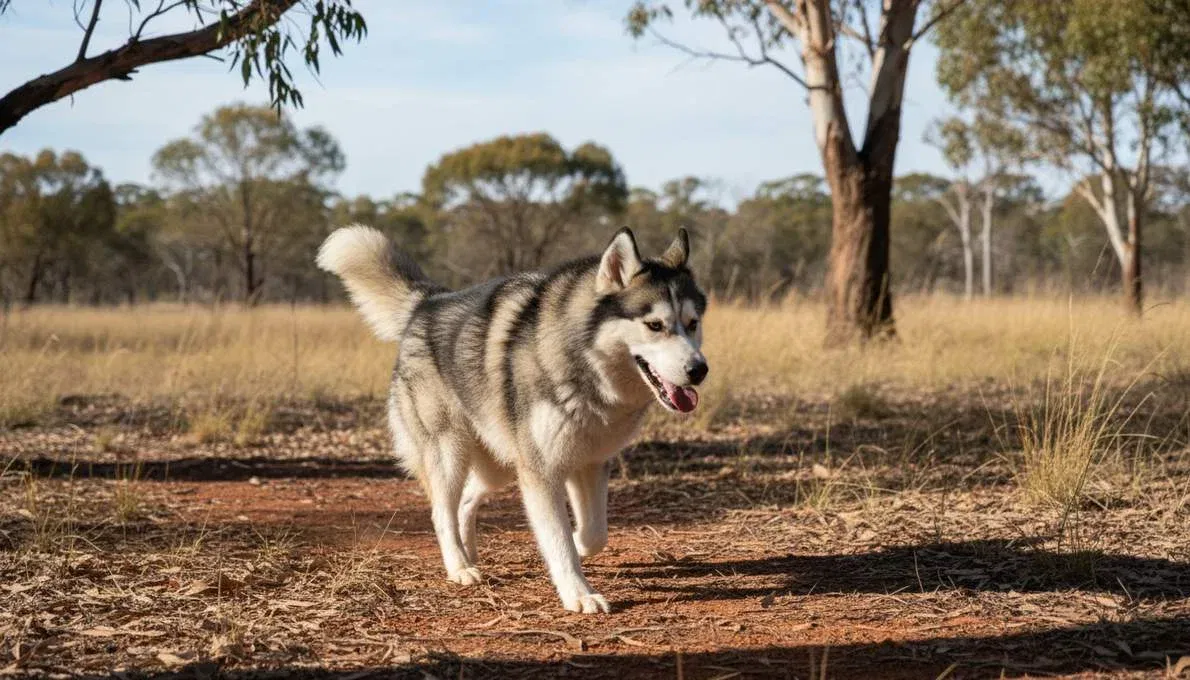
The Siberian Husky was bred to run long distances at moderate speeds in extreme conditions. Exercise is not optional — it is the single most critical management requirement for this breed. A Husky without adequate exercise will become destructive, vocal, anxious, and will find its own entertainment, which typically involves escaping, digging, chewing, or howling for hours. Minimum 1–2 hours of vigorous daily exercise is required, and many Huskies need more.
Ideal activities include long walks or runs (on-lead or in fully enclosed areas only), canicross (running with your dog attached by a waist belt), bikejoring or scootering (the dog pulls while you ride), sled dog sports (dryland mushing and on-snow events exist in Australia), hiking, and structured play. Mental stimulation through puzzle toys, scent work, and training games is equally important. A Husky with a “job” — whether that’s competitive sport or a challenging daily routine — is a happy Husky.
Exercise in Australian Heat
This is the biggest practical challenge of owning a Siberian Husky in Australia. The breed’s thick double coat makes them susceptible to overheating. Exercise must be restricted to early morning or late evening during warm months. Access to shade, cool water, air conditioning, and (many Huskies love this) a kiddie pool or clam shell filled with water are essential summer management tools. NEVER exercise a Husky in the heat of the day. Signs of overheating include excessive panting, drooling, lethargy, disorientation, and collapse — this is a veterinary emergency. Despite the heat concerns, many Huskies live long, happy lives across Australia with appropriate management.
Can Siberian Huskies Live in Apartments?
Generally, no. This breed needs a secure, high-fenced yard and significant daily exercise. Huskies are too energetic, too vocal (howling), too destructive when bored, and too athletic to be safely contained in most apartments. Exceptions exist for extremely dedicated owners who can provide multiple hours of daily exercise and mental stimulation, but for most people, a house with a secure yard is a minimum requirement. If you live in an apartment and want a Husky-like dog, consider the Alaskan Klee Kai.
How Fast Can a Siberian Husky Run?
Siberian Huskies can reach speeds of 45–50 km/h in short bursts, but their true strength is endurance. They were bred to maintain 15–30 km/h over distances of 80–160 km or more per day. This endurance capacity is why a simple walk around the block will not satisfy a Husky — they are built for sustained activity, not just a brief burst.
Training Guide
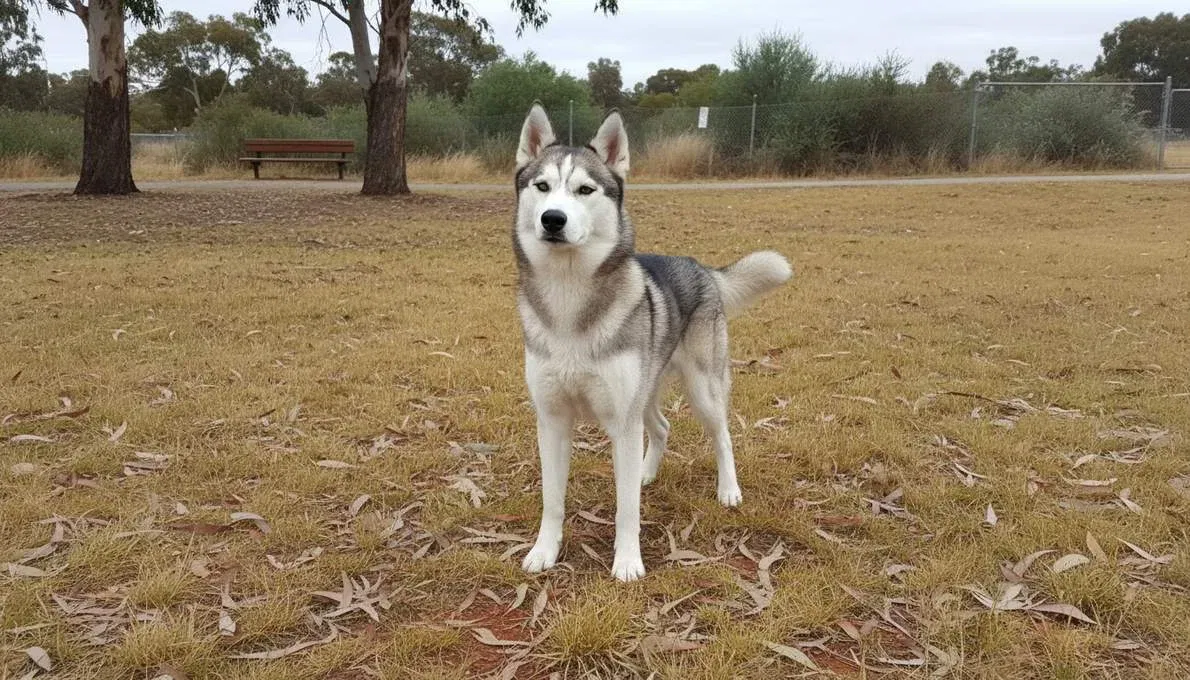
The Siberian Husky is intelligent but not easily trained. This distinction is important: a Husky understands what you’re asking, evaluates whether it aligns with its own priorities, and makes an independent decision. “Won’t” rather than “can’t” describes the Husky’s training dynamic. Positive reinforcement (food rewards, play, praise) is the only effective approach. Harsh corrections produce a Husky that shuts down, becomes fearful, or simply ignores you more thoroughly.
Consistency is essential. Every family member must enforce the same rules. If one person allows the Husky on the couch and another doesn’t, the Husky will exploit the inconsistency. Keep training sessions short and varied — Huskies get bored with repetition quickly. Many Husky owners find that the breed responds well to training that feels like a game rather than a drill.
Recall: The Husky’s Achilles Heel
Recall (coming when called) is the single most unreliable command for Siberian Huskies. Their combination of high prey drive, love of running, and independent decision-making means that a Husky off-lead in an unsecured area is at serious risk of bolting. No amount of training can fully override the breed’s instinct to chase and explore when something triggers its drive. Off-lead exercise must be in fully enclosed areas only. This is non-negotiable.
Training Difficulty
Training difficulty: 7 out of 10. Not recommended for first-time dog owners unless they are genuinely committed to research, training classes, and patience. The Husky’s independence, prey drive, escape artistry, and selective listening require an experienced, consistent, and creative handler. If you want an obedient dog, this is not your breed. If you enjoy a dog with personality and can accept imperfect compliance, the Husky’s intelligence and charm make training entertaining if sometimes exasperating.
Socialisation & Training Timeline
| Age | Training Focus |
|---|---|
| 8–16 weeks | Socialisation (people, dogs, cats, children, environments, sounds); crate training (essential for separation management); begin lead training (pulling is instinctive — redirect early); name recognition; basic handling (paws, ears, mouth for grooming); secure yard introduction |
| 4–12 months | Basic commands (sit, stay, come, leave it, drop); lead manners (use front-clip harness to manage pulling); continue socialisation; manage prey drive; redirect digging/chewing; introduce structured exercise; begin yard security assessment |
| 1–3 years | Manage adolescent boundary testing (peak escape attempts); reinforce recall in enclosed areas; mental stimulation (puzzle toys, scent work); consider dog sports (canicross, sled sports, agility); ongoing socialisation; never trust off-lead in unsecured areas |
Price & Costs
The Siberian Husky is a moderately priced breed to purchase in Australia, but ownership costs can be higher than expected due to the breed’s exercise requirements, containment needs (secure fencing), and potential health expenses. The breed’s popularity means puppies are more readily available than many other breeds, but quality varies enormously — purchasing from an ANKC-registered breeder with health-tested parents is essential.
Siberian Husky Price in Australia
ANKC-registered Siberian Husky puppies in Australia typically cost $2,000–$4,000 AUD from registered breeders. Show-quality puppies from champion bloodlines may be higher. Puppies should come with eye-tested parents, hip-scored parents, vaccinations, microchipping, and ANKC registration. Most pet puppies are sold on the Limited Register (not for breeding or showing). Unregistered Huskies from non-ANKC breeders can be found for $800–$1,700, but buyer beware — these dogs may lack health testing, proper socialisation, and breed-appropriate temperament.
Australian Breeders
Search Dogzonline.com.au for ANKC-registered Siberian Husky breeders by state. Key Australian breeders include Aeukanmanuva (NSW, Australia’s #1 Top Siberian Husky Breeder multiple years running, champion parents, eye-tested, Pro Plan ambassadors, comprehensive puppy packs), Taejaan (NSW/VIC partnership, home of the first Siberian to win Best in Show at Sydney Royal — “Wolf” — and Supreme Ch “Alec,” Australian male breed record holder for Specialty Challenge Certificates, Pro Plan ambassadors), Arcticpalace (VIC, 20+ years, Supreme/Grand Champions, eye-tested, hip-scored, proven longevity with dogs living to 14–16 years), Bluemooska (QLD, 35+ years — Australia’s longest-standing Siberian Husky breeder, multiple BIS/BISS winners, imported bloodlines, licensed ANKC All Breeds Judge and breed specialist, only accredited Dogs QLD Siberian Husky breeder), and Mikulov (NSW, Grand/Supreme Champions, USA/Canadian/South African imported bloodlines, titles in agility, flyball, endurance, weight pull, lure coursing — note: no longer breeding Huskies but an important historical kennel).
Also seek breeders in QLD (Husky Australia — registered with QLD government and Dogs QLD, focus on health and soundness), VIC (Schier kennel — 38 years experience, BIS winners all states), and SA (several sled dog sport-focused breeders). Breeders using Puppy Culture protocols and DNA testing full profiles are increasingly common.
Siberian Husky Rescue in Australia
The Siberian Husky is one of the most commonly surrendered purebred dogs in Australia, primarily because owners underestimate the exercise, containment, and management requirements. Breed-specific rescue groups operate in most states. Arctic Breed Rescue and Homes for Huskies are well-known organisations. Adoption fees typically range from $400–$800. Rescued Huskies may have existing behavioural issues (escape behaviour, separation anxiety, prey drive problems, under-socialisation) that require experienced management.
Annual Ongoing Costs:
| Expense | Annual Estimate (AUD) | Notes |
|---|---|---|
| Quality Dog Food | $800–$1,500 | Medium breed; quality diet; bred to be efficient on less food (don’t overfeed); raw or premium kibble |
| Veterinary Care (routine) | $300–$600 | Annual checks, vaccines, parasite prevention, annual eye exam, dental assessment |
| Pet Insurance | $500–$1,200 | Recommended; covers eye conditions, hip dysplasia, epilepsy, emergencies |
| Grooming | $100–$400 | Mostly home grooming; deshedding tools essential; occasional professional groom during coat blow |
| Containment / Fencing | $500–$3,000+ (initial) | High secure fencing minimum 1.8 m; dig-proof barriers; ongoing maintenance; one-off but significant |
| Training / Activities | $300–$1,000 | Puppy classes essential; ongoing training; dog sports (canicross, sled sports); enrichment toys |
| TOTAL (ongoing per year) | $2,500–$5,500 | Containment is major upfront cost; exercise/enrichment biggest ongoing time investment |
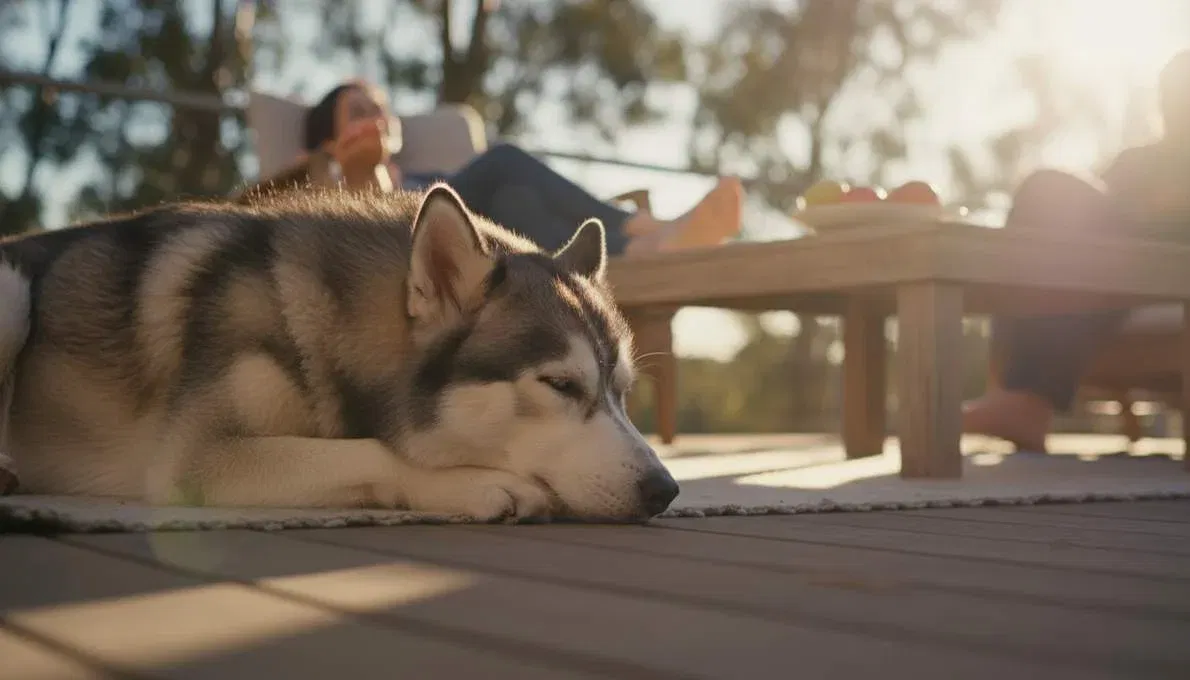
Is the Siberian Husky Right for You?
You are an active person or family who can provide 1–2+ hours of vigorous daily exercise. You have a house with a securely fenced yard (minimum 1.8 m fences, dig-proof). You enjoy a dog with personality, independence, and a sense of humour. You can tolerate extreme shedding, howling, and a dog that will never be perfectly obedient. You don’t need a guard dog. You have experience with dogs (or are genuinely committed to learning). You can manage exercise in heat (early morning/late evening, shade, water, air conditioning). You want a friendly, social, pack-oriented dog that is wonderful with children and other dogs.
You want an obedient dog that comes when called reliably — the Husky’s recall is never 100% trustworthy. You have cats, rabbits, or other small animals and cannot manage the prey drive risk. You live in an apartment without a secure yard. You work long hours and the dog will be alone for extended periods (Huskies develop separation anxiety and destructive behaviours). You want a guard dog. You can’t handle extreme shedding. You want a quiet dog (Huskies howl and “talk”). You live in a very hot climate without air conditioning and cannot manage heat appropriately. You are a sedentary household.
The most commonly searched comparison (7,100 search volume). Both are Arctic sled dogs with similar aesthetics, but they are fundamentally different. The Malamute is much larger — 58–71 cm (23–28 in) tall and 34–45 kg (75–100 lb) vs the Husky’s 51–60 cm and 16–27 kg. The Malamute was bred for heavy freight hauling (slow, powerful); the Husky for light loads at speed over distance (fast, endurance). The Malamute is generally calmer, more dominant, and stronger-willed; the Husky is more energetic, more social, and more playful. Both shed heavily, both are escape artists, neither is a guard dog. The Husky is more adaptable to Australian suburban life due to its smaller size and more manageable energy output. The Malamute requires significantly more space and handling experience.
The Siberian Husky is NOT a wolf, despite the resemblance. DNA studies confirm the breed is more closely related to wolves than most domestic dogs due to ancient Taimyr wolf admixture, but it is a fully domesticated breed with thousands of years of selective breeding for human compatibility. A Husky has no more wolf-like behaviour than its ancient genetics suggest. Wolf-dog hybrids are illegal in most Australian states and are dangerous, unpredictable animals — do not confuse the Husky’s appearance with wolf heritage.
There is no officially recognised miniature variety of the Siberian Husky. The term “mini Husky” typically refers to one of two things: the Alaskan Klee Kai, which is a separate breed developed in Alaska to be a smaller companion version of the Husky (recognised by some registries but not the ANKC); or undersized Siberian Huskies bred by selecting the smallest individuals, which may have health problems associated with breeding for extreme small size. “Teacup Husky” is a marketing term with no breed standard behind it. If you want a smaller Husky-like dog, research the Alaskan Klee Kai through reputable breeders.
The Siberian Husky comes in an extraordinary range of colours and patterns. All colours from black to pure white are permitted by the breed standard. Common colourings include black and white (the “classic” Husky look), grey and white, red/copper and white, sable and white, and pure white. The rare agouti colouring (each hair banded with alternating dark and light pigment, giving a wild, wolf-like appearance) is highly sought after. Brown Huskies (sometimes called “chocolate”) are less common but occur naturally. White markings on the chest, legs, face, and tail tip are standard. Striking facial masks, spectacles, and other markings are a hallmark of the breed. Merle is NOT a permitted colour and is associated with health issues and impure breeding.
One of the breed’s most famous features. Siberian Huskies can have brown eyes, blue eyes, one brown and one blue (complete heterochromia), or eyes that are part-brown and part-blue within the same eye (parti-coloured or sectoral heterochromia). All eye colours and combinations are accepted by the breed standard. Blue eyes are not linked to deafness in this breed (unlike merle-related blue eyes in other breeds). Blue-eyed Huskies are common and healthy.
Popular crosses searched in Australia include the Siberian Husky x German Shepherd (“Gerberian Shepsky” — the highest-volume cross at 4,010 searches), Siberian Husky x Pomeranian (“Pomsky” — 3,290 searches), Siberian Husky x Corgi (“Horgi” — 890 searches), Siberian Husky x Golden Retriever (“Goberian” — 1,900 searches), Siberian Husky x Labrador (“Huskador” — 2,180 searches), and Siberian Husky x Rottweiler. None are ANKC-registered breeds. Husky crosses will inherit some combination of the parent breeds’ traits — which may include the Husky’s prey drive, escape behaviour, shedding, and independence. Assess individual dogs carefully.
The Siberian Husky is a magnificent breed that demands respect, commitment, and honest self-assessment from any prospective owner.
- The Siberian Husky is a medium-sized (51–60 cm, 16–27 kg) ancient sled dog with a 9,500-year genetic lineage, developed by the Chukchi people of Siberia for endurance running and family companionship. It lives 12–15 years. It is friendly, outgoing, playful, wonderful with children, independent, stubborn, an escape artist, a heavy shedder, a howler, and completely useless as a guard dog. It has high prey drive and unreliable recall. It requires 1–2+ hours daily exercise, secure fencing (minimum 1.8 m, dig-proof), and heat management in Australian conditions. It is NOT recommended for apartments, sedentary households, or owners who need reliable obedience.
- Health is generally excellent — robust breed with long lifespan. Eye conditions (cataracts, PRA, glaucoma, corneal dystrophy) are the most important breed-specific concern — annual eye exams and breeding stock eye testing essential. Hip dysplasia, hypothyroidism, epilepsy, Von Willebrand’s disease, and zinc-responsive dermatosis also occur. Purchase from breeders who eye-test and hip-score all breeding stock.
- In Australia, ANKC-registered puppies cost $2,000–$4,000 from breeders including Aeukanmanuva (NSW, #1 breeder), Taejaan (NSW/VIC, first BIS Sydney Royal Siberian), Arcticpalace (VIC, 20+ years, dogs living to 16+), Bluemooska (QLD, 35+ years, Australia’s longest-standing breeder), and others via Dogzonline.com.au. Rescue is common through Arctic Breed Rescue and Homes for Huskies ($400–$800). Ongoing costs $2,500–$5,500/year. Secure fencing is a significant upfront investment. If you have the space, the energy, the secure yard, and the sense of humour to live with a dog that will love you deeply but on its own terms, the Siberian Husky is one of the great breeds.
Frequently Asked Questions
How much does a Siberian Husky cost in Australia?
ANKC-registered Siberian Husky puppies in Australia typically cost $2,000–$4,000 AUD from registered breeders. Show-quality puppies from champion bloodlines may be higher. Puppies should come with eye-tested parents, hip-scored parents, vaccinations, microchipping, and ANKC registration. Most pet puppies are sold on the Limited Register (not for breeding or showing). Unregistered Huskies from non-ANKC breeders can be found for $800–$1,700, but buyer beware — these dogs may lack health testing, proper socialisation, and breed-appropriate temperament.
How long do Siberian Huskies live?
The Siberian Husky has a lifespan of 12 to 15 years, which is excellent for a medium-sized breed. Well-cared-for Huskies commonly reach 14–16 years, with some Australian breeders reporting dogs living to 16 and beyond — Arcticpalace’s “Duchess” reached 16 years, 1 month and 26 days. The breed’s longevity reflects its robust genetic heritage, developed over millennia under extreme conditions that naturally selected for health and resilience.
Do Siberian Huskies shed a lot?
Yes. Massively. The Siberian Husky is one of the heaviest-shedding breeds in existence. They shed moderately year-round and then “blow” their entire undercoat twice a year (spring and autumn) in a process that can last 3–6 weeks per blow. During coat blow, you will remove garbage bags of soft undercoat daily. Every surface, every corner, every item of clothing will be covered. A high-quality deshedding tool (undercoat rake), a powerful vacuum cleaner, and a serene acceptance of fur as a permanent lifestyle feature are essential Husky accessories.
Do Siberian Huskies bark?
Siberian Huskies are not big barkers, but they are extremely vocal. They howl, “woo,” chirp, and “talk” — the Husky “conversation” is distinctive and constant. They howl to communicate with other dogs, to express excitement, boredom, or loneliness, and sometimes just for the joy of it. If you want a quiet dog, this is not your breed.
Are Siberian Huskies good with kids?
Excellent. The Siberian Husky was developed by the Chukchi people to sleep with children for warmth, and this gentle, playful nature is deeply embedded. They are wonderful with children — patient, tolerant, and affectionate. Supervision is always recommended with young children due to the Husky’s size and energy, but the breed is one of the best family dogs for active households.
Can Siberian Huskies live in hot climates like Australia?
Yes, with careful management. The breed’s thick double coat makes them susceptible to overheating, so exercise must be restricted to early morning or late evening during warm months. Access to shade, cool water, air conditioning, and a kiddie pool are essential summer management tools. NEVER exercise a Husky in the heat of the day. Despite the heat concerns, many Huskies live long, happy lives across Australia with appropriate management.
Are Siberian Huskies good guard dogs?
Absolutely not. The Siberian Husky is one of the worst guard dogs in existence. They are friendly, outgoing, and love people — including strangers. A Husky is more likely to show a burglar where the treats are kept than to defend your property. If you need a protective dog, look elsewhere.
Is a Siberian Husky the same as an Alaskan Malamute?
No. Both are Arctic sled dogs with similar aesthetics, but they are fundamentally different. The Malamute is much larger (58–71 cm, 34–45 kg) and was bred for heavy freight hauling (slow, powerful). The Husky is smaller (51–60 cm, 16–27 kg) and was bred for light loads at speed over distance (fast, endurance). The Malamute is generally calmer and more dominant; the Husky is more energetic and social.
Is there a miniature Siberian Husky?
There is no officially recognised miniature variety of the Siberian Husky. The term “mini Husky” typically refers to the Alaskan Klee Kai (a separate breed) or undersized Siberian Huskies bred by selecting the smallest individuals, which may have health problems. “Teacup Husky” is a marketing term with no breed standard behind it. If you want a smaller Husky-like dog, research the Alaskan Klee Kai through reputable breeders.
The Siberian Husky Howl
The Husky howl is legendary. It’s a long, melodious vocalisation used for communication — to locate pack members, express excitement, or respond to sirens or other high-pitched sounds. Huskies often howl in chorus with other dogs. It’s not a sign of distress; it’s a natural behaviour. If you have close neighbours, consider how they’ll feel about regular howling sessions.
Are Siberian Huskies Aggressive?
Siberian Huskies are not typically aggressive toward people. They are one of the friendliest breeds. However, they can be dog-selective or have same-sex aggression issues, especially intact males. They also have a high prey drive, which is not aggression but a strong instinct to chase small animals. Proper socialisation and training are essential to manage these instincts.
Are Siberian Huskies Good Guard Dogs?
Repeated for emphasis: No. They are terrible guard dogs. They are more likely to greet an intruder with a wagging tail and a request for belly rubs than to show any protective behaviour. If security is a priority, this is not your breed.
Where can I find Siberian Husky breeders in Australia?
Search Dogzonline.com.au for ANKC-registered Siberian Husky breeders by state. Key Australian breeders include Aeukanmanuva (NSW), Taejaan (NSW/VIC), Arcticpalace (VIC), Bluemooska (QLD), and others. Always choose a breeder who health-tests all breeding stock (eye exams, hip scoring) and raises puppies in a home environment with proper socialisation.
1. PetMD — Siberian Husky Dog Breed Health and Care — https://www.petmd.com/dog/breeds/siberian-husky
2. Wikipedia — Siberian Husky — https://en.wikipedia.org/wiki/Siberian_Husky
3. AKC — Siberian Husky Dog Breed Information — https://www.akc.org/dog-breeds/siberian-husky/
4. Britannica — Siberian Husky — https://www.britannica.com/animal/Siberian-husky
5. Dogzonline.com.au — Siberian Husky Breeders in Australia — https://www.dogzonline.com.au/breeds/breeders/siberian-husky.asp
6. Hill’s Pet — Siberian Husky Dog Breed — https://www.hillspet.com/dog-care/dog-breeds/siberian-husky
7. PDSA — Siberian Husky Breed Guide — https://www.pdsa.org.uk/pet-help-and-advice/looking-after-your-pet/puppies-dogs/large-dogs/siberian-husky
8. Pawlicy Advisor — Siberian Husky Breed Guide — https://www.pawlicy.com/blog/siberian-husky-dog-breed/