
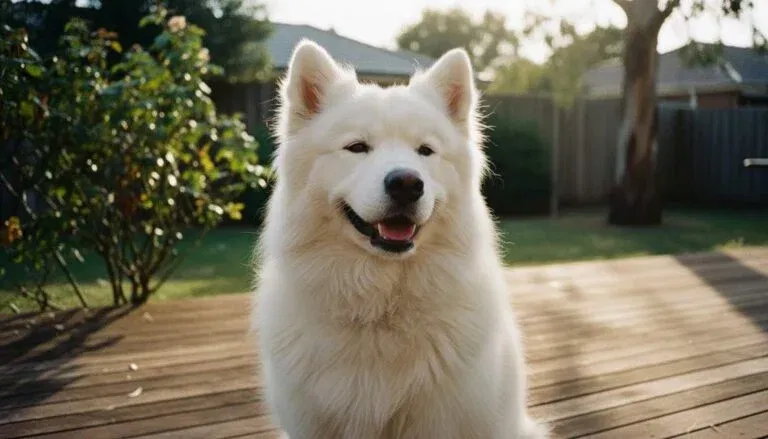
The Samoyed looks like someone took a cloud, gave it legs, and taught it to smile. That bright white coat, those dark almond eyes, and that permanently upturned mouth — the famous “Sammy smile” — have turned this Siberian working dog into one of the most photographed and adored breeds on the planet. Open any social media platform, and somewhere a Samoyed is being bathed, blow-dried, or simply existing in a way that makes people audibly gasp.
But behind that Instagram-ready exterior lives a dog that was built for hauling sleds through sub-zero blizzards, herding reindeer across the Siberian tundra, and sleeping beside nomadic children to keep them alive through Arctic winters. The Samoyed is not a decorative accessory. It’s a 20–30 kg working dog with enormous energy, a thick double coat that sheds constantly (and spectacularly twice a year), a voice it loves to use, and an absolute intolerance for being left alone.
In Australia, that Arctic heritage creates some unique challenges — particularly around heat management, grooming commitment, and finding a breeder who health-tests their dogs properly. This guide covers everything you need to know: temperament, health, the true cost of ownership, Australian breeders, the grooming reality, and whether this magnificent fluffy cloud of a dog actually belongs in your life.
What You’ll Learn
- Breed traits & temperament
- Health concerns to know
- True cost in Australia
- Training & exercise needs
- Is this breed right for you?
Quick Facts at a Glance
| Attribute | Details |
|---|---|
| Breed Group | Utility / Working (ANKC Group 6) |
| Origin | Siberia, Russia (Samoyedic peoples) |
| Also Known As | Sammie, Sammy, Smiling Sammie |
| Height (Male) | 53–60 cm (21–23.5 inches) |
| Height (Female) | 48–53 cm (19–21 inches) |
| Weight (Male) | 20–30 kg (44–66 lb) |
| Weight (Female) | 16–21 kg (35–46 lb) |
| Lifespan | 12–14 years (some reach 15–16) |
| Coat | Dense, thick double coat — long straight outer coat with soft woolly undercoat |
| Colours | White, cream, biscuit, or white & biscuit (no other colours) |
| Shedding | EXTREME — heavy year-round with massive seasonal coat blows 1–2 times yearly |
| Temperament | Friendly, gentle, social, playful, vocal, loyal, sometimes stubborn |
| Exercise Needs | High — 1.5–2 hours daily of physical activity plus mental stimulation |
| Good with Kids | Excellent — one of the best family breeds (may herd small children) |
| Heat Tolerance | LOW — bred for sub-zero conditions; requires careful heat management in Australia |
| Puppy Price (AUD) | $3,500–$7,000+ from registered ANKC breeders |
History & Origins
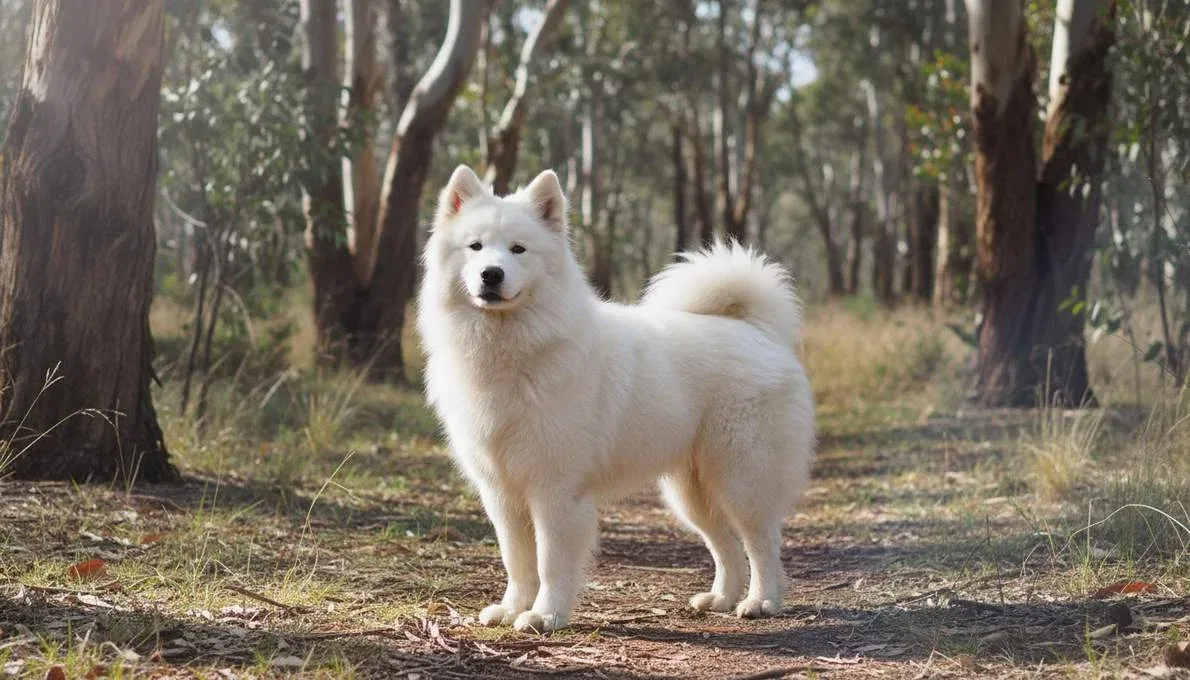
The Samoyed takes its name from the Samoyedic peoples of Siberia — nomadic reindeer herders who developed these dogs over hundreds of years in one of the most extreme environments on earth. In the town of Oymyakon, where temperatures plunge to minus 60°C, Samoyeds hauled sleds, herded and guarded reindeer, hunted, and — crucially — slept alongside the children to keep them warm through the Arctic night. This is the origin of the Samoyed’s extraordinary bond with humans: survival literally depended on it.
Unlike Huskies and Malamutes, which were primarily sled dogs, the Samoyed was a genuine all-rounder. They herded, pulled, guarded, and companioned — and because they lived so intimately with families, they were selectively bred for temperament as well as function. Aggression was never tolerated. The result is a dog genetically predisposed to adore people.
British explorers brought the first Samoyeds to England in the late 1800s. Queen Alexandra became a prominent enthusiast and breeder, and many modern pedigrees trace back to her dogs. The breed reached America in the early 1900s and was registered by the AKC in 1906.
In Australia, the Samoyed has a dedicated following with breed clubs in most states, including the Samoyed Club of Victoria and the NSW Samoyed Club. ANKC-registered breeders like Kalaska (50+ years, 100+ Australian Champions) have been instrumental in establishing strong, health-tested breeding lines. The breed remains moderately popular in Australia, though the grooming commitment and heat sensitivity mean it’s not as widespread as some other working breeds.
Temperament & Personality
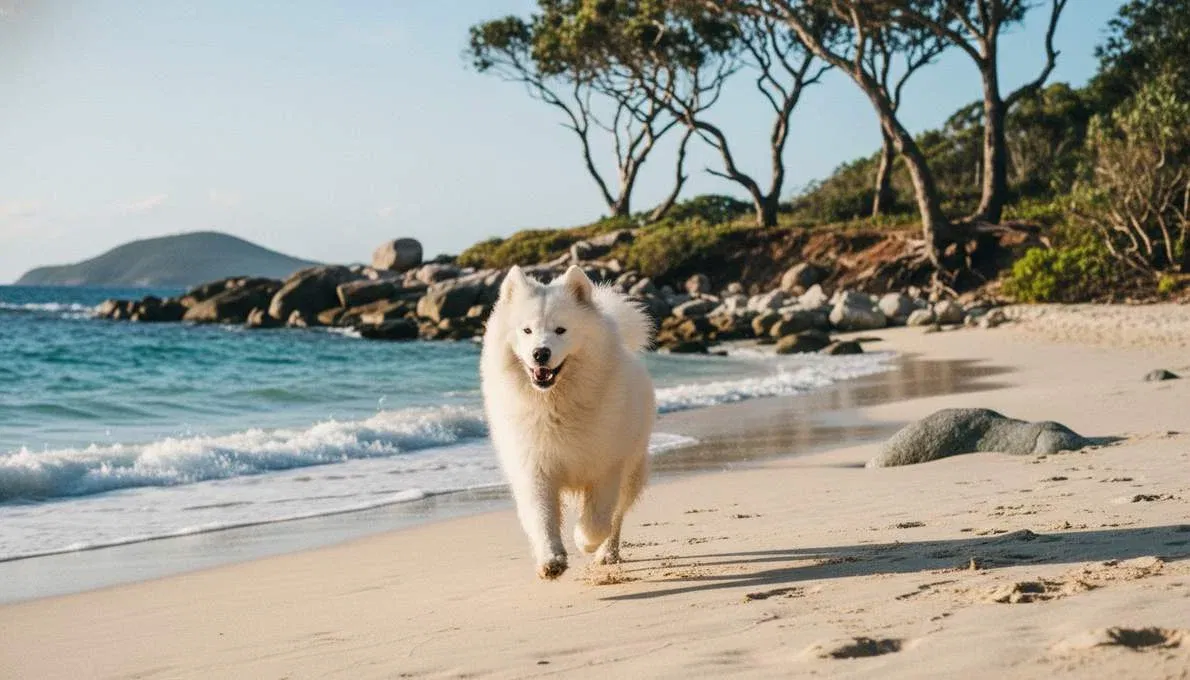
The Samoyed temperament is one of its greatest selling points — and simultaneously the thing that catches unprepared owners off-guard. They are extraordinarily friendly, disarmingly social, and genuinely happy dogs. The “Sammy smile” isn’t just cosmetic; it reflects a breed that was specifically developed to enjoy being around people.
They’re gentle with children, patient with handling, enthusiastic about visitors, and generally welcoming of strangers. In fact, they’re so friendly that they make terrible guard dogs — a Samoyed is more likely to greet a burglar with a wagging tail and a toy offering than any kind of defensive behaviour.
But there’s a flip side. Samoyeds are pack animals to their core, and they do not cope well with being left alone. A Samoyed left home alone for extended hours will become anxious, vocal, and destructive. They can dig through fences, chew through doors, and bark relentlessly. These are not spiteful behaviours — they’re the desperate responses of a dog whose deepest genetic programming says it should never be separated from its family.
They’re also intelligent and independent, which makes training a blend of delight and frustration. They’ll learn quickly, then decide whether the command is worth following right now. This spitz-breed independence is charming in small doses and maddening during obedience class.
No. The Samoyed is one of the least aggressive dog breeds. They were bred to live closely with families, including children, and aggression was actively selected against for centuries. While individual dogs can show reactivity without proper socialisation (particularly toward unfamiliar dogs), the breed standard temperament is gentle, friendly, and non-confrontational.
Not really. They’ll bark to alert you — Samoyeds are actually quite vocal — but their universal friendliness means they’re unlikely to deter anyone. They’re watchdogs (they’ll notice and announce visitors) rather than guard dogs (they won’t intimidate or protect).
Yes. Samoyeds are a vocal breed. They bark, yip, howl, and “talk.” Some owners find this endearing; neighbours may disagree. Barking can be managed with training and adequate stimulation, but if you want a quiet breed, the Samoyed is not it. This is worth considering seriously if you live in an apartment or have noise-sensitive neighbours.
Both are Siberian working breeds with thick double coats, but temperamentally they’re quite different. Samoyeds are generally friendlier, more people-focused, and gentler — they were companion dogs as well as workers. Huskies tend to be more independent, higher-energy, more prone to escape attempts, and make distinctive howling vocalisations rather than barking. Samoyeds shed more and have higher grooming needs. Both are poor choices for hot climates, both need substantial exercise, and neither is reliably off-lead.
The Japanese Spitz is essentially a Samoyed in miniature — white, fluffy, smiling, and friendly, but weighing only 5–10 kg compared to the Samoyed’s 16–30 kg. Japanese Spitz are easier to groom, better suited to apartments, and more manageable for first-time owners. If you love the Samoyed look but aren’t ready for the size, exercise demands, and extreme shedding, the Japanese Spitz is worth considering.
Health & Genetic Conditions
The Samoyed is a generally healthy breed with good longevity for its size. However, there are several breed-specific health conditions that responsible owners and breeders must be aware of. Reputable ANKC breeders in Australia health-test their breeding stock for hips, eyes, and other conditions before breeding.
Prevalence: SHG is the most serious breed-specific inherited disease in Samoyeds — an X-linked recessive kidney disorder caused by a mutation in the COL4A5 gene, the same gene responsible for Alport’s syndrome in humans. [Wikipedia – Samoyed] Males are severely affected, developing progressive kidney failure from around 3 months of age; females who carry one copy of the mutation develop mild symptoms but generally do not progress to full kidney failure. There is no cure, but a DNA test is available, and responsible breeders test all breeding females before pairing.
Symptoms: Affected male puppies appear healthy for the first three months of life before protein begins leaking into the urine as the kidney’s filtration membrane degrades. Weight loss, increased thirst and urination, poor coat condition, lethargy, and vomiting follow as kidney function declines. Without management, affected males typically reach end-stage renal failure before two years of age.
Treatment Cost (AUD): No cure exists. Supportive care — protein-restricted kidney diets and medications to slow progression — costs $500–$2,000+/year. [petinsurance.com.au] DNA testing of breeding females costs around $100–$150 per dog and entirely prevents affected male puppies from being produced when used correctly.
Prevention: Ask your breeder for SHG DNA test results for the dam (mother) confirming she is clear before committing to a puppy. No reputable Samoyed breeder should be unable to provide this. Breeding from clear females eliminates any risk of affected offspring.
Prevalence: PRA in Samoyeds is caused by a frameshift mutation in the RPGR locus of the X chromosome — the same genetic form seen in X-linked PRA type 3 in humans — and is one of the most well-documented inherited eye conditions in the breed. [Wikipedia – Samoyed] First symptoms typically appear between 2 and 5 years of age. A DNA test is available, and responsible breeders test all breeding stock before pairing.
Symptoms: Night blindness is the earliest and most reliable sign — a Samoyed that hesitates in low light, is reluctant to go outside after dark, or bumps into furniture in dim conditions. Vision loss progresses gradually over months to years until complete blindness develops. The condition is painless and most dogs adapt well, but early detection allows owners to plan.
Treatment Cost (AUD): No treatment or cure exists. CAER eye examination costs $150–$300 per visit. [OFA – CAER] DNA testing of breeding dogs prevents the production of affected puppies entirely when carrier-to-carrier pairings are avoided.
Prevention: Ask your breeder for PRA DNA test clearance certificates on both parents. Annual CAER eye examinations from 2 years of age allow early detection even in dogs from tested lines. Dogs confirmed affected should not be bred.
Prevalence: Samoyeds have a documented higher rate of pulmonic stenosis compared to most other breeds, and aortic stenosis is also a recognised congenital heart condition in the breed. [Wikipedia – Samoyed] Both conditions involve a narrowing of a major heart valve that forces the heart to work harder than it should — ranging from a mild incidental finding to a life-threatening progressive disease. Atrial septal defect (a hole between the heart’s upper chambers that fails to close after birth) is additionally reported in Samoyeds.
Symptoms: Mild cases are often detected as a heart murmur during a routine vet check, with no signs visible to the owner at home. More significant disease presents as reduced exercise tolerance, breathlessness, fainting during or after activity, and in severe cases sudden collapse. Annual cardiac auscultation gives the best chance of catching a developing murmur early.
Treatment Cost (AUD): Specialist echocardiogram to grade the severity costs $400–$900. [petinsurance.com.au] Mild cases may need no treatment; moderate to severe cases require ongoing cardiac medication ($500–$2,000/year) or catheter-based intervention for pulmonic stenosis.
Prevention: Ask your breeder for OFA cardiac clearance on both parents, ideally performed by a board-certified veterinary cardiologist. Annual cardiac checks from 2–3 years of age allow any developing valve abnormality to be caught and monitored before clinical signs appear.
Prevalence: Hip dysplasia is a recognised concern in Samoyeds, with the breed’s medium-to-large build and active working heritage placing ongoing demands on joint health. [OFA – hip dysplasia] Both hip and elbow dysplasia should be screened via OFA or PennHIP evaluation before any dog is used for breeding. Environmental factors — including overfeeding and excessive high-impact exercise during the growth phase — can worsen the outcome even in genetically predisposed dogs.
Symptoms: Stiffness or reluctance to exercise after rest, difficulty rising, a swaying hindquarter gait, and progressive loss of hindlimb muscle mass are the hallmark signs. Dogs can begin showing symptoms as young as 4–6 months or not until middle age as arthritis develops in the affected joint.
Treatment Cost (AUD): Mild cases managed with joint supplements, physiotherapy, hydrotherapy, and weight control cost $500–$2,000/year. Surgical correction for severe cases runs $3,500–$8,000+ per hip. [petinsurance.com.au]
Prevention: Always ask for OFA or PennHIP hip and elbow clearance on both parents. Avoid overfeeding Samoyed puppies — keeping growth steady rather than rapid is the single most impactful environmental factor in reducing the risk of dysplasia developing.
Prevalence: Samoyeds are more predisposed to diabetes mellitus than most other breeds — the condition typically develops in middle-aged dogs with a mean age of diagnosis of around 7 years, caused by chronic pancreatic inflammation and/or autoimmune destruction of the insulin-producing beta cells. [Wikipedia – Samoyed] Unlike many forms of canine diabetes, the Samoyed version closely resembles human Type 1 diabetes, and autoantibodies to insulin have been found in affected dogs. With appropriate management, affected dogs can maintain a good quality of life.
Symptoms: Increased thirst, increased urination, increased appetite alongside unexplained weight loss, lethargy, recurrent infections, and a dull or poor coat are the characteristic signs. In a breed known for being lean and active, any unexplained weight change in a middle-aged Samoyed is worth investigating.
Treatment Cost (AUD): Daily insulin injections are required for life, costing $100–$300/month depending on dose and insulin type. [petinsurance.com.au] Regular glucose monitoring, dietary management, and periodic vet checks add to the ongoing cost. Early diagnosis before complications develop gives the best long-term outcome.
Prevention: No guaranteed prevention exists. Maintaining a healthy weight and avoiding obesity significantly reduces the risk and severity of diabetes in all breeds. Annual wellness blood panels from 5 years of age can detect early changes in glucose regulation before clinical signs develop.
Prevalence: Familial enamel hypoplasia (FEH) — also known as autosomal recessive amelogenesis imperfecta — is a hereditary tooth enamel disorder specific to Samoyeds, typically first noticed when the permanent teeth come in at around 6 months of age. [A-Z Animals – Samoyed] The permanent teeth erupt apparently normal but lack an outer enamel layer entirely, leaving them vulnerable to rapid wear, staining, bacterial infection, dental caries, and early tooth loss. It is a recessive genetic condition, meaning both parents must carry the gene for a puppy to be affected.
Symptoms: Discoloured (yellow-brown) permanent teeth, unusually sensitive teeth, bad breath, rapid tartar accumulation, gum recession, and visible wearing down of tooth surfaces in a young dog are the key signs. The condition often progresses to pulp exposure and painful tooth root infection without active dental management.
Treatment Cost (AUD): Professional dental cleaning under anaesthetic costs $400–$900 per session and is needed more frequently in affected dogs. [petinsurance.com.au] Enamel bonding treatment can help protect affected teeth but is not curative. Extractions add $100–$300 per tooth as the disease progresses.
Prevention: Ask your breeder whether FEH has appeared in their lines and whether DNA testing for the condition is available — testing is increasingly offered by specialist canine genetics labs. Daily tooth brushing from puppyhood is the single most effective way to slow plaque accumulation and protect what enamel is present in affected dogs.
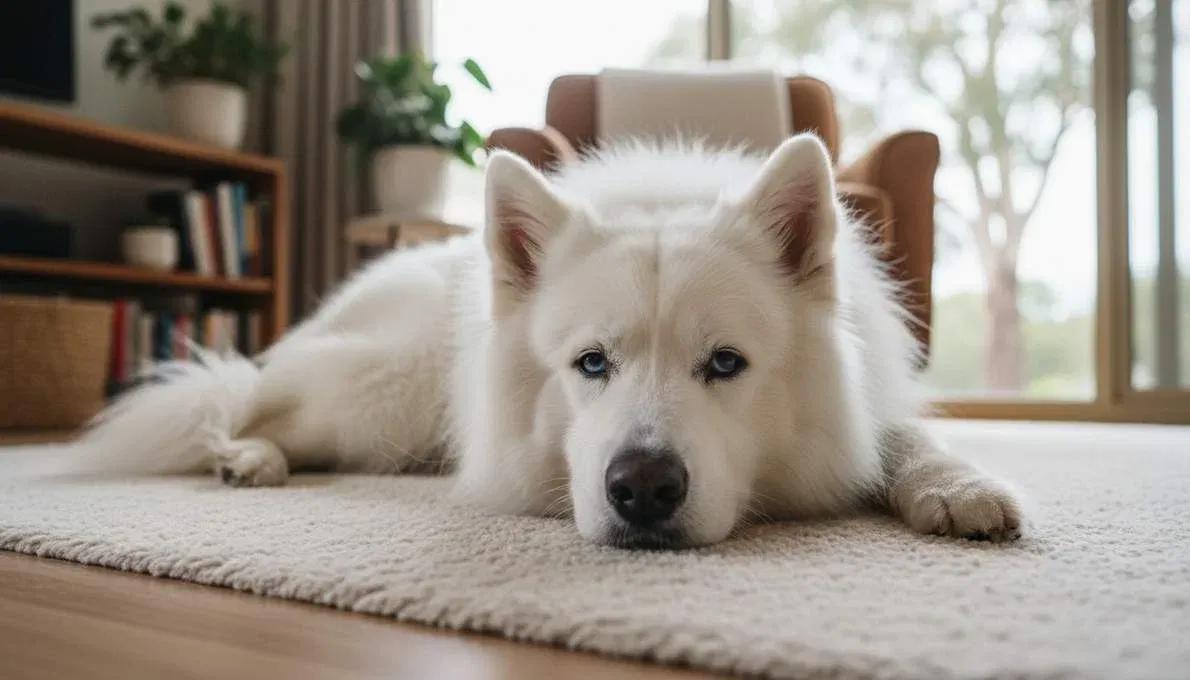
Lifespan & Longevity
The Samoyed has a lifespan of 12 to 14 years, with well-cared-for individuals sometimes reaching 15 or even 16 years. This is excellent for a medium-sized working breed and one of the Samoyed’s genuine advantages.
The main threats to longevity are cancer, cardiac disease, kidney disease (particularly SHG in affected lines), and diabetes. Heat-related illness is also a concern for Australian Samoyeds. Maintaining a healthy weight, providing regular exercise, keeping up with dental care, and sourcing from health-tested breeding lines all contribute to a longer life.
Life Stage Table
| Life Stage | Key Focus Areas |
|---|---|
| Puppy (0–12 months) | Socialisation (essential for this social breed); puppy school; controlled exercise (protect growing joints); establish grooming routine early; multiple small meals; begin dental care |
| Adolescent (1–2 years) | Increase exercise gradually; continue training through “spitz stubbornness” phase; regular grooming becomes critical as adult coat comes in; first major coat blow around 12–18 months |
| Adult (2–10 years) | 1.5–2 hours daily exercise; regular grooming; annual vet checks including eyes, hips, thyroid; dental care; weight management (prevent obesity); heat management in Australian summers |
| Senior (10+ years) | Twice-yearly vet visits; cardiac and kidney monitoring; joint supplements; adjust exercise to ability; maintain grooming; watch for lumps, vision changes, increased thirst |
Grooming & Coat Care
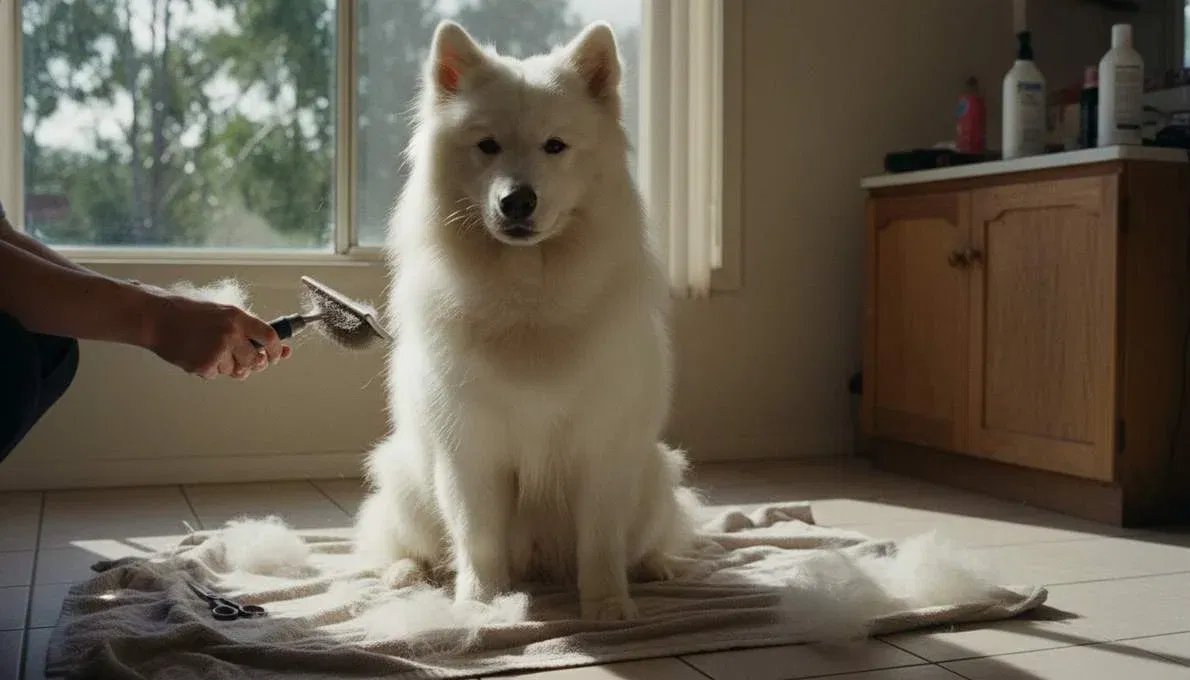
This is the section that matters most. If you’re considering a Samoyed, the grooming commitment is not something you can negotiate with, shortcut, or ignore. The Samoyed has one of the most demanding coats of any dog breed, and if you’re not prepared for it, both you and the dog will suffer.
The Samoyed coat is a thick double layer: a long, straight outer coat of harsh guard hairs, and a dense, soft, woolly undercoat that insulates against both cold and heat. They shed moderately year-round — you will find white hair on every surface of your home, your car, your clothes, and your food — and then once or twice a year they “blow” their undercoat, which is a phenomenon that must be experienced to be believed. During a coat blow, handfuls of fur come out at every touch. It can take 2–3 weeks, and without daily (sometimes twice-daily) brushing, the coat mats badly.
Do Samoyeds Shed?
Yes. Enormously. Constantly. The Samoyed is one of the heaviest-shedding breeds. If dog hair on your furniture, clothes, food, and in your lungs is unacceptable to you, this is not your breed. Many Samoyed owners invest in high-quality robot vacuums and lint rollers by the caseload. Samoyed fur can actually be spun into yarn and knitted — many owners do exactly this.
Are Samoyeds Hypoallergenic?
No. Despite what some internet sources claim, Samoyeds are absolutely not hypoallergenic. They shed heavily, produce dander, and their thick coat traps saliva proteins. While some allergy sufferers report fewer reactions to Samoyeds than to other breeds (possibly due to lower levels of the Can f 1 allergen), the breed should never be marketed as hypoallergenic. If you have allergies, spend significant time with adult Samoyeds before committing.
Never Shave a Samoyed
This is critical: never shave or clip a Samoyed’s coat. The double coat insulates against both cold and heat. Shaving removes the insulating layer and can cause sunburn, heatstroke, and permanent coat damage — the coat may never grow back correctly. If a groomer suggests shaving your Samoyed for summer, find another groomer immediately.
Grooming Schedule
| Grooming Task | Frequency | Notes |
|---|---|---|
| Full Brushing | 2–3 times weekly (minimum) | Daily during coat blows; slicker brush and metal comb; undercoat rake for seasonal shedding |
| Bathing | Every 4–8 weeks | Must be thoroughly dried (blow-dryer on low) — trapped moisture causes skin infections |
| Coat Blow Management | Daily for 2–3 weeks (1–2x yearly) | De-shedding brush essential; warm bath loosens undercoat; expect extraordinary fur volume |
| Professional Grooming | Every 6–8 weeks (optional) | $80–$150+ per session; not all groomers are experienced with double-coated breeds |
| Nail Trimming | Every 2–3 weeks | White nails are easier to trim (visible quick) |
| Teeth Brushing | Daily (ideal) or several times weekly | Start from puppyhood; dental disease is a concern in the breed |
| Ear Cleaning | Weekly | Check for redness, odour, debris |
Exercise Needs
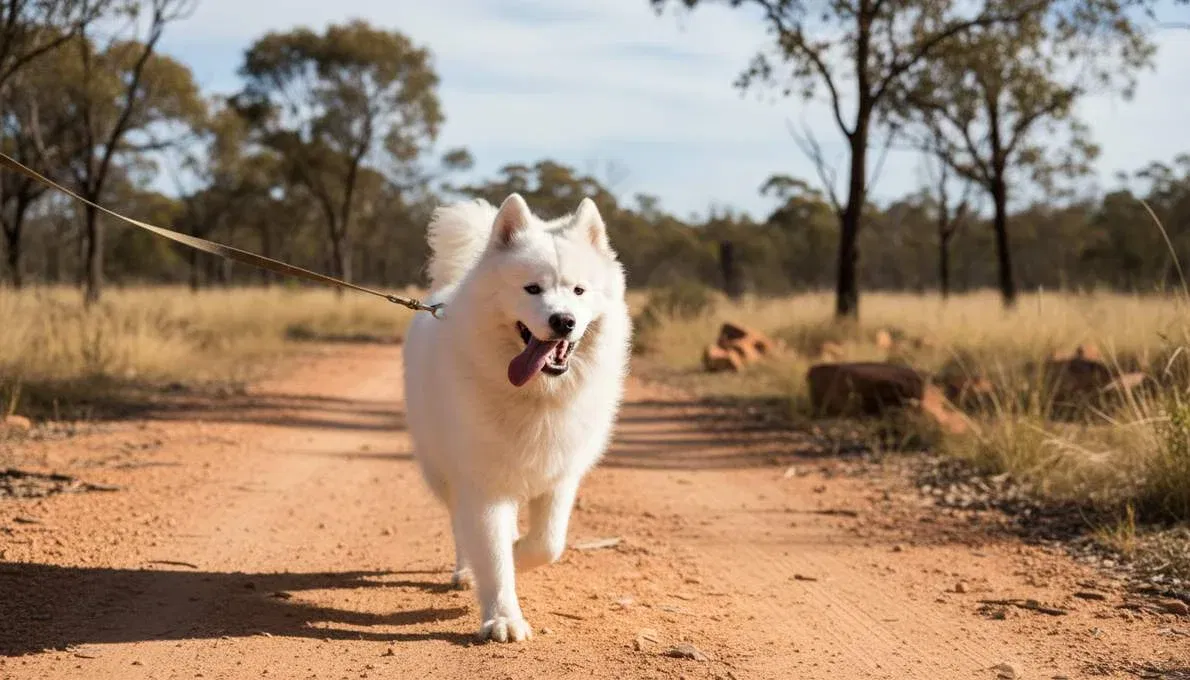
The Samoyed is an active working breed that needs 1.5 to 2 hours of daily exercise. This can be split across multiple sessions: walks, runs, play, training, and mental stimulation all count. Without adequate exercise, Samoyeds become bored, vocal, and destructive — they’ll dig, chew, bark, and redecorate your garden.
They love pulling activities (their sled-dog heritage), agility, hiking, and interactive play. Many Australian Samoyeds participate in sledding on wheels, canicross (cross-country running with your dog), and rally obedience. They also benefit enormously from mental enrichment: puzzle toys, scent work, and trick training help tire out their active brains.
The Australian Heat Problem
This is the elephant in the room for Australian Samoyed owners. The breed was developed for temperatures that can reach minus 60°C. Australian summers regularly exceed 35°C. While the Samoyed’s double coat does provide some heat insulation (which is why you should never shave it), they are still fundamentally a cold-climate breed and are highly susceptible to heatstroke.
Australian Samoyed owners must exercise their dogs in the early morning or late evening during summer, provide access to air conditioning or cool indoor spaces during the heat of the day, ensure constant access to fresh water and shade, and monitor closely for signs of overheating (excessive panting, drooling, lethargy, vomiting). Samoyeds in tropical or subtropical parts of Australia (Queensland, Northern Territory, northern NSW) face particularly challenging conditions.
Can Samoyeds Live in Apartments?
It’s not ideal. While Samoyeds are calm indoors when properly exercised, they need space, they shed heavily (which is harder to manage in a small space), and they bark. A house with a securely fenced yard is strongly preferred. If apartment living is your only option, you’ll need to commit to multiple daily exercise outings and have very understanding neighbours.
Training Guide
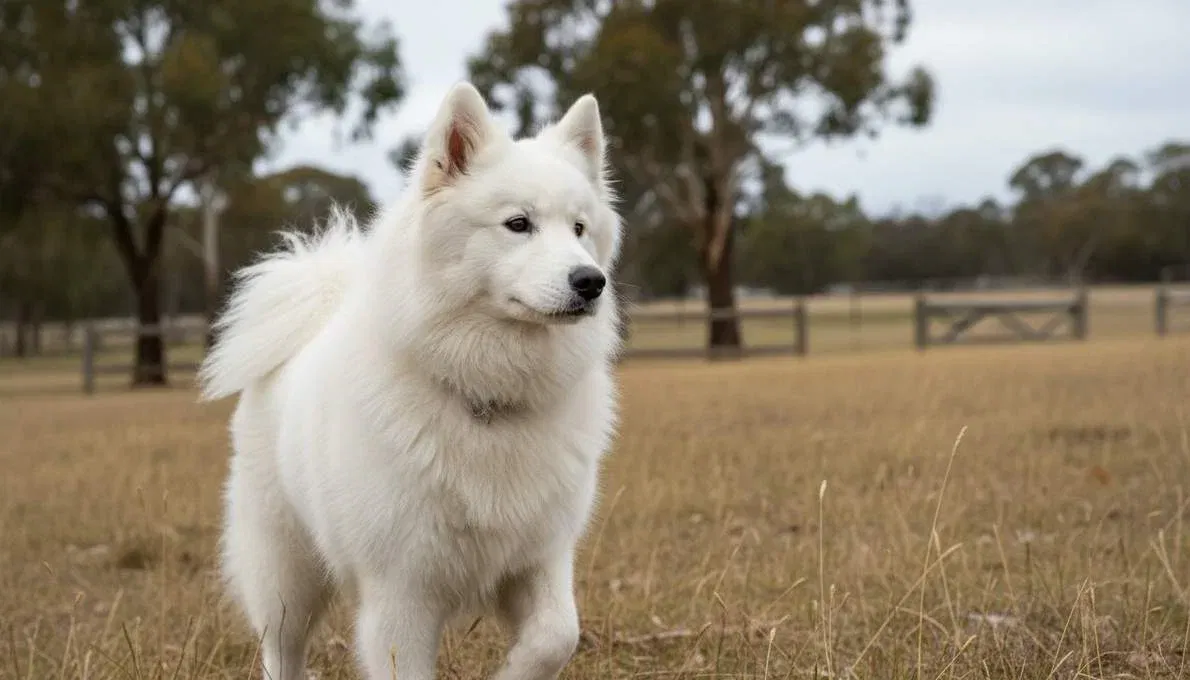
Samoyeds are intelligent, eager to please, and quick learners — but they’re also spitz dogs, which means they have an independent streak that can make obedience training feel like a negotiation rather than a command-and-response exercise. They’ll learn a command in three repetitions and then spend the next three weeks deciding whether it applies to them.
Positive reinforcement is essential. Samoyeds respond beautifully to treats, praise, and play-based rewards. They do not respond well to harsh corrections, which will make them shut down or become anxious. Consistency, patience, and a sense of humour are your most important training tools.
Training Difficulty
Training difficulty: 4 out of 10 for experienced owners; 6 out of 10 for first-timers. The main challenges are the spitz independence, recall reliability (they may decide a squirrel is more interesting than you), and the tendency to test boundaries during adolescence. Early socialisation and puppy school are critical for this social breed.
Socialisation & Training Timeline
| Age | Training Focus |
|---|---|
| 8–16 weeks | Socialisation (expose to people, dogs, environments, sounds); puppy school; crate training; name recognition; begin grooming habituation (critical — this breed needs lifelong coat handling); house training |
| 4–6 months | Basic commands (sit, stay, come, leave it); leash manners; impulse control; continue socialisation; establish regular brushing routine as adult coat begins developing |
| 6–12 months | Adolescent independence increases; maintain consistent boundaries; focus on recall; introduce structured activities (agility, rally); manage mouthiness and digging |
| 1+ years | Ongoing training maintenance; advanced activities; mental enrichment; manage barking; continue reinforcing recall and impulse control; the Samoyed matures slowly and may test boundaries until age 2–3 |
Cost of Ownership in Australia
The Samoyed is an expensive breed to own, primarily because of grooming costs (professional or in time/equipment), food requirements, and veterinary expenses including recommended health screening. The initial purchase price is also substantial.
Purchase Price
Samoyed puppies from registered ANKC breeders in Australia typically cost $3,500 to $7,000+ AUD. Puppies from champion bloodlines, imported semen, or particularly well-known kennels may command prices at the top of this range or higher. Waitlists are standard — reputable breeders rarely have puppies available immediately.
Puppies should come ANKC-registered, vaccinated, microchipped, wormed, vet-checked, and from parents who have been hip scored, ACES eye tested, and ideally bile acid tested (for liver function). DNA testing for breed-specific conditions should also be available.
Key ANKC-registered Samoyed breeders in Australia include Kalaska (VIC/QLD — 50+ years, 100+ Australian Champions), Apolar (NSW/QLD — Supreme Champions), Samooka (WA — 25+ years), Eskimoyed (multiple states), Samuy (QLD), Sashenka (QLD), Aspenbeauty (QLD), Sunnburst, and others listed on Dogzonline.com.au. The Samoyed Club of Victoria and NSW Samoyed Club are also excellent resources for finding reputable breeders.
What About Black Samoyeds?
There is no such thing as a black Samoyed. All purebred Samoyeds are white, cream, biscuit, or white and biscuit. If you see a “black Samoyed” advertised, it is either a different breed entirely (often a Schipperke, Black German Spitz, or a cross) or a scam. Black Samoyeds did exist historically before western breeding programs standardised the white coat, but the gene has been absent from the breed for well over a century.
Is There a Miniature Samoyed?
No. There is no recognised miniature, mini, or teacup Samoyed. If you see one advertised, it is likely a Japanese Spitz (which looks remarkably similar but is much smaller), an American Eskimo Dog, or a crossbreed. Anyone marketing a “mini Samoyed” is either misinformed or misleading you.
Rescue & Adoption
Samoyed rescue exists in Australia but is limited. Samoyeds are occasionally surrendered when owners underestimate the grooming, exercise, or companionship needs. Contact state Samoyed breed clubs for rehoming enquiries. Adoption fees are typically $300–$900.
Ongoing Annual Costs
| Expense | Annual Estimate (AUD) | Notes |
|---|---|---|
| Premium Dog Food | $1,200–$2,000 | Medium-large breed; active dogs need quality nutrition; some are fussy eaters |
| Veterinary Care (routine) | $400–$800 | Annual check, vaccines, parasite prevention; eye/thyroid screening recommended |
| Pet Insurance | $600–$1,500 | Strongly recommended; covers hip dysplasia, eye conditions, cardiac, cancer |
| Professional Grooming | $800–$2,000 | Every 6–8 weeks at $80–$150+ per session; or invest in home equipment |
| Home Grooming Equipment | $150–$400 (initial) | Slicker brush, metal comb, undercoat rake, de-shedding tool, blow-dryer; replace as needed |
| Dental Care | $400–$1,000 | Annual professional dental clean recommended; daily home brushing |
| Council Registration | $30–$200 | Varies by council |
| Beds, Toys, Equipment | $200–$500 | Durable toys (they chew); cooling mats for summer; quality bedding |
| Air Conditioning (summer) | $300–$1,000+ | Essential in most Australian climates during summer; increased electricity costs |
| TOTAL (first year) | $8,000–$14,000+ | Including purchase price and setup costs |
| TOTAL (ongoing per year) | $4,000–$8,000+ | Excluding major vet bills; grooming is the dominant ongoing cost |
Is the Samoyed Right for You?
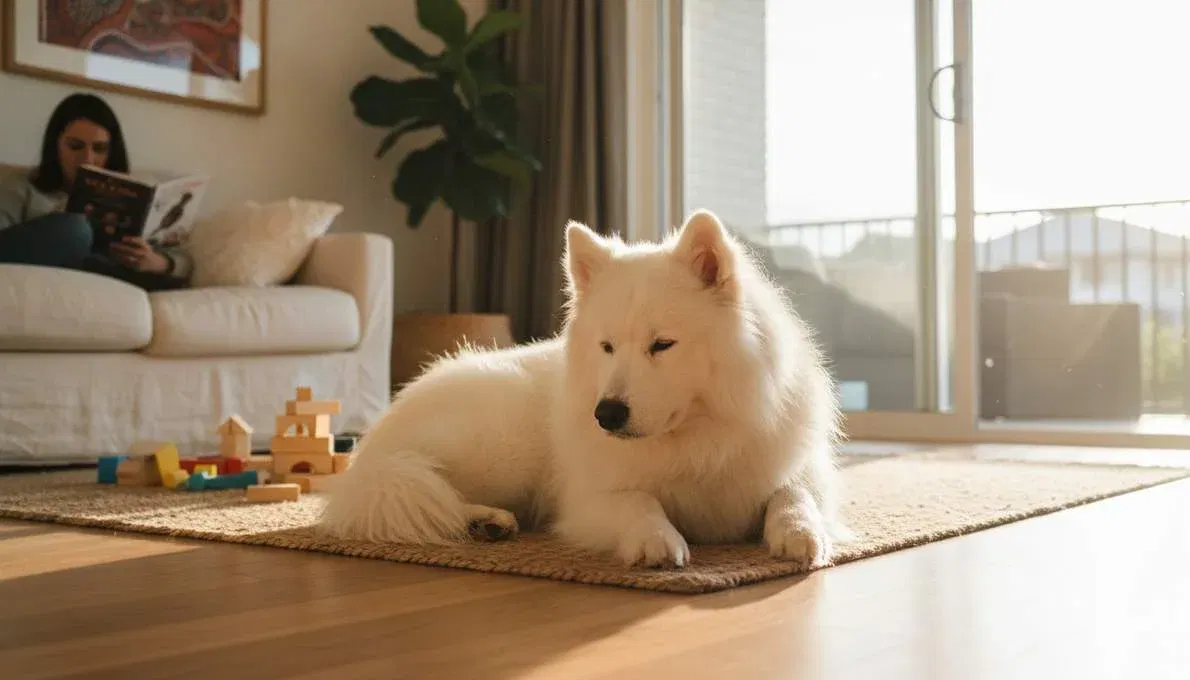
You want an actively social, affectionate, family-friendly dog that loves being involved in everything. You’re home frequently (or have a flexible schedule) and can provide companionship throughout the day. You’re prepared for the grooming reality: daily brushing during coat blows, regular professional grooming, and white hair on every surface of your life. You have a securely fenced yard and can commit to 1.5–2 hours of daily exercise. You’re in a climate where summer heat can be managed with air conditioning and early/late exercise. You’re patient with training and can handle the spitz stubbornness with humour.
You work long hours away from home and the dog will be alone all day — Samoyeds develop separation anxiety and will bark, dig, and destroy. You are house-proud and cannot tolerate dog hair on everything. You live in a hot climate without air conditioning. You want a low-maintenance breed — the grooming commitment alone makes the Samoyed high-maintenance. You want a quiet dog — Samoyeds bark, and they bark a lot. You have noise-sensitive neighbours or live in an apartment with thin walls.
The Samoyed x Golden Retriever cross is one of the most searched Samoyed mixes in Australia. While the combination produces an attractive, friendly dog, be aware that crosses are not ANKC-recognised, cannot be registered or shown, and do not come with the genetic health testing guarantees of pedigree dogs. Both parent breeds shed heavily, so don’t expect a low-shedding outcome. Health issues from both breeds can be inherited.
The Samoyed is one of the most beautiful, joyful, and genuinely lovable dog breeds in existence. That smile is real. The affection is real. The bond you’ll form with a Samoyed is unlike anything else in the dog world.
Here’s what it comes down to:
- The Samoyed is a friendly, social, gentle working breed weighing 16–30 kg with a lifespan of 12–14 years. They’re exceptional family dogs, wonderful with children, and almost universally friendly. They also bark a lot, can’t be left alone, and have an independent streak that makes training a creative exercise.
- The grooming commitment is non-negotiable. They shed heavily year-round, blow their entire undercoat once or twice a year (producing astonishing quantities of fur), and need regular professional or home grooming. Never shave a Samoyed. In Australian climates, heat management is essential — air conditioning, early/late exercise, and constant vigilance during summer.
- In Australia, ANKC-registered puppies cost $3,500–$7,000+. Annual ongoing costs are $4,000–$8,000+ due to grooming, quality food, and veterinary care. Breeders who hip score, eye test, and DNA test their dogs are the only responsible choice. There is no such thing as a black Samoyed or a mini Samoyed. For the right owner, this breed will fill your home with fur, noise, and an absolutely extraordinary amount of love.
Frequently Asked Questions
How much does a Samoyed cost in Australia?
Samoyed puppies from registered ANKC breeders in Australia typically cost $3,500 to $7,000+ AUD. Puppies from champion bloodlines, imported semen, or particularly well-known kennels may command prices at the top of this range or higher. Waitlists are standard — reputable breeders rarely have puppies available immediately.
Do Samoyeds shed?
Yes. Enormously. Constantly. The Samoyed is one of the heaviest-shedding breeds. They shed moderately year-round and then once or twice a year they “blow” their entire undercoat, which is a phenomenon that must be experienced to be believed. During a coat blow, handfuls of fur come out at every touch.
Are Samoyeds hypoallergenic?
No. Despite what some internet sources claim, Samoyeds are absolutely not hypoallergenic. They shed heavily, produce dander, and their thick coat traps saliva proteins. While some allergy sufferers report fewer reactions to Samoyeds than to other breeds, the breed should never be marketed as hypoallergenic.
Is there a black Samoyed?
There is no such thing as a black Samoyed. All purebred Samoyeds are white, cream, biscuit, or white and biscuit. If you see a “black Samoyed” advertised, it is either a different breed entirely (often a Schipperke, Black German Spitz, or a cross) or a scam.
Is there a miniature Samoyed?
No. There is no recognised miniature, mini, or teacup Samoyed. If you see one advertised, it is likely a Japanese Spitz (which looks remarkably similar but is much smaller), an American Eskimo Dog, or a crossbreed. Anyone marketing a “mini Samoyed” is either misinformed or misleading you.
How long do Samoyeds live?
The Samoyed has a lifespan of 12 to 14 years, with well-cared-for individuals sometimes reaching 15 or even 16 years. This is excellent for a medium-sized working breed.
Can Samoyeds live in hot climates like Australia?
It is challenging. The breed was developed for sub-zero temperatures and is highly susceptible to heatstroke. Australian Samoyed owners must exercise their dogs in the early morning or late evening during summer, provide access to air conditioning, and monitor closely for signs of overheating.
Are Samoyeds good with kids?
Excellent — one of the best family breeds. They are gentle, patient, and playful with children. Their history includes sleeping alongside nomadic children to keep them warm, which has ingrained a deep, gentle bond.
What is the Sammy smile?
The “Sammy smile” is the breed’s characteristic upturned mouth, which gives them a perpetually happy expression. It’s not just cosmetic; it reflects a breed that was specifically developed to enjoy being around people.
Where can I find Samoyed breeders in Australia?
Key ANKC-registered Samoyed breeders in Australia include Kalaska (VIC/QLD), Apolar (NSW/QLD), Samooka (WA), Eskimoyed, Samuy (QLD), Sashenka (QLD), Aspenbeauty (QLD), and others listed on Dogzonline.com.au. The Samoyed Club of Victoria and NSW Samoyed Club are also excellent resources.
1. PetMD — Samoyed Dog Breed Health and Care — https://www.petmd.com/dog/breeds/samoyed
2. Dogster — Samoyed Dog Breed Info — https://www.dogster.com/dog-breeds/samoyed
3. Dogzonline.com.au — Samoyed Breeders in Australia — https://www.dogzonline.com.au/breeds/breeders/samoyed.asp
4. Burke’s Backyard — Samoyed Dogs — https://www.burkesbackyard.com.au/fact-sheets/pets/pet-road-tests/samoyed-dogs/
5. Dogzonline.com.au — How Much Does It Cost To Buy A Samoyed — https://www.dogzonline.com.au/resources/getting-started/are-you-ready-for-a-dog/how-much-does-it-cost-to-buy-a-samoyed
6. WebMD — What to Know About Samoyeds — https://www.webmd.com/pets/dogs/what-to-know-about-samoyeds
7. BorrowMyDoggy — Samoyed Breed Guide — https://www.borrowmydoggy.com/doggypedia/dog-breed-guides-samoyed
8. American Kennel Club — Samoyed Breed Information — https://www.akc.org/dog-breeds/samoyed/