
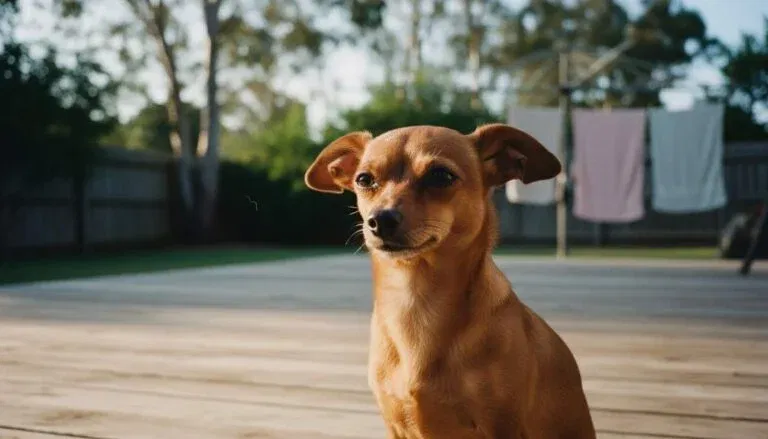
Most people have never heard of a Russian Toy. The ones who have usually discover the breed by accident — scrolling past a photo of what looks like a deer wearing butterfly ears and thinking “that cannot be a real dog.” It is. And it’s one of the smallest, most elegant, and least-known breeds in Australia.
The Russian Toy (formerly the Russian Toy Terrier — the “Terrier” was officially dropped in 2006) is a pocket-sized companion with a personality several sizes too large for its body. Weighing under 3 kilograms and standing barely taller than a ruler, this breed was originally the pampered darling of Russian aristocracy, nearly went extinct twice, survived Communist rule, and didn’t arrive in Australia until 2008. It was only recognised by the ANKC in 2012 and by the AKC in 2022 — making it one of the newest recognised breeds in the world.
If you’re here because you’ve fallen for those enormous eyes and feathered ears, this guide gives you everything you need: the honest truth about living with a dog this tiny, real Australian breeder information (there are very few), pricing, health considerations, and whether the Russian Toy is right for your life.
What You’ll Learn
- Breed traits & temperament
- Health concerns to know
- True cost in Australia
- Training & exercise needs
- Is this breed right for you?
Quick Facts at a Glance
| Attribute | Details |
|---|---|
| Breed Group | Toys (ANKC Group 1) |
| Origin | Russia |
| Height | 20–28 cm (8–11 inches) |
| Weight | Up to 3 kg (6.5 lb) — never below 1 kg |
| Lifespan | 12–14+ years |
| Coat Varieties | Smooth coat (short, close-lying, shiny) or Long coat (3–5 cm body hair with ear fringes and leg feathering) |
| Colours | Black & tan, brown & tan, blue & tan, red, red sable, lilac & tan, cream |
| Shedding | Minimal (smooth coat) to low (long coat) |
| Temperament | Lively, affectionate, loyal, alert, playful, can be vocal |
| Exercise Needs | Low to moderate — 20–30 minutes daily |
| Good with Kids | Better with older children — too fragile for toddlers |
| Puppy Price (AUD) | $3,000–$6,000+ from registered ANKC breeders (extremely limited availability) |
History & Origins
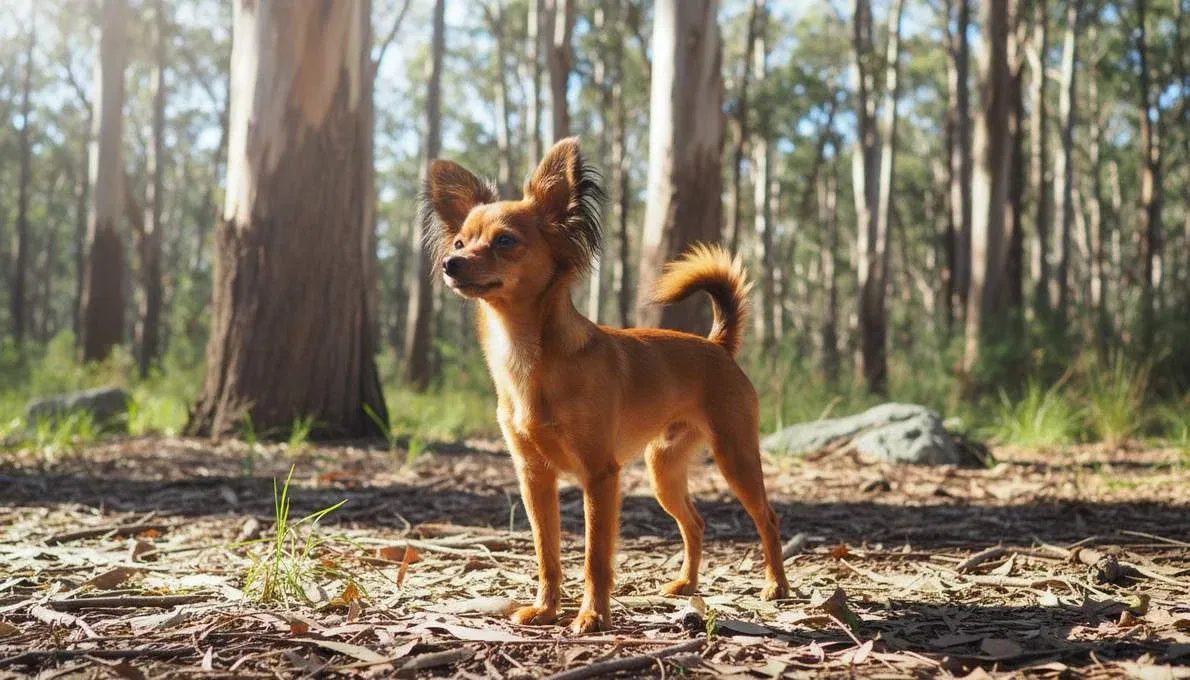
The Russian Toy’s story begins in 18th-century Russia, when the aristocracy was captivated by all things Western European. English Toy Terriers became a fashionable status symbol among the Russian upper class — tiny, elegant dogs that accompanied their owners to the opera, social gatherings, and court events. By the early 1900s, these imported terriers had become so popular in Russia that they’d evolved into their own distinct breed, known locally as the Russian Toy Terrier.
Then the Russian Revolution of 1917 changed everything. The breed’s association with the aristocracy made it a target. Breeding of “decorative” companion dogs was actively discouraged under Communist rule, where only military and working dogs were deemed useful. The Russian Toy nearly vanished entirely.
After Stalin’s death in 1953, a small group of dedicated breeders behind the Iron Curtain began quietly reviving the breed. With almost no pedigree dogs remaining and no access to Western imports, they worked with whatever stock survived. The resulting dogs diverged significantly from the original English Toy Terrier — becoming their own breed with a unique look and character.
A pivotal moment came on 12 October 1958, when two smooth-haired parents produced a male puppy with spectacularly long, fringed ears. Moscow breeder Yevgueniya Fominichna Zharova recognised the potential and selectively bred for this trait, creating the long-haired variety — originally called the Moscow Longhaired Toy Terrier. By 1966, the first breed standard was established. In 2006, the FCI officially recognised both varieties as one breed — the Russian Toy — dropping “Terrier” from the name.
In Australia, the breed’s history is remarkably recent. The first Russian Toys arrived in late 2008 through Christa Guntendorfer of Luxurytoypaw kennels in Queensland. The breed was not yet recognised by the ANKC at the time. After years of work with the national kennel body, the first Russian Toy puppies were ANKC-registered in 2012, and the first Russian Toy shown in an Australian exhibition ring debuted at the Lockyer Valley Kennel Club in January 2013.
Temperament & Personality
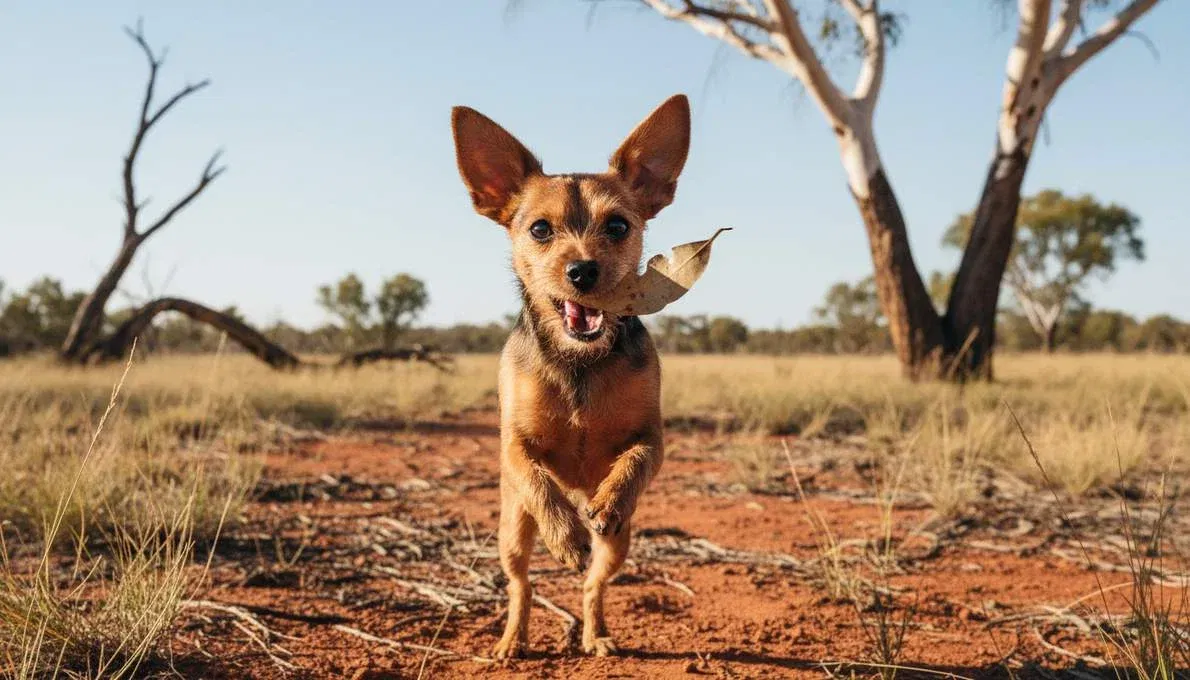
The Russian Toy is one of those breeds that hasn’t read the memo about its size. These dogs are lively, confident, and surprisingly bold for something that weighs less than a bag of flour. They bond intensely with their owners, follow them from room to room, and have a desire to be involved in absolutely everything happening in the household.
They’re affectionate without being clingy (though the line is thin), playful without being manic, and intelligent enough to learn tricks, compete in agility, and figure out how to manipulate you with those enormous eyes. Russian Toys have a cheerful, curious disposition and a surprisingly keen watchdog instinct — they’ll alert you to visitors, delivery drivers, and suspicious birds with impressive enthusiasm.
Here’s what the breed profiles don’t always mention: Russian Toys can be vocal. Very vocal. That watchdog instinct translates to barking at anything new, unexpected, or simply interesting. They can also develop separation anxiety if left alone frequently — this is a breed that was literally designed to be glued to a person. Additionally, their tiny size and bold personality can lead to “small dog syndrome” if owners treat them like accessories rather than dogs. Consistent training, boundaries, and socialisation from puppyhood are essential.
This is the most common question prospective owners ask, and for good reason — they’re a similar size and shape. The key differences: Russian Toys are generally taller and leaner (more deer-like), while Chihuahuas tend to be slightly more compact and rounded. Russian Toys typically have a calmer, less reactive temperament than many Chihuahuas and are often described as less “snappy.” The long-haired Russian Toy’s distinctive ear fringes are unique to the breed and instantly distinguish it from a long-coat Chihuahua. Temperamentally, Russian Toys tend to be more consistently people-friendly once socialised, whereas Chihuahuas can be more one-person-oriented.
Another common comparison. Papillons are slightly larger (typically 3–5 kg vs under 3 kg), more energetic, and have higher exercise needs. Both breeds have beautiful ear furnishings, but the Papillon’s butterfly-wing ears are erect with long fringes on the outside, while the Russian Toy long coat has fringes covering the entire ear. Papillons are generally more outgoing and athletic; Russian Toys are a touch more refined and content with less exercise.
They can be wonderful companions for families with older children (roughly 8+) who understand how to handle a tiny, fragile dog gently. They are not suitable for households with toddlers or very young children — a fall, accidental step, or rough play can seriously injure a dog this small. Russian Toys thrive best with adults, couples, singles, or families with gentle, dog-savvy older kids.
Health & Genetic Conditions
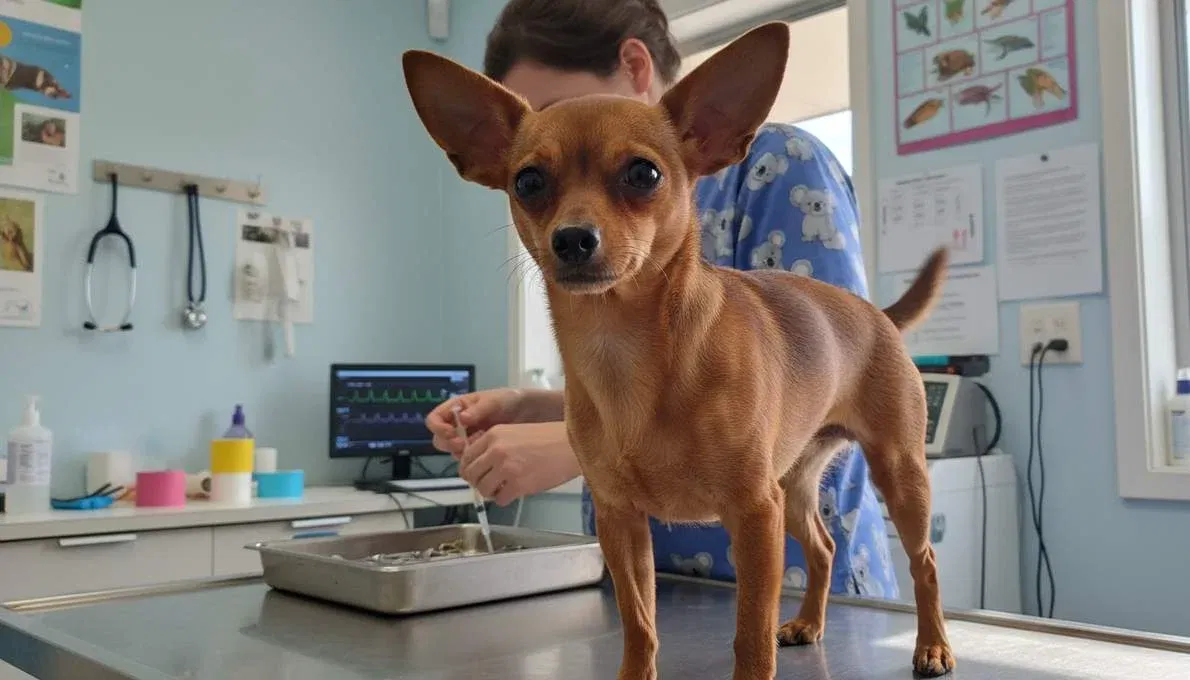
The Russian Toy is generally a healthy breed with a long lifespan, but its tiny size creates specific vulnerabilities that every owner must understand. Many of these health risks are shared across toy breeds and relate directly to their extremely small, fine-boned structure.
Prevalence: Patellar luxation — where the kneecap slips out of its normal groove — is one of the most common skeletal problems in the Russian Toy and a priority health check before any breeding. [Russian Toy Club UK] It affects toy and miniature breeds at a far higher rate than larger dogs, and the Russian Toy’s extremely fine bone structure makes it particularly susceptible to both the condition and the chronic joint damage that follows if left unmanaged. [DogZone] Grading both parents for patellar health before breeding is strongly recommended by the breed club. [Russian Toy Club UK]
Symptoms: A characteristic “skipping” gait — where your dog suddenly holds a hind leg up for a few steps, then puts it back down as normal — is the most telling early sign. [VCA Hospitals] In more advanced cases the leg may be held up continuously, or the dog may move with a crouching, wide-legged stance as it tries to compensate. [VCA Hospitals] Both back legs can be affected, and the condition worsens progressively without treatment. [petMD]
Treatment Cost (AUD): Mild cases managed with anti-inflammatories, weight control, and restricted activity cost $300–$1,000/year. [petinsurance.com.au] Surgical correction for moderate to severe luxation typically runs $2,500–$5,000 per knee — and given the small size of this breed, specialist surgery carries additional complexity. [petinsurance.com.au]
Prevention: Ask your breeder for patella grading results on both parents — most vets can perform this as part of a standard examination. [Russian Toy Club UK] Keeping your Russian Toy at a healthy weight reduces joint stress significantly, and discouraging repetitive jumping from height (sofas, beds, car seats) protects the kneecaps over the long term. [BorrowMyDoggy]
Prevalence: LCP is a recognised concern in Russian Toys, though the breed club notes it remains relatively uncommon — with only a small number of confirmed cases documented worldwide at the time of writing. [Russian Toy Club UK] The condition involves a disruption to the blood supply to the head of the femur, causing the bone to degrade and eventually collapse — most often appearing between 5 and 8 months of age. [DogZone] It is most commonly seen in toy and miniature breeds and is thought to have a genetic component in some cases. [BorrowMyDoggy]
Symptoms: Progressive hind leg lameness that develops over weeks is the main sign — starting as intermittent stiffness and worsening to the point where the puppy avoids putting weight on the leg entirely. [DogZone] Pain when the hip is moved, muscle wasting in the affected leg, and a reluctance to exercise or play are other common indicators. [VCA Hospitals]
Treatment Cost (AUD): Surgical removal of the femoral head (femoral head and neck excision, or FHNE) is the standard treatment and typically costs $2,000–$4,500 AUD. [petinsurance.com.au] With post-operative physiotherapy the prognosis is generally very good in small breeds, and most dogs regain near-normal function. [VCA Hospitals]
Prevention: No DNA test currently exists for LCP in Russian Toys. [Russian Toy Club UK] The breed club advises asking breeders specifically about the health history of LCP in their lines and in any stud dog being used, and to avoid breeding from affected dogs given the suspected genetic component. [Russian Toy Club UK]
Prevalence: Dental disease is one of the most consistent health issues in this breed — the Russian Toy’s very small jaw means teeth crowd together, creating the perfect environment for plaque and tartar buildup. [Daily Paws] Without active dental care from puppyhood, gum disease, tooth root infections, and early tooth loss are common outcomes. [BorrowMyDoggy] Russian Toys may also retain baby teeth that fail to fall out naturally, requiring veterinary extraction. [Russian Toy Club UK]
Symptoms: Bad breath is usually the first noticeable sign, followed by yellow or brown tartar deposits along the gumline, red or swollen gums, and reluctance to eat hard food or chew toys. [VCA Hospitals] Advanced disease can cause visible pain when eating, drooling, and pawing at the mouth. [petMD]
Treatment Cost (AUD): Professional dental scale and polish under general anaesthetic costs $400–$900. [petinsurance.com.au] Extractions add $100–$300 per tooth, and annual or biannual cleaning is often needed in this breed without a consistent home care routine. [petinsurance.com.au]
Prevention: Daily tooth brushing with dog-safe toothpaste is the most effective prevention — starting as young as possible so your Russian Toy accepts it as routine. [BorrowMyDoggy] Dental chews designed for small breeds, water additives, and annual vet checks of the mouth all help catch problems before they require expensive intervention. [VCA Hospitals]
Prevalence: Because of their tiny body mass, Russian Toys — especially puppies — can experience dangerous drops in blood sugar if meals are missed, spaced too far apart, or if the dog is stressed or unwell. [Daily Paws] Puppies under 3 months are at the greatest risk, but adult dogs can also be affected during illness or periods of high activity without adequate feeding. [petMD]
Symptoms: Weakness, wobbling, shaking, confusion, glassy eyes, and extreme lethargy are early warning signs. [petMD] In severe cases a dog may collapse, have a seizure, or lose consciousness — this is a veterinary emergency. [VCA Hospitals] Rubbing a small amount of honey or glucose gel on the gums can stabilise a dog while you get to the vet. [petMD]
Treatment Cost (AUD): Emergency treatment for a hypoglycaemic episode runs $300–$1,500 depending on severity and whether hospitalisation is required. [petinsurance.com.au] Routine prevention through feeding schedules costs nothing — but having glucose gel or honey on hand at home is a sensible and inexpensive precaution. [petMD]
Prevention: Feed Russian Toy puppies 4–5 small meals per day and adult dogs at least twice daily. [Daily Paws] Avoid prolonged periods without food, particularly during stressful events like travel, vet visits, or very high activity, and keep a small tube of glucose gel or honey accessible as an emergency measure. [petMD]
Prevalence: PRA is a recognised inherited condition in the Russian Toy — an autosomal recessive disorder where the photoreceptor cells in the retina progressively break down, eventually leading to blindness. [Russian Toy Club UK] Affected dogs are born with normal vision, with deterioration typically beginning from around 3 years of age or later. [Russian Toy Club UK] Both parents must carry the defective gene for a puppy to be affected, and carriers show no symptoms themselves. [Russian Toy Club UK]
Symptoms: Night blindness is the first change owners notice — a dog that hesitates in dim light, bumps into furniture after dark, or becomes reluctant to go outside at night. [VCA Hospitals] This gradually progresses to daytime vision loss over months to years. The condition is painless, and most dogs adjust remarkably well to reduced and eventually absent vision. [VCA Hospitals]
Treatment Cost (AUD): No treatment currently exists for PRA. [VCA Hospitals] CAER eye examination to screen for early changes costs $150–$300. [OFA – CAER] Managing a blind dog at home is mostly about environmental consistency and carries little ongoing financial cost. [petinsurance.com.au]
Prevention: Ask your breeder for eye examination clearances on both parents. [Russian Toy Club UK] Annual CAER eye checks from 2 years of age give the best chance of detecting early retinal changes before significant vision loss occurs. [OFA – CAER]
Prevalence: The Russian Toy has one of the most delicate skeletal structures of any breed — their fine bones make them genuinely vulnerable to fractures from falls, rough handling, or accidental collision. [Daily Paws] This is not a disease but a structural characteristic that warrants specific management, particularly with puppies and in households with young children or larger dogs. [Daily Paws] Dislocations and stress fractures can also occur from seemingly minor incidents that would cause no injury in a larger breed. [DogZone]
Symptoms: Sudden lameness, a limb held at an unusual angle, visible swelling around a joint or bone, and extreme pain response to touch are all urgent signs of a possible fracture or dislocation. [VCA Hospitals] Any suspected fracture in a Russian Toy should be treated as an emergency — keep the dog still, do not attempt to splint at home, and get to a vet immediately. [VCA Hospitals]
Treatment Cost (AUD): Fracture repair in a very small dog — which often requires specialist orthopaedic surgery and tiny implants — typically costs $3,000–$7,000+ AUD depending on the location and severity of the break. [petinsurance.com.au] X-rays and diagnosis add $300–$600 on top of surgical costs. [petinsurance.com.au]
Prevention: Limit unsupervised jumping from furniture and beds — use ramps or steps rather than letting them leap. [Daily Paws] Supervise all interactions with children and larger dogs closely. While it is tempting to carry a dog this small everywhere, allowing supervised walking and independent movement builds the muscle tone that helps protect those fine bones from everyday knocks. [DogZone]
Lifespan & Longevity
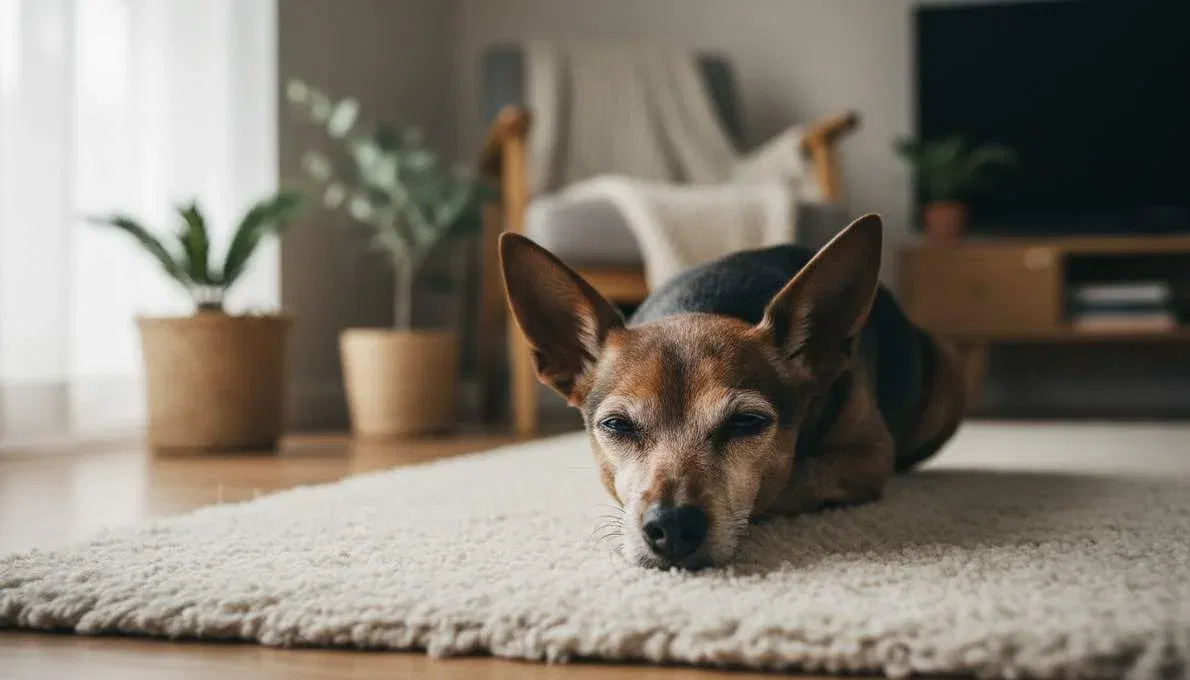
The Russian Toy has an excellent lifespan of 12 to 14 years, with many well-cared-for dogs reaching 15 or beyond. This is one of the breed’s greatest strengths — you’re committing to a long, rewarding companionship. Smaller dogs generally live longer than larger breeds, and the Russian Toy benefits from this pattern.
The main threats to longevity are dental disease (if untreated, chronic infection impacts organ health), accidental injury (the single biggest risk in a micro breed), and heart conditions. Regular veterinary check-ups, dental care, safe home management, and a quality diet all contribute to a longer life.
| Life Stage | Key Focus Areas |
|---|---|
| Puppy (0–12 months) | Frequent small meals to prevent hypoglycaemia; vaccination schedule; early socialisation; puppy-proof the home for a micro dog; begin tooth brushing |
| Adolescent (1–2 years) | Monitor for patellar luxation signs; dental check for retained baby teeth; continued socialisation; desexing discussion with vet (timing important for toy breeds) |
| Adult (2–10 years) | Annual vet checks; dental cleaning as needed; weight management (every extra 100g matters at this size); joint supplements if needed |
| Senior (10+ years) | Twice-yearly vet visits; blood panels for organ function; dental care intensifies; orthopaedic bedding; watch for heart murmurs and vision changes |
Grooming & Care
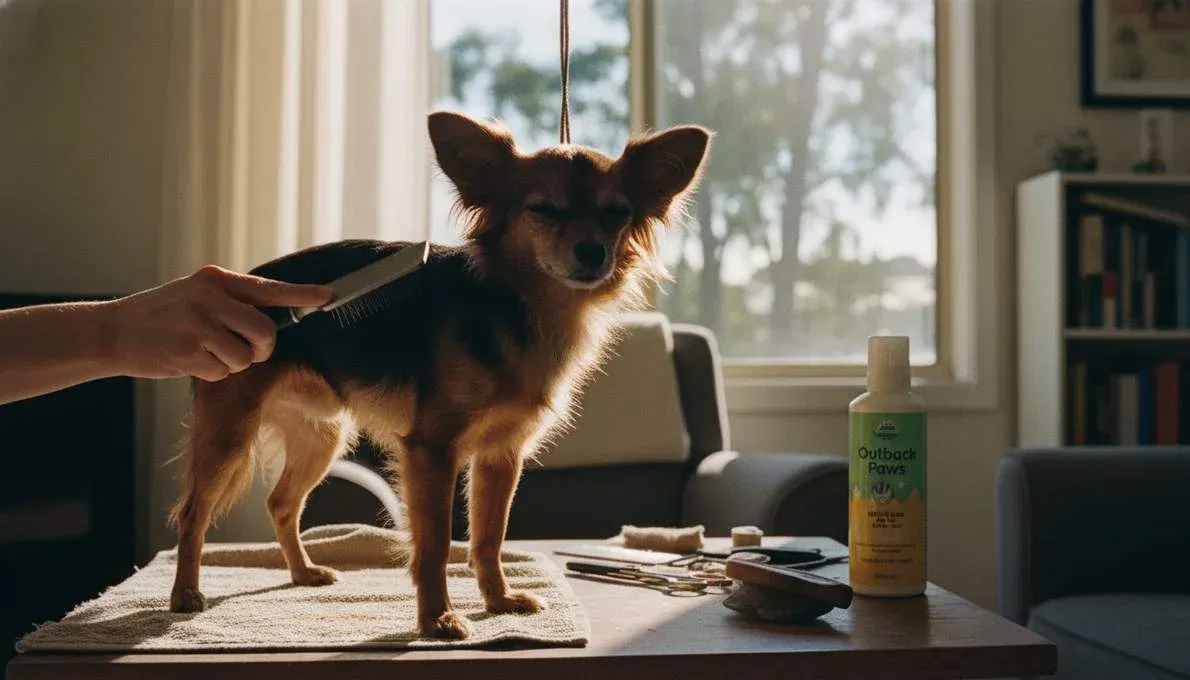
One of the Russian Toy’s great practical advantages is its minimal grooming needs — especially compared to many other toy breeds. Neither coat variety requires extensive maintenance, making this an excellent choice for people who love beautiful dogs but don’t love spending hours with a brush.
Smooth Coat Russian Toy
The smooth-haired variety has short, close-lying, shiny hair with no undercoat. Grooming is genuinely minimal — a weekly wipe-down with a soft cloth or gentle brush removes dead hair, and occasional baths keep the coat clean and glossy. They shed very little.
Long Coat Russian Toy
The long-haired variety has body hair of 3–5 centimetres and the breed’s signature feature: long, luxurious fringes covering the ears and feathering on the rear legs. Brushing 2–3 times weekly prevents tangles, particularly in the ear fringes which can mat if neglected. Despite the dramatic appearance, the grooming commitment is still modest compared to breeds like the Maltese or Yorkshire Terrier.
Are Russian Toys Hypoallergenic?
No dog is truly hypoallergenic, but Russian Toys — particularly the smooth-coated variety — shed minimally and produce less dander than many breeds. They’re a better choice for allergy sufferers than heavy-shedding breeds, but they’re not guaranteed to be allergy-free.
| Grooming Task | Frequency | Notes |
|---|---|---|
| Coat Brushing (smooth) | Weekly | Soft cloth or gentle bristle brush; minimal effort |
| Coat Brushing (long) | 2–3 times weekly | Focus on ear fringes and leg feathering; pin brush for tangles |
| Bathing | Every 4–6 weeks | Gentle dog shampoo; dry thoroughly (tiny dogs chill quickly) |
| Nail Trimming | Every 1–2 weeks | Tiny nails grow fast; use small clippers or a Dremel |
| Teeth Brushing | Daily (essential) | Dental disease is the #1 preventable health issue in this breed |
| Ear Cleaning | Weekly | Large ears can trap debris; check for redness or odour |
Exercise Needs
Russian Toys have modest exercise requirements. Twenty to thirty minutes of daily activity is usually sufficient — a short walk, some indoor play, and mental stimulation through puzzle toys or training sessions. They’re energetic for their size and enjoy running around a secure yard or playing fetch indoors, but they’re not demanding athletes.
This makes them excellent apartment dogs and ideal for people with limited mobility, seniors, or anyone living in a smaller space. Their exercise needs can largely be met inside the home, supplemented with short outdoor walks for enrichment and socialisation.
Important Safety Notes for Exercise
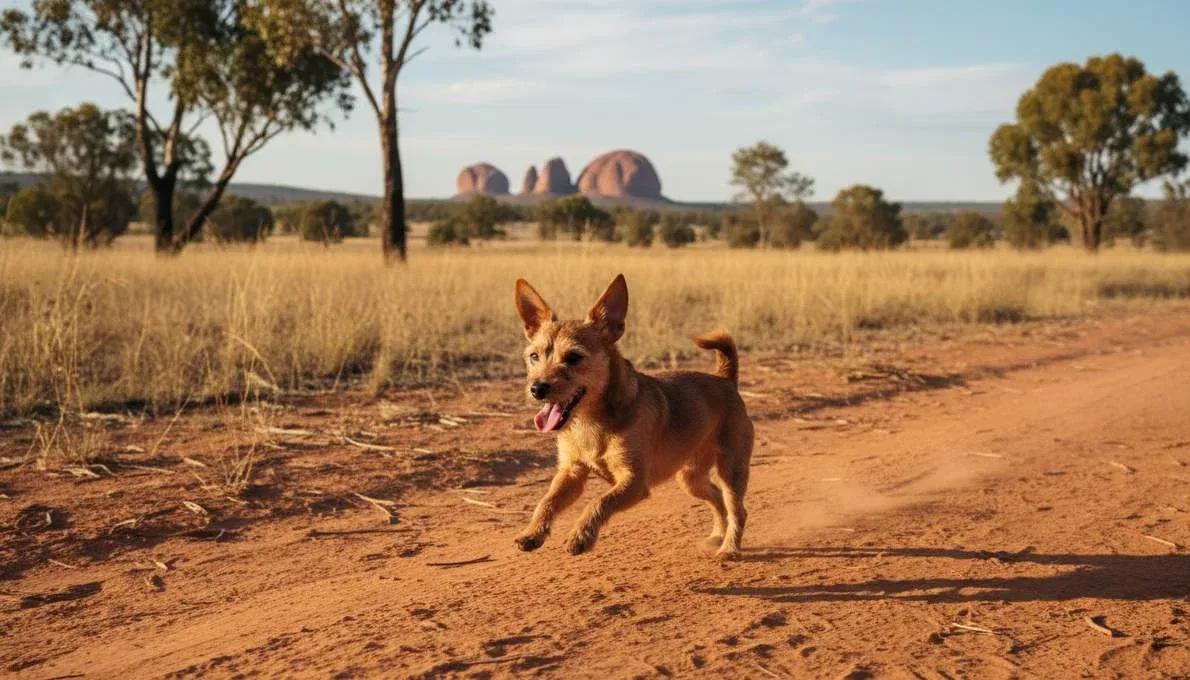
Russian Toys should never be let off-lead in public parks or unfenced areas. At under 3 kilograms, they’re vulnerable to larger dogs, birds of prey (yes, this is a real concern in rural and semi-rural Australia), and traffic. Australian breeders specifically advise keeping Russian Toys on-lead at all times outside securely fenced areas.
They’re also sensitive to temperature extremes. In Australian summers, avoid outdoor exercise during the heat of the day. In winter, particularly in cooler southern states, they may need a light coat or jumper for outdoor walks — their small body mass means they lose heat rapidly.
Training Guide
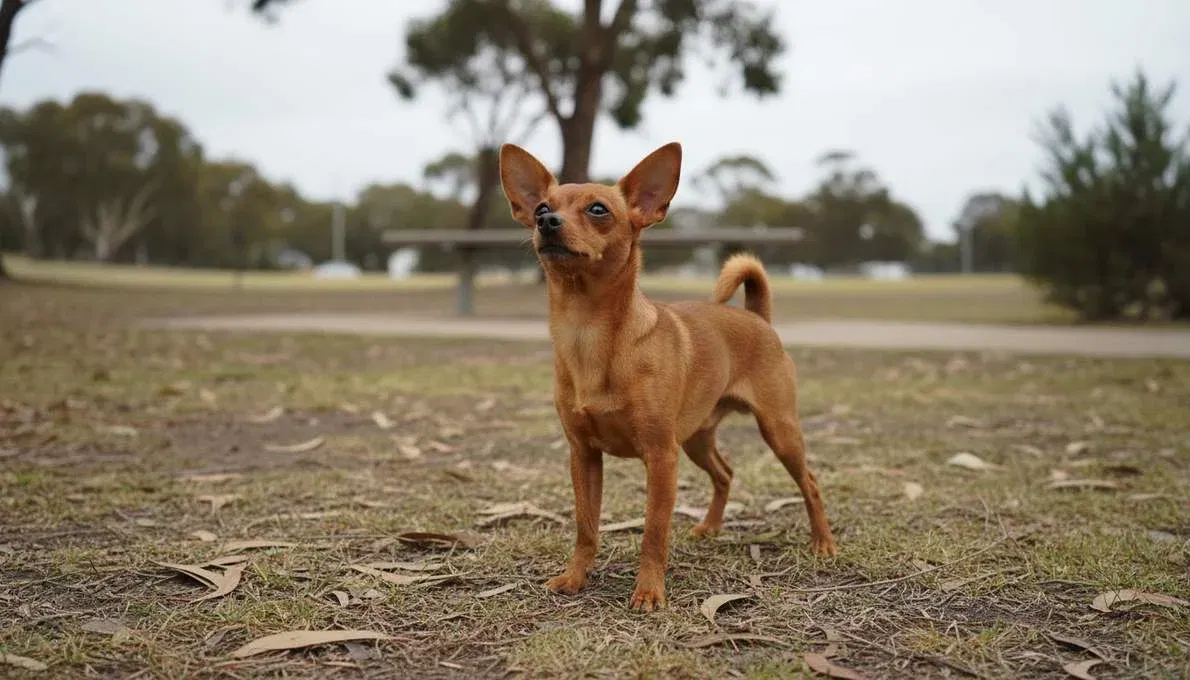
Russian Toys are intelligent, eager to please, and genuinely enjoy learning. They respond beautifully to positive reinforcement — treats, praise, and play. They’re quick learners who can master tricks, compete in agility (scaled for toy breeds), and participate in rally and obedience. They can even be trained for therapy work.
The main training challenge is avoiding “small dog syndrome” — the trap of not training a tiny dog because its bad behaviour seems cute or harmless. A Russian Toy that barks incessantly, resource guards, or snaps at strangers is no more acceptable than a large dog doing the same. Treat them like a dog, not a toy. Set boundaries, provide structure, and invest in positive training from the start.
Training Difficulty
Training difficulty: 3 out of 10 for experienced owners; 5 out of 10 for first-timers. These are bright, willing learners. The main areas requiring attention are barking management, house training (toy breeds can take longer due to tiny bladders), and socialisation to prevent timidity or over-protectiveness.
| Age | Training Focus |
|---|---|
| 8–16 weeks | Socialisation with people, dogs, and environments (carry them if needed for safety); house training; crate training; name recognition; gentle handling |
| 4–6 months | Basic commands (sit, stay, come); leash walking; barking management (“quiet” command); continue socialisation |
| 6–12 months | Impulse control; recall in safe areas; trick training; build confidence with new experiences |
| 1+ years | Advanced tricks; agility or rally if interested; therapy dog work; ongoing enrichment and mental stimulation |
Cost of Ownership in Australia
The Russian Toy is a rare and expensive breed to purchase in Australia, but its tiny size keeps ongoing costs lower than most breeds. Food bills are minimal, grooming is low-maintenance, and routine vet costs are standard — though unexpected injuries or breed-specific health issues can generate significant bills.
Purchase Price
Russian Toy puppies from registered ANKC breeders in Australia are extremely limited. There are only a handful of registered breeders across the country, concentrated mainly in Queensland, South Australia, and Victoria. Expect to pay $3,000 to $6,000+ AUD depending on coat type, colour, breeding quality, and bloodline. Rare colours like blue & tan, lilac & tan, and cream command higher prices. Waitlists of 12 months or longer are common given the breed’s scarcity.
Be extremely cautious of anyone advertising “teacup” Russian Toys. The breed standard specifies a weight of up to 3 kg and never below 1 kg. Dogs deliberately bred below standard size face dramatically increased health risks including hydrocephalus, bone fragility, organ problems, and shortened lifespans. A responsible breeder will never sell an undersized puppy as a premium product.
Puppies should come ANKC registered, vaccinated, microchipped, wormed, vet-checked, and ideally with patella grading on the parents.
Finding a Breeder
Start with Dogzonline.com.au, which lists ANKC-registered Russian Toy breeders for both long-haired and smooth-haired varieties. Key breeders include Luxurytoypaw (QLD — credited with bringing the breed to Australia), Kathmandog, Mozcotails, and Beaudanser. Dogs Australia (dogsaustralia.org.au) is another resource. Given the extremely small breeder community, be prepared to travel interstate or arrange air freight for your puppy.
Ongoing Annual Costs
| Expense | Annual Estimate (AUD) | Notes |
|---|---|---|
| Premium Dog Food | $400–$700 | Tiny portions; high-quality small-breed formula |
| Veterinary Care (routine) | $350–$700 | Annual check, vaccines, parasite prevention |
| Dental Care | $400–$1,000 | Professional cleanings; may be needed annually |
| Pet Insurance | $400–$900 | Recommended — covers fractures, patella surgery, dental |
| Grooming Supplies | $50–$150 | Minimal; soft brush, nail clippers, dental kit |
| Council Registration | $30–$200 | Varies by council; desexed discount |
| Toys, Beds, Equipment | $100–$300 | Small-scale items; ramps for furniture access |
| TOTAL (first year) | $5,000–$10,000+ | Including purchase price |
| TOTAL (ongoing per year) | $1,700–$4,000 | Excluding unexpected vet bills |
Is the Russian Toy Right for You?
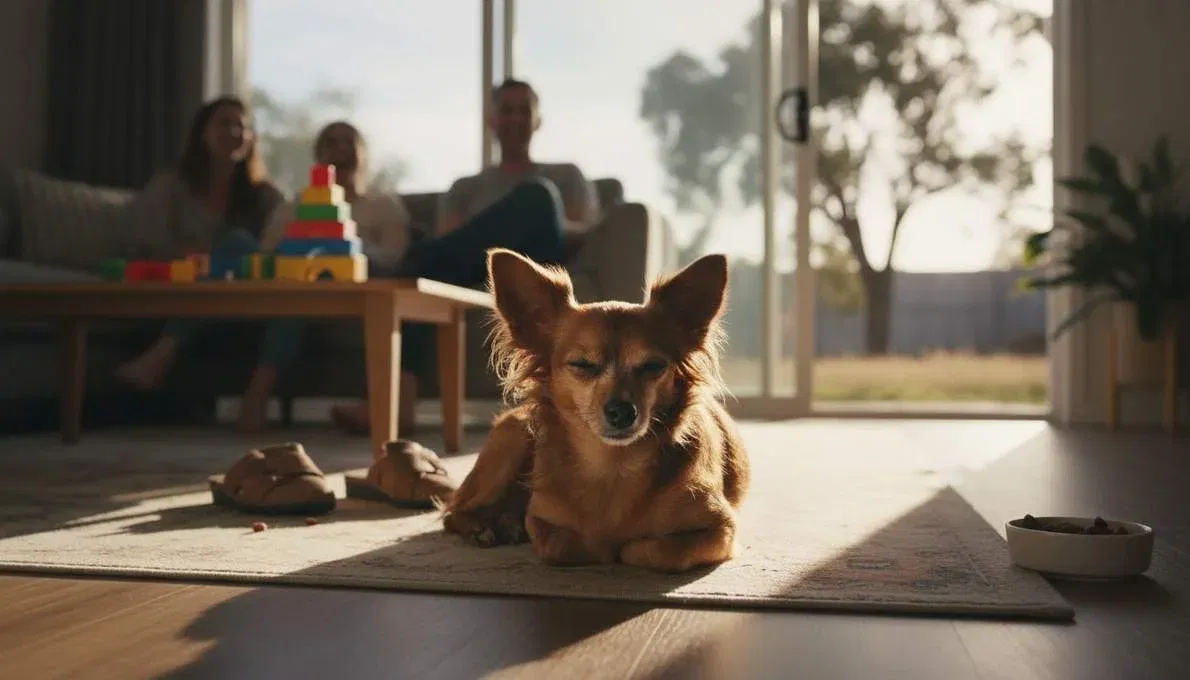
You want a tiny, elegant companion that bonds deeply with you and loves being involved in your life. You live in an apartment, unit, or smaller home — the Russian Toy is one of the most apartment-friendly breeds in existence. You work from home or have a lifestyle that allows you to be with your dog most of the time. You’re patient with house training and consistent with boundaries. You don’t have toddlers or very young children. You’re prepared for the vigilance required to keep a micro dog safe — no jumping from heights, no off-lead in unfenced areas, supervision around larger dogs.
You have young children or a boisterous household — this is a fragile dog. You want a breed you can take to the off-lead dog park and let run free. You work long hours and the dog will be alone most of the day — separation anxiety is common. You’re looking for a low-cost breed to purchase — they’re rare and expensive. You want a silent, non-barking dog — Russian Toys can be vocal. You’re not prepared to puppy-proof your home for a dog that weighs less than a house cat.
Both coat varieties have the same temperament, size, and health profile. The choice is purely aesthetic and grooming-related. The long-haired variety has the spectacular ear fringes and leg feathering that make the breed so distinctive — it’s the “show-stopper” version. The smooth-coated variety is sleeker, more deer-like, and requires virtually no grooming. Both varieties can appear in the same litter and are bred together. Long-haired Russian Toys tend to be in higher demand and may command slightly higher prices.
The Russian Toy is a rare gem in the Australian dog world — a breed that most people don’t know exists, but that inspires fierce devotion in everyone who lives with one. They’re elegant, affectionate, intelligent, and carry a history that includes Russian aristocracy, Communist persecution, and a remarkable comeback from near-extinction.
Here’s what it comes down to:
- The Russian Toy is one of the smallest breeds in the world (under 3 kg), with a 12–14+ year lifespan, minimal grooming needs, and a personality that punches well above its weight class.
- In Australia, there are very few registered breeders. Expect to pay $3,000–$6,000+, join a waitlist, and potentially travel interstate. Avoid anyone selling “teacup” Russian Toys — undersized dogs face severe health risks.
- This breed needs an owner who understands the specific demands of a micro dog: constant supervision, safe home environments, gentle handling, and a commitment to dental care and injury prevention. In return, you get an endlessly charming companion that’ll be your shadow for the next decade and a half.
Frequently Asked Questions
How much does a Russian Toy cost in Australia?
Russian Toy puppies from registered ANKC breeders in Australia typically cost between $3,000 and $6,000+, with rare colours like blue & tan or lilac & tan commanding higher prices. Waitlists of 12 months or longer are common due to the breed’s extreme rarity.
What is the difference between a Russian Toy and a Chihuahua?
Russian Toys are generally taller and leaner (more deer-like) than Chihuahuas, with a calmer, less reactive temperament. The long-haired Russian Toy’s distinctive ear fringes covering the entire ear are unique and instantly distinguish it from a long-coat Chihuahua.
How long do Russian Toys live?
Russian Toys have an excellent lifespan of 12 to 14 years, with many well-cared-for dogs reaching 15 or beyond. Their small size contributes to their longevity.
Are Russian Toys good apartment dogs?
Yes, Russian Toys are one of the most apartment-friendly breeds. Their exercise needs are modest (20–30 minutes daily), they’re quiet when properly trained, and their tiny size makes them ideal for smaller living spaces.
Do Russian Toys come in long hair and short hair?
Yes, the breed has two coat varieties: smooth coat (short, close-lying, shiny) and long coat (3–5 cm body hair with luxurious ear fringes and leg feathering). Both varieties have the same temperament and can appear in the same litter.
What is a teacup Russian Toy?
“Teacup” is not a recognised size. The breed standard specifies a weight of up to 3 kg and never below 1 kg. Dogs deliberately bred below standard size face severe health risks including hydrocephalus, bone fragility, and shortened lifespans. Responsible breeders avoid this.
Are Russian Toys hypoallergenic?
No dog is truly hypoallergenic, but Russian Toys — particularly the smooth-coated variety — shed minimally and produce less dander than many breeds. They’re a better choice for allergy sufferers than heavy-shedding breeds, but not guaranteed allergy-free.
Are Russian Toys good with other dogs?
With proper socialisation, Russian Toys can get along well with other dogs, especially those of similar size. However, their tiny size makes them vulnerable to injury, so interactions with larger dogs should be closely supervised.
What health problems do Russian Toys have?
Key health concerns include patellar luxation (kneecap issues), dental disease (due to crowded teeth), hypoglycaemia (low blood sugar in puppies), Legg-Calvé-Perthes disease (hip joint issue), progressive retinal atrophy (eye condition), and fracture risk from their fragile skeleton.
Where can I find Russian Toy breeders in Australia?
Start with Dogzonline.com.au, which lists ANKC-registered breeders for both long-haired and smooth-haired varieties. Key breeders include Luxurytoypaw (QLD), Kathmandog, Mozcotails, and Beaudanser. Be prepared to travel interstate or arrange air freight.
1. Dogs Australia — Russian Toy Breed Standard — https://dogsaustralia.org.au/
2. Dogzonline.com.au — Russian Toy (Long Haired) Breeders in Australia — https://www.dogzonline.com.au/breeds/breeders/russian-toy-long-haired.asp
3. Dogzonline.com.au — Russian Toy (Smooth Haired) Breeders in Australia — https://www.dogzonline.com.au/breeds/breeders/russian-toy.asp
4. Edelpark Russian Toy — Breed History in Australia — https://www.russiantoyaustralia.com/breed-history.asp
5. Perfect Pets Australia — Russian Toy Breed Guide — https://perfectpets.com.au/breeds/dogs/russian-toy
6. Wisdom Panel — Russian Toy Breed Information — https://www.wisdompanel.com/en-us/dog-breeds/russian-toy
7. FCI — Russkiy Toy Breed Standard No. 352
8. American Kennel Club — Russian Toy Breed Information — https://www.akc.org/dog-breeds/russian-toy/