
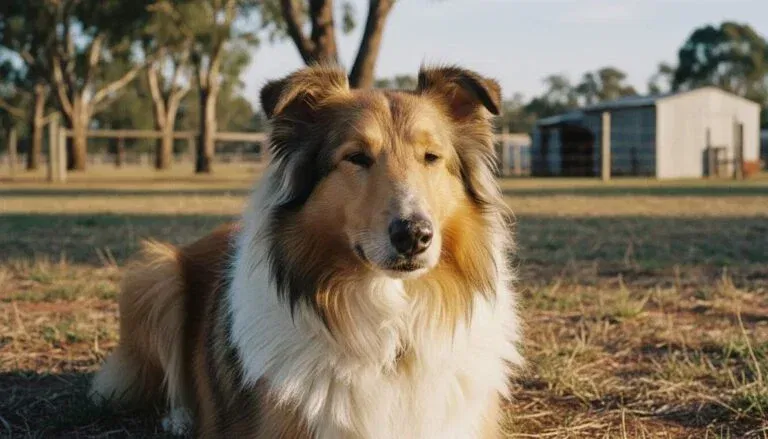
If you grew up watching Lassie save Timmy from a well every Sunday night, congratulations — you’ve already met the Rough Collie’s PR department. That show ran for nineteen seasons and did more for this breed’s reputation than any kennel club ever could. The good news? The Rough Collie genuinely is as gentle, intelligent, and devoted as television promised. The nuance? They also shed like they’re being paid by the tumblweed, bark at things you can’t see, and require grooming that will make you question your life choices at least twice a month.
The Rough Collie is one of the most elegant and emotionally intelligent breeds you can own. They read your mood before you’ve registered it yourself, they’re extraordinary with children, and they carry themselves with a quiet dignity that belies their deep, enduring silliness. In Australia, they’re a relatively uncommon breed compared to Border Collies or Kelpies, which means finding a reputable breeder takes patience and planning — but that rarity is part of their appeal.
This guide covers everything you need to know: real Australian pricing, verified health data including the critical MDR1 drug sensitivity mutation, grooming demands, temperament truths, and whether a Rough Collie genuinely suits your lifestyle.
What You’ll Learn
- Breed traits & temperament
- Health concerns to know
- True cost in Australia
- Training & exercise needs
- Is this breed right for you?
Quick Facts at a Glance
| Attribute | Details |
|---|---|
| Breed Group | Working Dogs (ANKC Group 5) |
| Origin | Scotland / Northern England |
| Height (Male) | 56–61 cm (22–24 inches) |
| Height (Female) | 51–56 cm (20–22 inches) |
| Weight (Male) | 20–30 kg (44–66 lb) |
| Weight (Female) | 18–25 kg (40–55 lb) |
| Lifespan | 12–14 years |
| Coat | Long, dense double coat — abundant mane and frill |
| Colours | Sable & white, tricolour (black/tan/white), blue merle |
| Shedding | Heavy — year-round with major coat blows twice yearly |
| Temperament | Gentle, loyal, intelligent, sensitive, devoted to family |
| Exercise Needs | Moderate — 45–60 minutes daily |
| Good with Kids | Exceptional — one of the best family breeds |
| Puppy Price (AUD) | $1,500–$3,000 from registered ANKC breeders; $3,000–$5,000+ show quality |
History & Origins
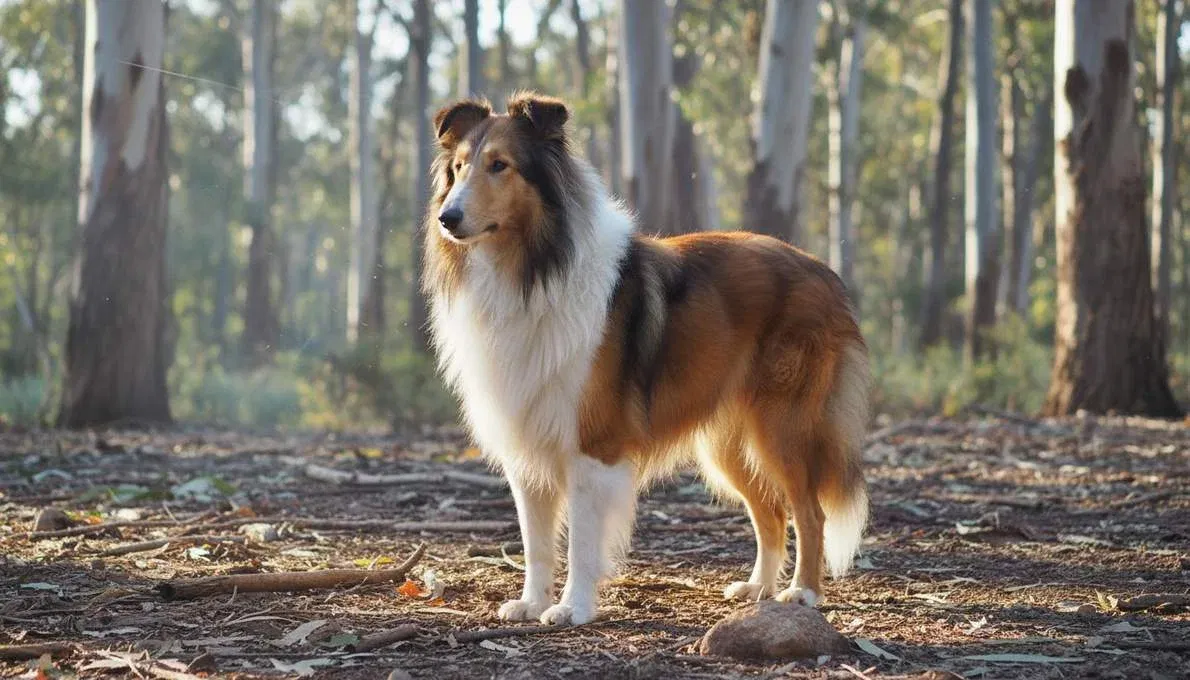
The Rough Collie’s ancestry traces back to the herding dogs of the Scottish Highlands and northern England. For centuries, these dogs worked alongside shepherds, managing flocks across rugged terrain in all weather conditions. The word “collie” likely derives from “colley,” a term for the black-faced sheep common to Scottish hillsides, though the exact etymology is debated.
The breed’s transformation from humble working dog to canine aristocrat began in the 1860s when Queen Victoria visited the Scottish Highlands, fell in love with the local Collies, and added several to her royal kennels at Balmoral. That royal endorsement ignited a breeding frenzy focused on beauty and refinement. Breeders developed the luxurious coat, narrow head, and elegant bearing we see today — a dog that looks like it should be draped across a velvet chaise rather than herding sheep in the rain.
But it was Lassie that transformed the breed into a global icon. Eric Knight’s 1940 novel “Lassie Come-Home” became a Hollywood film in 1943, followed by a television series that ran from 1954 to 1973. The Rough Collie became synonymous with loyalty, intelligence, and devotion. In reality, the original Lassie was a male Rough Collie named Pal, and all subsequent “Lassies” in the franchise were Pal’s descendants.
In Australia, the Rough Collie is registered with the ANKC under Group 5 (Working Dogs) and is bred by a relatively small but dedicated community of registered breeders across all states. Breed clubs operate nationally through the Collie Club affiliates, and Australian breeders have imported top-quality dogs from the UK, USA, Canada, and Europe to maintain genetic diversity.
Temperament & Personality
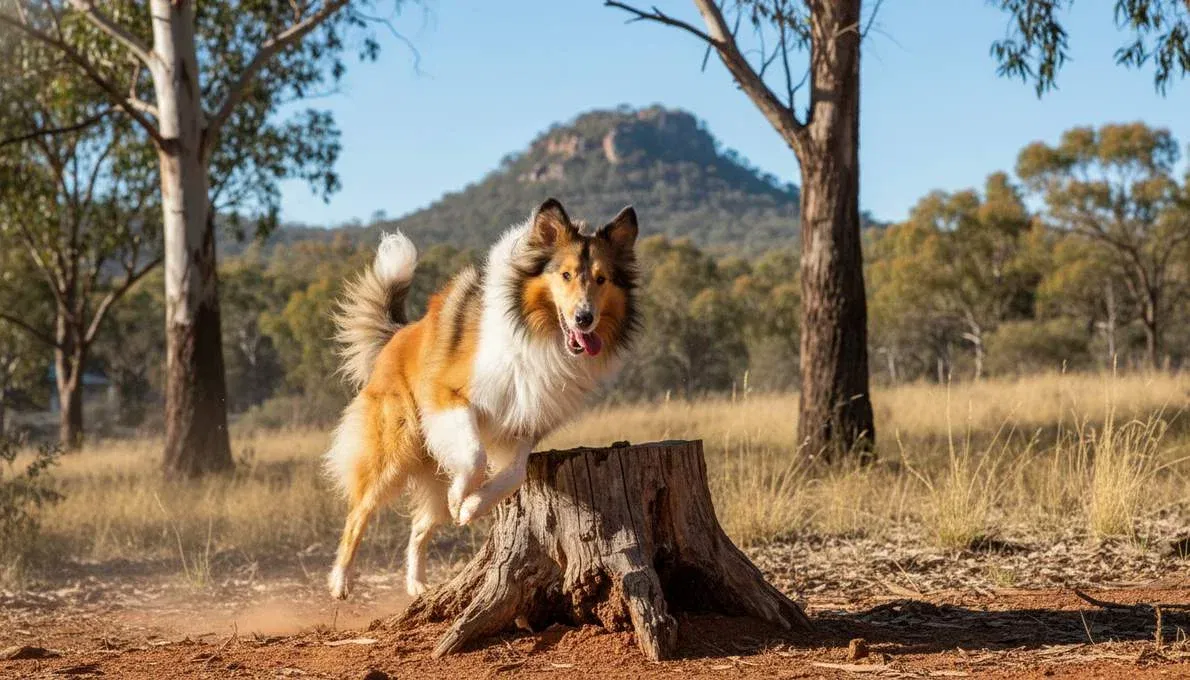
The Rough Collie’s temperament is its greatest asset. Dogs Victoria describes the breed as “affectionate, friendly, intelligent and loyal” — and for once, the breed club blurb is spot-on. Rough Collies are gentle souls who form deep, lasting bonds with their family. They’re remarkably attuned to human emotions, often positioning themselves close to whoever in the household seems upset or unwell.
Unlike Border Collies, which are intensity engines fuelled by an overwhelming drive to work, Rough Collies are calmer and more measured. They’re smart — genuinely, impressively smart — but they deploy that intelligence with a quiet elegance rather than the manic need-to-do-something energy of their Border Collie cousins. They learn quickly, they remember what they’ve learned, and they’ll occasionally decide that they know better than you (and sometimes they’re right).
This is one of the absolute best family breeds in existence. Rough Collies have a natural affinity for children and are remarkably patient and gentle with them. They’ll often “herd” young children — gently circling or nudging them away from perceived danger — which is simultaneously endearing and a reminder of their working heritage. They’re protective without being aggressive, and their sensitivity means they instinctively adjust their energy level to match the household.
Generally yes. Rough Collies have a lower prey drive than many herding breeds, and when introduced properly as puppies, they typically coexist well with cats. Some Collies will attempt to herd cats, which the cats will tolerate for approximately three seconds before asserting dominance. Early socialisation is key, but this is one of the more cat-compatible herding breeds.
No. Aggression is not a characteristic of the breed. Rough Collies are among the least aggressive breeds you can own. They’re naturally reserved with strangers — not hostile, just cautious and observant. A well-bred, well-socialised Rough Collie may bark to alert you to a visitor but will not show aggression unless severely provoked. Any Rough Collie displaying genuine aggression likely has either a health issue causing pain, a socialisation deficit, or comes from poor breeding lines.
They’re excellent alert dogs but poor guard dogs. A Rough Collie will absolutely let you know when someone is at the gate — enthusiastically and at volume — but they’re unlikely to physically confront an intruder. Their strength is in vigilance, not aggression. If you need a dog that barks at everything unusual, a Rough Collie will exceed your expectations. If you need a dog that will actually stop someone, look elsewhere.
Yes. This needs to be stated plainly. Rough Collies are vocal dogs. They bark at visitors, possums, the wind, birds, things they imagine, and occasionally nothing at all. This is a herding breed instinct — barking was part of their job. It can be managed with consistent training from puppyhood, but it cannot be eliminated entirely. If you live in a unit, townhouse, or have noise-sensitive neighbours, this is a genuine consideration.
The Shetland Sheepdog (Sheltie) looks like a miniature Rough Collie, but they’re separate breeds with distinct temperaments. Shelties are generally more energetic, more vocal (impressively so), and more reactive than Rough Collies. Rough Collies are calmer, larger (56–61 cm vs 33–41 cm for Shelties), and tend to be more laid-back in the house. Both are excellent family dogs, but if you want the calmer, quieter option, the Rough Collie usually has the edge. Note: there is no such thing as a “miniature Rough Collie” — if you see this advertised, it’s likely a Sheltie or a cross, not a Collie.
Health & Genetic Conditions
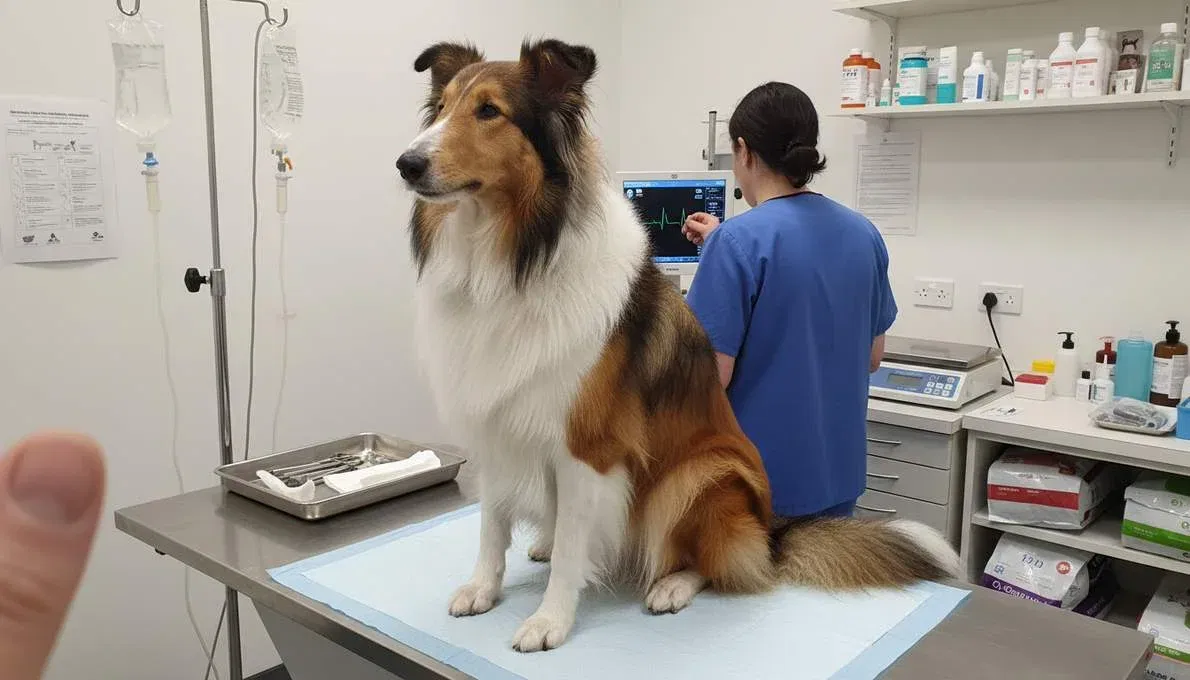
The Rough Collie is a generally healthy breed with a good lifespan for its size, but it carries several breed-specific genetic conditions that every owner must understand. The most critical of these is the MDR1 drug sensitivity mutation — a potentially life-threatening condition that affects how your dog processes common veterinary medications.
Prevalence: CEA is the single most significant hereditary condition in Rough Collies — studies across the US and Great Britain show that 70–97% of Rough and Smooth Collies carry at least one copy of the mutation, with phenotypic incidence estimated at 80–85% in the US. [Animal Genetics] [Wikipedia – CEA] The condition causes abnormal development of the inner structures of the eye, particularly the choroid, and ranges from mild choroidal hypoplasia with no impact on vision to severe cases involving retinal detachment and blindness. [Collie Health Foundation – CEA] Because such a large proportion of the breed is affected, full eradication is difficult — the focus of responsible breeders is to prevent severely affected pairings. [Collie Health Foundation – CEA] A DNA test is available. [Animal Genetics]
Symptoms: Most mildly affected Collies show no visible signs and live with perfectly adequate vision throughout their lives. [Collie Health Foundation – CEA] Severely affected dogs may show cloudiness or abnormality in the eye, vision impairment in low light, or complete blindness in one or both eyes if retinal detachment occurs. [VetPartner – CEA] The condition does not progressively worsen over time — its severity is set from birth. [Collie Health Foundation – CEA]
Treatment Cost (AUD): No treatment reverses CEA. [VetPartner – CEA] Ophthalmologist examination at 6–8 weeks of age (essential for all Collie puppies) costs $150–$300. [OFA – CAER] Surgical intervention for retinal detachment, where applicable, can run $2,500–$6,000+. [petinsurance.com.au]
Prevention: All Collie puppies should have a CAER eye examination by a board-certified veterinary ophthalmologist before 8 weeks of age — ideally before leaving the breeder. [Collie Health Foundation – Health Statement] Ask your breeder for both the puppy eye exam result and the DNA test status of both parents (clear, carrier, or affected). [Animal Genetics] A mildly affected or carrier dog can still be bred responsibly — the critical thing is avoiding two severely affected dogs being paired together. [VetPartner – CEA]
Prevalence: Approximately 70% of Rough Collies carry the MDR1 mutation — the highest rate of any breed — making drug sensitivity a near-universal concern for this breed. [VetLens – Collie] The mutation affects the blood-brain barrier, allowing certain common medications to reach toxic levels in the brain even at standard doses. [Collie Health Foundation – Health Statement] Dogs with two copies of the mutation (mutant/mutant) are most severely affected; those with one copy (mutant/normal) can also react, though typically less severely. [Collie Health Foundation – Health Statement] A DNA test identifies a dog’s status exactly. [UC Davis VGL]
Symptoms: Reactions are caused by specific drugs — not a general illness — so symptoms only appear after exposure to an affected medication. [VetLens – Collie] Signs of toxicity include tremors, disorientation, drooling, blindness, seizures, and in severe cases, coma. [Collie Health Foundation – Health Statement] Key drugs to avoid include ivermectin (found in some heartworm preventatives), loperamide (Imodium), acepromazine, butorphanol, and certain chemotherapy agents. [VetLens – Collie]
Treatment Cost (AUD): MDR1 DNA testing costs $80–$150 per dog. [petinsurance.com.au] Emergency treatment for a drug toxicity reaction requiring hospitalisation can run $1,500–$5,000+. [petinsurance.com.au] Testing once at puppyhood prevents the need for expensive emergency care and guides your vet for the rest of the dog’s life. [Collie Health Foundation – Health Statement]
Prevention: DNA test your Rough Collie for MDR1 as early as possible and share the result with every vet, groomer, or boarding facility that handles your dog. [Collie Health Foundation – Health Statement] Always inform your vet that your dog is a Collie before any medication, anaesthetic, or parasite treatment is prescribed — some vets default to ivermectin-based products without asking. [VetLens – Collie] Safe alternatives exist for every affected drug class. [Collie Health Foundation – Health Statement]
Prevalence: Dermatomyositis is an autoimmune inflammatory disease of the skin and muscles considered one of the major inherited conditions in Rough Collies, alongside CEA and MDR1. [Collie Health Foundation – Health 101] It is caused by an autosomal dominant trait, meaning if one parent is affected, all puppies in the litter carry some susceptibility — though the severity varies considerably between individuals. [NAHF – Rough Collie Health] The Collie Health Foundation recommends DMS testing as one of the four minimum screening tests for any breeding program. [Collie Health Foundation – Health Statement]
Symptoms: Signs typically appear in puppies under 6 months of age as skin lesions on the face, ears, tail tip, and bony prominences — areas of repeated minor trauma. [Collie Health Foundation – Health 101] Lesions may look like scabs, hair loss, scaling, or reddened patches. [NAHF – Rough Collie Health] Severe cases also cause muscle inflammation, affecting chewing and swallowing ability. [Collie Health Foundation – Health 101] Many cases are mild and manageable. [Collie Health Foundation – Health 101]
Treatment Cost (AUD): Mild cases managed with medication and sun avoidance cost $200–$800/year in ongoing treatment. [petinsurance.com.au] Severe cases requiring specialist dermatology or neurology input can be considerably more expensive. [petinsurance.com.au] Affected dogs should not be used for breeding. [NAHF – Rough Collie Health]
Prevention: Ask your breeder for DMS DNA test results on both parents. [Collie Health Foundation – Health Statement] Minimising sun exposure and avoiding skin trauma (rough play, concrete surfaces) can reduce the severity of flare-ups in susceptible dogs. [NAHF – Rough Collie Health]
Prevalence: The Collie-specific form of PRA, designated PRA-rcd2, is an early-onset inherited blindness that causes complete vision loss by 6–8 months of age — making it one of the most devastating inherited conditions in the breed when it occurs. [Collie Health Foundation – Health Statement] The good news is that through strict testing and a zero-tolerance breeding policy by responsible Collie breeders, PRA-rcd2 is now rare in well-bred lines. [Collie Health Foundation – Health Statement] It is inherited as an autosomal recessive condition — both parents must carry the gene for a puppy to be affected. [UC Davis VGL]
Symptoms: Unlike adult-onset PRA in other breeds, affected Collie puppies begin losing their vision within the first few weeks of life. [Collie Health Foundation – Health Statement] Night blindness appears first, progressing rapidly to complete blindness by 6–8 months — far faster than PRA in most other breeds. [Collie Health Foundation – Health Statement] The condition is not painful. [VCA Hospitals – PRA]
Treatment Cost (AUD): No treatment or cure exists. [VCA Hospitals – PRA] DNA testing of both parents before breeding costs $80–$150 per dog and completely eliminates the risk of producing affected puppies. [petinsurance.com.au]
Prevention: This is a fully preventable condition through DNA testing — a carrier-to-clear pairing produces no affected puppies. [Collie Health Foundation – Health Statement] Ask your breeder for PRA-rcd2 DNA test results for both parents before committing to a puppy. [Collie Health Foundation – Health Statement] No reputable Collie breeder should be unable to provide this documentation. [UC Davis VGL]
Prevalence: DM is a progressive, inherited neurological disease that causes gradual paralysis of the hind limbs, similar to ALS in humans, and is a documented condition in Rough Collies. [Collie Health Foundation – Health 101] It typically begins after 8 years of age and slowly worsens over 1–3 years. [Collie Health Foundation – Health 101] A DNA test for the SOD1 mutation linked to DM is available through OFA. [OFA – DM]
Symptoms: Weakness and incoordination in the hind legs is the first sign — the dog appears wobbly when walking, stumbles, or drags its paws. [NAHF – Rough Collie Health] Over months this progresses to the inability to walk, followed by incontinence and eventually forelimb weakness. [VCA Hospitals – DM] The condition is not painful, which can make it hard to detect in early stages. [VCA Hospitals – DM]
Treatment Cost (AUD): No treatment reverses or stops DM. [VCA Hospitals – DM] Physiotherapy, hydrotherapy, and rear-limb support carts ($500–$2,500) help maintain quality of life and mobility for as long as possible. [petinsurance.com.au] OFA DM DNA testing for breeding stock costs around $65–$100 USD per dog. [OFA – DM]
Prevention: Test breeding dogs for the DM SOD1 mutation and avoid pairing two carriers or two at-risk dogs. [OFA – DM] Regular low-impact exercise — swimming, leash walking — through adulthood appears to slow disease progression in at-risk dogs once signs begin. [VCA Hospitals – DM]
Prevalence: Hip dysplasia is less prevalent in Rough Collies than in many large breeds — reportedly fewer than 3% of Collies are affected — but it remains a documented condition worth screening for in breeding stock. [Lucy Pet] The Collie Health Foundation recommends OFA or PennHIP evaluation as part of the minimum responsible breeding program. [Collie Health Foundation – Health Statement] Dogs can begin showing signs as early as 4 months, or not until their senior years. [Dogster]
Symptoms: Stiffness or soreness after exercise, reluctance to jump or climb stairs, a swaying gait, and decreased activity in what was previously an energetic dog. [VCA Hospitals – Hip Dysplasia] In milder cases signs may only appear in older age as arthritis develops in the affected joint. [VCA Hospitals – Hip Dysplasia]
Treatment Cost (AUD): Mild cases managed with joint supplements, anti-inflammatories, and physiotherapy cost $500–$2,000/year. [petinsurance.com.au] Surgical correction for severe cases can run $4,000–$8,000+ per hip. [petinsurance.com.au]
Prevention: Ask your breeder for OFA or PennHIP hip clearance on both parents. [Collie Health Foundation – Health Statement] Keeping growing puppies lean and avoiding excessive high-impact activity during the first 12–18 months reduces the risk of dysplasia developing even in genetically susceptible dogs. [OFA – hip dysplasia]
Lifespan & Longevity
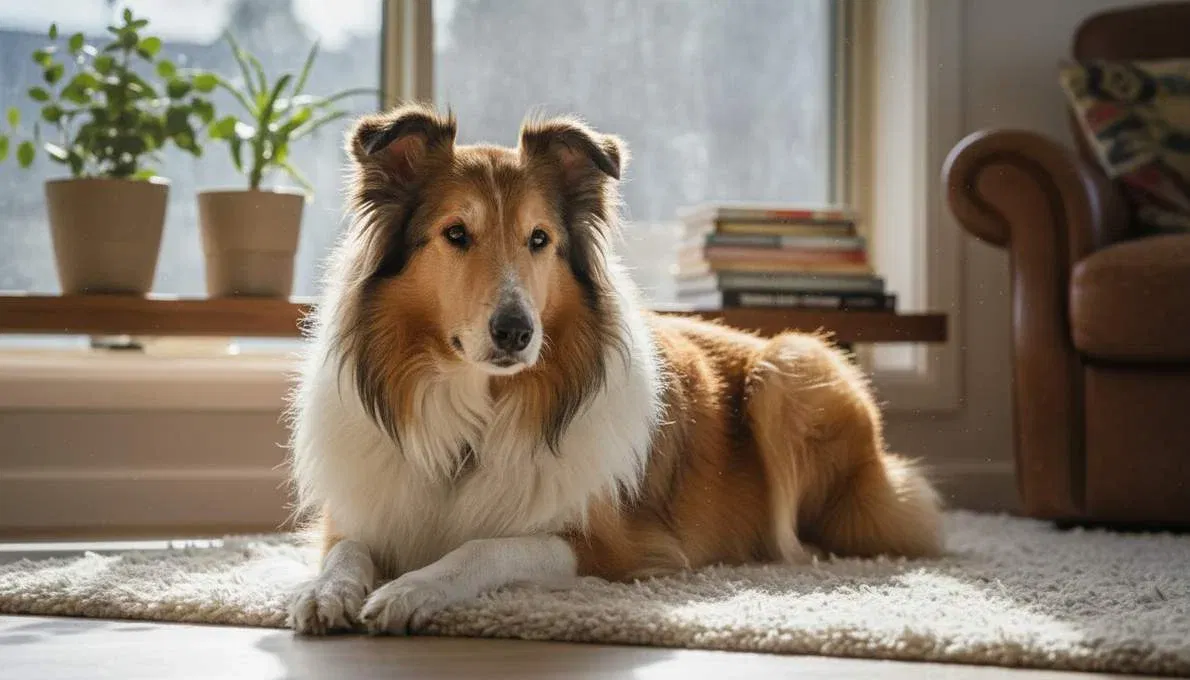
The Rough Collie’s average lifespan is 12 to 14 years, which is excellent for a medium-to-large breed. This is one of the breed’s genuine strengths — you’re looking at well over a decade of companionship, which is longer than most breeds of comparable size.
Cancer (particularly skin and stomach cancers) and age-related organ failure are the most common causes of death. Early detection through regular veterinary check-ups, a quality diet, and maintaining a healthy weight all contribute to a longer, healthier life.
| Life Stage | Key Focus Areas |
|---|---|
| Puppy (0–12 months) | CEA eye exam at 6–8 weeks; MDR1 DNA test; socialisation before 16 weeks; gentle exercise; large-breed appropriate diet; puppy vaccinations |
| Adolescent (1–3 years) | Continue socialisation and training; hip scoring after 12 months; monitor for DMS symptoms; full coat develops |
| Adult (3–10 years) | Annual health checks; weight management; dental care; regular grooming routine; maintain MDR1-safe medication list with vet |
| Senior (10+ years) | Twice-yearly vet visits; joint supplements; reduced exercise intensity; cancer screening; blood panels for organ function |
Grooming & Care
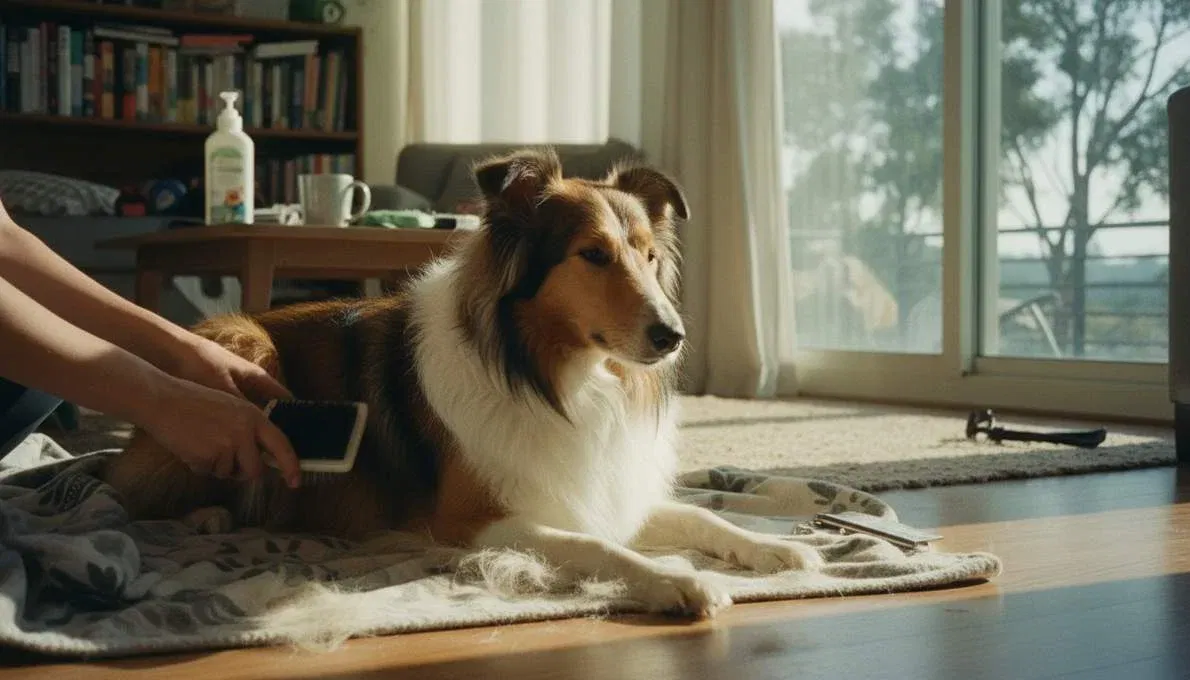
Let’s be honest: the Rough Collie’s coat is magnificent, and it is a commitment. This is a long, dense double coat with a profuse mane and frill around the chest, feathering on the legs, and a thick undercoat that insulates against both cold and heat. It looks spectacular when maintained — and like a matted disaster when it isn’t.
Shedding
Rough Collies shed. A lot. Year-round, with two major coat blows (typically in spring and autumn) where the undercoat comes out in clumps. During these periods, you will find fur on every surface in your house, your car, your clothes, and occasionally your food. A good vacuum cleaner and a relaxed attitude toward dog hair are prerequisites for Rough Collie ownership. They are emphatically not hypoallergenic.
Grooming Routine
The coat requires thorough brushing 2–3 times per week at minimum, increasing to daily during coat blow. The key areas that mat are behind the ears, under the armpits, around the collar line, and the trousers (rear leg feathering). Never shave a Rough Collie — the double coat provides insulation from both heat and cold, and shaving damages the coat structure, often permanently.
| Grooming Task | Frequency | Notes |
|---|---|---|
| Full Coat Brushing | 2–3 times weekly (daily when shedding) | Pin brush and slicker brush; work in sections; always brush down to the skin |
| Undercoat Removal | Twice yearly (coat blow) | Undercoat rake; be thorough but gentle; this takes time |
| Bathing | Every 6–8 weeks | Always brush out mats before bathing; fully dry the coat afterward |
| Nail Trimming | Every 2–3 weeks | Dark nails — trim carefully or use a Dremel |
| Ear Cleaning | Weekly | Check for debris; pendant ears can trap moisture |
| Teeth Brushing | 2–3 times weekly | Daily ideal; collies can be prone to dental issues |
| Nose Sun Protection | Daily in summer | “Collie nose” — apply pet-safe sunscreen to pink or lightly pigmented noses |
Exercise Needs
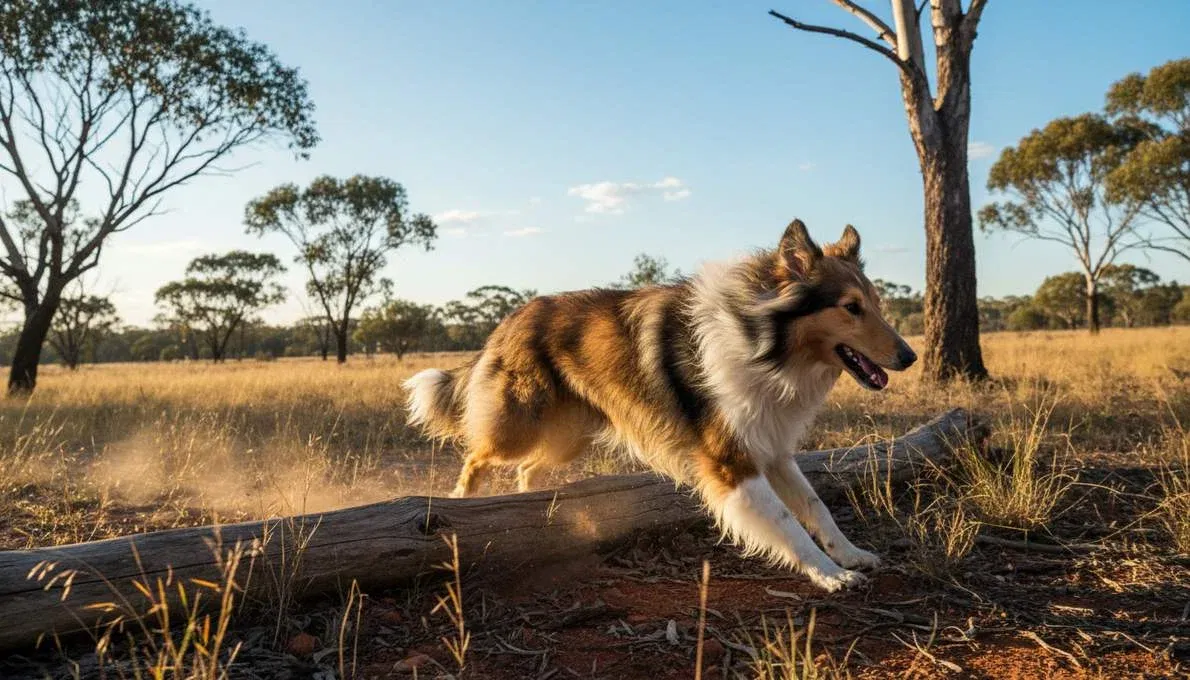
Rough Collies have moderate exercise requirements compared to other herding breeds. They’re not the tireless athletes that Border Collies and Kelpies are. Plan for 45 to 60 minutes of daily exercise — a combination of walks, free play in a fenced yard, and mental stimulation.
They enjoy and excel at dog sports including obedience, rally, agility, herding trials, tracking, and endurance tests. Australian Collie breeders proudly note their dogs’ versatility across these disciplines. Mental enrichment is just as important as physical exercise — puzzle feeders, scent games, and training sessions keep their intelligent minds engaged.
Australian Climate Considerations
The Rough Collie’s thick double coat makes them vulnerable to overheating in Australian summers. In warmer states — Queensland, Northern Territory, and inland NSW — restrict outdoor exercise to the coolest parts of the day and ensure constant access to shade and fresh water. Air conditioning during extreme heat is not a luxury for this breed; it’s a necessity. In cooler regions like Melbourne, Tasmania, and the ACT, Rough Collies are very comfortable and thrive in the climate.
Never shave the coat for summer — the double coat actually insulates against heat. Instead, ensure the undercoat is well-brushed out so air can circulate to the skin.
Training Guide
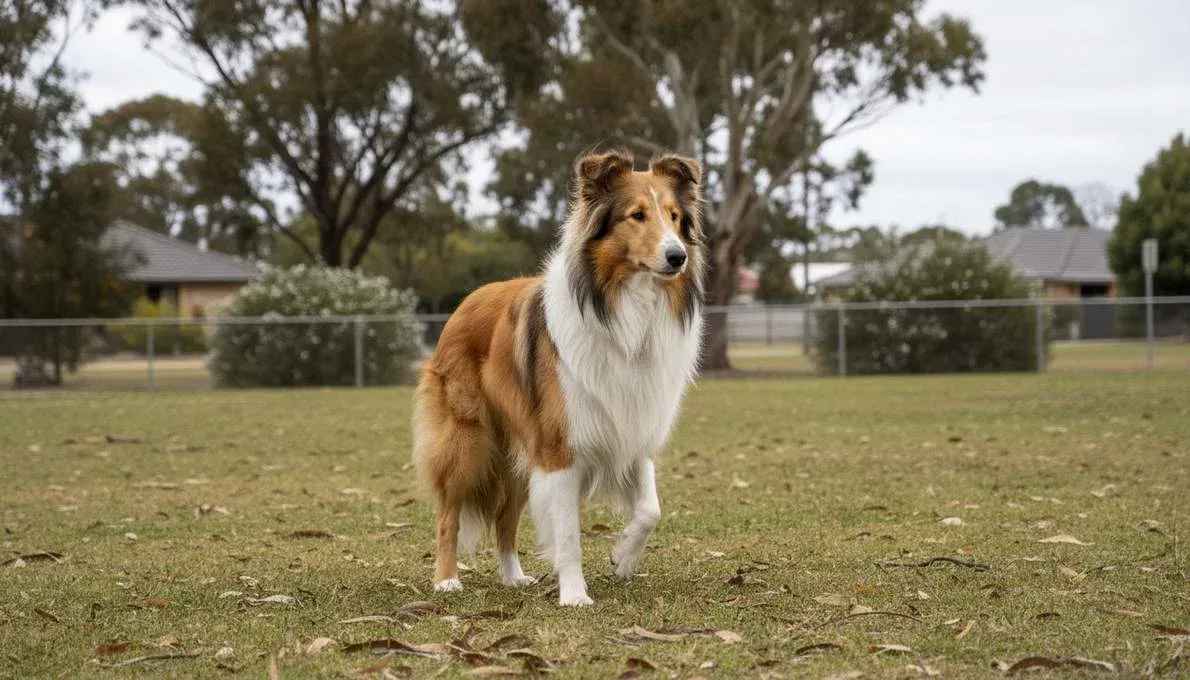
Rough Collies are highly trainable and eager to please, but they require a gentle hand. This is a sensitive breed that wilts under harsh corrections. Raised voices, physical punishment, or heavy-handed training methods will damage your relationship with a Rough Collie and create anxiety-based behaviour problems. Positive reinforcement — treats, praise, and play — is the only training approach that works effectively with this breed.
They learn quickly and retain what they’ve learned, but they can develop a stubborn streak if training becomes repetitive or boring. Keep sessions short, varied, and fun. Rough Collies have a particular talent for reading their owner’s body language, which makes them excellent at advanced obedience and trick work.
Training Difficulty
Training difficulty: 3 out of 10 for experienced owners; 5 out of 10 for first-timers. This is one of the most trainable breeds available. The main challenges are managing barking (a persistent herding instinct) and preventing over-sensitivity or timidity through thorough socialisation.
| Age | Training Focus |
|---|---|
| 8–16 weeks | Socialisation is critical; gentle exposure to people, dogs, environments, sounds; name recognition; crate training; gentle bite inhibition; “quiet” command introduction early |
| 4–6 months | Puppy school; leash walking; basic commands (sit, stay, come, down); impulse control; continued barking management |
| 6–12 months | Recall training; longer stays; introduction to dog sports; adolescent phase — stay consistent; build confidence with new experiences |
| 1–2 years | Advanced obedience; off-lead reliability in secure areas; agility or rally introduction; herding instinct testing if interested |
| 2+ years | Ongoing enrichment; trick training; competition-level sports; therapy dog certification — Rough Collies are natural therapy dogs |
Cost of Ownership in Australia
Rough Collies are a moderately expensive breed to purchase but relatively affordable to maintain — with the notable exception of their grooming demands and the potential for breed-specific health costs.
Purchase Price
From a registered ANKC breeder in Australia, expect to pay $1,500 to $3,000 AUD for a pet-quality Rough Collie puppy. Show-quality puppies from champion bloodlines can range from $3,000 to $5,000+. Puppies should come ANKC registered, vaccinated, microchipped, wormed, eye-tested by a veterinary ophthalmologist, DNA tested (MDR1, CEA, PRA-rcd2 at minimum), and with copies of both parents’ health testing results.
Rough Collie breeders in Australia are a small, dedicated community. Waitlists of 6–12 months or longer are common. The Collie Club affiliates in each state and Dogzonline.com.au are good starting points for finding registered breeders in QLD, NSW, VIC, SA, WA, and Tasmania.
Adoption through rescue is occasionally available, typically $300–$600 AUD, but Rough Collies in rescue are uncommon compared to more popular breeds.
Ongoing Annual Costs
| Expense | Annual Estimate (AUD) | Notes |
|---|---|---|
| Premium Dog Food | $1,000–$1,800 | Medium-large breed; moderate appetite |
| Veterinary Care (routine) | $400–$800 | Annual check, vaccines, parasite prevention (MDR1-safe only) |
| Pet Insurance | $600–$1,200 | Moderate premiums; breed-specific conditions may apply |
| Grooming Supplies / Professional Grooming | $300–$800 | Professional grooming $80–$150/session; or invest in quality brushes |
| Council Registration | $30–$200 | Varies by council; desexed discount |
| Toys, Beds, Equipment | $200–$400 | Standard quality; not a destructive breed |
| Training | $200–$600 | First year; group classes are ideal for this social breed |
| TOTAL (first year) | $4,500–$9,000+ | Including purchase price |
| TOTAL (ongoing per year) | $2,700–$5,800 | Excluding unexpected vet bills |
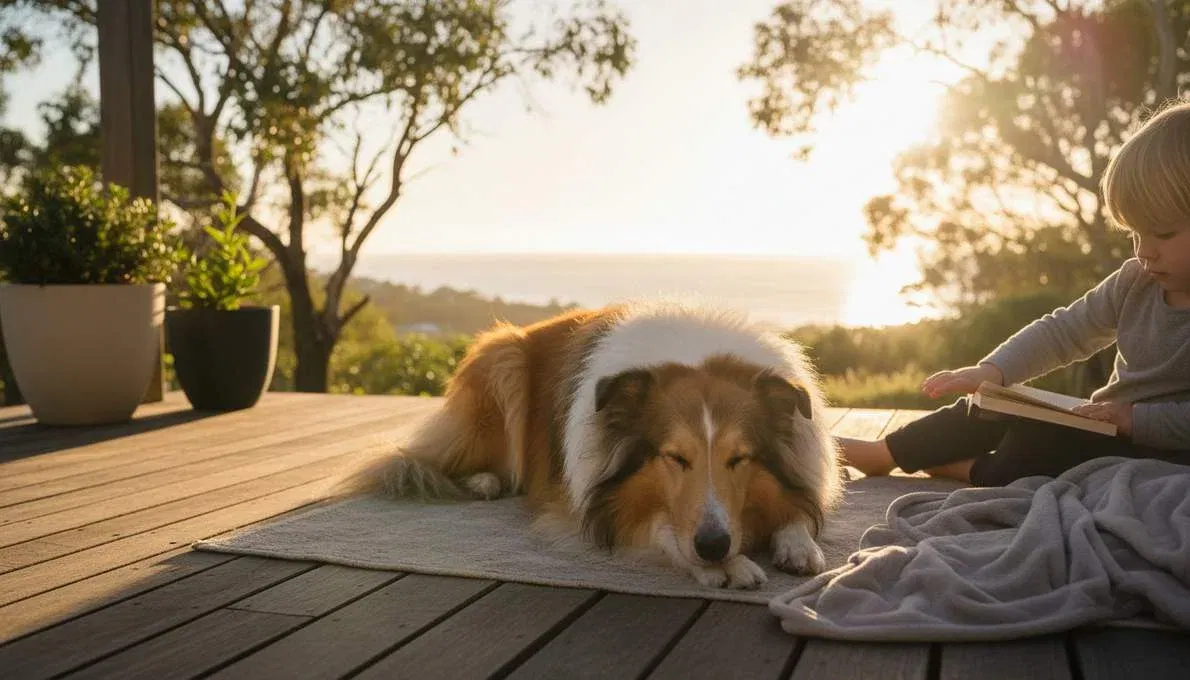
Is the Rough Collie Right for You?
You want a gentle, devoted family dog that’s exceptional with children. You’re prepared for regular grooming — 2–3 times weekly minimum, more during shedding seasons. You have a yard (doesn’t need to be huge, but they benefit from outdoor space). You’re home frequently — Rough Collies are people-oriented and don’t do well left alone for extended periods. You’re patient with barking and willing to invest in training to manage it. You want a dog that’s intelligent, trainable, and genuinely enjoys dog sports or activities.
You’re not prepared for heavy shedding and regular coat maintenance. You live in an apartment or unit with noise-sensitive neighbours (barking). You want a guard dog that will physically protect your property. You work long hours and the dog will be alone most of the day. You live in a very hot climate with no air conditioning (the coat makes heat management difficult). You want a low-maintenance, “set and forget” breed.
This is a common question for Australian dog buyers. Border Collies are more intense, higher energy, and need significantly more exercise and mental stimulation. Rough Collies are calmer, gentler, more suitable for families with young children, and require less exercise — but far more grooming. If you want a working partner or agility competitor, the Border Collie is the better choice. If you want a devoted family companion with moderate exercise needs and a calm household presence, the Rough Collie is your dog.
Blue merle is one of three accepted Rough Collie colours (alongside sable & white and tricolour). Blue merle dogs are striking — a silvery blue-grey coat marbled with black, with tan points — and they’re in higher demand, which can affect pricing and availability. Health-wise, blue merle Rough Collies are no different from other colours provided they are not double merle (merle-to-merle breeding). Reputable breeders never breed merle to merle, as this can produce puppies with serious eye and hearing defects. Always confirm the breeding pair’s colour genetics before purchasing a blue merle puppy.
The Rough Collie is one of the most genuinely lovely breeds you can share your life with. They’re gentle, intelligent, devoted to their family, and possess an emotional sensitivity that makes them feel less like a pet and more like a companion who happens to be covered in fur.
Here’s what it comes down to:
- Rough Collies are gentle, loyal family dogs with a 12–14 year lifespan, exceptional with children, and highly trainable — but they bark, they shed, and the grooming is non-negotiable.
- The MDR1 drug sensitivity mutation affects 55–70% of the breed. Every Rough Collie must be DNA tested, and your vet must know the result before prescribing any medication. This is not optional.
- Expect to pay $1,500–$3,000 from ANKC breeders in Australia, with annual ownership costs of $2,700–$5,800. They’re worth every dollar and every grooming session — if you go in with open eyes.
Frequently Asked Questions
How much does a Rough Collie cost in Australia?
From a registered ANKC breeder, expect to pay $1,500–$3,000 AUD for a pet-quality puppy. Show-quality puppies from champion lines can be $3,000–$5,000+. This includes ANKC registration, vaccinations, microchipping, worming, eye testing, and DNA tests for MDR1, CEA, and PRA-rcd2. Waitlists of 6–12 months are common.
Was Lassie a Rough Collie?
Yes. The original Lassie was a male Rough Collie named Pal. All subsequent Lassies in the film and television franchise were Pal’s descendants. The show ran for 19 seasons and cemented the breed’s reputation as loyal, intelligent, and heroic.
How long do Rough Collies live?
The average lifespan is 12–14 years, which is excellent for a medium-to-large breed. With good care, regular vet check-ups, and a healthy diet, many live into their mid-teens.
Do Rough Collies shed a lot?
Yes, heavily. They shed year-round with two major coat blows (spring and autumn) where the undercoat comes out in clumps. Regular brushing 2–3 times a week (daily during shedding) is essential. They are not hypoallergenic.
What is MDR1 and why is it so important?
MDR1 is a genetic mutation affecting 70% of Rough Collies. It causes sensitivity to common veterinary drugs (e.g., ivermectin, loperamide) which can reach toxic levels in the brain. Every Rough Collie must be DNA tested, and your vet must know the result before prescribing any medication.
Are Rough Collies good for first-time owners?
Yes, with caveats. They are gentle, trainable, and eager to please. However, their grooming demands, barking tendency, and need for family companionship require commitment. A first-time owner willing to invest in grooming, training, and time can succeed beautifully.
Is there a miniature Rough Collie?
No. The Shetland Sheepdog (Sheltie) looks like a miniature Rough Collie but is a separate breed. Any advertisement for a “miniature Rough Collie” is likely a Sheltie or a crossbreed.
Do Rough Collies bark a lot?
Yes. They are vocal dogs and will bark at visitors, wildlife, and sometimes nothing at all. This is a herding instinct. Training can manage but not eliminate barking. Not ideal for apartments or noise-sensitive neighbours.
Are Rough Collies smart?
Extremely. They are among the most intelligent breeds, learn quickly, and excel at obedience, agility, and trick training. Their intelligence is paired with emotional sensitivity, making them excellent family companions.
What colours do Rough Collies come in?
Three accepted colours: sable & white (from light gold to deep mahogany), tricolour (black, tan, and white), and blue merle (silvery blue-grey marbled with black, with tan points). All are equally healthy provided merle-to-merle breeding is avoided.
1. Dogs Australia — Collie (Rough) Breed Standard — https://dogsaustralia.org.au/members/Breed/Detail/155
2. Dogs Victoria — Collie (Rough) Breed Information — https://dogsvictoria.org.au/family-pet/dogs-and-puppies/buying-a-puppy/breed-information-and-registered-breeders/collie-(rough)/
3. Collie Health Foundation — MDR1 Mutation Information — https://www.colliehealth.org/mdr1-mutation/
4. Collie Health Foundation — Collie Health Statement — https://www.colliehealth.org/collie-health-statement/
5. UC Davis Veterinary Genetics Laboratory — Collie Genetic Tests — https://vgl.ucdavis.edu/breed/collie
6. Dogzonline.com.au — Collie (Rough) Breeders in Australia — https://www.dogzonline.com.au/breeds/breeders/collie-rough.asp
7. Pastoral Breeds Health Foundation — Rough Collie Health — http://www.pbhf-dog.com/roughcollie.html
8. Dog Breed Health — Rough Collie Health & Genetic Testing — https://www.dogbreedhealth.com/rough-collie/