
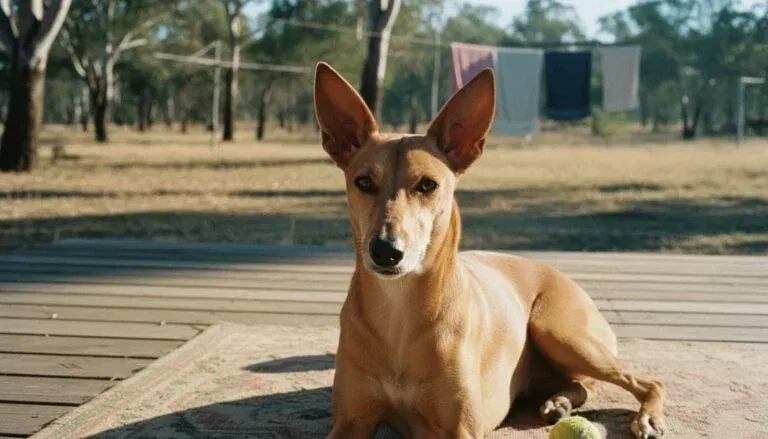
There is exactly one dog breed in the world that blushes. When a Pharaoh Hound gets excited or happy, the insides of its ears and its nose flush a deep rosy pink. They also smile — a wide, toothy grin that looks almost human. If you’ve never seen a Pharaoh Hound in person, you’re missing out on one of the most striking and charismatic dogs alive.
These elegant sighthounds look like they’ve walked straight off an ancient Egyptian tomb painting — and for centuries, people believed they had. Modern DNA testing has revealed the breed actually developed on the island of Malta, where it’s been the national dog since 1974. Known locally as the Kelb tal-Fenek (“dog of the rabbit”), they’ve been hunting rabbits across Malta’s rocky terrain for over 2,000 years.
In Australia, Pharaoh Hounds are rare, beautiful, and genuinely challenging. They’re athletic, intelligent, independent, and will absolutely jump your fence if it’s under six feet tall. This guide covers the real costs of Pharaoh Hound ownership in Australia, the health issues that matter, the temperament truths every buyer needs to hear, and whether this ancient breed belongs in your life.
What You’ll Learn
- Breed traits & temperament
- Health concerns to know
- True cost in Australia
- Training & exercise needs
- Is this breed right for you?
Quick Facts at a Glance
| Attribute | Detail |
|---|---|
| Breed Group | Hound (ANKC Group 4) |
| Other Names | Kelb tal-Fenek (Maltese), Blushing Dog of Malta |
| Origin | Malta (developed over 2,000+ years; despite the name, not from Egypt) |
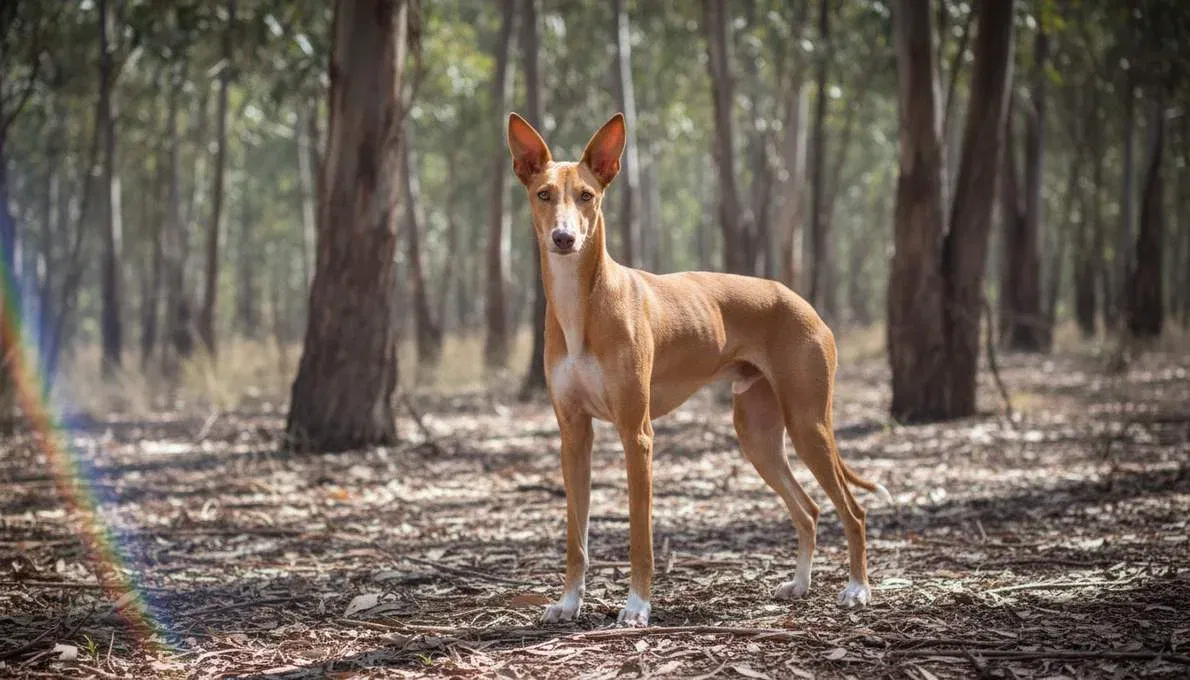
| Size | 53–63 cm at the shoulder (males 56–63 cm, females 53–61 cm) |
| Weight | 20–25 kg (45–55 lbs) |
| Coat | Short, glossy, fine and close-fitting |
| Colours | Tan to rich chestnut (with small white markings allowed on toes, chest, tail tip, forehead) |
| Lifespan | 12–14 years |
| Temperament | Affectionate, playful, intelligent, independent, alert |
| Exercise Needs | High — 45–60+ minutes daily including sprinting |
| Shedding | Low — minimal shedding, very clean breed |
| Good With Kids | Good — gentle and playful with older children |
| Good With Other Dogs | Generally good — some males can be dominant |
| Barking Level | Moderate–high — vocal when excited or alert |
| Price in Australia | $3,000–$5,000+ AUD (very rare breed, long waitlists) |
History & Origins
The Pharaoh Hound’s name is one of the great marketing successes in dog breeding history. For decades, the breed was presented as a living relic of ancient Egypt — the very dogs carved on pharaonic tombs dating to 4400 BCE. The resemblance is striking: the same large, erect ears, lean body, and noble carriage. It’s a compelling story. It’s also not quite true.
Modern DNA analysis has revealed that the Pharaoh Hound has no direct genetic link to ancient Egyptian dogs. The breed actually developed on the island of Malta, where it’s been used for rabbit hunting for over 2,000 years. Malta’s isolation allowed the breed to develop in a remarkably pure form, and Maltese farmers jealously guarded their dogs for centuries. The breed is known locally as the Kelb tal-Fenek — “dog of the rabbit” — and became Malta’s national dog in 1974, even appearing on Maltese coins in 1977.
The first Pharaoh Hounds arrived in Britain in the 1920s, but serious breeding outside Malta didn’t begin until the 1960s. The AKC recognised the breed in 1983. In Australia, the Pharaoh Hound community is small but passionate. Breeders across Victoria, NSW, South Australia and Tasmania have imported lines from Estonia, Sweden, Russia and beyond to maintain genetic diversity. The breed has produced Supreme Champions in the Australian show ring, but remains extremely rare as a pet.
Temperament & Personality
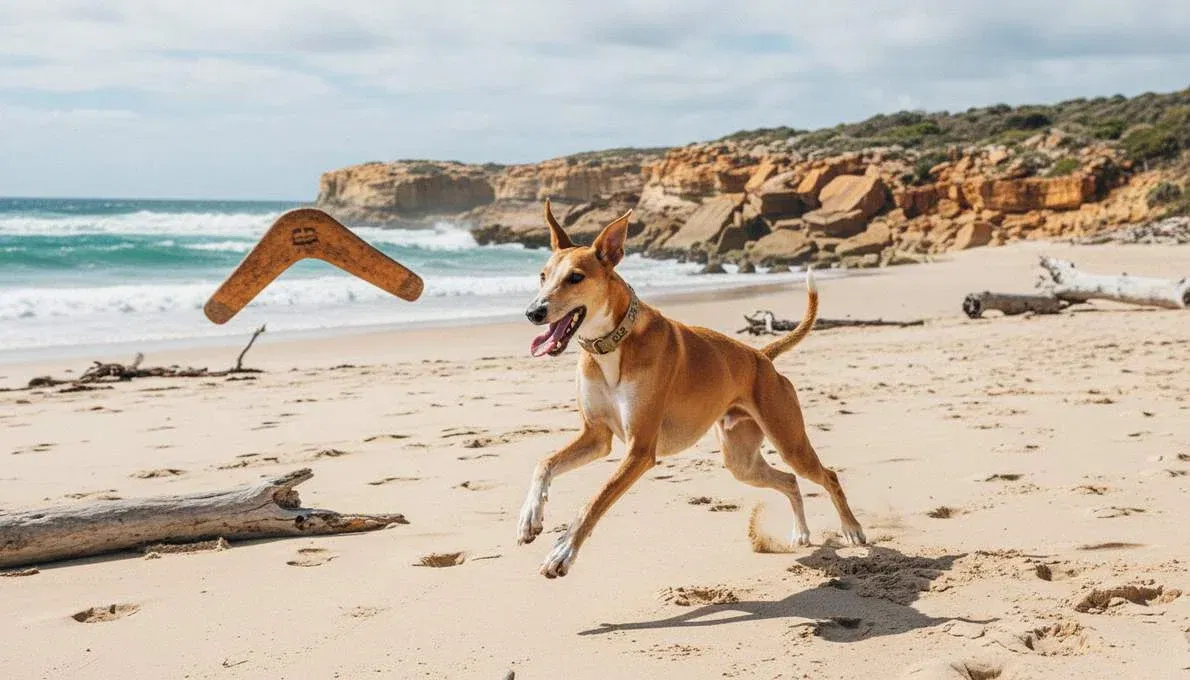
The Pharaoh Hound is a study in contrasts. Outdoors, they’re fast, driven, and intensely focused hunters. Indoors, they’re calm, quiet couch potatoes who want nothing more than to stretch out on the softest surface available — preferably your sofa, your bed, or your lap. Like Greyhounds, they have an off-switch that surprises people who see them run at full speed.
They’re deeply affectionate with their people, sometimes almost clingy. Pharaoh Hounds bond intensely with their family and can be sensitive to mood and atmosphere. They’re also reserved with strangers — not aggressive, but cautious. Early socialisation is important to prevent shyness from becoming a problem.
Pharaoh Hounds are gentle, playful, clean, and virtually odour-free. They’re quiet indoors, shed very little, and have an elegance that turns heads everywhere. Their blushing and smiling are genuinely charming traits that never get old. They’re loyal without being demanding, and they settle into household routines well once mature.
They’re sighthounds with a powerful prey drive. If they see a rabbit, cat, or anything small and moving, they will chase it — at speeds that make catching them impossible. They can jump six-foot fences from a standstill. They’re intelligent but independent, which means training requires patience and creativity. They’re also expert counter-surfers who will steal food from any accessible surface with zero remorse. And they’re vocal — not constant barkers, but when something excites them, the neighbours will know about it.
It’s evening. Your Pharaoh Hound is draped across the couch, nose glowing pink, ears back in that contented folded position, looking like a living Egyptian artefact. You reach for a cheese platter on the kitchen bench. In the time it takes you to turn around, the cheese has vanished and your Pharaoh is back on the couch, tail wagging, wearing a look of absolute innocence. You can’t even be mad — it’s blushing.
Health & Genetic Conditions
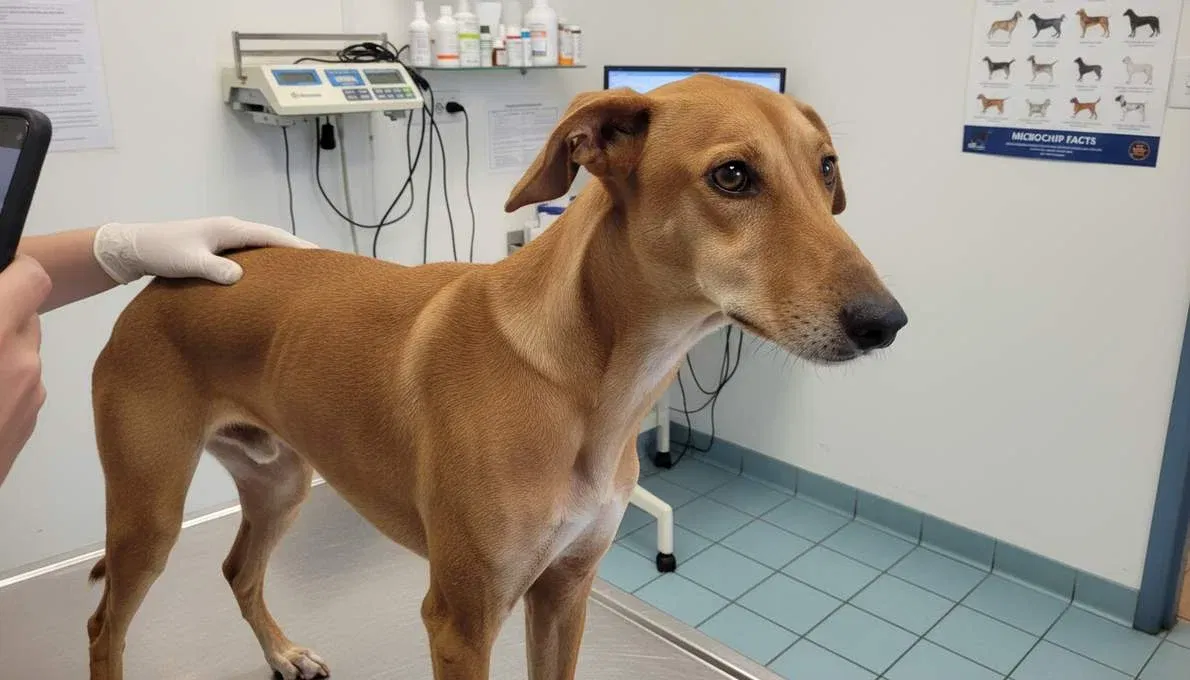
The Pharaoh Hound is one of the healthiest purebred dog breeds. Their long isolation on Malta, combined with the demands of working life, produced a genetically robust dog with few breed-specific problems. However, there are some conditions prospective owners should know about.
Prevalence: A known inherited eye condition in Pharaoh Hounds where both parents can carry the gene without showing any signs themselves, yet still pass it on to their puppies. It is one of the most important health checks for this breed. [OFA eye registry]
Symptoms: The first sign is usually struggling to see in low light or at night — your Pharaoh Hound may hesitate to enter dark rooms or seem unsteady after sunset. Over time this progresses to full daytime vision loss and eventually complete blindness. [PetMD PRA guide]
Treatment Cost (AUD): $500–$2,500+ for diagnosis, specialist eye consultations, and ongoing monitoring. There is currently no cure — management focuses on keeping affected dogs safe and comfortable. [consider pet insurance]
Prevention: Ask your breeder for CAER (Companion Animal Eye Registry) certificates on both parents confirming their eyes have been tested clear. DNA testing for PRA is available and responsible breeders use it before breeding. [CAER eye testing]
Prevalence: Moderate risk in Pharaoh Hounds. Although their lean, athletic build offers some natural protection, the condition is inherited and the Pharaoh Hound Club of America recommends all breeding dogs be OFA hip and elbow tested before breeding. [OFA hip database]
Symptoms: Difficulty sitting down or getting up, reluctance to climb stairs or jump into the car, stiffness after rest, a noticeable “bunny hop” when running, or one leg appearing weaker than the other. [VCA hip dysplasia guide]
Treatment Cost (AUD): $1,500–$6,000+ for surgery in severe cases. Milder cases are managed with joint supplements, anti-inflammatory medication, weight control, and gentle exercise at a much lower ongoing cost. [consider pet insurance]
Prevention: Always ask to see OFA hip and elbow scores for both parents before buying a puppy. Avoid overfeeding a growing Pharaoh Hound puppy — rapid weight gain puts extra stress on developing joints. [OFA scoring explained]
Prevalence: Idiopathic epilepsy — seizures with no identifiable external cause — is a recognised inherited condition in Pharaoh Hounds. It is common enough in the breed that veterinary canine health guides specifically list it as a breed concern. [Merck Vet Manual epilepsy]
Symptoms: Sudden collapse, uncontrolled shaking or paddling of the legs, loss of bladder control, blank staring, or confusion and disorientation for several minutes after the episode ends. Seizures can happen during sleep or rest, not just during activity. [Cornell Vet guide]
Treatment Cost (AUD): $500–$2,000/year for daily anti-seizure medication. Most Pharaoh Hounds with epilepsy are well controlled on medication and go on to live full, active lives. [insurance tip]
Prevention: No guaranteed prevention exists. Choose a breeder who is open about neurological history in their lines and who avoids breeding dogs with a history of seizures. Ask directly — a good breeder will always answer honestly. [AKC Canine Health Foundation]
Prevalence: Pharaoh Hounds carry a moderate predisposition to loose kneecaps. The Pharaoh Hound Club of America includes patella testing as one of their recommended health clearances for all breeding dogs. [OFA patella registry]
Symptoms: A skipping or hopping stride where your dog suddenly lifts one back leg for a few steps then continues normally. Some dogs show intermittent lameness, reluctance to use stairs, or sit awkwardly to avoid bending the affected knee. [Chewy breed health guide]
Treatment Cost (AUD): $1,500–$4,000 per knee if surgery is needed. Mild cases (Grade 1–2) are often managed without surgery through weight control, joint supplements, and monitoring. [insurance tip]
Prevention: Buy only from breeders who provide OFA patella clearance on both parents. Keeping your Pharaoh Hound lean throughout their life is one of the most effective ways to reduce knee stress and delay or prevent symptoms. [grading system]
Prevalence: A well-documented trait across all sighthound breeds including the Pharaoh Hound. Their naturally very low body fat means anaesthetic drugs stay in their system longer than in other breeds, making even routine procedures higher risk if not managed correctly. [Chewy sighthound guide]
Symptoms: This is not a condition with visible day-to-day symptoms. The risk appears during any procedure requiring sedation or general anaesthetic — slow recovery, prolonged grogginess, or complications during surgery. [VCA anaesthesia guide]
Treatment Cost (AUD): No ongoing cost, but always inform your vet that your dog is a sighthound before any procedure. Specialist anaesthetic protocols may slightly increase surgical costs — worth every cent for safety. [insurance tip]
Prevention: Always tell every vet, groomer, or specialist that your Pharaoh Hound is a sighthound before any sedation. Ensure your regular vet is aware and has this noted permanently in your dog’s file. Never assume it is already known. [sighthound anaesthesia info]
Difficulty sitting down or getting up, reluctance to climb stairs or jump into the car, stiffness after rest, a noticeable “bunny hop” when running, or one leg appearing weaker than the other. [VCA hip dysplasia guide]
Prevalence: Hypothyroidism has been reported in the Pharaoh Hound and the breed’s parent
club recommends thyroid testing for all breeding dogs as a standard health clearance. It tends to appear in middle-aged dogs and is straightforward to manage once diagnosed. [OFA thyroid registry]
Symptoms: Gradual weight gain without eating more, low energy and reluctance to exercise, a dull or thinning coat, feeling cold easily, and a general flatness in personality that is noticeably different from the dog’s usual lively nature. [VCA hypothyroidism guide]
Treatment Cost (AUD): $300–$600/year for a once or twice daily thyroid tablet. Most dogs return to their energetic, happy selves within weeks of starting the correct dose. [Merck Vet Manual]
Prevention: Ask for OFA thyroid clearance on both parents. Annual blood tests from around age 4 onwards are the best way to catch it before symptoms become obvious — early treatment leads to the best outcomes. [OFA thyroid testing]
Prevalence: Pharaoh Hounds have an elevated risk of certain cancers compared to many other breeds, particularly hemangiosarcoma and mast cell tumours. Cancer is one of the leading causes of death in older dogs of this breed and early detection makes a significant difference to outcomes. [PetMD cancer overview]
Symptoms: Unexplained lumps or bumps anywhere on the body, sudden weight loss, reduced appetite, unusual tiredness, pale gums, a swollen belly, or wounds that won’t heal. Any new lump should be checked by a vet promptly — never take a wait-and-see approach. [VCA cancer in dogs]
Treatment Cost (AUD): $2,000–$15,000+ depending on the type and stage of cancer. Surgery, chemotherapy, or both may be required. Pet insurance taken out before any diagnosis is made is strongly recommended for this breed. [consider pet insurance]
Prevention: No guaranteed prevention, but annual full-body health checks with your vet from middle age onwards give the best chance of catching anything early. Get into the habit of running your hands over your Pharaoh Hound’s body regularly at home to notice any new lumps quickly. [AKC cancer awareness]
All sighthounds, including Pharaoh Hounds, metabolise barbiturate anaesthetics differently due to their low body fat percentage. A dose that’s standard for a dog of their weight can be dangerous. Ensure your vet is experienced with sighthounds and doses to effectiveness, not weight. This applies to any surgical procedure, dental work under anaesthesia, or even sedation for imaging.
The Pharaoh Hound Club of America recommends eye examination by a veterinary ophthalmologist, hip evaluation (OFA or PennHIP), patella examination, and thyroid evaluation. PRA DNA testing is also recommended for breeding dogs. In Australia, responsible breeders are health-testing all dogs of breeding age.
Lifespan & Longevity
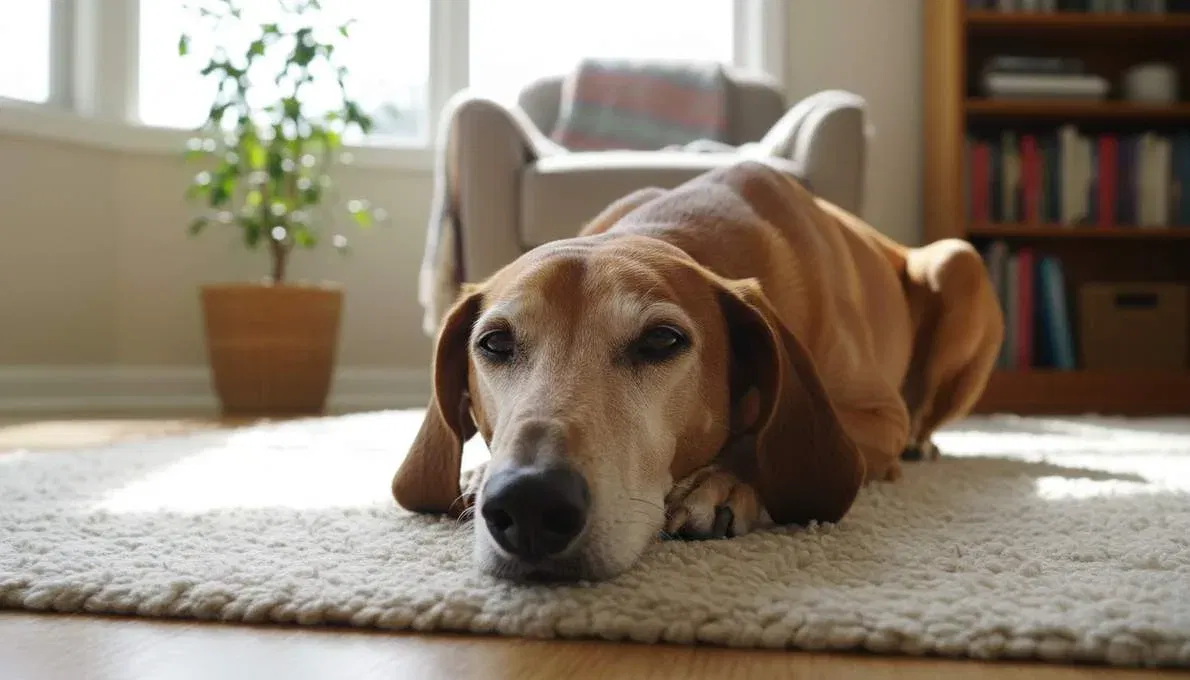
Pharaoh Hounds typically live 12–14 years, which is solid for a medium-sized breed. Their generally robust health and lean physique contribute to good longevity. Maintaining a healthy weight, providing regular exercise, and staying current on health screenings are the best ways to maximise lifespan.
Puppy to 1 year: Growth phase. Pharaoh Hound puppies are energetic and curious. Their ears typically stand erect by around 4 weeks. Some puppies develop a longer “puppy coat” that matures into the sleek adult coat. Start socialisation early and widely — this breed can become shy without it. Begin basic training with positive methods only.
1–3 years: Adolescence. Pharaoh Hounds are slow to mature mentally and can be quite adolescent until age 2–3. This is when independent behaviour, counter-surfing and fence-testing peak. Stay patient, stay consistent, and ensure fencing is secure.
3–8 years: Prime adult years. The Pharaoh Hound settles into a lovely balance of active outdoors, calm indoors. Continue daily exercise, annual health screens, and dental care. Watch for any lumps or bumps — cancer screening is important.
8+ years: Senior phase. Many Pharaoh Hounds remain active and healthy into their teens. Monitor for hypothyroidism symptoms (weight gain, lethargy), arthritis, and age-related eye changes. Bi-annual vet visits recommended. They may feel the cold more — provide warm bedding and coats in winter.
Grooming & Care
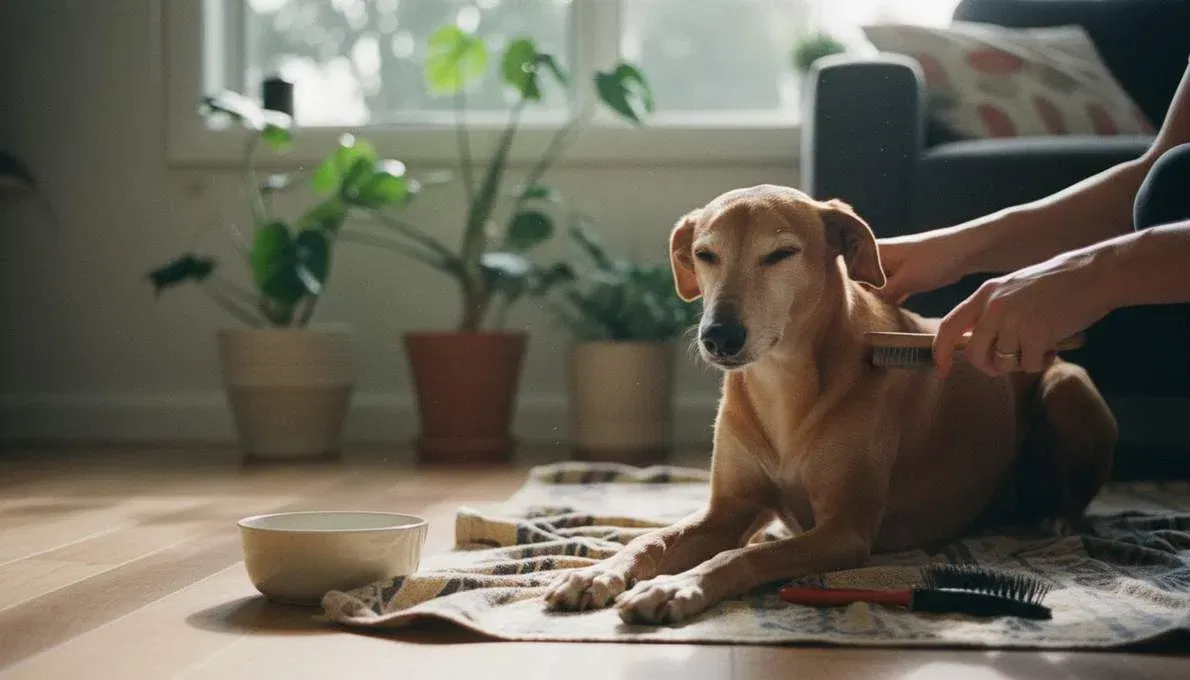
Here’s the great news: Pharaoh Hounds are one of the lowest-maintenance breeds in the grooming department. Their short, glossy coat is practically self-cleaning, they shed very little, and they have almost no doggy odour. If you’re coming from a heavy-coated breed, you’ll feel like you’ve won the grooming lottery.
Grooming Schedule
| Task | Frequency | Notes |
|---|---|---|
| Brushing | Weekly | A rubber hound glove or damp cloth is all you need. Quick rub removes loose hair and keeps the coat gleaming. |
| Bathing | Every 2–3 months (or as needed) | Very clean breed. Use a gentle, pH-appropriate dog shampoo only — sensitive skin can react to harsh products. No human shampoo. |
| Nail trimming | Every 2–3 weeks | Active dogs may wear nails down naturally on hard surfaces. |
| Ear cleaning | Weekly check | Large, erect ears are well-ventilated and less prone to infection than drop ears. Check for debris. |
| Dental care | Daily brushing ideal | Standard for all breeds. Professional cleans as recommended. |
| Skin checks | Weekly | Sensitive skin. Check for reactions to insecticides, flea treatments or environmental irritants. |
Professional grooming costs: Rarely needed. Pharaoh Hounds can be fully maintained at home with minimal equipment. Budget $0–$50 per session if you occasionally want a professional bath and nail trim. This is one of the cheapest breeds to groom.
Cold sensitivity: Pharaoh Hounds have thin skin, very little body fat, and a short single coat. They feel the cold and will need a dog coat or jumper in Australian winters, especially in Melbourne, Canberra and southern regions. They should sleep indoors — they’re not outdoor dogs. Their ears are particularly thin and can suffer in cold weather.
Exercise Needs
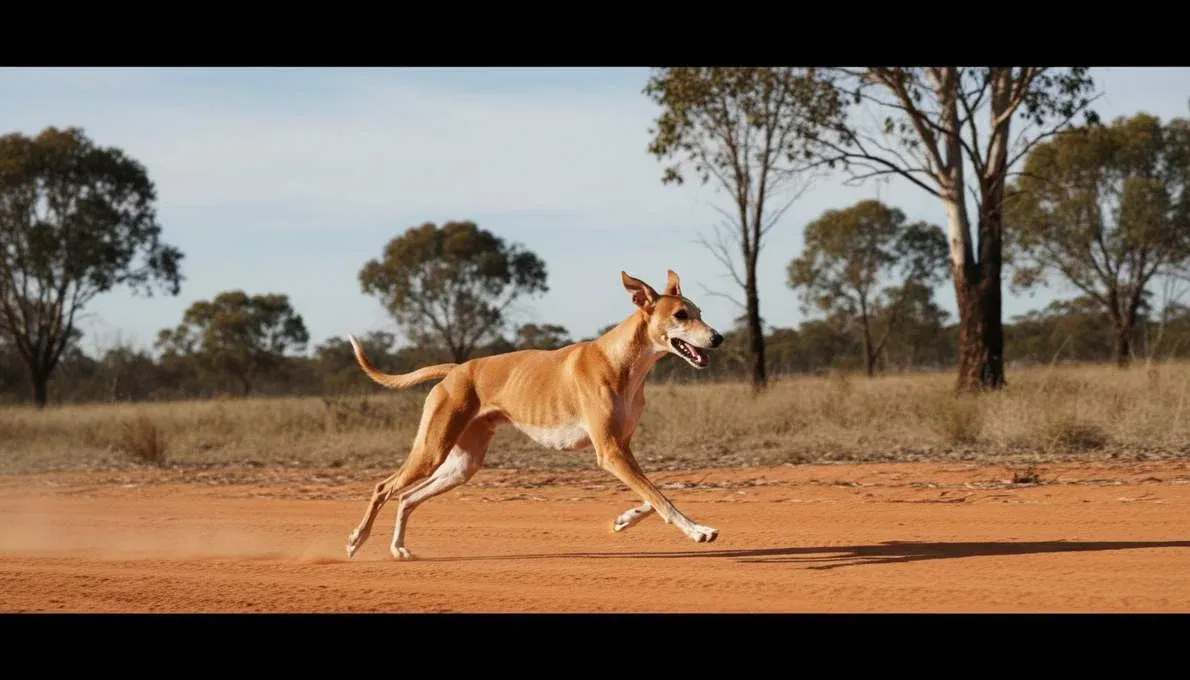
Pharaoh Hounds are athletes. They were bred to chase rabbits across rocky Maltese terrain at speed, and that athletic drive doesn’t disappear because they’re living in a suburban home. They need 45–60+ minutes of exercise daily, and at least some of that should involve the opportunity to run — really run.
The paradox of the Pharaoh Hound is that indoors they’re remarkably calm. Like Greyhounds, they have an off-switch. Give them their daily run, and they’ll spend the rest of the day sleeping on your couch. Skip the exercise, and they’ll find their own entertainment — usually involving your garden, your shoes, or your fence.
⚠️ Fencing warning:
This cannot be overstated. Pharaoh Hounds can jump six feet from a standing start. Your yard needs secure fencing that is at least 1.8 metres (6 feet) high — solid is better than see-through (they’ll be less tempted to chase things they can’t see). Check for gaps at ground level. Gates must be self-closing and latching. A Pharaoh Hound that escapes will follow its prey drive and can cover enormous distances in minutes.
Off-leash policy:
Off-leash exercise should only occur in fully enclosed, secure areas. No amount of training will reliably override a sighthound’s chase instinct. Lure coursing is an outstanding activity for this breed — it provides the chase experience in a controlled, safe environment and Pharaoh Hounds excel at it.
Australian climate advantage:
Unlike many breeds, Pharaoh Hounds handle Australian heat reasonably well thanks to their short coat, lean build and Maltese Mediterranean heritage. They’re better suited to warm climates than cold. However, still avoid exercising in extreme heat and always provide shade and fresh water. Conversely, they’ll need coats in southern Australian winters.
Training Guide
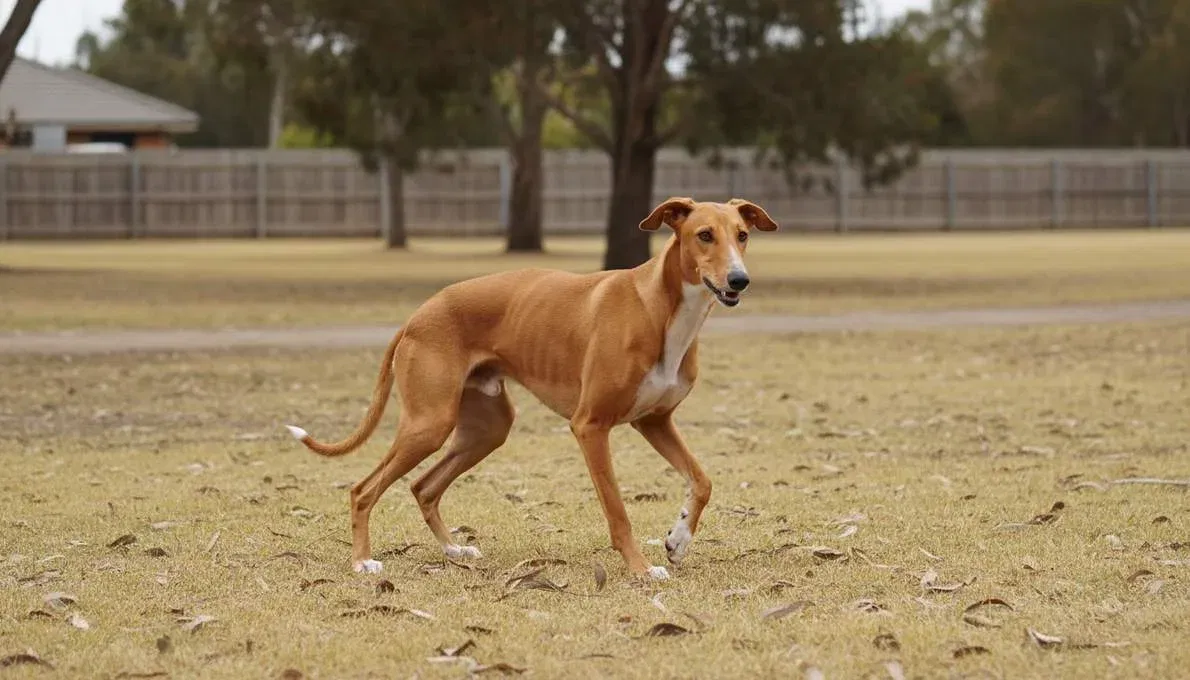
Training a Pharaoh Hound is an exercise in creative motivation. They’re intelligent — they’ll understand what you want on the first try. The challenge is making them care enough to do it. Like all sighthounds, they were bred to work independently, making split-second decisions in the field without human direction. That independent mind doesn’t switch off at home.
Socialisation & Training Timeline
| Age | Training Focus | Tips |
|---|---|---|
| 8–12 weeks | Socialisation (critical), handling acceptance, name recognition, crate training | Extensive early socialisation is non-negotiable for this breed. Expose to diverse people, environments, sounds and surfaces. Pharaoh Hounds that miss this window can become shy and nervous. |
| 3–6 months | Basic commands (sit, down, come), leash walking, food-motivated training | Use food rewards — Pharaoh Hounds are extremely food-motivated (this is both a training advantage and a counter-surfing risk). Keep sessions short and varied. |
| 6–18 months | Impulse control, “leave it,” recall practice in enclosed areas, jump/fence management | Slow-maturing breed. Adolescence is long. Fence-testing, food-stealing and selective deafness peak here. Never use harsh corrections — they’re sensitive and will shut down. |
| 18 months+ | Ongoing recall work, lure coursing, agility, trick training | Pharaoh Hounds excel at lure coursing and can do well in agility. These activities satisfy their chase drive constructively. Obedience titles are achievable with patience. |
Honest difficulty rating:
8/10 for reliable recall (essentially impossible off-leash in open areas), 5/10 for basic obedience (they’ll do it for food), 9/10 for counter-surfing prevention (you will lose this battle — just clear the benches), 3/10 for house-training (clean breed, usually quick to learn).
The sensitivity factor:
Pharaoh Hounds are emotionally sensitive dogs. They respond very poorly to harsh corrections, raised voices, or physical punishment. These methods will create a fearful, shut-down dog. Positive reinforcement with food rewards is the only approach that works. If you’re used to training biddable breeds like Labradors, adjust your expectations significantly.
Cost of Ownership in Australia
| Expense | Estimated AUD Cost | Notes |
|---|---|---|
| Puppy (registered breeder) | $3,000–$5,000+ | Very rare breed. Limited Australian litters mean waitlists of 12+ months. Some breeders import semen from international lines. |
| Interstate transport | $300–$800 | You will almost certainly need to source a puppy from another state. |
| First-year setup | $1,000–$2,000 | Crate, bed, secure fencing upgrade (budget separately if needed), high-quality leash/harness, warm coats, bowls, initial vet visit, desexing. |
| Fencing upgrade | $1,000–$5,000+ | If your current fencing is under 1.8m. This is not optional — Pharaoh Hounds will escape. |
| Annual food | $500–$800 | Medium-sized dog on quality food. Lean breed — don’t overfeed. |
| Annual vet (routine) | $400–$700 | Ensure vet is sighthound-experienced. Annual eye exam and thyroid check recommended. |
| Professional grooming | $0–$50 occasionally | One of the cheapest breeds to groom. Home maintenance with a hound glove is sufficient. |
| Lure coursing / dog sports | $200–$500/year | Optional but highly recommended. Registration and event entry fees. Provides essential chase outlet. |
| Pet insurance | $40–$70/month | Recommended. Cancer risk in older dogs and potential orthopaedic issues make insurance worthwhile. |
| Total first year | $6,000–$12,000+ | Including purchase, setup, fencing and transport. |
| Ongoing annual cost | $1,500–$2,500 | Relatively low for a rare breed. Grooming savings offset by potential fencing and sport costs. |
Where to find breeders:
Start with DogzOnline (dogzonline.com.au) which lists Pharaoh Hound breeders across Victoria, NSW, SA and Tasmania. Dogs Queensland (dogsqueensland.org.au) also has breed information. The Australian breeding community is small but dedicated, with several kennels importing international bloodlines. Ask about eye/hip/thyroid testing and PRA DNA status before committing.
Rescue option:
Pharaoh Hounds are essentially never in Australian rescue due to their rarity. If you’re open to sighthounds generally, Greyhound Adoption Programs (GAP) are an excellent alternative with similar couch-potato-at-home temperaments.
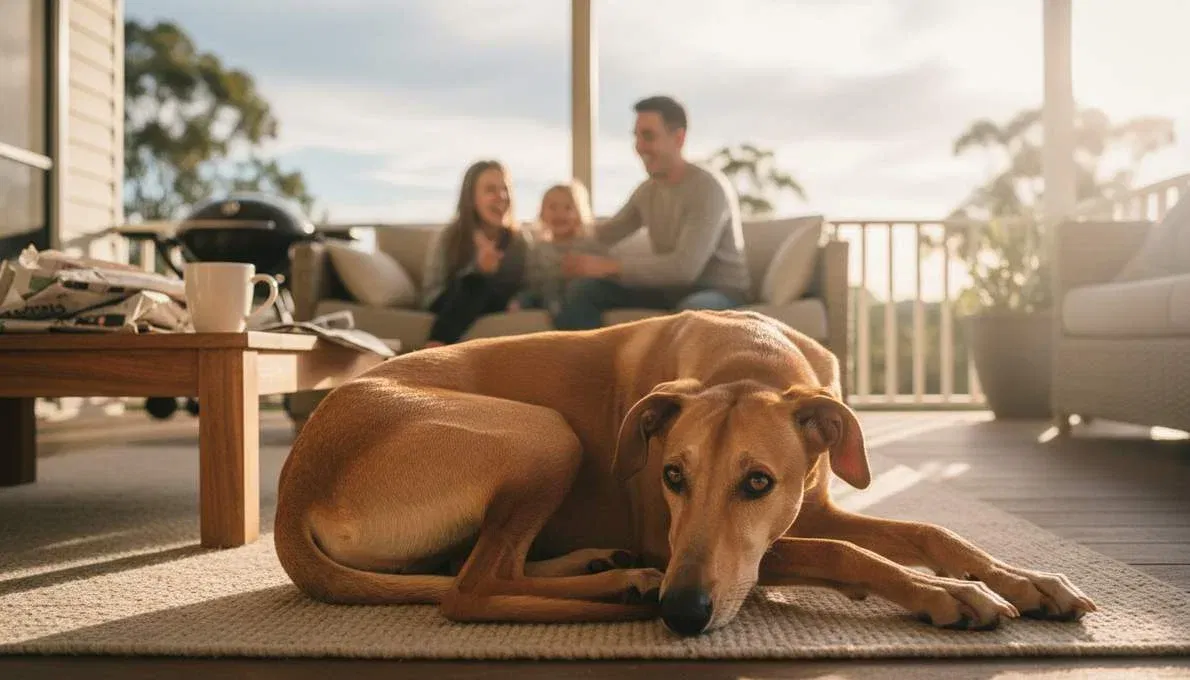
Is the Pharaoh Hound Right for You?
appreciate an elegant, striking dog that turns heads everywhere, want a clean, low-shedding, virtually odour-free companion, have a securely fenced yard (1.8m+ solid fencing), enjoy an active lifestyle and can provide daily exercise including sprinting opportunities, are experienced with independent or sighthound breeds, live in a warm climate (they suit Australian conditions well), and can commit to positive, patient training methods.
have low or insecure fencing and can’t upgrade, have cats, rabbits or other small pets (prey drive is very strong), want a dog that comes reliably when called in open areas, leave your dog alone for long periods (they can become destructive and vocal), want an eager-to-please obedience dog, live in a cold climate without heated indoor space, or leave food accessible on benches (they will steal everything).
If you love the Pharaoh Hound’s elegance but want an easier first sighthound, the Whippet is smaller, more biddable, and more readily available. The Ibizan Hound is a close cousin with a similar look and temperament. If you want the sighthound couch-potato lifestyle, retired racing Greyhounds through GAP programs offer a similar experience at a fraction of the cost.
The Pharaoh Hound is one of the most beautiful, charismatic and genuinely unique dog breeds in the world. The blushing, the smiling, the elegant athleticism, the contrast between outdoor hunter and indoor couch companion — there’s nothing quite like living with one. But they’re not a beginner’s dog. They need secure fencing, patient training, regular exercise, and an owner who finds their independent spirit charming rather than frustrating.
Three things to remember:
- Secure fencing is the single most important investment. Six feet minimum, solid preferred, no gaps. A Pharaoh Hound that escapes will follow its prey drive for kilometres. Budget for fencing before you budget for the dog.
- They’re sighthounds with a genuine off-switch. Give them their daily run (in a secure area), and they’ll spend the rest of the day sleeping elegantly on your furniture. Indoors, they’re remarkably calm and clean.
- In Australia, expect to pay $3,000–$5,000+ from a registered breeder, with waitlists of 12+ months. Ongoing costs of $1,500–$2,500 annually are moderate thanks to minimal grooming needs. Find a sighthound-experienced vet.
Frequently Asked Questions
Do Pharaoh Hounds really blush?
Yes. When excited or happy, the insides of their ears and their nose flush a deep rosy pink. This is because Pharaoh Hounds lack black pigment in these areas, allowing the increased blood flow to show through. They also “smile” — a wide, toothy grin when greeting their favourite people. It’s one of the breed’s most distinctive and endearing traits.
Are Pharaoh Hounds actually from Egypt?
Despite the name, modern DNA analysis has shown no direct genetic link to ancient Egyptian dogs. The breed developed on the island of Malta, where it’s been hunting rabbits for over 2,000 years. The resemblance to Egyptian tomb paintings is striking but coincidental. The Pharaoh Hound is Malta’s national dog.
How much does a Pharaoh Hound cost in Australia?
From an ANKC-registered breeder, expect $3,000–$5,000+ AUD. This is a very rare breed in Australia with limited litters. Waitlists of 12+ months are common, and you may need to source a puppy from interstate.
Do Pharaoh Hounds shed?
Very little. Their short, fine coat sheds minimally and they are one of the cleanest, least smelly dog breeds. Weekly rubbing with a hound glove is all the grooming they need. They’re not hypoallergenic, but they’re about as low-shedding as a short-coated breed can be.
Are Pharaoh Hounds good family dogs?
They can be excellent family dogs for the right family. They’re gentle, affectionate, and playful with older children. However, they need secure fencing, regular exercise, patient training, and shouldn’t be left alone for long periods. They’re not ideal for families with very young children, small pets, or insecure yards.
Can Pharaoh Hounds live with cats?
It’s risky. Pharaoh Hounds have a strong prey drive and were bred to chase small, fast-moving animals. Some can learn to coexist with a household cat they’ve been raised with, but they should never be trusted with unfamiliar cats or small pets. This is a breed where prey drive can override training.
How high can a Pharaoh Hound jump?
Up to six feet (1.8 metres) from a standing start. Secure, high fencing is absolutely essential. Solid fencing is preferred over chain-link or see-through fencing, as visual barriers reduce the temptation to chase things on the other side.
What is the Pharaoh Hound vs Ibizan Hound difference?
Both are Mediterranean sighthounds with similar looks. Pharaoh Hounds are slightly smaller (53–63 cm vs up to 70 cm), come only in tan to chestnut shades, and tend to be calmer indoors. Ibizan Hounds can be red, white, or both, and are generally more angular in build. Both share similar temperaments and exercise needs.
How long do Pharaoh Hounds live?
The average Pharaoh Hound lifespan is 12–14 years. They’re a generally healthy breed with good longevity. Key factors include maintaining lean body weight, regular cancer screening in older dogs, and finding a sighthound-experienced vet.
Are Pharaoh Hounds good apartment dogs?
Possible but not ideal. They’re calm indoors and don’t need a huge living space, but they do need daily access to secure off-leash running areas. Their barking when excited can also be a neighbour issue. A house with a secure yard is the best setup.
1. PetMD — Pharaoh Hound Dog Breed Health and Care: https://www.petmd.com/dog/breeds/pharaoh-hound
2. AKC — Pharaoh Hound Dog Breed Information: https://www.akc.org/dog-breeds/pharaoh-hound/
3. DogzOnline — Pharaoh Hound Breeders in Australia: https://www.dogzonline.com.au/breeds/breeders/pharaoh-hound.asp
4. Dogs Queensland — Pharaoh Hound Breed Information: https://dogsqueensland.org.au/Breeds/browse-all-breeds/98/Pharaoh-Hound/
5. Petfinder — Pharaoh Hound Breed Information: https://www.petfinder.com/dogs-and-puppies/breeds/pharaoh-hound/
6. Wisdom Panel — Pharaoh Hound Facts: https://www.wisdompanel.com/en-us/dog-breeds/pharaoh-hound
7. DogTime — Pharaoh Hound Breed Information: https://dogtime.com/dog-breeds/pharaoh-hound
8. Hill’s Pet — Pharaoh Hound Dog Breed: https://www.hillspet.com/dog-care/dog-breeds/pharaoh-hound
9. Canine Journal — Pharaoh Hound Information: https://www.caninejournal.com/pharaoh-hound/