
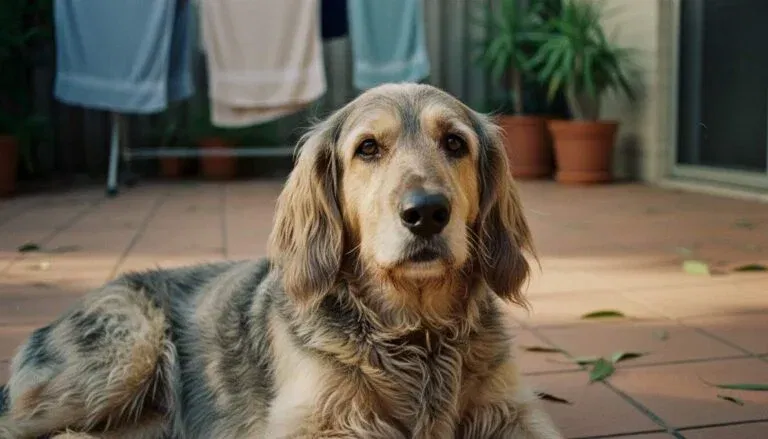
The Otterhound is the dog world’s best-kept secret — and that’s not by choice. With fewer than 600 animals left worldwide, this enormous, shaggy, webbed-footed hound is officially rarer than the giant panda. If you’ve never seen one in person, that’s entirely normal. Most dog professionals haven’t either.
Picture a large, loose-limbed hound covered in a rough, waterproof coat, with a nose powerful enough to follow scent trails underwater, webbed feet built for swimming, pendulous ears that dangle into every food bowl and water dish, and a deep, melodious bay that carries for kilometres. Now add the personality of a lovable class clown who follows scent rather than instructions. That’s the Otterhound.
Bred in medieval England to hunt otters along rivers and ponds, the Otterhound was so devastatingly good at the job that otters nearly went extinct — and when otter hunting was banned in 1978, the breed that made its living doing it nearly vanished too. Today, the Otterhound sits on the Kennel Club’s Vulnerable Native Breed list, with fewer than 50 puppies registered in the UK each year.
In Australia, finding an Otterhound is extraordinarily difficult. But if you’re here researching them, you deserve the full picture. Here’s everything you need to know.
What You’ll Learn
- Breed traits & temperament
- Health concerns to know
- True cost in Australia
- Training & exercise needs
- Is this breed right for you?
Breed Quick Facts Table
| Trait | Details |
|---|---|
| Breed Group | Hound (ANKC & AKC) |
| Origin | England (medieval) |
| Size | Males: 69 cm (27 in) / Females: 61 cm (24 in) at the shoulder |
| Weight | Males: 41–52 kg (90–115 lbs) / Females: 36–45 kg (80–100 lbs) |
| Lifespan | 10–13 years |
| Coat | Dense, rough, waterproof double coat (4–8 cm long). Shaggy and debris-collecting. |
| Colours | All recognised hound colours: grizzle, sandy, red, wheaten, blue, black & tan, with various markings |
| Temperament | Friendly, affectionate, independent, clownish, stubborn, nose-driven |
| Shedding | Low to moderate. Not a heavy shedder for a large dog. |
| Barking | Deep, melodious bay that carries great distances. Not excessive, but impressive. |
| Good With Kids | Good — affectionate and patient, but very large and boisterous. Best with older children. |
| Good With Other Pets | Generally good with other dogs. High prey drive toward small animals. |
| Exercise Needs | Moderate to high — around 2 hours daily for adults. Variety and scent work more important than speed. |
| Swimming | Loves water. Webbed feet. Built to swim for hours. |
| Puppy Price (AUD) | $4,000–$8,000+ (extremely rare; may require import) |
| Worldwide Population | ~600. Rarer than the giant panda. |
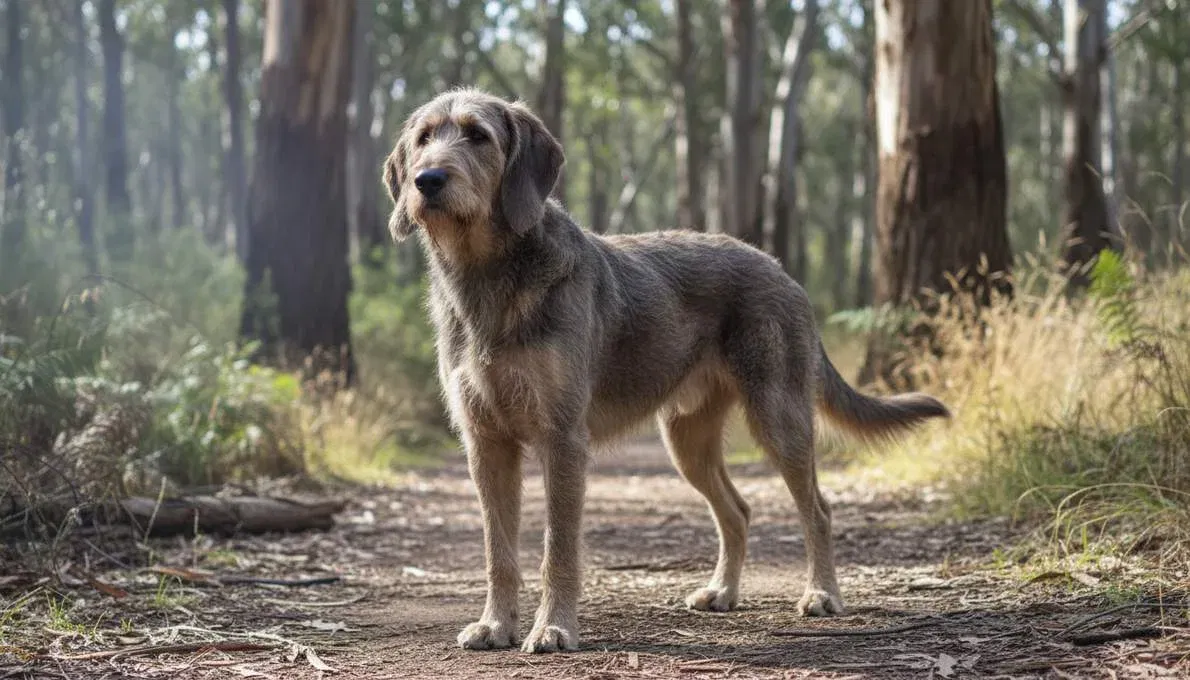
History & Origins
Otter hunting with packs of hounds dates back to at least 1360, when it was primarily a practical exercise — otters depleted fish stocks in rivers and ponds, and hunters used dogs to control the otter population. Over time, it became a sport enjoyed by royalty and the wealthy. King Edward II held the title of First Master of Otterhounds, and Queen Elizabeth I was the first Lady Master of Otterhounds.
The Otterhound as a distinct breed can be traced to the 18th and 19th centuries in England. The breed’s ancestry is complex and debated, but likely includes Bloodhound (for scenting power), various French Griffon breeds (Griffon Nivernais, Grand Griffon Vendéen), and possibly Welsh Harrier, Southern Hound, and Old Water Spaniel blood. One famous ancestor, Boatman, was a Grand Griffon Vendéen/Bloodhound cross who became foundational to several kennels.
The breed was engineered for a specific and extraordinary purpose: tracking otter scent trails through water and along riverbanks for hours at a time. This required webbed feet, a waterproof double coat, an incredibly powerful nose, tremendous stamina, and the courage to pursue quarry into cold, fast-moving water. A Victorian saying described the ideal Otterhound as needing the courage of a Bulldog, the strength of a Newfoundland, the nose of a Pointer, the sagacity of a Retriever, the stamina of a Foxhound, the patience of a Beagle, and the intelligence of a Collie.
In 1978, due to the dramatic decline of Britain’s otter population, the otter was placed on the list of protected species and hunting ceased. By then, only nine registered packs of Otterhounds remained. The breed’s numbers collapsed. Today, there are approximately 600 Otterhounds worldwide, making it one of the rarest breeds on Earth and the most endangered native British dog breed.
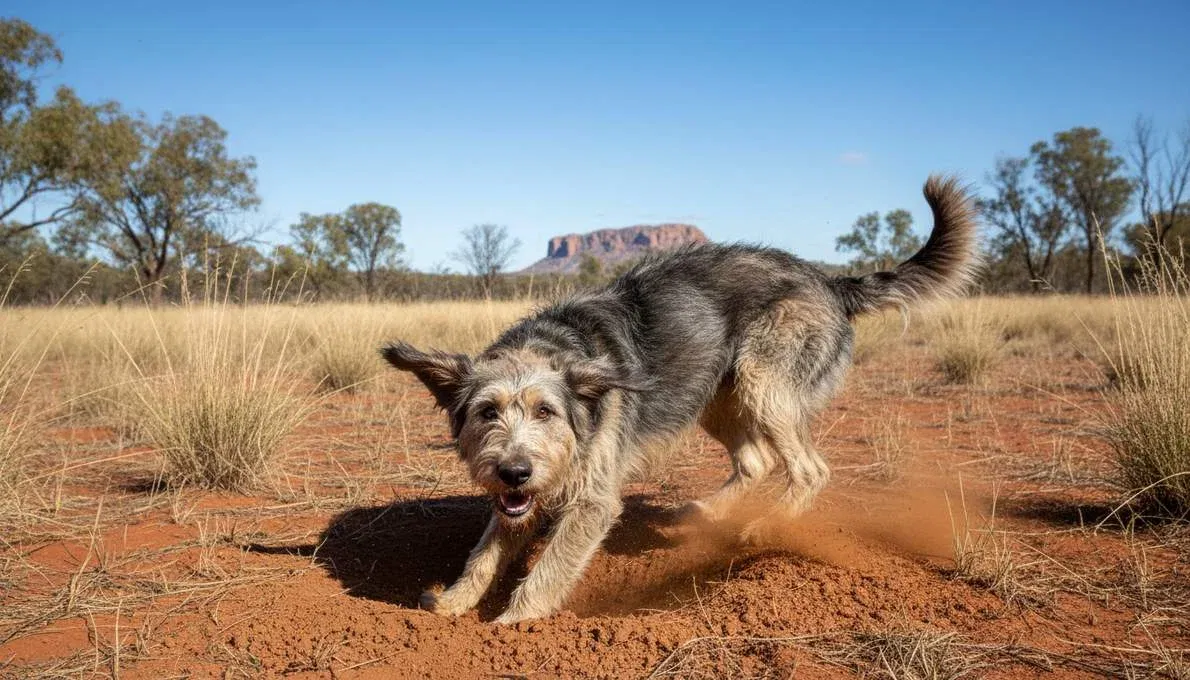
Otterhound Temperament & Personality
The Otterhound’s temperament is a glorious contradiction: a large, powerful hunting hound with the personality of a friendly, messy, somewhat disobedient teddy bear.
Otterhounds are warm, friendly dogs that genuinely enjoy people. They’re affectionate with family, good-natured with strangers, and generally get along well with other dogs. They’re not clingy or demanding — their independent nature means they’re happy to entertain themselves — but they do want to be near their people and can become destructive if isolated for long periods.
this is a scenthound, and when that extraordinary nose locks onto a scent trail, you cease to exist. Calling an Otterhound that’s following a scent is like shouting at a departing train. This is not disobedience — it’s genetics. Their brain literally prioritises scent over all other stimuli. Off-lead reliability is extremely difficult to achieve, and most Otterhound owners accept that secure fencing (at least 1.8 metres high) and on-lead walks are simply part of life.
Otterhounds have a deep, resonant bay that can carry astonishing distances. It’s not constant barking — they’re not yappy dogs — but when they bay, the neighbours will know about it. They also have a range of other vocalisations, from grumbles to howls, and some owners describe them as surprisingly “talky.”
Otterhounds are messy dogs. Their long beards trail through water bowls, food bowls, mud, and anything else at face height. They drool. Their rough coat collects debris, twigs, leaves, and unidentifiable substances from outdoors. Their pendulous ears dangle into everything. If you value a pristine home, this is not your breed.
The Otterhound is a big, lovable, independent, messy hound that will make you laugh every day and ignore your recall command every second day. They’re not for control enthusiasts or people who want a tidy house. They’re for people who appreciate a dog with genuine character, a magnificent nose, and absolutely zero interest in being obedient for its own sake. If that sounds wonderful rather than frustrating, you might be an Otterhound person.
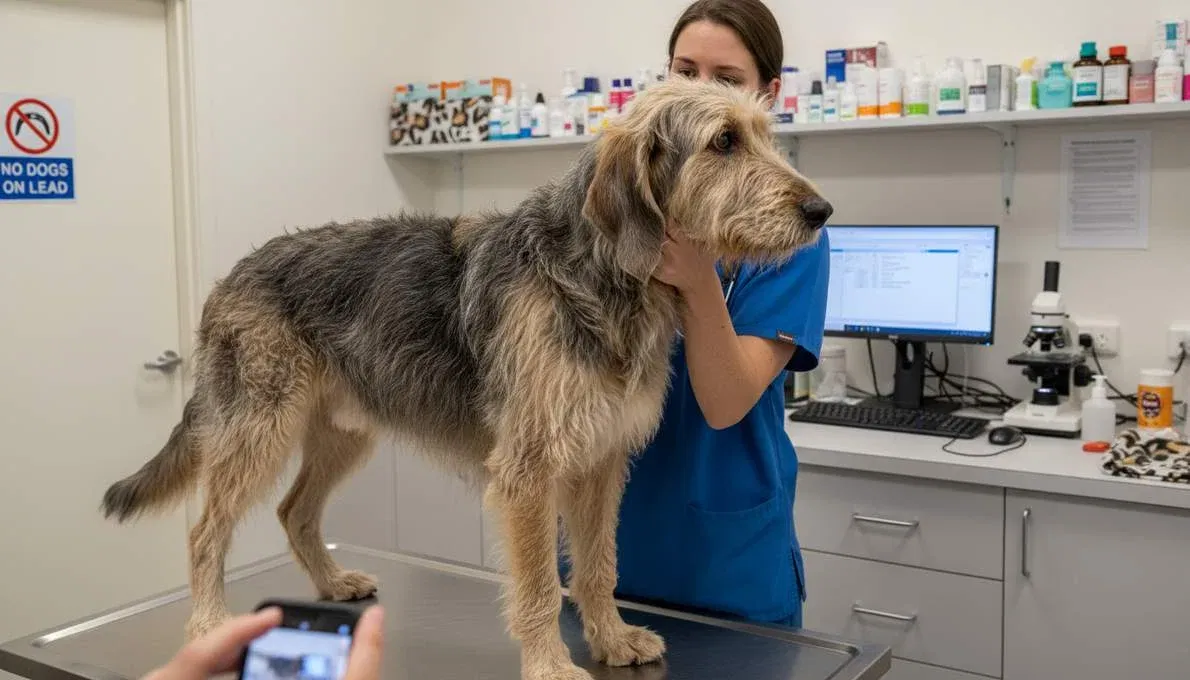
Health & Genetic Conditions
The Otterhound is generally healthy for a large breed, but the extremely small gene pool creates elevated risk for certain inherited conditions. A UK breed club survey found an average age at death of 10.2 years.
Prevalence: A particularly serious concern for Otterhounds — approximately 9% of the breed is affected and it accounts for 7.4% of Otterhound deaths; their large, deep-chested build makes them one of the higher-risk breeds
Symptoms: Visibly swollen or distended abdomen, unproductive retching without bringing anything up, restlessness, excessive drooling, pale gums, and rapid deterioration into collapse
Treatment Cost (AUD): $5,000–$12,000 for emergency surgery — time is absolutely critical and every minute counts
Prevention: Feed two to three smaller meals daily rather than one large meal; avoid vigorous exercise immediately before and after eating; strongly consider a preventative gastropexy — ask your vet about combining it with desexing
Bloat — medically known as Gastric Dilatation-Volvulus or GDV — occurs when the stomach fills rapidly with gas and then twists on itself, cutting off blood supply to surrounding organs. Without emergency surgery it is fatal, often within just a few hours of onset. Given the breed-specific statistics, every Otterhound owner should know the warning signs by heart and have an emergency vet plan in place. A preventative gastropexy, which surgically tacks the stomach to prevent twisting, is one of the most worthwhile investments you can make for this breed. (Source: American College of Veterinary Surgeons)
Prevalence: A well-recognised concern in Otterhounds — screening is essential for all breeding dogs; can be present from birth or develop as the dog ages and their large body places increasing stress on the joints
Symptoms: Stiffness after rest, reluctance to exercise, lameness in the back legs, difficulty rising from lying down, and gradual worsening of mobility as arthritis develops over time
Treatment Cost (AUD): $3,000–$7,000 per hip for surgical intervention; mild to moderate cases can be managed with medication, joint supplements, and controlled low-impact exercise
Prevention: Buy from breeders who provide hip screening results for both parents; keep your Otterhound at a healthy weight and avoid high-impact exercise during puppyhood while joints are still developing
Hip dysplasia occurs when the hip joint doesn’t develop properly, causing the bones to grind against each other rather than moving smoothly. Over time this leads to progressive arthritis and chronic pain. It has a strong genetic component, so choosing a puppy from screened parents combined with lifelong weight management gives your dog the best possible chance of staying comfortable and active well into old age. (Source: OFA — Orthopedic Foundation for Animals)
Prevalence: Documented in Otterhounds alongside hip dysplasia — elbow screening is recommended for all breeding dogs; causes progressive pain and lameness in the front legs without treatment
Symptoms: Front leg lameness, stiffness after rest, reluctance to fully extend or flex the front legs, swelling around the elbow joint, and reduced enthusiasm for exercise or play
Treatment Cost (AUD): $3,000–$6,000 per elbow for surgical correction
Prevention: Buy from breeders who provide elbow screening clearances for both parents; avoid high-impact exercise in growing puppies and maintain a healthy weight throughout their development
Elbow dysplasia refers to several developmental abnormalities affecting the elbow joint, all of which cause pain and reduced front leg mobility. In a large breed like the Otterhound, excess body weight significantly worsens the condition over time. Surgical intervention performed early gives the best long-term outcome, and many dogs experience a significant improvement in comfort and mobility once treatment is complete. (Source: OFA — Orthopedic Foundation for Animals)
Prevalence: Primary epilepsy — where no underlying cause can be identified — is documented in Otterhounds; can range from mild and infrequent episodes to more severe and frequent seizures requiring careful management
Symptoms: Sudden episodes of uncontrolled shaking or convulsing, loss of consciousness, paddling of the legs, confusion or disorientation before and after a seizure, and temporary clinginess or unusual behaviour
Treatment Cost (AUD): $500–$2,000 per year for lifelong anti-convulsant medication and regular monitoring blood tests
Prevention: No guaranteed prevention for primary epilepsy; inform your vet of any seizure activity as early as possible to begin management before episodes become more frequent or severe
Primary epilepsy in Otterhounds has no identifiable underlying cause — it is a neurological condition managed rather than cured. While witnessing a seizure can be frightening for owners, most epileptic dogs live full and active lives once their condition is well controlled with daily medication. Many owners find that once the right dosage is established, their dog’s seizures become infrequent or stop altogether, allowing them to live normally. (Source: Australian College of Veterinary Scientists)
Prevalence: A rare but serious inherited bleeding disorder documented in Otterhounds — blood platelets fail to clump together properly, meaning wounds and surgical incisions bleed excessively; a DNA test is available for breeding dogs
Symptoms: Excessive bleeding from minor cuts or injuries, prolonged bleeding after surgery, spontaneous nosebleeds, bleeding gums, and in severe cases internal bleeding
Treatment Cost (AUD): $1,000–$5,000+ for emergency management and blood products required during any surgical procedure
Prevention: DNA testing is available — responsible breeders test before breeding to identify carriers; always inform your vet that your Otterhound may carry this condition before any procedure, including routine surgery or dental work
Glanzmann’s Thrombasthenia is a platelet function disorder where the blood simply cannot form a proper clot. In day-to-day life a mildly affected dog may appear normal, but any injury or surgical procedure can quickly become a medical emergency. The most important thing an Otterhound owner can do is ensure every vet who treats their dog is aware of this risk before any procedure is performed — early preparation with blood products on hand can be life-saving. (Source: OFA — Orthopedic Foundation for Animals)
Prevalence: Extremely common in Otterhounds — their long, pendulous, heavily feathered ears trap moisture and warmth against the ear canal, creating near-perfect conditions for bacterial and yeast infections to thrive
Symptoms: Head shaking, scratching at the ears, redness or swelling inside the ear flap, a dark discharge, unpleasant odour, and sensitivity or pain when the ears are touched
Treatment Cost (AUD): $100–$500 per episode for veterinary treatment including cleaning, medicated ear drops, and follow-up
Prevention: Check and gently clean your Otterhound’s ears regularly — especially after swimming or bathing; dry the ears thoroughly after any water exposure and keep hair around the ear canal trimmed to improve airflow
For Otterhounds, ear care is not optional — it is an essential part of owning the breed. Their wonderfully expressive drop ears are also a breeding ground for infection without consistent maintenance. Building a regular ear-checking routine into your weekly grooming is the most effective way to catch early signs of irritation before they develop into a painful and costly infection. (Source: VCA Animal Hospitals)
Prevalence: Documented in Otterhounds — the immune system gradually destroys thyroid tissue over time, reducing hormone production; thyroid antibody testing is recommended for breeding dogs
Symptoms: Unexplained weight gain, low energy and lethargy, thinning or dull coat, dry or flaky skin, and increased sensitivity to cold temperatures
Treatment Cost (AUD): $300–$800 per year for daily thyroid hormone replacement medication and regular blood monitoring
Prevention: No guaranteed prevention; thyroid antibody testing is available for breeding dogs — routine annual blood tests help catch declining thyroid function before symptoms become pronounced
Autoimmune Thyroiditis is driven by the immune system attacking the thyroid gland rather than the gland simply slowing down on its own. The result is insufficient thyroid hormone, leaving affected dogs feeling sluggish and gaining weight despite no change in their diet or exercise. Once diagnosed it is very straightforward to manage with a daily tablet, and most Otterhounds return to their normal selves once hormone levels are properly balanced. (Source: OFA — Orthopedic Foundation for Animals)
This rare clotting disorder is particularly important in Otterhounds because dogs with the condition can bleed to death from routine surgery or even teething. A DNA test is available, and any responsible breeder should be testing for it. Ask for results before purchasing a puppy.
Lifespan & Longevity
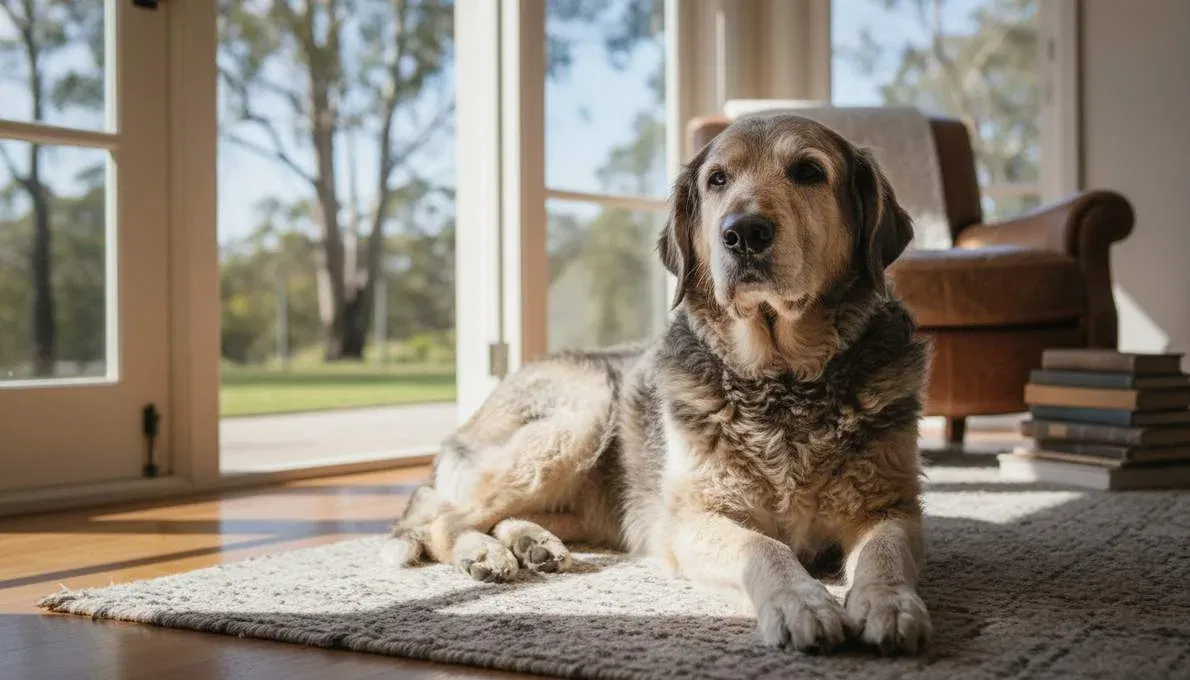
The Otterhound lifespan is 10–13 years, with a UK breed survey recording an average age at death of 10.2 years. Cancer was the leading cause of death (25% of cases), followed by old age (9%).
Key longevity factors: preventing bloat/GDV through careful feeding (smaller, frequent meals, no exercise after eating, consider prophylactic gastropexy), maintaining a healthy weight (a lean Otterhound lives longer), regular ear care to prevent chronic infections, screening for Glanzmann’s Thrombasthenia before any surgical procedure, and keeping them mentally stimulated to support overall wellbeing. Regular vet checks become increasingly important after age 7.
Grooming & Care
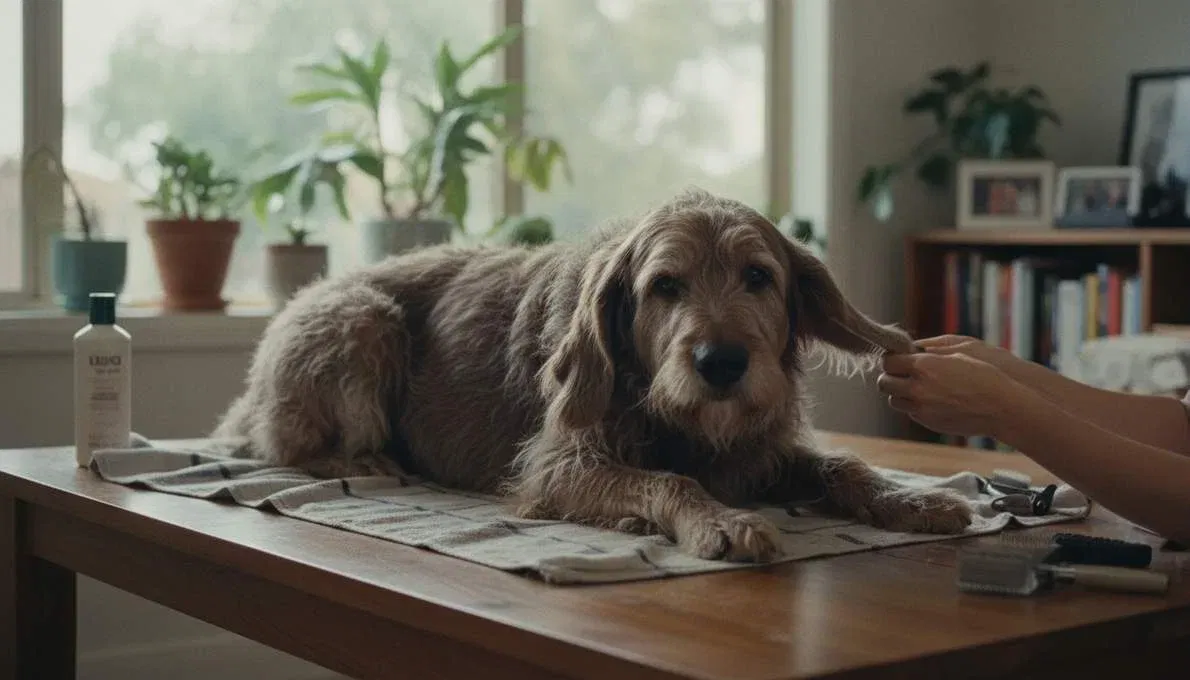
The Otterhound’s rough double coat is surprisingly manageable compared to breeds like the Old English Sheepdog. The outer coat is dense and coarse, and the undercoat is woolly and waterproof. The coat doesn’t shed heavily, but it does collect everything.
Grooming Schedule
| Task | Frequency | Notes |
|---|---|---|
| Brushing | 2–3 times per week | Focus on undercoat to prevent matting. Pay attention to legs, underside, and behind ears. |
| Beard / Face Cleaning | Daily (after meals and water) | The beard trails through everything. Wipe after eating and drinking. Some owners use a bib at mealtimes. |
| Ear Cleaning | Weekly (minimum) | Critical. Long pendulous ears trap moisture. Clean and dry thoroughly. Prevent infections proactively. |
| Bathing | As needed | Only when genuinely dirty or smelly. Never shave the double coat — it regulates temperature and protects skin. |
| Nail Trimming | Every 10–14 days | Check webbed feet for debris between toes during nail trims. |
| Teeth Brushing | Daily (ideal) or 3–4 times/week | Check for tartar buildup regularly. Professional cleanings as needed. |
| Drying After Water | Every time they get wet | Thoroughly dry the coat and ears. Damp undercoat breeds bacteria and hotspots. |
Are Otterhounds hypoallergenic? No, but they shed less than many large breeds. Their rough outer coat does trap some dander, and they don’t shed profusely. However, they produce normal levels of allergens and are not considered hypoallergenic. People with mild allergies may tolerate them better than heavy-shedding breeds, but no dog is truly hypoallergenic.
Exercise Needs
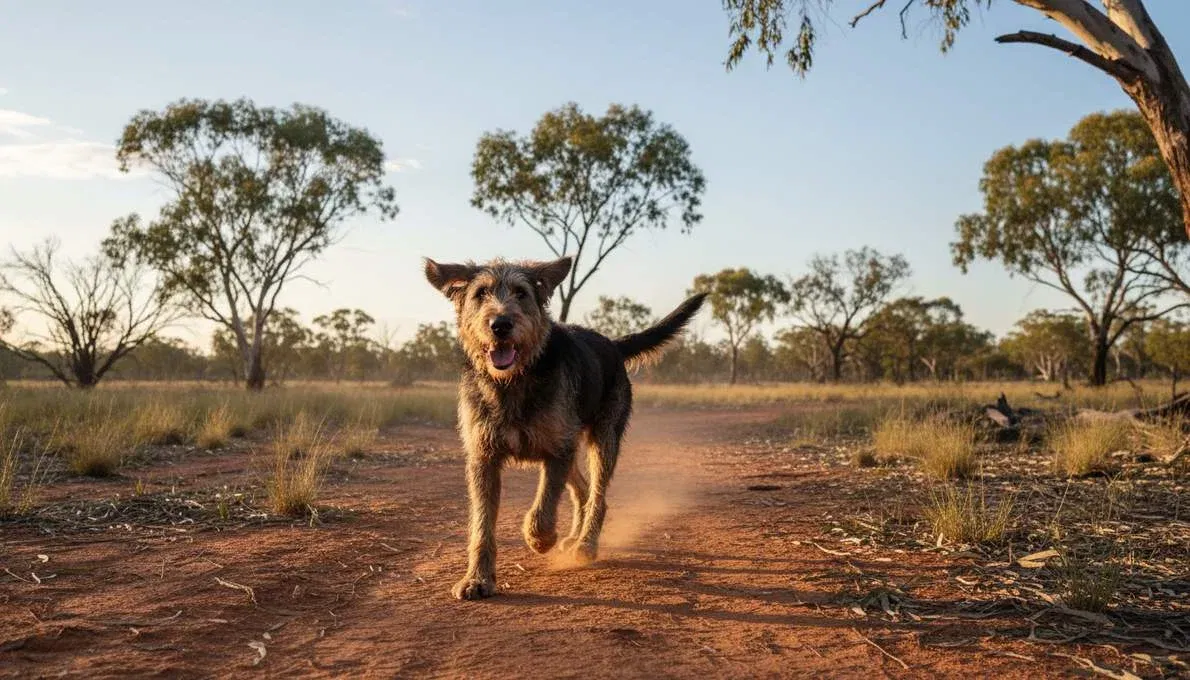
Otterhounds need around two hours of daily exercise as adults, but quality matters more than intensity. These are scenthounds, not sprinters — they want variety, scent enrichment, and the opportunity to explore at their own pace.
Ideal activities include long walks on lead (essential — off-lead is risky due to scent drive), swimming (their absolute favourite — webbed feet and waterproof coat make them superb swimmers), scent work and tracking games (taps into their natural ability), and gentle hiking on varied terrain. They also enjoy obedience, agility, and search-and-rescue style activities, though their independent nature means competitive precision is unlikely.
Exercise caution for puppies:
Otterhound puppies grow rapidly and their joints are vulnerable. Limit exercise carefully until 12–18 months to protect developing bones and cartilage. No forced running or jumping on hard surfaces.
Australian climate note:
Otterhounds have a dense waterproof double coat designed for English rivers, not Australian summers. They can overheat in warm conditions. Exercise during cool hours, provide shade and fresh water, and ensure access to air conditioning. Swimming is the ideal warm-weather exercise. Never shave the coat — it insulates against both cold and heat. They’re best suited to cooler southern Australian climates. Fencing must be at least 1.8 metres high, robust, and dig-proof — Otterhounds are escape artists when motivated by scent.
Training Guide
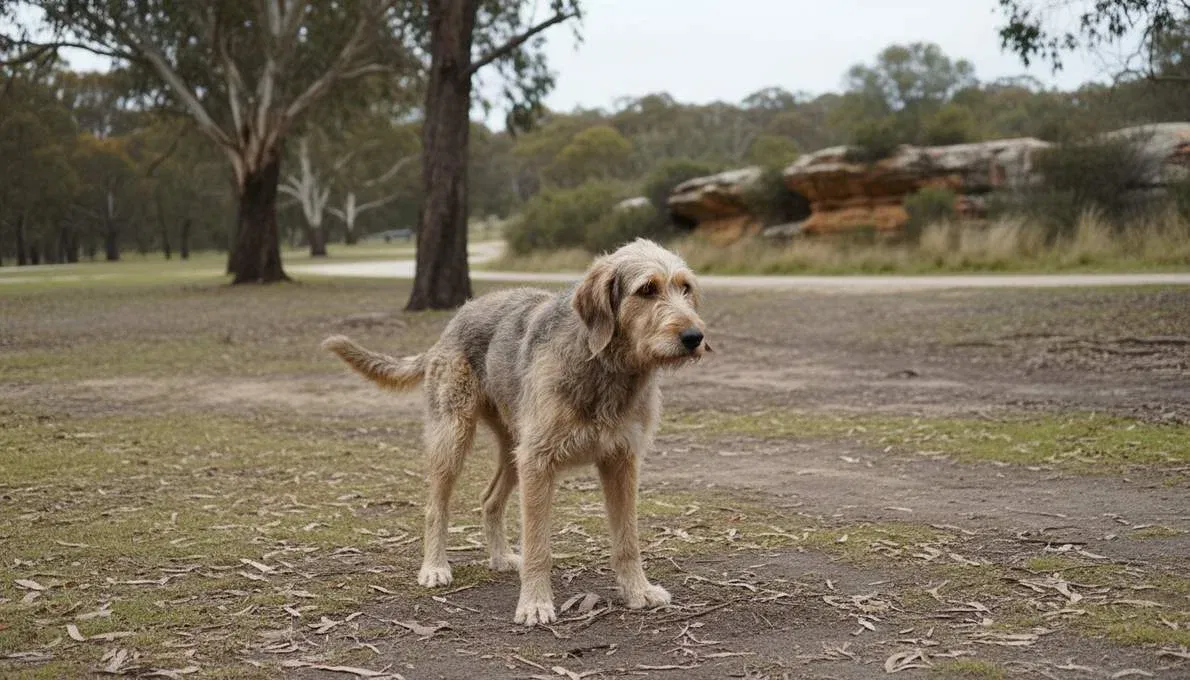
Training an Otterhound requires patience, humour, and realistic expectations. These are intelligent dogs that understand perfectly well what you want — they simply weigh up whether it’s more interesting than whatever their nose has found. Spoiler: the nose usually wins.
Socialisation & Training Timeline
| Age | Focus Area | Key Tips |
|---|---|---|
| 8–16 weeks | Socialisation, handling, basic name response | Start socialisation immediately. Get them used to grooming, ear handling, and being towel-dried. Puppy school essential. |
| 4–6 months | Basic obedience, leash manners, “quiet” command | High-value treats are your best tool. Keep sessions short and fun. Don’t expect precision — aim for compliance. |
| 6–12 months | Recall work (realistic expectations), impulse control | Practice recall in enclosed spaces only. Teach a solid “leave it.” Accept that off-lead reliability may never be achieved. |
| 1–2 years | Scent work, tracking, structured activities | Channel the nose into productive activities. Scent work and tracking classes are ideal for Otterhounds — work with their instincts, not against them. |
Training difficulty: 7/10.
Otterhounds are among the more challenging breeds to train — not because they lack intelligence, but because they’re independent thinkers with an overwhelming scent drive. They need patient, consistent, positive reinforcement training from someone who can accept that 100% obedience is unlikely. Harsh methods are counterproductive — they’re sensitive dogs despite their size. Success looks like a well-socialised, manageable hound that comes when called (most of the time) and doesn’t drag you down the street.
Cost of Ownership in Australia
Finding an Otterhound in Australia is the first and biggest challenge. There are virtually no ANKC-registered Otterhound breeders in Australia. Acquiring one will likely require importing from the UK or possibly the US/Canada, which adds significant cost and complexity.
| Expense | One-Off / Setup | Annual Ongoing |
|---|---|---|
| Puppy (if importing) | $4,000–$8,000+ (breed cost) + $5,000–$15,000 (import, quarantine, flights) | — |
| Desexing | $500–$900 | — |
| Food (premium large breed) | — | $1,500–$2,500 |
| Vet Check-ups & Vaccinations | — | $400–$700 |
| Pet Insurance | — | $700–$1,800 |
| Flea/Tick/Worming | — | $250–$500 |
| Grooming | $150–$300 (tools) | $200–$600 (mostly DIY; occasional professional) |
| Bedding, Crate (XL), Toys | $300–$600 | $150–$300 |
| Secure Fencing (1.8m+) | $2,000–$8,000+ (property-dependent) | — |
| Training / Scent Work | $300–$800 | $200–$500 |
| Council Registration | — | $20–$200 (varies by LGA) |
Estimated first-year cost (including import): $15,000–$35,000+ AUD.
Estimated annual ongoing cost: $4,000–$7,500 AUD. The import process adds enormous cost. If you’re lucky enough to find one already in Australia, first-year costs drop to $7,000–$14,000.
Finding an Otterhound:
Contact Dogs Australia (dogsaustralia.org.au) and the Otterhound Club of Great Britain. There are essentially no established Otterhound breeders in Australia at time of writing. UK breeders are the most likely source, though puppies are extremely scarce even there (fewer than 50 registered annually). Waitlists of 1–3+ years are normal. The breed is so rare that you may need to work with an international dog import agent.
Is the Otterhound Right for You?
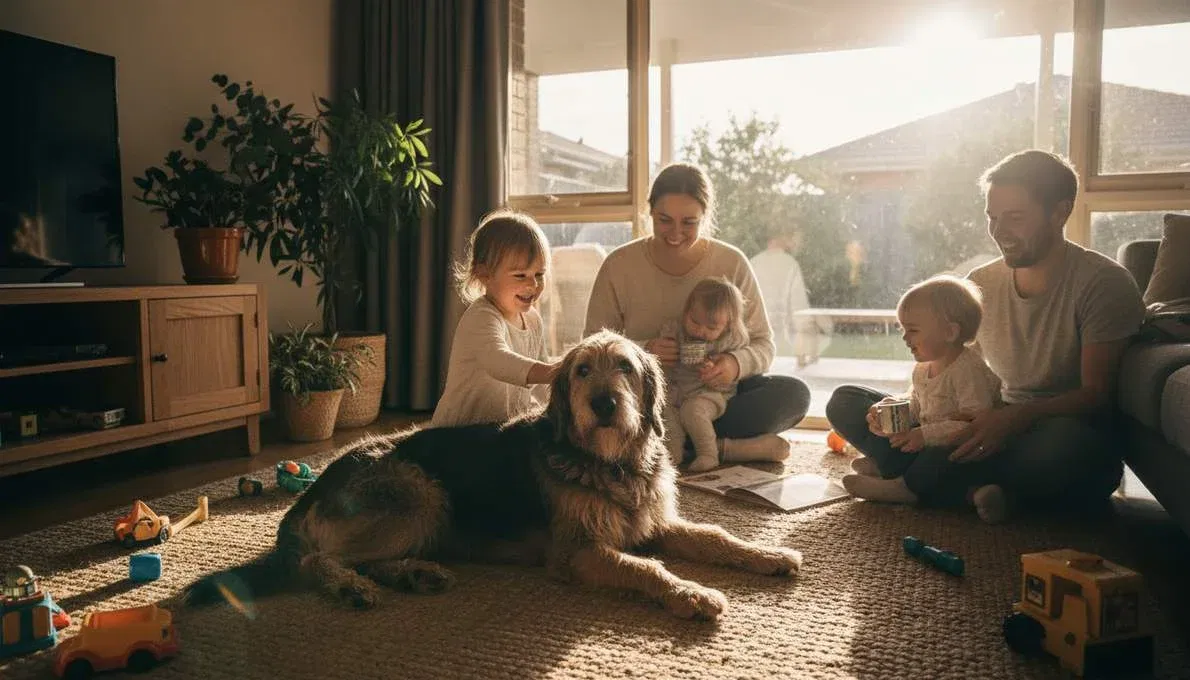
you have a large, securely fenced property (rural or semi-rural ideal), you’re comfortable with a dog that prioritises scent over obedience, you enjoy outdoor activities especially swimming and long walks, you have older children who can handle a large, boisterous dog, you’re patient with training and accept that perfection isn’t the goal, you don’t mind mess (drool, water beard, debris-collecting coat), and you’re committed to preserving one of the world’s rarest breeds.
you live in an apartment or home without a yard (they need space and secure fencing), you want reliable off-lead obedience (the nose will always win), you have very young children who could be knocked over by a large, exuberant dog, you live in a hot climate without air conditioning, you’re house-proud (this breed brings the outdoors inside), you have small pets (prey drive is significant), or you want a dog you can acquire quickly and easily (this breed requires extraordinary patience to find).
The Otterhound is sometimes described as a Bloodhound with less drool and more swimming ability. If you love hound personality but want something more active and water-oriented, the Otterhound is remarkable. If you want a large, shaggy dog with better obedience, consider a Bouvier des Flandres or a Giant Schnauzer instead.
In few lines: The Otterhound is a magnificent, endangered hound with webbed feet, a world-class nose, and the personality of a lovable rogue — they’ll swim with you, bay at the moon, and completely ignore your recall command. Owning one is a conservation act as much as a lifestyle choice, and finding a puppy requires patience measured in years. If you have the space, the humour, and the tolerance for mess, the Otterhound will reward you with 10–13 years of genuine, character-filled companionship that almost nobody else on Earth gets to experience.
Frequently Asked Questions
How much does an Otterhound cost?
The breed itself typically costs $4,000–$8,000+ AUD. In Australia, you’ll almost certainly need to import from the UK, which adds $5,000–$15,000 in transport, quarantine, and administrative costs. Total acquisition cost can reach $15,000–$25,000+ AUD.
How many Otterhounds are left in the world?
Approximately 600 worldwide, making the Otterhound rarer than the giant panda. Fewer than 50 puppies are registered in the UK annually. The breed is classified as a Vulnerable Native Breed by the Kennel Club.
Do Otterhounds shed?
Less than you’d expect for a large, long-coated dog. They shed lightly to moderately year-round. Regular brushing (2–3 times per week) keeps it manageable. They’re not heavy shedders, but they are messy in other ways (drool, water beard, debris).
Are Otterhounds hypoallergenic?
No. While they shed less than many large breeds, they produce normal allergen levels and are not hypoallergenic. People with mild allergies may find them more tolerable than heavy-shedding breeds, but they’re not allergy-friendly.
What is the Otterhound temperament like?
Friendly, affectionate, independent, and nose-driven. They’re wonderful companions with genuine character and humour, but they’re not obedient in the traditional sense. The nose controls them. They’re gentle and good-natured with people and other dogs.
How big do Otterhounds get?
Males stand 69 cm (27 in) at the shoulder and weigh 41–52 kg (90–115 lbs). Females are slightly smaller at 61 cm (24 in) and 36–45 kg (80–100 lbs). They’re large, substantial dogs.
Can you get an Otterhound in Australia?
Extremely difficult. There are virtually no established ANKC-registered Otterhound breeders in Australia. Most people who acquire one import from the UK. Contact Dogs Australia and the Otterhound Club of Great Britain to begin the process. Expect wait times of 1–3+ years.
Do Otterhounds have webbed feet?
Yes. Otterhounds have large, webbed feet that make them exceptional swimmers. Their feet are round, thick-padded, and designed for working in water. The webbing should be checked and cleaned regularly to remove debris.
Are Otterhounds good family dogs?
Good with caveats. They’re affectionate, gentle, and patient, but their large size and boisterous nature make them better suited to families with older children. They may accidentally knock over toddlers. They need space, secure fencing, and owners who accept their independent nature.
What is Glanzmann’s Thrombasthenia?
A rare inherited bleeding disorder found in Otterhounds where blood doesn’t clot normally. Affected dogs can bleed excessively from minor injuries, teething, or surgery. A DNA test is available — ask any breeder for results. Blood products must be on hand for any surgical procedure on affected dogs.
1. American Kennel Club (AKC) — Otterhound Breed Information: https://www.akc.org/dog-breeds/otterhound/
2. PetMD — Otterhound Health & Care: https://www.petmd.com/dog/breeds/otterhound
3. Wikipedia — Otterhound: https://en.wikipedia.org/wiki/Otterhound
4. WebMD Pets — What to Know About Otterhounds: https://www.webmd.com/pets/dogs/what-to-know-otterhounds
5. Purina UK — Otterhound Breed Guide: https://www.purina.co.uk/find-a-pet/dog-breeds/otterhound
6. Dogster — Otterhound Breed Guide: https://www.dogster.com/dog-breeds/otterhound
7. Wisdom Panel — Otterhound Facts: https://www.wisdompanel.com/en-us/dog-breeds/otterhound
8. Dogs Australia — Breed Information: https://dogsaustralia.org.au/