
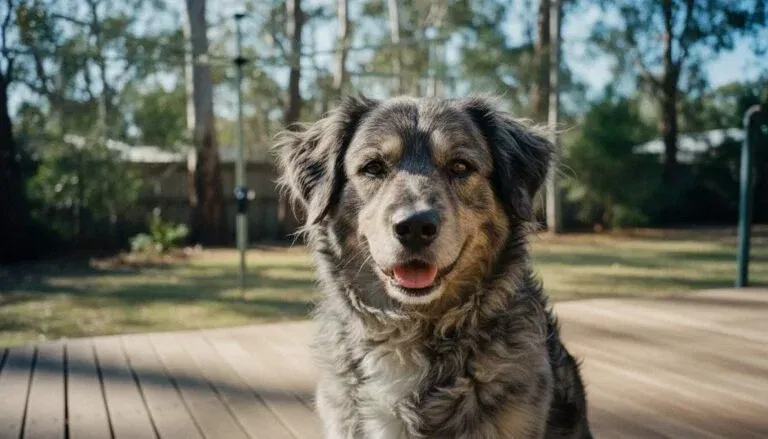
Somewhere in Hungary, a single Mudi is herding a flock of 500 sheep. Somewhere in Finland, another is working mountain search and rescue. Somewhere else, a third is winning agility titles against Border Collies. And if that sounds like three different breeds, it’s not. It’s all the same dog — the Mudi (pronounced “MOO-dee”), one of the most versatile and least known herding breeds on the planet.
There are fewer than 3,000 Mudi in the world. Most still live and work in Hungary. In Australia, the breed is ANKC-recognised but vanishingly rare — you could live your entire life without seeing one. That rarity isn’t a reflection of quality. The Mudi is, by most working dog metrics, extraordinary: fiercely intelligent, courageous enough to face down wild boar, athletic enough to excel at virtually any dog sport, and devoted enough to make an outstanding companion for the right owner.
The key phrase is “for the right owner.” The Mudi is emphatically not a beginner’s dog. It’s environmentally sensitive, vocal, intensely bonded to one person, and needs a handler who understands herding breed psychology. It also needs a job — or at least a very convincing substitute. This guide covers the honest reality: what makes the Mudi exceptional, what makes it challenging, what the colours and coat variations look like, and what you’d actually need to do to acquire one in Australia.
What You’ll Learn
- Breed traits & temperament
- Health concerns to know
- True cost in Australia
- Training & exercise needs
- Is this breed right for you?
Mudi at a Glance
| Attribute | Details |
|---|---|
| Breed Group | Working Dogs (ANKC Group 5) / Sheepdogs (FCI Group 1) |
| Origin | Hungary (formally recognised 1936) |
| Pronunciation | “MOO-dee” — rhymes with “moody” |
| Height | Males: 41–47 cm (16–18.5 in) | Females: 38–44 cm (15–17 in) |
| Weight | Males: 11–13 kg | Females: 8–11 kg (18–29 lbs) |
| Lifespan | 12–14 years |
| Coat | Wavy to curly body coat, short smooth face — shown naturally (no trimming) |
| Colours | Black, white, brown, fawn, blue merle, brown merle, and more |
| Temperament | Intelligent, alert, courageous, loyal, vocal, sensitive, energetic |
| Shedding | Moderate — seasonal increases, regular brushing manages it |
| Good With Kids | Can be, in active families with older children who respect the dog |
| Experience Level | Experienced owners only — NOT for first-time dog owners |
| Global Population | Fewer than 3,000 worldwide — considered a vulnerable breed |
| Australian Availability | Extremely rare — ANKC recognised but very few breeders/dogs |
| Puppy Price (AUD) | $3,500–$6,000+ (if available — import likely necessary) |
History & Origins
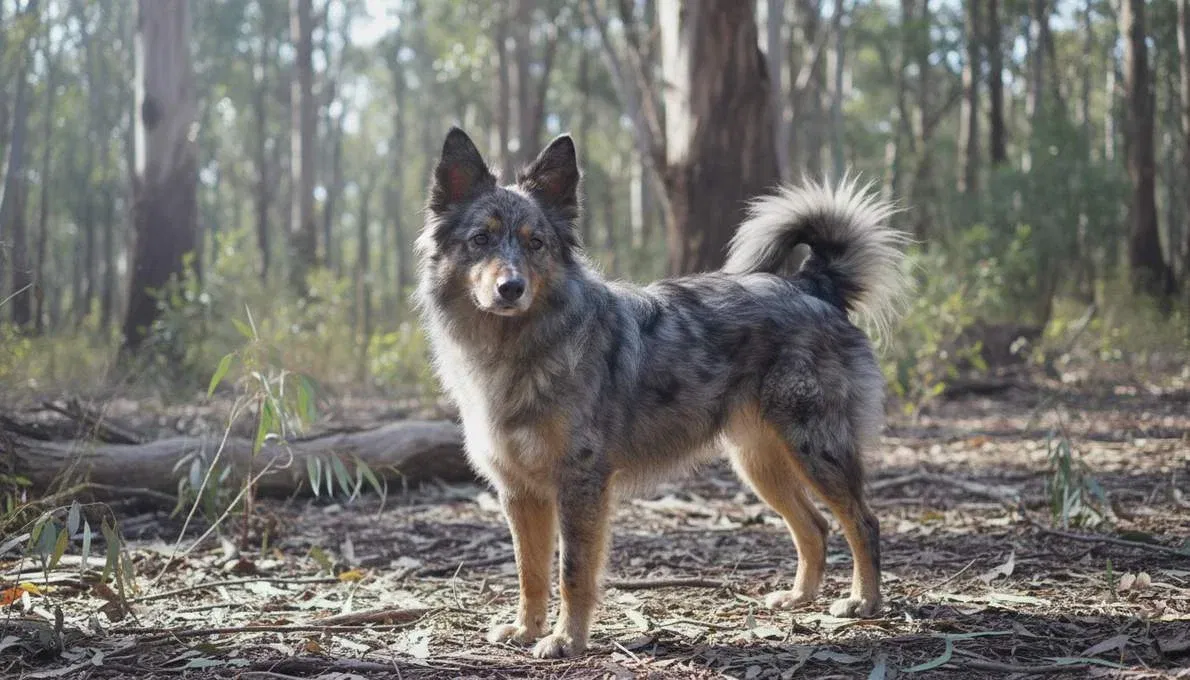
The Mudi’s story is inseparable from Hungary’s three great sheepdog breeds. For centuries, Hungarian shepherds relied on the Puli (corded coat, herding specialist), the Komondor (large, corded guardian), and a third, less defined type — a smaller, prick-eared, curly-coated dog that did everything else. This third type was the Mudi’s ancestor: a natural landrace that emerged from crosses between German Spitz-type dogs and existing Hungarian herding breeds.
For generations, nobody distinguished between these smaller herding dogs. The Mudi, Pumi, and Puli were often lumped together as generic Hungarian sheepdogs. It wasn’t until 1936 that Dr. Dezső Fényes, a Hungarian museum director and cynologist, formally identified and described the Mudi as a distinct breed. He had noticed a group of brilliant-haired, erect-eared, exceptionally intelligent dogs among the general farm dog population and began breeding them selectively. He submitted the first breed standard, and the committee accepted it under the name “Mudi.”
The Second World War nearly destroyed the breed. Much of Hungary’s dog population was decimated during the conflict, and the Mudi — already uncommon compared to the Puli and Komondor — was hit particularly hard. After the war, dedicated Hungarian breeders rebuilt the population from the surviving dogs. The Fédération Cynologique Internationale (FCI) officially recognised the breed in 1966.
Despite this recognition, the Mudi has remained rare. It was overshadowed internationally by more famous Hungarian breeds (the Vizsla, the Puli) and by more mainstream herding breeds (the Border Collie, the Australian Shepherd). It wasn’t until the AKC recognised the Mudi in January 2022, and the UK Kennel Club followed in 2025, that international interest began to grow. In Australia, Dogs Australia (ANKC) recognises the breed with a published breed standard, but the number of registered Mudi in the country remains extremely small.
Still working today: The Mudi is not a historical curiosity. In Hungary, shepherds still use Mudi to herd flocks of up to 500 sheep — a remarkable feat for a dog weighing only 8–13 kg. In Finland, Mudi serve as mountain search and rescue dogs. Their combination of agility, intelligence, and courage makes them uniquely suited to tasks that would challenge much larger breeds.
Mudi Colours & Coat
The Mudi’s coat is one of its most distinctive features — and the colour range is broader than most people expect from a herding breed.
The Mudi has a unique dual-textured coat. The face and front of the legs are covered in short, smooth, straight hair. The rest of the body has a wavy to curly coat, typically 3–7 cm long, that forms distinctive cowlicks and ridges. The hair on the ears is abundant and feathered, extending beyond the ear edges. The breed is shown completely naturally — the ANKC and FCI standards explicitly require no trimming, sculpting, or shaping. What you see is the dog as nature made it.
The most common Mudi colour. Solid black throughout with no shading. Many of the working Mudi in Hungary are black, and it’s the colour most people picture when they think of the breed.
A striking, pure white Mudi. Less common but fully accepted. White Mudi can have a slightly softer coat texture than black dogs.
Ranges from light brown to deep chocolate. Brown Mudi have brown noses and brown eye rims to match their coat.
Ranges from near-white cream to deeper golden tones. A warm, appealing colour that’s gaining popularity among enthusiasts.
The colour that generates the most search interest. Blue merle Mudi have a striking marbled pattern of grey, black, and white. Their eyes can be brown, blue, or a combination of both (heterochromia is accepted in merle dogs). Blue merle Mudi are visually spectacular and highly sought after, but the merle gene requires careful breeding — merle-to-merle breeding should never be done as it can produce puppies with serious eye and ear defects.
Less common merle variations in brown and fawn base coats. Equally striking and subject to the same breeding precautions around the merle gene.
Mudi can be born with a full-length tail, a natural bobtail (short stub), or anything in between. Natural bobtails occur regularly in the breed and are not considered a fault. All tail lengths are accepted under the breed standard.
Mudi Temperament & Personality
The Mudi’s temperament is where it becomes clear this is a breed for experienced owners. These are extraordinary dogs with extraordinary demands.
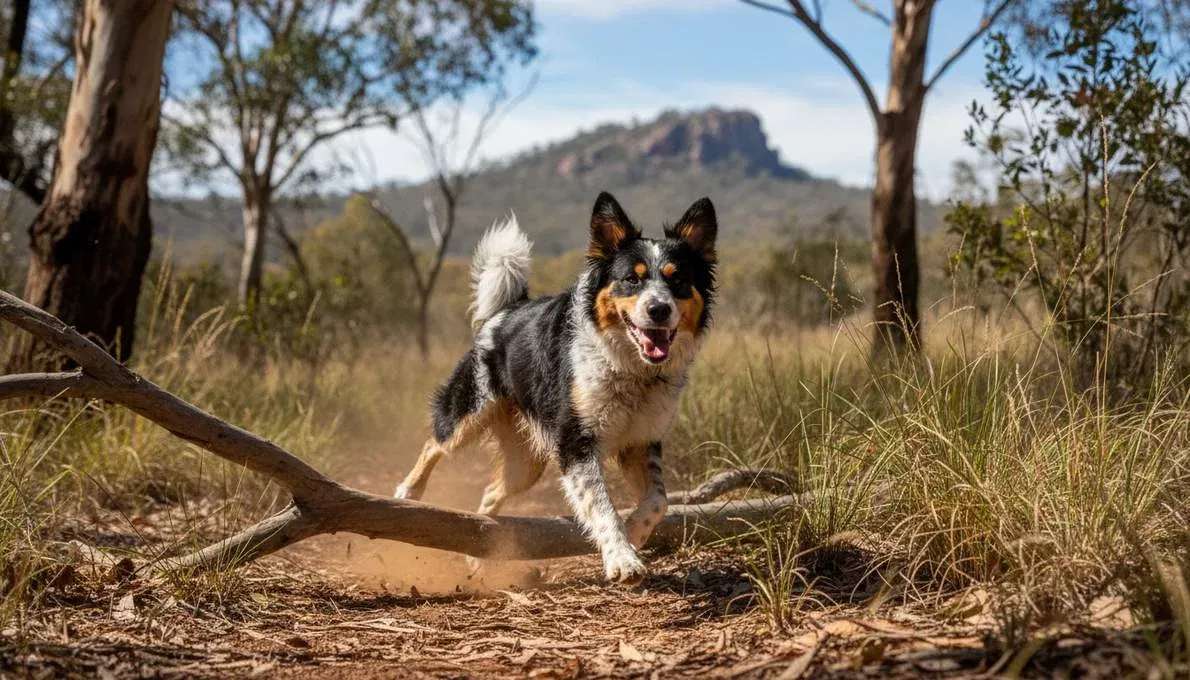
The Mudi is one of the smartest herding breeds — a statement that carries weight given the competition. They learn rapidly, retain complex sequences, and have an almost uncanny ability to read their handler’s body language. But intelligence cuts both ways: a smart dog that’s under-stimulated becomes a creative problem-solver, and Mudi “problems” can include escape artistry, selective deafness, and elaborate self-entertainment.
This is the Mudi’s most challenging trait and the one that surprises people most. Mudi are intensely aware of their environment. They notice every sound, every movement, every change. In a working context, this sensitivity is invaluable — it’s what makes them exceptional herders and watchdogs. In a suburban home, it translates to reactivity: barking at noises, alerting to movement outside, and potentially becoming anxious in chaotic or overstimulating environments. Extensive socialisation during the first two years is essential to build resilience.
The Mudi is loud, and this is not negotiable. They were bred to bark — to alert the farmer, to signal the guardian dogs, to move stubborn livestock. In a home setting, expect barking at visitors, noises, movement, excitement in the morning, and sometimes at things only the dog can perceive. You can modify the behaviour with training, but you cannot eliminate it. If you need a quiet dog, the Mudi is not for you.
Mudi form an intense bond with one primary person. They’re affectionate with the whole family but will orient strongly toward their chosen handler. This bond needs to be earned through trust and consistency — Mudi are initially reserved and will evaluate you before committing. Once bonded, they’re devoted, responsive, and eager to work as a team.
The breed standard describes the Mudi as courageous, and this isn’t marketing language. These dogs were used for wild boar hunts, for confronting stubborn cattle, and for protecting property. They have the terrier-like confidence to face threats far larger than themselves. This courage, combined with their alertness, makes them excellent watchdogs — they’ll alert to anything unusual, though they’re not aggressive without cause.
Mudi generally coexist well with other dogs if socialised early, though they can be assertive. Their herding instinct is strong — they may try to herd children, cats, and other pets. With livestock, they’re working dogs first and foremost. Small animals trigger their prey drive (they were also used for vermin control on farms).
Mudi puppies commonly go through several fear periods during development. During these phases, they may become temporarily cautious or reactive to stimuli they previously handled well. Experienced owners recognise these as normal developmental stages and respond with patience and positive exposure. Pushing a Mudi puppy through a fear period with flooding or harsh methods can create lasting behavioural damage.
Health & Genetic Conditions
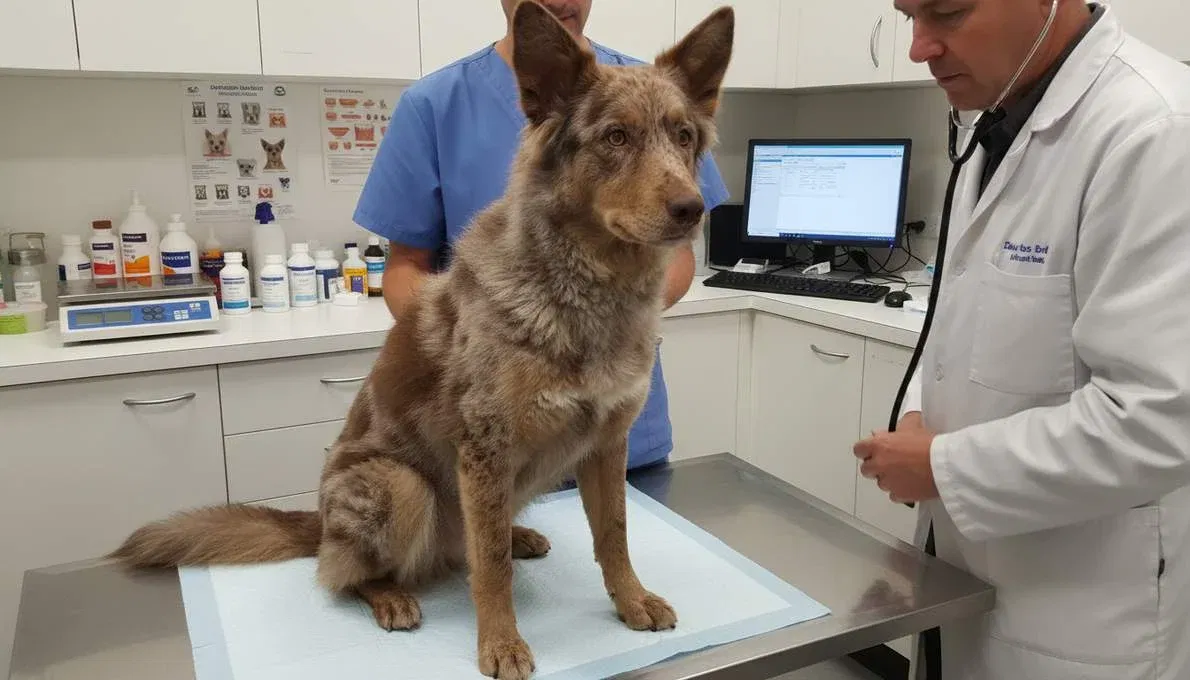
The Mudi is a generally robust breed with relatively few breed-specific health problems — a benefit of being bred primarily for function rather than appearance. Recommended health testing (per OFA and breed clubs) includes hips, elbows, patellas, eyes, and cardiac screening.
Prevalence: A recognised concern in Mudis — OFA evaluation is recommended for all breeding dogs; ranges from mild cases managed with supplements to severe cases requiring surgery
Symptoms: Stiffness after rest, reluctance to exercise, lameness in the back legs, a swaying or “bunny hop” gait, and gradual worsening of mobility as arthritis develops over time
Treatment Cost (AUD): $1,500–$6,000 for surgical intervention in more severe cases; mild cases can be managed conservatively with medication, supplements, and controlled exercise
Prevention: Buy from breeders who provide OFA hip evaluation clearances for both parents; keep your Mudi at a healthy weight and avoid high-impact exercise during puppyhood while joints are still developing
Hip dysplasia occurs when the hip joint doesn’t develop properly, causing the bones to rub and grind against each other rather than moving smoothly. Over time this leads to progressive arthritis and chronic pain. It has a strong genetic component, so choosing a puppy from OFA-evaluated parents is one of the most effective steps you can take to reduce the risk for your dog. (Source: OFA — Orthopedic Foundation for Animals)
Prevalence: Documented in Mudis — OFA elbow evaluation is recommended for all breeding dogs alongside hip screening
Symptoms: Front leg lameness, stiffness after rest, reluctance to extend or flex the front legs fully, and reduced willingness to exercise or play
Treatment Cost (AUD): $2,000–$5,000 per elbow for surgical correction
Prevention: Buy from breeders who provide OFA elbow clearances; avoid excessive high-impact exercise in growing puppies and maintain a healthy weight throughout development
Elbow dysplasia is an umbrella term for several developmental abnormalities affecting the elbow joint, all of which cause pain and reduced mobility in the front legs. Like hip dysplasia, it has a significant genetic component and is best addressed through responsible breeding practices. When caught early, surgical intervention can greatly improve your dog’s comfort and long-term quality of movement. (Source: OFA — Orthopedic Foundation for Animals)
Prevalence: Seen in Mudis as in many medium and small breeds; graded from 1 (mild and self-correcting) through to 4 (permanent displacement requiring surgery)
Symptoms: Occasional skipping or hopping on a back leg, intermittent lameness, a “bunny hop” gait that comes and goes, or in severe cases persistent and obvious difficulty walking
Treatment Cost (AUD): $1,500–$3,000 per knee for surgical correction in moderate to severe cases
Prevention: Buy from breeders who screen for patellar luxation; maintain a healthy weight to reduce ongoing pressure on the joints throughout your dog’s life
Patellar luxation means the kneecap slips out of its normal groove in the leg. You might notice your Mudi suddenly lift a back leg for a few strides then carry on as if nothing happened — that’s often the kneecap briefly popping in and out. Grade 1 and 2 cases are often managed conservatively, while Grade 3 and 4 cases cause enough ongoing discomfort and joint damage that surgery is the recommended course of action. (Source: VCA Animal Hospitals)
Prevalence: Hereditary cataracts, Progressive Retinal Atrophy, and other inherited eye diseases are documented in the breed — annual eye exams are recommended and CERF clearance is preferred in all breeding dogs
Symptoms: Cloudy or bluish appearance in the eye, bumping into objects, reluctance to navigate stairs or dark spaces, excessive tearing, and gradual deterioration of vision
Treatment Cost (AUD): $200–$4,000 depending on the condition — routine diagnosis sits at the lower end while cataract surgery per eye sits at the higher end
Prevention: Buy from breeders who hold current CERF eye clearances for both parents; schedule annual eye examinations with your vet, especially as your Mudi reaches middle age
Eye health is an important area to monitor in Mudis throughout their life. Hereditary cataracts cause the lens to cloud over progressively, and surgical removal is highly effective when performed before vision is severely compromised. Progressive Retinal Atrophy is a separate genetic condition causing gradual retinal breakdown with no current cure — making DNA testing by breeders the most important line of defence against it being passed on. (Source: American College of Veterinary Ophthalmologists)
Prevalence: Reported in some Mudi lines; typically first appears between 6 months and 5 years of age and requires lifelong management once diagnosed
Symptoms: Sudden episodes of uncontrolled shaking or convulsing, loss of consciousness, paddling legs, confusion before or after a seizure, and temporary disorientation or clinginess
Treatment Cost (AUD): $500–$2,000 per year for anti-convulsant medication and regular monitoring blood tests
Prevention: No guaranteed prevention for hereditary epilepsy; inform your vet of any seizure activity as early as possible to begin management before episodes become more frequent or severe
Epilepsy in Mudis is most commonly hereditary, meaning it is passed down through genetics rather than caused by an injury or illness. While witnessing a seizure can be frightening, most epileptic dogs live full and active lives once their condition is well managed with daily medication. Many owners find that once the right dosage is established, their dog’s seizures become infrequent or stop altogether. (Source: Australian College of Veterinary Scientists)
Prevalence: Occurs exclusively when two merle-patterned dogs are bred together — responsible breeders never breed merle to merle; the resulting double merle puppies carry a significantly elevated risk of serious and permanent disabilities
Symptoms: Deafness in one or both ears, severely underdeveloped or missing eyes, vision impairment or blindness, and other eye malformations present from birth
Treatment Cost (AUD): Varies considerably — affected dogs often require lifelong specialised care, veterinary monitoring, and adaptive management throughout their entire life
Prevention: This is entirely preventable — never breed two merle dogs together; always verify the coat genetics of both parents before any merle-to-merle pairing occurs
Double merle is not a natural variation — it is the direct result of an irresponsible breeding decision. When two merle dogs are bred together, each puppy has a 25% chance of inheriting the double merle gene combination, which is strongly associated with deafness, blindness, and severe eye abnormalities. Affected puppies are not unhappy dogs, but they do require significantly more care and commitment from their owners. This outcome is 100% avoidable when breeders follow responsible practices. (Source: University of California Davis Veterinary Genetics Laboratory)
The small gene pool factor: With fewer than 3,000 dogs worldwide, the Mudi’s gene pool is limited. Responsible breeders are keenly aware of inbreeding coefficients and work to maintain genetic diversity across the global population. This is one reason many established Mudi breeders are connected internationally — they need access to diverse bloodlines. When evaluating a breeder, ask about the inbreeding coefficient of any planned litter and whether they participate in breed-wide health databases.
Lifespan & Life Stages
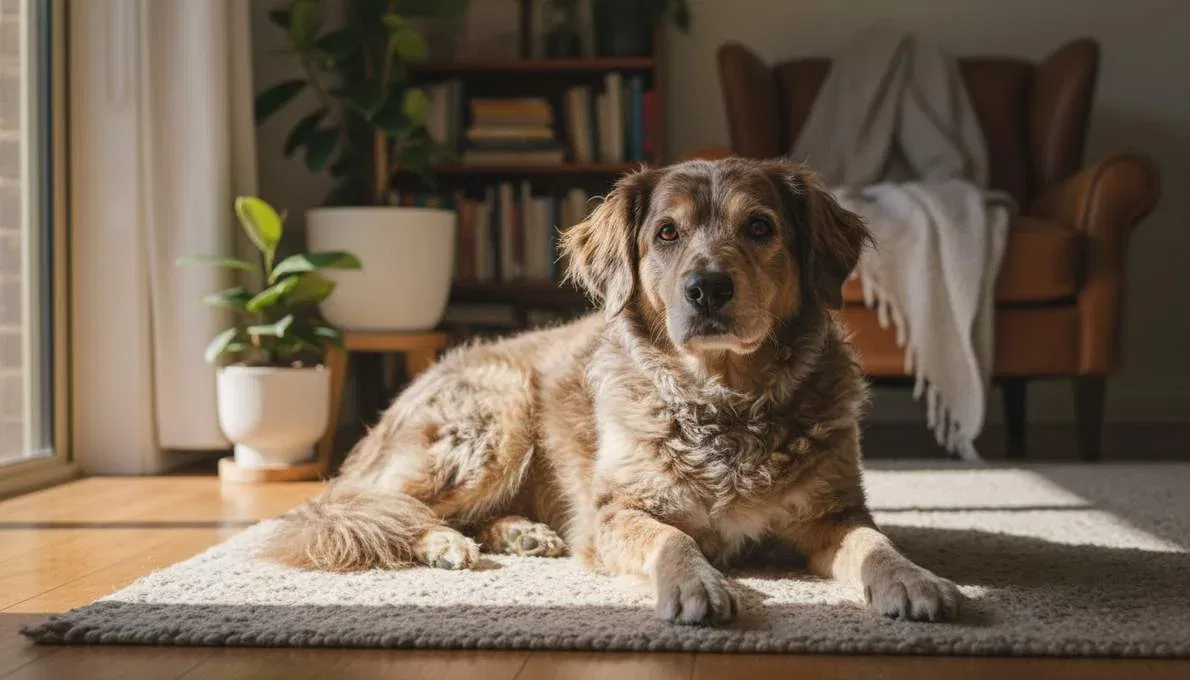
The Mudi typically lives 12–14 years, consistent with other medium-sized herding breeds. With good care, some reach 15.
Puppy to 12 months: Mudi puppies are lively, curious, and need careful handling. Socialisation is the absolute priority — extensive positive exposure to people, dogs, environments, sounds, and surfaces during the critical window. Expect fear periods (sometimes multiple). Begin basic training early but keep sessions short and varied — Mudi bore easily with repetition. Start grooming routines so the puppy accepts handling. Feed high-quality puppy food three to four times daily. Litter sizes average four to six puppies.
1–8 years: Prime working and sport years. The Mudi reaches physical maturity around 18 months but may not mentally mature until two to three years. Continue socialisation throughout the second year — environmental sensitivity can emerge or intensify during adolescence. Provide daily vigorous exercise plus mental stimulation through sport, training, or structured activities. Annual health checks including eye examination.
8+ years (senior): Six-monthly vet visits. Watch for joint stiffness (hip/elbow issues may become apparent), vision changes, and any signs of epilepsy. Reduce exercise intensity but maintain mental engagement — an older Mudi that loses its sense of purpose can decline quickly. Many Mudi remain bright and active into their early teens.
Grooming & Coat Care
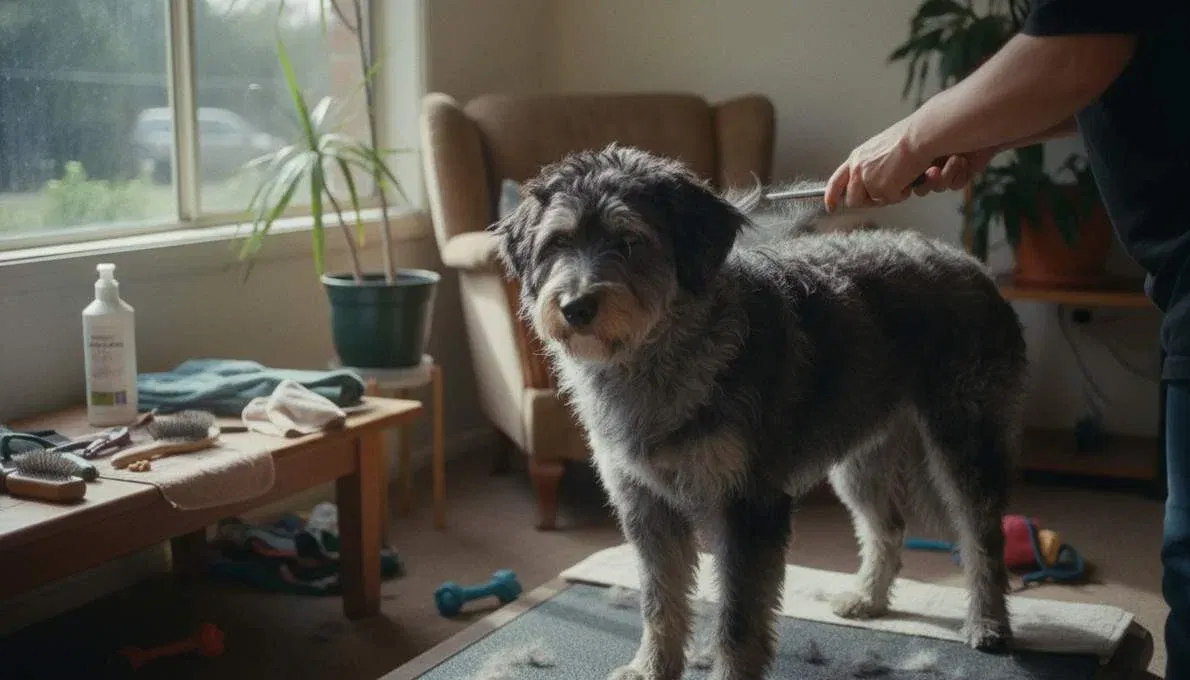
The Mudi is a refreshingly low-maintenance breed in the grooming department. The breed standard explicitly states that the coat is shown in its natural state with no trimming or sculpting required.
Grooming Schedule
| Task | Frequency | Notes |
|---|---|---|
| Brushing | 2–3 times per week | Focus on feathered areas (ears, legs, thighs) where tangles form. A slicker brush works well. |
| Bath | As needed — the coat repels dirt naturally | The double coat self-cleans to a degree. Bathe only when visibly dirty or after muddy outdoor work. |
| Professional groom | Rarely needed — breed is shown naturally | No trimming/sculpting required. Some owners take the dog for a bath-and-tidy 3–4 times/year. |
| Teeth brushing | 3–4 times per week minimum | Standard dental care for medium breeds. |
| Ear check | Weekly | Abundant ear hair can trap moisture. Check for signs of infection. |
| Nail trim | Every 2–4 weeks | Active dogs on hard surfaces may need less frequent trims. |
Do Mudi dogs shed? Yes — moderately. The Mudi has a double coat and sheds year-round with seasonal increases (typically spring and autumn). Regular brushing manages shedding effectively, and the coat is far less demanding than other Hungarian breeds like the Puli or Komondor. The Mudi is NOT hypoallergenic.
Annual grooming cost estimate: $100–$300/year at most — one of the cheapest breeds to maintain. The “natural show coat” requirement means professional grooming is largely unnecessary. Your main investment is a quality slicker brush and regular home care.
Exercise & Mental Stimulation
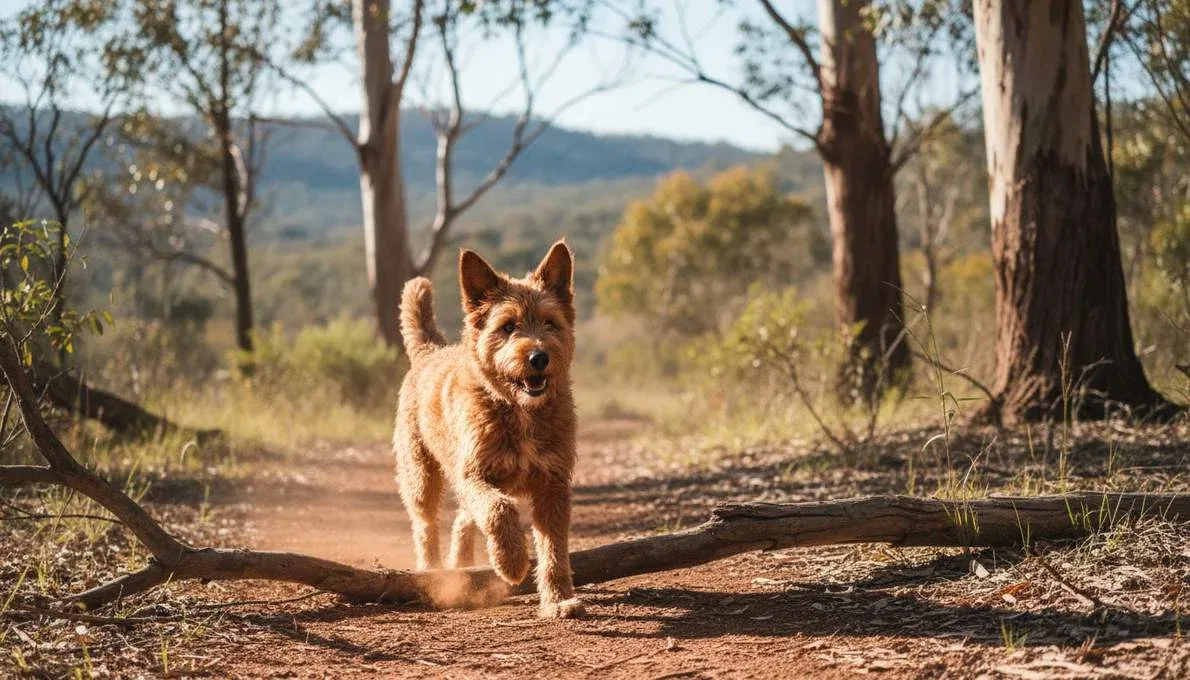
This is where the Mudi’s working heritage becomes non-negotiable. A well-exercised Mudi is a calm, settled companion. An under-exercised Mudi is a tornado of barking, destructive creativity, and frayed nerves.
Daily exercise:
60–90 minutes minimum of vigorous exercise. A casual stroll will not suffice — this breed needs to run, sprint, and work. Brisk walks, jogging, hiking, swimming, and off-leash running in secure areas are all excellent. The Mudi was bred to work all day, and while a pet Mudi doesn’t need eight hours of herding, it does need genuine physical exertion.
Mental stimulation is equally important.
The Mudi’s intelligence demands engagement. Puzzle feeders, scent work, trick training, obedience practice, and structured games all channel their mental energy. A physically tired but mentally bored Mudi will still find ways to entertain itself — and you won’t like the results.
Dog sports — where the Mudi shines:
Agility (natural speed and athleticism), herding trials (bred for it), obedience (intelligent and responsive), flyball (fast and driven), scent work (keen nose), tracking (methodical and focused), rally, disc/Frisbee (love catching), and even dock diving. The Mudi’s versatility in sport is arguably its greatest distinction — few breeds can compete credibly across this many disciplines.
The “off switch”:
Experienced Mudi owners report that these dogs settle well indoors IF they’ve been properly exercised and if an “off switch” has been taught from puppyhood. The key phrase is “taught from puppyhood.” Without deliberate relaxation training, the Mudi’s alertness can keep it in a state of perpetual readiness that’s exhausting for both dog and owner.
Apartment living:
Possible but demanding. A Mudi can live in an apartment if it receives ample daily exercise and mental stimulation outside the home. However, the breed’s vocal nature and environmental sensitivity (barking at hallway noises, other residents) make houses with yards a far better fit.
Training Guide
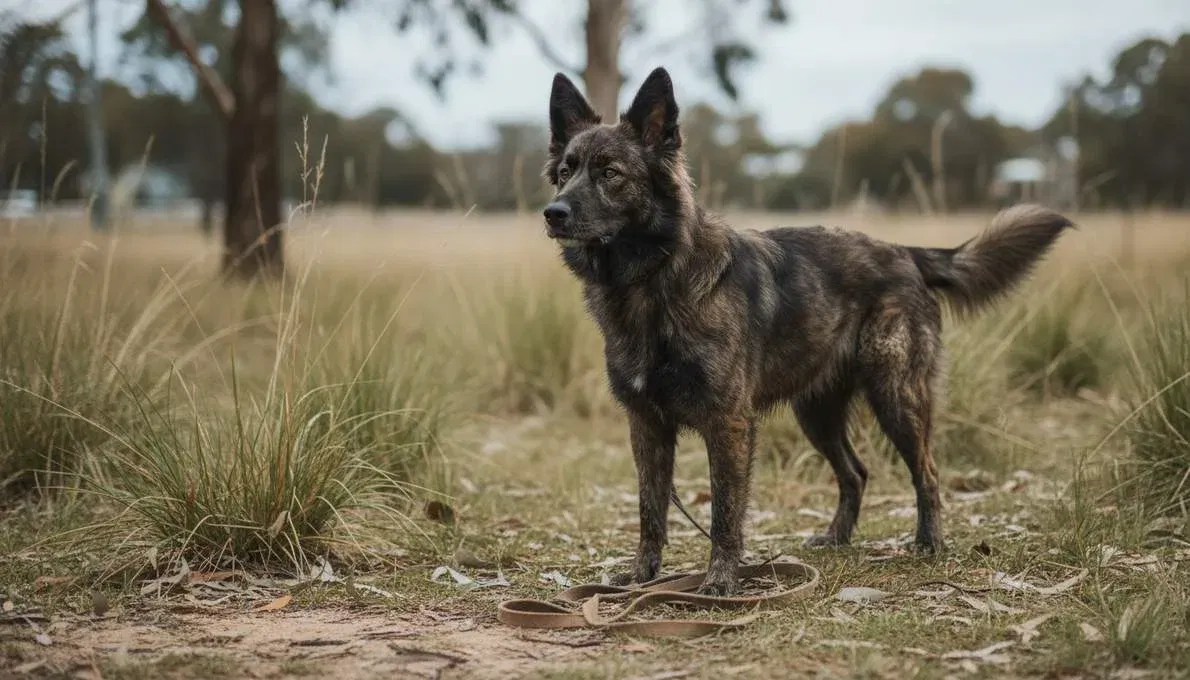
The Mudi is one of the most trainable herding breeds, but its learning style is distinctive and requires an experienced handler.
Socialisation & Training Timeline
| Age | Training Focus | Tips |
|---|---|---|
| 8–16 weeks | Socialisation (the #1 priority), handling, basic crate/toilet training, grooming introduction, early relaxation training | Positive exposure to as many environments, people, and sounds as possible. Be supportive during fear periods — never force. Start “settle” or “place” training. |
| 4–6 months | Basic obedience (sit, down, stay, come), lead walking, impulse control, continued socialisation, recall foundation | Keep sessions short (5–10 min) and varied — Mudi despise repetition. Reward generously. Begin building trust as a team. |
| 6–12 months | Reliable recall, advanced obedience, “quiet” command, trick training, introduction to sport activities | Adolescence may bring increased reactivity and environmental sensitivity. Stay patient and consistent. Don’t mistake fear responses for defiance. |
| 1–2 years | Sport-specific training, advanced skills, continued socialisation (ongoing through year 2), impulse control refinement | The Mudi matures slowly. Training should continue actively through the second year. This is when the handler-dog partnership truly solidifies. |
Honest difficulty rating: 6/10. The Mudi is highly trainable but demands a specific approach. They’re sensitive to harsh methods (which destroy trust and create fear-based reactivity), bored by repetition (which causes them to disengage), and need a handler who can read their emotional state. For an experienced dog person, particularly one familiar with herding breeds, the Mudi is a joy to train. For a first-time owner, it would be overwhelming. The environmental sensitivity and vocality add layers of complexity that go beyond basic obedience.
Cost of Ownership in Australia
The Mudi’s rarity makes Australian pricing difficult to pin down because so few puppies are bred here. These estimates reflect what you’d realistically face.
Upfront Costs
| Item | Cost (AUD) |
|---|---|
| Puppy (Australian-bred, if available) | $3,500–$6,000+ |
| Import from Europe/USA (if no Australian litters) | $8,000–$15,000+ (puppy + transport + quarantine) |
| Crate, bed, bowls, lead, harness, toys, training equipment | $250–$500 |
| First vet visit + vaccinations | $150–$300 |
| Desexing (if not on main register) | $300–$500 |
| Microchipping (if not included) | $50–$80 |
| Total Upfront (Australian-bred) | $4,250–$7,380 |
Ongoing Annual Costs
| Item | Cost (AUD/Year) |
|---|---|
| Quality dog food (active/working breed formula) | $500–$900 |
| Grooming (largely DIY — minimal professional needs) | $50–$200 |
| Vet check-ups + vaccinations | $250–$450 |
| Flea, tick & worming prevention | $120–$250 |
| Pet insurance | $400–$800 |
| Dog sport entries, training classes, equipment | $300–$1,000 |
| Toys, treats, enrichment | $150–$300 |
| Total Annual | $1,770–$3,900 |
Lifetime cost estimate: Over 13 years, expect $27,000–$58,000 including purchase (Australian-bred). If importing, add $8,000–$15,000 to the upfront cost. The Mudi is inexpensive to maintain (low grooming costs, generally good health) but the initial acquisition cost reflects its extreme rarity. Dog sport participation adds cost but is effectively mandatory for keeping a Mudi mentally satisfied.
Finding a Mudi in Australia
This is the practical reality: acquiring a Mudi in Australia is difficult. The breed is ANKC-recognised and has a published Australian breed standard, but the number of breeders and dogs in the country is extremely small. You may wait years for a puppy, or need to import.
Check dogsaustralia.org.au for any registered Mudi breeders. Contact your state kennel council (Dogs NSW, Dogs Victoria, Dogs QLD, etc.) and ask if any breeders are active. Join breed-specific groups and connect with the international Mudi community — the North American Mudi Alliance (NAMA) and the Mudi Club of America (MCA) maintain global breeder networks and can help connect you with Australian contacts.
If no Australian puppies are available, importing from Hungary, Finland, or the United States may be necessary. This involves identifying a reputable breeder overseas, arranging international transport, completing quarantine requirements (Australia’s biosecurity regulations are among the world’s strictest), and budget $8,000–$15,000 or more for the complete process. The timeline can be 12–24 months from initial contact to the dog arriving in Australia.
Regardless of source, ensure the breeder provides OFA or equivalent screening for hips, elbows, patellae, eyes (CERF/ACES), and cardiac evaluation. Ask about the inbreeding coefficient of any planned litter. Given the breed’s small global population, genetic diversity matters enormously. Ask whether the breeder participates in breed health databases.
The Mudi’s rarity and growing internet interest make it a target for puppy scams. If someone offers a Mudi puppy readily available at a low price with shipping included, it’s almost certainly fraudulent. Legitimate Mudi breeders have waitlists, ask extensive questions about your experience and lifestyle, and often require references.
Is the Mudi Right for You?
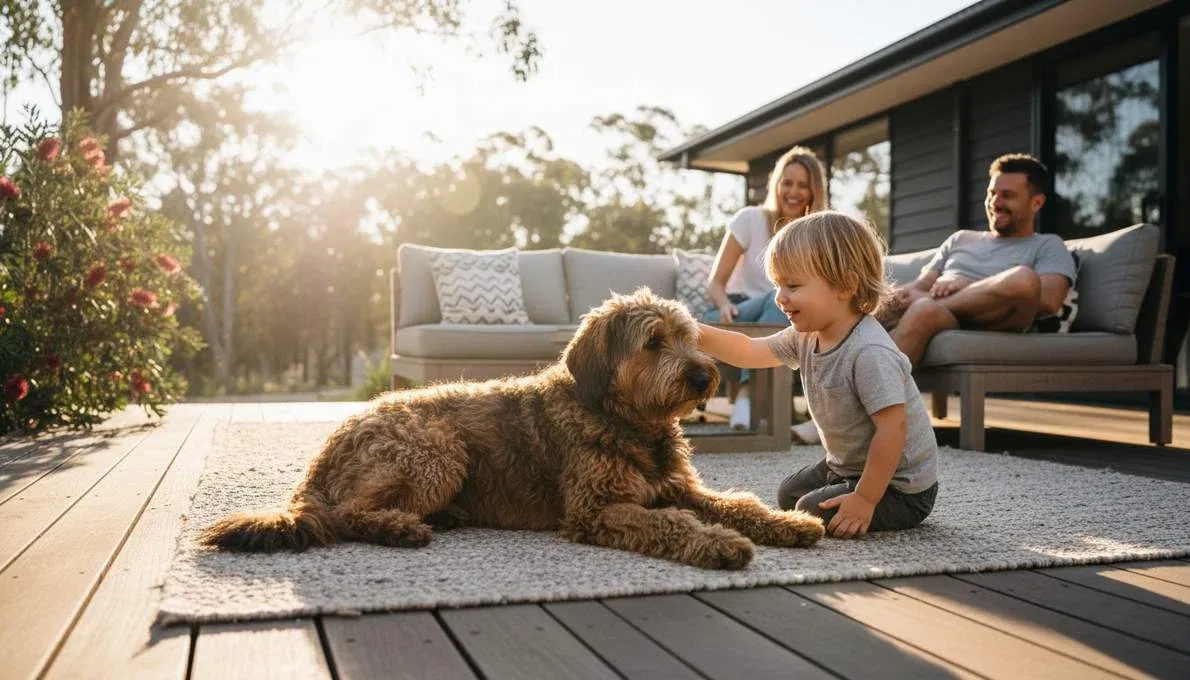
You have significant experience with herding or working breeds and understand their psychology. You’re actively involved in dog sports (agility, herding, obedience, flyball) or have structured activities to offer. You can provide 60–90+ minutes of vigorous daily exercise plus mental stimulation. You can handle a vocal dog and are committed to barking management. You have the patience for extensive socialisation over the first two years. You’re prepared for the lengthy process of finding or importing a puppy.
You’ve never owned a dog before — this breed requires experienced handling. You want a quiet, easygoing companion. You work long hours and can’t provide adequate exercise and stimulation. You live in close-quarter apartments with noise-sensitive neighbours. You want a dog available quickly — expect long waitlists. You’re not prepared for the breed’s environmental sensitivity and the training commitment it requires.
Mudi vs Border Collie: Both are intelligent, athletic herding breeds. The Border Collie is more intense, more focused, and more commonly available. The Mudi is more independent, more vocal, more terrier-like in character, and has a more manageable size (8–13 kg vs 14–20 kg). The Mudi’s environmental sensitivity is generally more pronounced. If you can handle a Border Collie, you have the foundation for a Mudi — but expect a different flavour of herding dog.
Mudi vs Pumi: Both are rare Hungarian herding breeds of similar size. The Pumi has a curlier, terrier-like coat and is slightly more commonly available internationally. The Mudi is arguably more versatile in sport and has a wider colour range. Both require experienced owners. If you’re drawn to Hungarian herding breeds, research both before deciding.
Here’s the honest assessment of the Mudi:
- An extraordinary working and sport dog — arguably the most versatile herding breed for its size. Intelligent, courageous, athletic, and capable of excelling across a wider range of disciplines than almost any other breed.
- Demanding of the right owner — environmental sensitivity, vocality, intense exercise needs, and a slow-maturing temperament mean this breed requires experience, patience, and commitment. It rewards that investment profoundly.
- Acquiring one in Australia is a project — extremely few dogs and breeders domestically, long waitlists, and potential import requirements. This is a breed you plan for, not impulse-buy.
If you’re an experienced handler looking for a medium-sized herding dog with extraordinary intelligence and versatility, the Mudi deserves serious consideration. Just be prepared for the wait — and for a dog that will make you a better trainer.
Frequently Asked Questions
What is a Mudi dog?
A rare Hungarian herding breed, pronounced “MOO-dee.” Medium-sized (8–13 kg), with a distinctive wavy-to-curly coat and prick ears. Recognised by the FCI (1966), AKC (2022), UK Kennel Club (2025), and ANKC. Fewer than 3,000 exist worldwide.
How do you pronounce Mudi?
“MOO-dee” — it rhymes with “moody.” The plural is “Mudi” or “Mudis” in English. In Hungarian, the plural is “Mudik.”
How much does a Mudi dog cost in Australia?
$3,500–$6,000+ from an Australian breeder (if available). Importing from overseas adds $8,000–$15,000 for transport, quarantine, and logistics. The breed’s extreme rarity drives pricing.
Are Mudi dogs good family dogs?
In experienced, active families with older children, yes. They’re loyal, affectionate, and fun. However, their environmental sensitivity, barking, herding instinct (they may try to herd children), and high exercise needs make them unsuitable for sedentary families or homes with very young children.
Do Mudi dogs shed?
Yes, moderately. They have a double coat that sheds year-round with seasonal increases. Regular brushing (2–3 times per week) manages it effectively. The Mudi is NOT hypoallergenic.
What colours do Mudi come in?
Black (most common), white, brown (chocolate), fawn, blue merle, brown merle, fawn merle, and blue-brown. Merle-patterned dogs can have blue, brown, or mixed-colour eyes. All colours are accepted under the breed standard.
How long do Mudi dogs live?
12–14 years on average, with some reaching 15. They’re a generally healthy breed with relatively few inherited conditions.
Are Mudi dogs hypoallergenic?
No. They have a double coat that sheds moderately. While their grooming needs are low, they are not suitable for people with dog hair allergies.
Can I find a Mudi in Australia?
The Mudi is ANKC-recognised but extremely rare in Australia. Start with Dogs Australia (dogsaustralia.org.au) and your state kennel council. Connect with international breed clubs (North American Mudi Alliance, Mudi Club of America). Import may be necessary. Expect long waitlists.
What’s the difference between a Mudi and a Pumi?
Both are rare Hungarian herding breeds of similar size. The Pumi has a curlier, terrier-like coat, is slightly more widely available internationally, and has a more typically terrier temperament. The Mudi has a wavy coat, wider colour range (including merle), and is arguably more versatile in sport. Both require experienced owners and extensive socialisation.
- AKC — Mudi Breed Information: https://www.akc.org/dog-breeds/mudi/
- PetMD — Mudi Dog Breed Health and Care: https://www.petmd.com/dog/breeds/mudi
- North American Mudi Alliance — About the Mudi: https://www.northamericanmudialliance.com/about-the-mudi
- The Royal Kennel Club — Hungarian Mudi: https://www.royalkennelclub.com/search/breeds-a-to-z/breeds/pastoral/hungarian-mudi-imp/
- Dogs Australia — Mudi Breed Standard: https://dogsaustralia.org.au/members/breeds/breed-standards/Mudi
- Wisdom Panel — Mudi Facts: https://www.wisdompanel.com/en-us/dog-breeds/mudi
- Wikipedia — Mudi: https://en.wikipedia.org/wiki/Mudi
- Pet Care Shed AU — Mudi in Australia: https://petcareshed.com.au/blogs/pet-supplies/what-is-a-mudi-rare-hungarian-herding-dog-australia