
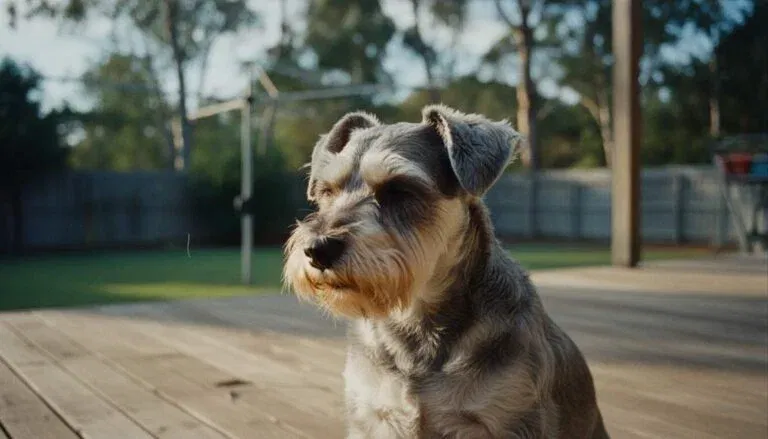
The Miniature Schnauzer is that rare breed that ticks almost every box. Low-shedding? Yes — it’s one of the most genuinely hypoallergenic breeds available. Good with kids? Excellent. Apartment-friendly? Absolutely. Trainable? Among the easiest of the terrier-type breeds. Healthy? Generally robust, with a lifespan of 12–15 years. And with those iconic bushy eyebrows, distinguished beard, and square-built stance, it looks like a tiny, dignified professor who’s also up for a game of fetch.
Originally bred in late 19th-century Germany by crossing Standard Schnauzers with smaller breeds like the Affenpinscher and possibly the Miniature Poodle, the Miniature Schnauzer was designed to be a compact farm ratter that could also serve as a watchdog and family companion. It succeeded on all counts. Today it’s one of the most popular breeds worldwide and consistently ranks among Australia’s most sought-after dogs.
But the Miniature Schnauzer isn’t without its complexities. That gorgeous wiry coat needs regular professional grooming every six to eight weeks — and it’s the single biggest ongoing cost of ownership. The breed has specific health vulnerabilities around urinary stones, pancreatitis, and diabetes that require dietary awareness. And the colour question (especially around whites) generates genuine debate in the breeding community. This guide covers all of it: grooming costs, health risks with AUD pricing, the four colours and their controversies, and where to find a reputable breeder in Australia.
What You’ll Learn
- Breed traits & temperament
- Health concerns to know
- True cost in Australia
- Training & exercise needs
- Is this breed right for you?
Miniature Schnauzer at a Glance
| Breed Group | Utility (ANKC Group 6) |
|---|---|
| Origin | Germany (late 1800s) |
| Other Names | Mini Schnauzer, Zwergschnauzer |
| Height | 30–36 cm (12–14 inches) |
| Weight | 5–9 kg (11–20 lbs) |
| Lifespan | 12–15 years |
| Coat | Double coat — wiry topcoat, soft undercoat |
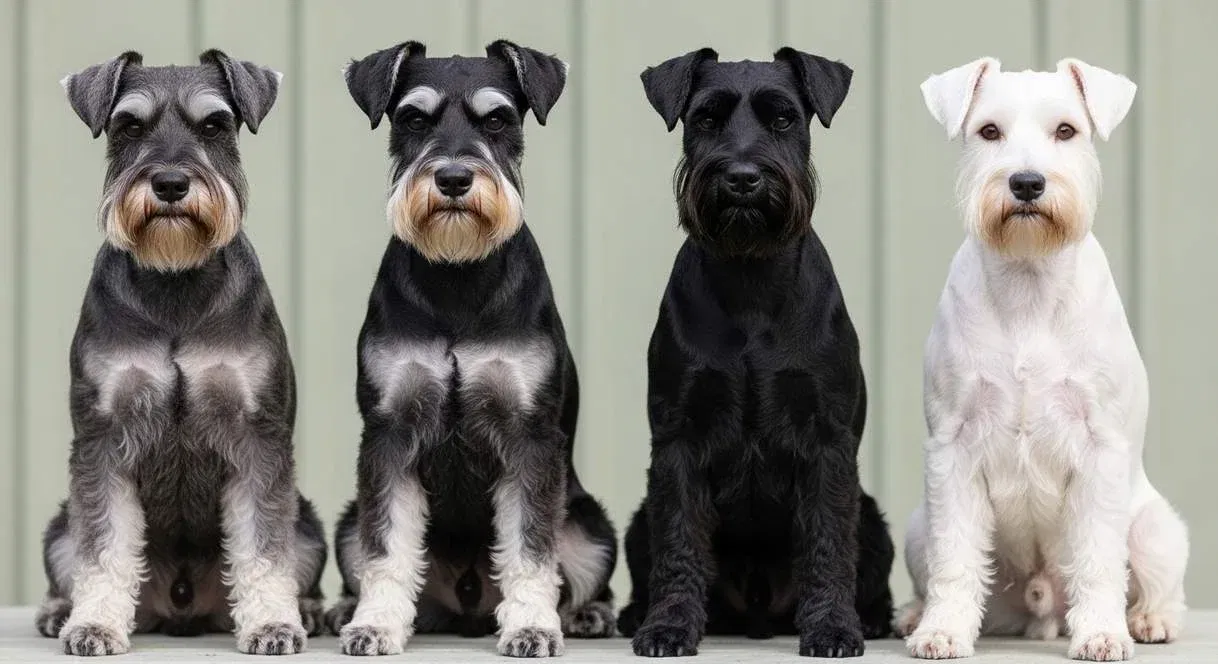
| ANKC Colours | Salt & pepper, black & silver, solid black, white |
| Temperament | Intelligent, alert, friendly, spirited, loyal, vocal |
| Shedding | Very low — considered hypoallergenic |
| Prey Drive | Moderate — bred as ratters, will chase small animals |
| Good With Kids | Excellent — one of the best family dogs in the utility group |
| Apartment Friendly | Very good — adaptable, moderate exercise needs |
| Experience Level | Suitable for first-time owners |
| Puppy Price (AUD) | $3,000–$5,000 (registered ANKC breeder) |
History & Origins
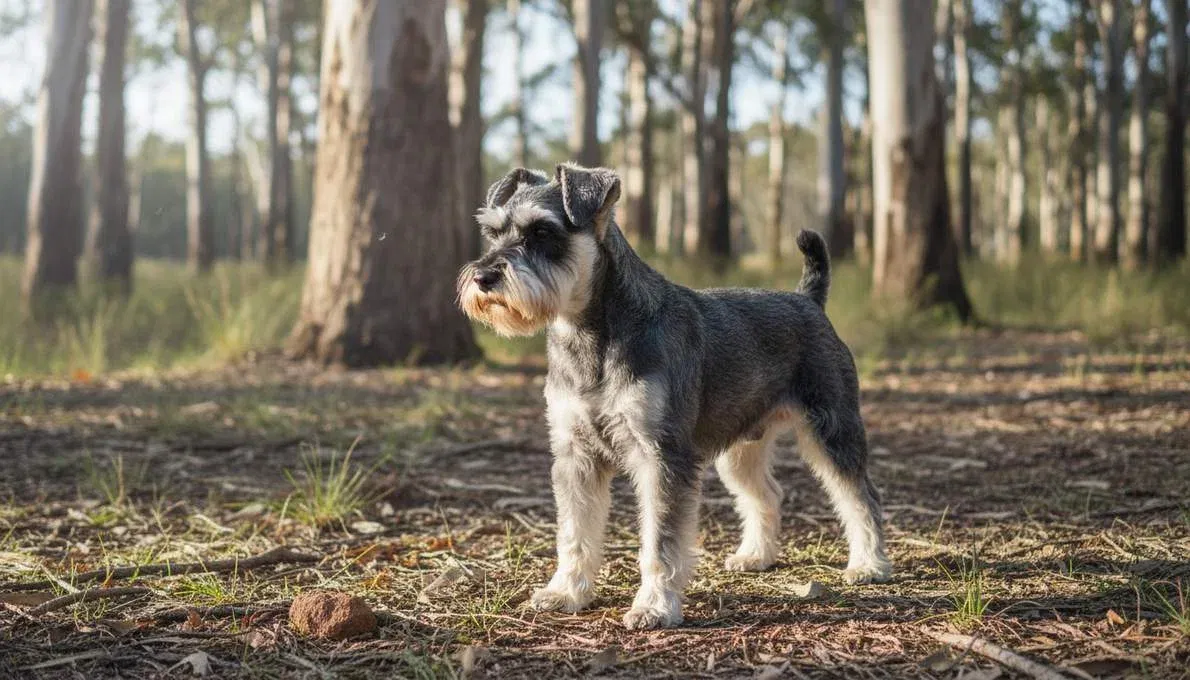
The Schnauzer family has deep roots in Germany. The earliest image of a Schnauzer-type dog dates to the late 1400s, and the name comes from the German word “Schnauze,” meaning muzzle or snout — a nod to the breed’s defining bearded face. The Standard Schnauzer was the original: a medium-sized, versatile farm dog used for herding, guarding, carting, and ratting across the German countryside.
In the late 1800s, German breeders set about creating a smaller version that could excel specifically at ratting in barns and kitchens while doubling as a household companion. They crossed the Standard Schnauzer with smaller breeds — most likely the Affenpinscher, and possibly the Miniature Poodle — to reduce size while preserving the Standard’s intelligence, alertness, and robust constitution. The result was the Zwergschnauzer (Dwarf Schnauzer), first exhibited as a distinct breed in 1899.
The Miniature Schnauzer arrived in America in the early 1920s and quickly became one of the most popular breeds, at one point ranking third with the AKC. It remains in the top 20 most registered breeds globally. In Australia, the Miniature Schnauzer is classified under ANKC Group 6 (Utility) and has a thriving community of breeders and breed clubs, including the Schnauzer Clubs of NSW and Victoria.
Three Schnauzers, one family: The Schnauzer comes in three sizes — Miniature (30–36 cm), Standard (45–50 cm), and Giant (60–70 cm). All three share the distinctive beard, eyebrows, and wiry coat, but they’re separate breeds with different temperaments. The Miniature is by far the most popular and is the only one classified in the Utility group rather than Working.
Miniature Schnauzer Colours
Colour is a significant topic in the Miniature Schnauzer world, and Australian buyers should understand the landscape before purchasing.
The classic Miniature Schnauzer colour. The coat is a mix of black and white banded hairs creating a distinctive grey-silver effect. The face mask is typically darker. This is the most commonly seen colour in show rings and among breeders worldwide.
A striking combination with a solid black body coat and silver (white) markings on the eyebrows, muzzle, chest, legs, and under the tail. The contrast is dramatic and the colour is increasingly popular in Australia. Several dedicated breeders specialise in this colour.
A rich, deep black throughout the entire coat, including undercoat. Maintaining true black over generations requires dedicated breeding — Reisenhund Kennels in Australia has specialised exclusively in blacks for over 40 years. Black Miniature Schnauzers can “fade” to a brownish tint with sun exposure or incorrect grooming.
This is where it gets complicated. White Miniature Schnauzers exist and are recognised under the FCI standard and by the ANKC in Australia. However, not all international registries accept white (the AKC does not), and there is ongoing debate about whether the white colour carries additional health concerns. Some Australian breeders specialise in whites (particularly in Gippsland, VIC), while others choose not to breed them. White is a legitimate colour under ANKC standards, but buyers should do their research and choose a breeder who health-tests rigorously.
Colours like “chocolate,” “liver,” “parti,” or “merle” Miniature Schnauzers are not recognised under the ANKC breed standard. If a breeder advertises these as “rare” colours at premium prices, proceed with caution. These colours may be associated with health issues and indicate breeding outside the standard.
Miniature Schnauzer Temperament & Personality
The Miniature Schnauzer’s temperament is one of its greatest strengths. It’s more pleasant and agreeable than the Standard or Giant Schnauzer, and noticeably more sociable than most terrier breeds.
Mini Schnauzers are smart dogs that grasp new commands quickly and retain them well. They’re responsive to their owners, eager to please, and generally considered easy and enjoyable to train. Short, fun training sessions work best — they can get bored with repetition but love learning new tricks and skills.
Historically paired with German Shepherds on farms — the little watchdog would alert the big guard dog to trouble — Mini Schnauzers retain powerful watchdog instincts. They bark at strangers, unusual sounds, delivery drivers, and sometimes at nothing at all. They’re excellent watchdogs but can become excessive barkers without training. Barking management should start in puppyhood.
Mini Schnauzers are genuinely people-oriented dogs. They adore their family, get along well with children, and warm up to strangers once they see their owner is relaxed. They can have a favourite person but are affectionate with the whole household. They don’t tolerate being left alone well — they want to be where their people are.
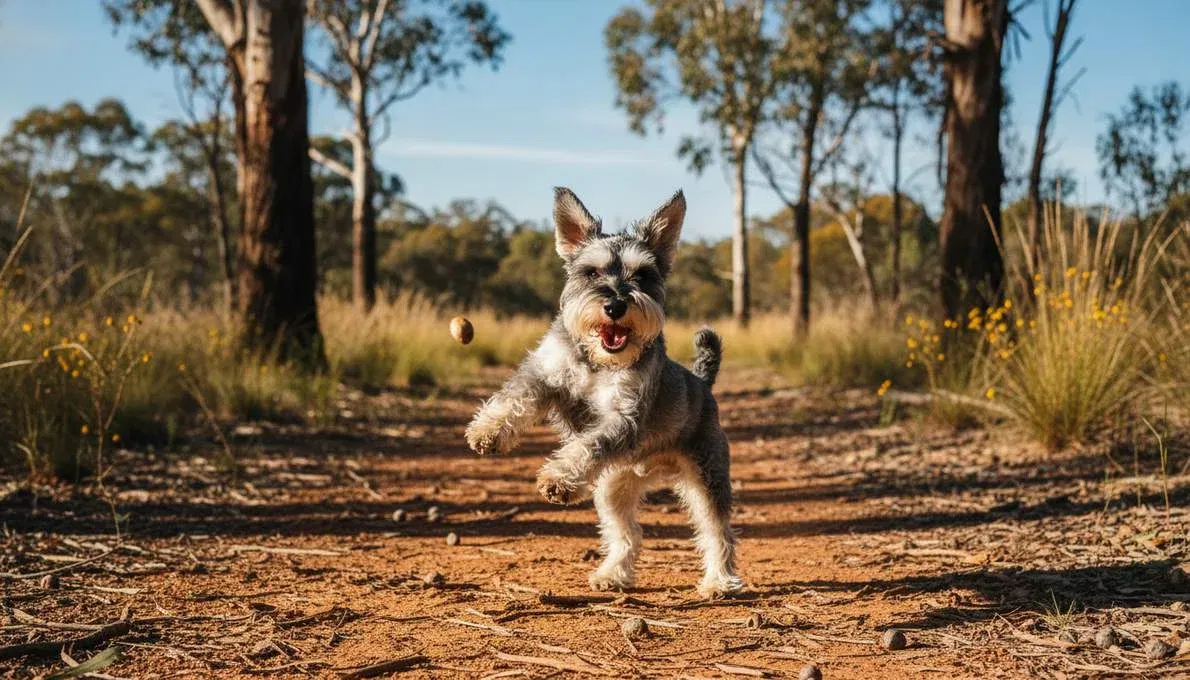
These dogs are fun. They’re always up for a game, a walk, or an adventure. Their energy level is moderate — enough to keep up with an active family but not so overwhelming that they’re exhausting. They enjoy play as much as an evening on the couch.
Mini Schnauzers generally get along well with other dogs, especially if socialised early. They can coexist with cats if introduced carefully, but their ratting heritage means small animals like rabbits, guinea pigs, and rodents should be kept separate. The prey drive is moderate but real.
Yes — this is one of the most commonly recommended breeds for first-time dog owners. They’re trainable, affectionate, adaptable, and forgiving of minor training mistakes. The main commitment is grooming, not behaviour management.
Health & Genetic Conditions
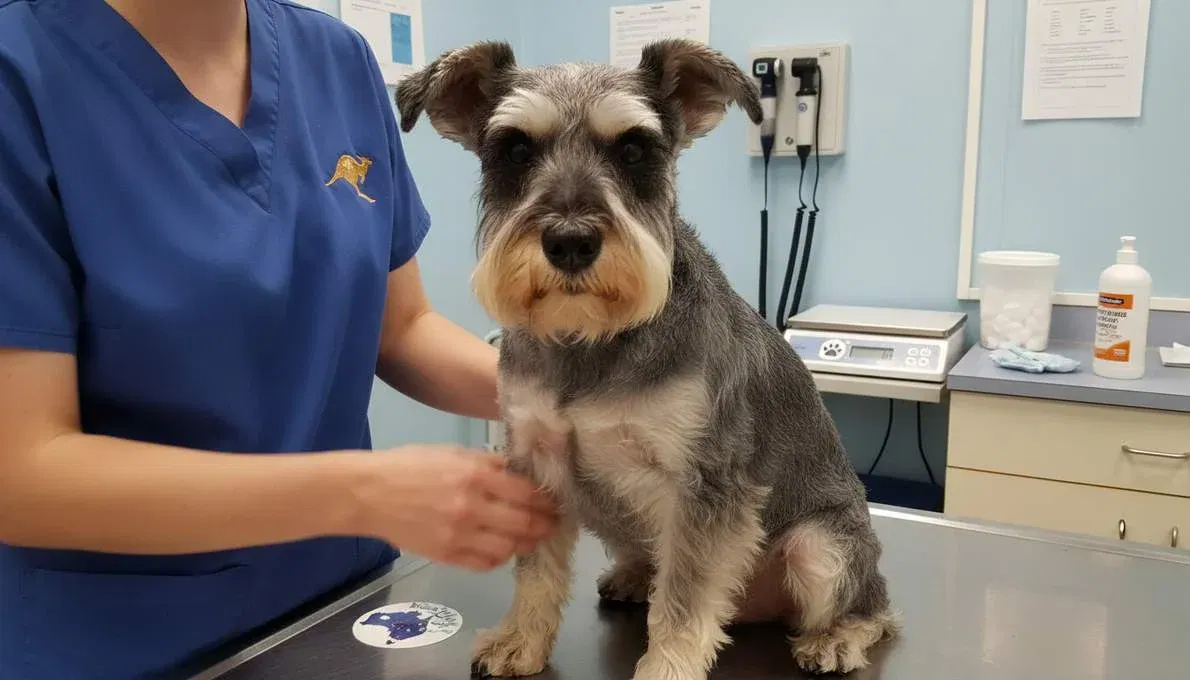
The Miniature Schnauzer is a generally healthy breed, but it has some specific vulnerabilities that every owner should understand. Several of these conditions are dietary-related, which means informed feeding choices make a genuine difference.
Prevalence: The number one breed-specific concern for Miniature Schnauzers — they are the breed most commonly affected by calcium oxalate urinary stones; males are three times more at risk than females
Symptoms: Bloody or foul-smelling urine, straining to urinate, frequent accidents indoors, and in severe cases a complete inability to pass urine which requires urgent veterinary attention
Treatment Cost (AUD): $1,500–$4,000 for surgical removal plus ongoing dietary management to reduce recurrence
Prevention: Feed a low-oxalate diet, ensure your dog drinks plenty of fresh water daily, and schedule regular urine checks with your vet to catch stone formation early
Miniature Schnauzers have a unique metabolic tendency to form calcium oxalate crystals in their urinary tract — one study found that up to 40% of all dogs diagnosed with kidney stones were this breed. Stones can cause significant pain and blockages that become life-threatening if left untreated. The good news is that with the right diet and plenty of water, the risk of recurrence can be meaningfully reduced after treatment. (Source: Journal of Veterinary Internal Medicine / UC Davis School of Veterinary Medicine)
Prevalence: Miniature Schnauzers are significantly more prone to pancreatitis than most other breeds — fatty foods and table scraps are the most common triggers
Symptoms: Vomiting, loss of appetite, hunched posture, abdominal pain, lethargy, and in severe cases, rapid deterioration requiring hospitalisation
Treatment Cost (AUD): $500–$3,000+ depending on severity — mild cases may need only supportive care while severe cases require hospitalisation and intensive treatment
Prevention: Avoid all fatty foods, table scraps, and high-fat treats; feed a consistent low-fat diet and never allow access to rubbish or greasy human food
Pancreatitis is inflammation of the pancreas — the organ responsible for producing digestive enzymes. In Miniature Schnauzers, it is often directly triggered by eating rich or fatty food, including seemingly harmless treats or leftovers. Mild cases resolve with rest and dietary management, but severe pancreatitis can be life-threatening and extremely costly to treat. Keeping your Schnauzer strictly on a low-fat diet is the single most effective prevention strategy. (Source: VCA Animal Hospitals)
Prevalence: A genetic predisposition seen in certain Miniature Schnauzer lines — elevated blood fat levels are more common in this breed than almost any other
Symptoms: Often no obvious symptoms in early stages; can cause vomiting, abdominal discomfort, and seizures in more severe cases — and significantly increases the risk of pancreatitis
Treatment Cost (AUD): $200–$600 per year for regular blood monitoring and dietary management
Prevention: Feed a consistently low-fat diet, avoid fatty treats, and have your vet check blood fat levels as part of routine annual blood testing
Hyperlipidaemia simply means there are abnormally high levels of fat circulating in the bloodstream. In Miniature Schnauzers, this is often genetic rather than caused by diet alone. Left unmanaged, elevated blood fats increase the risk of pancreatitis and other serious complications. The condition is usually well controlled through a carefully managed low-fat diet, and regular blood tests allow your vet to keep a close eye on levels over time. (Source: Merck Veterinary Manual)
Prevalence: Miniature Schnauzers are more prone to developing diabetes than many other breeds — the link to hyperlipidaemia and pancreatitis in the breed makes them especially vulnerable
Symptoms: Excessive thirst, frequent urination, unexplained weight loss despite a normal or increased appetite, lethargy, and cloudy eyes in advanced cases
Treatment Cost (AUD): $1,000–$2,500 per year for insulin injections, syringes, regular glucose monitoring, and vet check-ups
Prevention: Maintain a healthy weight, feed a consistent low-fat and low-sugar diet, and have annual blood and urine tests done to catch early signs before full diabetes develops
Diabetes in dogs works similarly to Type 1 diabetes in people — the pancreas can no longer produce enough insulin to regulate blood sugar. Because Miniature Schnauzers are already predisposed to pancreatic issues, their risk of developing diabetes is notably higher than average. While it requires daily commitment from owners in the form of insulin injections and regulated feeding times, diabetic Schnauzers can live comfortably and happily with a well-managed routine. (Source: VCA Animal Hospitals)
Prevalence: Hereditary cataracts, Progressive Retinal Atrophy, and retinal dysplasia are all documented in the breed — regular eye examinations are recommended throughout the dog’s life
Symptoms: Cloudy or bluish appearance to the eye, bumping into objects, reluctance to navigate stairs or dark areas, and gradual deterioration of vision
Treatment Cost (AUD): $1,500–$4,000 per eye for surgical cataract removal; diagnosis of other eye conditions costs $300–$600
Prevention: Buy from breeders who conduct eye health testing; schedule annual eye checks with your vet, especially as your Schnauzer reaches middle age
Hereditary cataracts cause the lens of the eye to become cloudy over time, progressively reducing vision. Unlike age-related cataracts in older dogs, hereditary cataracts can appear much earlier in life. Surgical removal is highly effective and most dogs regain significant vision afterwards. Progressive Retinal Atrophy and retinal dysplasia are separate genetic conditions that affect the retina and currently have no surgical solution, making early DNA testing by breeders particularly important. (Source: American College of Veterinary Ophthalmologists)
Prevalence: More prone to dental issues than most breeds — tartar tends to build up quickly from middle age onward, making daily brushing essential rather than optional
Symptoms: Bad breath, yellow or brown tartar build-up, red or swollen gums, loose teeth, and discomfort or reluctance when eating
Treatment Cost (AUD): $500–$1,500 for a professional dental clean performed under general anaesthesia
Prevention: Brush your Miniature Schnauzer’s teeth daily from puppyhood, provide dental chews, and have a professional dental check included at every annual vet visit
Dental disease in Miniature Schnauzers tends to progress faster than in many other breeds, with significant tartar accumulation often appearing by middle age even in otherwise well-cared-for dogs. Left untreated, bacteria from infected gums can enter the bloodstream and cause damage to the heart, kidneys, and liver. Daily brushing is genuinely one of the most important health habits you can build with your Schnauzer from day one. (Source: Australian Veterinary Association)
Prevalence: Can occur as a congenital condition in Miniature Schnauzers — an abnormal blood vessel causes blood to bypass the liver, preventing proper detoxification
Symptoms: Stunted growth in puppies, neurological signs such as staring or circling, poor appetite, vomiting, excessive thirst, and confusion or disorientation after eating
Treatment Cost (AUD): $3,000–$8,000 for surgical correction depending on the location and complexity of the shunt
Prevention: No guaranteed prevention for congenital cases; buy from health-conscious breeders and have any puppy showing slow growth or unusual neurological signs assessed by a vet promptly
A portosystemic shunt is an abnormal blood vessel that allows blood to bypass the liver entirely, meaning toxins that should be filtered out instead circulate through the body and brain. It is usually present from birth and symptoms often become noticeable in the first few months of life. Surgery to close the abnormal vessel is the most effective treatment, and many dogs go on to live normal, healthy lives when the condition is caught and treated early. (Source: VCA Animal Hospitals)
Prevalence: A breed-specific skin condition unique to Schnauzers — very common and considered a characteristic trait of the breed rather than a serious medical concern
Symptoms: Small blackhead-like bumps or crusty plugged hair follicles along the back, usually causing no pain or itching unless they become infected
Treatment Cost (AUD): $0–$200 for medicated shampoo if treatment is needed; most cases require no intervention at all
Prevention: Regular grooming and bathing with a gentle shampoo helps keep the skin clean and reduces build-up; monitor for any signs of infection such as redness, swelling, or discharge
Schnauzer Comedone Syndrome causes blocked hair follicles — similar to blackheads in people — to develop along the dog’s back. It is entirely breed-specific and in the vast majority of cases is purely cosmetic, causing no discomfort whatsoever. Occasional bathing with a medicated or gentle exfoliating shampoo is usually all that is needed to keep the skin tidy. If bumps become red, swollen, or infected, a quick vet visit and a short course of treatment will resolve it quickly. (Source: Merck Veterinary Manual)
Several of the Mini Schnauzer’s key health concerns — pancreatitis, hyperlipidaemia, urinary stones, diabetes — are influenced by diet. Feed a high-quality, moderate-fat food (the American Miniature Schnauzer Club recommends 10–15% fat content in kibble). Avoid fatty table scraps, excessive treats, and high-calcium foods. Many Australian breeders recommend breed-specific formulas like Royal Canin Miniature Schnauzer.
Eye certifications (AVA-ANKC Australian Canine Eye Scheme), DNA health profiles (many Australian breeders use Orivet), heart screening, and any history of urinary stones or pancreatitis in the line. The best Australian breeders offer lifetime guarantees against serious inherited diseases.
Lifespan & Life Stages
The Miniature Schnauzer typically lives 12–15 years. With good diet, regular vet care, and appropriate exercise, many reach the upper end of that range.
Puppy to 12 months: Mini Schnauzer puppies are energetic, curious, and affectionate. Begin socialisation immediately — they’re naturally sociable but can develop excessive barking if not exposed to varied people and environments early. Start grooming routines from the first week home so they accept handling, brushing, and face/beard grooming as normal. Feed three to four small meals daily. Puppies from the best Australian breeders often arrive crate-conditioned, with toilet training started and first grooming completed.
1–8 years: Prime adult years. Maintain grooming schedule (professional every 6–8 weeks plus twice-weekly home brushing). Keep at lean body weight — obesity dramatically increases pancreatitis and diabetes risk. Annual vet checks should include eye examination, dental assessment, and urine screening for stones. Monitor fat intake carefully.
8+ years (senior): Heart disease becomes the leading cause of death in older Mini Schnauzers. Move to six-monthly vet visits. Request blood panels for liver, thyroid, and blood sugar. Eye checks become more important (cataract risk increases). Dental disease accelerates — professional cleans may be needed annually. Watch for increased thirst/urination (diabetes, kidney issues). Adjust exercise intensity but maintain mental stimulation.
Grooming: The Biggest Commitment
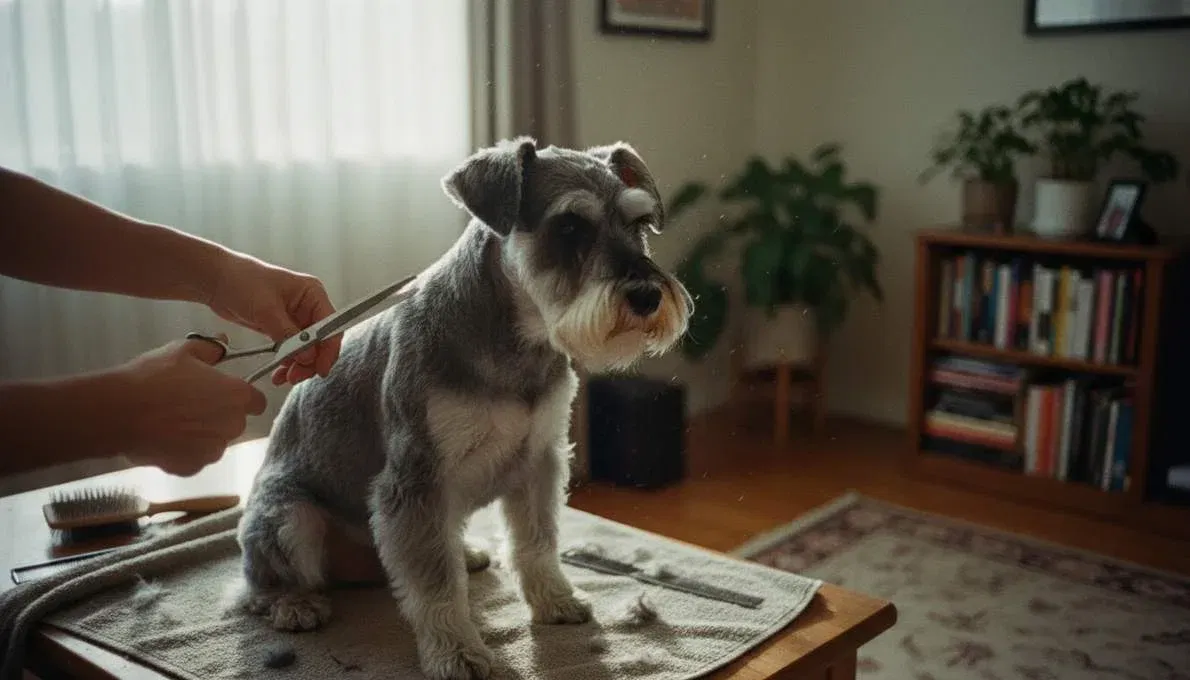
This is the section that separates casual interest from genuine commitment. The Miniature Schnauzer’s coat is its most demanding feature — and the single biggest ongoing cost of ownership.
The double coat: Mini Schnauzers have a wiry, harsh topcoat and a soft, dense undercoat. This double coat doesn’t shed in the traditional sense (hair doesn’t fall out and cover your furniture), which is why the breed is considered hypoallergenic. But it does need regular maintenance to prevent matting, tangling, and skin issues.
Grooming Schedule
| Task | Frequency | Cost (AUD) |
|---|---|---|
| Professional groom (clip/trim) | Every 6–8 weeks — non-negotiable | $70–$120 per session |
| Hand-stripping (show coat) | Every 8–12 weeks if maintaining wiry texture | $100–$180 per session |
| Home brushing | 2–3 times per week minimum (daily for beard/legs) | DIY — slicker brush $15–$30 |
| Beard/face wipe | Daily — after meals | DIY |
| Bath | Every 3–4 weeks or between grooms | DIY or included in groom |
| Teeth brushing | Daily — breed-critical | DIY — toothpaste $10–$18 |
| Ear cleaning | Weekly + hair plucking as needed | DIY or included in groom |
| Nail trim | Every 2–3 weeks | $10–$20 or included in groom |
Clipping vs hand-stripping: Most pet Mini Schnauzers are clipped (electric clippers over the body, scissors for legs/face). This is faster, cheaper, and perfectly fine for companion dogs. Show dogs are hand-stripped, a technique where dead hair is pulled out by hand to maintain the coat’s wiry texture and colour intensity. Clipping repeatedly can soften the coat texture over time, which is why show dogs aren’t clipped. For pet owners, clipping is the practical choice.
The beard: The Miniature Schnauzer’s iconic beard and eyebrows need daily attention. Food, water, and drool accumulate in the beard, and if not wiped daily, it can become smelly, discoloured, or matted. Keep a small towel near the food bowl. Many owners use a metal comb through the beard daily.
Is the Miniature Schnauzer hypoallergenic? As close to hypoallergenic as a dog gets. They produce minimal dander and don’t shed in the conventional sense. The proteins that cause allergic reactions can still be present in saliva and skin, so no dog is 100% allergy-proof. But for mild to moderate allergy sufferers, the Mini Schnauzer is one of the most commonly recommended breeds.
Annual grooming cost estimate: Budget $600–$1,200/year for professional grooming alone (every 6–8 weeks at $70–$120). This is the unavoidable cost of Mini Schnauzer ownership. Skipping grooms leads to matting, skin irritation, and a miserable dog.
Exercise Needs
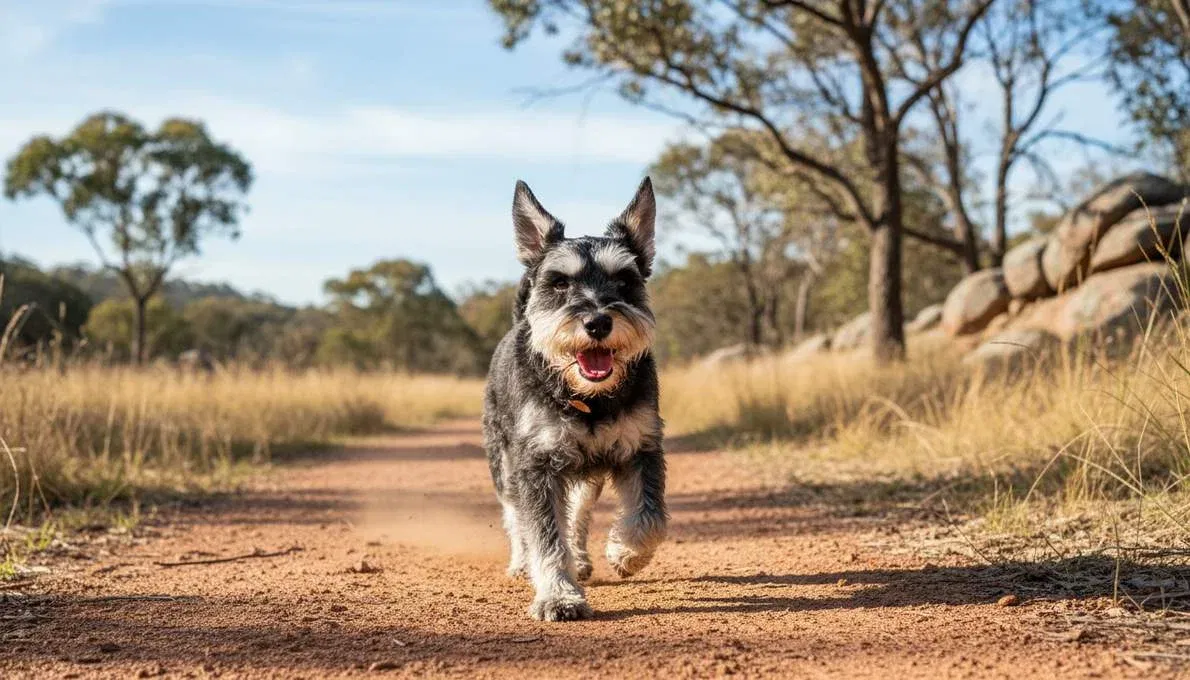
The Miniature Schnauzer’s exercise needs are moderate and manageable — one of the breed’s most practical qualities.
Daily exercise:
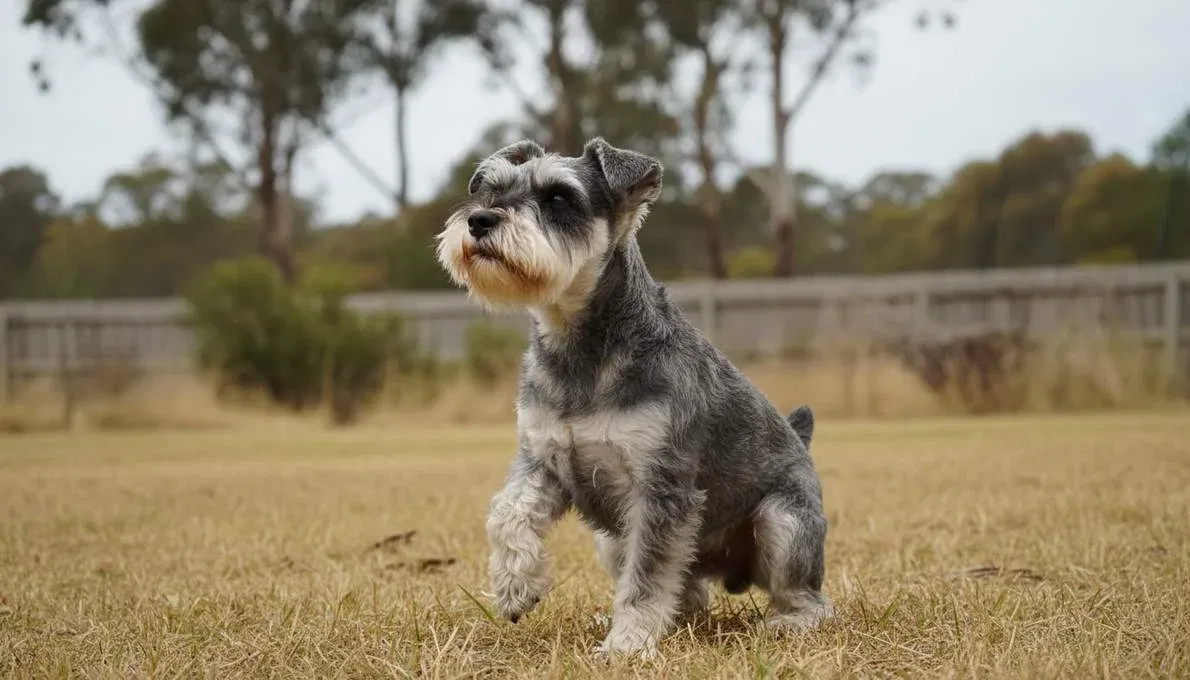
45–60 minutes across two sessions. A morning walk plus an afternoon play session is ideal. Mini Schnauzers are energetic but not manic — they’ll happily match your energy level, whether that’s a brisk walk or a relaxed stroll. They enjoy fetch, tug, and interactive play but are equally content with a puzzle toy and a couch session.
Mental stimulation:
These are intelligent dogs that need mental engagement. Puzzle feeders, scent work, trick training, and obedience practice all satisfy their sharp minds. A Mini Schnauzer that’s physically exercised but mentally bored will find its own entertainment — typically involving barking or minor destruction.
Dog sports:
Mini Schnauzers excel in agility, obedience, rally, scent work, and tracking. Several Australian breeders actively compete in multiple disciplines. The breed’s intelligence and eagerness to please make it a natural for structured sport activities.
Off-leash suitability:
Generally good in secure, fenced areas. Their recall is better than most terrier-type breeds, but their ratting instinct can override training if they spot small prey. Dog parks are usually fine with well-socialised Mini Schnauzers — they’re less dog-reactive than many terriers.
Training Guide
The Miniature Schnauzer is one of the most trainable small breeds. Their intelligence and desire to please make training a genuinely enjoyable experience for both dog and owner.
Socialisation & Training Timeline
| Age | Training Focus | Tips |
|---|---|---|
| 8–12 weeks | Socialisation, toilet training, crate training, grooming introduction, “quiet” command | Start grooming handling from day one. Mini Schnauzers need to accept face/beard grooming early. Expose to many people, dogs, environments. |
| 3–6 months | Basic obedience, lead walking, barking management, “leave it” command | Short, varied sessions (5–10 min). Keep it fun — they bore with repetition. Reward calm behaviour and quiet moments. |
| 6–12 months | Recall, advanced obedience, trick training, continued socialisation | Mini Schnauzers can be mildly stubborn in adolescence. Stay consistent and positive. Tricks channel their intelligence well. |
| 1 year+ | Dog sports, advanced skills, ongoing barking management, socialisation maintenance | Consider agility, scent work, or rally — Mini Schnauzers thrive with structured activities. |
Honest difficulty rating: 2/10. Among the easiest small breeds to train. They’re intelligent, responsive, and genuinely enjoy the learning process. The only challenge is managing barking, which requires early, consistent work. For first-time owners, the Mini Schnauzer is an ideal choice — they’re forgiving, adaptable, and built for partnership.
Cost of Ownership in Australia
The Miniature Schnauzer is moderately priced to purchase but has higher-than-average grooming costs. Factor this into your budget from day one.
Upfront Costs
| Item | Cost (AUD) |
|---|---|
| Puppy (registered ANKC breeder) | $3,000–$5,000 |
| Rescue / rehome | $300–$600 |
| Crate, bed, bowls, lead, harness, toys | $200–$400 |
| First vet visit + vaccinations | $150–$300 |
| Desexing | $250–$500 |
| Microchipping (if not included) | $50–$80 |
| Grooming starter kit (slicker brush, metal comb, dog shampoo) | $40–$80 |
| Total Upfront (Breeder) | $3,690–$6,360 |
Ongoing Annual Costs
| Item | Cost (AUD/Year) |
|---|---|
| Quality dog food (small breed, moderate-fat) | $400–$700 |
| Professional grooming (every 6–8 weeks) | $600–$1,200 |
| Vet check-ups + vaccinations | $250–$450 |
| Flea, tick & worming prevention | $120–$250 |
| Pet insurance | $400–$800 |
| Dental clean (as needed) | $0–$1,500 |
| Toys, treats, training | $150–$300 |
| Total Annual | $1,920–$5,200 |
Lifetime cost estimate: Over 13 years, expect $28,000–$72,000 including purchase price. The grooming cost is the defining expense: $600–$1,200/year for the dog’s entire life is $8,000–$15,600 over a typical lifespan. If urinary stones, pancreatitis, or diabetes develop, costs climb significantly. Pet insurance is strongly recommended for this breed.
Finding a breeder in Australia: Start with DogzOnline (dogzonline.com.au) under “Schnauzer (Miniature)” or RightPaw (rightpaw.com.au). Established Australian kennels include Reisenhund (over 40 years, black specialist, lifetime health guarantee, Italian import sire), Glenfalloch (Tasmania, USA/Canadian/Australian champion lines, lifetime guarantee), Howleluyah (WA, No. 1 WA breeder 2024, five imports, pepper/salt and black/silver), Schondara (health-tested lines, black and black & silver), and Heisspur (NSW, Puppy Culture protocols, DNA-screened imports). Many breed 1–2 litters per year maximum. Expect waitlists of 6–12+ months.
⚠️ Teacup Miniature Schnauzers: Do not buy a “teacup” Mini Schnauzer. The breed is already small at 5–9 kg. Breeding for even smaller size produces unhealthy dogs with increased risk of fractures, hypoglycaemia, organ problems, and shortened lifespans. No reputable breeder produces teacup Schnauzers. If a seller uses the term “teacup,” walk away.
Is the Miniature Schnauzer Right for You?
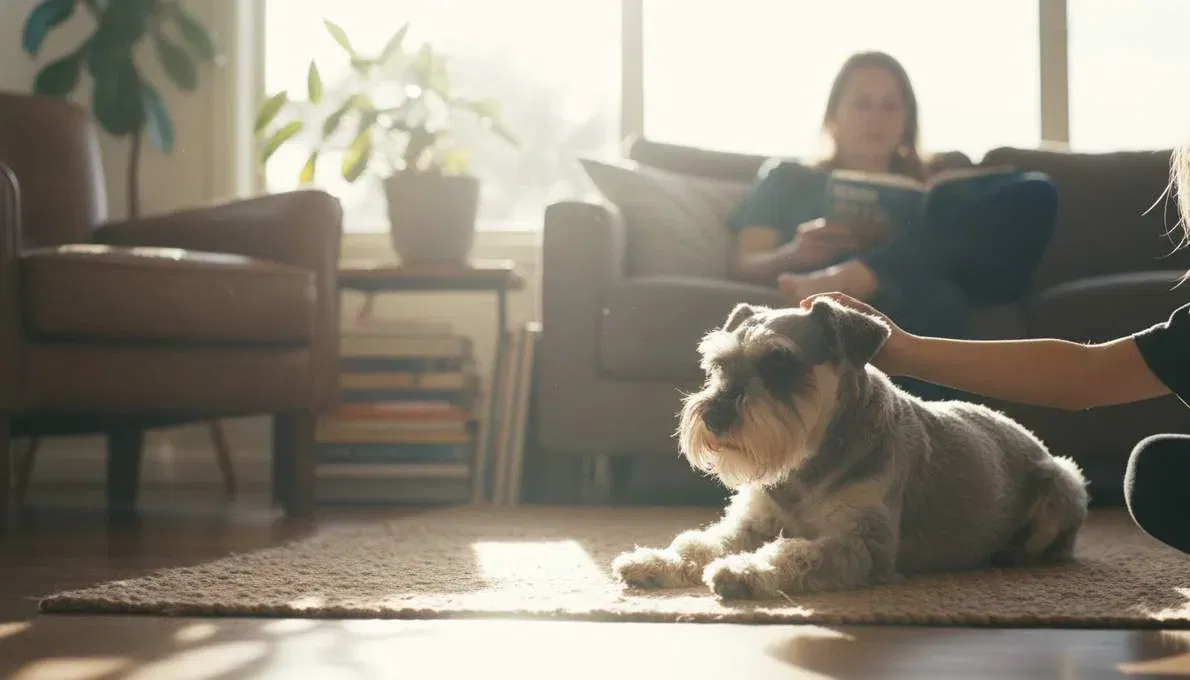
You want a smart, affectionate, adaptable family dog that’s good with children. You or a family member has mild to moderate dog allergies (low-shedding, hypoallergenic coat). You’re willing to budget $600–$1,200/year for professional grooming. You want a trainable breed suitable for a first-time owner. You live in an apartment, townhouse, or house with a yard — they adapt to any setting. You enjoy an alert dog that doubles as a watchdog.
You want a wash-and-wear, zero-grooming dog. You want absolute silence — they bark, and managing it takes effort. You can’t commit to regular vet monitoring for breed-specific health issues (stones, pancreatitis). You have small pocket pets that roam freely. You’re away from home for long hours without anyone to keep the dog company.
Standard Schnauzer vs Miniature Schnauzer: The Standard Schnauzer is significantly larger (45–50 cm, 14–20 kg), more independent, more protective, and needs considerably more exercise. It’s a working dog, not a toy/companion. The Miniature is smaller, friendlier, more adaptable, and better for first-time owners and apartment living. If you want a Schnauzer but have a smaller space or less experience, the Miniature is the clear choice.
Miniature Schnauzer vs Miniature Poodle: Both are low-shedding, intelligent, and great for allergy sufferers. The Poodle is slightly more athletic and potentially less vocal. The Mini Schnauzer is sturdier, more watchdog-oriented, and arguably better with children. Both require regular professional grooming. Choose based on whether you prefer the Schnauzer’s bearded character or the Poodle’s elegant athleticism.
The Miniature Schnauzer is one of the most complete family dogs available. Here’s the honest summary:
- Smart, friendly, adaptable, and genuinely hypoallergenic — a breed that fits apartments, houses, families with kids, couples, and single owners equally well. Trainable enough for first-timers, interesting enough for experienced handlers.
- Health requires awareness, not worry — urinary stones, pancreatitis, and diabetes are real concerns but largely manageable with diet, regular vet checks, and insurance. Ask breeders about eye certs, DNA profiles, and breed-line health history.
- Grooming is the defining commitment — $600–$1,200/year in professional grooming is unavoidable. Budget for it from day one. Daily beard maintenance and twice-weekly brushing are the price of that gorgeous, non-shedding coat.
If you want a dog with the intelligence of a Poodle, the loyalty of a terrier, and the face of a distinguished professor who’s also hilarious at parties, the Miniature Schnauzer is calling. Just keep the groomer on speed dial.
Frequently Asked Questions
Are Miniature Schnauzers hypoallergenic?
As close as any breed gets. They produce minimal shedding and dander. However, allergens can still be present in saliva and skin, so people with severe allergies should spend time with the breed before committing. For mild to moderate allergy sufferers, Mini Schnauzers are one of the top recommended breeds.
How much does a Miniature Schnauzer cost in Australia?
$3,000–$5,000 from a registered ANKC breeder. Expect $3,500 as a common mid-range price. The best breeders offer lifetime health guarantees, DNA testing, and Puppy Culture-raised puppies, which justifies the investment.
How long do Miniature Schnauzers live?
12–15 years on average. Heart disease is the leading cause of death in older dogs, so regular cardiac monitoring from age 8+ is recommended. Many live well into their mid-teens with proper care.
How much grooming does a Miniature Schnauzer need?
Professional grooming every 6–8 weeks ($70–$120 per session), plus twice-weekly home brushing and daily beard maintenance. Budget $600–$1,200/year. This is non-negotiable for the breed.
Do Miniature Schnauzers bark a lot?
They’re alert dogs with strong watchdog instincts, so yes, they can bark frequently. Early “quiet” command training and proper socialisation reduce this significantly. They’ll never be silent dogs, but they can learn when barking is appropriate.
What colours do Miniature Schnauzers come in?
ANKC recognises four colours: salt & pepper (the classic), black & silver, solid black, and white. Colours like chocolate, liver, parti, or merle are not standard and may indicate breeding outside accepted practices.
What should I feed a Miniature Schnauzer?
A high-quality, moderate-fat dog food (10–15% fat content recommended). Avoid fatty table scraps and excessive treats — this breed is prone to pancreatitis and hyperlipidaemia. Many breeders recommend breed-specific formulas. Feed twice daily as adults; three to four times daily as puppies.
Can I get a teacup Miniature Schnauzer?
No reputable breeder produces teacup Schnauzers. The Miniature Schnauzer is already a small breed (5–9 kg). Breeding for even smaller size produces dogs with serious health issues including fragile bones, organ problems, and shortened lifespans. Avoid any seller using the term “teacup.”
Are Miniature Schnauzers good with kids?
Excellent. They’re patient, playful, and sturdy enough for family life. They grow up well alongside children and are protective without being aggressive. As with any breed, supervise interactions with very young children and teach kids how to handle the dog respectfully.
Where can I find a Miniature Schnauzer breeder in Australia?
DogzOnline (dogzonline.com.au) under “Schnauzer (Miniature),” RightPaw (rightpaw.com.au), and the Schnauzer Clubs of NSW and Victoria. Established kennels include Reisenhund, Glenfalloch, Howleluyah, Schondara, and Heisspur. Expect waitlists of 6–12+ months from the best breeders.
- PetMD — Miniature Schnauzer Health and Care: https://www.petmd.com/dog/breeds/miniature-schnauzer
- AKC — Miniature Schnauzer Breed Information: https://www.akc.org/dog-breeds/miniature-schnauzer/
- ASPCA Pet Insurance — Miniature Schnauzer: https://www.aspcapetinsurance.com/resources/miniature-schnauzers/
- Petplan — Miniature Schnauzer: https://www.petplan.co.uk/dog-insurance/dog-breeds/miniature-schnauzer.html
- DogzOnline Australia — Schnauzer (Miniature) Breeders: https://www.dogzonline.com.au/breeds/breeders/schnauzer-miniature.asp
- RightPaw — Mini Schnauzer Breeders: https://rightpaw.com.au/dogs/breed/mini-schnauzer
- Spot Pet Insurance — Miniature Schnauzer Health Problems: https://spotpet.com/blog/breed-tips/miniature-schnauzer-health-problems
- Chewy — Miniature Schnauzer Breed Guide: https://www.chewy.com/education/dog-breeds/miniature-schnauzer