
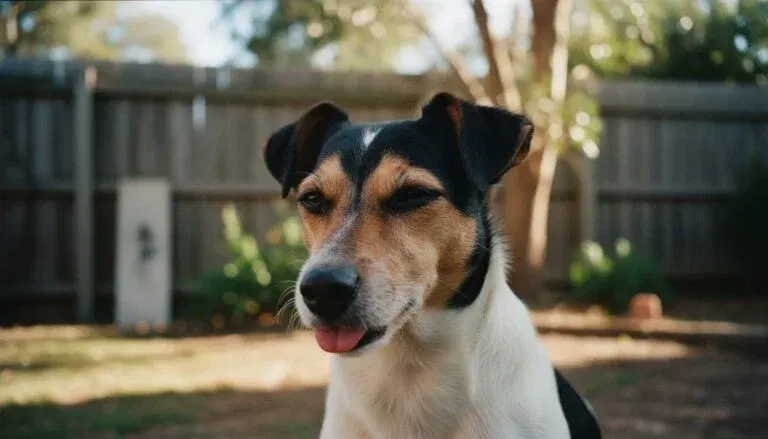
There was hardly a farm in Australia that didn’t have one. From the late 1800s through the mid-20th century, the Miniature Fox Terrier — known universally as the “Mini Foxie” — was as much a part of the Australian landscape as gum trees and corrugated iron. These compact, lightning-fast terriers killed rats at the Riverstone Meat Works, hunted rabbits alongside stockmen, dispatched snakes on outback properties, and were even employed as official vermin exterminators by the Brisbane City Council.
By the 1920s, the Mini Foxie had moved from the farm to the suburban lounge room, becoming one of Australia’s most popular companion dogs. So universally known were they that nobody thought to formally protect the breed — everyone just had one. It wasn’t until the 1980s, when breed-specific legislation threatened unregistered dogs, that a group of enthusiasts formed the Mini Foxie Club of Australia to preserve these dogs for future generations.
Here’s what makes this breed unique: the Miniature Fox Terrier is not recognised by the ANKC. It’s registered exclusively through the independent Mini Foxie Club of Australia (MFCA). This isn’t a flaw — it’s a deliberate choice by a community that has protected this breed for over 30 years with strict breeding standards, mandatory health screening, and veterinary certification. This guide explains exactly how registration works, the relationship to the similar (but separate) Tenterfield Terrier, what the breed actually costs, and why the Mini Foxie remains one of Australia’s best-kept secrets outside our borders.
What You’ll Learn
- History & Origins
- Temperament & Personality
- Health & Genetic Conditions
- Lifespan & Life Stages
- Grooming & Care
- Exercise Needs
- Training Guide
- Cost of Ownership in Australia
- Is the Miniature Fox Terrier Right for You?
Miniature Fox Terrier at a Glance
| Attribute | Details |
|---|---|
| Breed Group | Terrier (not ANKC — registered via Mini Foxie Club of Australia) |
| Origin | Australia (developed from English Fox Terrier types, late 1800s) |
| Other Names | Mini Foxie, Little Foxie |
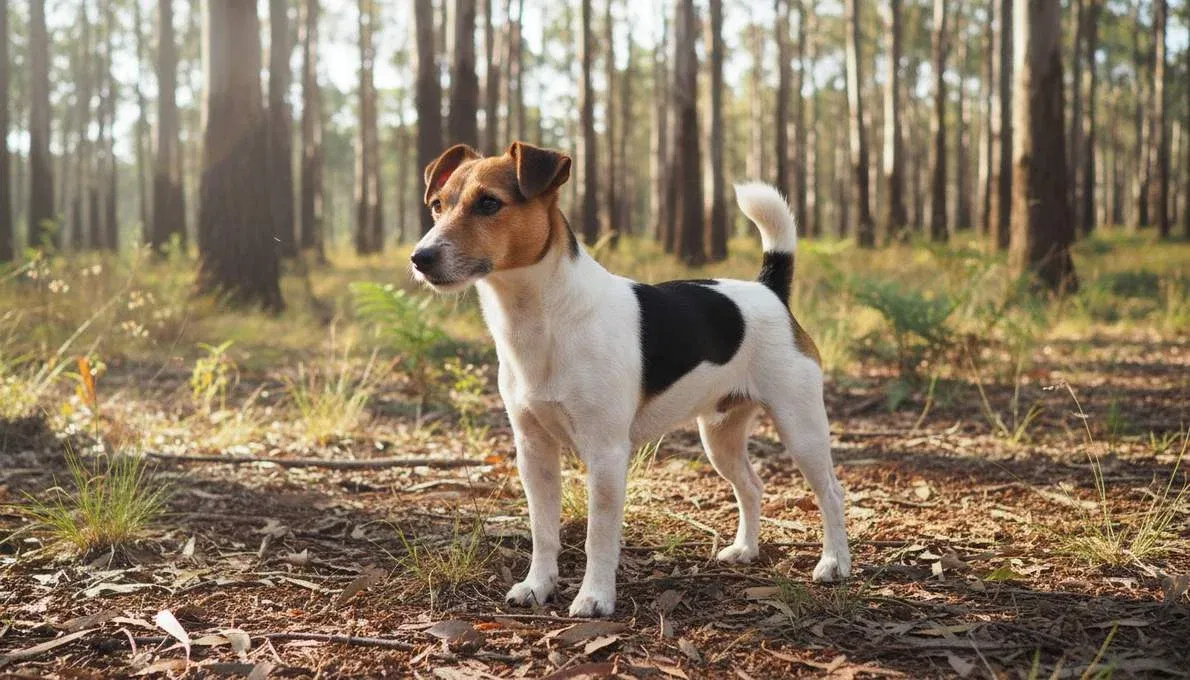
| Height | 24–30.5 cm (9.5–12 inches) |
| Weight | 3.5–5.5 kg (8–12 lbs) |
| Lifespan | 12–18 years (average ~14 years; some reach 20) |
| Coat | Short, fine, smooth, close-fitting |
| Colours | Three only: black & white, tan & white, tricolour (black, white & tan) |
| Temperament | Loyal, bold, inquisitive, energetic, affectionate, alert |
| Shedding | Low — short fine coat, minimal shedding |
| Prey Drive | High — bred as rat, rabbit, and snake hunters |
| Good With Kids | Excellent — one of the best small breeds for families with children |
| Apartment Friendly | Very good — small size, adaptable, thrives with daily exercise |
| Experience Level | Suitable for first-time owners willing to train consistently |
| Puppy Price (AUD) | $800–$2,000 (MFCA registered breeder) |
Registration Understanding
This is the most important section for anyone researching the Miniature Fox Terrier in Australia. The registration situation is unique and often misunderstood.
Founded in 1986, the MFCA is the sole registry for Miniature Fox Terriers. It’s an independent club — not affiliated with the ANKC. The MFCA wrote the breed standard, maintains the stud book, registers breeders, and runs its own specialty and combined shows. MFCA-registered breeders must have their dogs vet-checked and reviewed by committee before being certified to breed. Bitches must be rested between litters and cannot be bred if immature or in poor health. These are strict standards that rival or exceed many ANKC breed club requirements.
In the early 1990s, challenges to the name “Miniature Fox Terrier” were raised — standard Fox Terrier breeders objected that the name implied it was a miniaturised Fox Terrier (which it isn’t). This name dispute threatened to block ANKC recognition. A group of breeders in SA and WA decided to rebrand the dogs as “Tenterfield Terriers” (a name suggested by TV presenter Don Burke) and pursue ANKC registration under that new name. The Tenterfield Terrier received ANKC Development Register recognition in 2002.
These were originally the same dogs, but they’ve been developing along separate lines for over 30 years and are now considered different breeds with different breed standards. The ANKC placed a moratorium on registering any MFCA-registered Mini Foxie as a Tenterfield Terrier. In practice: if you want a dog registered with the ANKC (for ANKC shows, agility trials, etc.), you need a Tenterfield Terrier. If you want a Miniature Fox Terrier, you go through the MFCA. Both are excellent dogs with shared heritage.
A Miniature Fox Terrier from an MFCA-registered breeder is a well-bred, health-screened, pedigreed dog. The breed was recognised under the NSW Companion Animals Act in 2005, meaning MFCA breeders can register their dogs with local councils. The lack of ANKC recognition doesn’t reflect poor quality — it reflects a political and naming dispute from the early 1990s. What matters is that you buy from a registered MFCA breeder, not from unregistered sellers on classifieds sites.
History & Origins
The Miniature Fox Terrier’s ancestors arrived in Australia with British settlers. Smaller puppies from Fox Terrier-type litters were crossed with Toy Manchester Terriers, English Toy Terriers, and later Whippets to produce a compact, fast, agile terrier built for hunting small vermin. Hunters wanted a dog that could squeeze into tight spaces, dispatch rats with ruthless efficiency, and keep up with rabbits across open ground.
By the late 1800s, the breed type was clearly established across rural Australia. Every farm seemed to have one. These dogs proved their worth against rats at grain stores, rabbits in paddocks, and snakes around homesteads. They were used professionally at Sydney’s North Head Quarantine Station, the Riverstone Meat Works, and the Brisbane City Council as official vermin exterminators. Their tenacity, speed, and unwavering loyalty made them indispensable working companions.
The transition from working dog to urban companion happened naturally. By the 1920s, the Mini Foxie was iconic in Australian cities — small enough for a suburban yard, clean-coated, affectionate, and fiercely protective of its family. The breed became so ubiquitous that nobody bothered to establish a formal registry. Everyone just knew what a “Little Foxie” was.
This informality nearly cost the breed its future. By the 1980s, without a formal registry, breed purity was declining and proposed breed-specific legislation threatened unregistered dogs. In July 1986, a group of enthusiasts formed the Miniature Fox Terrier Club of Australia, wrote a breed standard in consultation with the Royal NSW Canine Council, and began the formal work of preserving this Australian icon. The club incorporated as the Mini Foxie Club of Australia in 1992 and has been protecting the breed for over 30 years.
Celebrity connections: The Mini Foxie’s fame extends beyond farms. Anthony Field of The Wiggles owned Mini Foxies named Pasqua and Fergus (who lived to 17). Olympic swimmer Ian Thorpe has spoken publicly about his Mini Foxie, Tiny. Figure skating champion Sean Carlow and Human Nature’s Toby Allen are also known Mini Foxie owners. The breed was referenced by multiple parliamentarians during 2004 legislative hearings on dog welfare.
Temperament & Personality
The Mini Foxie’s temperament is written into its breed standard: it must be bold, inquisitive, and fiercely loyal. These aren’t just descriptors — they’re requirements for breeding certification. Here’s what that looks like in practice.
This is the breed’s defining trait. Mini Foxies bond deeply with their family and will follow their owner from room to room, property to property, paddock to paddock. One NSW breeder describes them as dogs that “love life and pursue every day with joy.” Their loyalty extends to being protective of family and territory — they’re alert, vocal watchdogs that will let you know the moment anything changes in their environment.
These are dogs that routinely killed snakes on Australian farms. They have no concept of their own size and will confront animals many times their weight. This courage is admirable but needs management — a Mini Foxie that confronts a large off-leash dog or a snake in the suburban garden needs an owner who understands the risk.
Mini Foxies are smart, eager to learn, and respond well to positive reinforcement. They’re considered easier to train than many terrier breeds because they genuinely want to please their owners. The MFCA notes that they love to be praised — not just given treats. This makes them one of the more biddable small terriers available.
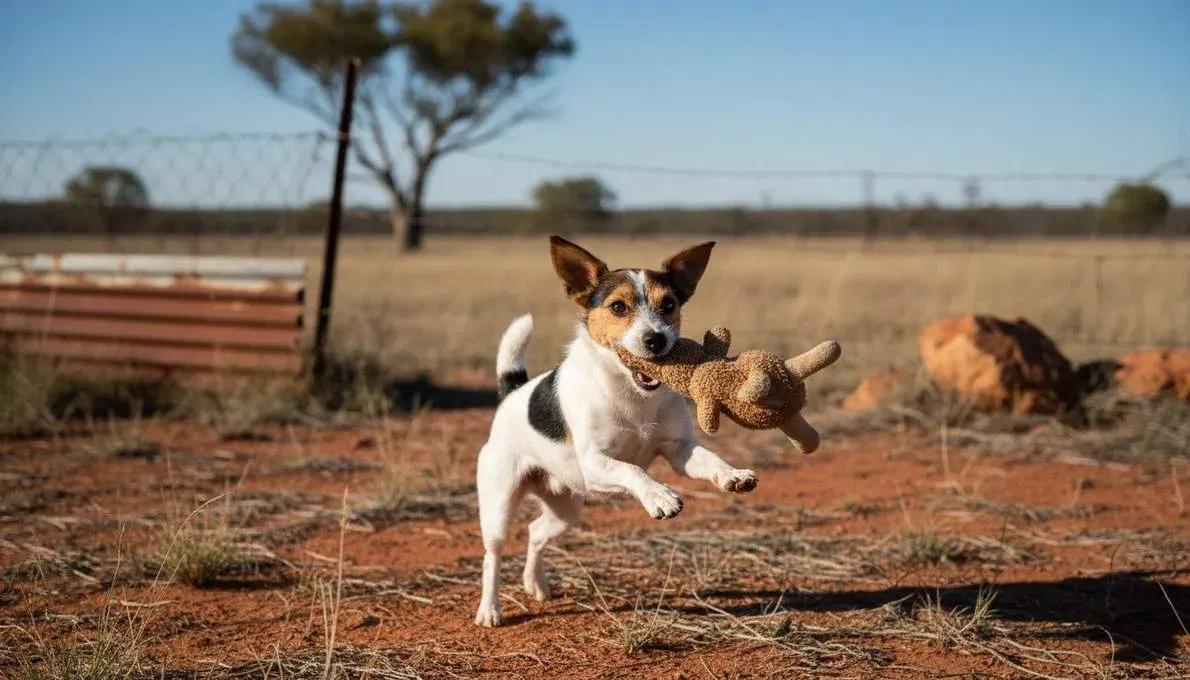
Despite their small size, these are working terriers with energy to burn. They need daily exercise and mental stimulation. They’re fast, agile, and love to run. On farms, many still actively hunt rats and mice — one breeder notes that “rats and mice are a thing of the past” since getting Mini Foxies. In urban settings, they channel this energy into play, walks, and interactive games.
This is one of the Mini Foxie’s standout qualities. The breed standard explicitly describes them as suitable for families with children, and the breed’s history as a household companion since the 1920s supports this. They’re sturdy enough for play with children aged 4+, affectionate, and patient. They accept their place in the family hierarchy and are loyal to all family members, not just one person.
Mini Foxies generally get along well with other dogs and can coexist with cats if introduced properly. However, they’re working terriers with strong prey drive. They cannot distinguish between pet rats, guinea pigs, or reptiles and vermin. Small pocket pets should never be left unsupervised with a Mini Foxie.
Like most terriers, Mini Foxies bark to alert. They’re vigilant dogs that will let you know about visitors, unusual sounds, and anything they find interesting. Without socialisation training, this can escalate to excessive alarm barking. Early “quiet” command training prevents problems.
Health & Genetic Conditions
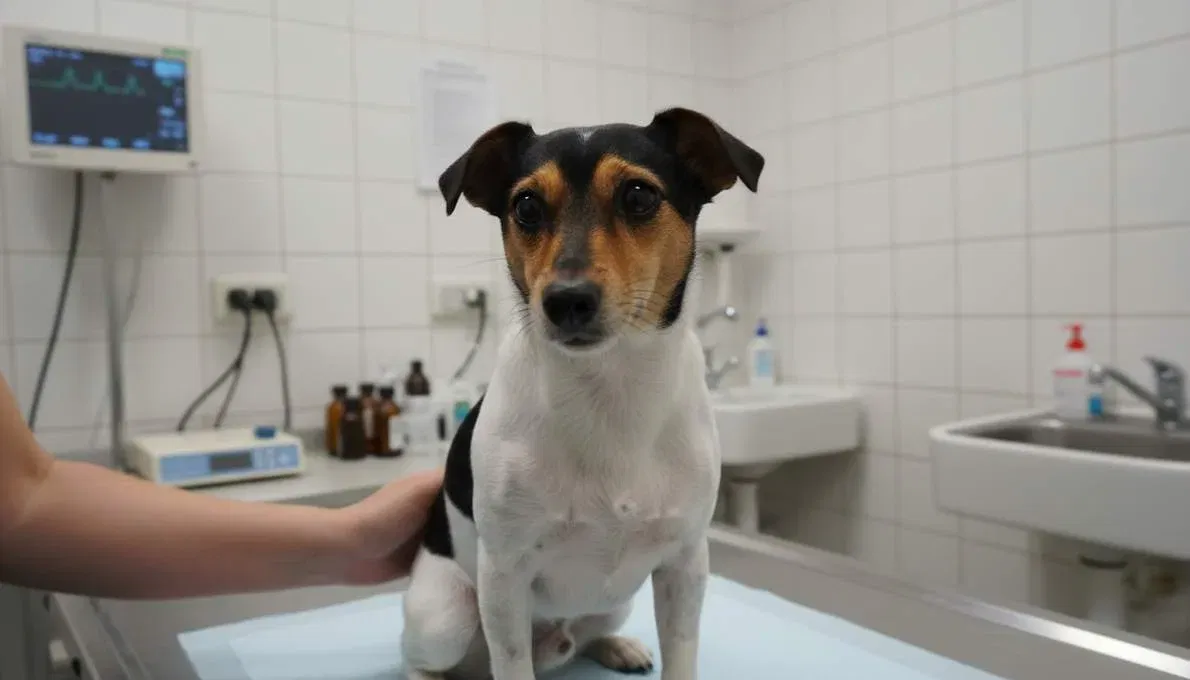
The Miniature Fox Terrier is a remarkably healthy, hardy breed despite its small size. The MFCA’s strict breeding standards — including mandatory vet checks and committee review before breeding certification — have helped maintain breed health. That said, there are some conditions to watch for.
Patellar luxation means the kneecap slips out of its normal groove in the leg. You might notice your Mini Foxie suddenly lift a back leg for a few strides then carry on as if nothing happened — that’s often the kneecap popping in and out. Mild cases can be managed with weight control and anti-inflammatories, while more severe cases require surgery to prevent long-term joint damage and arthritis. (Source: VCA Animal Hospitals)
Dental disease in small breeds is far more serious than many owners realise — bacteria from infected gums can enter the bloodstream and affect the heart, kidneys, and liver over time. Mini Foxies have small crowded mouths that are especially prone to plaque and tartar build-up. Starting a brushing routine early in life is the most effective and affordable way to avoid costly dental procedures as your dog ages. (Source: Australian Veterinary Association)
Skin allergies in Mini Foxies are usually a reaction to something in their environment — like grass, pollen, or dust mites — or to a specific ingredient in their food. While allergies can’t always be fully prevented, they can be managed very effectively once the trigger is identified. Working with your vet to pinpoint the cause early saves a lot of discomfort for your dog and ongoing costs for you. (Source: Australian Veterinary Association)
Legg-Calvé-Perthes Disease occurs when the blood supply to the top of the femur — the ball part of the hip joint — is disrupted, causing the bone to deteriorate. It affects young dogs and becomes progressively more painful without treatment. The good news is that surgery to remove the affected bone tissue is highly effective, and most small dogs recover very well, going on to live active, comfortable lives afterwards. (Source: VCA Animal Hospitals)
Mini Foxies are famously courageous and will confidently take on dogs many times their size — which is part of what makes them so endearing, but also puts them at real physical risk. Their fine bones can fracture from falls, rough play, or collisions that a larger breed would shake off easily. Simple precautions at home like ramps, supervised play, and careful handling go a long way in keeping them safe. (Source: Australian Veterinary Association)
Unlike thick-coated breeds that are naturally insulated, Mini Foxies have very little body fat and a thin coat that offers minimal protection against the cold. What might feel like a mild winter morning to you can be genuinely uncomfortable for your dog. Keeping a few well-fitting dog coats on hand is an inexpensive and easy way to keep your Mini Foxie warm, happy, and healthy through the cooler months. (Source: RSPCA Australia)
Patellar luxation is significantly more common in backyard-bred Mini Foxies than in dogs from MFCA-registered breeders. The MFCA insists on health screening before breeding, and responsible breeders have worked to eliminate this condition from their lines. Some established breeders report years without a single case. Buying from unregistered sellers on Gumtree or Facebook Marketplace dramatically increases the risk of inheriting genetic health issues — and removes any breeder support network.
Lifespan & Life Stages
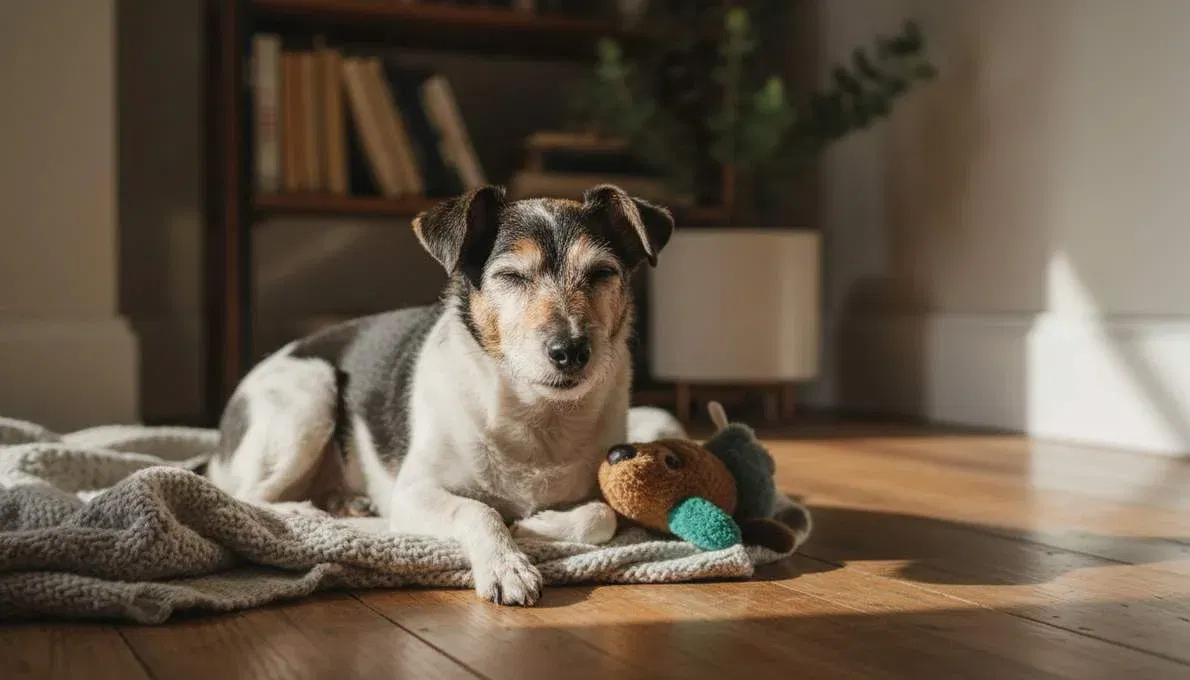
The Miniature Fox Terrier is exceptionally long-lived. The breed averages around 14 years, and dogs reaching 16–18 years are common. There are documented cases of Mini Foxies living to 20. Anthony Field’s Mini Foxies, Pasqua and Fergus, reached 17 — and that’s not unusual for the breed.
Puppy to 12 months: Mini Foxie puppies are small, fast, and utterly fearless. Socialise early and often — exposure to different people, animals, sounds, and environments prevents the defensive barking that can develop in unsocialised dogs. Begin basic obedience and leash training. Toilet training is straightforward for this breed. Feed three to four small meals daily to prevent hypoglycaemia in the early months. Mini Foxie litters tend to be small, so puppies may be well-socialised by the breeder before they come home.
1–8 years: Prime years. Mini Foxies remain active, playful, and energetic well into middle age. Keep them at a healthy weight — despite their small size, they’re naturally lean and athletic, and excess weight puts strain on small joints. Maintain dental care. Ensure they’re getting daily exercise and mental stimulation.
8+ years (senior): Move to six-monthly vet visits. Watch for joint stiffness (potential patellar issues developing), dental disease acceleration, and vision changes. Reduce intensity but not frequency of exercise. Provide warm, draft-free sleeping spots — senior Mini Foxies feel the cold even more than younger ones. Many remain bright, alert, and playful well into their teens.
Grooming & Care
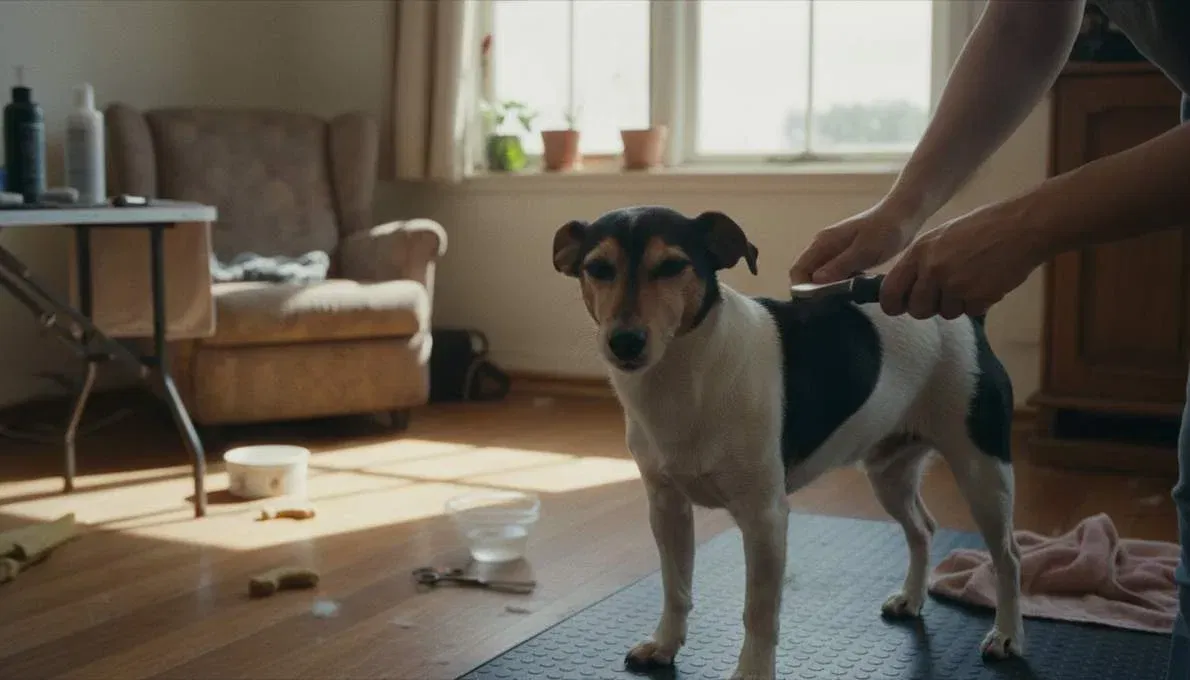
The Miniature Fox Terrier is about as low-maintenance as a dog gets. Their short, fine coat and small size make grooming quick and simple. The MFCA specifically requires that show dogs be presented in their “natural state” — no excessive grooming allowed.
Grooming Schedule
| Task | Frequency | Cost (AUD) |
|---|---|---|
| Brush / wipe-down | Weekly with soft brush or damp cloth | DIY — brush $8–$15 |
| Bath | Every 6–10 weeks or as needed | DIY or $20–$35 groomer |
| Nail trim | Every 2–3 weeks (lightweight dogs on soft surfaces need more frequent trims) | $10–$15 or DIY |
| Teeth brushing | Daily or minimum 3–4x/week | DIY — toothpaste $10–$18 |
| Ear check | Weekly — especially erect-eared dogs that collect less debris | DIY |
| Professional groom | Rarely needed | $20–$35 per session |
Do Miniature Fox Terriers shed? Very little. Their coat is short, fine, and lies flat against the body. Shedding is minimal and seasonal. A weekly brush removes any loose hair. They’re one of the cleanest small breeds in terms of coat maintenance.
Nail note: Lightweight Mini Foxies that spend most of their time on soft surfaces (grass, carpet) don’t wear their nails down naturally. Regular clipping is important to prevent overgrown nails causing discomfort or gait problems.
Cold weather care: Mini Foxies have virtually no insulating body fat and a thin single coat. In southern Australian states (VIC, TAS, SA, ACT), they need a dog jumper or coat for winter walks and a warm bed or blanket indoors. They’ll seek out warmth — sunny spots, laps, under blankets — and may refuse to go outside in cold rain.
Exercise Needs
Daily exercise:
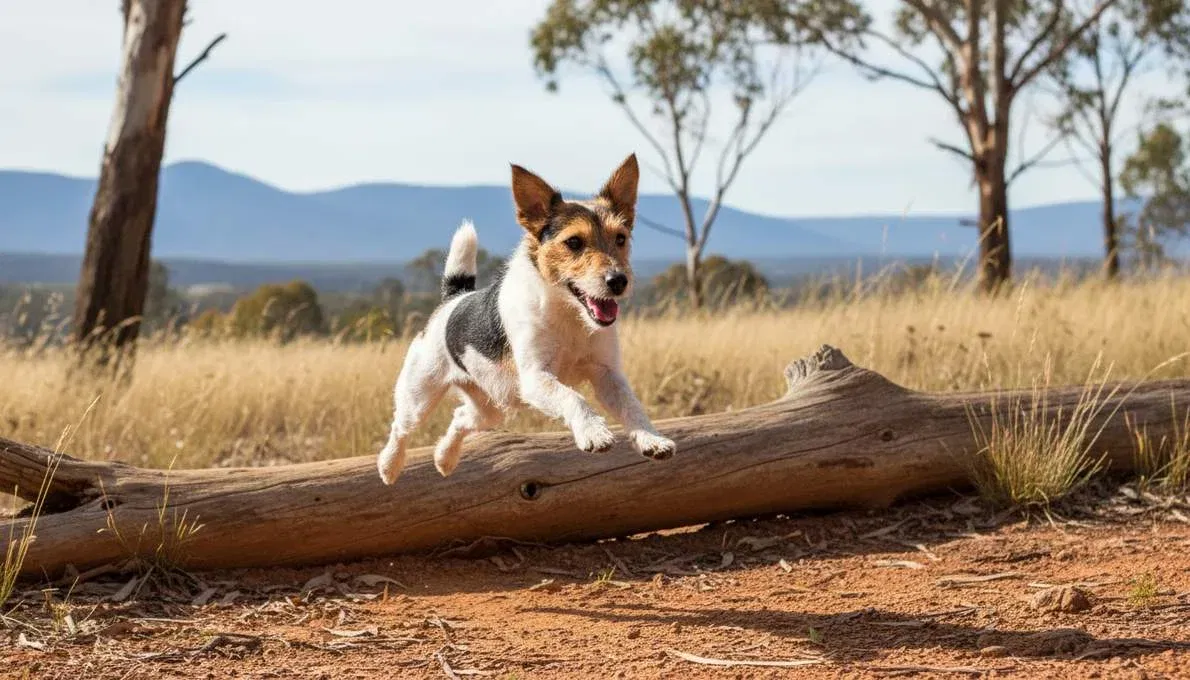
30–45 minutes across one or two sessions. A brisk walk plus a play session in a secure yard or indoors is ideal. Mini Foxies are natural sprinters — they love short bursts of intense activity followed by rest. Fetch, chase, and tug games are favourites. They can burn surprising amounts of energy in a small space, making them suitable for apartments and small yards.
Mental stimulation:
Puzzle feeders, scent games, trick training, and interactive toys keep their sharp minds occupied. Mini Foxies are naturally curious and inquisitive — they thrive when given problems to solve. A bored Mini Foxie will find its own entertainment, and you probably won’t enjoy what it finds.
Working instincts:
On farms, Mini Foxies still earn their keep. They’re natural ratters and mousers — many farm owners report that rodent problems disappear entirely once a Mini Foxie arrives. In suburban settings, they’ll chase lizards, birds, and anything that moves quickly in the garden. Secure fencing is essential.
Off-leash caution:
Mini Foxies have strong prey drive and will take off after small animals. Off-leash exercise should only happen in securely fenced areas. Their small size also makes them vulnerable to birds of prey in rural or semi-rural areas — this is a genuine risk that Australian owners should be aware of.
⚠️ Australian climate note:
Mini Foxies handle Australian heat well due to their thin coat and small body mass, but need shade and water in extreme temperatures. They struggle badly with cold — winter coats are necessary in southern states. They’re adaptable to most Australian conditions but are emphatically indoor dogs that need protection from temperature extremes.
Training Guide
Socialisation & Training Timeline
| Age | Training Focus | Tips |
|---|---|---|
| 8–12 weeks | Socialisation, toilet training, crate training, basic handling, bite inhibition | MFCA breeders often start socialisation — continue it from day one at home. Expose to people, dogs, sounds, environments. Begin leash introduction. |
| 3–6 months | Basic commands (sit, stay, come, drop), “quiet” command, lead walking | Keep sessions short (5–10 min). Use praise generously — Mini Foxies love verbal approval. Begin “leave it” training early due to prey drive. |
| 6–12 months | Recall, impulse control, continued socialisation, trick training | Adolescent Mini Foxies may test boundaries but they bounce back faster than most terriers. Stay consistent and fun. |
| 1 year+ | Advanced tricks, sport activities, ongoing training maintenance | Mini Foxies can learn an impressive trick repertoire. Consider MFCA shows and events for structured socialisation. |
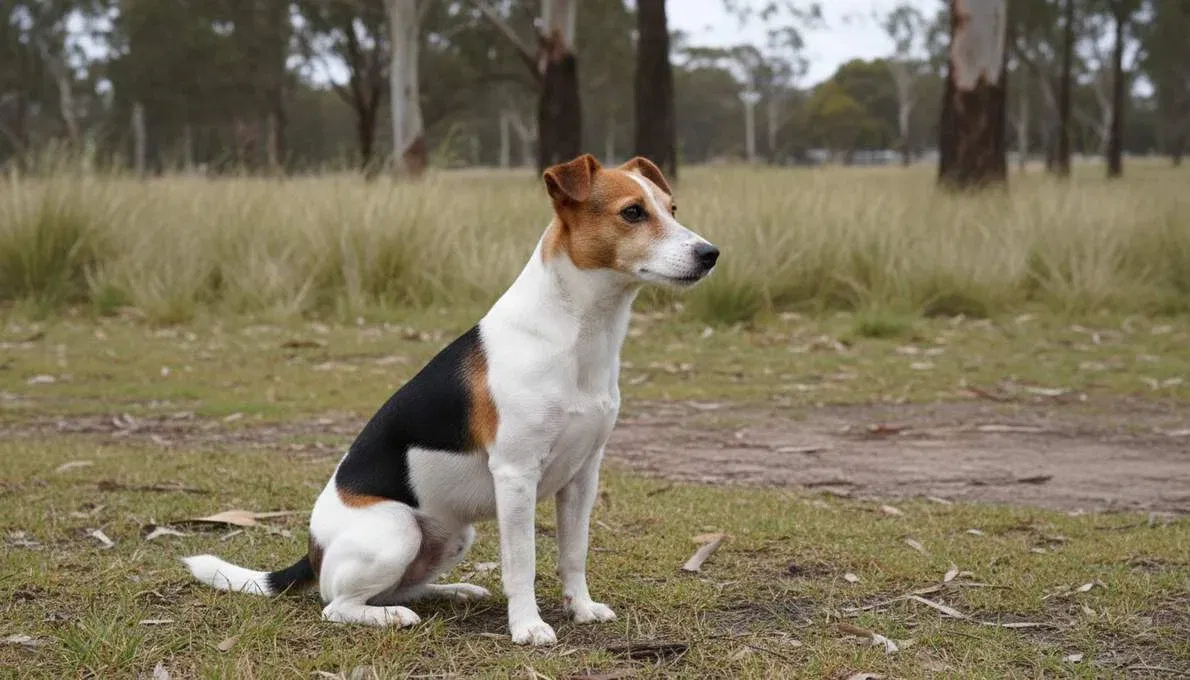
Honest difficulty rating: 3/10. Mini Foxies are one of the easiest small terrier breeds to train. They’re more biddable than Jack Russells, less stubborn than Fox Terriers, and genuinely enjoy the training process. The main challenges are prey drive (they’ll lose focus if they spot a lizard) and alert barking (which needs early management). For a first-time owner willing to be consistent, a Mini Foxie is an approachable choice.
Cost of Ownership in Australia
Upfront Costs
| Item | Cost (AUD) |
|---|---|
| Puppy (MFCA registered breeder) | $800–$2,000 |
| Rescue / rehome | $200–$500 |
| Crate, bed, bowls, lead, harness, toys | $150–$300 |
| First vet visit + vaccinations | $150–$300 |
| Desexing | $200–$400 |
| Microchipping (if not included) | $50–$80 |
| Total Upfront (Breeder) | $1,350–$3,080 |
Ongoing Annual Costs
| Item | Cost (AUD/Year) |
|---|---|
| Quality dog food (small/toy breed) | $250–$500 |
| Vet check-ups + vaccinations | $200–$400 |
| Flea, tick & worming prevention | $120–$250 |
| Pet insurance (recommended) | $300–$600 |
| Dental clean (as needed) | $0–$1,200 |
| Grooming (almost entirely DIY) | $0–$80 |
| Toys, treats, replacements | $100–$200 |
| Winter coat / jumpers | $20–$60 |
| Total Annual | $990–$3,290 |
Lifetime cost estimate: Over 14 years, expect $15,000–$49,000 including purchase price. This makes the Miniature Fox Terrier one of the most affordable breeds to own in Australia. Their small appetite, virtually zero grooming cost, and generally strong health keep expenses low. The main variable is dental care and whether any patellar issues emerge — both of which are minimised by choosing an MFCA-registered breeder.
Finding an MFCA-registered breeder: The Mini Foxie Club of Australia maintains a registered breeders list at minifoxie.org. Established kennels include Davmac (Central West NSW, breeding and showing for 32+ years), Monkerai (Armidale NSW, farm-raised), and JDs Breeding (WA, the only full-member RPBA registered Mini Foxie breeder in Western Australia). The MFCA warns that fraudulent sellers claim to be registered breeders — always verify membership through the club’s website before purchasing.
Rescue: Mini Foxies do appear in rescue and rehoming, often through community classifieds and local shelters. Breed-specific rescue is limited because the MFCA is a smaller registry, but the club can sometimes help connect dogs in need with new homes. Given the breed’s longevity (often 14–18 years), adopting even an older Mini Foxie gives you many years of companionship.
Is the Miniature Fox Terrier Right for You?
You want a true-blue Australian breed with deep heritage and a dedicated breed community. You have a family with children (4+) and want a small dog that’s sturdy and playful enough to keep up. You want an affordable, low-maintenance, easy-to-groom companion. You live on a farm or rural property and want a natural ratter (they’re still working dogs at heart). You’re in an apartment or small home but can provide daily exercise and stimulation. You want a long-lived breed — 14–18 years of loyal companionship.
You want an ANKC-registered dog for ANKC shows or sport trials (consider the Tenterfield Terrier instead). You have small pocket pets like guinea pigs, rats, or reptiles that the dog would encounter. You want a silent, calm lap dog — Mini Foxies are vocal and energetic. You leave your dog outside unsupervised in a rural area (birds of prey are a genuine risk). You aren’t willing to provide winter protection — they feel the cold badly.
Miniature Fox Terrier vs Jack Russell Terrier: Both are energetic, intelligent small terriers. The Jack Russell is more intense, more stubborn, requires more exercise, and can be harder for first-time owners. The Mini Foxie is generally calmer, more biddable, better with children, and easier to train. If you want a terrier that’s a bit more manageable, the Mini Foxie is the gentler option.
Miniature Fox Terrier vs Tenterfield Terrier: Shared heritage, now separate breeds. The Tenterfield Terrier is ANKC-recognised, which gives access to ANKC shows and sport titles. The Mini Foxie is MFCA-registered with its own show system. Both are excellent family dogs. Choose based on whether ANKC registration matters to you.
Toy Fox Terrier vs Miniature Fox Terrier: The Toy Fox Terrier is the American equivalent — developed along similar lines from Fox Terrier stock. They’re closely related. The Toy Fox Terrier is AKC-recognised; the Mini Foxie is MFCA-registered in Australia. In terms of temperament and size, they’re very similar.
The Miniature Fox Terrier is one of Australia’s great unsung breeds. Here’s the honest summary:
- A genuinely Australian breed with over 100 years of documented history — developed on farms, beloved in cities, and protected by a dedicated breed club for over 30 years. Not ANKC registered, but regulated by the MFCA with strict breeding standards.
- Exceptional family dogs with outstanding longevity — good with children, adaptable to apartments or farms, trainable, and commonly living 14–18 years. Health is generally robust when sourced from registered breeders.
- Among the most affordable breeds in Australia — $800–$2,000 upfront, under $3,300/year in running costs, minimal grooming, small appetite. Lifetime costs of $15,000–$49,000 make them one of the best-value pedigreed dogs available.
If you want a small, smart, loyal dog with genuine Australian heritage, the kind of dog that’s been keeping Australian families company since before Federation, the Mini Foxie is hard to beat. Just make sure you buy from an MFCA-registered breeder, keep the winter jumper handy, and don’t leave your guinea pig unsupervised.
Frequently Asked Questions
What is a Miniature Fox Terrier?
A small working terrier developed in Australia from the late 1800s, bred for hunting rats, rabbits, and snakes. Known colloquially as the “Mini Foxie,” it’s registered through the independent Mini Foxie Club of Australia (not the ANKC). It stands 24–30.5 cm tall, weighs 3.5–5.5 kg, and comes in three colours: black & white, tan & white, and tricolour.
Is the Miniature Fox Terrier the same as the Tenterfield Terrier?
Not anymore. They share the same heritage, but they’ve been developing as separate breeds with different breed standards since the early 1990s. The Tenterfield Terrier is ANKC-recognised; the Miniature Fox Terrier is registered through the MFCA. The ANKC placed a moratorium on registering Mini Foxies as Tenterfield Terriers.
How much does a Miniature Fox Terrier cost in Australia?
$800–$2,000 from an MFCA-registered breeder. This makes them one of the most affordable pedigreed breeds in Australia. Unregistered puppies from classifieds sites can be cheaper but carry significantly higher health risks.
How long do Miniature Fox Terriers live?
12–18 years on average, with 14 being typical. Some reach 20. Anthony Field’s Mini Foxies lived to 17. The breed is exceptionally long-lived.
Are Miniature Fox Terriers good with children?
Excellent. The breed is specifically noted for being good family dogs with children. They’re sturdy for their size, playful, affectionate, and patient. Best with children aged 4+ who can handle a small, energetic dog.
Do Miniature Fox Terriers shed?
Very little. Their short, fine coat produces minimal shedding. A weekly brush keeps it under control. They’re one of the cleanest small breeds to maintain.
Are Miniature Fox Terriers registered with the ANKC?
No. The breed is registered exclusively through the Mini Foxie Club of Australia (MFCA). This is due to a naming dispute from the early 1990s, not breed quality issues. MFCA breeders follow strict breeding standards including mandatory vet checks, committee review, and health screening. The breed was recognised under the NSW Companion Animals Act in 2005.
What is the difference between a Miniature Fox Terrier and a Toy Fox Terrier?
The Toy Fox Terrier is the American equivalent, developed from similar Fox Terrier stock in the United States. The Mini Foxie was developed in Australia. They’re closely related and similar in size and temperament. The Toy Fox Terrier is AKC-recognised; the Mini Foxie is MFCA-registered.
Can I show a Miniature Fox Terrier at dog shows?
Yes, but only at MFCA specialty and combined independent shows — not at ANKC all-breed shows. If you want ANKC showing, the Tenterfield Terrier (a related but separate breed) is the option. MFCA shows include conformation, desexed classes, breeder specialties, and novelty classes.
Where can I find a registered Miniature Fox Terrier breeder?
The Mini Foxie Club of Australia (minifoxie.org) maintains a registered breeder list. Always verify a breeder’s registration through the MFCA website — the club warns that fraudulent sellers falsely claim membership. Established kennels include Davmac (NSW), Monkerai (NSW), and JDs Breeding (WA).
- Wikipedia — Miniature Fox Terrier: https://en.wikipedia.org/wiki/Miniature_Fox_Terrier
- Mini Foxie Club of Australia — Registered Breeders: https://www.minifoxie.org/registered-breeders
- Citizendium — Miniature Fox Terrier: https://en.citizendium.org/wiki/Miniature_Fox_Terrier
- Kudlepups — Miniature Fox Terriers: https://kudlepups.com.au/miniature-fox-terriers/
- Tenterfield Terrier Club of WA — History: https://tenterfieldterrier.info/history.asp
- Coolaminda Mini Foxies — History of the Breed: https://www.coolamindaminifoxies.com.au/history-of-the-breed
- Monkerai Mini Foxies: https://monkeraiminifoxies.com.au/
- 101DogBreeds — Miniature Fox Terrier: https://www.101dogbreeds.com/miniature-fox-terrier.asp