
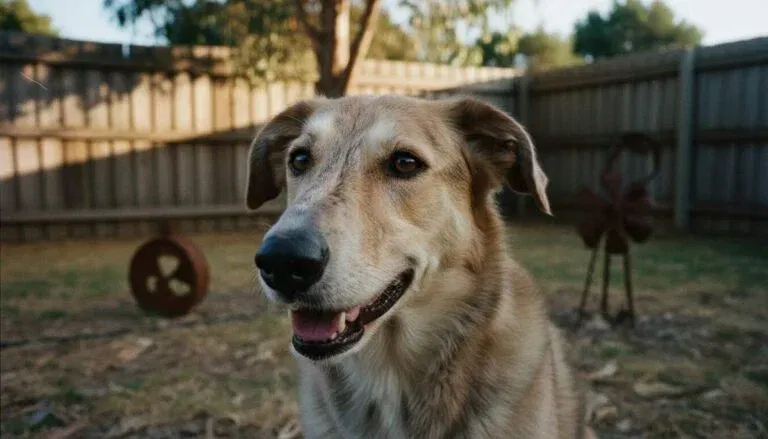
Here’s something that confuses a lot of people: the Lurcher isn’t a breed. It has no breed standard, no kennel club registration, and no pedigree papers. A Lurcher is a type — specifically, any cross between a sighthound (like a Greyhound, Whippet, or Saluki) and a working dog (like a Collie, Terrier, or Bull breed). The result? A dog that can run like the wind, think like a sheepdog, and then come home and melt into your couch for the rest of the afternoon.
Lurchers were originally bred by English and Irish poachers who needed a fast, clever, stealthy hunting dog but were legally banned from owning purebred Greyhounds. The name itself may come from the Romani word “lur,” meaning thief — fitting for a dog that was born to work outside the rules. Centuries later, Lurchers have moved from the hedgerows to the living room, and they’ve turned out to be spectacularly good at both.
In Australia, Lurchers are still relatively uncommon compared to the UK, but they’re growing in popularity — especially among people who love the sighthound build but want a dog with a bit more brain, a bit more coat variety, or a bit more “grit.” This guide covers everything you need to know: what Lurchers actually are, the different types, temperament, health, costs, and whether this unusual dog type suits Australian life.
What You’ll Learn
- Lurcher types & common crosses
- Temperament & personality traits
- Health concerns & lifespan
- Grooming, exercise & training needs
- Cost of ownership in Australia
- Is a Lurcher right for you?
Lurcher at a Glance
| Attribute | Details |
|---|---|
| Type | Crossbreed type (not a registered breed) |
| Origin | England / Ireland (centuries old) |
| Base Cross | Sighthound (Greyhound, Whippet, Saluki, Deerhound) x working breed (Collie, Terrier, Bull breed) |
| Height | 55–76 cm (22–30 inches) — varies hugely by cross |
| Weight | 15–40 kg (35–90 lbs) — depends on parentage |
| Lifespan | 12–15 years |
| Coat | Smooth, rough, or broken — depends entirely on the cross |
| Colours | Any colour: black, brindle, white, fawn, blue, merle, parti-colour |
| Temperament | Gentle, affectionate, intelligent, high prey drive, couch potato at home |
| Shedding | Low to moderate (smooth coats shed less; rough coats shed more) |
| Prey Drive | Very high — cats and small animals at serious risk |
| Good With Kids | Generally excellent — gentle and patient |
| Apartment Friendly | Surprisingly yes — Lurchers are calm indoors if exercised |
| Kennel Club Recognised | No — not registered by ANKC, AKC, or any major kennel club |
| Price (AUD) | $500–$2,500 (breeder); $300–$600 (rescue/rehome) |
History & Origins of the Lurcher
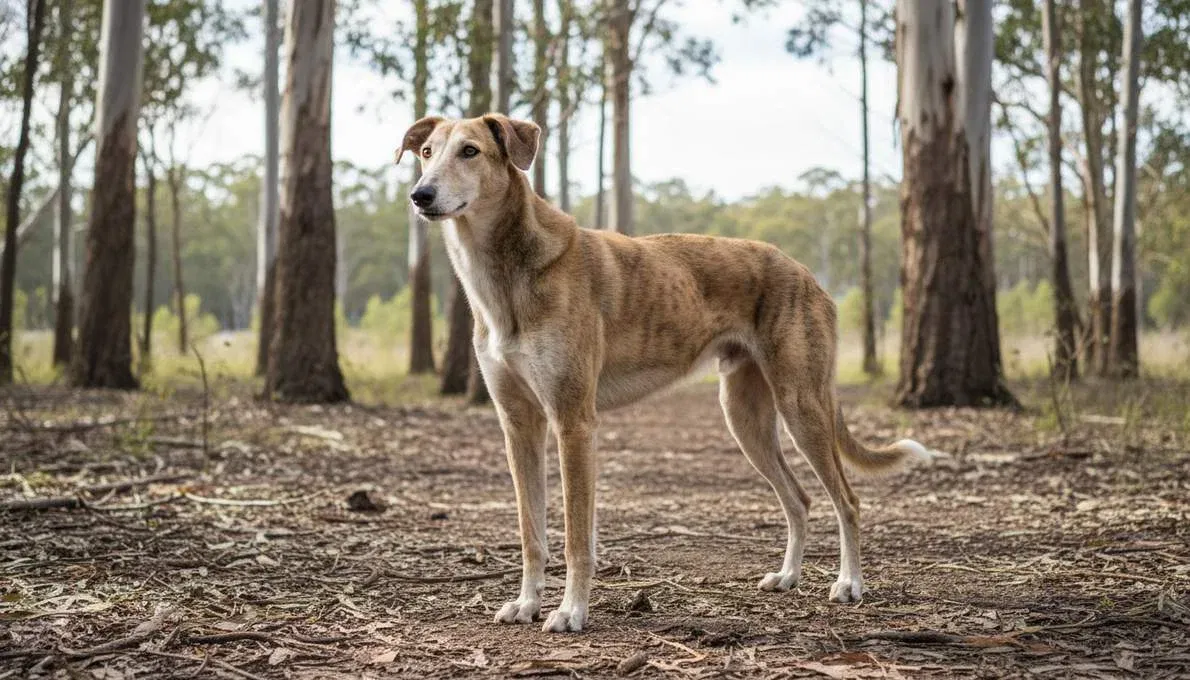
The Lurcher’s origin story is one of the most interesting in the dog world because it’s fundamentally a story about class warfare. In medieval and early-modern Britain, forest laws prohibited commoners from owning Greyhounds — sighthounds were reserved for the aristocracy. Ordinary people who needed a fast hunting dog to put food on the table had to get creative.
The solution was to cross Greyhounds with working breeds like Collies and Terriers. The resulting dogs were fast enough to catch rabbits and hares, smart enough to be trained easily, and — crucially — didn’t look like Greyhounds, which meant they could fly under the radar of gamekeepers. This is why the Lurcher has historically been called “the poacher’s dog.”
The Romani and Travelling communities of Britain and Ireland played a central role in developing and refining Lurcher types over centuries. Different crosses were favoured for different purposes: Greyhound x Collie for intelligent, versatile hunting; Greyhound x Bull Terrier for tougher quarry like foxes; Whippet x Bedlington Terrier for a smaller, rough-coated rabbiting dog.
The term “Lurcher” likely derives either from the Middle English “lurk” (to skulk or lie in wait) or from the Romani “lur” (thief). Both origins suit a dog that was bred to work silently and quickly, often under cover of darkness.
Lurchers vs Longdogs: A quick clarification that trips people up. A Lurcher is a sighthound crossed with a non-sighthound breed. A Longdog is a sighthound crossed with another sighthound (e.g., Greyhound x Saluki). In practice, many people use “Lurcher” as a catch-all term for both.
Lurchers in Australia: Lurchers are significantly less common in Australia than in the UK, where they’re one of the most popular dog types in rescue shelters. In Australia, you’re more likely to find Lurcher-type dogs through sighthound rescue organisations, Greyhound rehoming programmes, or the small number of breeders who intentionally produce Lurcher crosses for hunting or lure coursing. The term “Australian Lurcher” sometimes appears in reference to sighthound crosses bred locally for pest control on rural properties.
Common Lurcher Breeds & Cross Types
Because a Lurcher is defined by its cross rather than a breed standard, the type of Lurcher you get depends entirely on the parent breeds. Here are the most common Lurcher crosses and what to expect from each:
| Cross | What You Get | Best For |
|---|---|---|
| Greyhound x Collie | Fast, very intelligent, eager to please. Medium build. Smooth or semi-rough coat. | Families, agility, obedience. The “all-rounder” Lurcher. |
| Greyhound x Bedlington Terrier | Rough or broken coat, wiry build. Fast with terrier tenacity. Classic “poacher’s dog.” | Rabbit hunting, lure coursing. Experienced owners. |
| Whippet x Bedlington Terrier | Smaller, rough-coated, nimble. Intense prey drive in a compact package. | Smaller homes, active singles. Popular in UK. |
| Greyhound x Bull Terrier (Bull Lurcher) | Powerful, muscular, brave. Stronger jaw and more stamina than pure sighthound. | Experienced owners only. Strong prey drive + strength. |
| Deerhound x Greyhound | Very large, rough-coated, gentle giant. Often calmer than smaller crosses. | Families with space. Technically a Longdog. |
| Greyhound x Labrador | Friendly, food-motivated, easier to train. Less intense prey drive. | First-time owners who want a sighthound build. |
| Saluki x Collie | Elegant, independent, endurance runner. Feathered coat. | Active owners, rural properties. Needs space. |
| Whippet x Collie (Collie Lurcher) | Medium-sized, very intelligent, trainable. Often herding instinct + speed. | Dog sports, active families. Great all-rounder. |
The beauty of Lurchers is that the cross determines the dog. Want something gentle and couch-friendly? A Greyhound x Lab might be your match. Want a compact, wiry hunting machine? Look at a Whippet x Bedlington. Every Lurcher is a bit of a lucky dip, and that’s part of the appeal.
Lurcher Temperament & Personality
Despite the enormous variation between Lurcher types, there are some temperament traits that show up consistently across almost all Lurcher crosses. It’s this shared personality — more than any physical feature — that defines what a Lurcher really is.
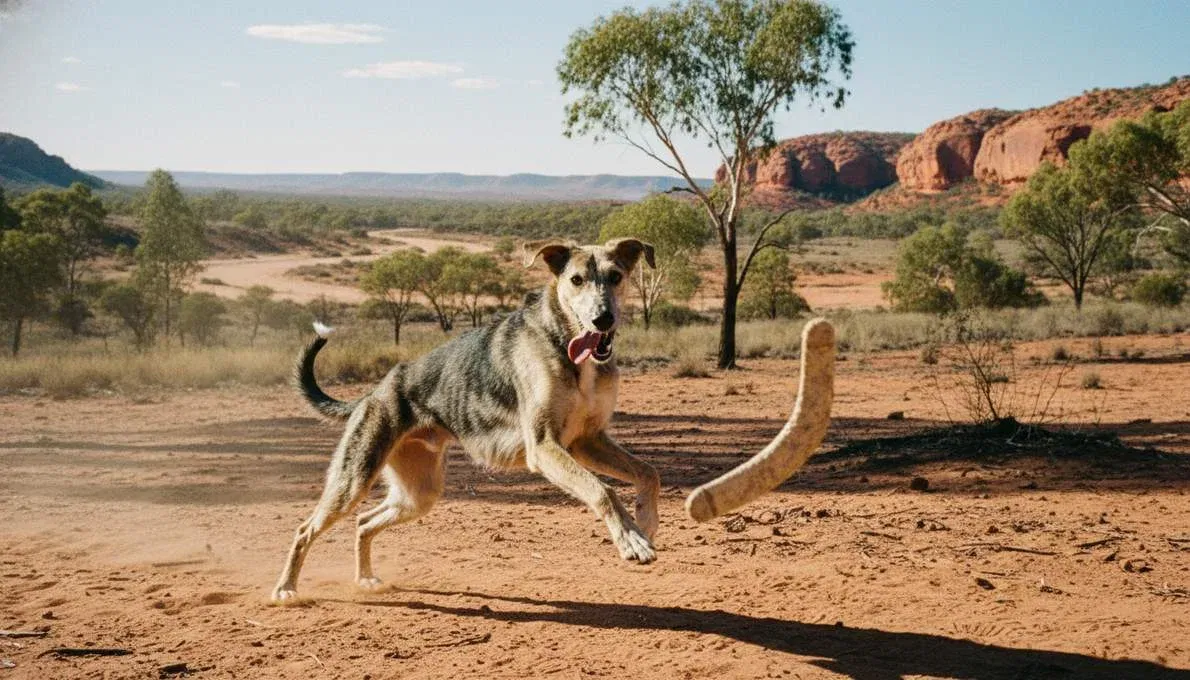
Ask any Lurcher owner and they’ll tell you the same thing: Lurchers are 80% couch potato, 20% absolute lunatic. At home, they’re among the laziest, gentlest dogs you’ll ever meet. They’ll spend hours draped across your sofa like a fur blanket, barely moving. But take them outside, show them something to chase, and a switch flips. They become lightning-fast, intensely focused athletes. Then they come home and fall asleep again.
Lurchers are remarkably gentle dogs, especially given their hunting heritage. They bond deeply with their families and are often described as “velcro dogs” who want to be touching you at all times. Many Lurcher owners report that their dogs actively seek out physical contact — leaning against legs, resting heads on laps, and curling up in bed with you.
This is the single most important thing to understand about Lurchers. They were bred to chase and catch small, fast-moving animals. This instinct is hardwired. Most Lurchers cannot safely live with cats, rabbits, guinea pigs, or small dogs. Some Lurchers can learn to coexist with cats if raised with them from puppyhood, but this is the exception, not the rule. If you have a cat, think very carefully before bringing a Lurcher into your home.
Despite their speed and hunting drive, Lurchers are emotionally sensitive dogs. They respond poorly to harsh training, raised voices, or tense environments. Many Lurchers are anxious or nervous, especially rescues. They need patience, consistency, and a calm household. A stressed Lurcher often shows it through destructive behaviour, refusal to eat, or trembling.
Most Lurchers are wonderful with children — patient, gentle, and tolerant. Their size means they’re less fragile than toy breeds, and their calm indoor temperament suits family life. However, Bull Lurcher crosses can be stronger and more boisterous, so match the cross type to your family’s needs.
Lurchers generally get along well with other dogs, especially other sighthounds. They’re social animals that enjoy the company of a canine companion. However, introductions should be supervised, and some Lurchers (particularly Bull crosses) can be same-sex aggressive.
This is a common question, especially in the UK where Lurchers fill rescue shelters. The honest answer is that Lurchers are often bred for hunting by people who discard them when they’re no longer useful — too old, injured, or not fast enough. Hunting dogs that don’t perform get abandoned. It’s a welfare issue, not a breed temperament problem. Rescued Lurchers, with patience and the right home, become some of the most loyal and grateful dogs you’ll ever own.

Health & Common Conditions
One of the genuine advantages of Lurchers being crossbreeds is that they benefit from hybrid vigour. They’re generally healthier than the purebred sighthounds in their lineage, with fewer inherited conditions and a broader gene pool. That said, they’re not immune to health issues, and some conditions are common across sighthound types.
Prevalence: The most serious acute risk for Lurchers. Deep-chested sighthound-type dogs are among the highest-risk body types for GDV. Dogs weighing over 30 kg with a deep, narrow chest have an estimated 20% or higher lifetime risk. GDV has a mortality rate of 10–45% even with surgical intervention and is fatal without treatment
Symptoms: Sudden restlessness, unproductive retching or dry heaving, visibly swollen or distended abdomen, excessive drooling, rapid shallow breathing, pale gums, inability to lie down comfortably, and collapse. This is a time-critical emergency — minutes matter
Treatment Cost (AUD): $3,000–$8,000+ for emergency surgery; $1,500–$3,000 for prophylactic gastropexy performed at desexing
Prevention: Feed two or three smaller meals daily instead of one large meal. Use a slow-feeder bowl. Avoid vigorous exercise for at least one hour before and after eating. Discuss prophylactic gastropexy with your vet — this procedure tacks the stomach to the body wall and reduces recurrence risk from up to 80% to less than 5%. For deep-chested Lurchers, prophylactic gastropexy at desexing is strongly recommended
Prevalence: Very common in active Lurchers. Sighthound-type dogs generate enormous speed and power through their long, lean muscles, making them prone to sprains, strains, and tears during high-speed running, sudden direction changes, and abrupt stops
Symptoms: Sudden lameness during or after exercise, reluctance to bear weight on a limb, swelling around a joint or muscle group, crying out during movement, and a shortened stride. Injuries range from mild muscle strains that resolve with rest to serious ligament tears requiring surgery
Treatment Cost (AUD): $500–$3,000 depending on severity, ranging from rest and anti-inflammatory medication to surgical repair of ligament or tendon tears
Prevention: Warm up before high-speed exercise — a 5–10 minute walk before free running. Avoid exercising on hard or uneven surfaces. Maintain muscle condition through regular moderate exercise. Avoid sudden explosive sprints after periods of inactivity. Keep nails trimmed for proper traction
Prevalence: More common in larger Lurcher crosses with Deerhound, Greyhound, or Wolfhound parentage. Osteosarcoma is the most common primary bone tumour in dogs and strongly favours large and giant breeds. A UK study found the Greyhound to have the second-highest prevalence at 5.56%. Osteosarcoma is aggressive and highly metastatic
Symptoms: Sudden or progressive lameness (usually in a leg), swelling at the tumour site, bone pain that worsens over time, and in some cases pathological fracture (the weakened bone snapping). Osteosarcoma most commonly affects the long bones of the legs
Treatment Cost (AUD): $5,000–$15,000+ depending on treatment approach (amputation, limb-sparing surgery, chemotherapy). Median survival with treatment is approximately 10–12 months. Without treatment, survival is typically 1–3 months
Prevention: No reliable prevention exists. Any sudden-onset lameness in a Lurcher over 5 years of age, particularly in a leg, should be X-rayed promptly to rule out bone cancer. Early detection gives the best chance of meaningful treatment
Prevalence: Sighthound-type dogs overheat quickly during intense exercise, especially in Australian conditions. Their lean build, high muscle mass, and intense running style generate significant body heat that can overwhelm their cooling mechanisms
Symptoms: Excessive panting, drooling, bright red gums progressing to pale or blue gums, vomiting, diarrhoea, staggering, confusion, and collapse. Heatstroke is a medical emergency with organ damage occurring rapidly once core temperature exceeds 41°C
Treatment Cost (AUD): $1,000–$5,000 for emergency treatment including intravenous fluids, active cooling, and monitoring for organ damage
Prevention: Exercise only during the cooler parts of the day (early morning or evening) in Australian summers. Provide constant access to shade and fresh water. Never leave a Lurcher in a parked car. Carry water on walks. Watch for early signs of overheating and stop exercise immediately. Consider a cooling coat for summer walks
Prevalence: Common across all dog types including Lurchers. Dental disease affects approximately 80% of all dogs by age two. Lurchers adopted from rescue or rehoming situations may arrive with existing dental issues
Symptoms: Bad breath, visible tartar on teeth, red or inflamed gums, difficulty eating, loose or missing teeth, drooling, and pawing at the mouth. Advanced dental disease can lead to bacterial spread affecting the heart, kidneys, and liver
Treatment Cost (AUD): $500–$1,500 per professional dental cleaning under general anaesthesia. Extractions add to the cost. Note: sighthound anaesthetic protocols must be used (see Anaesthetic Sensitivity below)
Prevention: Brush teeth daily or at minimum 2–3 times weekly with dog-specific toothpaste. Dental chews and raw meaty bones (appropriate size) help reduce tartar. Schedule professional dental cleans as recommended by your vet
Prevalence: Common in Greyhound-type dogs and Lurchers with significant Greyhound heritage. Corns are hard, painful growths that develop within the digital paw pads. They are rare in breeds outside the sighthound group
Symptoms: Lameness or reluctance to walk on hard surfaces, visible hard circular growths on the paw pads (often resembling a small stone embedded in the pad), shifting weight off the affected foot, and improvement when walking on soft surfaces like grass
Treatment Cost (AUD): $100–$500 per removal session. Corns frequently recur, making this an ongoing management issue rather than a one-time fix
Prevention: No reliable prevention. Keep paw pads moisturised with paw balm. Some owners find that boots or padded socks help affected dogs walk more comfortably. Treatment options include hulling (cutting out the corn), cryotherapy, and in persistent cases surgical excision of the affected pad section. Recurrence is common with all methods
Prevalence: Sighthound skin is noticeably thinner than that of other breeds, making Lurchers prone to cuts, tears, and lacerations from running through scrub, fencing, or dense vegetation. This is a direct consequence of the sighthound build — minimal subcutaneous fat and thin dermis
Symptoms: Visible cuts or tears, often appearing surprisingly large for what caused them. Sighthound skin tears more easily and heals differently than thicker-skinned breeds. Wounds may need stitching that would close on their own in other breeds
Treatment Cost (AUD): $200–$1,500 for stitching and treatment depending on location, depth, and whether sedation or anaesthesia is required
Prevention: Inspect your running area for hazards (barbed wire, broken fencing, sharp branches). Consider a protective coat or vest for running in scrubby or bushy terrain. Check your Lurcher’s skin thoroughly after every off-lead run. Keep a basic wound care kit at home for minor cuts
Prevalence: All sighthound-type dogs, including Lurchers, have altered drug metabolism that affects their response to anaesthesia. Research at Washington State University identified a genetic mutation in the CYP2B11 enzyme that reduces the liver’s ability to break down certain anaesthetic drugs, particularly thiobarbiturates and propofol. Recovery times in Greyhounds can be 3–4 times longer than in mixed-breed dogs
Symptoms: Prolonged recovery from anaesthesia (hours instead of minutes), excessive sedation, respiratory depression, hypothermia during and after anaesthesia, and in severe cases life-threatening complications
Treatment Cost (AUD): No extra cost when managed correctly. The critical requirement is that your vet knows your dog is a sighthound cross and uses appropriate protocols
Prevention: Always inform your veterinarian that your dog is a sighthound cross. Thiobarbiturates (thiopental, thiamylal) must never be used. Propofol can be used but at reduced doses with awareness that recovery may be prolonged. Isoflurane gas is the preferred maintenance anaesthetic. Temperature monitoring is essential as sighthounds lose heat rapidly under anaesthesia due to their low body fat and high surface-area-to-volume ratio
Lifespan & Longevity
Lurchers typically live 12–15 years, which is excellent for a dog of their size. Smaller Lurcher crosses (Whippet-based) tend toward the longer end, while larger crosses (Deerhound or Greyhound-based) may sit closer to 12–13 years.
Puppy to 2 years: Lurcher puppies grow fast and can be gangly and accident-prone. Focus on controlled exercise (avoid sustained high-impact running until growth plates close at 12–18 months), socialisation with other dogs, and early training. This is the window to introduce a cat-safe Lurcher to household cats — after this age, it’s much harder.
2–7 years: Prime athletic years. Your Lurcher will want (and need) regular off-leash running in secure areas. Watch for muscle injuries from high-speed sprints. Maintain a healthy lean weight — you should see the last two ribs on a healthy sighthound-type dog. If you can’t see any ribs, they’re overweight.
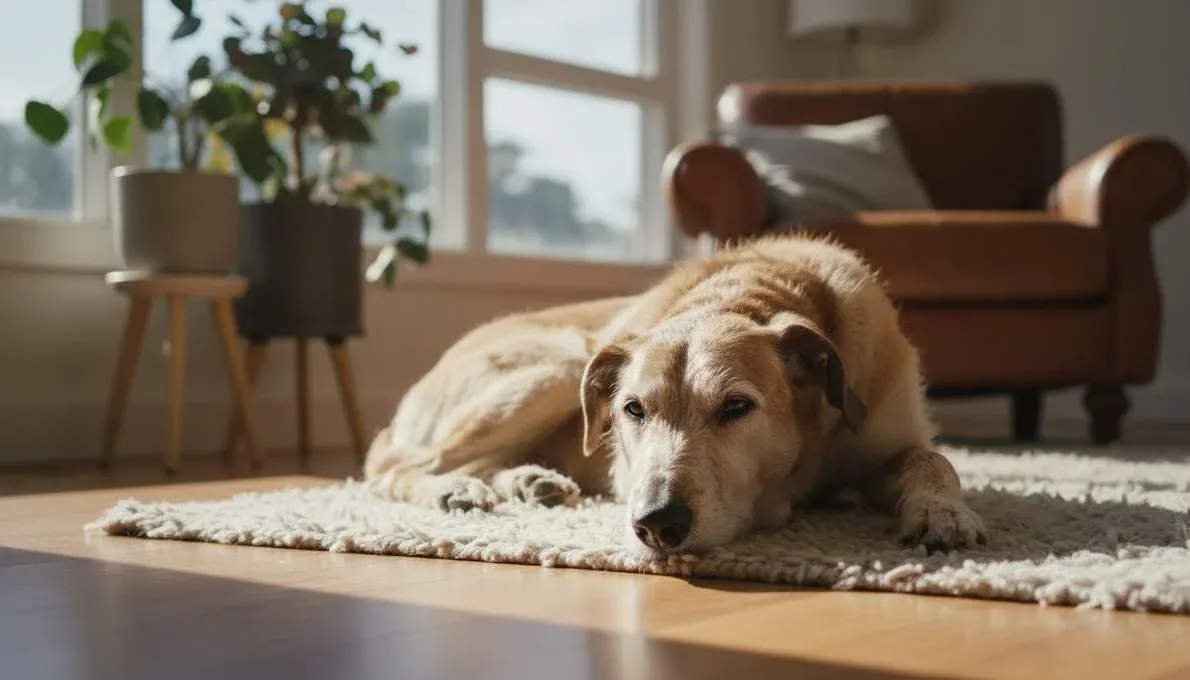
7+ years (senior): Lurchers age gracefully but will slow down noticeably. Joint supplements (glucosamine, fish oil) can help maintain mobility. Increase vet visits to six-monthly. Watch for signs of osteosarcoma in larger crosses (limping, bone swelling) and heart murmurs. Dental care becomes increasingly important. Senior Lurchers are some of the most peaceful, contented dogs you’ll ever share a couch with.
Grooming & Care
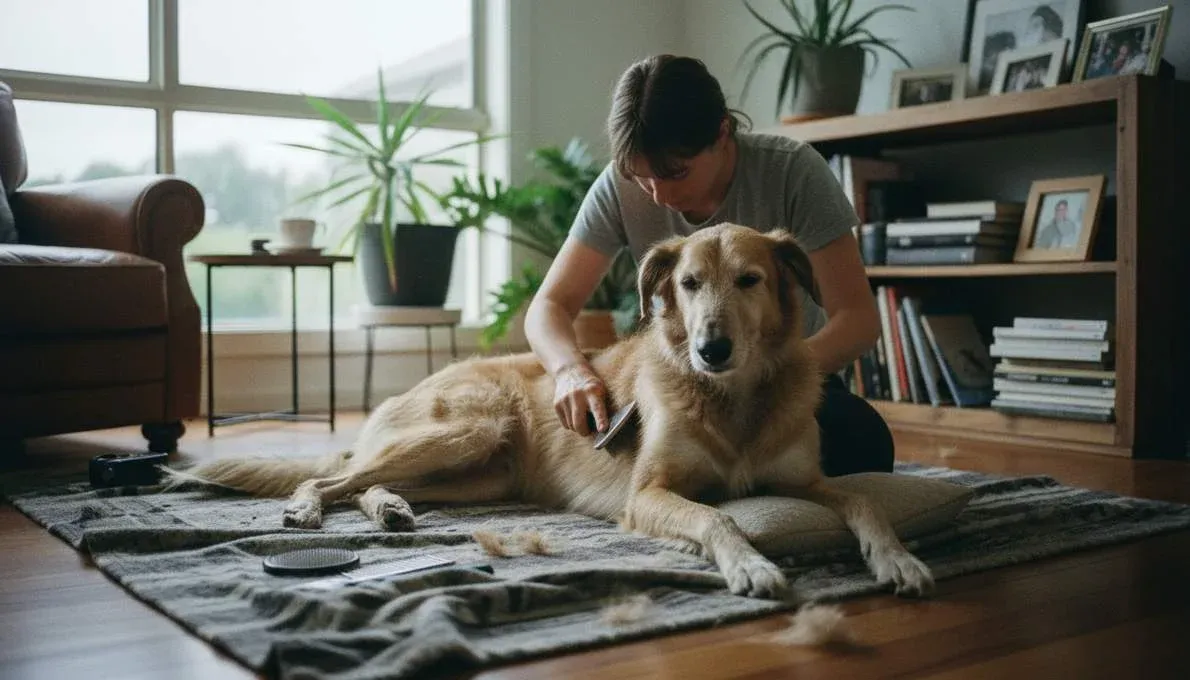
Lurcher grooming is one of the easiest parts of ownership, but it varies depending on the coat type your particular cross produces.
Coat Types
Smooth coat (Greyhound x Lab, Greyhound x Bull Terrier): Short, sleek, minimal grooming. Weekly brush to remove loose hair. These dogs get cold in winter — invest in a good dog coat for southern Australian states.
Rough or broken coat (Greyhound x Bedlington, Greyhound x Collie, Deerhound crosses): Wirier, longer hair that may need trimming. Brush 2–3 times per week to prevent matting. Less cold-sensitive than smooth-coated Lurchers.
Long or feathered coat (Saluki crosses, some Collie crosses): Flowing hair on ears, legs, and tail. Needs regular brushing (every other day) and occasional trimming. Beautiful but higher maintenance.
Grooming Schedule
| Grooming Task | Frequency | Estimated Cost (AUD) |
|---|---|---|
| Brushing | Weekly (smooth) to every 2–3 days (rough/long) | DIY — brush $15–$30 |
| Bath | Every 4–6 weeks or as needed | DIY or $30–$60 at groomer |
| Professional groom (rough coat) | Every 8–12 weeks | $60–$100 per session |
| Nail trim | Every 2–4 weeks (critical — long nails affect gait) | $10–$20 or DIY |
| Teeth brushing | Daily or 3x/week minimum | DIY — dog toothpaste $10–$18 |
| Paw pad check | Weekly — check for corns, cuts, and foreign objects | DIY |
Do Lurchers shed? It depends on the cross. Smooth-coated Lurchers shed lightly but consistently — you’ll find short hairs on your clothes and furniture. Rough or broken-coated Lurchers shed less overall but require more brushing. No Lurcher cross is truly hypoallergenic.
Skin care: Sighthound skin is noticeably thinner and more sensitive than other breeds. Use gentle, soap-free dog shampoo. Check for nicks and cuts after every off-leash run, especially in scrubby Australian bush. Many Lurcher owners keep a basic first aid kit specifically for skin wounds.
Exercise Needs
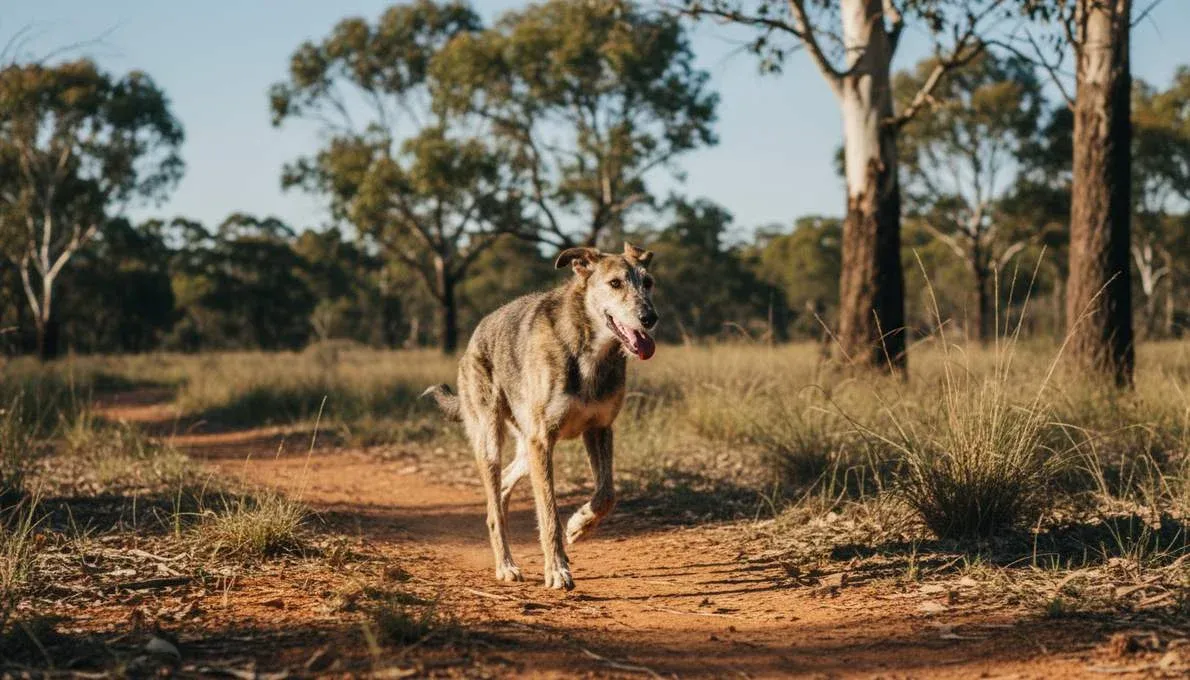
This is where Lurchers surprise people. You’d think a dog bred for speed would need hours of daily exercise. In reality, Lurchers are sprinters, not marathoners. They need short, intense bursts of activity followed by long periods of rest — exactly like a Greyhound.
Daily exercise: One to two walks of 30–45 minutes, with at least one opportunity for off-leash running in a secure, fenced area. Lurchers need to properly stretch their legs and sprint at least a few times per week to stay physically and mentally healthy.
Off-leash is essential but risky. Lurchers need to run. There’s no way around it. But their prey drive means off-leash exercise must happen in fully fenced areas with good sight lines. A Lurcher that spots a rabbit will be gone in seconds, and no amount of recall training will override that instinct. In Australia, look for enclosed dog parks, lure coursing clubs, or fenced private paddocks.
Lurcher speed: A Greyhound-cross Lurcher can reach 55–65 km/h in full sprint. Even Whippet-based Lurchers hit 50+ km/h. This is relevant because it means they can cover a lot of ground very quickly if they spot something to chase. Fencing needs to be at least 1.5–1.8 metres high — some Lurchers can clear a standard 1.2-metre fence from a standing start.
Mental stimulation: Lurchers with Collie or Terrier heritage especially benefit from puzzle feeders, scent work, and training sessions. Lure coursing is the ideal sport — it satisfies the chase instinct in a controlled, safe environment. Check for lure coursing events through the Sighthound Club of your state.
⚠️ Australian climate warning: Sighthounds overheat dangerously fast. Their lean bodies and low body fat provide almost no insulation from heat. Never exercise a Lurcher during the heat of an Australian day. Stick to early morning or late evening. Carry water. Watch for excessive panting, drooling, or unsteadiness. Heatstroke can kill a Lurcher faster than almost any other dog type. Smooth-coated Lurchers also sunburn easily — apply pet-safe sunscreen to ears, noses, and any pink skin.
Training Guide
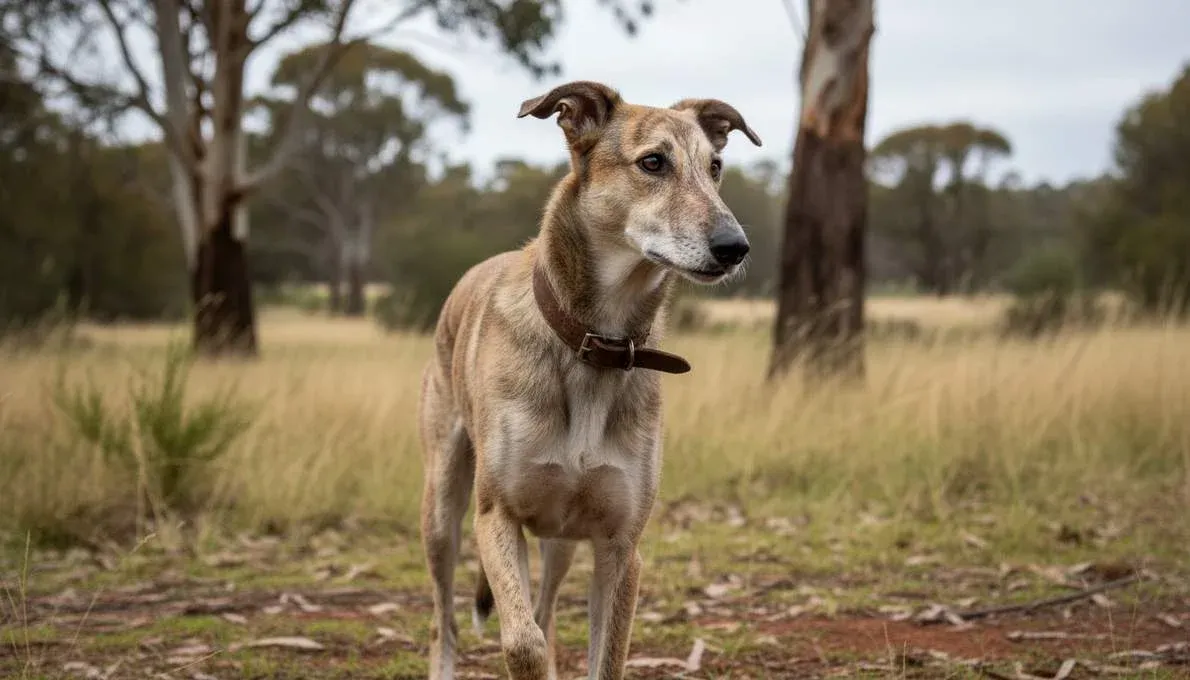
Training a Lurcher is an exercise in understanding what motivates your individual dog, because it depends heavily on the cross. A Collie Lurcher will be eager and quick to learn. A Bull Lurcher will be more stubborn. A Saluki cross will be independent and may question the point of the entire exercise. All Lurchers, however, respond best to positive, calm, patient training.
Socialisation & Training Timeline
| Age | Training Focus | Tips |
|---|---|---|
| 8–12 weeks | Socialisation, crate training, toilet training, name recognition | Expose to different environments, surfaces, sounds. Gentle handling. Short sessions. |
| 3–6 months | Lead walking (they pull!), basic recall, leave-it command, cat/small animal desensitisation | Use a harness, not a collar — sighthound necks are narrow. Start “leave it” training early. |
| 6–12 months | Recall under distraction, impulse control, alone training, lead manners | Recall is the hardest skill. Use a long line. Never punish a Lurcher for failing recall. |
| 1 year+ | Advanced recall, lure coursing, scent work, ongoing impulse control | Consider a GPS tracker for off-leash exercise. Lurchers that bolt can cover kilometres quickly. |
Honest difficulty rating: 5/10 (Collie cross) to 7/10 (Bull or Saluki cross). Lurchers are intelligent but independent. The sighthound in them doesn’t have the same eagerness to please as a retriever or shepherd. Expect selective hearing, especially when prey is in view. The key is to make training rewarding (use toy rewards — many Lurchers are more toy-motivated than food-motivated) and to accept that perfect off-leash recall may never be 100% reliable. That’s a feature of the type, not a failure of training.
Cost of Ownership in Australia
Lurchers are one of the most affordable dog types to acquire, especially through rescue. Ongoing costs are moderate, though you should budget for the higher-than-average risk of soft tissue injuries and potential bloat emergencies.
Upfront Costs
| Item | Cost (AUD) |
|---|---|
| Puppy (intentional Lurcher breeder) | $500–$2,500 |
| Rescue/rehome (sighthound rescue) | $300–$600 |
| Crate, bed, bowls, harness, lead | $300–$500 |
| First vet visit + vaccinations | $150–$300 |
| Desexing (discuss gastropexy at same time) | $300–$700 |
| Microchipping (if not included) | $50–$80 |
| Sighthound-specific gear (martingale collar, coat) | $80–$150 |
| Total Upfront (Breeder) | $1,380–$4,230 |
Ongoing Annual Costs
| Item | Cost (AUD/Year) |
|---|---|
| Quality dog food (larger portions than toy breeds) | $800–$1,500 |
| Vet check-ups + vaccinations | $250–$500 |
| Flea, tick & worming | $200–$350 |
| Pet insurance (strongly recommended) | $500–$1,000 |
| Professional grooming (rough coat, 4–6x/year) | $250–$600 |
| Dog coat/jacket (smooth coat, cold regions) | $50–$120 |
| Dental clean (professional) | $500–$1,500 |
| Toys, treats, lure coursing fees | $200–$400 |
| Total Annual | $2,750–$5,970 |
Lifetime cost estimate: Over 13 years, expect $38,000–$82,000 including purchase. The wide range reflects the variation between a low-maintenance smooth-coated rescue Lurcher and a larger, rough-coated intentionally bred Lurcher with higher food costs and health expenses. Pet insurance is essential — a single bloat surgery or bone cancer diagnosis will exceed your annual costs many times over.
Finding a Lurcher in Australia: Start with sighthound rescue organisations like Gumtree Greys, Greyhound Rescue, and Amazing Greys. These organisations often have Lurcher-type dogs alongside retired racing Greyhounds. For intentionally bred Lurchers, connect with hunting and coursing communities (search for Lurcher breeders on Facebook groups and working dog forums). Always ask about the parent breeds, health screening, and socialisation.

Is a Lurcher Right for You?
You want a gentle, affectionate dog that doubles as a high-speed athlete. You have access to secure, fenced areas for off-leash running. You don’t have cats, rabbits, or other small furry pets. You appreciate the sighthound build but want more personality variety than a purebred. You’re home enough to provide companionship — Lurchers don’t love being alone. You’re experienced enough to handle a dog with high prey drive and potentially unreliable recall.
You have cats or small animals — unless you’re prepared for extensive management and accept the risk. You want reliable off-leash recall in unfenced areas. You want a guard dog or a protective breed. You live somewhere without access to secure running space. You’re not prepared for the possibility of injury-related vet bills from high-speed running.
Lurcher vs Greyhound: Greyhounds are calmer, lazier, and more predictable in temperament. Lurchers have more variation, more energy, and often more intelligence (especially Collie crosses). If you want a reliable couch potato with minimal training needs, a retired racing Greyhound is simpler. If you want something with more drive, personality, and versatility, a Lurcher is the upgrade.
Lurcher vs Whippet: Whippets are purebred, smaller, and more predictable. They’re easier to manage in suburban environments and have less extreme prey drive. Lurchers are more variable, potentially much larger, and bring additional traits from their non-sighthound parent. Whippets are the “safe” choice; Lurchers are the “adventure” choice.
The Lurcher is one of the most underrated dog types in Australia. Here’s the honest summary:
- They’re gentle, affectionate, and surprisingly lazy at home — but give them something to chase and they become the fastest dog in the park. That contrast is the Lurcher’s magic.
- Prey drive is real and serious — Lurchers are not safe around cats or small animals in most cases. This is the single biggest factor in whether a Lurcher suits your household.
- They’re affordable, generally healthy, and available through rescue — making them accessible to people who want a remarkable dog without the purebred price tag. Budget $2,750–$5,970/year and get pet insurance.
If you’ve got secure fencing, no cats, and a couch big enough for a dog that thinks it’s a lap dog despite weighing 30 kilos, a Lurcher might just be the best dog you’ve ever owned.
Frequently Asked Questions
What is a Lurcher?
A Lurcher is a cross between a sighthound (Greyhound, Whippet, Saluki, Deerhound, etc.) and a working breed (Collie, Terrier, Bull breed, etc.). It’s a type, not a registered breed. No kennel club recognises Lurchers because there’s no breed standard — the cross can vary enormously.
What breed is a Lurcher?
A Lurcher isn’t a single breed — it’s any cross that combines a sighthound with a non-sighthound working dog. Common combinations include Greyhound x Collie, Greyhound x Bull Terrier, Whippet x Bedlington Terrier, and Deerhound x Greyhound (technically a Longdog).
Are Lurchers and Greyhounds the same?
No. A Greyhound is a purebred sighthound. A Lurcher is a cross between a sighthound (which could be a Greyhound) and another breed. All Greyhound crosses can be Lurchers, but not all Lurchers have Greyhound in them. A Lurcher crossed from a Saluki x Collie, for example, has no Greyhound at all.
How long do Lurchers live?
12–15 years on average. Smaller Lurcher crosses (Whippet-based) tend to live longer than larger crosses (Deerhound-based). Their crossbred genetics generally give them good longevity.
Do Lurchers shed?
It depends on the coat type. Smooth-coated Lurchers shed lightly year-round. Rough or broken-coated Lurchers shed less but need more brushing. No Lurcher cross is hypoallergenic.
Can Lurchers live with cats?
In most cases, no. Lurchers have extremely high prey drive inherited from their sighthound parent. Some Lurchers raised with cats from puppyhood can coexist safely, but this is the exception. Most Lurcher rescues will test cat-compatibility, but the default assumption should be that Lurchers are not cat-safe.
Are there Lurchers in Australia?
Yes, though they’re far less common than in the UK. You’ll find Lurcher-type dogs through sighthound rescue organisations, Greyhound rehoming groups, and a small number of intentional Lurcher breeders, mostly in rural areas where they’re used for pest control. Search sighthound rescue groups and dedicated Lurcher Facebook communities.
Why are so many Lurchers abandoned?
Primarily because Lurchers are bred in large numbers for hunting in the UK and Ireland, and dogs that don’t perform or become injured are discarded. This is a welfare issue tied to irresponsible breeding, not a reflection of the dogs’ temperament. Rescued Lurchers make loyal, grateful companions.
What’s the difference between a Lurcher and a Whippet?
A Whippet is a purebred sighthound. A Lurcher is a crossbreed that may include Whippet blood but also includes non-sighthound breeds. Whippets are smaller and more predictable; Lurchers are more variable in size, coat, and temperament.
Do Lurchers make good family dogs?
Yes — most Lurchers are gentle, patient, and wonderful with children. The main consideration is prey drive around small pets and the need for secure fencing. Match the cross type to your family: a Collie Lurcher is more trainable; a Bull Lurcher is stronger and needs more experienced handling.
- Wikipedia — Lurcher: https://en.wikipedia.org/wiki/Lurcher
- Purina UK — Lurcher Dog Breed Information: https://www.purina.co.uk/find-a-pet/dog-breeds/lurcher
- DogTime — Lurcher Dog Breed Information & Characteristics: https://dogtime.com/dog-breeds/lurcher
- Pets Australia — Lurcher Dog: https://www.mypets.net.au/lurcher-dog/
- DryDogs UK — What Is A Lurcher: https://drydogs.co.uk/blogs/news/what-is-a-lurcher
- Zooplus — Lurcher Breed Profile: https://www.zooplus.co.uk/magazine/dog/dog-breeds/lurcher
- PetGuide — Lurcher Dog Breed Information: https://www.petguide.com/breeds/dog/lurcher/
- Pet Insurance Quotes — Everything You Need to Know About Lurchers: https://www.petinsurancequotes.com/blog/everything-need-know-lurcher/