
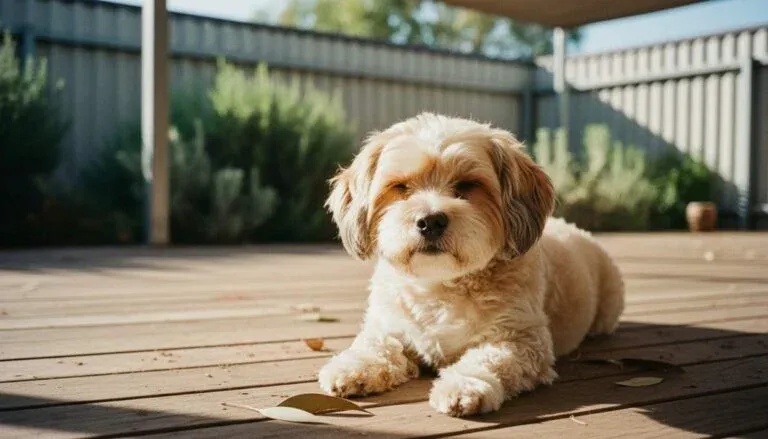
In 1973, there were only 65 registered Löwchen on the entire planet. Sixty-five. That’s fewer dogs than you’d find at a suburban dog park on a Saturday morning. This breed — one of the oldest companion dogs in European history — was on the genuine brink of extinction, kept alive by a handful of breeders who refused to let it vanish.
Today, the Löwchen is still rare, but it’s no longer on death’s door. If you’ve never heard of this breed, you’re not alone. Most Australians haven’t. But those who own one tend to become evangelists for the breed, and it’s not hard to see why. The Löwchen (pronounced “LUR-chun” or “LER-shen”) is a small, cheerful, absurdly friendly dog that looks like a miniature lion, acts like a clown, and bonds to its humans like Velcro.
This guide covers everything an Australian owner needs to know about the Löwchen: temperament, real health costs in AUD, grooming (including that famous lion cut), breeder pricing, and an honest assessment of whether this rare breed suits your life.
What You’ll Learn
- Breed traits & temperament
- Health concerns to know
- True cost in Australia
- Training & exercise needs
- Is this breed right for you?
Löwchen at a Glance
| Attribute | Details |
|---|---|
| Breed Group | Toy (ANKC Group 1) |
| Origin | France / Germany (medieval Europe) |
| Other Names | Little Lion Dog, Petit Chien Lion |
| Height | 30–36 cm (12–14 inches) |
| Weight | 4–8 kg (9–18 lbs) |
| Lifespan | 13–15 years |
| Coat | Long, wavy, single coat; traditionally shown in a “lion clip” |
| Colours | Any colour or combination — 24+ recognised colours including black, white, gold, cream, chocolate, parti-colour |
| Temperament | Friendly, playful, outgoing, affectionate, confident |
| Shedding | Very low — non-shedding single coat |
| Hypoallergenic | Yes — one of the better breeds for allergy sufferers |
| Barking Level | Moderate — will alert bark but quieter than most toy breeds |
| Good With Kids | Excellent — friendly and sturdy for a small breed |
| Apartment Friendly | Excellent — low exercise needs and adaptable |
| Puppy Price (AUD) | $2,000–$5,000 (registered breeder); very rare in rescue |
History & Origins of the Löwchen
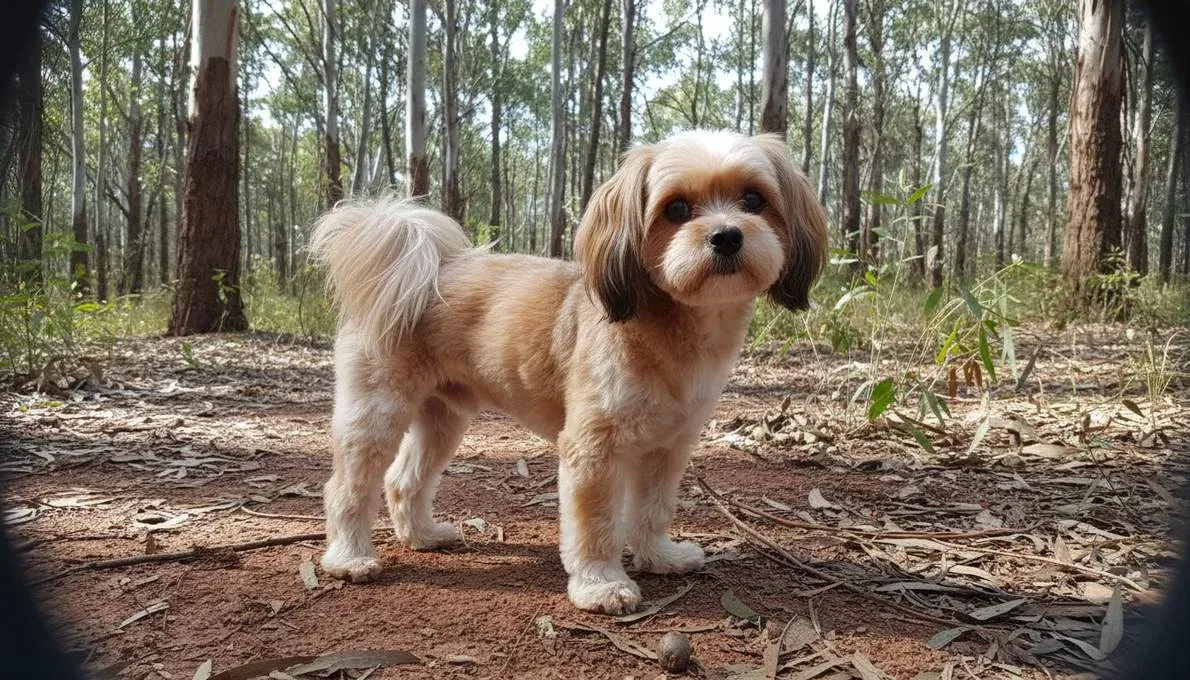
The Löwchen’s exact origins are debated, but most breed historians agree it emerged in medieval Europe — likely France or Germany — as a companion dog for aristocrats and nobility. The breed belongs to the Bichon family, sharing ancestry with the Maltese, Bichon Frise, and Havanese. Paintings dating back to the 1400s show small dogs in the distinctive lion clip sitting on the laps of European ladies, and written references appear from the 1500s onwards.
The name “Löwchen” is German for “little lion,” and the traditional grooming clip — shaved hindquarters with a full mane and plumed tail — is the breed’s most recognisable feature. One popular theory holds that ladies of the court used their Löwchen as living hot water bottles: the shaved portions of the dog’s body were warm to the touch, providing comfort in draughty castles. The lion-like appearance also carried symbolic power, as the dogs were seen as miniature protectors of their owners.
The breed’s numbers declined steadily through the 19th century, and by the mid-20th century, the Löwchen was teetering on extinction. In 1973, The Guinness Book of Records listed it as the rarest dog breed in the world, with only 65 registered dogs remaining. Thanks to the dedication of breeders — particularly Madame Bennert in Belgium and Dr. Hans Rickert in Germany — the breed was slowly rebuilt. Today, there are still only a few hundred new Löwchen registered worldwide each year.
In Australia, Löwchen fall under ANKC Group 1 (Toys). There are a small but passionate community of registered breeders, primarily in Victoria, Queensland, and New South Wales, with kennels like Kilgarrin, Wyntervale, and Rondaglen producing quality dogs for decades.
Löwchen Temperament & Personality
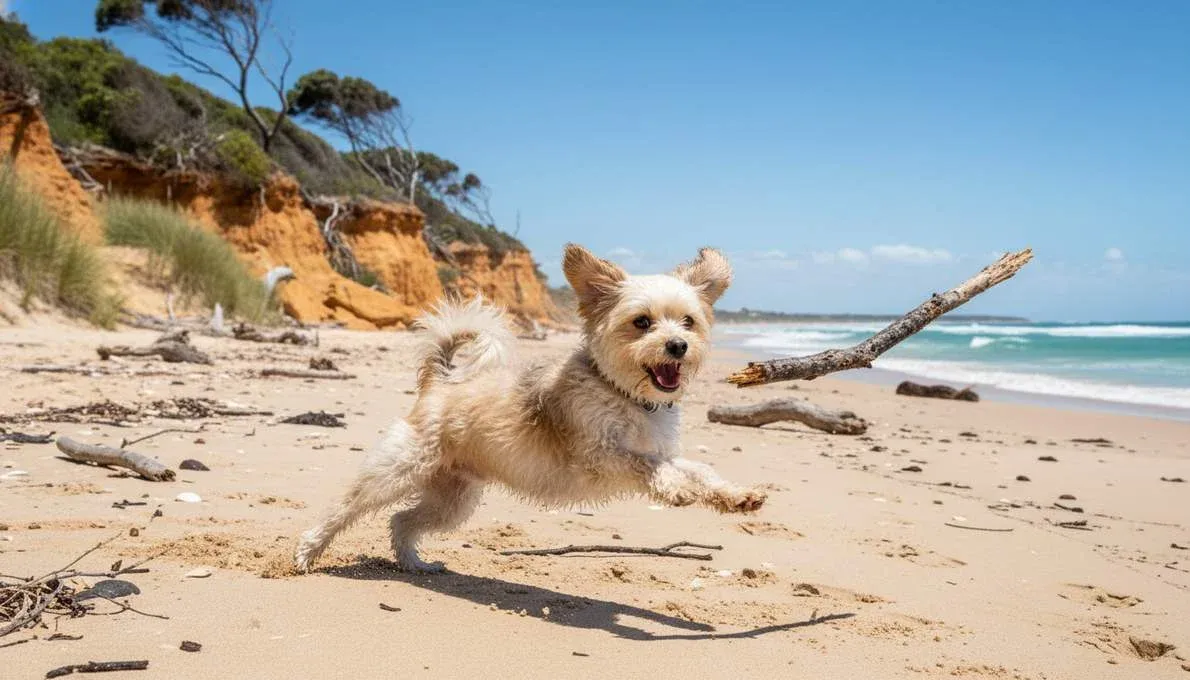
If the Lhasa Apso is a cat in a dog’s body, the Löwchen is the golden retriever of the toy world — minus the shedding and the need for a large backyard. This is a genuinely friendly, outgoing, happy little dog that gets along with almost everyone. There’s a reason breeders often describe Löwchen owners as “evangelists” — once you live with one, you can’t stop telling people about them.
Löwchen were bred as chamber dogs — companion animals whose entire purpose was to be near their people. They thrive on human contact and genuinely suffer when left alone for long periods. If you work from home or are retired, a Löwchen will be your shadow, following you from room to room with a wagging tail and an expression that says, “What are we doing next?”
Unlike many toy breeds that bond with one person and distrust everyone else, Löwchen are genuinely sociable. They warm up to strangers quickly, get along beautifully with children, and are typically excellent with other dogs and even cats. Their history as castle companion dogs meant they had to be comfortable around lots of different people, and that temperament has carried through the centuries.
Löwchen have a well-earned reputation as entertainers. They’ll invent games, perform for attention, and go out of their way to make you laugh. This isn’t a serious, dignified breed — it’s a joyful one. Experienced breeders consistently describe the Löwchen personality as “clown-like,” and that’s meant as a compliment.
Löwchen carry themselves with surprising confidence for their size. They’ll bark to alert you when someone’s at the door, but they’re not yappy or anxious. They’re braver than they have any right to be — they’ll approach large dogs without hesitation — but this comes from confidence rather than aggression.
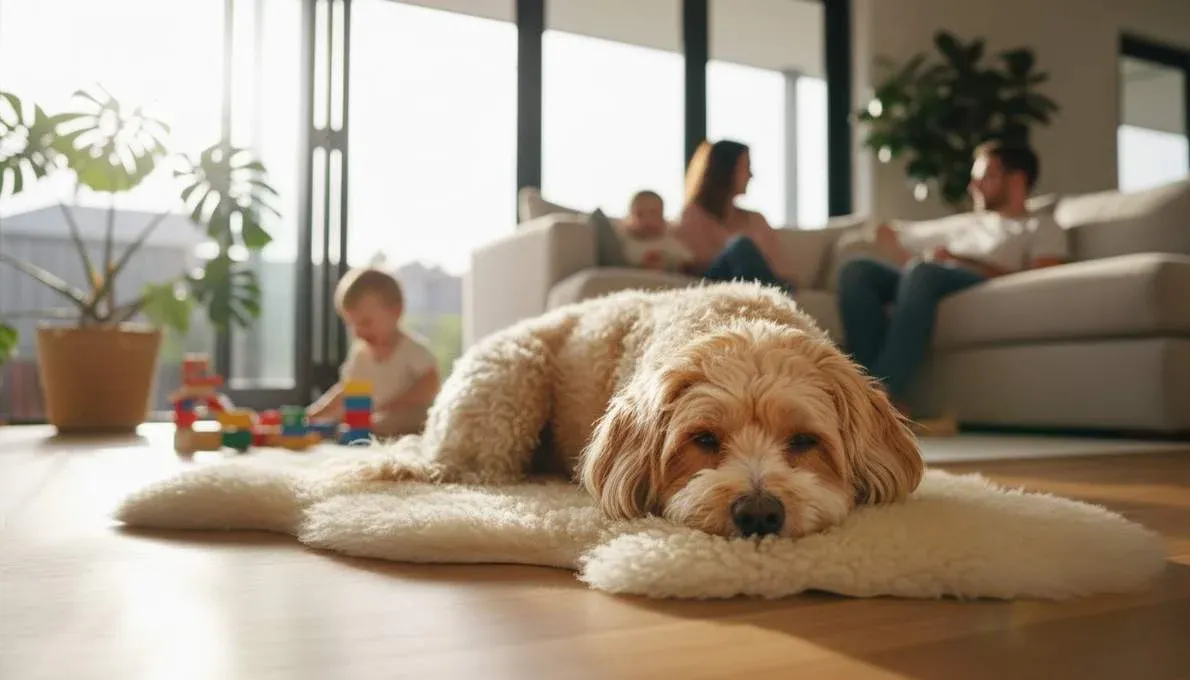
This is one of the best toy breeds for families with kids. Löwchen are sturdier than many small dogs, patient with handling, and genuinely enjoy the chaos of family life. They’re also robust enough to handle some rough-and-tumble play without being fragile. That said, very young children should always be supervised with any small dog.
The one genuine challenge with Löwchen temperament is their strong attachment to people. They don’t do well alone for extended periods (anything over 4–5 hours regularly can become a problem). If you’re away from home full-time, this breed needs a companion — either another dog or a reliable dog-sitter. A bored, lonely Löwchen will let you know about it, usually through destructive behaviour or barking.
Health & Genetic Conditions
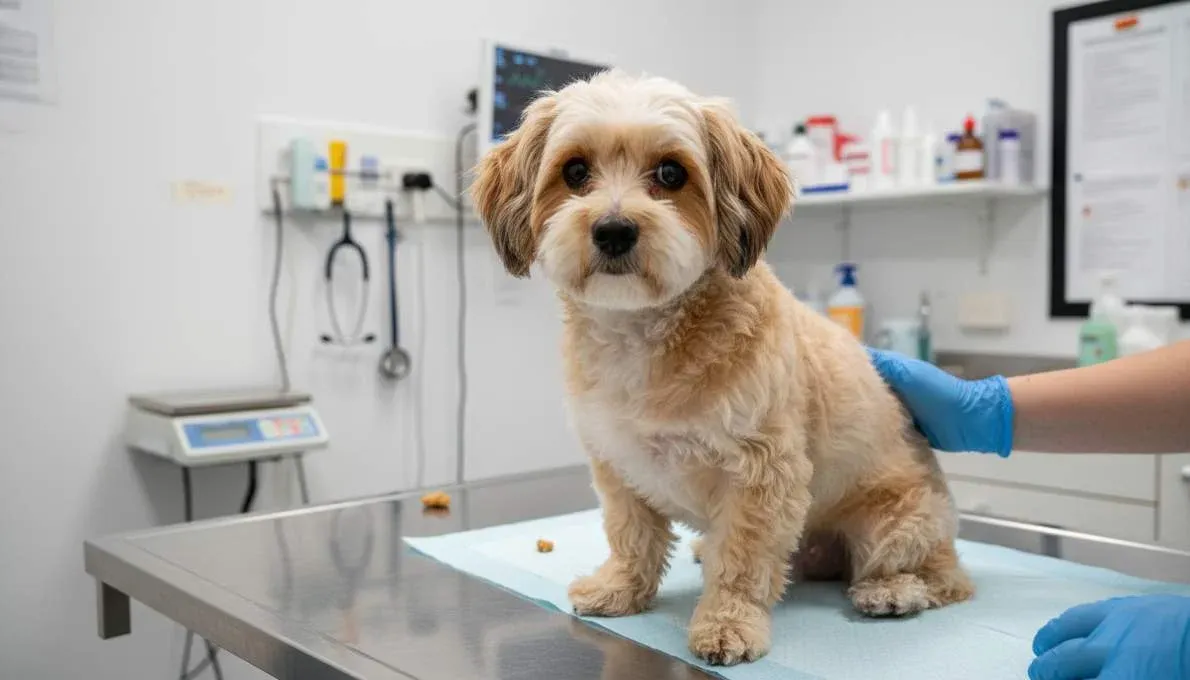
Here’s genuinely good news: the Löwchen is one of the healthiest purebred toy dogs you can buy. Unlike many small breeds that come loaded with genetic baggage, the Löwchen has remarkably few breed-specific health concerns. Most Löwchen live long, healthy lives with minimal veterinary intervention beyond routine care.
That said, no breed is completely bulletproof. Here are the conditions worth knowing about:
Prevalence: The most common health issue in the Löwchen. Patellar luxation affects many toy and small breeds, with the condition graded from 1 (mild, occasional slip) to 4 (severe, permanent displacement). Many Löwchen with Grade 1 luxation live comfortably without surgery. The OFA recommends patella evaluation for all Löwchen breeding stock as part of the CHIC programme
Symptoms: Intermittent skipping or hopping on a hind leg, sudden yelping during movement, reluctance to jump, and an occasional “locking up” of the knee that resolves when the dog extends the leg. Some dogs with Grade 1 show no obvious lameness at all
Treatment Cost (AUD): $1,500–$3,000 per knee for surgical correction. Mild cases (Grade 1) may be managed conservatively with weight management and activity modification
Prevention: Maintain a healthy weight to reduce stress on the knee joints. Avoid repetitive jumping from heights. Both parents should have OFA patella certifications before breeding. Surgical correction is recommended for Grade 2 and above to prevent secondary cruciate ligament damage and arthritis
Prevalence: Documented in the Löwchen but considered rare. PRA is an inherited eye disease that causes gradual degeneration of the retina. The OFA recommends annual eye examinations for Löwchen breeding stock, repeated after 12 months of age
Symptoms: Night blindness (loss of vision in dim light) is usually the first sign, followed by progressive loss of peripheral vision and eventually total blindness. Dogs may bump into objects in low light, become hesitant on stairs or in unfamiliar environments, or show dilated pupils. Many dogs adapt remarkably well to gradual vision loss
Treatment Cost (AUD): $500–$900 for diagnosis including ophthalmic examination and electroretinography. No cure exists
Prevention: Annual eye examinations by a veterinary ophthalmologist can detect early retinal changes before clinical blindness develops. Both parents should be certified free of eye disease by ACES (Australian Canine Eye Scheme) or the equivalent CERF programme. Affected dogs should not be bred
Prevalence: Less common in the Löwchen than in larger breeds, but still documented. The OFA recommends hip evaluation for Löwchen breeding stock. Being a small breed (5–8 kg), severe hip dysplasia is less frequent, but mild forms can still cause discomfort
Symptoms: Stiffness after rest, reluctance to rise or climb stairs, bunny-hopping gait, decreased activity, and lameness in the rear legs. Symptoms may be subtle in a small breed and easy to miss
Treatment Cost (AUD): $3,500–$7,000 per hip for surgical intervention (total hip replacement). Conservative management with anti-inflammatory medications, joint supplements, and weight control $300–$800 per year
Prevention: Only purchase from breeders who provide hip evaluations for both parents. Maintain a healthy weight. Provide appropriate exercise without excessive high-impact activity during the growth phase
Prevalence: Reported in the Löwchen, typically developing in older dogs. May also present as hereditary cataracts at younger ages. Annual eye examinations help detect cataracts early
Symptoms: Cloudy or opaque appearance to one or both eyes, bumping into objects, difficulty catching treats, and a visible white or blue-grey film over the lens
Treatment Cost (AUD): $2,000–$4,500 per eye for surgical removal (phacoemulsification). Many dogs adapt well to gradual vision loss if surgery is not pursued
Prevention: Annual eye examinations by a veterinary ophthalmologist. Dogs diagnosed with hereditary cataracts should not be bred. Given the Löwchen’s PRA risk, annual eye exams serve double duty — screening for both conditions simultaneously
Prevalence: Common in all toy breeds including the Löwchen. Small breeds accumulate tartar faster than large breeds, and dental disease affects approximately 80% of all dogs by age two. The Löwchen’s small jaw creates crowded teeth that are more prone to plaque buildup
Symptoms: Bad breath, visible tartar on teeth, red or inflamed gums, difficulty eating, loose or missing teeth, drooling, and pawing at the mouth. Advanced dental disease can lead to bacterial spread affecting the heart, kidneys, and liver
Treatment Cost (AUD): $500–$1,500 per professional dental cleaning under general anaesthesia. Extractions of severely diseased teeth add to the cost
Prevention: Brush teeth daily (or at minimum 2–3 times weekly) with dog-specific toothpaste. Dental chews and dental diets help but do not replace brushing. Schedule professional dental cleans as recommended by your vet. Start dental care early in puppyhood to establish the routine
Prevalence: Some Löwchen may develop age-related heart murmurs or mitral valve disease in their senior years. This is not uncommon across small and toy breeds. Regular veterinary monitoring is recommended, particularly from age 7 onwards
Symptoms: Exercise intolerance, coughing (particularly at night or after lying down), laboured or rapid breathing, lethargy, and in advanced cases fainting or collapse. Heart murmurs may be detected on routine examination before any clinical signs appear
Treatment Cost (AUD): $300–$800 per year for ongoing medication and monitoring, including echocardiography. Costs increase if advanced heart failure develops
Prevention: No proven prevention for age-related valve disease. Regular veterinary examinations that include cardiac auscultation (listening with a stethoscope) allow early detection of murmurs. Early medication can significantly slow disease progression. Breeding dogs with diagnosed heart conditions is discouraged
Compared to many toy breeds, the Löwchen’s health profile is remarkably clean. Most will never experience anything beyond dental issues and the occasional mild knee problem. This is a breed where responsible breeding has genuinely paid off.
Due to the breed’s tiny gene pool (remember those 65 dogs in 1973), the Löwchen has a high average coefficient of inbreeding — around 18.6% in UK populations. Ask your breeder about their COI calculations and look for breeders who are actively working to diversify bloodlines through imported stock.
Ask your breeder about patella grading on both parents, annual eye examinations, hip scores, and their approach to managing genetic diversity within their breeding programme.
Lifespan & Longevity
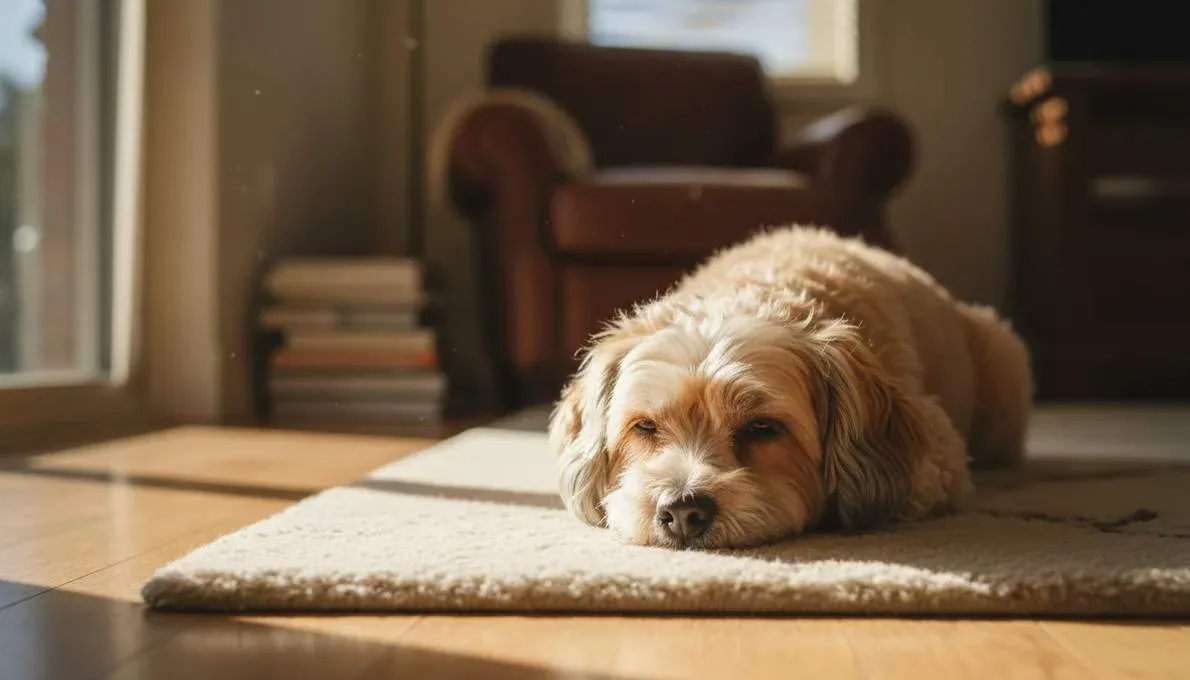
The Löwchen is a long-lived breed, with an average lifespan of 13–15 years. Some well-cared-for individuals comfortably reach 16–17. Their robust health and moderate size (they’re not as fragile as ultra-tiny toy breeds) contribute to their longevity.
Puppy to 2 years: Focus on vaccinations, desexing (typically around 6 months), socialisation, and beginning dental care habits. Löwchen puppies are energetic and playful — channel this into positive training experiences. Health issues are extremely rare at this stage.
2–8 years: Prime years. Maintain a healthy weight (Löwchen can be food-motivated and prone to overeating), keep up with dental hygiene, and continue annual vet checks. Watch for any limping or leg-skipping that could indicate early patellar issues.
8+ years (senior): Move to six-monthly vet visits. Request blood panels to monitor organ function. Watch for signs of cataracts (cloudy eyes, bumping into things) and any changes in heart rhythm. Adjust exercise to shorter, gentler walks. Senior Löwchen remain playful and engaged — they don’t slow down as dramatically as some breeds.
The key to Löwchen longevity is straightforward: keep them lean, brush their teeth, and don’t skip vet visits. This breed doesn’t carry the structural problems that shorten the lives of many toy dogs, so with basic responsible ownership, you’re likely to enjoy a very long partnership.
Grooming & Care
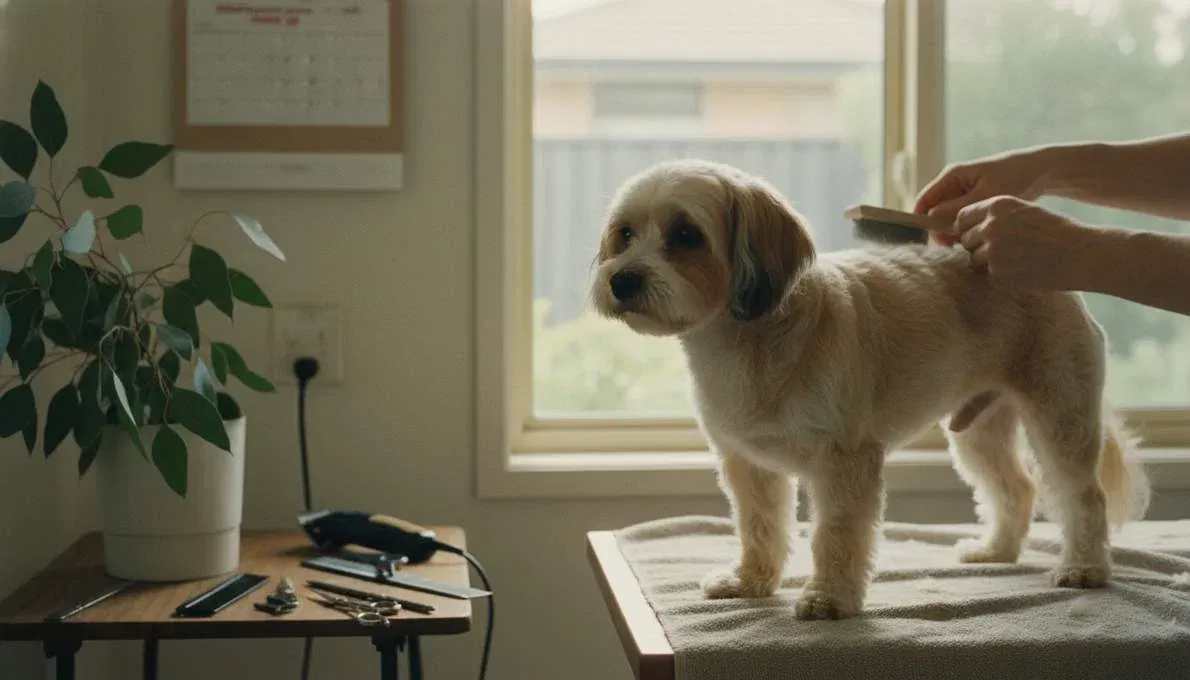
The Löwchen’s coat is the breed’s signature feature — and either its biggest draw or its biggest deterrent, depending on how you feel about grooming. That long, wavy, flowing coat doesn’t shed, but it does need regular attention to prevent matting and keep your dog comfortable.
The Lion Cut vs The Puppy Cut
The traditional Löwchen “lion clip” involves shaving the hindquarters, back legs, front legs (except for “bracelets” at the ankles), and the base of the tail, while leaving the mane, chest, and tail plume long and natural. It’s striking and iconic — but it’s also high-maintenance and typically requires a groomer experienced with the breed.
Many Australian pet owners opt for a simpler “puppy cut” — an all-over trim to a manageable 3–5 cm — which dramatically reduces grooming time while keeping the coat healthy and tangle-free. There’s no shame in choosing the easier option. Your Löwchen won’t judge you.
Grooming Schedule
| Grooming Task | Frequency | Estimated Cost (AUD) |
|---|---|---|
| Full brush-out | Every 2–3 days (long coat) or weekly (puppy cut) | DIY — quality brush $20–$40 |
| Bath | Every 2–4 weeks | DIY or $30–$50 at groomer |
| Professional groom (lion cut) | Every 6–8 weeks | $70–$120 per session |
| Professional groom (puppy cut) | Every 6–8 weeks | $50–$90 per session |
| Nail trim | Every 2–4 weeks | $10–$20 or DIY |
| Ear cleaning | Weekly | DIY — ear cleaner $15–$25 |
| Teeth brushing | Daily (ideally) or 3x/week minimum | DIY — dog toothpaste $10–$18 |
Do Löwchen shed? No. This is a genuinely non-shedding breed with a single coat (no undercoat). Loose hair stays in the coat rather than falling onto your clothes and furniture. This makes the Löwchen one of the best breeds for allergy sufferers and anyone who values a clean home. However, “non-shedding” doesn’t mean “no grooming” — those loose hairs will mat if not brushed out regularly.
Tip for Australian owners: Use a leave-in conditioning spray before brushing to protect the coat and reduce pulling. Chris Christensen brushes and combs are excellent for Löwchen coats. In summer, a shorter clip helps keep your dog cool without the full commitment of a lion cut.
Lion cut in winter: If you keep your Löwchen in a lion clip, be aware that the shaved areas offer no insulation. In cooler southern Australian states (VIC, TAS, SA), your dog may need a coat or jumper during winter walks and cold nights.

Exercise Needs
The Löwchen is not an athlete, and it doesn’t pretend to be. This is a moderate-energy companion breed that’s perfectly happy with a couple of short walks and some playtime each day. They won’t demand a five-kilometre run, but they will insist on being involved in whatever you’re doing.
Daily walks:
Two walks of 15–20 minutes each is plenty for most adult Löwchen. They enjoy exploring and sniffing but won’t pull you along for a marathon. Keep walks to shaded routes during Australian summers — small dogs overheat faster than large ones.
Indoor play:
Löwchen are playful enough to get a decent amount of exercise indoors. Tug toys, fetch down a hallway, and puzzle feeders all work well. Their clownish nature means they’ll often invent their own games if you give them the space.
Mental stimulation:
This is an intelligent breed that thrives on mental engagement. Training sessions, scent games, and interactive toys are arguably more important than physical exercise for keeping a Löwchen happy and well-behaved.
Off-leash:
Löwchen generally have reasonable recall for a toy breed, but their confidence around larger dogs can put them at risk. Off-leash time should be in secure, fenced areas where you can supervise interactions. They’re small enough to be targeted by birds of prey in some rural Australian areas.
⚠️ Australian climate warning: Löwchen in a lion cut have exposed skin on their shaved areas that can sunburn. Apply pet-safe sunscreen to shaved skin if your dog will be outdoors in direct sun. In summer, avoid midday walks, always carry water, and keep exercise sessions short. Air conditioning is a necessity, not a luxury, during heatwaves.
Training Guide
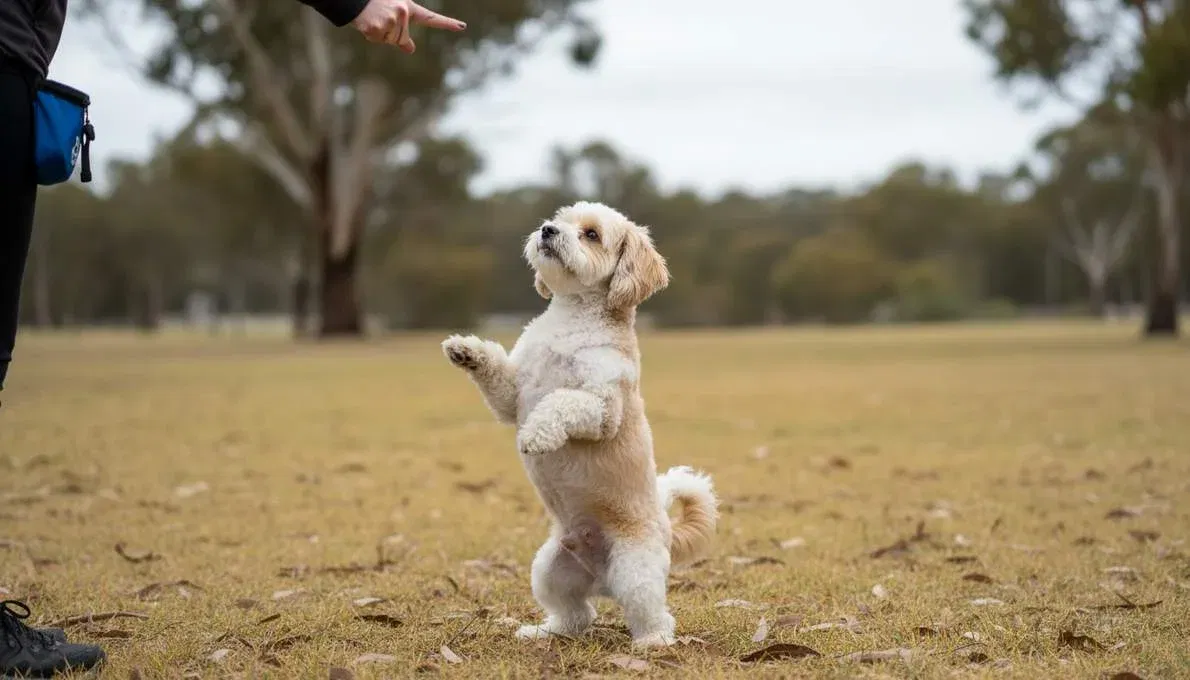
Here’s where the Löwchen really shines compared to many toy breeds: they’re genuinely eager to please and respond beautifully to positive reinforcement training. Where breeds like the Shih Tzu or Lhasa Apso might question whether your command is worth obeying, the Löwchen is usually game to try whatever you’re asking.
Socialisation & Training Timeline
| Age | Training Focus | Tips |
|---|---|---|
| 8–12 weeks | Socialisation, crate training, name recognition, toilet training | Löwchen puppies are confident — expose to varied environments early. Sessions under 5 minutes. |
| 3–6 months | Basic commands (sit, stay, come), lead walking, alone training | Start building tolerance for short periods alone. Use high-value treats. |
| 6–12 months | Recall, impulse control, grooming tolerance, trick training | Löwchen love tricks. Channel their playfulness into structured learning. |
| 1 year+ | Advanced tricks, dog sports (agility, rally), ongoing enrichment | This breed excels at dog sports relative to size. Consider joining a club. |
Honest difficulty rating: 3/10. The Löwchen is one of the easiest toy breeds to train. They’re intelligent, food-motivated, and genuinely want to work with you. First-time dog owners can absolutely succeed with this breed. The only area requiring extra attention is separation training — their attachment to people means “being alone” needs to be explicitly taught. Puppy school is still recommended, and look for APDT-accredited trainers in your area.
Cost of Ownership in Australia
Owning a Löwchen in Australia comes with a premium upfront cost because of the breed’s rarity, but ongoing expenses are moderate and comparable to most small companion breeds.
Upfront Costs
| Item | Cost (AUD) |
|---|---|
| Puppy (registered breeder) | $2,000–$5,000 |
| Puppy (rescue — extremely rare) | $300–$600 |
| Crate, bed, bowls, lead, collar | $250–$400 |
| First vet visit + vaccinations | $150–$300 |
| Desexing | $200–$500 |
| Microchipping (if not included) | $50–$80 |
| Total Upfront (Breeder) | $2,650–$6,280 |
Ongoing Annual Costs
| Item | Cost (AUD/Year) |
|---|---|
| Premium dog food | $400–$700 |
| Professional grooming (6–8x/year) | $350–$800 |
| Vet check-ups + vaccinations | $250–$500 |
| Flea, tick & worming | $150–$300 |
| Pet insurance | $400–$800 |
| Dental clean (professional) | $500–$1,500 |
| Toys, treats, miscellaneous | $150–$300 |
| Total Annual | $2,200–$4,900 |
Lifetime cost estimate: Over 14 years (average lifespan), expect to spend $33,000–$75,000 on your Löwchen, including purchase price. The Löwchen’s generally excellent health means you’re less likely to face catastrophic vet bills compared to many other purebreds — but pet insurance is still strongly recommended as a safety net.
Finding a breeder: Start with DogzOnline (dogzonline.com.au) and your state’s ANKC body. Löwchen breeders in Australia are few and highly dedicated — expect a waitlist of 6–18 months. This is normal for rare breeds. Be deeply sceptical of anyone offering “immediate availability” Löwchen puppies without ANKC registration. Meet the breeder, visit the premises, and ask to meet at least one parent dog.
Rescue option: Löwchen almost never appear in shelters or rescue organisations due to the breed’s rarity. If you’re set on rescue, register your interest with PetRescue.com.au and breed-specific contacts, but be prepared for a very long wait. Occasionally, breeders rehome retired show or breeding dogs — ask about this option, as these adults make wonderful companions.
Is the Löwchen Right for You?
The Löwchen is, frankly, one of the most versatile and easy-to-recommend small breeds out there. But even great breeds aren’t perfect for every person or household.
You want a friendly, sociable dog that genuinely likes everyone. You have children — this is one of the best toy breeds for families. You live in an apartment or small home with no backyard. You want a low-shedding, hypoallergenic companion. You’re willing to commit to regular grooming (even a puppy cut still needs upkeep). You’re home often or can provide companionship throughout the day. You’re looking for a breed that’s easy to train and great for first-time owners.
You’re away from home full-time with no companion arrangement — Löwchen develop separation anxiety. You want a dog immediately — waitlists of 6–18 months are standard for this rare breed. You want a guard dog or a dog with strong protective instincts. You dislike grooming or don’t want to budget for regular professional grooms. You want a high-energy dog for running, hiking, or intense outdoor activities.
Löwchen vs Shih Tzu: Both are friendly, low-shedding toy breeds, but Löwchen are generally more outgoing with strangers, easier to train, and have fewer health problems. Shih Tzus are more widely available and slightly less expensive. If temperament and health are your priority, the Löwchen has the edge. If availability and budget matter more, the Shih Tzu is easier to find.
Löwchen vs Havanese: These are closely related breeds with very similar temperaments. Both are friendly, people-oriented, and non-shedding. The Havanese is slightly more common in Australia and may be easier to find. The Löwchen tends to be a touch more confident and slightly less clingy. Either breed makes an excellent companion.
Considering a Löwchen cross? The Löwchen poodle cross is occasionally seen in Australia, as is the Löwchen Cavalier cross. While these mixes can produce lovely dogs, the Löwchen’s rarity means that most crossbred pairings are coming from unregistered breeders. If you go this route, insist on health testing for both parents and be cautious of anyone breeding Löwchen crosses at high volume.
The Löwchen is one of the best-kept secrets in the dog world. Here’s the honest summary:
- They’re friendly, funny, and genuinely good-natured — one of the most universally likeable toy breeds you’ll find, and excellent with families.
- Their health profile is outstanding for a purebred — few genetic issues, long lifespan, and a robust build that avoids the fragility of many ultra-small breeds.
- Budget $2,000–$5,000 upfront and $2,200–$4,900/year in Australia. The biggest challenge isn’t cost — it’s finding one. Expect a waitlist, and be patient.
If you can handle the wait, the grooming, and the fact that this dog will follow you into every room of the house for the next 14 years, the Löwchen will reward you with a level of companionship and joy that’s hard to match in any breed at any size.
Frequently Asked Questions
How do you pronounce Löwchen?
The most common pronunciations are “LUR-chun” and “LER-shen.” The “ö” is a German vowel sound similar to the “ur” in “burn.” Most Australians settle on “LOH-chen” in casual conversation, and breeders won’t correct you.
What is a Löwchen dog?
The Löwchen (German for “little lion”) is a rare toy breed from medieval Europe. Traditionally groomed in a distinctive lion clip, they’re a member of the Bichon family and one of the oldest companion dog breeds. They nearly went extinct in the 1970s and remain uncommon today, with fewer than a few hundred new registrations worldwide each year.
Are Löwchen hypoallergenic?
Yes. Löwchen have a non-shedding single coat that produces very little dander. While no dog is 100% hypoallergenic, Löwchen are one of the better choices for people with mild to moderate dog allergies.
Do Löwchen dogs shed?
No. The Löwchen is a genuinely non-shedding breed. Loose hair stays trapped in the coat rather than falling onto furniture, which is why regular brushing is essential to prevent matting.
How much does a Löwchen cost in Australia?
Expect to pay $2,000–$5,000 for a registered Löwchen puppy from an ANKC breeder. The breed’s rarity means breeders are few and waitlists are long (6–18 months). Be extremely cautious of unusually cheap Löwchen offered without registration papers.
How long do Löwchen live?
13–15 years on average, with some reaching 16–17. Their excellent genetic health profile contributes to above-average longevity for a purebred dog.
Are Löwchen good with children?
Excellent. The Löwchen is one of the best toy breeds for families with children. They’re sturdy, patient, sociable, and genuinely enjoy the energy and attention that comes with family life.
What’s the difference between a Löwchen and a Shih Tzu?
Löwchen are more outgoing, easier to train, and have fewer breed-specific health issues. Shih Tzus can be more stubborn and are prone to more respiratory and eye conditions. Löwchen are also significantly rarer and harder to find in Australia.
What were Löwchen bred for?
Löwchen were bred as companion dogs for European aristocracy, dating back to at least the 1400s. They served as lap dogs and chamber companions in castles and noble homes. The lion clip may have served a practical purpose, with shaved areas providing warmth like a living hot water bottle.
Can I find a Löwchen rescue in Australia?
It’s extremely unlikely. Löwchen are so rare that they almost never appear in rescue shelters. Your best option is contacting registered breeders directly — some rehome retired show or breeding dogs. Register your interest on PetRescue.com.au, but be prepared for a very long wait.
- PetMD — Löwchen Dog Breed Health and Care: https://www.petmd.com/dog/breeds/lowchen
- WebMD — What To Know About a Löwchen: https://www.webmd.com/pets/dogs/what-to-know-lowchen
- Dogster — Löwchen Dog: Breed Info, Pictures, Traits & Care: https://www.dogster.com/dog-breeds/lowchen
- DogzOnline Australia — Löwchen Breeders: https://www.dogzonline.com.au/breeds/breeders/lowchen.asp
- PuppyList Australia — Löwchen Prices: https://puppylist.com.au/breeds/lowchen/price/
- Dog Breed Health — Löwchen: https://www.dogbreedhealth.com/lowchen/
- The Royal Kennel Club — Löwchen (Little Lion Dog): https://www.royalkennelclub.com/search/breeds-a-to-z/breeds/toy/lowchen-little-lion-dog/
- Vetstreet — Löwchen Breed Information: https://www.vetstreet.com/dogs/lowchen
- Roman Reign Kennels — Löwchen FAQ: https://romanreign.com/lowchen-frequently-asked-questions/