
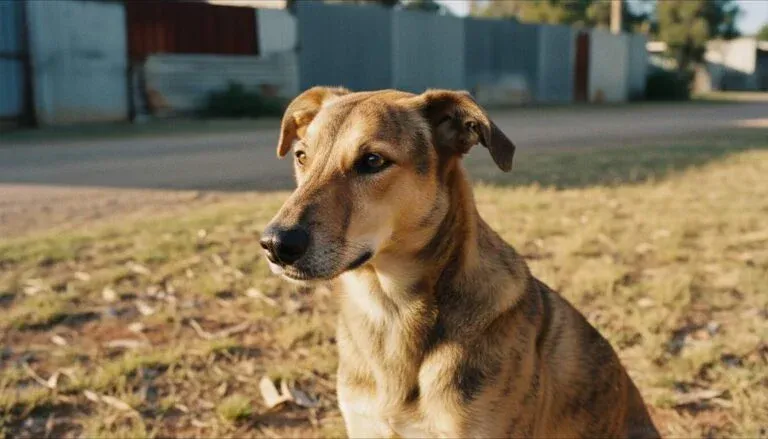
In 1877, a pair of Kangaroo Dogs was valued at $600 — equivalent to nearly $14,000 in today’s money. That staggering price tag tells you everything about the critical role these remarkable sighthounds played in Australia’s colonial survival. Without the Kangaroo Dog, many early settler families would have starved, and Australia’s development would have been dramatically slower.
Yet despite being the first dog breed (or more accurately, “type”) ever created in Australia, the Kangaroo Dog remains one of our nation’s best-kept secrets. Also known as the Roo Dog or Australian Staghound, these elegant sighthounds were purpose-bred to hunt kangaroos in the harsh Australian bush — a job that required extraordinary speed, stamina, and courage. Today, with kangaroo hunting long prohibited, these dogs have become increasingly rare, though dedicated enthusiasts continue to preserve their remarkable heritage.
What You’ll Learn:
- Breed traits & temperament
- Health concerns to know
- True cost in Australia
- Training & exercise needs
- Is this breed right for you?
Important Note: The Kangaroo Dog is not an officially recognised breed by the ANKC or any major kennel club. It is classified as a “type” of dog, with no standardised breed standard. This guide covers the general characteristics associated with these dogs as documented by hunters, historians, and enthusiasts who have preserved this uniquely Australian canine heritage.
Kangaroo Dog Quick Facts
| Attribute | Details |
|---|---|
| Also Known As | Roo Dog, Australian Staghound, Kangaroo Hound |
| Type | Sighthound (NOT officially recognised breed) |
| Origin | Australia (colonial era, early 1800s) |
| Foundation Breeds | Greyhound, Scottish Deerhound, Borzoi, Saluki |
| Size Category | Large |
| Height (Adult) | 66-81 cm (26-32 inches) |
| Weight (Adult) | 29-36 kg (65-80 pounds) |
| Lifespan | 10-12 years |
| Coat Types | Smooth (Kangaroo Dog) or Rough (Staghound) |
| Exercise Needs | 60-90 minutes/day (high) |
| Trainability | 3/5 (independent but responsive) |
| Good with Children | Older children only |
| Good with Small Pets | No — high prey drive |
| First-Time Owner Suitable | 2/5 (experienced owners recommended) |
| Puppy Price (AUD) | $200 – $1,000 (through hunting communities) |
Data compiled from historical records, hunting community documentation, and breed enthusiast sources.¹
History of the Kangaroo Dog
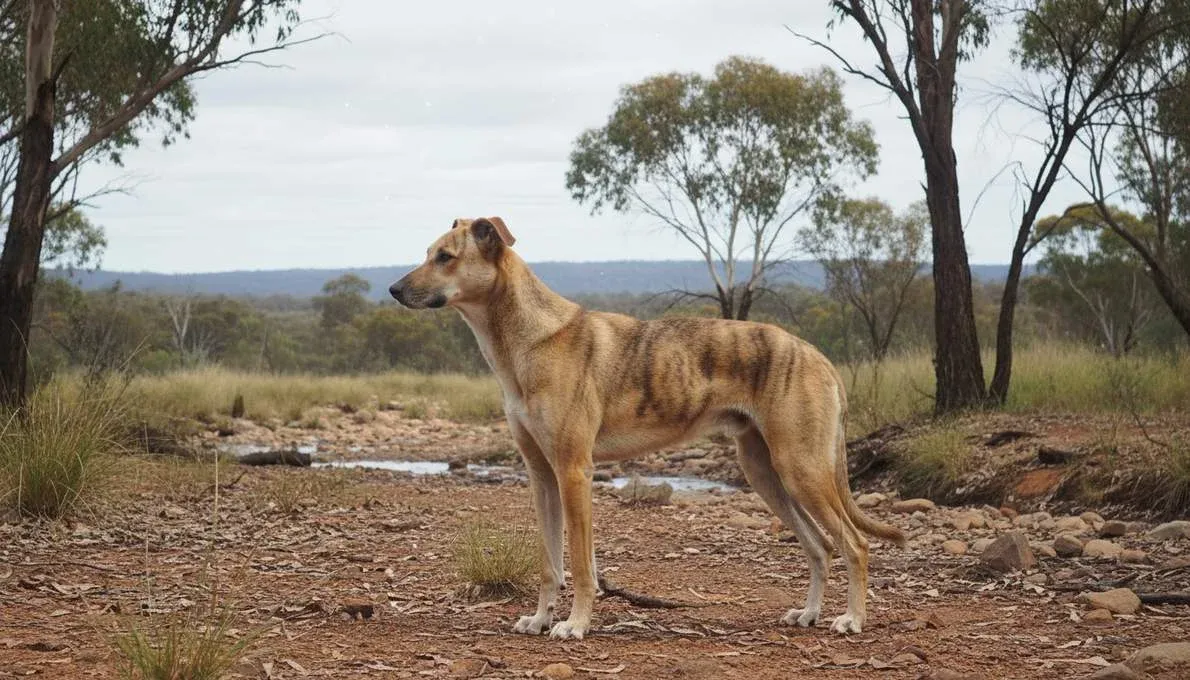
The Kangaroo Dog holds the distinction of being the first dog breed ever created in Australia. According to historical records, these dogs were developed by colonial settlers from as early as the 1800s, with the earliest known print reference appearing in the Sydney Gazette and New South Wales Advertiser in 1805.²
The foundation stock consisted primarily of English Greyhounds and Scottish Deerhounds (then known as Scotch Staghounds), both brought to Australia by British settlers. The goal was to create a sighthound fast enough to outrun a kangaroo, strong enough to catch and hold one, and tough enough to avoid being disembowelled by the marsupial’s powerful, clawed hind legs. Later breeding programs introduced Borzoi, Saluki, Irish Wolfhound, and other sighthound blood to enhance specific traits.²
As one historical account from the period explains: “This dog is essentially Australian, in fact, may be called the national dog of Australia. In the early days, everything was hard to get in the bush — flour was at a premium, powder and shot not to be lavishly expended, and sheep were not to be killed except in some dire emergency. Kangaroo were plentiful, good to eat, and a dog who was fast enough to kill them, saved mutton, flour, powder and shot. A good Kangaroo Dog, therefore, was often a perfect godsend to a struggling squatter.”³
Remarkably, some historical accounts suggest that Darug people had Kangaroo Dogs as early as 1802, and by 1804, colonists were sailing Kangaroo Dogs to Tasmania where they were incorporated into Indigenous communities. The dogs were exhibited at the very first Australian mainland dog show in 1864, with 5 rough-coated and 13 smooth-coated Kangaroo Dogs entered. That same year, the future King Edward VII (then Prince of Wales) exhibited a “Kangaroo Hound” at an international show in London.⁴
Today, hunting native species with dogs is strictly illegal throughout Australia. The Kangaroo Dog’s population has dwindled significantly, though pockets remain, particularly in Western Australia and rural areas of other states, where they’re now used for hunting invasive pest species such as feral pigs and red foxes.
Kangaroo Dog Temperament
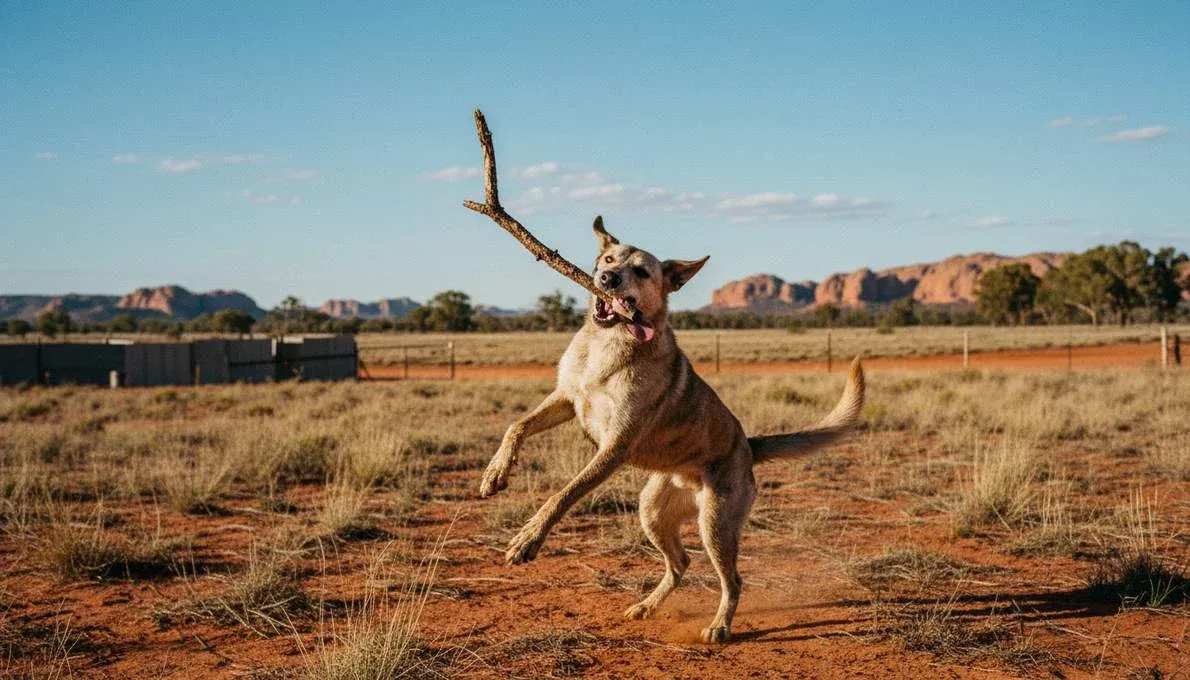
Calm and Gentle at Home: Many Kangaroo Dog owners are surprised by just how gentle and relaxed these powerful hunters are in the home environment. Experienced handlers often describe them as “sooks” — Australian slang for affectionate softies. Like their Greyhound ancestors, they’re happy to sleep 16 or more hours a day when not working.
Loyal and Affectionate: First-time Kangaroo Dog owners are often struck by the deep bonds these dogs form with their families. They’re devoted companions who thrive on human connection, though they express affection in a dignified, sighthound way rather than with boisterous enthusiasm.
Independent Yet Biddable: This varies significantly between individual dogs, depending on their breeding. Those with more Greyhound influence tend to be more independent, while dogs with stronger Deerhound lines may be more eager to please. As one Western Australian breeder put it: “They’ll do what you ask — they just like to think about it first.”
Strong Prey Drive: This cannot be overstated. Kangaroo Dogs were bred for centuries to chase and catch large, fast-moving game. That instinct runs incredibly deep. According to owners in Australian hunting communities, once a Roo Dog locks onto prey, everything else ceases to exist.
Reserved with Strangers: While not aggressive, Kangaroo Dogs tend to be aloof with people they don’t know. They’re watchful rather than welcoming, taking their time to assess newcomers before offering friendship
Kangaroo Dogs can be wonderful with older children who understand how to respect a large, sensitive dog. Their calm, patient nature makes them tolerant of sensible kids. However, their size and prey drive mean they’re generally not recommended for households with very young children or toddlers. If your Kangaroo Dog starts getting over-excited during play, redirect immediately to a calmer activity — their size means even playful bumps can knock small children over.
Breeders consistently note that Kangaroo Dogs generally do well with other dogs, particularly in pack-like settings — a reflection of their history hunting alongside multiple dogs. They can also be safe around livestock when properly trained and socialised from puppyhood. However, their powerful prey drive makes them unsuitable for homes with cats, rabbits, guinea pigs, or other small animals. This isn’t something that can be trained out — it’s hardwired into their genetics.
If your Kangaroo Dog starts becoming destructive or restless, don’t panic — this almost always indicates insufficient exercise or mental stimulation. These are high-energy working dogs that need a job to do. Without adequate outlets for their energy, they’ll create their own entertainment, which rarely ends well for your furniture or garden.
Escape artistry is another common challenge. Many Kangaroo Dog owners report that their dogs can easily clear a 6-foot fence. Secure, tall fencing (minimum 1.8m, ideally 2m) is absolutely essential, and some owners add coyote rollers or angled toppers for additional security.
Kangaroo Dog Health Issues
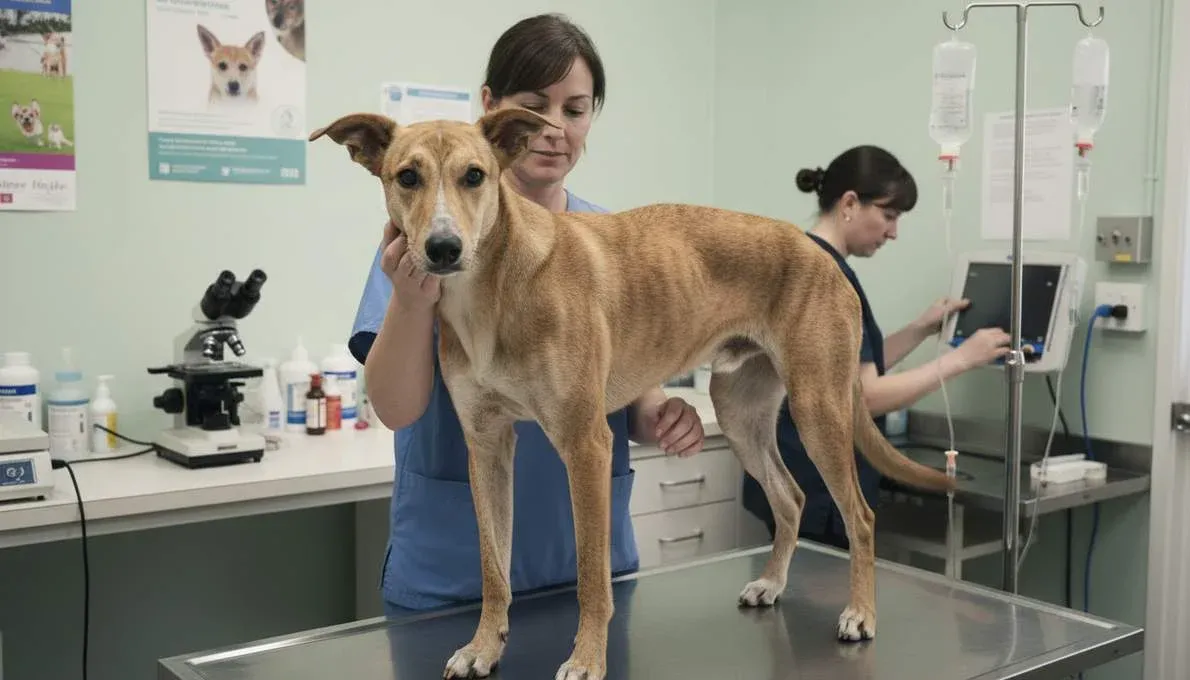
If you’re worried about Kangaroo Dog health problems, the good news is that these dogs benefit from significant hybrid vigour. Because they’ve been bred for function rather than appearance, and because they come from a diverse genetic pool, they tend to be healthier than many purebred dogs. However, there are still some conditions to be aware of.⁵
According to VCA Hospitals, bloat is the most significant health concern for Kangaroo Dogs due to their deep chest — a trait inherited from their Greyhound and Deerhound ancestry. GDV occurs when the stomach fills with gas and potentially twists on itself, cutting off blood supply. This is a life-threatening emergency requiring immediate veterinary intervention.⁶
Prevention strategies: Feed two to three smaller meals rather than one large meal, use raised feeding bowls, avoid exercise immediately before or after eating, and discuss prophylactic gastropexy surgery with your veterinarian.
Like Greyhounds and other sighthounds, Kangaroo Dogs may have sensitivity to certain anesthetic drugs, particularly barbiturate-based anesthetics. Their lean body composition and unique metabolism mean they can have prolonged recovery times. Always ensure your veterinarian is experienced with sighthounds and aware of these breed-specific requirements before any procedure requiring sedation.
Working Kangaroo Dogs are prone to musculoskeletal injuries due to their extreme athleticism and the demanding terrain they work in. Muscle strains, ligament injuries, and fractures are occupational hazards for actively hunting dogs. Pet dogs face lower risk but should still be supervised during high-speed activities.
This can feel counterintuitive for a dog bred to run, but Kangaroo Dogs can become obese if allowed to eat freely without adequate exercise. These dogs have large appetites and efficient metabolisms. Without the high activity levels they were designed for, weight can creep on quickly. A healthy Kangaroo Dog should appear lean and athletic, with visible muscle definition.
- Osteosarcoma: Bone cancer can occur in older large-breed dogs
- Heart conditions: Some sighthound lines are prone to cardiac issues
- Heat sensitivity: Rough-coated dogs (Staghounds) can overheat in hot, humid conditions
Lifespan & Longevity
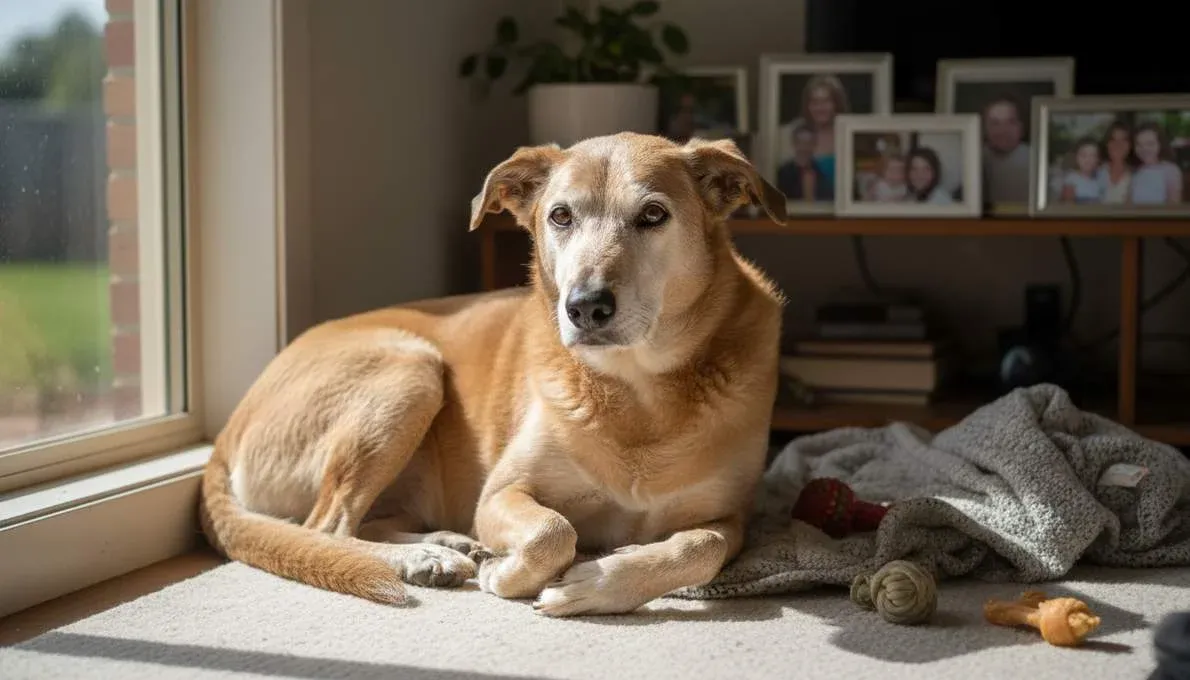
The average Kangaroo Dog lifespan is 10-12 years, which is respectable for a dog of this size. Their hybrid vigour and working-dog heritage contribute to overall robust health when properly cared for.⁷
Veterinarians recommend several strategies to maximise your Kangaroo Dog’s lifespan: maintaining appropriate body condition (lean and muscular), providing regular but appropriate exercise, staying vigilant about bloat prevention, and scheduling annual health checks including cardiac screening for older dogs. The Australian Veterinary Association emphasises that diet, exercise, and preventive care are the foundations of longevity for all large breed dogs.⁸
Kangaroo Dog Grooming Guide
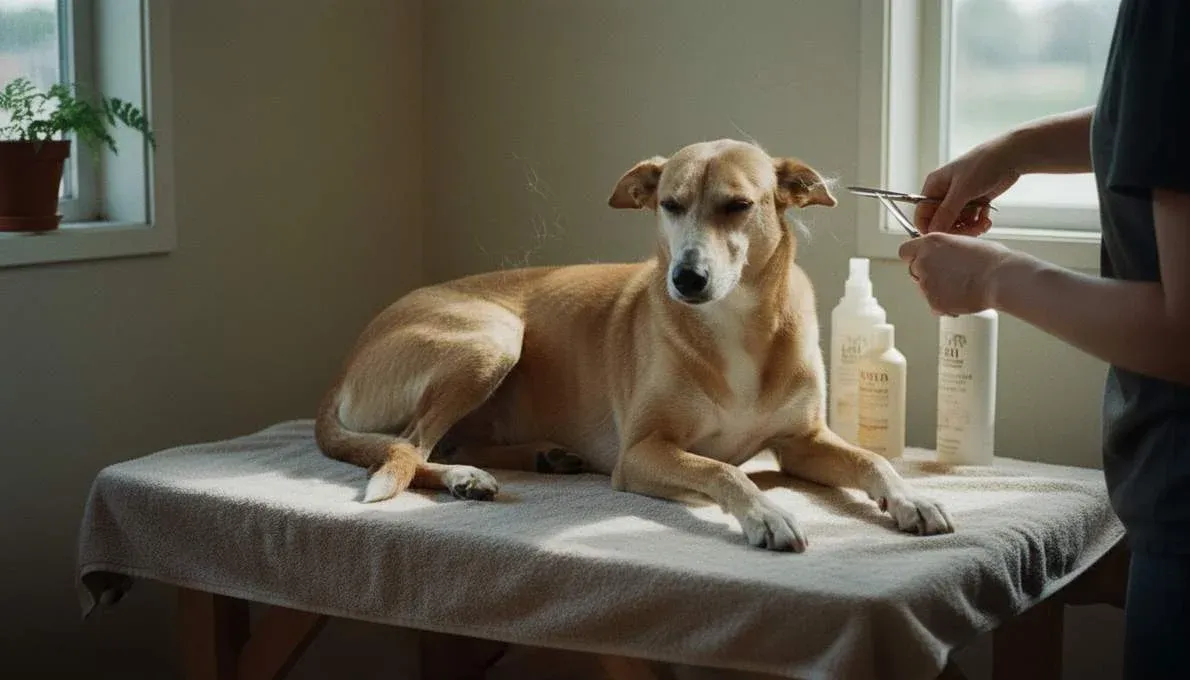
Grooming requirements for Kangaroo Dogs vary depending on coat type. Smooth-coated dogs (true “Kangaroo Dogs”) require minimal maintenance, while rough-coated dogs (“Staghounds”) need slightly more attention to prevent matting.
Grooming Schedule
| Task | Smooth Coat | Rough Coat (Staghound) |
|---|---|---|
| Brushing | Weekly — 5-10 mins | 2-3x weekly — 10-15 mins |
| Bathing | Every 6-8 weeks | Every 4-6 weeks |
| Nail Trimming | Every 2-3 weeks | Every 2-3 weeks |
| Ear Cleaning | Weekly check | Weekly check |
| Coat Care Notes | Minimal shedding | May mat if neglected |
| Products | Rubber curry brush, hound glove | Slicker brush, comb, mat splitter |
Australian brands like Dermcare Natural Shampoo and Fido’s Everyday Shampoo work well for both coat types. PAW by Blackmores offers excellent skin-conditioning products for dogs with sensitive skin.
The Kangaroo Dog’s coat offers limited protection against Australia’s harsh sun, and lighter-coloured dogs are at risk of sunburn on exposed areas like the nose and ears. Similarly, the thin coat provides little insulation against cold, so these dogs may need protection during winter nights, particularly in southern regions.
Kangaroo Dog Exercise Needs
Unlike many sighthounds that are content with moderate exercise, the Kangaroo Dog was bred for sustained hunting activity and retains significant energy reserves. The RSPCA Australia recommends that high-energy working breeds receive substantial daily exercise to maintain physical and mental health.⁹
Daily Requirements:
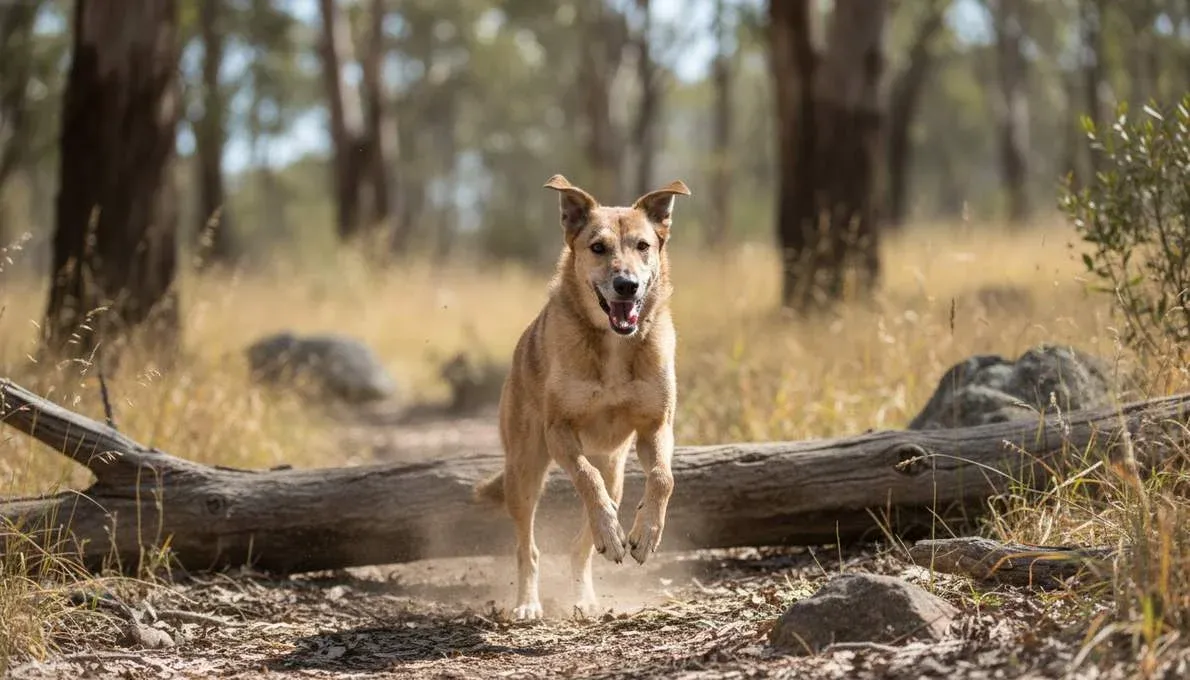
60-90 minutes of exercise per day, ideally including opportunities for off-leash running in secure, enclosed areas. Mental stimulation through training, puzzle toys, or scent games is equally important.
Many Kangaroo Dog owners report that their dogs have two speeds: full throttle and completely off. After a good run, these dogs are remarkably calm indoors, happy to lounge for hours. But without adequate exercise outlets, that pent-up energy becomes problematic. Experienced Kangaroo Dog handlers often say that “a tired Roo Dog is a good Roo Dog.”
If your Kangaroo Dog starts digging, fence-jumping, or becoming destructive, don’t panic — this is almost always a sign of insufficient exercise. Try increasing activity levels before assuming a behavioural issue.
Critical Safety Note:
Kangaroo Dogs should NEVER be off-leash in unfenced areas. Their prey drive is too strong and their speed too fast. If they spot something worth chasing, they will be gone in seconds, potentially for kilometres, with no regard for roads, fences, or your calls. Secure, tall fencing (minimum 1.8m-2m) is essential for any off-leash exercise.
Kangaroo Dog Training Guide
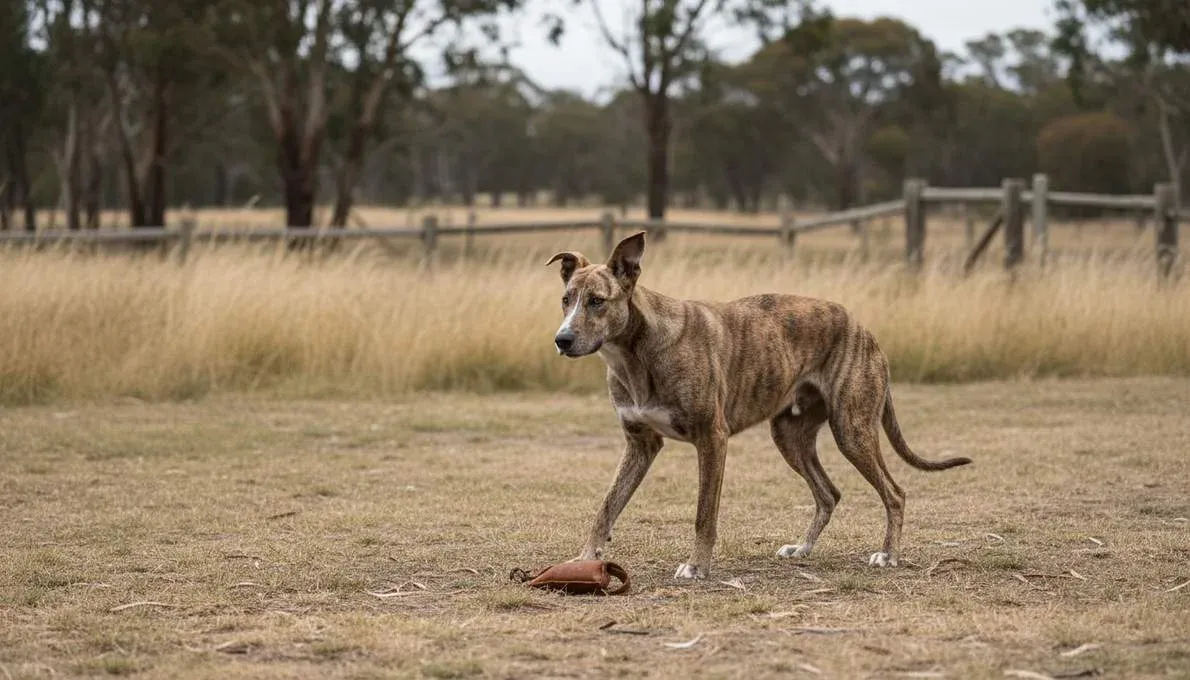
Don’t be discouraged if your Kangaroo Dog seems to have selective hearing — this is the sighthound independence showing through. These dogs were bred to make split-second hunting decisions independently, and that self-reliance remains part of their character. With patience and the right approach, they’re certainly trainable, but expect them to question your reasoning occasionally.¹⁰
Professional dog trainers recommend positive reinforcement methods with high-value rewards. Harsh corrections will cause these sensitive dogs to shut down. Keep sessions short, engaging, and varied — Kangaroo Dogs bore easily with repetitive drills.
Socialisation & Training Timeline
| Age/Stage | Training Focus | Expected Outcomes |
|---|---|---|
| 8-12 weeks | Socialisation, name recognition, crate training | Confident around people, responds to name |
| 3-4 months | Basic obedience (sit, down), leash walking | Walks on leash, knows basic commands |
| 4-6 months | Impulse control, “leave it”, recall (enclosed areas) | Beginning to control prey response |
| 6-12 months | Advanced obedience, introduction to work/sport | Reliable commands, ready for activities |
| 12+ months | Ongoing training, specialisation (hunting/lure coursing) | Working dog or well-trained companion |
When your Kangaroo Dog hits adolescence around 12-18 months and starts testing boundaries, expect this — it’s completely normal. The key is to remain consistent, patient, and to channel that teenage energy into constructive activities. Many owners find that introducing lure coursing or other sighthound sports provides excellent physical and mental outlets during this challenging period.
Special Consideration — Recall Training:
This can feel overwhelming at first, but you need to understand that reliable off-leash recall may never be achievable with a Kangaroo Dog. Their prey drive is simply too strong. Focus instead on rock-solid recall in low-distraction environments and always use a long line in areas where wildlife might appear. Don’t set your dog up for failure by expecting them to override thousands of generations of hunting instinct.
Kangaroo Dog Price & Costs
Because the Kangaroo Dog is not a recognised breed, finding one requires connecting with the hunting community rather than registered breeders. Prices vary widely depending on the breeding, the parents’ hunting ability, and location.
Where to Find a Kangaroo Dog
There are no ANKC-registered Kangaroo Dog breeders. To find these dogs, you’ll need to connect with:
- Hunting forums and communities (e.g., Boardogs.com)
- Rural classifieds (Gumtree, Farm Tender)
- Word of mouth in rural and hunting communities, particularly in Western Australia
- Occasionally through rescue organisations as owner surrenders
| Expense | Approx. Cost (AUD) |
|---|---|
| Puppy Price (hunting community) | $200 – $1,000 |
| Staghound Puppy (rough coat) | $500 – $1,500 |
| Initial Vet + Vaccinations | $200 – $400 |
| Desexing | $300 – $600 |
| Essential Supplies (bed, bowls, leads, coat) | $400 – $700 |
| Secure Fencing (1.8-2m, if not installed) | $2,000 – $5,000 |
| Microchipping | $50 – $80 |
| TOTAL INITIAL COST | $3,150 – $9,280 |
Annual Ongoing Costs:
- Food (premium quality — these dogs eat a lot!): $1,200-$2,000
- Vet & Preventatives: $400-$800
- Pet Insurance: $500-$1,000 (may be higher for working dogs)
- Secure fencing (if not already installed): $2,000-$5,000
- TOTAL ANNUAL: $2,100-$3,800 (excluding initial fencing)
Lifetime Cost Estimate:
$25,000-$45,000 (based on 10-12 year lifespan)
Is a Kangaroo Dog Right for You?
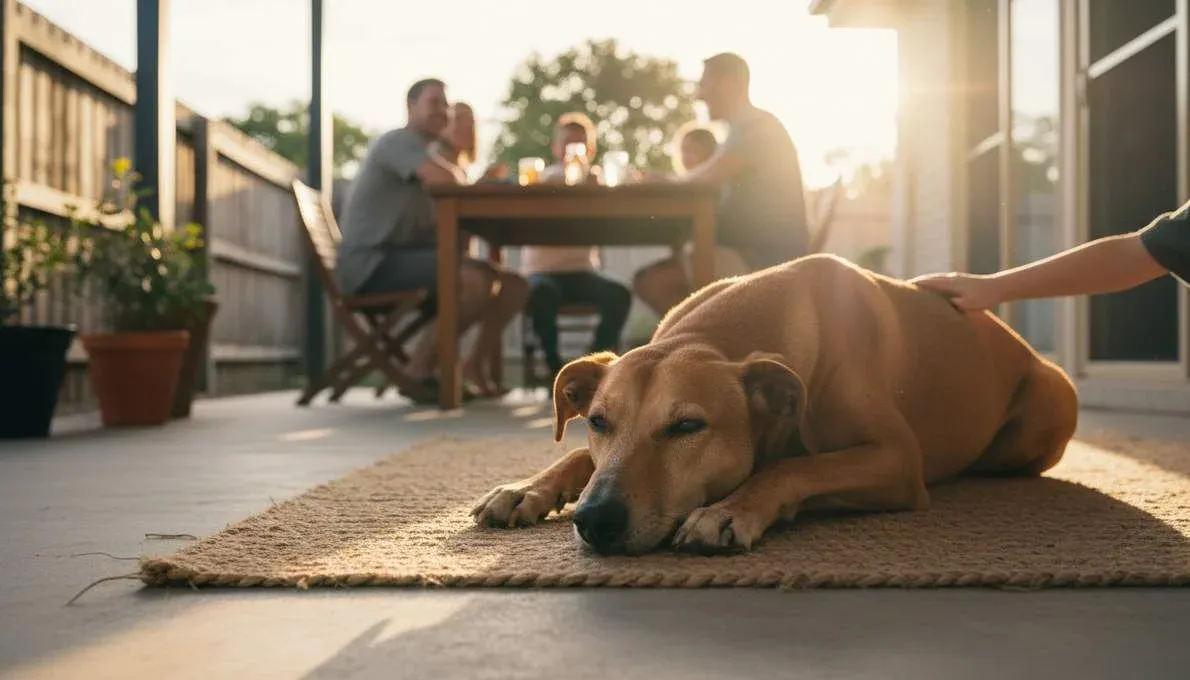
An experienced dog owner with a large, securely fenced rural or semi-rural property who can provide substantial daily exercise and understands sighthound behaviour. Ideally someone interested in hunting, lure coursing, or other activities that allow the dog to express its natural instincts.
- Home Size: Large home with substantial outdoor space strongly preferred. NOT suitable for apartments.
- Yard: Essential — must be very securely fenced (minimum 1.8-2m height) as these dogs can easily jump standard fencing
- Climate: Smooth-coated dogs do well in Australian heat; rough-coated dogs (Staghounds) can overheat in hot, humid conditions. Both need shelter from cold.
This can feel overwhelming, but being honest about challenges upfront saves heartbreak later.
- First-time dog owners without experience handling large, high-prey-drive breeds
- Anyone with cats, rabbits, or other small pets — prey drive is too strong
- Apartment or townhouse dwellers — these dogs need space and secure outdoor areas
- People wanting a reliable off-leash companion for unfenced areas
- Those unable to provide 60-90 minutes of vigorous daily exercise
- Families with very young children
Perfect for: Experienced owners with large, secure properties who want a uniquely Australian companion with a fascinating heritage. Excellent for active individuals or families (with older children) in rural settings who appreciate sighthound temperament and can channel the dog’s natural abilities through hunting, lure coursing, or other activities.
Think twice if: You’re a first-time owner, have small pets, live in an apartment or townhouse, or want a dog you can reliably exercise off-leash in unfenced areas. Also consider whether you have the space, fencing, and lifestyle to meet this demanding breed’s needs.
First-time owner rating: 2/5 — The Kangaroo Dog’s combination of high prey drive, escape artistry, significant exercise needs, and strong-willed nature makes them challenging for inexperienced owners. However, for the right person, they’re an extraordinary companion with an irreplaceable connection to Australia’s colonial history.
Frequently Asked Questions
What is a Kangaroo Dog?
A Kangaroo Dog (also called Roo Dog or Australian Staghound) is a type of sighthound developed in Australia during the early 1800s. They were created by crossing Greyhounds with Scottish Deerhounds, and later adding Borzoi, Saluki, and other sighthound blood. They were originally bred to hunt kangaroos but are now used for hunting feral pigs and foxes, as hunting native animals is illegal.
Is the Kangaroo Dog an official breed?
No. The Kangaroo Dog is not recognised by the ANKC or any major kennel club. It is classified as a “type” rather than a standardised breed. There is no official breed standard, and appearance can vary depending on the specific breeding. Efforts have been made in Western Australia to pursue recognition, but none have succeeded to date.
How much does a Kangaroo Dog cost in Australia?
Kangaroo Dog puppies typically cost $200-$1,000 AUD, depending on the breeding and the parents’ hunting ability. They’re primarily available through hunting communities rather than traditional breeders. Australian Staghounds (the rough-coated variety) can command higher prices, up to $1,500.
Are Kangaroo Dogs good family pets?
They can be excellent companions for the right family — one with older children, no small pets, plenty of secure outdoor space, and the ability to provide substantial daily exercise. They’re calm and affectionate at home but have strong prey drive and high energy needs that must be met. They’re not suitable for families with young children or small animals.
How much exercise does a Kangaroo Dog need?
Kangaroo Dogs require 60-90 minutes of vigorous exercise daily, ideally including opportunities to run in secure, enclosed areas. They’re not suited to a sedate lifestyle and can become destructive without adequate physical and mental stimulation.
How long do Kangaroo Dogs live?
The average Kangaroo Dog lifespan is 10-12 years, which is good for a large dog. Their hybrid vigour and working heritage contribute to overall robust health when properly cared for.
What’s the difference between a Kangaroo Dog and a Staghound?
In modern usage, “Kangaroo Dog” typically refers to smooth-coated dogs while “Australian Staghound” refers to rough-coated dogs. Historically, both terms were used interchangeably for the same type of sighthound. The rough-coated variety is preferred for hunting larger game as the coat offers protection, while smooth-coated dogs handle hot weather better.
Can Kangaroo Dogs live with cats?
This is strongly discouraged. Kangaroo Dogs have extremely high prey drive — they were bred for centuries to chase and catch fast-moving animals. While individual dogs may vary, the risk to small pets is simply too high. Most Kangaroo Dog owners and breeders advise against keeping them with cats, rabbits, or other small animals.
Where can I find a Kangaroo Dog puppy?
Kangaroo Dogs aren’t available through traditional breeders or kennel clubs. Connect with hunting communities, forums like Boardogs.com, rural classifieds (Farm Tender, Gumtree), or word of mouth in rural areas — particularly Western Australia where populations remain strongest.
Primary Sources:
1. Hunting community documentation; Boardogs.com breed information
2. Wikipedia — Kangaroo Dog (citing historical records and Sydney Gazette, 1805)
3. Jane Dogs — Kangaroo Dog historical documentation
4. Jane Dogs — From Coursing to Greyhound Racing (historical records of 1864 dog shows)
Veterinary & Health Sources:
5. Dog-Learn.com — Kangaroo Dog health information
6. VCA Hospitals — Bloat/GDV in Dogs — vcahospitals.com
7. Pet Premium — Kangaroo Hound breed profile
8. Australian Veterinary Association — Care guidelines — ava.com.au
Australian-Specific Sources:
9. RSPCA Australia — Animal welfare guidelines — rspca.org.au
10. The Smart Canine — Australian Dog Breeds
11. Outback Family History Blog — The Kangaroo Dog