
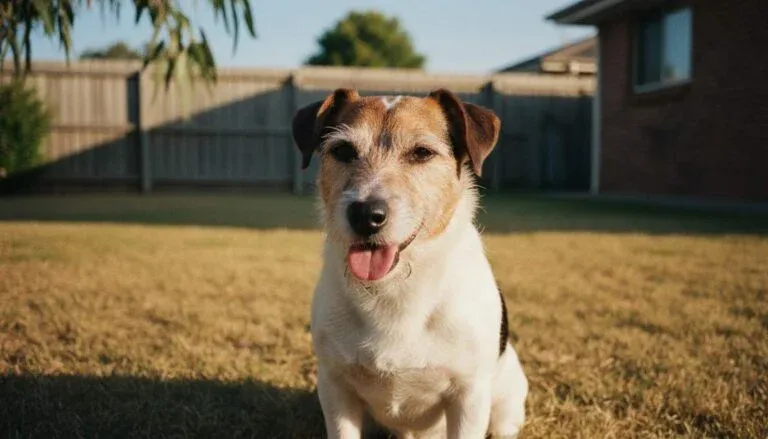
In 1819, a young theology student at Oxford University spotted a small white terrier belonging to a local milkman. He bought her on the spot. That dog—named Trump—became the foundation of one of the world’s most recognisable and spirited breeds. The student was Reverend John Russell, and his passion for fox hunting would create a terrier so distinctive, so characterful, that it still bears his name two centuries later.
There’s a reason Jack Russell Terrier owners often describe themselves as ‘staffed’ rather than ‘owners.’ These compact dynamos have a way of running the household through sheer force of personality. They’re fearless enough to challenge dogs five times their size, clever enough to outsmart their humans, and affectionate enough to curl up on your lap after a day of mischief—looking utterly innocent, of course.
The Jack Russell Terrier has captured hearts worldwide, from working farms where they still hunt vermin to city apartments where they’ve convinced their owners that four walks a day is perfectly reasonable. They’ve starred in films and television, graced advertising campaigns, and become the dog breed that people either absolutely adore or wisely acknowledge is too much dog for them.
This comprehensive guide explores everything you need to know about the Jack Russell Terrier: their fascinating history, that legendary temperament, health considerations, and the honest reality of sharing your life with one of these remarkable little dogs. Whether you’re researching your first Jack Russell or simply curious about what makes them tick, you’ll find the answers here.
What You’ll Learn
- Breed traits & temperament
- Health concerns to know
- True cost in Australia
- Training & exercise needs
- Is this breed right for you?
Jack Russell Terrier Quick Facts
| Attribute | Details |
|---|---|
| Breed Group | Terrier |
| Height | 25-30 cm (10-12 in) at withers |
| Weight | 5-8 kg (11-18 lb) |
| Coat Type | Smooth, rough, or broken (wire-haired) |
| Coat Colour | Predominantly white with tan, black, or brown markings |
| Shedding | Moderate year-round; all coat types shed |
| Lifespan | 13-16 years (average 12.7-13.3 years) |
| Temperament | Fearless, energetic, intelligent, loyal, stubborn |
| Exercise Needs | High – minimum 60-90 minutes vigorous daily |
| Good with Children | Better with older children; may be too intense for toddlers |
| Good with Other Dogs | Variable; can be dog-aggressive without proper socialisation |
| Good with Cats/Small Pets | Generally not recommended due to prey drive |
| Trainability | Highly intelligent but independent; needs positive methods |
| Barking Level | High – alert watchdogs |
| Hypoallergenic | No |
| Origin | England, 19th century |
History and Origin of the Jack Russell Terrier
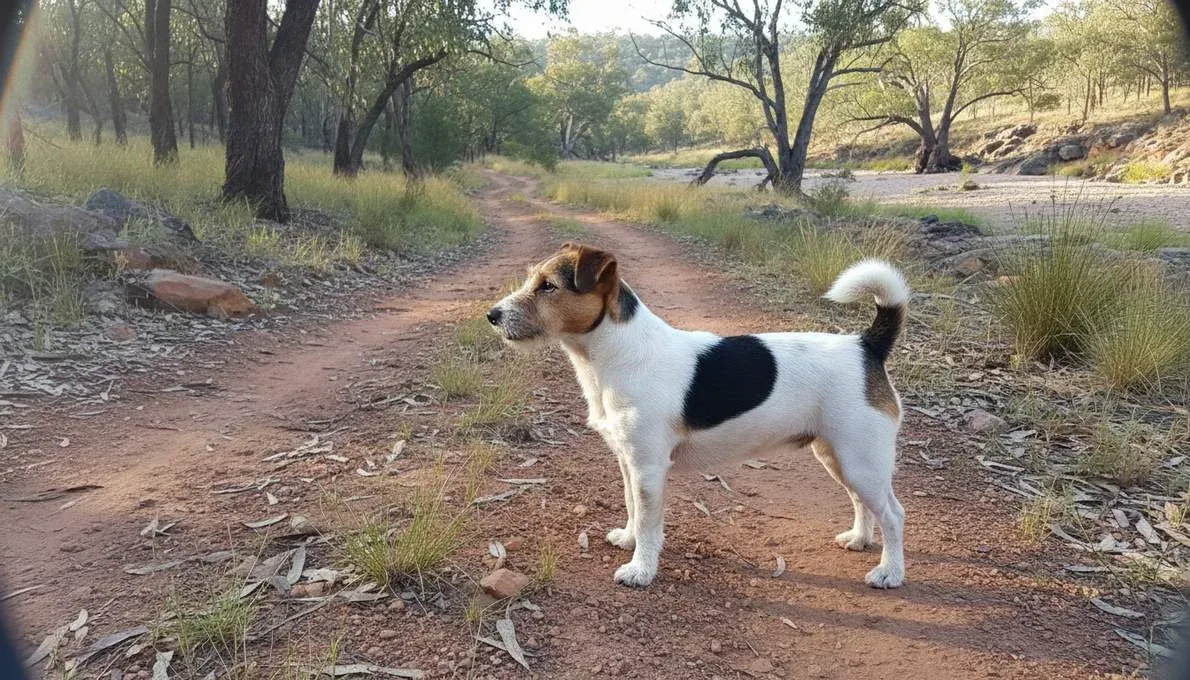
The Jack Russell Terrier owes its existence to one man’s obsession with fox hunting. Reverend John Russell—known as ‘Jack’ to his friends—served as a parson in Devon, England, but his true passion lay in the hunt. He needed a terrier that could keep pace with foxhounds, follow quarry underground, and have the courage to ‘bay’ at a fox without killing it, allowing the hunt to continue.
Trump, his foundation bitch, reportedly had a white coat with tan markings over her eyes and ears, and a penny-sized spot at her tail’s base. Russell described her as the ideal—thick-coated but not wiry, with legs straight as arrows and a chest that could be spanned by his hands. These characteristics remain hallmarks of the breed today.
Throughout his life, Russell refined his strain of working terriers, prioritising function over appearance. He famously dismissed show dogs, believing that breeding for looks would ruin the working qualities he valued. This philosophy persisted long after his death in 1883, creating ongoing tension between those who want kennel club recognition and those who believe it threatens the breed’s working heritage [1].
Australia played a crucial role in the breed’s modern development. British immigrants brought their Jack Russells to help control vermin, and Australian breeders eventually formalised a breed standard in 1972 through the Jack Russell Terrier Club of Australia. The ANKC recognised the breed in 1990, though the relationship between different registries remains complex. Today, Australia distinguishes between the shorter Jack Russell Terrier and the taller Parson Russell Terrier—a distinction not universally recognised elsewhere [2].

Jack Russell Terrier Temperament
If you’re seeking a quiet, laid-back companion, stop reading now. The Jack Russell Terrier temperament is legendary—and not always for reasons that suit every household. These dogs pack more personality per kilogram than perhaps any other breed.
Intelligence runs deep in this breed—sometimes inconveniently so. Jack Russells learn quickly, remember everything, and spend considerable mental energy figuring out how to get what they want. A bored Jack Russell is a destructive Jack Russell; they’ve been known to disassemble furniture, excavate gardens to impressive depths, and develop escape artistry that would impress Houdini.
Yet beneath that intensity lies genuine affection. Jack Russells bond deeply with their families and crave involvement in household activities. They’re alert watchdogs who’ll announce every visitor, delivery driver, and suspicious leaf. With proper socialisation, they can be wonderful with older children who understand boundaries—though their tolerance for being manhandled by toddlers is limited.
Their prey drive deserves special mention. Cats, rabbits, guinea pigs, and birds trigger hunting instincts that centuries of breeding have honed to perfection. Some Jack Russells coexist peacefully with cats they’ve been raised alongside; others never will. Small pets should generally be kept separate, and off-lead exercise requires secure areas—these terriers will chase wildlife without a backward glance [3].

Jack Russell Terrier Health Issues
This inherited eye condition occurs when the lens detaches from its normal position. It’s particularly common in terriers and can lead to blindness if untreated. A DNA test exists for the ADAMTS17 gene mutation responsible, and reputable breeders screen their dogs. Watch for signs like excessive tearing, eye redness, or cloudiness, and seek immediate veterinary attention if you notice changes [4].
Common in small breeds, this condition involves the kneecap slipping out of its groove. You might notice your Jack Russell occasionally hopping on three legs before suddenly walking normally again. Mild cases may need no treatment, but severe luxation requires surgical correction. Maintaining a healthy weight reduces stress on joints.
This hip condition affects small breeds, causing the femoral head to deteriorate due to insufficient blood supply. Symptoms typically appear between five and eight months of age and include limping and muscle wasting in the affected leg. Treatment usually involves surgery followed by rehabilitation.
Additional conditions include congenital deafness (more common in predominantly white dogs), epilepsy, dental disease due to their small mouths, and various hereditary ataxias affecting coordination. Some Jack Russells develop skin allergies requiring dietary management. Regular veterinary checkups, keeping vaccinations current, and maintaining dental hygiene through daily brushing help ensure your terrier stays healthy [5].

Jack Russell Terrier Lifespan
Here’s genuinely good news: Jack Russell Terriers are among the longest-lived dog breeds. A 2022 UK veterinary study found they had the highest life expectancy of all breeds examined—12.72 years at birth. A follow-up 2024 study confirmed this longevity with a median of 13.3 years [6]. Many Jack Russells live well into their mid-to-late teens, and some reach 18 years or beyond.
This impressive lifespan reflects both their small size (smaller dogs generally outlive larger breeds) and their robust working-dog genetics. Unlike some breeds that have been bred primarily for appearance, Jack Russells have maintained the hardy constitution that allowed them to work hard in all conditions.
Factors within your control significantly influence longevity. Quality nutrition appropriate to their life stage, maintaining a healthy weight (Jack Russells readily gain weight if overfed), regular exercise, and preventative veterinary care all contribute. Desexing often extends lifespan by eliminating reproductive cancer risks.
Perhaps surprisingly, mental health matters too. Jack Russells who remain mentally engaged—through training, play, and involvement in family life—seem to age more gracefully than those left unstimulated. As one veteran breeder told me, “A Jack Russell who’s still learning new tricks at twelve often acts younger than one who retired from life at eight.”
Grooming Your Jack Russell Terrier
Jack Russell Terriers come in three coat types: smooth, rough, and broken (a combination). All are relatively low-maintenance compared to many breeds, but each has specific needs.
Coat Types and Care
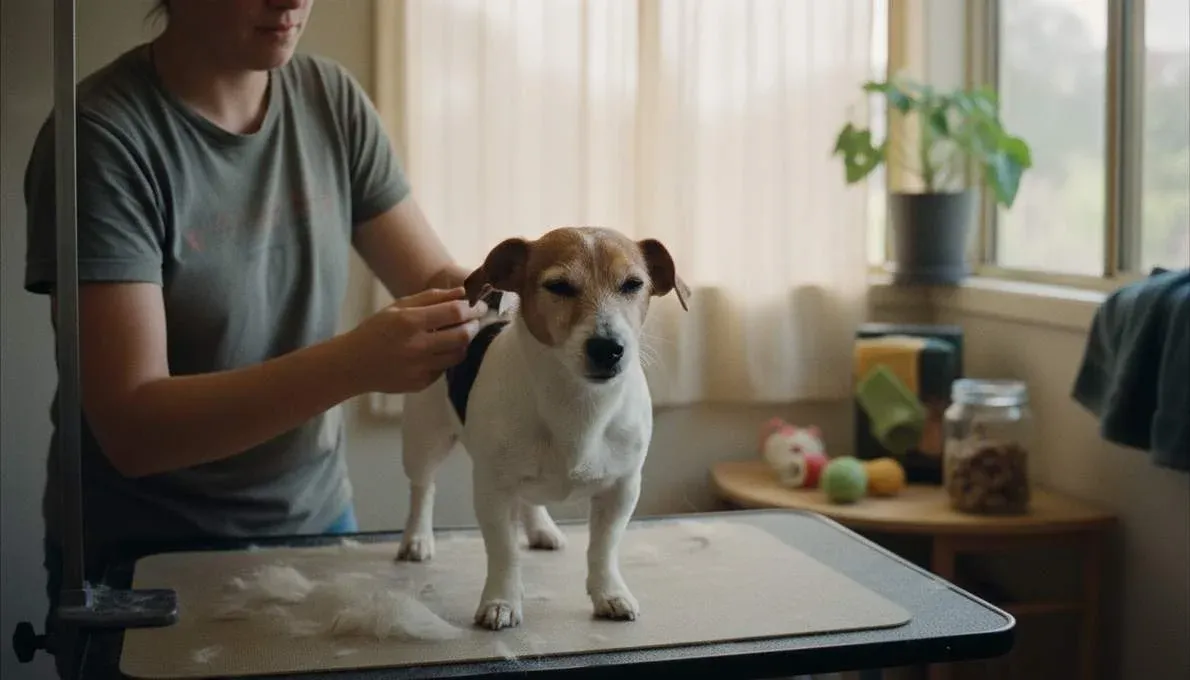
Smooth-coated Jack Russells have short, flat hair that lies close to the body. They shed year-round and benefit from weekly brushing with a rubber grooming mitt or bristle brush. Rough-coated dogs have longer, wiry hair that requires hand-stripping several times yearly to maintain texture—clipping creates a softer coat that loses its weather resistance. Broken coats fall between, with patches of longer hair amid shorter areas, and need similar maintenance to rough coats.
Shedding Reality
All Jack Russell Terriers shed—yes, even the smooth coats that look like they shouldn’t. Those short white hairs have a remarkable ability to embed themselves in dark clothing and furniture. Regular brushing reduces loose hair, and many owners keep a lint roller permanently nearby. The wire-haired varieties shed less visibly but require more grooming effort.
Additional Grooming Needs
Bathe your Jack Russell only when necessary—their coats naturally repel dirt once dry. Clean ears weekly, watching for signs of infection like redness or odour. Trim nails regularly, as active dogs on soft surfaces may not wear them down naturally. Dental care deserves particular attention; small breeds are prone to dental disease, so establish a daily brushing routine early [7].

Jack Russell Terriers Exercise Needs
Let’s be absolutely clear: Jack Russell Terriers need far more exercise than their size suggests. These are working terriers bred to run with hounds all day, and their energy levels reflect that heritage. Underestimating their needs is the single biggest mistake new owners make.
Adult Jack Russells require a minimum of 60-90 minutes of vigorous exercise daily—and ‘vigorous’ is the key word. A leisurely stroll around the block barely touches the surface. They need opportunities to run, chase, dig (consider providing a designated digging spot), and engage their impressive brains. Many owners find two substantial exercise sessions work better than one.
Mental stimulation is non-negotiable. Jack Russells excel at activities that challenge their problem-solving abilities: puzzle feeders, scent games, trick training, and dog sports like agility or earthdog trials (simulating their original hunting work). A physically tired but mentally bored Jack Russell will still find ways to cause chaos.
Off-lead exercise requires secure, fully fenced areas. Their prey drive means they will chase wildlife, and once locked onto a scent trail, recall becomes optional in their minds. Many experienced owners use long training leads to provide freedom while maintaining control until recall is rock-solid—which can take years of consistent work.
In Australia’s climate, schedule exercise during cooler morning or evening hours in summer. Jack Russells are generally heat-tolerant due to their short coats but can still overheat during intense activity. Always provide fresh water and watch for signs of exhaustion [8].
Jack Russell Terrier Training
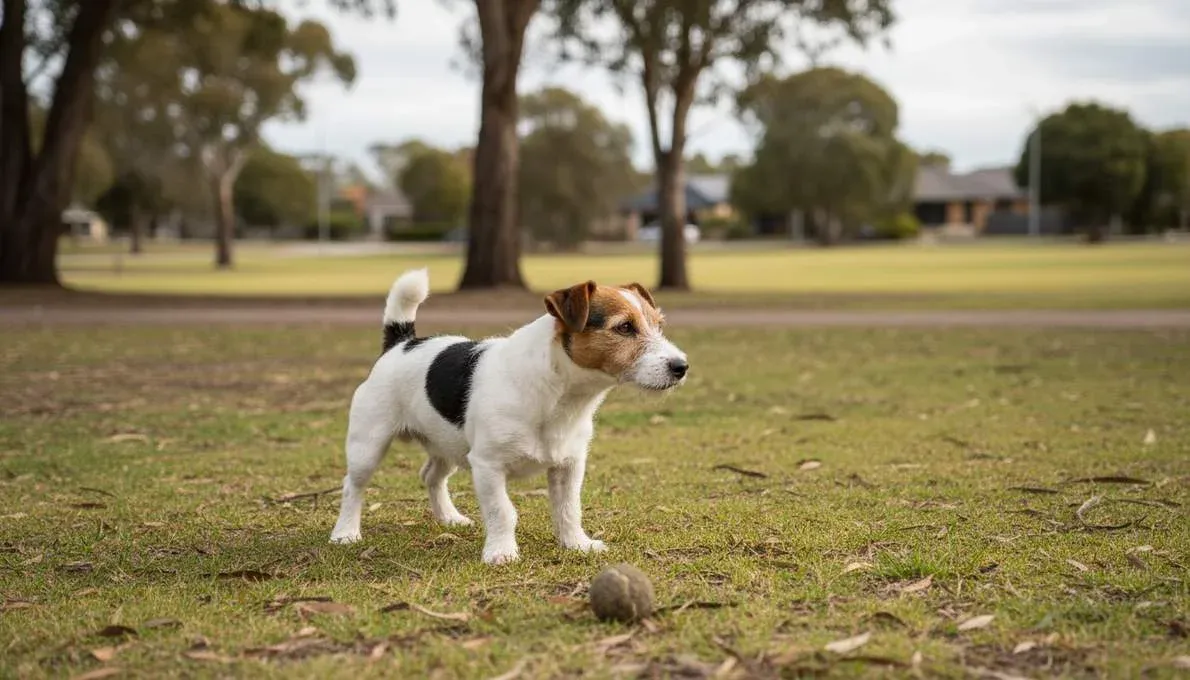
Training a Jack Russell Terrier is both immensely rewarding and occasionally humbling. They’re brilliant dogs who learn with remarkable speed—but whether they choose to comply is another matter entirely. Success requires understanding their psychology rather than trying to impose your will through force.
Positive reinforcement is essential. Jack Russells respond enthusiastically to food rewards, play, and praise—but shut down entirely with harsh corrections. Their sensitivity to tone means an overly stern voice can damage your training relationship. Keep sessions short (five to ten minutes), upbeat, and end before they lose interest.
Early socialisation cannot be overemphasised. Expose puppies to diverse people, dogs, environments, and experiences between 3 and 16 weeks of age. A well-socialised Jack Russell is confident without being aggressive; an under-socialised one can become fearful or reactive. Puppy classes provide structured socialisation alongside basic training.
Consistency matters enormously. If jumping on the couch is sometimes allowed and sometimes punished, your Jack Russell will learn that persistence pays off. Everyone in the household must enforce the same rules. These dogs are masters at exploiting inconsistency.
Channel their working instincts constructively. Terriers love having jobs, so give them acceptable outlets: teach them to find hidden toys, run agility courses, or compete in earthdog trials. A Jack Russell with a ‘job’ is far easier to live with than one whose energy has nowhere to go. The Jack Russell Terrier Club of Australia and state breed clubs often run events specifically designed for these enthusiastic competitors [9].
Jack Russell Terrier Costs in Australia
Understanding the financial commitment helps ensure you can provide for your Jack Russell throughout their potentially lengthy life. These dogs are relatively affordable to acquire but still require ongoing investment in quality care.
Puppy Prices
Jack Russell Terrier puppies from registered ANKC breeders in Australia typically range from $1,500 to $3,000 AUD. Show-quality puppies from champion bloodlines may command higher prices. This should include initial vaccinations, microchipping, vet health checks, worming, and registration papers. Reputable Jack Russell Terrier breeders conduct genetic testing for conditions like primary lens luxation and can provide health clearances for breeding stock.
Finding Reputable Breeders
Start your search through the Jack Russell Terrier Club of Australia, state breed clubs like the Jack Russell Terrier Club of NSW or Victoria, or Dogs Australia (the national kennel council). These organisations maintain directories of registered breeders who adhere to codes of ethics. Be prepared to ask questions about health testing, meet parent dogs, and potentially join waiting lists—quality breeders don’t have puppies constantly available.
Adoption Option
Jack Russell Terrier rescue organisations exist throughout Australia, with adoption fees typically between $300 and $600 AUD. Many Jack Russells end up in rescue because owners underestimated their exercise needs or couldn’t manage their energy. Adult rescues allow you to see established temperaments, and they’re often already house-trained. Contact breed-specific rescues or check state rescue organisations for available dogs.
Ongoing Expenses
Budget approximately $100-$180 monthly for quality food, routine veterinary care, preventatives (flea, tick, heartworm), and basic grooming supplies. Annual veterinary costs (vaccinations, checkups, dental) typically run $350-$700 outside of unexpected health issues. Pet insurance, recommended given potential breed-specific conditions, averages $40-$80 monthly depending on coverage level. Factor in training classes, secure fencing, and replacements for toys they will inevitably destroy.
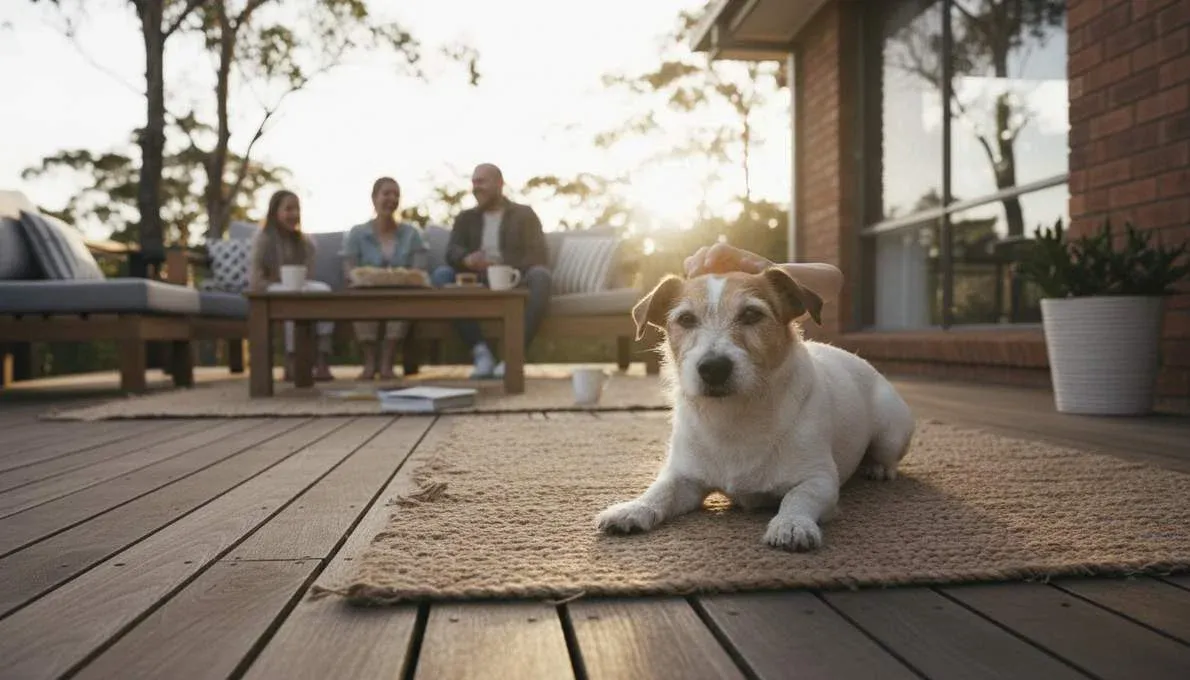
Is a Jack Russell Terrier Right for You?
This is where brutal honesty serves everyone best—including the dog. Jack Russell Terriers are extraordinary companions for the right people, but a significant mismatch leads to unhappy dogs, frustrated owners, and too often, dogs surrendered to rescue.
Jack Russells thrive with active owners who genuinely enjoy exercise and outdoor activities—not people who think they should exercise more. They suit households where someone is home frequently, as they don’t tolerate isolation well. Experienced dog owners often manage them more successfully than first-timers, though dedicated novices can succeed with commitment to training. Families with older children who can participate in exercise and training make excellent homes. People who find their antics amusing rather than annoying will be happiest.
You work long hours with no one home, value a pristine garden (they dig), want a calm lapdog, have small pets like rabbits or guinea pigs, live in an apartment without exceptional commitment to exercise, or prefer a dog who follows commands without questioning them. Households with very young children may find their high energy overwhelming. If you’re drawn to their cute appearance but unsettled by their personality descriptions, trust that instinct.
Consider too that Jack Russells remain energetic well into old age. The puppy energy that seems manageable at two can feel relentless at seven if circumstances change. They’re a 13-to-16-year commitment to an active lifestyle.
The Jack Russell Terrier isn’t a breed for the faint-hearted or the sedentary. They’re demanding, stubborn, energetic, and utterly convinced of their own importance. They’ll dig up your garden, challenge dogs ten times their size, and find ways to outsmart you at every turn.
They’ll also make you laugh harder than any other dog you’ve owned, keep you fitter than any gym membership, and love you with an intensity that’s genuinely touching. They’re the dog who’ll curl up on your lap after a long day, alert you to any possible danger (real or imagined), and remain your enthusiastic companion well into their teens.
For those who can match their energy, appreciate their intelligence, and embrace their quirks, Jack Russell Terriers offer a companionship unlike any other. Just go in with eyes wide open—and maybe invest in a good fence.
Frequently Asked Questions About Jack Russell Terriers
What is the difference between a Jack Russell Terrier & a Parson Russell Terrier?
The main difference is size. Jack Russell Terriers stand 25-30 cm (10-12 inches) at the withers, while Parson Russell Terriers are taller at 30-36 cm (12-14 inches). Jack Russells are slightly longer than tall, whereas Parsons have a more square build. Both share similar origins and temperaments, but kennel clubs recognise them as distinct breeds.
How long do Jack Russell Terriers live?
Jack Russell Terriers are among the longest-lived dog breeds, with average lifespans of 13-15 years. Many live well into their late teens with proper care. A 2022 UK study found they had the highest life expectancy of all breeds studied at 12.72 years.
Are Jack Russell Terriers good family dogs?
Jack Russell Terriers can be excellent family dogs for the right family—one that’s active, experienced with dogs, and has older children. They’re loyal and affectionate but need substantial exercise and mental stimulation. Their high energy and tendency to nip during play make them less suitable for families with toddlers.
Do Jack Russell Terriers bark a lot?
Yes, Jack Russell Terriers are alert dogs who will bark at perceived intrusions, interesting sounds, and sometimes just for fun. Training can help manage excessive barking, but expecting silence from a terrier is unrealistic. They make excellent watchdogs but may frustrate neighbours in close living quarters.
Can Jack Russell Terriers live with cats?
Some Jack Russell Terriers live peacefully with cats, especially if raised together from puppyhood. However, their strong prey drive means this isn’t guaranteed, and introductions should be carefully managed. Many Jack Russells will always chase cats, so this should be considered before bringing one into a cat-owning household.
Primary Sources:
- Jack Russell Terrier Club of America – Breed History and Working Heritage
- Jack Russell Terrier Club of Australia – Breed Standard and Registration History
- Dogs Australia – Jack Russell Terrier Breed Profile
- UC Davis Veterinary Genetics Laboratory – Primary Lens Luxation Testing
- Jack Russell Terrier Health Registry – Genetic Testing Guidelines
- Scientific Reports (2022) – Life Expectancy Tables for Companion Dogs in the UK
- The Kennel Club UK – Jack Russell Terrier Breed Standard and Care
- RSPCA Australia – Exercise Guidelines for Active Breeds
- Jack Russell Terrier Club of Victoria – Training and Events Information