
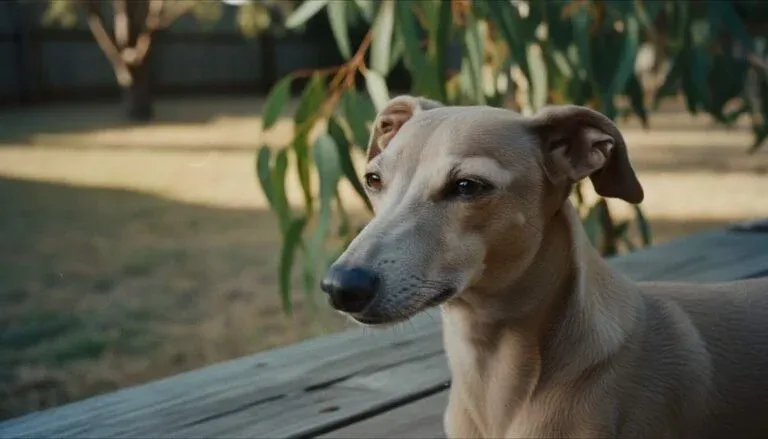
Picture a dog so elegant that Renaissance artists couldn’t resist painting them, so beloved by royalty that Frederick the Great of Prussia was buried beside his — and so convinced of their own importance that they’ll claim your bed as their throne. That’s the Italian Greyhound, affectionately known as the “Iggy” — a miniature sighthound with the heart of a lion and the speed of a sports car (they can hit 40 km/h in those spindly legs).
Don’t let the delicate appearance fool you. These pocket-sized athletes are capable of remarkable bursts of speed, yet they’re equally happy spending an afternoon burrowed under your blankets. If you’re looking for a companion who’ll follow you around like a devoted shadow while maintaining an air of aristocratic dignity, the Italian Greyhound might just be perfect for you.
What You’ll Learn:
- Breed traits & temperament
- Health concerns to know
- True cost in Australia
- Grooming & care needs
- Is this breed right for you?
Italian Greyhound Quick Facts
| Attribute | Details |
|---|---|
| Breed Group | Toy (ANKC Group 1) |
| Origin | Italy/Mediterranean (ancient breed, 2000+ years) |
| Size Category | Small (Toy) |
| Height (Adult) | 32-38 cm (12.5-15 inches) |
| Weight (Adult) | 3.6-5 kg (8-11 lbs) |
| Lifespan | 12-15 years |
| Coat Type | Short, smooth, fine, glossy |
| Exercise Needs | 30-60 minutes/day |
| Trainability | 3/5 |
| Good with Children | Older children only (fragile build) |
| First-Time Owner Suitable | 3/5 |
| Average Puppy Price (AUD) | $2,500 – $5,500 |
Data sourced from Dogs Australia (ANKC) Breed Standards and The Kennel Club UK registry.¹
History of the Italian Greyhound
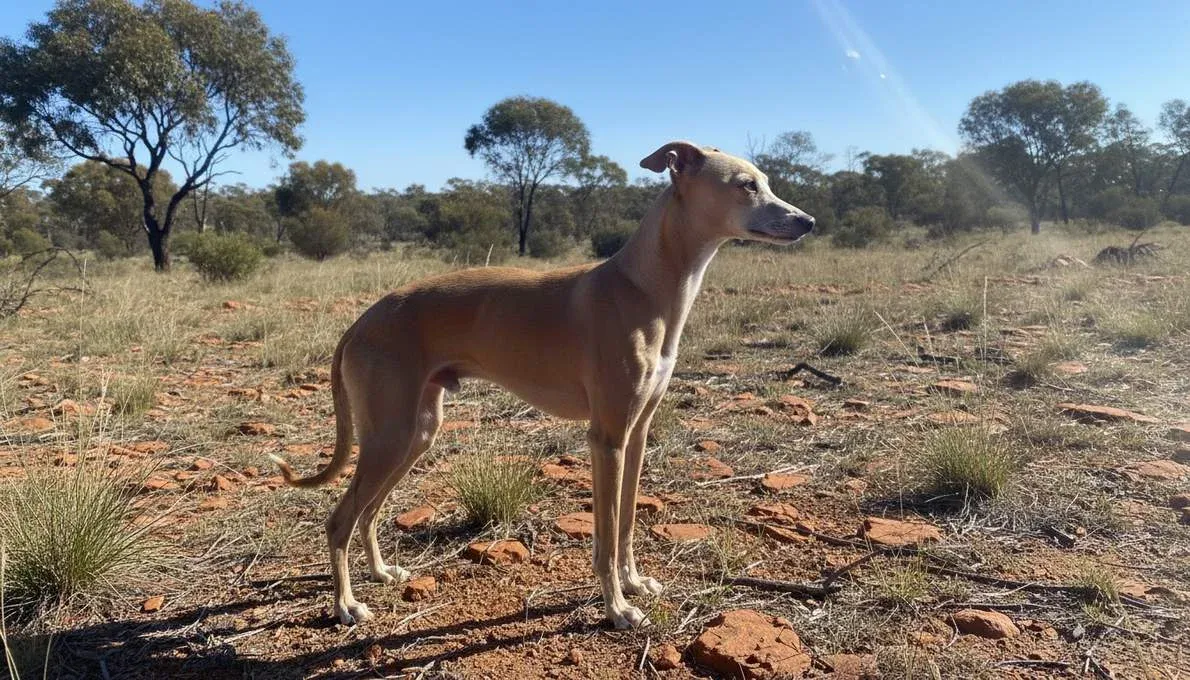
The Italian Greyhound’s history spans over 2,000 years, making them one of the oldest toy breeds in existence. Archaeological evidence suggests small sighthound-type dogs existed in the Mediterranean region — modern-day Greece and Turkey — around 600 BCE. Depictions resembling the Italian Greyhound appear in Egyptian tombs and on Greek pottery, suggesting these elegant little dogs have been companions to humans since antiquity.²
The breed rose to prominence during the Italian Renaissance, where they became the favoured companions of nobility — hence the name “Italian” Greyhound. The breed has been immortalised in paintings by masters like Giotto and Tiepolo, and has warmed the laps of monarchs including Queen Victoria, Catherine the Great of Russia, and Frederick the Great of Prussia (who loved his Iggy so much he requested to be buried beside her).
The breed was officially recognised by the American Kennel Club in 1886 and has maintained a devoted following ever since. In Australia, Italian Greyhounds remain relatively rare compared to other toy breeds, which contributes to their higher price and the passionate community of dedicated breeders who work to preserve breed standards.
Italian Greyhound Temperament
Affectionate and Devoted: Italian Greyhounds form incredibly close bonds with their owners. Many Iggy owners report that their dog wants to be touching them at all times — whether that’s sitting on your lap, leaning against your leg, or burrowing under the covers at night. This isn’t a breed that’s happy to sleep in another room.
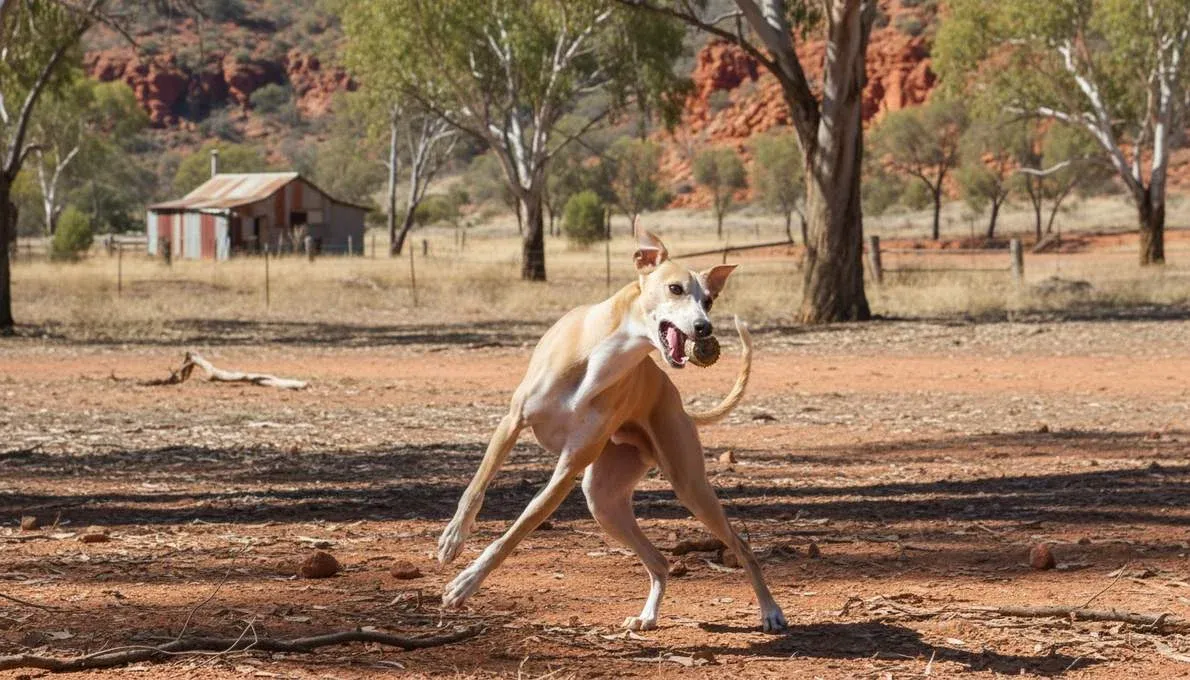
Playful and Mischievous: Despite their elegant appearance, Italian Greyhounds have a cheeky streak. They love to zoom around the house at surprising speeds, play with toys well into adulthood, and occasionally steal items just for the fun of watching you chase them. As one Sydney breeder puts it: “Iggies have a sense of humour — they’ll steal your sock and make you negotiate for its return.”
Sensitive and Intelligent: Every Italian Greyhound is different, but the breed is generally quite sensitive to their owner’s moods and doesn’t respond well to harsh treatment. They’re intelligent enough to learn quickly but independent enough to sometimes ignore commands they find boring.
Reserved with Strangers: While devoted to their family, Italian Greyhounds can be aloof or shy with unfamiliar people. Early socialisation is important to help them develop confidence.
Heat-Seeking: With virtually no body fat and a thin coat, Iggies are notorious heat-seekers. They’ll find the warmest spot in your house — usually your lap or under your doona.
Italian Greyhounds can be wonderful companions for families, but their delicate build makes them better suited to households with older, gentler children. First-time Italian Greyhound owners often underestimate how fragile these dogs can be — a toddler accidentally falling on an Iggy or grabbing them roughly can result in serious injury. For families with young children, it’s worth considering waiting until kids are at least six or seven years old.
Italian Greyhounds generally get along well with other dogs, particularly other sighthounds or similarly-sized breeds. They can coexist with cats, especially if raised together, though their prey drive may make them chase smaller pets. Supervise initial introductions carefully.
If your Italian Greyhound develops separation anxiety, excessive barking, or submissive urination, don’t panic — these are common breed traits that can usually be managed with patience and training. House training can be particularly challenging with this breed; many experienced owners recommend a combination of crate training and puppy pads, and some use doggy doors for long-term success. The breed’s sensitivity means progress may be slower than with some other breeds, but persistence pays off.
Italian Greyhound Health Issues
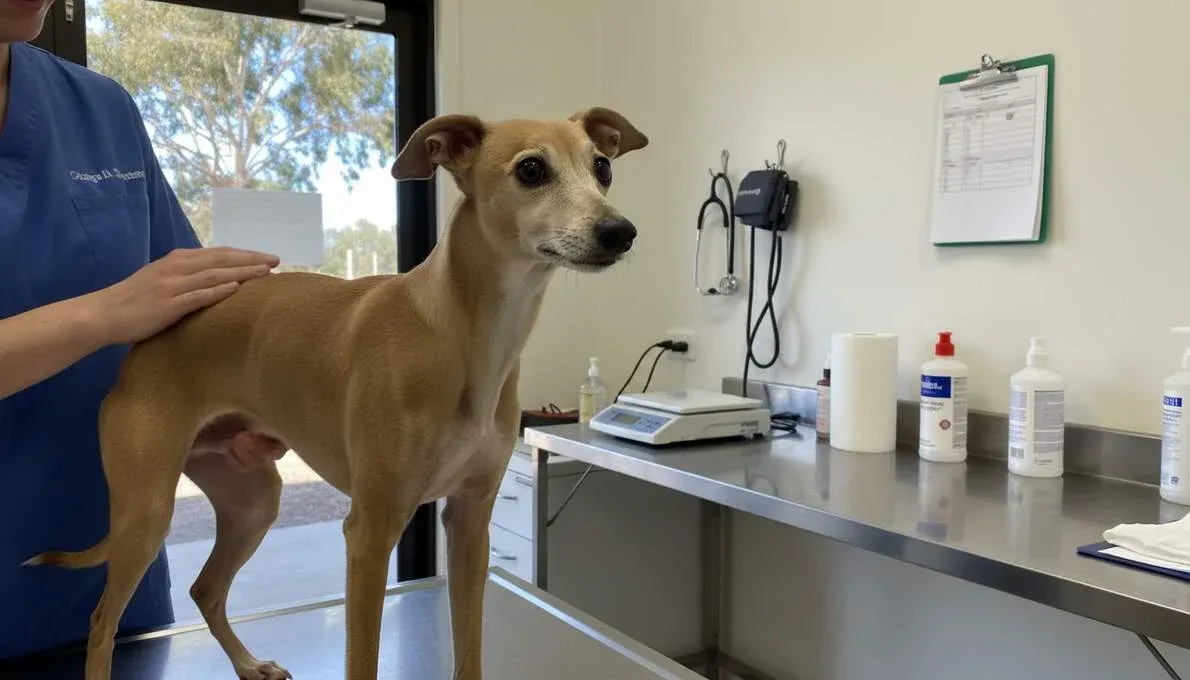
If you’re worried about potential health problems, you’re not alone — it’s one of the most common concerns prospective owners have. The good news is that Italian Greyhounds are generally healthy dogs with good longevity. However, their unique build and genetics mean there are some conditions to watch for.
According to the Italian Greyhound Club of America (IGCA), the breed’s main health considerations include:³
This is the most significant health concern for the breed. Italian Greyhounds have fine, delicate bones that can fracture from relatively minor incidents — jumping off furniture, playing too roughly, or being stepped on. Fractures of the radius and ulna (forearm) are particularly common in puppies aged 4-12 months. Prevention is key: avoid slippery floors, discourage jumping from heights, and supervise play carefully.⁴
Italian Greyhounds are highly prone to periodontal disease due to their small mouths and crowded teeth. According to VCA Hospitals, dental disease affects 80% of dogs by age two, and Iggies are more susceptible than most. Daily tooth brushing and regular professional cleaning are essential.⁵
An inherited eye disease that leads to gradual vision loss and eventual blindness. DNA testing is available, and reputable breeders screen for this condition. According to UC Davis Veterinary Genetics Laboratory, mutations at five different genetic locations contribute to 90% of PRA cases in Italian Greyhounds.⁶
A condition where the kneecap slips out of position, causing lameness. Common in small breeds. Severity ranges from grade 1 (minor) to grade 4 (severe), with surgery required in more serious cases.
Idiopathic epilepsy affects some Italian Greyhounds, typically appearing between ages 2-5. Most cases can be managed with medication.
An underactive thyroid causing weight gain, lethargy, and coat changes. Easily managed with daily medication once diagnosed.
Affects dogs with diluted coat colours (blue, fawn). Causes progressive hair thinning and skin issues. While not painful, affected dogs need extra skin care.⁷
Lifespan & Longevity Tips
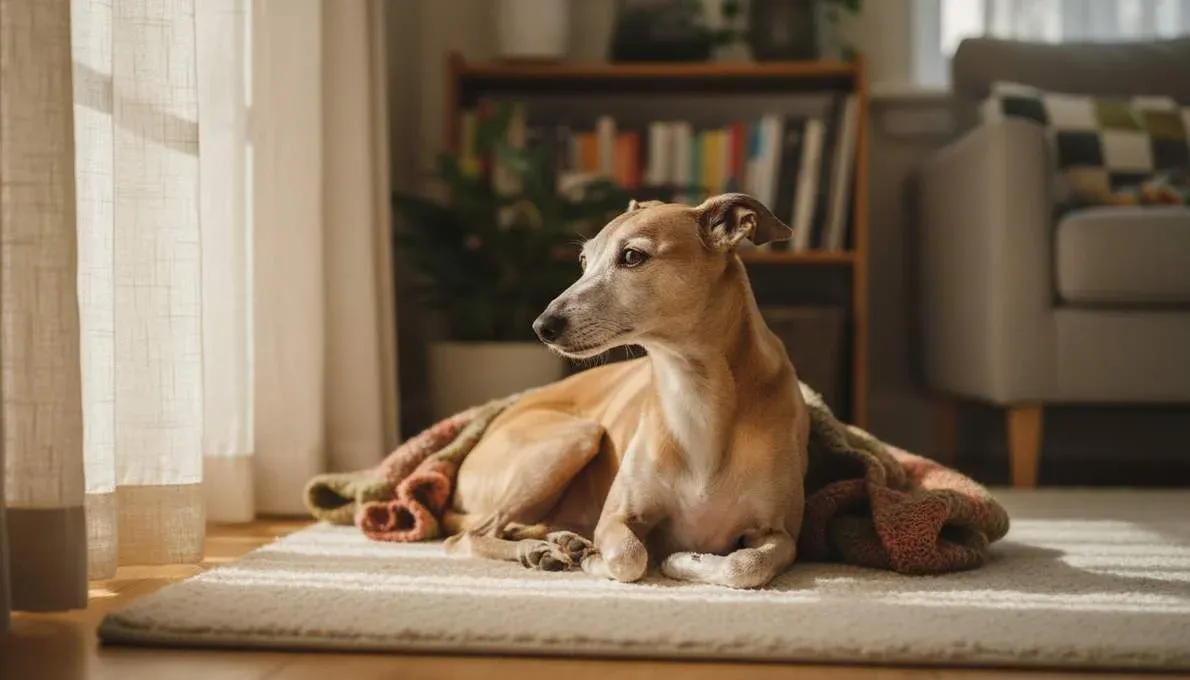
The average Italian Greyhound lifespan is 12-15 years, which is excellent for any dog breed. With exceptional care, some Iggies live well into their late teens. Their longevity is one of the breed’s most appealing characteristics — you’re likely to enjoy many years with your companion.
Veterinarians at the Australian Veterinary Association recommend: maintaining optimal weight (overweight Iggies are prone to joint problems), providing regular but appropriate exercise (avoiding activities that risk leg fractures), keeping up with dental care from puppyhood, ensuring they stay warm in cooler weather, and scheduling regular health checks including thyroid screening and eye examinations.⁸
Italian Greyhound Grooming Guide
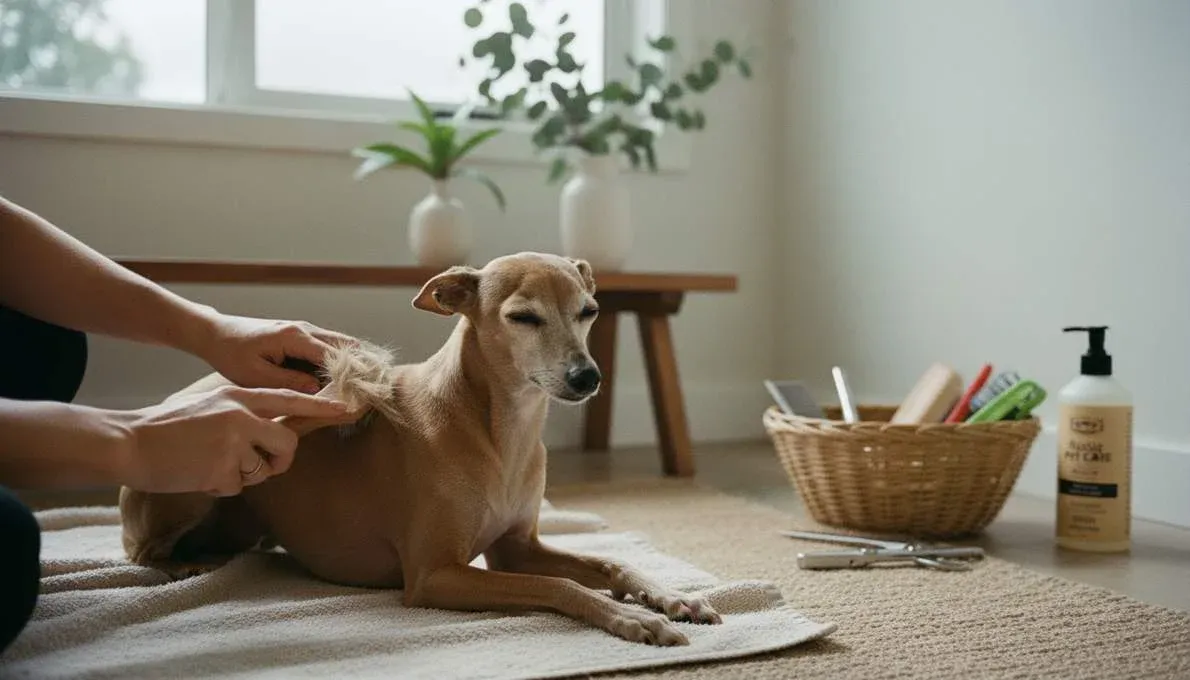
Here’s where Italian Greyhound ownership gets easy. These dogs are wonderfully low-maintenance when it comes to grooming — their short, sleek coat requires minimal attention. But low maintenance doesn’t mean no maintenance, and some aspects of care require particular attention.
| Task | Frequency | Time | Tools/Products |
|---|---|---|---|
| Brushing/Rubdown | Weekly | 5-10 mins | Soft brush or chamois cloth |
| Bathing | Every 4-6 weeks | 15-20 mins | Dermcare or Fido’s Shampoo |
| Nail Trimming | Every 1-2 weeks | 10 mins | Clippers or grinder |
| Ear Cleaning | Weekly | 5 mins | PAW ear cleaner |
| Dental Care | Daily (essential) | 5-10 mins | Dog toothbrush, Oravet chews |
Do Italian Greyhounds shed? Yes, but minimally. Their short, fine coat sheds very little, and what they do shed is barely noticeable due to the hair’s fine texture. Many people with mild dog allergies find they can tolerate Italian Greyhounds, though they are not hypoallergenic.
Italian Greyhound colours include a wide variety: grey, blue, fawn, red, cream, white, black, and various combinations with white markings. The only disqualifying colours are brindle and black-and-tan markings. Blue and grey are particularly popular but may be at higher risk for colour dilution alopecia.
Essential Note on Clothing: With virtually no body fat and minimal coat, Italian Greyhounds need clothes in cooler weather — this isn’t a fashion statement, it’s a necessity. Australian brands like Kazoo and Gumtree Greys offer excellent options. Many Iggies also benefit from coats indoors during winter.
Italian Greyhound Exercise Needs
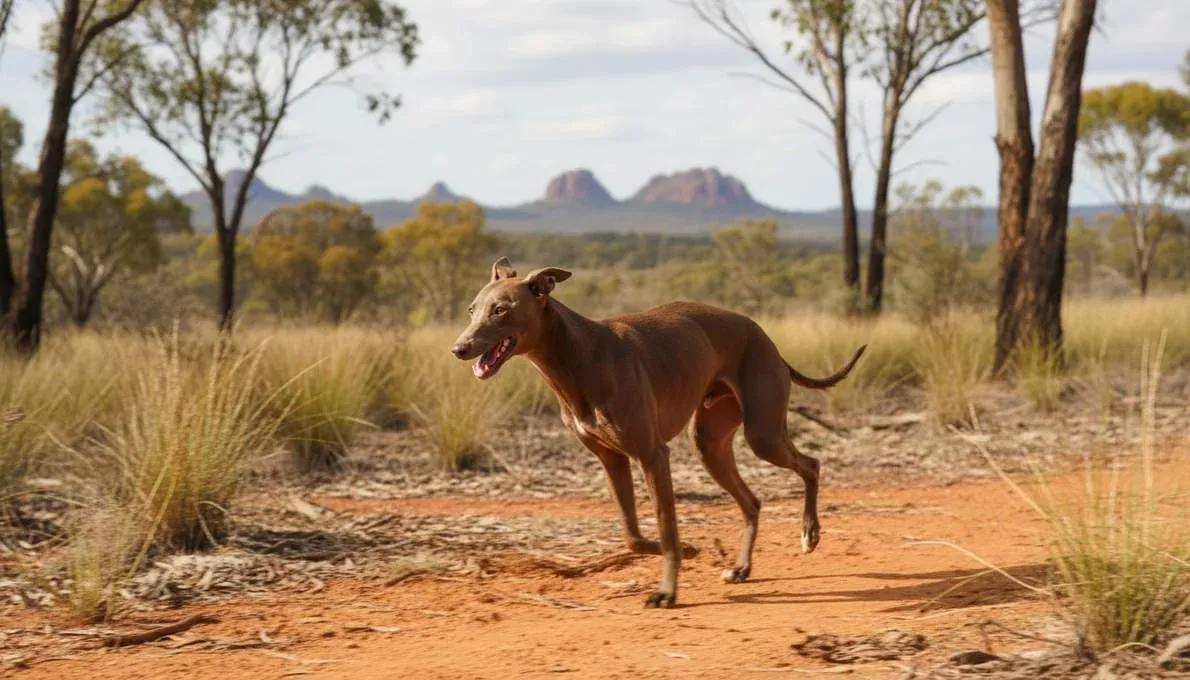
The RSPCA Australia recommends daily exercise for all dogs, but the Italian Greyhound’s needs are more moderate than you might expect from a sighthound. Plan for around 30-60 minutes of activity daily, split across a couple of walks and some playtime.⁹
Italian Greyhound owners often describe their dogs as “couch potatoes who think they’re athletes.” They’ll have bursts of intense energy — zooming around the house or yard at remarkable speed — followed by long periods of lounging. Breeders consistently note that while Iggies love a good run, they’re equally content to spend the afternoon napping on your lap.
Ideal activities include:
- Short walks (always on-lead in unsecured areas)
- Off-lead running in secure, fully fenced areas
- Indoor play with toys
- Lure coursing (a favourite for the breed)
- Short, controlled fetch sessions
Important safety note: If you notice your Italian Greyhound becoming obsessive about exercise or refusing to rest, this could indicate anxiety. Conversely, sudden reluctance to exercise warrants a vet check. Also, never exercise your Iggy off-lead in an unfenced area — their prey drive means they can bolt after a bird or squirrel and be out of sight before you can react.
Italian Greyhound Training Guide
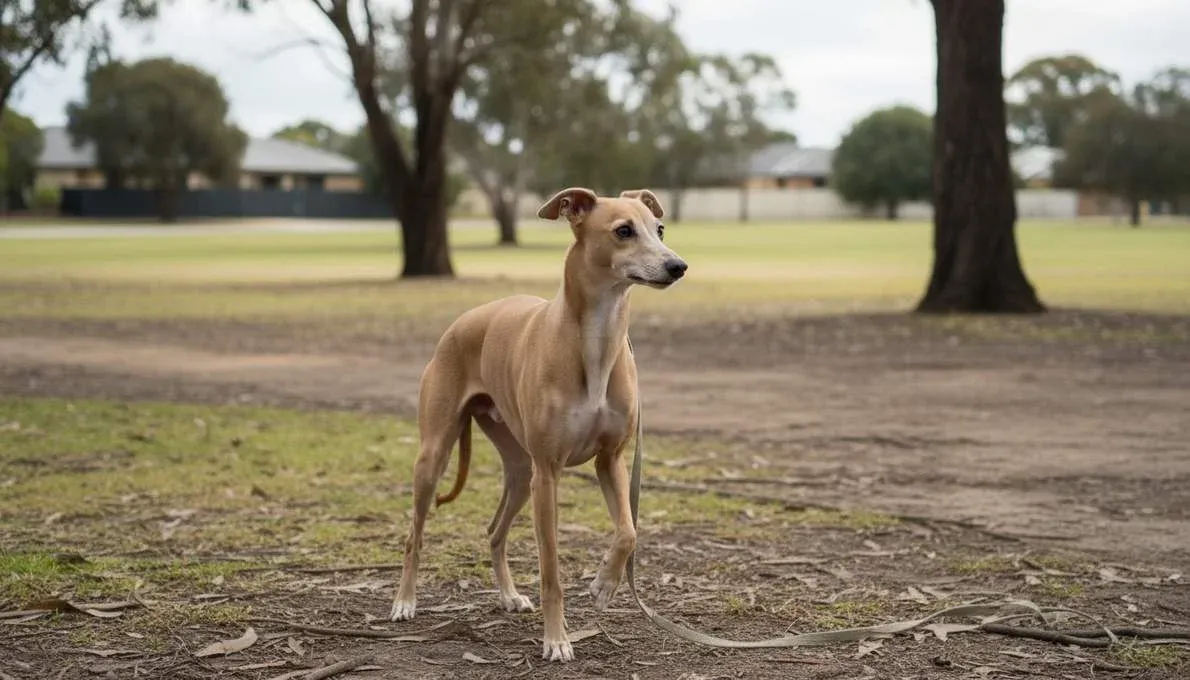
Don’t be discouraged if your Italian Greyhound seems to “forget” their training on cold days or when they simply don’t feel like it — this is typical for the breed. Iggies are intelligent but independent, and they’ll weigh up whether obeying you is worth their while in any given moment.
Italian Greyhounds respond best to positive reinforcement with high-value treats. Harsh corrections will damage your relationship and can make them fearful. Keep training sessions short (5-10 minutes maximum) and end on a positive note.¹⁰
Socialisation Timeline
| Age | Training Focus | Expected Outcomes |
|---|---|---|
| 8-12 weeks | Crate training, handling, gentle house training | Comfort with routine |
| 3-4 months | Basic commands, continued house training | Name response, basic obedience |
| 4-6 months | Extensive socialisation, leash manners | Confidence building |
| 6-12 months | Reliability in commands, impulse control | Consistent basics |
| 12+ months | Refinement, recall in low-distraction areas | Well-mannered companion |
House training note: Experienced Italian Greyhound owners will tell you that house training is the breed’s biggest challenge. Their small bladders and dislike of cold or wet weather mean accidents happen. Patience, consistency, puppy pads, and possibly a doggy door are your best tools. Some Iggies are never 100% reliable — many owners accept this as part of the package.
Italian Greyhound Price & Costs
Understanding the true cost of Italian Greyhound ownership helps you budget appropriately and ensures you can provide the care this breed deserves.
Find registered breeders through the Dogs Australia Breeder Directory. Due to the breed’s rarity in Australia, you may need to join waiting lists. Consider adoption through PetRescue or breed-specific rescue groups, though Iggies aren’t commonly surrendered.
Initial Costs
| Expense | Approx. Cost (AUD) |
|---|---|
| Puppy Price (Registered Breeder) | $2,500 – $5,500 |
| Adoption Fee (Rescue) | $300 – $800 |
| Initial Vet + Vaccinations | $200 – $350 |
| Desexing | $200 – $400 |
| Essential Supplies (bed, crate, bowls, lead, clothes) | $350 – $600 |
| TOTAL INITIAL COST | $3,550 – $6,850 |
Annual Ongoing Costs
- Premium Food (Black Hawk, Advance, Royal Canin): $600 – $900
- Vet Care & Preventatives: $300 – $600
- Pet Insurance: $400 – $900
- Dental Care (professional cleaning): $300 – $600
- Clothing (jumpers, coats — essential!): $100 – $300
- Training, toys, misc: $200 – $400
- • TOTAL ANNUAL: $1,900 – $3,700
Lifetime Cost Estimate: $28,000 – $55,000 (based on 14-year average lifespan)
Is an Italian Greyhound Right for You?
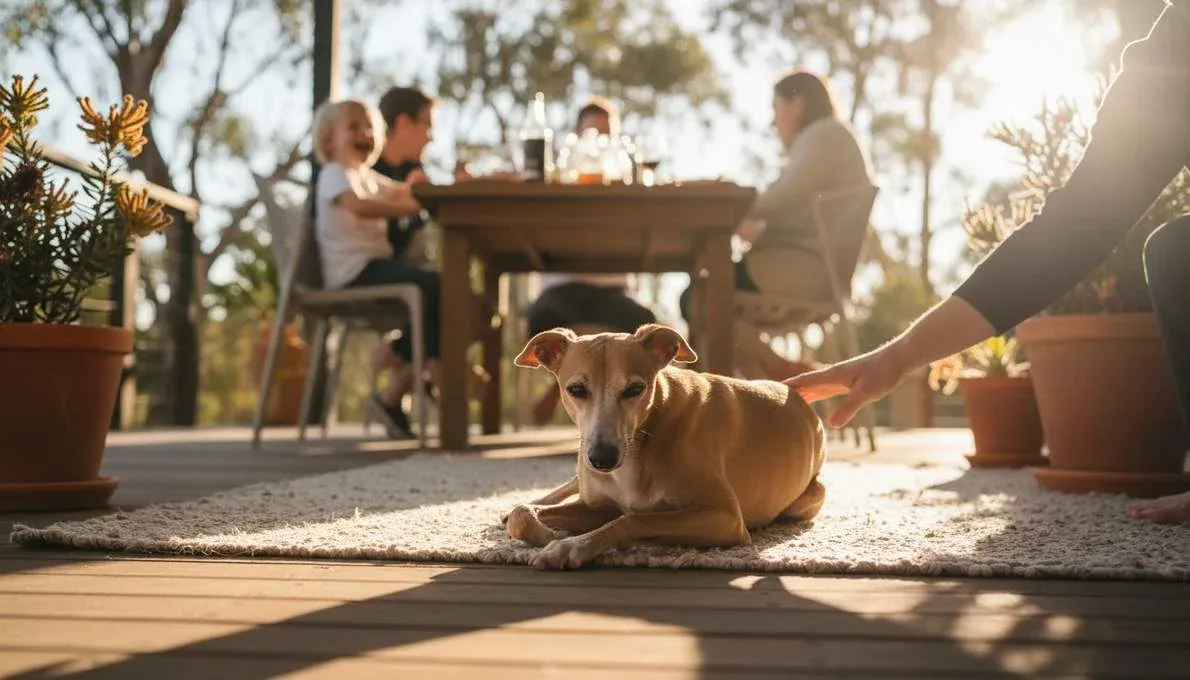
Someone who wants a devoted, affectionate companion and is home frequently. People who appreciate elegance and are willing to provide extra care for a delicate breed. Those who enjoy dressing up their dogs (it’s functional, we promise!).
- Home Size: Excellent for apartments and smaller homes — they adapt well to any living space.
- Yard: Not essential, but if you have one, it must be securely fenced. Iggies can squeeze through surprisingly small gaps.
- Climate: They struggle with cold weather and need heating, blankets, and clothing. In Australia’s hot summers, ensure they have shade and air conditioning — their thin coat offers little sun protection.
This can feel overwhelming, but being honest about challenges upfront saves heartbreak later. The Italian Greyhound is a wonderful breed, but they’re not for everyone.
- Families with very young children (fragile bones, risk of injury)
- Those who want an easily house-trained dog
- People who leave dogs outdoors (they cannot tolerate cold)
- Those wanting a dog for off-lead hiking (prey drive makes this unsafe)
- Anyone not prepared for potential leg fractures and dental bills
- Those who dislike dog clothing (your Iggy will need a wardrobe)
The Italian Greyhound is a truly special companion — elegant, devoted, surprisingly athletic, and endlessly entertaining. They’ll burrow under your blankets, follow you to the bathroom, steal your socks, and look at you with those enormous eyes until you forgive them. For the right owner, an Iggy’s love is incomparable.
Perfect for: Apartment dwellers, singles or couples who work from home, families with older children, and anyone who wants an affectionate, low-exercise companion who’ll be their constant shadow.
Think twice if: You have toddlers, need a reliably house-trained dog, can’t commit to dental care, or don’t want to dress your dog in winter.
First-time owner rating: 3/5 — Possible with research and preparation, but the house-training challenges and fragility mean they’re not always the easiest first dog.
Frequently Asked Questions
What is the difference between an Italian Greyhound and a Whippet?
Size is the main difference. Italian Greyhounds stand 32-38 cm and weigh 3.6-5 kg; Whippets are significantly larger at 44-51 cm and 9-19 kg. Whippets are also more robust and easier to house train. Both are sighthounds, but the Italian Greyhound is a Toy breed while the Whippet is a Hound.
Do Italian Greyhounds shed?
Minimally. Their short, fine coat sheds very little and is easy to maintain with weekly brushing.
How big do Italian Greyhounds get?
Italian Greyhounds stand 32-38 cm (12.5-15 inches) at the shoulder and weigh 3.6-5 kg (8-11 lbs). There is no “miniature” or “teacup” variety — the standard Italian Greyhound is already the smallest sighthound.¹
How long do Italian Greyhounds live?
The average Italian Greyhound lifespan is 12-15 years, which is excellent for any breed.
How much does an Italian Greyhound cost in Australia?
Expect to pay $2,500 – $5,500 from a registered breeder. Prices reflect the breed’s rarity in Australia and the care taken by ethical breeders.
Are Italian Greyhounds easy to train?
They’re intelligent but independent. Basic obedience is achievable with patience and positive reinforcement. House training is notoriously challenging.
Are Italian Greyhounds good apartment dogs?
Excellent. Their small size, moderate exercise needs, and quiet nature make them ideal apartment companions.
Are Italian Greyhounds hypoallergenic?
No dog is truly hypoallergenic. However, Italian Greyhounds shed minimally and some allergy sufferers tolerate them well.
Do Italian Greyhounds bark a lot?
They’re moderate barkers. They’ll alert you to visitors or unusual sounds but aren’t typically excessive barkers like some toy breeds.
Primary Sources:
1. Dogs Australia (ANKC) / The Kennel Club UK — Official breed standards (thekennelclub.org.uk)
2. American Kennel Club — Breed history and information (akc.org)
Veterinary & Health Sources:
3. Italian Greyhound Club of America (IGCA) — Health information (italiangreyhound.org)
4. Southern Cross Vet — Italian Greyhound health issues (southerncrossvet.com.au)
5. VCA Hospitals — Dental disease information (vcahospitals.com)
6. UC Davis Veterinary Genetics Laboratory — PRA testing (vgl.ucdavis.edu)
7. PetMD — Breed health information (petmd.com)
8. Australian Veterinary Association — Care guidelines (ava.com.au)
Australian-Specific Sources:
9. RSPCA Australia — Exercise guidelines (rspca.org.au)
10. American Kennel Club — Training resources (akc.org)
11. Pet Circle Australia — Breed guide (petcircle.com.au)
12. Dogzonline — Australian breeder directory and pricing (dogzonline.com.au)