
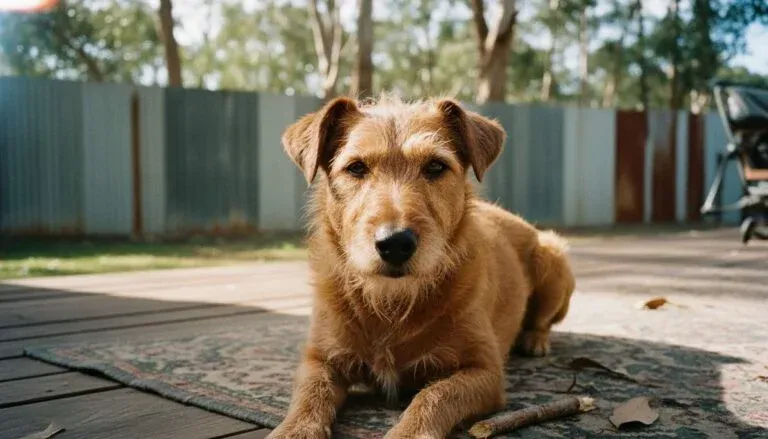
During World War I, Irish Terriers served as messenger dogs in the trenches, earning commendations for bravery and saving soldiers’ lives — a testament to the courage that’s defined this fiery red terrier for over a century.¹
If you’re drawn to a dog with spirit, loyalty, and that unmistakable Irish fire, the Irish Terrier deserves your attention. Described historically as “the poor man’s sentinel, the farmer’s friend, and the gentleman’s favourite,” this is a breed that gives everything to its family — and expects the same in return.
But beneath that striking red coat lies a dog with real needs. Your Irish Terrier will demand exercise, mental stimulation, and firm but loving leadership. This guide covers everything Australian owners need to know before bringing home one of the oldest and most distinctive terrier breeds.
What You’ll Learn:
- Breed traits & temperament
- Health concerns to watch
- True cost in Australia
- Grooming & coat care
- Is this breed right for you?
Irish Terrier Quick Facts
| Attribute | Details |
|---|---|
| Breed Group | Terrier |
| Origin | Ireland |
| Size Category | Medium |
| Height (Adult) | 43–48 cm (17–19 inches) |
| Weight (Adult) | 11–12 kg (25–27 lbs) |
| Lifespan | 13–15 years |
| Coat Type | Wiry double coat (low shedding) |
| Exercise Needs | 60+ minutes/day |
| Trainability | 3/5 (intelligent but independent) |
| Good with Children | Excellent |
| First-Time Owner Suitable | 3/5 (needs experienced handling) |
| Average Puppy Price (AUD) | $2,500 – $4,000 |
Data sourced from ANKC Breed Standards and Dogs Australia registry.²
History of the Irish Terrier
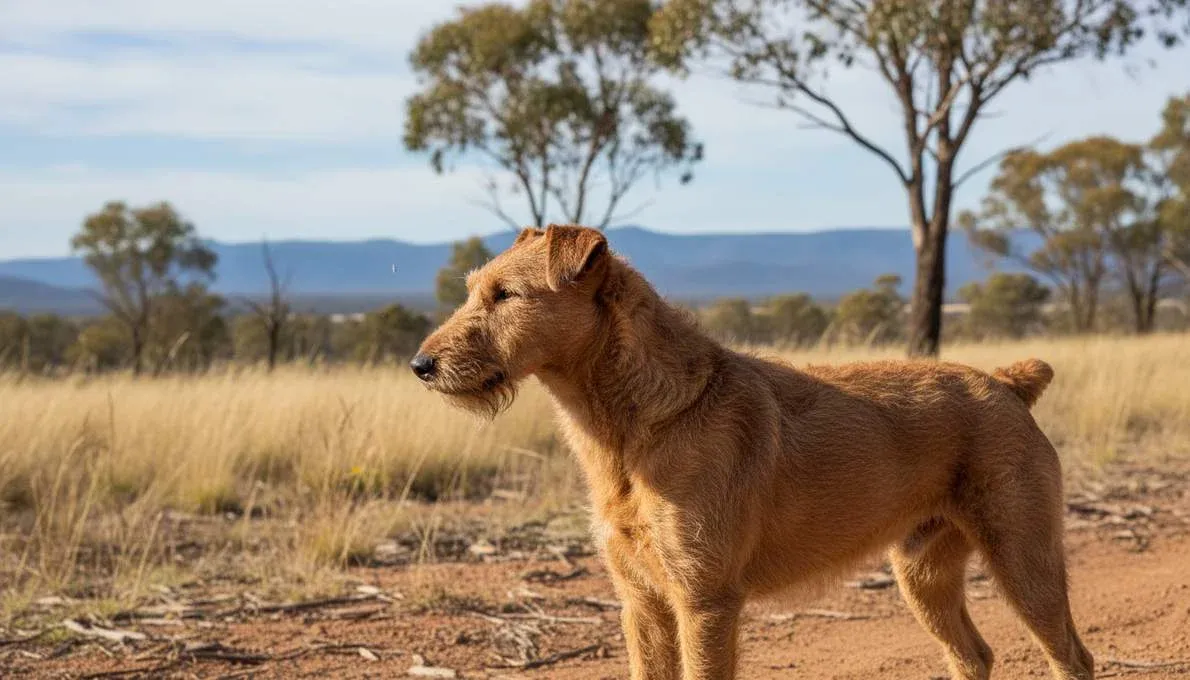
The Irish Terrier is considered one of the oldest terrier breeds, with roots stretching back centuries in Ireland. The Dublin dog show of 1873 was the first to provide a separate class for Irish Terriers, and by the 1880s, they had become the fourth most popular breed in Britain and Ireland.³
Originally bred as all-purpose farm dogs, Irish Terriers excelled at everything from ratting and guarding to hunting rabbits and otters. They were the common person’s working companion — versatile, hardy, and utterly devoted to their families.
The breed’s bravery was immortalised during World War I, where Irish Terriers served as messenger dogs in the trenches. Lt. Col. E. H. Richardson, commandant of the British War Dog School, wrote of them: “Many a soldier is alive today through the effort of one of these Terriers… They are extraordinarily intelligent, faithful, and honest.”
Today, the Irish Terrier is the only all-red terrier breed. While their popularity has declined from Victorian-era heights, dedicated breeders in Australia maintain the breed’s distinctive character and working spirit.
Irish Terrier Temperament
Bold: The breed standard describes a “heedless, reckless pluck” that earned them the nickname “Daredevil.” Many Irish Terrier owners report their dogs rushing fearlessly toward challenges — whether that’s a perceived threat or an exciting new adventure.
Loyal: Once bonded, an Irish Terrier’s devotion is absolute. These dogs live to please their families and will guard them with fierce determination.
Intelligent: Sharp and quick-thinking, Irish Terriers excel at problem-solving. This intelligence served them well as working dogs but means they need mental stimulation to stay happy.
Spirited: There’s an unmistakable fire in this breed. They approach life with enthusiasm and animation, making them entertaining companions for active families.
Independent: True to their terrier heritage, Irish Terriers can be strong-willed. They’ll work with you, not for you — a distinction that matters in training.
As one Queensland breeder puts it: “An Irish Terrier doesn’t have an opinion — they have convictions. And they’re happy to share them with you, loudly if necessary.”
Irish Terriers make fantastic family dogs. Their medium size, playful nature, and patience with children make them ideal playmates. The AKC rates them 5 out of 5 for affection toward families.⁴ Every Irish Terrier is different, but most have a natural affinity for children and will tolerate rough-housing to a reasonable extent.
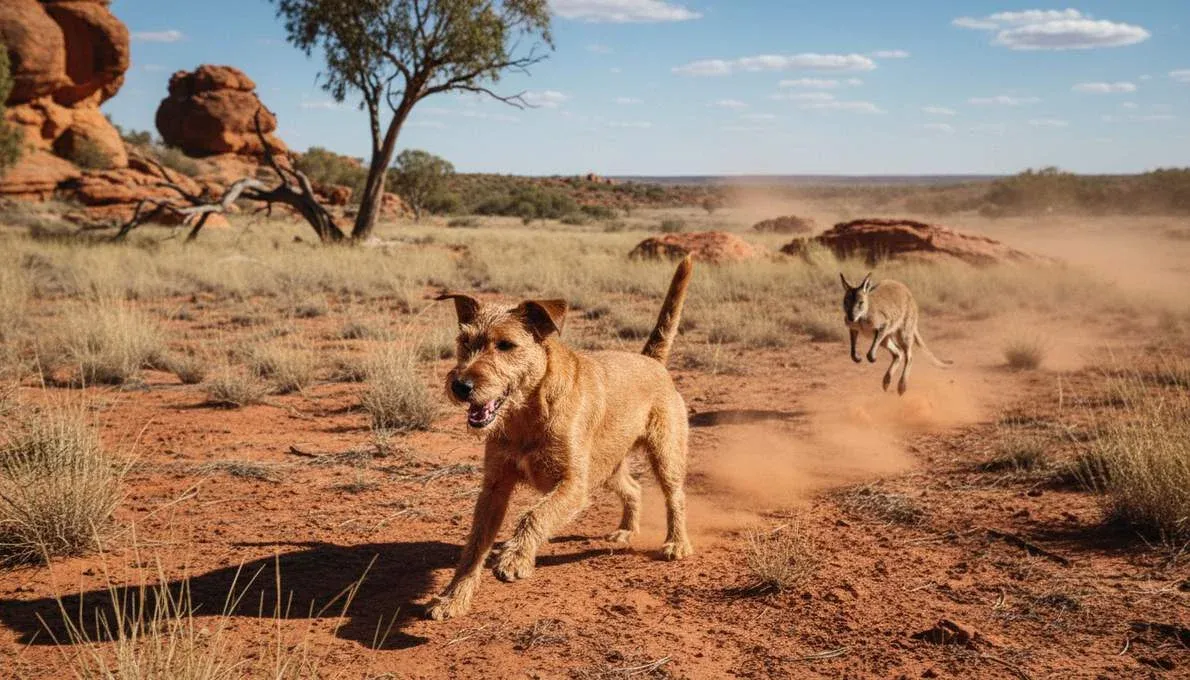
Here’s where it gets more nuanced: Irish Terriers can be dominant with other dogs and may chase smaller animals. Early socialisation is essential. While some Irish Terriers live happily in multi-pet households, others prefer to be the only dog. Your success will depend on individual temperament and training.
If your Irish Terrier starts digging up the garden or barking excessively, don’t panic — these are common terrier traits that usually indicate boredom. Increase exercise and mental stimulation before these behaviours become habits.
First-time Irish Terrier owners are often surprised by the breed’s prey drive. Secure fencing is essential, and off-lead walking requires excellent recall training — which takes time and patience with this independent breed.

Irish Terrier Health Issues
If you’re worried about health problems, here’s some reassurance: Irish Terriers are generally a robust, healthy breed with a good lifespan. However, like all purebreds, they have some genetic predispositions worth knowing about.
This genetic condition causes thickening and cracking of the footpads, sometimes called “corny feet.” While historically more common, responsible breeders now DNA test to avoid producing affected puppies. Ask breeders for HFH-clear certification.⁵
Irish Terriers can be predisposed to forming bladder stones, particularly affecting males around 4–5 years old. Signs include blood in urine or difficulty urinating — treat these as emergencies. A prescription diet can help manage this condition.⁶
While more common in larger breeds, Irish Terriers can develop hip dysplasia. Symptoms include lameness and difficulty rising. Weight management and moderate exercise help reduce risk.
An underactive thyroid can cause weight gain, lethargy, and coat changes. The good news: it’s easily managed with daily medication once diagnosed.⁷
Choose a breeder who DNA tests for HFH and screens for other health conditions. Ask to see health clearances for both parents before committing to a puppy.

Irish Terrier Lifespan
The average Irish Terrier lifespan is 13–15 years, which is excellent for a medium-sized dog.⁸ With proper care, many Irish Terriers live well into their mid-teens, remaining active and spirited throughout their senior years.
Tips to maximise your Irish Terrier’s lifespan:
- Maintain healthy weight — obesity can shorten life by 2+ years
- Prioritise dental health — dental disease affects 80% of dogs by age two
- Keep up with vaccinations and parasite prevention
- Schedule annual vet check-ups (twice yearly for seniors)
- Provide regular exercise — the Australian Veterinary Association emphasises that consistent physical activity supports joint health and cognitive function into old age⁹
Irish Terrier Grooming Guide
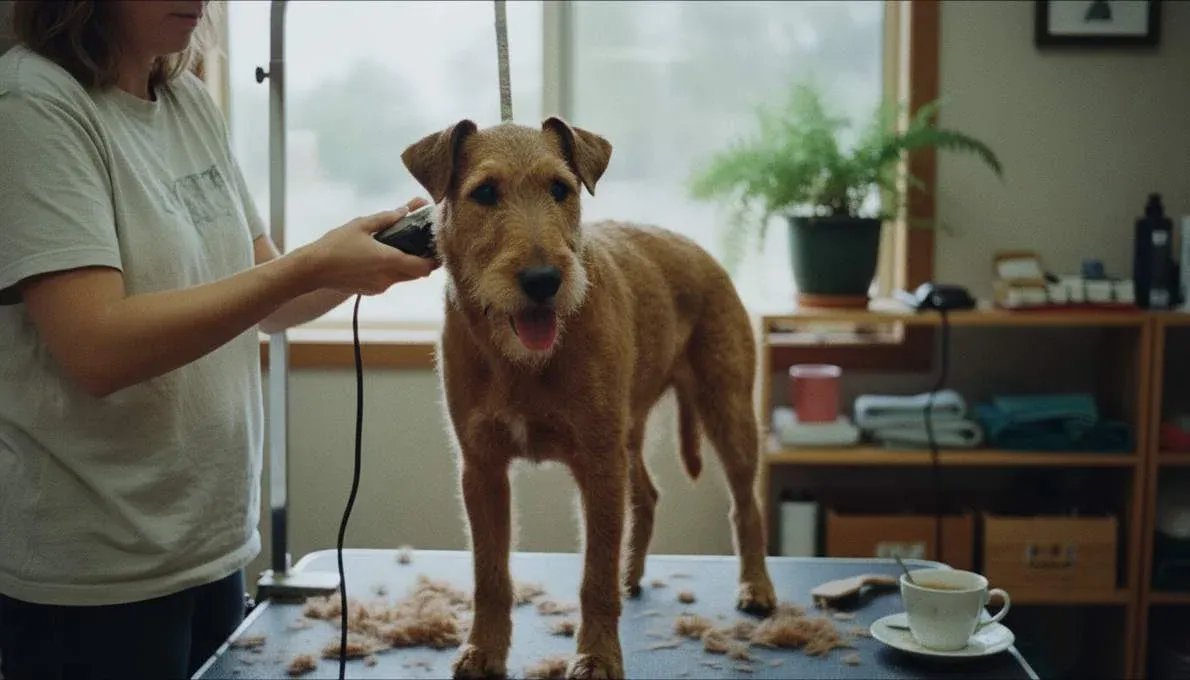
The Irish Terrier’s distinctive wiry coat is both beautiful and functional — it protects against weather and sheds minimally. However, maintaining that iconic red coat requires a specific grooming approach that differs from most breeds.
Grooming Schedule
| Task | Frequency | Time | Tools/Notes |
|---|---|---|---|
| Brushing | 2–3 times/week | 10–15 mins | Slicker brush, natural bristle |
| Hand Stripping | 2–4 times/year | 1–2 hours | Stripping knife or fingers |
| Nail Trimming | Every 2–3 weeks | 10 mins | Clippers or grinder |
| Pro Grooming | Every 8–12 weeks | 1–2 hours | $70–$120 |
Hand stripping vs clipping: For the authentic wiry texture and vibrant colour, the coat should be hand-stripped (dead hair pulled from the root) rather than clipped. Clipping softens and lightens the coat over time. If you don’t care about maintaining the traditional look, clipping is a perfectly acceptable low-maintenance alternative.
Australian product tip: Use a natural bristle brush for regular grooming. For stripping, many Australian breeders recommend Artero or Mars Coat King stripping tools, available from specialty pet suppliers. PAW by Blackmores Gentle Ear Cleaner works well for routine ear maintenance.
Irish Terrier Exercise Needs
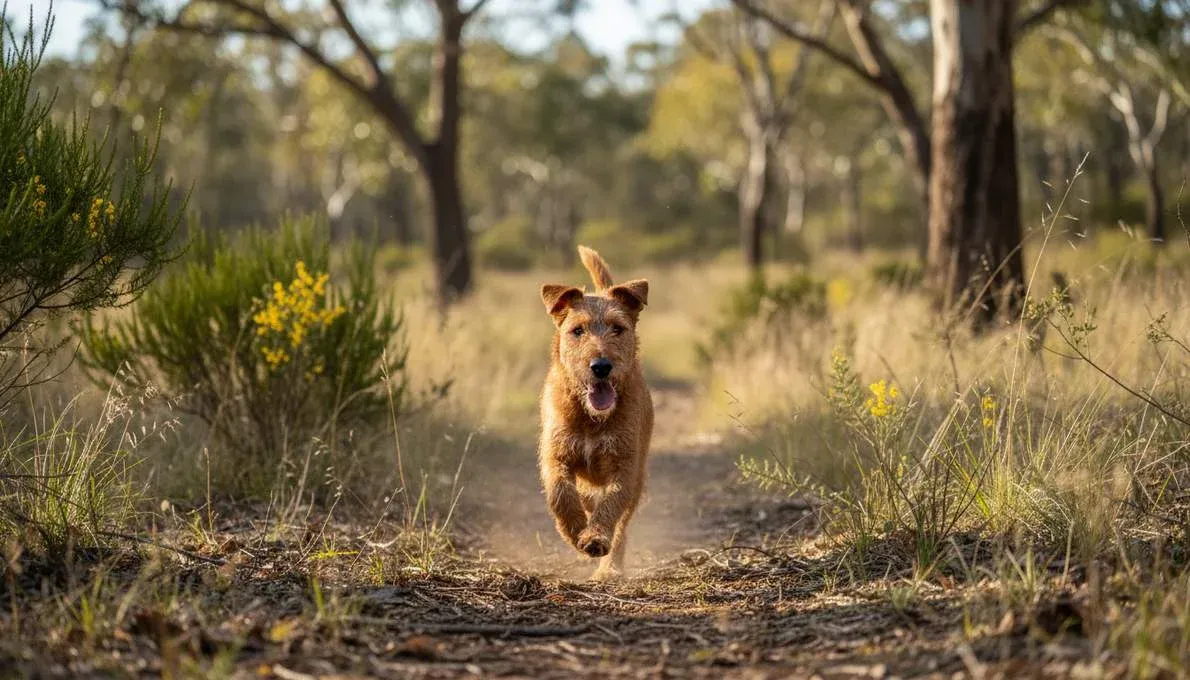
Irish Terriers are high-energy dogs that need at least 60 minutes of exercise daily. The PDSA (UK veterinary charity) recommends around an hour of activity, but many Irish Terriers will happily take more.¹⁰
If your Irish Terrier seems restless or starts destructive behaviours, they almost certainly need more exercise. A tired Irish Terrier is a well-behaved Irish Terrier — experienced owners often say this breed needs to “run the batteries down” daily.
Exercise ideas:
- Long walks or jogs (they make excellent running partners)
- Fetch and retrieve games
- Agility training (they excel at dog sports)
- Swimming (many Irish Terriers love water)
- Puzzle toys and scent games for mental stimulation

Irish Terrier Training Guide
Don’t be discouraged if training feels like a negotiation — that’s the terrier way. Irish Terriers are intelligent enough to learn quickly but independent enough to question whether they want to comply. Patience and consistency are your greatest allies.
Positive reinforcement works best with this sensitive breed. Harsh corrections will backfire, creating a stubborn dog rather than a cooperative one.¹¹ Keep training sessions short, upbeat, and rewarding.
When your Irish Terrier puppy ignores a command they definitely know, resist the urge to repeat it endlessly. They heard you — they’re just deciding whether to comply. Wait them out, then reward the moment they respond. Experienced handlers often say it’s better to outwit an Irish Terrier than to out-stubborn them.
Socialisation & Training Timeline
| Age | Training Focus | Expected Outcomes |
|---|---|---|
| 8–12 weeks | Socialisation, house training basics | Comfortable with people/places |
| 3–4 months | Sit, stay, come, leash manners | Reliable basic commands |
| 4–6 months | Impulse control, recall foundation | Can resist distractions |
| 6–12 months | Advanced recall, off-lead reliability | Trustworthy in most situations |
Irish Terrier Price & Costs
Irish Terriers are relatively rare in Australia, which affects both availability and pricing. Be prepared to join a waiting list — reputable breeders may have waits of 6–12 months or longer.
Find registered breeders through Dogs Australia (dogsaustralia.org.au) or contact the Irish Terrier breed clubs. Because the breed is uncommon, most breeders are passionate enthusiasts who prioritise health and temperament over profit.¹²
Consider checking PetRescue (petrescue.com.au) for Irish Terriers needing homes, though they appear rarely. Terrier-specific rescue groups occasionally have Irish Terriers or similar breeds available.
Initial Costs:
| Expense | Approx. Cost (AUD) |
|---|---|
| Puppy Price (Registered Breeder) | $2,500 – $4,000 |
| Adoption Fee (Rescue) | $300 – $600 |
| Initial Vet + Vaccinations | $200 – $400 |
| Desexing | $300 – $500 |
| Essential Supplies | $300 – $600 |
| TOTAL INITIAL COST | $3,600 – $6,100 |
Annual Ongoing Costs:
- Food (premium quality): $800 – $1,200
- Vet & Preventatives: $400 – $700
- Pet Insurance: $500 – $900
- Grooming (professional stripping): $400 – $800
- • TOTAL ANNUAL: $2,100 – $3,600
Lifetime Cost Estimate: $35,000 – $55,000 (based on 14-year average lifespan). Irish Terriers are generally healthy, which helps keep long-term veterinary costs reasonable.
Is an Irish Terrier Right for You?
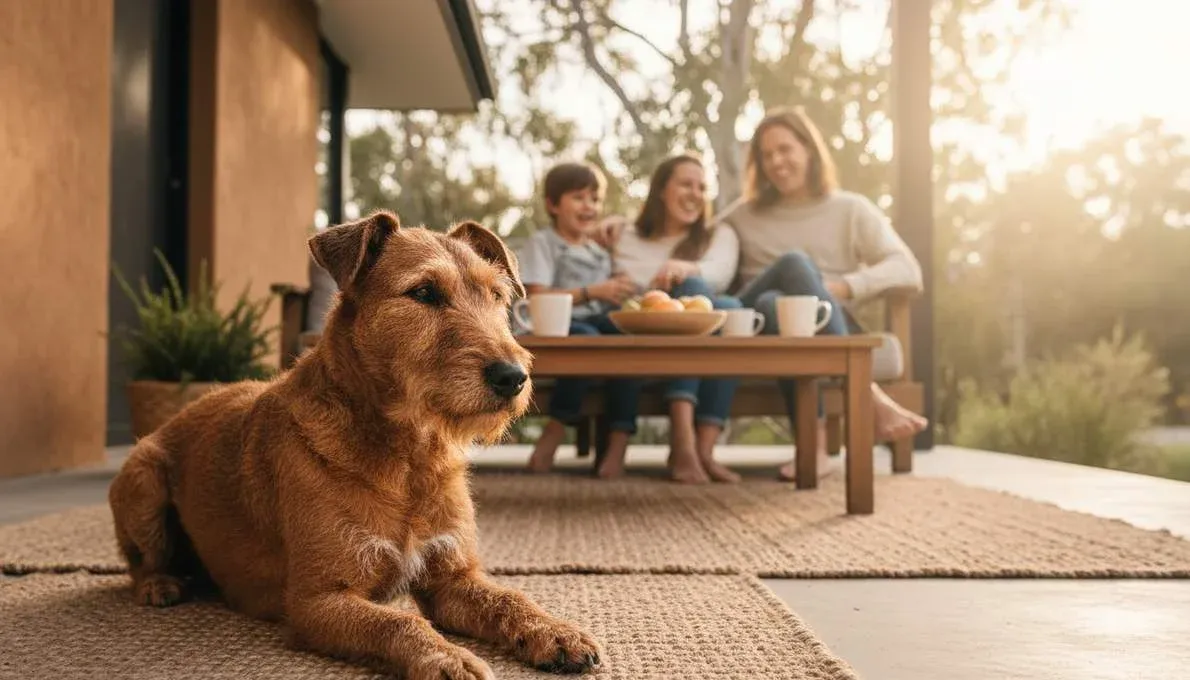
Active individuals or families who enjoy outdoor activities, can provide firm but positive leadership, and appreciate a dog with personality and spirit. Perfect for runners, hikers, and those who want a loyal companion with character.
- Home Size: House with secure yard preferred; apartments possible with commitment to exercise
- Yard: Secure fencing essential — they will dig and escape if bored
- Climate: Wiry coat handles Australian conditions well; provide shade and water in summer heat
This can feel overwhelming, but being honest about challenges upfront saves heartbreak later. The Irish Terrier is wonderful — but not for everyone.
- Those seeking a low-energy or low-maintenance dog
- Owners wanting instant obedience without negotiation
- Households with existing dominant dogs or small pets
- First-time owners unwilling to invest in training
Perfect for: Active families, runners, outdoor enthusiasts, and experienced dog owners seeking a loyal, spirited companion with character
Think twice if: You want an easy, compliant dog or have limited time for exercise and training
First-time owner verdict: Possible with commitment. Irish Terriers reward dedicated owners who embrace their independent spirit, but first-time owners should be prepared for the terrier learning curve.
The Irish Terrier offers something increasingly rare: a dog with genuine character, unwavering loyalty, and the courage to face any challenge alongside you. In return for consistent training, plenty of exercise, and understanding of their spirited nature, you’ll gain a devoted companion who embodies the very best of the terrier spirit — for 13–15 magnificent years.
Frequently Asked Questions
Do Irish Terriers shed?
Irish Terriers are low shedders with a wiry coat that holds onto dead hair rather than dropping it around your home. However, this means regular brushing and hand stripping are essential to remove dead hair and maintain coat health.
Are Irish Terriers hypoallergenic?
While no dog is truly hypoallergenic, Irish Terriers produce less dander than many breeds and shed minimally, making them better tolerated by some allergy sufferers. Spend time with the breed before committing if allergies are a concern.
How long do Irish Terriers live?
The average Irish Terrier lifespan is 13–15 years, which is excellent for a medium-sized breed. With proper care, many live well into their mid-teens.⁸
Are Irish Terriers aggressive?
Irish Terriers are not aggressive toward people — they’re typically affectionate and good with families. However, they can be dominant with other dogs and may chase smaller animals. Early socialisation is essential.
Are Irish Terriers good family dogs?
Excellent. Irish Terriers are devoted to their families and particularly good with children. They’re protective without being aggressive and make wonderful playmates for kids who respect dogs.
Do Irish Terriers bark a lot?
They can be vocal, particularly as watchdogs. Irish Terriers will alert you to visitors or unusual activity. Excessive barking usually indicates boredom — increase exercise and mental stimulation to manage it.
What is the Irish Terrier size and weight?
Adult Irish Terriers typically stand 43–48 cm (17–19 inches) at the shoulder and weigh 11–12 kg (25–27 lbs). Males and females are similar in size, with males being slightly heavier.
Primary Sources:
1. American Kennel Club — Irish Terrier breed history and WWI service (akc.org)
2. Dogs Australia (ANKC) — Official breed registration and standards (dogsaustralia.org.au)
3. Wikipedia — Irish Terrier history and breed characteristics
Veterinary & Health Sources:
4. American Kennel Club — Breed temperament and family compatibility (akc.org)
5. PetMD — Hereditary footpad hyperkeratosis in Irish Terriers (petmd.com)
6. PetMD — Cystinuria and bladder stones in dogs (petmd.com)
7. WebMD — Irish Terrier health conditions and lifespan (webmd.com)
8. WebMD Pets — Irish Terrier lifespan 13–15 years (webmd.com)
9. Australian Veterinary Association — Exercise and senior dog health (ava.com.au)
Australian-Specific Sources:
10. PDSA — Irish Terrier exercise requirements (pdsa.org.uk)
11. Chewy — Irish Terrier training and positive reinforcement (chewy.com)
12. DogzOnline — Australian Irish Terrier breeders and pricing (dogzonline.com.au)