
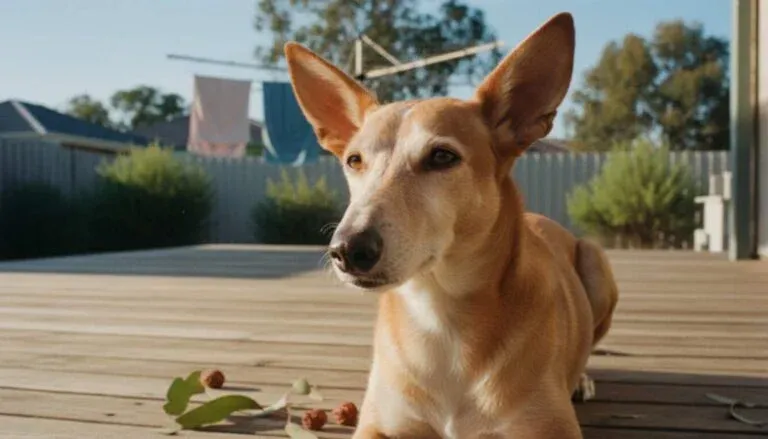
The first time you see an Ibizan Hound clear a six-foot fence from a standing start, you’ll wonder whether you accidentally brought home a kangaroo. These lean, amber-eyed athletes look like they stepped straight out of an Egyptian tomb — because they basically did. With radar-dish ears, a deer-like grace, and a mischievous streak that’ll have you hiding food on top of the fridge (they’ll still find it), the Ibizan Hound is one of the most underrated dog breeds in Australia.
They’re rare here. Painfully rare. Most Australians have never seen one in person, and the few breeders we have operate with waiting lists measured in years, not months. But if you’re the kind of owner who wants a dog that’s equal parts athlete, comedian, and couch companion — a dog that’ll outrun your whippet and then curl up on your lap like a 20-kilo cat — the Ibizan Hound might be exactly what you’ve been looking for.
This guide covers everything Aussie owners and prospective buyers need to know: real temperament from people who’ve lived with these dogs, verified health data with Australian dollar costs, honest training advice, and up-front pricing so you know exactly what you’re getting into before you fall in love. And you will fall in love. That’s the easy part.
What You’ll Learn
- Breed traits & temperament
- Health concerns to know
- True cost in Australia
- Training & exercise needs
- Is this breed right for you?
Quick Facts at a Glance
| Trait | Details |
|---|---|
| Breed Group | Hound (Sighthound) |
| Origin | Ibiza, Balearic Islands, Spain |
| Also Known As | Podenco Ibicenco, Ca Eivissenc, Beezer |
| Height (Male) | 58–72 cm (23–28 inches) |
| Height (Female) | 57–66 cm (22.5–26 inches) |
| Weight (Male) | 20–25 kg (45–55 lbs) |
| Weight (Female) | 18–22 kg (40–50 lbs) |
| Coat Types | Smooth (short, hard, shiny) or Wire (rough, 1–3 inches) |
| Colours | Red, white, or red and white combination |
| Lifespan | 12–14 years |
| Temperament | Playful, independent, gentle, alert, affectionate |
| Exercise Needs | High — 60–120 minutes daily |
| Shedding | Low to moderate |
| Good With Children | Yes (better with older children) |
| Good With Other Dogs | Yes |
| Small Pet Friendly | No — strong prey drive |
| Apartment Suitable | Possible but not ideal |
| ANKC Registered | Yes — Hound Group |
| AKC Group | Hound Group (recognised 1979) |
| Avg. Puppy Price (AUD) | $1,500–$3,000+ |
History & Origins
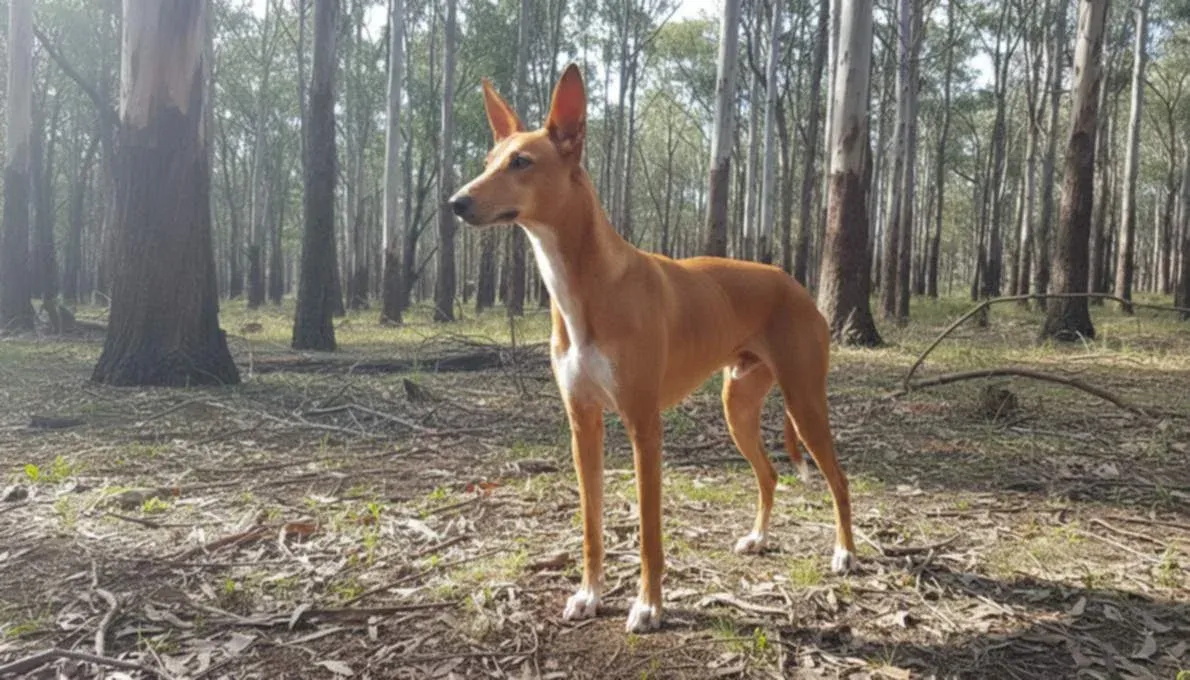
The Ibizan Hound’s story begins roughly 5,000 years ago, and the breed has barely changed since. Tomb paintings from ancient Egypt depict a prick-eared, lean-bodied hound that is virtually indistinguishable from the Ibizan Hounds trotting around Australian show rings today. The breed bears a striking resemblance to Anubis, the Egyptian jackal-headed god of the afterlife, and artefacts dating to 3400 BCE show dogs with the same oversized upright ears, narrow skulls, and athletic frames.
Historians believe Phoenician traders — the ancient world’s greatest seafarers — brought these Egyptian hounds to the Balearic Islands off the coast of Spain around 800 BCE. The island of Ibiza, from which the breed takes its name, became the dog’s primary stronghold. Isolated on these rocky Mediterranean islands, the hound was preserved in an almost pure form for over two millennia.
On Ibiza, these dogs weren’t pampered pets. They were working hunters, essential to the survival of island farmers who relied on rabbit meat as a protein source. Hunters traditionally ran Ibizan Hounds in small packs, usually composed mostly of females, as the bitches were considered more effective hunters. A working farmer might own just one or two dogs. The harsh island terrain — rocky, scrubby, and unforgiving — meant that only the fittest, most agile dogs survived and bred. Natural selection, not human vanity, shaped the breed into the athletic machine it is today.
Unlike many sighthounds that hunt by vision alone, the Ibizan Hound is unusual in that it hunts using sight, scent, and hearing simultaneously. Those enormous ears aren’t just decorative — they’re functional. Ibizans can pinpoint the rustle of a rabbit in thick brush from a surprising distance, then switch to visual tracking once the quarry bolts.
The breed didn’t reach the United States until 1956, when Colonel and Mrs. Consuelo Seoane imported the first breeding pair, named Hannibal and Tanit after the Carthaginian general born on Ibiza and the Phoenician goddess. The American Kennel Club formally recognised the Ibizan Hound in 1979. In Australia, the breed is registered with the Australian National Kennel Council (ANKC) under the Hound Group, though it remains exceptionally rare with only a handful of registered breeders across the country.
Ibizan Hound vs Pharaoh Hound: People frequently confuse these two breeds, and it’s easy to see why. Both are ancient Mediterranean sighthounds with upright ears and lean builds. However, the Ibizan Hound is generally taller and lighter-boned than the Pharaoh Hound, comes in red and white colour combinations (Pharaohs are solid tan or chestnut), and hunts using all three senses rather than primarily sight. The Ibizan also has a distinctly different ear shape — broader at the base and more rigid. They are separate breeds with separate histories, despite the superficial similarities.
Ibizan Hound Temperament & Personality
If you’ve only ever owned Labradors or Golden Retrievers, an Ibizan Hound will feel like a different species. Not in a bad way — just different. Where a Lab lives to please you, an Ibizan Hound lives to amuse itself (and you, when it suits them). They’re affectionate, absolutely — many owners describe them as “velcro dogs” at home who want to be touching you at all times. But they’re also independent thinkers with a stubborn streak that can make a terrier look compliant.
Experienced Ibizan Hound owners affectionately call them “Beezers,” and they’ll tell you these dogs are the clowns of the canine world. They have a genuine sense of humour. They’ll play-bow, spin, pounce on toys with exaggerated theatrics, and then stare at you with those liquid amber eyes as if checking whether you found it funny. Most owners find themselves laughing daily at their Beezer’s antics, which is one of the breed’s most endearing qualities.
Indoors, the Ibizan Hound is surprisingly calm and clean. They’re not barkers by nature (though they will alarm bark when someone’s at the door), they don’t drool, and they tend to groom themselves almost cat-like. Many owners report that their Ibizans are the quietest dogs in multi-dog households. They’re content to spend hours curled up on the couch — preferably in a sunny spot, preferably on your furniture, and absolutely not on the floor. These dogs have almost no body fat, and hard surfaces are genuinely uncomfortable for them, so invest in good dog beds or accept that your sofa now belongs to the dog.
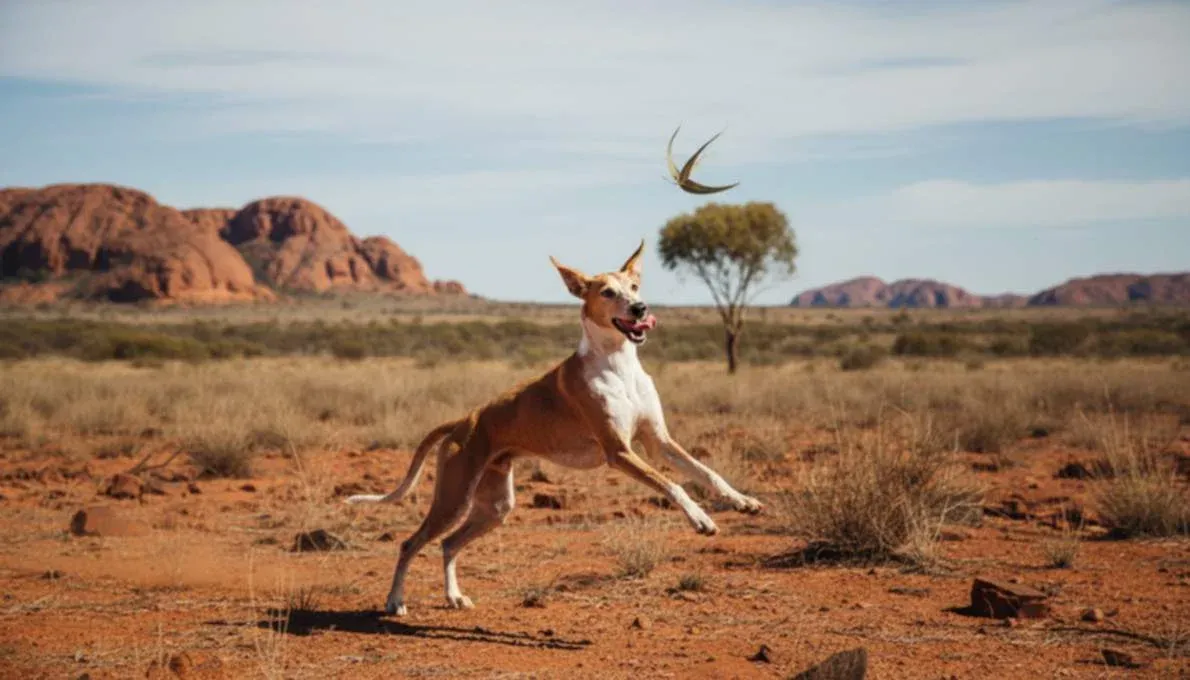
Outdoors is a completely different story. The moment an Ibizan Hound spots movement — a bird, a cat, a plastic bag blowing in the wind — something ancient clicks on. That calm, couch-loving companion becomes a locked-in predator with a singular focus: chase. This prey drive is not a training problem you can fix. It’s hardwired into 5,000 years of selective breeding. You manage it, you don’t eliminate it. This means no off-lead walks in unfenced areas, ever, no matter how good your recall training is.
Ibizan Hounds are gentle with children but tend to do better with older kids who understand how to interact with dogs calmly. Their size and energy can be overwhelming for toddlers, and their sensitivity means they don’t cope well with chaotic, noisy environments. A screaming toddler pulling on their ears is not their idea of fun.
With other dogs, Ibizans are generally sociable and easygoing. They’re pack animals at heart and often thrive in multi-dog households. However, their play style can look intense to dogs (and owners) unfamiliar with sighthound play — lots of high-speed chasing and body-slamming.
Critical warning for small pet owners: Ibizan Hounds should not be trusted around rabbits, guinea pigs, birds, or cats they haven’t been raised with from puppyhood. Their prey drive is extremely strong. Even an Ibizan raised alongside a family cat may still chase unfamiliar cats outside. This isn’t aggression — it’s instinct, and you need to respect it.
No discussion of Ibizan Hound temperament is complete without addressing their legendary escape abilities. These dogs can clear a six-foot fence from a standing start. They can climb chain-link. They can open crates, unlatch baby gates, and figure out door handles. Owners who’ve had other breeds are routinely stunned by the Ibizan’s problem-solving abilities when it comes to getting out of enclosed spaces. A minimum 1.8-metre (6-foot) fence is non-negotiable, and many experienced owners recommend adding a roller bar or coyote roller to the top. Underground electronic fences are completely useless — an Ibizan in pursuit of prey will blow right through the shock without slowing down.
Health & Genetic Conditions
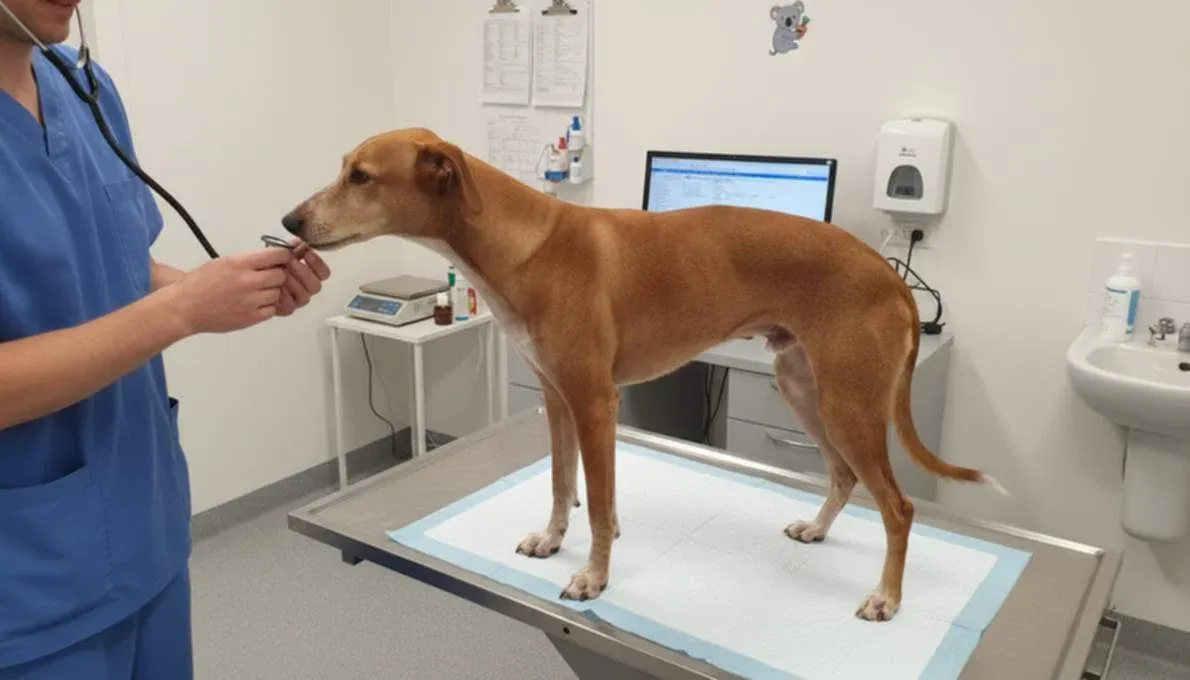
Here’s the good news: the Ibizan Hound is one of the healthiest purebred dog breeds you’ll find. Thousands of years of natural selection on harsh Mediterranean terrain did what no breeding programme could replicate — it weeded out the weak. The breed has strong genetic diversity and a relatively low inbreeding coefficient, which is exactly what you want to see.
That said, no breed is bulletproof. Below are the conditions Ibizan Hound owners in Australia should be aware of, along with estimated veterinary costs in Australian dollars.
| Condition | Description | Estimated Cost (AUD) |
|---|---|---|
| Congenital Deafness | Can be born deaf in one or both ears. BAER testing identifies this early. Dogs with unilateral deafness can live normal lives. | $300–$500 (BAER test) |
| Hip Dysplasia | Loose hip joint causing wear on cartilage. Less common than in large breeds but still occurs. Managed with medication or surgery. | $1,500–$8,000+ (surgery) |
| Autoimmune Thyroiditis | Most common cause of hypothyroidism. Causes weight gain, lethargy, and coat changes. Managed with daily medication. | $50–$150/year (ongoing medication) |
| Eye Conditions | Cataracts, retinal dysplasia, and other hereditary eye diseases. Annual screening recommended. | $80–$200/year (OFA eye exam) |
| Bloat (GDV) | Stomach fills with gas and may twist. Life-threatening emergency. More common in deep-chested breeds. | $3,000–$10,000 (emergency surgery) |
| Allergies | Skin allergies are occasionally reported. Can be environmental or dietary. | $500–$2,000/year (management) |
| Seizures | Rare but documented in the breed. Usually manageable with medication. | $500–$3,000/year (diagnosis + medication) |
| Barbiturate Sensitivity | Ibizan Hounds are sensitive to barbiturate anaesthesia. Your vet MUST be informed before any surgical procedure. | No additional cost — inform your vet |
Recommended Health Screenings
The Ibizan Hound Club of the US recommends four core screenings through the Canine Health Information Center (CHIC) programme, and these recommendations apply equally to Australian buyers. When purchasing an Ibizan Hound puppy, ask the breeder for evidence of all four: BAER hearing test, OFA hip evaluation, OFA eye certification (annual), and thyroid screening. A breeder who hasn’t completed these tests — or who dismisses them as unnecessary — is a breeder to walk away from.
A note on barbiturate sensitivity: This is critically important for Australian owners. Ibizan Hounds are sensitive to barbiturate-based anaesthesia, which can cause prolonged recovery or dangerous complications. Before any surgical procedure, explicitly tell your veterinarian that your dog is an Ibizan Hound and that alternative anaesthetic protocols should be used. Print this out and keep it with your dog’s vet records if you need to.
Ibizan Hound Lifespan & Longevity
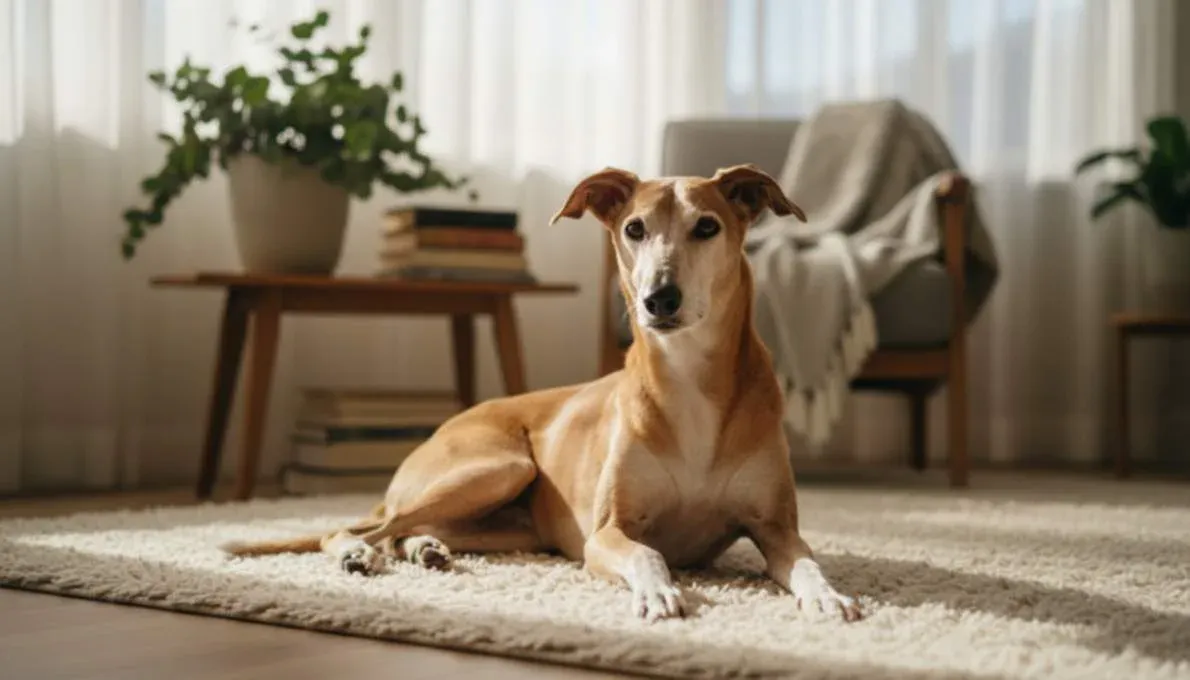
The Ibizan Hound typically lives 12 to 14 years, which is solid for a dog of this size. Some well-cared-for individuals have been reported to reach 15 years or beyond, particularly those maintained at a healthy weight with regular exercise and preventive veterinary care.
Age-Specific Care Advice
| Life Stage | Age | Key Care Notes |
|---|---|---|
| Puppy | 0–12 months | Limit exercise to 5 minutes per month of age to protect growing joints. Socialise extensively — the more people, dogs, and environments they experience now, the more confident they’ll be as adults. Start positive-reinforcement training immediately. |
| Adolescent | 12–24 months | The stubborn phase. They’ll test every boundary you’ve set. Stay consistent, stay patient, stay positive. Increase exercise gradually. This is peak escape-artist age. |
| Adult | 2–8 years | Prime years. These dogs are athletic machines. Provide ample exercise, mental stimulation, and annual vet checks including eye and thyroid screening. Watch their weight — Ibizans should be lean. |
| Senior | 8+ years | Reduce high-impact exercise but maintain daily movement. Joint supplements (glucosamine, chondroitin) may help. More frequent vet visits — every 6 months. Provide extra soft bedding as they lose body condition. |
The single biggest thing you can do to extend your Ibizan Hound’s life is keep them lean. These are naturally slim dogs, and even a small amount of excess weight puts disproportionate stress on their fine-boned frames. You should be able to see a suggestion of ribs without them being prominent, and the tuck-up (waist) should be clearly visible from the side. If your vet says your Ibizan is “a good weight” but they look pudgy compared to breed photos, get a second opinion from someone familiar with sighthounds. Many general-practice vets are accustomed to stockier breeds and may misjudge sighthound body condition.
Grooming & Care
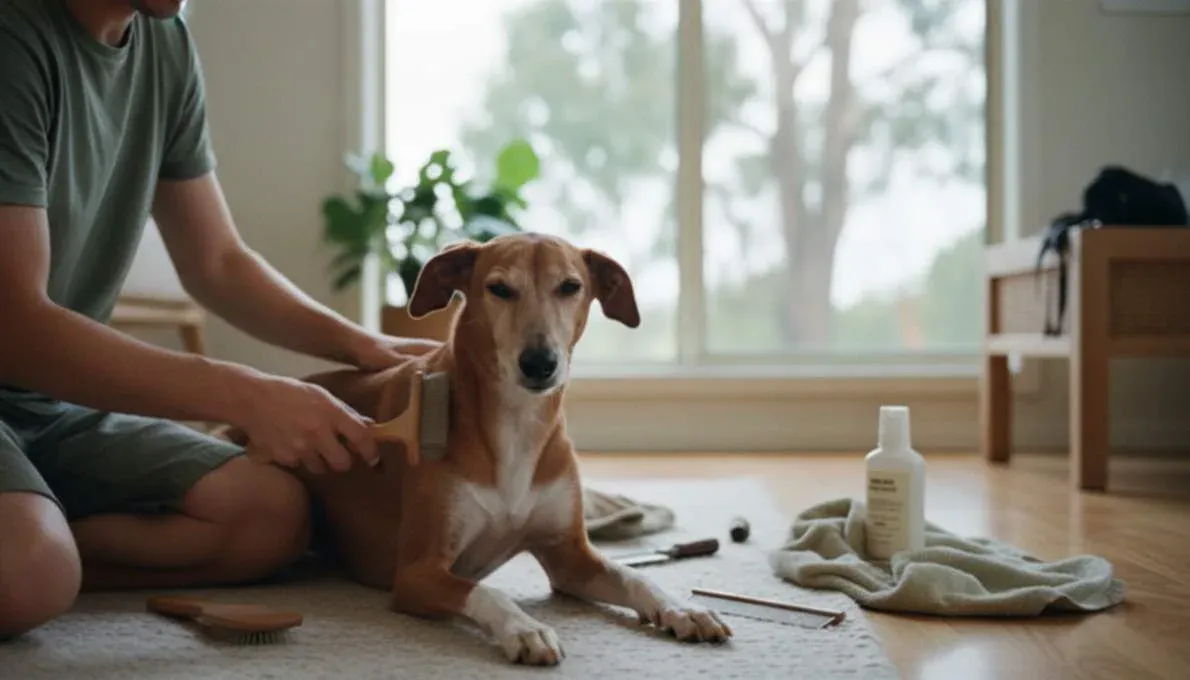
If you’re coming from a breed like the Poodle, Samoyed, or Australian Shepherd, the Ibizan Hound’s grooming needs will feel like a holiday. These are wash-and-go dogs — naturally clean, low-odour, and easy to maintain regardless of whether you have the smooth or wire coat variety.
| Task | Frequency | Notes |
|---|---|---|
| Brushing | Once weekly | Rubber curry brush or hound mitt for smooth coats. Bristle brush for wire coats. Removes dead hair and stimulates skin. |
| Bathing | Every 8–12 weeks | Only when genuinely dirty. Over-bathing strips natural oils and causes dry, itchy skin. Use a mild, pH-balanced dog shampoo. |
| Nail Trimming | Every 2–4 weeks | Sighthounds are notoriously foot-sensitive. Start nail handling from puppyhood. Active dogs on hard surfaces may self-maintain. |
| Ear Cleaning | Weekly | Those giant ears collect debris. Check for redness, odour, or discharge. Use a vet-approved ear cleaner and cotton ball. |
| Dental Care | 2–3 times weekly | Brush with dog-specific toothpaste. Small mouths are prone to dental disease. Annual professional dental check recommended. |
| Skin Checks | Weekly | Thin skin tears easily. Check for cuts, lumps, or irritation after outdoor runs, especially in Australian scrubland. |
Shedding: What to Actually Expect
Ibizan Hounds shed, but not excessively. The smooth coat drops minimal hair year-round with a slightly heavier shed seasonally. The wire coat breaks off a bit more but is still manageable. Neither variety requires professional grooming. A weekly brush and the occasional bath is genuinely all you need. If low shedding is a priority for you, the Ibizan Hound is a reasonable choice — not hypoallergenic, but nothing like a Labrador or German Shepherd in terms of hair production.
Australian Climate Considerations
The Ibizan Hound’s Mediterranean heritage means they handle heat reasonably well, but you still need to exercise common sense. Avoid exercising during the hottest parts of the day in Australian summers, provide constant access to shade and fresh water, and watch for signs of heat stress. Their thin coats offer little insulation, which cuts both ways — they’re comfortable in warmth but feel the cold acutely. In cooler parts of Australia (Melbourne, Tasmania, Canberra in winter), a dog coat is not a fashion accessory — it’s a necessity. Many Ibizan Hound owners keep a wardrobe of dog jumpers for their thin-skinned companions.
Exercise Needs
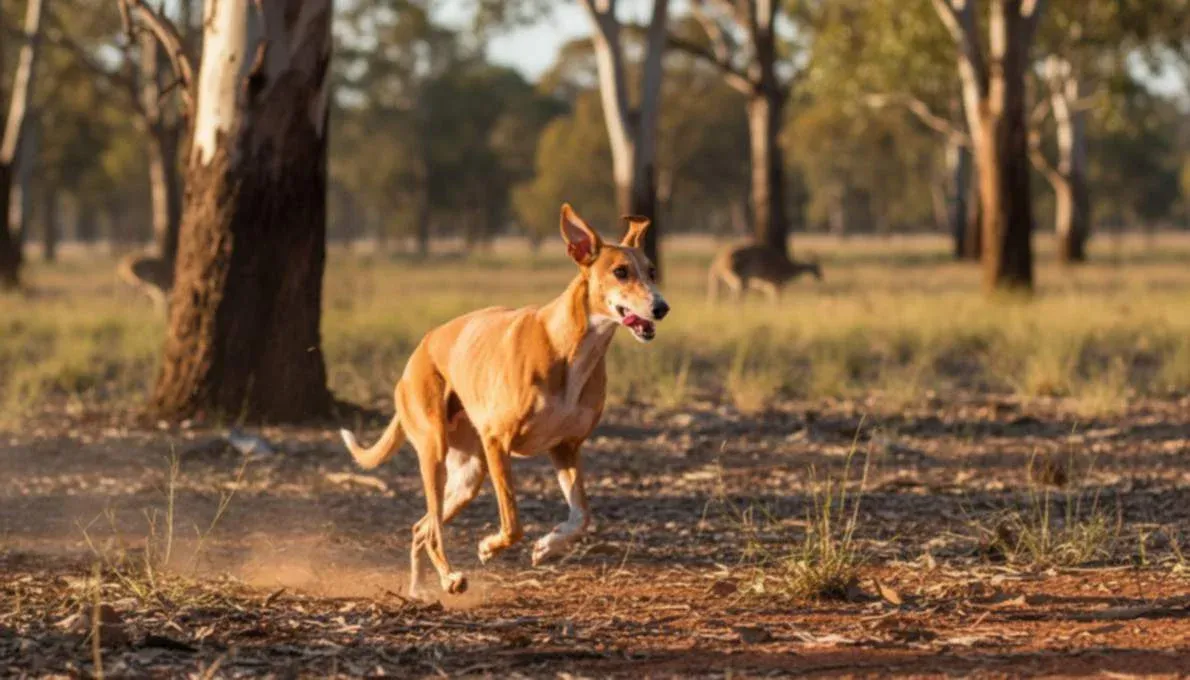
The Ibizan Hound was bred to hunt across rocky Mediterranean terrain for hours. They are genuine athletes with stamina, speed (up to 65 km/h), and an ability to jump that borders on supernatural. But here’s what catches people off guard: they’re not hyperactive. Unlike a Border Collie that needs constant stimulation, the Ibizan Hound operates in bursts. They’ll sprint flat-out for ten minutes, then sleep for three hours. Think cheetah, not marathon runner.
Daily Exercise Requirements
Plan for a minimum of 60 minutes of exercise daily, with 90 to 120 minutes being optimal. This should include a mix of on-lead walks (20–30 minutes), free running in a securely fenced area, and mental stimulation like scent work or puzzle feeders. The key word here is “securely fenced.” No off-lead walks in open areas. No matter how well-trained your Ibizan is, the moment they spot a rabbit or a cat, 5,000 years of hunting instinct will override everything you’ve taught them. They’ll be over the horizon before you’ve finished shouting their name.
Best Activities for Ibizan Hounds in Australia
Lure coursing is the gold standard — it lets them do what they were literally bred for in a controlled environment. Several lure coursing clubs operate across Australia, and an Ibizan Hound that discovers lure coursing is a happy Ibizan Hound. Agility is another excellent option that channels their jumping ability into something constructive. They also make superb jogging and hiking partners (on lead, obviously), and many enjoy swimming once introduced to water gradually.
Australian climate warning: In summer, exercise your Ibizan Hound early in the morning or after sunset. Avoid hot pavement — if it’s too hot for your bare hand, it’s too hot for their paw pads. Their lean build and minimal body fat mean they can overheat faster than you’d expect. Keep water with you on every walk and know the signs of heat stroke: excessive panting, drooling, wobbling, or collapse. In the northern parts of Australia, you may need to shift to a crepuscular exercise schedule (dawn and dusk) for several months of the year.
What Happens When They Don’t Get Enough Exercise
An under-exercised Ibizan Hound becomes a creative problem-solver, and not in a good way. They’ll counter-surf with alarming efficiency, dismantle furniture, dig craters in your garden, and find increasingly inventive ways to escape your yard. These aren’t “bad dog” behaviours — they’re a bored, athletic dog doing what bored, athletic dogs do. The fix is always more exercise and mental stimulation, not punishment.
Training Guide
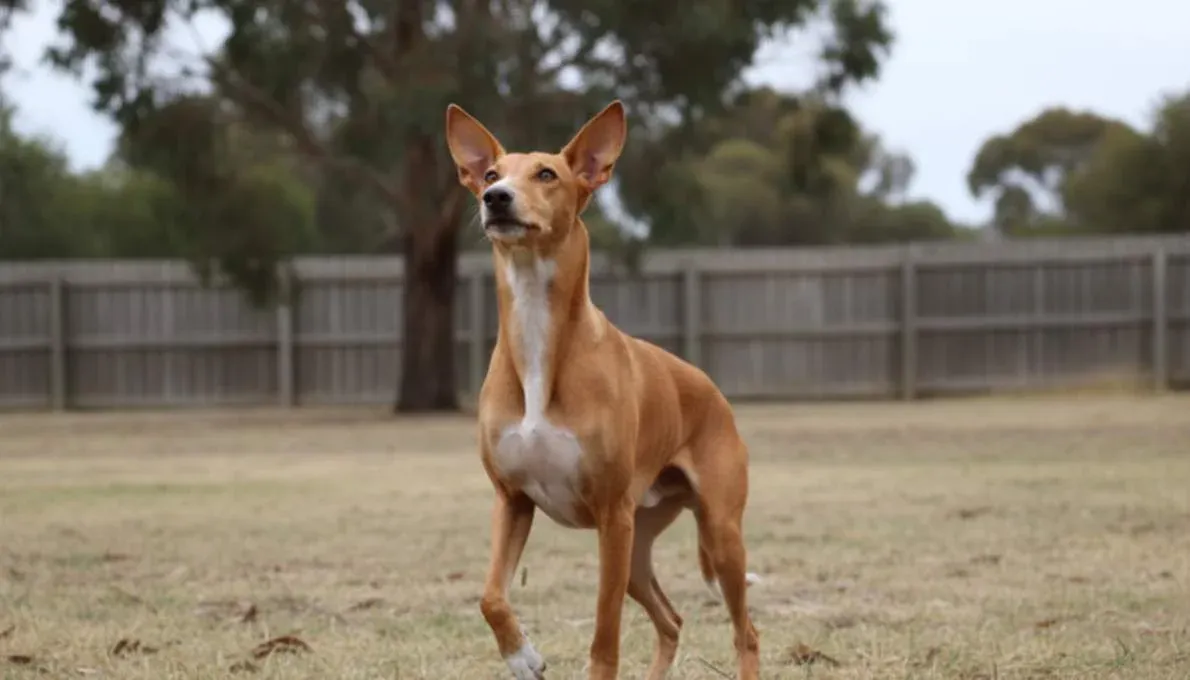
Training an Ibizan Hound requires a complete mindset shift if you’re coming from obedient breeds like German Shepherds or Border Collies. The Ibizan Hound is intelligent — genuinely intelligent — but they’re intelligent in the way a cat is intelligent. They understand exactly what you’re asking. They just reserve the right to decide whether complying is worth their time.
Stanley Coren ranked the Ibizan Hound 53rd in his book “The Intelligence of Dogs,” placing them in the “average working/obedience intelligence” category. Experienced Ibizan owners will tell you this ranking is misleading. These dogs are exceptional problem-solvers. They can open crates, unlatch gates, and figure out how to get food off any surface. Their “average” ranking reflects not a lack of intelligence but a lack of interest in performing repetitive tasks on command. They’re smart enough to know when you’re asking them to do something pointless.
Age-Based Training Milestones
| Age | Focus Area | Tips |
|---|---|---|
| 8–12 weeks | Socialisation & house training | Expose to as many people, dogs, sounds, and environments as possible. House training is usually straightforward — Ibizans are naturally clean dogs. |
| 3–6 months | Basic commands & lead training | Short sessions (5–10 minutes). Use high-value treats — these dogs are food-motivated when they want to be. Start lead manners early; they pull more persistently than other sighthounds. |
| 6–12 months | Recall & impulse control | Practice recall in enclosed areas only. Work on “leave it” and “wait” commands. Accept that off-lead recall in open areas will never be 100% reliable. This is a sighthound reality. |
| 12–24 months | Advanced training & sport | Introduce lure coursing, agility, or scent work. Maintain basic obedience with variety — Ibizans hate repetition and will shut down if bored. |
| 2+ years | Ongoing enrichment | Keep training fun and unpredictable. Rotate activities. Use puzzle feeders and scent games. A mentally stimulated Ibizan is a well-behaved Ibizan. |
The Non-Negotiable Training Rules
Positive reinforcement only. This is not optional with Ibizan Hounds. They are sensitive dogs that will shut down, become fearful, or actively avoid you if subjected to harsh corrections, raised voices, or physical punishment. Punitive methods don’t just fail — they backfire spectacularly. Use treats, praise, play, and patience. If you lose your temper, end the session and try again later.
Keep it short and varied. Five minutes of engaged training is worth more than thirty minutes of repetitive drilling. Ibizans are quick learners who become resentful of being asked to repeat things they’ve already mastered. Once they’ve got a command, move on to something new.
Accept the breed’s limitations. You will not achieve bombproof off-lead recall with an Ibizan Hound. You will not stop them from chasing prey. You will not make them enjoy repetitive obedience exercises. The sooner you accept what the breed is and work with it rather than against it, the happier you’ll both be.
Cost of Ownership in Australia
The Ibizan Hound is a rare breed in Australia, and rarity comes with a price tag. Below is an honest breakdown of what owning an Ibizan Hound costs in Australian dollars, based on current breeder pricing and typical veterinary costs across the country.
Initial Purchase & Setup Costs
| Item | Estimated Cost (AUD) |
|---|---|
| Puppy from registered breeder (ANKC) | $1,500–$3,000+ |
| Interstate transport (if breeder is in another state) | $300–$800 |
| Initial vaccinations & microchip (if not included) | $200–$400 |
| Desexing (spay/neuter) | $300–$600 |
| Crate, bedding, bowls, lead, collar | $300–$600 |
| Secure fencing (1.8m+ minimum) | $2,000–$8,000+ (yard dependent) |
| Council registration | $30–$250 (varies by council) |
| TOTAL FIRST-YEAR SETUP | $4,630–$13,650+ |
Ongoing Annual Costs
| Item | Estimated Annual Cost (AUD) |
|---|---|
| Premium dog food | $1,200–$2,000 |
| Routine vet checks (2 per year) | $200–$500 |
| Vaccinations & parasite prevention | $300–$500 |
| Pet insurance | $600–$1,500 |
| Grooming supplies (DIY) | $50–$150 |
| Toys, treats, enrichment | $200–$500 |
| Dog coats/clothing (cold climates) | $50–$200 |
| Lure coursing / sport entry fees | $100–$400 |
| TOTAL ANNUAL ONGOING | $2,700–$5,750 |
Where to Find Ibizan Hound Puppies in Australia
This is the hard part. There are very few ANKC-registered Ibizan Hound breeders in Australia, with most based in Queensland. At the time of writing, Dogz Online lists only a small number of active breeders, and litters are infrequent. Expect a waiting list of 12 to 24 months or longer. Some Australian owners have imported Ibizan Hounds from the United States or New Zealand, which adds significant cost (quarantine, flights, paperwork) but expands the available gene pool.
Rescue and rehoming: Breed-specific rescue for Ibizan Hounds in Australia is virtually non-existent due to the breed’s rarity. However, sighthound rescue organisations occasionally receive Ibizan Hounds or Ibizan mixes. Greyhound Adoption Programme (GAP) and state-based sighthound rescue groups are worth contacting if you’re open to an adult dog rather than a puppy.
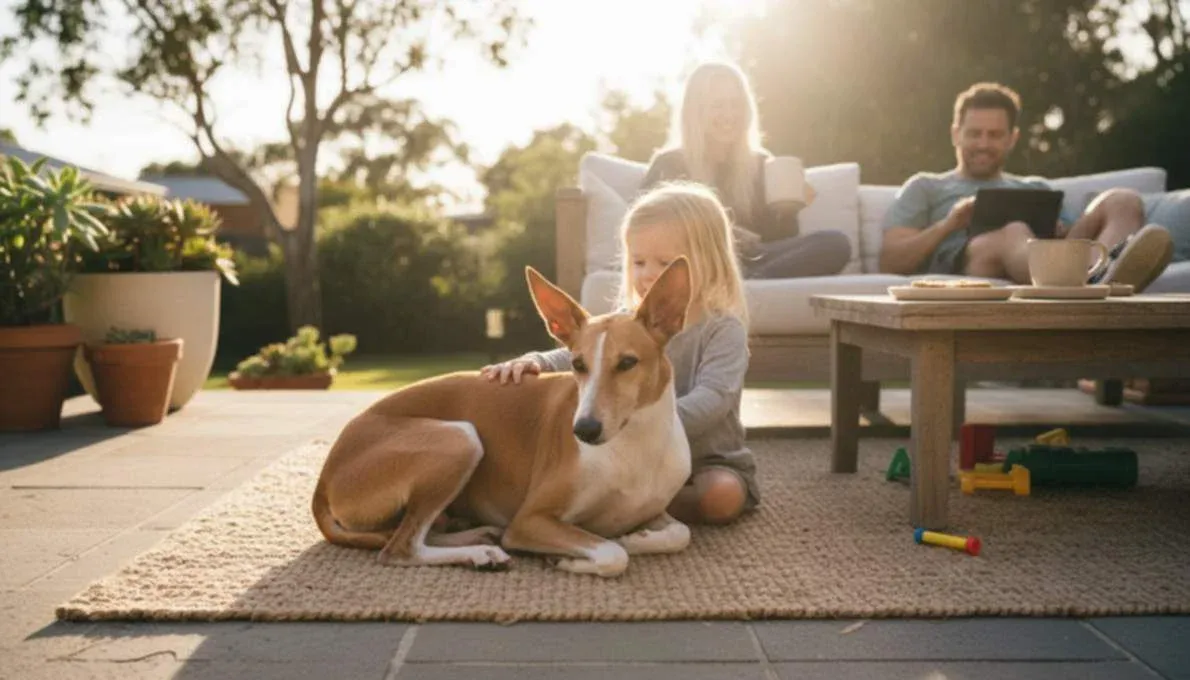
Is the Ibizan Hound Right for You?
The Ibizan Hound is a phenomenal dog — for the right owner. They’re not a breed for everyone, and pretending otherwise would be doing both you and the dog a disservice. Here’s the honest breakdown.
Have a securely fenced yard with fencing at least 1.8 metres (6 feet) high. Are active and enjoy running, hiking, or canine sports. Want a clean, low-maintenance, low-odour house dog. Appreciate an independent, intelligent personality over a constantly clingy one. Have experience with sighthounds or other independent breeds. Don’t have small pets (rabbits, guinea pigs, birds) in the home. Are patient with training and comfortable using positive-reinforcement methods exclusively. Are prepared for a potentially long wait to find a puppy in Australia.
Want a dog that will come back reliably when called off-lead in open spaces. Have low or no fencing and no plans to upgrade. Have toddlers or very young children and limited time to supervise interactions. Are away from home for long hours daily — Ibizans don’t cope well with being left alone for extended periods. Want a dog that is eager to please and easy to train in the traditional sense. Are not prepared for a dog that can (and will) jump onto kitchen benches, tables, and over fences. Live in an apartment without daily access to a large, fenced running area.
If you’re on the fence: Spend time with the breed before committing. Attend dog shows where Ibizan Hounds are entered, connect with breed clubs or owners’ groups, and ask to visit a breeder’s home. Seeing how an Ibizan Hound behaves in real life — the jumping, the counter-surfing, the couch-stealing, the sudden bursts of zoomies — will tell you more than any article can.
1. An ancient athlete with modern charm: The Ibizan Hound is a 5,000-year-old breed that hasn’t lost an ounce of its athleticism, intelligence, or personality. They’re gentle at home, explosive in the field, and endlessly entertaining in between.
2. Not for casual dog owners: The combination of extreme prey drive, escape artistry, and independent temperament means the Ibizan Hound needs an experienced, committed owner who understands sighthound behaviour and has the fencing to prove it.
3. Rare and worth the wait in Australia: With very few breeders and long waiting lists, getting an Ibizan Hound puppy in Australia takes patience. But owners who’ve made the commitment overwhelmingly say the same thing: once you’ve had a Beezer, no other breed compares.
Frequently Asked Questions About Ibizan Hounds
How much does an Ibizan Hound cost in Australia?
Expect to pay between $1,500 and $3,000 or more from an ANKC-registered breeder. Prices vary based on pedigree, health testing, and breeder reputation. Imported dogs from the US or NZ can cost significantly more when quarantine and shipping are factored in.
Do Ibizan Hounds shed a lot?
No. Ibizan Hounds are low to moderate shedders. The smooth coat drops minimal hair year-round, while the wire coat sheds a bit more but is still very manageable with weekly brushing. They’re not hypoallergenic, but they produce far less hair than most breeds their size.
How high can an Ibizan Hound jump?
Ibizan Hounds can jump up to six feet (1.8 metres) from a standing position. This is not an exaggeration. A standard 1.2-metre suburban fence is no obstacle at all. You need minimum 1.8-metre fencing, and many experienced owners add roller bars or angled extensions to the top.
Are Ibizan Hounds good apartment dogs?
It’s possible but far from ideal. They’re quiet indoors and don’t take up much space, but they need daily access to a large, fenced area where they can sprint. If you’re extremely active and can provide multiple daily exercise sessions plus access to fenced dog parks, an apartment could work. For most people, a house with a tall-fenced yard is the better option.
What’s the difference between an Ibizan Hound and a Pharaoh Hound?
Despite their similar appearance, they’re separate breeds. Ibizan Hounds are generally taller and lighter-boned, come in red and white colour combinations (Pharaoh Hounds are solid tan/chestnut), and hunt using sight, scent, and sound rather than primarily sight. The Ibizan also has broader, more rigid ears. Both are ancient Mediterranean sighthounds, but their histories diverged centuries ago.
How do you pronounce Ibizan Hound?
It’s pronounced “ih-BEE-than” or “ih-BEE-zan.” Both pronunciations are considered acceptable. In their native Catalan, the breed is called Ca Eivissenc.
What colours do Ibizan Hounds come in?
Ibizan Hounds come in three colour patterns: solid red, solid white, and red and white in any combination. The red can range from a light yellowish tone (called “lion”) to a deep mahogany. There is no colour preference in the breed standard — all are equally acceptable. If someone is selling a “black Ibizan Hound,” that dog is either a mix or misidentified.
Are Ibizan Hounds hypoallergenic?
No. While they shed less than many breeds, no dog is truly hypoallergenic. Allergies are triggered by proteins in dander, saliva, and urine, not just hair. If you have dog allergies, spend time with an Ibizan Hound before committing to see how you react.
How long do Ibizan Hounds live?
The typical Ibizan Hound lifespan is 12 to 14 years, with some individuals reaching 15 or beyond with excellent care. They’re a hardy, long-lived breed for their size.
Can Ibizan Hounds be left alone during the day?
Not for long periods. Ibizan Hounds are social dogs that bond closely with their families. Left alone for more than four to five hours regularly, they can develop separation anxiety, destructive behaviour, or excessive barking. If you work full-time, consider a dog walker, doggy daycare, or getting a second dog for companionship.
Primary Sources:
- PetMD — Ibizan Hound Dog Breed Health and Care: https://www.petmd.com/dog/breeds/ibizan-hound
- American Kennel Club — Ibizan Hound Dog Breed Information: https://www.akc.org/dog-breeds/ibizan-hound/
- WebMD — What to Know About Ibizan Hounds: https://www.webmd.com/pets/dogs/what-to-know-about-ibizan-hounds
- Hill’s Pet — Ibizan Hound Temperament, Personality and Characteristics: https://www.hillspet.com/dog-care/dog-breeds/ibizan-hound
- Dogs NSW — Ibizan Hound Breed Information: https://www.dogsnsw.org.au/Breeds/browse-all-breeds/101/Ibizan-Hound/
- Dogz Online — Ibizan Hound Breeders Australia: https://www.dogzonline.com.au/breeds/breeders/ibizan-hound.asp
- Wikipedia — Ibizan Hound: https://en.wikipedia.org/wiki/Ibizan_Hound
- Purina UK — Ibizan Hound Breed Information: https://www.purina.co.uk/find-a-pet/dog-breeds/ibizan-hound-short-smooth-coat
- Vetstreet — Ibizan Hound Breed Information: https://www.vetstreet.com/dogs/ibizan-hound
- Puppy List Australia — Ibizan Hound Price: https://puppylist.com.au/breeds/ibizan-hound/price/