
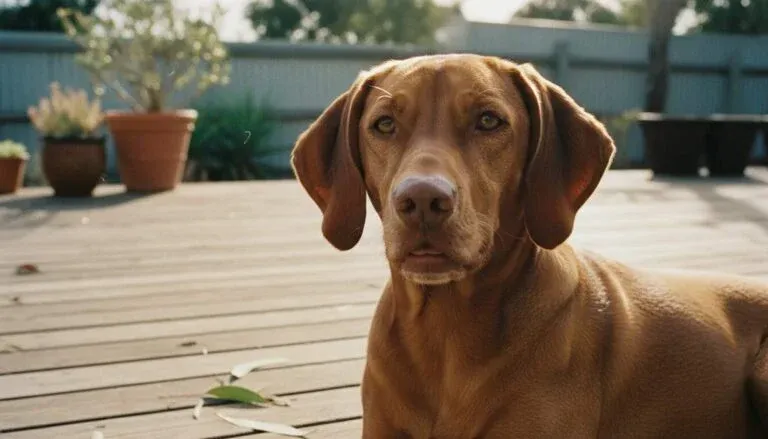
There’s a reason Hungarian Vizsla owners affectionately call them “Velcro dogs” — this breed will quite literally follow you from room to room, supervising your every move with those soulful amber eyes. It’s been said that if you want personal space, get a cat. If you want a devoted shadow who happens to run at 65 km/h, the Hungarian Vizsla might just be your perfect match.
Originally bred to work alongside Hungarian nobility as both pointer and retriever, this rust-gold athlete combines elegance with athleticism in a way that few breeds can match. Whether you’re looking for a running partner, a hunting companion, or simply a family dog who’ll love you with an intensity that borders on obsessive, you’ve come to the right place.
What You’ll Learn:
- Breed traits & temperament
- Health concerns to know
- True cost in Australia
- Training & exercise needs
- Is this breed right for you?
Hungarian Vizsla Quick Facts
| Attribute | Details |
|---|---|
| Breed Group | Gundog (ANKC Group 3) |
| Origin | Hungary (ancient breed, 10th century origins) |
| Size Category | Medium |
| Height (Adult) | Male: 57-64 cm | Female: 53-60 cm |
| Weight (Adult) | Male: 22-30 kg | Female: 18-25 kg |
| Lifespan | 12-15 years |
| Coat Type | Short, smooth, close-lying (no undercoat) |
| Exercise Needs | 90-120 minutes/day |
| Trainability | 5/5 |
| Good with Children | Yes (excellent family dog) |
| First-Time Owner Suitable | 3/5 |
| Average Puppy Price (AUD) | $2,500 – $4,500 |
Data sourced from Dogs Australia (ANKC) Breed Standards and The Kennel Club UK registry.¹
History of the Hungarian Vizsla
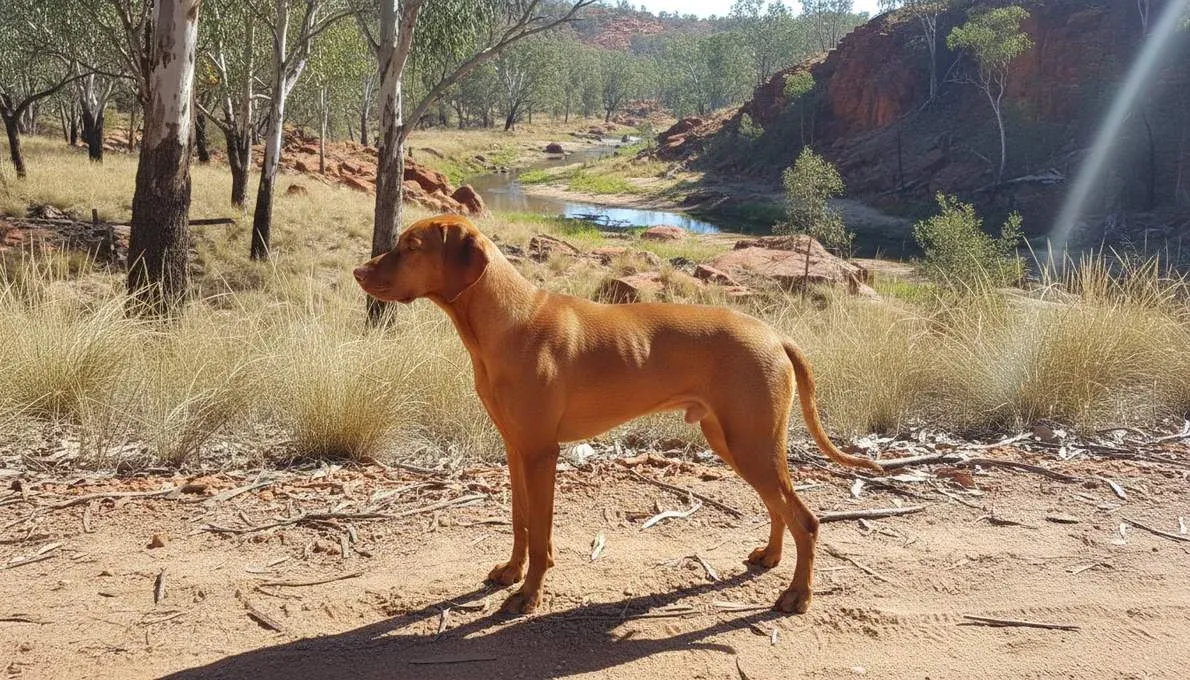
The Hungarian Vizsla’s history stretches back over a thousand years — the first written reference appears in the Illustrated Vienna Chronicle from 1357. This wasn’t just any hunting dog; the Vizsla was the prized companion of Hungarian nobility, bred to point, track, and retrieve game across the vast Hungarian plains.²
The breed nearly faced extinction multiple times — first when English Pointers became fashionable in the 1800s, and again after World War II when only about a dozen true-type Vizslas remained in Hungary. Dedicated breeders smuggled dogs out of the country during the Soviet occupation, and from that precarious beginning, the breed rose to international prominence.
Australian hunters and families discovered the Vizsla’s remarkable versatility in the latter half of the 20th century. Today, the Hungarian Vizsla Club of Victoria and Hungarian Vizsla Club of NSW maintain strong communities of enthusiasts who appreciate both the breed’s working abilities and its exceptional temperament as a family companion.
Hungarian Vizsla Temperament
Affectionate and Devoted: The Vizsla’s nickname “Velcro dog” is well-earned. Many Hungarian Vizsla owners report that their dog follows them absolutely everywhere — including the bathroom. This isn’t neediness; it’s genuine devotion. They want to be part of everything you do, and they’ll supervise your activities with quiet intensity.
Intelligent and Eager to Please: Vizslas are exceptionally smart and genuinely want to make you happy. This combination makes them highly trainable — though it also means they’ll remember that time you let them on the couch “just once.”
Sensitive and Gentle: Despite their hunting heritage, Vizslas are remarkably soft-natured. They don’t respond well to harsh corrections — a stern voice is usually enough to communicate displeasure. As one Melbourne breeder put it: “Yell at a Vizsla once, and they’ll remember it forever. Praise them once, and they’ll try to repeat that behaviour for the rest of their lives.”
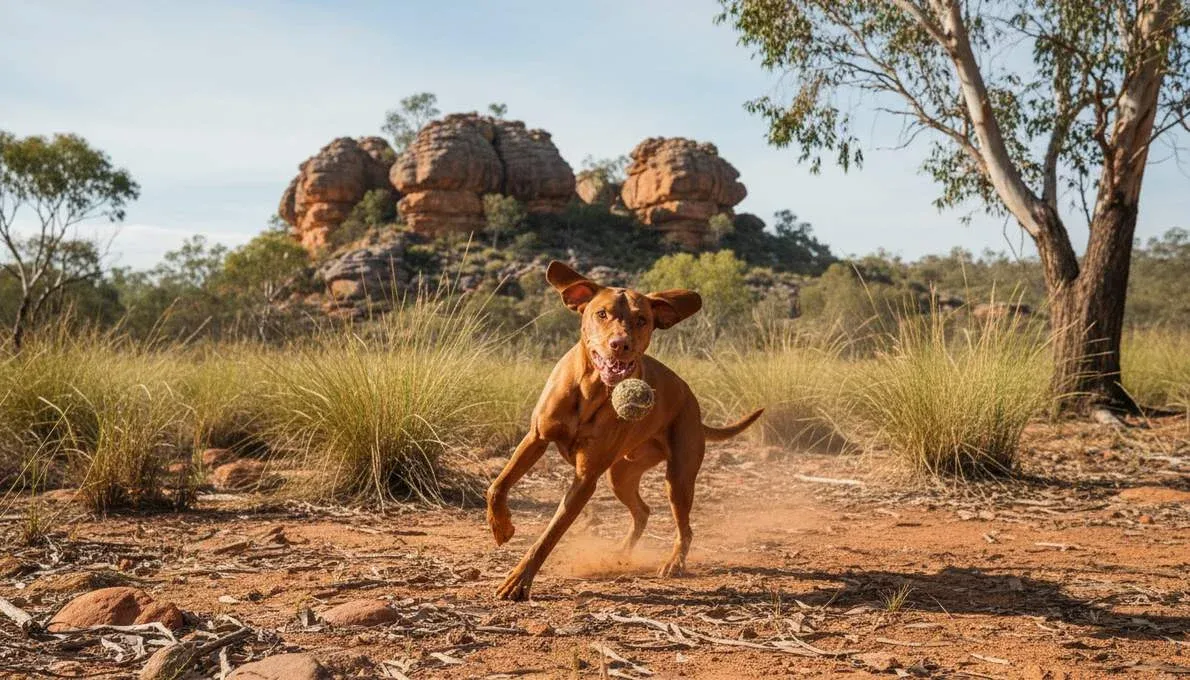
Energetic and Athletic: This breed was built for endurance. They can run at speeds up to 65 km/h and maintain a working pace all day.
Playful Throughout Life: Every Hungarian Vizsla is different, but most retain a puppy-like playfulness well into their senior years. Your 10-year-old Vizsla will still want to play fetch — they might just need a longer nap afterwards.
Hungarian Vizslas are generally excellent with children, showing patience and gentleness that belies their hunting heritage. They’re sturdy enough for active play yet intuitive enough to be gentle with smaller family members. First-time Hungarian Vizsla owners are often surprised by how quickly the dog bonds with children — they become inseparable playmates and protectors.
That said, the Hungarian Vizsla Club of NSW recommends waiting until children are at least five years old before bringing home a Vizsla puppy, simply because the breed’s exuberance during adolescence can accidentally knock over toddlers.
Vizslas generally get along well with other dogs, particularly when properly socialised. Their prey drive is present but typically less intense than some other hunting breeds, meaning many Vizslas coexist peacefully with cats — especially when raised together. This varies significantly between individual dogs, so careful introductions are always recommended.
If your Hungarian Vizsla starts becoming destructive, anxious, or develops excessive barking, don’t panic — these behaviours almost always indicate insufficient exercise or too much time spent alone. The breed is prone to separation anxiety due to their intensely social nature. When your Vizsla hits adolescence around 6-18 months, expect boundary-testing behaviour. The key is to remain patient, increase exercise, and stay consistent with training.
Hungarian Vizsla Health Issues
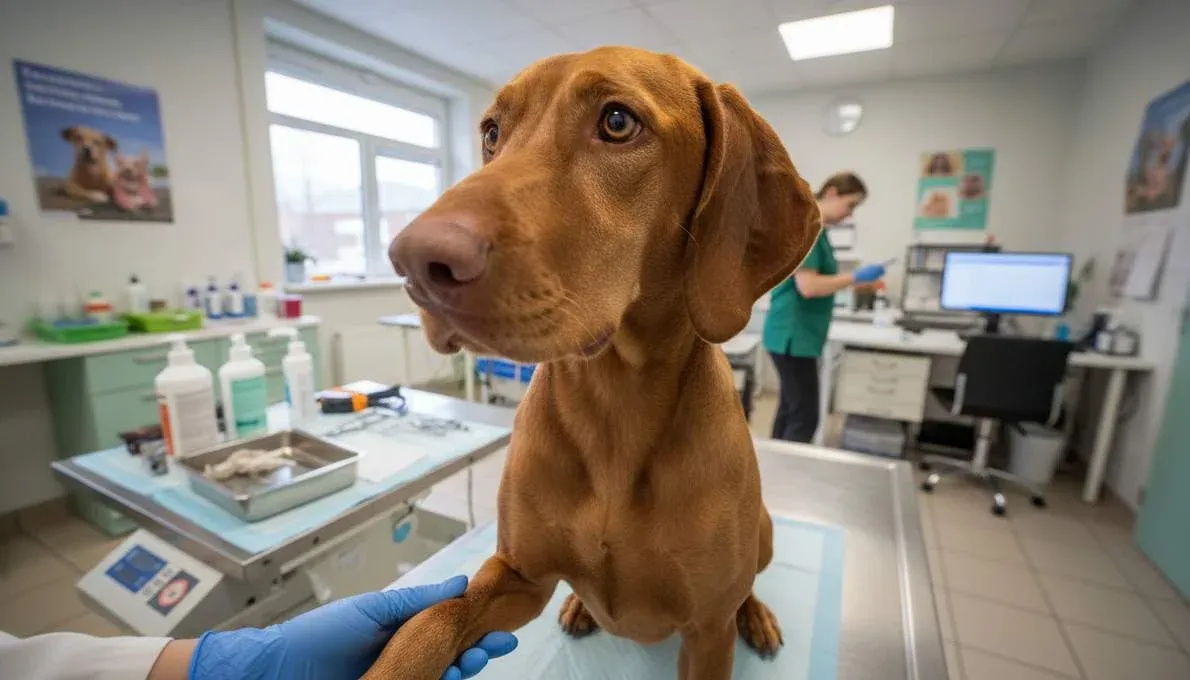
If you’re worried about potential health problems, you’re not alone — it’s one of the first things prospective owners ask. The good news is that Hungarian Vizslas are generally a robust breed with good genetic diversity. However, like all purebreds, there are some conditions to be aware of.
The Hungarian Vizsla Club UK’s Breed Health and Conservation Plan, the breed’s principal health concerns include:³
A hereditary condition where the hip joint doesn’t develop correctly. The UK breed average hip score is 12.2, and responsible breeders aim for scores well below this. According to VCA Hospitals, symptoms include stiffness, reluctance to exercise, and difficulty rising. Treatment ranges from $500-$800 for ongoing management to $5,000-$10,000+ for surgery.⁴
Unfortunately, Vizslas appear predisposed to certain cancers, particularly haemangiosarcoma (a cancer of blood vessel walls). Early detection through regular vet checks is crucial. Research is ongoing through breed clubs and veterinary institutions.⁵
Seizure disorders occur more frequently in Vizslas than the general dog population. Most cases can be managed with medication, allowing affected dogs to live relatively normal lives.
Vizslas can be susceptible to various autoimmune conditions including Polymyositis (now known as Vizsla Inflammatory Polymyopathy), Sebaceous Adenitis, and Steroid-Responsive Meningitis.⁶
Progressive Retinal Atrophy (PRA), glaucoma, and entropion have been documented in the breed. Regular eye examinations are recommended.
Like many deep-chested breeds, Vizslas can be susceptible to gastric dilatation-volvulus. Feed multiple smaller meals, avoid exercise immediately after eating, and learn to recognise symptoms.⁷

Lifespan & Longevity Tips
The average Hungarian Vizsla lifespan is 12-15 years, which is excellent for a medium-sized breed. The oldest recorded Vizsla reportedly lived to 20 years old — proof that with proper care, these dogs can enjoy remarkably long lives.
Veterinarians at the Australian Veterinary Association recommend: maintaining healthy weight (Vizslas can be prone to becoming too thin rather than overweight), providing regular vigorous exercise, scheduling annual health checks with blood panels for senior dogs, and ensuring mental stimulation continues throughout life.⁸
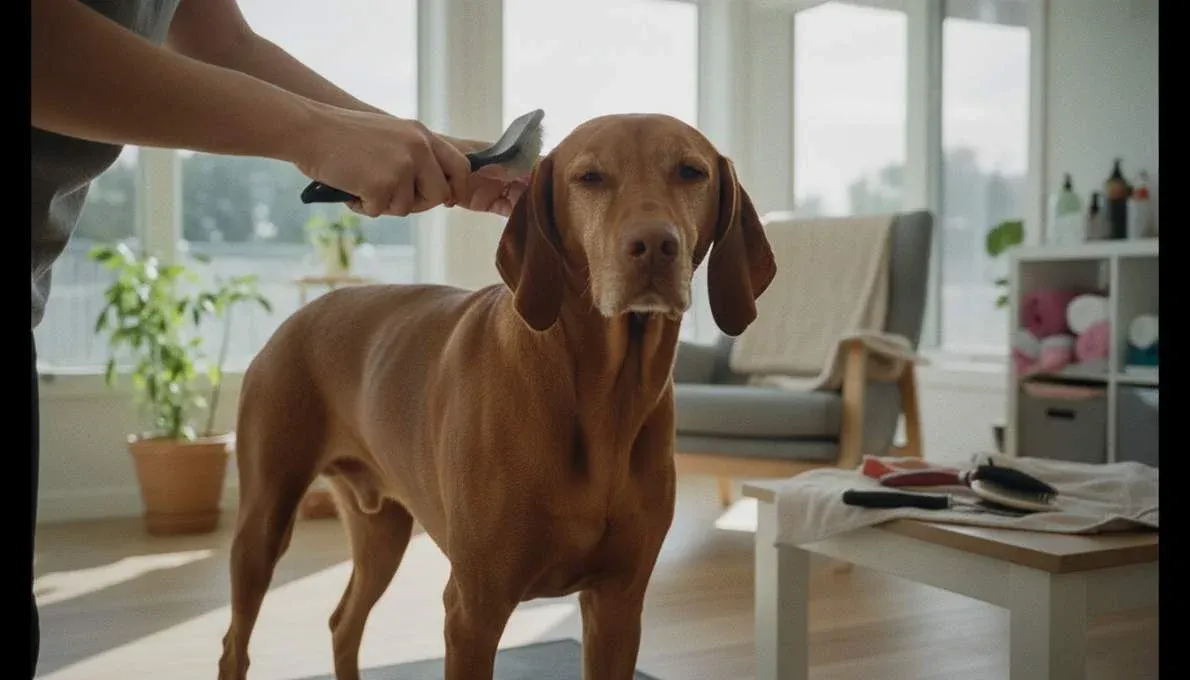
Hungarian Vizsla Grooming Guide
One of the Vizsla’s most appealing features for busy owners is their low-maintenance coat. That gorgeous rust-gold colour comes with minimal grooming requirements — but “low maintenance” doesn’t mean “no maintenance.”
Grooming Schedule
| Task | Frequency | Time | Tools/Products |
|---|---|---|---|
| Brushing | 1-2x weekly | 10-15 mins | Rubber curry brush, hound glove |
| Bathing | Every 6-12 weeks | 20-30 mins | Dermcare or Fido’s Shampoo |
| Nail Trimming | Every 2-3 weeks | 10 mins | Clippers or grinder |
| Ear Cleaning | Weekly | 5 mins | PAW ear cleaner |
| Dental Care | Daily | 5 mins | Oravet chews, Greenies |
Do Hungarian Vizslas shed? Yes, moderately. They lack an undercoat, which means less seasonal “blowing” than double-coated breeds, but you’ll still find rust-coloured hairs on your furniture. Regular brushing significantly reduces loose hair around the home. They are not hypoallergenic.
Hungarian Vizsla colours are limited to various shades of golden rust — from sandy gold to deeper russet. White markings on the chest and feet are acceptable but not preferred. The nose, eye rims, and lips should blend with the coat colour, never black.
Note on coat types: The Hungarian Wirehaired Vizsla is a separate breed with a different coat that requires more grooming, including hand-stripping.
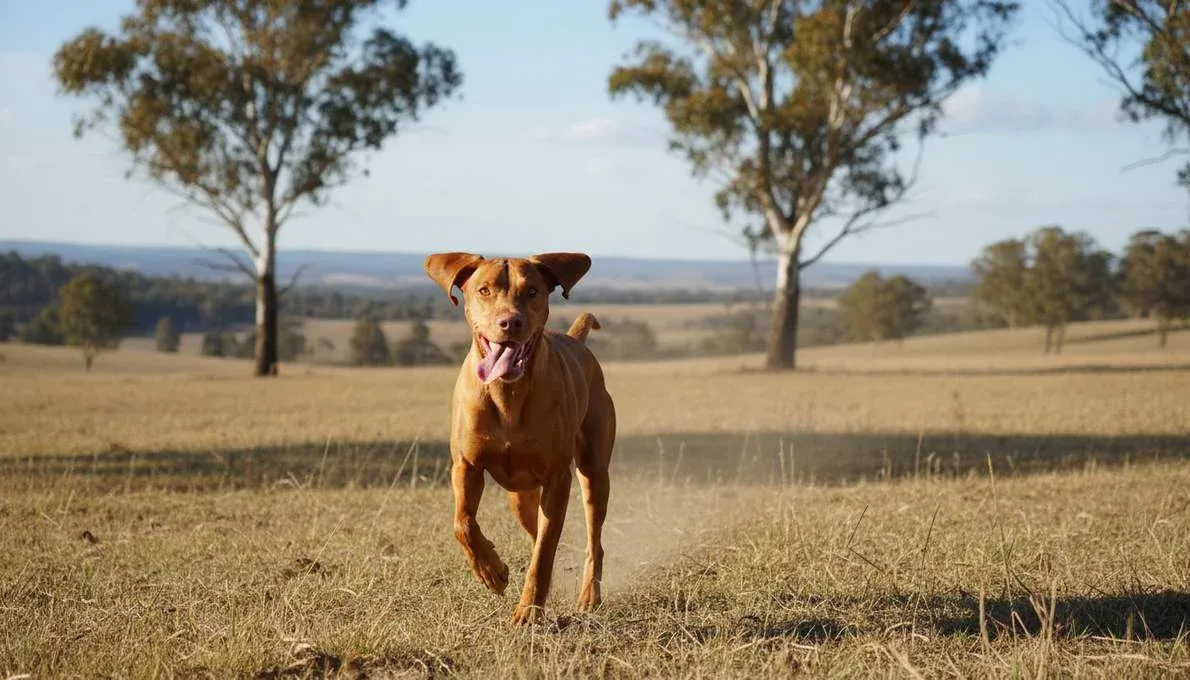
Hungarian Vizsla Exercise Needs
The RSPCA Australia recommends that active sporting breeds receive substantial daily exercise — and the Hungarian Vizsla absolutely qualifies. Plan for a minimum of 90-120 minutes of vigorous activity daily, ideally split across multiple sessions.⁹
Many Hungarian Vizsla owners report that the first two years are the most demanding exercise-wise — but don’t be discouraged if your young Vizsla seems to have limitless energy. With patience and consistency, they do settle. Breeders consistently note that “a tired Vizsla is a happy Vizsla” — and an exercised dog is far less likely to develop anxiety or destructive behaviours.
Ideal activities include:
- Running and jogging (they make excellent running partners)
- Swimming (most Vizslas are natural water lovers)
- Fetch and retrieving games
- Hiking and bushwalking
- Agility, tracking, and other dog sports
- Off-leash running in secure areas
If you notice your Hungarian Vizsla becoming restless, anxious, or developing nuisance barking, don’t panic — this typically indicates they need more physical and mental stimulation. Try adding a second walk or incorporating training sessions into their routine.
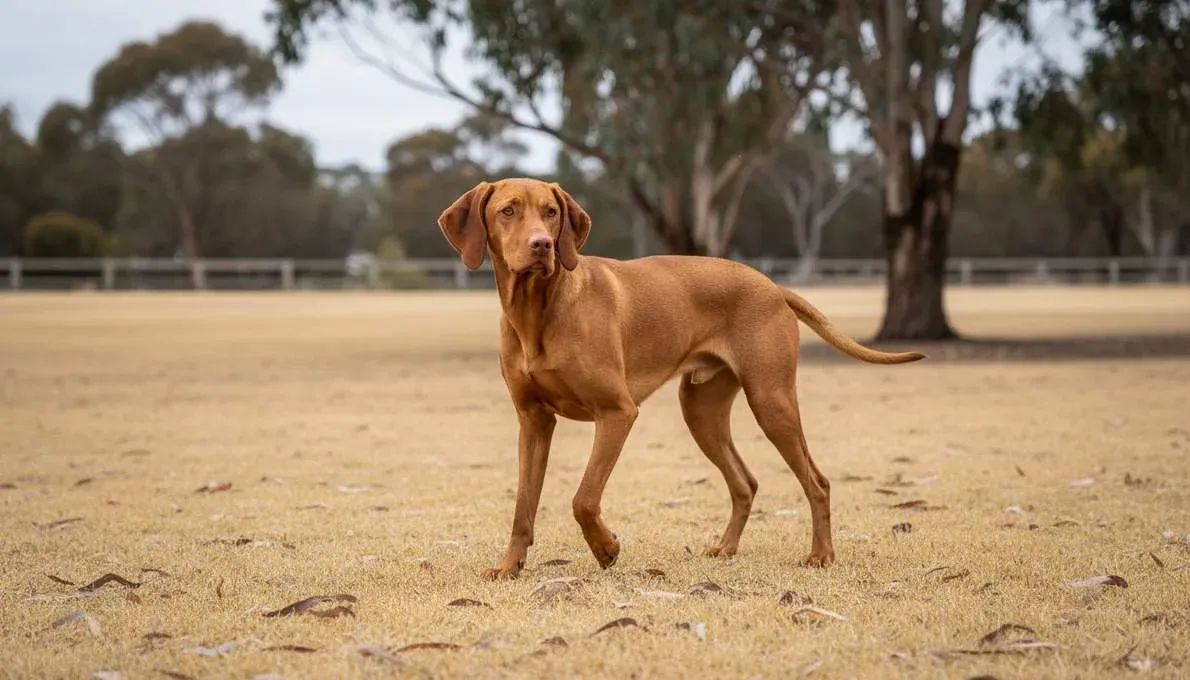
Hungarian Vizsla Training Guide
Don’t be discouraged if your Hungarian Vizsla puppy seems to forget yesterday’s training — adolescence can be challenging with this breed. Their intelligence and eagerness to please means training is generally rewarding, but their sensitivity requires the right approach.
According to the American Kennel Club’s training resources, Hungarian Vizslas respond exceptionally well to positive reinforcement. Harsh corrections will damage your relationship and can create a fearful, anxious dog. They thrive on praise, treats, and your approval.¹⁰
Socialisation Timeline
Socialisation & Training Timeline
| Age | Training Focus | Expected Outcomes |
|---|---|---|
| 8-12 weeks | Name recognition, crate training, potty basics | Foundation established |
| 3-4 months | Sit, stay, come, gentle leash walking | Basic obedience |
| 4-6 months | Impulse control, extensive socialisation | Confident, well-adjusted dog |
| 6-12 months | Recall reliability, advanced commands | Reliable basics |
| 12+ months | Off-leash work, sport-specific training | Well-trained companion |
Experienced Hungarian Vizsla handlers often say that consistency is more important than intensity with this breed. Short, positive training sessions multiple times daily work better than long, repetitive drills. They’re quick learners who can become bored with repetition.
Hungarian Vizsla Price & Costs
Understanding the true cost of Hungarian Vizsla ownership helps you budget appropriately and ensures you can provide the care this breed deserves.
Find registered breeders through the Dogs Australia Breeder Directory or contact the Hungarian Vizsla Club of NSW or Hungarian Vizsla Club of Victoria. Consider adoption through PetRescue — while Vizslas aren’t commonly surrendered, they do occasionally need rehoming.
Initial Costs
| Expense | Approx. Cost (AUD) |
|---|---|
| Puppy Price (Registered Breeder) | $2,500 – $4,500 |
| Adoption Fee (Rescue) | $500 – $800 |
| Initial Vet + Vaccinations | $200 – $400 |
| Desexing | $300 – $600 |
| Essential Supplies (bed, crate, bowls, lead) | $400 – $700 |
| TOTAL INITIAL COST | $3,900 – $7,000 |
Annual Ongoing Costs:
- Premium Food (Black Hawk, Advance, Ivory Coat): $1,000 – $1,500
- Vet Care & Preventatives: $400 – $800
- Pet Insurance: $600 – $1,200
- Grooming supplies: $100 – $200
- Training, toys, misc: $300 – $500
- • TOTAL ANNUAL: $2,400 – $4,200
Lifetime Cost Estimate: $35,000 – $60,000 (based on 13-year average lifespan)
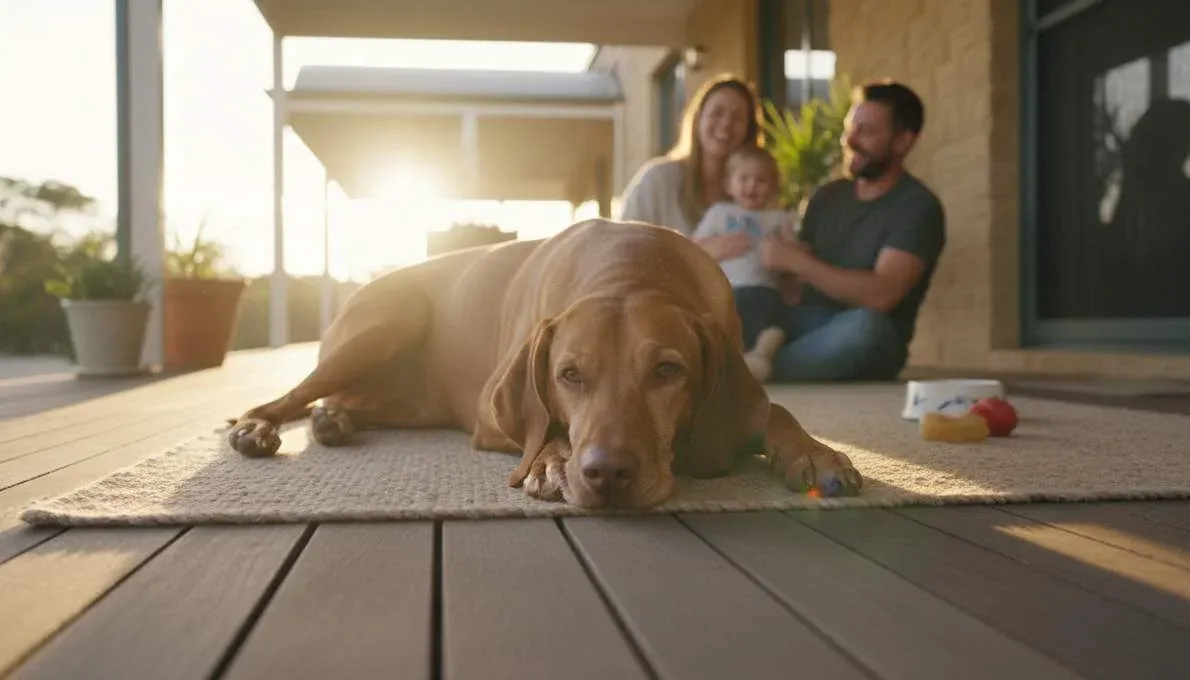
Is a Hungarian Vizsla Right for You?
Active individuals or families who spend significant time at home and enjoy outdoor activities. People who want a close, interactive relationship with their dog. Runners, hikers, or those involved in dog sports.
- Home Size: House with secure yard preferred, though apartments can work with committed owners.
- Yard: Securely fenced — their athleticism means they can clear surprisingly high obstacles.
- Climate: Adaptable to Australian conditions, but their thin coat means they feel the cold and will appreciate a dog coat in winter. Provide shade and water in extreme heat.
This can feel overwhelming, but being honest about challenges upfront saves heartbreak later. The Hungarian Vizsla is a magnificent breed — but their intensity isn’t for everyone, and there’s no shame in recognising that.
- Those who work long hours away from home (separation anxiety is common)
- People who want an independent, low-maintenance dog
- Sedentary households or those unable to provide 90+ minutes of daily exercise
- Those who value personal space (your Vizsla will be your constant shadow)
- First-time owners without commitment to training classes and breed research
The Hungarian Vizsla is a remarkable breed for the right owner — affectionate beyond measure, athletic, intelligent, and genuinely devoted. They’ll transform your daily walks into adventures, reward your training efforts with unwavering loyalty, and become the heart of your family.
Perfect for: Active families, runners, outdoor enthusiasts, and those who want a deeply bonded canine companion who’ll be involved in every aspect of their life.
Think twice if: You work long hours away from home, prefer independent dogs, or can’t commit to substantial daily exercise.
First-time owner rating: 3/5 — Possible with dedication, but the breed’s exercise needs and sensitivity mean experienced dog owners often find them easier to manage.
Frequently Asked Questions
Are Hungarian Vizslas good family dogs?
Yes, excellent family dogs when their exercise needs are met. They’re gentle with children, loyal to the whole family, and thrive on being included in family activities.
Do Hungarian Vizslas shed a lot?
Moderately. They lack an undercoat, so shedding is less dramatic than double-coated breeds, but you’ll still find rust hairs around the house. Regular brushing helps significantly.
How much exercise does a Hungarian Vizsla need?
A minimum of 90-120 minutes of vigorous exercise daily, ideally including opportunities to run off-leash in secure areas.⁹
How long do Hungarian Vizslas live?
The average Hungarian Vizsla lifespan is 12-15 years, which is excellent for a medium-sized breed.
How much does a Hungarian Vizsla cost in Australia?
Expect to pay $2,500 – $4,500 from a registered breeder. Champion bloodlines and show-quality puppies can command higher prices up to $8,000.
Are Hungarian Vizslas easy to train?
Yes, highly trainable due to their intelligence and eagerness to please. They respond best to positive reinforcement and struggle with harsh corrections.
Are Hungarian Vizslas good pets?
Exceptional pets for active owners who can meet their exercise and companionship needs. Less suitable for those wanting an independent, low-maintenance dog.
Are Hungarian Vizslas hypoallergenic?
No. While their short coat produces less dander than some breeds, they are not hypoallergenic and not suitable for allergy sufferers.
Do Hungarian Vizslas bark a lot?
Not typically, but they will bark to alert and may develop nuisance barking if under-exercised or left alone for long periods.
Primary Sources:
1. Dogs Australia (ANKC) — Official breed registration and standards (dogsaustralia.org.au)
2. Hungarian Vizsla Club UK — Breed history and heritage (hungarianvizslaclub.org.uk)
Veterinary & Health Sources:
3. Kennel Club UK Breed Health and Conservation Plan 2021 — Health concerns data
4. VCA Hospitals — Hip dysplasia information (vcahospitals.com)
5. Vizsla Health UK — Cancer research and breed health (vizslahealth.net)
6. Hungarian Vizsla Society — Immune-mediated illness information (vizsla.org.uk)
7. PetMD — Bloat/GDV prevention (petmd.com)
8. Australian Veterinary Association — Care guidelines (ava.com.au)
Australian-Specific Sources:
9. RSPCA Australia — Animal welfare and exercise guidelines (rspca.org.au)
10. American Kennel Club — Training guidelines (akc.org)
11. Hungarian Vizsla Club of NSW — Breed information and puppy advice (vizsla.org.au)
12. PetSure (Bow Wow Meow) — Australian pet ownership cost data