
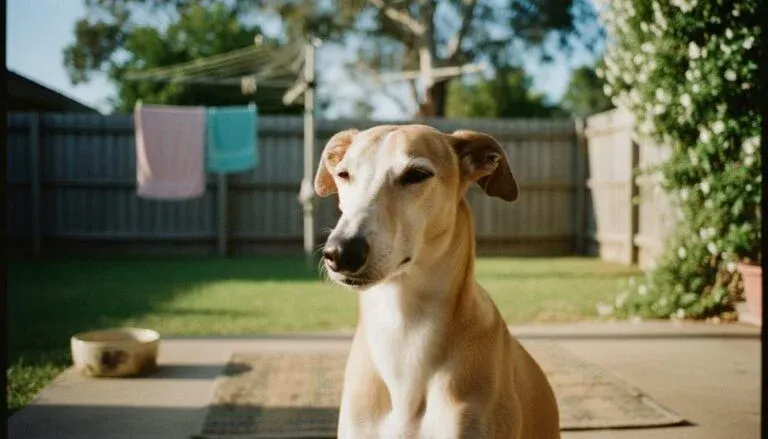
In 2016, a 2008 University of Pennsylvania study made headlines when it revealed that Greyhounds are among the least aggressive dog breeds towards strangers, owners, and other dogs — a surprising fact for a breed synonymous with high-speed racing. That research tells you everything you need to know about the remarkable disconnect between the Greyhound’s racing reputation and their true nature as one of the most gentle, affectionate companions you could welcome into your home.
Often called “45 mile-per-hour couch potatoes,” Greyhounds have captured hearts worldwide with their elegant appearance and surprisingly laid-back temperament. These ancient dogs, with a lineage stretching back 8,000 years to Egyptian pharaohs, have transitioned from royal hunting companions to beloved family pets — and in Australia, thousands of retired racing Greyhounds are waiting for their forever homes through dedicated adoption programs.
What You’ll Learn
- Breed traits & temperament
- Health concerns to know
- True cost in Australia
- Training & exercise needs
- Is this breed right for you?
Greyhound Quick Facts
| Attribute | Details |
|---|---|
| Breed Group | Hound (Sighthound) |
| Origin | Ancient Egypt / Middle East |
| Size Category | Large |
| Height (Adult) | Male: 71-76 cm | Female: 66-71 cm |
| Weight (Adult) | Male: 27-40 kg | Female: 25-34 kg |
| Lifespan | 10-14 years |
| Coat Type | Short, smooth, fine |
| Exercise Needs | 30-60 minutes/day |
| Trainability | 3/5 |
| Good with Children | Yes (supervision recommended) |
| First-Time Owner Suitable | 4/5 |
| Average Adoption Fee (AUD) | $200 – $395 (retired racers) |
| Puppy Price – Breeder (AUD) | $2,000 – $4,500 |
Data sourced from ANKC Breed Standards and Dogs Australia registry.¹

History of the Greyhound
The Greyhound is one of the most ancient dog breeds, with origins tracing back approximately 8,000 years to the Middle East. Archaeological evidence, including cave drawings from Turkey (6000 BC) and funeral vases from Iran (4200 BC), depicts greyhound-type dogs that look remarkably similar to the breed we know today.²
In ancient Egypt, Greyhounds were revered as near-divine creatures. They were the only dogs permitted inside royal tents and were often mummified and buried alongside their pharaoh owners. The death of a Greyhound was mourned second only to the death of a son, and killing one was punishable by death. According to the American Kennel Club’s breed history archives, Greek traders brought Greyhounds to Europe, where Romans later spread them throughout Britain during their conquests.²
Interestingly, the Greyhound is the only breed of dog mentioned by name in the Bible (Proverbs 30:29-31, King James Version). By medieval times, English law decreed that only nobility could own Greyhounds. The breed eventually made its way to Australia, where it became popular for coursing and, more recently, track racing — an industry that has led to thousands of gentle retired racers becoming available for adoption each year.
Greyhound Temperament
Gentle and Affectionate: Despite their athletic build, Greyhounds are incredibly gentle souls. Many Greyhound owners report that their dogs follow them from room to room, earning the breed the nickname “Velcro dogs.” They form deep emotional bonds with their families and thrive on companionship and physical affection.
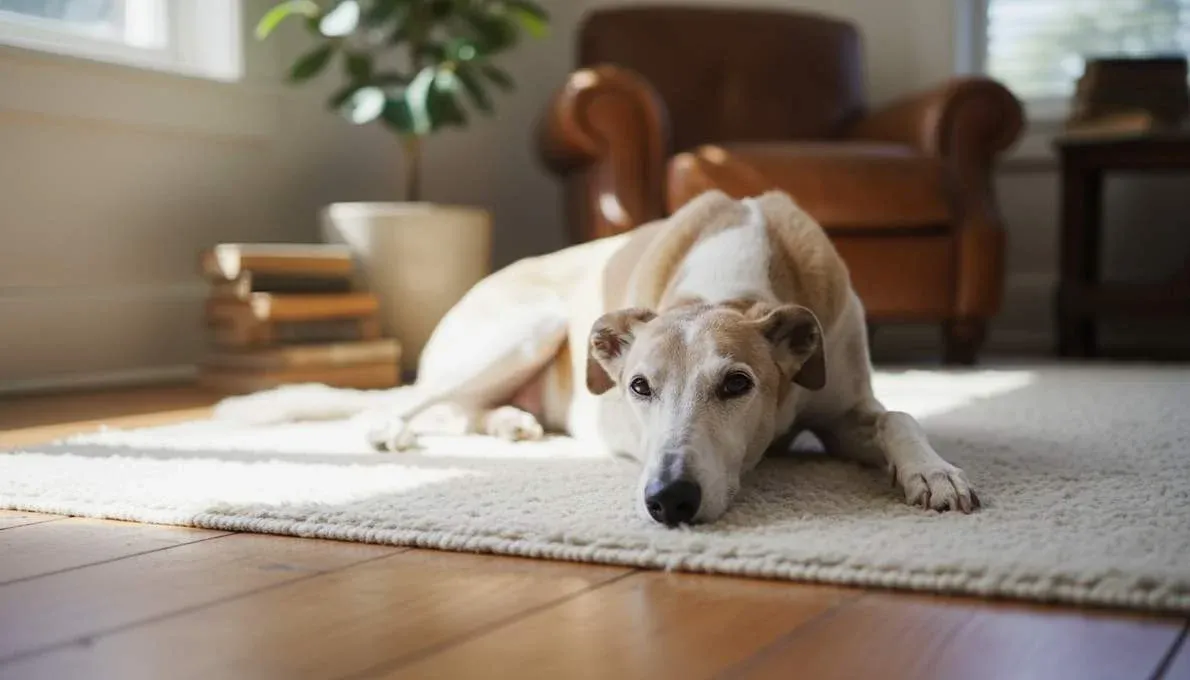
Calm and Quiet: First-time Greyhound owners are often surprised by just how quiet these dogs are. They rarely bark without good reason, making them excellent apartment dogs. When they’re not enjoying their daily exercise, they’re perfectly content lounging on the couch — or more likely, claiming the entire sofa for themselves.
Independent Yet Loyal: Greyhounds possess a dignified independence that some describe as cat-like. They’re not clingy or demanding, but they’re deeply loyal to their people. As one Victorian adoption coordinator put it: “Greyhounds are like living with a very tall, elegant housemate who just happens to worship you.”
Sensitive: This varies significantly between individual dogs, but Greyhounds as a breed tend to be emotionally sensitive. They respond best to calm, positive training methods and can become anxious in loud or chaotic environments.
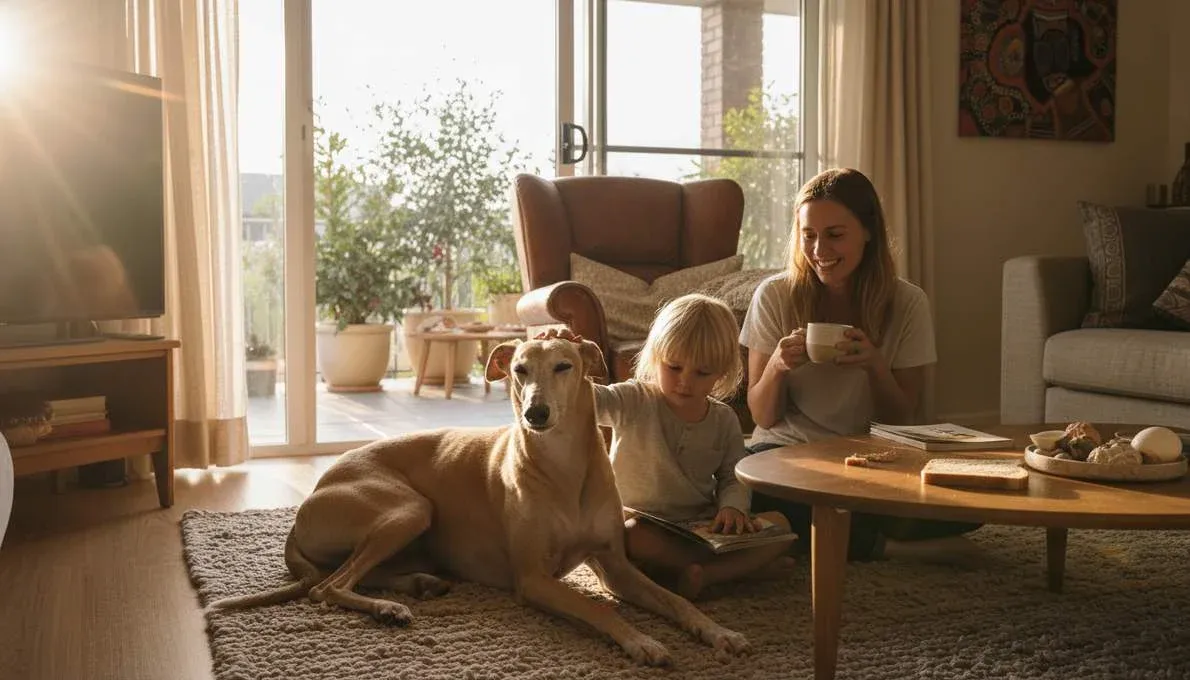
Greyhounds are generally tolerant and patient with children, making them suitable family pets. Their non-aggressive nature means they typically choose to walk away from annoying situations rather than snap or growl. However, supervision is always recommended, particularly with younger children who may not understand that these dogs need their rest — Greyhounds can sleep up to 20 hours a day! Teaching children to respect the dog’s space, especially when sleeping, is important as some Greyhounds experience “sleep startle” if woken suddenly.
Greyhounds generally get along well with other dogs, particularly other Greyhounds and medium to large breeds. Breeders consistently note that Greyhounds seem to recognise their own kind and form fast friendships with other sighthounds. However, their strong prey drive means caution is needed around cats and smaller pets. Every Greyhound is different, and many live harmoniously with cats — but it requires careful introduction and, often, a cat-tested dog from an adoption program.
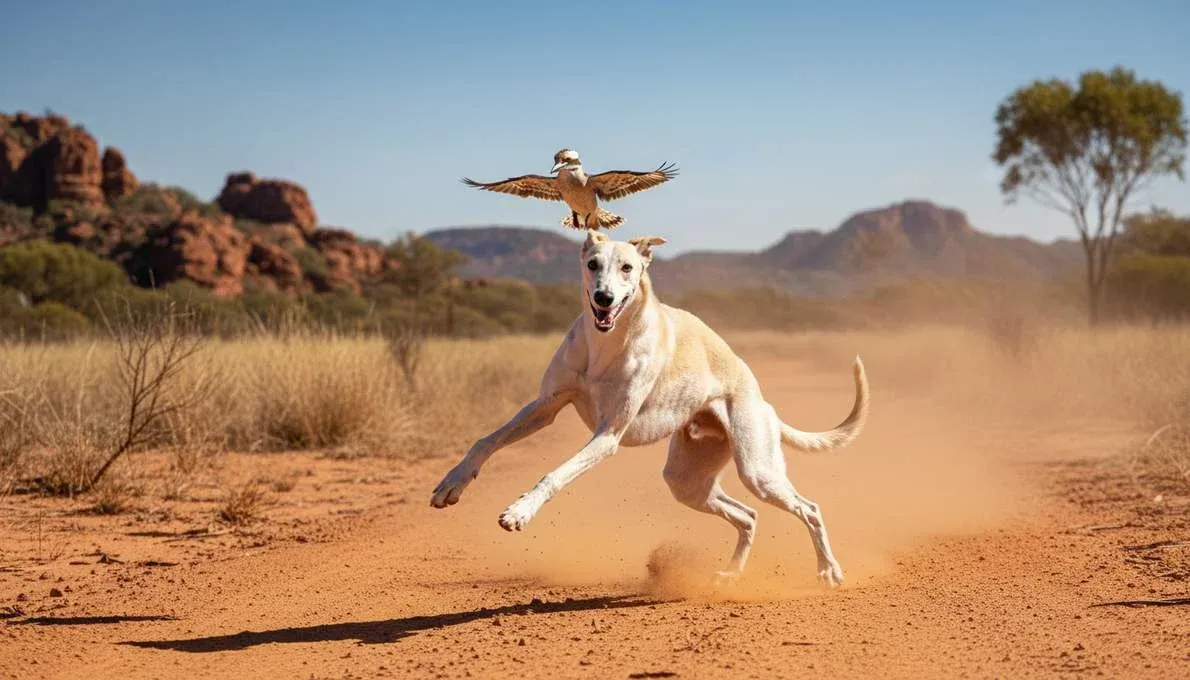
If your Greyhound starts fixating on small animals during walks — and trust us, that instinct runs deep — redirect immediately with a firm “leave it” and a high-value treat. The key is never to let the chase begin. A secure harness and leash are essential, as a Greyhound in pursuit mode can reach 65+ km/h and will be impossible to catch.
Separation anxiety can also be an issue, particularly for retired racing Greyhounds who’ve never been alone. According to owners in Australian Greyhound communities, starting with short absences and gradually building up time alone, combined with a cosy crate or bed and a stuffed Kong, helps most dogs adjust within a few weeks.
Greyhound Health Issues
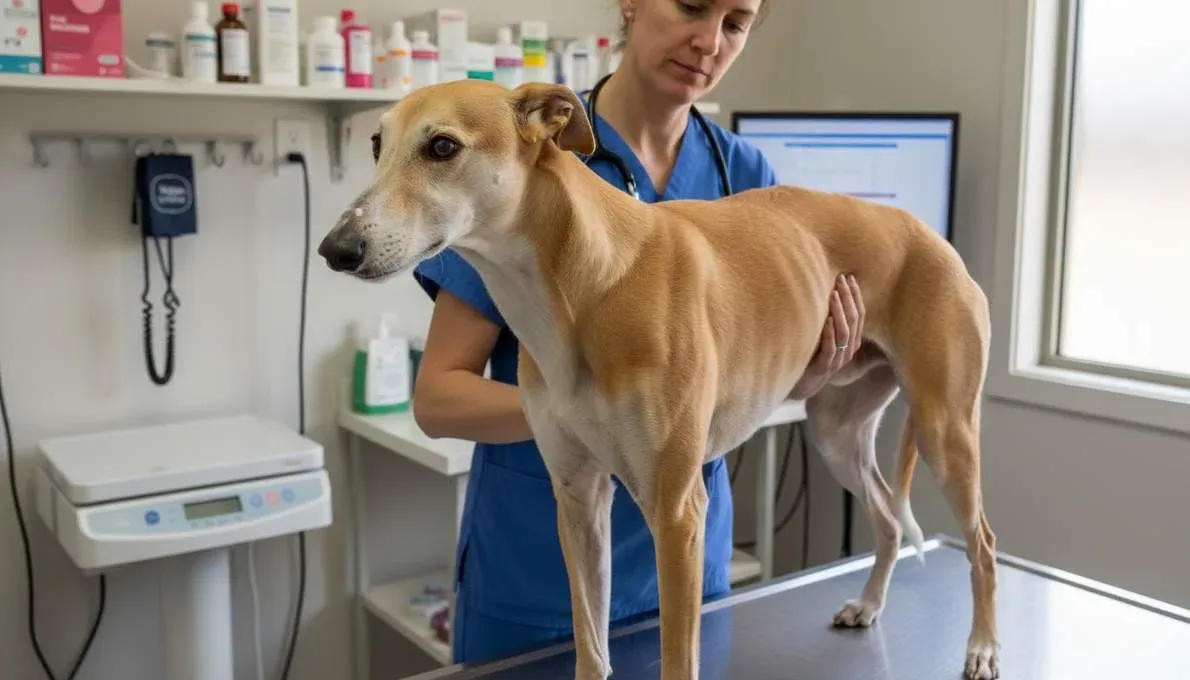
If you’re worried about Greyhound health problems, you’re not alone — it’s one of the first things prospective owners ask. The good news is that Greyhounds are generally considered one of the healthiest large breed dogs, partly because they’ve been selectively bred for performance rather than appearance. However, there are some conditions you should be aware of.³
According to VCA Hospitals, bloat is a serious and potentially life-threatening condition that commonly affects deep-chested breeds like the Greyhound. It occurs when the stomach fills with gas and potentially twists on itself. Prevention strategies include feeding smaller, more frequent meals rather than one large meal, using raised feeding bowls to reduce air intake, and avoiding exercise immediately before or after eating. Symptoms include a distended abdomen, restlessness, drooling, and retching without producing vomit. If you notice these signs, seek emergency veterinary care immediately.⁴
Prevention tip: Many veterinarians recommend a prophylactic gastropexy surgery, which can be performed at the time of desexing.
Osteosarcoma is one of the most common cancers affecting Greyhounds, typically occurring in older dogs. This aggressive bone cancer usually starts in the leg bones. Symptoms include lameness, swelling, and pain in the affected limb without apparent injury. While there is no cure, treatment options include amputation, chemotherapy, and radiation therapy to maintain quality of life.⁵
Greyhounds have a genetic predisposition to periodontal disease, with some studies suggesting up to 40% of Greyhounds suffer from dental problems — significantly higher than other breeds. Regular dental care is essential, including daily brushing with a dog-specific toothpaste, dental chews like Greenies or Oravet, and annual professional cleanings. The Australian Veterinary Association recommends budgeting for yearly dental cleanings as part of routine Greyhound care.⁶
Greyhounds have unique physiology that affects how they metabolise certain medications, particularly barbiturate-based anesthetics. Their livers have lower amounts of oxidative enzymes, which can lead to prolonged recovery periods. Always ensure your veterinarian is experienced with sighthounds and aware of these breed-specific requirements before any procedure requiring sedation.
- Pannus: An eye condition affecting the cornea, treatable with topical medications
- Hypothyroidism: Can cause weight gain, lethargy, and coat problems
- Pattern Baldness: Common in both males and females, usually affecting throat, chest, and belly
Lifespan & Longevity
The average Greyhound lifespan is 10-14 years, with a 2024 UK study finding an average life expectancy of 11.5 years for the breed. This is slightly below the average of 12.7 years for all purebreds, but respectable for a large breed dog.⁷
Veterinarians at the Australian Veterinary Association recommend several strategies to maximise your Greyhound’s lifespan: maintaining a healthy weight (Greyhounds should look lean, with visible ribs), providing regular but moderate exercise, keeping up with dental care, and scheduling annual health checks including blood work to catch any issues early.⁸
Greyhound Grooming Guide
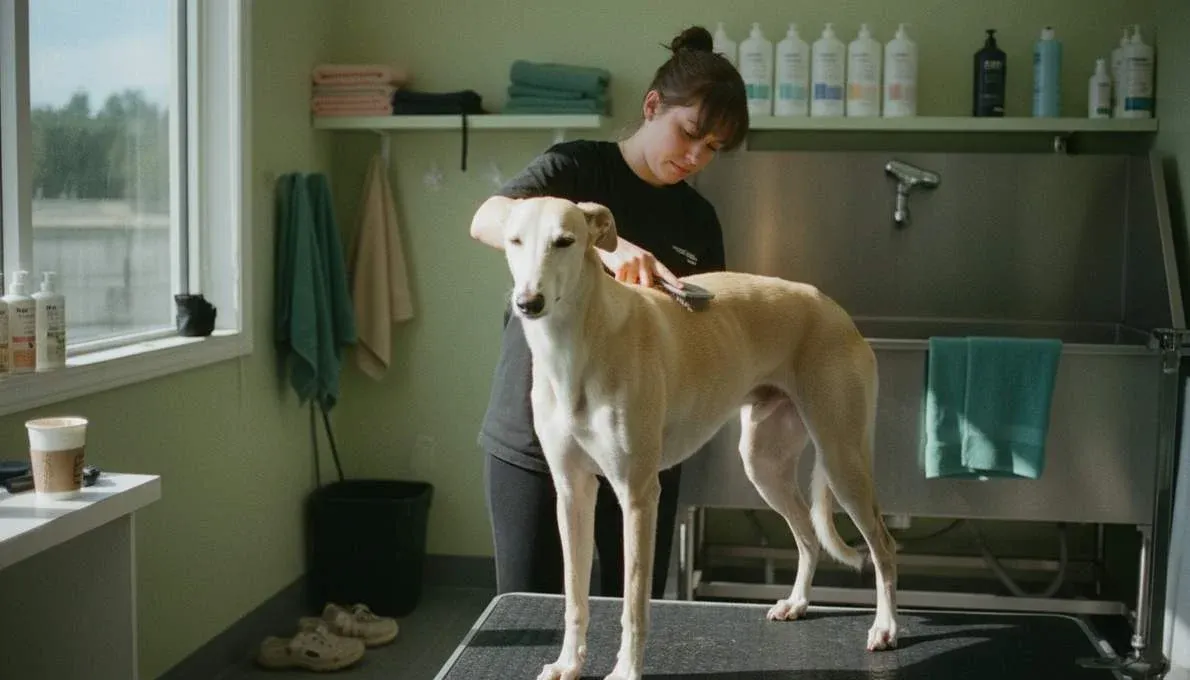
One of the genuine pleasures of owning a Greyhound is their minimal grooming requirements. Their short, smooth coat is easy to maintain and sheds only moderately — though you will find those fine hairs on your clothes and furniture.
Grooming Schedule
| Task | Frequency | Time | Tools/Products |
|---|---|---|---|
| Brushing | Weekly | 5-10 mins | Rubber curry brush, hound glove |
| Bathing | Every 6-8 weeks | 15-20 mins | Dermcare/Fido’s Shampoo |
| Nail Trimming | Every 2-3 weeks | 10-15 mins | Clippers or grinder |
| Dental Care | Daily brushing ideal | 5 mins | Dog toothpaste, Oravet, Greenies |
| Ear Cleaning | Weekly check, clean as needed | 5 mins | Vet-approved ear cleaner |
| Professional Grooming | Optional/Not required | N/A | N/A |
Australian brands like Dermcare Natural Shampoo (vet-recommended) and Fido’s Everyday Shampoo (budget-friendly) work well for Greyhounds’ sensitive skin. For dental care, products like Oravet and Greenies are excellent additions to your routine, though they don’t replace regular brushing.
Greyhounds have very thin skin that can tear easily, so be gentle during grooming and check regularly for any cuts or scrapes. Their thin coat also means they need protection from both sun (especially pink-nosed dogs) and cold — a quality dog coat from brands like PAW by Blackmores is essential for winter walks.
Greyhound Exercise Needs
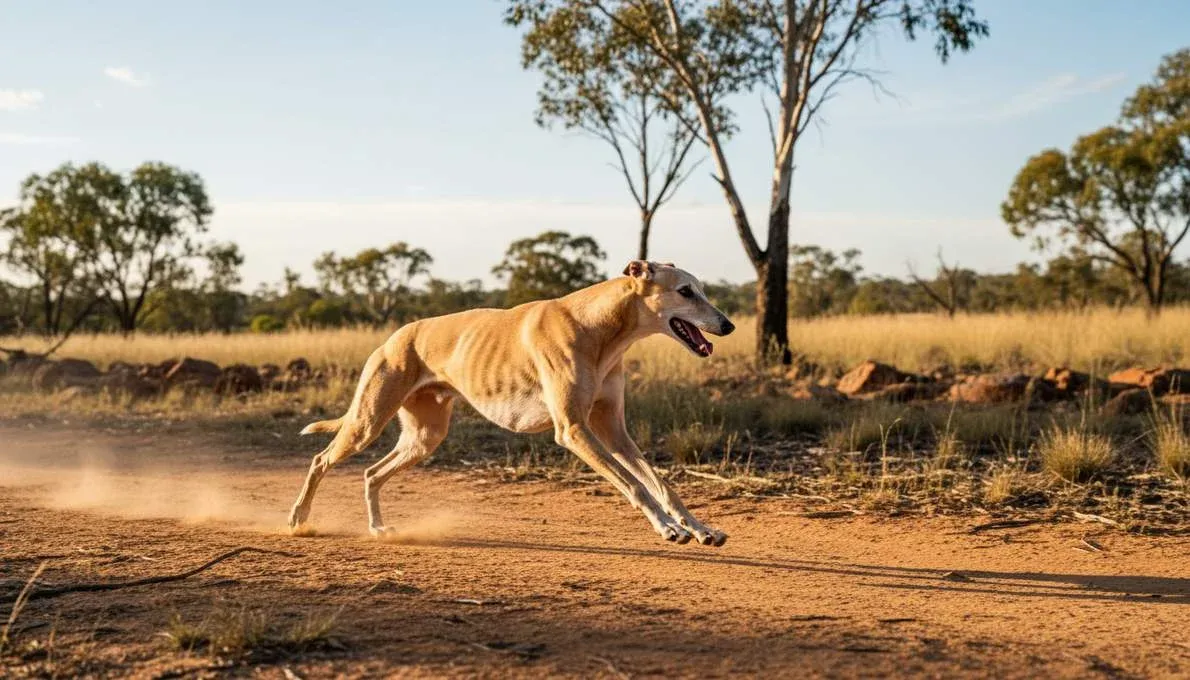
Here’s the part that surprises most people: despite being the fastest dog breed in the world, Greyhounds are remarkably low-energy pets. The RSPCA Australia notes that while all dogs need daily exercise, Greyhounds are content with surprisingly moderate activity levels.⁹
Daily Requirements:
30-60 minutes of exercise per day is typically sufficient. This can be split into two 20-30 minute walks, with occasional opportunities for a safe, off-leash sprint in an enclosed area.
Many Greyhound owners report that their dogs have adapted perfectly to apartment living, which might seem counterintuitive for such a large breed. The reality is that Greyhounds are sprinters, not marathon runners — they’re built for short bursts of incredible speed followed by extended periods of rest. A healthy adult Greyhound can happily sleep 18-20 hours a day.
If your Greyhound starts getting restless or displaying destructive behaviour, don’t panic — this often indicates boredom rather than insufficient exercise. Try adding mental stimulation through puzzle feeders, scent games, or a short training session. Experienced Greyhound handlers often say that a tired brain is just as important as a tired body for this intelligent breed.
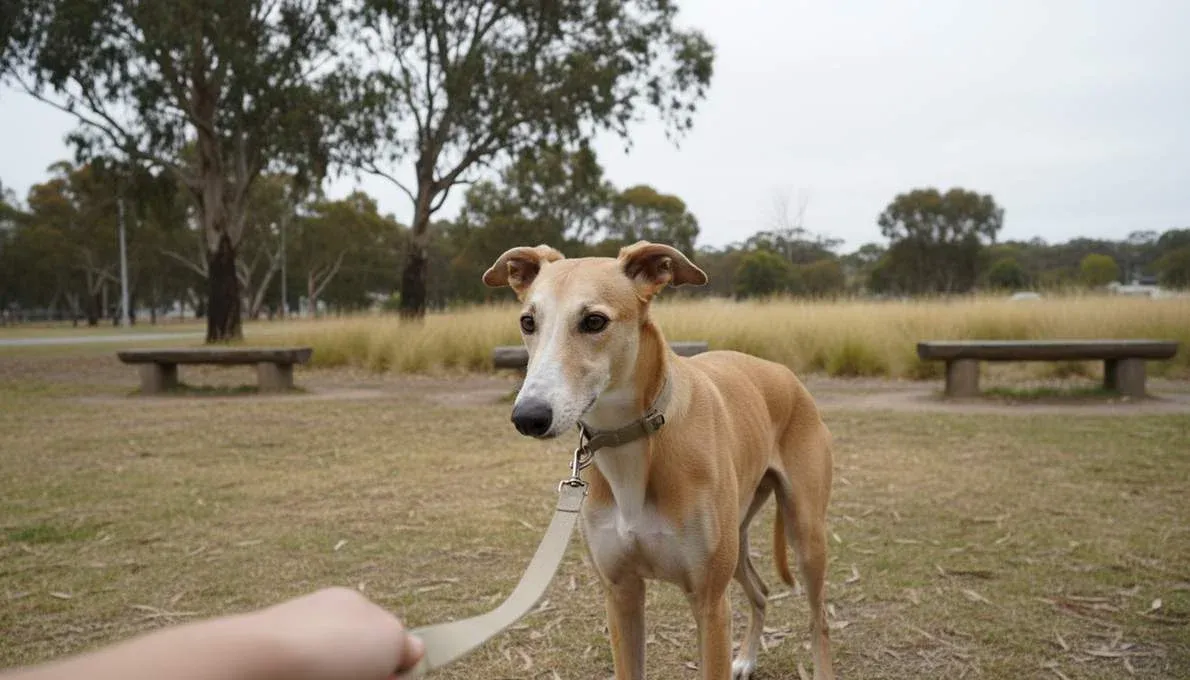
Important Safety Note: Greyhounds should always be leashed unless in a fully enclosed area. Their prey drive is hardwired — if they spot something worth chasing, they’ll be gone before you can react, and at 65+ km/h, you won’t catch them. Sadly, Greyhounds have poor road sense, making this a genuine safety concern.
Greyhound Training Guide
Don’t be discouraged if your Greyhound seems to ignore commands initially — this isn’t stubbornness but rather a sighthound’s independent thinking style. With patience and the right approach, Greyhounds can absolutely learn obedience, though they may never be as eager to please as a Labrador.¹⁰
Greyhounds respond best to positive reinforcement training with high-value treats and short, engaging sessions. Harsh corrections or raised voices will cause a sensitive Greyhound to shut down completely. According to professional dog trainers, the key is making training feel like a game rather than a chore.
Socialisation & Training Timeline
| Age/Stage | Training Focus | Expected Outcomes |
|---|---|---|
| Arrival (any age) | Name recognition, house training, crate comfort | Responds to name, understands toilet routine |
| Week 1-4 | Basic commands (sit, stay), leash manners | Walks calmly on leash, knows basic cues |
| Month 1-3 | Socialisation, recall (in enclosed areas only) | Confident in new situations, reliable recall in safe spaces |
| Month 3-6 | Impulse control, “leave it” command | Can resist chasing on command, settles on cue |
| Ongoing | Maintenance, mental stimulation | Well-mannered companion |
If your Greyhound hits adolescence around 12-18 months and starts “forgetting” everything they’ve learned, expect this — it’s completely normal. The key is to remain consistent, keep sessions short and positive, and remember that this phase passes. Many owners find that enrolling in a group training class helps both with socialisation and maintaining training momentum during this challenging period.
Special Consideration for Retired Racers: Retired racing Greyhounds may never have experienced a normal home environment. Stairs, glass doors, mirrors, vacuum cleaners, and other everyday items can be completely foreign. This can feel overwhelming at first, but most retired racers adapt within a few weeks with patience and positive exposure.
Greyhound Price & Costs
In Australia, the Greyhound dog market is unique because most people looking to adopt a Greyhound dog are considering retired racing dogs through adoption programs, rather than purchasing puppies from breeders. This makes the cost of bringing a Greyhound into your life significantly more accessible than many other large breeds.
Where to Find Your Greyhound
Find registered breeders through the Dogs Australia Breeder Directory. For show-quality Greyhound puppies from exhibition lines, expect to pay $2,000-$4,500.
Consider adoption through PetRescue or dedicated programs like GAP (Greyhound Adoption Program) Victoria, GAP NSW, GAP South Australia, GAP Queensland, or GAP Western Australia. Independent rescues like Greyhound Rescue (NSW/ACT) and Racing2Rehome (Victoria) also rehome beautiful retired racers.
| Expense | Approx. Cost (AUD) |
|---|---|
| Adoption Fee (GAP/Rescue) | $200 – $395 |
| OR Puppy Price (Registered Breeder) | $2,000 – $4,500 |
| Initial Vet + Vaccinations | $200 – $400 |
| Desexing (if not already done) | $300 – $600 |
| Essential Supplies (bed, bowls, leash, coat) | $400 – $700 |
| Microchipping (if not included) | $50 – $80 |
| TOTAL INITIAL COST (Adoption) | $850 – $1,575 |
| TOTAL INITIAL COST (Breeder) | $2,950 – $6,280 |
Annual Ongoing Costs:
- Food (premium quality): $1,000-$1,500
- Vet & Preventatives: $400-$800
- Pet Insurance: $400-$900
- Dental Care/Cleanings: $300-$600
- TOTAL ANNUAL: $2,100-$3,800
Lifetime Cost Estimate: $25,000-$45,000 (based on 10-14 year lifespan)
Is a Greyhound Right for You?
Someone seeking a calm, low-maintenance companion who enjoys a relaxed lifestyle. Greyhounds suit both first-time owners and experienced dog people, singles and families, apartment dwellers and homeowners alike — as long as they understand the breed’s unique needs.
- Home Size: Surprisingly adaptable — apartments are fine with adequate daily walks
- Yard: Not essential, but if present must be securely fenced (1.8m minimum)
- Climate: Greyhounds are sensitive to temperature extremes. In Australia’s hotter regions, avoid exercise during peak heat. In cooler areas, they’ll need coats for winter walks.
This can feel overwhelming, but being honest about challenges upfront saves heartbreak later.
- Households with small pets (cats, rabbits, guinea pigs) unless the dog is specifically cat-tested and introduced carefully
- People wanting an off-leash hiking or beach companion — Greyhounds cannot be trusted off-leash in unfenced areas
- Those seeking a high-energy dog for running or cycling — despite their speed, Greyhounds lack endurance
- Anyone unable to provide soft bedding — Greyhounds’ thin skin and minimal body fat make them prone to pressure sores on hard surfaces
Perfect for: Those seeking a gentle, elegant, low-maintenance companion who’s happy with moderate exercise and lots of couch time. Excellent for apartment living, first-time owners, and families with older children.
Think twice if: You have small pets, want an off-leash adventure buddy, or are looking for a high-energy exercise partner. Also consider whether you can provide the soft bedding and temperature regulation these sensitive dogs need.
First-time owner rating: 4/5 — Greyhounds’ gentle nature and low exercise requirements make them excellent for novice owners willing to learn about their unique needs. Retired racers may need extra patience during the adjustment period, but adoption organisations provide excellent ongoing support.
Frequently Asked Questions
Are Greyhound dogs aggressive?
No. A 2008 University of Pennsylvania study found that Greyhounds are among the least aggressive dog breeds towards strangers, owners, and other dogs. They are gentle, non-confrontational dogs who typically walk away from annoying situations rather than react aggressively.³
How much exercise does a Greyhound dog need?
Surprisingly little! Despite being the fastest dog breed, Greyhounds are content with 30-60 minutes of daily exercise, typically split into two moderate walks. They’re sprinters, not endurance athletes, and can happily sleep 18-20 hours a day.
How long do Greyhound dogs live?
The average Greyhound lifespan is 10-14 years. A 2024 UK study found an average life expectancy of 11.5 years, which is good for a large breed dog. Proper care, including dental maintenance and weight management, can help maximise longevity.⁷
How much does a Greyhound cost in Australia?
Adoption through programs like GAP typically costs $200-$395, which includes desexing, vaccinations, microchipping, and often dental work. Exhibition Greyhound puppies from registered breeders range from $2,000-$4,500.¹¹
Are Greyhounds good with children?
Yes, Greyhounds are generally tolerant and patient with children. Their non-aggressive nature makes them suitable family pets. However, supervision is recommended, especially with younger children, and kids should be taught not to disturb a sleeping Greyhound (they can experience “sleep startle”).
Can Greyhounds live in apartments?
Absolutely! Despite their size, Greyhounds adapt wonderfully to apartment living. They’re quiet (rarely bark), calm indoors, and don’t require a backyard — just regular walks. They’re often called “the world’s fastest couch potato” for good reason.
What is the difference between a Greyhound and an Italian Greyhound?
Italian Greyhounds are a separate, much smaller breed (3-5 kg vs 25-40 kg). Standard Greyhounds are large, athletic dogs originally bred for hunting and racing, while Italian Greyhounds are toy companions. They share elegant sighthound features but are distinct breeds with different care requirements.
How fast can a Greyhound dog run?
Greyhounds are the fastest dog breed, capable of reaching speeds over 65 km/h (40 mph). Racing Greyhounds typically win races at speeds of 58-61 km/h. This incredible speed is why they must always be leashed or in secure, enclosed areas.
Primary Sources:
1. Dogs Australia (ANKC) — Official breed registration and standards — dogsaustralia.org.au
2. American Kennel Club (AKC) — Breed history archives — akc.org/dog-breeds/greyhound
Veterinary & Health Sources:
3. Duffy DL, Hsu Y, Serpell JA (2008) — Breed differences in canine aggression — Applied Animal Behaviour Science
4. VCA Hospitals — Bloat/GDV in Dogs — vcahospitals.com
5. PetMD — Greyhound breed health profile — petmd.com/dog/breeds/greyhound
6. Australian Veterinary Association — Dental care guidelines — ava.com.au
7. 2024 UK Breed Lifespan Study — Greyhound life expectancy data
8. Australian Veterinary Association — Care guidelines — ava.com.au
Australian-Specific Sources:
9. RSPCA Australia — Animal welfare guidelines — rspca.org.au
10. Dogs NSW, Dogs Victoria — Training resources
11. Greyhound Adoption Programs (GAP Vic, NSW, SA, QLD, WA) — Adoption fees and processes