
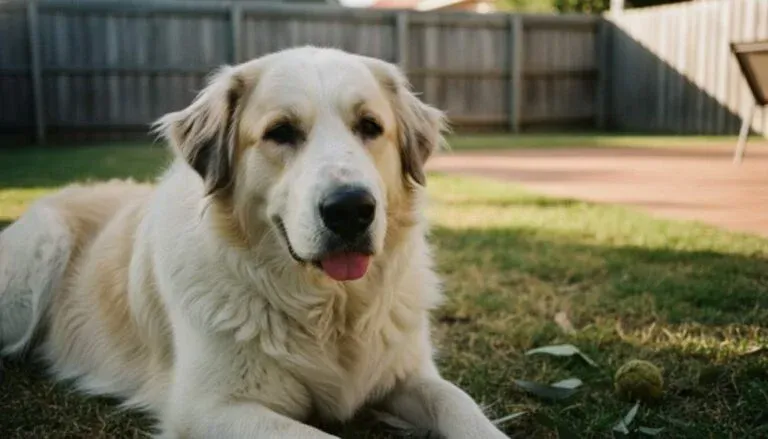
First things first: if you search for “Great Pyrenees” in Australia, you might think the breed doesn’t exist here. It does — it’s just registered under its European name, the Pyrenean Mountain Dog. The “Great Pyrenees” is the North American name for the same breed. Throughout this guide, we’ll use both names interchangeably, because Australians search for both.
This is a breed that has guarded sheep in the Pyrenees Mountains between France and Spain for thousands of years — fossils of the breed type predate the Bronze Age. Louis XIV named them the Royal Dog of France. They’ve protected flocks from wolves and bears, smuggled contraband over mountain passes, and patrolled grand French châteaux. They arrived in Australia as early as 1843. Today, they work as livestock guardians on Australian farms and live as devoted family companions in suburban backyards.
What you need to know before falling for that magnificent white coat: this is a giant breed that sheds copiously, barks at night by design, matures slowly (not fully adult until age three or four), and has an independent streak that will test your patience and your fencing. They’re also one of the gentlest, most loyal, and most trustworthy dogs you’ll ever meet — particularly with children and vulnerable animals. Bloat is a genuine life-threatening risk that every owner must understand. This guide covers everything Australian owners need to know, including health costs in AUD, the Maremma comparison, and where to find registered Pyrenean Mountain Dog breeders.
What You’ll Learn
- Breed traits & temperament
- Health concerns to know
- True cost in Australia
- Training & exercise needs
- Is this breed right for you?
Quick Facts at a Glance
| Trait | Details |
|---|---|
| Official Name (Australia) | Pyrenean Mountain Dog |
| Common Name (North America) | Great Pyrenees |
| Other Names | Pyr, Patou, Chien de Montagne des Pyrénées |
| Origin | Pyrenees Mountains, France / Spain (thousands of years) |
| Breed Group | ANKC Group 6 — Utility |
| Height — Males | 70 cm minimum (27.5 inches); typically 70–82 cm |
| Height — Females | 65 cm minimum (25.5 inches); typically 65–75 cm |
| Weight — Males | 50–70+ kg (110–155+ lbs) |
| Weight — Females | 36–50 kg (80–110 lbs) |
| Lifespan | 10–12 years |
| Coat Type | Weather-resistant double coat — long, flat, thick outer coat over dense woolly undercoat |
| Coat Colours | Predominantly white; may have grey, tan, reddish-brown (badger/blaireau), or lemon markings on face, ears, body, or tail |
| Temperament | Calm, patient, protective, independent, gentle, loyal, confident, naturally nocturnal |
| Exercise Needs | Moderate — not a high-energy breed despite size; daily walk plus secure space to roam |
| Shedding | Heavy — profuse year-round with major seasonal blowouts twice yearly |
| Hypoallergenic | No — heavy shedding giant breed |
| Good with Kids | Excellent — gentle and protective; supervision needed due to sheer size |
| Good with Other Dogs | Generally good; can be same-sex aggressive with unfamiliar large dogs |
| Good with Livestock | Exceptional — one of the premier livestock guardian breeds worldwide |
| Barking Level | High — naturally nocturnal barkers; bred to deter predators at night |
| Apartment Suitable | No — requires space, secure fencing, and tolerance for barking |
| Unique Physical Feature | Double dew claws on rear feet (breed standard requirement) |
| ANKC Recognition | Yes — Group 6 (Utility), registered as Pyrenean Mountain Dog |
| Australian Availability | Moderate — active breeders across NSW, VIC, QLD, WA, SA |
| Price Range (AUD) | $2,500–$5,000+ (purebred from registered breeder) |
History & Origins
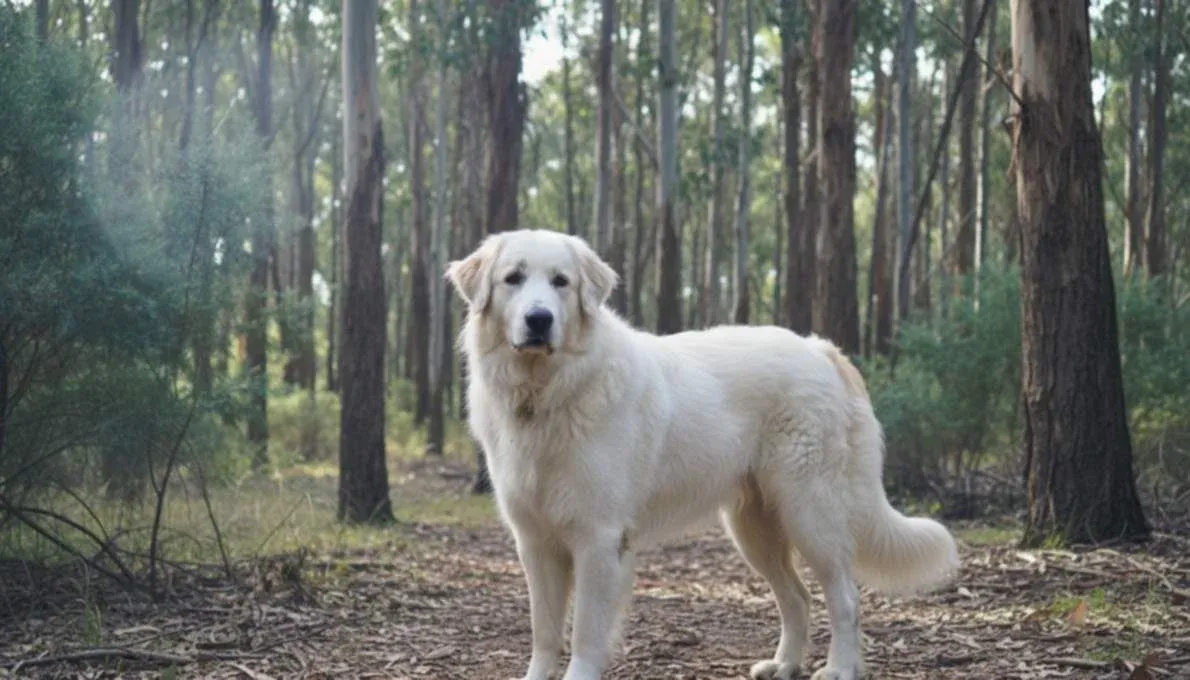
The Pyrenean Mountain Dog is genuinely ancient. Fossils of the breed type found in the Pyrenees Mountains predate the Bronze Age (before 1800 BC), placing these dogs alongside shepherds in the mountain passes between France and Spain for at least four thousand years. The breed’s primary role has never changed: guard livestock from predators. For millennia, that meant wolves, bears, and human thieves.
Shepherds, Smugglers, and Royalty
The first written description of the breed dates to 1407. For centuries, they lived and worked exclusively with Basque and French shepherds in the high mountain pastures. Their white coat helped shepherds distinguish dog from wolf at a distance — and helped the dogs blend with their flocks to surprise approaching predators. The breed also served a more colourful purpose: smuggling. Their sure-footedness on mountain passes inaccessible to humans made them ideal for carrying contraband across the French-Spanish border, avoiding customs officials entirely.
Royal patronage elevated the breed from working dog to status symbol. In 1675, Louis XIV’s son, the Grand Dauphin, adopted the breed as his favourite. Louis XIV subsequently declared the Pyrenean Mountain Dog the Royal Dog of France. The breed was soon guarding the grand châteaux of southern France alongside its traditional mountain duties.
The Breed Family
The Great Pyrenees belongs to a family of large white European livestock guardian dogs that share common ancestry, including the Italian Maremma Sheepdog, the Hungarian Kuvasz, the Turkish Akbash, and the Polish Tatra Sheepdog. These breeds developed independently across different mountain regions but share the same fundamental purpose and many physical traits. Understanding this family is important for Australian buyers, as the Maremma is significantly more common in Australia than the Pyrenean Mountain Dog, and the two are frequently compared.
The Great Pyrenees in Australia
The breed has a longer Australian history than many people realise — the first Pyrenean Mountain Dogs arrived on Australian shores as early as 1843. Today, the breed is registered with the ANKC under Group 6 (Utility) as the Pyrenean Mountain Dog. Active breeding communities exist across New South Wales, Victoria, Queensland, Western Australia, and South Australia. Australian breeders have imported bloodlines from Belgium, Norway, Canada, the USA, the UK, and Finland to maintain genetic diversity. The Pyrenean Mountain Dog Club of Victoria is the primary breed club. Many Australian Pyreneans serve dual roles as family companions and working livestock guardians on properties, protecting chickens, sheep, and goats from foxes and other predators.
Great Pyrenees vs Maremma Sheepdog
This is the most-searched comparison for the breed in Australia, and for good reason. Both are large, white livestock guardian dogs, and both are used on Australian properties. Here’s how they differ.
| Feature | Great Pyrenees (Pyrenean Mountain Dog) | Maremma Sheepdog |
|---|---|---|
| Origin | Pyrenees Mountains, France/Spain | Abruzzo and Tuscany regions, Italy |
| Height (males) | 70–82 cm (27–32 in) | 65–73 cm (25.5–28.5 in) |
| Weight (males) | 50–70+ kg (110–155+ lbs) | 35–45 kg (77–100 lbs) |
| Build | Heavier, more powerful, thicker skin | Leaner, more athletic, lighter frame |
| Coat | Longer, flatter; may have coloured markings | Slightly harsher; solid white only |
| Temperament | Calmer, more laid-back; patrols territory | More intense, independent; stays with flock |
| Guardian Style | Patrols perimeter, marks territory, confronts if needed | Stays close to flock, more immediate response to threats |
| With Strangers | Aloof but settles once owner is comfortable | More suspicious, slower to accept visitors |
| With Family | More affectionate, better family companion | Loyal but more reserved, highly independent |
| Night Barking | Heavy — patrols and barks through the night | Moderate — barks at threats but less territorial patrol |
| Roaming Tendency | Higher — will expand territory if fencing allows | Lower — tends to stay closer to charges |
| Lifespan | 10–12 years | 11–13 years |
| ANKC Group | Group 6 (Utility) | Group 5 (Working Dogs) |
| Australian Availability | Moderate | More common in working/farm contexts |
| Best Suited For | Family companion + guardian; larger properties | Dedicated livestock guardian; experienced owners |
In short: the Great Pyrenees is generally the better choice as a family companion that also guards, while the Maremma is often preferred as a dedicated working livestock guardian. The Great Pyrenees is larger, calmer with family, and more adaptable to suburban life (with adequate space and bark management). The Maremma is more intensely independent and purpose-built for working situations. Both require experienced owners, secure fencing, and tolerance for barking.
Great Pyrenees Temperament & Personality
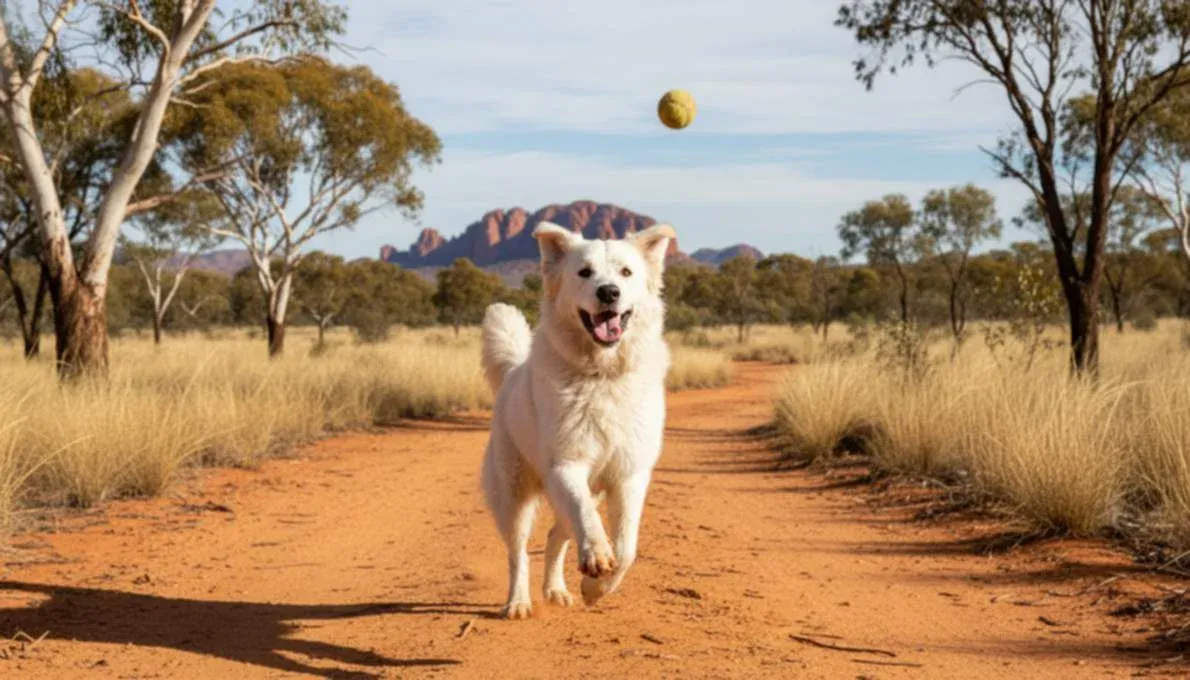
The Great Pyrenees temperament is a study in contrasts. This is a dog that can face down a wolf without flinching but will sprawl on the living room floor with a toddler climbing on its back. They’re calm to the point of seeming lazy during the day, then transform into alert, patrolling guardians at night. Understanding both sides of this personality is essential for prospective owners.
During daylight hours, the Great Pyrenees is one of the most laid-back giant breeds you’ll encounter. They’re content to doze in a shady spot, supervise family activities from a comfortable vantage point, and accept attention with quiet dignity. Their patience with children is legendary — they seem to understand that small humans require gentle handling, and they’ll tolerate being climbed on, hugged, and used as a pillow with remarkable grace. This patience extends to other animals; they can be trusted with lambs, chickens, kittens, and other vulnerable creatures due to their deep guardian instinct.
Here’s where the guardian instinct becomes practically relevant. The Great Pyrenees was bred to patrol and guard flocks at night, when predators were most active. This nocturnal programming is hardwired. Your Pyr will become noticeably more alert, active, and vocal after dark. They patrol the perimeter of their territory and bark at anything they perceive as a potential threat — possums, foxes, unfamiliar sounds, neighbourhood cats, and sometimes things only they can detect. This barking is deep, resonant, and carries a long distance. It is the single most common reason people struggle with the breed in suburban settings. Management involves secure fencing that prevents visual stimulation, not leaving the dog outside unsupervised at night, and consistent training — but complete elimination of night barking is unrealistic.
The Great Pyrenees was bred to make decisions independently, without human direction, often at considerable distance from the shepherd. This independence is a feature for a livestock guardian but a challenge for obedience training. Stanley Coren ranked the breed 64th out of 79 in working intelligence (obedience and working ability), which doesn’t reflect their actual intelligence — they’re highly intelligent — but rather their willingness to take orders. A Pyr understands what you’re asking; it simply evaluates whether complying serves its own assessment of the situation. This is not defiance — it’s the breed’s core working trait.
Great Pyrenees are territorial and protective of their family and property. They’re naturally wary of strangers but will settle once they see their owner is comfortable with a visitor. Their preferred guardian strategy is to deter through presence and voice — they prefer to bark away threats and will only physically engage if the threat persists. They are not inherently aggressive toward people. However, they can show same-sex aggression toward unfamiliar large dogs, particularly intact males. Early socialisation is important to manage this tendency.
This is a breed that does not reach full physical or mental maturity until age three or four. This extended adolescence means you’ll be living with an enormous puppy for much longer than with most breeds. Patience during this prolonged developmental period is essential. Training that seems to have “failed” at 18 months may click into place at three years. This slow maturation also affects when the dog can handle full exercise loads — controlled exercise is important during the growth phase to protect developing joints.
Health & Genetic Conditions
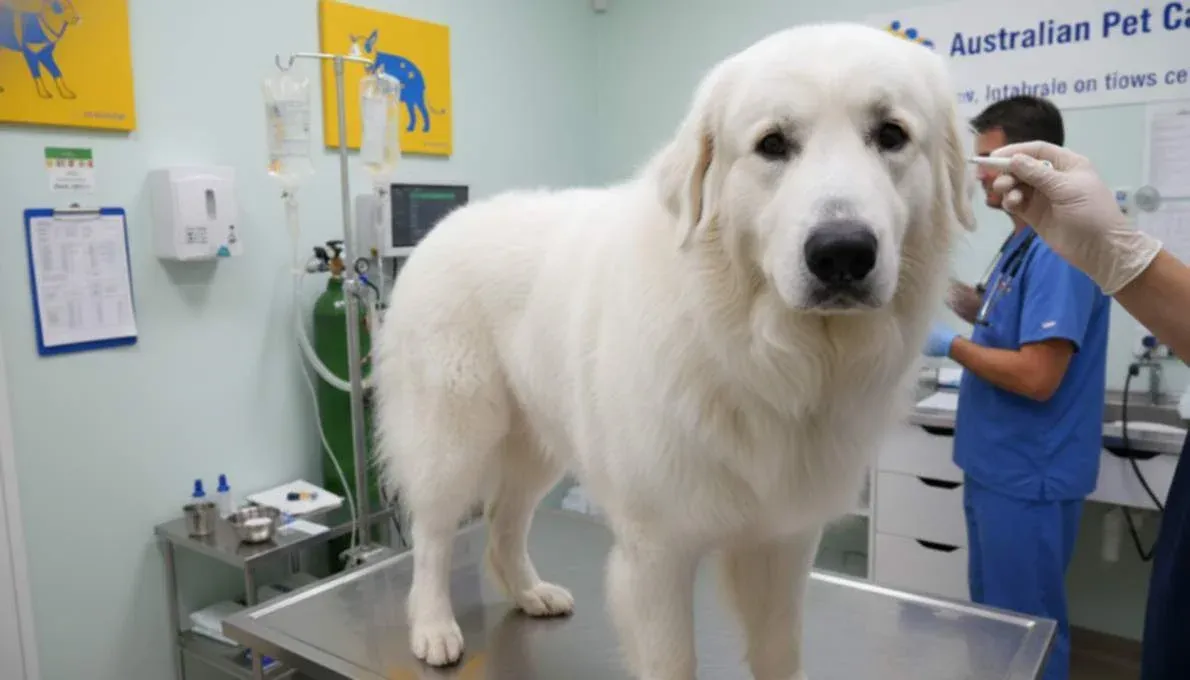
The Great Pyrenees is a reasonably healthy breed for its size, with a lifespan of 10–12 years — respectable for a giant breed. However, several serious health conditions require awareness and proactive management.
This is the most acute life-threatening health risk for the breed and deserves top billing. GDV occurs when the stomach fills with gas and then twists on itself, cutting off blood flow to vital organs. It can kill a dog within 30 minutes if untreated. The Great Pyrenees’ deep, narrow chest makes them particularly susceptible. Every owner must know the signs: distended abdomen, unproductive retching, restlessness, pacing, drooling, and a “prayer position” (front legs down, back end up). This is a genuine emergency — drive to the nearest emergency vet immediately.
Prevention: Feed 2–3 smaller meals daily rather than one large meal. Avoid vigorous exercise for at least an hour before and after eating. Use slow-feeder bowls. Discuss prophylactic gastropexy (stomach tacking surgery) with your vet — many owners elect to have this done during desexing. The surgery significantly reduces GDV risk.
Estimated AUD cost: Emergency GDV surgery costs $5,000–$12,000+. Prophylactic gastropexy during desexing costs $500–$1,500 and is strongly recommended.
Common in giant breeds, dysplasia occurs when the hip or elbow joints develop abnormally, leading to arthritis and reduced mobility. Both hip and elbow dysplasia are influenced by genetics, nutrition during growth, exercise patterns, and weight management. Responsible breeders X-ray and score breeding stock through the ANKC hip and elbow scheme.
Estimated AUD cost: Diagnosis (X-rays, scoring) costs $300–$800. Conservative management (anti-inflammatories, weight control, physiotherapy) costs $500–$2,000 per year. Total hip replacement, if required, costs $6,000–$12,000 per hip.
Bone cancer is unfortunately more prevalent in large and giant breeds, including the Great Pyrenees. Osteosarcoma is the most common type, typically affecting the long bones of the legs. Symptoms include progressive lameness, swelling at the affected site, and pain. Prognosis varies but is often guarded.
Estimated AUD cost: Diagnosis (X-rays, biopsy) costs $500–$2,000. Amputation costs $3,000–$6,000. Chemotherapy costs $3,000–$10,000+. Palliative care costs $200–$1,000 per month.
A condition where the adrenal glands underproduce cortisol and aldosterone. Symptoms can be vague and intermittent — lethargy, vomiting, poor appetite, weakness — making diagnosis challenging. Once identified and treated, most dogs live normal, comfortable lives on ongoing medication.
Estimated AUD cost: Diagnosis costs $500–$2,000. Ongoing medication and monitoring costs $500–$2,000 per year.
An eyelid abnormality where the lid rolls inward, causing hair to rub against the eye surface. This is painful and can damage vision if untreated. The condition is hereditary and can be corrected surgically with good outcomes.
Estimated AUD cost: Surgical correction costs $1,000–$3,000 per eye.
An inherited growth disorder seen in the breed that causes shortening of the limbs, trunk, and muzzle. Breeders should screen for this condition. DNA testing is available.
A neurological condition documented in the breed. DNA testing is available, and responsible Australian breeders test for this condition before breeding.
Request hip and elbow scores (X-rays), patella examination results, eye certification, heart certification, and DNA testing for chondrodysplasia and neuronal degeneration. Australian breeders who are members of breed clubs and registered with ANKC state bodies should provide these results willingly. Puppies should come with veterinary health checks, vaccination records, microchipping, and worming documentation.
Great Pyrenees Lifespan & Longevity
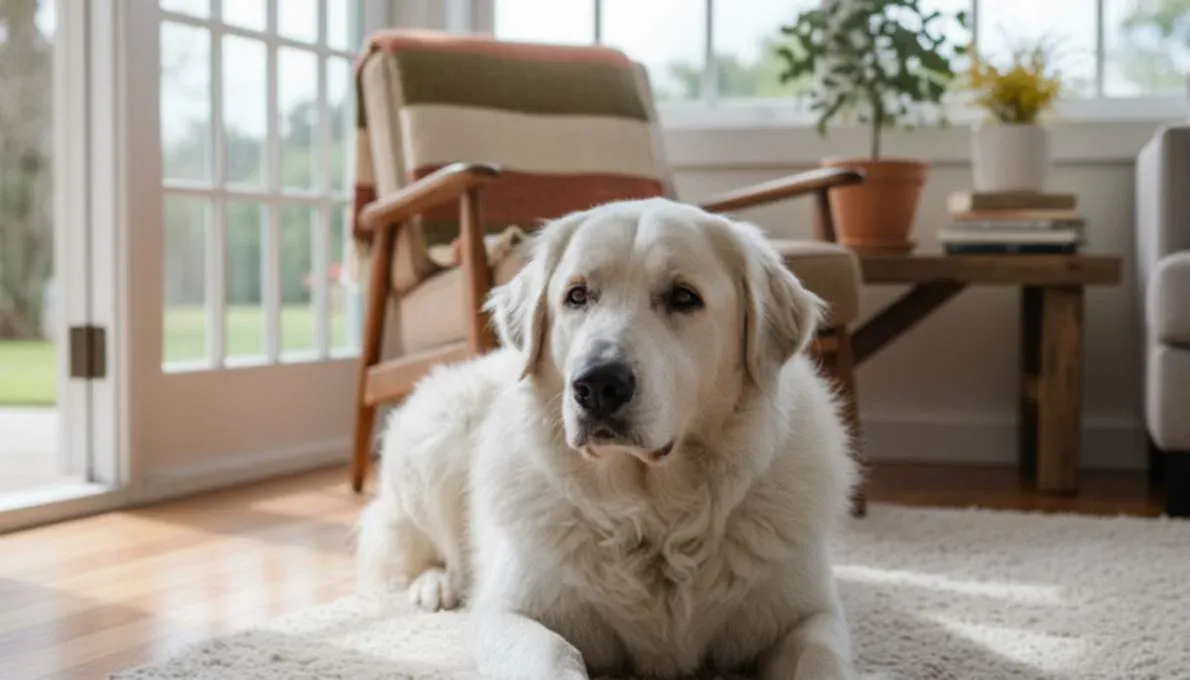
The Great Pyrenees lives 10–12 years, which is solid for a giant breed. Some individuals exceed this with excellent care, good genetics, and a bit of luck. Their lifespan is influenced significantly by prevention of bloat, weight management, and orthopaedic health.
Age-Specific Care
| Life Stage | Age | Key Focus Areas |
|---|---|---|
| Puppy | 0–12 months | Controlled growth is critical — follow breeder’s diet sheet precisely. Overfeeding accelerates growth and increases joint problems. Avoid forced exercise (no running on hard surfaces, no jumping). Begin socialisation early. Establish grooming routines. |
| Adolescent | 12–36 months | Still growing and maturing. Continue controlled exercise. Puppy may test boundaries extensively. Consistent, patient training. Coat fills out — prepare for first major coat blow. Consider prophylactic gastropexy during desexing. |
| Young Adult | 3–5 years | Finally reaching full maturity. Peak physical condition. Annual vet checks, hip/elbow assessment, bloat prevention protocols. Full exercise appropriate. |
| Adult | 5–8 years | Prime years. Annual vet checks, weight management, dental care. Watch for early signs of joint stiffness. Maintain bloat prevention feeding protocols. |
| Senior | 8–10 years | Biannual vet visits. Monitor joints, eyes, and organ function. Adjust diet for senior needs. Watch for signs of bone cancer (lameness, swelling). Blood panels to screen for Addison’s. |
| Geriatric | 10+ years | Enhanced monitoring. Many Pyrs remain comfortable and engaged in their senior years with appropriate support. Pain management for arthritis, cognitive function assessment, quality of life monitoring. |
Grooming & Coat Care
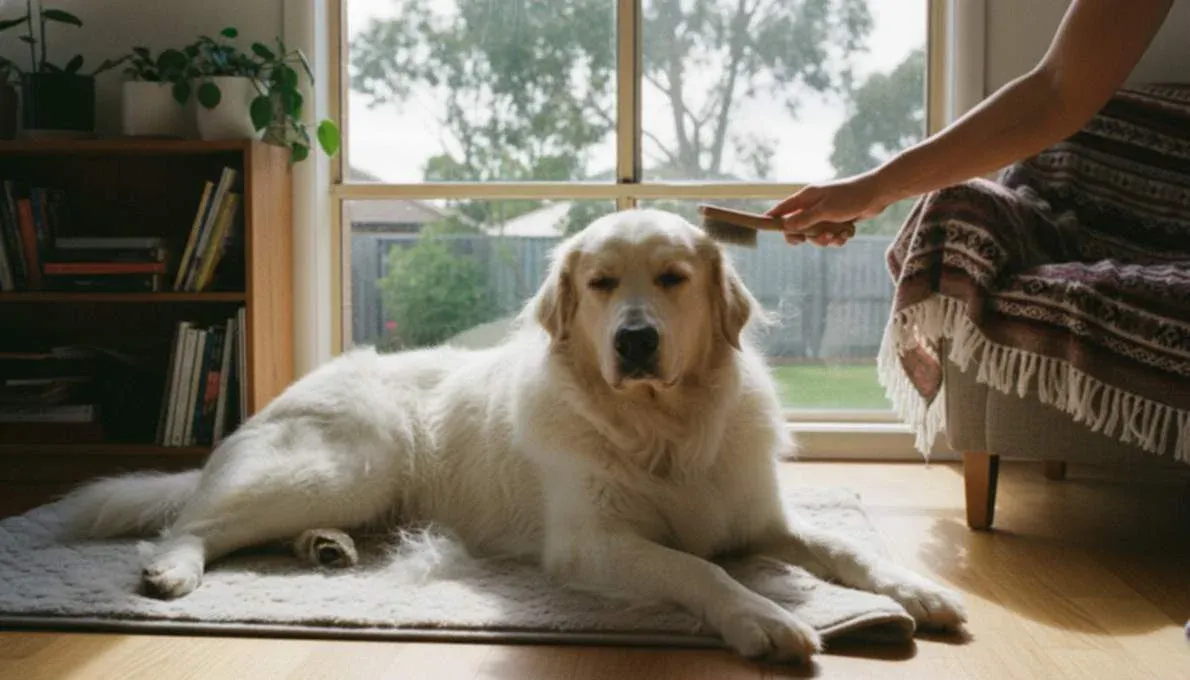
The Great Pyrenees coat is spectacular and practical — it was designed to protect the dog from mountain weather, wolves, and bears. The double coat consists of a long, flat, thick outer layer of coarser hair and a dense, woolly undercoat. The coat is more profuse around the neck and shoulders (forming a mane or ruff, particularly in males), on the backs of the legs, and on the plumed tail.
Shedding Reality
Great Pyrenees shed. They shed a lot. Year-round, you’ll find white hair on everything you own. Twice a year — typically spring and autumn — they blow their undercoat in dramatic fashion. During these periods, the volume of hair shed is genuinely astonishing. Daily brushing during coat-blow season is essential. Between blowouts, brushing once or twice a week keeps the coat manageable and prevents matting, particularly behind the ears, in the “armpit” areas, and around the ruff.
| Grooming Task | Frequency | Estimated AUD Cost | Notes |
|---|---|---|---|
| Brushing | 1–2 times weekly; daily during coat blow | $40–$80 for slicker brush + undercoat rake + pin brush | Always brush to the skin. The outer coat naturally resists dirt and tangles less than you’d expect, but the undercoat can mat if neglected. |
| Bathing | Every 6–8 weeks or as needed | $20–$40 per large-breed shampoo | The coat has natural dirt-resistance. Overbathing strips oils. Thorough rinsing and complete drying are essential to prevent skin issues. Many owners use a high-velocity dryer. |
| Professional Grooming | Every 8–12 weeks (optional) | $100–$200+ per session | Due to the dog’s size, professional grooming is significantly more expensive than for small breeds. Many Pyr owners learn to groom at home. |
| Nail Trimming | Every 2–4 weeks | $20–$30 per large-breed clipper; $20–$40 at groomer | Include the double dew claws on rear feet — these must be trimmed regularly as they don’t wear down naturally. |
| Ear Cleaning | Weekly check | $15–$25 per ear cleaner | Drop ears trap moisture. Regular checks prevent infection. |
| Dental Care | Daily brushing ideal | $15–$25 for toothpaste + large-breed brush | Professional dental cleaning under anaesthetic every 1–2 years. |
Never Shave a Great Pyrenees
The double coat insulates against both cold and heat. Shaving removes UV protection, disrupts the coat’s temperature-regulation function, and the coat often grows back incorrectly — patchy, woolly, or permanently altered in texture. In Australian summers, provide shade, water, air conditioning, and exercise during cool hours. The coat is the dog’s built-in climate system.
The Double Dew Claws
A unique and required breed feature: Great Pyrenees have double dew claws (two extra toes) on each rear foot. These are not vestigial — the breed developed them for traction on snowy mountain terrain. They are a breed standard requirement and should never be removed. However, they need regular nail trimming as the claws can grow into the pad if neglected.
Great Pyrenees Exercise Needs
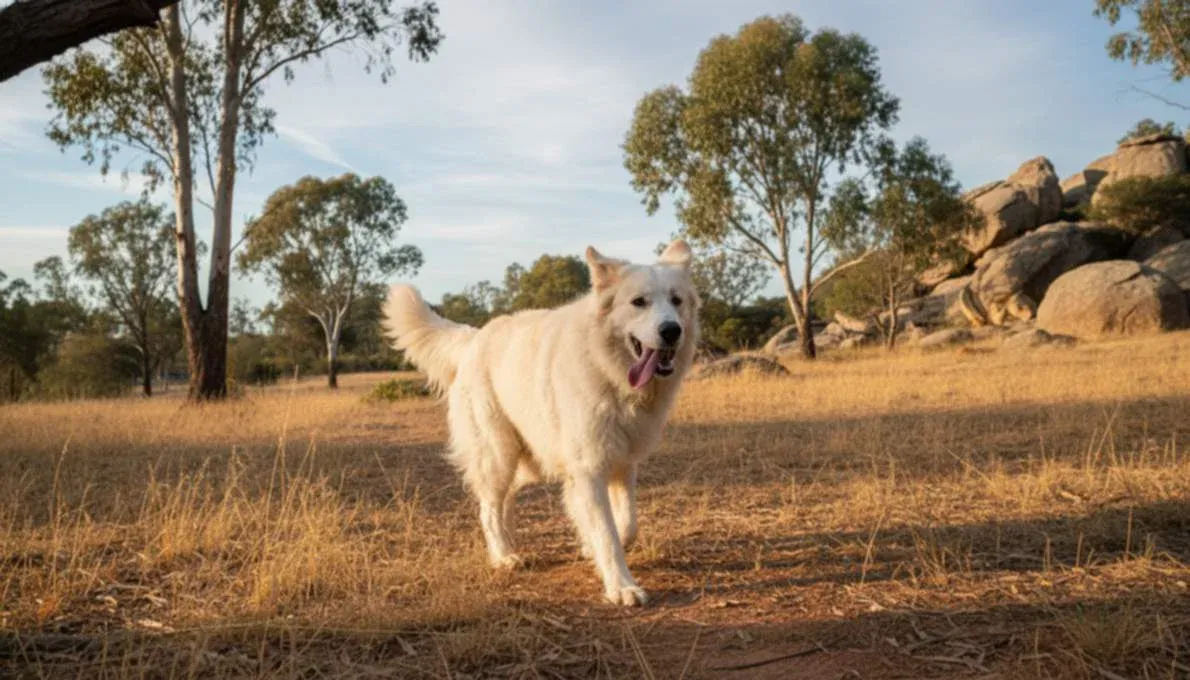
Despite their enormous size, Great Pyrenees are not high-energy dogs. They were bred for sustained vigilance and occasional bursts of action, not for marathon running or intense athletic performance. Their default mode is calm observation, punctuated by territorial patrol.
Daily exercise recommendation: A moderate daily walk of 30–60 minutes, plus access to a secure yard for self-directed patrol and movement. They’re content with surprisingly modest exercise for their size. Puppies and adolescents should have strictly controlled exercise to protect developing joints — no forced running, no jumping from heights, and short walks on soft surfaces.
Fencing: Non-Negotiable
Great Pyrenees are territorial expanders. Given the opportunity, they will extend their patrol range well beyond your property boundaries. Secure fencing of at least 1.5 metres (ideally 1.8 metres) is essential. They’re not typically diggers or fence-jumpers, but they’re persistent in testing boundaries. Invisible/electric fencing is ineffective — a Pyr that has decided something on the other side of the fence needs investigating will walk through the discomfort without hesitation.
Activities for Great Pyrenees in Australia
Leisurely walks through your neighbourhood or local trails are ideal — the Pyr is a walking companion, not a jogging partner. Carting and draft work suit the breed’s strength and heritage; several Australian Pyr owners participate in carting trials. Supervised off-lead time in secure, fenced areas allows them to patrol and explore at their own pace. Swimming is generally not a favourite — most Pyrs are indifferent to water, unlike their Maremma cousins. Mental stimulation through puzzle feeders, scentwork, and gentle training sessions keeps their minds engaged without overexerting their joints.
Heat Management in Australia
The Great Pyrenees’ thick mountain coat makes Australian summers a genuine concern. Exercise should be confined to early morning or late evening during warm months. Constant access to shade, fresh water, and ideally air-conditioned indoor areas is important. Many Australian Pyr owners find their dogs become significantly more active and comfortable in winter, which aligns with the breed’s mountain heritage. Watch for signs of heat stress: excessive panting, drooling, lethargy, or difficulty breathing.
Training Your Great Pyrenees
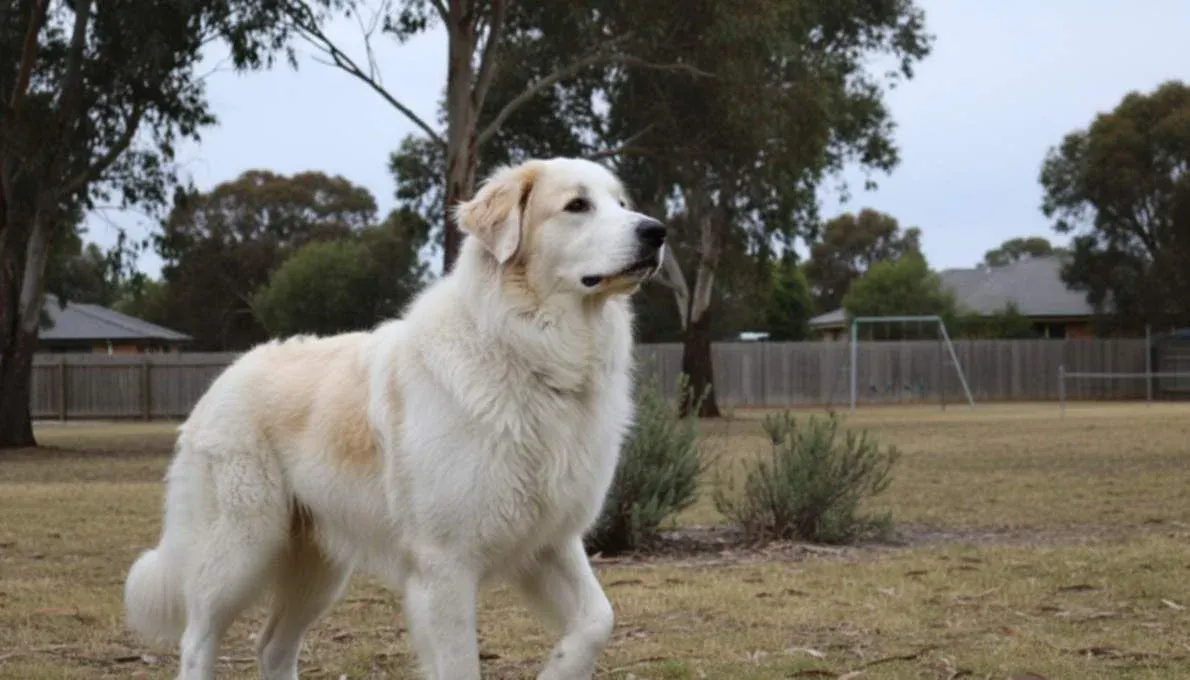
Training a Great Pyrenees requires a specific mindset. If you’re accustomed to eager-to-please breeds like Labradors or Golden Retrievers, the Pyr’s response to commands will initially feel like defiance. It isn’t. The breed was designed to think independently and make autonomous decisions about guarding. Your training approach needs to respect this while still establishing clear boundaries.
Training Difficulty: Honest Assessment
On a scale of 1 (Labrador) to 10 (Basenji), the Great Pyrenees sits around 7–8. They learn quickly — understanding is rarely the issue. The challenge is motivation. A Pyr will evaluate each command against its own assessment of whether compliance is necessary. Repetitive drills bore them. Harsh corrections make them shut down. Positive reinforcement with high-value rewards, delivered in short, varied sessions, gets the best results. Patience isn’t just helpful; it’s mandatory.
Age-Based Training Guide
| Age | Training Focus | Tips |
|---|---|---|
| 8–16 weeks | Socialisation (top priority), bite inhibition, name recognition, crate/confinement training | Socialisation is especially critical for this breed. Expose to many different people, dogs, environments, and situations. Their natural wariness of strangers requires early positive experiences. Controlled exposure to children is important. |
| 4–6 months | Basic commands (sit, down, stay, come), leash manners, “quiet” cue | Leash training is essential — this dog will weigh 50+ kg. If you don’t teach loose-lead walking now, you’ll be dragged later. Use a front-clip lead for leverage. |
| 6–12 months | Recall (manage expectations), impulse control, settle on cue, continued socialisation | Recall will never be 100% reliable in a guardian breed. Train it consistently but never trust it off-lead in unsecured areas. The “settle” command is particularly valuable for managing indoor behaviour. |
| 12–36 months | Boundary training, bark management, manners with visitors, advanced obedience | The extended adolescence means training challenges persist much longer than in other breeds. Stay consistent. What seems like regression at 18 months is normal developmental testing. |
| 3+ years | Maintenance, ongoing socialisation, bark management | Once the dog matures, the training you’ve invested pays off. A well-trained, mature Great Pyrenees is a magnificent companion. Continue socialisation — it’s lifelong for this breed. |
Bark Management
Night barking is the training issue that defines Great Pyrenees ownership. The breed was designed to bark through the night to deter predators. In a suburban setting, this becomes a neighbourhood problem. Management strategies: bring the dog inside at night (many Pyrs are content indoor dogs), reduce visual stimulation (solid fencing, not open-panel), provide white noise, use a “quiet” cue with reward-based training, and ensure adequate daytime exercise and mental stimulation to reduce restlessness. Bark collars are ineffective and create stress in a breed that views barking as a core duty.
Cost of Owning a Great Pyrenees in Australia
Giant breeds are expensive. The Great Pyrenees is no exception. Everything costs more at this size — food, medication, grooming, bedding, transport, boarding, and veterinary procedures. Prospective owners must budget realistically.
Purchase Price
Purebred Pyrenean Mountain Dog puppy (ANKC registered breeder): $2,500–$5,000+ AUD. Show-quality puppies and those from imported European bloodlines sit at the higher end. Working livestock guardian lines may be priced differently.
Rescue/Rehome: $400–$800 through breed-specific rescue or state rescue organisations. Breed-specific rescue is limited due to the breed’s relative rarity in Australia.
Annual Ongoing Costs (AUD Estimates)
| Expense | Low Estimate | High Estimate | Notes |
|---|---|---|---|
| Food (premium large/giant-breed formula) | $1,200 | $2,500 | Giant breeds eat less than you’d expect relative to size, but it’s still significantly more than a medium dog. Quality matters — especially during the slow growth phase. |
| Vet (annual check, vaccines, flea/tick/worming) | $500 | $1,000 | Giant breeds require higher dosages of medications and preventatives, increasing costs. |
| Pet Insurance | $600 | $1,500 | Strongly recommended for a giant breed prone to bloat, orthopaedic issues, and cancer. Premiums are higher for giant breeds. |
| Grooming (primarily DIY) | $100 | $600 | Most owners groom at home. Professional grooming for a dog this size is expensive. Main investment is quality tools. |
| Dental Care (professional cleaning every 1–2 years) | $400 | $1,200 | Giant breed dental procedures cost more due to anaesthetic requirements. |
| Training (puppy school, ongoing classes) | $200 | $600 | Essential investment, particularly for leash training and socialisation. |
| Toys, bedding, leads, bowls, crate | $200 | $600 | Everything is larger and more expensive. Giant-breed crates, beds, and leads cost considerably more. |
| Council registration | $30 | $250 | Varies by council and desexing status. |
| Boarding / pet sitting | $0 | $2,000 | Giant breed boarding is expensive and spaces are limited. In-home pet sitting is often more practical. |
| Gastropexy (one-time, during desexing) | $500 | $1,500 | Strongly recommended one-time cost. Significantly reduces GDV risk. |
Total estimated annual cost (after first year): $3,230–$10,250 AUD. Over an 11-year lifespan, total ownership costs including purchase run approximately $38,000–$117,750+. Giant breed ownership is a significant financial commitment.
Where to Find Pyrenean Mountain Dog Puppies in Australia
Start with Dogs Australia (ANKC) and DogzOnline, searching for Pyrenean Mountain Dog (not Great Pyrenees) breeders. Active breeders are located in NSW, Victoria, Queensland, Western Australia, and South Australia. The Pyrenean Mountain Dog Club of Victoria and state kennel councils (Dogs NSW, Dogs Victoria, Dogs Queensland, Dogs WA, Dogs SA) can direct you to registered breeders. Multiple breeders import European bloodlines to maintain genetic diversity. Expect wait times for litters, as breeding is carefully planned. If you want a working livestock guardian, discuss this specifically with breeders — companion lines and working lines may differ in temperament and intensity.
As a Livestock Guardian in Australia
For Australians considering the Great Pyrenees as a working livestock guardian dog, the breed excels at protecting sheep, goats, chickens, alpacas, and other poultry and livestock from foxes, feral dogs, and birds of prey. Many Australian breeders specifically maintain working lines for this purpose. A working Pyr bonds with its charges from a young age — puppies are introduced to livestock early and raised alongside the animals they’ll protect. Working dogs need adequate shelter in their paddock, regular health monitoring (they’re excellent at hiding discomfort), and supplementary feeding appropriate to their activity level. If you need a dedicated working guardian rather than a family companion, discuss working bloodlines with breeders — there is meaningful variation in drive and intensity between companion and working lines.
Is the Great Pyrenees Right for You?
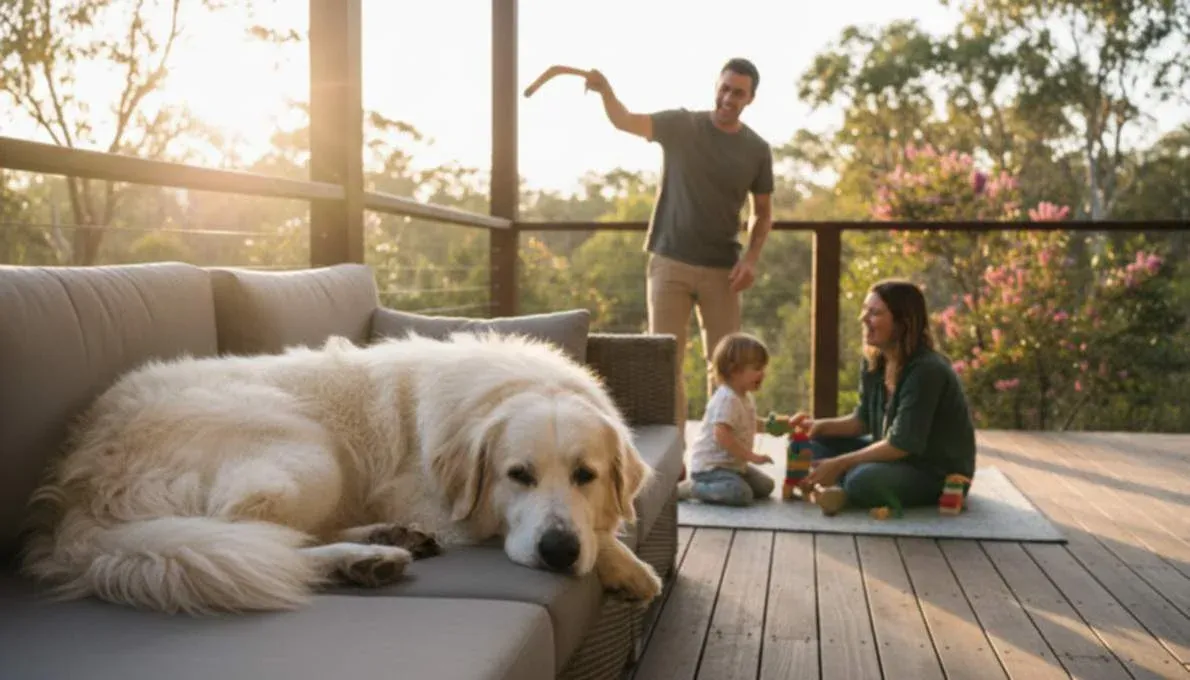
You have a property or large suburban yard with secure fencing (1.5m+ high, solid panels preferred). You can tolerate nocturnal barking or are willing to bring the dog inside at night. You want a gentle, protective family companion, particularly one that’s exceptional with children. You have the financial capacity for giant-breed ownership costs. You understand and accept the breed’s independent temperament. You’re willing to commit to slow, patient training over 3+ years of maturation. You need a livestock guardian for your property. You don’t mind white hair on everything you own. You can manage the heat considerations in Australian summers.
You live in an apartment or townhouse. You need a quiet dog or have strict noise restrictions. You want an eager-to-please, highly obedient dog. You can’t provide secure, tall fencing. You’re unwilling to manage bloat prevention protocols (multiple small meals, gastropexy discussion). You want a high-energy exercise partner for running or cycling. You can’t tolerate heavy shedding. You’re a first-time dog owner with no experience managing large, independent breeds. You work long hours and can’t provide companionship.
If you want a livestock guardian more common in Australia, the Maremma Sheepdog is more widely available and excels as a dedicated working dog. If you want a large, gentle family dog without the guardian intensity, the Bernese Mountain Dog offers similar gentleness in a slightly smaller, more biddable package. If you love the white fluffy giant look but want less independence, the Samoyed is smaller and more trainable (though it sheds even more). If you want a guardian breed that’s slightly more trainable, the Anatolian Shepherd is worth researching, though it’s also an experienced-owner breed.
The good: Exceptionally gentle and trustworthy with children and vulnerable animals. Magnificent presence and appearance. Outstanding livestock guardian for Australian properties. Calm, patient indoor temperament. Loyal and devoted to family. Moderate exercise needs for their size. Reasonably healthy for a giant breed with 10–12 year lifespan. Established breeder community in Australia.
The challenging: Nocturnal barking is a defining trait and difficult to eliminate. Heavy, year-round shedding with dramatic seasonal blowouts. Independent temperament requires patient, experienced handling. Bloat is a genuine life-threatening risk requiring preventive measures. Giant-breed costs are significantly higher across all categories. Slow maturation means 3+ years of adolescent behaviour. Not suited to apartments or small yards. Heat sensitivity in Australian summers. Tendency to expand territory beyond fencing.
The bottom line: The Great Pyrenees is one of the world’s great dogs — in every sense of the word. For the right owner with adequate space, secure fencing, realistic expectations about barking and independence, and the financial capacity for giant-breed ownership, this breed offers a depth of loyalty, gentleness, and protective devotion that few breeds can match. They’re not for everyone, and they’re not easy. But the people who love Pyrs — and they are fiercely devoted owners — will tell you there’s no other breed they’d choose. Just budget for lint rollers.
Frequently Asked Questions
Is a Great Pyrenees the same as a Pyrenean Mountain Dog?
Yes. Great Pyrenees is the North American name; Pyrenean Mountain Dog is the name used in Australia, the UK, and Europe. In Australia, the breed is registered with the ANKC as the Pyrenean Mountain Dog under Group 6 (Utility). They are the same breed with the same standard.
What is the difference between a Great Pyrenees and a Maremma?
Both are large, white livestock guardian dogs but they are different breeds from different countries. The Great Pyrenees (France/Spain) is larger (50–70+ kg vs 35–45 kg), calmer with family, and tends to patrol territory. The Maremma (Italy) is more intensely independent, stays closer to its flock, and is often preferred as a dedicated working livestock guardian. The Great Pyrenees is generally the better choice as a family companion that also guards.
How big does a Great Pyrenees get?
Males stand a minimum of 70 cm at the shoulder and typically weigh 50–70+ kg. Females stand a minimum of 65 cm and weigh 36–50 kg. They are a true giant breed — some males exceed 75 kg.
What is the Great Pyrenees temperament?
Calm, patient, gentle, protective, independent, and loyal. They’re remarkably gentle with children and vulnerable animals. They’re naturally nocturnal and will patrol and bark at night. They’re independent thinkers, wary of strangers, and slow to mature (not fully adult until 3–4 years).
Do Great Pyrenees bark a lot?
Yes, particularly at night. They were bred to bark through the night to deter predators. This is hardwired behaviour, not a training failure. Management is possible (bringing the dog inside at night, solid fencing, training) but elimination is not realistic. Prospective owners must accept nocturnal barking as part of the breed.
Do Great Pyrenees shed?
Yes, heavily. They shed year-round with dramatic blowouts twice yearly. During coat-blow season, the volume of white hair is extraordinary. Regular brushing helps, but if you cannot tolerate dog hair on your furniture, clothes, and food, this is not your breed.
How long do Great Pyrenees live?
10–12 years, which is good for a giant breed. Longevity is influenced by prevention of bloat (GDV), weight management, joint health, and cancer screening. Some individuals live beyond 12 years with excellent care.
What is bloat and why is it dangerous for Great Pyrenees?
Bloat (Gastric Dilatation-Volvulus or GDV) occurs when the stomach fills with gas and twists, cutting off blood flow. It is life-threatening and can kill within 30 minutes. Prevention includes feeding 2–3 small meals daily, avoiding exercise around mealtimes, and discussing prophylactic gastropexy surgery ($500–$1,500) with your vet.
Are Great Pyrenees good family dogs?
Excellent family dogs for the right family. They are legendarily gentle and patient with children, protective of their family, and calm indoors. However, their size means small children can be accidentally bumped or knocked over. They require space, secure fencing, and tolerance for barking and shedding.
How much does a Great Pyrenees cost in Australia?
Purebred puppies from ANKC-registered breeders (listed as Pyrenean Mountain Dog) typically cost $2,500–$5,000+ AUD. Annual ongoing costs run $3,230–$10,250 due to giant-breed food, medication, and veterinary requirements.
Are Great Pyrenees good livestock guardians in Australia?
Exceptional. They protect chickens, sheep, goats, and other livestock from foxes and predators on Australian properties. Many Australian Pyrenean Mountain Dogs serve dual roles as family companions and working guardians. If you want a dedicated working dog, discuss working lines specifically with breeders.
Can Great Pyrenees live in hot climates?
They can, with proper management. Their double coat actually provides some insulation against heat. However, Australian summers require careful management: exercise only in cool hours, constant shade and water access, air-conditioned indoor areas, and monitoring for heat stress. Never shave the coat — it disrupts the natural temperature regulation.
1. American Kennel Club — Great Pyrenees Breed Information: https://www.akc.org/dog-breeds/great-pyrenees/
2. PetMD — Great Pyrenees Health and Care: https://www.petmd.com/dog/breeds/great-pyrenees
3. Daily Paws — Great Pyrenees Dog Breed Information: https://www.dailypaws.com/dogs-puppies/dog-breeds/great-pyrenees
4. Dogs NSW — Pyrenean Mountain Dog Breed Information: https://www.dogsnsw.org.au/Breeds/browse-all-breeds/171/Pyrenean-Mountain-Dog/
5. Dogs Victoria — Pyrenean Mountain Dog: https://dogsvictoria.org.au/choosing-a-breed/browse-all-breeds/171/Pyrenean-Mountain-Dog/
6. DogzOnline — Pyrenean Mountain Dog Breeders Australia: https://www.dogzonline.com.au/breeds/breeders/pyrenean-mountain-dog.asp
7. Purina Australia — Great Pyrenean Mountain Dog: https://www.purina.com.au/dogs/breeds/great-pyrenean-mountain-dog
8. Burke’s Backyard — Pyrenean Mountain Dog: https://www.burkesbackyard.com.au/fact-sheets/pets/pet-road-tests/dogs-breeds/pyrenean-mountain-dog/
9. Wikipedia — Pyrenean Mountain Dog: https://en.wikipedia.org/wiki/Pyrenean_Mountain_Dog
10. Perfect Pets Australia — Pyrenean Mountain Dog Breeders: https://perfectpets.com.au/pets/dogs/dog-breeds/dog-breeders/pyrenean-mountain-dog