
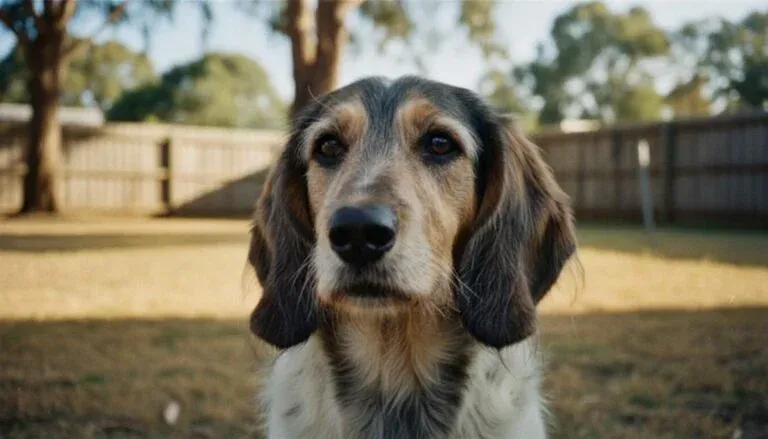
If you’ve ever seen a dog that looks like a Basset Hound had a wild weekend with an Old English Sheepdog, you’ve probably spotted a Grand Basset Griffon Vendéen — or GBGV, because nobody has time to say that full name twice. These shaggy, long-eared scenthounds hail from the Vendée region of western France, where they spent centuries tracking hare, rabbit, and even wild boar across some of the roughest terrain in Europe.
The name itself is a cheat sheet for the breed: “Grand” (large — well, large-ish), “Basset” (low to the ground), “Griffon” (wire-coated), and “Vendéen” (from Vendée). They’re longer than they are tall, built like a hairy torpedo, and powered by a nose that could track a croissant through a hurricane. At around 39–44 cm tall and 18–25 kg, the GBGV sits in an interesting middle ground — not quite a lap dog, not quite a Great Dane, but entirely convinced it’s the most important creature in any room.
The American Kennel Club only recognised the GBGV as a standalone breed in 2018, making it one of the newer additions to the hound group. But make no mistake — these dogs have been working fields in France since the 1500s. They’re just new to the paperwork.
What You’ll Learn
- Breed history & origins
- Appearance & temperament
- Exercise & training needs
- Health concerns & grooming
- Costs & finding a breeder in Australia
Breed Quick Facts Table
| Attribute | Details |
|---|---|
| Breed Group | Hound |
| Origin | France (Vendée region) |
| Size Category | Medium |
| Height (Adult) | 39–44 cm at the withers |
| Weight (Adult) | 18–25 kg |
| Lifespan | 12–14 years |
| Coat Type | Rough, harsh, medium-length double coat |
| Exercise Needs | 60–90 minutes/day |
| Trainability | 3/5 (independent, stubborn) |
| Good with Children | Yes, with older children |
| First-Time Owner Suitable | 2/5 (challenging) |
| Average Puppy Price (AUD) | $3,000 – $5,000 |
History & Origins
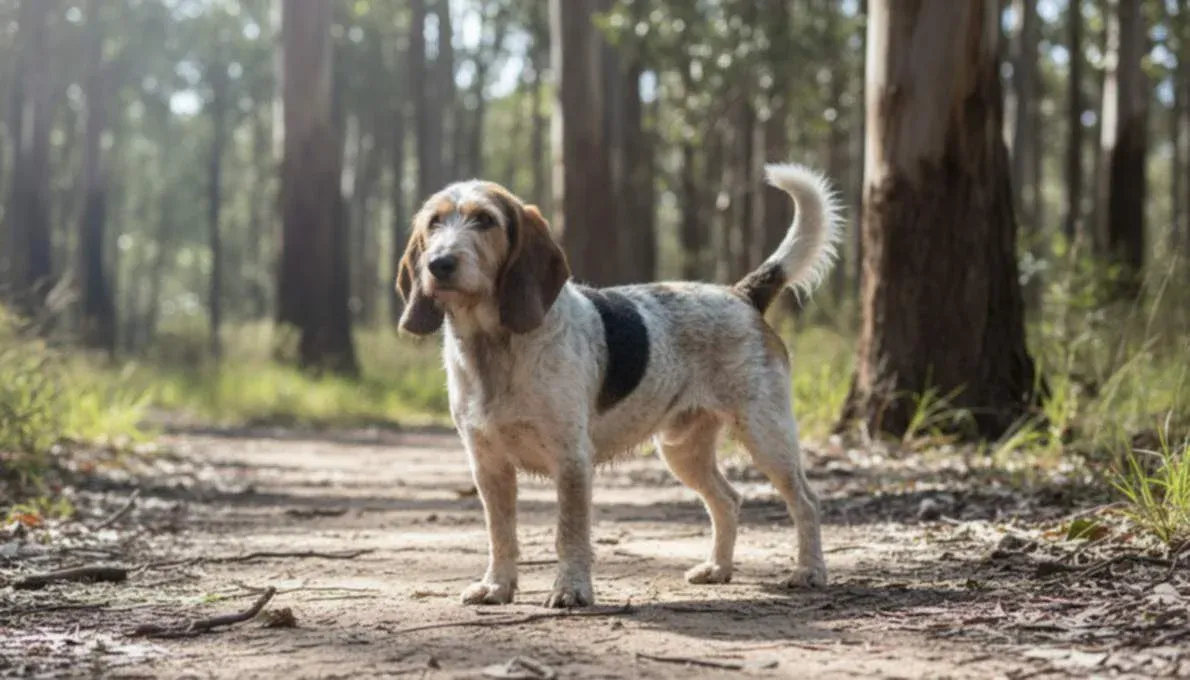
The Grand Basset Griffon Vendéen traces its lineage back to the 16th century, when French nobility kept packs of Griffon-type hounds for hunting large game. The Vendée region — with its rocky outcrops, dense bramble, and tangled hedgerows — demanded a dog that was tough, persistent, and low enough to push through undergrowth that would shred a taller breed. The GBGV was purpose-built for exactly that job.
For most of their history, the GBGV and its smaller cousin the Petit Basset Griffon Vendéen (PBGV) weren’t considered separate breeds at all. They appeared in the same litters, sorted by size at the whelping box. The bigger pups chased deer and boar. The smaller ones chased rabbits. It wasn’t until the Club du Griffon Vendéen formed in 1907 that anyone started drawing formal distinctions, and interbreeding between Grands and Petits continued freely until 1977 when it was officially banned.
Credit for refining the Grand goes to a breeder named Paul Dézamy, who understood that catching a hare in open country required a dog of a certain size and stamina. He standardised the GBGV at around 43 cm and selected for straight legs, endurance, and a voice that could carry across valleys — a trait the breed has not lost, as your neighbours will confirm. The first GBGVs arrived in the United States in 1990, but AKC recognition didn’t come until January 2018. In France, the breed never left working relevance — a GBGV cannot earn a French championship title without proving its ability in the field.
Appearance of the Grand Basset Griffon Vendéen
The GBGV is a solidly built, medium-sized hound with a body that’s noticeably longer than it is tall. They have deep chests, straight forelegs, and a long tail that seems to be permanently set to “enthusiastic wag.” Their heads are noble and slightly domed, with a muzzle that’s a touch longer than the skull, large dark eyes that radiate warmth, and ears so long they fold inward and reach well past the nose tip — ending in a distinctive corkscrew curl when the dog is relaxed.
The coat is the breed’s signature. It’s rough, harsh, and of medium length — designed by centuries of natural selection to protect against thorns, bramble, and harsh weather. There’s a clear beard and moustache on the face, plus long eyebrows that give the GBGV a charmingly wise (or occasionally grumpy) expression. The double coat comes in several colour combinations: tricolour (white with any combination of orange, black, or tan markings), bicolour (white with any single colour), or occasionally black and tan. White should always be prominent — a practical holdover from the hunting days, when owners needed to spot their dogs above the scrub.
Compared to the more commonly seen Basset Hound, the GBGV is taller, leggier, and considerably more athletic. They move with an easy, ground-covering gait that belies their low centre of gravity. This is not a dog that waddles — it flows.
Temperament of the Grand Basset Griffon Vendéen
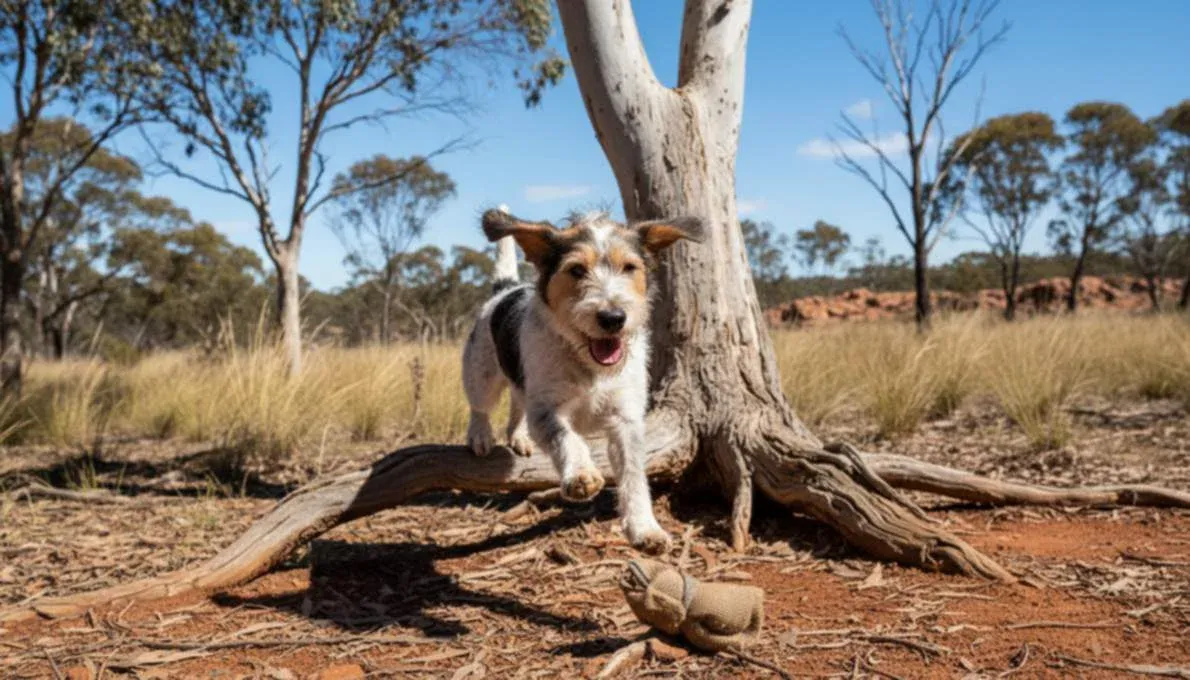
The GBGV temperament is a fascinating mix of affection, independence, and what breeders politely call “self-direction.” These are genuinely happy dogs — outgoing, friendly, and typically excellent with people of all ages. They greet familiar faces with full-body enthusiasm and tend to approach strangers with curiosity rather than suspicion. If you want a guard dog, keep looking. The GBGV will show a burglar where the treats are.
That said, this is a scenthound through 400 years of breeding, and that comes with certain non-negotiable personality traits. GBGVs are independent thinkers. They were bred to make decisions in the field without waiting for human instruction, and they’ve carried that mindset into the living room. When a GBGV ignores your recall command in favour of an interesting smell, it’s not being disobedient — it’s being exactly what it was designed to be.
They’re also vocal. The GBGV has a deep, resonant bay that it will use freely — to greet you, to alert you to a possum on the fence, to express displeasure at being left out of dinner, or simply because a dog three streets away said something interesting. If you live in a unit or townhouse with thin walls, this breed will test your relationship with your neighbours. In a rural setting or a house with some buffer space, the baying becomes part of the charm.
One genuinely pleasant surprise: GBGVs are less prone to separation anxiety than many companion breeds. Their independence means they can handle time alone without destroying furniture — though they may rearrange your shoes or steal a remote control for entertainment. Multiple GBGV owners describe them as “thieves with charm,” and the breed does seem to take genuine delight in pilfering objects and hiding them in unexpected locations.
Grand vs Petit Basset Griffon Vendéen
This is the question that comes up at every dog park encounter, and the confusion is understandable — these two breeds shared litters until the late 1970s. But the differences go well beyond size.
The Grand stands 39–44 cm at the withers and weighs 18–25 kg. The Petit is smaller at 34–38 cm and 14–18 kg. But the structural differences are significant: the GBGV has a longer body, longer legs, longer ears, a longer muzzle, and a more substantial, muscular build overall. Its coat tends to be more profuse. If you put the two side by side, the Grand looks like the Petit’s more serious older sibling.
Temperament-wise, most owners and breeders report that GBGVs are calmer and less mischievous than PBGVs. The Petit is often described as “busy” and vocal — a dog that will climb furniture, open cupboards, and bark at squirrels with theatrical enthusiasm. The Grand tends to be more laid-back at home, though it has a stronger prey drive in the field and was historically used on larger game like roe deer and wild boar, while the Petit focused on rabbits and hares. Both breeds are stubborn. Both will follow a scent over a cliff if you let them. But the GBGV generally has an “off switch” that the PBGV sometimes seems to lack.
In Australia, PBGVs are more established with around 11 registered breeders on DogzOnline, while Grand breeders number fewer — making the GBGV rarer and often harder to find locally. If you’re deciding between the two, the key question is energy: the Petit suits someone who wants a constant, exuberant companion, while the Grand suits someone who wants a calmer hound that still needs solid daily exercise.
Exercise Needs
Daily Activity Requirements:
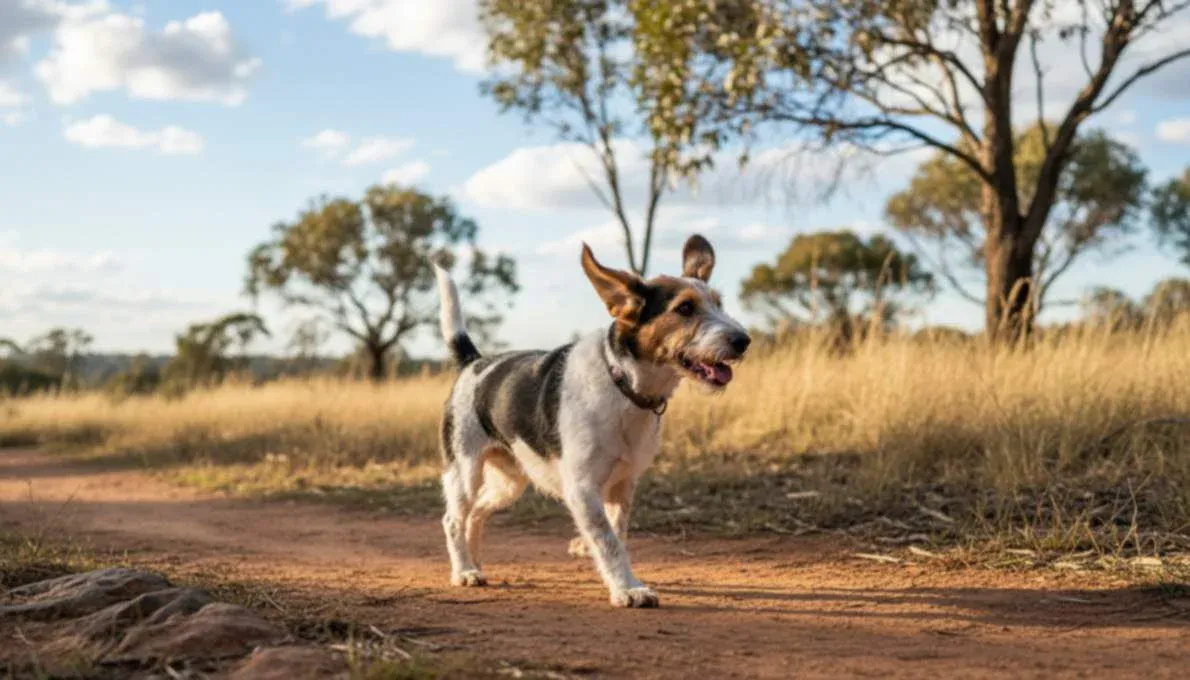
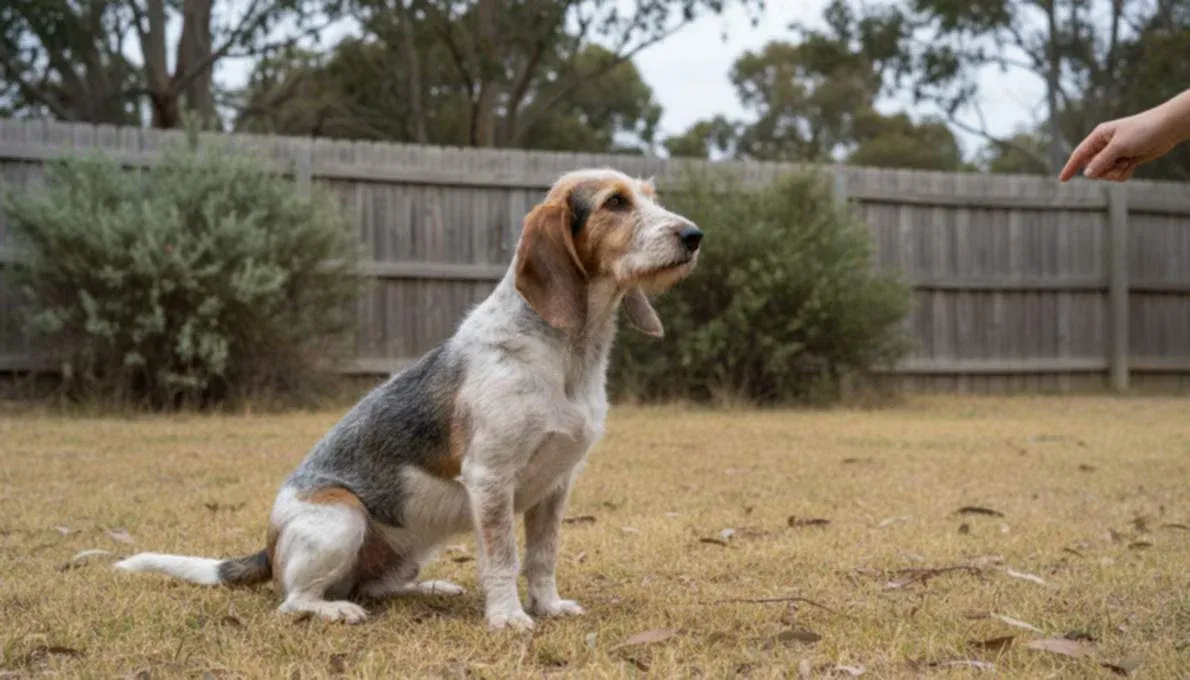
Don’t let the short legs fool you. The Grand Basset Griffon Vendéen was bred to run all day over rough terrain, and modern GBGVs have not forgotten that job description. These dogs need at least 60–90 minutes of exercise daily, and they don’t slow down much as they age. A fifteen-minute walk around the block will leave your GBGV physically intact but mentally climbing the walls.
The ideal exercise routine combines long walks (preferably somewhere with interesting smells — bushland, beaches, or rural trails) with off-lead time in a securely fenced area. Emphasis on “securely fenced.” GBGVs were bred to push through thick undergrowth, and a standard suburban fence is a suggestion, not a barrier. These dogs will find gaps, dig under panels, and squeeze through spaces you’d swear were too small. If your yard isn’t escape-proof, they will prove it.
Off-lead exercise in unfenced areas is risky with any scenthound, and the GBGV is no exception. Once that nose locks onto a trail, recall training goes out the window. Many experienced owners recommend long-line leads (5–10 metres) in open areas as a compromise — the dog gets some freedom to sniff and explore without the risk of disappearing over the horizon. An open beach is generally safer for off-lead time than a scent-laden bushland walk, because there are fewer distractions and better sightlines.
Training
Patience & Positive Reinforcement:
Let’s be blunt: the GBGV is not a Golden Retriever. It is not going to gaze into your eyes, eager to please, waiting for its next command. The GBGV will listen to your command, consider it briefly, and then decide whether it aligns with what it was already planning to do. If it does — great. If it doesn’t — you’ll need a better treat.
This isn’t a reflection of low intelligence. GBGVs are clever dogs — they’re problem-solvers by nature. The challenge is motivation. These hounds were bred to work independently, making their own decisions about which scent to follow and which direction to turn. That independent thinking makes them exceptional hunters and mediocre obedience students. Reward-based training with high-value treats works best. Harsh corrections or repetitive drilling will get you nowhere — the GBGV will simply disengage.
Start socialisation early and make it broad. Expose your GBGV puppy to different people, dogs, environments, and sounds between 8 and 16 weeks. This breed is naturally sociable, so socialisation usually goes smoothly — the goal is to channel that friendliness into appropriate behaviour rather than uncontrolled enthusiasm. Focus heavily on recall training, even knowing that a scenthound’s recall will never be as reliable as a herding breed’s. The goal is to build enough value in returning to you that it competes with the allure of a fresh scent trail — and sometimes you’ll still lose that competition.
Several breed experts have noted that GBGVs are not ideal for first-time dog owners. The combination of independence, prey drive, and vocal tendencies requires someone with either hound experience or a high tolerance for being occasionally outsmarted by their pet.
Grooming and Shedding
Coat Care & Maintenance:
One of the most common questions about the GBGV — “do Grand Basset Griffon Vendéens shed?” — has a straightforward answer: yes, they shed moderately. The double coat drops hair year-round, with heavier shedding during seasonal coat changes in spring and autumn. It’s not on the level of a Siberian Husky, but you will find rough hairs on your furniture, clothes, and occasionally in your coffee.
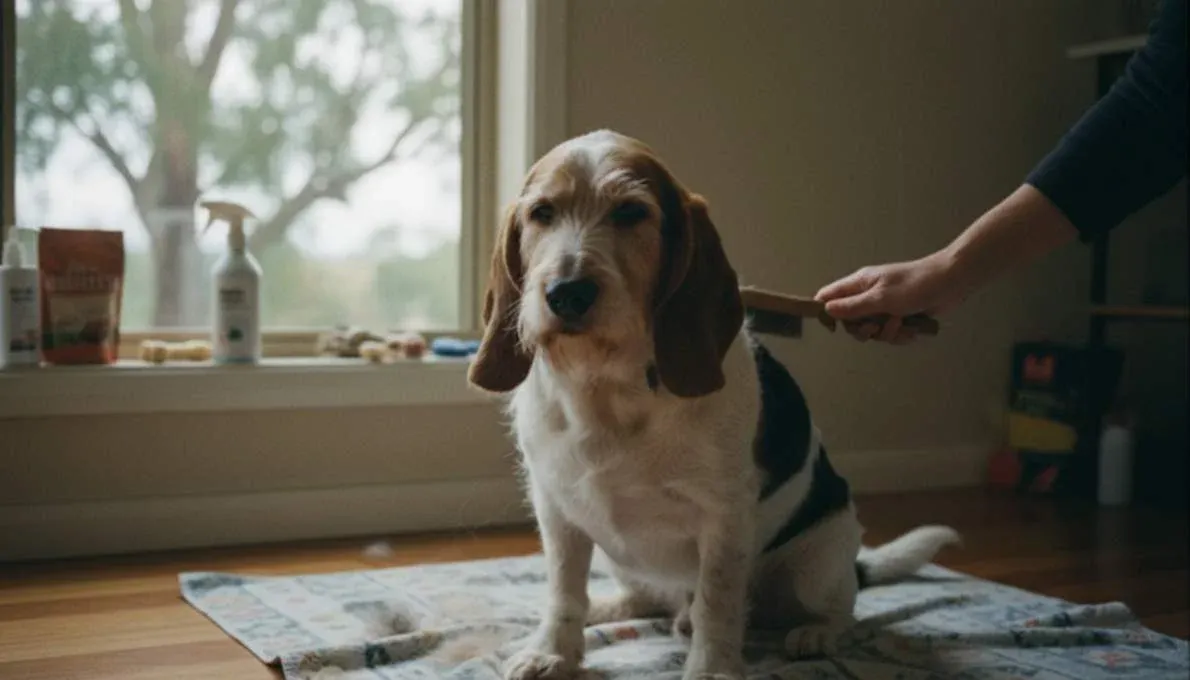
Weekly brushing with a slicker brush or metal comb is the baseline for coat maintenance. This removes dead hair, prevents matting (particularly around the beard, chest, elbows, and hocks), and distributes natural oils through the coat. The GBGV’s harsh coat is naturally dirt-resistant, so frequent bathing isn’t necessary — every couple of months or after particularly muddy adventures is usually sufficient. Over-bathing strips the natural oils that give the coat its protective, weather-resistant quality.
Hand-stripping — pulling out dead hairs to maintain the wiry texture — is recommended two to three times per year. This is more important for show dogs than family pets, but it does help keep the coat healthy and looking its natural rough self. If you skip stripping entirely, the coat can become softer and fluffier over time, which changes the breed’s characteristic appearance. A professional groomer familiar with wire-coated breeds can handle this, or you can learn the technique yourself.
Ear care deserves special attention. Those gorgeous long ears fold over the ear canal, trapping warmth and moisture — a perfect environment for bacterial and yeast infections. Check and clean your GBGV’s ears weekly, and watch for signs of redness, odour, or excessive scratching. Ear infections are one of the most common health issues in the breed, and most of them are preventable with basic hygiene.
Health Problems to Know About
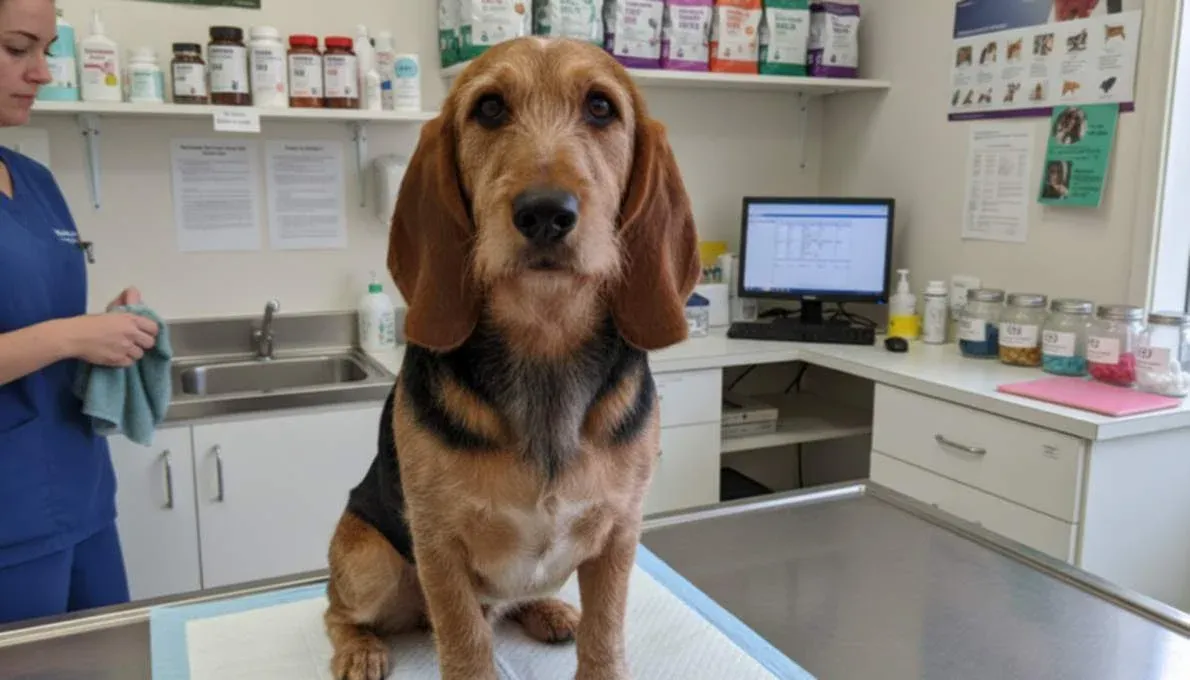
Hip dysplasia is the most commonly discussed orthopaedic concern. It’s a developmental condition where the hip joint doesn’t fit together properly, leading to pain, lameness, and eventually arthritis. Responsible breeders screen for hip dysplasia using radiographic scoring before breeding, and you should ask to see the results for both parents before committing to a puppy.
Eye disorders — including persistent pupillary membranes and, less commonly, primary open-angle glaucoma (POAG) — are another area to watch. POAG is a serious condition that can lead to blindness if untreated, and DNA testing is available. Any reputable breeder should be testing for this. The GBGV Club of America recommends eye, hip, heart, thyroid, and patella evaluations as part of standard health screening for breeding dogs.
Intervertebral disc disease (IVDD) is a risk factor linked to the breed’s long back and short legs. The discs between the vertebrae can degenerate, bulge, or rupture, putting pressure on the spinal cord. Symptoms range from mild back pain to full hindlimb paralysis. Keeping your GBGV at a healthy weight and discouraging activities that put excessive stress on the spine (like jumping on and off high furniture) reduces the risk significantly.
Ear infections (otitis externa) are extremely common, as discussed in the grooming section. Other reported issues include dermatitis, thyroid problems, and epilepsy, though these are less frequent. Bloat (gastric dilatation-volvulus) is a life-threatening emergency that can affect any deep-chested breed, including the GBGV. Feeding two smaller meals per day rather than one large meal, and avoiding vigorous exercise immediately after eating, are standard preventive measures.
Feeding & Nutrition
GBGVs are active dogs with moderate-to-high caloric needs, but they’re also efficient eaters who can put on weight if overfed — particularly as they age or if exercise drops off. A high-quality commercial dog food formulated for medium-sized, active breeds is a solid foundation. Whether you choose kibble, wet food, raw, or a combination depends on your preference and your dog’s individual needs, but the key metrics stay the same: adequate protein for muscle maintenance, appropriate fat levels for energy, and controlled calories to prevent obesity.
Puppies should be fed a puppy-specific formula until around 12 months, when most GBGVs have reached their adult size. Divide daily food into three meals for puppies and two meals for adults. Splitting meals is especially important for this deep-chested breed, as it reduces the risk of bloat.
Monitor body condition regularly — you should be able to feel your GBGV’s ribs without pressing hard, and there should be a visible waist when viewed from above. Excess weight puts additional strain on the spine and joints, which is particularly problematic for a long-backed breed already prone to IVDD and hip issues. If you’re unsure about portion sizes or dietary needs, your vet can provide guidance based on your specific dog’s age, weight, and activity level.
Living with a GBGV: Families, Kids, and Other Pets
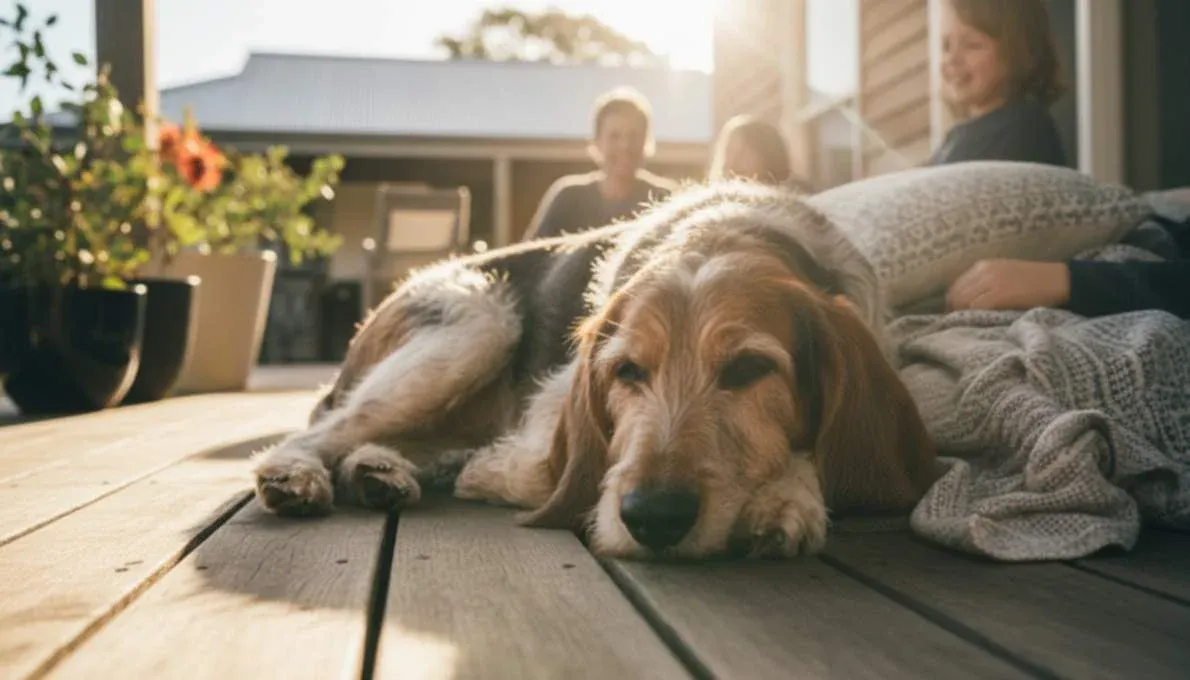
GBGVs are social, pack-oriented dogs that generally integrate well into family life. They tend to be affectionate with all household members rather than bonding exclusively to one person, and their tolerant nature makes them reasonable companions for families with older children. Younger kids may find the GBGV’s energy and strength a bit much — these are solid, active dogs that don’t always understand their own physical impact during play.
With other dogs, GBGVs usually thrive. They were literally bred to work in packs, and most GBGVs genuinely enjoy canine company. If you already have a dog (or are considering getting a second), the GBGV’s sociable temperament makes multi-dog households relatively straightforward. Cats are a different story. The breed’s prey drive is strong, and unless a GBGV is raised with cats from puppyhood, it’s likely to view them as something worth chasing. Small animals — rabbits, guinea pigs, birds — should be kept well out of reach. This isn’t aggression; it’s instinct, and four centuries of breeding won’t be overridden by a stern “leave it.”
Housing matters for this breed. A GBGV doesn’t need a mansion, but it does need a secure outdoor area. The emphasis, again, is on “secure.” Standard suburban fencing should be at least 1.5 metres high, with no gaps at ground level and ideally some form of dig-proof barrier. These dogs are determined escape artists when motivated by a scent. Apartment living is technically possible but not ideal — the vocal tendencies and exercise needs make it challenging. A house with a decent yard in the suburbs or a rural property is the best fit.
Price & Costs in Australia
| Cost Category | Estimated Amount (AUD) |
|---|---|
| Puppy Purchase Price | $3,000 – $5,000 |
| Initial Setup (bed, crate, bowls, leash, etc.) | $500 – $1,000 |
| Vaccinations & Microchipping (first year) | $200 – $400 |
| Desexing (if not included) | $400 – $800 |
| Pet Insurance (annual) | $600 – $1,200 |
| Food (monthly) | $80 – $150 |
| Grooming (professional, quarterly) | $200 – $400/year |
| Annual Vet Check-ups & Preventatives | $300 – $600 |
| Total First-Year Cost | $5,280 – $9,550 |
| Ongoing Annual Cost (after first year) | $1,580 – $3,350 |
Finding a Breeder in Australia:
The GBGV is still a rare breed in Australia. As of early 2026, there are only a handful of registered breeders across the country, with most concentrated in New South Wales. Toryburn Kennels in Central West NSW is one of the most established, home to Australia’s first Supreme Champion GBGV (Supreme Ch. Rickaby Cruise, who earned his title in 2015). Rickaby Kennels, also in NSW, has been instrumental in importing champion bloodlines from the UK and Europe, significantly strengthening the Australian gene pool.
Dr Gwen Huikeshoven, who relocated from the Netherlands in 2021, brought world-class Grand and Petit Basset lines to Australia under the Tum Tums kennel prefix — including bloodlines connected to World Dog Show winners. The Basset Griffon Vendéen Club of NSW serves as the primary breed club and is a valuable resource for anyone researching the breed locally.
Waitlists & Responsible Buying:
Because breeding stock is limited in Australia, expect waitlists. A Grand Basset Griffon Vendéen puppy from a registered, health-tested breeder in Australia typically costs between $3,000 and $5,000 AUD, depending on the breeder, bloodlines, and whether the puppy is sold on limited or main register. Some breeders price show-quality puppies higher. Importing a GBGV from overseas adds significant expense — quarantine costs, transport, and import permits can push the total well above $10,000 AUD.
When contacting breeders, ask about health testing (hips, eyes, heart, thyroid, patella), POAG DNA status, and whether the parents have been temperament-assessed. A responsible breeder will ask you just as many questions as you ask them — they want to know their puppies are going to appropriate homes. Be wary of anyone selling GBGV puppies without registration papers, health clearances, or a willingness to discuss the breed’s specific needs. If a deal seems too cheap or too easy, something is wrong.
Rescue & Adoption Options:
Given how rare the GBGV is in Australia, finding one through rescue or adoption channels is unlikely but not impossible. Occasionally, adult GBGVs become available through breeders rehoming retired show or breeding dogs — these can be an excellent option for someone who wants the breed without the puppy phase. Retired breeding dogs are usually 4–7 years old, already socialised, and settled in temperament.
In the United States, the Grand Basset Griffon Vendéen Club of America (GBGVCA) maintains a rescue network, and if you’re open to importing an adult dog, this is worth investigating. Breed-specific rescue is less formalised in Australia due to the small population, but the Basset Griffon Vendéen Club of NSW can help connect you with breeders who may have older dogs available.
If you’re open to a similar breed, Petit Basset Griffon Vendéens are more commonly available in Australian rescue networks, and Basset Hounds — which share some (but not all) temperament traits — appear in general hound rescues more frequently. Neither is a direct substitute for the Grand, but both may scratch a similar itch if you’re drawn to the hound temperament and shaggy aesthetic.
Is This Breed Right for You?
- Have an active lifestyle and can commit to 60–90+ minutes of daily exercise.
- Live in a house with a very secure yard (or rural property).
- Appreciate an independent, clever dog with a sense of humour.
- Don’t mind moderate shedding and weekly grooming.
- Have experience with hounds or stubborn breeds (or are a very patient first-timer).
- Enjoy a vocal dog — the baying is part of the package.
- Want a sociable, affectionate family dog that’s good with older kids and other dogs.
- Live in an apartment or unit with noise restrictions.
- Want a dog with reliable off-lead recall.
- Prefer a biddable, eager-to-please breed like a Labrador or Golden Retriever.
- Have cats or small pets (unless raised together from puppyhood).
- Are looking for a low-maintenance, low-energy companion.
- Have a very tight budget — purchase price and ongoing costs are significant.
- Are a first-time dog owner seeking an “easy” breed.
The Grand Basset Griffon Vendéen is a breed of delightful contradictions: a low-slung dog with the stamina of an athlete, a charming thief with a heart of gold, and an independent thinker who still wants to be part of your pack. They are not for everyone. Their exercise needs are substantial, their recall is negotiable, and their voice is not subtle.
But for the right person or family — someone with an active lifestyle, a secure yard, a love for hound personality, and a sense of humour — the GBGV is an utterly rewarding companion. They bring a unique, shaggy charisma to every day, and their affectionate, sociable nature makes them wonderful family members. Just be prepared for the fact that you’re not getting a dog; you’re getting a personality with legs, a nose, and an opinion.
Frequently Asked Questions
How do you pronounce Grand Basset Griffon Vendéen?
It’s roughly “GROND bah-SAY grih-FON von-DAY-en.” Most owners just say “GBGV” or “Grand” to save time.
Do Grand Basset Griffon Vendéens shed a lot?
They shed moderately year-round, with heavier shedding in spring and autumn. Weekly brushing keeps it manageable, but don’t expect a hair-free house.
Are Grand Basset Griffon Vendéens good family dogs?
Yes, for the right family. They’re affectionate, social, and good with older children. They’re less suitable for families with very young kids due to their energy and strength, and they need owners who can provide adequate exercise and tolerate vocal hound behaviour.
How much does a Grand Basset Griffon Vendéen cost in Australia?
Expect to pay $3,000–$5,000 AUD from a registered breeder. Show-quality puppies and imports cost more. Always insist on health testing documentation.
What is the difference between a Grand and Petit Basset Griffon Vendéen?
The Grand is larger (39–44 cm, 18–25 kg vs 34–38 cm, 14–18 kg), has longer ears and a longer body, and tends to be calmer at home. The Petit is smaller, more vocal, and more mischievous. Both are independent scenthounds with strong prey drives.
Can Grand Basset Griffon Vendéens live in apartments?
It’s not recommended. Their exercise needs, vocal tendencies, and requirement for secure outdoor space make them better suited to houses with yards. If you do live in an apartment, plan for extensive daily exercise and be prepared for noise complaints.
How long do Grand Basset Griffon Vendéens live?
The average lifespan is 12–14 years, which is solid for a medium-sized breed. Some well-cared-for GBGVs reach 15 years.
Are Grand Basset Griffon Vendéens hard to train?
They’re intelligent but independent, which means training requires patience, consistency, and high-value rewards. They respond poorly to repetitive or punishment-based methods. Not the best choice for first-time dog owners.
Do Grand Basset Griffon Vendéens get along with cats?
Usually not, unless raised with cats from a very young age. Their strong prey drive makes them unreliable around small animals. Always supervise interactions and never leave them unsupervised with cats or pocket pets.
Are there Grand Basset Griffon Vendéen breeders in Australia?
Yes, though only a small number. The most established are in New South Wales. Contact the Basset Griffon Vendéen Club of NSW or search DogzOnline for current breeder listings. Expect waitlists.
1. American Kennel Club — Grand Basset Griffon Vendéen Breed Information — https://www.akc.org/dog-breeds/grand-basset-griffon-vendeen/
2. Wisdom Panel — Grand Basset Griffon Vendéen Facts — https://www.wisdompanel.com/en-us/dog-breeds/basset-griffon-vendeen-grand
3. The Royal Kennel Club (UK) — Basset Griffon Vendeen (Grand) — https://www.royalkennelclub.com/search/breeds-a-to-z/breeds/hound/basset-griffon-vendeen-grand/
4. Purina — Grand Basset Griffon Vendeen Breed Information — https://www.purina.co.uk/find-a-pet/dog-breeds/basset-griffon-vendeen-grand
5. PetMD — Grand Basset Griffon Vendéen Dog Breed — https://www.petmd.com/dog/breeds/c_dg_grand-basset-griffon-vendeen
6. Grand Basset Griffon Vendéen Club of America (GBGVCA) — https://www.gbgv.net/
7. DogzOnline — Grand Basset Griffon Vendeen Breeders in Australia — https://www.dogzonline.com.au/breeds/breeders/grand-basset-griffon-vendeen.asp
8. Basset Griffon Vendéen Club of NSW — http://oz.dogs.net.au/bgvclubnsw/
9. Wikipedia — Grand Basset Griffon Vendéen — https://en.wikipedia.org/wiki/Grand_Basset_Griffon_Vend%C3%A9en
10. BorrowMyDoggy — Grand Basset Griffon Vendéen Breed Guide — https://www.borrowmydoggy.com/doggypedia/dog-breed-guides-grand-basset-griffon-vendeen