
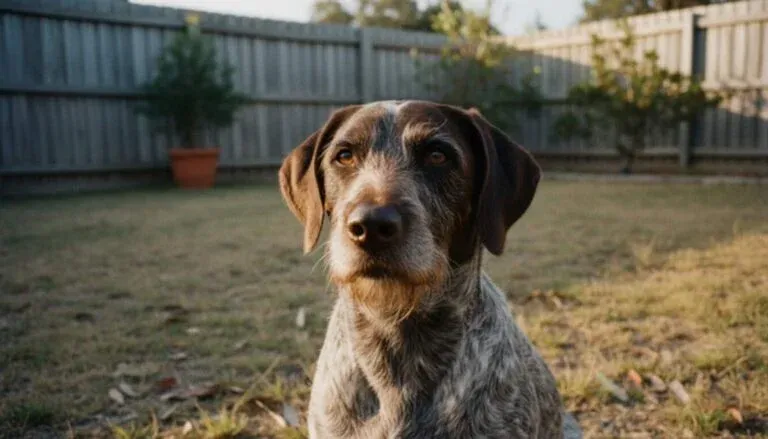
In Germany, they call this breed the Deutsch Drahthaar — and it’s been the most popular hunting dog in that country for over half a century. That level of devotion from serious hunters tells you everything about what makes the German Wirehaired Pointer special: this is a dog built to work, built to bond, and built to outlast whatever the Australian bush throws at it.
If you’re searching for a loyal companion who can keep pace with your active lifestyle while doubling as a devoted family member, you’ve come to the right place. The German Wirehaired Pointer combines rugged athleticism with surprising affection — though they’ll never admit to being sooky when it comes to cuddle time on the couch.
What You’ll Learn:
- Breed traits & temperament
- Health concerns to know
- True cost in Australia
- Training & exercise needs
- Is this breed right for you?
German Wirehaired Pointer Quick Facts
| Attribute | Details |
|---|---|
| Breed Group | Gundog (ANKC Group 3) |
| Origin | Germany (late 19th century) |
| Size Category | Medium to Large |
| Height (Adult) | Male: 60-67 cm | Female: 56-62 cm |
| Weight (Adult) | Male: 25-34 kg | Female: 20-29 kg |
| Lifespan | 12-14 years |
| Coat Type | Wiry, weather-resistant double coat |
| Exercise Needs | 90-120 minutes/day |
| Trainability | 4/5 |
| Good with Children | Yes (with supervision) |
| First-Time Owner Suitable | 2/5 |
| Average Puppy Price (AUD) | $1,500 – $3,000 |
Data sourced from Dogs Australia (ANKC) Breed Standards and The Kennel Club UK registry.¹
History of the GWP
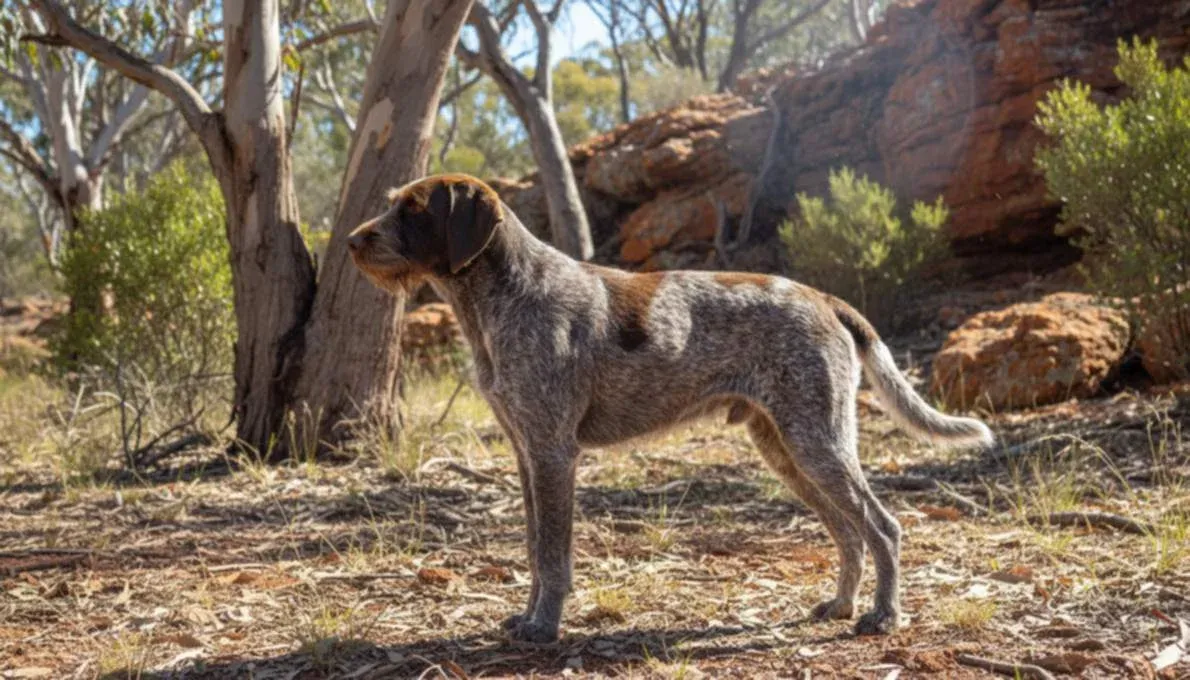
The German Wirehaired Pointer emerged in the late 1800s when German hunters sought to create the ultimate all-purpose gundog. They wanted a single breed capable of pointing, tracking, and retrieving across varied terrain — from dense Alpine forests to cold wetlands. According to the German Wirehaired Pointer Club of America, breeders carefully crossed the Pudelpointer, German Shorthaired Pointer, and Wirehaired Pointing Griffon to achieve this goal.²
The breed was officially recognised in Germany by 1928, and the American Kennel Club followed suit in 1959. Australian hunters discovered the GWP’s remarkable versatility in the mid-20th century, and the breed has since earned a devoted following among those who appreciate a dog that can genuinely do it all — from flushing quail in the morning to retrieving ducks at dusk.
German Wirehaired Pointer Temperament
Loyal and Devoted: This breed forms an incredibly strong bond with their primary handler. Many German Wirehaired Pointer owners report that their dog follows them from room to room, always wanting to be part of the action — whether that’s a bushwalk or a trip to the letterbox.
Intelligent and Independent: The GWP is a problem-solver who thinks for themselves. This intelligence is brilliant in the field but can be challenging at home if you don’t stay one step ahead. As one Queensland breeder put it: “A bored Wirehair is a creative Wirehair — and their creativity usually involves redesigning your garden or reorganising your shoe collection by chewing preference.”
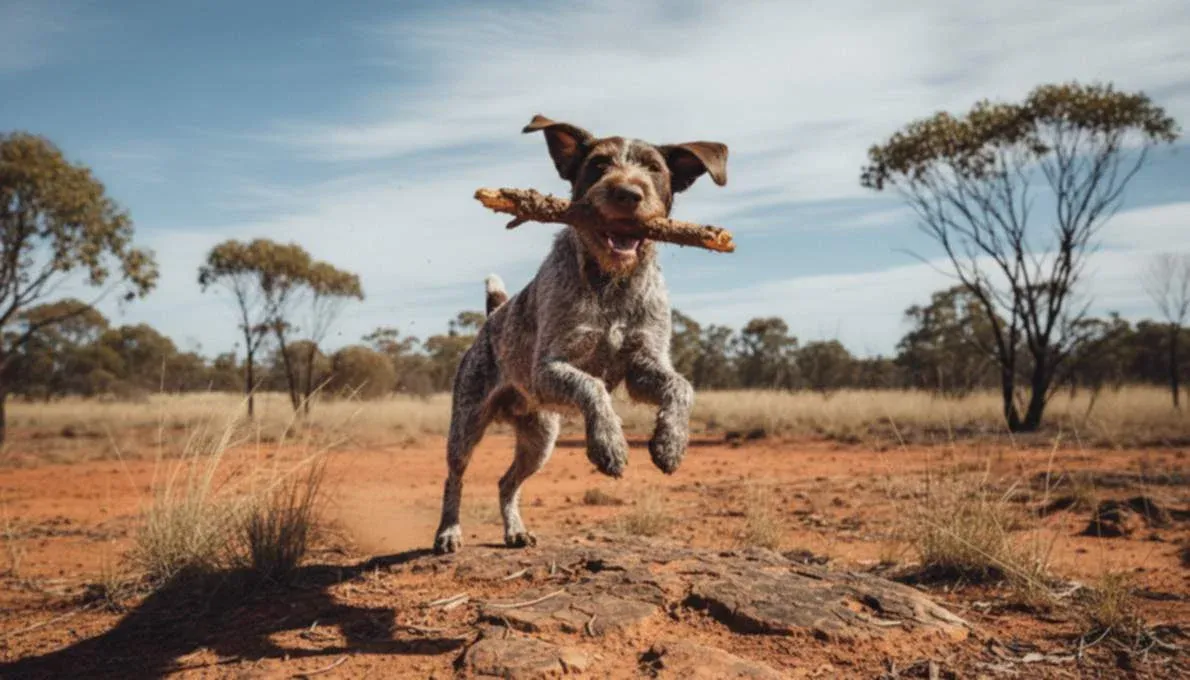
Energetic and Driven: These dogs have stamina for days. They were bred to work from dawn to dusk, and that work ethic hasn’t diminished.
Affectionate (On Their Terms): Despite their rugged appearance, GWPs are surprisingly sooky with their family. Every German Wirehaired Pointer is different, but most will happily curl up at your feet after a long day outdoors — though they prefer to think of it as “supervising” rather than cuddling.
Reserved with Strangers: The breed standard describes the GWP as “aloof” with unfamiliar people. They’re not aggressive, but they take their time warming up to new faces.
German Wirehaired Pointers can be wonderful family dogs when raised with children. They’re sturdy enough to handle enthusiastic play and protective of their young family members. However, their high energy and size mean supervision is essential, particularly with toddlers. Children should be taught to respect the dog’s space and never pull on that distinctive beard.
This varies significantly between individual dogs — some GWPs live peacefully with cats, while others view small animals as fair game. Their strong prey drive is hardwired, so early socialisation is crucial. First-time German Wirehaired Pointer owners are often surprised by just how intense that hunting instinct can be. Dogs raised with cats from puppyhood generally accept them as family, but introducing an adult GWP to existing small pets requires careful management.
If your German Wirehaired Pointer starts becoming destructive or excessively vocal, don’t panic — this almost always indicates insufficient mental or physical stimulation. The solution is more exercise, more training, and more engagement. When your GWP hits adolescence around 8-14 months, expect testing behaviour and selective hearing. The key is to remain consistent with training while increasing exercise intensity to match their growing energy.
German Wirehaired Pointer Health Issues
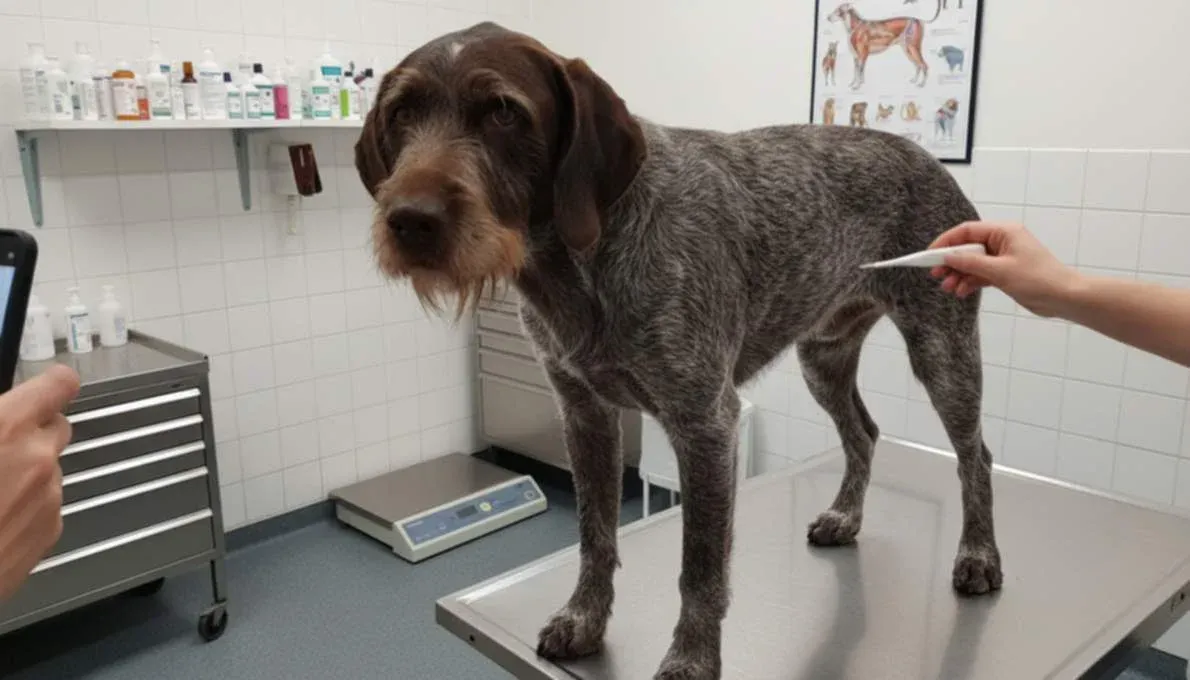
If you’re worried about potential health problems, you’re not alone — it’s one of the first things prospective owners ask. The good news is that German Wirehaired Pointers are generally robust dogs with fewer inherited conditions than many purebreds. With health-tested parents and proper care, most GWPs live long, active lives.
These hereditary joint conditions affect many medium to large breeds. Prevalence in GWPs is moderate compared to breeds like German Shepherds. Symptoms include stiffness, reluctance to exercise, and difficulty rising. Treatment costs range from $500-$800 for ongoing management to $5,000-$10,000 for surgical intervention. Prevention includes buying from health-tested parents and maintaining healthy weight.⁴
This genetic bleeding disorder prevents normal blood clotting. While potentially serious, DNA testing can identify carriers, and responsible breeders screen for this condition. According to VCA Hospitals, affected dogs may show unusual bruising, prolonged bleeding from minor cuts, or nosebleeds. The condition can be managed with veterinary guidance, and affected dogs can live normal lives with proper precautions.⁵
An underactive thyroid can cause weight gain, lethargy, and skin problems. Diagnosed via blood test and easily managed with daily medication costing approximately $30-50/month.⁶
Like many deep-chested breeds, GWPs can be susceptible to bloat — a life-threatening emergency where the stomach twists. Feed multiple smaller meals, avoid exercise immediately after eating, and learn to recognise symptoms (distended abdomen, restlessness, unsuccessful vomiting).⁷
Lifespan & Longevity Tips
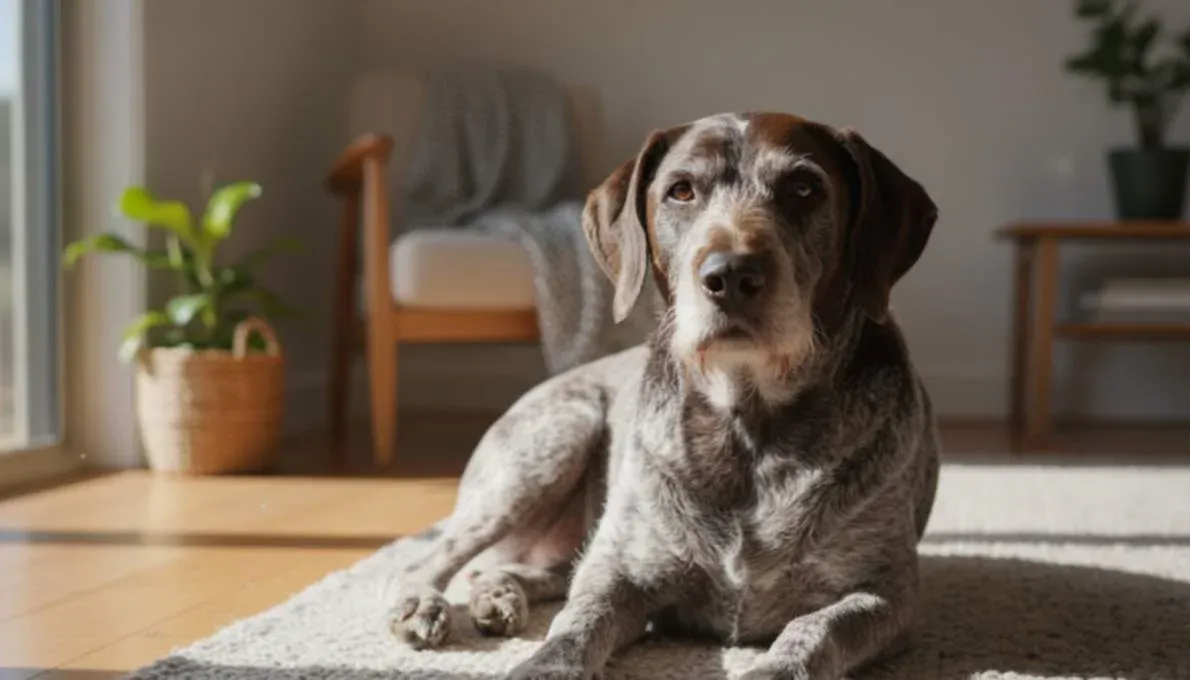
The average German Wirehaired Pointer lifespan is 12-14 years, which is excellent for a dog of this size. Many owners report their GWPs remaining active well into their senior years when properly cared for.
Veterinarians at the Australian Veterinary Association recommend the following to maximise your GWP’s longevity: maintain a healthy weight (obesity significantly shortens lifespan), provide regular exercise appropriate to age, schedule annual health checks including blood panels for senior dogs, keep up with dental care, and ensure mental stimulation continues throughout life.⁸
German Wirehaired Pointer Grooming Guide
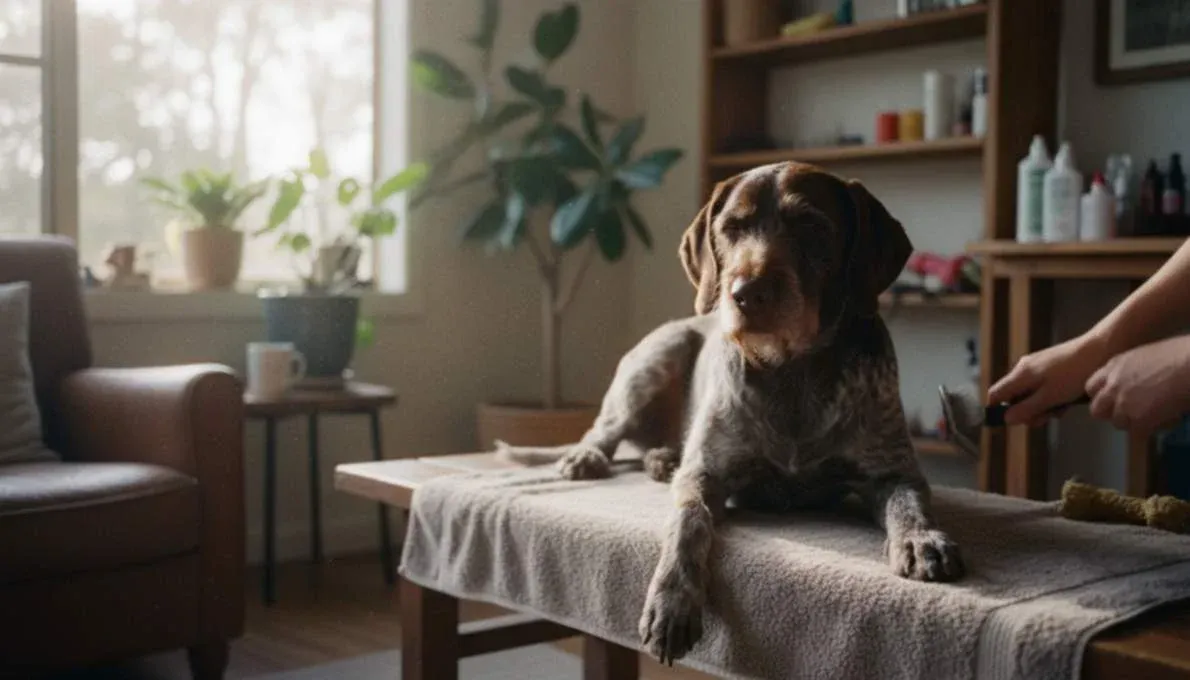
That distinctive wiry coat isn’t just for looks — it’s a functional feature designed to protect your GWP from harsh weather and rough terrain. The good news? It’s surprisingly low-maintenance compared to many breeds.
| Task | Frequency | Time | Tools/Products |
|---|---|---|---|
| Brushing | 1-2x weekly | 15-20 mins | Slicker brush, stripping knife |
| Bathing | Every 6-8 weeks | 30-45 mins | Dermcare or Fido’s Shampoo |
| Nail Trimming | Every 2-3 weeks | 10-15 mins | Clippers or grinder |
| Hand Stripping | 2-3x yearly | 1-2 hours | Stripping knife, Mars Coat King |
| Ear Cleaning | Weekly | 5 mins | PAW ear cleaner |
| Dental Care | Daily | 5 mins | Oravet chews, toothbrush |
Do German Wirehaired Pointers shed? Yes, moderately. The wiry outer coat doesn’t shed as much as smooth-coated breeds, but they do “blow” their undercoat seasonally. Regular brushing with a slicker brush helps manage loose hair. Many owners opt for professional hand stripping two to three times per year to maintain coat texture and health.
German Wirehaired Pointer colours include liver and white (ticked or roaned), solid liver, and occasionally black and white. The liver colouration can range from rich chocolate brown to lighter shades.
German Wirehaired Pointer Exercise Needs
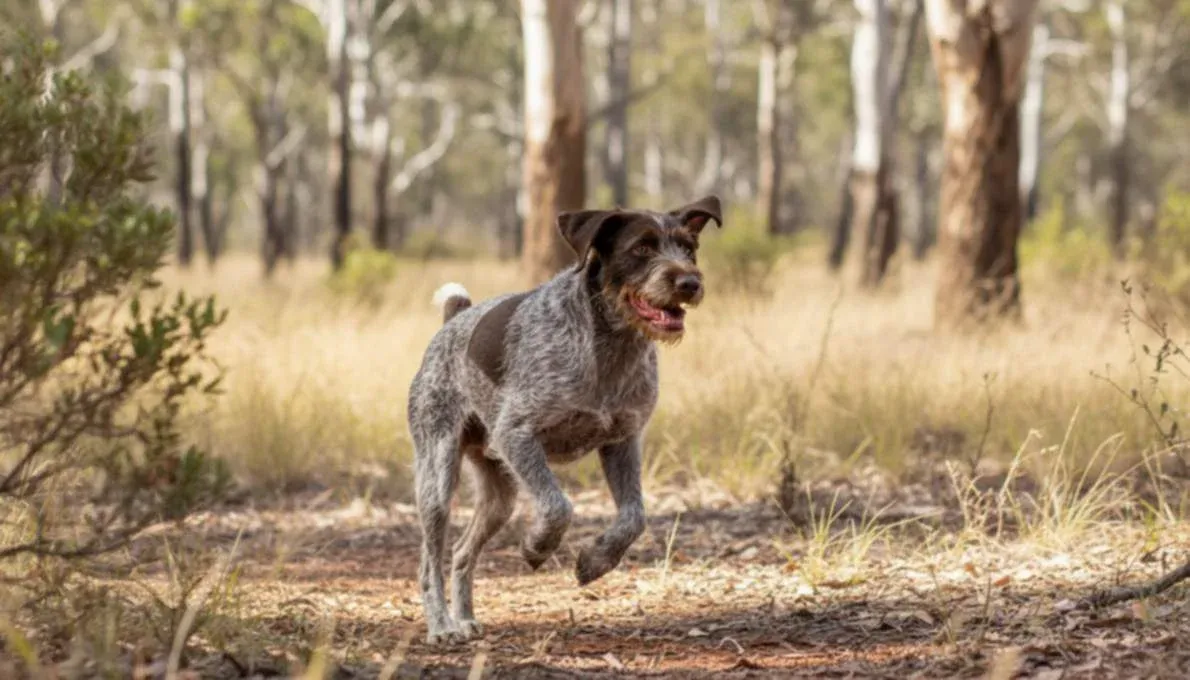
It is recommends that active sporting breeds like the German Wirehaired Pointer receive substantial daily exercise — and this breed certainly fits that description.⁹ Plan for a minimum of 90-120 minutes of vigorous activity daily, split across multiple sessions.
Many German Wirehaired Pointer owners report that a tired GWP is a happy GWP — and an exercised dog is far less likely to redecorate your backyard or find creative ways to escape. Breeders consistently note that behavioural problems in this breed almost always trace back to insufficient exercise.
Ideal activities include:
- Long hikes and bushwalks (they excel in Australian terrain)
- Swimming (they have webbed feet and love water)
- Retrieving games and fetch
- Scent work and tracking exercises
- Agility and obedience training
- Running alongside a bicycle (once fully grown)
If you notice your German Wirehaired Pointer becoming restless, pacing, or developing destructive habits, don’t panic — this typically indicates they need more physical and mental stimulation. Try adding an extra walk or incorporating puzzle feeders and training sessions into their routine.
German Wirehaired Pointer Training Guide
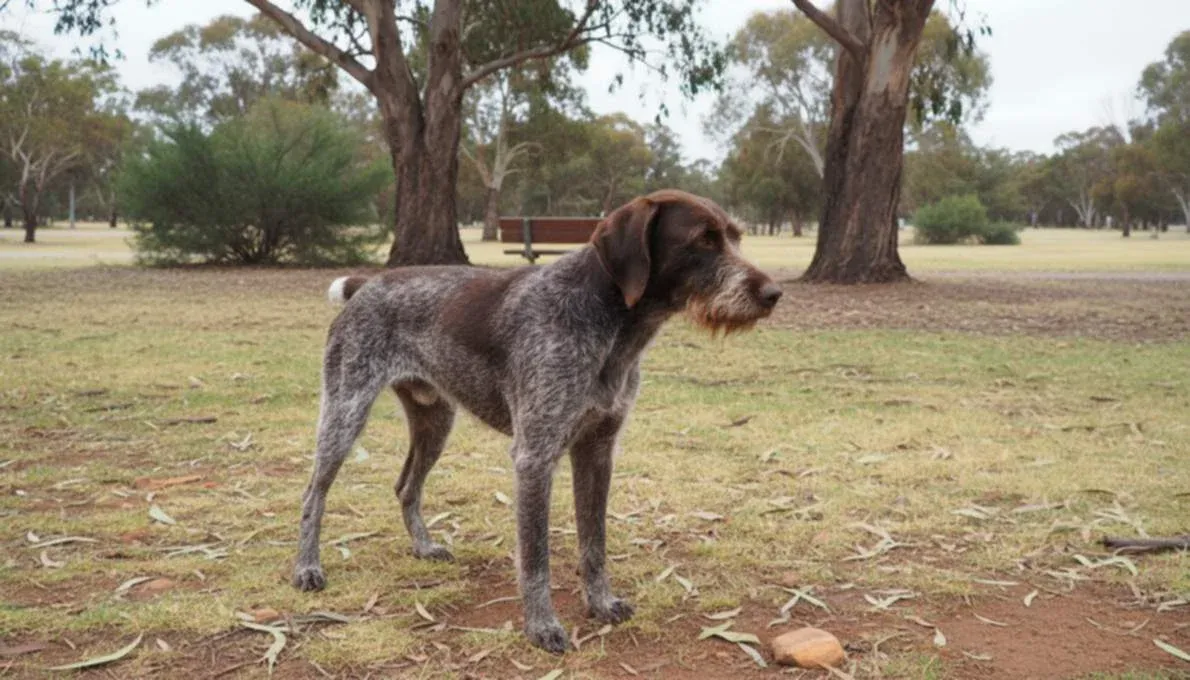
Don’t be discouraged if your German Wirehaired Pointer seems to have selective hearing during training sessions — their independent nature means they’re always evaluating whether your request is worth their while. With patience and positive reinforcement, most owners see significant improvement, and the bond you build through training is incredibly rewarding.
German Wirehaired Pointers respond best to firm, consistent, positive reinforcement training. They’re sensitive souls who don’t respond well to harsh corrections — but they do need clear boundaries.¹⁰
Socialisation Timeline
| Age | Training Focus | Expected Outcomes |
|---|---|---|
| 8-12 weeks | Name, crate training, basic potty training | Foundation building |
| 3-4 months | Sit, stay, come, leash manners | Basic obedience established |
| 4-6 months | Advanced commands, extensive socialisation | Reliable basics, confident dog |
| 6-12 months | Impulse control, off-leash reliability | Well-trained young adult |
| 12+ months | Advanced training, sport-specific skills | Fully trained companion |
Experienced German Wirehaired Pointer handlers often say that these dogs need a job to do — even if that job is simply fetching the newspaper or carrying their own treats on walks. Channel their intelligence into purposeful activities, and you’ll have a far more cooperative companion.
German Wirehaired Pointer Price & Costs
Understanding the true cost of German Wirehaired Pointer ownership helps you budget appropriately and ensures you can provide the care this breed deserves.
Find registered breeders through the Dogs Australia Breeder Directory. Consider adoption through PetRescue or breed-specific rescue groups — while GWPs aren’t commonly surrendered, they do occasionally need rehoming.
Initial Costs
| Expense | Approx. Cost (AUD) |
|---|---|
| Puppy Price (Registered Breeder) | $1,500 – $3,000 |
| Adoption Fee (Rescue) | $400 – $600 |
| Initial Vet + Vaccinations | $200 – $400 |
| Desexing | $300 – $600 |
| Essential Supplies (bed, crate, bowls, lead) | $400 – $700 |
| TOTAL INITIAL COST | $2,800 – $5,300 |
Annual Ongoing Costs
- Premium Food (Black Hawk, Advance, Ivory Coat): $1,200 – $1,800
- Vet Care & Preventatives: $400 – $800
- Pet Insurance: $600 – $1,200
- Grooming (professional stripping 2-3x): $200 – $400
- Training, toys, misc: $300 – $500
- • TOTAL ANNUAL: $2,700 – $4,700
Lifetime Cost Estimate: $38,000 – $66,000 (based on 13-year average lifespan)
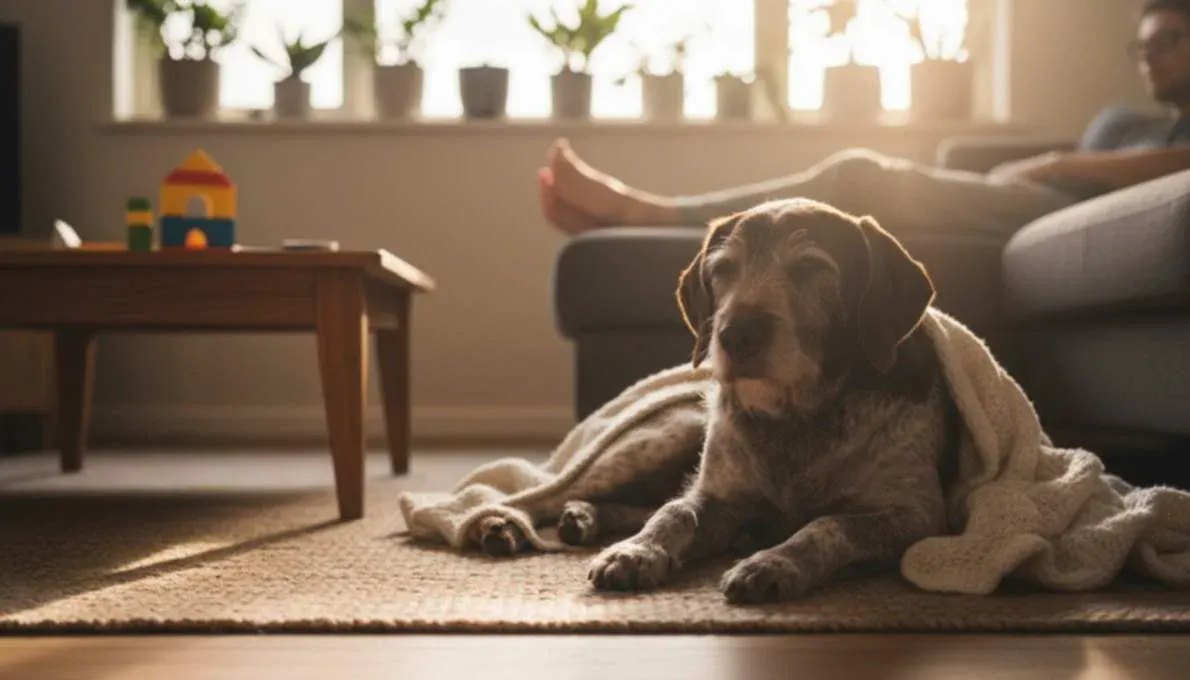
Is a German Wirehaired Pointer Right for You?
Active individuals or families who spend significant time outdoors and can commit to substantial daily exercise. Experienced dog owners who understand working breeds and enjoy training. Hunters, hikers, runners, or those involved in dog sports.
- Home Size: House with secure yard (minimum). Not suited to apartments.
- Yard: Securely fenced — these dogs can be escape artists when bored or understimulated.
- Climate: Adaptable to most Australian climates. Their coat protects against cold and rain, but provide shade and water in extreme heat.
This can feel overwhelming, but being honest about challenges upfront saves heartbreak later. The German Wirehaired Pointer is a magnificent breed — but they’re not right for everyone, and there’s no shame in recognising that.
- First-time dog owners (unless extremely committed to training and exercise)
- Those working long hours away from home
- Sedentary households or those unable to provide 90+ minutes of daily exercise
- Homes with small pets (cats, rabbits) unless raised together from puppyhood
- Those seeking a low-maintenance, easygoing companion
The German Wirehaired Pointer is a remarkable breed for the right owner — devoted, versatile, and endlessly enthusiastic about life. They’ll push you to be more active, reward your training efforts with fierce loyalty, and become an integral part of your family.
Perfect for: Active families, hunters, outdoor enthusiasts, and experienced owners seeking a versatile working companion.
Think twice if: You can’t commit to substantial daily exercise, work long hours, or prefer a low-energy companion.
First-time owner rating: 2/5 — Not ideal for novice owners, but possible with dedication, research, and commitment to professional training support.
Frequently Asked Questions
Are German Wirehaired Pointers good for first-time owners?
Generally, no. Their high exercise needs, independent nature, and training requirements make them better suited to experienced dog owners. However, a dedicated first-timer who commits to training classes and substantial daily exercise can succeed with this breed.
Do German Wirehaired Pointers shed a lot?
They shed moderately year-round with heavier seasonal shedding. Regular brushing and hand stripping help manage loose hair. They’re not hypoallergenic.
How much exercise does a German Wirehaired Pointer need?
A minimum of 90-120 minutes of vigorous exercise daily, ideally split across multiple sessions. This should include both physical activity and mental stimulation.⁹
How long do German Wirehaired Pointers live?
The average German Wirehaired Pointer lifespan is 12-14 years, which is excellent for a dog of this size.
How much does a German Wirehaired Pointer cost in Australia?
Expect to pay $1,500 – $3,000 from a registered breeder. Prices vary based on breeding lines, health testing, and breeder reputation. Adoption fees typically range from $400-$600.
Are German Wirehaired Pointers aggressive?
No, they’re not an aggressive breed. They can be reserved with strangers and have a strong prey drive, but proper socialisation and training produces a friendly, well-adjusted dog. Aggression is not a breed trait.
Are German Wirehaired Pointers good family dogs?
Yes, with the right family. They’re loyal, protective, and great with children when properly socialised. However, they require substantial exercise and mental stimulation that busy families may struggle to provide.
Are German Wirehaired Pointers hypoallergenic?
No. While their wiry coat sheds less than some breeds, they still produce dander and are not suitable for allergy sufferers.
Primary Sources:
1. Dogs Australia (ANKC) — Official breed registration and standards (dogsaustralia.org.au)
2. German Wirehaired Pointer Club of America — Breed history and information (gwpca.com)
Veterinary & Health Sources:
3. PetMD — German Wirehaired Pointer breed health guide (petmd.com)
4. Orthopedic Foundation for Animals — Hip and elbow dysplasia data (ofa.org)
5. VCA Hospitals — Von Willebrand Disease information (vcahospitals.com)
6. PetMD — Hypothyroidism in dogs (petmd.com)
7. American Kennel Club — Bloat/GDV prevention (akc.org)
8. Australian Veterinary Association — Care guidelines (ava.com.au)
Australian-Specific Sources:
9. RSPCA Australia — Animal welfare and exercise guidelines (rspca.org.au)
10. American Kennel Club — Training guidelines (akc.org)
11. PetSure (Bow Wow Meow) — Australian pet ownership cost data