
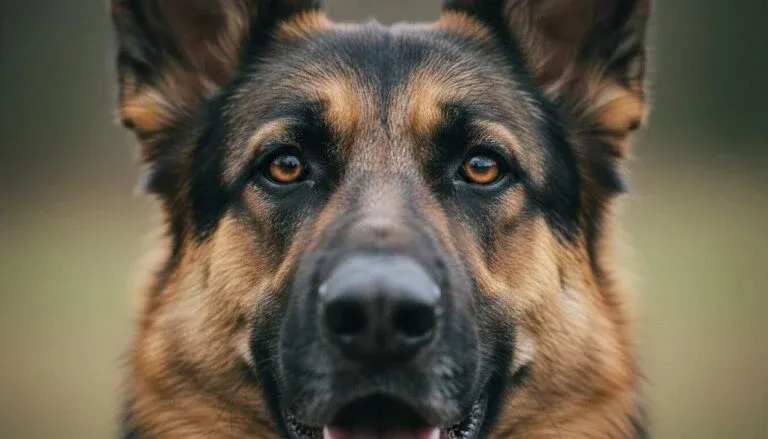
In 2019, a German Shepherd named Rumor became the first of her breed in over two decades to win Best in Show at the prestigious Westminster Kennel Club Dog Show — a testament to what makes this breed truly exceptional: intelligence, presence, and an unshakeable bond with their handler.¹
If you’re considering bringing a German Shepherd into your life, you’re looking at one of the most versatile and devoted companions you’ll ever meet. From police work to search-and-rescue missions to simply being the best family protector, this breed has earned its place as the second most popular dog in the world for good reason.
But let’s be honest — owning a German Shepherd isn’t for everyone. These dogs demand serious commitment, proper training, and an owner who understands their unique needs. This guide will give you everything you need to decide if a German Shepherd is right for your Australian home.
What You’ll Learn:
- Breed traits & temperament
- Health concerns to know
- True cost in Australia
- Training & exercise needs
- Is this breed right for you?
German Shepherd Quick Facts
| Attribute | Details |
|---|---|
| Breed Group | Herding / Working |
| Origin | Germany |
| Size Category | Large |
| Height (Adult) | Male: 60–65 cm | Female: 55–60 cm |
| Weight (Adult) | Male: 30–40 kg | Female: 22–32 kg |
| Lifespan | 9–13 years |
| Coat Type | Double coat (stock or long) |
| Exercise Needs | 90–120 minutes/day |
| Trainability | 5/5 |
| Good with Children | Yes (with supervision) |
| First-Time Owner Suitable | 3/5 (challenging but possible) |
| Average Puppy Price (AUD) | $2,500 – $4,500 |
Data sourced from ANKC Breed Standards and Dogs Australia registry.²
History of the German Shepherd
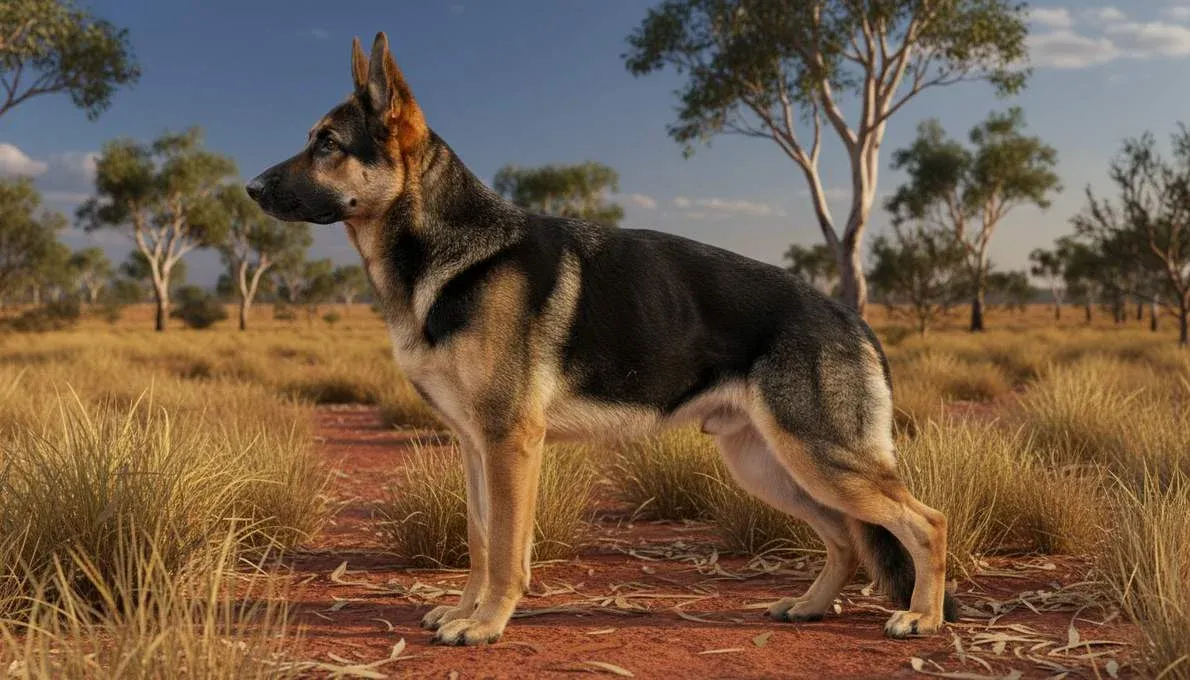
The German Shepherd’s story begins in 1899 when Captain Max von Stephanitz spotted a dog named Hektor at a dog show and knew immediately he’d found the ideal working dog. He purchased Hektor, renamed him Horand von Grafrath, and founded the Verein für Deutsche Schäferhunde (Society for German Shepherd Dogs).³
Originally bred to herd and protect sheep, von Stephanitz spent 35 years refining the breed for intelligence, strength, and unwavering loyalty. The breed’s versatility soon caught the attention of military and police forces worldwide, cementing its reputation as the ultimate working dog.
German Shepherds arrived in Australia in the early 1900s but faced strict import bans from 1929 to 1972 due to unfounded fears about their temperament. Today, they’re one of the most popular breeds in Australia, beloved as family protectors, service dogs, and loyal companions.
German Shepherd Temperament
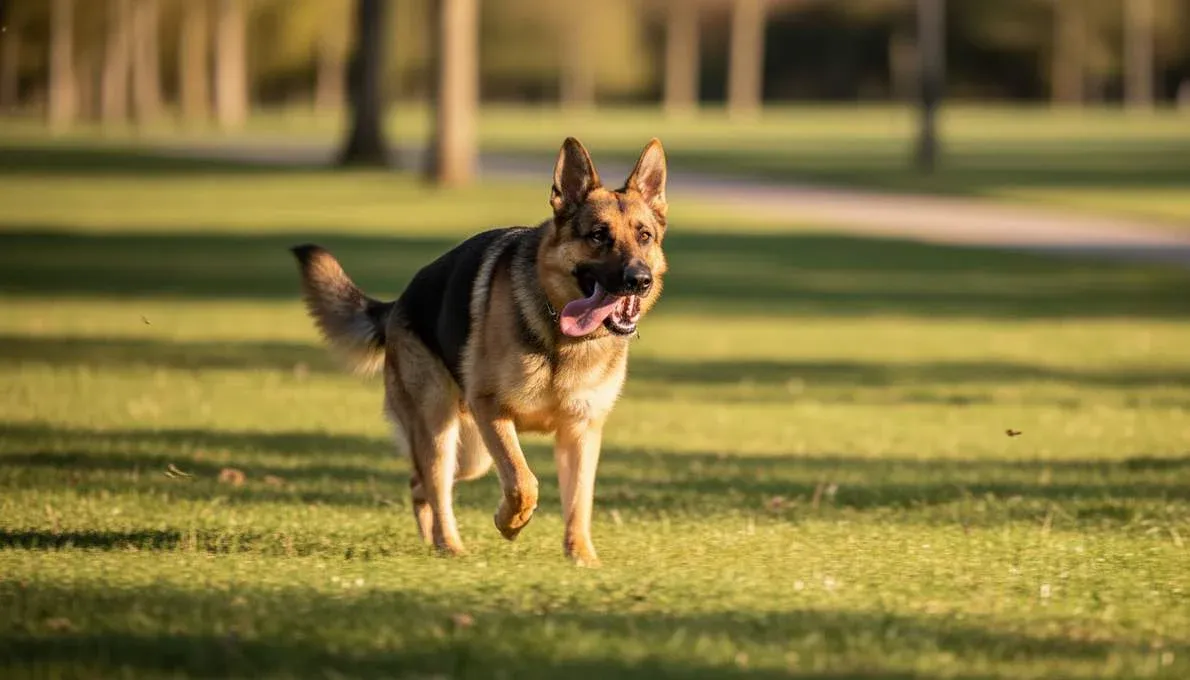
Loyal: Your German Shepherd won’t just be your pet — they’ll be your shadow. This breed forms an incredibly deep bond with their family and will follow you from room to room, quietly supervising every move you make.
Intelligent: Ranked among the top three most intelligent dog breeds, German Shepherds learn commands remarkably quickly. Many German Shepherd owners report that their dog seems to understand not just words, but context and tone — sometimes almost eerily so.
Protective: This breed has a natural guardian instinct. They’re watchful without being aggressive, alert to any potential threat while remaining calm and discerning.
Confident: A well-bred German Shepherd carries themselves with quiet self-assurance. They’re not nervous or skittish — they assess situations calmly before reacting.
Active: These dogs were built for work. Without adequate mental and physical stimulation, you’ll quickly discover just how creative a bored German Shepherd can be (and usually not in ways you’ll appreciate).
As one Queensland breeder put it: “A German Shepherd without a job is like a teenager without Wi-Fi — they’ll find something to do, and you probably won’t like it.”
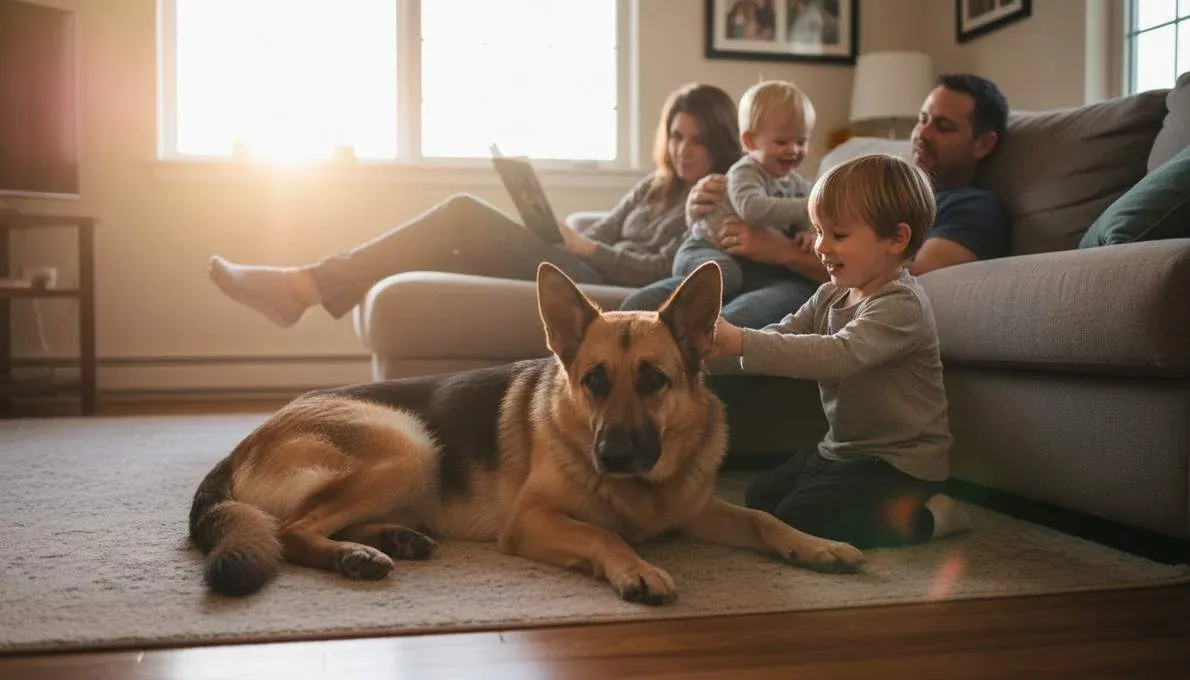
German Shepherds can be wonderful family dogs when properly socialised. They’re patient with children and often become particularly protective of the youngest family members. However, supervision is essential, especially with toddlers, due to the dog’s size and strength.
This varies significantly between individual dogs — some German Shepherds have an almost maternal instinct with children, while others prefer the company of older kids who understand how to interact with dogs respectfully.
With proper introduction and socialisation, German Shepherds typically coexist well with other dogs. Cats and small animals are a different story — that herding instinct can translate into chasing behaviour if not managed from an early age.
If your German Shepherd starts barking excessively at strangers or becomes overly territorial, don’t panic — this is their protective nature in overdrive. The key is redirecting that energy through consistent training and controlled socialisation rather than punishing the behaviour.
Separation anxiety is another common challenge. These dogs thrive on companionship, and leaving them alone for extended periods can lead to destructive behaviours. First-time German Shepherd owners are often surprised by just how much interaction this breed craves.
German Shepherd Health Issues
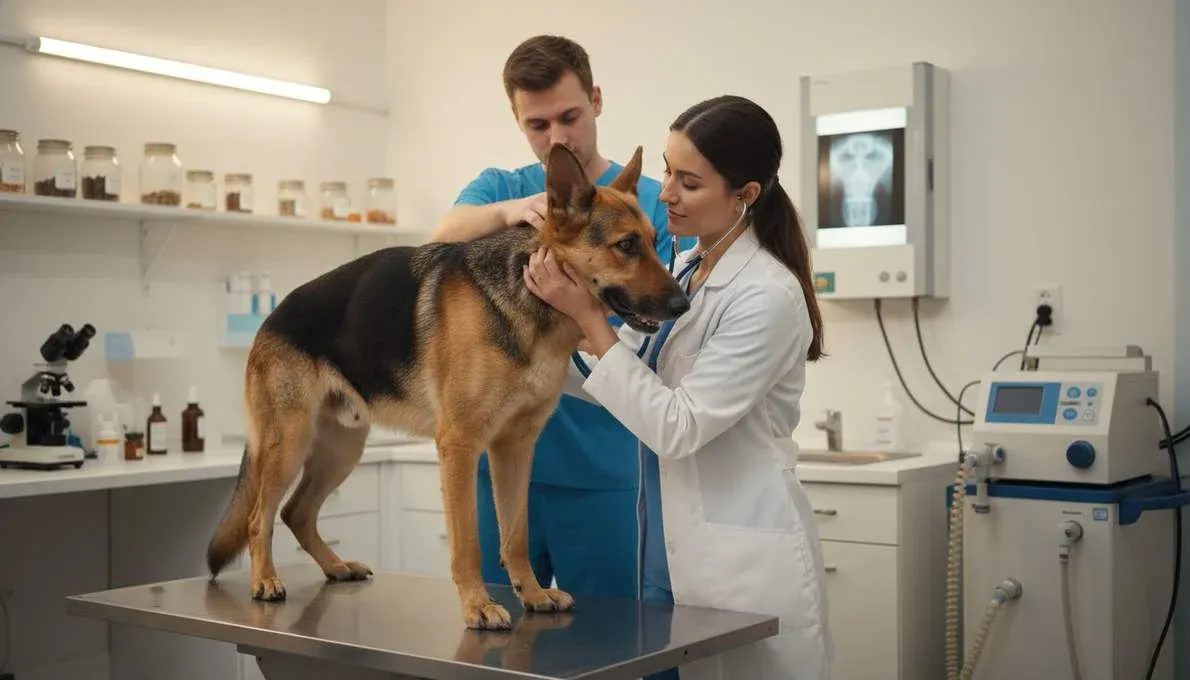
If you’re worried about health concerns, you’re not alone — it’s one of the first things prospective owners ask about. The good news is that understanding these conditions upfront allows you to take preventive measures and choose a breeder who prioritises health testing.
According to VCA Hospitals, hip dysplasia is one of the most common orthopaedic conditions in large breeds. Approximately 20% of German Shepherds are affected.⁴ Symptoms include a “bunny hop” gait, difficulty rising, and reluctance to climb stairs. Treatment ranges from weight management and physical therapy ($500–$2,000 annually) to surgical intervention ($3,000–$7,000 per hip for total hip replacement).
A degenerative joint disease affecting the front limbs, causing lifelong pain if untreated. Early screening and maintaining a healthy weight are crucial for prevention. Treatment costs range from $1,500 to $4,000 depending on severity.
This progressive spinal cord disease typically appears between ages 5–14 and eventually leads to hind leg paralysis. While there’s no cure, physical therapy can help maintain mobility. DNA testing can identify carriers, which is why choosing a breeder who tests for DM is essential.⁵
A life-threatening emergency where the stomach fills with gas and twists. German Shepherds are among the breeds at highest risk. Symptoms include a distended abdomen, restlessness, and unproductive retching. Immediate veterinary care is critical. A preventive gastropexy during desexing ($300–$600) can significantly reduce risk.
Prevention tip: Always request hip and elbow scores from breeders, and ask about DM testing. The Orthopedic Foundation for Animals (OFA) maintains a database of health testing results.⁶
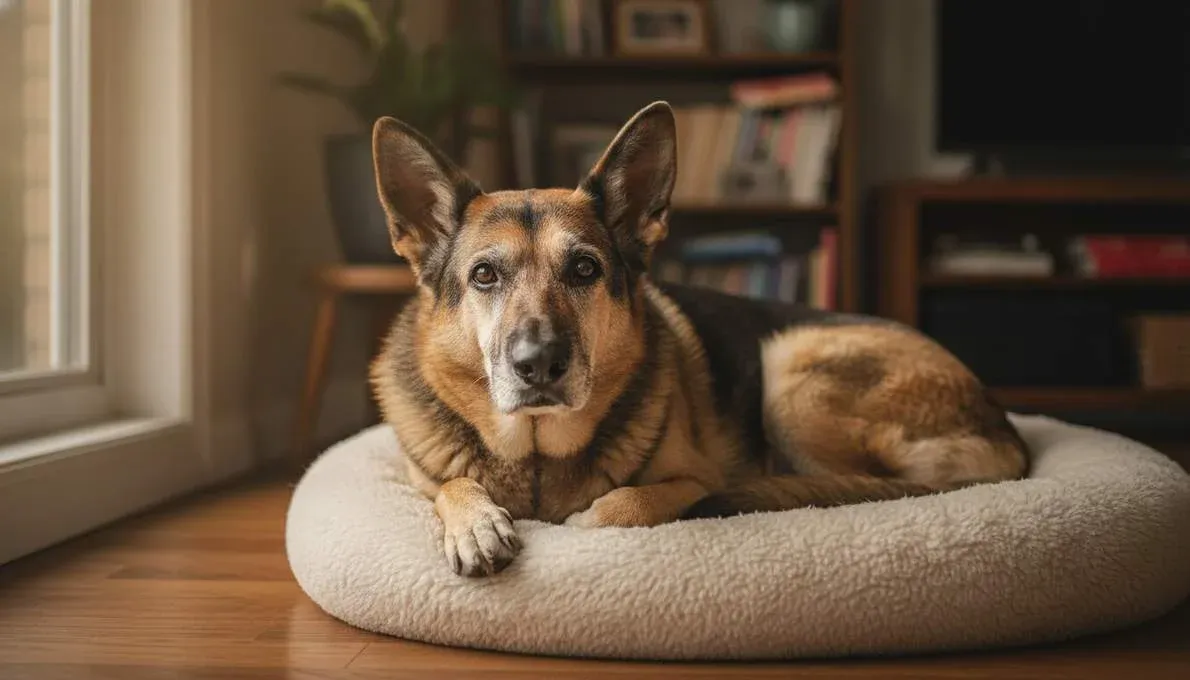
German Shepherd Lifespan
The average German Shepherd life expectancy is 9–13 years, with many dogs living healthy lives into their early teens with proper care.⁷ Female German Shepherds tend to live slightly longer than males, with studies suggesting an average difference of about 1.4 years.
Tips to maximise your German Shepherd’s lifespan:
- Maintain a healthy weight — obesity puts enormous strain on joints
- Feed a high-quality diet appropriate for large breeds
- Schedule regular vet check-ups (twice yearly for seniors)
- Keep teeth clean — dental disease can reduce lifespan by 3–5 years
- Provide mental stimulation throughout their life — veterinarians at the Australian Veterinary Association recommend keeping senior dogs mentally active to support cognitive health⁸
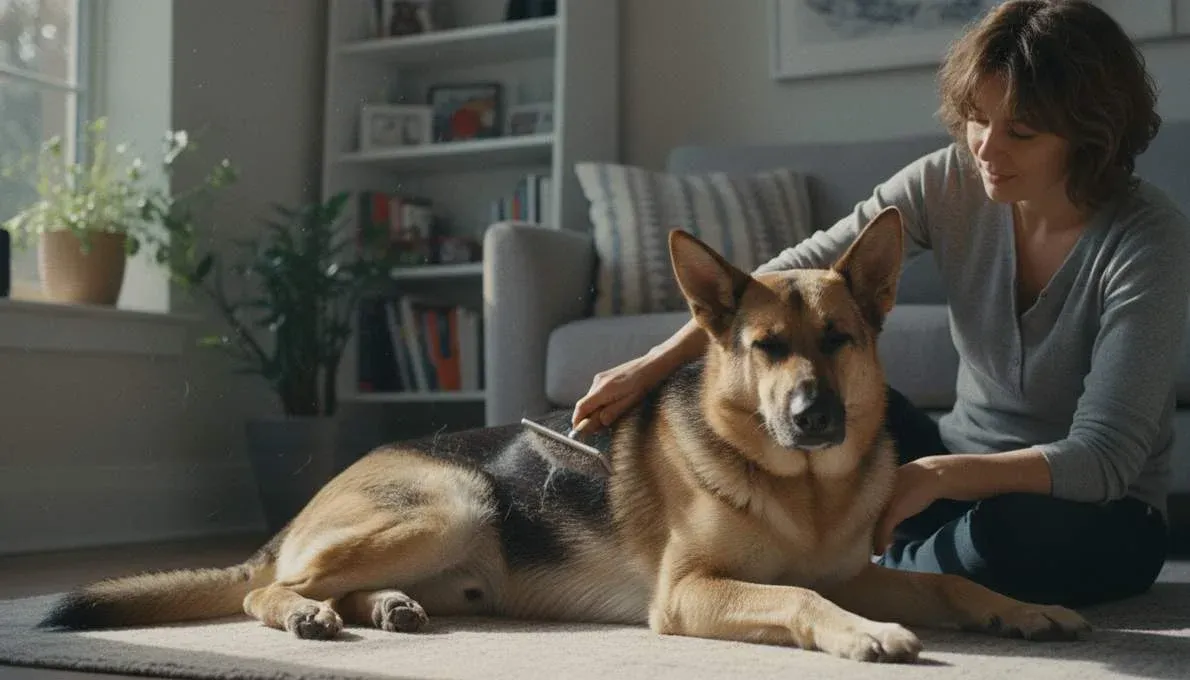
German Shepherd Grooming Guide
German Shepherds are notorious shedders — owners joke that their vacuum becomes their best friend. That thick double coat keeps them comfortable in various climates but requires consistent maintenance. Many German Shepherd owners report finding tumbleweeds of fur in corners of their home, especially during the twice-yearly “coat blow” in spring and autumn.
Grooming Schedule
| Task | Frequency | Time | Tools/Products |
|---|---|---|---|
| Brushing | 2–3x weekly (daily during shedding) | 15–20 mins | Undercoat rake, slicker brush |
| Bathing | Every 6–8 weeks | 30–45 mins | Dermcare/Fido’s Shampoo |
| Nail Trimming | Every 3–4 weeks | 10–15 mins | Clippers or grinder |
| Pro Grooming | Every 8–12 weeks | 1.5–2 hours | $80–$150 |
Australian product tip: Dermcare Natural Shampoo is vet-recommended and gentle on their skin. For budget-conscious owners, Fido’s Everyday Shampoo works well for regular maintenance. PAW by Blackmores is available at most pharmacies if you need something in a pinch.
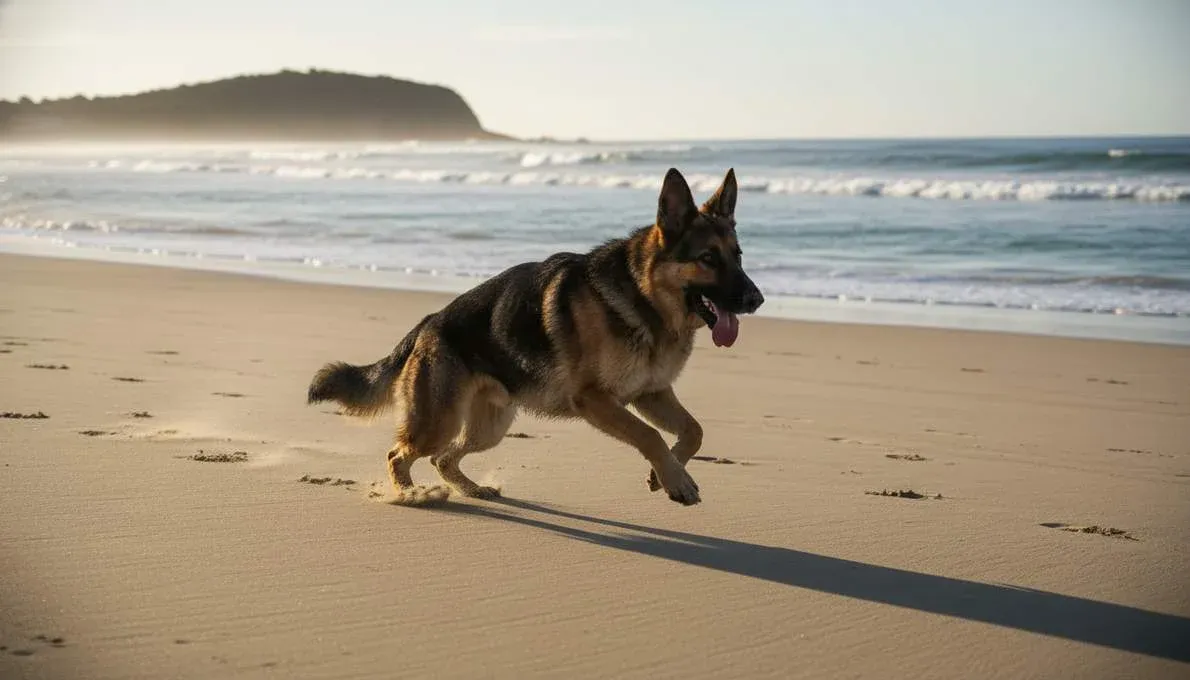
German Shepherd Exercise Needs
German Shepherds aren’t couch potatoes by any stretch. The RSPCA Australia recommends that active, working breeds like the German Shepherd receive at least 90–120 minutes of exercise daily.⁹ This should include a combination of physical exercise (walks, runs, fetch) and mental stimulation (training, puzzle toys, scent work).
If your German Shepherd starts pacing, digging, or destroying furniture, don’t assume they’re being “bad” — they’re telling you they need more stimulation. Try adding a morning training session or evening fetch game to burn off that excess energy.
Exercise ideas for Australian climates:
- Early morning or evening walks to avoid heat (essential in summer)
- Swimming — many German Shepherds love water and it’s easy on joints
- Fetch with a ball launcher for high-energy play
- Obedience training sessions (counts as mental exercise)
- Nose work games to engage their impressive scenting abilities
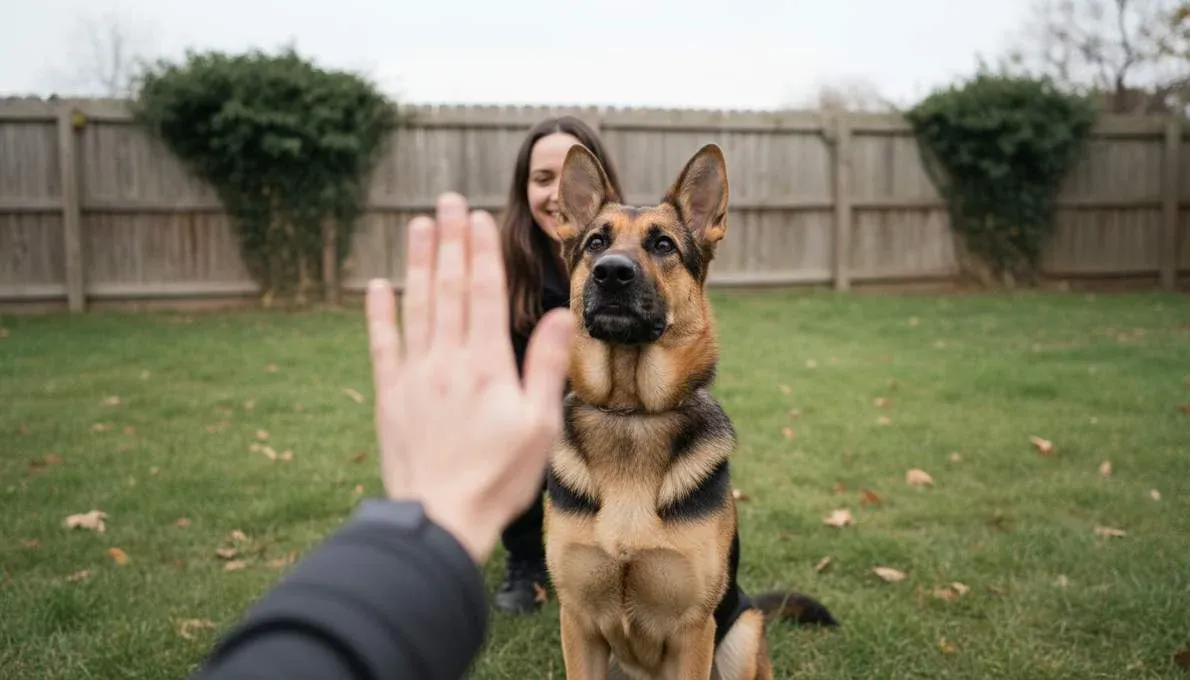
German Shepherd Training Guide
Don’t be discouraged if your German Shepherd puppy seems to have selective hearing during adolescence — that stubborn phase around 6–12 months is completely normal. With patience and consistency, they’ll emerge as one of the most trainable dogs you’ll ever work with.
German Shepherds thrive with positive reinforcement training. They’re eager to please but can become defensive if treated harshly. Professional dog trainers recommend establishing yourself as a calm, confident leader rather than resorting to dominance-based methods.¹⁰
When your German Shepherd hits adolescence around 8–14 months, expect boundary testing and temporary “forgetting” of commands they knew perfectly last week. The key is to stay consistent, keep training sessions short and positive, and remember that this phase passes.
Socialisation & Training Timeline
| Age | Training Focus | Expected Outcomes |
|---|---|---|
| 8–12 weeks | Name, potty training, crate | Basic recognition |
| 3–4 months | Sit, stay, come, leash walking | Basic obedience |
| 4–6 months | Advanced commands, socialisation | Reliable basics |
| 6–12 months | Off-leash, impulse control | Well-trained young dog |
German Shepherd Price & Costs
Let’s talk real numbers. Owning a German Shepherd in Australia is a significant financial commitment, and understanding the true costs upfront helps you plan properly.
Find registered breeders through the Dogs Australia Breeder Directory (dogsaustralia.org.au). Every state has a German Shepherd Dog Council affiliate that maintains a list of health-tested, registered breeders.¹¹
Consider adoption through PetRescue (petrescue.com.au) or German Shepherd Rescue groups in your state. Rescue fees are typically $300–$600 and include desexing, vaccinations, and microchipping.
Initial Costs:
| Expense | Approx. Cost (AUD) |
|---|---|
| Puppy Price (Registered Breeder) | $2,500 – $4,500 |
| Adoption Fee (Rescue) | $300 – $600 |
| Initial Vet + Vaccinations | $250 – $400 |
| Desexing | $300 – $600 |
| Essential Supplies | $400 – $700 |
| TOTAL INITIAL COST | $3,750 – $6,800 |
Annual Ongoing Costs:
- Food (premium large breed): $1,200 – $1,800
- Vet & Preventatives: $400 – $800
- Pet Insurance: $600 – $1,200
- Grooming: $200 – $500
- • TOTAL ANNUAL: $2,400 – $4,300
Lifetime Cost Estimate: $30,000 – $55,000 (based on 11-year average lifespan). Pet insurance data from PetSure suggests German Shepherds have higher-than-average claims due to their predisposition to joint issues.¹²
Is a German Shepherd Right for You?
Active individuals or families with time for training, exercise, and companionship. Someone who enjoys outdoor activities and wants a loyal partner for adventures. You have experience with dogs or are willing to invest in professional training.
- Home Size: House with secure backyard preferred
- Yard: Medium to large, securely fenced (1.8m minimum)
- Climate: Adaptable but needs shade and water in Australian heat. Their thick coat handles cold well, so air conditioning is helpful in summer.
- First-time owners unwilling to invest in training classes
- People who work long hours and can’t provide companionship
- Those in small apartments without nearby exercise areas
- Anyone looking for a low-maintenance “set and forget” pet
This can feel overwhelming, but being honest about challenges upfront saves heartbreak later. It’s better to know now if this breed isn’t right for your situation.
Perfect for: Active families, experienced dog owners, those wanting a loyal protector and adventure companion
Think twice if: You have limited time, small living space, or prefer a more independent dog
First-time owner verdict: Challenging but absolutely achievable with dedication to training and exercise. Consider professional obedience classes as a non-negotiable investment.
The German Shepherd will give you everything they have — their loyalty, their protection, their unwavering companionship. In return, they ask for your time, your patience, and your commitment. If you can offer that, you’ll gain a friend for life.
Frequently Asked Questions
Are German Shepherds good for first-time owners?
While challenging, German Shepherds can work for dedicated first-time owners who commit to professional training and adequate exercise. Their intelligence makes them responsive to training, but their energy and strength require confident handling.
Do German Shepherds shed a lot?
Yes — significantly. German Shepherds shed year-round with heavy “coat blows” in spring and autumn. Daily brushing during shedding season and 2–3 times weekly otherwise helps manage loose fur.
How long do German Shepherds live?
The average German Shepherd lifespan is 9–13 years with proper care. Choosing a puppy from health-tested parents and maintaining a healthy weight can help your dog reach the upper end of this range.⁷
How much does a German Shepherd cost in Australia?
Expect to pay $2,500–$4,500 from a registered breeder. Adoption fees range from $300–$600. Annual ongoing costs run $2,400–$4,300 for food, vet care, and insurance.
Are German Shepherds good with children?
Yes, when properly socialised and supervised. They’re protective of family members, including children. Teaching children how to interact respectfully with dogs is equally important.
Are German Shepherds dangerous or aggressive?
Not inherently. German Shepherds are protective, which can be mistaken for aggression. With proper socialisation and training from a young age, they’re confident and discerning rather than reactive. Poor breeding or training, not the breed itself, leads to behavioural problems.
Can German Shepherds be black or white?
Yes. Black German Shepherds and white German Shepherds are legitimate colour variations. Solid black is relatively rare, while white German Shepherds have a dedicated following despite not being accepted in conformation shows under some registries.
Primary Sources:
1. American Kennel Club — Breed history and show records (akc.org)
2. Dogs Australia (ANKC) — Official breed registration and standards (dogsaustralia.org.au)
3. Wikipedia — German Shepherd breed history (en.wikipedia.org)
Veterinary & Health Sources:
4. VCA Hospitals — Hip dysplasia in dogs (vcahospitals.com)
5. PetMD — Degenerative myelopathy information (petmd.com)
6. Orthopedic Foundation for Animals (OFA) — Health testing database (ofa.org)
7. Universities Federation for Animal Welfare — Lifespan and health data (ufaw.org.uk)
8. Australian Veterinary Association — Senior pet care guidelines (ava.com.au)
Australian-Specific Sources:
9. RSPCA Australia — Exercise guidelines (rspca.org.au)
10. American Kennel Club — Training recommendations (akc.org)
11. German Shepherd Dog Council of Australia — Breeder directory (gsdcouncilaustralia.org)
12. PetSure (Bow Wow Meow) — Australian pet ownership cost data