
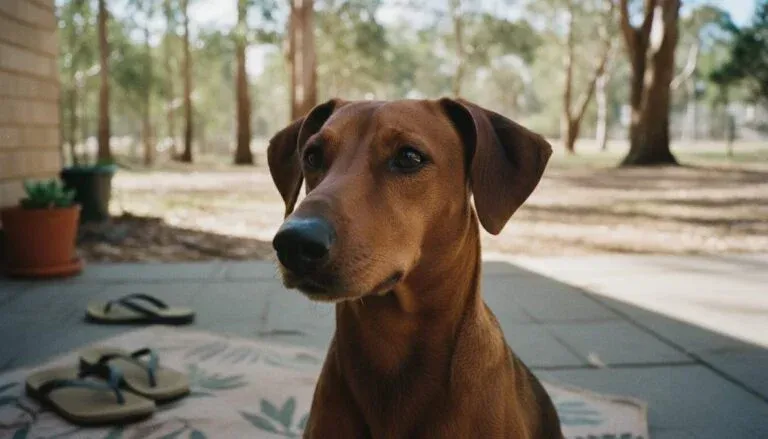
The German Pinscher is one of those breeds that looks like an obvious choice on paper and then humbles you completely once it moves into your house. They’re sleek, athletic, low-maintenance in the grooming department, and gorgeous in the way that only a well-built working dog can be. They’re also wickedly intelligent, deeply opinionated, and entirely willing to run your household if you let them.
This is not a beginner’s dog. It’s not a set-and-forget dog. And it’s definitely not a “mini Doberman,” despite the persistent confusion between the two breeds. The German Pinscher is actually the older of the pair — the ancestral breed from which the Doberman was developed — and has a personality that’s entirely its own: bolder, more independent, more mischievous, and more challenging to train than its larger descendant.
In Australia, the German Pinscher community is tiny. There are only around six registered breeders nationwide, and the breed was only established here in the late 1980s through a handful of foundation imports. Waiting lists are common, litters are small, and if you want one, you’ll need patience. But the owners who’ve done the work — the ones who train consistently, socialise early, and provide genuine mental and physical outlets — almost universally describe the German Pinscher as the best dog they’ve ever owned.
This guide is for Australian owners and prospective buyers who want the unvarnished truth about living with a German Pinscher — what makes them exceptional, what makes them difficult, what health issues to screen for, and how to find a responsible breeder in a country where this breed is still vanishingly rare.
What You’ll Learn
- Breed traits & temperament
- Health concerns to know
- True cost in Australia
- Training & exercise needs
- Is this breed right for you?
Breed Quick Facts Table
| Attribute | Details |
|---|---|
| Breed Group | Working (AKC) / Utility (ANKC) |
| Origin | Germany, late 1700s–1800s |
| Height | 43–50 cm (17–20 inches) at the withers |
| Weight | 14–20 kg (25–45 lbs) |
| Lifespan | 12–14 years (some sources cite 12–16 years) |
| Coat | Short, dense, smooth, and glossy — single coat |
| Colours | Red (stag red to dark red-brown), black and tan, blue and tan, fawn |
| Shedding | Low to moderate — not hypoallergenic |
| Energy Level | High — needs 60–90+ minutes of vigorous exercise daily |
| Temperament | Bold, intelligent, confident, assertive, loyal, manipulative if untrained |
| Good With Kids | Better with older children — not ideal for toddlers |
| Hypoallergenic | No |
| Barking Level | Low to moderate — barks with purpose, not a nuisance barker |
| AKC/ANKC Registered | Yes — recognised by Dogs Australia (ANKC) and AKC |
| Puppy Price (AUD) | $3,500–$5,000+ from registered breeders |
History & Origins
The German Pinscher is one of the oldest German breeds, and it’s the founding stock behind several breeds you’d recognise instantly: the Doberman Pinscher, the Miniature Pinscher, the Standard Schnauzer, and arguably the Affenpinscher. If the German Pinscher were a tech company, it would be the original startup that spawned an entire industry.
The breed’s origins trace back to at least the late 1700s in southern Germany, where smooth-coated pinscher-type dogs were kept as stable dogs, carriage dogs, and farm ratters. They were known as “Stallpinscher” — stable pinschers — and their job was straightforward: kill rats, guard the property, and alert the household to anything suspicious. The name “pinscher” itself likely comes from the French “pincer,” meaning to seize or nip, which is exactly what these dogs did to vermin.
In the 1800s, the pinscher family existed in two coat varieties: smooth-haired and wire-haired. When the Pinscher-Schnauzer Klub was founded in Germany in 1895, the two varieties were formally separated. The wire-haired dogs became Schnauzers. The smooth-haired dogs kept the name Pinscher. They were first entered into German dog records in 1885.
Like many European breeds, the German Pinscher was devastated by the two World Wars. By the end of World War II, the breed was on the verge of extinction. No German Pinscher litters were registered in West Germany from 1949 to 1958 — nearly a decade with no puppies. The breed was saved by one man: Werner Jung, who held the office of head breed-warden for the Pinscher-Schnauzer Klub. Jung smuggled a single German Pinscher bitch out of East Germany and bred her with four oversized Miniature Pinscher males. Virtually every German Pinscher alive today descends from those five dogs.
The breed was recognised by the FCI in 1955. It didn’t reach the United States until the 1970s, and the AKC only granted full recognition in 2003, placing it in the Working Group. In Germany, the breed remains classified as endangered — listed in Category III (“gefährdet”) of the Red List maintained by the Gesellschaft zur Erhaltung alter und gefährdeter Haustierrassen.
The German Pinscher in Australia
German Pinschers arrived in Australia in the late 1980s. Four founding kennels established the breed: Deutschpin (1986–1989), Masterkarn (est. 1989, still active), Meisterpin (est. 1989), and Wallingburg (est. 1989). These breeders imported five dogs within the first decade, forming the genetic foundation for all Australian-bred German Pinschers.
Today, the Australian breeding community remains small. As of 2025, the key breeders listed on DogzOnline include Kaitler (NSW — Australia’s most awarded German Pinscher kennel, with multiple Grand Champions, All Breeds Best in Show winners, and imported US bloodlines), Masterkarn (QLD — the sole remaining foundation breeder, active since 1989), Lemanko (NSW — breeding since 1999, focused on temperament and health testing), Kayem (TAS, working with Brightleaf in country NSW), Ashayde (QLD, new breeder working with Kaitler lines), and at least one breeder in Victoria. There are no registered German Pinscher breeders in New Zealand.
A Note on Ear Cropping and Tail Docking
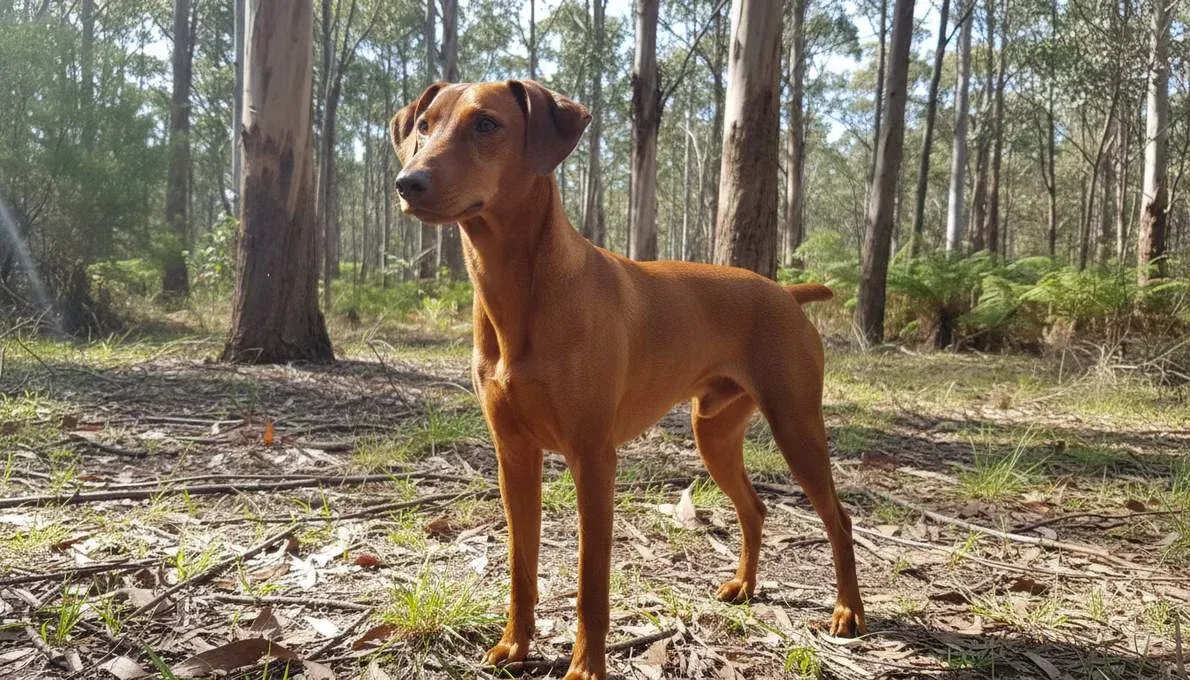
Ear cropping is illegal in all Australian states and territories. Tail docking is also prohibited or heavily restricted across Australia, with limited exceptions for working dogs in some jurisdictions. Australian German Pinschers will have natural ears (V-shaped, folded) and natural tails. If you see photos of German Pinschers with cropped ears and docked tails, those images are from countries where the practice is still legal. Expect your Australian German Pinscher to look different from many breed photos you’ll find online.
Temperament & Personality
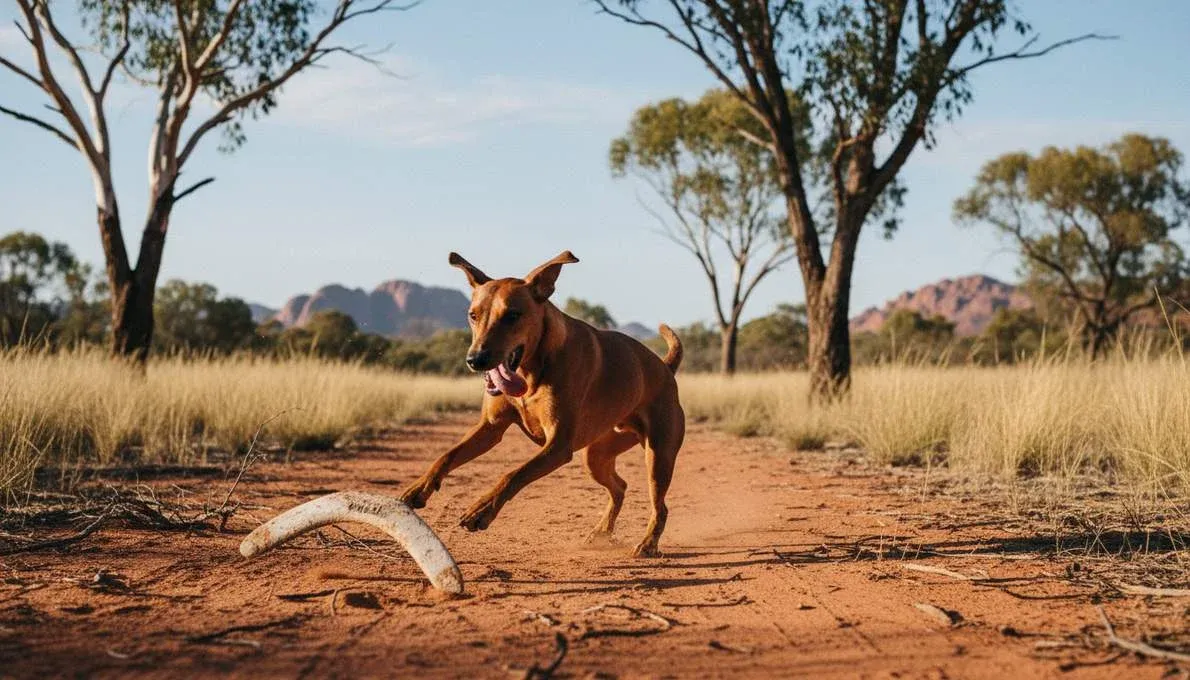
The German Pinscher temperament is the single most important thing to understand before committing to this breed. It’s what makes them extraordinary and it’s what makes them a terrible fit for the wrong household. There’s no middle ground with this breed — either you’re prepared for what they bring, or you’re going to be in over your head.
German Pinschers are exceptionally intelligent — not just obedient-smart, but genuinely clever in the way that involves opening cupboards, figuring out door handles, and learning exactly how far they can push a boundary before you notice. They’re what trainers call a “thinking breed”: they assess situations, weigh options, and make decisions that serve their own interests. This intelligence makes them highly trainable in the right hands, but it also makes them manipulative. Given half a chance, a German Pinscher will identify weak points in your routine and exploit them ruthlessly.
This is an assertive breed. Without consistent boundaries, a German Pinscher will take charge of the household — resource guarding food and toys, claiming furniture, deciding who gets to sit where, and ignoring commands it finds inconvenient. This isn’t aggression in the traditional sense; it’s a dog that’s been bred for centuries to make independent decisions under pressure. The drive that made them excellent ratters and farm guardians is the same drive that makes them challenging pets for inexperienced owners.
With their family, German Pinschers are intensely loyal and deeply affectionate. They bond tightly with their people and will involve themselves in every aspect of household life. They’re playful well into adulthood — the puppy energy doesn’t fade at 12 months, and many owners report their German Pinschers remain bouncy, rambunctious, and toy-obsessed for years. They’re also naturally protective. A German Pinscher will bark to alert you to visitors and may position itself between you and a perceived threat. They’re not nuisance barkers — when a German Pinscher barks, it means something.
German Pinschers are reserved to suspicious around strangers. Without thorough socialisation, this can escalate to genuine wariness or defensive behaviour. Early and ongoing exposure to different people, environments, and situations is critical. With other dogs, outcomes vary. Some German Pinschers coexist well with other dogs (especially if raised together), but same-sex aggression is not uncommon, and their assertive temperament can cause friction in multi-dog households. With small animals — cats, rabbits, guinea pigs, rats — the picture is much simpler: they have an extremely high prey drive. A breed developed to kill rats will very likely chase and catch small household pets. Some German Pinschers raised with cats from puppyhood learn to tolerate them, but it’s not guaranteed.
They can be, with significant caveats. German Pinschers do best with older children (roughly 8+ years) who understand how to interact with dogs respectfully. They don’t tolerate tail-pulling, poking, or having their food and toys grabbed. They’re bouncy and may knock over toddlers. They can also display resource guarding if not managed from puppyhood. For the right family — active, experienced, consistent — a German Pinscher is an extraordinary companion. For a household with very young children, first-time dog owners, or a relaxed approach to training, this breed is almost certainly going to be a problem.
This is the most common comparison people make. While both breeds share ancestry, the German Pinscher is generally more independent, more mischievous, more prey-driven, and more likely to test boundaries than a Doberman. Dobermans tend to be more handler-focused and eager to please. German Pinschers have a stronger “what’s in it for me?” attitude toward training. The Doberman is larger (60–80 cm vs. 43–50 cm) and more commonly used in protection work. The German Pinscher is smaller, more compact, and retains more of the original ratter personality.
Health & Genetic Conditions
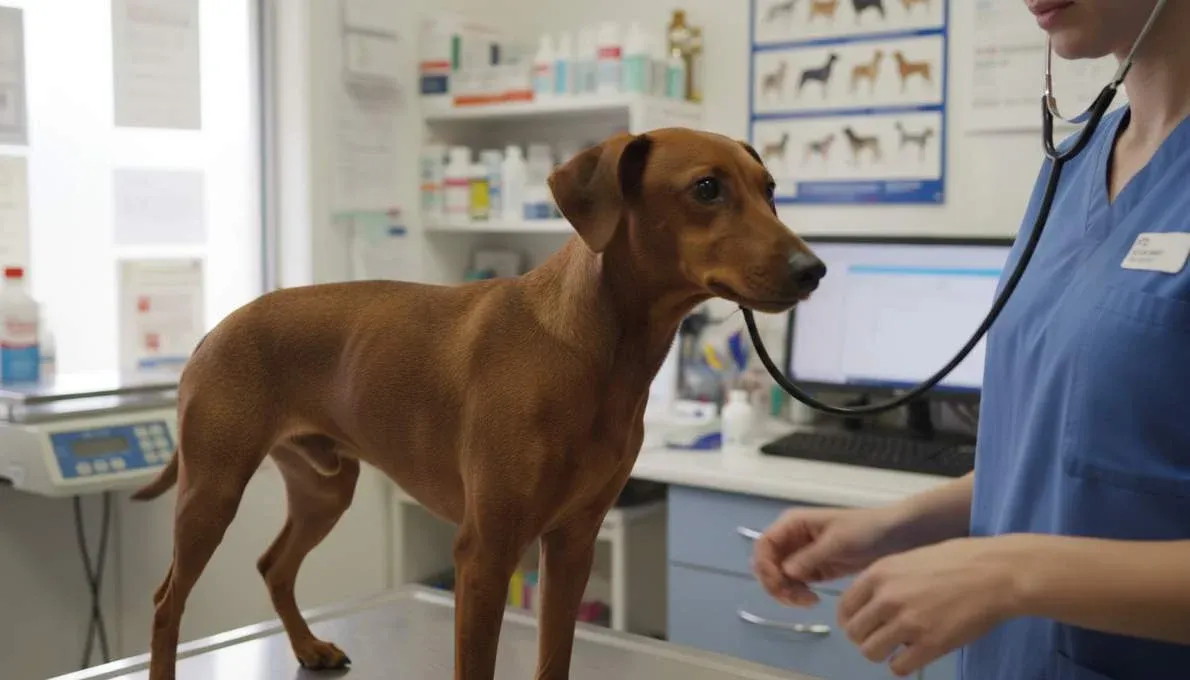
German Pinschers are generally a healthy, robust breed — one of the healthier working breeds you’ll find. But their small gene pool (remember, virtually all modern German Pinschers descend from five dogs) means genetic conditions exist and responsible health testing is essential. The German Pinscher Club of America (GPCA) requires three core tests for CHIC certification, with an additional recommended test.
Hip dysplasia occurs in German Pinschers, though at lower rates than in larger breeds. It’s a polygenetic condition where the hip joint doesn’t develop properly, leading to loose fit, cartilage damage, and arthritis. Symptoms include stiffness after rest, reluctance to jump or climb, and lameness in the hind legs. Mild cases are managed with weight control, joint supplements, and anti-inflammatory medication. Severe cases may require surgery, costing $3,000–$8,000+ per joint in Australia. All breeding stock should be hip-scored via the ANKC/BVA scheme or OFA after 2 years of age.
Cardiac conditions are a documented concern in the breed. Heart failure is noted as a leading cause of death in older German Pinschers. The GPCA requires an Advanced Cardiac Exam including an echocardiogram for CHIC certification — a standard heart auscultation alone is not sufficient. The most common heart issue is mitral valve disease, where a heart valve gradually deforms and allows blood to leak backward. Symptoms include a heart murmur, exercise intolerance, coughing, and laboured breathing. An echocardiogram in Australia costs $400–$700. Annual cardiac monitoring is recommended for breeding dogs and dogs with known murmurs.
The GPCA requires annual eye examinations by a veterinary ophthalmologist. German Pinschers can develop cataracts (opacity of the lens, causing progressive vision loss), Primary Lens Luxation (PLL, where the lens detaches from its normal position), and other hereditary eye conditions. Cataract surgery in Australia costs $2,000–$4,000 per eye. PLL is an emergency condition that requires immediate veterinary attention.
Von Willebrand’s Disease is an inherited bleeding disorder where the blood doesn’t clot properly due to a deficiency in von Willebrand factor, a clotting protein. German Pinschers typically carry Type 1 vWD, the mildest form. Affected dogs may bleed more than expected from minor cuts, dental procedures, or surgeries. It’s easily identified through a DNA test, which is why the GPCA recommends vWD testing — particularly when a carrier parent has been used in breeding. Knowing your dog’s vWD status before any surgical procedure is important for your vet to plan accordingly.
German Pinschers are prone to hypothyroidism, where the thyroid gland doesn’t produce enough hormones. Symptoms include weight gain, lethargy, dry or thinning coat, skin infections, and behavioural changes (including increased fearfulness or aggression). It’s diagnosed with a blood test and managed with daily thyroid replacement medication. Treatment in Australia costs $30–$60 per month plus $100–$200 for annual monitoring.
This is a condition seen more frequently in German Pinschers than in most other breeds. It’s a form of hair loss associated with dilute coat colours (blue and fawn). It’s not painful or itchy itself, but can lead to secondary skin infections. There is no cure — management involves treating secondary infections and maintaining skin health. Not all blue or fawn German Pinschers will develop it, but the risk is elevated compared to red and black-and-tan dogs.
CHIC Testing Requirements (GPCA)
| Test | Requirement | Notes |
|---|---|---|
| Hip Evaluation | OFA or PennHip after age 2 | X-rays assessed by OFA or equivalent |
| Eye Examination | Annual exam by veterinary ophthalmologist | Results registered with OFA/CERF |
| Advanced Cardiac Exam | Echocardiogram after age 1 | Standard auscultation is not sufficient |
| Von Willebrand’s Disease | DNA test (recommended) | Required if carrier parent used |
Bottom Line on Health Costs
Pet insurance is strongly recommended. A policy for a German Pinscher in Australia runs $70–$130 per month depending on cover level and location. The breed’s predisposition to heart conditions alone makes insurance worthwhile — a single echocardiogram plus ongoing cardiac medication can run $2,000–$5,000+ if a condition develops. Without insurance, a hip surgery or cataract removal easily reaches $5,000–$10,000.
Lifespan & Longevity
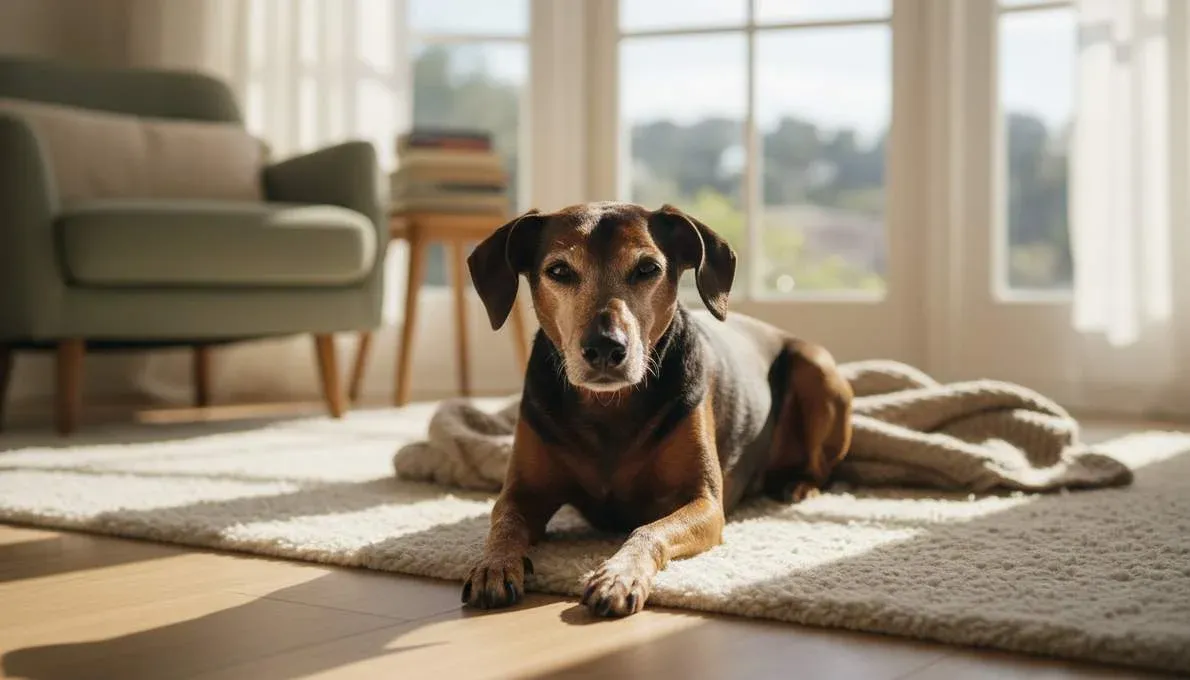
The average German Pinscher lifespan is 12 to 14 years, which is solid for a medium-sized working breed. Some breeders report dogs living to 16 years with excellent care. This longevity is one of the breed’s genuine advantages — compared to the Doberman (10–12 years), the German Pinscher typically enjoys a significantly longer life.
Puppy (0–18 months): The socialisation and training window. German Pinscher puppies are curious, mouthy, and extremely energetic. This is when you establish boundaries, build recall, and expose them to as many people, dogs, and environments as possible. Puppy playfulness in this breed is intense — they’re jumpy, nippy, and will test every limit. Growth plates close around 12–18 months.
Adult (18 months – 8 years): The peak years, though “adult” is relative — many German Pinschers retain puppy-like energy and playfulness well into adulthood. This breed doesn’t mellow as dramatically as some working dogs. Maintain consistent exercise, annual vet checks, cardiac monitoring, and ongoing training. A bored adult German Pinscher is a destructive one.
Senior (8–10+ years): Energy levels gradually decrease, but many senior German Pinschers remain active and engaged. Monitor for arthritis, cardiac changes, thyroid shifts, and vision issues. Senior blood panels every 6–12 months are recommended. Adjust exercise intensity to match the dog’s comfort level, but don’t stop entirely — regular moderate activity helps maintain muscle tone and joint health.
Weight management is critical at every life stage. German Pinschers are naturally lean and muscular — if you can’t see a clear waist and feel their ribs easily, they’re overweight. Excess weight accelerates joint deterioration, worsens cardiac conditions, and shortens lifespan.
Grooming & Care
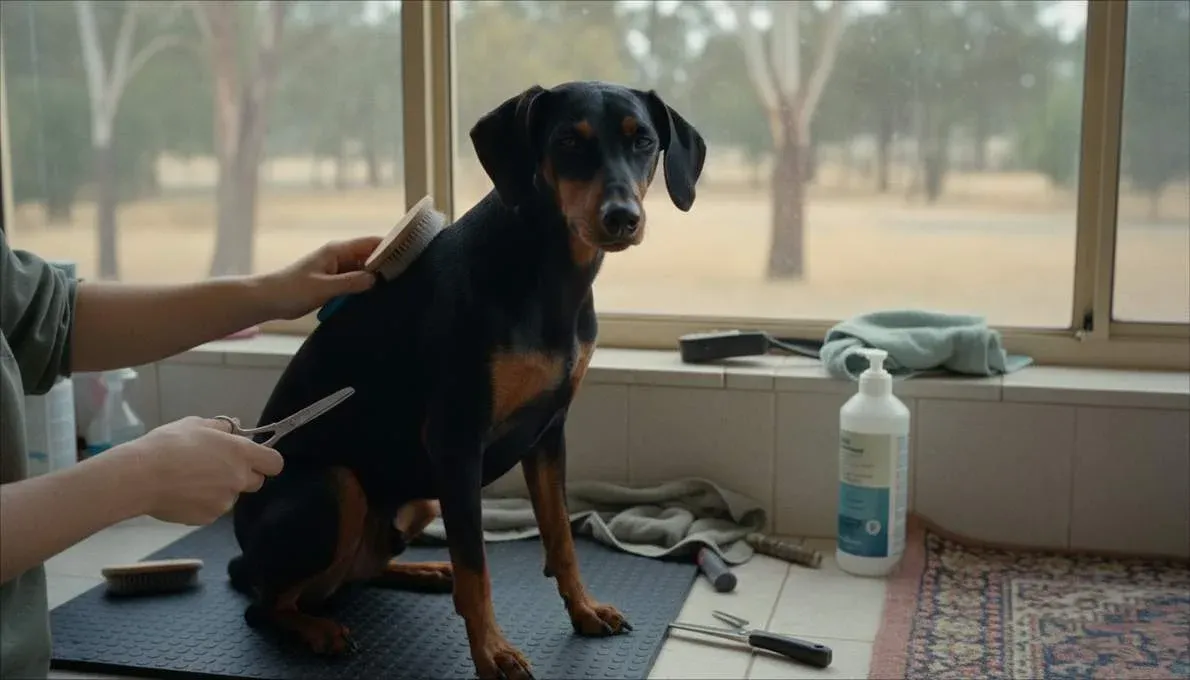
If there’s one area where the German Pinscher truly excels as a pet, it’s grooming. This is a “wash and wear” breed — their short, dense, glossy coat is one of the lowest-maintenance coats in the dog world. No professional grooming appointments, no de-matting sessions, no hours spent with a slicker brush. It’s one reason experienced dog owners describe the German Pinscher as the perfect combination of striking appearance and minimal upkeep.
Do German Pinschers Shed?
Yes, lightly. German Pinschers shed a small amount year-round, with a slightly heavier shed during seasonal changes. They are not hypoallergenic. But compared to double-coated breeds, the shedding is minimal. A weekly brush with a rubber grooming mitt or short-bristle brush is usually sufficient to manage loose hair and keep the coat glossy.
Grooming Schedule
| Task | Frequency | Notes |
|---|---|---|
| Coat brushing | Once per week | Rubber grooming mitt or short-bristle brush. Takes 5 minutes. Stimulates natural skin oils and removes dead hair. |
| Bathing | Every 6–8 weeks or as needed | Only when dirty or smelly. German Pinschers have naturally clean coats. Use a gentle dog shampoo. They dry extremely quickly. |
| Nail trimming | Every 2–3 weeks | If you can hear nails on hard floors, they’re too long. German Pinschers are active enough that nails may wear down naturally on hard surfaces. |
| Ear check | Weekly | Check for wax buildup, redness, or odour. Natural (uncropped) ears fold over and can trap some moisture, though less than pendulous spaniel ears. |
| Teeth brushing | 2–3 times per week (daily ideal) | Dog-specific toothpaste. Dental disease is common in all breeds and contributes to systemic health problems. |
| Professional grooming | Not routinely required | German Pinschers don’t need professional grooming. Nail trims and the occasional bath are all that’s needed beyond home maintenance. |
Coat Colours: What to Expect
The German Pinscher comes in four colour varieties recognised by the AKC: red (from light stag red to dark reddish-brown), black and tan, blue and tan, and fawn. In Australia and under FCI standards, only red and black and tan are accepted in the show ring. Blue and tan and fawn dogs carry a dilute gene that is also associated with colour dilution alopecia, so these colours carry an additional health consideration. The colour has no effect on temperament.
Exercise Needs
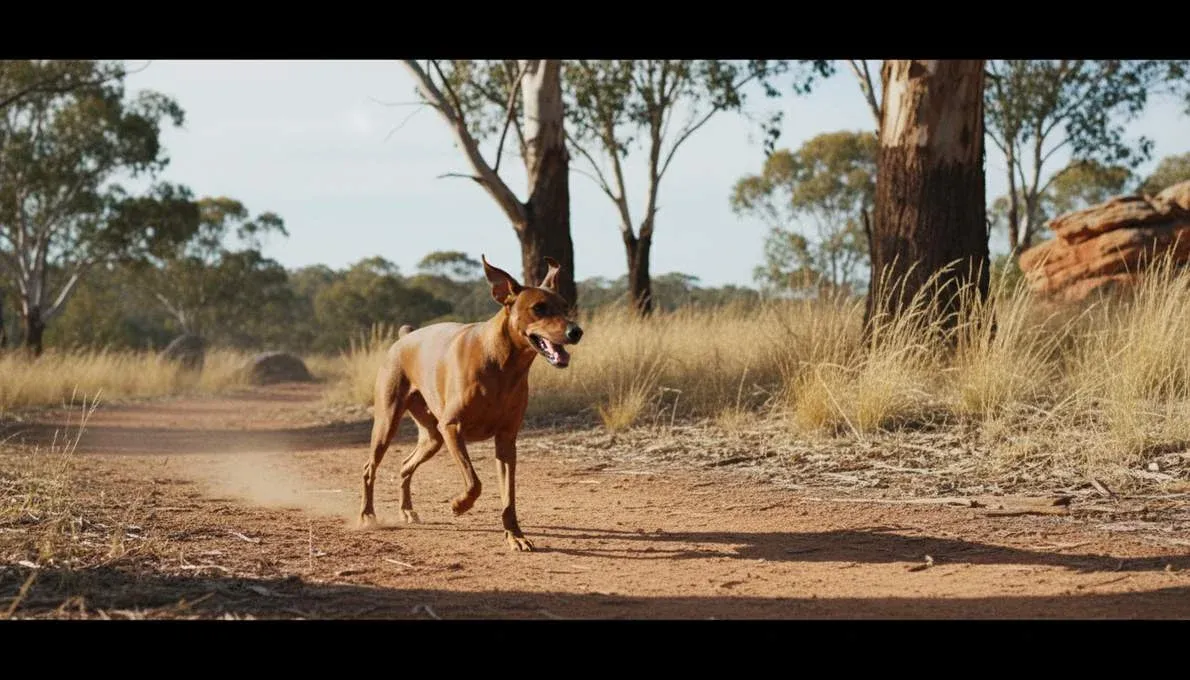
German Pinschers are high-energy, athletic dogs that need serious daily exercise. This isn’t a breed you can tire out with a lap around the block. They were bred to work all day — chasing rats, guarding stables, covering ground — and that energy hasn’t gone anywhere. A minimum of 60 to 90 minutes of vigorous exercise per day is the baseline, and most German Pinscher owners report that more is better.
The exercise needs to be both physical and mental. A German Pinscher that gets a long run but no mental stimulation will still be restless. Conversely, mental enrichment without physical output won’t drain their energy either. The ideal daily routine combines walking or running with training sessions, interactive play, and some form of problem-solving activity. Canine sports like agility, tracking, rally obedience, and barn hunt are excellent outlets for this breed — they engage the dog’s body and brain simultaneously.
German Pinschers are outstanding running and cycling companions. They have the endurance and drive to cover serious distance, and they thrive on the structure of a regular exercise partner. Off-lead exercise is valuable but comes with a significant caveat: their prey drive is extremely high. A German Pinscher that spots a cat, rabbit, or interesting scent may ignore recall entirely. Off-lead exercise should only occur in securely fenced areas until recall is absolutely rock-solid — and even then, stay alert.
Australian Climate Considerations
German Pinschers handle heat better than cold, thanks to their short, single coat. They don’t have the insulating undercoat that makes some breeds overheat quickly. However, they’re still at risk in extreme Australian summer temperatures, particularly during intense exercise. Keep exercise to early morning and evening during hot months. Always provide access to fresh water and shade. Watch for signs of heat stress: excessive panting, drooling, stumbling, or collapse.
In winter, German Pinschers may feel the cold more than double-coated breeds. A coat or jacket for early morning walks in Melbourne, Canberra, or Hobart winters is not overkill — they genuinely don’t have much insulation.
Can German Pinschers Live in Apartments?
Technically, yes — if you’re genuinely committed to daily high-intensity exercise. German Pinschers adapt better to apartment life than many working breeds because they’re clean, relatively quiet indoors (when exercised), and medium-sized. But they’re energetic, jumpy, and need outdoor outlets. An apartment without a nearby park, beach, or running route is a bad idea. A house with a securely fenced yard remains the ideal setup — and that fence needs to be secure, because German Pinschers are resourceful escape artists.
Training Guide
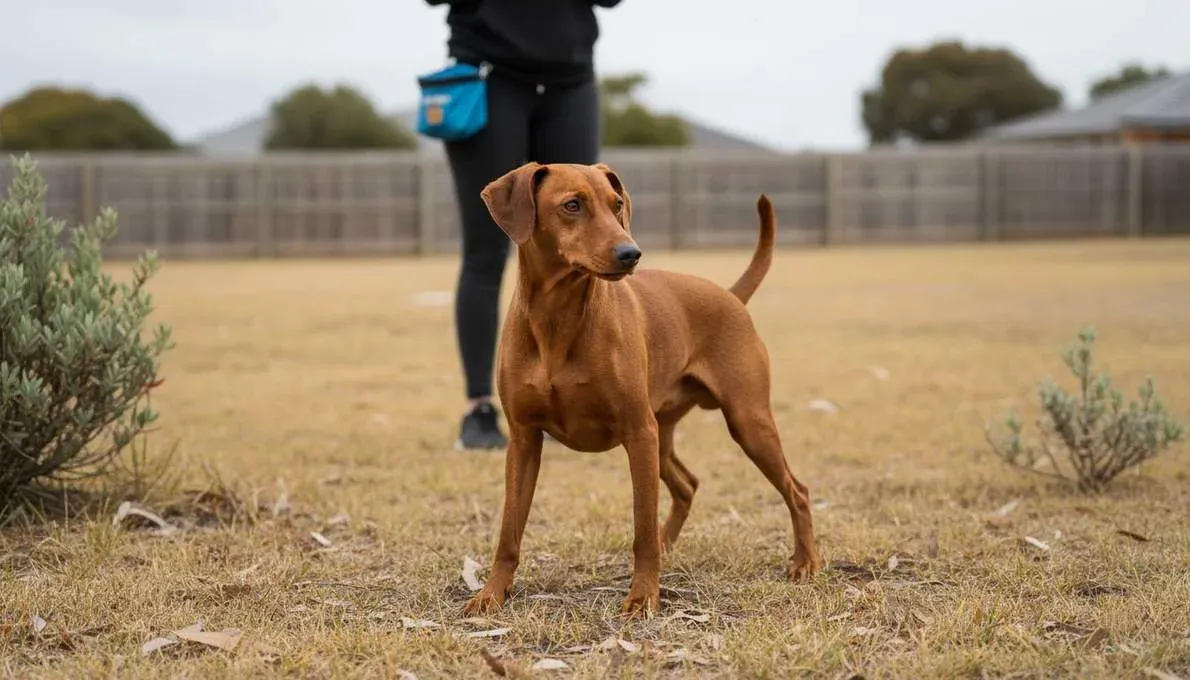
Training a German Pinscher is a different experience from training a Golden Retriever, a Labrador, or even a Doberman. This is a breed that learns quickly, retains information well, and then decides whether or not the command serves its interests at that particular moment. They’re not defiant for the sake of it — they’re strategic. And they’re watching you far more closely than you think.
Positive reinforcement is the foundation of all effective German Pinscher training, but it must be paired with clear, consistent boundaries. This breed requires an owner who is calm, confident, and willing to follow through every single time. If you tell a German Pinscher to get off the couch on Monday but let it slide on Tuesday, you’ve just taught the dog that persistence pays. And they will remember.
Socialisation & Training Timeline
| Age | Training Focus | Tips |
|---|---|---|
| 8–12 weeks | Socialisation is the top priority. Name recognition, sit, crate training, bite inhibition, toilet training, handling exercises. | Expose to as many people, dogs, surfaces, sounds, and environments as possible. Gentle but persistent. A German Pinscher puppy that isn’t socialised becomes a suspicious adult. |
| 3–6 months | Continue socialisation. Recall, loose-lead walking, “leave it,” “drop,” resource guarding prevention, impulse control. | Start resource guarding prevention early: hand-feed meals, practice “trade” games with toys. High-value rewards for recall (roast chicken, liver treats). Avoid repetitive drills — they get bored fast. |
| 6–12 months | Adolescent rebellion. Reinforce all basics. Structured activities: scent work, agility foundations. Continue socialisation with strangers and unfamiliar dogs. | This is when they start testing boundaries seriously. Stay consistent. Group obedience classes provide socialisation and structure. Don’t skip this phase — it’s where many owners lose ground. |
| 12–18 months | Advanced obedience, reliable off-lead recall (if possible), canine sports introduction. Address any emerging resource guarding or reactivity. | If behavioural issues are developing, address them now with a qualified behaviourist. German Pinschers don’t outgrow bad habits — they refine them. |
| 18 months + | Maintenance and enrichment. Short varied sessions (10–15 min). Ongoing socialisation. Canine sports, trick training, or working activities. | A mentally engaged German Pinscher is a well-behaved one. Tracking and nose work are superb ongoing activities that channel their prey drive constructively. |
Resource Guarding: Address It Early
German Pinschers have a documented tendency toward resource guarding — possessiveness over food, toys, resting spots, or even people. This is a breed trait, not necessarily a training failure, but it must be managed from day one. Hand-feeding, trading games, and teaching “drop” and “leave it” early are essential. If resource guarding develops into snapping or biting, consult a veterinary behaviourist immediately. This behaviour escalates in German Pinschers if not addressed.
A Note on Training Methods
While German Pinschers need firm boundaries, this does not mean harsh methods. Prong collars, e-collars, and physical corrections are counterproductive with this breed. German Pinschers are bold enough to push back against aversive methods, and harsh handling damages trust without producing lasting compliance. Reward-based training with clear consequences (removal of privilege, time-outs, structured play as reward) is the approach recommended by breed clubs worldwide.
Price & Costs
German Pinschers are rare in Australia, and rarity affects price. The handful of established breeders produce few litters per year, and puppies from health-tested, well-bred parents command premium prices. Here’s a realistic breakdown in AUD.
Upfront Costs
| Item | Estimated Cost (AUD) |
|---|---|
| Puppy from registered ANKC breeder | $3,500–$5,000+ |
| Interstate transport (if applicable) | $400–$600 |
| Initial vet visit + vaccinations | $150–$350 |
| Desexing (spay/neuter) | $300–$600 |
| Microchipping (if not included) | $50–$80 |
| Bed, crate, bowls, lead, collar, toys | $300–$600 |
| Secure yard fencing (if not already adequate) | $500–$5,000+ |
Ongoing Annual Costs
| Item | Estimated Annual Cost (AUD) |
|---|---|
| Premium dry food | $800–$1,200 |
| Pet insurance | $840–$1,560 |
| Annual vet check + vaccinations | $200–$400 |
| Flea, tick & worming prevention | $200–$350 |
| Echocardiogram (cardiac screening) | $400–$700 |
| Thyroid medication (if needed) | $360–$720 |
| Treats & chews | $150–$300 |
| Council registration | $30–$200 (varies by council) |
| Replacement toys (they destroy them) | $100–$300 |
A rough annual total for a healthy German Pinscher in Australia sits between $3,000 and $5,500. Over a 13-year lifespan, that’s $39,000–$71,500. Add cardiac treatment, hip surgery, or ongoing thyroid management and those figures climb. Pet insurance from day one is the sensible approach.
Where to Buy in Australia
Start with the ANKC state body in your state: Dogs NSW, Dogs Victoria, Dogs Queensland, Dogs SA, Dogs West, Dogs Tasmania, Dogs ACT, or Dogs NT. DogzOnline lists registered German Pinscher breeders by state and is the best starting point. The breed community is small enough that most serious breeders know each other, and they’ll be straight with you about wait times and expectations.
Kaitler Kennels (NSW) is the most awarded German Pinscher kennel in Australia and includes imported US bloodlines. Masterkarn (QLD) is the sole remaining foundation breeder, active since 1989. Lemanko (NSW) focuses on temperament and health-tested breeding. Prices from these breeders start at around $3,500 for a companion puppy, with show prospects potentially higher. Interstate shipping typically costs $400–$600.
Be extremely cautious of German Pinscher puppies advertised on Gumtree or similar platforms at lower prices. A reputable breeder will health-test breeding stock (hips, eyes, heart, vWD), provide a contract, offer lifetime support, and be transparent about the breed’s challenges. If a “breeder” can’t show you health test results, walk away.
Rescue is rare but not impossible. The breed’s small population means German Pinschers almost never appear in shelters. If one does become available, PetRescue and breed-specific networks are your best monitoring options.
Is the German Pinscher Right for You?
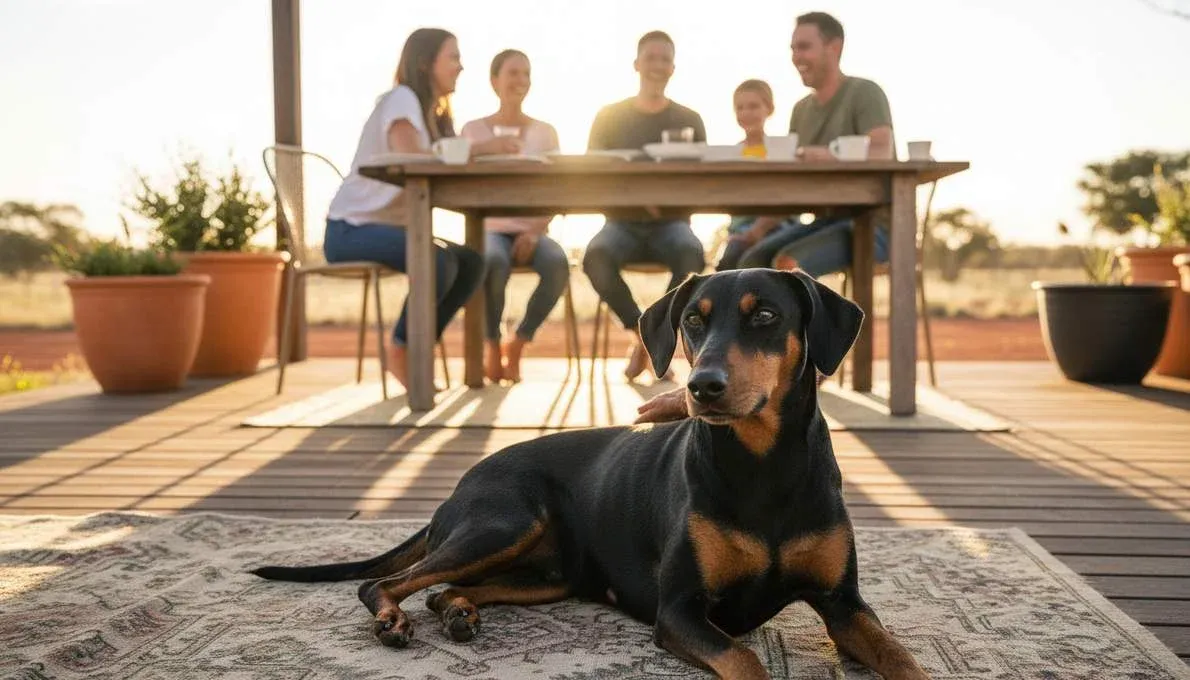
The German Pinscher demands more from its owner than most breeds. This is a high-reward, high-effort dog that thrives with the right person and struggles with the wrong one. Be honest with yourself before committing.
Have previous experience with strong-willed or working dog breeds. You enjoy an active lifestyle and can provide 60–90+ minutes of vigorous daily exercise. You’re confident setting and enforcing boundaries consistently. You want a dog with personality, presence, and genuine intelligence. You’re home enough that the dog isn’t left alone for extended periods. Your household has older children (8+) or no young children. You’re prepared to commit to early socialisation and ongoing training for the dog’s entire life. You can afford proper health testing, insurance, and veterinary care.
Are a first-time dog owner. You want a low-energy companion for casual walks. You have toddlers or very young children. You have small pets (cats may work if raised together; rabbits, guinea pigs, and rodents are a firm no). You prefer a people-pleasing, eager-to-obey breed. You’re inconsistent with rules or boundaries. You’re away from home for 8+ hours a day with no company for the dog. You want a dog that’s immediately friendly with everyone it meets. You’re not comfortable managing assertive or manipulative behaviour.
German Pinscher vs. Doberman Pinscher: The Doberman is larger (60–80 cm vs. 43–50 cm), more handler-focused, and easier to train for formal obedience. German Pinschers are more independent, more mischievous, and have stronger prey drives. Dobermans have shorter lifespans (10–12 years vs. 12–14+). Both require experienced owners. The German Pinscher is the ancestral breed; the Doberman was developed from it in the 1890s.
German Pinscher vs. Miniature Pinscher: The Min Pin is much smaller (25–30 cm vs. 43–50 cm) and is not simply a miniature version of the German Pinscher, despite the name. Both are energetic and strong-willed, but the German Pinscher is a true medium-sized working dog with greater exercise needs and a more assertive personality. The Min Pin was actually used to help rebuild the German Pinscher after World War II.
German Pinscher vs. Manchester Terrier: Similar in size and appearance, both with sleek coats and athletic builds. The Manchester Terrier is generally easier for first-time owners, less assertive, and has a slightly lower prey drive. The German Pinscher is bolder, more protective, and more physically demanding in terms of exercise.
The German Pinscher is a phenomenal dog for the right owner — and a genuinely challenging one for the wrong owner. There’s no faking it with this breed. They’ll know if you’re not putting in the work, and they’ll adjust their behaviour accordingly.
Train early, train always. The German Pinscher’s intelligence is a double-edged sword. Without consistent, reward-based training from puppyhood onwards, they’ll train you instead. Socialisation is especially critical — an unsocialised German Pinscher becomes suspicious, reactive, and difficult to manage. Start on day one and never stop.
Health test before you buy. The breed’s small gene pool makes health screening non-negotiable. Hip evaluation, echocardiogram, eye exam, and vWD testing are the minimum. If a breeder can’t or won’t provide test results, they’re not a breeder you should buy from.
Frequently Asked Questions
Are German Pinschers dangerous?
No, German Pinschers are not inherently dangerous. They’re bold, confident, and protective, which can be misread as aggression by people unfamiliar with the breed. With proper socialisation and training, they’re loyal and well-mannered companions. Without it, their assertive temperament can become problematic. They’re not recommended for first-time dog owners.
Are German Pinschers good family dogs?
They can be excellent family dogs for experienced owners with older children. They’re not ideal for homes with toddlers due to their bounciness, mouthiness, and tendency to guard resources. They bond deeply with their family and are fiercely loyal.
Are German Pinschers good guard dogs?
Yes — they’re alert, territorial, and naturally suspicious of strangers. They’ll bark to alert you and may position themselves protectively. They’re not as large as traditional guard breeds, but their deterrent value and watchfulness are genuine.
How big do German Pinschers get?
German Pinschers stand 43–50 cm (17–20 inches) tall and weigh 14–20 kg (25–45 lbs). They’re medium-sized — significantly smaller than Dobermans but larger than Miniature Pinschers.
Do German Pinschers shed?
Lightly. Their short, smooth coat sheds minimally year-round. They’re not hypoallergenic, but grooming needs are extremely low — a weekly brush and occasional bath are sufficient
How much does a German Pinscher cost in Australia?
Expect to pay $3,500–$5,000+ AUD from a registered ANKC breeder. Interstate transport adds $400–$600. There are only around six active breeders in Australia, primarily in NSW, QLD, VIC, and TAS.
How much exercise does a German Pinscher need?
A minimum of 60–90 minutes of vigorous daily exercise including running, walking, play, and mental stimulation. They’re high-energy working dogs that become destructive without adequate outlets.
What’s the difference between a German Pinscher and a Doberman?
The German Pinscher is the older, smaller breed (43–50 cm vs. 60–80 cm). Dobermans are more handler-focused and trainable; German Pinschers are more independent and mischievous. German Pinschers live longer (12–14+ years vs. 10–12 years). Both are loyal, protective, and need experienced owners.
What’s the difference between a German Pinscher and a Miniature Pinscher?
Despite the names, they’re distinct breeds. The German Pinscher is a medium-sized working dog (43–50 cm, 14–20 kg). The Miniature Pinscher is a toy breed (25–30 cm, 3.5–5 kg). They share ancestry but differ significantly in size, exercise needs, and temperament intensity.
Can German Pinschers live with cats?
Sometimes, with careful introduction and ideally raising them together from puppyhood. Their high prey drive makes coexistence with small animals risky. Rabbits, guinea pigs, and rodents are not safe housemates under any circumstance.
Are German Pinschers hypoallergenic?
No. They shed lightly and produce dander. If you need a hypoallergenic breed, the German Pinscher is not the right choice.
1. German Pinscher Club of America — Health & CHIC Testing: https://germanpinscher.org/chic/
2. German Pinscher Club of America — Breed History: https://germanpinscher.org/breed-history/
3. American Kennel Club — German Pinscher History: A Breed Saved From Extinction: https://www.akc.org/expert-advice/dog-breeds/german-pinscher-history/
4. Wikipedia — German Pinscher: https://en.wikipedia.org/wiki/German_Pinscher
5. Dogs Australia (ANKC) — Breed Standards and Registered Breeders: https://dogsaustralia.org.au/
6. DogzOnline — German Pinscher Breeders in Australia: https://www.dogzonline.com.au/breeds/breeders/german-pinscher.asp
7. The German Pinscher Club (UK) — Breed History: http://www.thegermanpinscher.co.uk/history.html
8. Wisdom Panel — German Pinscher Breed Facts: https://www.wisdompanel.com/en-us/dog-breeds/german-pinscher
9. Orthopedic Foundation for Animals (OFA) — CHIC Database: https://ofa.org/
10. PetRescue Australia: https://www.petrescue.com.au/