
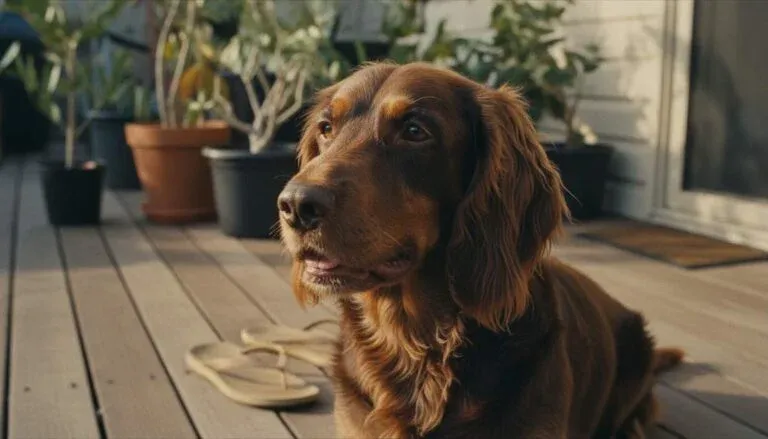
The Field Spaniel is one of those breeds that makes you wonder how something this good can be this unknown. Walk one through any Australian dog park and you’ll get the same question on repeat: “What breed is that?” Nobody recognises them. Even experienced dog people struggle to place them. And that’s because the Field Spaniel is, by any measure, one of the rarest spaniel breeds in the world.
In 2009, the UK Kennel Club recorded just 51 Field Spaniel registrations for the entire year — fewer than any other spaniel breed. The breed holds Vulnerable Native Breed status in Britain, meaning it’s considered at risk of disappearing entirely. In Australia, there are only a handful of dedicated breeders across the country, and waiting lists can stretch well over a year. There are no Field Spaniel breeders in New Zealand at all.
So why would anyone go to the trouble of tracking one down? Because once you’ve lived with a Field Spaniel, every other breed feels like a compromise. They’re gentle without being timid (once properly socialised), affectionate without being clingy to the point of neurosis, and active enough to keep up on a long bushwalk without being so wired that they destroy your house when you skip a day. They sit in the sweet spot between a Cocker Spaniel and an English Springer Spaniel — bigger and calmer than a Cocker, less intense and more manageable than a Springer.
This guide is written for Australian owners and prospective owners who want the real story on the Field Spaniel — what they’re actually like to live with, what health problems to watch for, what they cost in AUD, and how to find a reputable breeder in a country where this breed barely exists. No recycled breed-profile filler. Just honest, detailed information from real sources.
What You’ll Learn
- Breed traits & temperament
- Health concerns to know
- True cost in Australia
- Training & exercise needs
- Is this breed right for you?
Breed Quick Facts Table
| Attribute | Details |
|---|---|
| Breed Group | Gundog (Sporting) |
| Origin | England, mid-1800s |
| Height | 43–46 cm (17–18 inches) at the withers |
| Weight | 18–25 kg (40–55 lbs) |
| Lifespan | 12–14 years (some sources cite 11–15 years) |
| Coat | Moderately long, silky, flat or slightly wavy — single coat (no undercoat) |
| Colours | Black, liver, roan, or any combination; may include tan markings |
| Shedding | Moderate — not hypoallergenic |
| Energy Level | Moderate — needs 60–90 minutes of exercise daily |
| Temperament | Docile, affectionate, sensitive, loyal, reserved with strangers |
| Good With Kids | Yes — gentle and patient when properly socialised |
| Hypoallergenic | No |
| Barking Level | Low to moderate — not excessive barkers |
| AKC/ANKC Registered | Yes — recognised by Dogs Australia (ANKC) and AKC |
| Puppy Price (AUD) | $2,000–$2,500 from registered breeders |
History of the Field Spaniel
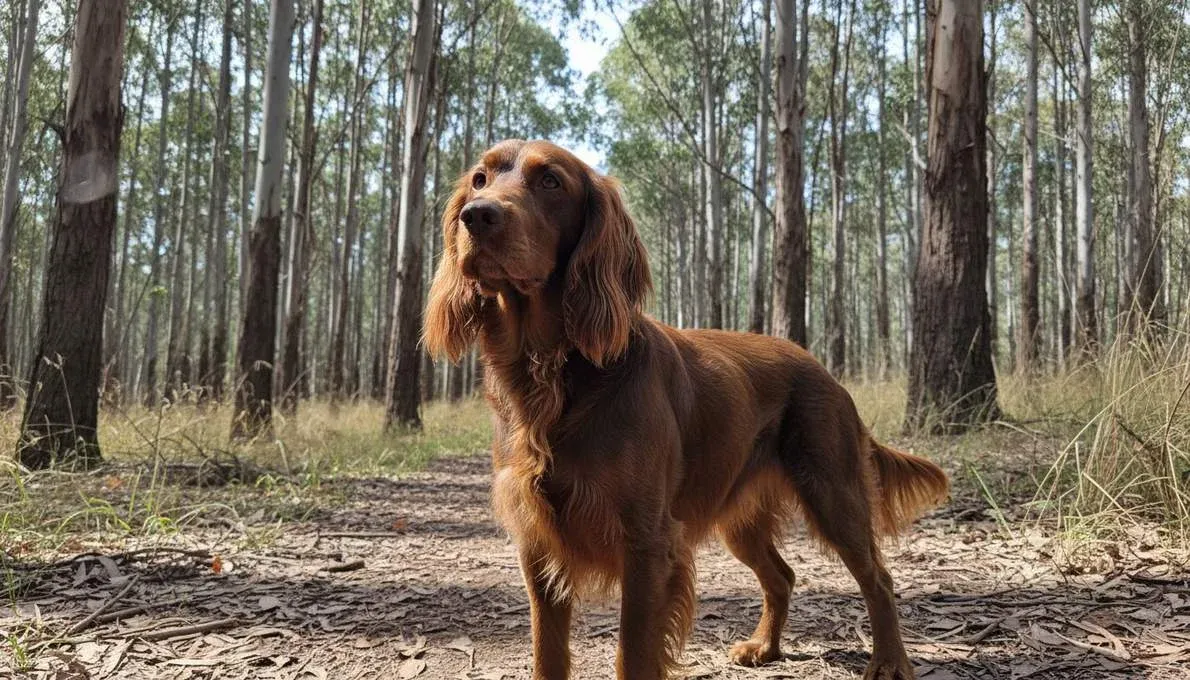
The Field Spaniel has one of the more dramatic origin stories in the dog world — a breed that was created, nearly destroyed by its own breeders, and then painstakingly rebuilt from almost nothing.
In the mid-1800s, all land spaniels in England were essentially the same dogs sorted by size. Puppies from the same litter would be classified by weight: dogs under 25 pounds were called Cocker Spaniels (because they hunted woodcock), while dogs over 25 pounds were called Field Spaniels. They weren’t separate breeds — they were the same gene pool, divided at the scales. The Field Spaniel was originally prized as a medium-sized, all-black hunting dog that worked methodically through dense cover to flush game.
Then the show ring got involved, and things went badly wrong. In the late 1800s, breeders began selecting for extreme features: longer and lower bodies, shorter legs, heavier bone, and massive heads. The goal was to win shows, not produce functional dogs. By the early 1900s, the Field Spaniel had become a caricature of itself — a dog so exaggerated it could barely move through the field it was named after. The breed’s popularity collapsed, and by the mid-20th century, it was on the brink of extinction.
The revival came in the 1950s and 1960s through a small group of dedicated breeders who crossed the remaining Field Spaniels with English Springer Spaniels to restore a functional, athletic body type. Virtually every Field Spaniel alive today traces its lineage back to just four foundation dogs: Colombina of Teffont, Elmbury Morwena of Rhiwlas, Gormac Teal, and Ronayne Regal. That tiny gene pool is one of the reasons the breed remains so rare — and why responsible breeding is so critically important.
The Field Spaniel in Australia
Field Spaniels have been in Australia for decades, but they’ve never achieved the popularity of their Cocker or Springer cousins. The Australian breeding community is extremely small. As of 2025, the key breeders include Dawnus (Sydney, NSW — consistently the top Field Spaniel breeder on DogzOnline from 2018 to 2025), Meadowbriar (Sydney, NSW — home to Supreme Champion bloodlines), Daintyfield (Sydney, NSW), Jacknthebox (NSW), Fayemor and Longbourn (both in Romsey, Victoria), and Silverbirch (South Australia). Queensland has seen its first Field Spaniel breeders in recent years through UK imports.
If you’re looking for a Field Spaniel puppy in Australia, expect a wait. These breeders produce very few litters per year, and demand outstrips supply significantly. There are no Field Spaniel breeders in New Zealand — the country reportedly has only a single Field Spaniel.
Temperament & Personality
The Field Spaniel temperament is often described as “docile” and “sweet,” and those words are accurate — but they don’t tell the full story. This is a breed with real emotional depth. Field Spaniels form intense bonds with their families and are remarkably attuned to the moods of the people around them. If you’re having a bad day, your Field Spaniel will know. They’ll press against your leg, rest their head on your lap, or simply sit quietly beside you. They’re not the kind of dog that bounces off the walls demanding attention — they’re the kind that reads the room.
That sensitivity is the breed’s greatest strength and its most significant vulnerability. A Field Spaniel that’s raised in a calm, consistent household with plenty of positive socialisation will be a confident, well-adjusted dog. A Field Spaniel raised in a chaotic environment, or one that’s not exposed to enough new people, places, and experiences as a puppy, can become shy, timid, or anxious. Early socialisation isn’t just recommended for this breed — it’s essential.
Field Spaniels rank above average for intelligence in Stanley Coren’s canine intelligence rankings, which means they’re clever enough to learn quickly but not so driven that they’re constantly trying to outsmart you. They’re eager to please, but they have an independent streak. Where a Springer will do anything for a treat, a Field Spaniel might think about it first. They’re not stubborn in a defiant way — more like a polite person who needs to be convinced before committing.
They’re naturally affectionate with their family and excellent with children. Their patience and gentle nature make them one of the better spaniel choices for households with young kids. They tend to bond closely with one or two people but are warm and loving toward the entire household.
Around strangers, expect some reserve. Field Spaniels are not aggressive toward unfamiliar people, but they’re not the tail-wagging, face-licking welcome committee that a Springer would be either. They take their time warming up, observing new people before deciding to engage. This can look like shyness if they haven’t been well socialised, but in a well-raised dog, it’s simply a dignified caution that gives way to friendliness once they’re comfortable.
Compared to a Cocker Spaniel, the Field Spaniel is calmer, less excitable, and less prone to the “busy” energy that some Cockers display. Compared to an English Springer Spaniel, the Field is noticeably more laid-back and less driven. If a Springer is a marathon runner who’s always looking for the next race, a Field Spaniel is a long-distance walker who’s happy to set a comfortable pace and enjoy the scenery.
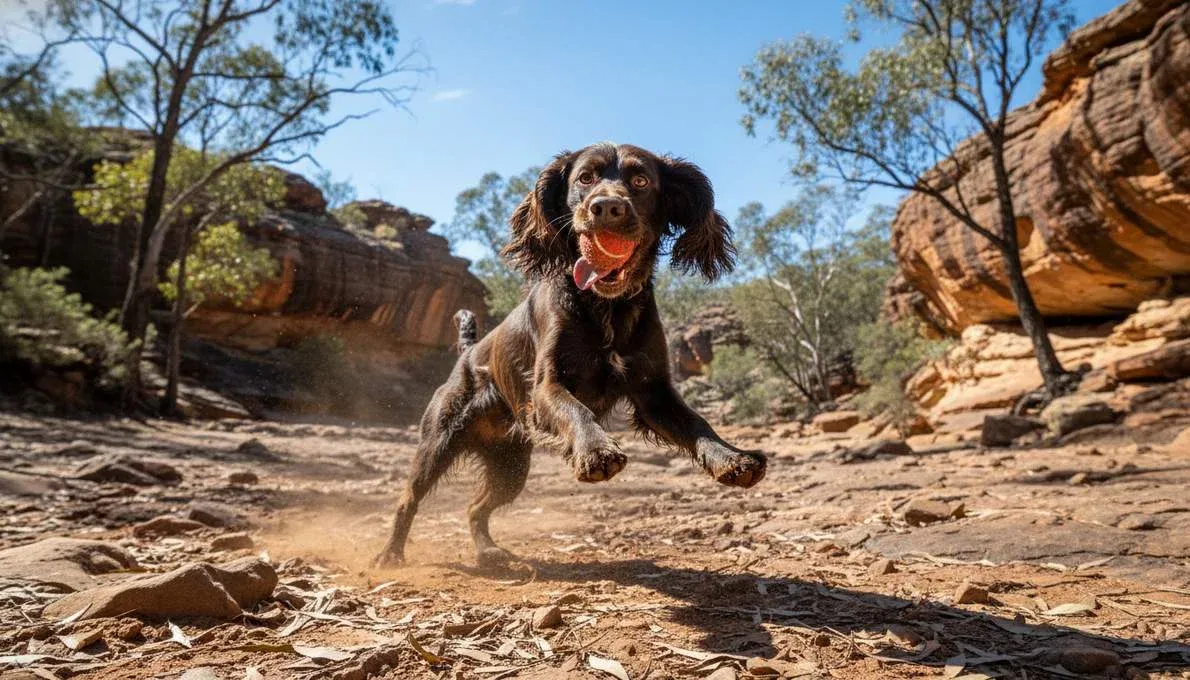
One thing all spaniel breeds share is a love of water, and Field Spaniels are no exception. Most will wade into any body of water they encounter — creeks, dams, puddles, the dog beach — without hesitation. They’re strong swimmers with a natural affinity for water that goes back to their gundog heritage.
Absolutely. In many ways, the Field Spaniel is an ideal family dog: gentle enough for children, calm enough for quieter households, and active enough to join in on family adventures. They don’t do well left alone for long periods (no spaniel does), but they’re less prone to separation anxiety than Springers. The main consideration is their need for early and ongoing socialisation — a poorly socialised Field Spaniel can become timid and withdrawn, which is no fun for anyone.
Health & Genetic Conditions
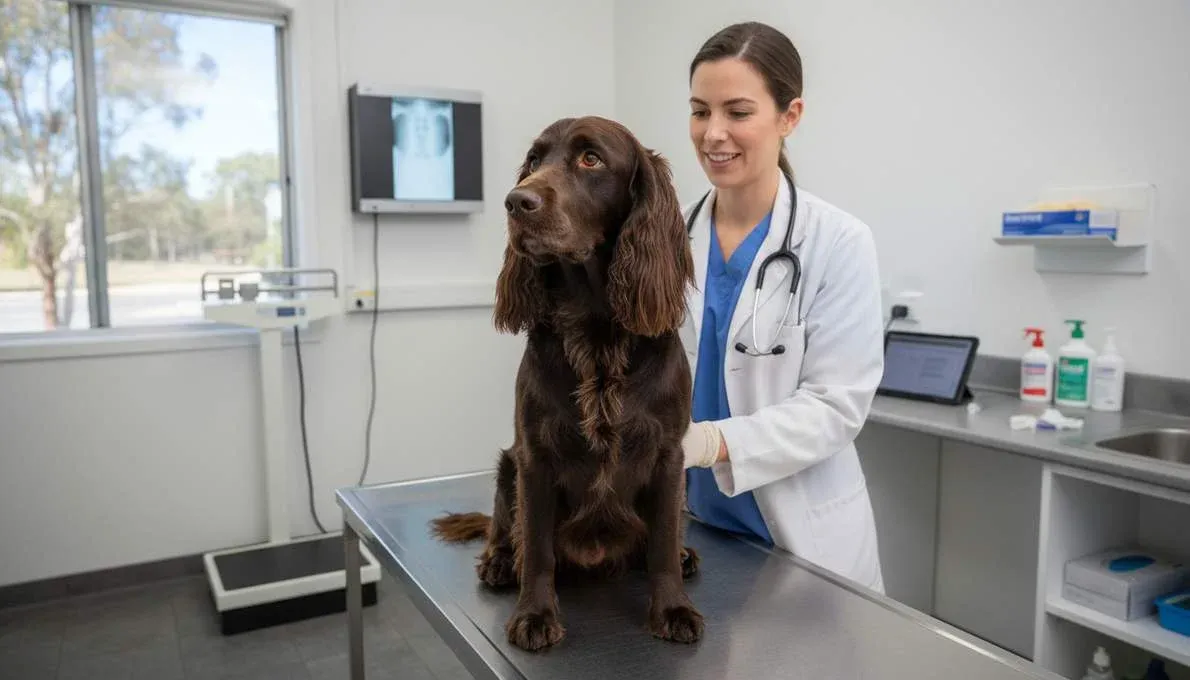
The Field Spaniel’s tiny gene pool is both a blessing and a concern. Because the modern breed descends from just four dogs, genetic diversity is limited. Responsible breeders work hard to manage this, but it means health testing is especially important. The breed doesn’t have as many documented conditions as some more popular spaniels, but the ones it does have need to be taken seriously.
Hip dysplasia is one of the most common conditions in the breed. It occurs when the hip joint doesn’t develop properly, leading to loose fit, cartilage wear, and eventual arthritis. Symptoms include limping, reluctance to jump or climb stairs, difficulty rising after rest, and reduced activity levels. Mild cases can be managed with weight control, joint supplements (glucosamine and chondroitin), and anti-inflammatory medication. Severe cases may require surgery, which in Australia costs between $3,000 and $8,000 per joint depending on the procedure.
All reputable Field Spaniel breeders in Australia hip score their breeding stock through the ANKC/BVA scheme. Always ask to see the scores. The breed median score is your benchmark — you want both parents scoring below it.
Low thyroid function is a fairly common condition in Field Spaniels. The Field Spaniel Society of America lists it as one of the two most common health issues in the breed (alongside hip dysplasia). Symptoms include weight gain despite normal feeding, lethargy, a dull or thinning coat, skin infections, ear infections, and cold intolerance. Some researchers believe hypothyroidism is part of a group of inherited autoimmune disorders in the breed.
The good news is that it’s easily diagnosed with a simple blood test and managed with daily thyroid medication. Treatment in Australia typically costs $30–$60 per month for the medication, plus $100–$200 for annual monitoring blood tests. It’s a lifelong condition, but most dogs on medication live completely normal lives.
Several eye problems are documented in the breed. Entropion (eyelids rolling inward, causing the lashes to irritate the eye) and ectropion (saggy eyelids that expose the inner eye to debris and infection) are both inherited conditions seen in Field Spaniels. Surgical correction for entropion in Australia costs $600–$1,500 per eye. Ectropion is usually managed conservatively unless severe.
Retinal dysplasia (abnormal development of the retina) has been identified in the breed, though the consequences for vision are often mild. Cataracts also occur and can be treated surgically if they progress to affect sight, at a cost of $2,000–$4,000 per eye in Australia.
Progressive Retinal Atrophy (PRA) is a concern in all spaniel breeds. While it’s less commonly reported in Field Spaniels than in Cockers or Springers, the breed’s small population makes monitoring essential. PRA leads to gradual, incurable blindness. All breeding stock should have annual eye examinations by a veterinary ophthalmologist.
Like all spaniels, Field Spaniels have long, pendulous ears that trap moisture and restrict airflow. This makes them prone to chronic ear infections caused by bacteria or yeast. In Australia, a single ear infection vet visit costs $100–$250, and dogs with recurring problems can rack up $500–$1,000+ per year in ear care. Prevention is straightforward: weekly cleaning with a vet-approved solution, keeping hair trimmed around the ear canal, and checking for grass seeds after every walk during the warmer months.
A UK Kennel Club health survey identified cancer as the leading cause of death in Field Spaniels. This is consistent with many breeds, but it’s worth noting given the breed’s limited gene pool. There’s no specific cancer screening test, but regular veterinary check-ups and being alert to unusual lumps, sudden weight loss, or behavioural changes can help with early detection.
Field Spaniel breeders and owners have reported cases of late-onset seizure disorder, typically appearing in dogs over seven years of age. The Field Spaniel Society of America’s Health Committee is working with the University of Missouri to map the breed’s genome and identify potential genetic contributors. Seizure medication in Australia costs $30–$80 per month plus regular blood monitoring.
Pet insurance is strongly recommended. A policy for a Field Spaniel in Australia runs $80–$140 per month depending on cover level and location. Given the breed’s predisposition to hip dysplasia, thyroid issues, and eye conditions, insurance will almost certainly save you money over the dog’s lifetime. Without it, a single hip surgery or cataract removal can cost $5,000–$10,000.
Lifespan & Longevity
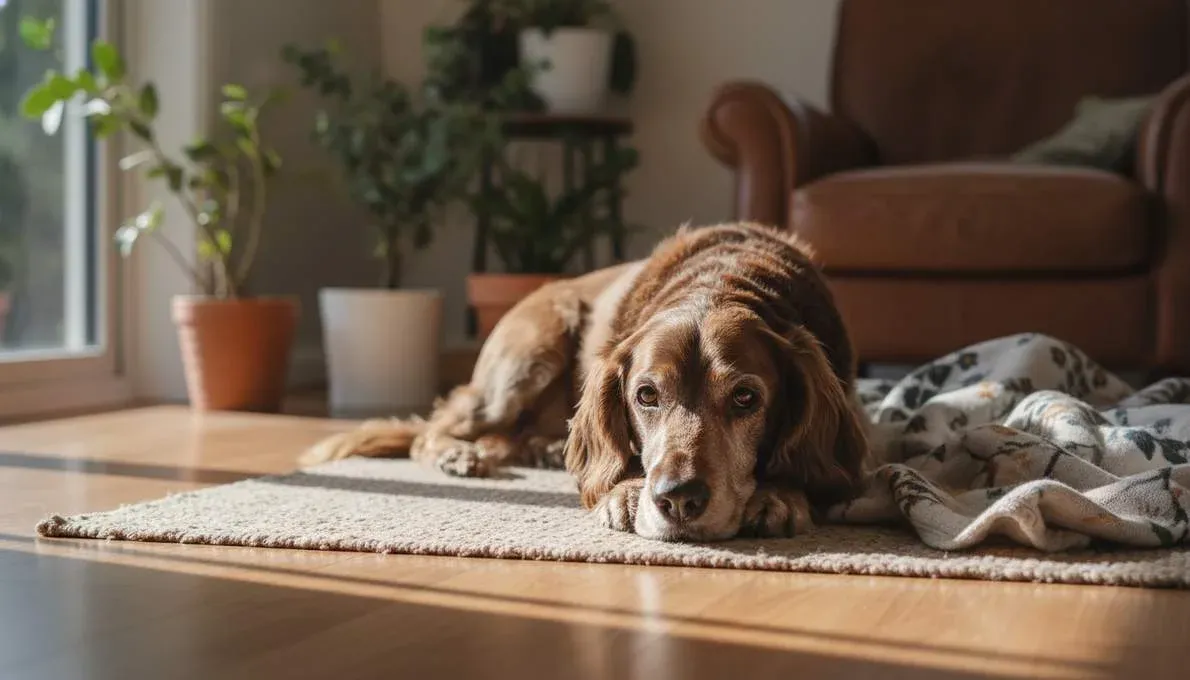
The average Field Spaniel lifespan is 12 to 14 years, with some dogs reaching 15 when well cared for. The Field Spaniel Society of America describes the breed’s usual life span as “about 11–15 years,” which is solid for a medium-sized gundog. This puts them in line with most spaniel breeds and slightly above the average for dogs in their weight range.
What determines where your Field Spaniel lands within that range comes down to the same factors that matter for every breed: genetics (choosing a breeder who health tests), weight management (obesity is a known risk in the breed, especially dogs with hypothyroidism), dental care, consistent exercise, and regular veterinary attention.
Puppy (0–18 months): The critical socialisation window. Field Spaniel puppies need extensive, gentle exposure to different people, environments, surfaces, sounds, and other animals. This window closes fast, and under-socialised Field Spaniels become timid adults. Growth plates close around 12–18 months — avoid high-impact exercise on hard surfaces until fully grown.
Adult (18 months – 8 years): Peak years. Your Field Spaniel will settle into their personality and energy level. Maintain consistent exercise, annual vet checks, thyroid monitoring, and dental care. Most Field Spaniels remain playful and active throughout adulthood without the frenetic energy of more driven sporting breeds.
Senior (8–10+ years): Energy gradually decreases. Watch for signs of arthritis (especially if hip dysplasia is present), vision changes, thyroid fluctuations, and weight gain. Senior blood panels every 6–12 months can catch issues early. Be alert for late-onset seizures, which have been documented in older Field Spaniels.
Keeping your Field Spaniel at a healthy weight is the single most impactful thing you can do for their longevity. This breed gains weight easily, particularly if thyroid function is compromised, and excess weight accelerates joint deterioration and shortens lifespan. Studies consistently show lean dogs live 1.8 to 2.5 years longer than their overweight counterparts.
Grooming & Care
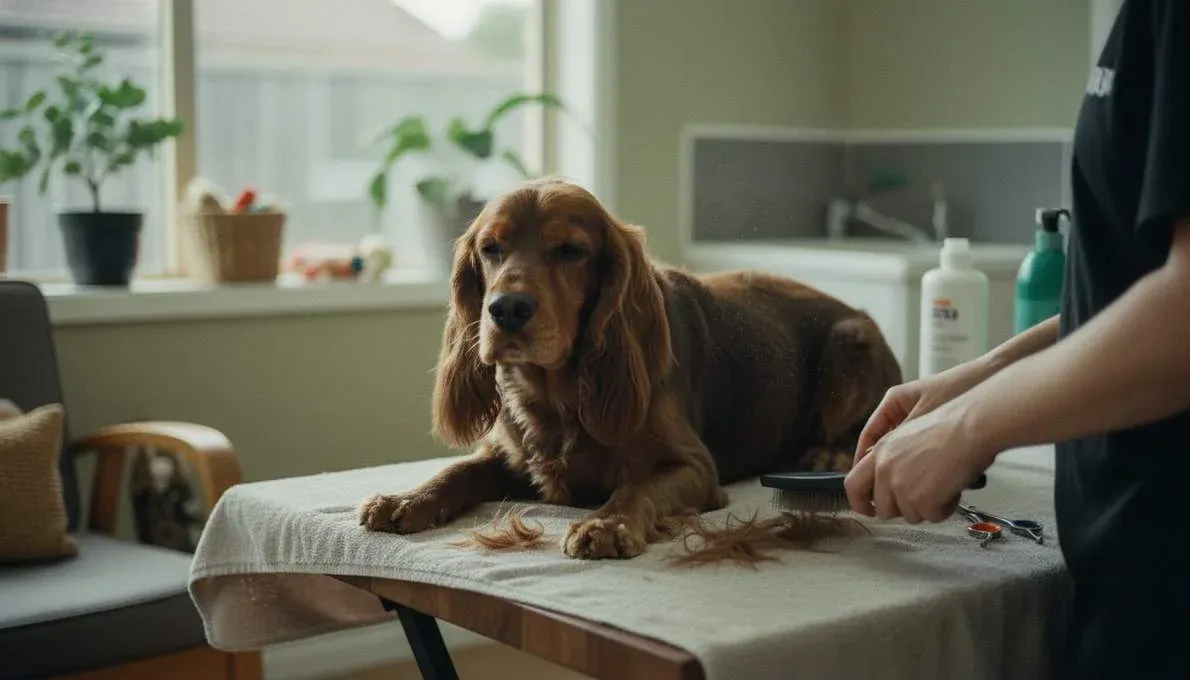
One of the Field Spaniel’s genuine advantages over other spaniel breeds is its coat. Unlike the English Springer Spaniel’s thick double coat, the Field Spaniel has a single coat (no undercoat) that’s moderately long, silky, and flat or slightly wavy. It still has feathering on the chest, belly, ears, and back of the legs, but it’s less dense and easier to manage than what you’d deal with on a Springer or a show-type Cocker.
Do Field Spaniels Shed?
Yes, but less than double-coated spaniel breeds. Field Spaniels shed moderately year-round. They are not hypoallergenic — they produce dander and shed hair like any non-hypoallergenic breed. If you have allergies, a Field Spaniel isn’t the answer.
Grooming Schedule
| Task | Frequency | Notes |
|---|---|---|
| Full body brush | 1–2 times per week | Use a slicker brush for the body and a metal comb for feathering. Takes about 10 minutes per session. Check for tangles behind the ears and in the leg feathering. |
| Ear cleaning | Weekly | Non-negotiable for this breed. Use a vet-approved ear solution. Check for redness, odour, wax buildup, and grass seeds. Field Spaniels have long, broad, heavily fringed ears that trap moisture. |
| Ear hair trimming | Every 2–4 weeks | Trim excess hair around and inside the ear canal to improve airflow. A groomer or vet can demonstrate the technique. |
| Nail trimming | Every 2–3 weeks | If you can hear nails clicking on hard floors, they’re too long. Use a guillotine clipper or rotary tool. |
| Bathing | Every 4–6 weeks | More often if they’ve been swimming or rolling. Use a gentle dog shampoo. Their silky coat dries faster than a Springer’s double coat. |
| Professional groom | Every 6–8 weeks | Trimming and tidying of feathering, feet, and ear hair. Less intensive than Springer grooming. Expect $70–$130 per session in Australia. |
| Feet check | Weekly (daily in summer) | Remove hair between toes where grass seeds and debris collect. Check pads for cracks or cuts. Australian grass seeds are a serious problem for feathered breeds. |
| Teeth brushing | 2–3 times per week (daily ideal) | Use dog-specific toothpaste. Dental disease contributes to kidney and heart problems over time. |
Coat Colours: What to Expect
Field Spaniels come in several colours: black (the most traditional), liver (chocolate brown), roan (a mix of coloured and white hairs), blue roan, and golden liver. They may also have tan markings (points above the eyes, on the cheeks, feet, and under the tail). Unlike Cocker and Springer Spaniels, solid colours are the norm rather than parti-colour (white-and-colour) patterns. The colour has no effect on temperament or health.
Exercise Needs
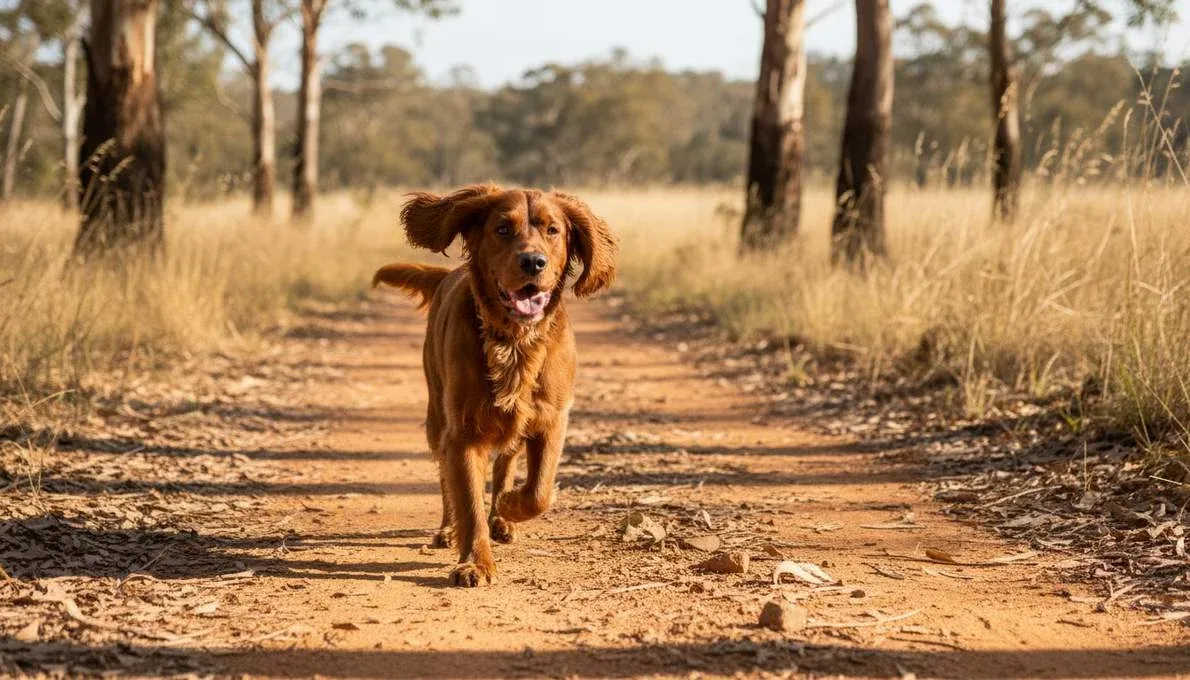
Here’s where the Field Spaniel genuinely differs from its more intense spaniel cousins. While a Springer needs 60–90+ minutes of hard exercise to stay sane, a Field Spaniel is more moderate in its demands. They need 60 to 90 minutes of daily activity, but it doesn’t need to be a flat-out sprint. A combination of walks, off-lead exploring, swimming, and garden play will keep most Field Spaniels content.
That said, “moderate” doesn’t mean “low.” A Field Spaniel that gets a 15-minute walk around the block and nothing else will become bored, restless, and potentially destructive. They were bred to work in the field all day, and that underlying drive is still there. They need physical and mental stimulation — puzzle feeders, scent games, retrieving exercises, or training sessions all count toward their daily needs.
Field Spaniels are excellent swimmers, and most take to water without any encouragement. Swimming is one of the best forms of exercise for the breed — it’s low-impact on their joints (important given the hip dysplasia risk) and burns significant energy. If you have access to a dog-friendly beach, dam, or creek, your Field Spaniel will consider it paradise.
Australian Climate Considerations
Australia’s heat requires careful management for any spaniel. Field Spaniels have a single coat (no insulating undercoat), which actually makes them slightly more heat-tolerant than double-coated breeds like the Springer. But they’re still a dark-coated breed originally bred for England’s temperate climate, and they can overheat in Australian summers.
During hot weather, exercise should be limited to early morning (before 8 am) and evening (after 6 pm). Always carry water, provide shade, and watch for signs of heat stress: excessive panting, drooling, stumbling, or lethargy. Never exercise a Field Spaniel on hot pavement — if the ground is too hot for your hand held flat for five seconds, it’s too hot for their paws. Their dark coats absorb more heat than lighter-coloured dogs, so extra caution is warranted.
Can Field Spaniels Live in Apartments?
More realistically than a Springer, yes. Field Spaniels can adapt to apartment or townhouse living if their exercise needs are met daily. They’re calmer indoors than most sporting breeds and don’t have the frenetic energy that makes apartment life with a Springer so challenging. The key requirements are consistent daily exercise, mental stimulation, and not being left alone for extended periods. A house with a securely fenced yard is still the ideal setup, but a Field Spaniel won’t destroy your apartment if you’re doing the work outside of it.
Training Guide
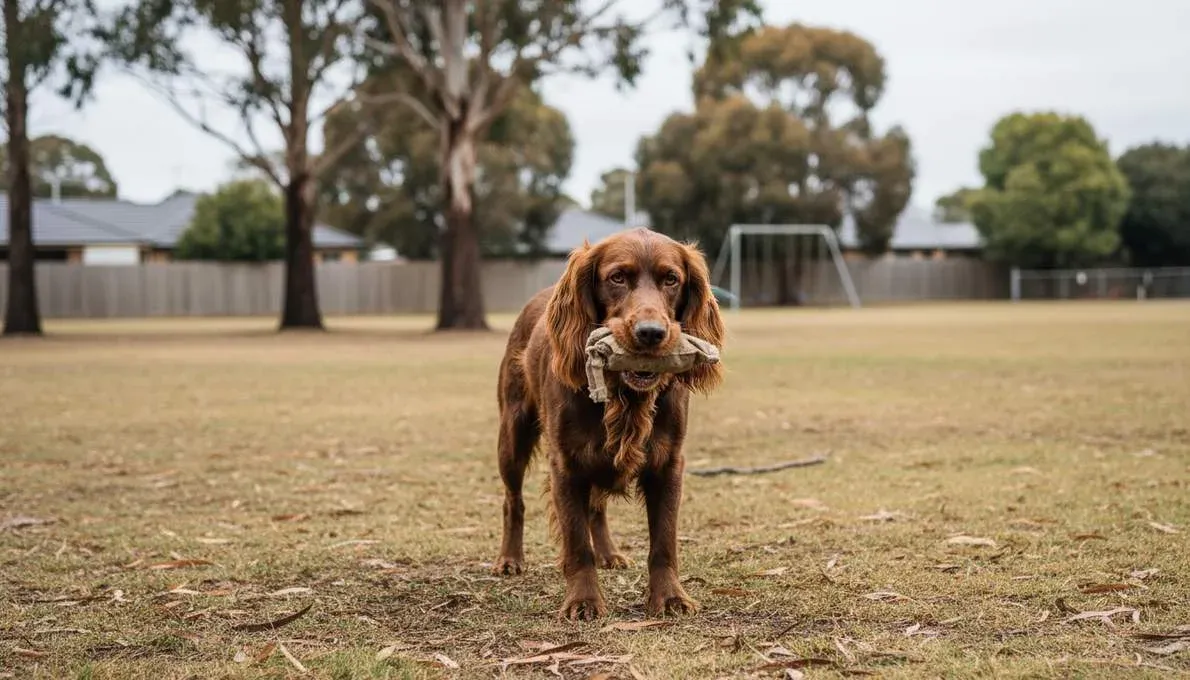
Field Spaniels are moderately easy to train — they’re intelligent, willing to please, and food-motivated. But their sensitivity means the approach matters more than it does with some other breeds. A Field Spaniel that’s corrected harshly will shut down, lose confidence, and become reluctant to try new things. Positive reinforcement isn’t just the best method for this breed — it’s the only method that produces reliable results.
Their biggest training challenge is their reserved nature with unfamiliar people and situations. Without dedicated socialisation during the critical puppy period, a Field Spaniel can become genuinely timid as an adult. This isn’t a breed where you can skip puppy school and figure it out later.
Socialisation & Training Timeline
| Age | Training Focus | Tips |
|---|---|---|
| 8–12 weeks | Socialisation is priority one. Name recognition, sit, gentle handling, crate training, toilet training. | Expose to different people, surfaces, sounds, other dogs, and environments. Keep experiences positive — never force a fearful Field Spaniel into a situation. Gentle persistence wins. |
| 3–6 months | Continue socialisation. Recall, loose-lead walking, “leave it,” drop, basic impulse control. | Recall is critical for off-lead exercise. Use high-value rewards (roast chicken, cheese). Field Spaniels respond well to calm, consistent training — avoid loud corrections. |
| 6–12 months | Adolescent phase. Reinforce basics, introduce “stay” at distance, begin structured activities like scent work. | They may test boundaries but are less rebellious than Springers. Stay patient and consistent. Group obedience classes provide ongoing socialisation. |
| 12–18 months | Advanced obedience, off-lead reliability, introduction to dog sports (agility, retrieving, tracking). | Field Spaniels enjoy learning new things throughout life. If recall and settling are solid, you’re in excellent shape. If not, go back to basics — it’s never too late. |
| 18 months + | Maintenance training. Keep sessions short (10–15 minutes), varied, and fun. Ongoing enrichment and socialisation. | A bored Field Spaniel is a withdrawn Field Spaniel. Nose work and tracking are excellent ongoing activities — they tap into the breed’s natural gundog instincts. |
A Note on Sensitivity
This deserves repeating: Field Spaniels are sensitive dogs. Raised voices, physical corrections, and intimidating body language will damage your relationship with this breed quickly and can cause lasting behavioural problems. If a trainer recommends punishment-based methods, prong collars, or e-collars for your Field Spaniel, find a different trainer. Veterinary behaviourists universally recommend positive reinforcement for sensitive breeds, and the Field Spaniel is one of the most sensitive sporting breeds you’ll encounter.
Price & Costs
Upfront Costs
| Item | Estimated Cost (AUD) |
|---|---|
| Puppy from registered ANKC breeder | $2,000–$2,500 |
| Interstate transport (if applicable) | $300–$600 |
| Initial vet visit + vaccinations | $150–$350 |
| Desexing (spay/neuter) | $300–$600 |
| Microchipping (if not included) | $50–$80 |
| Bed, crate, bowls, lead, collar, toys | $300–$600 |
Ongoing Annual Costs
| Item | Estimated Annual Cost (AUD) |
|---|---|
| Premium dry food | $800–$1,400 |
| Pet insurance | $960–$1,680 |
| Annual vet check + vaccinations | $200–$400 |
| Flea, tick & worming prevention | $200–$350 |
| Professional grooming (6–8 sessions) | $420–$1,040 |
| Thyroid medication (if needed) | $360–$720 |
| Treats & chews | $150–$300 |
| Council registration | $30–$200 (varies by council) |
| Unexpected vet costs (ear infections, injuries) | $300–$2,000+ |
A rough annual total for a healthy Field Spaniel in Australia sits between $3,000 and $6,500. Over a 13-year lifespan, that’s $39,000–$84,500. Add a thyroid condition, recurring ear infections, or a hip problem and those numbers climb. Pet insurance from day one is the most sensible way to manage the financial risk.
Where to Buy in Australia
Start with the ANKC state body in your state: Dogs NSW, Dogs Victoria, Dogs Queensland, Dogs SA, Dogs West, Dogs Tasmania, Dogs ACT, or Dogs NT. DogzOnline lists registered Field Spaniel breeders by state and is a good starting point for finding breeders with available or upcoming litters. Because the breed is so rare, you should expect to join a waiting list. Some breeders may only produce one litter per year, and they’ll often prioritise buyers who have done their research and can demonstrate they’re prepared for the breed’s needs.
Rescue is extremely unlikely for this breed in Australia. Field Spaniels almost never appear in shelters or rescue organisations because so few exist in the country. If one does come up, breed-specific spaniel rescue groups and PetRescue are your best monitoring options.

Is the Field Spaniel Right for You?
The Field Spaniel suits a very specific kind of owner. They’re not the right dog for everyone — but for the right person, they’re extraordinary. Here’s the honest assessment.
Want a gentle, affectionate companion who’s calmer than a Springer but more substantial than a Cocker. You enjoy daily walks of 60–90 minutes and occasional longer outings. Someone is home for a significant portion of the day. You’re committed to early and ongoing socialisation — this breed needs it more than most. You’re patient and prefer a soft-natured dog that responds to kindness rather than firmness. You’re comfortable with a wait — finding a Field Spaniel puppy in Australia takes time.
Want an immediately outgoing, social dog that loves every stranger it meets (that’s a Springer). You leave the dog alone for 8+ hours a day with no company. You’re not willing to invest time in socialisation during the puppy period. You want a high-drive working dog for competition obedience or field trials (Field Spaniels are capable but not competitive at the highest levels against purpose-bred working breeds). You want a guard dog — Field Spaniels are too gentle for the role. You need a dog immediately and can’t wait for a breeder’s next litter.
Field Spaniel vs. Cocker Spaniel: The Field Spaniel is bigger (18–25 kg vs. 12–16 kg), calmer, and less excitable. Cockers are more widely available, more social with strangers, and come in a broader range of colour patterns. Both share ear infection risks and eye concerns. If you want a smaller, more outgoing spaniel, the Cocker is the better fit. If you want a quieter, more laid-back medium-sized companion, the Field Spaniel is worth the wait.
Field Spaniel vs. English Springer Spaniel: Springers are larger, more athletic, and significantly more energetic. They’re easier to find in Australia and better suited to owners who want a working dog or a very high-energy companion. Field Spaniels are more manageable in terms of exercise and intensity, and better suited to households that prefer a calmer pace. Both breeds share a love of water and a loyal, affectionate nature.
Field Spaniel vs. Boykin Spaniel: The Boykin is a similar-sized, liver-coloured spaniel that’s also relatively rare outside its home country (the USA). Boykins are more driven and energetic than Field Spaniels, with a stronger hunting instinct. Field Spaniels are the more laid-back option. Both are excellent with families and love water.
The Field Spaniel is one of dogdom’s best-kept secrets — a gentle, intelligent, deeply loyal companion that sits in the overlooked middle ground between the Cocker and the Springer. They’re not flashy, they’re not trendy, and they’re not easy to find. But if you’re willing to wait, you’ll be rewarded with a dog that’s genuinely special.
Here’s what it comes down to:
Socialisation is everything. A well-socialised Field Spaniel is confident, gentle, and adaptable. A poorly socialised one is timid and withdrawn. This breed needs dedicated early exposure to the world — don’t skip it.
Health test before you buy. With a breed this rare and a gene pool this small, health testing is non-negotiable. Hip scoring, eye examinations, thyroid testing, and heart screening are the minimum. If a breeder can’t provide documentation, look elsewhere.
Be prepared to wait. There are fewer than ten active Field Spaniel breeders in Australia. Waiting lists are long, and litters are small. If you want this breed, patience isn’t optional — it’s part of the process.
Frequently Asked Questions
How long do Field Spaniels live?
The average Field Spaniel lifespan is 12–14 years, with some reaching 15. Lifespan depends on genetics, weight management, thyroid health, and quality of veterinary care.
Are Field Spaniels good family dogs?
Yes. Field Spaniels are gentle, patient with children, and affectionate with their families. They do best in homes where someone is around for most of the day and where they’ve been properly socialised from puppyhood.
How big do Field Spaniels get?
Field Spaniels stand 43–46 cm (17–18 inches) tall and weigh 18–25 kg (40–55 lbs). They’re between a Cocker Spaniel and an English Springer Spaniel in size.
Do Field Spaniels shed?
Yes, moderately. They have a single coat (no undercoat) that sheds less than double-coated spaniels like the Springer, but they’re not hypoallergenic.
Are Field Spaniels hypoallergenic?
No. They produce dander and shed hair. If you need a hypoallergenic breed, a Field Spaniel isn’t the right choice.
How much does a Field Spaniel cost in Australia?
Expect to pay $2,000–$2,500 AUD from a registered ANKC breeder. You may also need to budget for interstate transport ($300–$600) as breeders are concentrated in NSW, Victoria, and South Australia.
How much exercise does a Field Spaniel need?
Around 60–90 minutes of daily exercise including walks, off-lead play, and swimming. They’re moderate-energy dogs — less demanding than Springers but still need consistent daily activity.
What colours do Field Spaniels come in?
Black, liver, blue roan, roan, golden liver, and combinations of these. Tan markings are also possible. Solid and darker colours are most common. Colour does not affect temperament or health.
What’s the difference between a Field Spaniel and a Cocker Spaniel?
Field Spaniels are larger (18–25 kg vs. 12–16 kg), calmer, and more reserved with strangers. Cockers are more outgoing, more widely available, and come in more colour patterns. Both breeds share similar health concerns including ear infections and eye conditions.
Are Field Spaniels rare?
Extremely. The Field Spaniel is one of the rarest spaniel breeds in the world. In the UK, it holds Vulnerable Native Breed status. In Australia, there are fewer than ten active breeders, and waiting lists for puppies can exceed a year.
Can Field Spaniels live in apartments?
Yes, more easily than most sporting breeds. They’re calmer indoors than Springers and adaptable to smaller spaces, provided their daily exercise and mental stimulation needs are met consistently.
Primary Sources:
- Field Spaniel Society of America — Health Issues in Field Spaniels: https://www.fieldspanielsocietyofamerica.org/health-issues-in-field-spaniels/
- Field Spaniel Society of America — Choosing a Healthy Field Spaniel: https://www.fieldspanielsocietyofamerica.org/choosing-a-healthy-field-spaniel/
- The Field Spaniel Society (UK) — Health: https://fieldspanielsociety.co.uk/health/
- Dogs Australia (ANKC) — Breed Standards and Registered Breeders: https://dogsaustralia.org.au/
- DogzOnline — Field Spaniel Breeders in Australia: https://www.dogzonline.com.au/breeds/breeders/field-spaniel.asp
- BorrowMyDoggy — Field Spaniel Dog Breed Guide: https://www.borrowmydoggy.com/doggypedia/dog-breed-guides-field-spaniel
- Field Spaniel Health Charity (UK) — Health Testing Schemes: http://fieldspanielhealth.co.uk/schemes.htm
- Orthopedic Foundation for Animals (OFA) — CHIC Database: https://ofa.org/
- PetRescue Australia: https://www.petrescue.com.au/
- Coren, S. (2006). The Intelligence of Dogs. Free Press.