
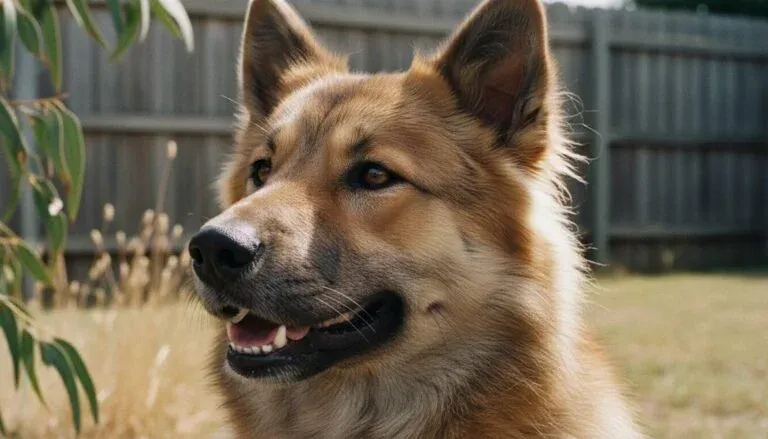
There’s a particular type of dog person who stumbles across the Eurasier and immediately thinks, “Where has this breed been all my life?” They’re the people who want a dog that’s genuinely calm — not just “calm for a working breed” or “calm after a two-hour run” — but naturally, temperamentally settled. A dog that’s happy to lie at your feet while you work, follow you quietly from room to room, and greet the weekend with a gentle enthusiasm that doesn’t involve destroying your furniture.
The Eurasier is exactly that dog. Bred in Germany in the 1960s as a deliberate cross between the Chow Chow, the Wolfspitz (Keeshond), and later the Samoyed, the Eurasier was designed from the ground up to be a family companion. Not a working dog repurposed for the couch. Not a guard dog with the edges sanded off. A companion, full stop. And honestly? They’re one of the best-kept secrets in the dog world.
In Australia, the Eurasier is still genuinely rare. There are only a handful of registered breeders across the country, waitlists stretch for months, and most Australians have never even heard the name. But that’s changing. The breed’s reputation for being gentle with children, calm in the house, and deeply bonded to its family is attracting a growing audience of Aussie owners who are tired of the hyperactive, high-maintenance breeds that dominate the market.
This guide covers everything you need to know before committing to a Eurasier in Australia: honest temperament assessment, health conditions with AUD costs, grooming realities for Australian climates, training advice, pricing, and whether this breed genuinely suits your life — or whether the fantasy is better than the reality. Let’s get into it.
What You’ll Learn
- Breed traits & temperament
- Health concerns to know
- True cost in Australia
- Training & exercise needs
- Is this breed right for you?
Quick Facts at a Glance
| Trait | Details |
|---|---|
| Official Name | Eurasier (Eurasian) |
| Origin | Germany (1960s) |
| Parent Breeds | Chow Chow × Wolfspitz (Keeshond) × Samoyed |
| Breed Group | Spitz / Primitive (FCI Group 5); Foundation Stock Service (AKC) |
| Height (Male) | 52–60 cm (20–24 inches) |
| Height (Female) | 48–56 cm (19–22 inches) |
| Weight (Male) | 23–32 kg (50–70 lbs) |
| Weight (Female) | 18–26 kg (40–57 lbs) |
| Lifespan | 12–16 years |
| Coat Type | Thick double coat; medium-long guard hair with dense undercoat |
| Coat Colours | Fawn, red, wolf-grey, black, black and tan, wolf sable. No pure white or liver. |
| Eye Colour | Dark, almond-shaped |
| Tongue | May be pink, blue-black, or spotted (Chow Chow heritage) |
| Temperament | Calm, loyal, reserved with strangers, affectionate with family, even-tempered |
| Exercise Needs | Moderate — 30–60 minutes daily; happy with a good walk and play |
| Shedding | Moderate year-round; heavy seasonal blowouts twice yearly |
| Good with Kids | Excellent — gentle, patient, and tolerant |
| Good with Other Dogs | Generally good with proper socialisation |
| Hypoallergenic | No |
| Barking Level | Low — watchful and alert but not yappy |
| Apartment Suitable | Yes, with adequate exercise |
| ANKC Recognition | Yes — recognised by Dogs Australia (ANKC) |
| Australian Availability | Rare — small number of registered breeders; waitlists common |
| Price Range (AUD) | $3,000–$5,000+ (purebred from registered breeder) |
History & Origins
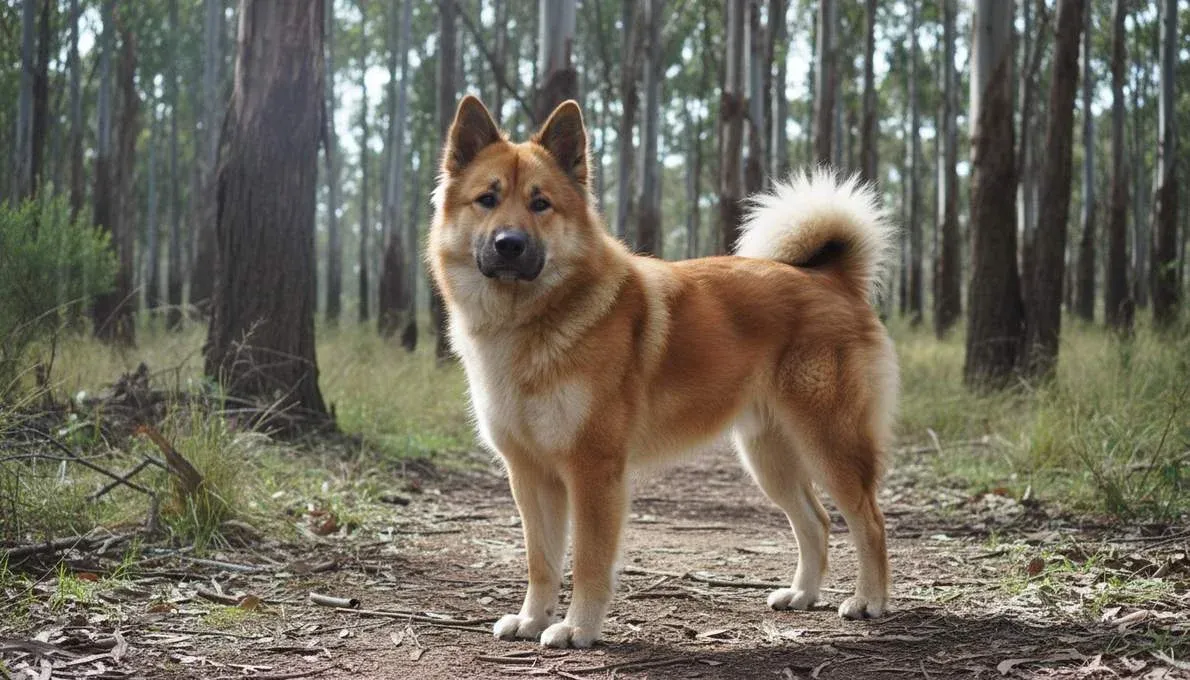
Unlike most breeds that evolved organically over centuries from working stock, the Eurasier was designed. It’s one of the few breeds where we know exactly who created it, why, and which dogs went into the mix. That deliberateness shows in every aspect of the breed’s temperament.
Julius Wipfel and the Wolf-Chow (1960s)
The Eurasier’s story begins in 1960 in Weinheim, Germany, with a man named Julius Wipfel. Wipfel, along with canine behaviour researcher Professor Konrad Lorenz and breeder Charlotte Baldamus, set out to create a breed that combined the dignified independence of Asian spitz breeds with the sociability and trainability of European ones.
They started by crossing a male Chow Chow with a female Wolfspitz (the German name for the Keeshond). The resulting dogs were called “Wolf-Chows.” Wipfel was ruthlessly selective. Puppies that were too nervous, too aggressive, or that leaned too heavily toward one parent breed in either appearance or temperament were removed from the breeding program. Only dogs with stable, balanced temperaments and good conformation were kept.
Between 1960 and 1966, 13 males and 12 females were born from this selective program — the foundation stock of what would become the Eurasier.
Adding the Samoyed (1970s)
By the early 1970s, Wipfel recognised that the gene pool was becoming too narrow. On Professor Lorenz’s suggestion, a male Samoyed was introduced into the program. This was a brilliant move. The Samoyed brought a warmer, more openly affectionate temperament, a friendlier expression, and additional genetic diversity without compromising the calm, reserved character that Wipfel had worked so hard to establish.
The newly refined breed was renamed “Eurasier” — a nod to its combined European (Wolfspitz/Samoyed) and Asian (Chow Chow) heritage. The German Kennel Club (VDH) recognised the breed in 1973, and the Fédération Cynologique Internationale (FCI) followed with international recognition shortly after.
The Eurasier in Australia
The Eurasier arrived in Australia through dedicated breed enthusiasts who imported dogs from European bloodlines. The breed is now recognised by Dogs Australia (ANKC), and there are registered breeders across several states, including Victoria, Queensland, and Western Australia. However, the Australian Eurasier population remains very small. Breeders are protective of the breed’s integrity, and litters are limited — expect waitlists of 6–12 months or longer.
Globally, there are estimated to be only around 9,000 Eurasiers worldwide, with the vast majority in Germany and Switzerland. The breed’s rarity is partly by design — breed clubs internationally have resisted the temptation to scale up production, prioritising health and temperament over availability.
Eurasier Temperament & Personality
The Eurasier temperament is the single biggest reason people fall in love with this breed — and it’s the area where the breed genuinely separates itself from almost every other medium-sized companion dog. If you’re used to the over-the-top enthusiasm of a Labrador or the anxious energy of a Border Collie, the Eurasier is going to feel like a completely different species.
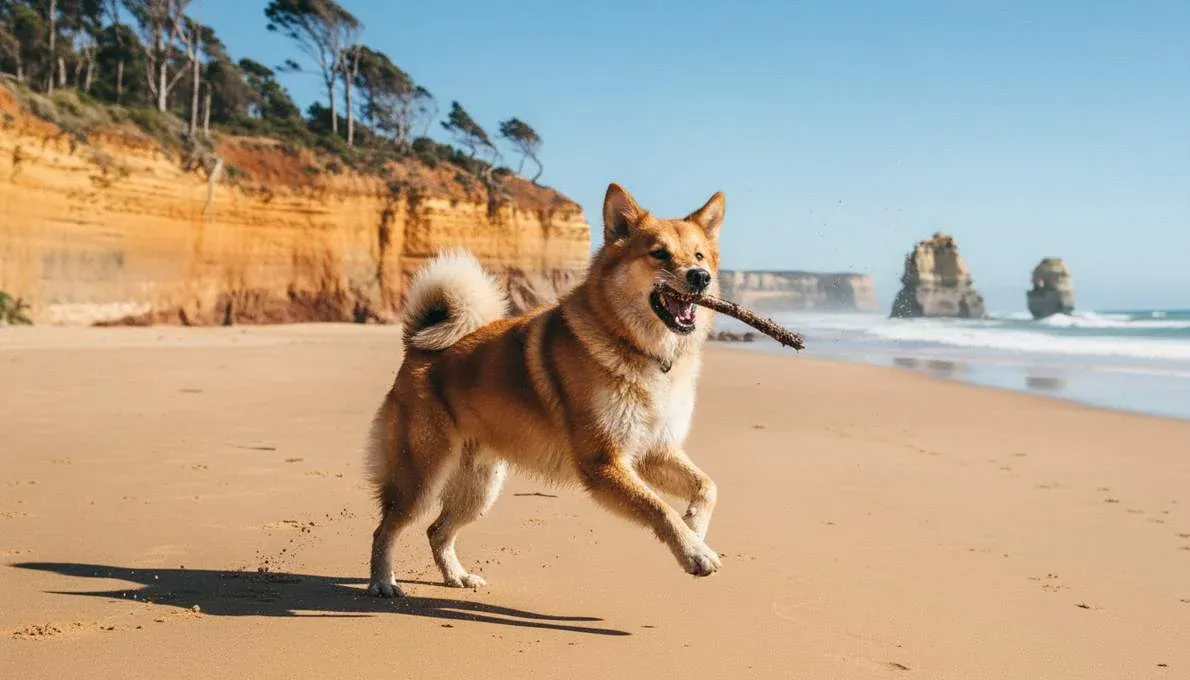
Eurasiers are calm in the house. Not “exhausted after exercise” calm — genuinely, naturally settled. They’ll lie quietly while you work, curl up on the couch during movie night, and move through the house with a quiet confidence that borders on regal. But they’re not sluggish. Take them outside and they’ll happily walk, swim, play fetch, or join you on a bushwalk. The key difference is that they have an off-switch — something many popular breeds simply lack.
Eurasiers bond deeply with their entire family — not just one person. They’ll follow you from room to room, position themselves where they can see you, and become visibly content when the whole family is together. This isn’t clingy in the anxious sense — it’s more like a quiet, constant companionship. They want to be near you, not on top of you.
The flip side of this deep bonding is that Eurasiers do not cope well with being left alone for extended periods. A Eurasier left alone for 8–10 hours a day will become stressed, depressed, and potentially destructive. This is not a breed for households where everyone works full-time away from home with no arrangements for the dog. If you can’t be home — or can’t arrange for someone to be — this isn’t your breed.
This is the Chow Chow heritage showing through. Eurasiers are polite but distinctly reserved with people they don’t know. They won’t run up to greet your visitors with tail-wagging enthusiasm. Instead, they’ll observe from a distance, assess the situation, and gradually warm up on their own terms. This isn’t aggression or fear — it’s dignified caution. Most Eurasier owners actually love this trait. Their dog isn’t jumping all over guests or harassing strangers at the park.
However, this reserve means early and ongoing socialisation is absolutely essential. An undersocialised Eurasier can become genuinely fearful of new people and situations, which is much harder to fix than it is to prevent. Puppy school, regular outings, and positive exposure to a variety of people from a young age are non-negotiable.
This is where the Eurasier really shines. They’re genuinely excellent with children — patient, gentle, and tolerant of the kind of handling that would send most breeds running. Because they’re not hyperactive, they’re less likely to knock over toddlers during play. They tend to be naturally careful around small children, and many Eurasier owners describe their dogs as instinctively gentle with babies and young kids.
That said, as with any breed, supervision between dogs and young children is always appropriate. And children should be taught to respect the dog’s space — Eurasiers are patient, but they’re not doormats.
Eurasiers generally get along well with other dogs, particularly when properly socialised. They don’t have the same-sex aggression issues common in some breeds, and their naturally non-confrontational temperament means they tend to avoid conflict rather than seek it. They can also live peacefully with cats, especially when raised together from puppyhood. Importantly, the Eurasier has virtually no hunting instinct — a deliberate outcome of the breeding program. This makes them one of the safer spitz breeds to have around small animals.
Eurasier owners consistently describe their dogs as emotionally intuitive. They seem to pick up on their owner’s mood, adjusting their behaviour accordingly — quieter and more attentive when you’re stressed, more playful when you’re upbeat. This sensitivity is part of what makes them excellent therapy dogs. But it also means they’re deeply affected by household tension, harsh discipline, or chaotic environments. A calm, stable home brings out the best in a Eurasier.

Eurasier Health & Genetic Conditions
The Eurasier is considered a healthy breed overall — one of the benefits of being deliberately bred from the start with health as a priority. The breed’s parent clubs have enforced strict health testing requirements for breeding stock for decades, which has kept the incidence of serious genetic conditions lower than many comparable breeds. But no breed is perfect, and there are conditions to be aware of.
This is the most commonly reported health issue in Eurasiers. According to the United States Eurasier Club, autoimmune thyroiditis affects an estimated 15–18% of the breed. The thyroid gland underproduces hormones, leading to symptoms like weight gain, lethargy, coat thinning, skin issues, and cold intolerance.
Estimated AUD cost: Diagnosis via blood test costs $150–$300. Treatment involves daily thyroid hormone replacement medication, which runs approximately $200–$500 per year. Once diagnosed and treated, most dogs live completely normal lives.
As with many medium-to-large breeds, hip dysplasia is a concern. The hip joint develops abnormally, leading to grinding, pain, and eventually arthritis. Reputable Eurasier breeders hip-score all breeding stock, which has significantly reduced the incidence in the breed.
Estimated AUD cost: Diagnosis via X-ray costs $300–$800. Conservative management (joint supplements, physiotherapy, weight management) runs $1,000–$2,500 annually. Total hip replacement, if needed, costs $6,000–$12,000 per hip.
The kneecap (patella) slips out of its normal position, causing intermittent lameness. It’s graded from I (mild, occasional slipping) to IV (permanent displacement). Grades I–II are often managed conservatively; grades III–IV may require surgery.
Estimated AUD cost: Diagnosis costs $200–$500. Surgical correction, if required, runs $2,000–$5,000 per knee.
Eurasiers can be predisposed to several eye conditions inherited from their parent breeds, including distichiasis (extra eyelashes that irritate the eye), entropion (inward-rolling eyelid), and ectropion (outward-rolling eyelid). These range from minor irritations managed with eye drops to conditions requiring surgical correction.
Estimated AUD cost: Eye examination by a specialist costs $200–$400. Surgical correction of entropion or distichiasis runs $1,500–$3,500.
The pancreas fails to produce enough digestive enzymes, leading to chronic diarrhoea, weight loss despite increased appetite, and poor coat condition. It’s manageable but requires lifelong dietary supplementation.
Estimated AUD cost: Diagnosis via blood testing costs $200–$400. Ongoing enzyme supplements and dietary management cost approximately $1,000–$2,500 per year.
As a deep-chested breed, the Eurasier carries some risk of bloat — a life-threatening emergency where the stomach fills with gas and rotates. This is rare in Eurasiers compared to breeds like Great Danes and German Shepherds, but it’s worth knowing the signs: restlessness, unproductive retching, swollen abdomen, and rapid decline.
Estimated AUD cost: Emergency surgical treatment costs $5,000–$10,000+. Preventive gastropexy (stomach tacking) can be done during desexing for $500–$1,500.
A reputable Eurasier breeder should be able to provide hip and elbow scores, patella grading, eye certification (clear of entropion, ectropion, distichiasis), thyroid testing results, and genetic screening for conditions like degenerative myelopathy and cerebellar hypoplasia. If a breeder can’t or won’t provide these results, look elsewhere.
Eurasier Lifespan & Longevity
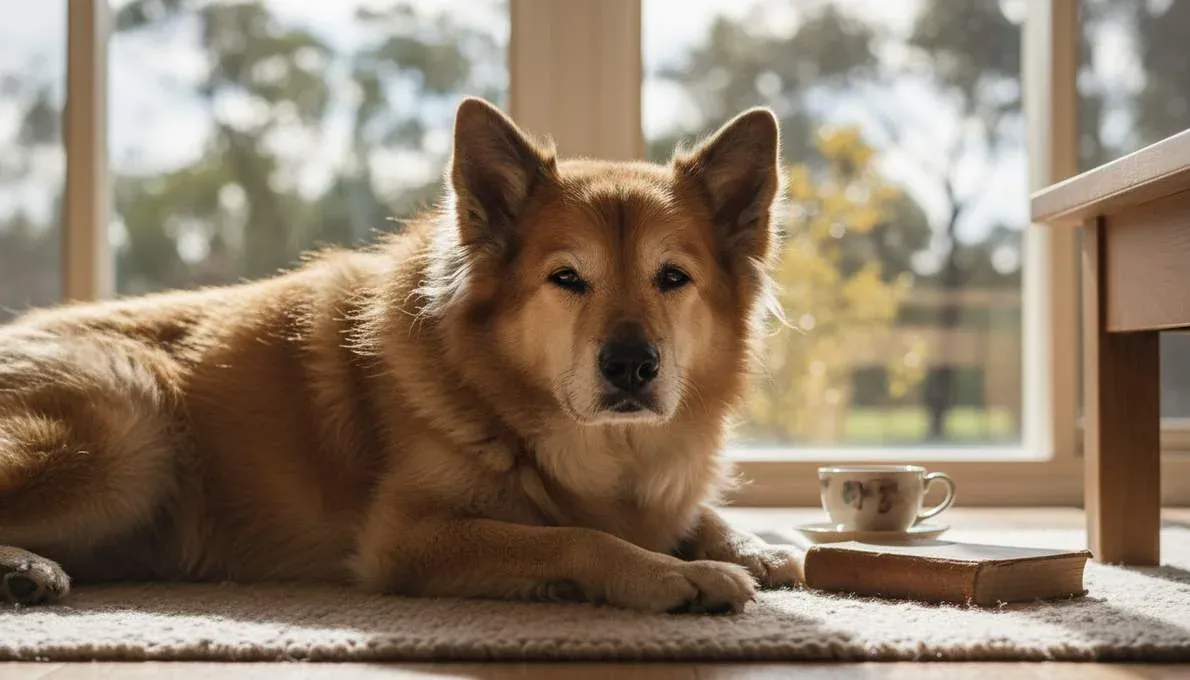
The Eurasier lifespan of 12–16 years is excellent for a medium-sized breed. Dogs in the 18–32 kg range frequently live 12–14 years, so the upper end of 15–16 years is genuinely impressive and a testament to the breed’s overall health.
Age-Specific Advice
| Life Stage | Age | Key Focus Areas |
|---|---|---|
| Puppy | 0–12 months | Socialisation is the top priority. Expose to people, environments, sounds, and other animals. Begin gentle obedience. Two to three vet visits for vaccinations and health checks. |
| Adolescent | 12–24 months | Continue socialisation. Transition to adult food around 12 months. Mild boundary testing may occur but is far less intense than working breeds. |
| Adult | 2–8 years | Annual vet checks, dental care, weight monitoring. Peak health and maturity. Most Eurasiers settle fully by age 2–3. |
| Mature Adult | 8–11 years | Biannual vet visits. Begin joint supplements if not already. Watch for thyroid changes, weight gain, and reduced activity. |
| Senior | 11+ years | Senior bloodwork panels annually. Adjust exercise to comfort. Dental care becomes critical. Monitor cognitive function and mobility. |
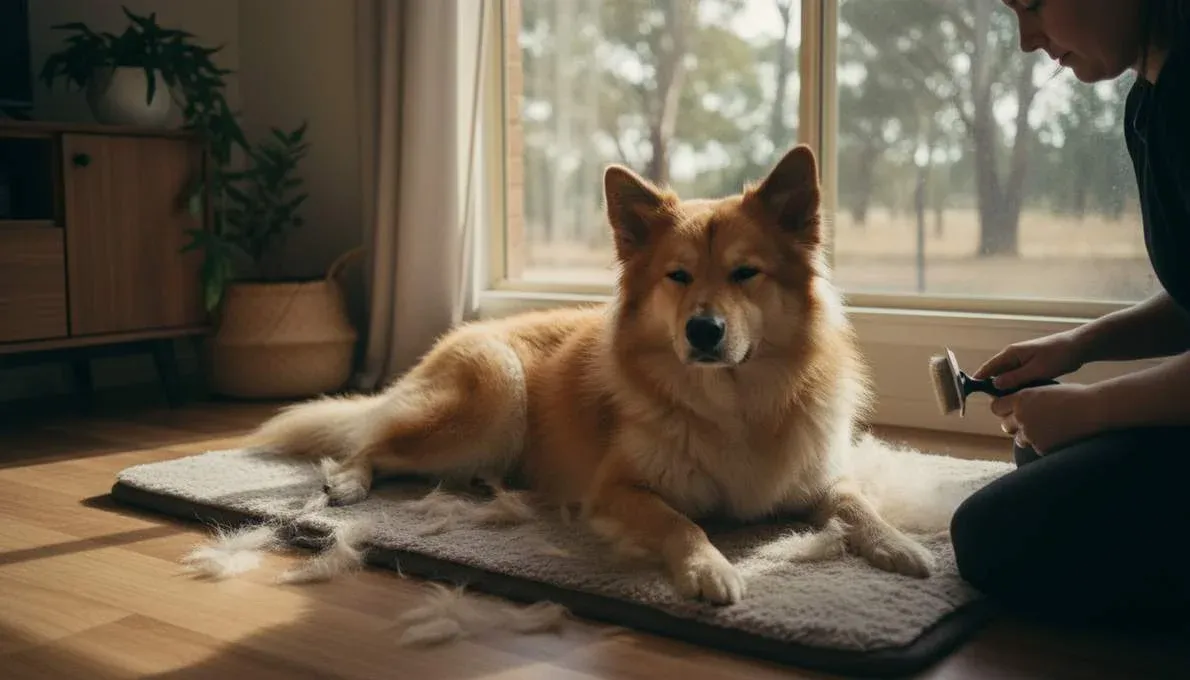
Grooming & Coat Care for the Eurasier
The Eurasier’s coat is one of its most striking features — thick, plush, and impressively fluffy. It’s also the area where new owners most often underestimate the work involved. The Eurasier is not a high-maintenance breed by grooming standards, but that double coat does require consistent attention.
Grooming Schedule
| Grooming Task | Frequency | Estimated AUD Cost | Notes |
|---|---|---|---|
| Brushing | 2–3 times per week; daily during seasonal blowout | $25–$50 for undercoat rake + slicker brush | An undercoat rake is essential. Slicker brush for finishing. Pay special attention behind ears, leg feathering, and breeches. |
| Bathing | Every 8–12 weeks or as needed | $15–$30 per shampoo bottle | Eurasiers lack the typical “doggy odour” — many owners bathe only 2–3 times per year. Use a dog-specific shampoo. Ensure the thick coat is completely dried after bathing. |
| Nail Trimming | Every 2–3 weeks | $15–$25 per clipper; $15–$30 at vet/groomer | Start handling paws from puppyhood. Eurasiers often have dark nails, making the quick hard to see — a nail grinder can help. |
| Ear Cleaning | Weekly | $15–$25 per ear cleaner bottle | Prick ears mean better airflow than floppy-eared breeds, but still check weekly for wax or debris. |
| Dental Care | Daily brushing ideal; minimum 3x per week | $10–$20 for dog toothpaste + brush | Standard preventive care. Professional dental cleans as recommended by your vet. |
| Professional Grooming | Every 8–12 weeks (optional) | $70–$120 per session | Many Eurasier owners handle grooming at home. Professional sessions are useful during coat blowout for thorough de-shedding. |
The Seasonal Coat Blowout
Twice a year — typically in spring and autumn — the Eurasier will “blow” its undercoat. This is not subtle shedding. It’s a full-scale exodus of fur that will cover your clothes, furniture, and floors for 2–4 weeks. Daily brushing during this period is essential to help the process along and prevent matting. A good undercoat rake and a high-quality pet vacuum are investments you’ll be grateful for.
Outside of blowout season, shedding is moderate and manageable with regular brushing. Despite the volume of coat, Eurasiers are surprisingly clean dogs with very little natural odour.
Australian Climate Considerations
The Eurasier’s thick double coat was designed for European winters, which raises legitimate questions about how they cope in Australian conditions. The good news: Eurasiers adapt reasonably well to Australian climates, provided you take sensible precautions. Their coat actually insulates against heat as well as cold — never shave a Eurasier’s coat, as this removes their natural temperature regulation and can cause sunburn and coat damage.
In summer, provide shade, constant fresh water, and exercise only during the cooler parts of the day (early morning or evening). Air conditioning or fans in the home help significantly. Eurasiers in northern Australia (tropical QLD, NT) will require extra management during the hotter months. In southern states (VIC, TAS, SA), they’ll be perfectly comfortable year-round.
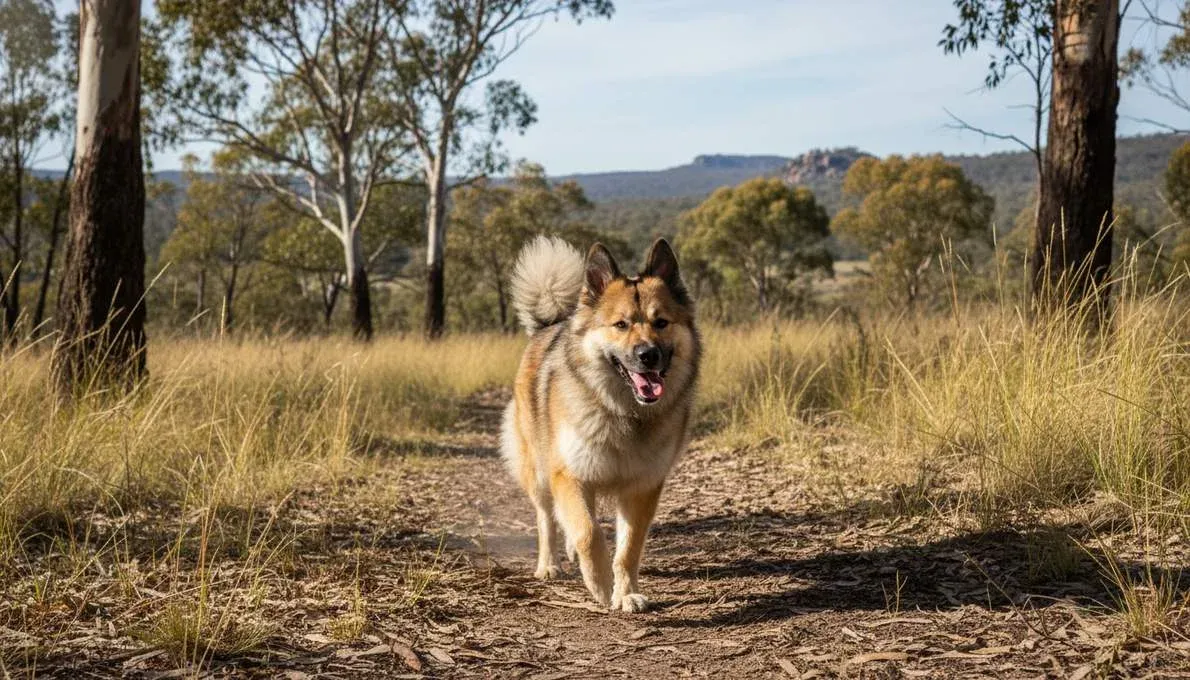
Eurasier Exercise Needs
Here’s one of the Eurasier’s biggest selling points: they don’t need marathon exercise sessions to be happy. Unlike many breeds of similar size, the Eurasier has genuinely moderate exercise requirements. This isn’t a dog that will destroy your house if you miss a walk — though they’ll certainly enjoy one.
Daily exercise recommendation: 30–60 minutes. A good morning walk of 30–45 minutes, plus some backyard play or a shorter evening walk, is typically enough. On weekends, longer outings like bushwalks or beach trips are happily received but not required for the dog’s sanity.
Mental stimulation: Eurasiers are intelligent and benefit from mental engagement, but they’re not the obsessive puzzle-solvers that Border Collies are. Interactive toys, gentle training sessions, and simply being included in family activities are usually sufficient.
Best Activities for Eurasiers in Australia
Eurasiers are wonderfully versatile without being demanding. They enjoy daily walks through parks and suburban streets, bush walks and nature trails (they handle varied terrain well), swimming (many Eurasiers enjoy water, particularly the Samoyed-influenced ones), dog sports like agility, rally obedience, and scentwork, and perhaps most importantly, simply being with their family. A Eurasier that’s included in your daily activities — trips to the café, school pickups, weekend errands — is a happy Eurasier.
Exercise Cautions
Heat management: Avoid exercise during the heat of Australian summer days. Early morning and late evening only when temperatures exceed 28°C. Carry water on all walks. Watch for signs of overheating: heavy panting, excessive drooling, or sluggishness.
Puppies: Limit structured exercise for puppies under 12 months. The general guideline is 5 minutes of exercise per month of age, twice daily. Short play sessions and socialisation outings are more valuable than long walks for young Eurasiers.
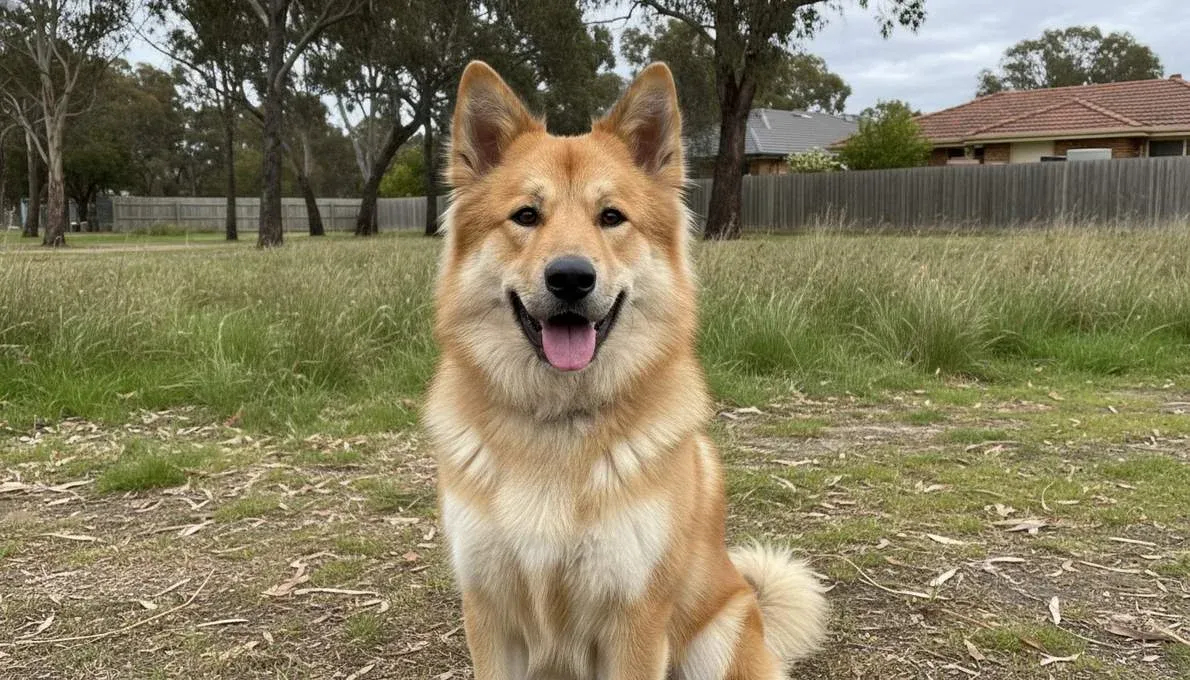
Training Your Eurasier
Training a Eurasier is a different experience from training most popular breeds. They’re intelligent — they understand what you want — but they’re not driven by the desperate-to-please energy of a Labrador or the obsessive focus of a Border Collie. Eurasiers learn at their own pace, in their own way, and they respond best to people who respect that.
Training Difficulty: Honest Assessment
On a scale of 1 (Golden Retriever) to 10 (Shiba Inu), the Eurasier sits around a 4–5. They’re cooperative, willing to learn, and not actively defiant. The main challenge is their sensitivity. Eurasiers are extremely responsive to tone of voice and emotional energy. Raise your voice or use harsh corrections and you’ll see them shut down — not stubbornly, but almost sadly. They’re the kind of dog that takes criticism personally.
Socialisation & Training Timeline
| Age | Training Focus | Tips |
|---|---|---|
| 8–12 weeks | Socialisation, name recognition, crate training, handling exercises | Prioritise positive exposure to new people, sounds, and surfaces. Eurasier puppies can be cautious — let them approach new things at their own pace. |
| 3–6 months | Sit, down, stay, come, leash manners, continued socialisation | Keep sessions short (5–10 minutes). Use soft, encouraging tones. High-value treats work well. |
| 6–12 months | Recall, impulse control, loose-leash walking, settling on cue | Adolescence in Eurasiers is mild compared to working breeds. Maintain consistency but don’t expect fireworks. |
| 12–18 months | Proofing commands in new environments, off-lead reliability | Eurasiers are typically reliable off-lead earlier than many breeds due to low prey drive and strong desire to stay near their person. |
| 18 months+ | Maintenance, enrichment activities, optional dog sports | A well-socialised adult Eurasier is remarkably easy to live with. Continue short daily sessions to keep skills sharp. |
What Works
Gentle, positive reinforcement. Soft verbal praise, treats, and calm physical affection. Short, varied sessions that feel like bonding time rather than drills. Patience and consistency. Eurasiers respond beautifully to people who are calm, fair, and genuinely kind.
What Doesn’t Work
Harsh corrections, raised voices, physical punishment, or dominance-based methods. Eurasiers will not push back like a terrier or ignore you like a husky — they’ll withdraw. You’ll see the trust leave their eyes, and rebuilding it takes far longer than the correction was worth. This breed needs a gentle hand, full stop.
Cost of Owning a Eurasier in Australia
Let’s talk numbers. The Eurasier is not a cheap breed to acquire, and the ongoing costs are in line with any well-cared-for medium-sized dog. Here’s an honest breakdown of what Australian ownership actually looks like.
Purchase Price
Purebred Eurasier puppy (ANKC registered breeder): $3,000–$5,000+ AUD. The higher end applies to puppies from imported European bloodlines with full health testing. Expect waitlists of 6–12+ months from the small number of registered breeders in Australia. There are breeders listed with Dogs Victoria, Dogs Queensland, and Dogs Western Australia.
Imported puppy/adult: $8,000–$15,000+ AUD. Some Australian enthusiasts import directly from European breeders. Costs include the dog’s purchase price, quarantine, flights, import permits, and veterinary requirements. This is an option for serious breed enthusiasts but not practical for most families.
Rescue: Extremely rare in Australia. Eurasiers almost never end up in rescue due to low numbers and the breed community’s strong rehoming networks. If a Eurasier does need rehoming, it’s typically handled through the breeder or the Eurasier community directly.
Annual Ongoing Costs (AUD Estimates)
| Expense | Low Estimate | High Estimate | Notes |
|---|---|---|---|
| Food (premium dry + fresh) | $1,000 | $2,000 | Medium breed, moderate appetite. Quality matters more than quantity. |
| Vet (annual check, vaccines, flea/tick/worming) | $400 | $800 | Add more for thyroid testing or dental cleans. |
| Pet Insurance | $500 | $1,200 | Recommended. Covers hip dysplasia, patellar luxation, thyroid conditions. |
| Grooming (DIY supplies + occasional professional) | $150 | $500 | Higher during coat blowout season. Invest in good tools upfront. |
| Training (puppy school, socialisation classes) | $200 | $600 | Essential for early socialisation. Less intensive than working breeds. |
| Toys, bedding, leads, bowls | $150 | $400 | Eurasiers are not heavy chewers. Standard quality items last well. |
| Council registration | $30 | $250 | Varies by council and desexing status. |
| Boarding / pet sitting | $0 | $1,500 | Eurasiers do best with familiar sitters rather than commercial kennels. |
Total estimated annual cost: $2,430–$7,250 AUD. Over a 13-year lifespan, that’s roughly $31,600–$94,250+ including purchase price and any major health events. The Eurasier’s moderate exercise needs and generally good health keep the lifetime cost toward the lower end compared to high-energy or health-prone breeds.
Where to Find Eurasier Puppies in Australia
Start with Dogs Australia (ANKC) and the state affiliate kennel clubs: Dogs Victoria, Dogs Queensland, and Dogs WA all list registered Eurasier breeders. The DogzOnline website is a reliable resource for finding breeders with current litters or upcoming planned matings. Avoid Gumtree, Facebook Marketplace, and unregistered sellers — the Eurasier is rare enough in Australia that anyone selling “Eurasier puppies” without ANKC registration should be treated with extreme scepticism.
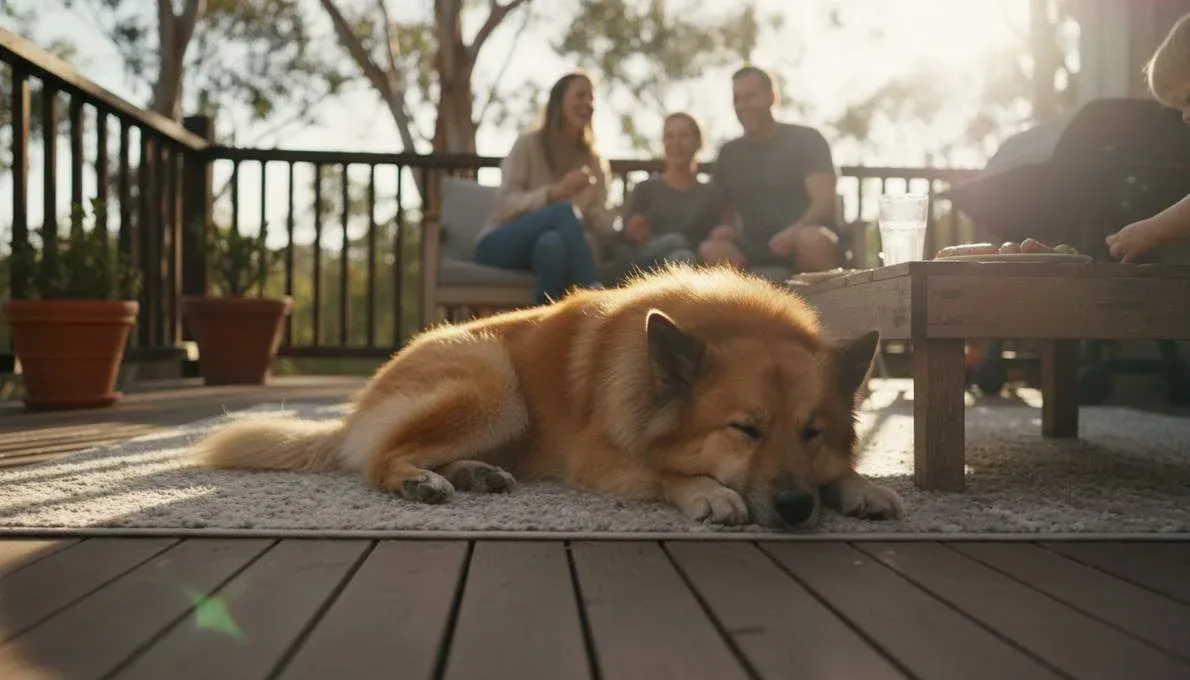
Is the Eurasier Right for You?
The Eurasier is one of the most universally suitable companion breeds available — but that doesn’t mean it’s right for every household. Here’s an honest breakdown.
You want a calm, affectionate companion that doesn’t need hours of daily exercise. You’re home for significant portions of the day, work from home, or can arrange company for your dog. You have children and want a breed that’s genuinely gentle and patient with kids. You live in a house or apartment and want a dog that’s quiet, clean, and settled indoors. You’re comfortable with regular brushing and can handle the twice-yearly coat blowout. You want a dog that’s well-mannered in public without being overly friendly with strangers. You’re willing to wait for a puppy from a reputable breeder.
You work full-time away from home and the dog will be alone for 8+ hours daily. You want a highly social, outgoing dog that greets everyone enthusiastically. You want an off-the-shelf breed you can pick up from a pet shop next weekend. You want a jogging partner or a dog for intense physical activities like flyball or competitive agility (they’ll participate, but they won’t be driven to win). You’re not prepared for shedding — the twice-yearly coat blowout is real and significant.
If you love the Eurasier’s look but need more availability, the Keeshond shares the Wolfspitz heritage and is more common in Australia. If you want similar temperament but a different coat, the Shiba Inu (more independent) or the Cavalier King Charles Spaniel (more outgoing) occupy neighbouring temperament spaces. If the fluffy coat appeals but you need more energy, the Samoyed is a close relative with higher exercise needs and a friendlier stranger-greeting instinct.
The Eurasier is one of those rare breeds that actually lives up to the hype — once you can find one. For the right family, this dog is almost too good to be true: calm in the house, gentle with kids, moderate exercise needs, relatively healthy, and deeply loyal without being neurotic about it.
The good: Genuinely calm temperament, excellent with children, low exercise demands, adaptable to apartments and houses, long lifespan, no hunting instinct, and a beautiful, plush coat. One of the best companion breeds in the world — and that’s not hyperbole.
The challenging: Cannot be left alone for long periods, reserved with strangers (requires socialisation), twice-yearly coat blowout, extremely limited availability in Australia, and a purchase price that reflects the breed’s rarity.
The bottom line: If you can find a reputable breeder, you’re willing to wait, and your lifestyle allows you to be home with your dog — the Eurasier will reward you with one of the most gentle, loving, and rewarding dog-owner relationships you’ll ever experience.
Frequently Asked Questions
What is a Eurasier dog?
The Eurasier is a medium-sized spitz-type breed developed in Germany in the 1960s by crossing the Chow Chow, Wolfspitz (Keeshond), and Samoyed. It was bred specifically as a family companion and is known for its calm, loyal temperament and beautiful double coat.
Are Eurasiers good family dogs?
Excellent. Eurasiers are one of the best family companion breeds available. They’re gentle with children, calm in the house, and bond deeply with all family members. They’re particularly well-suited to families with younger children due to their patient, tolerant nature.
Do Eurasiers shed?
Yes. Eurasiers shed moderately year-round and have two heavy coat blowouts per year (spring and autumn) lasting 2–4 weeks each. Regular brushing manages the day-to-day shedding, but the seasonal blowout produces significant amounts of loose fur.
How big do Eurasiers get?
Males typically stand 52–60 cm (20–24 inches) and weigh 23–32 kg (50–70 lbs). Females stand 48–56 cm (19–22 inches) and weigh 18–26 kg (40–57 lbs). They’re a solid, medium-sized breed.
Can you get Eurasiers in Australia?
Yes, but they’re rare. There are a small number of ANKC-registered breeders in Victoria, Queensland, and Western Australia. Expect waitlists of 6–12+ months and prices of $3,000–$5,000+ AUD for a puppy from a registered breeder.
How much does a Eurasier cost in Australia?
Purebred Eurasier puppies from registered Australian breeders typically cost $3,000–$5,000+ AUD. Imported dogs from European breeders can cost $8,000–$15,000+ AUD including quarantine and transport. The breed’s rarity in Australia keeps prices at the higher end.
Are Eurasiers good with cats?
Generally yes, especially when raised alongside cats from puppyhood. Eurasiers have virtually no hunting instinct, which makes them one of the safer breeds to have around cats and other small pets.
Are Eurasiers hypoallergenic?
No. Eurasiers have a thick double coat that sheds regularly, and they are not considered hypoallergenic. If you have dog allergies, this breed is unlikely to be suitable.
Do Eurasiers bark a lot?
No. Eurasiers are naturally quiet dogs. They’re watchful and will alert you to unusual activity, but they don’t bark excessively or without reason. This makes them well-suited to apartment living and close-neighbour situations.
How much exercise does a Eurasier need?
Moderate — 30–60 minutes of daily exercise is typically sufficient. A good walk plus some play time keeps most Eurasiers happy. They’re active enough to enjoy longer outings but don’t require the intense exercise regimes of working breeds.
What is the Eurasier’s lifespan?
Eurasiers typically live 12–16 years, which is excellent for a medium-sized breed. Good genetics (from health-tested parents), proper nutrition, regular vet care, and maintaining a healthy weight all contribute to longevity.
What colours do Eurasiers come in?
Eurasiers come in fawn, red, wolf-grey, wolf sable, black, and black and tan. All colour combinations are permitted except pure white, white patches, and liver colour. Some Eurasiers also have blue-black or spotted tongues, inherited from their Chow Chow ancestry.
Primary Sources:
- American Kennel Club — Eurasier Breed Information: https://www.akc.org/dog-breeds/eurasier/
- Fédération Cynologique Internationale (FCI) — Eurasier Breed Standard: https://www.fci.be/Nomenclature/Standards/291g05-en.pdf
- PetMD — Eurasier Health and Care: https://www.petmd.com/dog/breeds/eurasier
- Wikipedia — Eurasier: https://en.wikipedia.org/wiki/Eurasier
- Wisdom Panel — Eurasier Breed Facts: https://www.wisdompanel.com/en-us/dog-breeds/eurasier
- Dogs Victoria — Eurasier Breed Information: https://dogsvictoria.org.au/family-pet/dogs-and-puppies/buying-a-puppy/breed-information-and-registered-breeders/eurasier/
- Dogs Australia (ANKC) — Eurasier Breed Standard: https://dogsaustralia.org.au/members/Breed/Detail/199
- DogzOnline — Eurasier Breeders Australia: https://www.dogzonline.com.au/breeds/breeders/eurasier.asp
- Daily Paws — Eurasier Dog Breed Information: https://www.dailypaws.com/dogs-puppies/dog-breeds/eurasier
- Sundog Eurasiers — About the Eurasier Breed: https://www.sundogeurasiers.com/about-the-eurasier-breed