
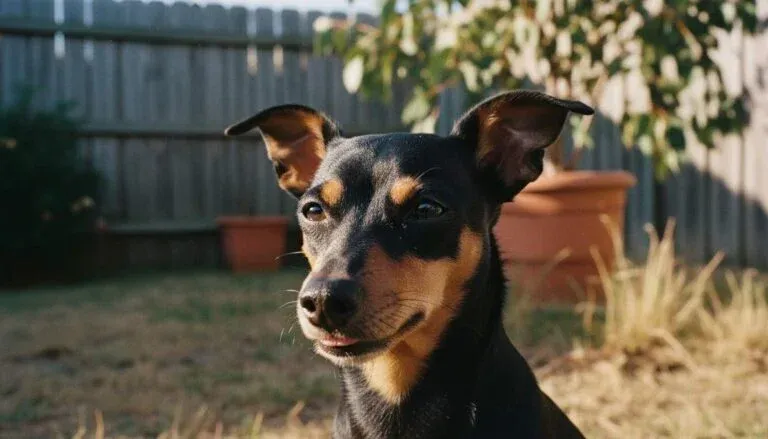
Imagine a dog small enough to sit in your coat pocket, elegant enough to turn heads at any dog show, and fierce enough to have once killed 300 rats in under an hour. That’s the English Toy Terrier in a nutshell — a breed that has no idea it weighs less than a house cat and absolutely no interest in being told otherwise.
The English Toy Terrier (Black & Tan), or ETT as enthusiasts call it, is one of the rarest dog breeds in the world. The UK Kennel Club lists it as a vulnerable native breed, with only around 100 puppies registered each year globally. Here in Australia, the breed nearly vanished entirely — by the 1990s, just two breeding pairs remained in the country. A dedicated recovery effort has pulled the ETT back from the brink, but it’s still an uncommon sight at Australian dog parks.
If you’re drawn to small dogs but can’t stand the idea of a trembling, yappy lap ornament, the English Toy Terrier might be exactly what you’re looking for. This is a real terrier compressed into a toy-sized package: bold, smart, loyal to a fault, and always convinced it’s the biggest dog in the room. This guide covers everything an Australian owner needs to know — honest temperament assessments, the specific health conditions you must test for, what you’ll actually pay, and where to find ethical breeders in this country.
What You’ll Learn
- Breed traits & temperament
- Health concerns to know
- True cost in Australia
- Training & exercise needs
- Is this breed right for you?
English Toy Terrier: Quick Facts at a Glance
| Trait | Details |
|---|---|
| Official Name | English Toy Terrier (Black & Tan) |
| Other Names | ETT, Toy Manchester Terrier (North America), Miniature Black & Tan Terrier (historical) |
| Origin | England |
| Breed Group | Toy (ANKC Group 1) |
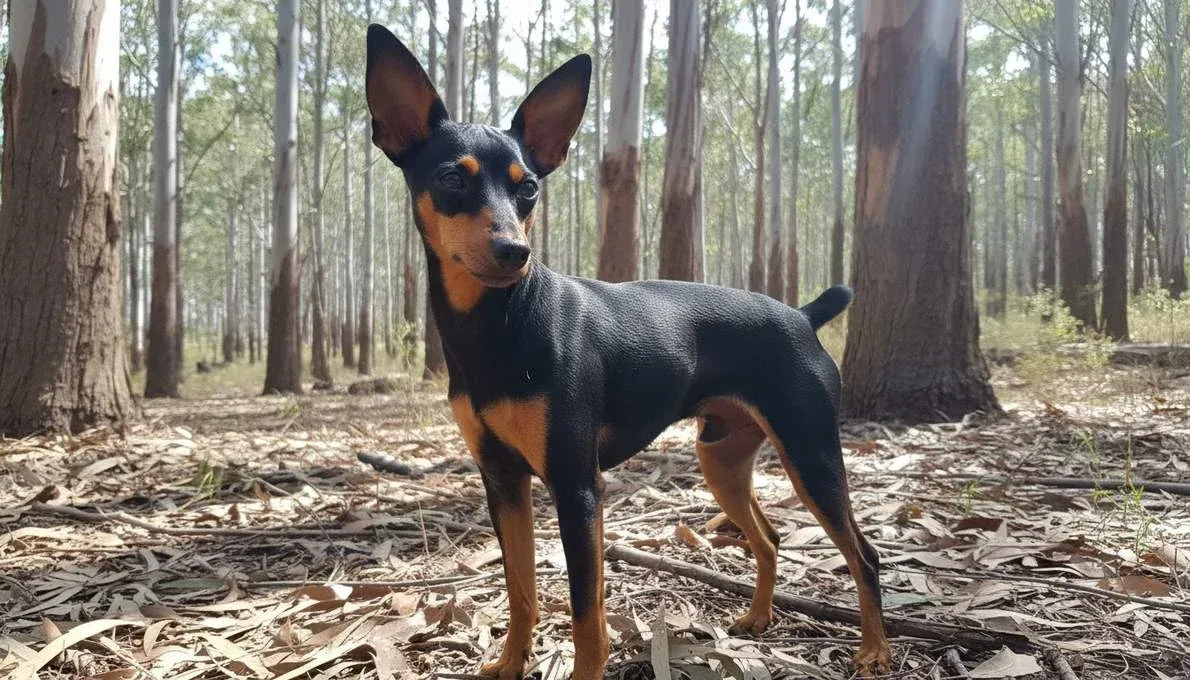
| Size | 25–30 cm at the shoulder |
| Weight | 2.7–3.6 kg (6–8 lbs) |
| Coat | Short, dense, glossy single coat |
| Colour | Black and tan ONLY — no other colours permitted |
| Lifespan | 12–15 years |
| Temperament | Alert, loyal, intelligent, spirited, affectionate |
| Exercise Needs | Low to moderate (30–60 minutes daily) |
| Grooming | Very low maintenance |
| Good With Kids | Yes — older children preferred; fragile for toddlers |
| Watchdog Ability | Excellent — alert barkers |
| Recognised by ANKC | Yes — Toy Group |
| Breed Status | Vulnerable native breed (UK KC); rare in Australia |
History & Origins
The English Toy Terrier traces its lineage back to the Old English Black and Tan Terrier, a now-extinct breed first described in the 1500s. Dr John Caius, physician to Queen Elizabeth I, mentioned black and tan terriers in correspondence as early as 1570, and the breed appeared in the illuminated manuscript The Hours of the Virgin around the same period. These were working dogs, bred compact and quick for one purpose: killing rats.
By the 1800s, rat-baiting had become a wildly popular spectator sport in Victorian England. Small terriers were placed in pits with dozens of rats, and crowds bet on which dog could kill its quota fastest. The smallest dogs that could still do the job were especially prized — the ideal was a dog tiny enough to carry in a coat pocket but lethal enough to clear a pit in minutes. A famous ETT named Tiny reportedly dispatched 300 rats in under an hour in 1848, cementing the breed’s reputation as pound-for-pound one of the gamest dogs alive.
When rat-baiting was outlawed in 1898, the breed pivoted to the show ring. The Kennel Club initially divided black and tan terriers by weight: the larger dogs became today’s Manchester Terrier, while the smaller ones were registered as the Miniature Black and Tan Terrier. The breed was officially renamed the English Toy Terrier (Black & Tan) in 1960. In North America, the same dogs are known as the Toy Manchester Terrier — a naming quirk that causes endless confusion but reflects the breeds’ shared ancestry.
The Australian story. English Toy Terriers were reasonably popular in Australia through the 1960s, but interest declined steadily. By the 1990s, the breed was in genuine crisis here — just two breeding pairs remained in the entire country. A concerted effort by dedicated breeders to import key sires with strong bloodlines pulled the Australian ETT population back from the edge. Today, a small but passionate community of ANKC-registered breeders — including internationally recognised kennels like Yurrugar, Savacc, Hunterval, and Awiloak — are working to rebuild numbers while maintaining breed quality. Litters are still rare, and waiting lists are long.
Temperament & Personality
The English Toy Terrier’s temperament is the single biggest reason people fall in love with the breed — and the single biggest reason some people shouldn’t own one. This is not your average toy dog. If you’re expecting a docile, passive lap warmer, prepare for a rude awakening.
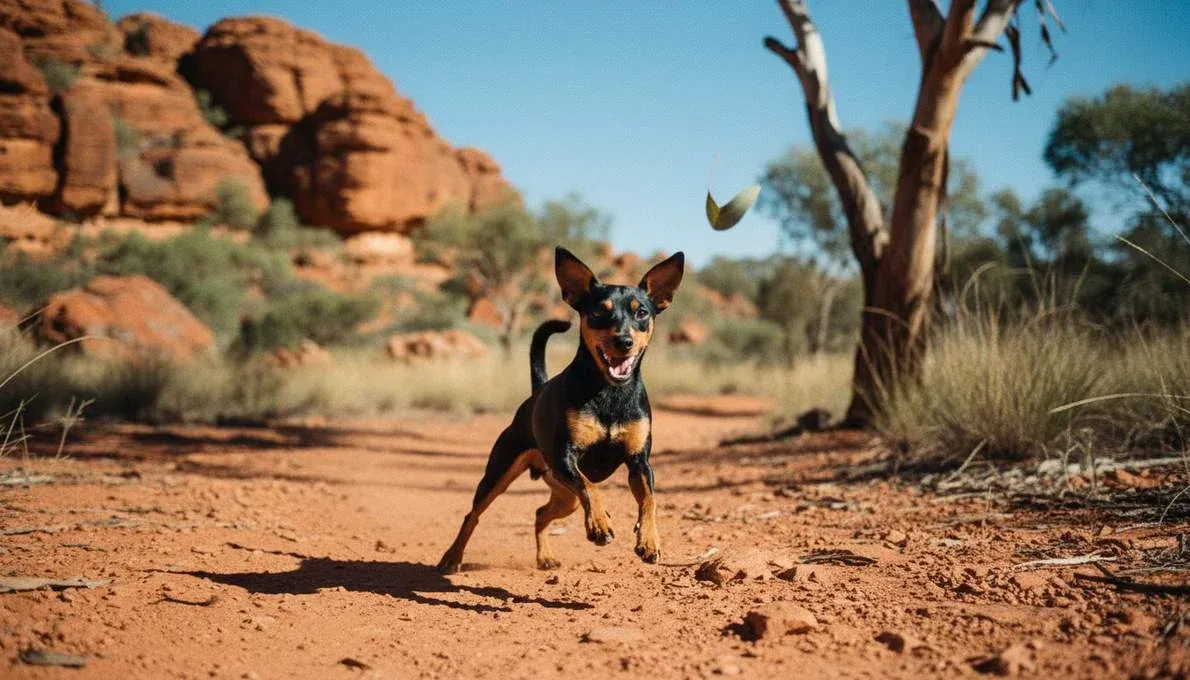
ETTs have absolutely no concept of their own size. They will stare down dogs ten times their weight, attempt to hunt possums in the backyard at midnight, and protest loudly if they feel you’re not paying them sufficient attention. The breed standard itself acknowledges this, describing them as “alert, remembering that historically he could acquit himself satisfactorily in the rat pit.” That rat-pit confidence hasn’t gone anywhere.
ETTs bond deeply with their family, and they really don’t cope well with being left alone. This is a breed that wants to be wherever you are, preferably touching you. Extended periods of isolation lead to anxiety, excessive barking, and destructive behaviour. If everyone in your household works full-time with no one home during the day, this is not the right breed for you unless you can arrange doggy daycare or a dog walker.
These dogs are genuinely intelligent — they learn quickly and excel in agility, flyball, earthdog trials, and rally obedience. But they also have that classic terrier stubbornness. They’ll assess your command, decide whether it’s worth obeying, and sometimes choose “no.” This isn’t defiance for the sake of it; they’re independent thinkers. Training needs to be rewarding and varied, not repetitive, or they’ll check out mentally.
ETTs are alert and observant with a bark far bigger than their body suggests. They’ll announce every delivery driver, possum, and suspicious leaf. This is great for alerting you to visitors; it’s less great if you live in a thin-walled apartment with noise-sensitive neighbours. Early training to manage bark levels is essential.
ETTs are often described as “cat-like” in their behaviour. They’re selective about who gets their affection, reserved with strangers until they’ve sized them up, and capable of amusing themselves when the mood strikes. They can be standoffish with people they don’t know, which makes early socialisation critical. A well-socialised ETT is friendly and confident; a poorly socialised one can become nervous or snappy.
The rat-catching instinct hasn’t been bred out. ETTs will chase small animals — rats, mice, guinea pigs, rabbits, and sometimes cats. If you have small pets, introduce them extremely carefully and never leave them unsupervised with an ETT. In the yard, they’ll dig after lizards and pursue anything that scurries. This is not a behaviour you can train out entirely; it’s hardwired.
ETTs generally get along well with other dogs, particularly if raised together from puppyhood. They tend to do best with dogs of a similar size or with calm, gentle larger breeds that won’t accidentally injure them during rough play. Some ETTs can be bossy with other dogs despite their size — that terrier confidence again — so monitor introductions carefully. They can live happily with cats if introduced young, though the prey drive may still kick in around unfamiliar cats. The key is early exposure and consistent boundaries.
Health & Genetic Conditions
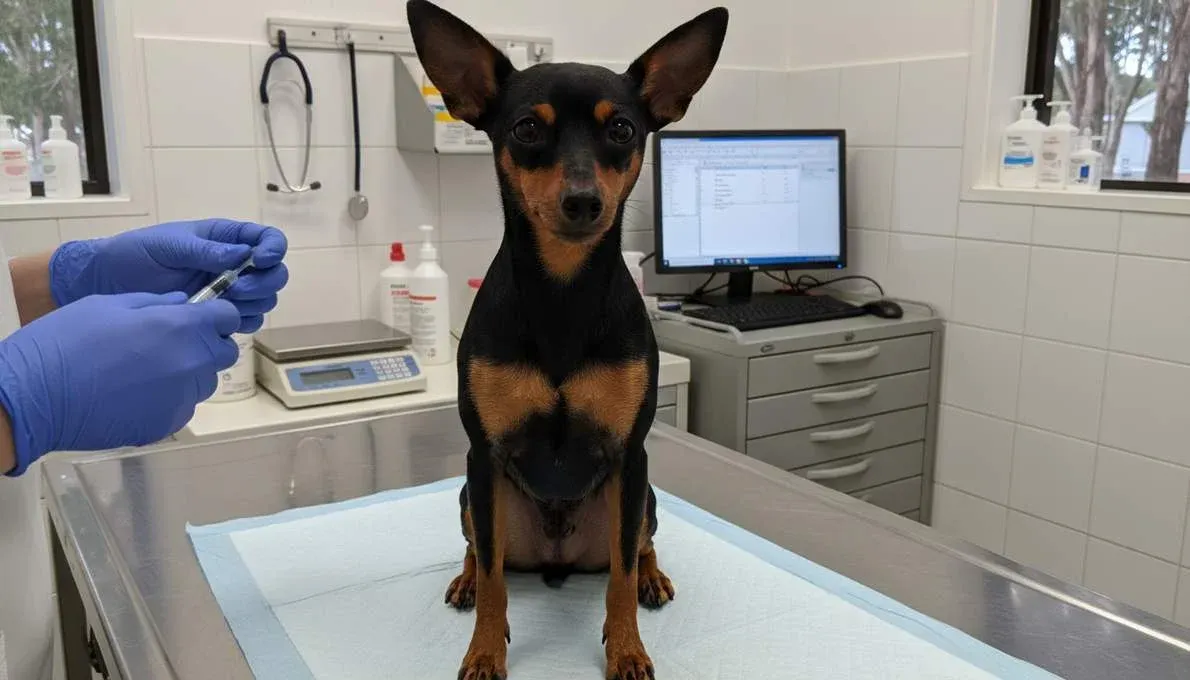
This is the section that matters most when you’re considering a rare breed. English Toy Terriers are generally healthy dogs with a solid lifespan, but their small gene pool means several serious hereditary conditions exist in the population. Responsible breeders test for all of them. If a breeder can’t show you DNA test results, walk away.
| Condition | What You Need to Know | Estimated Vet Cost (AUD) |
|---|---|---|
| Juvenile Dilated Cardiomyopathy (JDCM) | Fatal inherited heart condition causing sudden cardiac death in puppies, typically before 6 months of age. No cure exists. DNA test available — both parents MUST be tested. Approx. 20% of ETTs carry the mutation. Ask breeder for proof of clear/carrier status. | N/A (fatal; prevention through testing only) |
| Patellar luxation | Kneecap dislocates from the joint, causing a “skipping” gait. Common in small breeds. Graded 0–4 by vets. Usually appears by 6 months. Parents should have Grade 0 on both knees. | $1,500–$4,000 per knee (surgical correction if Grade 2+) |
| Xanthinuria (Type 2a) | Rare metabolic disorder causing kidney/bladder stones from excess xanthine in urine. DNA test available. Males more commonly affected. Managed with low-purine diet and high fluid intake. | $500–$3,000+ (diagnosis, dietary management, possible stone removal surgery) |
| Von Willebrand Disease Type 1 (vWD) | Inherited bleeding disorder — blood doesn’t clot properly. Rare in ETTs but testable. Symptoms include excessive bleeding after surgery, nail trimming, or injury. | $300–$2,000 (diagnosis + management; blood transfusion if severe) |
| Hereditary deafness | Congenital deafness can occur. BAER (Brainstem Auditory Evoked Response) testing screens for it. Not fully understood in the breed. | $150–$300 (BAER test) |
| Legg-Calvé-Perthes disease | Degeneration of the hip joint’s femoral head, causing lameness and pain. More common in small breeds. Usually appears between 4–12 months of age. | $2,000–$4,500 (surgical removal of femoral head) |
| Skin allergies / alopecia | Some ETTs experience hair loss (alopecia) or skin irritation. Their thin single coat provides less protection than double-coated breeds. | $200–$800 per episode |
| Dental disease | Small breeds are prone to crowded teeth and early dental decay. Regular brushing and professional cleans are critical. | $500–$1,500 (professional dental under anaesthesia) |
Minimum health tests to ask your breeder for: JDCM DNA test (clear or carrier-to-clear mating only), Xanthinuria DNA test, Von Willebrand Disease DNA test, and Patella Luxation grading on both parents. Reputable Australian breeders like Yurrugar and Savacc routinely perform all of these. If a breeder can’t produce results for at minimum JDCM and Xanthinuria, do not buy from them.
Lifespan & Longevity
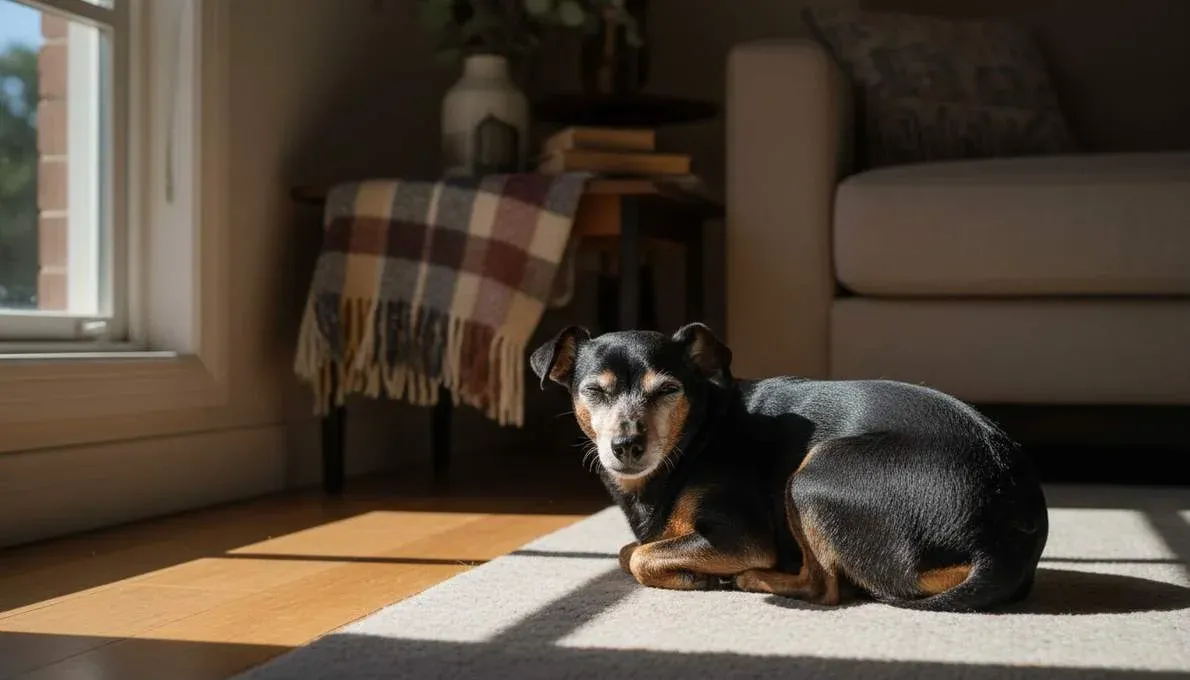
English Toy Terriers typically live between 12 and 15 years, with well-bred, well-cared-for dogs sometimes reaching beyond that. Some sources cite 9–13 years, but this range likely includes dogs from less rigorous breeding programs. Australian breeders working with DNA-tested, health-screened lines are producing dogs that consistently reach the upper end of the range.
Puppy stage (0–1 year): Critical period. JDCM can cause sudden death in apparently healthy puppies before 6 months — this is why breeder DNA testing is non-negotiable. Puppies should receive C5 vaccination, microchipping, desexing (if not on breeding register), and extensive socialisation. ETT puppies are tiny and fragile; supervise interactions with children and larger dogs closely.
Adult stage (1–9 years): Prime years. ETTs are relatively low-maintenance during this phase. Annual vet check-ups, dental care, and consistent parasite prevention are the main requirements. Watch their weight carefully — even a few hundred grams of excess weight on a 3 kg dog is significant.
Senior stage (9+ years): Shift to biannual vet visits. Senior blood panels ($250–$400 AUD) can catch kidney, liver, or thyroid issues early. Dental disease accelerates in older small breeds, so professional cleans become more important. Joint supplements may help dogs with early patellar issues. Keep their environment warm — elderly ETTs feel the cold keenly.
Grooming & Care
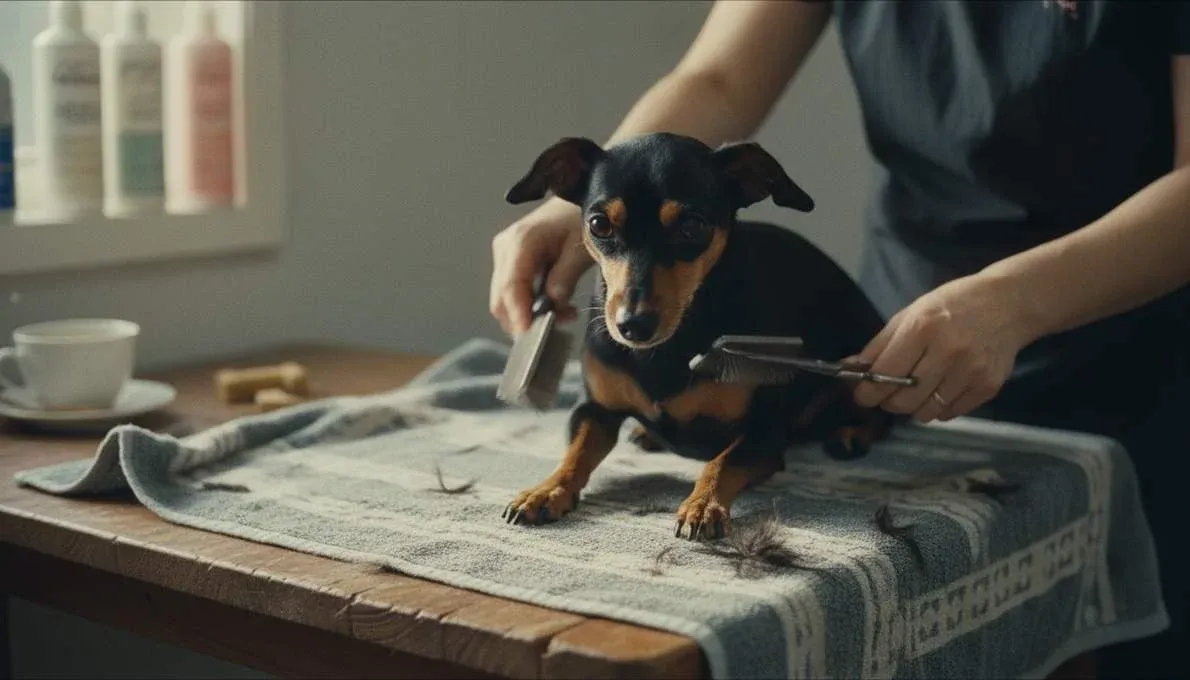
The English Toy Terrier is one of the lowest-maintenance breeds when it comes to grooming. Their short, dense, glossy single coat practically takes care of itself. But “low maintenance” doesn’t mean “no maintenance.”
| Task | Frequency | Time | Recommended Products (AU) |
|---|---|---|---|
| Brushing | Once a week (rubber mitt or bristle brush) | 5 min | Rubber grooming mitt (~$10 from Pet Circle) |
| Bathing | Every 4–6 weeks or as needed | 10–15 min | Gentle oatmeal shampoo (Dermcare Aloveen, ~$20) |
| Coat polish | After brushing | 2 min | Soft chamois cloth or damp microfibre — brings out the gloss |
| Nail trimming | Every 2–3 weeks | 5 min | Guillotine clipper or Dremel ($15–$40) |
| Ear cleaning | Weekly check, clean fortnightly | 5 min | Epi-Otic ear cleanser (~$25) |
| Dental care | 3–4 times per week brushing | 5 min | Enzymatic dog toothpaste + finger brush (~$15) |
| Flea/tick prevention | Monthly | 1 min | NexGard Spectra (very small dog size, ~$55–$70 per 3-pack) |
ETTs shed lightly and don’t have that heavy “doggy odour” that some breeds carry. Over-bathing strips their coat’s natural oils and can trigger the skin sensitivity some ETTs are prone to, so resist the urge to wash them too often. A damp cloth rubdown between baths keeps them looking sharp.
Exercise Needs
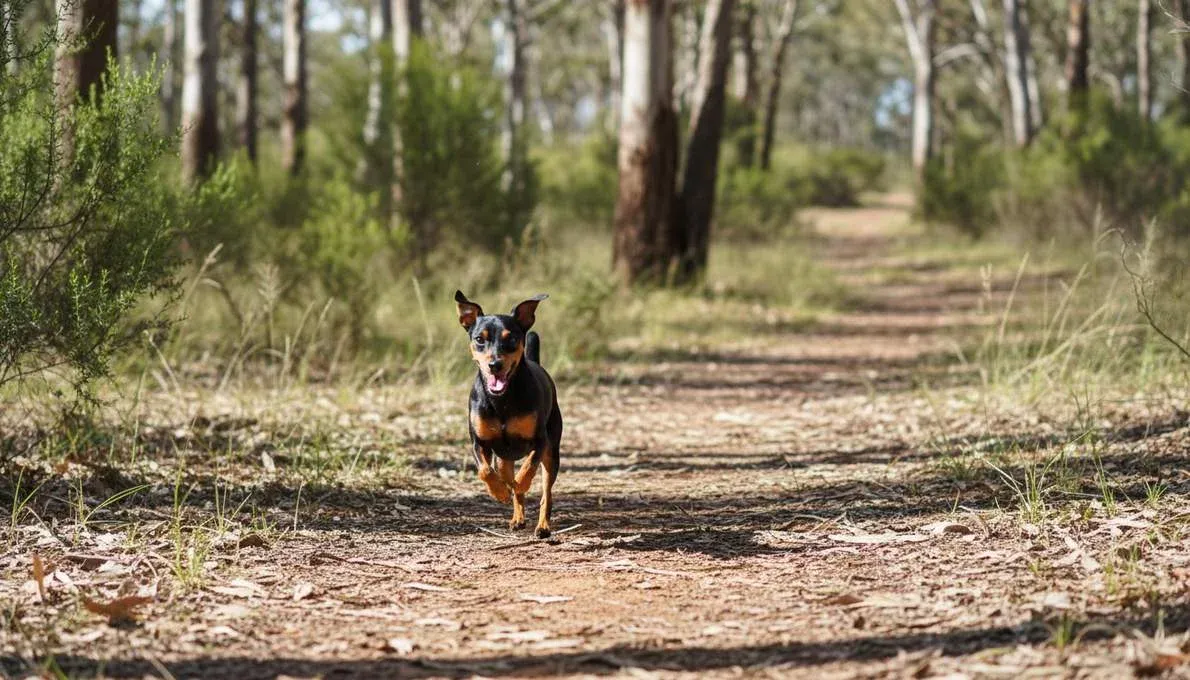
The ETT is not a high-energy breed, but it’s not a couch ornament either. Expect to provide 30 to 60 minutes of daily activity. This can be split between a walk and some play — they don’t need marathon sessions, but they do need mental stimulation or they’ll find their own entertainment (and you won’t like it).
These dogs excel at canine sports far beyond what their size suggests. Agility, earthdog trials, lure coursing, flyball, and rally obedience all tap into their terrier instincts and give them a productive outlet. Several Australian ETT owners compete successfully in these disciplines. If you’re looking for a small dog that can actually do things, the ETT delivers.
Mental stimulation matters as much as physical exercise. A bored ETT is a destructive ETT. Puzzle feeders, snuffle mats, and scent-work games are excellent ways to keep their minds engaged, especially on days when weather makes outdoor exercise impractical. Kong toys stuffed with frozen peanut butter or wet food can keep an ETT occupied for 20–30 minutes. Rotating toys weekly prevents them from losing interest. Many Australian owners report that a 15-minute scent-work session in the backyard tires their ETT out more effectively than a 30-minute walk, because it engages their natural hunting instincts in a controlled way.
⚠️ Australian climate warning: ETTs have a single, short coat with almost no insulating undercoat. This makes them vulnerable to both extremes. In Australian summers, especially inland, avoid midday exercise and provide shade and water at all times. Paw-burn from hot pavement is a real risk for any dog — the back-of-hand test applies here. In colder southern states (Victoria, Tasmania, ACT), your ETT will need a proper dog coat during winter walks. These dogs genuinely feel the cold. Many Australian ETT owners report their dogs burrowing under blankets and seeking warm spots year-round. A heated dog bed ($40–$80 AUD) is a worthwhile investment if you live south of Sydney.
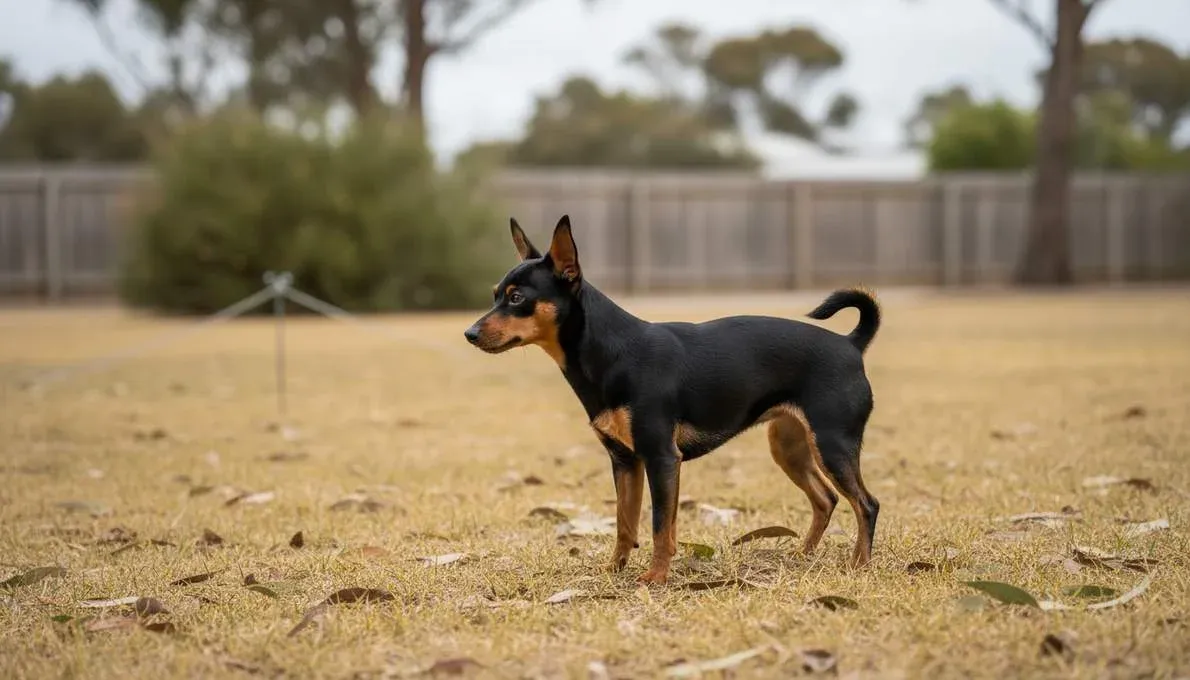
Secure your yard. ETTs are small enough to squeeze through surprisingly narrow gaps. Their prey drive means they’ll exploit any opportunity to chase something interesting. Check fencing for gaps at ground level — a space a cat can fit through, an ETT can fit through. Standard 1.2-metre fencing is usually adequate (they’re not big jumpers), but the gaps matter more than the height.
Training Guide
ETTs are intelligent and capable learners, but they bring that terrier independence to every training session. The key is making it worth their while. Boring, repetitive drills will get you nowhere. Short, varied, reward-heavy sessions are the way in.
| Age | Training Focus | Tips |
|---|---|---|
| 8–16 weeks | Socialisation (top priority), toilet training, name recognition, crate introduction | Expose to many people, dogs, sounds, and environments. ETTs can become nervous adults without early socialisation. Carry them to outdoor cafés, markets, and parks before vaccinations are complete. |
| 4–6 months | Sit, stay, come, loose-lead walking, bite inhibition, bark management | Use high-value treats (small pieces of cooked chicken or cheese). Sessions of 5–10 minutes max. Start teaching a “quiet” command early — you’ll need it. |
| 6–12 months | Recall under distraction, leave it, drop it, settle on mat | Adolescence brings peak stubbornness. Stay patient and consistent. Group puppy classes are excellent for continued socialisation. |
| 1–2 years | Proofing commands, trick training, introduction to canine sports | ETTs thrive in agility, earthdog, lure coursing, and rally. These activities channel their terrier instincts productively and strengthen your bond. |
| Adult rescue ETTs | Trust-building, desensitisation, basic obedience refresher | Rare breed rescues are uncommon but do occur. Give any rescue ETT at least 3 weeks to decompress. Build trust before expecting compliance. |
Honest difficulty rating: 3.5/5. Harder to train than eager-to-please breeds like Cavoodles or Golden Retrievers, but easier than truly headstrong terriers like Jack Russells or Fox Terriers. The stubbornness is real but manageable if you keep sessions short, fun, and rewarding. Harsh corrections will backfire badly with this sensitive breed — they’ll shut down or become anxious rather than compliant.
Cost of Ownership in Australia
Owning an English Toy Terrier in Australia means navigating a very limited market. This is a rare breed with a handful of dedicated breeders across the country. You won’t find ETTs in pet shops, on Gumtree (and if you do, run), or at your local rescue shelter. Getting one requires planning, patience, and a willingness to join a waiting list.
Buying From a Registered Breeder
| Cost Component | Estimated Cost (AUD) |
|---|---|
| Pet-quality ETT puppy (ANKC registered, desexed) | $3,000–$5,000 |
| Show/breeding-quality ETT puppy | $4,000–$6,000+ |
| Interstate transport (if breeder is in another state) | $300–$600 |
| Initial vet check + C5 vaccination (if not included) | $150–$300 |
| Microchipping (usually included by breeder) | $0–$80 |
| Puppy essentials (bed, crate, bowls, lead, toys) | $200–$400 |
| TOTAL FIRST-YEAR SETUP | $3,650–$6,380+ |
Where to find Australian ETT breeders: Start with the ANKC breeder listing on DogzOnline (dogzonline.com.au), which lists registered ETT breeders by state. Key Australian kennels include Yurrugar (internationally acclaimed, NSW-based), Savacc (NSW, vet-science background), Hunterval (NSW, Sydney Royal winners), and Awiloak (certified dog trainer, competitive in earthdog and rally). Contact your state canine council for additional breeder referrals. The international ETT Club (UK-based) also maintains a breeder directory that includes Australian members.
Annual Ownership Costs
| Expense | Estimated Annual Cost (AUD) |
|---|---|
| Quality dry food (toy-sized dog — they eat very little) | $350–$600 |
| Routine vet visits (annual check-up, vaccinations) | $250–$450 |
| Flea, tick & worm prevention | $180–$300 |
| Pet insurance (basic accident & illness) | $350–$700 |
| Grooming supplies | $40–$80 |
| Dental care (professional clean every 1–2 years, averaged) | $250–$750 |
| Toys, treats, enrichment | $100–$200 |
| Council registration | $30–$100 (varies by council) |
| Winter coat/heated bed (southern states) | $40–$120 |
| Emergency vet fund (recommended) | $500–$1,000 (savings) |
| TOTAL ANNUAL COST | $2,090–$4,300 |
One genuine advantage of the ETT’s tiny size: they eat remarkably little. A 3 kg dog on premium dry food will go through a bag significantly slower than a Labrador. Food costs are among the lowest of any breed. The flip side is that dental costs tend to be higher than average for small breeds, so factor that in.
A note on pet insurance. Pet insurance for a rare breed like the English Toy Terrier is worth serious consideration. While ETTs from health-tested lines are generally sound, the breed’s known conditions (patellar luxation surgery alone can run $4,000+ per knee) make comprehensive cover a sensible investment. Most Australian insurers like PetSure, Bow Wow Meow, and RSPCA Pet Insurance will cover ETTs under their standard policies, but check exclusions carefully. Pre-existing conditions, hereditary conditions, and dental illness are common exclusion areas. Insuring from puppyhood before any conditions are diagnosed gives you the broadest coverage.
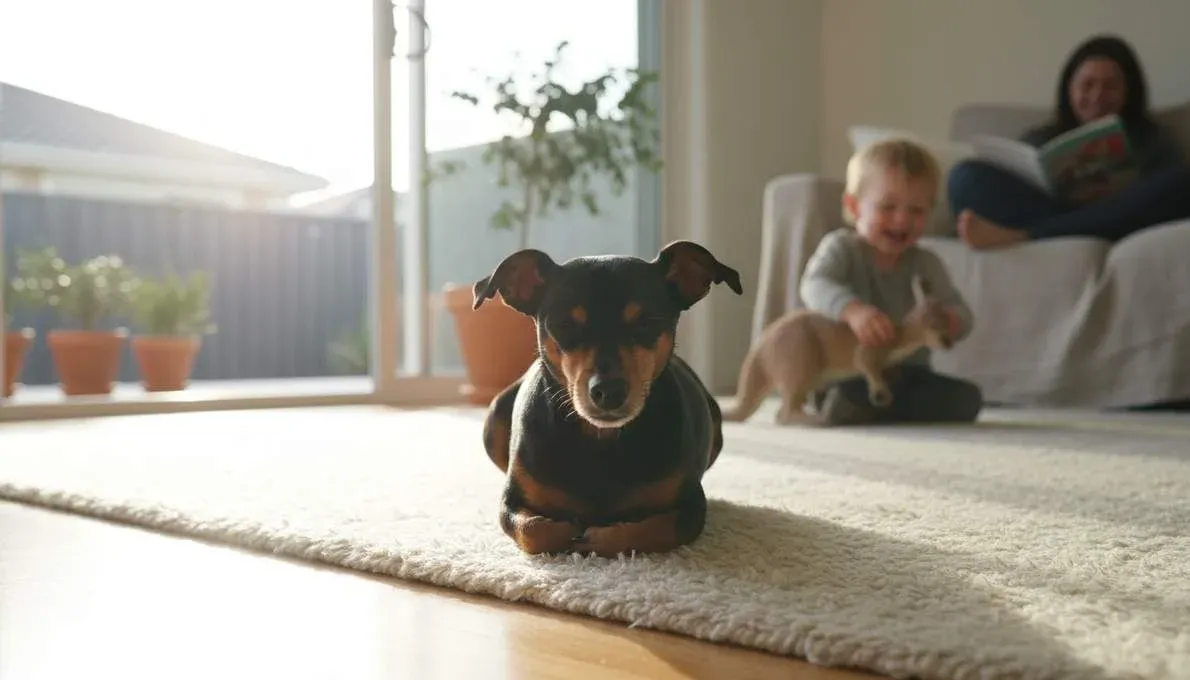
Is the English Toy Terrier Right for You?
Want a small dog with genuine personality and terrier spirit, not a trembling fashion accessory. ETTs have substance, intelligence, and attitude packed into a tiny frame.
Spend a lot of time at home or can take your dog with you. ETTs are extremely portable (they fit in airline-approved cabin carriers) and many Aussie owners take them to work, on road trips, and to outdoor dining. They’re ideal for retirees, remote workers, or anyone with a flexible schedule.
Live in an apartment or small home. Their size makes them one of the most apartment-friendly breeds, provided you manage their barking and meet their exercise needs.
Are willing to join a waiting list. This breed rewards patience. Expect to wait 6–12 months (sometimes longer) for a puppy from a reputable Australian breeder.
Leave your dog home alone for 8+ hours daily. ETTs develop separation anxiety quickly and will bark, chew, and dig their way through boredom and distress. This is the number one reason ETTs end up being rehomed.
Have very young children. A 3 kg dog is fragile. Toddlers who grab, squeeze, or fall on a dog this size can cause serious injury. ETTs do well with children who are old enough to understand gentle handling — typically age 6 and up.
Keep small pets (guinea pigs, rabbits, hamsters, rats). The prey drive is strong and instinctual. An ETT and a pet rat in the same household is an accident waiting to happen, no matter how well-trained the dog is.
Want a silent, low-key companion. ETTs bark. They bark at strangers, at noises, at possums, at things you can’t see or hear. Training helps, but you’ll never fully eliminate it. If you need a quiet dog, consider a Cavalier King Charles Spaniel or Greyhound instead.
Want to buy one immediately. With only a handful of Australian breeders producing small litters, impulse purchases aren’t possible. Anyone advertising readily available ETT puppies at suspiciously low prices is almost certainly not a responsible breeder.
The English Toy Terrier is a rare, rewarding companion for the right owner. Here’s the honest summary:
Health. Generally robust for a toy breed, but the small gene pool means specific genetic conditions (JDCM, patellar luxation, xanthinuria, vWD) require mandatory DNA testing from your breeder. A health-tested ETT from a responsible breeder should live 12–15 happy years. A poorly bred one is a gamble.
Temperament. Big personality, fierce loyalty, genuine intelligence, and a stubborn streak that keeps things interesting. Not for passive owners who want a quiet lap dog. Perfect for people who enjoy a dog with opinions.
Practicality in Australia. The breed is rare here but accessible through a small network of dedicated ANKC breeders. Expect waiting lists, thorough breeder interviews (good breeders will screen YOU as much as you screen them), and prices reflecting the breed’s scarcity. If you’re patient and prepared, the ETT is one of the most uniquely rewarding small dogs you can own in this country.
Frequently Asked Questions
What is an English Toy Terrier?
The English Toy Terrier (Black & Tan) is a small, elegant terrier breed originating from England. Developed from the now-extinct Old English Black and Tan Terrier, it was originally bred as a rat-catching dog in Victorian England. Today it’s a companion and show dog, recognised by the ANKC in the Toy Group. It stands 25–30 cm tall and weighs 2.7–3.6 kg.
What is the difference between an English Toy Terrier & a Miniature Pinscher?
They’re completely different breeds that are often confused due to their similar size and black-and-tan colouring. The English Toy Terrier is a British terrier breed with distinctive candle-flame ears and a sleek, refined build. The Miniature Pinscher (Min Pin) is a German breed from the Pinscher family, with a more muscular build, hackney-like high-stepping gait, and a broader range of permitted colours. Their temperaments differ too — Min Pins tend to be more overtly bold and energetic, while ETTs are slightly more reserved and cat-like.
What is the difference between an English Toy Terrier and a Manchester Terrier?
They share the same ancestor (the Old English Black and Tan Terrier) and are essentially the same breed split by size. The Manchester Terrier is larger (typically 5–10 kg) while the ETT is the toy version (2.7–3.6 kg). In North America, the ETT is registered as the Toy Manchester Terrier. The UK Kennel Club has even opened its stud book to allow Toy Manchester Terriers to be re-registered as ETTs to boost the breed’s gene pool.
How much does an English Toy Terrier cost in Australia?
Expect to pay $3,000–$5,000 AUD for a pet-quality puppy and $4,000–$6,000+ for show/breeding quality from an ANKC-registered breeder. Add $200–$600 for initial setup costs. The breed is rare, so prices reflect scarcity and the health testing responsible breeders invest in.
Are English Toy Terriers good apartment dogs?
Excellent apartment dogs due to their tiny size and moderate exercise needs. The main challenge is barking — they’re alert dogs that will announce visitors, noises, and anything they deem suspicious. If you live in a noise-sensitive building, invest in bark management training from puppyhood.
Do English Toy Terriers bark a lot?
Yes, they can be vocal. They’re terriers with a strong alert instinct, and barking is their default response to unfamiliar sights and sounds. Early training can reduce excessive barking significantly, but you’ll never have a completely silent ETT. It’s part of the package.
Can English Toy Terriers be left alone?
Not for extended periods. ETTs are prone to separation anxiety and genuinely suffer when isolated for long stretches. They can usually manage 3–4 hours with appropriate enrichment (puzzle toys, safe chews), but regular full-day absences require a dog walker, doggy daycare, or a companion animal.
Are English Toy Terriers hypoallergenic?
No. They have a short single coat that sheds lightly, which produces less dander than heavy-shedding breeds, but they are not considered hypoallergenic. If allergies are a concern, spend time with an ETT before committing.
Can you get a brown English Toy Terrier?
No. The breed standard permits only one colour: black and tan. The black must be deep, glossy ebony and the tan markings must appear in specific locations (muzzle, chest, legs, under the tail, and pencilling on the toes). Any other colour — including brown, chocolate, blue, or liver — is a disqualification. If someone offers you a “brown ETT,” it is either a crossbreed or a different breed entirely.
1. The English Toy Terrier (Black & Tan) Club — About English Toy Terriers, breed history, health hub, JDCM, xanthinuria, vWD, and patella luxation testing guidance: https://english-toy-terrier-club.com/
2. The Kennel Club (UK) — English Toy Terrier (Black & Tan) breed standard: https://www.thekennelclub.org.uk/breed-standards/toy/english-toy-terrier-black-tan/
3. Wikipedia — English Toy Terrier (Black & Tan) history, breed split, and vulnerable breed status: https://en.wikipedia.org/wiki/English_Toy_Terrier_(Black_%26_Tan)
4. Dogs NSW (ANKC) — English Toy Terrier breed profile and Australian history (near-extinction in the 1990s): https://www.dogsnsw.org.au/Breeds/browse-all-breeds/48/English-Toy-Terrier-(Black-&-Tan)/
5. Purina UK — English Toy Terrier (Black & Tan) breed information, health conditions, and care: https://www.purina.co.uk/find-a-pet/dog-breeds/english-toy-terrier-black-and-tan
6. University of Minnesota Canine Genetics Lab — Manchester Terrier / English Toy Terrier Health Panel (JDCM, xanthinuria, vWD research and testing): https://vetmed.umn.edu/research/research-labs/canine-genetics-lab/canine-genetics-testing/toy-manchester-terrier-english
7. Wisdom Panel — Black and Tan English Toy Terrier breed facts and temperament: https://www.wisdompanel.com/en-us/dog-breeds/english-toy-terrier-black-and-tan
8. Pets4Homes UK — English Toy Terrier health and longevity, hereditary screening recommendations: https://www.pets4homes.co.uk/pet-advice/english-toy-terrier-hereditary-health-and-longevity.html
9. A-Z Animals — English Toy Terrier breed guide, famous rat-catcher Tiny, and temperament overview: https://a-z-animals.com/animals/english-toy-terrier/