
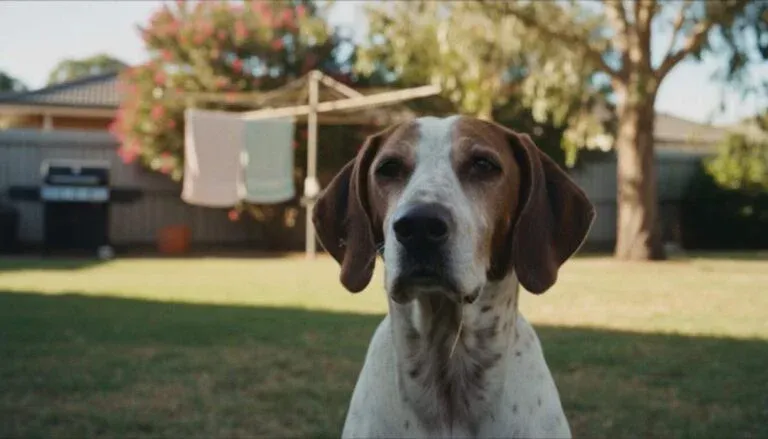
There’s a reason the English Pointer is called the “Cadillac of bird dogs.” This breed is pure elegance in motion — a sleek, athletic dog that can lock onto a scent, freeze mid-stride, and hold a perfect point while you catch up. They’ve been doing it for over 350 years.
But here’s the thing most people don’t realise until they’re in too deep: English Pointers have energy levels that make Border Collies look relaxed. These dogs were bred to run across open countryside for hours at a stretch. If you can’t match that drive, you’ll end up with a neurotic, destructive dog instead of the graceful companion you imagined.
In Australia, the English Pointer has a loyal but small following. There are dedicated ANKC-registered breeders across NSW, Victoria, Queensland, WA and South Australia producing show, field and companion dogs. The breed is well-suited to Australian hunting — particularly quail and deer — and thrives in our climate better than many European breeds, provided they have shade and water in summer.
This guide covers the honest picture: what the English Pointer temperament is really like to live with, how much they cost in Australia, the health conditions to watch for, and whether this breed fits your lifestyle. No sugar-coating.
What You’ll Learn
- Breed traits & temperament
- Health concerns to know
- True cost in Australia
- Training & exercise needs
- Is this breed right for you?
Quick Facts
| Trait | Detail |
|---|---|
| Breed Group | Gundog (ANKC Group 3) |
| Height | 63–69 cm (males); 61–66 cm (females) |
| Weight | 25–34 kg (55–75 lbs) |
| Lifespan | 12–15 years |
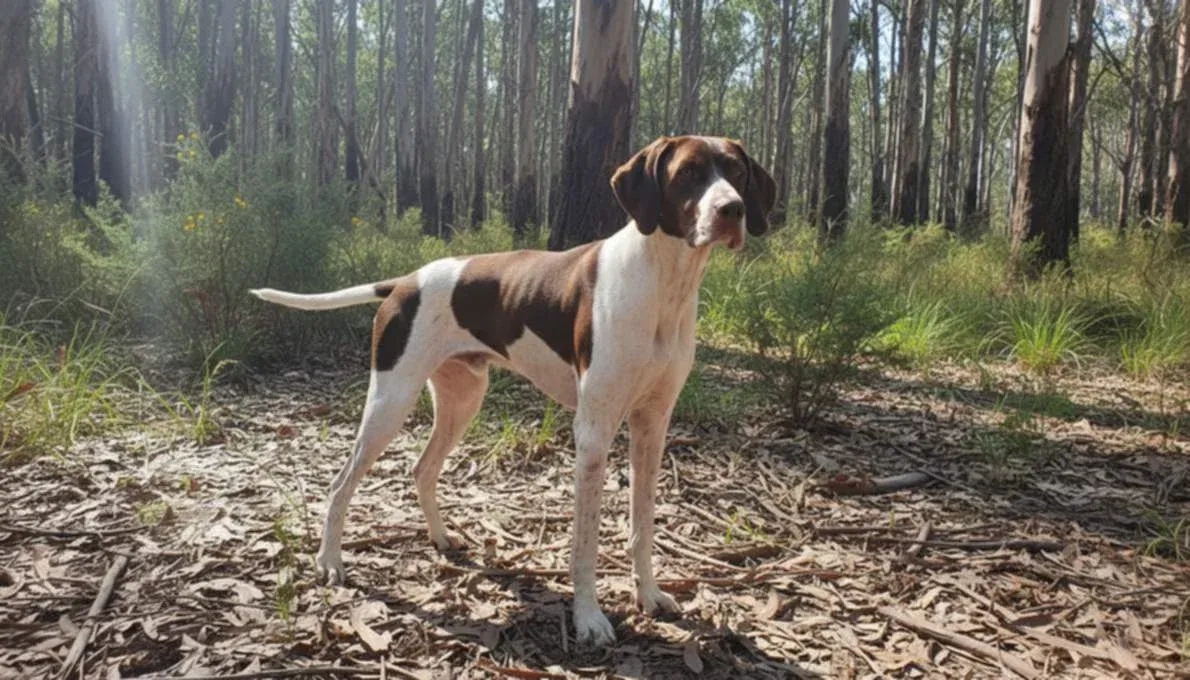
| Coat | Short, smooth, dense with a sheen |
| Colours | Liver & white, lemon & white, orange & white, black & white; solid colours; tricolour |
| Temperament | Athletic, loyal, independent, gentle, alert |
| Exercise Needs | Very high — minimum 1.5–2 hours daily of vigorous activity |
| Shedding | Moderate, year-round |
| Drooling Level | Low |
| Barking Level | Low–Moderate — will bark at prey or unusual activity |
| Good With Kids | Yes — gentle and patient (show lines calmer than field lines) |
| Good With Other Dogs | Excellent — bred as a pack hunter |
| Apartment Friendly | No — needs a large yard and daily off-lead running |
| Average Puppy Price (AUD) | $1,200–$4,000 from a registered breeder |
History & Origins of the English Pointer
The English Pointer’s origins are debated, but the most widely accepted history traces the breed to the early 1700s. Spanish Pointers were likely brought to England around 1713 by soldiers returning from the War of the Spanish Succession. These heavier, slower dogs were then crossed with Greyhounds for speed, Foxhounds for endurance and scenting ability, and Bloodhounds for an even keener nose.
Before guns were reliable enough for wing-shooting, Pointers worked alongside Greyhounds: the Pointer would locate and freeze on game (usually hares), and the Greyhounds would be released to run the quarry down. As firearms improved through the 18th and 19th centuries, breeders refined the Pointer into a faster, more agile dog that could work at range and cover enormous tracts of ground.
The breed standard was formally adopted in 1936 and has remained largely unchanged since. English Pointers are one of the earliest breeds registered with the AKC (since 1884) and are recognised by the ANKC under the Gundog Group. The name “Pointer” comes directly from their signature behaviour: freezing mid-stride with nose, body and tail aligned in a rigid line pointing towards hidden game.
In Australia, the English Pointer has been present for well over a century. There are multi-generational breeding kennels — Typhoone Kennels in Queensland has been breeding since 1945, and Arista Pointers in NSW has over 40 years of experience. The breed is used for both show and field work in Australia, with some breeders importing European working lines to maintain hunting instinct alongside conformation.
A notable English Pointer in history is Judy, a purebred Pointer who served as a ship’s dog in the Royal Navy during World War II. She became the only animal to be officially registered as a prisoner of war by the Japanese.
Temperament & Personality
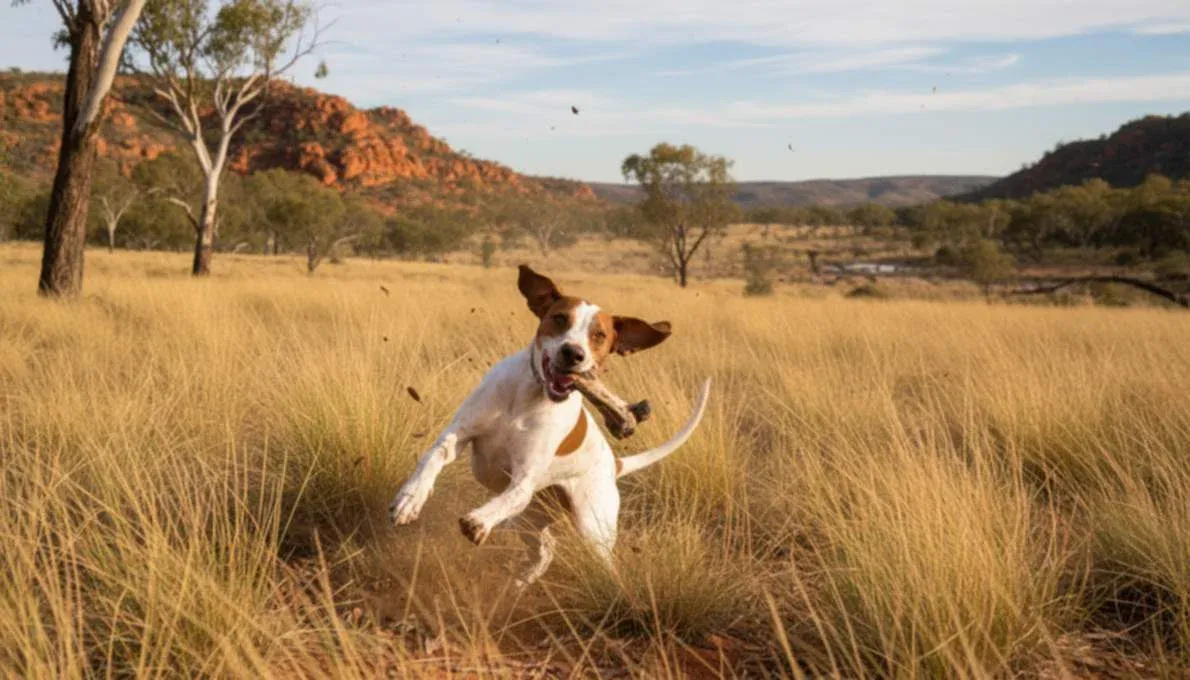
The English Pointer temperament is a fascinating mix of high-octane athlete outdoors and surprisingly calm companion indoors — provided they’ve had enough exercise. That’s the critical caveat. A well-exercised Pointer is a dream dog. An under-exercised one is a disaster.
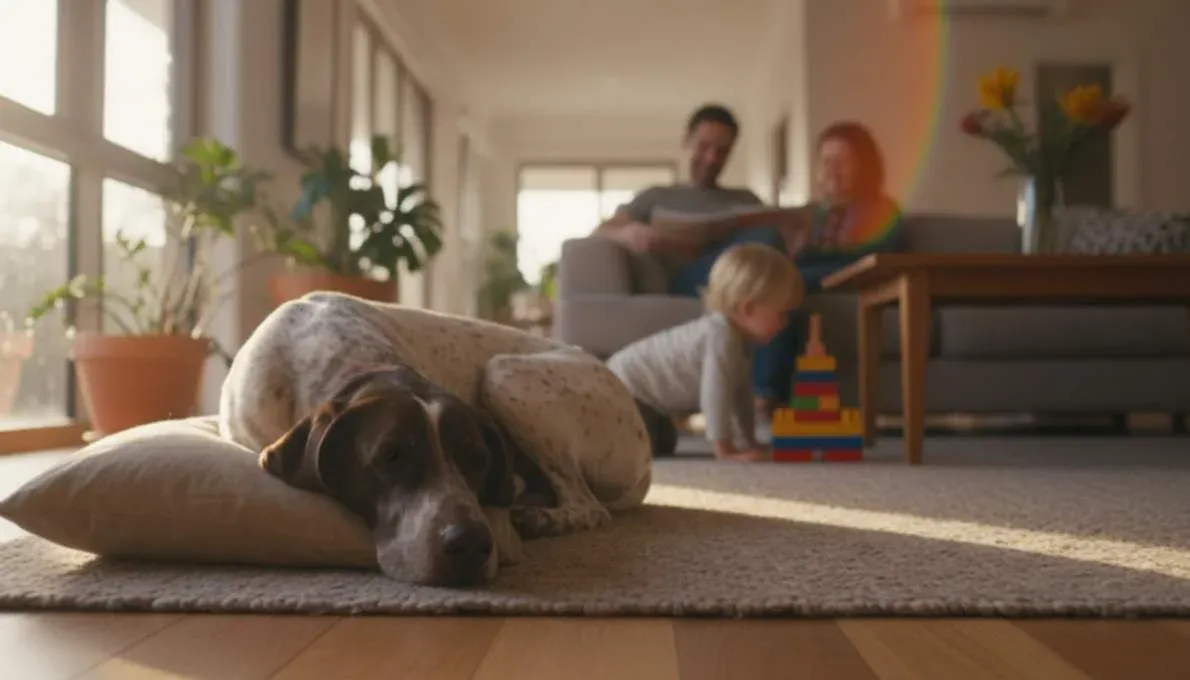
These dogs are affectionate and people-oriented without being clingy. They bond deeply with their family and are known for being gentle with children. They’re not guard dogs — they’re friendly with most strangers — but they’ll alert you to unusual activity with a bark.
Important distinction: show lines vs field lines. English Pointers from show/companion breeding are generally calmer, more biddable and easier to manage as family pets. Dogs from working field lines can be intensely driven, high-strung and difficult for inexperienced owners. Always ask the breeder which lines their dogs come from, and be honest about what you need.
English Pointers are independent thinkers. They were bred to range far ahead of the hunter, making decisions on their own about where to search. That independence shows up in training: they understand commands quickly but will sometimes decide they have better things to do. Patience and positive reinforcement are non-negotiable.
Their prey drive is strong. Pointers will point at birds, lizards, insects — anything that moves and smells interesting. Some puppies start pointing instinctively at just eight weeks old. This instinct is hardwired and cannot be trained out. If you have cats, successful coexistence requires early socialisation, though many Pointers live peacefully alongside cats they’ve been raised with.
One often-overlooked trait: English Pointers can be emotionally sensitive. They don’t respond well to harsh corrections or raised voices. They’re also prone to separation anxiety if left alone for extended periods. A second dog helps, but nothing replaces human companionship for this breed.
And yes, English Pointers shake. It’s one of the most commonly Googled questions about the breed. They shake when they’re cold (their thin coat offers minimal insulation), when they’re excited, and sometimes when they’re anxious. It’s normal Pointer behaviour, not a sign of illness — unless it’s persistent and accompanied by other symptoms.
Health & Genetic Conditions
| Condition | Risk Level | Estimated Treatment Cost (AUD) | Notes |
|---|---|---|---|
| Hip Dysplasia | Low–Moderate | $3,000–$8,000 (surgery) | Less common than in heavier breeds but still worth screening. Request hip scores from breeders. |
| Elbow Dysplasia | Low | $2,000–$6,000 (surgery per elbow) | Screening recommended. Many Australian breeders now hip and elbow score routinely. |
| Gastric Dilatation-Volvulus (Bloat/GDV) | Moderate | $3,000–$10,000 (emergency surgery) | Deep-chested breed. Feed 2–3 meals daily and avoid exercise around feeding time. |
| Progressive Retinal Atrophy (PRA) | Low | Limited treatment | Causes progressive vision loss. DNA testing is available for some forms. |
| Achromatopsia (Day Blindness) | Low | No cure | A genetic eye condition causing light sensitivity and day blindness. DNA test available through Orivet. |
| Hypothyroidism | Low–Moderate | $500–$1,500/year (medication) | Manageable with daily medication. Symptoms include weight gain, lethargy and skin issues. |
| Epilepsy | Low | $1,000–$3,000/year (medication) | Idiopathic epilepsy occurs in some lines. Lifelong medication may be required. |
| Skin Allergies | Moderate | $500–$2,000+/year | Environmental and food allergies can cause itching, ear infections and hot spots. Common in Australia. |
The best Australian English Pointer breeders — like Arista, Typhoone, Ultrafield and Applemoor — now DNA test and health-profile breeding stock through services like Orivet. Ask for hip/elbow scores and DNA results before committing to a puppy.
Pet insurance for a medium-sized breed like the English Pointer is more affordable than for giant breeds. Expect to pay $60–$120/month for comprehensive cover in Australia. A bloat emergency alone can cost $10,000+, so insurance pays for itself with a single major incident.

Lifespan & Longevity
| Life Stage | Age Range | Key Considerations |
|---|---|---|
| Puppy | 0–12 months | Socialisation and basic training are critical. High energy from day one. Expect a whirlwind. |
| Adolescent | 1–2 years | Peak energy and independence. Stubbornness increases. Consistent training and exercise are essential. |
| Adult | 2–8 years | Prime years. Maintain vigorous exercise. A well-exercised adult Pointer is calm and affectionate indoors. |
| Senior | 8–12 years | Gradual slowdown. Adjust exercise to their comfort level. Annual vet checks become more important. |
| Geriatric | 12+ years | Reduced mobility. Shorter walks, softer bedding, six-monthly vet visits. Many Pointers stay active well into their teens. |
To maximise your English Pointer’s lifespan: keep them at a healthy weight (you should easily feel ribs), maintain daily exercise appropriate to their age, and stay current on veterinary check-ups. Their long life expectancy means you’ll spend more years with this dog than many other breeds — plan accordingly.

Grooming & Care
| Grooming Task | Frequency | Product/Tool | Estimated Cost (AUD) |
|---|---|---|---|
| Brushing | 1–2 times per week | Bristle brush or hound mitt | $15–$30 |
| Bathing | Every 4–6 weeks or as needed | Gentle dog shampoo | $15–$25 |
| Ear Cleaning | Weekly | Veterinary ear cleaner | $20–$35 |
| Nail Trimming | Every 2–3 weeks | Nail clipper or grinder | $15–$40 |
| Teeth Brushing | 2–3 times per week | Enzymatic dog toothpaste | $10–$20 |
| Professional Dental Clean | Annually | Veterinary clinic | $300–$700 |
Shedding is moderate and consistent year-round. You’ll notice short, fine, white hairs on furniture and clothing. A weekly brush with a bristle brush or rubber mitt keeps it manageable. They don’t have an undercoat, so there’s no dramatic seasonal “blow.”
English Pointers are generally clean, low-odour dogs. They don’t drool, and their short coat doesn’t trap dirt the way longer-coated breeds do. Most owners find a quick wipe-down after outdoor adventures is sufficient between baths.
Exercise Needs
This is the make-or-break section for prospective English Pointer owners. If you’re not prepared to provide serious daily exercise, stop here and consider a different breed.
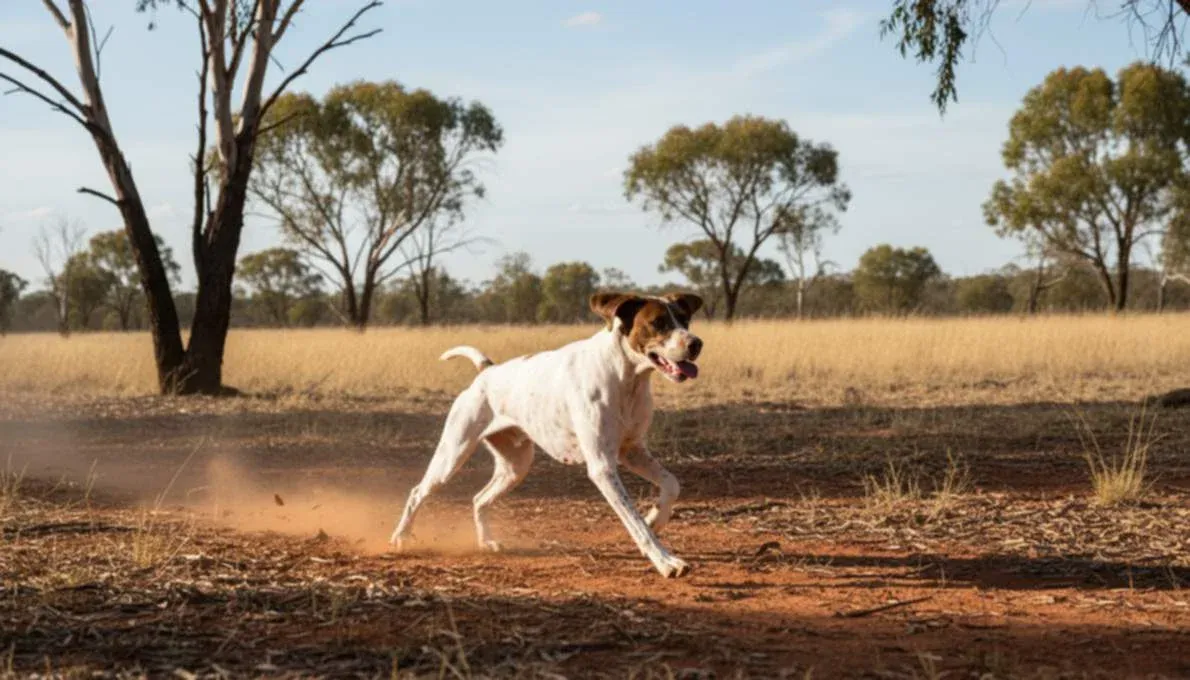
English Pointers need a minimum of 1.5–2 hours of vigorous exercise every single day. Not a stroll around the block — actual running, sprinting and free-ranging in a secure area. These dogs were built to cover kilometres of open ground at speed. A tired Pointer is a happy, well-behaved Pointer. An under-exercised Pointer is anxious, destructive and vocal.
Ideal activities include off-lead running in large fenced areas, jogging or cycling alongside you, hiking, field trials, lure coursing, agility and tracking. Mental stimulation is equally important: scent games, puzzle feeders, and varied walking routes keep their active minds engaged.
Australian climate note:
English Pointers handle Australian conditions better than many European breeds thanks to their short coat and athletic build. However, they still need shade and water during hot weather, and exercise should be shifted to early morning or evening during summer. Their thin coat also means they feel the cold — in southern states, a dog jacket for frosty winter mornings is a good investment.
A securely fenced yard is non-negotiable. English Pointers have a strong prey drive and will chase birds, cats and wildlife if given the opportunity. Standard 1.2-metre fencing is often not enough — 1.5–1.8 metres is recommended. They’re not typically diggers, but they can clear a low fence with ease.
Training Guide
| Age | Training Focus | Honest Difficulty |
|---|---|---|
| 8–16 weeks | Socialisation (critical), basic commands, crate training, name recognition | Easy–Moderate — curious, food-motivated and eager at this age |
| 4–6 months | Leash manners, recall foundations, “leave it” command, household rules | Moderate — prey drive starts to emerge; distractions increase |
| 6–12 months | Recall reinforcement, impulse control, steadiness around birds/wildlife | Moderate–Hard — adolescent independence and energy peak |
| 1–2 years | Reliable recall (ongoing), advanced obedience, canine sports introduction | Hard — consistency is everything; they test boundaries |
| 2+ years | Maintenance training, field trial work, trick training | Moderate — they settle but still need regular mental challenges |
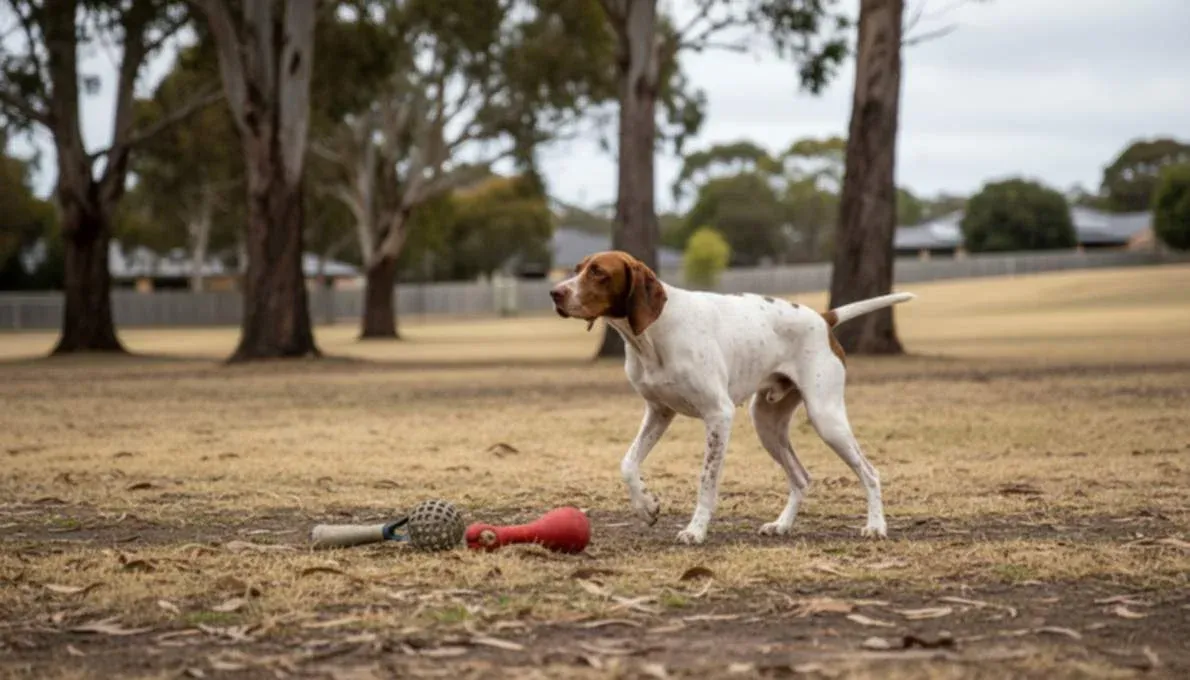
Recall is the hardest command to master with this breed. When an English Pointer locks onto a scent or spots a bird, they enter a zone where your voice barely registers. Many experienced owners use long lines for training and never fully trust their Pointer off-lead in unfenced areas near roads.
Positive reinforcement is the only approach that works consistently. English Pointers shut down with harsh corrections — they’ll become anxious or simply disengage. Short, varied training sessions (10–15 minutes) with high-value food rewards produce the best results.
Puppy socialisation classes are essential. Expose your English Pointer puppy to as many people, dogs, environments and experiences as possible between 8 and 16 weeks. This window shapes their adult temperament more than any other single factor.
Cost of Ownership (AUD)
| Expense | Estimated Annual Cost (AUD) | Notes |
|---|---|---|
| Puppy Purchase Price | $1,200–$4,000 (one-off) | ANKC registered breeders. Field-line pups and show-quality dogs at the higher end. |
| Food (premium medium/large-breed) | $1,000–$1,600/year | 3–4 cups of quality dry food daily. Active dogs need calorie-dense formulas. |
| Vet Check-ups & Vaccinations | $350–$600/year | Annual wellness exam plus boosters. More frequent for seniors. |
| Pet Insurance | $720–$1,440/year | Recommended. Medium breeds are more affordable to insure than giant breeds. |
| Flea, Tick & Worming | $250–$400/year | Monthly preventatives. Essential across all Australian climates. |
| Grooming | $50–$150/year | Minimal — mostly DIY. They’re a very low-cost breed to groom. |
| Training | $300–$800 (first year) | Puppy classes + obedience. Consider a gundog-specific trainer if you plan to hunt. |
| Fencing | $1,000–$5,000+ (one-off) | Secure, 1.5m+ fencing is essential. Budget for this before the puppy arrives. |
| Toys & Enrichment | $100–$300/year | Puzzle feeders, flirt poles, scent games. They need mental stimulation. |
| Dog Coat (cold climates) | $30–$80 (one-off) | For winter mornings in southern states. Their thin coat needs protection. |
First-year total estimate: $5,000–$12,000+ AUD
(including purchase price, setup, initial vet work and food).
Annual ongoing cost: $2,800–$5,000 AUD
(food, insurance, vet, preventatives and miscellaneous).
Rescue is possible but rare for purebred English Pointers in Australia. Check with Pointer rescue groups, your state canine council, or PetRescue.com.au. Adoption fees are typically $300–$600 including desexing, vaccinations and microchipping.
For breeder enquiries, DogzOnline (dogzonline.com.au) lists registered Australian English Pointer breeders. Notable kennels include Arista (NSW), Typhoone (QLD), Ultrafield (VIC), Applemoor (WA) and Breilla (multi-state). Always ask for hip/elbow scores, DNA testing and to meet at least one parent.
Is the English Pointer Right for You?
- Are very active — runners, hikers, cyclists or hunters who can provide 1.5–2+ hours of vigorous exercise daily
- Have a large, securely fenced yard (acreage or semi-rural is ideal)
- Want a loyal, affectionate companion that’s also an athletic partner
- Have experience with sporting or gundog breeds (or are committed to learning)
- Are home regularly — Pointers don’t do well left alone for long stretches
- Are interested in canine sports: field trials, agility, tracking or lure coursing
- Live in an apartment or home without a yard
- Work long hours and the dog will be home alone most of the day
- Want a low-energy, couch-potato dog
- Are a first-time dog owner with limited time for training and exercise
- Have cats or small animals you can’t separate from the dog (unless raised together from puppyhood)
- Expect reliable off-lead recall near wildlife or roads
If you love the Pointer type but want something different, consider the German Shorthaired Pointer (more versatile hunter, slightly heavier), the Vizsla (similar energy, more velcro temperament), or the English Setter (calmer, longer coat, same gundog heritage).
- The English Pointer is one of the most elegant, athletic and loyal sporting dogs you’ll find. Their long lifespan (12–15 years), low grooming needs and generally robust health make them a rewarding breed for the right owner.
- But “the right owner” means someone genuinely active. This is not a dog for people who think a 20-minute walk counts as exercise. Without serious daily running, the English Pointer will make your life difficult.
- For active Australian families, hunters, runners or anyone who wants a graceful, affectionate dog that’ll keep pace with an outdoor lifestyle — the English Pointer is hard to beat.
Frequently Asked Questions
Are English Pointers good family dogs?
Yes. English Pointers are gentle, affectionate and good with children, especially those from show or companion lines. They’re pack animals that thrive in a family environment. Supervision is wise with toddlers due to their energy, but they’re not rough or aggressive dogs.
Do English Pointers shed?
Moderately. They shed short, fine hairs consistently year-round. A weekly brush keeps it manageable. They’re not hypoallergenic and are not suitable for allergy sufferers.
How much does an English Pointer cost in Australia?
Expect to pay $1,200–$4,000 AUD for a puppy from a registered ANKC breeder. Field-trial and show-quality pups sit at the higher end. Annual ongoing costs run approximately $2,800–$5,000 AUD.
What is the difference between an English Pointer and a German Shorthaired Pointer?
English Pointers are leaner, faster and more specialised as pointing dogs. German Shorthaired Pointers (GSPs) are heavier, more versatile (they point and retrieve), and generally have higher energy. English Pointers have a more independent temperament; GSPs tend to be more people-focused. Both are excellent gundogs.
How long do English Pointers live?
The English Pointer lifespan is 12–15 years, with some reaching 17. This is excellent for a medium-to-large breed and one of the breed’s biggest advantages.
What colours do English Pointers come in?
English Pointer colours include liver and white, lemon and white, orange and white, black and white, and solid versions of these colours. Tricolour is also possible but less common. Brown and white is one of the most frequently seen combinations in Australia.
Are English Pointers good hunting dogs?
Absolutely. The English Pointer is considered one of the finest pointing breeds in the world. In Australia, they’re used primarily for quail and deer hunting. Their ability to range wide, locate game and hold a steady point is instinctive and starts as early as 8 weeks of age.
Do English Pointers bark a lot?
No. They’re not excessive barkers. They’ll alert you to unusual activity and may bark when they spot prey, but they’re generally quiet dogs indoors. Excessive barking usually signals boredom or insufficient exercise.
Can English Pointers be left alone?
Not for extended periods. They’re social dogs that can develop separation anxiety if left alone regularly for more than 4–5 hours. A second dog helps, but they genuinely need human interaction daily.
Why do English Pointers shake?
English Pointers shake for several reasons: they’re cold (their thin coat offers minimal insulation), excited, anxious, or sometimes just being a Pointer. It’s normal breed behaviour. Persistent shaking with other symptoms warrants a vet visit.
Where can I find English Pointer breeders in Australia?
DogzOnline (dogzonline.com.au) lists registered Australian breeders. Notable kennels include Arista (NSW), Typhoone (QLD), Ultrafield (VIC) and Applemoor (WA). Contact your state canine council for additional referrals. Always ask for health test results.
How big do English Pointers get?
English Pointer size varies: males stand 63–69 cm and weigh 25–34 kg; females are 61–66 cm and 20–30 kg. They’re a medium-to-large, athletic breed — muscular but lean, built for speed rather than bulk.
1. American Kennel Club — Pointer Breed Information: https://www.akc.org/dog-breeds/pointer/
2. Hill’s Pet — English Pointer Temperament, Personality and Characteristics: https://www.hillspet.com/dog-care/dog-breeds/english-pointer
3. Wikipedia — Pointer (dog breed): https://en.wikipedia.org/wiki/Pointer_(dog_breed)
4. Daily Paws — English Pointer Information and Characteristics: https://www.dailypaws.com/dogs-puppies/dog-breeds/english-pointer
5. WebMD Pets — What to Know About Pointers: https://www.webmd.com/pets/dogs/what-to-know-pointers
6. DogzOnline Australia — Pointer Breeders: https://www.dogzonline.com.au/breeds/breeders/pointer.asp
7. Dogster — English Pointer Dog Breed Info, Pictures, Traits & Care: https://www.dogster.com/dog-breeds/english-pointer
8. Burke’s Backyard — English Pointer: https://www.burkesbackyard.com.au/fact-sheets/pets/pet-road-tests/english-pointer/
9. DogTime — Pointer Dog Breed Information & Characteristics: https://dogtime.com/dog-breeds/pointer