
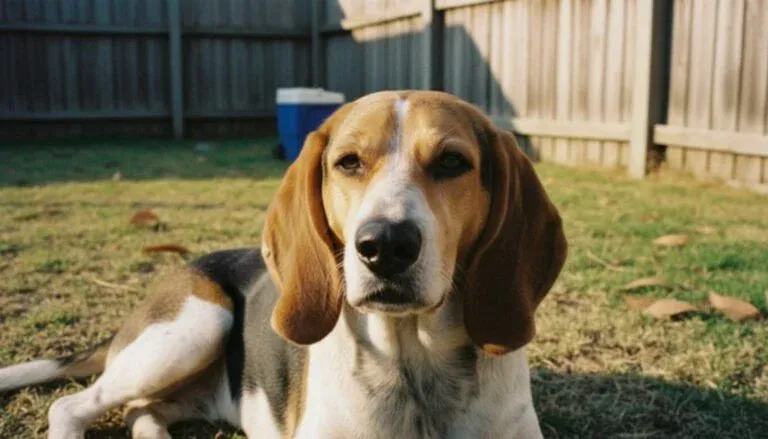
If you’ve never seen an English Foxhound in person, you’re not alone. This breed consistently ranks as one of the rarest in the world — dead last on the AKC’s popularity list most years. And honestly? That’s part of the appeal.
The English Foxhound is a powerhouse of stamina, loyalty and good nature wrapped in a short, gleaming coat. Built to run for hours across rolling countryside, these dogs were bred for the hunt — but they’ve quietly become some of the most devoted family companions you’ll find, if you can actually find one.
In Australia, English Foxhounds are even rarer than they are overseas. There are only a handful of dedicated breeders across the entire country, and waiting lists can stretch for months. But for the right owner — someone with space, patience and an active lifestyle — this breed is absolutely worth the wait.
This guide covers everything you need to know before committing: temperament truths, real AUD costs, health conditions to watch for, and honest advice on whether this breed suits your life. No sugar-coating, no filler.
What You’ll Learn
- Breed traits & temperament
- Health concerns to know
- True cost in Australia
- Training & exercise needs
- Is this breed right for you?
Quick Facts
| Trait | Detail |
|---|---|
| Breed Group | Hound (Scent Hound) |
| Height | 58–64 cm (males); 53–61 cm (females) |
| Weight | 27–34 kg (60–75 lbs) |
| Lifespan | 10–13 years |
| Coat | Short, dense, hard and glossy |
| Colours | Black, tan and white (tri-colour); lemon and white; hare pied |
| Temperament | Gentle, sociable, independent, loyal |
| Exercise Needs | Very high — minimum 2 hours daily |
| Shedding | Moderate, year-round |
| Barking Level | High — known for baying and howling |
| Good With Kids | Yes — gentle and patient with supervision |
| Good With Other Dogs | Excellent — bred as a pack hound |
| Apartment Friendly | No — needs space and a yard |
| Average Puppy Price (AUD) | $800–$2,500 from a registered breeder |
History & Origins
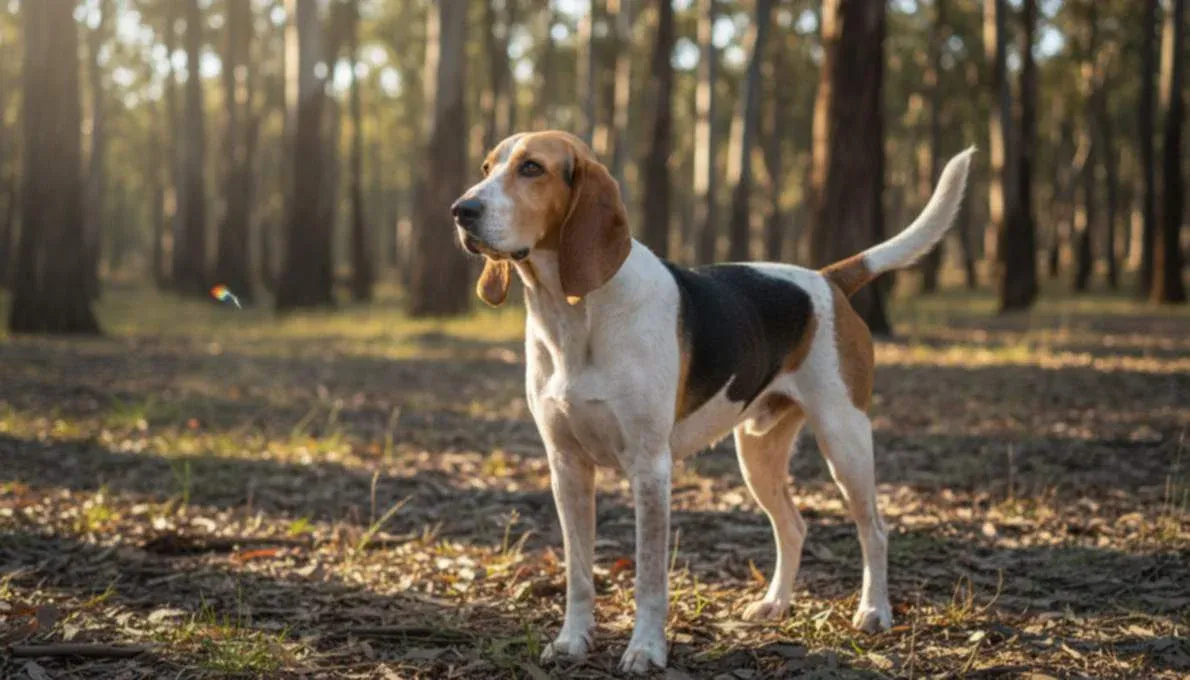
The English Foxhound’s roots trace back to 16th-century England. When Henry VIII shifted the sporting focus from deer to fox hunting, breeders needed a dog that combined speed, scenting ability and endurance. They crossed Greyhounds (for pace), Fox Terriers (for prey drive) and Bulldogs (for tenacity) with existing staghounds to create what we now know as the English Foxhound.
By the 1700s, the breed was firmly established among Britain’s aristocracy. The Masters of Foxhounds Association began keeping detailed breeding records around 1800 — making the English Foxhound one of the most meticulously documented breeds in canine history. These studbooks remain the gold standard for pedigree tracking.
Notable historical owners include George Washington and Thomas, Lord Fairfax of Virginia, both of whom kept English Foxhound packs. Washington himself played a key role in developing the American Foxhound by crossing English Foxhounds with French hounds gifted by the Marquis de Lafayette.
In Australia, the breed arrived through working hunt packs and has since established a small but passionate show and companion community. Breeders like Foxhunt Kennels have been producing champion English Foxhounds for over 27 years, and the breed has a loyal following at events like the Melbourne Royal and Adelaide Royal shows.
The AKC officially recognised the English Foxhound in 1909, and the breed is also recognised by the ANKC (Australian National Kennel Council) under the Hound Group.

Temperament & Personality
If you’re expecting a couch potato, look elsewhere. The English Foxhound temperament is driven, social and remarkably gentle — but also independent and occasionally stubborn. These dogs were bred to think for themselves on the hunt, and that independence shows up in everyday life.
At home, English Foxhounds are affectionate and surprisingly mellow once they’ve had enough exercise. They bond deeply with their families and genuinely enjoy being around people. They’re not velcro dogs that follow you room to room, but they want to be part of the action.
Their pack heritage means they thrive with other dogs. A solo English Foxhound can become bored and destructive. If you already have dogs at home, this breed will likely slot right in. They’re also good with children — gentle and tolerant — though their size and energy mean supervision is wise with toddlers.
The honest truth about the English Foxhound temperament: they bay. Loudly. Their deep, resonant howl can carry for kilometres. If you live on acreage this is charming. If you live in a townhouse with thin walls, it’s a problem. Neighbours will notice.
They can also be reserved with strangers — not aggressive, but watchful. With proper socialisation from puppyhood, this tendency softens into a confident, friendly alertness that makes them decent watchdogs, even if they’re not natural guard dogs.
One thing to be aware of: their prey drive is strong. English Foxhounds were literally built to chase. Cats, rabbits and small animals can trigger that instinct, so introductions need to be careful and supervised. Off-lead recall is notoriously difficult with this breed — once they catch a scent, your voice becomes background noise.
Health & Genetic Conditions
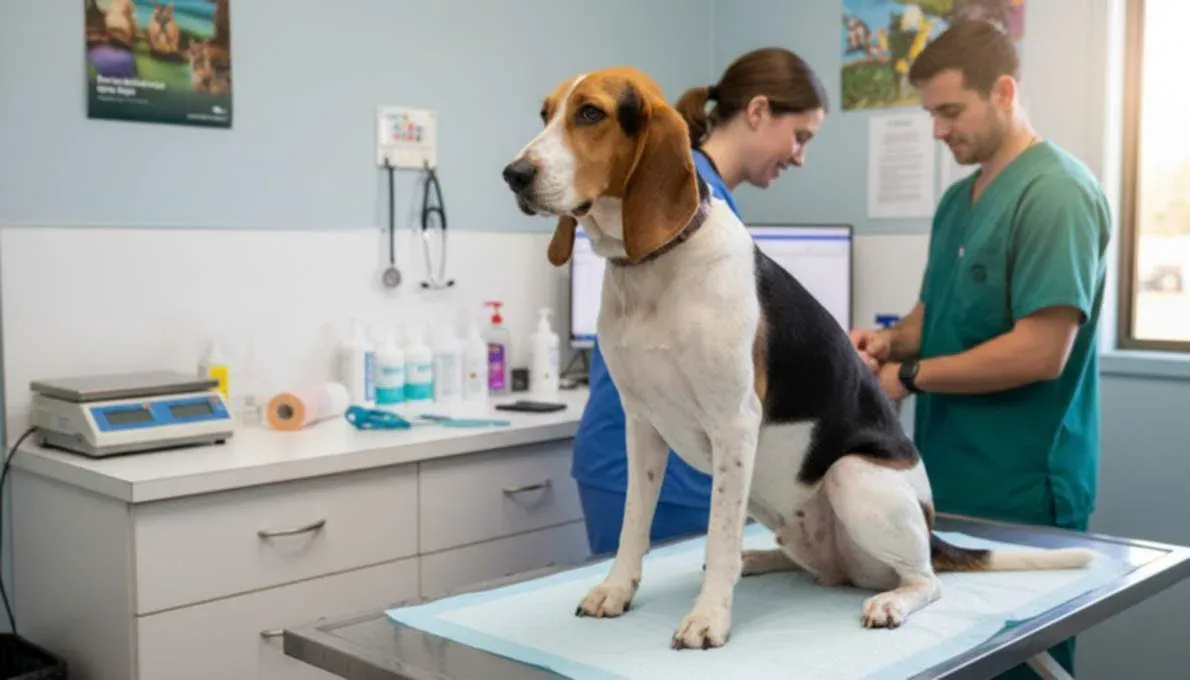
One of the best things about the English Foxhound is that they’re genuinely healthy. Centuries of selective breeding for working ability — not appearance — has given this breed a solid genetic foundation. But no breed is bulletproof, and there are a few conditions worth knowing about.
| Condition | Risk Level | Estimated Treatment Cost (AUD) | Notes |
|---|---|---|---|
| Hip Dysplasia | Moderate | $3,000–$8,000 (surgery) | More common in larger specimens. Request hip scores from breeders. |
| Gastric Dilatation-Volvulus (Bloat/GDV) | Moderate | $3,000–$10,000 (emergency surgery) | Life-threatening. Common in deep-chested breeds. Know the signs: restlessness, dry heaving, swollen belly. |
| Renal Disease (Chronic Kidney Failure) | Low–Moderate | $2,000–$6,000+/year (management) | Some bloodlines carry a genetic predisposition. Usually appears after age 10. |
| Pelger-Huët Anomaly | Low | Varies | A rare blood disorder. Carriers appear healthy but should not be bred together. |
| Ear Infections | Moderate | $150–$500 per episode | Floppy ears trap moisture. Check and clean ears weekly. |
| Elbow Dysplasia | Low | $2,000–$6,000 (surgery) | Less common than hip dysplasia but worth screening for. |
The single most important thing you can do is buy from a breeder who health-tests their breeding stock. At minimum, ask for hip and elbow scores. A good breeder will be happy to share these — and suspicious if you don’t ask.
Pet insurance is worth serious consideration for this breed. A comprehensive policy in Australia typically runs $80–$150/month for a large breed, but a single bloat emergency can cost $10,000+. That maths speaks for itself.
Lifespan & Longevity
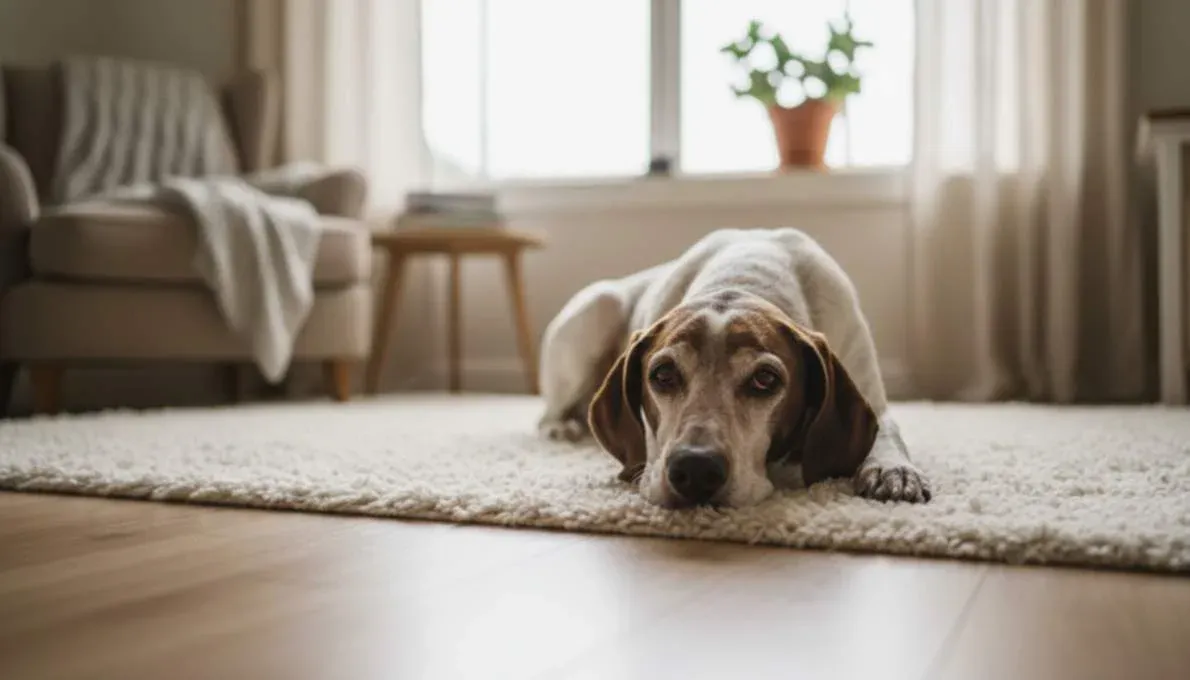
English Foxhounds have a lifespan of 10–13 years, which is solid for a dog of this size. Their working heritage has kept the breed relatively free from the exaggerated features that shorten life in some other breeds.
| Life Stage | Age Range | Key Considerations |
|---|---|---|
| Puppy | 0–12 months | Socialisation is critical. Begin training early. Avoid over-exercising growing joints. |
| Adolescent | 1–2 years | Energy peaks. Stubbornness increases. Consistent training pays off here. |
| Adult | 2–7 years | Prime years. Maintain high exercise levels and regular vet check-ups. |
| Senior | 8–10 years | Slow down gradually. Monitor weight, joints and kidney function. |
| Geriatric | 10+ years | Reduced exercise. Six-monthly vet visits. Watch for signs of renal disease. |
To maximise your English Foxhound’s lifespan, focus on three things: keep them lean (obesity is a silent killer in this breed), maintain regular exercise appropriate to their age, and stay on top of veterinary check-ups — especially kidney function blood panels from age 7 onwards.

Grooming & Care
If low-maintenance grooming is on your wish list, the English Foxhound delivers. Their short, dense coat is practically self-cleaning and doesn’t mat or tangle.
Grooming Schedule
| Grooming Task | Frequency | Product/Tool | Estimated Cost (AUD) |
|---|---|---|---|
| Brushing | Weekly | Hound mitt or bristle brush | $15–$30 |
| Bathing | Every 6–8 weeks or when dirty | Gentle dog shampoo | $15–$25 |
| Ear Cleaning | Weekly | Veterinary ear cleaner (e.g., Epi-Otic) | $20–$35 |
| Nail Trimming | Every 2–3 weeks | Guillotine or grinder-style clipper | $15–$40 |
| Teeth Brushing | 2–3 times per week | Enzymatic dog toothpaste | $10–$20 |
| Professional Dental Clean | Annually | Veterinary clinic | $300–$800 |
The ears are the number one grooming priority. English Foxhounds have floppy, low-set ears that trap warmth and moisture — a perfect environment for bacteria and yeast. Get into the habit of checking and cleaning them weekly, and dry them thoroughly after swimming or baths.
Shedding is moderate and fairly consistent year-round. A weekly brush-down with a hound mitt keeps loose hair under control and spreads natural skin oils through the coat. You won’t need a professional groomer for this breed, which saves a decent amount over its lifetime.
Exercise Needs
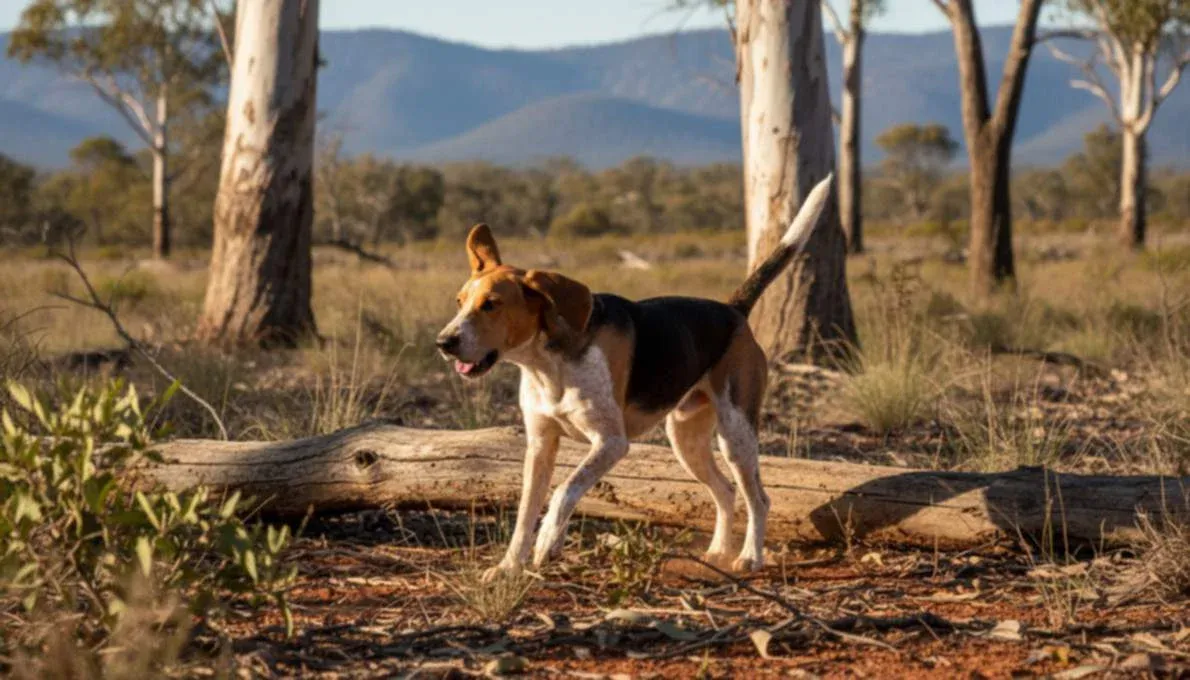
This is not a breed for casual walkers. The English Foxhound was built to run for hours across the English countryside, and that stamina hasn’t faded. Plan for a minimum of two hours of vigorous exercise every day — and more is better.
Ideal activities include long runs, hiking, cycling alongside you, or free running in a large, securely fenced area. They also excel in organised canine sports like tracking, agility and lure coursing. Mental stimulation matters too: scent games, puzzle feeders and varied walking routes keep their active minds engaged.
Australian climate warning:
English Foxhounds can struggle in extreme heat. Their dense coat and high energy levels make them vulnerable to heatstroke during Australian summers. Exercise early in the morning or after sunset during hot months. Always provide fresh water and shade. If temperatures are above 30°C, keep sessions short and watch for signs of overheating: excessive panting, drooling, or lethargy.
An under-exercised English Foxhound is a destructive English Foxhound. Without adequate physical and mental outlets, they’ll create their own entertainment — and you probably won’t like it. Chewing, digging, howling and escape attempts are all common complaints from owners who underestimated this breed’s exercise requirements.
Training Guide
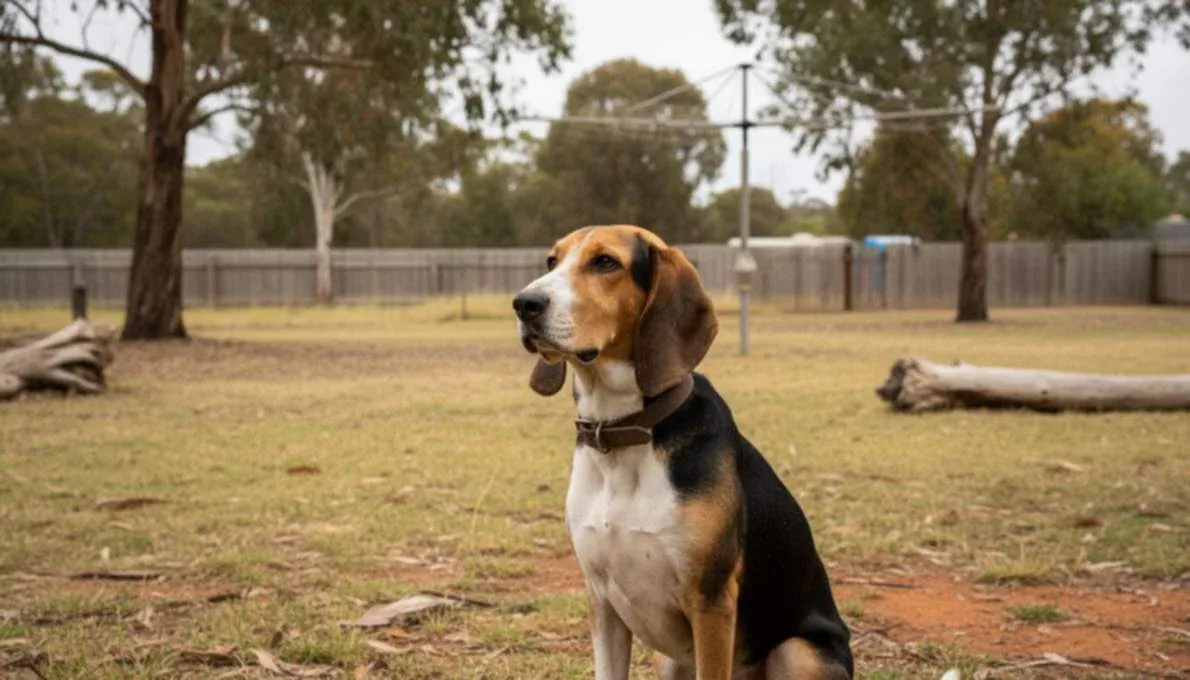
Training an English Foxhound requires patience. Lots of it. These dogs are intelligent — they understand what you’re asking — but they were bred to make independent decisions in the field, and that trait doesn’t switch off at home.
Socialisation & Training Timeline
| Age | Training Focus | Honest Difficulty |
|---|---|---|
| 8–16 weeks | Socialisation, basic commands (sit, stay, come), crate training | Moderate — they’re curious and food-motivated at this age |
| 4–6 months | Leash manners, recall foundations, household rules | Moderate–Hard — stubbornness starts to appear |
| 6–12 months | Recall reinforcement, impulse control, scent distractions | Hard — adolescent independence peaks |
| 1–2 years | Advanced obedience, off-lead reliability (if possible), canine sports | Hard — consistency is everything |
| 2+ years | Maintenance training, trick training, ongoing socialisation | Moderate — they settle but still need reminders |
Recall is the single hardest command to teach this breed. Once an English Foxhound locks onto a scent, they are essentially deaf to your calls. Many experienced owners simply never trust their Foxhound off-lead in unfenced areas — and that’s a realistic, responsible approach.
Positive reinforcement works best. These dogs respond well to food rewards and praise but will shut down entirely with harsh corrections. Keep training sessions short (10–15 minutes), upbeat and varied. Repetition bores them.
Puppy socialisation classes are non-negotiable. Given their pack heritage, English Foxhounds who miss early socialisation can become overly reserved or anxious around unfamiliar people and environments.
Cost of Ownership (AUD)
| Expense | Estimated Annual Cost (AUD) | Notes |
|---|---|---|
| Puppy Purchase Price | $800–$2,500 (one-off) | From a registered breeder. Show-quality pups at the higher end. |
| Food (premium large-breed) | $1,200–$1,800/year | 3.5–4 cups of quality dry food daily. Avoid grain-based fillers. |
| Vet Check-ups & Vaccinations | $400–$700/year | Annual wellness exam plus boosters. More frequent for seniors. |
| Pet Insurance | $960–$1,800/year | Highly recommended for large, deep-chested breeds. |
| Flea, Tick & Worming | $250–$400/year | Monthly preventatives. Essential in Australian climates. |
| Grooming | $50–$150/year | Minimal — mostly DIY with a hound mitt and ear cleaner. |
| Training | $300–$800 (first year) | Puppy classes plus ongoing obedience. Budget more for a hound. |
| Fencing & Property | $1,000–$5,000+ (one-off) | Secure, high fencing is essential. These dogs can jump and dig. |
| Toys & Enrichment | $100–$300/year | Puzzle feeders, chew toys, scent games. |
First-year total estimate: $5,000–$12,000+ AUD
(including purchase price, setup costs and initial vet work).
Annual ongoing cost: $3,000–$5,500 AUD
(food, insurance, vet, preventatives and miscellaneous).
Adoption is another option, though rare for this breed. Rescue organisations that specialise in hounds occasionally have English Foxhound mixes available, typically for $300–$600 including desexing, vaccinations and microchipping.
For breeder enquiries in Australia, start with DogzOnline (dogzonline.com.au) or contact the relevant state canine council for a list of registered English Foxhound breeders.
Is the English Foxhound Right for You?
- Have a large, securely fenced property (acreage is ideal)
- Are active and can commit to 2+ hours of daily exercise
- Already have other dogs — they thrive in multi-dog homes
- Have experience with independent, hound-type breeds
- Don’t mind vocal dogs (baying, howling)
- Are patient with training and comfortable with slow progress on recall
- Live in an apartment, townhouse or home without a yard
- Work long hours and the dog will be home alone regularly
- Have cats, rabbits or other small animals (unless raised together from puppyhood)
- Want a dog that’s reliable off-lead in open areas
- Are a first-time dog owner with no hound experience
- Have noise-sensitive neighbours
If you’re comparing breeds, the Beagle is a smaller, more apartment-friendly hound alternative. The American Foxhound is slightly taller and leaner but shares many traits. The Harrier sits somewhere between a Beagle and an English Foxhound in size and energy.
- The English Foxhound is one of the healthiest, most good-natured large breeds you’ll find — but they’re not a casual pet. They need space, exercise and a patient owner who respects their independent streak.
- In Australia, finding a reputable breeder takes time and planning. Expect waiting lists. This is a breed you commit to well before a puppy arrives.
- For the right home — active, experienced, rural or semi-rural — the English Foxhound is a loyal, joyful companion that’ll keep you moving for the next decade-plus.
Frequently Asked Questions
Are English Foxhounds good family dogs?
Yes. English Foxhounds are gentle, affectionate and good with children. They were bred as pack animals and naturally enjoy being part of a group. Supervision is recommended with very young kids due to the dog’s size and energy level.
Do English Foxhounds bark a lot?
They don’t bark in the traditional sense — they bay. It’s a deep, carrying howl that can travel for kilometres. They’ll alert you to strangers, interesting scents and sometimes nothing at all. This is a vocal breed.
How much does an English Foxhound cost in Australia?
Expect to pay $800–$2,500 AUD for a puppy from a registered breeder. Prices vary depending on lineage, breeder reputation and whether the pup is show or companion quality. Annual ownership costs run approximately $3,000–$5,500 AUD.
Can English Foxhounds be left alone?
Not for extended periods. They’re social dogs that were bred to work alongside others. Prolonged isolation leads to boredom, destructive behaviour and excessive howling. A second dog helps, but they still need human interaction daily.
Do English Foxhounds shed?
Moderately. Their short, dense coat sheds consistently year-round. A weekly brush with a hound mitt keeps it manageable. They’re not hypoallergenic.
What is the difference between an American Foxhound and an English Foxhound?
The English Foxhound is stockier, with a broader build and heavier bone. The American Foxhound is taller, leaner and generally faster. Temperament is similar, but English Foxhounds tend to be slightly calmer in the home. Both have strong prey drives and baying voices.
Are English Foxhounds aggressive?
No. They are one of the least aggressive breeds. They may be reserved with strangers but are not prone to aggression. Proper socialisation from puppyhood ensures a confident, well-adjusted dog.
How long do English Foxhounds live?
The typical English Foxhound lifespan is 10–13 years. This is above average for a large breed and reflects the breed’s overall robust health.
Are English Foxhounds good with cats?
It depends. Their prey drive is strong, and small, fast-moving animals can trigger a chase response. English Foxhounds raised with cats from puppyhood often coexist peacefully, but introductions with adult dogs should be cautious and supervised.
Where can I find English Foxhound breeders in Australia?
Start with DogzOnline (dogzonline.com.au), which lists registered Australian breeders. Notable kennels include Foxhunt Kennels and Bellarell. Contact your state canine council for additional referrals. Expect waiting lists — this is a rare breed.
1. American Kennel Club — English Foxhound Breed Information: https://www.akc.org/dog-breeds/english-foxhound/
2. PetMD — English Foxhound Health and Care: https://www.petmd.com/dog/breeds/english-foxhound
3. Hill’s Pet — English Foxhound Temperament, Personality and Characteristics: https://www.hillspet.com/dog-care/dog-breeds/english-foxhound
4. Wisdom Panel — English Foxhound Breed Facts: https://www.wisdompanel.com/en-us/dog-breeds/english-foxhound
5. Daily Paws — English Foxhound Information and Characteristics: https://www.dailypaws.com/dogs-puppies/dog-breeds/english-foxhound
6. DogzOnline Australia — Foxhound Breeders: https://www.dogzonline.com.au/breeds/breeders/foxhound.asp
7. WebMD Pets — What to Know About English Foxhounds: https://www.webmd.com/pets/dogs/what-to-know-about-english-foxhounds
8. Petfinder — English Foxhound Breed Profile: https://www.petfinder.com/dogs-and-puppies/breeds/english-foxhound/
9. The Kennel Club UK — Foxhound Breed Standard: https://www.thekennelclub.org.uk/search/breeds-a-to-z/breeds/hound/foxhound/