
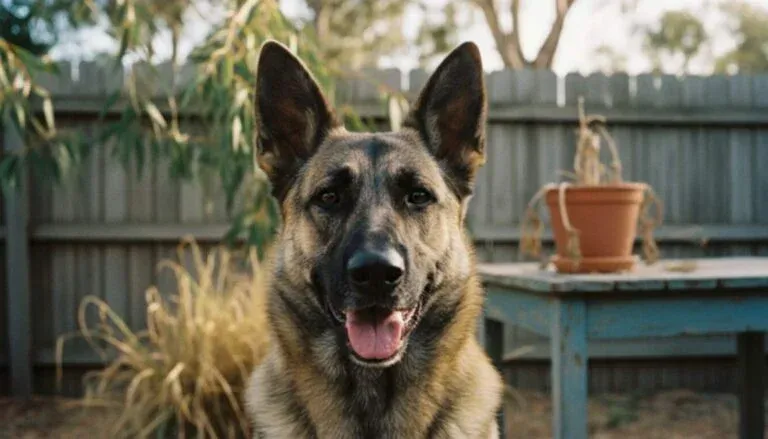
When police units, military handlers, and search-and-rescue teams around the world need a dog that won’t quit — they don’t always reach for the breed you’d expect. They reach for the Dutch Shepherd Breed.
Born from the working farms of the Netherlands, this brindle-coated powerhouse spent centuries herding livestock, guarding homesteads, and pulling carts — before the modern world discovered what it had been overlooking. Here was a dog of almost eerie intelligence, a relentless drive to work, and an adaptability that makes other “versatile” breeds look like specialists.
Yet despite all of that, most people can’t even name the breed when they walk past one. That’s about to change. Whether you’re a working dog enthusiast, a prospective owner, or simply someone who appreciates excellence in four-legged form — this is the Dutch Shepherd’s moment.
What You’ll Learn
- Breed traits & temperament
- Health concerns to know
- True cost in Australia
- Training & exercise needs
- Is this breed right for you?
Breed Quick Facts Table
| Attribute | Detail |
|---|---|
| ANKC Group | Working (Group 5) |
| Size | Males 57–62 cm, Females 55–60 cm |
| Weight | Males 25–32 kg, Females 20–28 kg |
| Coat Types | Short-haired, Long-haired, Rough-haired (Wire) |
| Colours | Gold brindle, Silver brindle (always brindle) |
| Lifespan | 11–14 years |
| Temperament | Loyal, intelligent, alert, independent, protective |
| Exercise Needs | 90–120 minutes daily (high energy) |
| Grooming | Low to moderate (varies by coat type) |
| Drool Level | Low |
| Shedding | Moderate (heavy seasonal twice yearly) |
| Good for First-Time Owners | Not ideal – suits experienced handlers |
| Australian Price (Registered) | $3,000–$5,000+ (very limited availability) |
| Working/Protection Lines | $5,000–$15,000+ (imported bloodlines) |
| Rescue/Adoption | Extremely rare – check PetRescue, breed-specific rescues |
| Key Health Note | Generally very healthy; screen hips, elbows, eyes |
Breed Overview and History
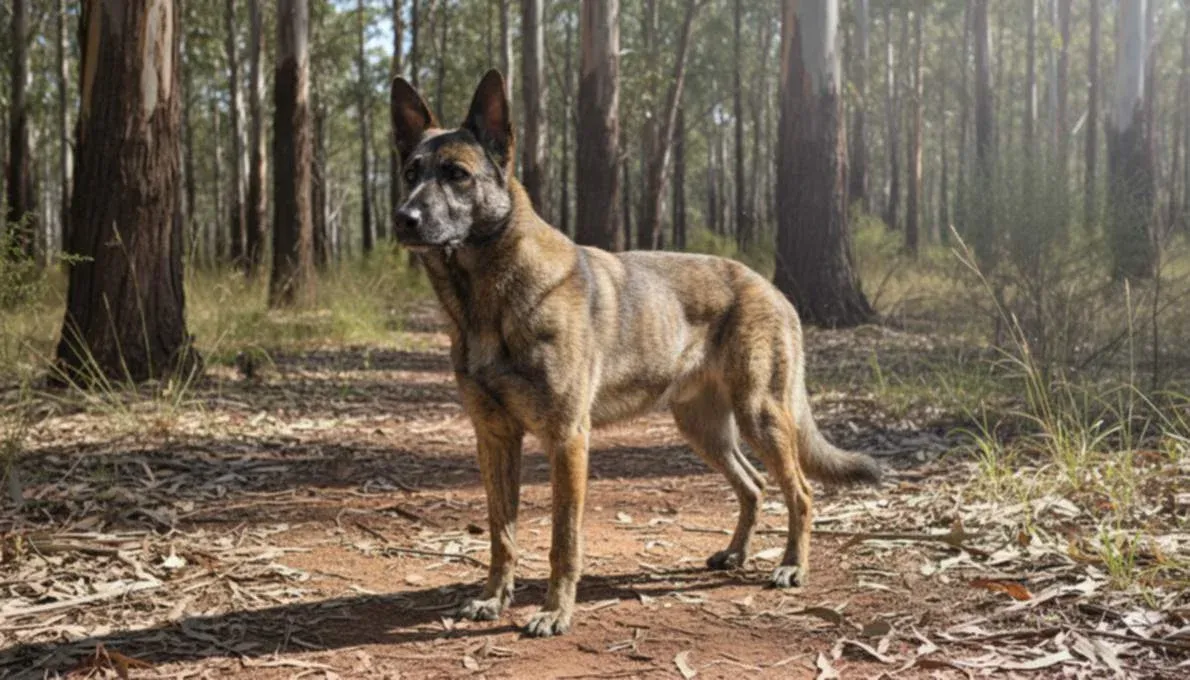
The Dutch Shepherd Dog is a medium-sized, athletic herding breed that originated in the rural Netherlands during the 1800s. Originally developed as an all-purpose farm dog, the Dutch Shepherd served as a livestock herder, property guardian, cart puller, and family watchdog. Their versatility and intelligence made them indispensable to Dutch farmers who needed a single dog capable of performing multiple roles across harsh rural landscapes.
The breed’s first standard was written in 1898, and at that time, any coat colour was acceptable. In 1914, the standard was revised to permit only brindle colouring, distinguishing the Dutch Shepherd from its close relatives—the German Shepherd and Belgian Shepherd breeds. This brindle-only requirement remains to this day and is the breed’s most recognisable visual feature. The dog breed Dutch Shepherd comes in three coat varieties: short-haired, long-haired, and rough-haired (wire-coated), each with distinct grooming needs and subtle temperament differences.
The Second World War devastated the breed’s population. Breeding programmes halted across the Netherlands, dogs perished from starvation, and the German military seized many animals. By the 1950s, the Dutch Shepherd was nearly extinct. Dedicated breeders worked tirelessly to restore numbers, though the breed remains rare worldwide—even in its native Netherlands.
In Australia, the Dutch Shepherd was added to the ANKC (Dogs Australia) registry in March 2010, making it a relatively recent arrival in the Australian purebred landscape. There are very few registered breeders nationally, with Darkceltic Dutch Shepherds (VIC) among the most established. Several working-line kennels also operate outside the ANKC system, importing dogs from European KNPV (Royal Dutch Police Dog Association) bloodlines for protection, detection, and sport work.
Today, Dutch Shepherd dogs have transitioned from farm utility to elite working roles. They serve as police dogs, military working dogs, search and rescue operatives, detection dogs, and service animals worldwide. Their natural athleticism, keen intelligence, and strong work ethic make them one of the most capable working breeds in existence—often described as a more versatile, slightly calmer alternative to the Belgian Malinois.
Dutch Shepherd Dog Temperament
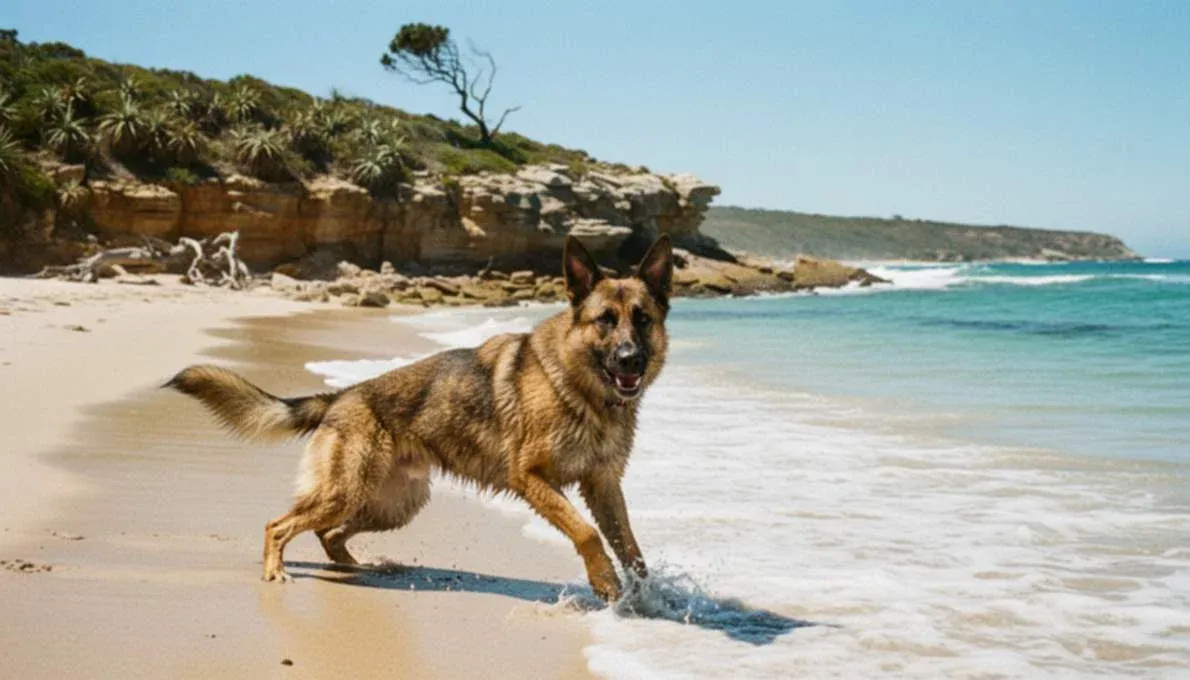
The Dutch Shepherd dog temperament is a compelling blend of loyalty, intelligence, and independent thinking. These are naturally alert, watchful dogs who bond deeply with their families while maintaining the ability to assess situations and act decisively—a trait inherited from centuries of independent farm work.
Are Dutch Shepherds good family dogs? Yes, when properly socialised and exercised, they make devoted, affectionate family companions. They are typically wonderful with children, combining gentleness with a protective instinct that makes them natural guardians of their household. The Dutch Shepherd family dog thrives on inclusion—these are not dogs that cope well with being isolated in a backyard. They want to be part of family activities and will follow their people from room to room.
Dutch Shepherds are naturally reserved with unfamiliar people, though not aggressive. They take time to assess new visitors before warming up. Early and ongoing socialisation is essential to prevent this natural caution from developing into suspicion or reactivity.
Most Dutch Shepherds coexist well with other dogs and household pets when introduced properly, particularly when raised together from puppyhood. Their herding instinct may occasionally surface as attempts to “manage” smaller animals or children, which can be redirected through training.
One of the most frequently praised traits of the Dutch Shepherd, especially compared to the Belgian Malinois, is their ability to switch between high-drive working mode and calm household companion. Dutch Shepherd owners often describe their dogs as “a Malinois with an off switch”—capable of intense work and focus during training or tasks, then settling quietly at home once the job is done.
Dutch Shepherds were bred to make decisions without constant human direction, and this independent streak persists. They can be stubborn during training, testing boundaries to see if commands are truly necessary. This is not defiance—it’s intelligence. It does, however, mean they need experienced, consistent handlers who can channel this thinking ability productively.
Guard, Protection, and Working Roles
Are Dutch Shepherds good guard dogs? Absolutely. Their natural alertness, territorial instinct, and physical capability make them outstanding guardians. The Dutch Shepherd guard dog is valued not for aggression, but for its ability to assess threats accurately and respond proportionally—barking to alert for minor concerns and standing ground or physically intervening only when genuinely necessary.
The Dutch Shepherd police dog has earned an exceptional reputation worldwide. Law enforcement agencies across Europe, North America, and increasingly Australia select Dutch Shepherds for patrol, detection, and apprehension work. Their keen nose, athletic build, and trainability make them natural fits for these demanding roles. Similarly, the Dutch Shepherd military dog serves in armed forces globally, performing detection, tracking, and protection duties in conflict zones.
As a Dutch Shepherd protection dog, the breed excels in personal and property protection. Several Australian kennels specialise in training Dutch Shepherds for family protection, producing dogs that integrate seamlessly into household life while providing a genuine security presence. Working-line Dutch Shepherds from KNPV bloodlines are particularly sought after for this role.
The Dutch Shepherd service dog is gaining recognition in assistance roles, including mobility support, psychiatric assistance, and guide work. Their intelligence, calm indoor demeanour, and strong bond with handlers make them well-suited to these roles, though their exercise requirements must be carefully managed.
Health and Common Conditions
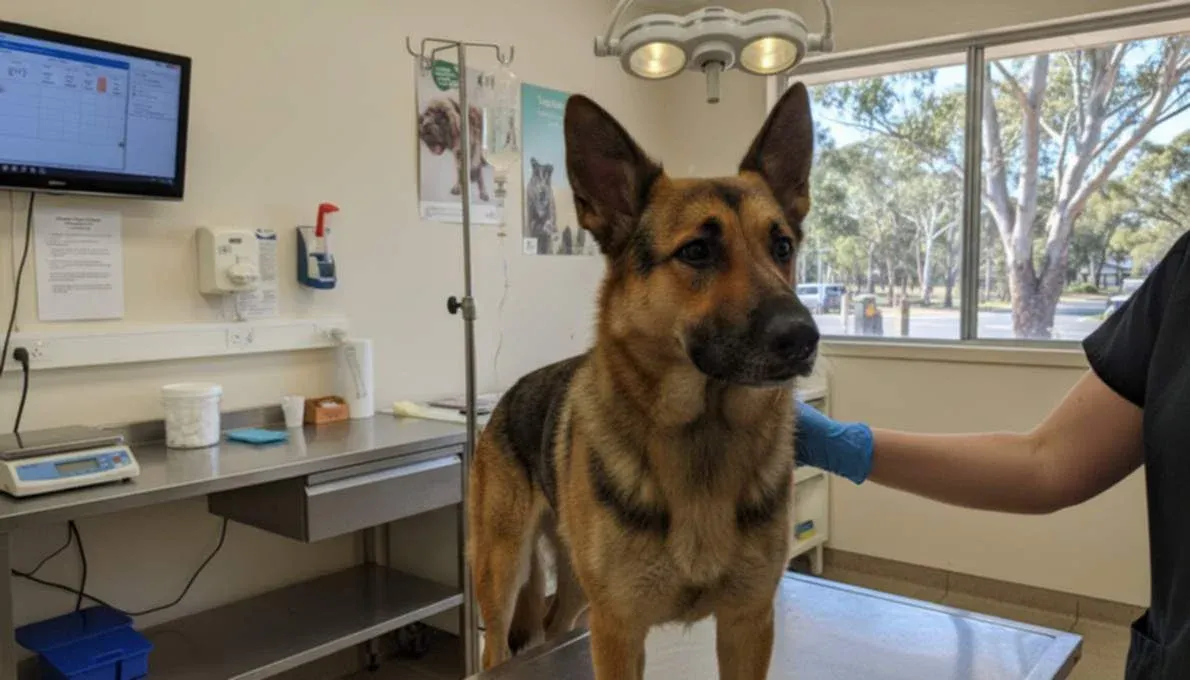
The Dutch Shepherd is regarded as one of the healthiest herding breeds, benefiting from a relatively diverse gene pool and careful breeding practices. The Dutch Breed Club’s proactive approach—including encouraging all dogs meeting minimum standards to breed, thereby maintaining genetic diversity—has helped keep hereditary disease rates comparatively low. However, as with any breed, certain conditions do occur and responsible ownership means understanding what to watch for.
Health Conditions and Costs (AUD)
| Condition | Details | Estimated AUD Cost |
|---|---|---|
| Hip Dysplasia | Abnormal hip joint development causing pain, lameness, and arthritis. OFA data shows 8.9% incidence in Dutch Shepherds—lower than German Shepherds but higher than Belgian Malinois. Screen both parents. | $1,500–$7,000 (surgical) |
| Elbow Dysplasia | Abnormal elbow joint development. OFA reports 2.5% incidence—quite low for a herding breed. Can cause lameness and early-onset arthritis. | $2,000–$5,000 (surgical) |
| Goniodysplasia | Eye condition affecting fluid drainage, potentially causing glaucoma and blindness. Primarily affects rough-haired variety. Mandatory screening in Netherlands. | $500–$3,000 (treatment) |
| Degenerative Myelopathy (DM) | Progressive spinal cord disease similar to ALS in humans. Linked to SOD1 gene mutation. DNA test available and strongly recommended before breeding. No cure. | $200–$500/year (management) |
| Thyroid Conditions | Hypothyroidism more common in long-haired variety. Causes lethargy, weight gain, coat changes. Easily managed with daily medication once diagnosed. | $300–$800/year (medication) |
| von Willebrand Disease (Type 1) | Mild blood clotting disorder affecting some long-haired Dutch Shepherds. DNA test available. Most affected dogs live normally; inform vet before surgery. | $100–$300 (testing) |
| Allergies/Atopy | Environmental allergies causing skin irritation and itching. Affects ~10% of all dogs. Usually appears between 1–4 years. Manageable with medication and environmental controls. | $500–$2,000/year (ongoing) |
| Inflammatory Myopathy | Recently identified condition causing progressive muscle inflammation, weakness, and atrophy. Onset typically 3–8 months. Autosomal recessive—DNA test now available through University of Minnesota. | Varies (specialist care) |
| Masticatory Myositis | Inflammation of jaw muscles causing difficulty eating. Treatable with immunosuppressive therapy if caught early. | $500–$2,000 (treatment) |
| Inflammatory Bowel Disease | Chronic GI inflammation causing vomiting, diarrhoea, weight loss. Reported at low rates in the breed. Managed with diet and medication. | $500–$2,000/year (ongoing) |
Recommended health screening: The American Dutch Shepherd Association recommends hip evaluation, elbow evaluation, and ophthalmologist examination for all breeding stock. DNA testing for degenerative myelopathy (SOD1) and inflammatory myopathy is strongly advised. For rough-haired dogs, goniodysplasia screening is essential. Long-haired dogs should be tested for thyroid function and von Willebrand disease. In Australia, expect to pay $300–$600 for hip and elbow scoring via PennHIP or ANKC/OFA schemes, $50–$150 per DNA test, and $200–$400 for a specialist ophthalmology exam.
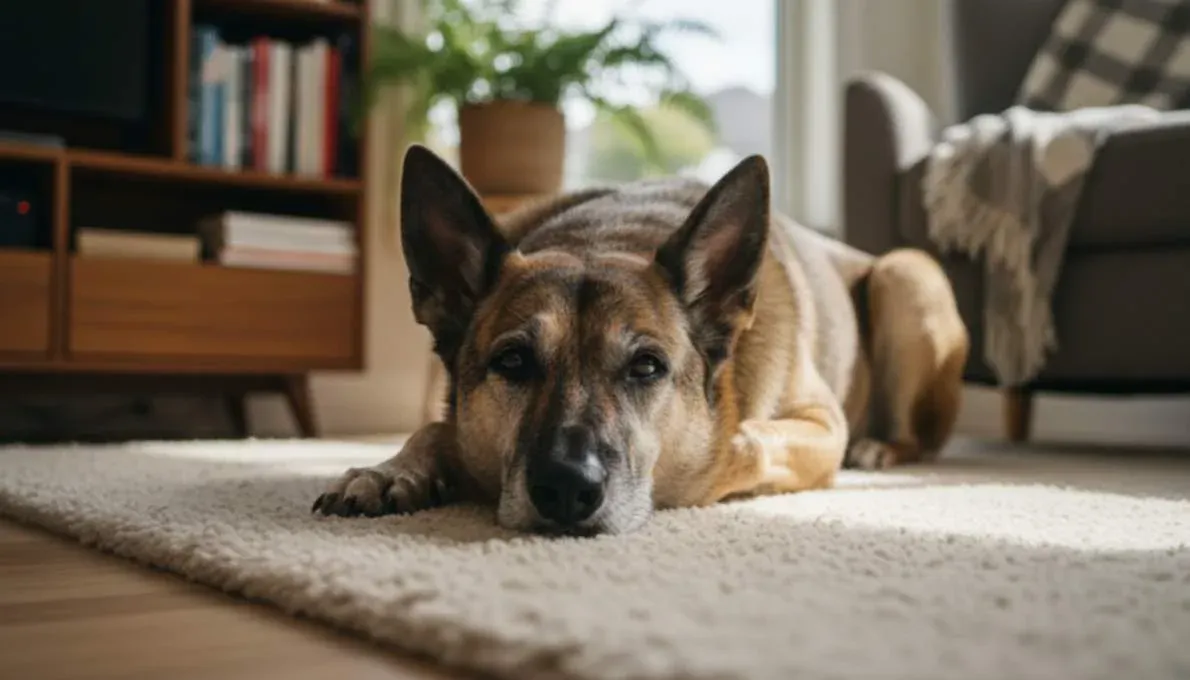
Lifespan and Longevity
The Dutch Shepherd Dog enjoys a robust lifespan of 11–14 years, with some sources citing up to 15 years for exceptionally well-cared-for individuals. This places them firmly in the longer-lived range for medium-to-large breeds and reflects their generally excellent genetic health.
Age-Specific Care Guide
| Age | Care Priorities | Veterinary Focus |
|---|---|---|
| 0–12 months | Complete vaccination schedule, desexing discussion, begin socialisation and basic obedience, establish exercise routine appropriate to growth | Vaccinations, microchip, puppy health check, parasite prevention |
| 1–3 years | Peak energy period—ensure adequate exercise and mental stimulation. Advanced training and sport introduction. Monitor for allergy onset. | Annual health check, dental assessment, parasite prevention |
| 3–7 years | Physical prime. Maintain exercise and training engagement. Watch for early signs of joint issues if active in high-impact sports. | Annual health check, hip/elbow assessment if not done earlier, dental care |
| 7–10 years | Transitioning to senior. May gradually reduce exercise intensity. Monitor weight. Watch for thyroid changes in long-haired dogs. | Biannual health checks, senior blood panel, joint supplements if needed |
| 10–14+ years | Senior care. Adjust exercise to comfort level. Monitor for DM symptoms (rear leg weakness). Maintain quality of life as priority. | Biannual vet visits, comprehensive blood work, mobility support |
Factors that support longevity include maintaining a healthy weight (obesity significantly shortens lifespan in all breeds), providing consistent exercise, feeding a high-quality diet, keeping up with preventative veterinary care, and sourcing from breeders who prioritise health testing and genetic diversity.
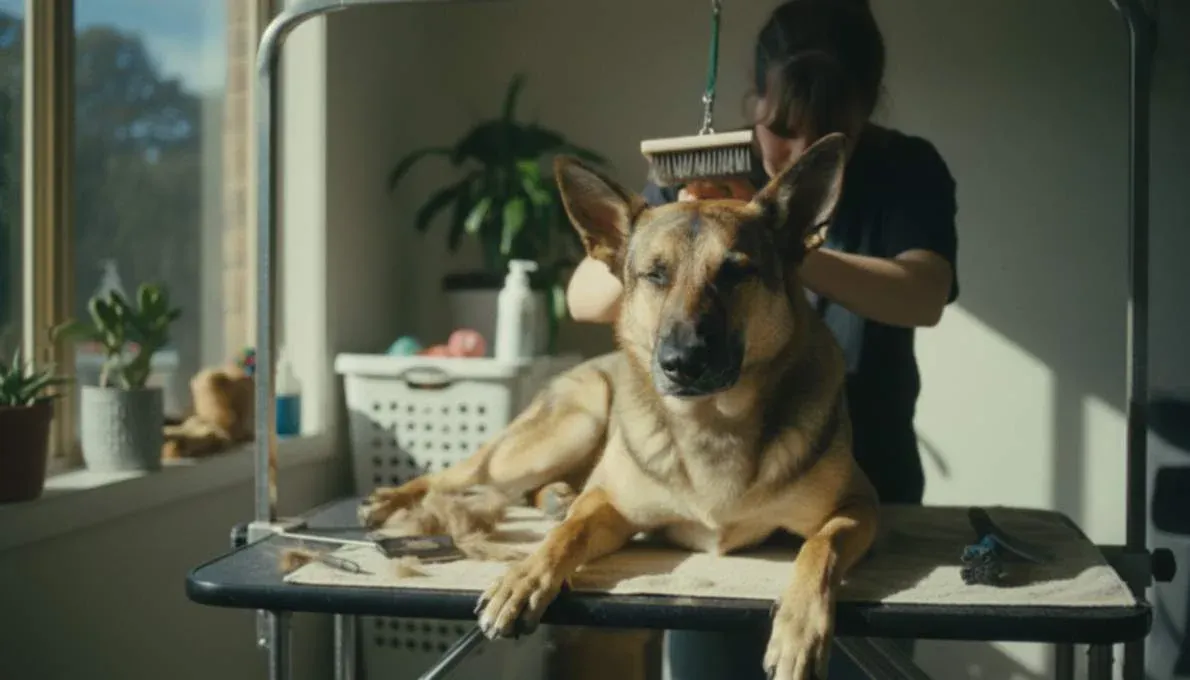
Coat Types and Grooming
Grooming requirements for Dutch Shepherd dogs vary significantly depending on coat type, and understanding your specific variety’s needs is important for maintaining coat health and managing shedding.
| Coat Type | Description | Grooming Needs |
|---|---|---|
| Short-haired | Hard, close-fitting coat with woolly undercoat. Visible ruff, breeches, and tail plume. Most common variety. | Brush 2–3 times weekly; daily during heavy shedding. Minimal professional grooming needed. |
| Long-haired | Long, straight, harsh coat without curls. Woolly undercoat. Distinct ruff and breeches. | Brush weekly (more during shedding). Check for mats behind ears and on breeches. Occasional professional trim. |
| Rough-haired | Dense, harsh, tousled coat. Woolly, dense undercoat. Distinct eyebrows, moustache, and beard. | Brush several times weekly. Professional hand-stripping twice yearly essential. Do not clipper—ruins coat texture. |
General grooming for all varieties: All Dutch Shepherds shed moderately year-round with two heavier seasonal blows, typically in spring and autumn. During these periods, daily brushing is necessary to manage loose undercoat. Bathing is needed only every few months or when visibly dirty—over-bathing strips natural coat oils. Trim nails monthly, clean ears weekly (especially important after outdoor work), and brush teeth two to three times weekly. Professional grooming costs in Australia typically run $60–$100 per session for short and long-haired varieties, and $80–$150 for rough-haired dogs requiring hand-stripping.
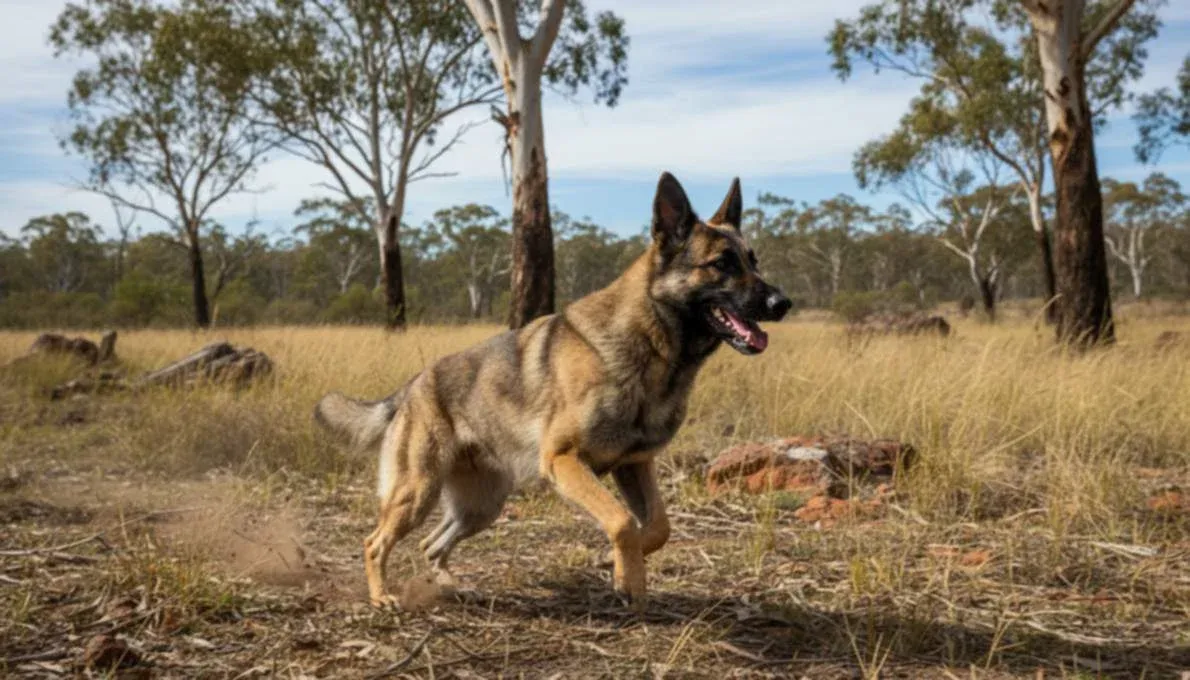
Exercise and Activity Needs
The Dutch Shepherd is a high-energy working dog that requires significant daily exercise—90 minutes to two hours minimum. This is a breed built for endurance and purpose; a couple of short walks around the block will not satisfy their physical or mental needs. Insufficient exercise is the primary cause of behavioural problems in Dutch Shepherds, including destructive chewing, excessive barking, digging, and restlessness.
Ideal exercise routine: A combination of structured walks or runs (30–60 minutes), off-lead play or training sessions (30–45 minutes), and mental enrichment activities (15–30 minutes). Dutch Shepherds excel at and genuinely enjoy dog sports including agility, tracking, herding trials, obedience, rally, nosework, and protection sports (IPO/IGP). Providing a “job”—even a simulated one like daily training challenges or scent games—is essential for this breed’s mental wellbeing.
Australian climate considerations: Dutch Shepherds tolerate a wide range of weather conditions thanks to their double coat, but extreme Australian summer heat requires management. Exercise during the cooler early morning and late evening hours from November through March. Provide constant access to shade and fresh water. Swimming is an excellent low-impact exercise option that many Dutch Shepherds enjoy. Be particularly careful with rough-haired dogs in hot weather, as their dense coats retain more heat.
Puppy exercise: Limit structured exercise for Dutch Shepherd dog puppies to prevent joint damage during development. The general guideline is five minutes of exercise per month of age, twice daily, until around 12–18 months when growth plates close. Free play on soft surfaces is fine; avoid repetitive high-impact activities like jumping, long runs on hard surfaces, or intensive agility until physically mature.
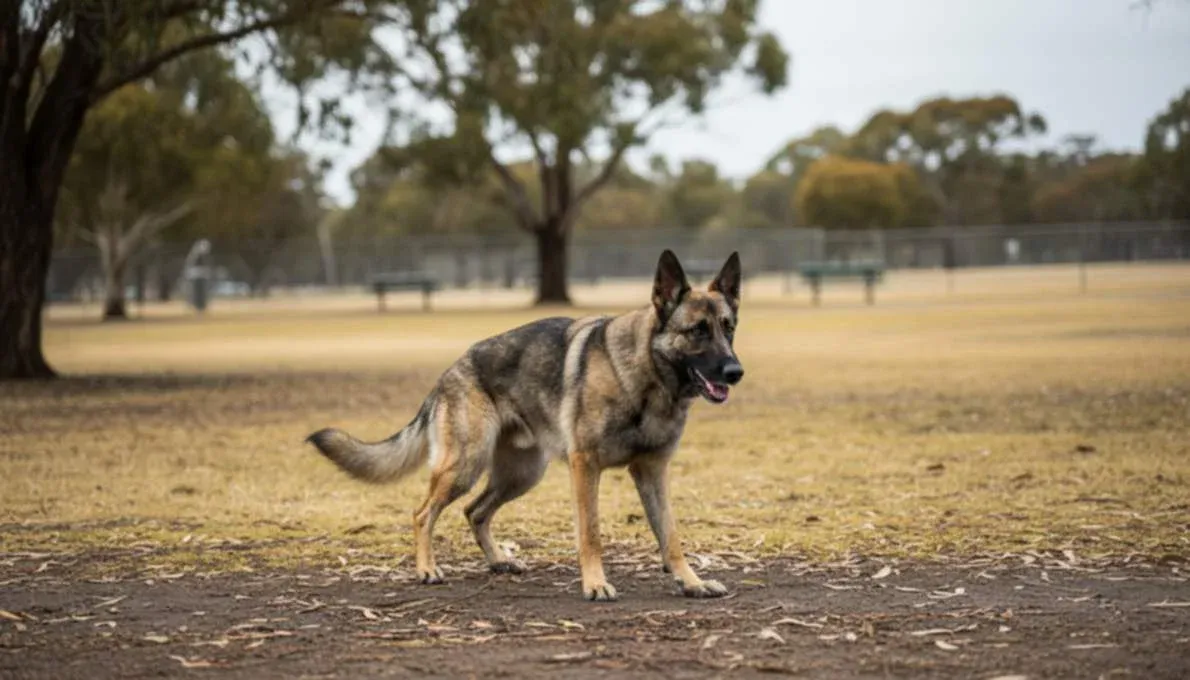
Training and Socialisation
Dutch Shepherd dog training is both highly rewarding and occasionally challenging. These are exceptionally intelligent dogs—among the most trainable breeds in existence—but their independent thinking means they may question commands they perceive as pointless. This is not stubbornness in the traditional sense; it’s a working dog evaluating whether a task makes sense. Successful Dutch Shepherd training respects this intelligence by keeping sessions varied, purposeful, and engaging.
Key training principles: Positive reinforcement is the foundation. Dutch Shepherds are highly responsive to reward-based methods using food, toys, and praise. Harsh corrections or intimidation are counterproductive and can damage the bond of trust essential to this breed’s performance. Keep sessions short (10–15 minutes for puppies, 20–30 minutes for adults), varied, and always end on a success. Dutch Shepherds bore quickly with repetitive drills—challenge their minds by introducing new tasks, increasing complexity, and incorporating problem-solving elements.
Socialisation: Critical and non-negotiable. Dutch Shepherd puppies should be exposed to a wide variety of people, animals, environments, sounds, and experiences between 3–16 weeks of age. Continue socialisation throughout adolescence and into adulthood. A well-socialised Dutch Shepherd is confident and discerning; a poorly socialised one may become reactive, anxious, or inappropriately suspicious of normal everyday situations.
Training Milestones and Costs
| Age | Training Focus | Estimated AUD Cost |
|---|---|---|
| 8–12 weeks | Puppy kindergarten, name recognition, sit, recall basics, crate training, toilet training, handling exercises | $200–$400 (puppy school) |
| 3–6 months | Basic obedience (sit, drop, stay, come, leave it), lead manners, continued socialisation, impulse control exercises | $300–$600 (group classes) |
| 6–12 months | Intermediate obedience, distraction proofing, off-lead reliability, introduction to sport or job training | $400–$800 (advanced group/private) |
| 12+ months | Advanced obedience, sport-specific training (agility, tracking, protection), ongoing skill maintenance | $100–$200/session (private specialist) |
Dutch Shepherd Dog vs Belgian Malinois
The Dutch Shepherd dog vs Belgian Malinois comparison is one of the most common questions from prospective working-dog owners, and for good reason—these breeds share close ancestry and many physical similarities. Both originated as herding dogs in the Low Countries, both serve in police and military roles worldwide, and both are medium-sized, athletic, and highly intelligent. However, meaningful differences exist.
| Attribute | Dutch Shepherd | Belgian Malinois |
|---|---|---|
| Origin | Netherlands (1800s farm dogs) | Belgium, city of Malines (1800s herding) |
| Size | 55–62 cm, 20–32 kg | 56–66 cm, 25–34 kg (slightly larger) |
| Coat | Always brindle; short, long, or rough | Always short; fawn, red, or mahogany |
| Lifespan | 11–14 years | 12–14 years |
| Energy Level | Very high (with “off switch”) | Extremely high (often “always on”) |
| Temperament | Independent, calm at home, discerning | Intense, handler-focused, driven |
| Trainability | Excellent but may question commands | Excellent and highly biddable |
| First-Time Suitability | Not ideal | Definitely not recommended |
| Availability in Australia | Very rare, few registered breeders | More available, established breeders |
The essential difference often comes down to intensity. Dutch Shepherds generally offer more of a household companion alongside their working capability, while the Malinois is often described as a dog that lives to work. For families seeking a versatile, active dog that can also settle at home, the Dutch Shepherd may be the better fit. For handlers wanting maximum drive and focus for professional working roles, the Malinois often has the edge.
Ownership Costs in Australia
The Dutch Shepherd dog price in Australia reflects the breed’s extreme rarity. With very few ANKC-registered breeders operating nationally, expect significant waiting lists and premium pricing. Working-line dogs imported from European KNPV bloodlines command substantially higher prices, particularly when purchased as trained or partially trained protection or detection dogs.
Upfront Costs
| Item | Estimated AUD Cost |
|---|---|
| Registered pet puppy (ANKC) | $3,000–$5,000 |
| Show/breeding quality (full register) | $5,000–$8,000+ |
| Working-line puppy (imported bloodlines) | $5,000–$15,000+ |
| Trained protection dog | $15,000–$40,000+ |
| Rescue/adoption (extremely rare) | $300–$800 |
| Initial veterinary (vaccinations, microchip, desexing) | $500–$1,200 |
| Essential supplies (crate, bed, bowls, lead, toys) | $400–$800 |
Annual Ongoing Costs
| Expense Category | Estimated Annual AUD Cost |
|---|---|
| Premium dog food (active breed formula) | $1,000–$2,000 |
| Veterinary care (annual check-ups, vaccinations) | $250–$500 |
| Parasite prevention (flea, tick, heartworm) | $300–$600 |
| Pet insurance | $600–$1,200 |
| Grooming (varies by coat type) | $200–$600 |
| Training and sport activities | $500–$2,000 |
| Joint supplements (preventative, adult dogs) | $200–$400 |
| Toys, treats, enrichment, miscellaneous | $200–$500 |
| Total Annual Estimate | $3,250–$7,800 |
Lifetime cost estimate: Over a typical 11–14 year lifespan, total ownership costs (excluding purchase price) range from approximately $40,000 to $110,000+, depending on health, lifestyle, and sport/training involvement. Dutch Shepherds who compete in dog sports or undergo professional working-dog training will sit at the higher end.
Finding a Dutch Shepherd Dog in Australia
Finding Dutch Shepherd dog puppies in Australia requires patience and research. This is one of the rarest breeds in the country, and the difference between a reputable breeder and an unscrupulous seller is significant—particularly given the high prices involved.
Start with Dogz Online (dogzonline.com.au), which lists ANKC-registered Dutch Shepherd breeders. Dogs Victoria (dogsvictoria.org.au) and Dogs NSW (dogsnsw.org.au) also maintain breed directories. Expect waiting lists of 6–12 months or longer. A reputable breeder will provide ANKC pedigree papers, evidence of health testing (hip and elbow scores, DNA tests, eye examinations), a puppy contract, lifetime breeder support, and will want to interview you about your suitability as an owner.
Several Australian kennels specialise in working-line Dutch Shepherds from imported KNPV bloodlines. These dogs are bred primarily for drive, temperament, and working capability rather than conformation showing. Kennels like Kampftrieb Dutch Shepherds (SA), Ausczylwik Kennels (QLD Sunshine Coast), and Schutzshep (national) have established reputations. Working-line pups may or may not come with ANKC papers depending on the breeder’s registration status.
Dutch Shepherd dogs for sale through rescue channels are extremely rare in Australia. PetRescue (petrescue.com.au) occasionally lists Dutch Shepherd crosses. The Malinois and Dutch Shepherd Rescue operates internationally and may have Australian contacts. Given the breed’s rarity, rescue is unlikely to be a viable path for most prospective owners, but it’s always worth checking.
Be wary of breeders who cannot provide health test results, who have multiple litters available simultaneously, who will sell to anyone without screening, or who price puppies dramatically below market rate. With such a rare and valuable breed, puppy scams are a real risk—never send money without verifying the breeder in person or through trusted referrals.
Is the Dutch Shepherd Right for You?
You lead an active lifestyle and can commit to 90–120 minutes of daily exercise. You have experience with working or herding breeds. You enjoy training and are willing to invest time in ongoing mental stimulation. You want a versatile, intelligent dog that excels at a “job”—whether that’s dog sport, protection work, or structured activities. You have a securely fenced yard. You understand that this is a rare breed requiring patience to source and a financial commitment to purchase.
You work long hours and the dog would be left alone regularly. Your household is sedentary or low-energy. You are a first-time dog owner without access to experienced mentorship. You want a dog that is immediately friendly and outgoing with all strangers. You live in an apartment without access to adequate exercise areas. You are not prepared for a dog that thinks independently and occasionally challenges your instructions.
Belgian Malinois (higher drive, more availability), German Shepherd (more common, similar versatility), Australian Kelpie (Australian-bred working dog with exceptional drive), Border Collie (outstanding trainability, lower guarding instinct), or Labrador Retriever (family-friendly, highly trainable, lower intensity).
Breeding Dutch Shepherds in Australia carries unique responsibilities given the breed’s rarity and the need to maintain genetic diversity in a small population. The Dutch Breed Club’s philosophy of encouraging all dogs meeting minimum standards to participate in breeding—specifically to preserve genetic diversity—should guide Australian breeders as well.
Minimum health testing before breeding: Hip and elbow scoring (PennHIP or ANKC/OFA schemes), DNA testing for degenerative myelopathy (SOD1 gene) and inflammatory myopathy, ophthalmologist examination, and goniodysplasia screening for rough-haired dogs. Long-haired dogs should also be tested for von Willebrand disease and thyroid function. All results should be recorded with Dogs Australia’s ORCHID heritable diseases database.
Given the very small Australian population, imported genetics play an important role in maintaining diversity. Breeders should work collaboratively—sharing health data, coordinating matings to avoid inbreeding, and prioritising breed health over any single aesthetic or performance goal. Litter sizes typically range from 6–10 puppies, and maternal care is generally straightforward, though first-time mothers benefit from experienced breeder supervision.
The Dutch Shepherd Dog is a remarkable breed that offers exceptional versatility, intelligence, and loyalty to the right owner. For experienced, active handlers who can meet their substantial exercise and mental stimulation needs, they are unparalleled working partners and devoted family companions. Their natural protective instincts, combined with a discerning temperament, make them outstanding guardians without the excessive intensity sometimes seen in other protection breeds.
However, this is not a breed for everyone. Their rarity in Australia means long waiting lists and premium pricing. Their independent thinking requires confident, consistent training. Their high energy demands a lifestyle built around activity and engagement. For first-time dog owners, apartment dwellers, or those seeking a low-maintenance pet, the Dutch Shepherd is likely not the right choice.
If you have the experience, time, and resources to commit to this breed, you’ll be rewarded with one of the most capable, trainable, and loyal dogs in existence. The Dutch Shepherd represents the pinnacle of working dog versatility—equally at home in police work, dog sports, or as an active family member—provided their considerable needs are met.
Frequently Asked Questions
What is a Dutch Shepherd dog?
The Dutch Shepherd is a medium-sized herding breed originating from the Netherlands. Recognised by their distinctive brindle coat, they come in three varieties—short-haired, long-haired, and rough-haired. Originally farm dogs, they now excel as police dogs, military working dogs, protection dogs, service animals, and active family companions. They are classified in the Working Group (Group 5) by the ANKC in Australia.
Are Dutch Shepherds good family dogs?
Yes, Dutch Shepherds can be excellent family dogs for active, experienced households. They are loyal, affectionate, and typically wonderful with children. However, they require significant daily exercise (90–120 minutes), consistent training, and early socialisation. They are not recommended for first-time dog owners or sedentary families.
Are Dutch Shepherds good guard dogs?
Dutch Shepherds are outstanding natural guardians. They are alert, territorial, and protective without being unnecessarily aggressive. Their combination of intelligence, physical capability, and discernment makes them highly valued as both personal and property protection dogs worldwide.
How much does a Dutch Shepherd dog cost in Australia?
Dutch Shepherd dog price in Australia ranges from $3,000 to $5,000+ for an ANKC-registered pet puppy, $5,000 to $15,000+ for working-line puppies from imported bloodlines, and $15,000 to $40,000+ for trained protection dogs. Rescue is extremely rare. The breed’s scarcity in Australia drives premium pricing and long waiting lists.
What is the difference between a Dutch Shepherd and a Belgian Malinois?
While closely related, the Dutch Shepherd is always brindle-coated (vs the Malinois’s solid fawn/red), comes in three coat varieties (vs one), and is generally described as slightly calmer with a better household “off switch.” The Malinois tends to be slightly larger, more intense in drive, and more widely available. Both excel as working dogs, though the Malinois is more commonly used in professional law enforcement.
Are Dutch Shepherds dangerous or aggressive?
Dutch Shepherds are not inherently dangerous or aggressive. They are naturally protective and reserved with strangers, which requires proper socialisation and training to manage. A well-bred, well-socialised Dutch Shepherd is a confident, discerning dog—not an aggressive one. Aggression in any breed is typically the result of poor breeding, inadequate socialisation, or inappropriate handling.
How long do Dutch Shepherds live?
Dutch Shepherds typically live 11–14 years, which is a strong lifespan for a medium-to-large breed. Some well-cared-for individuals reach 15 years. Their longevity reflects generally excellent genetic health, particularly compared to more heavily bred shepherd breeds.
Can you get a Dutch Shepherd in Australia?
Yes, but with difficulty. Dutch Shepherds are very rare in Australia, with only a handful of ANKC-registered breeders—primarily in Victoria and Queensland. Several working-line kennels also breed from imported KNPV bloodlines. Expect significant waiting times (6–12+ months) and be prepared to travel interstate. The breed was only added to the ANKC registry in 2010.
1. Wikipedia – Dutch Shepherd – https://en.wikipedia.org/wiki/Dutch_Shepherd
2. PetMD – Dutch Shepherd Dog Breed Health and Care – https://www.petmd.com/dog/breeds/dutch-shepherd
3. Dogster – Dutch Shepherd Dog Breed Information – https://www.dogster.com/dog-breeds/dutch-shepherd
4. Chewy – Dutch Shepherd Breed: Characteristics, Care & Photos – https://www.chewy.com/education/dog-breeds/dutch-shepherd
5. Vrijheid Dutch Shepherds – Health Information – https://www.dutchshepherds.us/health
6. Dogs Victoria – Dutch Shepherd Breed Information – https://dogsvictoria.org.au/choosing-a-breed/browse-all-breeds/145/Dutch-Shepherd/
7. Dogs NSW – Dutch Shepherd Breeds – https://www.dogsnsw.org.au/Breeds/browse-all-breeds/145/Dutch-Shepherd/
8. Dogs Australia – Breed Standard – https://dogsaustralia.org.au/breed/detail/86
9. Dogz Online – Dutch Shepherd Dog Breeders – https://www.dogzonline.com.au/breeds/breeders/dutch-shepherd.asp
10. Ausczylwik Dutch Shepherds (QLD) – https://ausczylwik.com.au/
11. Orthopedic Foundation for Animals – Dutch Shepherd Statistics – https://ofa.org/