
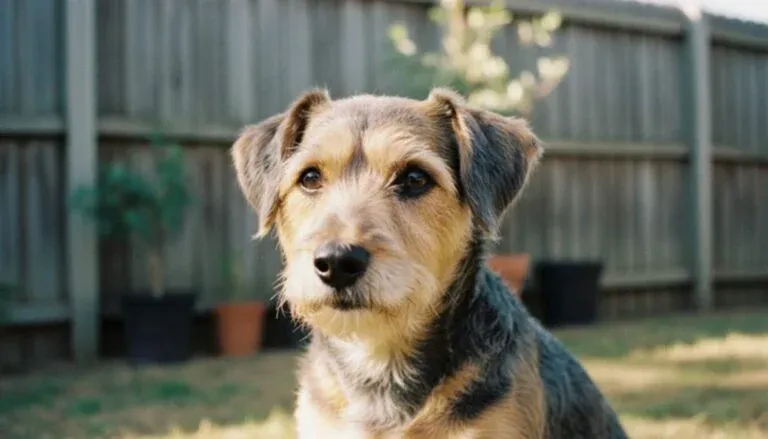
If someone told you there’s a dog breed named after a fictional farmer from an 1814 novel, that looks like a cross between a sausage and a cotton ball, and has fewer than 300 puppies born worldwide each year — you’d assume they were making it up. They’re not. Meet the Dandie Dinmont Terrier.
These dogs are one of the rarest and most endangered breeds on the planet. They’re also one of the most charming. Dandies are calmer than most terriers, devoted to their families, and carry themselves with a dignified, almost aristocratic air — right up until they spot something to dig up in your garden. Behind those huge, soulful eyes and that ridiculous topknot of silky hair sits a tough, determined little hunter that was built to take on badgers underground.
Finding a Dandie Dinmont Terrier in Australia is a genuine challenge. There are very few breeders, long wait lists, and almost no rescue dogs available. But if you’re one of the lucky few to bring one home, you’ll own a dog most people have never heard of — and will absolutely fall in love with when they meet it. This guide covers everything: honest temperament truths, real AUD pricing, health data, grooming advice and what it actually takes to find one in Australia.
What You’ll Learn
- Breed traits & temperament
- Health concerns to know
- True cost in Australia
- Training & exercise needs
- Is this breed right for you?
Quick Facts at a Glance
| Trait | Detail |
|---|---|
| Breed Group | Terrier |
| Size | Small | 8–11 kg | 20–28 cm at shoulder |
| Coat | Double coat — crisp/wiry outer, soft undercoat. Silky topknot. |
| Colours | Pepper (blue-black to silver-grey) or Mustard (reddish-brown to pale fawn) |
| Lifespan | 11–14 years |
| Temperament | Dignified, affectionate, independent, determined, calmer than most terriers |
| Exercise Needs | Moderate — 30–45 minutes daily |
| Shedding | Very low — considered non-shedding / hypoallergenic |
| Good With Kids | Older children, yes. May not tolerate rough play from toddlers. |
| Apartment Friendly | Yes — one of the best terriers for apartment living |
| Price (AUD) | $3,000–$5,000+ (registered breeder) | Rescue: extremely rare |
| Rarity | Endangered — fewer than 300 puppies born worldwide each year |
History & Origins
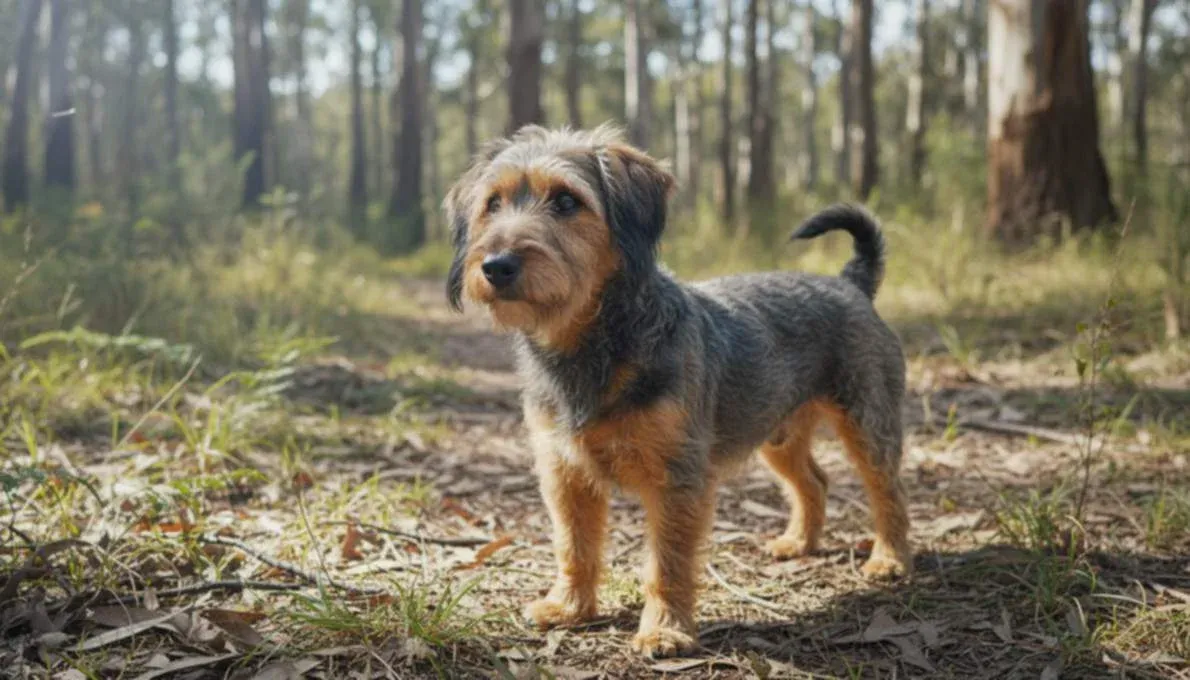
The Dandie Dinmont Terrier has existed as a distinct breed type for over 300 years, originating in the rugged border country between Scotland and England. They were working dogs kept by farmers and Romani travellers to hunt badgers, otters, foxes and other burrowing animals. Their powerful jaws, flexible bodies and fearless temperament made them devastatingly effective underground — despite their small size.
The breed got its name in the most unusual way in canine history. In 1814, Sir Walter Scott published the novel Guy Mannering, featuring a character called Dandie Dinmont — a border farmer who kept a pack of pepper and mustard terriers. Readers recognised the character as being based on a real farmer named James Davidson, and soon everyone was calling his dogs “Dandie Dinmont’s Terriers.” The name stuck. It remains the only dog breed in the world named after a fictional character.
The Dandie Dinmont Terrier Club was founded in 1875, making it one of the oldest breed clubs in existence. The American Kennel Club recognised the breed in 1886. In 2015, the Duke of Buccleuch (chief of Clan Scott) granted the breed permission to wear the Sir Walter Scott tartan — making the Dandie the only dog breed with an official Scottish clan tartan.
Despite this rich heritage, the breed is critically endangered. Fewer than 300 puppies are registered worldwide each year, and the UK Kennel Club lists the Dandie as a “Vulnerable Native Breed.” In Australia, only a handful of dedicated breeders keep the breed alive. Many breeds descend from the Dandie, including the Bedlington Terrier and the Australian Terrier.
Temperament & Personality
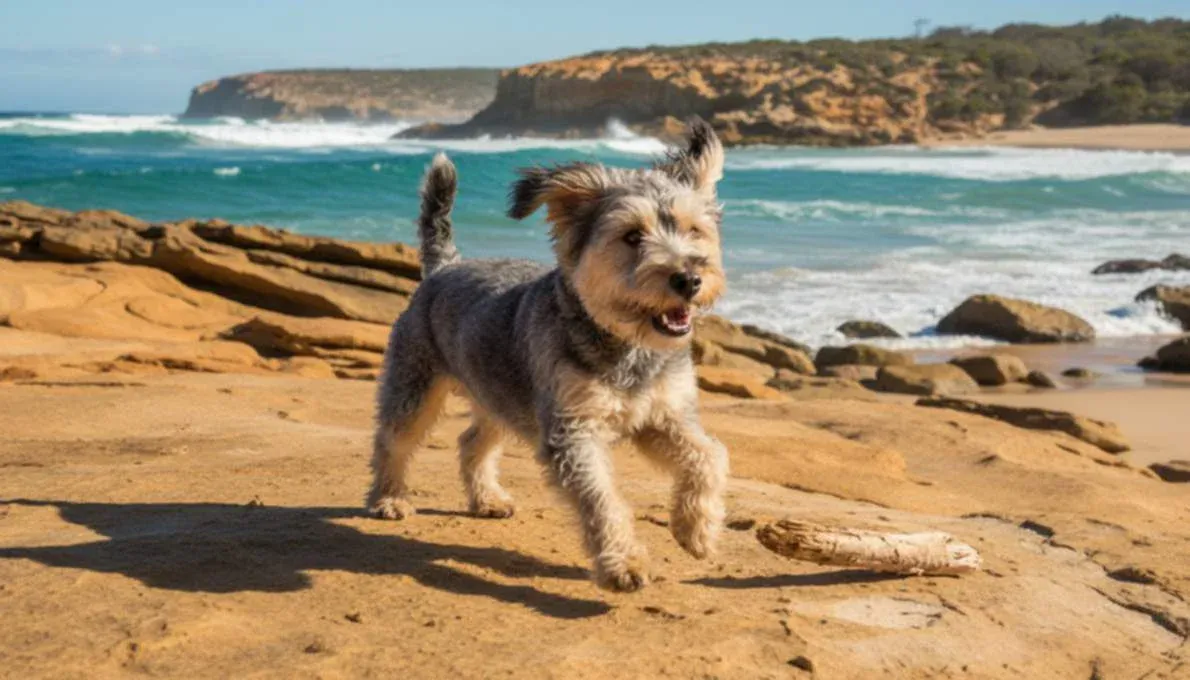
The Dandie Dinmont Terrier temperament is often described as “the gentleman of the terrier family” — and it’s an accurate label. Unlike the frenetic energy of a Jack Russell or the feistiness of a Scottie, Dandies are calm, dignified and surprisingly relaxed for a terrier breed. They’re affectionate without being clingy, independent without being aloof, and tough without being aggressive.
Dandie owners consistently describe their dogs as having an almost human-like quality. They’re watchful and thoughtful, with an expression that genuinely looks wise. They’ll study a situation before reacting, which gives them an air of quiet intelligence that other terrier breeds lack.
That said, they are still terriers. A Dandie who spots a rat, lizard or possum will switch from dignified companion to single-minded hunter in a heartbeat. They love to dig, they have a strong prey drive, and they can be stubborn when they decide something isn’t worth their effort. Their bark is surprisingly loud and deep for a dog their size — an effective deterrent for anyone knocking on your door.
Dandies generally get along well with other dogs, particularly if raised together. They’re far less dog-aggressive than many terrier breeds, though they won’t back down if challenged. With children, they’re affectionate and patient with school-aged kids, but their tolerance for rough handling from toddlers is limited. Their long backs also make them vulnerable to injury from being picked up incorrectly.
They can coexist with cats if socialised early, but small pets like rabbits, guinea pigs or birds are not safe around a dog bred to hunt underground mammals.
Health & Genetic Conditions
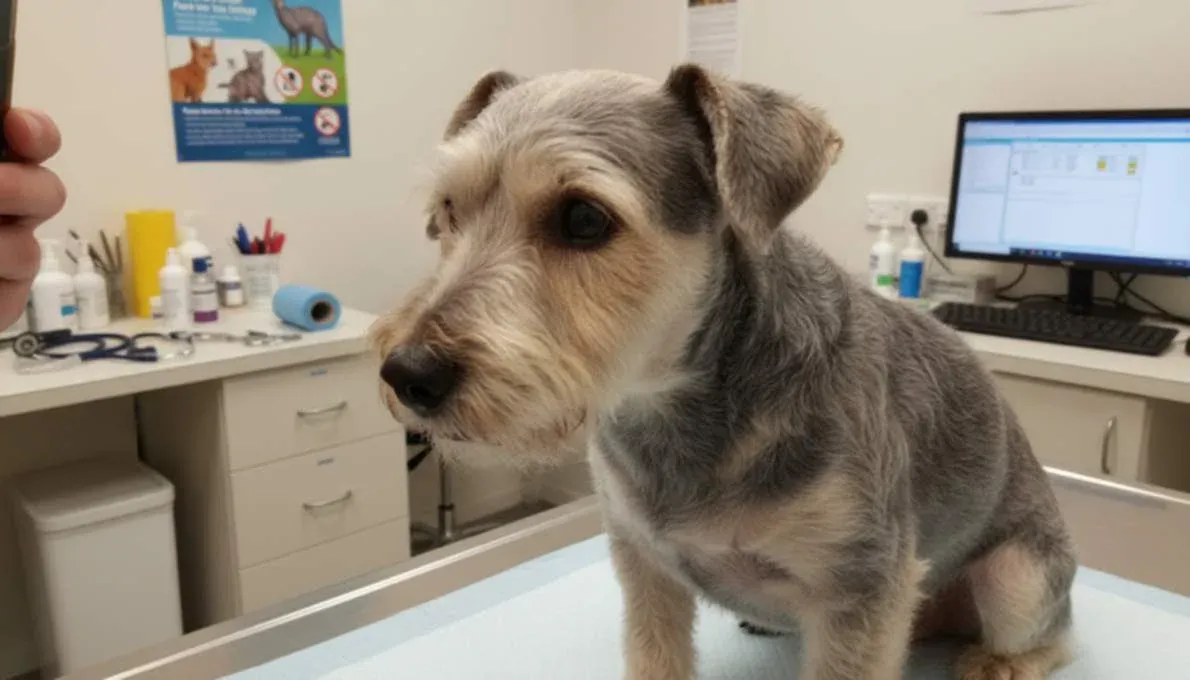
The Dandie Dinmont Terrier is generally a hardy, healthy breed, but their unique body shape and small gene pool create specific health considerations. Because the breed population is so small worldwide, genetic diversity is a genuine concern, and responsible breeders work carefully to maintain healthy bloodlines.
Intervertebral Disc Disease (IVDD)
Like Dachshunds and other long-backed, short-legged breeds, Dandies are chondrodystrophic — meaning their intervertebral discs degenerate faster than in other breeds. This can cause pain, nerve damage and, in severe cases, paralysis. The condition is one of the most significant Dandie Dinmont Terrier health problems to be aware of. Prevention centres on keeping your Dandie lean, using ramps for furniture and beds, and avoiding activities that stress the spine like jumping or rough play with larger dogs.
Treatment costs (AUD): Conservative management (rest, anti-inflammatories, pain relief): $1,000–$3,000. Spinal surgery if required: $5,000–$12,000+.
Primary Glaucoma
This is the breed’s most significant eye condition. Glaucoma causes painful pressure build-up inside the eye and can lead to sudden blindness. It’s typically late-onset in Dandies but can affect both eyes. The related condition goniodysgenesis (abnormal drainage angles in the eye) has been identified in the breed and can progress to glaucoma. Signs include squinting, redness, tearing, a cloudy appearance, or a visibly enlarged eye. If you notice any of these, get to a vet immediately — treatment within hours gives the best chance of saving vision.
Treatment costs (AUD): Ongoing medication: $500–$1,500/year. Surgical intervention: $2,000–$5,000 per eye. Enucleation (eye removal) in end-stage cases: $1,500–$3,000.
Other conditions to be aware of
| Condition | What It Is | Typical Cost (AUD) |
|---|---|---|
| Cushing’s Disease | Adrenal glands overproduce cortisol; thirst, weight gain, poor coat | $500–$2,000/yr medication |
| Hypothyroidism | Underactive thyroid; weight gain, lethargy, cold intolerance | $300–$600/yr medication |
| Portosystemic Shunt | Abnormal blood vessel bypasses the liver; neurological signs possible | $3,000–$8,000 surgery |
| Lymphoma / Cancers | Breed shows predisposition to certain cancers; enlarged lymph nodes | $5,000–$15,000+ treatment |
| Epilepsy | Recurring seizures; often manageable with daily medication | $200–$800/yr medication |
| Cheyletiella Mites | “Walking dandruff” — Dandies appear more susceptible than most breeds | $100–$300 treatment |
Tip: Because the breed is so rare, finding a vet familiar with Dandie-specific issues can be difficult. Ask your breeder for vet recommendations in your state. Pet insurance is strongly recommended — enrol before your puppy turns 1.
Lifespan & Longevity
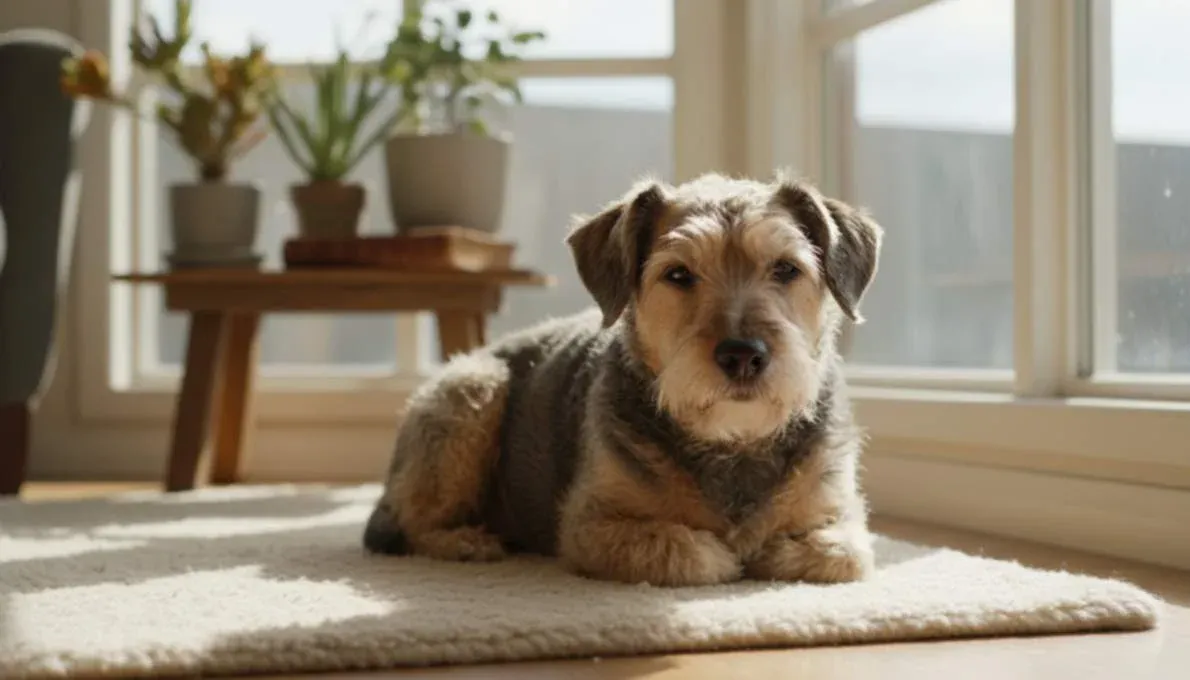
The average Dandie Dinmont Terrier lifespan is 11 to 14 years, with many reaching the upper end of that range when well cared for. PetMD reports that most Dandies live to 12–14 years.
Age-specific advice
| Life Stage | Key Focus Areas |
|---|---|
| Puppy (0–1 yr) | Socialisation, vaccinations, pet insurance, crate training, grooming introduction, teach safe handling (support the back!) |
| Adult (1–8 yrs) | Annual vet checks, annual eye exams for glaucoma, weight management, regular hand-stripping or grooming, dental care |
| Senior (8+ yrs) | Biannual vet visits, arthritis management, glaucoma monitoring, thyroid screening, adjusted exercise intensity |
Weight management is critical for Dandies. Their long back means every extra gram adds spinal stress. A lean Dandie with regular moderate exercise and annual eye checks will have the best chance of a long, healthy life.
Grooming & Care
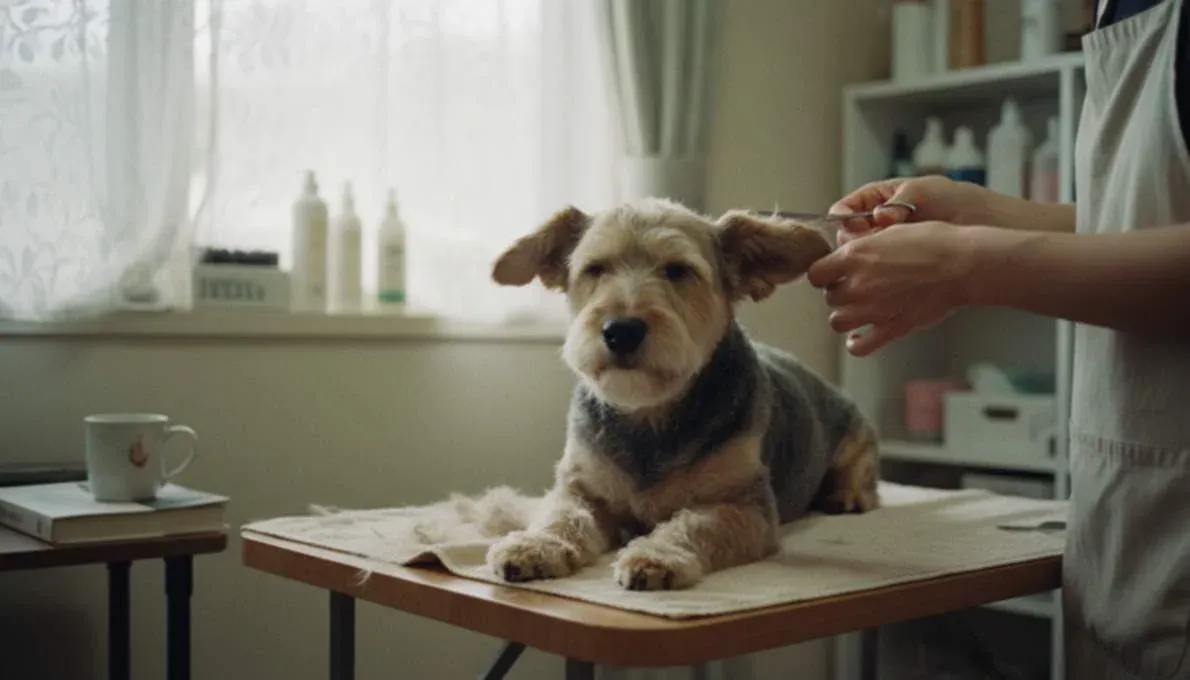
The Dandie Dinmont Terrier’s coat is unlike any other terrier’s. It’s a mix of roughly two-thirds crisp, wiry hair and one-third soft, linty undercoat, topped with a distinctive silky topknot. The good news: Dandies are non-shedding and considered hypoallergenic — a genuine advantage for allergy sufferers. The less good news: maintaining that coat takes real commitment.
| Grooming Task | Frequency & Notes |
|---|---|
| Brushing | 2–3 times per week to prevent matting, especially around ears, belly and legs |
| Hand-Stripping | Every 8–12 weeks for show coat. Maintains correct texture and colour. Clippering acceptable for pets but softens coat. |
| Bathing | Every 4–6 weeks or as needed |
| Topknot Care | Keep the silky topknot trimmed so it doesn’t obscure vision or irritate eyes |
| Eye Checks | Daily — hair and topknot can irritate eyes. Watch for redness or cloudiness (glaucoma signs) |
| Ear Cleaning | Weekly — pendant ears trap moisture and debris |
| Nail Trimming | Every 2–3 weeks |
| Professional Grooming | $80–$150 per session — finding a groomer experienced with Dandies can be tricky in Australia |
If you’re not interested in showing your Dandie, a pet clip is perfectly fine and far easier to maintain. Just know that clippering softens the coat texture and may lighten the colour slightly. Many Dandie owners learn to hand-strip at home with guidance from their breeder — it’s a bonding experience once you get the hang of it.
Exercise Needs
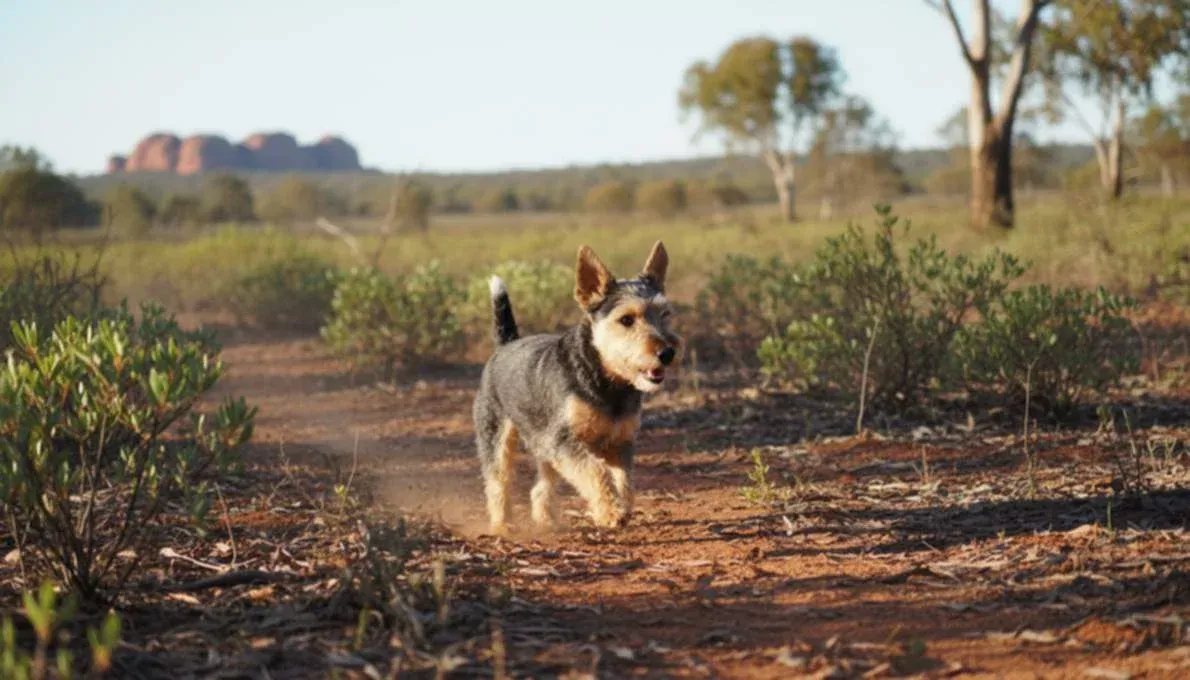
One of the Dandie’s greatest advantages as a companion dog is its moderate exercise requirement. Unlike high-energy terriers that need hours of activity, a Dandie is genuinely content with 30 to 45 minutes of daily exercise — a walk or two plus some garden play. They’re not couch potatoes, but they don’t need to run a marathon either.
Australian climate considerations
Dandies handle moderate Australian climates well, but their dark coats (particularly peppers) absorb heat in summer. Walk early in the morning or after sunset during hot months. Their low-to-the-ground build means pavement heat is a real concern — test the ground with your hand before walking. Their pendant ears and double coat mean they can overheat faster than you’d expect, so always carry water and provide shade.
Back-safety exercise rules
- Avoid jumping on and off furniture — use ramps or pet steps
- Limit repeated stair climbing
- No rough-housing with larger dogs that could twist or jar the spine
- Short, flat walks and gentle play are ideal
- Scent games and earth dog trials tap into natural instincts without spinal stress
An under-exercised Dandie will get bored and dig up your garden. An over-exercised Dandie risks spinal injury. The sweet spot is moderate, consistent daily activity.
Training Guide
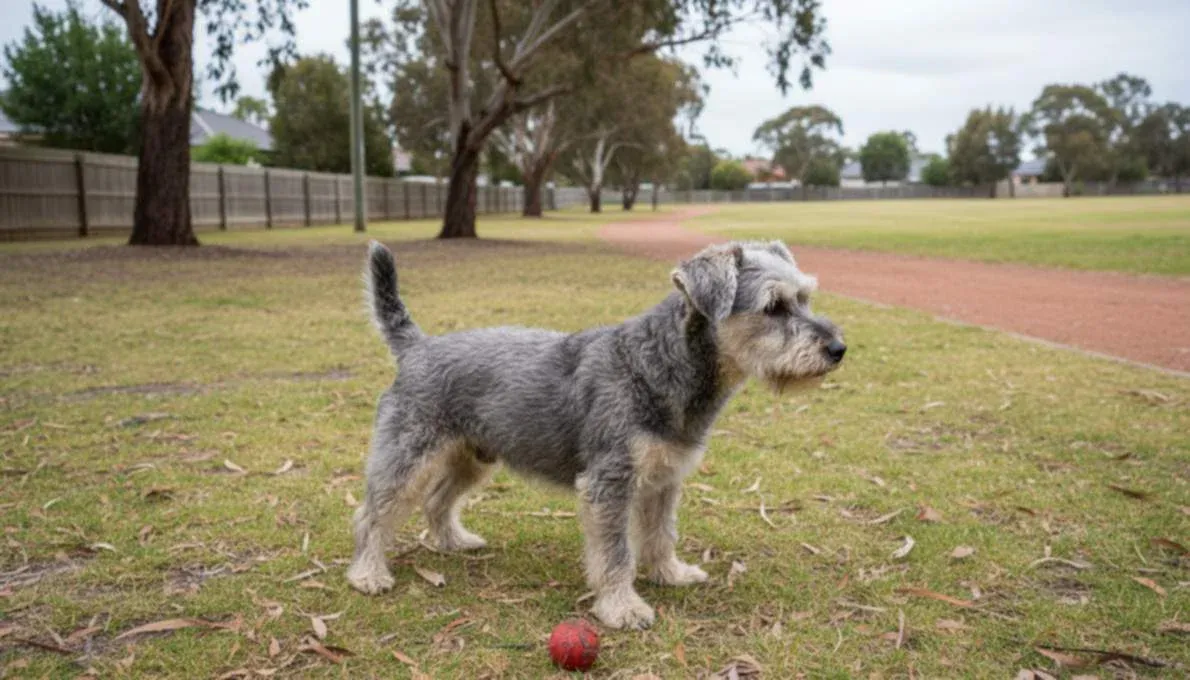
Dandies are intelligent and eminently trainable — but they carry a terrier’s independence. They’ll learn quickly, then decide whether a command is worth following based on what’s in it for them. The key is patience, consistency and reward-based methods. Harsh corrections will shut a Dandie down completely.
Age-based training milestones
| Age | Focus | Honest Difficulty |
|---|---|---|
| 8–12 weeks | Socialisation, name recognition, crate training, grooming introduction, safe handling | Easy–Moderate — naturally curious |
| 3–6 months | Sit, stay, recall, lead walking, bite inhibition | Moderate — independent streak emerges |
| 6–12 months | Reliable recall, impulse control around small animals, barking management | Moderate — terrier stubbornness peaks |
| 1–2 years | Advanced commands, off-lead reliability (fenced areas only), trick training | Easier — maturity brings cooperation |
Dandies respond brilliantly to food rewards and short training sessions of 5–10 minutes. Their recall around prey can be unreliable, so always exercise in fenced areas unless you’re very confident. Puppy school or one-on-one training is recommended: budget $150–$400 AUD for a 4–6 week course in most Australian cities.
Cost of Ownership (AUD)
Owning a Dandie Dinmont Terrier in Australia is expensive primarily because of the breed’s rarity. Long wait lists, very few breeders, and specialised grooming all contribute. Here’s the realistic breakdown.
Upfront costs
| Item | Cost (AUD) |
|---|---|
| Registered breeder (health-tested, ANKC registered) | $3,000–$5,000+ |
| Interstate transport (if breeder is in another state) | $300–$600 |
| Rescue / adoption | Extremely rare — breed almost never appears in rescue |
| Initial vet setup (vaccines, microchip, desexing) | $500–$1,200 |
| Supplies (crate, bed, bowls, lead, ramps) | $300–$600 |
Ongoing annual costs
| Item | Annual Cost (AUD) |
|---|---|
| Quality dog food (small breed formula) | $500–$900 |
| Annual vet checkup + vaccinations | $200–$400 |
| Eye examination (annual glaucoma screening) | $80–$200 |
| Worming, flea & tick prevention | $180–$500 |
| Pet insurance | $400–$900 |
| Professional grooming / hand-stripping (4–6x/year) | $400–$900 |
| Toys, treats & replacement supplies | $150–$300 |
Estimated lifetime cost: $25,000–$45,000+ AUD over 11–14 years, assuming no major health events. Glaucoma treatment or spinal surgery can add $5,000–$15,000+ to that figure.
Where to find a Dandie Dinmont Terrier in Australia
This is genuinely the hardest part of Dandie ownership. There are very few registered breeders in Australia — primarily in Victoria and occasionally in NSW and Queensland. Start with the ANKC / Dogs Australia breeder directory and contact your state kennel club directly. Expect wait lists of 12 months or more.
Key Australian breeder: Jollygaze Dandie Dinmonts (Victoria, est. 1993) is one of Australia’s most established Dandie kennels with internationally recognised dogs, including BIS winners at Melbourne Royal, Adelaide Royal, Westminster and Crufts.
Rescue is almost unheard of for this breed due to the tiny population. If your heart is set on a Dandie, a registered breeder is realistically your only path.
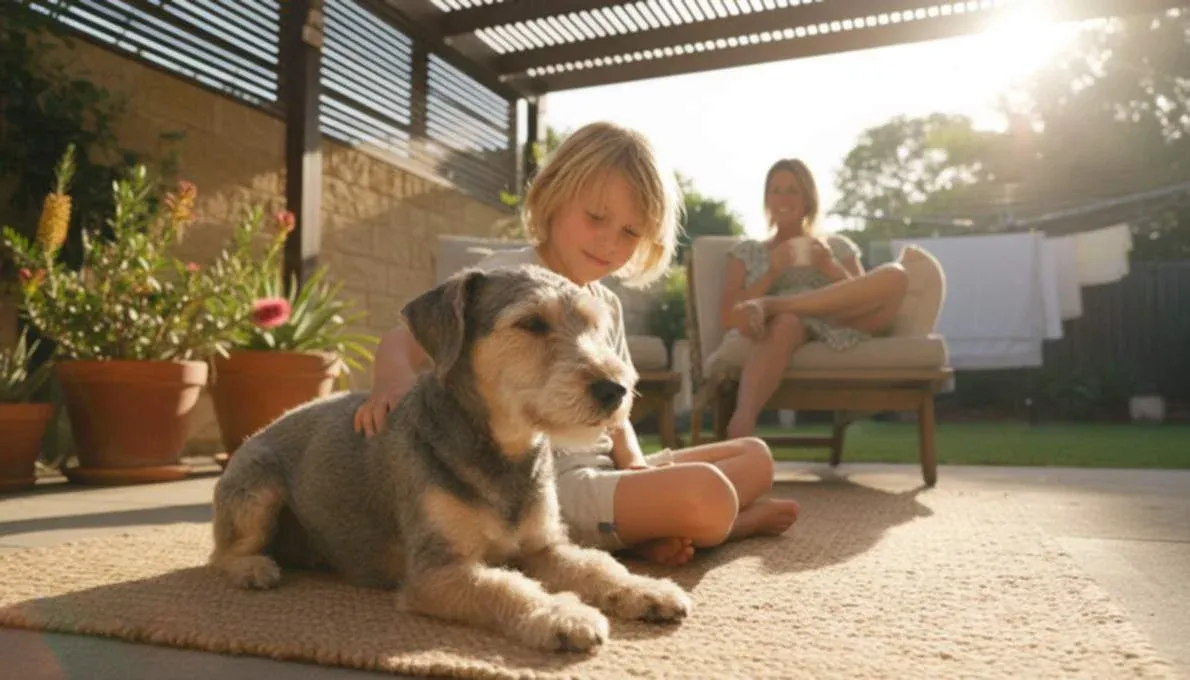
Is the Dandie Dinmont Terrier Right for You?
- You want a calm, affectionate terrier that isn’t manic or hyperactive
- You live in a house or apartment and can provide moderate daily exercise
- You’re prepared for regular grooming (hand-stripping or professional clips)
- You don’t mind waiting 12+ months on a breeder’s list
- You appreciate owning a rare, historically significant breed
- You have allergies — Dandies are non-shedding and hypoallergenic
- You want a dog immediately — Dandies are not impulse-buy breeds
- You have small pets like rabbits or guinea pigs (prey drive is strong)
- You want a completely off-lead dog — recall around prey is unreliable
- You’re not willing to commit to coat maintenance
- You need a large, active running partner
If you love the Dandie’s temperament but can’t find one, consider comparing them to a Bedlington Terrier (a descendant of the Dandie, similarly calm for a terrier), a Skye Terrier (another rare, long-backed terrier with a dignified personality), or a Scottish Terrier (more available, with a similar independent character).
The Dandie Dinmont Terrier is one of the dog world’s best-kept secrets — and the fact that fewer than 300 are born each year means it might not survive as a breed without more dedicated owners and breeders.
- Personality: Calm, dignified and genuinely affectionate. The most ‘human-like’ of the terrier breeds. Perfect for people who want terrier character without terrier chaos.
- Health reality: Watch the back (IVDD) and the eyes (glaucoma). A small gene pool means responsible breeding is everything. Annual eye exams are non-negotiable.
- Cost & availability: $3,000–$5,000+ upfront, 12+ month wait, and very few breeders in Australia. This is a commitment breed in every sense.
If you’re patient enough to wait, prepared enough to care for their unique needs, and lucky enough to find one — a Dandie Dinmont Terrier will give you over a decade of quiet devotion, dry humour and a dog that makes every stranger on the street stop and ask: “What IS that?”
Frequently Asked Questions
What is a Dandie Dinmont Terrier?
A Dandie Dinmont Terrier is a small, long-bodied Scottish terrier breed originally used for hunting badgers and otters. They’re the only dog breed named after a fictional character (from Sir Walter Scott’s 1814 novel Guy Mannering) and are classified as an endangered breed, with fewer than 300 puppies born worldwide each year.
Are Dandie Dinmont Terriers hypoallergenic?
Yes. Dandies are non-shedding with a wiry, low-dander coat, making them one of the better choices for allergy sufferers. However, no dog is 100% hypoallergenic — spend time with a Dandie before committing if allergies are a serious concern.
How long do Dandie Dinmont Terriers live?
The average Dandie Dinmont Terrier lifespan is 11–14 years. With good diet, weight management and regular eye checks, many reach the upper end of that range.
How much does a Dandie Dinmont Terrier cost in Australia?
From a registered breeder, expect $3,000–$5,000+ AUD. Availability is extremely limited — there are only a handful of active breeders in Australia, primarily in Victoria. Wait lists of 12 months or more are standard. You may also need to factor in interstate transport costs of $300–$600.
Do Dandie Dinmont Terriers shed?
No. Their coat is non-shedding, which is one of the breed’s biggest advantages for indoor living and allergy sufferers. It does require regular grooming — either hand-stripping or professional clipping every 8–12 weeks — but you won’t find hair all over your furniture.
What do pepper and mustard mean?
Pepper and mustard are the two accepted coat colours for Dandie Dinmont Terriers. Pepper ranges from dark blue-black to light silver-grey. Mustard ranges from reddish-brown to pale fawn. The names come from the original dogs described in Sir Walter Scott’s novel — the farmer character had dogs named Pepper and Mustard.
Are Dandie Dinmont Terriers good apartment dogs?
Yes — they’re one of the best terrier breeds for apartment living. Their moderate exercise needs, calm indoor temperament and non-shedding coat make them well suited to smaller spaces. Just be aware they have a surprisingly deep, loud bark for their size.
What health problems do Dandie Dinmont Terriers have?
The main concerns are intervertebral disc disease (IVDD) due to their long back, primary glaucoma (an eye condition that can cause blindness), and a predisposition to certain cancers including lymphoma. Cushing’s disease, hypothyroidism, portosystemic shunt and cheyletiella mite infections are also reported in the breed. Annual eye exams and weight management are the two most important preventive measures.
- Dogs Victoria — Dandie Dinmont Terrier Breed Information: https://dogsvictoria.org.au/choosing-a-breed/browse-all-breeds/70/Dandie-Dinmont-Terrier/
- Dogs NSW — Dandie Dinmont Terrier: https://www.dogsnsw.org.au/Breeds/browse-all-breeds/70/Dandie-Dinmont-Terrier/
- Australian National Kennel Council (ANKC) — Breed Standards: https://dogsaustralia.org.au/
- The Kennel Club (UK) — Dandie Dinmont Terrier: https://www.royalkennelclub.com/search/breeds-a-to-z/breeds/terrier/dandie-dinmont-terrier/
- American Kennel Club (AKC) — Dandie Dinmont Terrier: https://www.akc.org/dog-breeds/dandie-dinmont-terrier/
- PetMD — Dandie Dinmont Terrier Health and Care: https://www.petmd.com/dog/breeds/dandie-dinmont-terrier
- PDSA — Dandie Dinmont Terrier: https://www.pdsa.org.uk/pet-help-and-advice/looking-after-your-pet/puppies-dogs/medium-dogs/dandie-dinmont-terrier
- Pets4Homes — Dandie Dinmont Terrier Hereditary Health: https://www.pets4homes.co.uk/pet-advice/dandie-dinmont-terrier-hereditary-health-and-genetic-diversity.html