
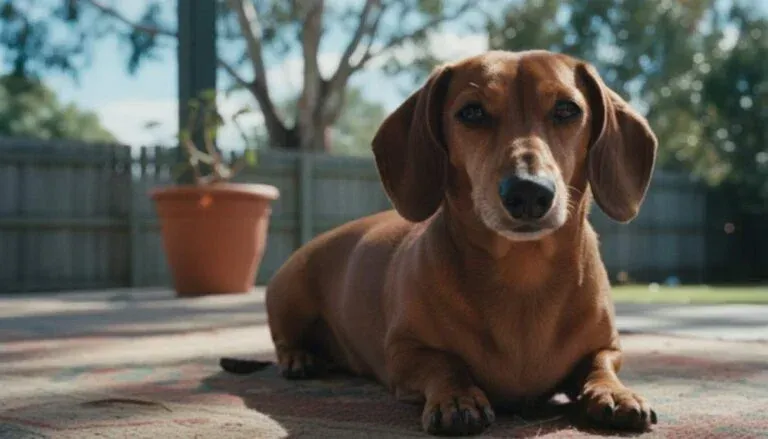
If you’ve ever watched a 5-kilogram dog with legs shorter than a TV remote back an 80-kilogram human into a corner over a piece of cheese, you’ve met a Dachshund.
These dogs have no idea they’re small. They’ll bark at delivery drivers like they’re defending a castle, burrow under your doona at 2am like it’s their birthright, and stare you down until you hand over whatever’s on your plate. Dachshunds are equal parts hilarious, infuriating and completely addictive.
But here’s the thing most breed guides won’t tell you: owning a Dachshund in Australia comes with some very real costs, some very real health risks (hello, IVDD), and a temperament that isn’t for everyone. This guide covers all of it — the good, the bad and the expensive — with honest pricing in AUD, verified health data and zero sugar-coating.
What You’ll Learn
- Breed traits & temperament
- Health concerns to know
- True cost in Australia
- Training & exercise needs
- Is this breed right for you?
Quick Facts at a Glance
| Trait | Detail |
|---|---|
| Breed Group | Hound (Scent Hound) |
| Sizes | Standard (9–13 kg) | Miniature (under 5 kg) |
| Coat Types | Smooth, Long Haired, Wire Haired |
| Colours | Red, cream, black & tan, chocolate & tan, dapple, piebald, brindle |
| Lifespan | 12–16 years |
| Temperament | Bold, stubborn, loyal, vocal, affectionate with their people |
| Exercise Needs | Moderate — 30–60 mins daily |
| Shedding | Low to moderate (varies by coat type) |
| Good With Kids | Yes, with supervision — not tolerant of rough handling |
| Apartment Friendly | Yes, but expect barking |
| Price (AUD) | $3,500–$7,000 (registered breeder) | $300–$800 (rescue) |
| Pronunciation | DAHKS-hund (not “dash-hound”) |
History & Origins
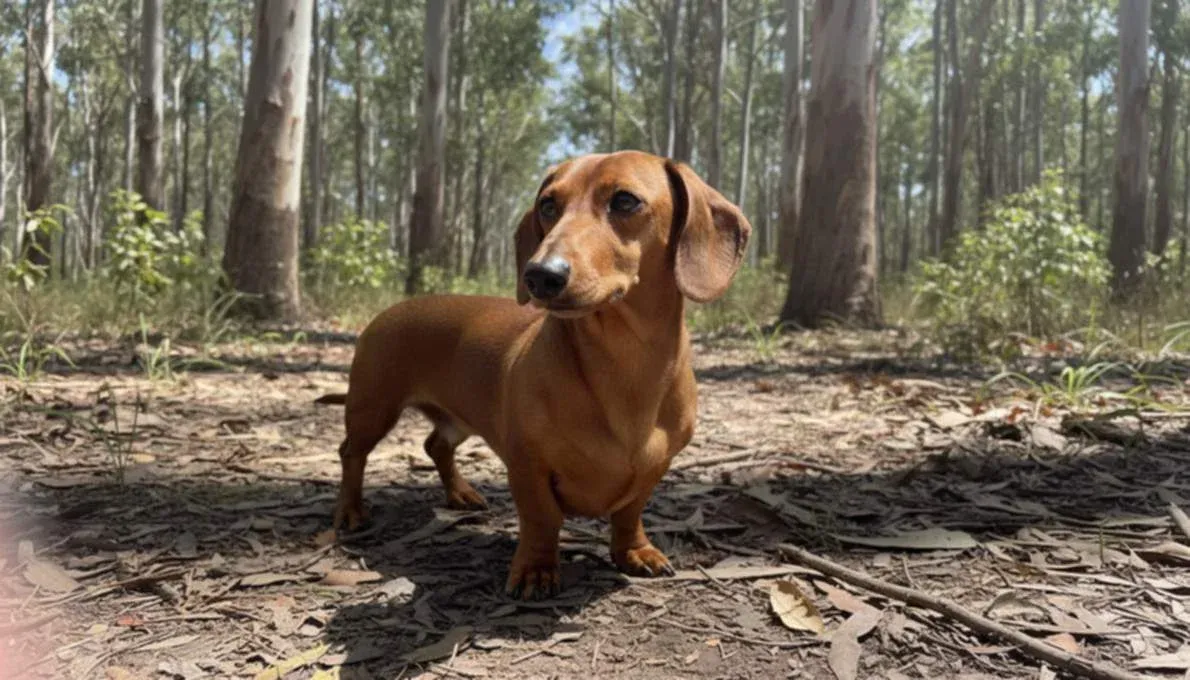
The Dachshund was bred in Germany over 300 years ago with one job: going underground after badgers. The name literally translates to “badger dog” (Dachs = badger, Hund = dog), and everything about the breed’s body was engineered for that purpose — the long torso to fit into tunnels, the paddle-shaped paws for digging, and the loud bark so hunters could locate the dog underground.
Standard Dachshunds were used for badger hunting, while the miniature Dachshund was later developed to hunt rabbits and other smaller burrowing animals. Both sizes retain that prey drive today, which is why your Dachshund goes absolutely feral when it spots a lizard in the backyard.
The three coat varieties — smooth, long haired and wire haired — were developed through crossbreeding with different terriers and spaniels to suit various terrains and climates. Wire haired Dachshunds, for example, were bred for hunting in thorny undergrowth across colder European regions.
Dachshunds arrived in Australia in the early 1900s and quickly became popular family companions. Today, they consistently rank among the top 20 most registered breeds with the Australian National Kennel Council (ANKC).
Temperament & Personality
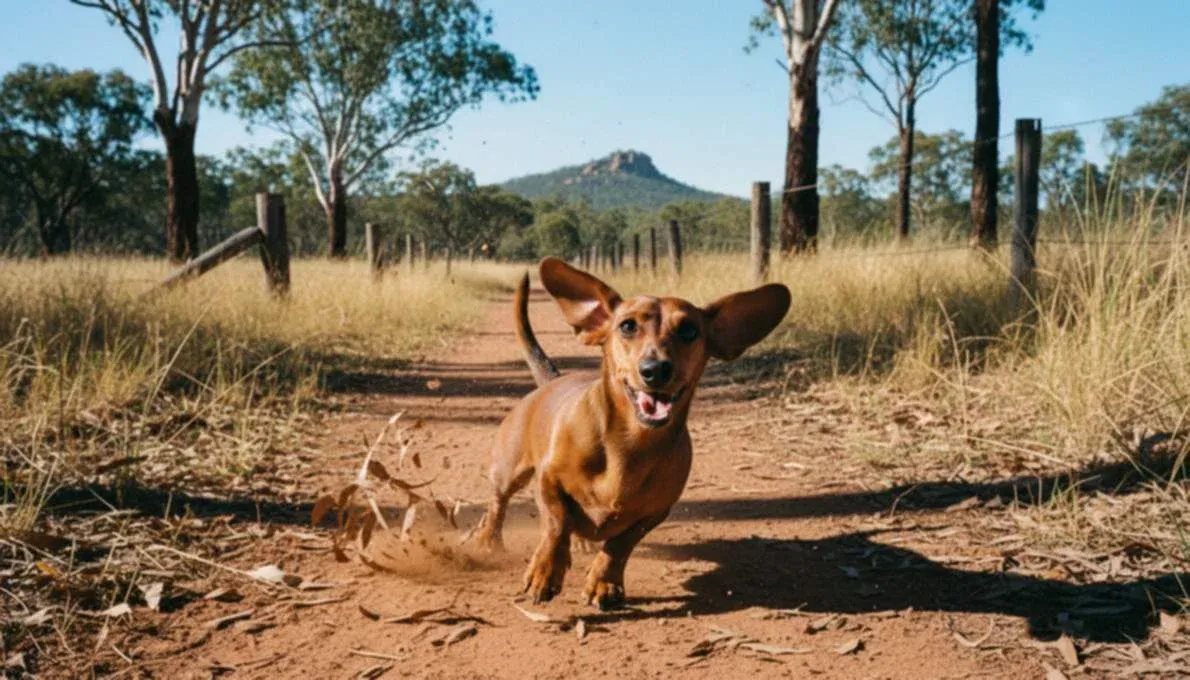
The Dachshund temperament is not what you’d expect from a dog this size. They’re brave bordering on reckless, fiercely loyal, and more stubborn than a toddler who’s been told no. If you want a dog that obeys on the first command, get a Labrador. If you want a dog with opinions, attitude and a dramatic streak, the Dachshund is your breed.
Most first-time Dachshund owners are surprised by three things: the barking, the stubbornness and the attachment. These dogs bond deeply to one or two people and will follow you from room to room like a furry shadow. They can be standoffish with strangers and may growl or bark at visitors until they decide the newcomer is acceptable.
They’re also surprisingly good watchdogs. A Dachshund’s bark is disproportionately loud for their size, and they’ll alert you to every delivery driver, possum, and gust of wind.
Dachshunds can live happily with other dogs, but they often prefer the company of other Dachshunds. They have a strong prey drive, so households with rabbits, guinea pigs or birds need to be cautious. With children, they’re generally affectionate but don’t tolerate rough handling well — a toddler picking up a Dachshund incorrectly can trigger snapping or, worse, a back injury to the dog.
If you’ve ever wondered “why dachshunds are the worst breed” — it’s usually because someone expected a Golden Retriever personality in a sausage-shaped package. Dachshunds aren’t the worst. They’re just not for everyone. They reward patience, routine and a good sense of humour.
Health & Genetic Conditions
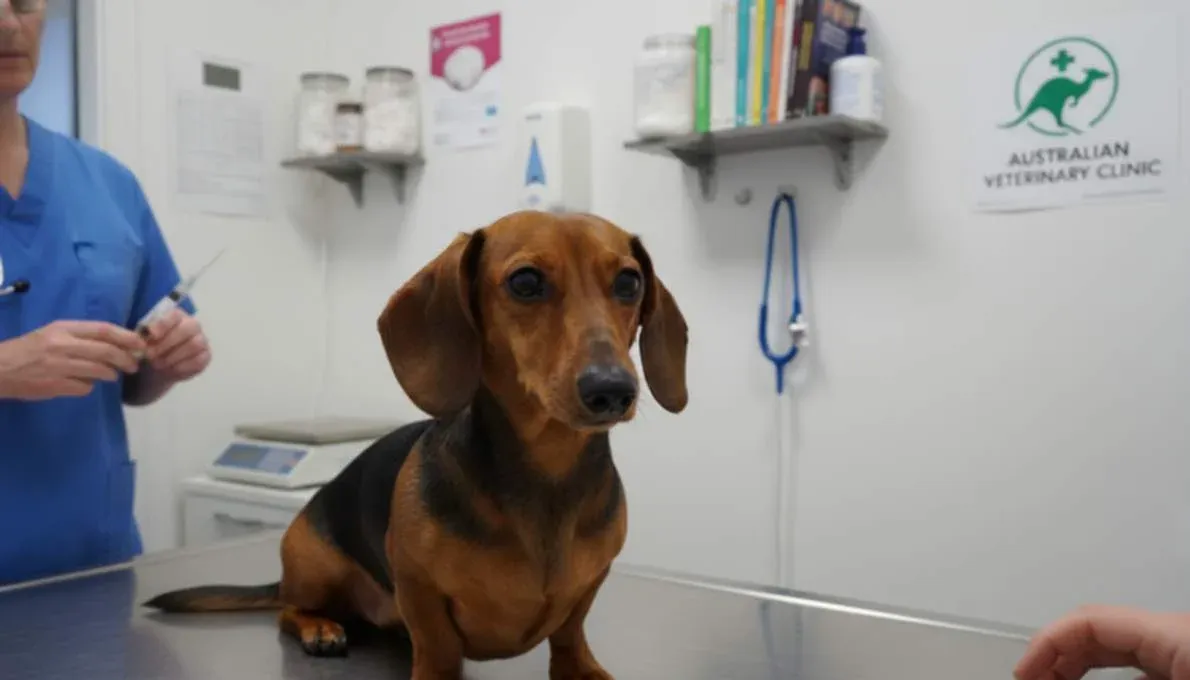
Owning a Dachshund means accepting that their beautiful, elongated body comes with a price tag — literally. This breed is genetically predisposed to several conditions, and some of them are expensive to treat. Understanding these risks upfront isn’t about scaring you off; it’s about helping you budget and prepare so your dog gets the care they need when they need it.
Intervertebral Disc Disease (IVDD)
This is the big one. IVDD affects roughly 1 in 4 Dachshunds during their lifetime. The condition occurs when the cushioning discs between the vertebrae degenerate and herniate, compressing the spinal cord. It can cause pain, mobility loss and, in severe cases, paralysis.
Miniature Dachshunds are approximately 4.8 times more likely to develop IVDD than the average dog, while standard Dachshunds sit at 4.5 times the risk. Signs typically appear between ages 3 and 8.
IVDD treatment costs in Australia: Conservative management (crate rest, medication, rehab): $1,000–$3,000 AUD. Spinal surgery: $7,000–$15,000 AUD including imaging, anaesthesia, hospitalisation and post-op physiotherapy. Emergency cases at specialist referral hospitals can exceed $15,000.
Other common conditions
| Condition | What It Is | Typical Cost (AUD) |
|---|---|---|
| Hip Dysplasia | Abnormal hip joint development causing arthritis | $1,500–$6,000+ |
| Patella Luxation | Kneecap slips out of its groove; causes limping | $1,500–$4,000 |
| Progressive Retinal Atrophy (PRA) | Hereditary eye condition leading to blindness | No cure; management $200–$500/yr |
| Obesity | Excess weight worsens IVDD risk significantly | Prevention: diet & exercise |
| Dental Disease | Small mouths = crowded teeth = faster tartar build-up | $300–$1,500 per cleaning/extraction |
| Seizures (Epilepsy) | Dachshunds are predisposed; cause often unknown | $200–$500/yr medication |
| Gastric Dilatation-Volvulus (Bloat) | Stomach twists; life-threatening emergency | $3,000–$8,000 emergency surgery |
Tip: Get pet insurance before your Dachshund turns 1. Pre-existing conditions are excluded from most Australian policies, and IVDD waiting periods range from 14 days to 6 months depending on the provider.
Lifespan & Longevity
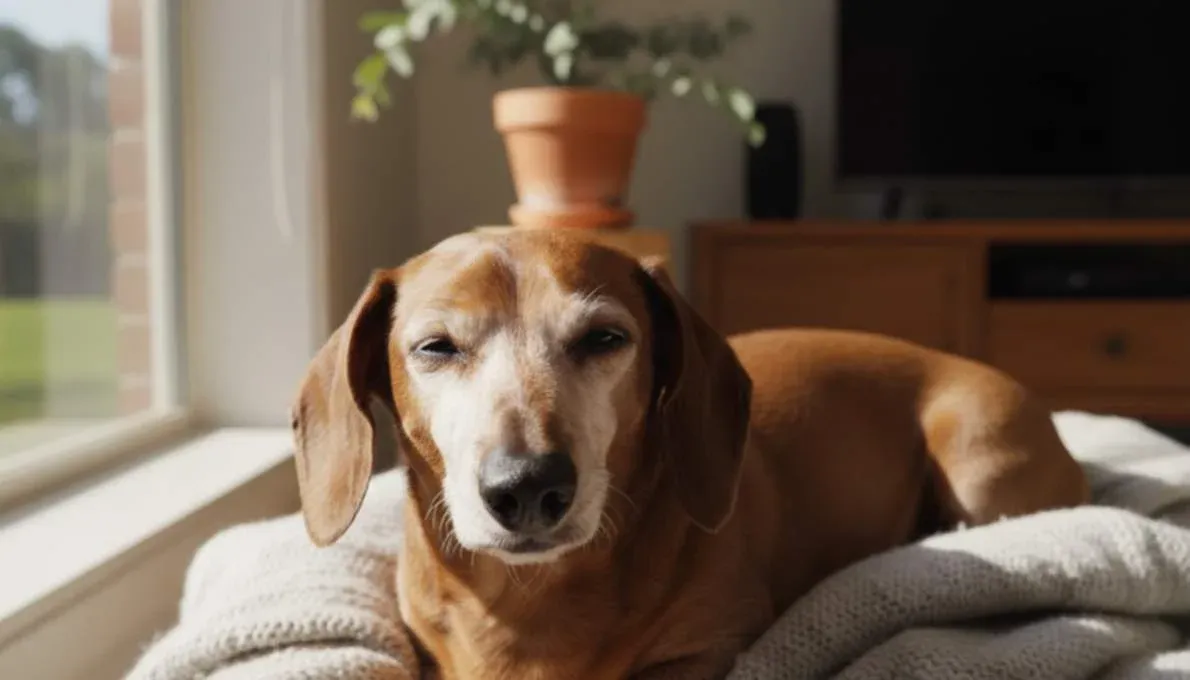
Dachshunds are a long-lived breed, with an average lifespan of 12 to 16 years. Some well-cared-for Dachshunds reach their late teens, and there are documented cases of Dachshunds living past 20.
Age-specific advice
| Life Stage | Key Focus Areas |
|---|---|
| Puppy (0–1 yr) | Vaccinations, desexing, socialisation, weight monitoring, pet insurance enrolment |
| Adult (1–8 yrs) | Annual vet checks, dental care, weight management, IVDD monitoring, back injury prevention |
| Senior (8+ yrs) | Biannual vet visits, arthritis management, vision/hearing checks, ramps for furniture, adjusted exercise |
The single most impactful thing you can do for your Dachshund’s longevity is keep them lean. Obesity dramatically increases IVDD risk and puts strain on their already vulnerable spine. If you can’t easily feel your Dachshund’s ribs, they’re carrying too much weight.
Grooming & Care
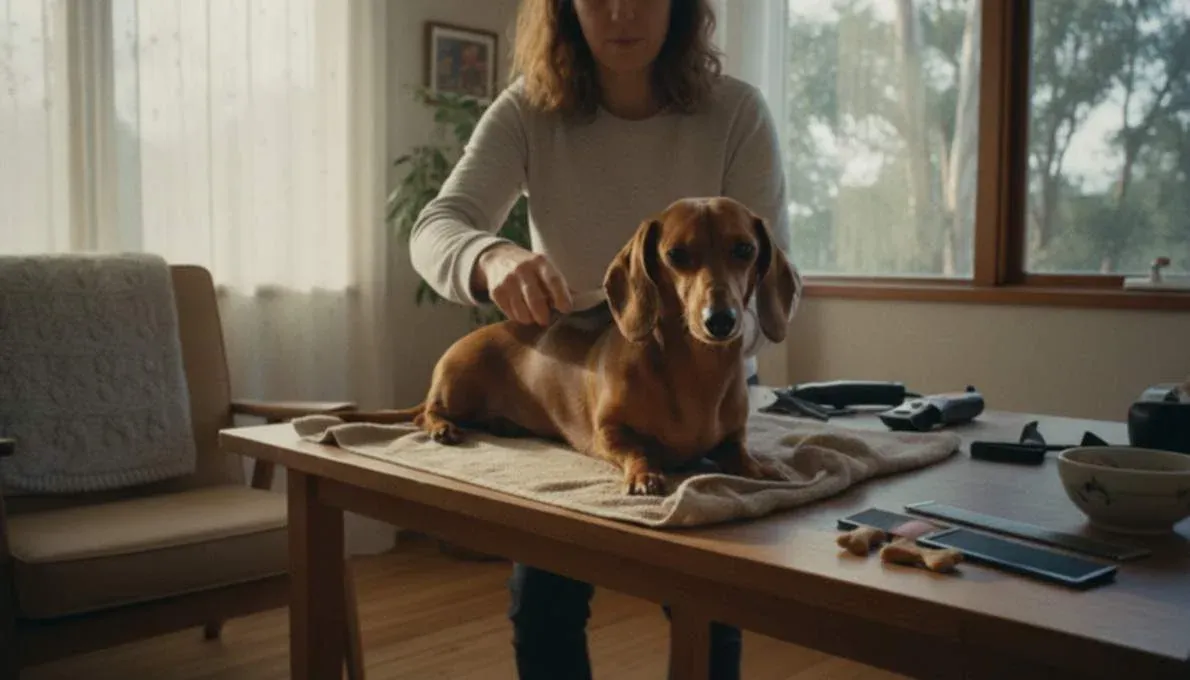
Grooming needs vary significantly across the three coat types. Here’s what to expect:
| Task | Smooth Coat | Long Haired | Wire Haired |
|---|---|---|---|
| Brushing | Weekly wipe-down | 3–4 times per week | 2–3 times per week |
| Bathing | Every 4–6 weeks | Every 4–6 weeks | Every 6–8 weeks |
| Professional Grooming | Rarely needed | Every 6–8 weeks ($60–$100) | Hand-stripping 2–3x/yr ($80–$120) |
| Nail Trimming | Every 2–4 weeks | Every 2–4 weeks | Every 2–4 weeks |
| Dental Care | Daily brushing ideal; dental chews minimum | Daily brushing ideal | Daily brushing ideal |
| Ear Cleaning | Weekly (floppy ears trap moisture) | Weekly | Weekly |
| Shedding Level | Low–moderate | Moderate | Low |
Long haired Dachshunds need the most grooming attention, particularly around their ears, belly and tail feathering where mats form quickly. Wire haired Dachshunds benefit from hand-stripping (rather than clipping) to maintain their coat texture. Australian pet retailers like Pet Circle and My Pet Warehouse carry Dachshund-appropriate brushes and dental products.
Exercise Needs
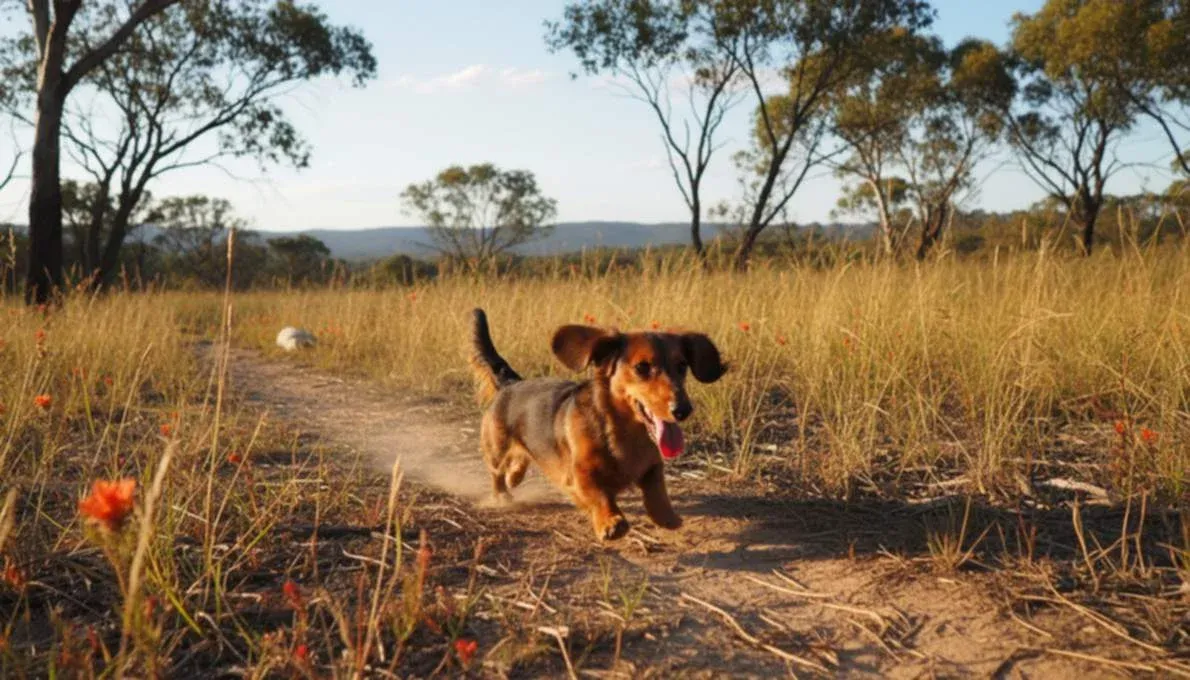
Despite their small size, Dachshunds were bred to work and they need more exercise than most people expect. A healthy adult Dachshund needs 30 to 60 minutes of daily exercise, split across two walks plus some playtime.
Australian climate warnings
Dachshunds sit very low to the ground. In Australian summers, pavement and sand temperatures can exceed 60°C on a 35°C day. This is hot enough to burn paw pads within seconds. Walk your Dachshund early in the morning or after sunset during summer months. If the pavement is too hot for the back of your hand held flat for 5 seconds, it’s too hot for your dog.
Smooth-coated Dachshunds are also prone to sunburn on their bellies and noses, particularly light-coloured and dapple Dachshunds. A pet-safe sunscreen is recommended for extended outdoor time.
Exercise rules for spinal health
Because of their IVDD risk, exercise needs to be managed carefully. Avoid activities that involve jumping on or off furniture, running up and down stairs, or rough-housing with larger dogs. Use ramps for the couch and car. Short, frequent walks on flat ground are ideal. Swimming is excellent low-impact exercise — many Australian vet physio clinics offer hydrotherapy sessions.
Training Guide
Let’s be honest: Dachshunds are not easy to train. They were bred to work independently underground, making decisions without human direction. That independence translates to a dog that will look you dead in the eye while completely ignoring your command. It’s not defiance for defiance’s sake — they’re just weighing up whether your request is worth their effort.
Age-based training milestones
| Age | Focus | Honest Difficulty |
|---|---|---|
| 8–12 weeks | Name recognition, crate training, toilet training basics | Moderate — toilet training is notoriously slow in this breed |
| 3–6 months | Sit, stay, recall, lead walking, socialisation | Hard — they’ll test every boundary |
| 6–12 months | Reliable recall, impulse control, barking management | Hard — adolescent stubbornness peaks here |
| 1–2 years | Loose-lead walking (critical for spinal health), advanced commands | Moderate — consistency finally pays off |
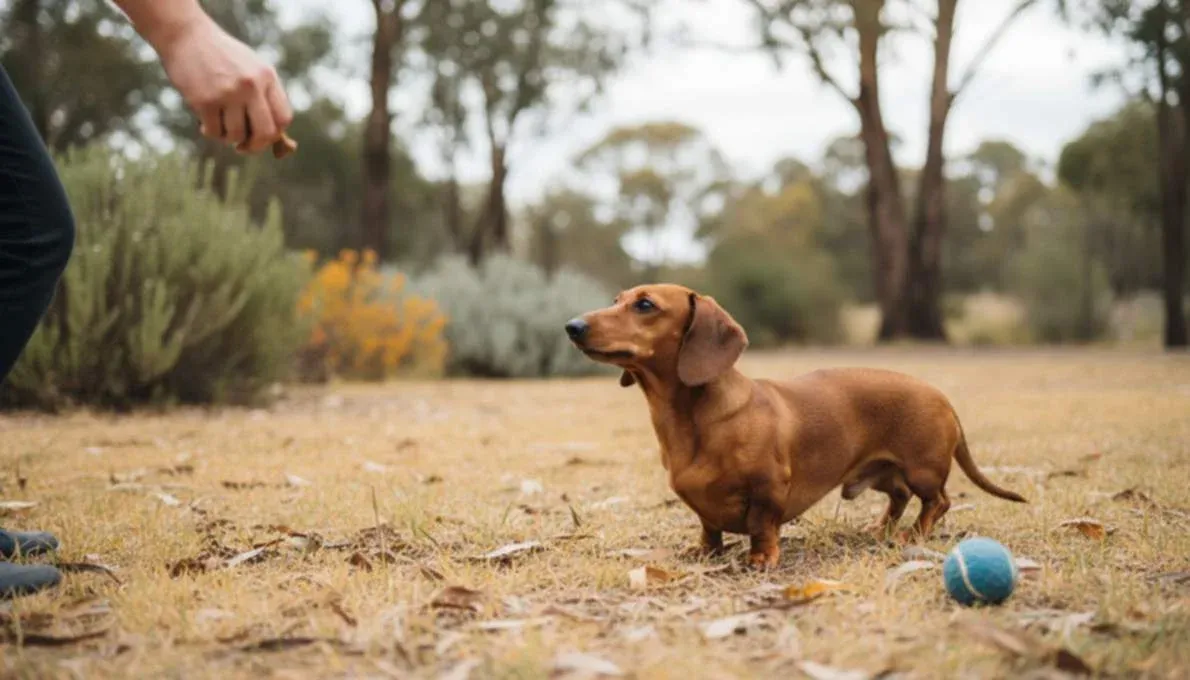
Food-motivated Dachshunds respond best to short, reward-based training sessions (5–10 minutes). Keep treats tiny — remember, weight management is critical for this breed. If you’re struggling, a group puppy class or one-on-one trainer experienced with hounds will make a real difference. Budget $150–$400 AUD for a 4–6 week course in most Australian cities.
Cost of Ownership (AUD)
Here’s what Dachshund ownership actually costs in Australia. These figures reflect 2025–2026 pricing from registered breeders, veterinary clinics and pet retailers across major Australian cities.
Upfront costs
| Item | Cost (AUD) |
|---|---|
| Registered breeder — Standard Dachshund | $3,500–$7,000 |
| Registered breeder — Miniature Dachshund | $4,000–$7,000+ |
| Rescue / adoption | $300–$800 |
| Initial vet setup (vaccines, microchip, desexing) | $500–$1,200 |
| Supplies (crate, bed, bowls, lead, ramps) | $300–$600 |
Ongoing annual costs
| Item | Annual Cost (AUD) |
|---|---|
| Quality dog food | $600–$1,200 |
| Annual vet checkup + vaccinations | $200–$400 |
| Worming, flea & tick prevention | $180–$600 |
| Pet insurance | $1,000–$3,800 |
| Dental cleaning (every 1–2 years) | $300–$600 |
| Grooming (long haired / wire haired) | $300–$800 |
| Toys, treats & replacement supplies | $200–$400 |
Estimated lifetime cost: $30,000–$55,000+ AUD over 12–16 years, depending on health complications. A single IVDD surgery can add $7,000–$15,000 to that total.
Where to buy or adopt
Registered breeders: Search the ANKC Breeder Directory or state-based breed clubs (e.g., Dachshund Club of NSW, Dachshund Club of Victoria). Always confirm Dogs Australia registration.
Rescue organisations: Dachshund Rescue Australia (dachshundrescue.com.au), PetRescue (petrescue.com.au), and RSPCA state branches regularly list Dachshunds and Dachshund crosses.

Is the Dachshund Right for You?
- You want a loyal, personality-packed companion that bonds deeply
- You’re patient with training and don’t expect instant obedience
- You can commit to weight management and back-injury prevention
- You live in a house or apartment and can manage barking
- You have the financial buffer for potential IVDD treatment
- You want an off-lead dog — their prey drive makes reliable recall very difficult
- You have very young children who can’t be taught gentle handling
- You want a quiet dog — Dachshunds bark. A lot.
- You’re not prepared for stubborn, independent behaviour
- You live somewhere with lots of stairs and no alternative access
If you’re weighing up similar breeds, consider comparing the Dachshund to the Cavalier King Charles Spaniel (gentler temperament, similar size), the Beagle (another hound with stubbornness but more exercise needs), or the French Bulldog (apartment-friendly but with its own significant health costs).
The Dachshund is one of the most charismatic, opinionated and genuinely entertaining breeds you can own. They’re not easy — but easy was never the point.
- Personality: Massive. They’ll make you laugh every day and test your patience every other day.
- Health reality: IVDD is a when-not-if conversation for many Dachshund owners. Budget for it, insure early, and keep them lean.
- Cost reality: $30,000–$55,000+ AUD over a lifetime. More than most people expect from a small dog.
If you go in with open eyes and a prepared wallet, a Dachshund will give you 12–16 years of fierce loyalty, ridiculous antics and the kind of companionship that’s hard to find anywhere else.
Frequently Asked Questions
How do you pronounce Dachshund?
It’s DAHKS-hund (rhymes with “cocked-hoond”). The common mispronunciation “dash-hound” isn’t technically correct, though most Australians will know what you mean either way. In everyday conversation, “sausage dog” or “doxie” works perfectly.
How long do Dachshunds live?
The average Dachshund lifespan is 12–16 years. With excellent diet, weight management and preventive vet care, some reach their late teens. The oldest documented Dachshund lived to 21.
What is IVDD and will my Dachshund get it?
Intervertebral Disc Disease is a spinal condition where the discs between vertebrae degenerate and herniate. Roughly 1 in 4 Dachshunds are affected. It’s not guaranteed, but it’s common enough that every Dachshund owner should be prepared. Keep your dog lean, use ramps, avoid jumping, and insure early.
Are miniature Dachshunds different from standard Dachshunds?
Both sizes share the same personality and health profile. Miniature Dachshunds are under 5 kg and were originally bred to hunt smaller prey. They tend to cost slightly more from breeders and are marginally more prone to IVDD due to their more exaggerated proportions.
What’s the difference between a dapple Dachshund and a normal one?
Dapple is a coat pattern (merle gene) that creates lighter patches over a darker base coat. Dapple Dachshunds are the same breed — the difference is purely cosmetic. However, double dapple breeding (two dapple parents) can cause serious health issues including blindness and deafness, so always ask your breeder about parent genetics.
How much does a Dachshund cost in Australia?
From a registered breeder, expect to pay $3,500–$7,000 AUD. Miniature and long haired varieties often sit at the higher end. Rescue adoption fees are typically $300–$800. Budget an additional $500–$1,200 for initial vet setup.
Are Dachshunds good apartment dogs?
Yes, their small size makes them physically suited to apartment living. However, their barking can be a problem in shared walls/floors environments. Training and enrichment help, but Dachshunds are a vocal breed and complete silence isn’t realistic.
Do Dachshunds shed a lot?
Smooth-coated Dachshunds shed lightly. Long haired Dachshunds shed moderately and need regular brushing to prevent mats. Wire haired Dachshunds shed the least but require hand-stripping a few times a year.
- American Kennel Club — Dachshund Breed Information: https://www.akc.org/dog-breeds/dachshund/
- Australian National Kennel Council (ANKC) — Breed Standards: https://ankc.org.au/
- Bow Wow Meow — IVDD Pet Insurance in Australia: https://bowwowinsurance.com.au/pet-community/pet-talk/ivdd-pet-insurance-in-australia-coverage/
- Australian Dog Lover — Intervertebral Disc Disease (IVDD) in Dogs: https://www.australiandoglover.com/2018/06/intervertebral-disc-disease-ivdd-in-dogs_29.html
- PetSure — 2025 Australian Pet Health Monitor Report: https://www.australiandoglover.com/2025/05/2025-petsure-pet-health-monitor.html
- Finder Australia — Dachshund Pet Insurance Comparison: https://www.finder.com.au/pet-insurance/dachshund-pet-insurance
- Pets Online Australia — Dachshund Prices in Australia: https://petsonline.com.au/dog-breeds/dachshund/prices/
- Melbourne Vet Orthopaedics — IVDD Spinal Surgery: https://melbvetortho.com.au/ivdd-spine/