
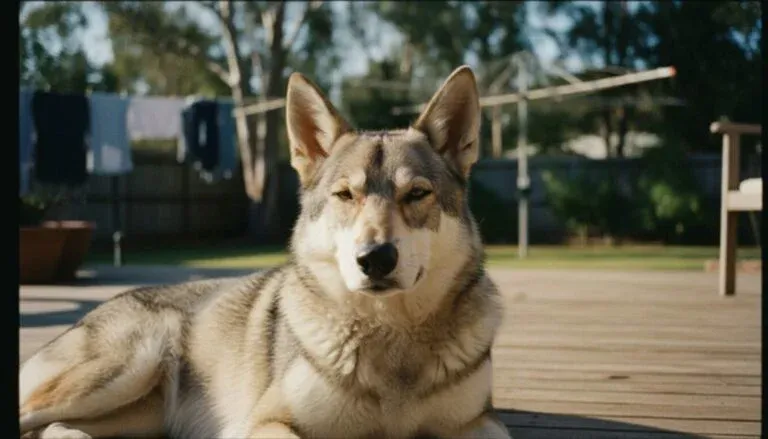
In 1955, behind the Iron Curtain, a Czechoslovakian military scientist crossed a German Shepherd with a Carpathian wolf. The goal was to create the ultimate border patrol dog — one with the trainability of a shepherd and the endurance, senses, and raw power of a wild wolf. The result, after decades of selective breeding, was the Czechoslovakian Wolfdog (Ceskoslovensky Vlcak) — a breed so wolf-like in appearance that even experienced dog people do a double take.
Today, the Czechoslovakian Wolfdog is recognised by the FCI (Fédération Cynologique Internationale) and was admitted to the AKC’s Miscellaneous Class in 2024. There are roughly 36,000 registered worldwide, with the largest populations in Italy and the Czech Republic. The breed is gaining a global following among experienced owners who value its intelligence, athleticism, and striking wolf-like presence.
The Czechoslovakian Wolfdog is banned from importation into Australia under the Environment Protection and Biodiversity Conservation Act 1999 (EPBC Act). It is classified as a domestic/non-domestic hybrid and cannot legally be imported, bred from imported stock, or sold as a registered breed in this country. This ban has been in place since 2010. A 2023 application to add the breed to the Live Import List was submitted for public consultation but no approval has been granted. This guide is written for informational purposes — to satisfy the strong Australian search interest in this breed and to provide, honest information about what the Czechoslovakian Wolfdog actually is, what it’s like to own one, and why it remains prohibited here.
What You’ll Learn
- Breed traits & temperament
- Health concerns to know
- True cost in Australia
- Training & exercise needs
- Is this breed right for you?
Breed Quick Facts Table
| Trait | Detail |
|---|---|
| Breed Group | FCI Group 1: Sheepdogs and Cattle Dogs, Section 1 (Standard No. 332) — AKC Miscellaneous Class (2024) |
| Origin | Former Czechoslovakia (patronage: Slovakia) — created 1955 |
| Height | Males: minimum 65 cm (26 in) | Females: minimum 60 cm (24 in) — no upper limit |
| Weight | Males: minimum 26 kg (57 lb) | Females: minimum 20 kg (44 lb) — no upper limit |
| Coat | Straight, dense, close-fitting double coat — very thick in winter, thinner in summer |
| Colours | Yellow-grey to silver-grey with a characteristic light mask; dark grey permitted |
| Lifespan | 12–16 years (some sources report up to 18) |
| Temperament | Loyal, independent, courageous, suspicious of strangers, pack-oriented, purposeful |
| Shedding | Heavy seasonal shedding (twice yearly); moderate the rest of the year |
| Hypoallergenic | No — heavy shedder with dense undercoat |
| Barking | Very rare — communicates through howls, whines, grunts, and body language (wolf trait) |
| Good With Kids | With caution — best with older children in experienced households |
| Good With Other Pets | Challenging — strong prey drive; not reliable with small animals or unfamiliar dogs |
| Apartment Friendly | No — requires significant space, exercise, and outdoor access |
| Exercise Needs | Very high — minimum 60–90 minutes daily of intense activity |
| First-Time Owner Suitable | No — requires experienced, confident handler |
| Legal in Australia | NO — banned from importation under the EPBC Act 1999 |
History & Origins
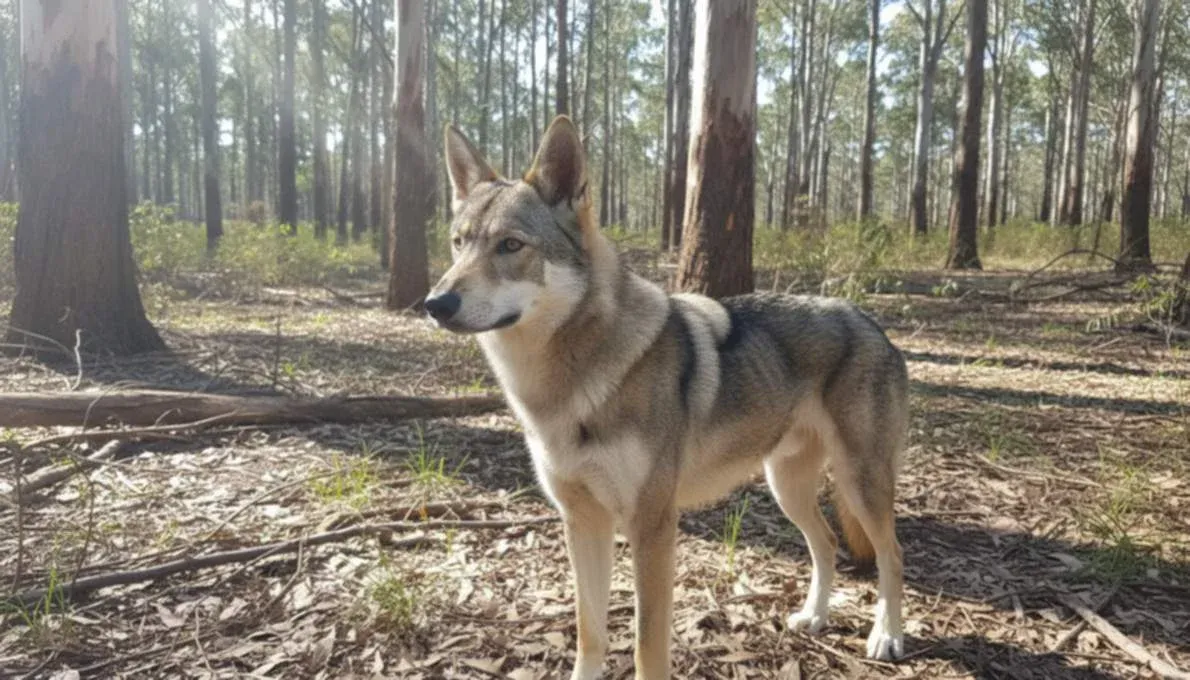
The Czechoslovakian Wolfdog has one of the most unusual and well-documented origin stories of any breed — born not from centuries of selective breeding by shepherds or hunters, but from a Cold War military experiment.
The experiment (1955–1965): In 1955, Colonel Karel Hartl of the Czechoslovakian military, together with respected cynologist Dr. Karel Hartl, initiated a biological experiment to determine whether wolves and domestic dogs could produce viable, breedable offspring. German Shepherd Dogs were crossed with Carpathian grey wolves — specifically four wolves named Sarik, Brita, Argo, and Lejdy, paired with approximately 40 German Shepherds. The experiment proved that both male dog/female wolf and male wolf/female dog pairings could produce fertile offspring suitable for continued breeding.
The breeding programme (1965–1982): After the experiment concluded, a formal breeding programme began with the goal of combining the wolf’s endurance, keen senses, and physical stamina with the German Shepherd’s trainability and willingness to work with humans. Early generations were challenging — the wolf-dog hybrids were considerably more wolf-like in behaviour, difficult to train, and some displayed problematic shyness. The programme persisted through decades of selective breeding. In the 1970s, breeding operations moved to Slovak military kennels near Malacky under Major František Rosík.
National breed recognition (1982): In 1982, the Club of Czechoslovakian Wolfdog Breeders was founded in Brno, and the breed was formally recognised as a national breed of Czechoslovakia. The last addition of wolf blood occurred in 1983 — the wolf Lejdy from Ohrada Zoo was mated with a DDR Working Line German Shepherd. Since then, the breed has been bred exclusively within a closed population with no further wolf introductions.
International recognition: The FCI provisionally recognised the breed in 1989 (Standard No. 332, Group 1: Sheepdogs and Cattle Dogs). Full FCI recognition followed in 1999 after the breed demonstrated long-term stability. The United Kennel Club (UKC) recognised the breed in 2006. The American Kennel Club admitted the breed to its Miscellaneous Class in June 2024.
The post-revolution spread: The 1989 Velvet Revolution opened Czechoslovakia to the West, and breeders began exporting Czechoslovakian Wolfdogs to Austria, Italy, Germany, and beyond. Italy now holds the largest population outside the breed’s homeland, with approximately 43% of the world’s registered dogs. There are estimated to be roughly 36,000 registered Czechoslovakian Wolfdogs worldwide.
DNA studies: A 2015 DNA study compared the breed to German Shepherds and Carpathian wolves and found limited wolf genetic material (alleles) within a predominantly domestic dog genome. The breed has only two maternal and two paternal DNA lineages — most originating from German Shepherds — confirming the breed’s narrow genetic base and predominantly canine heritage despite its wolf-like appearance.
The name and pronunciation: Czechoslovakian Wolfdog is the English name. The Czech name is Ceskoslovensky Vlcak (“CHESS-ko-slo-VEN-skee VUL-chak”); the Slovak form is Vlciak. The breed is also abbreviated as CSV or CsV. In everyday usage, owners often say “Czech Wolfdog” or simply “Vlcak.”
Temperament & Personality
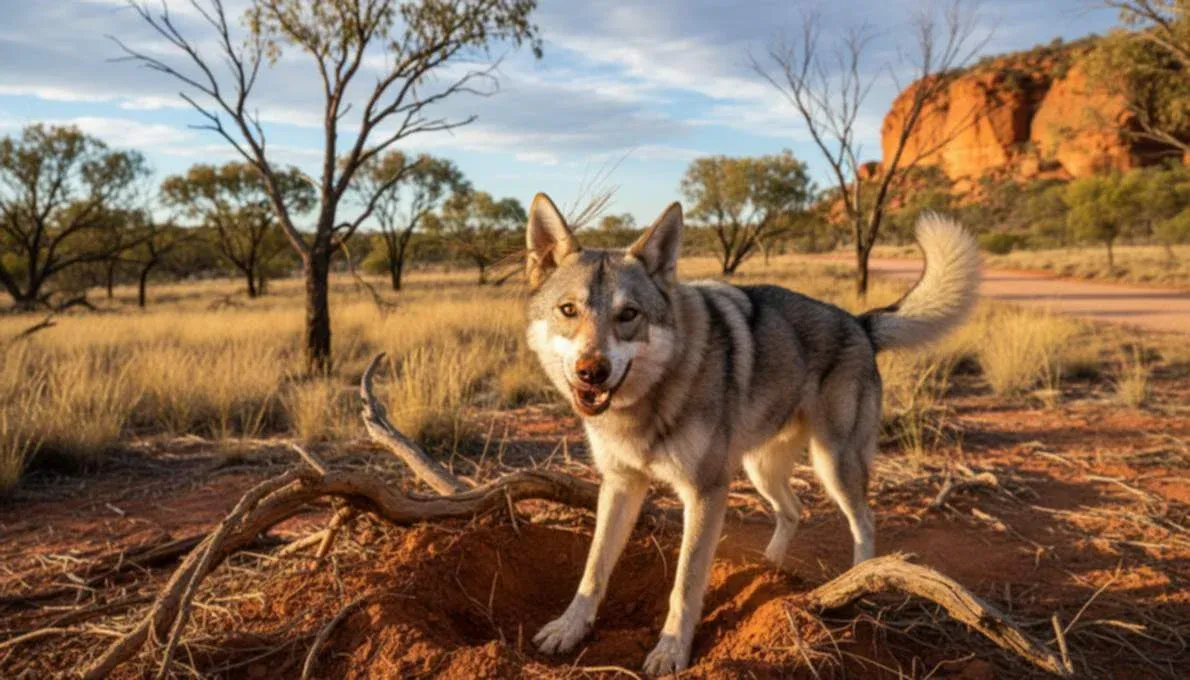
Understanding the Czechoslovakian Wolfdog’s temperament requires understanding that this is not a typical domestic dog. The breed retains more wolf-like behavioural traits than virtually any other recognised breed, and its temperament reflects that heritage.
Czechoslovakian Wolfdogs form intense bonds with their family group and operate with a clear pack hierarchy. They need to know who is in charge, and if their owner does not provide confident, consistent leadership, the dog will fill that vacuum. This pack instinct also means they do significantly better when kept with at least one other dog, ideally from the same or a similar breed.
The breed is deeply loyal to its owner and family, but not in the needy, attention-seeking way of many companion breeds. They are watchful, aware, and present — but they maintain a degree of independence. They know where you are at all times without needing to sit on your lap.
A defining trait. Czechoslovakian Wolfdogs are naturally wary of unfamiliar people and will not approach strangers for affection. They observe, assess, and decide. This wariness is considered correct temperament under the FCI standard, but it requires careful management through early and ongoing socialisation to prevent it from tipping into problematic fearfulness or aggression.
One of the breed’s most distinctive traits is that it rarely barks. Like wolves, they communicate through howls, whines, grunts, growls, and extensive body language. Barking feels unnatural to them, and training them to bark on command can be difficult. This makes them poor alarm dogs in the traditional sense, though their physical presence is deterrent enough.
Czechoslovakian Wolfdogs are highly intelligent but they are not eager to please in the way a Labrador or Border Collie is. Their behaviour is purposeful — they need a reason to perform a task. Repetitive, pointless training exercises bore them rapidly and lead to refusal. Training must be varied, motivated, and meaningful.
The wolf heritage is most evident in the breed’s prey drive. Czechoslovakian Wolfdogs will chase small animals, and they are generally not reliable with cats, rabbits, or other small pets unless raised with them from puppyhood — and even then, caution is warranted. Off-lead freedom requires extremely reliable recall, which is difficult to achieve with this breed.
Like wolves, Czechoslovakian Wolfdogs are naturally more active at dusk and dawn. Given the choice, they will shift activity patterns toward the night. This is a genuine wolf behavioural retention and something owners must accommodate.
Unlike most domestic dogs who come into season twice a year, female Czechoslovakian Wolfdogs typically only cycle once per year, usually in winter. This is a direct wolf trait that has been retained in the breed.
Czechoslovakian Wolfdog Health & Genetic Conditions
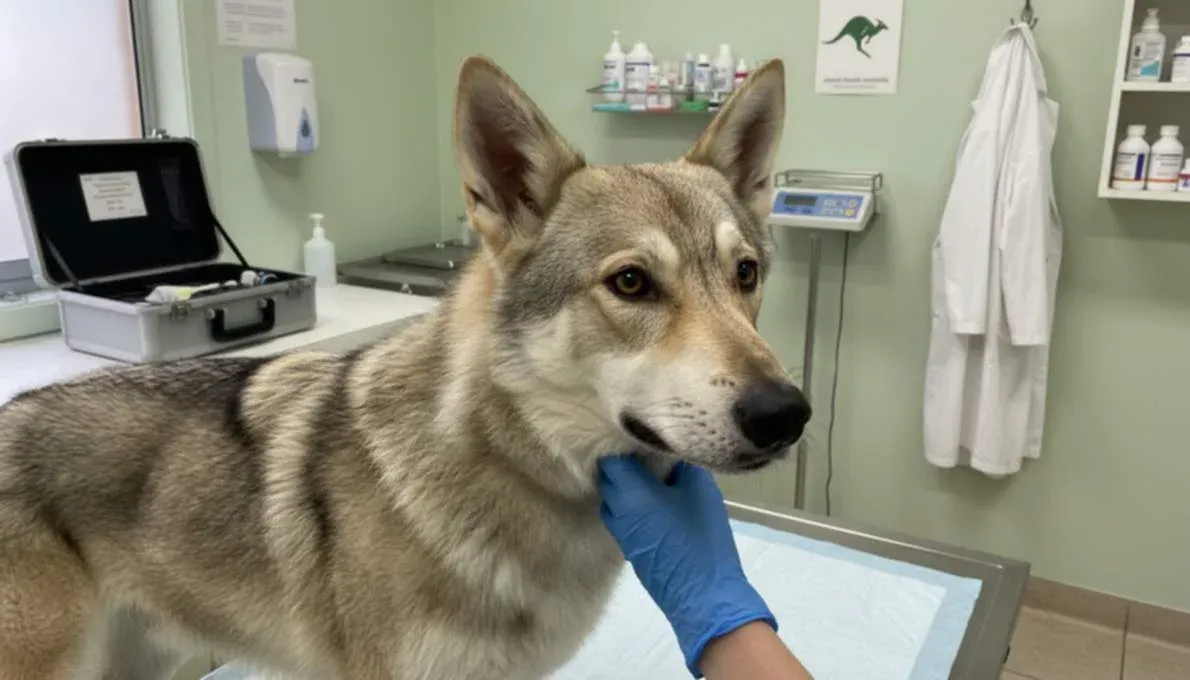
One of the original goals in developing the Czechoslovakian Wolfdog was to create a breed healthier than the heavily inbred German Shepherds used by the military, which frequently suffered from crippling hip dysplasia and shortened working lives. The breed does tend to be healthier than many pedigree dogs of similar size, but it is not immune to genetic conditions.
| Condition | Risk Level | What It Means | Screening Available? |
|---|---|---|---|
| Hip Dysplasia | Moderate — most significant concern | Abnormal development of the hip joint causing pain, lameness, and arthritis. Inherited from the German Shepherd lineage. Hip scoring of breeding dogs is essential. | Yes — radiographic hip scoring (OFA or PennHIP) |
| Elbow Dysplasia | Moderate | Developmental abnormality of the elbow joint causing lameness and stiffness, often in both elbows. Common in large, fast-growing breeds. | Yes — radiographic screening |
| Progressive Retinal Atrophy (PRA) | Low to moderate | Gradual degeneration of retinal cells leading to progressive vision loss and eventual blindness. Can appear at 3–5 years. | Yes — DNA test and CERF eye examination |
| Degenerative Myelopathy (DM) | Low to moderate | Progressive spinal cord disease causing hind limb weakness and paralysis. Inherited from German Shepherd lines. Late onset (typically 8+ years). | Yes — DNA test available |
| Bloat (GDV) | Low to moderate — deep-chested breed | Gastric dilatation-volvulus: the stomach fills with gas and twists. Life-threatening emergency. Risk increases with age and is more common in large, deep-chested breeds. | No — preventative measures (slow feeding, elevated bowls, avoiding exercise after meals) |
| Skin Allergies | Low | Environmental or food-related allergies causing itching and skin irritation. Less common than in many domestic breeds. | No — clinical management |
| Dental Issues | Low to moderate | Standard dental disease risk. Regular dental care recommended. | No — preventative dental care |
| Exocrine Pancreatic Insufficiency (EPI) | Low | Inherited from German Shepherd lines. The pancreas fails to produce adequate digestive enzymes. Manageable with enzyme supplements. | Yes — blood test (TLI) |
Overall health picture: The Czechoslovakian Wolfdog is generally a robust, healthy breed. The wolf genetic contribution appears to have reduced rates of many conditions common in German Shepherds, and the breed’s lifespan of 12–16 years (with some reaching 18) is excellent for a dog of its size. However, hip dysplasia remains the primary concern, and all breeding dogs should be hip and elbow scored. Responsible breeders also screen for DM, PRA, and complete eye examinations.
Czechoslovakian Wolfdog Lifespan & Longevity
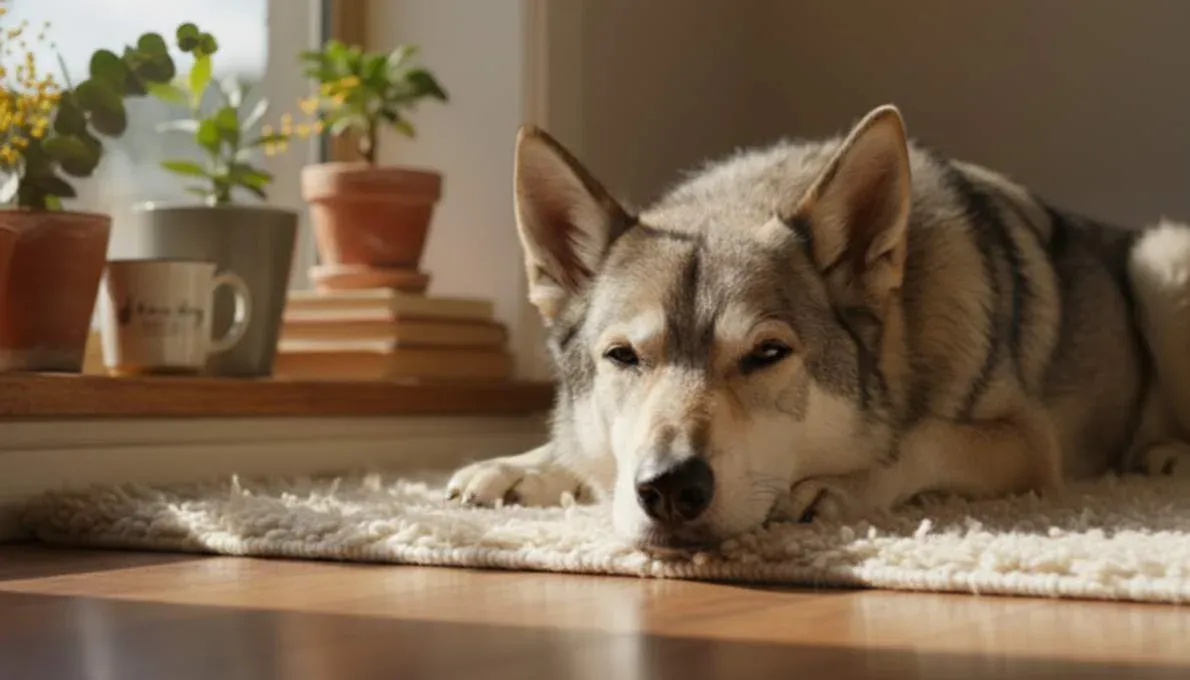
The Czechoslovakian Wolfdog lives significantly longer than most breeds of comparable size. While large dogs typically live 8–12 years, the CSV commonly reaches 12–16 years, with exceptional individuals reported to live to 18. This longevity is likely attributable to the breed’s hybrid vigour and the deliberate selection for health during its development.
| Life Stage | Age Range | What to Expect |
|---|---|---|
| Puppy | 0–18 months | Extended puppyhood compared to most breeds. Critical socialisation window (8–16 weeks) is especially important for this breed — under-socialised puppies are far more likely to develop fearfulness and reactivity. Expect a “stormy adolescence” between 6–18 months where independence and testing of boundaries peak. |
| Young Adult | 18 months–3 years | Physical maturity reached but mental maturity continues developing. Still testing limits. High energy, strong prey drive, and developing confidence. Ongoing socialisation and structured training remain essential. |
| Mature Adult | 3–10 years | Most settled period. Breed’s loyalty and working ability at peak. Maintain vigorous exercise routine. Annual vet checks with hip/elbow monitoring. Watch for early signs of vision changes. |
| Senior | 10+ years | Gradual slowing, though many remain active. Watch for hind limb weakness (possible DM), vision changes, and joint stiffness. Reduce impact exercise but maintain mental stimulation. Bi-annual vet visits recommended. |
The keys to CSV longevity are buying from hip/elbow-scored parents, maintaining a lean body condition (excess weight accelerates joint disease), providing ample exercise and mental stimulation throughout life, and managing the breed’s specific needs around socialisation and pack structure.
Czechoslovakian Wolfdog Grooming & Care
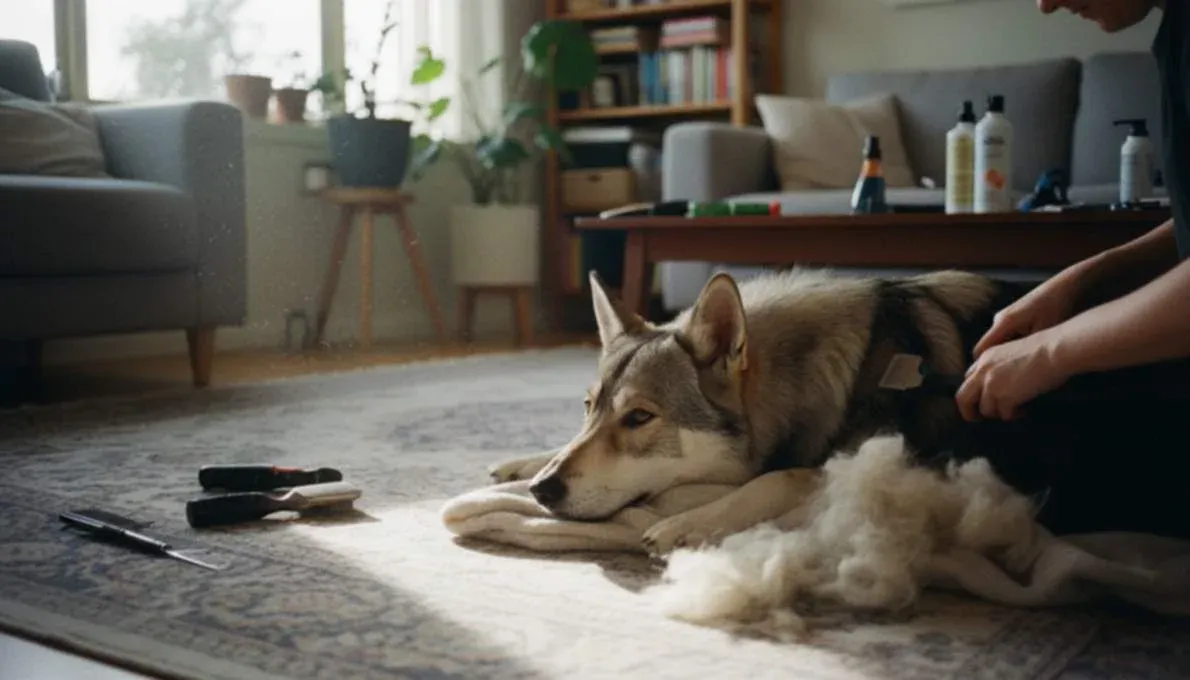
Despite their impressive coat, Czechoslovakian Wolfdogs are surprisingly low-maintenance in the grooming department — at least compared to long-coated breeds. Their coat is self-cleaning and weather-resistant, much like a wolf’s. The main challenge is seasonal shedding, which is dramatic.
| Task | Frequency | Notes |
|---|---|---|
| Brushing | Weekly (daily during seasonal blowout) | Use an undercoat rake and slicker brush. The thick double coat sheds heavily twice a year (spring and autumn) when daily brushing is necessary to manage the volume of loose fur. Outside of shedding season, weekly brushing is sufficient. |
| Bathing | Rarely — only when truly dirty | Frequent bathing is discouraged as it strips the coat’s natural oils, which provide weather resistance and insulation. The coat is naturally self-cleaning. Bathing more than a few times a year can cause skin problems. |
| Nail Trimming | Every 3–4 weeks | Active dogs may wear nails down naturally. Check regularly and trim as needed. |
| Ear Cleaning | Fortnightly | Erect ears provide good air circulation, reducing infection risk compared to floppy-eared breeds. Clean as needed and check for debris. |
| Teeth Brushing | 2–3 times per week | Standard dental care. Raw bones (supervised) can help with dental health if feeding a raw or partial-raw diet. |
Seasonal coat change: The Czechoslovakian Wolfdog’s coat changes dramatically with the seasons. In winter, a dense, thick undercoat develops that can make the dog appear significantly larger. In summer, the undercoat thins considerably, and the dog looks leaner and sleeker. This seasonal adaptation is a direct wolf trait and means the breed is well-suited to cold climates but can struggle in extreme heat.
No doggy odour: Like wolves, Czechoslovakian Wolfdogs tend to have minimal body odour compared to most domestic dogs. This is another inherited wolf trait that owners consistently report.
Czechoslovakian Wolfdog Exercise Needs
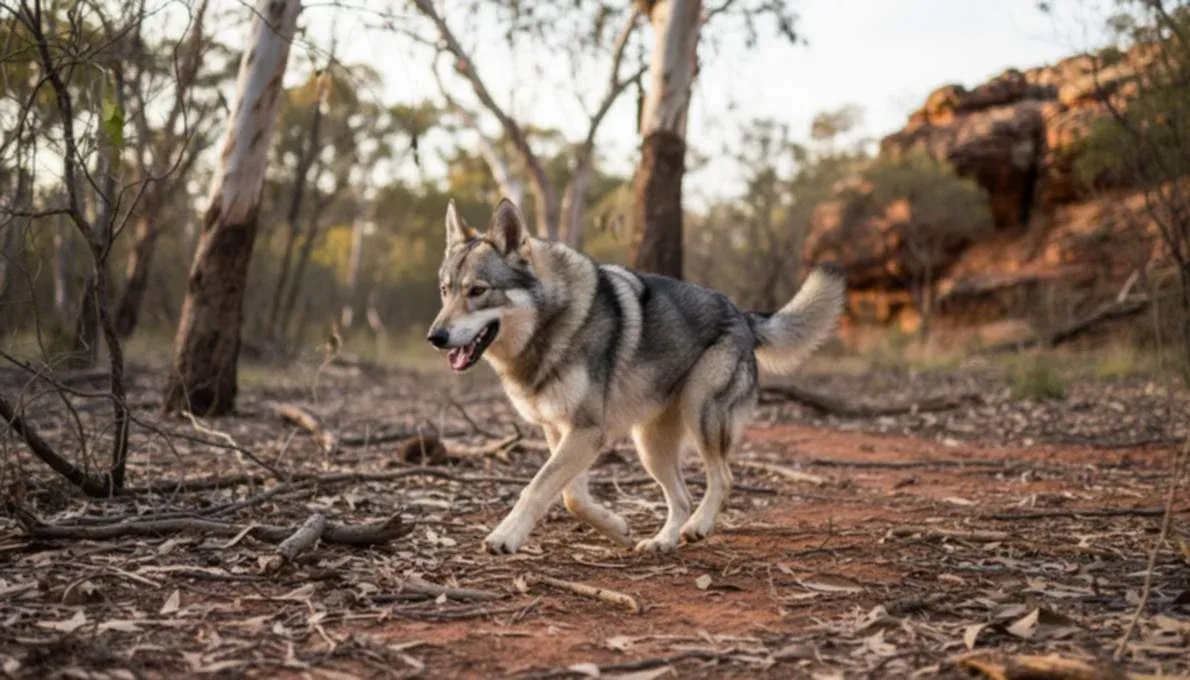
This is not a breed for sedentary households. The Czechoslovakian Wolfdog was bred to patrol borders for kilometres in harsh conditions, and that stamina and drive remain fully intact. Breed enthusiasts report that CSVs can run 100 km in a single outing without distress.
Daily minimum:
60–90 minutes of vigorous exercise per day, with at least one extended session. Walking alone is not sufficient — they need running, hiking, or structured activity to burn physical and mental energy.
Ideal activities:
Long hikes, trail running, canicross, bikejoring, skijoring, tracking, search-and-rescue training, and agility. The breed excels at endurance activities and any task that engages their intelligence and senses simultaneously.
Mental stimulation is critical:
A physically tired CSV that is mentally bored will still be destructive. Puzzle feeders, scent work, tracking exercises, and varied training sessions are essential. The breed needs to problem-solve and engage its considerable intelligence daily.
Off-lead caution:
The CSV’s strong prey drive and independent nature make reliable off-lead recall extremely difficult to achieve. Many experienced owners never allow their CSVs off-lead in unfenced areas. A securely fenced property is considered essential for this breed.
Under-exercised behaviour:
A Czechoslovakian Wolfdog that does not receive adequate exercise and stimulation will howl, dig, escape, destroy property, and become increasingly difficult to manage. This is not a breed that tolerates boredom.
Dog sports:
CSVs can perform well in agility, obedience, IPO/Schutzhund, tracking, and endurance tests. However, their purposeful nature means they need to understand why they’re doing an exercise — repetitive, unmotivated training will fail.
Czechoslovakian Wolfdog Training Guide
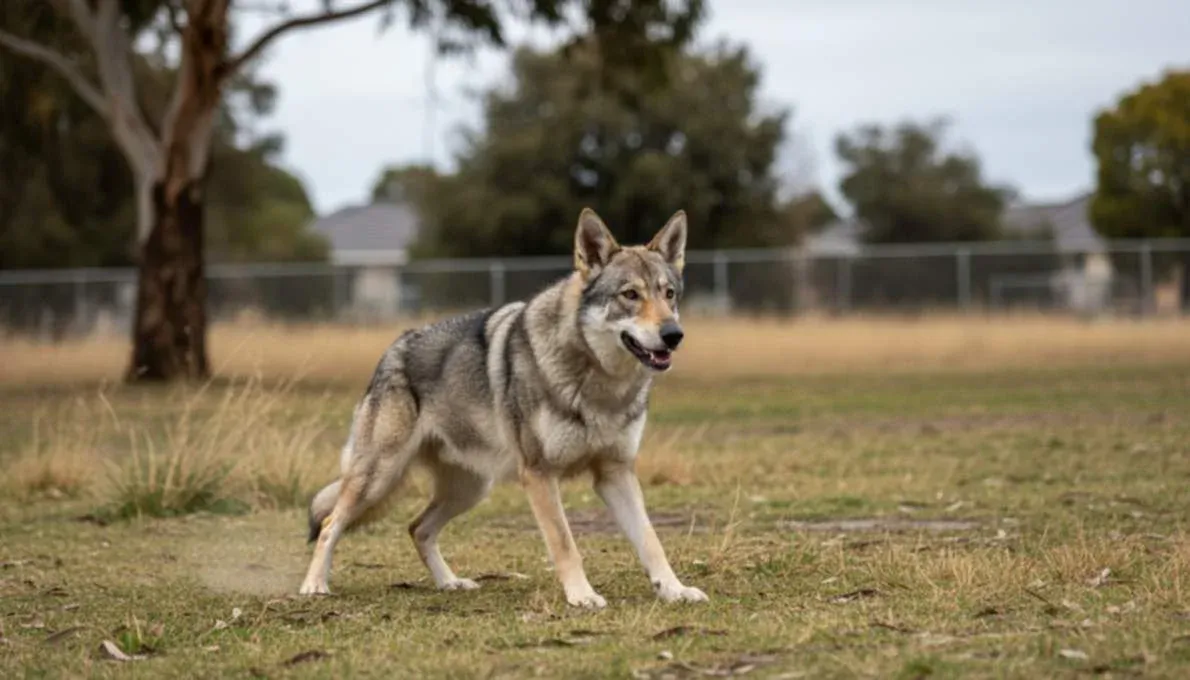
Training a Czechoslovakian Wolfdog is fundamentally different from training most domestic dogs. This is not a breed that aims to please — it’s a breed that aims to understand and decide. Success requires patience, creativity, and genuine leadership.
Honest difficulty rating:
Very difficult. This is one of the most challenging breeds to train. They are highly intelligent, but their wolf heritage means they are also independent, easily bored, and resistant to repetitive or pointless exercises. They are not recommended for first-time dog owners under any circumstances.
| Age | Training Focus | Tips |
|---|---|---|
| 8–16 weeks | Socialisation, socialisation, socialisation | The single most critical training period. Expose the puppy to as many people, environments, sounds, animals, and experiences as possible. Under-socialised CSVs frequently develop lifelong fear-based reactivity. This window closes fast and cannot be fully recovered later. |
| 4–6 months | Basic obedience, handling, impulse control | Keep sessions short (5–10 minutes), varied, and high-reward. Avoid repetition — if the dog has performed a command correctly twice, move on to something new. Begin recall training in enclosed areas. Establish yourself as a calm, consistent leader. |
| 6–18 months | Adolescent management, advanced obedience, prey drive control | The most challenging period. The dog will test boundaries, display increased independence, and prey drive will intensify. Maintain structure without harshness. Socialisation must continue aggressively. Seek professional help from a trainer experienced with primitive/wolfdog breeds. |
| 18 months–3 years | Ongoing training, sport foundations, real-world reliability | Mental maturity develops slowly. Continue building reliability in varied environments. Channel energy into structured activities (tracking, agility, canicross). Accept that perfect obedience may not be achievable — aim for reliable safety behaviours. |
Key training principles: Never use force or punishment-based methods — the CSV will shut down or become defensive. Use positive reinforcement with high-value rewards. Find what motivates your individual dog (food, toys, play, or the activity itself). Vary exercises constantly. Keep training sessions purposeful — the dog should feel it is accomplishing something real. Attend to pack structure: the CSV needs a leader who is calm, fair, and consistent, not dominant or aggressive.
The socialisation imperative: Cannot be overstated. The FCI standard describes the breed as “suspicious” of strangers, which is correct temperament. But without extensive socialisation, suspicion easily becomes fear, and fear becomes reactivity or aggression. Shyness and fearfulness are listed as disqualifying faults in the breed standard, but they remain common problems in poorly socialised individuals. Early, positive exposure to the world is the single most important thing an owner can do.
Cost, Availability & Australian Legal Status
This section addresses the breed’s legal status in Australia, pricing in countries where the breed is available, and alternatives for Australians attracted to wolf-like dogs.
Australian Legal Status
The Czechoslovakian Wolfdog is banned from importation into Australia. The key facts:
Under the Environment Protection and Biodiversity Conservation Act 1999 (EPBC Act), Australia prohibits the importation of domestic/non-domestic hybrid animals, including wolf-dog crosses. The Czechoslovakian Wolfdog is explicitly listed as a prohibited hybrid alongside the Saarloos Wolfdog, Lupo Italiano, and Kunming Wolfdog. This ban has been in effect since 2010.
Australia’s strict biosecurity laws are designed to protect native wildlife and ecosystems. Wolf-dog hybrids are classified as a high ecological risk due to the potential to establish feral populations, prey on native wildlife, and hybridise with dingoes. The breed also received an “extreme” climate match score for Australia, meaning the environment would be highly suitable for feral establishment.
In 2023, an application was submitted to the Department of Climate Change, Energy, the Environment and Water (DCCEEW) to add the Czechoslovakian Wolfdog to the Live Import List. The application included a detailed risk assessment and was opened for public consultation (closing 8 March 2023). As of 2026, no approval has been granted and the breed remains prohibited.
Providing false information on an import declaration (such as misidentifying a prohibited breed) carries fines of up to $313,000 for individuals, $1,565,000 for corporations, and up to 10 years imprisonment. Animals identified as prohibited breeds can be seized and euthanised.
The Czechoslovakian Wolfdog is not recognised by Dogs Australia (formerly the Australian National Kennel Council/ANKC). It cannot be registered, bred, or shown through any ANKC-affiliated body.
Pricing in Countries Where the Breed Is Legal
| Region | Typical Price Range | Notes |
|---|---|---|
| Europe (Czech Republic, Italy, Germany) | €1,200–€2,500 ($2,000–$4,200 AUD) | Largest breeding populations. Czech and Slovak breeders are considered the breed’s homeland. Italian breeders hold ~43% of global registrations. Prices vary by bloodline and breeder reputation. |
| United Kingdom | £1,500–£3,000 ($2,900–$5,800 AUD) | Small but growing population. Used in search-and-rescue work. UK Kennel Club does not recognise the breed. |
| United States | USD $1,500–$3,500 ($2,300–$5,400 AUD) | Rare. Approximately 100 dogs in the US. AKC Miscellaneous Class (2024). Breeders are few and waitlists are common. |
Legal Wolf-Like Alternatives in Australia
For Australians attracted to the wolf-like appearance, the following breeds and breed projects are legal and available in Australia:
ANKC-registered, widely available, wolf-like appearance (especially grey/white coats). High energy, independent temperament. Price: $2,000–$4,000 AUD.
ANKC-registered, larger and more powerful than the Husky. Striking wolf-like appearance. Requires experienced ownership. Price: $2,500–$5,000 AUD.
ANKC-registered, widely available. The CSV’s domestic parent breed. Trainable, loyal, versatile. Sable-coloured GSDs have a wolf-adjacent look. Price: $2,500–$5,000 AUD.
A breed-in-development (not ANKC-recognised) bred specifically to look like wolves using only legal domestic breeds (German/Swiss Shepherd, Alaskan Malamute, Siberian Husky, Samoyed). No wolf content. Available from registered Lykos Wolfalike Council breeders. Price: $3,000–$5,000 AUD.
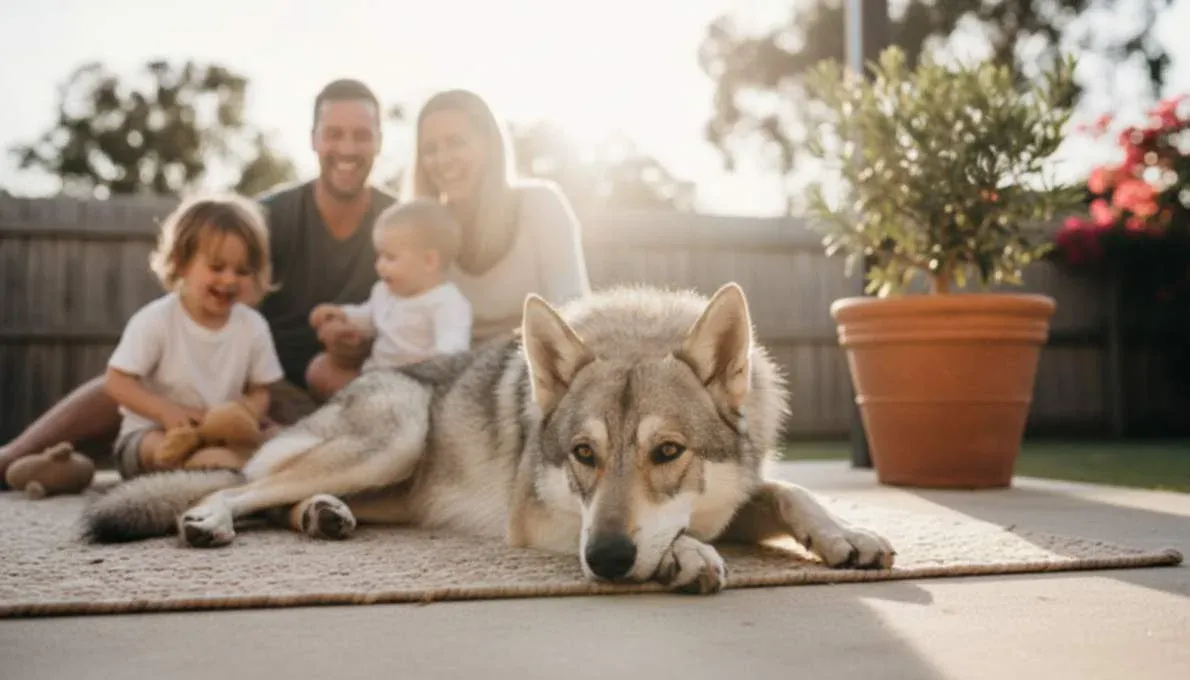
Is a Czechoslovakian Wolfdog Right for You?
Note: This section is written for readers in countries where the breed is legal. The Czechoslovakian Wolfdog cannot be legally owned in Australia.
- You are an experienced dog owner who has successfully raised and trained large, independent-minded breeds.
- You lead an active outdoor lifestyle with time for 60–90+ minutes of daily exercise and mental stimulation.
- You have a securely fenced property with ample space.
- You are prepared for a lifelong commitment to training and socialisation.
- You understand and appreciate wolf-like behaviour — independence, suspicion of strangers, prey drive, nocturnal tendencies, and minimal barking.
- You do not have small pets (cats, rabbits) or very young children in the home.
- You are willing to seek professional training guidance from someone experienced with primitive/wolfdog breeds.
- You are a first-time dog owner. This breed requires advanced handling skills.
- You live in an apartment or small property.
- You work long hours and the dog would be left alone for extended periods.
- You expect eager-to-please obedience. This breed thinks for itself.
- You have small children or small pets.
- You want a breed you can reliably walk off-lead.
- You live in Australia. The breed is banned.
Czechoslovakian Wolfdog vs Similar Breeds
| Feature | Czechoslovakian Wolfdog | Saarloos Wolfdog | Siberian Husky | German Shepherd |
|---|---|---|---|---|
| Origin | Czechoslovakia (1955) | Netherlands (1935) | Siberia (ancient) | Germany (1899) |
| Wolf Content | Yes — Carpathian wolf (closed since 1983) | Yes — European wolf (closed since 1969) | None — domestic breed | None — domestic breed |
| Weight | 20–30+ kg | 36–45 kg | 16–27 kg | 22–40 kg |
| Temperament | Loyal, independent, suspicious, purposeful | Reserved, sensitive, cautious, pack-oriented | Friendly, outgoing, independent, playful | Loyal, confident, trainable, protective |
| Trainability | Difficult — purposeful, easily bored | Very difficult — sensitive, avoidant | Moderate — independent, food-motivated | Easy to moderate — eager to work |
| Prey Drive | Very high | High | High | Moderate to high |
| Barking | Very rare — howls | Very rare — howls | Moderate — howls and barks | Moderate to high — barks |
| Lifespan | 12–16 years | 10–12 years | 12–15 years | 9–13 years |
| Legal in Australia | No — banned | No — banned | Yes — ANKC registered | Yes — ANKC registered |
The Czechoslovakian Wolfdog is a breed that commands respect. Here’s the honest summary:
- This is one of the most striking and unique breeds in the world — a genuine wolf-dog hybrid that combines lupine endurance, intelligence, and presence with enough domestic dog temperament to be a loyal, trainable companion in the right hands. Their 12–16 year lifespan is exceptional for their size, and their health record is genuinely strong.
- However, this is not a pet for most people. The breed requires experienced, active, dedicated owners who understand primitive dog behaviour, can provide enormous amounts of exercise and mental stimulation, and are prepared for a lifetime of training and socialisation. Failure to meet these needs produces a dangerous, unhappy dog.
- For Australian readers: the Czechoslovakian Wolfdog is banned from importation and cannot be legally owned, bred, or registered in Australia. If you are drawn to wolf-like dogs, consider ANKC-registered breeds like the Siberian Husky, Alaskan Malamute, or German Shepherd, or the Australian Lykos Wolfalike breed project (which uses only legal domestic breeds). Do not attempt to import wolf-dog hybrids illegally — penalties are severe and animals may be destroyed.
Czechoslovakian Wolfdog FAQs
Are Czechoslovakian Wolfdogs legal in Australia?
No. The Czechoslovakian Wolfdog is explicitly banned from importation into Australia under the EPBC Act 1999. This ban has been in place since 2010 and covers all domestic/non-domestic wolf-dog hybrids. The breed is not recognised by Dogs Australia (ANKC) and cannot be legally imported, bred from imported stock, or registered in Australia.
How do you pronounce Czechoslovakian Wolfdog?
The English name is straightforward. The breed’s official Czech name is Ceskoslovensky Vlcak, pronounced approximately "CHESS-ko-slo-VEN-skee VUL-chak." Owners often shorten it to "CSV" or "Vlcak" or simply "Czech Wolfdog."
How much wolf is in a Czechoslovakian Wolfdog?
No additional wolf blood has been introduced since 1983, meaning today’s Czechoslovakian Wolfdogs are many generations removed from the original wolf crosses. A 2015 DNA study found limited wolf genetic material within a predominantly domestic dog genome. However, the breed retains significant wolf-like behavioural traits including pack mentality, prey drive, howling over barking, nocturnal tendencies, and once-yearly heat cycles in females.
Are Czechoslovakian Wolfdogs dangerous?
They are not inherently aggressive, but they are powerful, independent dogs with a strong prey drive and natural wariness of strangers. Without proper socialisation, training, and management, they can become fearful, reactive, or aggressive. They are not suitable for inexperienced owners, and they are not recommended for homes with small children or small pets.
What is the difference between a Czechoslovakian Wolfdog and a Saarloos Wolfdog?
Both are recognised wolf-dog hybrid breeds, but they are distinct. The Saarloos (Netherlands, 1935) is generally larger (36–45 kg vs 20–30+ kg), more reserved and sensitive, and more difficult to train. The CSV is more active, more trainable, and has been used successfully in working roles (border patrol, search-and-rescue). Both are banned in Australia.
What is the Czechoslovakian Wolfdog lifespan?
12–16 years, with some individuals reported to reach 18. This is exceptional for a dog of their size and is partly attributed to the hybrid vigour from their wolf ancestry and deliberate health-focused breeding.
Do Czechoslovakian Wolfdogs bark?
Rarely. The breed communicates through howls, whines, grunts, and body language rather than barking. This is a retained wolf trait. Training them to bark on command is notoriously difficult.
Can you own a Czechoslovakian Wolfdog as a pet?
In countries where they are legal (much of Europe, the UK, the US), yes — but only if you are an experienced, active owner willing to commit to extensive training and socialisation. Scientific studies have noted that many wolf-dog hybrids end up in rescue centres after owners find them unmanageable once the dogs reach maturity.
How big does a Czechoslovakian Wolfdog get?
Males stand at least 65 cm (26 inches) at the shoulder and weigh at least 26 kg (57 lb), with many considerably larger. Females are at least 60 cm (24 inches) and 20 kg (44 lb). There is no upper height or weight limit in the breed standard.
Are Czechoslovakian Wolfdogs good with children?
They can coexist with older children in experienced households, but they are not recommended for families with young children. Their size, prey drive, independent nature, and wariness of unfamiliar people create risks that require careful management.
What wolf-like dogs can you own in Australia?
Legal options include the Siberian Husky, Alaskan Malamute, German Shepherd (especially sable-coloured), and the Australian Lykos Wolfalike (a breed-in-development using only legal domestic breeds with no wolf content). All wolf-dog hybrids — including the Czechoslovakian Wolfdog, Saarloos Wolfdog, Lupo Italiano, and Kunming Wolfdog — are banned.
How much does a Czechoslovakian Wolfdog cost?
In Europe, expect to pay €1,200–€2,500 ($2,000–$4,200 AUD). In the UK, £1,500–£3,000 ($2,900–$5,800 AUD). In the US, USD $1,500–$3,500 ($2,300–$5,400 AUD). Prices vary by bloodline, breeder, and country. The breed cannot be purchased in Australia.
[1] Wikipedia – Czechoslovakian Wolfdog — https://en.wikipedia.org/wiki/Czechoslovakian_Wolfdog
[2] FCI – Breed Standard No. 332: Czechoslovakian Wolfdog — http://www.fci.be/nomenclature/Standards/332g01-en.pdf
[3] DogZone.com – Czechoslovakian Wolfdog Breed Information — https://www.dogzone.com/breeds/czechoslovakian-wolfdog/
[4] Wag Walking – Czechoslovakian Wolfdog Breed Guide — https://wagwalking.com/breed/czechoslovakian-wolfdog
[5] DCCEEW – Application for Import of Czechoslovakian Wolfdog — https://www.dcceew.gov.au/environment/wildlife-trade/comment/import-czechoslovakian-wolfdog
[6] Dial A Vet – Czechoslovakian Wolfdog Characteristics & Care — https://www.dialavet.com/blog/czechoslovakian-wolfdog-breed-characteristics-care
[7] Petraveller – Prohibited Dog and Cat Breeds in Australia — https://petraveller.com.au/blog/prohibited-dog-and-cat-breeds-in-australia
[8] Dogtainers – Banned Dog and Cat Breeds in Australia — https://blog.dogtainers.com.au/banned-dog-and-cat-breeds-australia/
[9] AKC – Czechoslovakian Vlciak Breed Information — https://www.akc.org/dog-breeds/czechoslovakian-vlciak/ (FOLLOW)
[10] ScienceDirect – Behavioural Characteristics of Czechoslovakian Wolfdogs (2021) — https://www.sciencedirect.com/science/article/abs/pii/S0168159121000873