
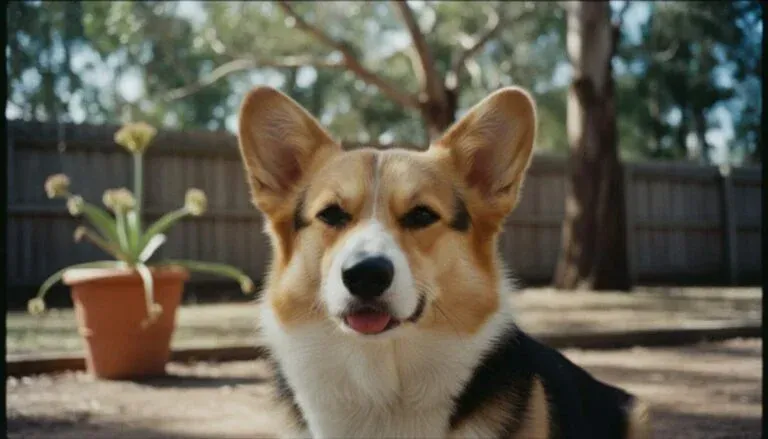
If you’ve ever watched a Corgi sprint across a park, ears pinned back, stumpy legs a blur, face locked into pure joy — you already understand why this breed has millions of fans. The Corgi dog is a paradox on four very short legs: a serious herding breed wrapped in an irresistibly cute package, a dog that stands barely 30 cm tall but genuinely believes it can boss cattle, burglars, and you.
When most people say “Corgi,” they mean the Pembroke Welsh Corgi — the one Queen Elizabeth II made famous, the internet’s favourite dog, and the type most commonly bred in Australia. But the Cardigan Welsh Corgi is the older cousin, slightly larger, with a full tail and a wider colour palette. Both are registered under ANKC Group 5 (Working Dogs), and both share the same low-slung, big-eared silhouette that makes strangers stop and smile.
This guide covers both varieties with an honest focus on what Corgi ownership actually involves in Australia. The shedding is legendary. The barking is real. The personality is addictive. And the health costs — particularly around their long backs and short legs — are something every buyer needs to understand before falling for that foxy face.
What You’ll Learn
- Breed traits & temperament
- Health concerns to know
- True cost in Australia
- Training & exercise needs
- Is this breed right for you?
Breed Quick Facts Table
| Trait | Pembroke Welsh Corgi | Cardigan Welsh Corgi |
|---|---|---|
| Breed Group | Working Dog (ANKC Group 5) | Working Dog (ANKC Group 5) |
| Origin | Pembrokeshire, Wales — Flemish/Viking roots (~10th–12th century) | Cardiganshire, Wales — Celtic roots (~1200 BCE) |
| Height | 25–30 cm (10–12 in) | 27–32 cm (10.5–12.5 in) |
| Weight | Males: 10–14 kg | Females: 10–13 kg | Males: 14–17 kg | Females: 11–15 kg |
| Coat | Short to medium double coat, weather-resistant | Short to medium double coat, slightly heavier |
| Colours | Red, sable, fawn, black & tan, tricolour (no merle) | Red, sable, brindle, black, blue merle — wider range |
| Tail | Naturally short or docked (natural bobtails exist) | Full long tail — never docked |
| Lifespan | 12–13 years (UK 2024 study: 13.2 years) | 12–15 years |
| Temperament | Bold, affectionate, playful, alert, strong-willed | Loyal, calm, intelligent, reserved with strangers |
| Shedding | Heavy — constant year-round with seasonal blows | Heavy — constant year-round with seasonal blows |
| Barking | Moderate to high — vocal watchdogs | Moderate — slightly quieter than Pembrokes |
| Good With Kids | Yes — may nip at heels (herding instinct) | Yes — may nip at heels (herding instinct) |
| Apartment Friendly | Possible with enough exercise — but barking is a concern | Possible with enough exercise — slightly calmer indoors |
| Exercise Needs | Moderate to high — 60+ minutes daily | Moderate — 45–60+ minutes daily |
| Hypoallergenic | No — heavy shedders | No — heavy shedders |
| Puppy Price (AUD) | $3,500–$5,500+ from registered breeders | $3,500–$5,000+ (fewer breeders, less common) |
| Royal Connection | Queen Elizabeth II owned 30+ Pembrokes in her lifetime | No direct royal connection |

History & Origins
The two Corgi breeds share a name and a silhouette but have quite different origin stories. They were considered one breed until 1934, when the English Kennel Club officially separated them.
Cardigan Welsh Corgi — the older breed: The Cardigan’s ancestors arrived in Cardiganshire, Wales, with Celtic tribes around 1200 BCE, making them one of the oldest herding breeds in Britain. They’re thought to be related to the same ancestral stock that produced the Dachshund and Basset Hound — all achondroplastic (true dwarf) breeds. The Cardigan was the all-purpose farm dog of Welsh hill country: herding cattle, guarding the homestead, and ratting.
Pembroke Welsh Corgi — the popular one: The Pembroke arrived in Pembrokeshire, Wales, around the 10th to 12th century, likely brought by Flemish weavers invited by Henry I in 1107. Some theories link them to Swedish Vallhunds or spitz-type dogs from Scandinavia. The Pembroke was also bred to herd cattle, using its low stature to nip at heels and dodge kicks.
The Queen’s Corgis: No breed has a stronger royal connection. Queen Elizabeth II received her first Pembroke Welsh Corgi, Dookie, in 1933 and owned more than 30 during her lifetime. She also bred “Dorgis” (Dachshund-Corgi crosses). The association boosted the breed’s popularity worldwide and made the Pembroke one of the most recognisable dog breeds on earth.
Internet fame and The Crown effect: The Pembroke Corgi experienced a major popularity surge from social media and the Netflix series The Crown. In the UK, where the breed had been listed as a Vulnerable Native Breed after registrations dropped below 300, numbers rebounded after 2017. In Australia, demand has grown steadily, with waitlists common among registered breeders.
ANKC classification: Both breeds are registered under ANKC Group 5 — Working Dogs. The Pembroke is registered as “Welsh Corgi (Pembroke)” and the Cardigan as “Welsh Corgi (Cardigan).” The National Welsh Corgi Council oversees breed interests across Australian states.

Corgi Dog Temperament & Personality
Corgis pack a startling amount of personality into a very small frame. They are not lap dogs, even though they’ll happily sit on your lap. They’re herding dogs with centuries of independent decision-making bred into them, and that intelligence shows up as confidence, stubbornness, and a strong opinion about everything.
Corgis genuinely don’t know they’re small. They’ll confront large dogs, boss around family members, and appoint themselves as household security. This boldness is charming but needs management — a Corgi that isn’t trained and socialised can become pushy, snappy, or reactive.
Corgis are consistently ranked among the most intelligent dog breeds. They learn quickly and are eager to work, but they also think for themselves. A Corgi will follow your command if it makes sense to them. Repetitive, boring training sessions will be met with creative non-compliance. Keep sessions short, varied, and rewarding.
Despite their independent streak, Corgis are deeply devoted to their families. They want to be near you, involved in activities, and aware of everything happening in the household. They’re not typically clingy in the way some breeds are, but they follow you, watch you, and check on you.
Corgis will herd children, cats, other dogs, visitors, and anything else that moves. This manifests as heel-nipping — the exact behaviour they were bred for with cattle. It’s not aggression; it’s instinct. But it must be redirected through training, especially in homes with small children.
Corgis bark. They have a surprisingly deep, loud bark for their size, and they use it freely. They’ll alert you to visitors, passing dogs, delivery drivers, suspicious leaves, and their own reflection. Pembrokes tend to be noisier than Cardigans. This is a significant consideration for apartment dwellers or those with noise-sensitive neighbours.
Beneath the serious herding exterior, Corgis are genuinely funny dogs. They’ll zoom around the house at full speed, play-bow at inappropriate moments, and develop elaborate routines to get your attention. The Pembroke in particular is known for its clown-like personality.
Pembrokes are generally more outgoing, higher-energy, and more excitable. Cardigans are typically calmer, more reserved with strangers, and slightly less intense. Both are intelligent, loyal, and strong-willed, but the Cardigan is often described as the “more relaxed” Corgi.
Corgi Dog Health & Genetic Conditions
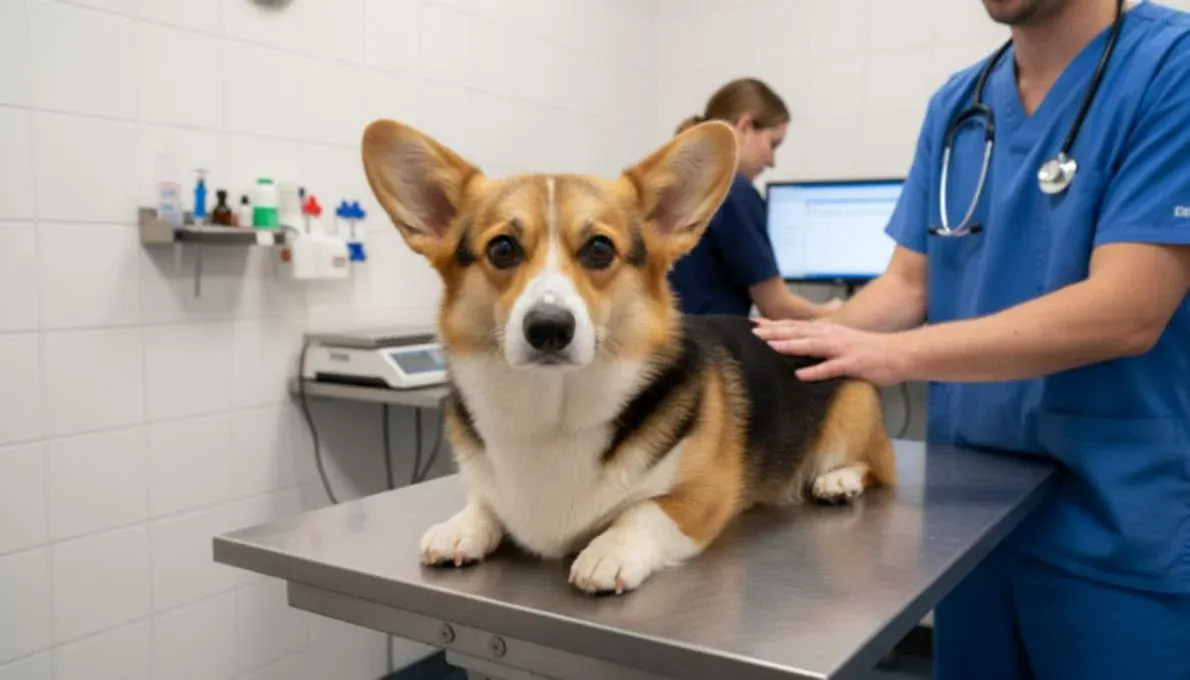
Corgis are achondroplastic — a true dwarf breed — meaning their distinctive short legs and long back are the result of a genetic mutation affecting bone growth. This body shape creates real structural vulnerabilities that every owner needs to understand.
| Condition | Risk Level | What It Means | Estimated Cost (AUD) |
|---|---|---|---|
| Intervertebral Disc Disease (IVDD) | High — structural predisposition | The long back and short legs put enormous strain on spinal discs. IVDD can cause pain, nerve damage, and paralysis. Weight management and preventing jumping reduce risk. | $3,000–$10,000+ (surgery if required); conservative management $1,000–$3,000 |
| Degenerative Myelopathy (DM) | High — DNA test available | Progressive spinal cord disease causing hind-leg weakness and eventual paralysis. Onset typically 7+ years. DNA test for SOD1 mutation identifies carriers and affected dogs. | No cure — management $500–$2,000/year; prevention through DNA testing |
| Hip Dysplasia | Moderate | Abnormal hip joint development. Less common than in large breeds but still present in Corgis. Hip scoring of parents recommended. | $3,000–$7,000 per hip (surgery if required) |
| Progressive Retinal Atrophy (PRA) | Moderate — DNA test available | Inherited eye disease causing progressive vision loss. DNA test identifies carriers. Annual eye exams recommended. | $500–$1,500/year (management) |
| Von Willebrand’s Disease (Pembrokes) | Moderate — DNA test available | Genetic bleeding disorder affecting blood clotting. Important to test breeding stock. Can cause excessive bleeding during surgery or injury. | $500–$2,000 (management; critical during surgical procedures) |
| Obesity | Very high — breed predisposition | Corgis gain weight easily and any excess weight dramatically increases IVDD and joint risk. This is the single biggest preventable health threat in the breed. | Preventable — strict diet management essential |
| Eye Conditions (Cataracts, Lens Luxation) | Moderate | Various eye conditions can affect older Corgis. Regular eye exams help with early detection. | $1,500–$4,000 per eye (surgery) |
| Epilepsy | Low to moderate | Seizure disorder that can affect the breed. Usually manageable with medication. | $300–$1,000/year (medication and monitoring) |
Responsible Corgi breeders test for DM (SOD1 mutation), PRA, Von Willebrand’s (Pembrokes), and perform hip scoring at minimum. The National Welsh Corgi Council and state breed clubs maintain testing recommendations. Always ask to see test results before buying a puppy.
A lean Corgi is a healthy Corgi. Every extra kilogram puts additional pressure on an already vulnerable spine. Feed measured portions, limit treats, avoid table scraps, and weigh your Corgi regularly. Many vets see overweight Corgis as the norm — don’t accept this.
Discourage jumping on and off furniture, use ramps for cars and beds, avoid stairs where possible for puppies and seniors, and never let children pick up a Corgi without supporting the full length of the spine.

Corgi Dog Lifespan & Longevity
Corgis are relatively long-lived dogs for their size. The Pembroke Welsh Corgi has a lifespan of 12–13 years, with a 2024 UK study finding a median of 13.2 years — above the purebred average of 12.7. The Cardigan Welsh Corgi lives slightly longer on average at 12–15 years. Females typically outlive males by one to two years, and the main causes of death in the breed are cancer and old age.
| Life Stage | Age Range | What to Watch For |
|---|---|---|
| Puppy | 0–12 months | Rapid growth on short legs. Protect developing spine — avoid excessive jumping, stairs, and rough play. Start socialisation and training immediately. Introduce grooming routine early as shedding starts young. |
| Young Adult | 1–3 years | Peak energy. Establish exercise routine and strict dietary discipline. Full size reached but filling out continues. First eye exam and any remaining health screening. |
| Mature Adult | 3–8 years | Settled temperament but still active. Monitor weight closely — middle-age spread is common and dangerous for Corgi spines. Annual vet checks. Watch for early signs of back issues. |
| Senior | 8+ years | DM onset possible from 7+ years. Watch for hind-leg weakness, difficulty rising, changes in gait. Bi-annual vet visits. Reduce high-impact exercise. Manage arthritis if present. Weight management remains critical. |
The biggest factors for Corgi longevity are weight management, spinal health, and buying from DNA-tested parents (especially DM-clear lines). A lean, active Corgi from health-tested parents with good spinal care has every chance of reaching 13–15 years.

Corgi Dog Grooming & Care
If you get a Corgi, you get hair. Everywhere. On everything. Forever. Corgis have a thick, weather-resistant double coat that sheds constantly and explosively during seasonal coat blows. This is the number one thing that surprises new Corgi owners.
Grooming Schedule
| Task | Frequency | Notes |
|---|---|---|
| Brushing | 2–3 times per week; daily during seasonal blows | Use an undercoat rake or de-shedding tool (like a Furminator) plus a slicker brush. Regular brushing won’t stop the shedding but keeps it manageable. During coat blows (spring and autumn), you’ll brush out handfuls of fluff daily. |
| Bathing | Every 4–6 weeks or as needed | Don’t over-bathe — it strips natural coat oils. Use a quality dog shampoo. A bath during coat blow followed by thorough blow-drying helps release loose undercoat. |
| Nail Trimming | Every 2–3 weeks | Corgi nails can grow quickly. Short nails help maintain correct foot posture, which matters for a breed prone to structural issues. |
| Ear Cleaning | Weekly | Corgis’ upright ears are less prone to infections than floppy-eared breeds, but regular cleaning prevents wax buildup. |
| Teeth Brushing | 2–3 times per week | Standard dental care. Dental disease is common in small breeds. |
| Paw and Belly Checks | Weekly | Their low ground clearance means Corgis pick up grass seeds, mud, and debris on their belly and between paw pads. Check after outdoor activity. |
Shedding reality:
Corgis are among the heaviest-shedding breeds relative to their size. The double coat releases loose fur year-round and “blows” dramatically twice a year. Invest in a quality vacuum cleaner, lint rollers for every room, and accept that Corgi hair will become part of your wardrobe. They are absolutely not suitable for allergy sufferers.
Fluffy Corgis:
Some Corgis carry a recessive gene that produces a longer, softer coat — called a “fluffy.” Fluffy Corgis are not breed standard and can’t be shown in conformation, but they’re popular as pets. Their longer coat requires more grooming, mats more easily, and sheds just as heavily. Ethical breeders are transparent about fluffy carriers in their lines.
Grooming costs:
Corgis don’t typically need professional grooming (no clipping required), but some owners use groomers for bath-and-blow-dry sessions during coat blows. Budget $60–$100 per session if you choose this option.

Corgi Dog Exercise Needs
Don’t let the short legs fool you — Corgis were bred to run all day across Welsh hillsides herding cattle. They’re surprisingly athletic, fast, and have far more stamina than their compact frame suggests.
Daily exercise:
Pembrokes need 60+ minutes daily. Cardigans need 45–60+ minutes. This should include brisk walks, off-leash running (in secure areas), and play. A quick stroll around the block is not enough for a Corgi.
Mental stimulation:
Just as important as physical exercise. Corgis are intelligent herding dogs that need to use their brains. Puzzle feeders, scent work, trick training, obedience challenges, and herding activities all help prevent boredom. A bored Corgi becomes a noisy, destructive Corgi.
Dog sports:
Corgis excel at agility, herding trials, obedience, rally, and tracking. Their speed, intelligence, and eagerness to work make them surprisingly competitive. Many Australian Corgi owners participate in ANKC performance events.
Puppies:
Limit exercise on growing joints. Use the 5-minute rule (5 minutes per month of age, twice daily) as a guide. Avoid jumping, excessive stairs, and rough play until at least 12 months.
Back-friendly exercise:
Swimming is excellent low-impact exercise for Corgis (though not all enjoy it). Avoid activities that involve repeated jumping, twisting, or sudden stops. Long-distance jogging on hard surfaces can strain their structure.
⚠️ Australian Climate Note:
Corgis have a thick double coat that can cause overheating in hot weather. Exercise during the cooler parts of the day in summer. Provide constant access to shade and fresh water. Watch for signs of heat stress — excessive panting, drooling, or reluctance to move. Their low ground clearance also means they absorb radiant heat from hot pavements more than taller breeds.

Corgi Dog Training Guide
Corgis are a joy to train when you understand their mindset. They’re intelligent, food-motivated, and willing to work — but they’re not blindly obedient. They think for themselves, and they’ll test boundaries with cheerful persistence.
Honest difficulty rating:
Moderate. Not the best choice for a truly passive first-time owner, but excellent for anyone willing to be consistent, firm (not harsh), and creative. Experienced owners will find Corgis quick and rewarding to train.
Socialisation & Training Timeline
| Age | Training Focus | Tips |
|---|---|---|
| 8–16 weeks | Socialisation, bite inhibition, handling | Critical window. Expose to people, dogs, environments, sounds. Address heel-nipping from day one — redirect to toys, never punish. Start “leave it,” “drop,” and name recognition. |
| 4–6 months | Basic obedience, crate training, leash manners, bark management | Keep sessions short (5–10 mins) and varied. Corgis lose interest with repetition. Use high-value food rewards. Start teaching “quiet” command — barking habits form early. |
| 6–12 months | Recall, impulse control, advanced obedience, sport foundations | Adolescent stubbornness peaks. Stay patient and consistent. Corgis may test every boundary. Introduce structured activities — agility, herding, obedience — to channel their drive. |
| 1–2 years | Ongoing training, sport competition, off-leash reliability | Corgis mature mentally around 2–3 years. Continue building skills and providing mental challenges. A well-trained adult Corgi is a spectacular companion. |
Heel-nipping management:
This is the most common Corgi-specific training challenge. They nip at moving feet because that’s exactly what they were bred to do with cattle. Consistent redirection (not punishment), teaching “leave it,” and providing appropriate outlets for herding instinct are essential. This is especially important in homes with children.
Bark management:
Start early. Teach a “quiet” command and reward silence. Ensure your Corgi gets enough exercise and mental stimulation — boredom barking is far harder to address than alert barking. Don’t expect a silent Corgi; aim for a manageable one.
Price & Costs
| Expense | Estimated Annual Cost (AUD) | Notes |
|---|---|---|
| Puppy Purchase | $3,500–$5,500+ (one-off) | ANKC registered breeders with DM, PRA, and Von Willebrand testing. Pembrokes slightly more expensive than Cardigans due to higher demand. Waitlists of 6–12+ months are common. |
| Food (Premium) | $800–$1,400/year | Measured portions are critical. Use a quality food appropriate for their life stage. Corgis are food-obsessed and will overeat if given the opportunity. |
| Vet Check-ups | $300–$600/year | Annual checks; bi-annual after age 8. Eye exams and spinal monitoring essential. Weight checks at every visit. |
| Pet Insurance | $600–$1,500/year | Strongly recommended given IVDD and DM predisposition. Spinal surgery alone can exceed $10,000. Choose a policy that covers hereditary conditions. |
| Grooming Supplies | $100–$300/year | De-shedding tools, quality brushes, shampoo. Optional professional grooming $60–$100 per session. |
| Vaccinations & Worming | $200–$400/year | Standard preventative care. |
| Toys, Beds & Accessories | $200–$500/year | Ramps for furniture and cars (essential for back protection), puzzle toys, sturdy beds. |
| Council Registration | $20–$250/year | Varies by council. |
| Emergency Vet Fund | $3,000–$10,000+ (reserve) | IVDD surgery, DM management, or other spinal emergencies. Having a reserve is essential with this breed. |
Total first-year cost estimate:
$5,500–$10,000+ depending on puppy price and setup.
Annual ongoing cost:
$2,500–$5,000 for a healthy adult Corgi. Spinal or joint issues can dramatically increase costs.
Finding a breeder in Australia:
Start with the National Welsh Corgi Council or your state’s Welsh Corgi Club (NSW, VIC, QLD, SA, WA, TAS all have clubs). DogzOnline lists ANKC-registered breeders nationwide. Well-established kennels include Fergwyn (NSW, est. 1954), Dygae (VIC, est. 1962), Siancof (WA, est. 1984), Aziah (NSW), Pricewey (TAS, est. 1995), Tallia (since the 1930s), and many others. Expect to join a waitlist — good Corgi breeders are in high demand.
Rescue:
Corgi-specific rescue is limited in Australia due to breed popularity, but PetRescue.com.au and the RSPCA occasionally list Corgis and Corgi mixes. Some breed clubs also assist with rehoming.
Is a Corgi Dog Right for You?
- You want a loyal, intelligent, entertaining companion with a big personality.
- You’re active and can provide 45–60+ minutes of exercise daily, plus mental stimulation.
- You can commit to consistent training and managing herding behaviours (heel-nipping, bossiness).
- You accept heavy shedding as a fact of life and own a good vacuum.
- You’re prepared for the financial responsibility of potential spinal or joint issues.
- You have a family — Corgis are excellent family dogs with children old enough to respect boundaries.
- You’re interested in dog sports like agility, herding, or obedience.
- You want a quiet dog. Corgis bark — a lot — and have a big, deep bark for their size.
- You can’t tolerate heavy shedding. There is no low-shedding Corgi.
- You live in an apartment with noise-sensitive neighbours. Barking is a real issue.
- You want a blindly obedient dog. Corgis think for themselves and will challenge you.
- You’re unable to keep them at a healthy weight. Overweight Corgis face serious spinal risk.
- You have very small children who run and scream — the herding instinct to nip at heels may kick in.
- You’re looking for a couch potato. Despite their short legs, Corgis need real exercise.
Pembroke Welsh Corgi vs Cardigan Welsh Corgi
| Feature | Pembroke Welsh Corgi | Cardigan Welsh Corgi |
|---|---|---|
| Origin | Flemish/Viking — 10th–12th century | Celtic — 1200 BCE (much older) |
| Size | Smaller: 10–14 kg | Larger: 11–17 kg, slightly taller |
| Tail | Short or docked; natural bobtails | Full, long fox-like tail |
| Ears | Pointed, smaller, more upright | Larger, rounded tips |
| Colours | Red, sable, fawn, tricolour — no merle | Wider range including brindle and blue merle |
| Temperament | More outgoing, higher energy, playful | Calmer, more reserved, slightly less intense |
| Barking | More vocal | Quieter overall |
| Energy Level | Higher — needs more exercise | Moderate — slightly more settled |
| Popularity (Australia) | Much more popular — more breeders, shorter waitlists | Less common — fewer breeders, dedicated following |
| First-Time Owner Suitability | Good with committed training | Slightly easier for first-time owners |
The Corgi dog is one of the most charming, entertaining, and genuinely fun breeds you can own. Here’s the honest summary:
- They’re smart, bold, affectionate, and hilarious — a big personality in a low-slung body that was built to herd cattle and has no idea it’s small. Both Pembrokes and Cardigans make outstanding family dogs and excel at dog sports.
- The shedding is extreme, the barking is real, and the herding instinct (heel-nipping) requires active management. Their achondroplastic build creates genuine spinal risks, making weight management and back protection lifelong priorities.
- In Australia, expect to pay $3,500–$5,500+ from a registered breeder with full DNA testing. Join a waitlist early, insist on DM and PRA testing, and choose your variety carefully — the Pembroke is more popular and outgoing, while the Cardigan is calmer, rarer, and carries that magnificent tail.
Corgi Dog FAQs
What is the Corgi dog temperament?
Bold, intelligent, loyal, playful, and strong-willed. Corgis have a big-dog personality despite their small size. They’re affectionate with family, alert watchdogs, and have a strong herding instinct. Pembrokes are more outgoing and higher-energy; Cardigans are calmer and more reserved with strangers.
Do Corgi dogs shed?
Yes — heavily. Corgis have a thick double coat that sheds constantly year-round and “blows” dramatically in spring and autumn. They are among the heaviest shedders for their size. Regular brushing helps but will not eliminate shedding. They are not hypoallergenic.
What is the Corgi dog lifespan?
Pembroke Welsh Corgis live 12–13 years on average (a 2024 UK study found a median of 13.2 years). Cardigan Welsh Corgis live 12–15 years. Both varieties benefit significantly from weight management and DNA-tested breeding stock.
How much does a Corgi dog cost in Australia?
Registered breeders charge $3,500–$5,500+ AUD for a puppy with DNA testing. Pembrokes are slightly more expensive due to higher demand. Annual ongoing costs are $2,500–$5,000, with spinal or joint issues potentially adding significant vet bills.
What is the difference between a Pembroke and Cardigan Corgi?
They’re separate breeds with different origins. Pembrokes are smaller, have shorter or docked tails, more limited colours, and are more outgoing and popular. Cardigans are larger, have full tails, a wider colour range (including brindle and merle), and are calmer and rarer. Both share the low-slung herding build.
Do Corgi dogs bark a lot?
Yes — especially Pembrokes. Corgis were bred as watchdogs alongside their herding duties, and they have a deep, surprisingly loud bark. They’ll alert to visitors, noises, and sometimes nothing at all. Training helps manage it, but expect a vocal dog.
Why do some Corgis have no tail?
Pembroke Welsh Corgis traditionally had docked tails. Some Pembrokes carry a natural bobtail gene and are born with a very short tail. Tail docking is restricted or banned in many Australian states. Cardigan Welsh Corgis always have full, long tails.
Are Corgis good apartment dogs?
Possible but challenging. They adapt to smaller spaces if given enough exercise, but their barking is a serious issue for apartment living. Noise-sensitive neighbours will struggle. If you’re committed to exercise, training, and bark management, it can work. Cardigans are slightly better suited than Pembrokes.
What is a fluffy Corgi?
A Corgi that carries a recessive gene producing a longer, softer coat. Fluffy Corgis are not breed standard and can’t be shown in conformation, but they’re popular as pets. Their coat requires more grooming and sheds just as heavily as a standard Corgi coat.
Are Corgis the Queen’s dogs?
Yes — Queen Elizabeth II owned more than 30 Pembroke Welsh Corgis throughout her lifetime, starting with Dookie in 1933. The royal association dramatically boosted the breed’s popularity worldwide. She also bred Dorgis (Dachshund-Corgi crosses).
What Corgi dog colours are available?
Pembrokes come in red, sable, fawn, black and tan, and tricolour, all with or without white markings. Cardigans have a wider range including brindle and blue merle. Merle is only seen in Cardigans, never in Pembrokes — a merle “Pembroke” is either a cross or a misidentified Cardigan.
[1] Wikipedia – Pembroke Welsh Corgi — https://en.wikipedia.org/wiki/Pembroke_Welsh_Corgi (FOLLOW)
[2] Britannica – Welsh Corgi — https://www.britannica.com/animal/Welsh-Corgi
[3] DogzOnline – Welsh Corgi (Pembroke) Breeders Australia — https://www.dogzonline.com.au/breeds/breeders/welsh-corgi-pembroke.asp
[4] PetMD – Pembroke Welsh Corgi Health and Care — https://www.petmd.com/dog/breeds/pembroke-welsh-corgi
[5] Pawlicy Advisor – Corgi Dog Breed Guide — https://www.pawlicy.com/blog/corgi-dog-breed/
[6] Ask A Vet – Pembroke Welsh Corgi Guide 2025 — https://askavet.com/blogs/news/pembroke-welsh-corgi-guide-2025-temperament-care-health-training
[7] WebMD Pets – Pembroke Welsh Corgis — https://www.webmd.com/pets/dogs/what-to-know-pembroke-welsh-corgis
[8] AKC – Pembroke Welsh Corgi — https://www.akc.org/dog-breeds/pembroke-welsh-corgi/
[9] National Welsh Corgi Council Australia — https://www.welshcorgicouncil.com/