
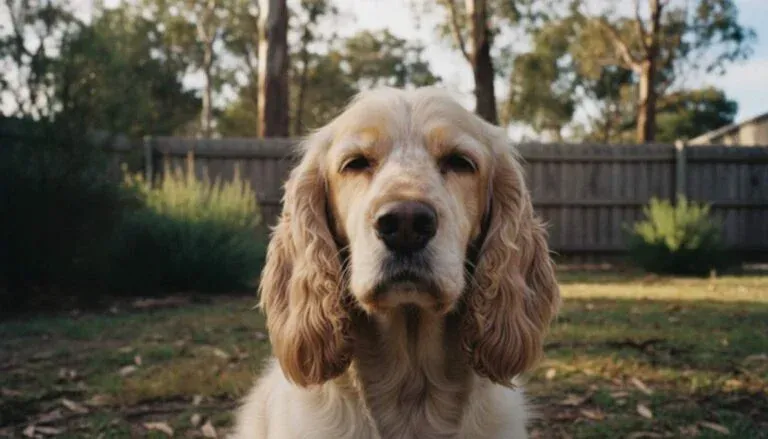
There’s a reason the word “merry” appears in nearly every Cocker Spaniel breed standard worldwide. These dogs are happiness with a tail attached — a compact, silky-eared gundog that was built to flush woodcock from dense English hedgerows and has since charmed its way onto every couch, every bed, and into every human heart it can reach.
In Australia, the Cocker Spaniel — specifically the English Cocker Spaniel — is one of the most popular spaniel breeds. The ANKC registers them simply as “Cocker Spaniel” under Group 3 (Gundogs), and they’re bred by a passionate community of registered kennels in every state. They’re also one of the most frequently misunderstood breeds: people expect a small, quiet lap dog and get a medium-energy sporting breed that sheds, barks, steals food, rolls in everything, and demands to be part of every single thing you do.
This guide covers the real Cocker Spaniel — not the sanitised version. Temperament, the shedding truth, health costs including the breed-specific conditions you need to know about, working vs show lines, English vs American differences, and what it actually costs to own one in Australia. If you’re considering a Cocker, this is the honest briefing you need before you fall for those ears.
What You’ll Learn
- Breed traits & temperament
- Health concerns to know
- True cost in Australia
- Training & exercise needs
- Is this breed right for you?
Breed Quick Facts Table
| Trait | Details |
|---|---|
| Breed Group | Gundog (ANKC Group 3) |
| Origin | England — developed from land spaniels specialising in woodcock hunting |
| Full Name | English Cocker Spaniel (registered as “Cocker Spaniel” by ANKC) |
| Size | Medium — compact and sturdy |
| Height | Males: 39–41 cm | Females: 38–39 cm (ANKC standard) |
| Weight | Males: 13–14.5 kg (28–32 lbs) | Females: 12–14 kg (26–32 lbs) |
| Coat | Medium-length, silky, flat or slightly wavy double coat with feathering |
| Colours | Wide range: solid (black, golden, red, liver, chocolate) and parti-colour (blue roan, orange roan, liver roan, tricolour, and more) |
| Lifespan | 12–15 years |
| Temperament | Merry, affectionate, eager to please, active, sociable, sometimes stubborn |
| Shedding | Moderate to heavy — year-round with seasonal increases |
| Barking | Moderate — more vocal than many breeds, especially working lines |
| Good With Kids | Excellent — patient, playful, and affectionate with children |
| Apartment Friendly | Yes, with enough exercise — adaptable to smaller spaces |
| Exercise Needs | Moderate to high — 60–90 minutes daily depending on line type |
| Hypoallergenic | No — moderate shedding and dander production |
| Puppy Price (AUD) | $3,000–$5,000+ from registered breeders |
| Popularity | High — consistently one of the most popular spaniel breeds in Australia |
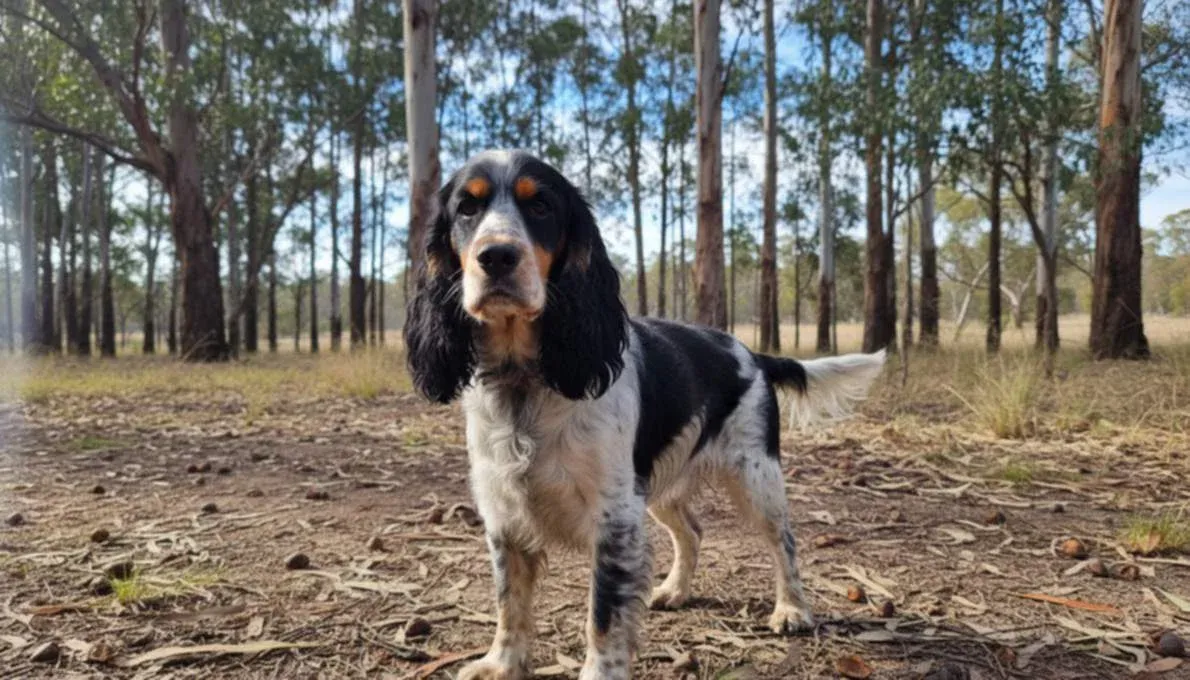
History & Origins
The Cocker Spaniel’s history stretches back centuries. Spaniel-type dogs appear in art and literature from the 1300s, used by English hunters to flush game birds from dense undergrowth. The name “Cocker” comes from their original speciality: hunting woodcock.
For most of their history, spaniels weren’t divided into distinct breeds. Land spaniels were simply sorted by size — larger puppies from a litter became Springer Spaniels (they “sprang” game), while smaller littermates became Cockers. It wasn’t until the late 19th century that the Kennel Club began registering them as separate breeds, with any spaniel under 25 pounds classified as a Cocker.
The breed’s show career has been remarkable. English Cocker Spaniels have won Best in Show at Crufts more than any other breed — seven times in total. They were one of the first breeds to build a genuine dual identity: celebrated in the show ring and still actively worked in the field.
English vs American Cocker Spaniel: The American Cocker Spaniel was developed from English Cockers in the 19th century but diverged significantly over time. American Cockers have a shorter muzzle, more rounded skull, smaller build, and much heavier coat. They were recognised as a separate breed by the AKC in 1946. In Australia, the ANKC registers the English Cocker as “Cocker Spaniel” (Group 3) and the American Cocker as “American Cocker Spaniel” (also Group 3). This guide focuses primarily on the English Cocker, as it is the dominant type in Australia.
Working vs Show lines: A significant split exists within the English Cocker Spaniel between field-bred (working) and conformation show dogs. Working Cockers are typically leaner, higher-energy, more driven, and have shorter, more practical coats. Show Cockers are heavier-boned, calmer, and carry the longer, more profuse coat most people picture. In Australia, both types are bred, and the difference in temperament and exercise needs is substantial — a working Cocker in a sedentary household will be miserable, while a show Cocker will adapt more readily to family life.

Cocker Spaniel Temperament & Personality
The Cocker Spaniel temperament is defined by one word: merry. These dogs radiate cheerful enthusiasm for life, their people, and every possible opportunity to sniff, retrieve, eat, or roll in something disgusting. They’re genuine people-dogs — they want to be with you, on you, near you, and preferably touching you at all times.
Cocker Spaniels form deep bonds with their families and thrive on human interaction. They’re not independent dogs — they want to be involved in whatever you’re doing. Many will follow you from room to room and sulk if excluded. This devotion is endearing but can tip into separation anxiety if not managed from puppyhood.
Cockers are intelligent and genuinely want to make you happy, which makes them responsive to positive reinforcement training. They’re food-motivated (very), praise-responsive, and pick up new commands quickly. However, they can have a stubborn streak — particularly show-line dogs — and will lose interest in repetitive drills.
Don’t let the silky coat fool you — these are sporting dogs with real energy. Working-line Cockers especially need significant daily exercise and mental stimulation. Even show-line Cockers enjoy a good run, a swim, and retrieving games. They’re not couch potatoes, though they’re happy to nap once properly exercised.
Cocker Spaniels are famously friendly — with family, strangers, children, other dogs, and generally anyone willing to offer a pat or a treat. They’re not guard dogs and they’re not territorial. Some can be reserved initially but warm up quickly. They’re excellent with children and typically gentle with other pets, though their prey drive may cause them to chase small animals.
Cockers bark. Some bark a lot. They’ll alert you to visitors, passing dogs, interesting sounds, and occasionally nothing at all. Working lines tend to be noisier than show lines. This isn’t a quiet breed, and if excessive barking bothers you or your neighbours, you’ll need to address it through training from day one.
Cocker Spaniels are highly food-driven, which is fantastic for training and terrible for their waistlines. They’ll scavenge, counter-surf, and eat things they shouldn’t with impressive determination. Weight management is a lifelong commitment with this breed.
Rage syndrome (sudden onset aggression) is a rare neurological condition that has been documented primarily in solid-colour English Cocker Spaniels. It is characterised by unprovoked, explosive aggression that the dog appears to have no memory of afterwards. It’s thought to be a form of epilepsy affecting the brain’s emotional centres. Research shows it’s more common in solid-colour dogs (particularly golden, red, and black) and in certain bloodlines. It is extremely rare — the vast majority of Cocker Spaniels are gentle, friendly dogs. The condition is genetically influenced, which is why buying from reputable breeders who prioritise temperament testing is critical. If you notice sudden, unprovoked aggression in your Cocker, consult a veterinary behaviourist rather than assuming it’s a training issue.
Cocker Spaniel Health & Genetic Conditions
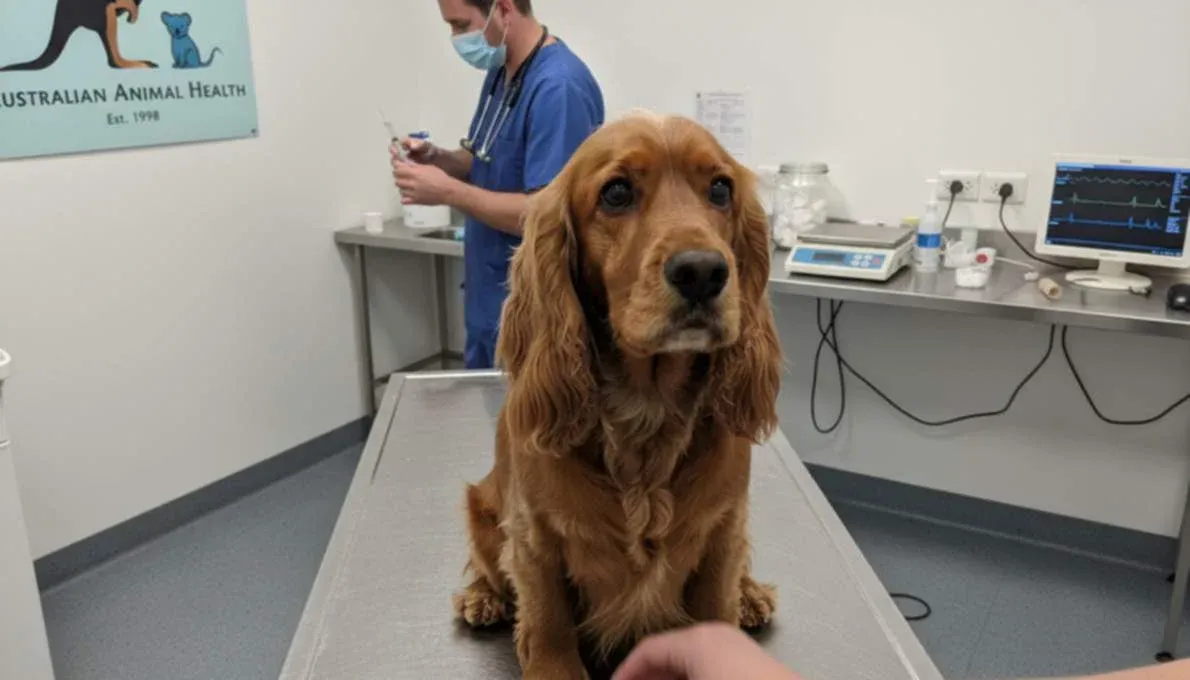
The Cocker Spaniel is generally a healthy breed with a good lifespan, but their popularity has meant widespread breeding — and not all of it responsible. Several breed-specific conditions require awareness and, where possible, DNA testing before purchase.
| Condition | Risk Level | What It Means | Estimated Cost (AUD) |
|---|---|---|---|
| Progressive Retinal Atrophy (prcd-PRA) | High — DNA test available | Inherited eye disease causing progressive blindness. Both parents must be tested. Clear, carrier, and affected statuses are identifiable. | $500–$1,500/year (management); prevention through DNA testing |
| Familial Nephropathy (FN) | Moderate — DNA test available | Fatal inherited kidney disease. Affected puppies develop kidney failure, typically before age 2. DNA test identifies carriers. | Untreatable — prevention through DNA testing only |
| Adult Onset Neuropathy (AON) | Moderate — DNA test available | Progressive neurological disease causing coordination loss. Onset typically 7–9 years. DNA test available. | $500–$2,000/year (management); no cure |
| Ear Infections | Very high — breed predisposition | Long, heavy ears trap moisture and debris. Chronic ear infections are the single most common health issue in the breed. | $200–$800 per episode; ongoing prevention costs |
| Hip Dysplasia | Moderate | Abnormal hip joint development causing arthritis and pain. Less severe than in larger breeds but still present. | $3,000–$7,000 per hip (surgery if required) |
| Eye Conditions (Entropion, Glaucoma, Cataracts) | Moderate to high | Multiple eye conditions affect the breed including entropion, glaucoma, and cataracts. Annual eye checks recommended. | $1,500–$4,000 per eye (surgery varies by condition) |
| Skin Conditions & Allergies | High | Cockers are prone to seborrhoea, dermatitis, and environmental allergies causing itchy, flaky, or greasy skin and recurring infections. | $500–$2,000/year (ongoing management) |
| Dilated Cardiomyopathy (DCM) | Low to moderate | Heart muscle disease causing the heart to weaken and enlarge. Cockers are among the breeds at higher risk. | $1,000–$5,000 (diagnosis and management) |
| Obesity | High — food-obsessed breed | Excess weight accelerates joint problems, heart disease, and shortens lifespan. Very common in the breed. | Preventable — strict diet management essential |
Any reputable Australian Cocker Spaniel breeder should DNA test for prcd-PRA, FN, and AON at minimum. The Cocker Spaniel Club of Queensland requires DNA testing for all registered puppies. Ask to see test results before committing to a puppy. These are simple, affordable tests that prevent devastating hereditary diseases.
Acral Mutilation Syndrome (AMS), Black Hair Follicular Dysplasia (BHFD), hip and elbow scoring, annual eye examinations, and parentage verification. Australian breed clubs maintain health testing recommendations that responsible breeders follow.

Cocker Spaniel Lifespan & Longevity
The Cocker Spaniel life expectancy is 12–15 years, which is excellent for a medium-sized breed. English Cockers tend to be slightly longer-lived than American Cockers (12–15 years vs 10–14 years on average). A 2024 UK study of English Cockers found a median lifespan above the purebred average, reflecting a generally healthy and resilient breed when well-bred.
| Life Stage | Age Range | What to Watch For |
|---|---|---|
| Puppy | 0–12 months | Rapid growth. Start socialisation immediately. Begin ear cleaning routine from day one. Careful exercise on developing joints. Introduce grooming early — this is a breed that needs lifelong coat maintenance, and puppies that learn to accept brushing and clipping early are much easier to manage. |
| Young Adult | 1–3 years | Full size reached. High energy levels. Establish exercise routine and dietary discipline. First eye exam recommended. Working-line Cockers are at peak energy and need significant outlets. |
| Mature Adult | 3–8 years | Settled temperament. Monitor weight carefully — this is when creeping weight gain typically starts. Annual eye exams. Regular ear checks. Dental health monitoring. |
| Senior | 8+ years | Watch for vision changes, hearing loss, joint stiffness, and skin condition changes. Bi-annual vet visits. Adjust exercise intensity. AON onset possible in carrier dogs. Weight management remains critical. |
The biggest longevity factors for Cocker Spaniels are weight management, ear health maintenance, and buying from health-tested lines. A lean Cocker from DNA-tested parents, with regular ear care and annual eye checks, has every chance of reaching 14–15 years.

Cocker Spaniel Grooming & Care
Cocker Spaniel grooming is a genuine commitment. That beautiful silky coat doesn’t maintain itself, and neglected Cocker coats quickly become matted, smelly, and prone to skin infections. If you’re not prepared for regular grooming, this is not the breed for you.
Grooming Schedule
| Task | Frequency | Notes |
|---|---|---|
| Brushing | Every 2–3 days minimum; daily for full-coated dogs | Pin brush or slicker brush followed by a metal comb. Focus on feathering (ears, legs, chest, belly) where mats form fastest. Working-line coats are shorter and easier to maintain than show coats. |
| Professional Grooming | Every 6–8 weeks | Clipping, scissoring, or hand-stripping depending on coat type and preference. Budget $80–$150 per session in Australia. Show coats require hand-stripping; pet clips are more practical for most owners. |
| Bathing | Every 3–4 weeks or as needed | Cockers can develop a “doggy” smell faster than many breeds, especially if prone to seborrhoea. Use a quality dog shampoo. Dry thoroughly, especially ears. |
| Ear Cleaning | Weekly — non-negotiable | The single most important grooming task. Long, heavy ears create warm, moist environments perfect for infections. Use a vet-recommended ear solution. Check for redness, odour, and discharge. Consider a snood during meals to keep ears out of food. |
| Eye Wiping | Daily to every 2–3 days | Wipe around eyes to prevent tear staining and monitor for discharge that could indicate eye problems. |
| Nail Trimming | Every 2–3 weeks | Active Cockers may wear nails down naturally; others need regular trimming. |
| Teeth Brushing | 2–3 times per week | Standard dental care. Dental disease can reduce lifespan by 1–3 years in any breed. |
Shedding reality:
Cocker Spaniels shed moderately to heavily, year-round. They have a dense double coat that drops hair consistently, with heavier seasonal blows in spring and autumn. They’re not hypoallergenic. Regular brushing reduces loose hair but doesn’t eliminate it. If you want a low-shedding spaniel, look elsewhere.
Grooming styles:
The most common pet grooming style is a “puppy cut” or “sporting clip” where the body coat is trimmed short and the feathering is reduced. This is far more practical than maintaining a full show coat, especially in Australian conditions. Show-coat maintenance requires professional-level skill and significant time investment.
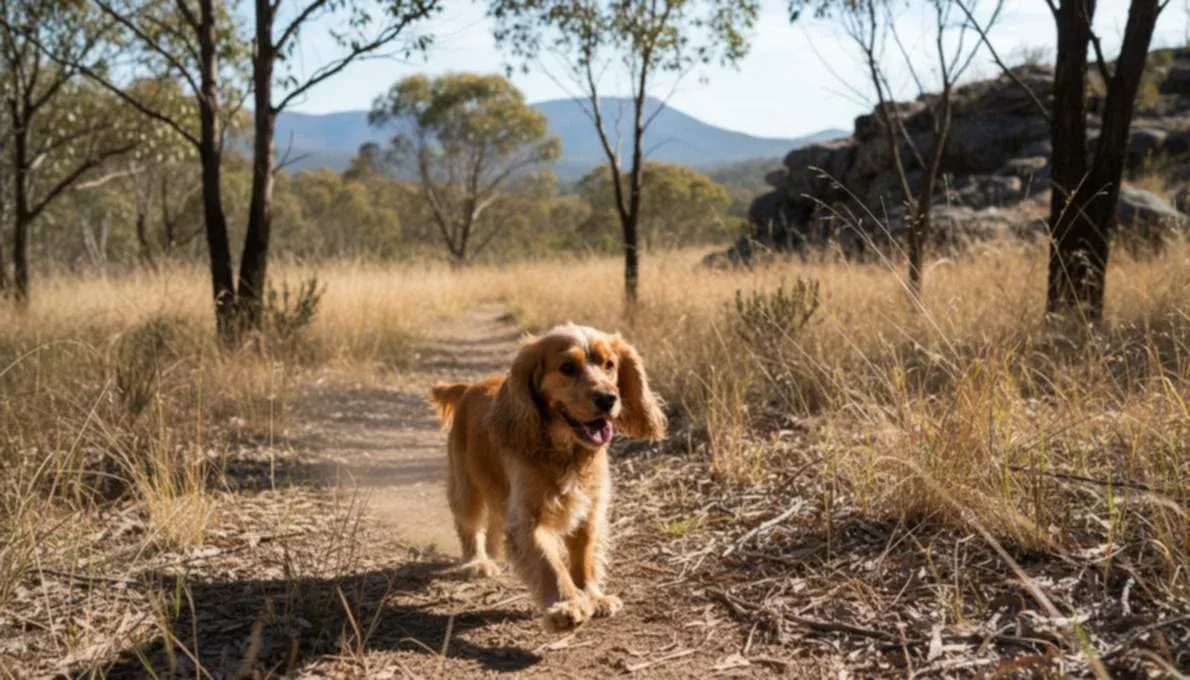
Cocker Spaniel Exercise Needs
Cocker Spaniels are sporting dogs — they were bred to work all day in the field, and that energy needs an outlet. The amount of exercise required varies significantly between working and show lines, but all Cockers need more activity than many people expect.
Show-line Cockers:
60–75 minutes daily. Two good walks plus playtime and mental stimulation. They’re adaptable and will adjust their activity level to match yours to a degree, but they still need genuine exercise to prevent obesity and boredom behaviours.
Working-line Cockers:
75–90+ minutes daily. These dogs have significantly higher energy and drive. They need running, retrieving, swimming, or structured activities like agility, flyball, or gundog training. A working Cocker with insufficient exercise will become destructive, vocal, and difficult to live with.
Puppies:
Careful, limited exercise on growing joints. The general rule of 5 minutes per month of age, twice daily, is a reasonable starting point. No jumping, excessive stairs, or rough play until joints have matured (around 12–18 months).
Mental stimulation:
Just as important as physical exercise. Cockers are intelligent dogs with strong scenting instincts. Scent work, puzzle feeders, retrieving games, and training sessions all help burn mental energy. A bored Cocker is a destructive Cocker.
Swimming:
Most Cocker Spaniels adore water. Swimming is excellent low-impact exercise and a natural activity for the breed. Always dry ears thoroughly after swimming to prevent infections.
⚠️ Australian Climate Note:
Cocker Spaniels handle most Australian climates well, but their dense double coat means they can overheat in extreme summer conditions. Exercise during cooler parts of the day in summer. Darker-coloured Cockers absorb more heat. Ensure constant access to shade and fresh water.
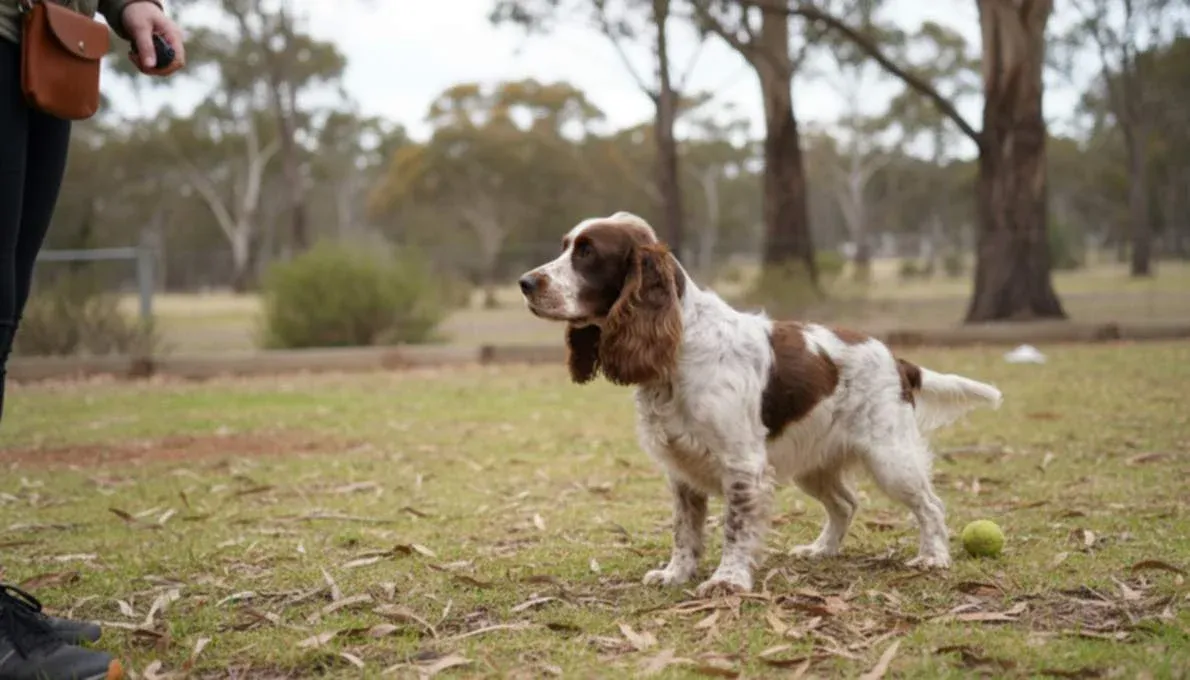
Cocker Spaniel Training Guide
Cocker Spaniels are among the easier breeds to train, thanks to their intelligence, food motivation, and genuine desire to please. They respond brilliantly to positive reinforcement and can excel in everything from basic obedience to competition-level gundog work.
Honest difficulty rating:
Easy to moderate. Excellent for first-time dog owners (show lines especially). Working-line Cockers require more experienced handling due to their higher drive and energy but are still very trainable.
Socialisation & Training Timeline
| Age | Training Focus | Tips |
|---|---|---|
| 8–16 weeks | Socialisation, handling, name recognition, ear touching | Critical socialisation window. Expose to people, dogs, environments, sounds. Start handling ears and paws daily — this breeds needs lifelong grooming cooperation. Begin “leave it” and “drop it” commands. |
| 4–6 months | Basic obedience, crate training, leash manners, recall | Use high-value food rewards. Keep sessions short (5–10 mins) and fun. Cockers lose focus with repetition — vary the routine. Start recall training early; a Cocker that catches an interesting scent can be difficult to call back. |
| 6–12 months | Recall proofing, impulse control, retrieve training, socialisation continuation | Adolescent stubbornness may emerge. Stay patient and consistent. Address any barking habits now. Introduce structured activities — retrieving, scent work, agility foundations. |
| 1–2 years | Advanced obedience, sport-specific training, ongoing socialisation | Working-line Cockers hit peak drive and energy. Channel it into structured activities. Show-line Cockers are settling into their adult temperament. Both benefit from ongoing mental challenges. |
Separation anxiety prevention:
Start from day one. Cockers are people-dogs and can develop separation anxiety if they learn that being away from you is distressing. Practice short absences, reward calm behaviour, provide enrichment toys when alone, and never make departures or arrivals dramatic.
Recall is your biggest training challenge:
A Cocker Spaniel that catches a scent may decide that following it is more interesting than returning to you. Strong recall training with high-value rewards, practised in increasing levels of distraction, is essential for off-leash reliability.
Cost of Owning a Cocker Spaniel in Australia
| Expense | Estimated Annual Cost (AUD) | Notes |
|---|---|---|
| Puppy Purchase | $3,000–$5,000+ (one-off) | ANKC registered breeders with DNA testing (prcd-PRA, FN, AON). Show-quality or rare colours (black and tan) at the higher end. Colour affects price — golds and black and tans often $4,500+. |
| Food (Premium) | $800–$1,500/year | Medium-breed formula. Strict portion control essential — Cockers gain weight easily. Premium food helps maintain coat and skin health. |
| Professional Grooming | $600–$1,200/year | Every 6–8 weeks at $80–$150 per session. Higher for full show coats. Can reduce costs by learning basic maintenance at home. |
| Vet Check-ups | $300–$600/year | Annual checks; bi-annual after age 8. Eye exams and ear monitoring essential. |
| Pet Insurance | $600–$1,500/year | Recommended given ear, eye, skin, and potential hip predispositions. Breed-specific conditions can be costly. |
| Ear Care Supplies | $100–$300/year | Weekly cleaning solution, plus vet visits if infections occur. Budget for this — it’s a recurring certainty. |
| Vaccinations & Worming | $200–$400/year | Standard preventative care. |
| Toys, Beds & Accessories | $200–$500/year | Snoods for meal time, grooming tools, sturdy toys. |
| Council Registration | $20–$250/year | Varies by council. |
| Emergency Vet Fund | $2,000–$6,000+ (reserve) | Ear surgery, eye surgery, skin condition flare-ups, or emergency situations. |
Total first-year cost estimate:
$5,000–$10,000 depending on puppy price and setup.
Annual ongoing cost:
$3,000–$6,000 for a healthy adult Cocker Spaniel. Grooming and ear care are the consistent cost drivers.
Finding a breeder in Australia:
Start with your state breed club — Cocker Spaniel Club of QLD, Cocker Spaniel Club of Victoria, Cocker Spaniel Club of NSW, etc. DogzOnline lists ANKC-registered breeders across all states. RightPaw also verifies responsible breeders. Established kennels include Sandtoys (NSW — Australia’s No. 1 2024/2025), Etaysia, Luvby, Riverspride, Erinveine, and many others across every state.
Rescue:
Cocker Spaniel rescue organisations operate in most states. PetRescue.com.au, the RSPCA, and breed-specific rescue groups sometimes have Cockers available. Given their popularity, rehoming does occur — often due to underestimated grooming needs or energy levels.

Is a Cocker Spaniel Right for You?
The Cocker Spaniel suits a wide range of owners, but they do have specific needs that not everyone anticipates. Here’s the honest assessment.
- You want an affectionate, people-oriented dog that bonds deeply with the whole family.
- You’re active and can provide 60–90 minutes of exercise daily (more for working lines).
- You’re prepared for regular grooming — professional sessions every 6–8 weeks plus home brushing.
- You have children — Cockers are one of the best family spaniel breeds.
- You’re interested in dog sports: agility, retrieving, scent work, obedience, or flyball.
- You can commit to weekly ear cleaning and regular health monitoring.
- You’re a first-time dog owner looking for a forgiving, trainable breed (show lines recommended).
- You want a low-maintenance coat. Cocker grooming is non-negotiable and ongoing.
- You’re away from home for long hours without company for the dog. Cockers are prone to separation anxiety.
- You want a quiet dog. Cockers bark more than many people expect.
- You’re looking for a guard dog or protection breed. They’ll welcome burglars with a wagging tail.
- You can’t commit to ongoing ear care. Neglected Cocker ears lead to painful chronic infections.
- You want a hypoallergenic dog. Cockers shed and produce dander.
- You live a sedentary lifestyle. Even show-line Cockers need meaningful daily exercise.
English Cocker Spaniel vs American Cocker Spaniel
| Feature | English Cocker Spaniel | American Cocker Spaniel |
|---|---|---|
| Size | 13–14.5 kg, 38–41 cm | 10–13 kg, 34–39 cm — smaller overall |
| Head Shape | Longer muzzle, narrower skull | Shorter muzzle, more rounded, domed skull |
| Coat | Medium-length, silky, manageable feathering | Very long, thick, profuse coat — significantly more grooming |
| Ears | Long, set low, moderate feathering | Longer, heavier feathering |
| Temperament | Sportier, more driven, slightly more independent | Gentler, more companion-oriented, calmer |
| Energy Level | Moderate to high — retains strong working instinct | Moderate — more settled in the home |
| Field Work | Still actively worked in the field | Rarely used for field work today |
| Availability (Australia) | Common — registered as “Cocker Spaniel” | Less common — registered as “American Cocker Spaniel” |
| Lifespan | 12–15 years | 10–14 years |
Working Cocker vs Show Cocker
| Feature | Working Cocker Spaniel | Show Cocker Spaniel |
|---|---|---|
| Build | Leaner, lighter, longer legs | Heavier-boned, stockier, lower to ground |
| Coat | Shorter, more practical, less feathering | Longer, more profuse, requires more grooming |
| Energy Level | High to very high — needs 75–90+ mins daily | Moderate to high — 60–75 mins daily |
| Drive | Strong prey and scenting drive | Lower prey drive, more relaxed |
| Trainability | Very high but needs experienced handler | High — more forgiving for first-time owners |
| Barking | Can be more vocal | Generally quieter |
| Best For | Active owners, rural properties, dog sports, hunting | Families, suburban homes, companion life |
| Suitability as First Dog | Better for experienced owners | Excellent for first-time owners |
The Cocker Spaniel is one of the world’s most popular breeds for good reason. They’re cheerful, affectionate, beautiful, and genuinely fun to live with. Here’s the honest summary:
- They’re merry, devoted, trainable dogs that thrive on human companionship and suit a wide range of owners — from first-timers (show lines) to experienced handlers (working lines). They’re brilliant with children, sociable with other pets, and adapt well to both apartments and houses.
- The grooming commitment is real and ongoing. Ear care is non-negotiable. DNA testing for prcd-PRA, FN, and AON should be confirmed before you buy a puppy. Health costs can add up if ears, eyes, or skin become problematic.
- In Australia, expect to pay $3,000–$5,000+ from a registered breeder with full health testing. Choose your line type carefully — the difference between a working Cocker and a show Cocker is like the difference between a marathon runner and a yoga enthusiast. Both are fit, but their needs are vastly different.
Cocker Spaniel FAQs
What is the Cocker Spaniel temperament?
Merry, affectionate, eager to please, playful, sociable, and food-driven. They bond deeply with their families and want to be involved in everything. Working-line Cockers are higher-energy and more driven; show-line Cockers are calmer and more adaptable. Both types are friendly with strangers, excellent with children, and get along well with other dogs.
Do Cocker Spaniels shed?
Yes — moderately to heavily. They have a dense double coat that sheds year-round with heavier seasonal blows. They are not hypoallergenic. Regular brushing reduces loose hair but doesn’t eliminate shedding. If you want a low-shedding spaniel, a Cocker is not the right choice.
What is the Cocker Spaniel life expectancy?
English Cocker Spaniels typically live 12–15 years, which is excellent for a medium-sized breed. American Cocker Spaniels live 10–14 years. Weight management, ear care, and buying from health-tested lines are the biggest factors in longevity.
How much does a Cocker Spaniel cost in Australia?
Registered breeders with DNA testing charge $3,000–$5,000+ AUD for a puppy. Rare colours and show-quality pups cost more. Annual ongoing costs run $3,000–$6,000, with grooming and ear care as the main recurring expenses.
What is a working Cocker Spaniel?
A working-line English Cocker bred for field work rather than the show ring. Working Cockers are leaner, have shorter coats, higher energy, stronger prey drive, and need significantly more exercise than show-line Cockers. They’re popular in Australia for gundog work, field trials, and active families. In a sedentary home, they’ll be unhappy.
Do Cocker Spaniels bark a lot?
More than many people expect. They’re moderately vocal dogs that will alert to visitors, other dogs, and interesting sounds. Working-line Cockers tend to be noisier than show lines. Early training to manage barking is important, especially in apartment or townhouse living.
What Cocker Spaniel colours are available?
An extensive range. Solid colours include black, golden/red, liver/chocolate, and variations. Parti-colours include blue roan, orange roan, liver roan, tricolour (black, white and tan), and many more. Australian breeders produce most colour varieties. Solid colours are bred separately from parti-colours in most kennels.
[1] Wikipedia – English Cocker Spaniel — https://en.wikipedia.org/wiki/English_Cocker_Spaniel
[2] AKC – English Cocker Spaniel Breed Information — https://www.akc.org/dog-breeds/english-cocker-spaniel/
[3] PetMD – Cocker Spaniel Health and Care — https://www.petmd.com/dog/breeds/cocker-spaniel
[4] WebMD Pets – English Cocker Spaniels — https://www.webmd.com/pets/dogs/what-to-know-about-english-cocker-spaniels
[5] Cocker Spaniel Club of QLD – Buying a Puppy — https://www.cockerspanielclub.com/puppies.asp (FOLLOW)
[6] Whole Dog Journal – Idiopathic Aggression in Dogs — https://www.whole-dog-journal.com/behavior/idiopathic-aggression-in-dogs/