

There’s a reason the Chihuahua has maintained its status as the world’s smallest recognised dog breed while simultaneously earning a reputation for having one of the biggest personalities in the canine kingdom. Weighing in at under 3 kilograms but carrying themselves like they weigh thirty, these tiny dogs have been capturing hearts — and running households — for centuries.
Named after the Mexican state where they were first documented in the mid-1800s, Chihuahuas trace their ancestry back to ancient Mesoamerican civilisations. The Toltecs kept small dogs called Techichi, and when the Aztecs conquered the Toltecs, they refined the breed into something resembling today’s Chihuahua. That’s right — your pocket-sized companion has royal blood.
What makes the Chihuahua dog genuinely special isn’t just their portable size — it’s their fierce devotion to their chosen person, their surprising longevity, and their ability to thrive in small living spaces. If you’re considering bringing one of these spirited companions into your life, this guide covers everything you need to know about this remarkable breed.
What You’ll Learn
- Breed traits & temperament
- Health concerns to know
- True cost in Australia
- Training & exercise needs
- Is this breed right for you?
Breed Quick Facts Table
| Attribute | Details |
|---|---|
| Breed Group | Toy |
| Origin | Mexico |
| Size Category | Toy (smallest breed) |
| Height (Adult) | 15-23 cm |
| Weight (Adult) | 1.5-3 kg (ideally under 2.7 kg) |
| Lifespan | 12-20 years |
| Coat Type | Smooth (short) or Long coat varieties |
| Exercise Needs | 20-30 minutes/day |
| Trainability | 3/5 |
| Good with Children | Conditional (older children preferred) |
| First-Time Owner Suitable | 4/5 |
| Average Puppy Price (AUD) | $2,500 – $5,000 |
Breed History & Origins
The Chihuahua’s history stretches back further than most modern breeds. Archaeological evidence suggests their ancestors lived in Mexico over a thousand years ago, kept by the Toltec civilisation as companions and possibly for religious purposes. When the Aztecs rose to power, they continued breeding these small dogs, believing they possessed mystical abilities to guide souls to the afterlife.²
The modern Chihuahua emerged in the Mexican state of Chihuahua during the 1850s, where American visitors discovered the tiny dogs being sold by local merchants. They quickly became fashionable in the United States, and the American Kennel Club registered its first Chihuahua in 1904.
According to Dogs Australia, the breed arrived in Australia during the early 20th century and has maintained steady popularity ever since.³ Their adaptability to apartment living and relatively low exercise requirements make them particularly well-suited to urban Australian lifestyles, though they thrive equally well in suburban homes with secure yards.
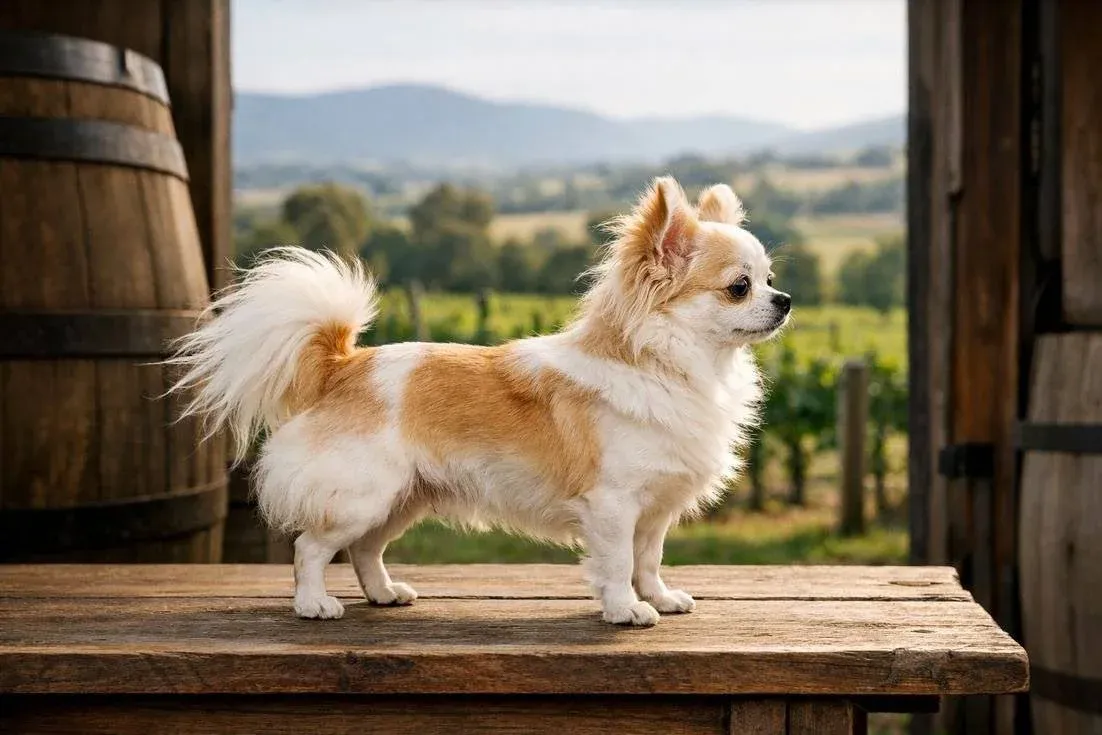
Two distinct varieties exist: the smooth coat (short-haired) and the long haired Chihuahua. Both are identical in temperament and structure — only their coat length differs. The long coat Chihuahua features soft, flat or slightly wavy fur with feathering on the ears, legs, and tail.
You may also encounter references to “apple head” and “deer head” Chihuahuas. The apple head Chihuahua has the rounded skull preferred by breed standards, while deer head Chihuahuas have longer muzzles and flatter skulls. Both are equally wonderful companions, though only apple head varieties typically succeed in the show ring.
Temperament & Personality
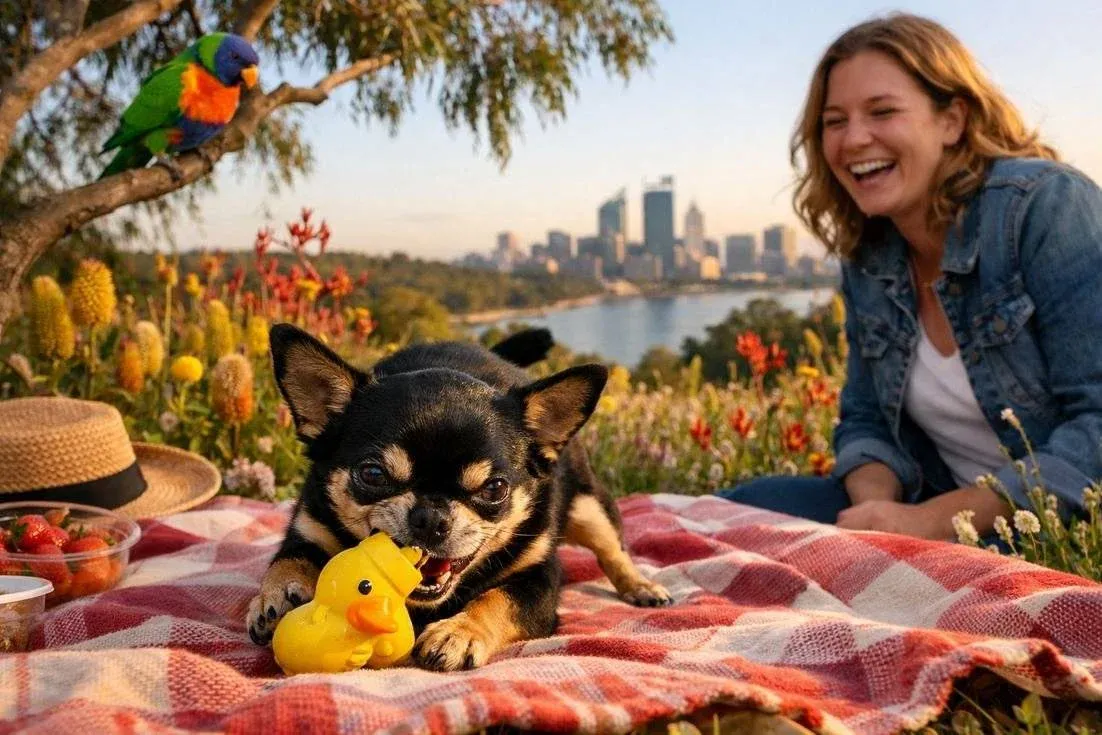
Many Chihuahua owners report that living with this breed means accepting a new household ruler — one who weighs less than a bag of flour but possesses the confidence of a much larger dog. The breed temperament is best described as “big dog energy in a tiny package.”
Devoted: They form intensely strong bonds with their primary person, often becoming what breeders call “velcro dogs.” This loyalty is beautiful but can tip into possessiveness without proper socialisation.
Alert: Originally kept as watchdogs in ancient Mexican homes, they retain exceptional alertness. They’ll notice and announce every visitor, delivery person, and suspicious leaf blowing past your window.
Spirited: Despite their size, these dogs possess remarkable courage and energy. First-time owners are often surprised by how much personality fits into such a small frame.
Intelligent: They are genuinely smart dogs who learn quickly when properly motivated. They’re also smart enough to train their owners if given the opportunity.
Sassy: There’s no polite way to say it — Chihuahuas have attitude. This breed knows what they want and isn’t shy about expressing displeasure when things don’t go their way.
This varies significantly between individual dogs — some Chihuahuas adore children, while others find them overwhelming. The breed’s tiny size creates genuine safety concerns; a toddler’s clumsy handling can seriously injure these fragile dogs.
They generally do best with older children (8+) who understand gentle handling. Households with toddlers or rough-playing young children should consider waiting until kids are older, or choose a sturdier breed. Every Chihuahua is different, but the breed as a whole prefers calm, predictable interactions.
They often get along well with other Chihuahuas and similarly-sized dogs. They can be surprisingly bold with larger dogs, however, which creates risk — a Chihuahua who challenges a large dog may provoke a dangerous response.
With cats and other pets, early socialisation typically produces peaceful coexistence. Many Chihuahuas happily share homes with cats, particularly if raised together from puppyhood.
If your Chihuahua starts barking excessively at every sound, you’re experiencing the breed’s most common behavioural issue. Experienced handlers often say that they weren’t bred to be quiet — they were bred to alert. Managing this requires consistent training from puppyhood and never rewarding alert barking with attention.
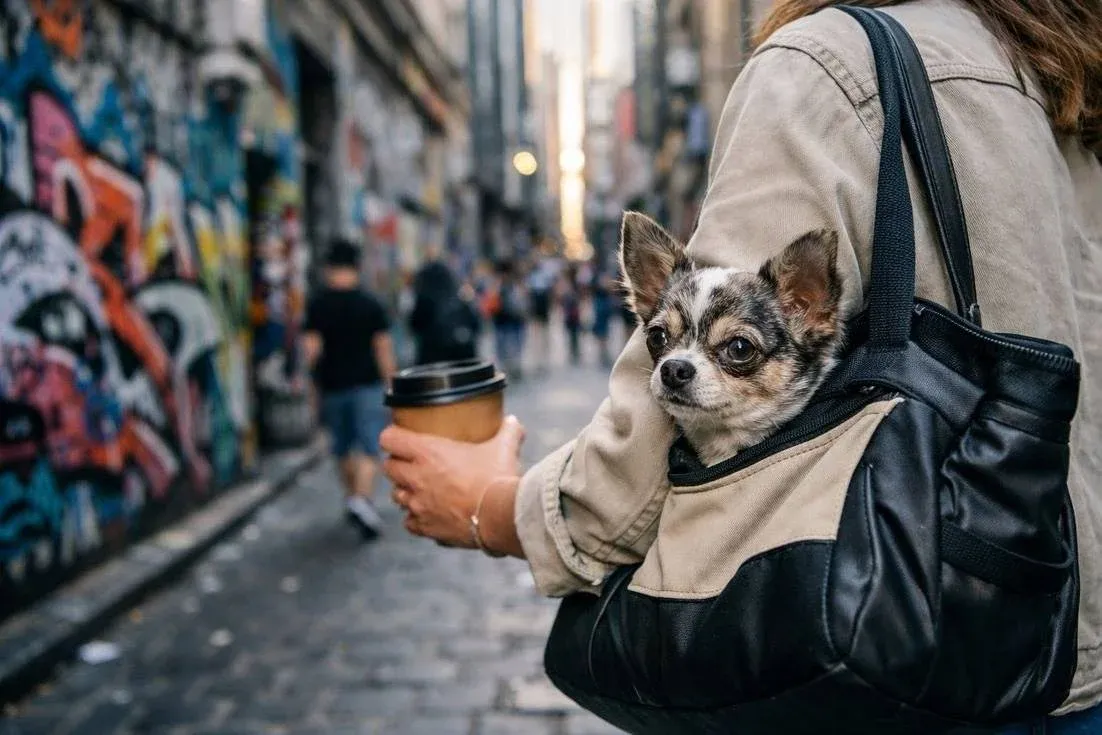
“Small dog syndrome” — where tiny dogs develop aggressive or demanding behaviours because owners find them “cute” rather than correcting them — affects toy breeds more than most. As one Melbourne breeder put it: “The rules that apply to a German Shepherd should apply to your Chihuahua. Just because they fit in your handbag doesn’t mean they get to rule your life.”

Health Issues to Know
If you’re worried about health problems, you’re not alone — but here’s encouraging news. They are generally healthy dogs with impressive longevity when properly cared for. However, their tiny size does create some specific health considerations.
According to VCA Hospitals, patellar luxation (dislocating kneecap) commonly affects toy breeds including Chihuahuas.⁴ The kneecap slides out of its normal position, causing intermittent lameness.
- Prevalence: Affects a significant percentage of the breed
- Symptoms: Skipping gait, holding leg up, reluctance to jump
- Treatment Cost (AUD): $1,500 – $4,000 for surgical correction per knee
- Management: Weight control, appropriate exercise, avoiding high jumps
Chihuahua teeth present ongoing challenges. Their small mouths often lead to overcrowding, retained baby teeth, and accelerated tartar buildup. According to PetMD, dental disease affects the majority of small breed dogs by age three.⁵
- Prevalence: Extremely common — expect dental work throughout your dog’s life
- Symptoms: Bad breath, difficulty eating, tooth loss
- Treatment Cost (AUD): $500 – $2,000 per dental cleaning/extraction session
- Prevention: Daily tooth brushing, dental chews, regular veterinary dental checks
Particularly affecting puppies and very small adults, hypoglycaemia occurs when blood sugar drops dangerously low. This is especially common in teacup varieties.
- Symptoms: Weakness, trembling, disorientation, seizures
- Emergency Treatment: Rub honey or sugar syrup on gums; seek immediate veterinary care
- Prevention: Regular small meals, avoiding prolonged fasting, maintaining healthy weight
Some Chihuahuas are born with hydrocephalus (fluid on the brain), particularly those with very domed “apple head” skulls. This condition ranges from mild to severe.
- Symptoms: Domed skull, seizures, vision problems, behavioural changes
- Treatment: Medical management or shunting surgery in severe cases
- Prevention: Choose breeders who avoid extreme head shapes
Small breeds including Chihuahuas are prone to weakening of the tracheal cartilage, causing breathing difficulties.
- Symptoms: Honking cough, especially during excitement or exercise
- Management: Harnesses instead of collars, weight control, avoiding respiratory irritants
Lifespan & Longevity Tips
The breed lifespan is one of the breed’s most impressive features. With an average life expectancy of 12-20 years, Chihuahuas frequently outlive dogs many times their size. Some individuals reach their early twenties with proper care.
The good news is that this longevity isn’t just luck — it reflects the breed’s generally robust health when given appropriate care.
To maximise your Chihuahua’s years:
- Maintain dental health through daily brushing and regular professional cleanings
- Keep weight optimal — even small amounts of excess weight strain tiny joints
- Protect from temperature extremes (Chihuahuas chill easily)
- Prevent injuries from jumping off furniture or being stepped on
- Provide regular veterinary check-ups every 6-12 months
Veterinarians at the Australian Veterinary Association note that small breeds like Chihuahuas benefit from twice-yearly health checks as they age, allowing early detection of common issues.⁶
Chihuahua’s Grooming Guide
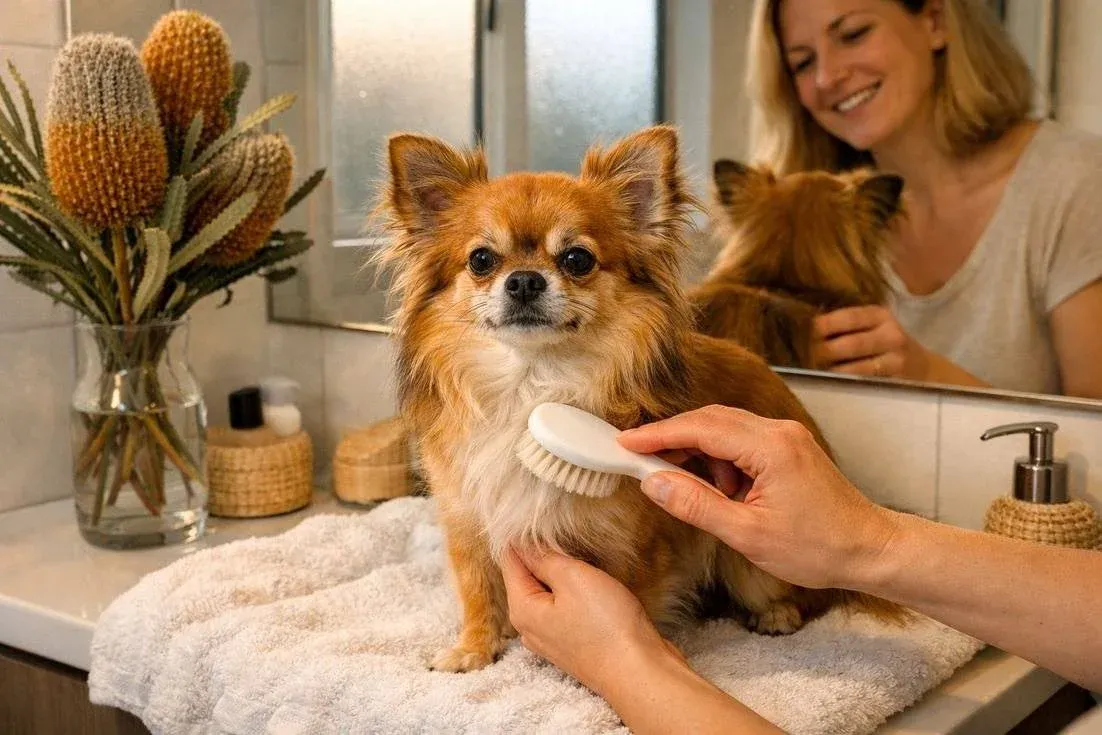
Grooming requirements depend largely on coat type. Smooth coat Chihuahuas are wash-and-wear easy, while long haired Chihuahuas need more regular attention to prevent matting.
Do Chihuahuas shed? Yes, both coat varieties shed moderately. You’ll notice more hair during seasonal changes, but neither variety produces the heavy shedding associated with double-coated breeds.
Grooming Schedule Table
| Task | Frequency | Time | Tools/Products |
|---|---|---|---|
| Brushing (smooth coat) | Weekly | 5 mins | Soft bristle brush, rubber mitt |
| Brushing (long coat) | 2-3 times weekly | 10-15 mins | Pin brush, comb for feathering |
| Bathing | Every 4-6 weeks | 15-20 mins | Gentle puppy shampoo, PAW by Blackmores |
| Nail Trimming | Every 2-3 weeks | 10 mins | Small clippers/grinder |
| Ear Cleaning | Weekly | 5 mins | Vet-approved ear cleaner |
| Tooth Brushing | Daily | 3-5 mins | Dog toothpaste, finger brush |
| Professional Grooming | Optional (long coat) | 1 hour | $50-80 per session |
Breed colours span an impressive range: fawn, black, white, chocolate, cream, gold, and various combinations including spotted, sable, and brindle patterns. The ANKC accepts virtually any colour or marking pattern.
Exercise Requirements
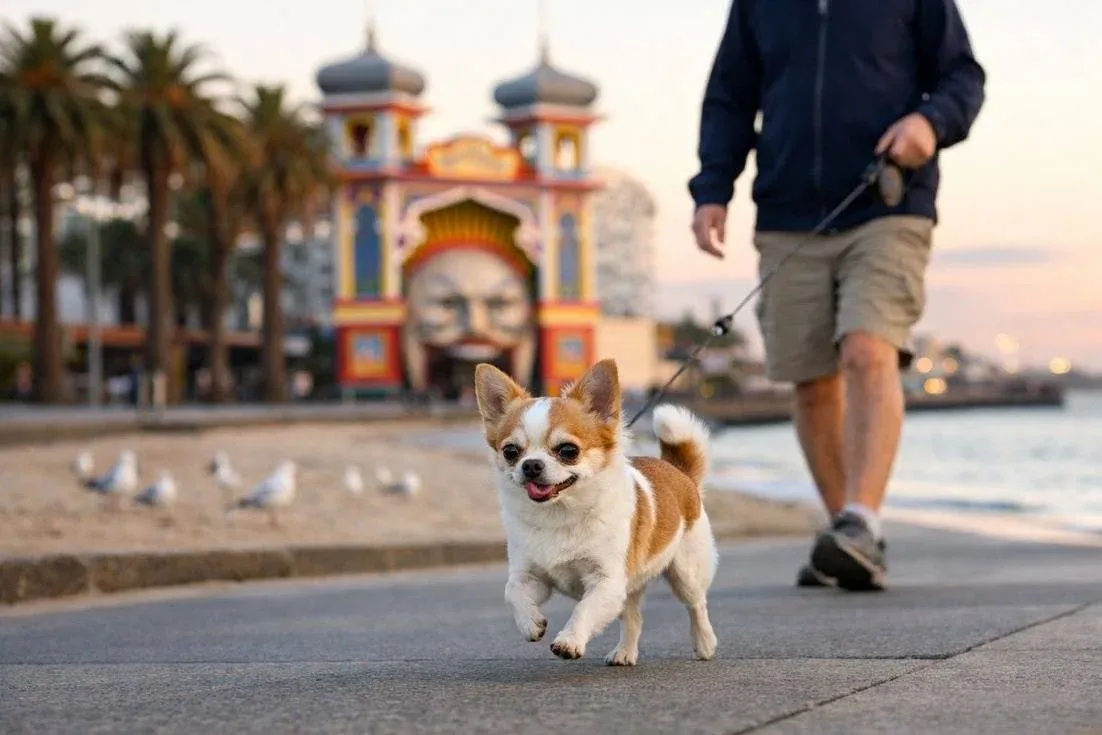
First-time owners are often relieved to discover that this breed’s exercise needs are modest. However, “small” doesn’t mean “sedentary” — Chihuahuas still need daily activity for physical and mental health.
According to RSPCA Australia, all dogs require regular exercise appropriate to their size and age.⁷
Daily requirements:
- 20-30 minutes of activity (can be split into shorter sessions)
- Short walks during mild weather
- Indoor play sessions
- Mental stimulation through training and puzzle toys
Many Chihuahua owners report that their dogs enjoy brief bursts of energetic play followed by extended rest. This pattern is normal for the breed.
Exercise Cautions:
- Temperature sensitivity: They chill quickly in cold weather and overheat in summer. Walk during mild parts of the day and consider a jumper for winter outings.
- Injury prevention: Avoid rough play with larger dogs. Supervise outdoor time to prevent hawk or predator attacks (yes, this is a real concern for tiny dogs).
- Joint protection: Discourage jumping from heights; provide ramps or stairs to furniture.
If you notice your Chihuahua becoming reluctant to walk or showing signs of pain, consult your vet — this may indicate joint issues requiring attention.
Chihuahua Training Tips
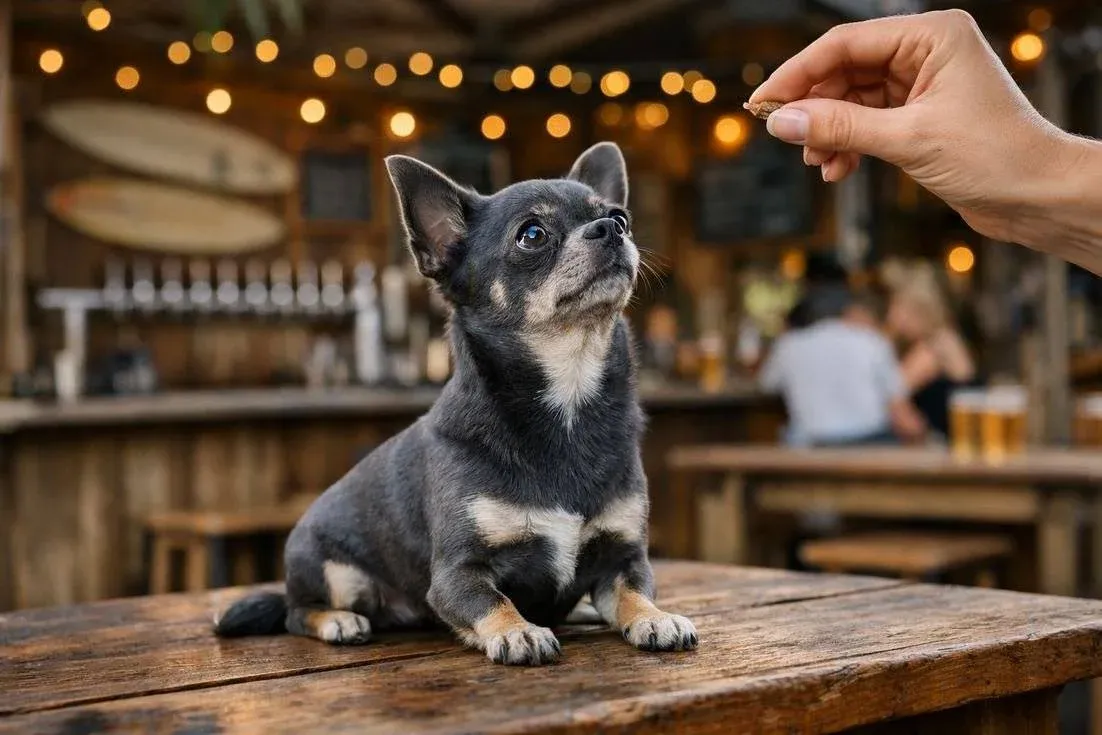
The Chihuahua’s intelligence makes them highly trainable, but their independent streak means they need motivation. Don’t be discouraged if your tiny student seems uninterested in your training agenda — they’re simply waiting for you to make it worth their while.
The good news is that once you find what motivates your Chihuahua (usually food or your attention), training progresses surprisingly quickly.
Socialisation & Training Timeline
| Age | Training Focus | Expected Outcomes |
|---|---|---|
| 8-12 weeks | Name recognition, potty training, gentle handling | Basic responses, accepting touch |
| 3-4 months | Sit, come, crate training, extensive socialisation | Simple commands, reduced fearfulness |
| 4-6 months | Stay, lead walking, meeting new people/dogs | Reliable basics, social confidence |
| 6-12 months | Impulse control, bark management, public behaviour | Well-mannered adolescent |
According to the American Kennel Club, early socialisation is particularly critical for Chihuahuas to prevent fear-based aggression and excessive nervousness.⁸
Training Tips Specific to Chihuahuas:
- Use tiny, high-value treats — their small stomachs fill quickly
- Keep sessions very short (5-10 minutes maximum)
- Never use physical punishment — it destroys trust and creates aggression
- Socialise extensively during puppyhood to prevent fear issues
- Treat them like a “real dog” — don’t carry them through experiences they should walk through
Price & Costs in Australia
This can feel overwhelming when you see the numbers, but being honest about costs upfront saves heartbreak later. While Chihuahuas eat less than larger breeds, their veterinary needs — particularly dental care — often offset food savings.
Finding Your Chihuahua
Find registered breeders through the Dogs Australia Breeder Directory.⁹ Reputable breeders health test their dogs and avoid breeding for extreme “teacup” sizes, which often come with serious health problems.
Consider adoption through breed-specific rescue organisations or PetRescue. Adult rescue Chihuahuas often make wonderful companions, with established personalities and frequently some training already in place.
A note on “teacup” Chihuahuas: Dogs marketed as “teacup” or “micro” are simply very small Chihuahuas, often bred for extreme small size at the expense of health. These dogs face significantly higher risks of hypoglycaemia, fragile bones, and organ problems. Reputable breeders don’t breed for extreme miniaturisation.
Initial Costs:
| Expense | Approx. Cost (AUD) |
|---|---|
| Puppy Price (Registered Breeder) | $2,500 – $5,000 |
| Adoption Fee (Rescue) | $300 – $500 |
| Initial Vet + Vaccinations | $200 – $350 |
| Desexing | $250 – $400 |
| Essential Supplies (crate, bed, bowls, leash, toys) | $250 – $400 |
| Microchipping + Registration | $80 – $150 |
| TOTAL INITIAL COST | $3,580 – $6,800 |
Annual Ongoing Costs:
- Quality Food: $500 – $800 (small appetites mean lower food costs)
- Vet & Preventatives: $400 – $800
- Pet Insurance: $400 – $800
- Dental Care: $300 – $1,000 (budget for this — it’s unavoidable)
- Grooming supplies: $100 – $200
- Clothing/winter wear: $50 – $150 (recommended for Australian winters)
- Toys, treats, miscellaneous: $150 – $300
- TOTAL ANNUAL: $1,900 – $4,050
Lifetime Cost Estimate: $35,000 – $70,000 (based on 15-year average lifespan).
Is a Chihuahua Right for You?
Ideal Owner Profile: Individuals or couples seeking a devoted, portable companion. You live in an apartment or house with secure spaces, have time for companionship, and appreciate a dog with personality. Retirees, work-from-home professionals, and those seeking a travel-friendly pet often find Chihuahuas ideal.
- Home Size: Highly adaptable — apartments to houses all work excellently
- Yard: Not essential; they exercise happily indoors
- Climate: Need protection from cold (jumpers in winter) and heat (avoiding midday sun)
This can feel overwhelming, but being honest about challenges saves heartbreak later.
- Households with toddlers or rough-playing young children: Risk of injury to these fragile dogs is too high
- Those wanting a quiet dog: Chihuahuas are alert barkers by nature
- People who won’t enforce boundaries: Small dog syndrome develops when rules don’t apply
- Very active households seeking a hiking or jogging companion: Chihuahuas can’t sustain prolonged exercise
- Those unwilling to commit to dental care: Neglecting their teeth causes serious health problems
Perfect for: Apartment dwellers wanting a devoted companion. Singles, couples, and families with older children. Retirees seeking an engaging, long-lived pet. Anyone wanting a portable dog who travels well.
Think twice if: You have young children, want a quiet dog, or dislike dogs with strong personalities and opinions.
First-time owner rating: Excellent choice for first-time owners who research the breed. Chihuahuas don’t require extensive exercise or outdoor space, though they do need consistent training to prevent behavioural issues.
The Chihuahua offers something unique in the dog world — a genuinely long-lived companion who bonds deeply with their person and adapts happily to small-space living. Their larger-than-life personalities mean you’ll never have a dull moment, and their portable size makes them excellent travel companions. Yes, they can be sassy, yappy, and convinced they’re the centre of the universe — but for those who embrace the Chihuahua experience, that’s precisely the point.
FAQs
How long do Chihuahuas live?
The average lifespan is impressively long at 12-20 years, making them one of the longest-lived dog breeds. With proper care, dental maintenance, and regular veterinary attention, many Chihuahuas reach their late teens. Some exceptional individuals live into their early twenties.
Are Chihuahuas aggressive?
They aren’t inherently aggressive, but they’re prone to developing fear-based aggression and “small dog syndrome” when not properly trained and socialised. Their tendency to bark and show teeth often stems from fear rather than true aggression. Early socialisation and treating them like “real dogs” rather than accessories prevents most behavioural issues.
Do Chihuahuas shed a lot?
Both smooth and long coat Chihuahuas shed moderately year-round, with slightly increased shedding during seasonal changes. They’re not heavy shedders compared to double-coated breeds, but they’re not hypoallergenic either. Regular brushing minimises loose hair around your home.
Are Chihuahuas smart?
Yes, they are intelligent dogs who learn quickly when properly motivated. They’re smart enough to manipulate their owners if allowed, and they often use their intelligence to get their way. This cleverness makes them trainable but also means they need consistent boundaries.
How much does a Chihuahua cost in Australia?
Expect to pay $2,500 – $5,000 for a registered Chihuahua puppy from a reputable breeder in Australia. Annual ownership costs run $1,900 – $4,050, with dental care representing a significant ongoing expense. Lifetime costs typically reach $35,000 – $70,000.
Are Chihuahuas good with children?
They can be good with older, gentle children (8+) but aren’t ideal for households with toddlers or rough-playing young kids. Their tiny size makes them fragile and easily injured by clumsy handling. Additionally, some Chihuahuas become possessive of their primary person and may not tolerate competition for attention.
Primary Sources:
- Dogs Australia (ANKC) (https://dogsaustralia.org.au) – Official breed registration and standards
- American Kennel Club (AKC) (https://www.akc.org/dog-breeds/chihuahua/) – Breed history and standards
- Dogs Australia Annual Registration Statistics
Veterinary & Health Sources:
- VCA Hospitals (https://vcahospitals.com/know-your-pet/luxating-patella-in-dogs) – Patellar luxation in dogs
- PetMD (https://www.petmd.com/dog/conditions/mouth/dental-disease-dogs) – Dental disease in dogs
- Australian Veterinary Association (https://www.ava.com.au) – Small breed health guidelines
Australian-Specific Sources:
- RSPCA Australia (https://www.rspca.org.au) – Dog health and care guidelines
- American Kennel Club – Breed training recommendations
- Dogs Australia Breeder Directory
- PetSure (Bow Wow Meow) (https://www.bowwowinsurance.com.au) – Australian pet ownership cost data
- Breed-specific behaviour resources