
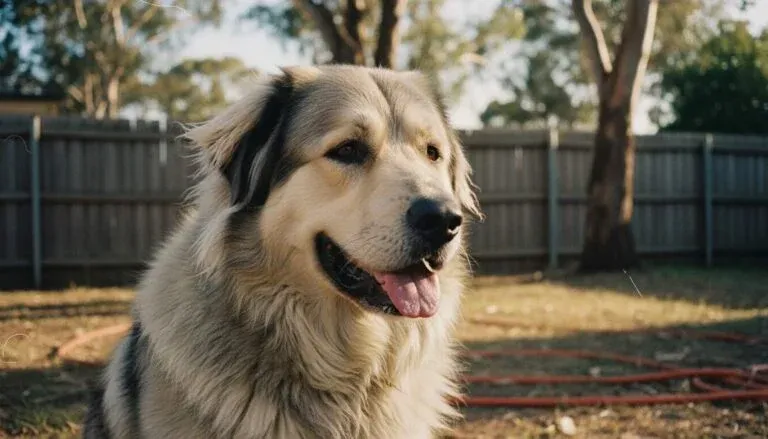
There are big dogs, and then there’s the Caucasian Shepherd. At up to 70 kg of bone, muscle, and an almost absurd amount of fur, this is a dog that was literally bred to fight off wolves and bears in the Caucasus Mountains. It wasn’t designed to fetch tennis balls or charm strangers at the dog park. It was designed to stand between a flock of sheep and whatever wanted to eat them — and win.
Also known as the Caucasian Ovcharka, Russian Bear Dog, or Caucasian Mountain Dog, this breed is one of the most powerful and independent guardian dogs on the planet. They’re fiercely loyal to their family, deeply suspicious of everyone else, and capable of making their own decisions about threats without waiting for your input. That last part is what makes them magnificent working dogs and genuinely dangerous in the wrong hands.
In Australia, the Caucasian Shepherd is a very recent arrival. The breed wasn’t even recognised by the ANKC until 2018, and there are still only a handful of registered breeders in the entire country. If you’re seriously considering one — or you’re just fascinated by the breed — this guide covers the unfiltered reality: temperament, health, Australian costs, and the honest question of whether you’re actually equipped to own one.
What You’ll Learn
- Breed traits & temperament
- Health concerns to know
- True cost in Australia
- Training & exercise needs
- Is this breed right for you?
Breed Quick Facts Table
| Trait | Details |
|---|---|
| Breed Group | Utility (ANKC) / Foundation Stock Service (AKC) |
| Origin | Caucasus Mountains — Georgia, Armenia, Azerbaijan, Dagestan |
| Other Names | Caucasian Ovcharka, Russian Bear Dog, Caucasian Mountain Dog, CO |
| Size | Giant |
| Height | Males: 72–75 cm (min 68 cm) | Females: 67–70 cm (min 64 cm) |
| Weight | Males: 50–70 kg | Females: 45–65 kg |
| Coat | Dense, weatherproof double coat — short, medium, or long varieties |
| Colours | Grey, fawn, red, white, brindle, piebald — almost any colour except solid black |
| Lifespan | 10–12 years (varies significantly — see Health section) |
| Temperament | Loyal, protective, fearless, independent, calm with family |
| Bite Force | 700+ PSI — one of the strongest of any breed |
| Shedding | Heavy — year-round with one major annual coat blow |
| Barking Level | Moderate to high — deep, booming bark used as a deterrent |
| Good With Kids | With their own family’s older children only — too large and protective for young kids or visiting children |
| Apartment Friendly | Absolutely not — requires a large, securely fenced property |
| Exercise Needs | Moderate — daily walks but not a high-energy breed |
| Puppy Price (AUD) | $4,000–$8,000+ from registered breeders |
| ANKC Recognition | 2018 — one of the newest recognised breeds in Australia |
History & Origins
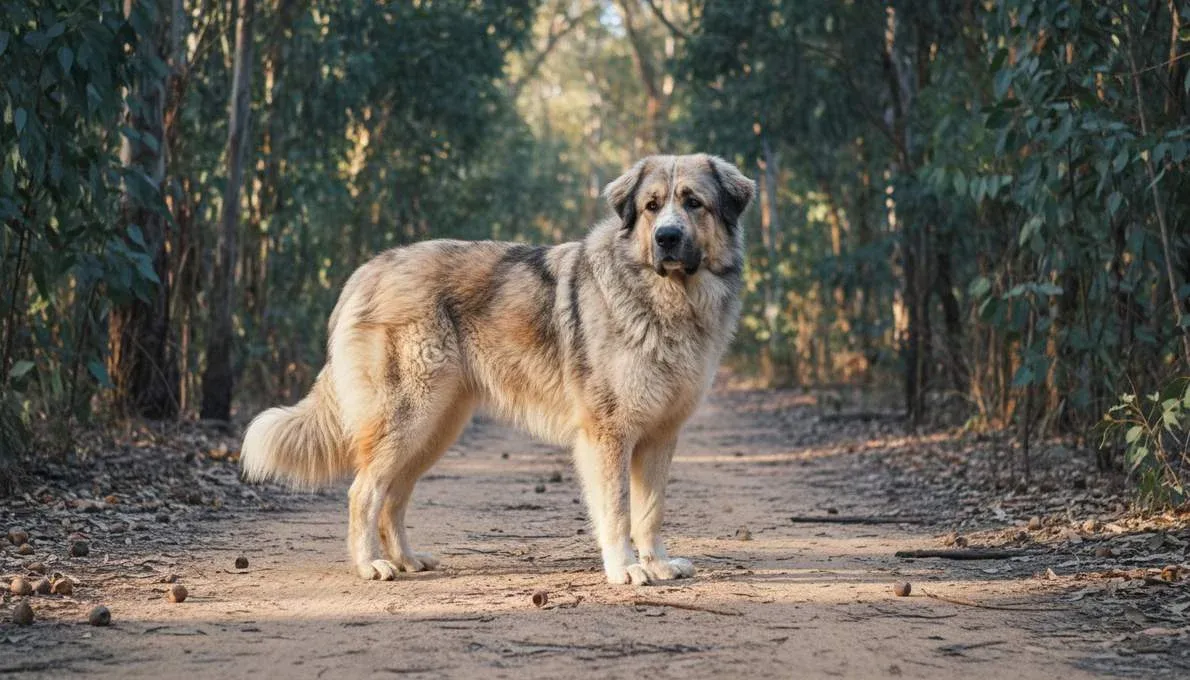
The Caucasian Shepherd’s story begins in one of the harshest environments on earth: the Caucasus Mountains, a towering range stretching between the Black Sea and the Caspian Sea across Georgia, Armenia, Azerbaijan, and southern Russia. For thousands of years — possibly since the first century BC, when large molossoid dogs were recorded serving in the Armenian Tsar’s army — these dogs have guarded livestock from wolves, bears, and human thieves in conditions that would break most breeds.
The breed is closely related to other ancient livestock guardian dogs of the region, and there are significant regional variations. Georgian Caucasian Shepherds tend to be the largest, with powerful builds and longer coats. Dogs from the steppe regions of southern Russia are lighter and shorter-coated. Azerbaijani dogs are tall and lean. The modern breed standard is primarily based on the Georgian type, which was considered the best quality.
Formal breeding programmes began in the Soviet Union in the 1920s. The Soviets recognised the breed’s value as a military and guard dog, and Caucasian Shepherds were used extensively along the Berlin Wall and in Soviet prison systems. The breed was definitively accepted by the FCI in 1984. It reached Western Europe in the 1930s but remained largely unknown outside Eastern Europe until recent decades.
In Australia, the breed’s history is very short. The first Caucasian Shepherd Dog was imported and registered in Australia through a process that took roughly four years, culminating in ANKC recognition in July 2018. Foundation stock was imported from Georgia, Russia, Ukraine, and Greece. Today, only a small number of registered breeders exist across Victoria, Tasmania, and a few other states. The breed remains extremely rare here.
Caucasian Shepherd Temperament & Personality
The Caucasian Shepherd temperament is not something to romanticise. This is a breed that was built over millennia to make life-or-death decisions independently, in the dark, on a mountainside, without human instruction. That psychology doesn’t just disappear because the dog now lives in suburban Melbourne.
Once a Caucasian Shepherd bonds with its family, the loyalty is absolute. These dogs are devoted, affectionate, and genuinely gentle with the people they consider theirs. Breeders describe them as emotionally sensitive — they read human moods closely and become visibly distressed when they feel they’ve disappointed their owner.
This is not a dog that barks at a noise and then hides behind the couch. A Caucasian Shepherd will place itself between you and a perceived threat and will not back down. Their sheer size, deep bark, and unwavering eye contact deter most intruders without physical contact. If the situation escalates, they are more than capable of dealing with it. This is a breed that historically fought wolves.
This is hardwired, not a training flaw. Caucasian Shepherds were bred to view anything unfamiliar as a potential threat to the flock. Without extensive, early, and ongoing socialisation, this natural wariness can escalate into genuine aggression toward visitors, delivery drivers, and other dogs. This is the single biggest management challenge of the breed.
Unlike German Shepherds or Border Collies, the Caucasian Shepherd was never bred to look to humans for instruction. They were bred to assess situations and act on their own judgement. This makes them incredibly intelligent but also incredibly stubborn. They will comply with commands when they see a reason to, not because you asked nicely.
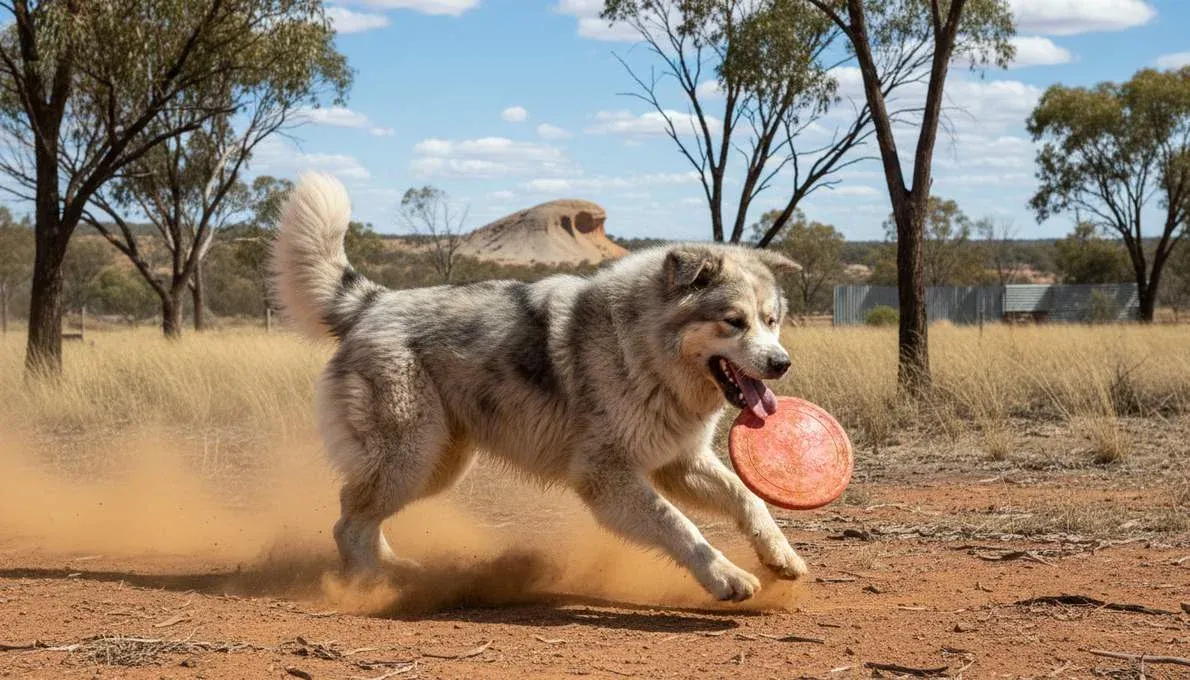
Despite their size, Caucasian Shepherds are not hyperactive. They’re content to patrol, observe, and rest. But when they decide something needs doing, they move with surprising speed and power for a 70 kg animal.
Many Caucasian Shepherds, particularly males, are dominant with other dogs. Same-sex aggression is common. They can coexist with other animals if raised together from puppyhood, but introductions to new pets as an adult are risky.
With their own family’s older children, a well-socialised Caucasian Shepherd can be patient and protective. But their size makes accidental injuries a real risk, and their guarding instinct means visiting children — who the dog doesn’t know — may be perceived as a threat. This requires extremely careful management.
Health & Genetic Conditions
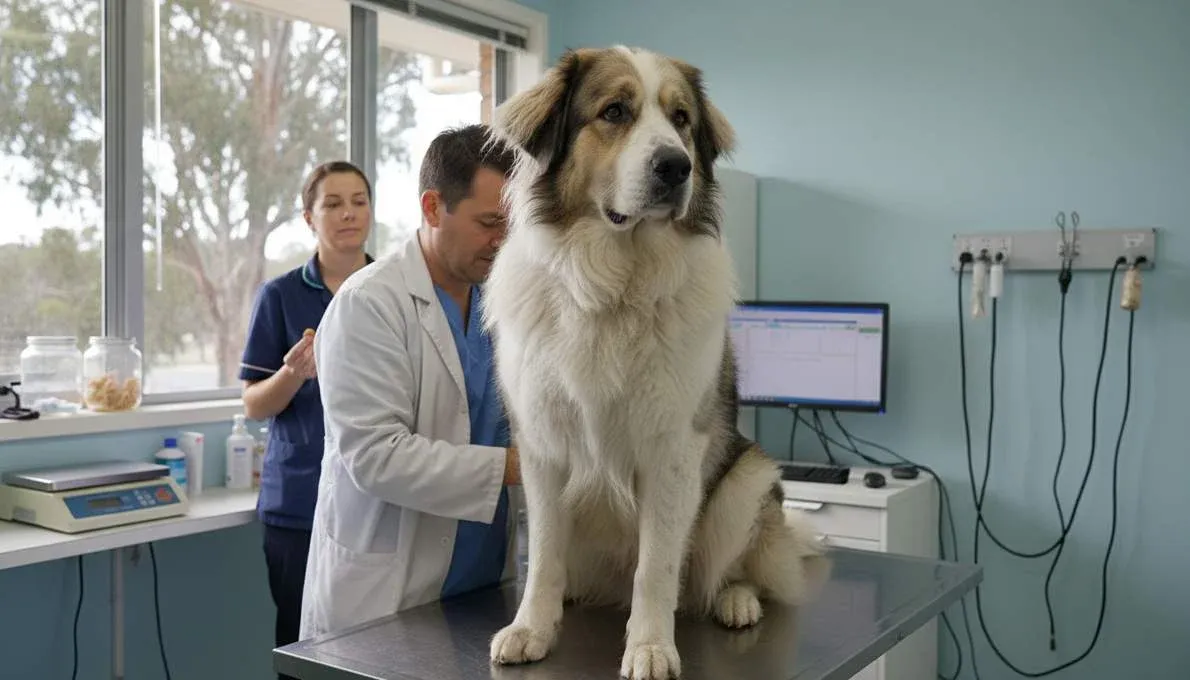
The Caucasian Shepherd is a relatively healthy breed for its size, without many breed-specific genetic conditions. But “for its size” is the key qualifier — giant breeds carry inherent risks that smaller dogs don’t face.
Most breed sources cite 10–12 years, which is reasonable for a well-bred Caucasian Shepherd. However, a 2024 UK study of over 580,000 dogs found a much lower median lifespan of 5.4 years for the breed — the shortest of all 155 breeds studied. This figure likely reflects the very small sample size of Caucasian Shepherds in the UK, potentially combined with dogs from less rigorous breeding programmes. It should be taken seriously but not as definitive.
Health Conditions Table
| Condition | Risk Level | What It Means | Estimated Cost (AUD) |
|---|---|---|---|
| Hip Dysplasia | High (common in giant breeds) | Malformation of the hip joint causing pain, arthritis, and reduced mobility | $3,000–$7,000 per hip (surgery) |
| Elbow Dysplasia | Moderate to high | Abnormal elbow development leading to lameness | $2,500–$5,000 (surgery) |
| Bloat / GDV (Gastric Dilatation-Volvulus) | High risk (deep-chested giant breed) | Stomach fills with gas and twists — life-threatening within hours | $3,000–$8,000 (emergency surgery); Preventive gastropexy: $500–$1,500 |
| Entropion | Moderate (breed predisposition) | Eyelid rolls inward, causing lash irritation and potential corneal damage | $1,500–$3,500 per eye (surgery) |
| Heart Conditions | Moderate | Dilated cardiomyopathy and other cardiac issues occur in giant breeds | $2,000–$5,000+ (ongoing treatment) |
| Obesity | High risk if under-exercised | Extra weight on a giant frame accelerates joint disease and shortens life | Preventable — diet and exercise management |
| Cruciate Ligament Tears | Moderate | Weight and size increase strain on knee ligaments | $4,000–$8,000 per knee (surgery) |
Reducing risk: Buy only from breeders who provide hip and elbow scores, cardiac clearances, and eye certifications. In Australia, the breed is new enough that the gene pool is small — ask breeders specifically about genetic diversity in their lines. A preventive gastropexy during desexing is worth discussing with your vet for any giant breed. Maintain a lean body condition throughout the dog’s life — obesity is the most preventable health risk.
Sources: PetMD – Caucasian Shepherd Dog [5]; Dogster – Caucasian Shepherd [6]; Wikipedia [1]; DailyPaws – Caucasian Shepherd [7]
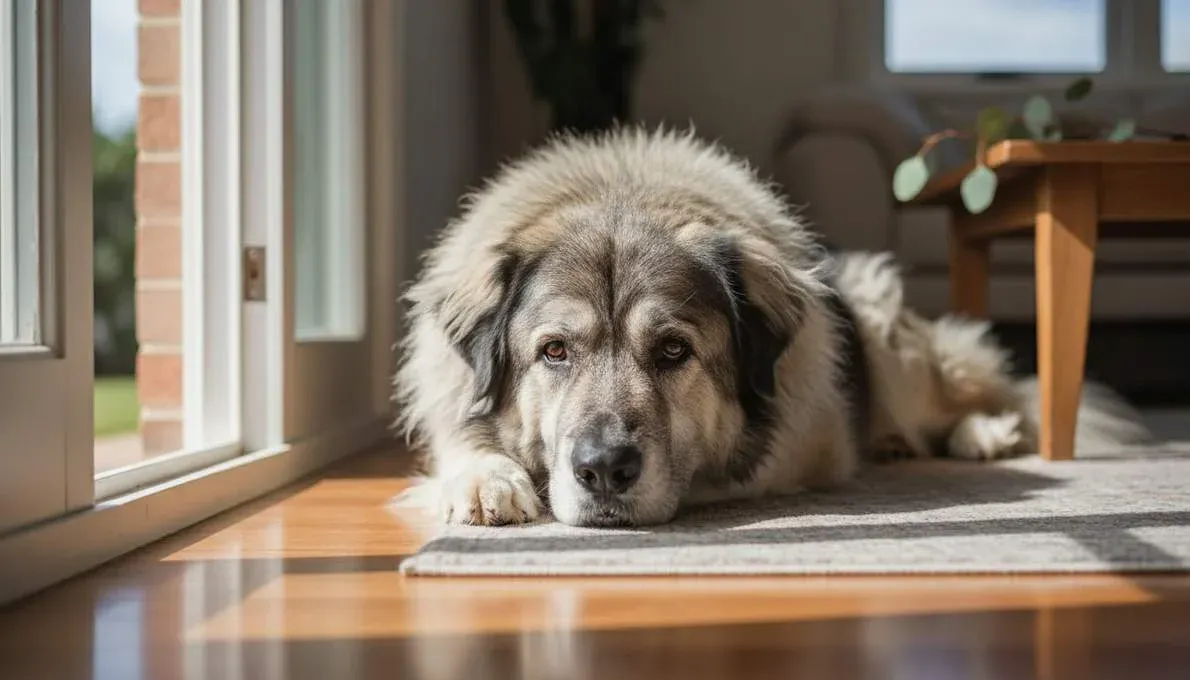
Caucasian Shepherd Lifespan & Longevity
The Caucasian Shepherd life expectancy is generally cited as 10–12 years, which is respectable for a giant breed. These dogs mature slowly — they may not reach full physical maturity until age three — and then age faster in later life, which is typical of very large dogs.
Life Stages Table
| Life Stage | Age Range | What to Watch For |
|---|---|---|
| Puppy | 0–18 months | Rapid growth. Giant-breed puppy food essential to prevent too-fast growth. No high-impact exercise. Socialisation is critical — this is the only window where you can meaningfully shape their attitude toward strangers. |
| Young Adult | 18 months–3 years | Still maturing. Peak testing of boundaries. Continued socialisation essential. They’re reaching full size but not full mental maturity. |
| Mature Adult | 3–7 years | Settled temperament. Reliable guardian behaviour. Monitor weight and joint health. Regular vet checks. |
| Senior | 7+ years | Increased risk of heart conditions, joint deterioration, and cancer. Bi-annual vet visits. Reduce exercise intensity. Joint supplements recommended. |
To maximise your Caucasian Shepherd’s lifespan: keep them lean (this is the single most impactful thing you can do), feed a high-quality giant-breed diet, provide moderate daily exercise without over-stressing joints, and maintain consistent veterinary care. In Australia, heat management is also critical — these dogs were built for freezing mountain winters, not Aussie summers.
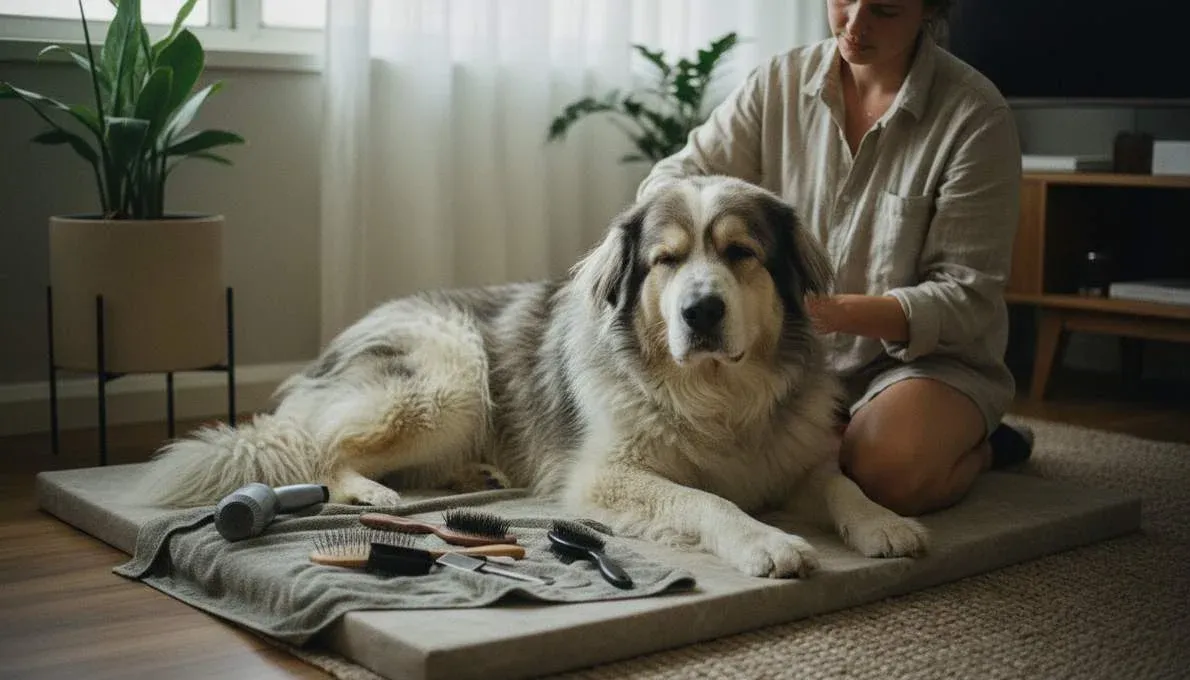
Caucasian Shepherd Grooming & Care
Grooming a Caucasian Shepherd depends heavily on coat type. Long-coated dogs (the Georgian mountain type) require significantly more maintenance than the shorter steppe-type coats. Either way, you’re dealing with a lot of dog and a lot of hair.
Grooming Schedule
| Task | Frequency | Notes |
|---|---|---|
| Brushing | 2–3 times per week; daily during coat blow | Long coats need daily attention to prevent matting. Use an undercoat rake and slicker brush. Short coats are easier but still shed heavily. |
| Bathing | Every 2–3 months or as needed | Only when necessary. Their coat has natural weatherproofing oils. Bathing a 70 kg dog is a two-person job — or use a self-service dog wash. |
| Ear Cleaning | Weekly | Deep-set ears can trap moisture and debris. Check for redness and odour. |
| Nail Trimming | Every 2–4 weeks | Essential. Giant breed nails hit hard surfaces and can crack painfully. Get them used to handling feet from puppyhood. |
| Teeth Brushing | 2–3 times per week | Dental disease is common. Professional dental cleaning may be needed periodically. |
| Eye Checks | Weekly | Entropion-prone breed. Watch for excessive tearing, redness, or rubbing. |
| Drool Management | Ongoing | Not as extreme as some mastiff breeds, but expect moderate drool, especially around food and water. |
The annual coat blow is an event. Long-coated Caucasian Shepherds will shed their entire undercoat over several weeks, typically in spring. The volume of hair is staggering. Daily brushing during this period is not optional — it’s survival. Invest in a high-quality undercoat rake and a powerful vacuum cleaner.
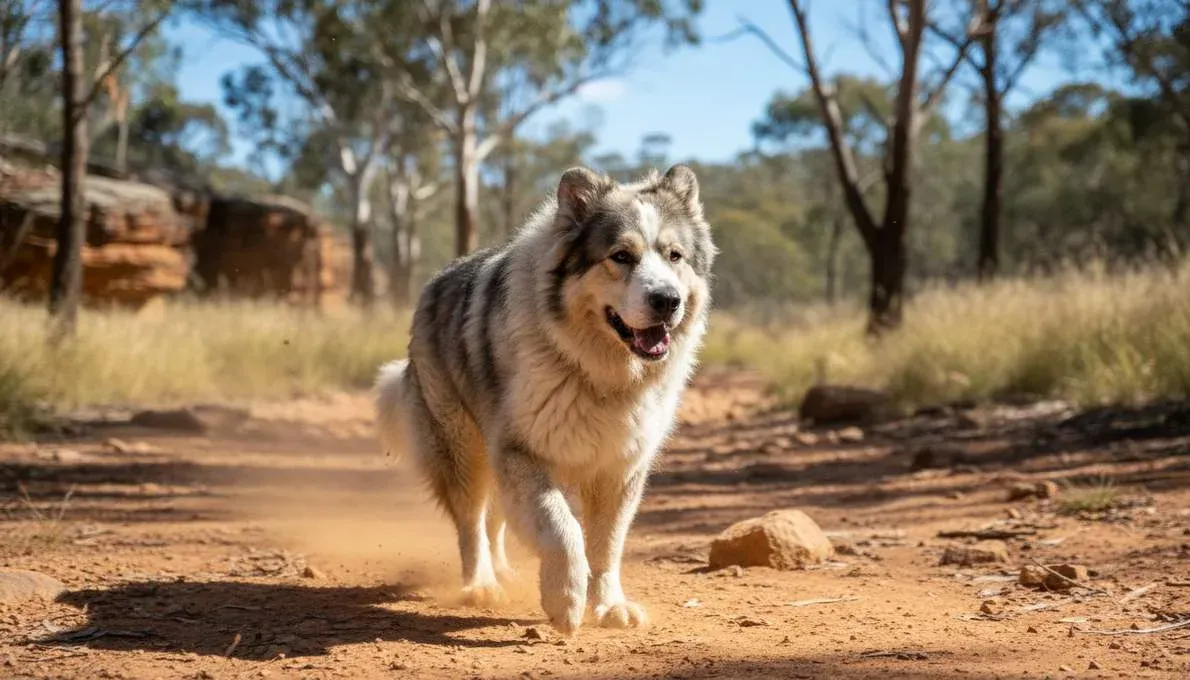
Caucasian Shepherd Exercise Needs
Despite their massive size, Caucasian Shepherds are not high-energy dogs. They were bred to conserve energy for when it mattered — long hours of calm observation punctuated by explosive action when a predator appeared. This translates to a dog that needs moderate daily exercise but is not bouncing off the walls.
Adults:
45–60 minutes per day of walking or moderate activity. They don’t need to run marathons — a couple of solid walks and access to a large yard for patrolling is usually sufficient. Many are content to walk the perimeter of their property and watch.
Puppies:
Extremely cautious exercise only. Giant breed puppies are growing rapidly and their joints are vulnerable. Short, gentle walks on soft surfaces. No jumping, no rough play, no stairs. Growth plates don’t fully close until 18–24 months.
Mental stimulation:
While they’re not puzzle-toy dogs in the way a Border Collie is, Caucasian Shepherds do need a sense of purpose. If they’re not working livestock, give them something to guard. A property to patrol, a family to watch over, a routine to maintain — these dogs need to feel useful.
⚠️ Australian Climate Warning:
This cannot be overstated. The Caucasian Shepherd was built for subzero mountain winters, not Australian heat. In summer, exercise must be restricted to early morning and late evening. Air-conditioned indoor time is essential during hot days. They need constant access to shade and fresh water. In northern and inland Australia, this breed may genuinely struggle — consider carefully whether your climate is suitable before committing.
Secure fencing is non-negotiable:
Minimum 1.8 metres, preferably reinforced. A Caucasian Shepherd that decides to investigate something beyond the fence is a serious public safety risk. They are territorial dogs that will defend a boundary, but that boundary needs to be clearly defined by a physical fence they cannot get through.
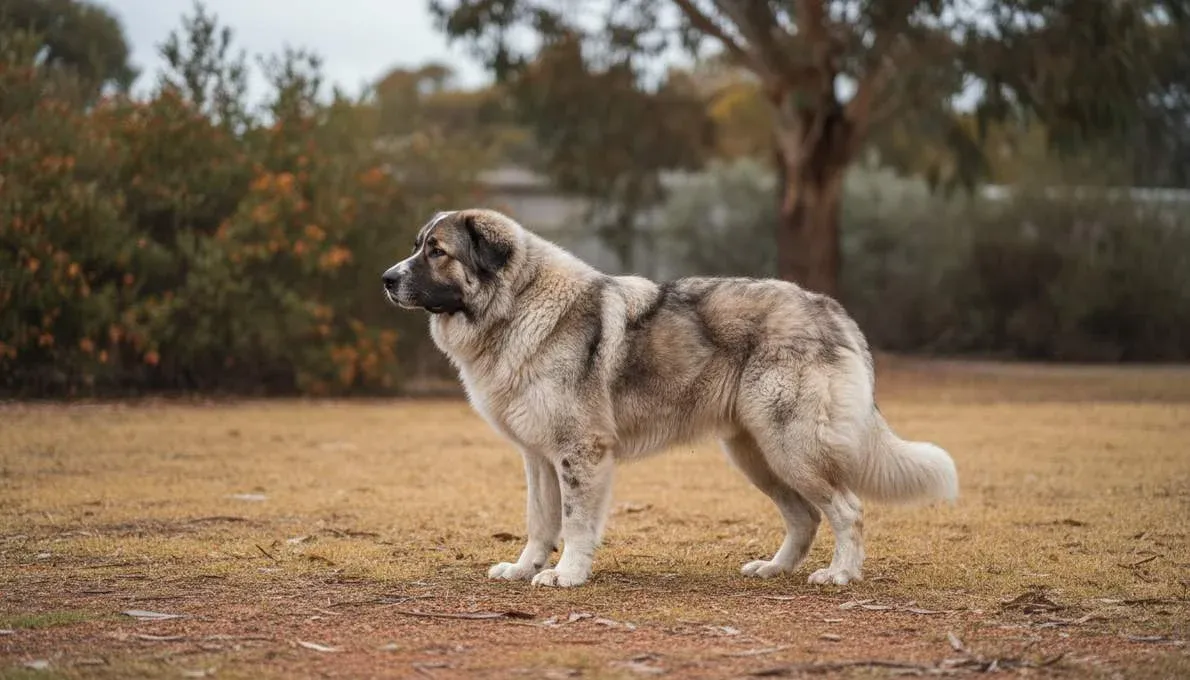
Caucasian Shepherd Training Guide
This is the section that separates owners who succeed from owners who end up in over their heads. Training a Caucasian Shepherd is fundamentally different from training most other breeds, because this dog was never bred to take orders. It was bred to think independently. Your job is not to break that independence — it’s to earn enough respect that the dog chooses to cooperate.
Honest difficulty rating:
Advanced to expert. This is genuinely one of the most challenging breeds to train. Not because they’re stupid — they’re extremely intelligent — but because they have no innate desire to comply with commands they consider pointless. First-time dog owners should not attempt this breed without professional guidance.
Socialisation & Training Timeline
| Age | Training Focus | Tips |
|---|---|---|
| 8–16 weeks | Socialisation, socialisation, socialisation | This is the most critical period. Expose to as many people, dogs, environments, and situations as physically possible. Every positive interaction now pays dividends for years. Miss this window and you’re managing problems for life. |
| 4–6 months | Basic obedience: sit, stay, come, leash manners, crate training | Short sessions (5–10 mins). High-value rewards. Don’t expect perfection — expect effort. Enrol in puppy school with an experienced trainer. |
| 6–12 months | Impulse control, recall (don’t expect off-leash reliability), door manners | They’re getting big fast. Teach loose-leash walking now or you’ll be dragged later. A 40 kg adolescent that pulls is already a control issue. |
| 12–24 months | Continued socialisation, public behaviour, handling exercises | Adolescent stubbornness peaks. Stay calm, stay consistent. Professional trainer essential. Don’t escalate — they’re sensitive to harsh corrections. |
| 2–3 years | Maturity — guardian instincts fully emerge | This is when the “real” dog appears. Continue socialisation. Never stop introducing controlled positive interactions with strangers. |
Positive reinforcement with firm, consistent boundaries is the only approach that works. Harsh physical corrections will either produce a shut-down, fearful dog or (more dangerously) a 70 kg animal that loses trust in its owner. Caucasian Shepherds are emotionally sensitive despite their imposing appearance. They respond to calm leadership, not dominance.
Critical point: A Caucasian Shepherd will never be a dog you can take to an off-leash park and let run free with other dogs. Accepting this limitation is part of responsible ownership.
Cost of Owning a Caucasian Shepherd in Australia
| Expense | Estimated Annual Cost (AUD) | Notes |
|---|---|---|
| Puppy Purchase | $4,000–$8,000+ (one-off) | ANKC registered breeders with imported lines. Very few breeders in Australia. Waitlists of 12+ months are normal. |
| Food (Premium Giant Breed) | $2,500–$4,000/year | Adults eat 4–8+ cups daily depending on size and activity. Giant-breed formulas essential. |
| Vet Check-ups | $400–$800/year | Annual checks; bi-annual after age 7. Giant-breed medication dosages are expensive. |
| Pet Insurance | $1,200–$2,500/year | Strongly recommended. Hip surgery, bloat, and cruciate tears can each exceed $7,000. |
| Vaccinations & Worming | $200–$400/year | Standard preventative care. Higher medication costs due to weight-based dosing. |
| Grooming | $200–$600/year | Mostly DIY — professional grooming is expensive for giant breeds. Budget for quality brushes and a heavy-duty vacuum. |
| Training (Essential) | $1,000–$3,000 (first 2–3 years) | Private trainer strongly recommended. Group classes may not suit this breed due to stranger and dog reactivity. |
| Toys, Beds, Fencing & Accessories | $500–$1,000/year | XL everything. Reinforced fencing may be needed. Heavy-duty beds and crates. |
| Council Registration | $30–$250/year | Varies by council. Check for any breed-specific requirements in your area. |
| Emergency Vet Fund | $5,000–$10,000+ (reserve) | Bloat surgery, orthopaedic repairs, and cardiac issues can all exceed $7,000. Giant breeds are expensive to treat. |
Total first-year cost estimate:
$10,000–$20,000+ depending on puppy price, training investment, and setup costs.
Annual ongoing cost:
$5,000–$9,000+ for a healthy adult Caucasian Shepherd.
Finding a breeder in Australia:
Start with DogzOnline and Dogs Australia. Known ANKC-registered breeders include kennels in Victoria and Tasmania. The breed was only recognised here in 2018, so the breeder network is very small. Expect long waitlists and a screening process — responsible breeders will interview you as much as you interview them.
Rescue:
Caucasian Shepherd rescue is virtually non-existent in Australia due to extremely low breed numbers. In the rare event one becomes available, check PetRescue.com.au and breed-specific groups.
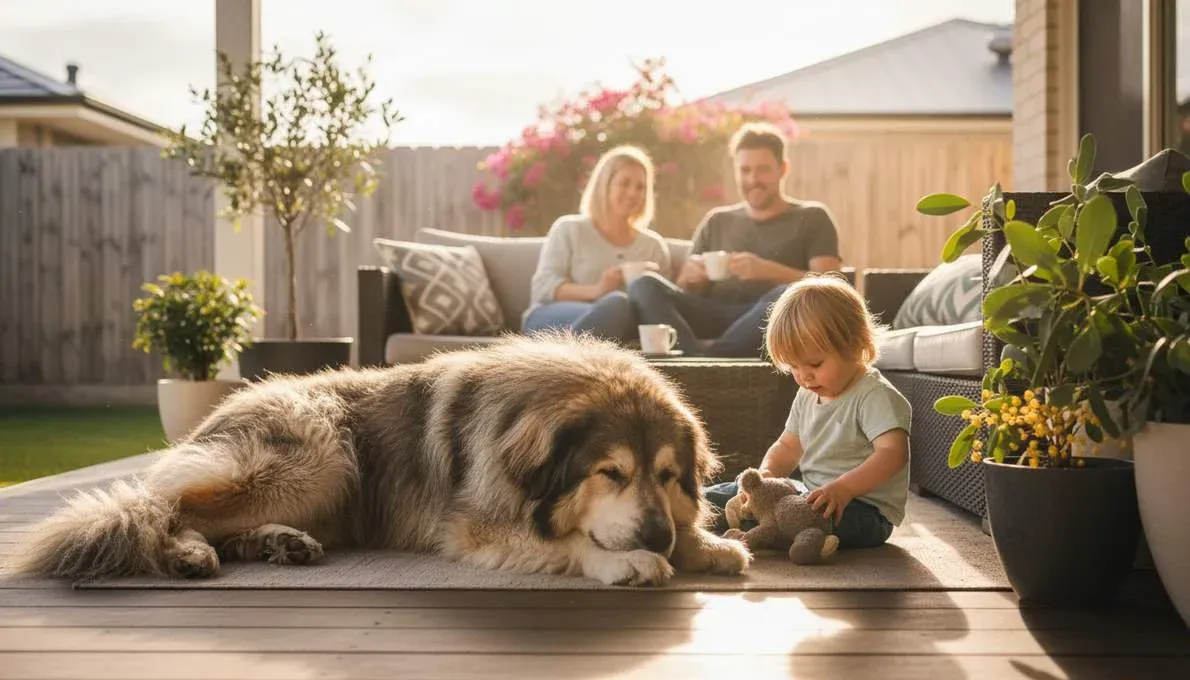
Is a Caucasian Shepherd Right for You?
This breed demands a level of self-honesty that most people aren’t willing to give. Wanting a Caucasian Shepherd and being equipped to own one are two very different things.
- You have significant experience with large, independent, guardian-type breeds — not just large dogs, but specifically livestock guardian or protection breeds.
- You have a large, rural or semi-rural property with robust, secure fencing (1.8m+ minimum).
- You have a genuine need for a guardian dog — livestock protection, property security — and can give the dog a job.
- You’re home most of the day and can manage the dog’s interactions with visitors and strangers.
- You’re financially prepared for the highest tier of dog ownership costs.
- You live in a climate where the dog can be kept cool during summer.
- You’re willing to commit to ongoing socialisation for the dog’s entire life.
- You’re a first-time dog owner, or your experience is limited to companion breeds.
- You live in an apartment, townhouse, or suburban property without large secure fencing.
- You have young children, or your household regularly has visiting children.
- You want a social dog that can visit dog parks, cafés, or public spaces without management.
- You work long hours away from home.
- You have other dogs (especially same-sex dogs) and aren’t experienced in managing inter-dog dynamics.
- You’re attracted to the breed primarily because of its size and appearance.
- You live in tropical or arid Australia (Northern Territory, Far North QLD, inland NSW/SA) without air-conditioned indoor space.
The Caucasian Shepherd is not a pet in the conventional sense. It’s a working partnership with one of the most formidable guardian breeds ever developed. In the right hands, on the right property, with the right management, there is no more loyal or capable protector on earth. Here’s the honest summary:
- They’re ancient, powerful livestock guardians with instincts forged by centuries of real predator defence. Their loyalty is absolute and their courage is unmatched.
- They require experienced, confident ownership, extensive early socialisation, ongoing management of stranger interactions, and a property large enough to give them purpose.
- In Australia, they’re extremely rare, extremely expensive, and the climate is a genuine challenge for a mountain-bred dog. Do your homework on breeders, your local council, and your own capacity before committing.
If you’ve read all of this and your reaction is respect rather than excitement, you’re thinking about this breed the right way.
Caucasian Shepherd FAQs
Are Caucasian Shepherds legal in Australia?
Yes. The Caucasian Shepherd Dog was officially recognised by the ANKC in July 2018 and is legal to own in all Australian states and territories. It is not a restricted or banned breed. However, standard dangerous dog laws apply to all breeds, and some councils may have additional requirements for large or guardian breeds. Always check with your local council.
Are Caucasian Shepherds dangerous?
They are powerful dogs with strong protective instincts and a bite force exceeding 700 PSI. Without proper socialisation and experienced handling, they can be dangerous. With responsible ownership, early socialisation, and consistent training, they are calm, loyal, and manageable. The breed is not inherently aggressive — but the consequences of poor ownership are more severe than with smaller, less powerful dogs.
What is the Caucasian Shepherd temperament like?
Fiercely loyal to family, deeply suspicious of strangers, calm and low-energy at home, fearless when a threat is perceived, and independent-minded. They’re emotionally sensitive with their owners but uncompromising with perceived intruders. Not a breed for casual or inexperienced owners.
How much does a Caucasian Shepherd cost in Australia?
Registered breeders charge $4,000–$8,000+ AUD for a puppy. The breed is extremely rare here with only a handful of breeders. Annual costs (food, vet, insurance, training) run $5,000–$9,000+. Total first-year outlay can exceed $20,000.
What is the Caucasian Shepherd bite force?
Approximately 700+ PSI, making it one of the most powerful bites of any domestic dog breed. For comparison, a German Shepherd has around 238 PSI. This underscores why responsible ownership, socialisation, and secure containment are non-negotiable.
How big do Caucasian Shepherds get?
Males typically weigh 50–70 kg and stand 72–75 cm at the shoulder. Females are slightly smaller at 45–65 kg and 67–70 cm. Some individuals, particularly from Georgian mountain lines, can exceed 70 kg. They are among the largest dog breeds in the world.
What is the Caucasian Shepherd lifespan?
Most sources cite 10–12 years for a well-bred Caucasian Shepherd, which is typical for giant breeds. A 2024 UK study found a much lower median of 5.4 years, but this is likely skewed by small sample size. Maintaining a healthy weight, proper nutrition, and regular vet care maximise longevity.
Do Caucasian Shepherds shed a lot?
Yes. They have a dense double coat that sheds year-round, with one massive annual coat blow (usually spring). Long-coated types shed more than short-coated types. Daily brushing during shedding season is essential. They are not hypoallergenic.
Are Caucasian Shepherds good family dogs?
They can be devoted family dogs for experienced owners with older children, a large secure property, and the time and skill to manage their protective instincts. They are not recommended for families with young children, small homes, or owners who can’t commit to extensive training and socialisation.
Are Caucasian Shepherds good guard dogs?
They are among the best natural guard dogs in the world. Guarding is what they were bred for over thousands of years. They don’t need training to protect — they need training to understand the difference between a genuine threat and a friend at the front door.
Caucasian Shepherd vs Tibetan Mastiff — what’s the difference?
Both are ancient livestock guardians, but they come from different regions (Caucasus Mountains vs Tibetan Plateau). Caucasian Shepherds tend to be slightly more reactive and territorial, while Tibetan Mastiffs are often described as more aloof. Caucasian Shepherds are generally larger and more variable in coat type. Both require experienced owners and are unsuited to suburban or apartment living.
Caucasian Shepherd vs Kangal — what’s the difference?
The Kangal (Anatolian Shepherd) is a Turkish livestock guardian, while the Caucasian Shepherd comes from the Caucasus region. Kangals are generally considered slightly more manageable for experienced owners, with a somewhat more predictable temperament. Caucasian Shepherds tend to be heavier, more suspicious of strangers, and more independently minded. Both are working guardian breeds, not companion dogs.
[1] Wikipedia – Caucasian Shepherd Dog — https://en.wikipedia.org/wiki/Caucasian_Shepherd_Dog (FOLLOW)
[2] Dogs NSW – Caucasian Shepherd Dog Breed Profile — https://www.dogsnsw.org.au/Breeds/browse-all-breeds/232/Caucasian-Shepherd-Dog/ (FOLLOW)
[3] AKC – Caucasian Shepherd Dog Breed Information — https://www.akc.org/dog-breeds/caucasian-shepherd-dog/
[4] DogzOnline – Caucasian Shepherd Dog Breeders Australia — https://www.dogzonline.com.au/breeds/breeders/caucasian-shepherd-dog.asp
[5] PetMD – Caucasian Shepherd Dog Health and Care — https://www.petmd.com/dog/breeds/caucasian-shepherd-dog
[6] Wisdom Panel – Caucasian Shepherd Dog Facts — https://www.wisdompanel.com/en-us/dog-breeds/caucasian-shepherd-dog
[7] Kavkaz Angel Kennel – Caucasian Shepherds Australia — https://caucasianshepherds.com.au/