
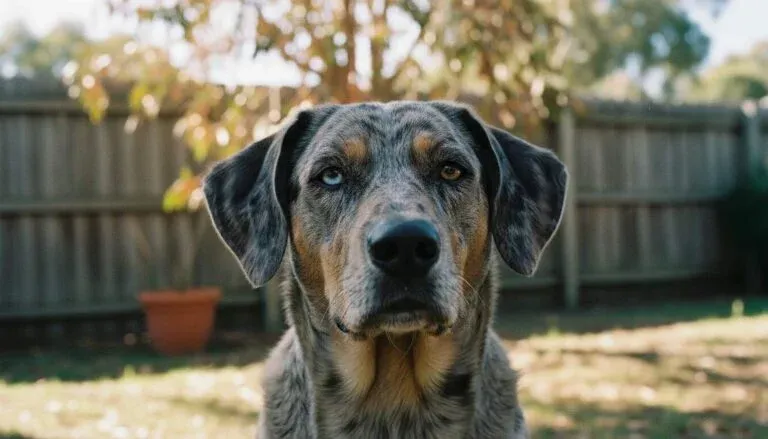
If you’ve ever locked eyes with a Catahoula Leopard Dog, you know exactly what I mean when I say this breed stops people mid-sentence. Those cracked glass eyes — sometimes one blue, one brown, sometimes a swirl of both in the same iris — are the kind of thing that makes strangers cross the street just to ask, “What breed is that?”
But here’s the thing most people don’t realise until they’re six months into owning one: the Catahoula Leopard Dog is not a pretty face with an easy personality. This is a working breed through and through. Originally bred in the swamps of Louisiana to herd feral hogs and cattle, the Catahoula carries a drive, intensity, and independence that will humble even experienced dog owners. They’re the kind of dog that needs a job, or they’ll give themselves one — and it usually involves remodelling your backyard.
In Australia, the Catahoula is still relatively uncommon, but the breed is gaining traction among property owners, pig hunters, and active families who want something a bit different from the usual Kelpie or Border Collie. The problem? There’s not a lot of honest, Australian-specific information out there. Most breed guides are written for the American market and gloss over the realities of sourcing, pricing, and living with a Catahoula in Australian conditions.
This guide changes that. We’re covering temperament honestly, health conditions with real AUD costs, grooming specifics for Australian climates, training realities, and whether this breed genuinely suits your household — or whether you’d be better off looking elsewhere. No fluff. No recycled kennel club copy. Just straight talk from people who’ve spent time around these dogs.
What You’ll Learn
- Breed traits & temperament
- Health concerns to know
- True cost in Australia
- Training & exercise needs
- Is this breed right for you?
Catahoula Leopard Dog Quick Facts at a Glance
| Trait | Details |
|---|---|
| Official Name | Louisiana Catahoula Leopard Dog |
| Other Names | Catahoula Cur, Catahoula Hog Dog, Leopard Dog |
| Origin | Louisiana, United States |
| Breed Group | Herding / Working (UKC); Foundation Stock Service (AKC) |
| Height | 51–61 cm (20–24 inches) |
| Weight | 23–43 kg (50–95 lbs) |
| Lifespan | 10–14 years |
| Coat Type | Short to medium, single coat; smooth or slightly coarse |
| Coat Colours | Merle (blue, red, liver), brindle, solid black, red, yellow, chocolate, white patches |
| Eye Colours | Glass (pale blue), green, brown, amber — heterochromia and cracked glass common |
| Temperament | Intelligent, independent, loyal, protective, high-energy |
| Exercise Needs | High — minimum 60–90 minutes vigorous daily exercise |
| Shedding | Moderate; seasonal increases |
| Good with Kids | Yes, with supervision — better with older children |
| Good with Other Dogs | Requires early socialisation; same-sex aggression possible |
| Hypoallergenic | No |
| Barking Level | Moderate to high — vocal breed, known for unique “roo-roo” sounds |
| AKC Recognition | Foundation Stock Service (not full AKC recognition) |
| Australian Availability | Rare — limited registered breeders; waitlists common |
| Price Range (AUD) | $1,500–$4,000+ (purebred); $400–$1,200 (crossbred) |
History & Origins
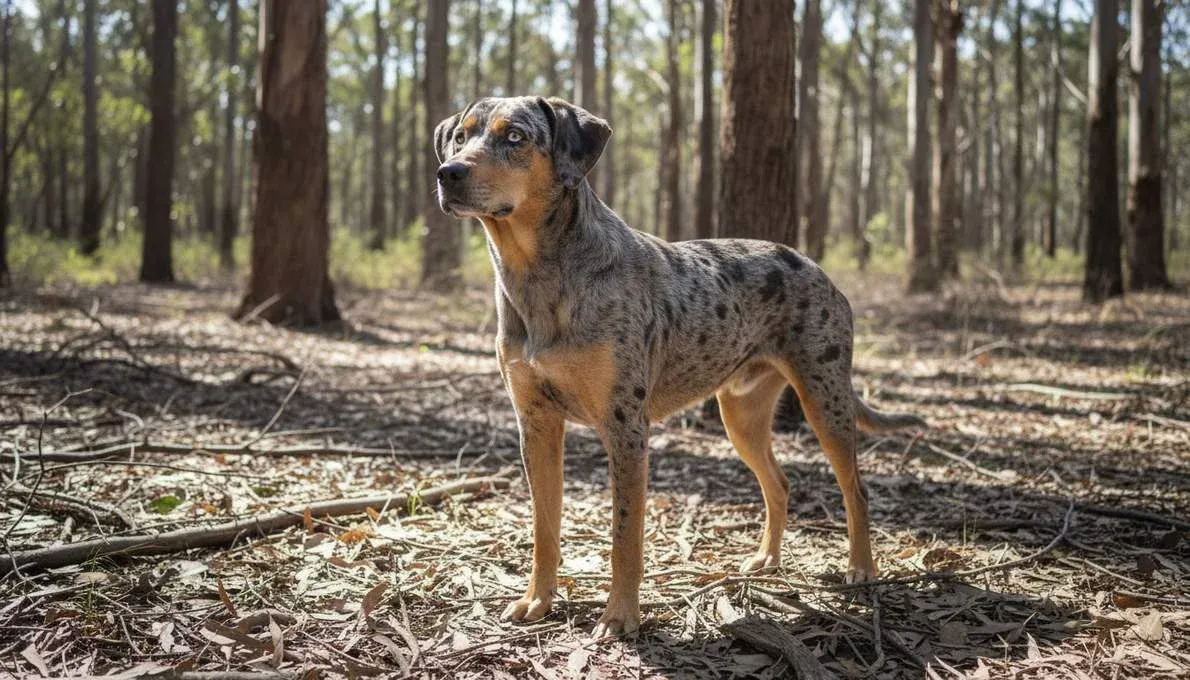
The Catahoula Leopard Dog’s history reads like a collision of cultures, continents, and canine genetics — and depending on who you ask, the details shift. What’s agreed upon is that this breed emerged in northern Louisiana, near Catahoula Lake, from a mixing pot of dogs that spanned centuries.
The Spanish Connection (1500s)
The most widely accepted origin story begins with Hernando de Soto, the Spanish explorer who arrived in the southeastern United States in the early 16th century. De Soto brought war dogs — Mastiffs and Greyhounds — that were used to intimidate and control Indigenous populations. When de Soto died in 1542, many of these dogs were abandoned or left behind.
The local Native American tribes, particularly the Choctaw, already had their own dogs — often described as wolf-like in appearance but domesticated in behaviour. These “wolf dogs” bred with the abandoned Spanish dogs over generations, creating a new type of working dog that combined the stamina and tracking ability of the European breeds with the hardiness and intelligence of the native dogs.
The French Influence (1700s)
When French settlers arrived in Louisiana, they brought their own hound breeds — most likely Beaucerons and various French hounds. These were crossed with the existing Spanish-Native hybrid dogs around the Catahoula Lake region. The resulting breed became increasingly refined for a very specific purpose: herding and baying wild hogs and feral cattle in the dense, swampy forests of Louisiana.
Unlike other herding breeds that nip at heels or bark from behind, Catahoulas developed a unique working style. They create a “canine fence” — fanning out around a herd of wild hogs and holding them in place with intense eye contact and body positioning until the human handler arrives. This required a dog that was simultaneously brave enough to face a 150 kg boar, intelligent enough to work independently, and biddable enough to take direction.
State Dog Status & Modern Recognition
In 1979, Louisiana Governor Edwin Edwards signed Bill 75, officially naming the Catahoula Leopard Dog the state dog of Louisiana. The breed was accepted into the AKC’s Foundation Stock Service in 1996 and is fully recognised by the United Kennel Club (UKC). However, the Catahoula has never achieved full AKC breed recognition — partly because breed enthusiasts have historically been more focused on working ability than show ring conformation.
In Australia, Catahoulas arrived primarily through private imports, many of them connected to the pig hunting community. The breed remains unrecognised by the Australian National Kennel Council (ANKC), which means there’s no standardised breeding program in Australia. The gene pool here is small, and finding a reputable breeder requires genuine research.
Catahoula Leopard Dog Temperament & Personality
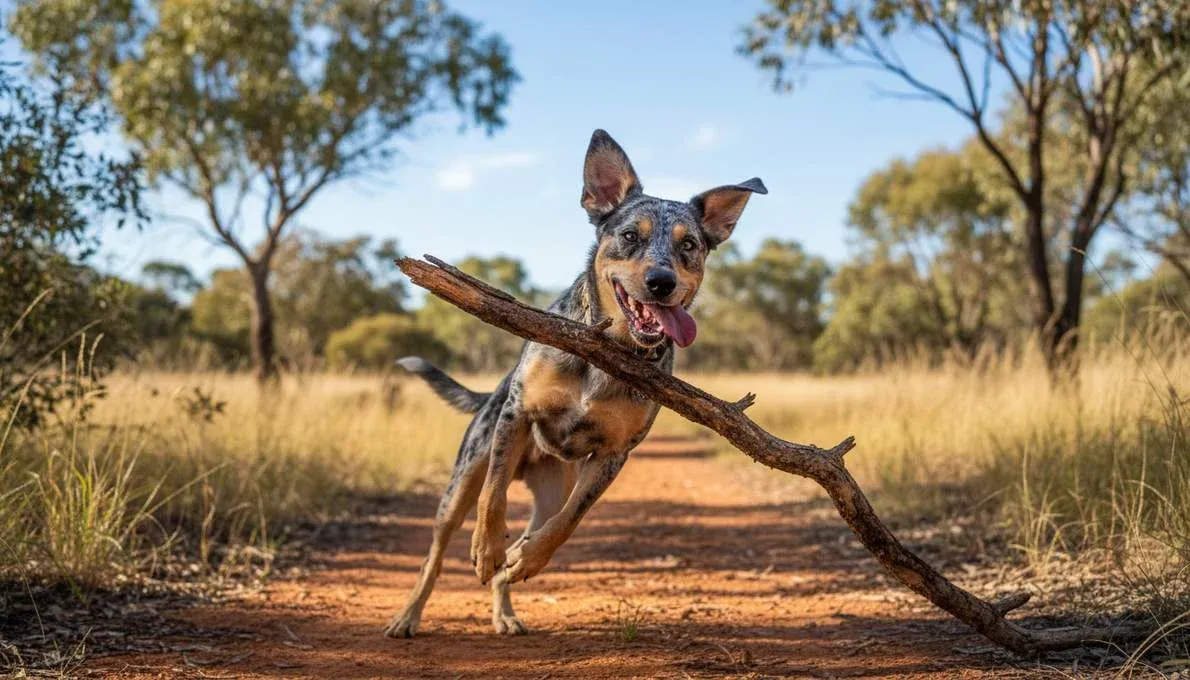
If you’re used to breeds that aim to please — Golden Retrievers, Labradors, Cavaliers — the Catahoula Leopard Dog temperament is going to be a culture shock. This is not a dog that lives to make you happy. This is a dog that respects you if you earn it, tolerates you if you don’t, and will absolutely test your boundaries on a daily basis.
That said, when the relationship works, it’s one of the deepest bonds you’ll find in the dog world. Catahoula owners consistently describe a dog that is fiercely loyal, emotionally intuitive, and protective in a way that feels genuine rather than neurotic.
Catahoulas were bred to work at a distance from their handler, making independent decisions in high-pressure situations. A dog that’s facing down a wild boar doesn’t have time to look back and wait for a command. This bred-in independence means your Catahoula will sometimes look at you, acknowledge your request, and then make their own decision about whether to comply. It’s not defiance in the way a terrier is defiant — it’s more like working with a colleague who has their own professional opinion.
Catahoulas tend to bond deeply with one person in the household — their “person” — while remaining affectionate but slightly more reserved with other family members. This one-person loyalty is intense. Your Catahoula will follow you from room to room, position themselves where they can see you at all times, and become visibly unsettled when you leave. This is not a breed you can leave alone in the backyard for 10 hours a day. Moderate to high separation anxiety is common, and a bored, lonely Catahoula is a destructive Catahoula.
Catahoulas can be excellent family dogs, but they’re better suited to households with older children (roughly 8+). They’re a medium-large, high-energy breed with a strong play drive, and they can accidentally knock over small children during enthusiastic play. They’re generally gentle and patient with kids they’ve grown up with, but their herding instinct can kick in — some Catahoulas will attempt to herd running children by cutting in front of them or nudging them.
This is where things get honest. Catahoulas can coexist peacefully with other dogs, but same-sex aggression is a well-documented trait in the breed. Two male Catahoulas in the same household, or two females, can develop serious conflict — often not appearing until sexual maturity around 18–24 months. Mixed-sex pairings tend to work better, and early socialisation with other dogs from puppyhood is absolutely non-negotiable.
Catahoulas also have a strong prey drive. Cats, chickens, small dogs, and other small animals can trigger a chase response, particularly in dogs from hunting lines. This doesn’t mean every Catahoula will chase your cat — many live peacefully with cats they’ve been raised alongside — but it’s a risk factor that honest breeders will warn you about.
Catahoulas are naturally territorial and protective. They’ll bark to alert you when someone approaches your property, and they tend to be reserved — not aggressive, but distinctly uninterested — with strangers until they’ve assessed the situation. This makes them effective watchdogs without the neurotic edge of breeds specifically bred for guarding. However, undersocialised Catahoulas can become fear-aggressive or overly reactive, which is why early and ongoing socialisation is critical.
Catahoula Leopard Dog Health & Genetic Conditions
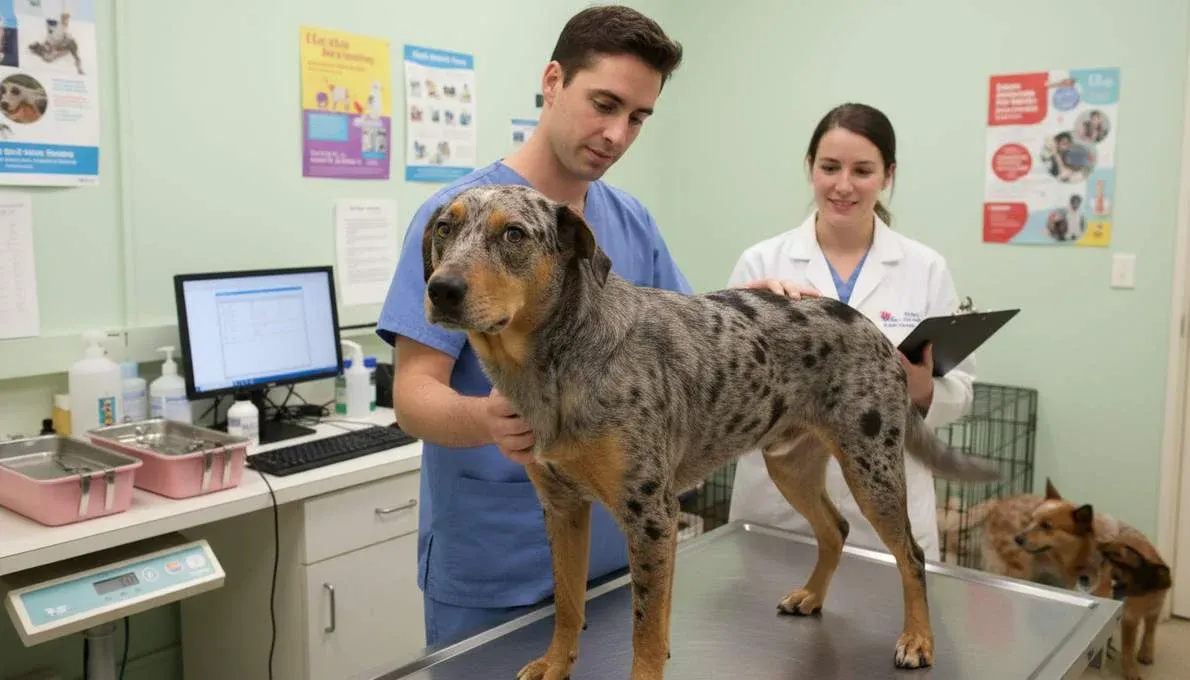
Nobody wants to think about health problems when they’re staring at a litter of gorgeous merle puppies, but this is one of the most important sections of this entire guide. The Catahoula Leopard Dog is generally a hardy breed — they were literally bred to survive in swamps — but they carry some genetic predispositions that every buyer should understand before signing a deposit.
Here’s what to watch for, what it costs, and what you can do about it.
Hip dysplasia occurs when the hip joint doesn’t develop correctly, causing the ball and socket to grind instead of gliding smoothly. Over time, this leads to arthritis, pain, and reduced mobility. It’s common across medium-to-large breeds, and Catahoulas are no exception.
Estimated AUD cost: X-rays and diagnosis run $300–$800. Conservative management (joint supplements, weight management, physiotherapy) costs $1,000–$2,500 per year. Surgical options like total hip replacement range from $6,000–$12,000 per hip.
Prevention: Buy from breeders who hip-score their breeding stock. Avoid high-impact exercise (jumping, extended running on hard surfaces) in puppies under 12–18 months. Keep your Catahoula at a lean body weight throughout their life.
This is the big one — and it’s directly tied to the breed’s signature look. The merle gene that creates those stunning leopard-patterned coats and glass eyes is also linked to congenital deafness. Dogs with predominantly white coats (70%+ white) or double merle genetics (bred from two merle parents) have a significantly higher risk of being born partially or fully deaf.
Estimated AUD cost: BAER (Brainstem Auditory Evoked Response) testing to confirm hearing status costs $200–$400. There is no cure for congenital deafness. Ongoing costs relate to specialised training and management.
Prevention: Responsible breeders BAER-test all puppies before sale and never breed two merle parents together. If a breeder can’t show you BAER test results, walk away.
The merle gene strikes again. Catahoulas can be predisposed to several eye conditions, including progressive retinal atrophy (PRA), cataracts, and a condition called microphthalmia (abnormally small eyes). These are more common in double merle dogs and those with predominantly white coats.
Estimated AUD cost: Ophthalmology specialist consultation runs $250–$500. Cataract surgery, if indicated, costs $3,000–$6,000 per eye. PRA has no surgical treatment; management involves adapting the home environment.
Catahoulas are more prone to dental disease than many breeds. Tartar buildup progresses to gum disease and, if untreated, can affect the kidneys, liver, and heart. Some veterinary sources estimate that untreated dental disease can shorten a Catahoula’s lifespan by 1–3 years.
Estimated AUD cost: Professional dental cleaning under anaesthesia costs $500–$1,500 depending on extractions needed. Annual dental checks are included in standard vet visits ($80–$150).
Less common but still reported in the breed: obesity (especially in under-exercised dogs), allergies, and some reports of autoimmune conditions. Keeping your Catahoula lean, active, and on a quality diet is the best general prevention strategy.
Catahoula Leopard Dog Lifespan & Longevity
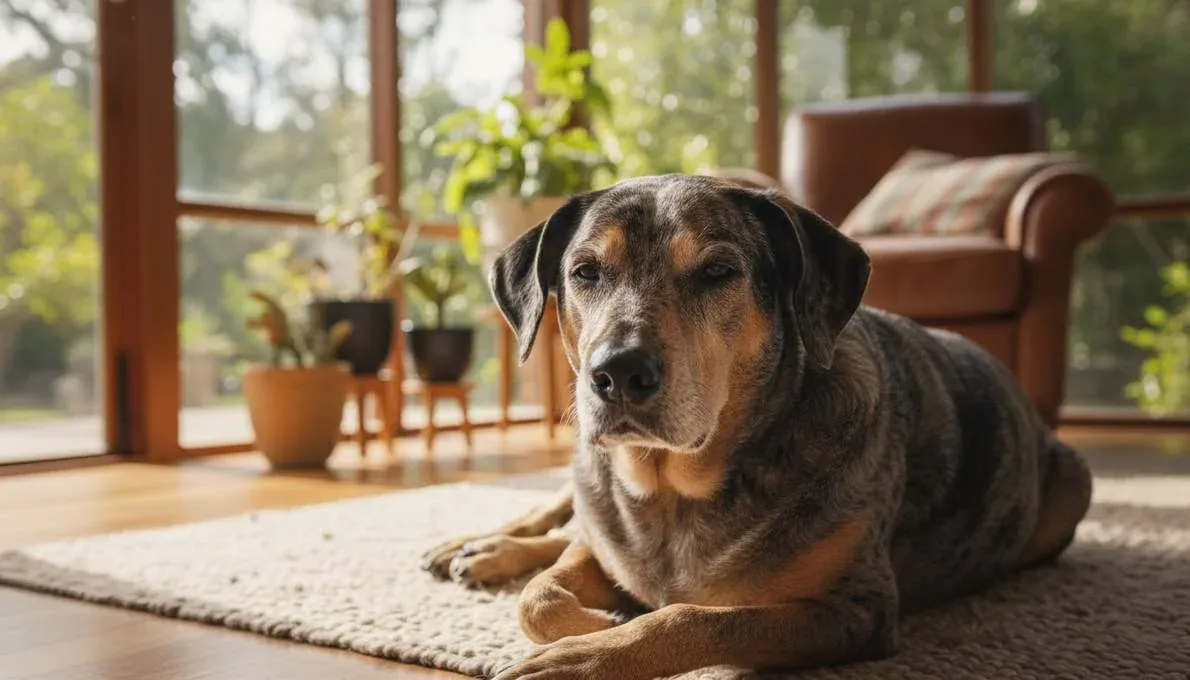
The Catahoula Leopard Dog lifespan sits at 10–14 years, which is solid for a breed of this size. Dogs in the 23–43 kg range often skew toward the lower end of canine lifespans, so hitting 12–14 years is genuinely good going.
What affects where your individual Catahoula falls on that spectrum? The usual suspects: genetics, diet, exercise, weight management, dental care, and whether you stay on top of preventive veterinary care.
Age-Specific Advice
| Life Stage | Age | Key Focus Areas |
|---|---|---|
| Puppy | 0–12 months | Socialisation is everything. Expose to people, dogs, sounds, surfaces. Begin basic obedience. Avoid high-impact exercise. Three vet visits minimum. |
| Adolescent | 12–24 months | Boundary testing peaks. Maintain consistent training. Transition to adult food around 12–15 months. First hip X-rays if breeding or showing. |
| Adult | 2–7 years | Peak energy and athleticism. Annual vet checks, dental care, weight monitoring. This is when same-sex aggression may emerge. |
| Mature Adult | 7–10 years | Reduce high-impact exercise. Begin joint supplements if not already. Biannual vet visits. Watch for lumps, weight gain, dental issues. |
| Senior | 10+ years | Adjust exercise to comfort level. Senior bloodwork panels annually. Dental care becomes even more critical. Monitor for cognitive changes. |
Grooming & Coat Care
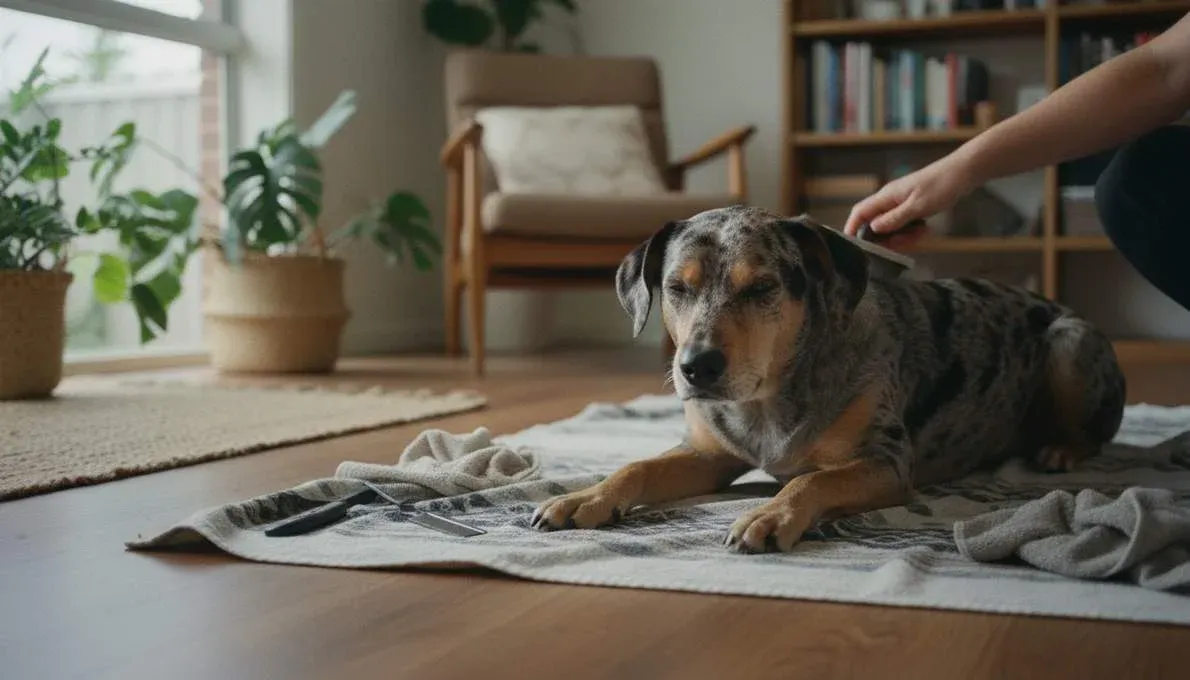
Good news: the Catahoula Leopard Dog is one of the lower-maintenance breeds when it comes to grooming. Their short to medium-length single coat doesn’t mat, doesn’t require professional trimming, and generally stays clean with minimal effort. That said, “low maintenance” doesn’t mean “no maintenance.”
| Grooming Task | Frequency | Estimated AUD Cost | Notes |
|---|---|---|---|
| Brushing | Weekly (twice weekly during seasonal shed) | $15–$30 for a rubber curry brush | A rubber grooming mitt or curry brush works best for their coat type. Slicker brushes are overkill. |
| Bathing | Every 6–8 weeks or as needed | $15–$25 per shampoo bottle | Use a gentle, soap-free dog shampoo. Avoid human shampoos. In Australia, brands like Dermcare or Aloveen work well. |
| Nail Trimming | Every 2–3 weeks | $15–$25 per clipper; $15–$30 at vet/groomer | If you can hear nails clicking on tile, they’re too long. Many Catahoulas dislike nail trims, so start handling paws from puppyhood. |
| Ear Cleaning | Weekly | $15–$25 per ear cleaner bottle | Catahoulas’ folded ears trap moisture. Check for redness, odour, or discharge weekly. Use a vet-approved ear solution. |
| Dental Care | Daily brushing ideal; minimum 3x per week | $10–$20 for dog toothpaste + brush | Given the breed’s dental disease predisposition, this is non-negotiable. Dental chews help but don’t replace brushing. |
| Professional Grooming | Every 6–8 weeks (optional) | $50–$90 per session | Most Catahoula owners handle grooming at home. Professional sessions are useful for nail grinding and thorough ear cleaning. |
Australian Climate Considerations
Catahoulas handle heat reasonably well — they were bred in Louisiana’s subtropical climate, which shares some similarities with northern Australia. However, they don’t have a thick undercoat for insulation, which means they can struggle in cold, wet conditions common in southern Australia during winter. In summer, provide shade, fresh water, and avoid exercise during the hottest parts of the day (10am–4pm). Their short coat offers minimal sun protection, and dogs with white or light-coloured patches on their nose and ears can be susceptible to sunburn. Pet-safe sunscreen on exposed areas is worth considering for heavily white-marked dogs.
Catahoula Leopard Exercise Needs
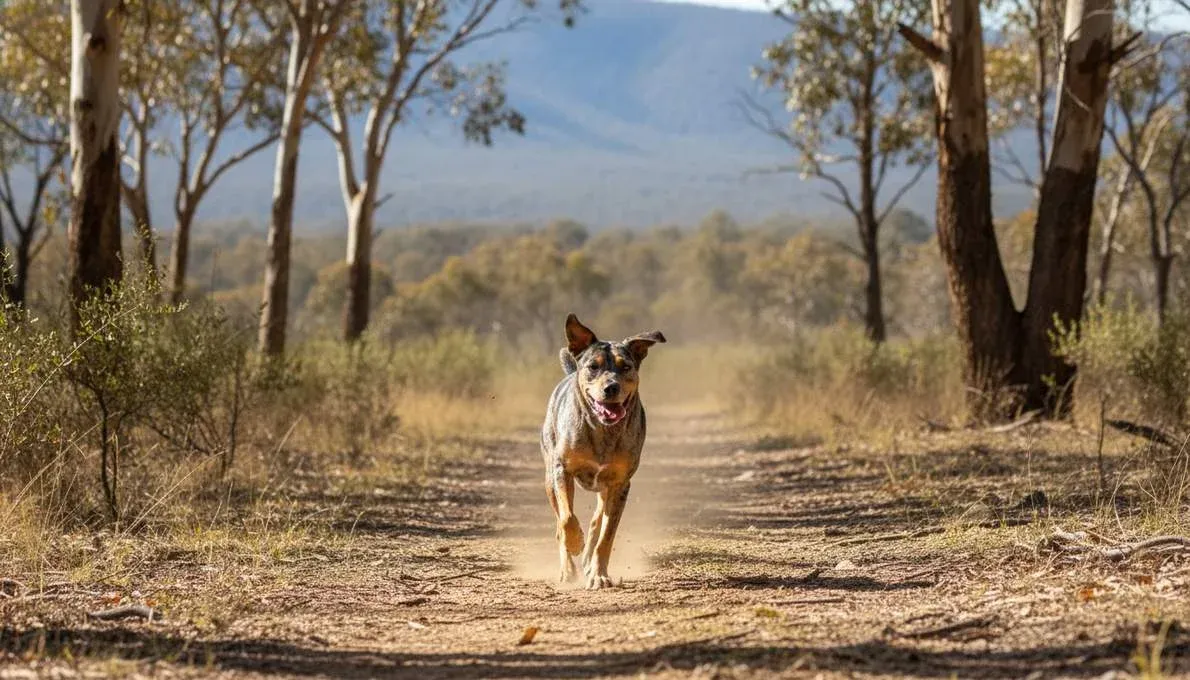
Let’s be blunt: if you’re looking for a dog that’s happy with a 20-minute stroll around the block, the Catahoula Leopard Dog is not your breed. This is a dog that was bred to work all day in punishing conditions — running through swamps, swimming across creeks, and physically baying wild hogs for hours. That energy doesn’t disappear because you live in a suburban house.
Minimum daily exercise: 60–90 minutes of vigorous activity. A 30-minute morning walk, an hour at the dog park or off-lead exercise area, and a 30-minute evening walk is a solid baseline. On weekends, longer bush walks, swimming sessions, or structured activities are ideal.
Mental stimulation matters just as much: A physically tired Catahoula that’s mentally bored will still find ways to be destructive. Puzzle feeders, scent work, obedience training sessions, and interactive toys should be part of your daily routine.
Best Activities for Catahoulas in Australia
Catahoulas excel at activities that combine physical effort with mental engagement. Bush walking and hiking are ideal — Australia’s national parks and bushland trails offer exactly the kind of varied terrain this breed thrives on. Swimming is another favourite; many Catahoulas are natural swimmers thanks to their webbed feet (yes, they actually have webbed toes — a trait developed for navigating Louisiana’s swamps). Dog sports like agility, lure coursing, and scent work are excellent outlets. Some Australian Catahoula owners also use their dogs for livestock work on rural properties, which taps directly into the breed’s herding instincts.
Exercise Warnings for Australian Conditions
Heat management: Never exercise a Catahoula in the middle of an Australian summer day. Early morning and late evening are the only safe times when temperatures exceed 30°C. Always carry water. Watch for signs of heatstroke: excessive panting, drooling, staggering, or collapse.
Tick paralysis: If you’re bushwalking on the east coast of Australia (particularly in QLD, NSW, and parts of VIC), paralysis ticks are a serious risk. Keep your Catahoula on preventive tick medication year-round and do a thorough tick check after every outdoor session.
Puppies under 12 months: Avoid repetitive high-impact exercise (jumping, extended jogging on hard surfaces) while growth plates are still closing. Short, varied play sessions are better than marathon walks for young Catahoulas.
Training Your Catahoula Leopard
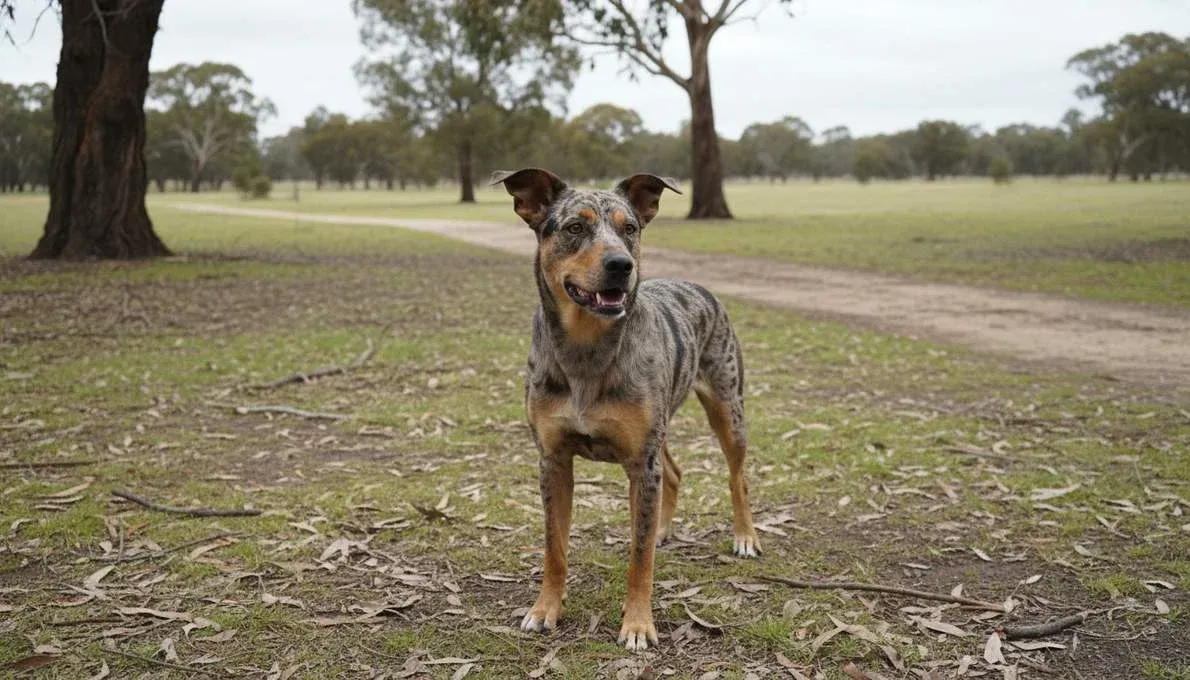
Training a Catahoula Leopard Dog is not difficult — but it requires a specific mindset. Forget everything you learned from training a Labrador or a Border Collie. Those breeds want to please you. A Catahoula wants to know what’s in it for them. This isn’t a character flaw — it’s what made them effective independent working dogs. But it does mean your training approach needs to be motivational, consistent, and respectful of their intelligence.
Training Difficulty: Honest Assessment
On a scale of 1 (Golden Retriever) to 10 (Shiba Inu), the Catahoula sits around a 6–7 for most owners. They’re not stubborn in the sense that they can’t learn — they’re incredibly smart and can pick up commands in just a few repetitions. The challenge is motivation. If a Catahoula doesn’t see the point of a command, they’ll simply choose not to comply. High-value treats, short training sessions (10–15 minutes maximum), and variety are your best tools.
Age-Based Training Guide
| Age | Training Focus | Tips |
|---|---|---|
| 8–12 weeks | Socialisation, name recognition, basic crate training, handling exercises | Expose to at least 100 new experiences in the first month home. Positive associations only — no forcing. |
| 3–6 months | Sit, down, stay, come, leash manners, continued socialisation | Keep sessions under 10 minutes. Use high-value treats. End on a win every time. |
| 6–12 months | Recall reliability, impulse control, leave it, drop it, loose-leash walking | Adolescent rebellion hits hard in Catahoulas. Stay consistent. Increase mental challenges. |
| 12–18 months | Advanced obedience, off-lead reliability, structured activities | This is when many owners give up. Don’t. The investment pays off massively from age 2 onward. |
| 18 months+ | Maintenance training, sport-specific skills, ongoing socialisation | A well-trained adult Catahoula is a joy. Continue short daily sessions to maintain skills. |
What Works
Positive reinforcement with high-value rewards (real meat treats, not dry biscuits). Short, varied sessions. Making training feel like a game rather than a drill. Respecting their intelligence by progressing quickly once they’ve grasped a concept — Catahoulas get bored with repetition faster than most breeds.
What Doesn’t Work
Physical corrections, harsh verbal reprimands, or dominance-based training methods. Catahoulas do not respond well to punishment. They’re sensitive under that tough exterior, and a heavy-handed approach will create a dog that shuts down, becomes fearful, or becomes actively avoidant. You’ll lose their trust, and with a Catahoula, trust is everything.
Cost of Owning a Catahoula Leopard Dog in Australia
Let’s talk money — because the Catahoula Leopard Dog price in Australia is one of the first things prospective owners search for, and the answers online are all over the place. Here’s an honest breakdown of what you’ll actually spend.
Purchase Price
Purebred Catahoula puppy (registered breeder): $1,500–$4,000+ AUD. The higher end applies to dogs from imported bloodlines with BAER testing, hip scoring, and documented pedigrees. Expect waitlists of 6–12 months from the handful of registered breeders in Australia.
Crossbred Catahoula puppy (Gumtree, private sellers): $400–$1,200 AUD. Catahoula crosses are more common in Australia than purebreds. Common mixes include Catahoula x Kelpie, Catahoula x Bull Arab, and Catahoula x Staffy. Quality varies enormously — health testing is rarely done, and you’re essentially gambling on genetics.
Rescue / Rehoming: $200–$600 AUD. Catahoulas do end up in rescue, often because owners underestimated the breed’s exercise and training needs. Rescue dogs may come desexed, vaccinated, and microchipped.
Annual Ongoing Costs (AUD Estimates)
| Expense | Low Estimate | High Estimate | Notes |
|---|---|---|---|
| Food (premium dry + fresh) | $1,200 | $2,400 | Active, large breed = big appetite. Budget for quality. |
| Vet (annual check, vaccines, flea/tick/worming) | $400 | $800 | More with dental cleans or health issues. |
| Pet Insurance | $600 | $1,500 | Highly recommended given hip dysplasia and deafness risk. |
| Grooming (DIY + occasional professional) | $100 | $400 | Low-maintenance coat keeps this cost down. |
| Training (puppy school, ongoing classes) | $300 | $1,000 | Critical investment for this breed. Don’t skip it. |
| Toys, bedding, leads, bowls | $200 | $500 | Catahoulas destroy cheap toys. Buy durable. |
| Council registration | $30 | $250 | Varies by council and desexing status. |
| Boarding / pet sitting | $0 | $1,500 | If you travel. Catahoulas don’t always kennel well. |
Total estimated annual cost: $2,830–$8,350 AUD. Over a 12-year lifespan, that’s roughly $34,000–$100,000+ including the purchase price and any major health events. The Catahoula Leopard Dog cost of ownership is comparable to most medium-large breeds, with the major variable being health expenses.
Where to Find Catahoula Leopard Dogs in Australia
The breed is rare here. Your best starting points are the National Association of Louisiana Catahoulas (NALC) breeder registry (some Australian breeders are registered internationally), Catahoula-specific Facebook groups for Australia, and general platforms like PetsForHomes and Gumtree — though exercise extreme caution with unregistered sellers on the latter. Always ask for health testing results, meet the parents if possible, and visit the property where puppies are raised.
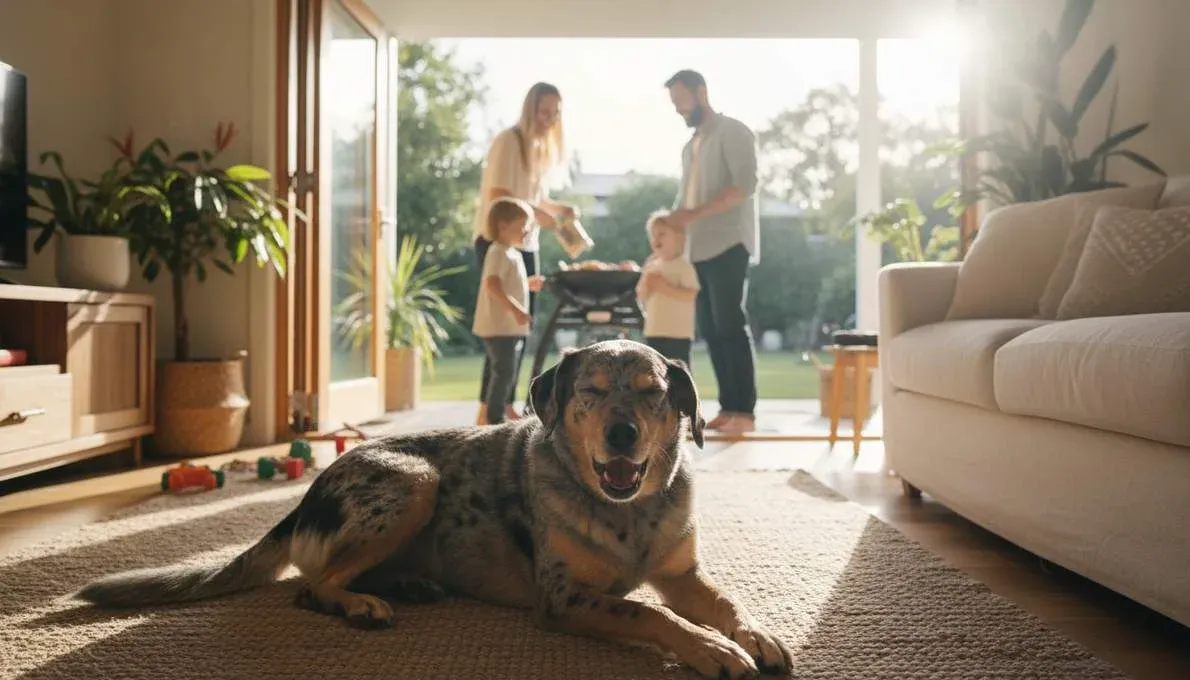
Is the Catahoula Leopard Dog Right for You?
This is the section most breed guides water down. We’re not going to do that. The Catahoula Leopard Dog is a spectacular breed — but it is genuinely not suited to most households. Understanding who should and who should not own this breed will save you thousands of dollars and a lot of heartbreak.
You have previous experience with strong-willed, independent breeds. You live on acreage or have a large, securely fenced yard. You’re genuinely active — not “I plan to start running” active, but currently active. You’re home for significant portions of the day or can arrange for your dog to have company. You’re committed to ongoing training and socialisation, not just puppy school. You want a dog with a job — hunting, herding, dog sports, or structured daily activities.
You live in an apartment or small house without a yard. You work full-time away from home with no dog care arrangements. You’re a first-time dog owner (there are exceptions, but this is generally not a beginner breed). You want a dog that’s reliably friendly with all strangers, dogs, and animals. You don’t enjoy or have time for daily structured exercise. You have small children under 5 and no experience managing large, energetic breeds around toddlers.
If you love the Catahoula’s look but need a more manageable temperament, consider the Australian Cattle Dog (similar work ethic, better suited to the Australian lifestyle), the Vizsla (similar energy level but more biddable), or the Weimaraner (striking appearance, high-energy, but more people-oriented). If it’s the herding instinct you’re after, the Border Collie or Kelpie are obvious alternatives with much better support networks in Australia.
The Catahoula Leopard Dog is not a breed you stumble into — it’s a breed you choose deliberately, knowing exactly what you’re getting into. For the right owner, there is no better dog. For the wrong owner, it’s a slow-motion disaster.
The good: Fiercely loyal, strikingly beautiful, intelligent, athletic, and genuinely unique. A well-raised Catahoula is a conversation-starter and a once-in-a-lifetime bond.
The challenging: Independent to a fault, high exercise and mental stimulation needs, potential for same-sex aggression, genetic health risks tied to the merle gene, and extremely limited availability in Australia.
The bottom line: Do your homework. Find a reputable breeder. Budget for health testing and quality care. Commit to training for the life of the dog. If you do all of that, the Catahoula Leopard Dog will reward you with a partnership that most dog owners only dream about.
Frequently Asked Questions
Are Catahoula Leopard Dogs aggressive?
No, Catahoulas are not inherently aggressive. They are protective and territorial, which can be mistaken for aggression in undersocialised dogs. With proper early socialisation and consistent training, Catahoulas are confident, stable dogs. However, same-sex dog aggression is a recognised trait in the breed.
How big do Catahoula Leopard Dogs get?
Adult Catahoulas typically stand 51–61 cm (20–24 inches) tall at the shoulder and weigh between 23–43 kg (50–95 lbs). Males tend to be at the heavier end of the range. They’re a medium-to-large breed with a muscular, athletic build.
Do Catahoula Leopard Dogs shed?
Yes, Catahoulas shed moderately year-round with seasonal increases in spring and autumn. Their short coat means the hair is less noticeable than double-coated breeds, but you’ll still find it on furniture and clothes. Weekly brushing helps manage shedding.
Are Catahoula Leopard Dogs good family dogs?
They can be excellent family dogs in the right household. They’re loyal, protective, and affectionate with their people. However, they’re best suited to families with older children, experienced dog owners, and active lifestyles. They’re not ideal for first-time owners or sedentary households.
How long do Catahoula Leopard Dogs live?
The average Catahoula Leopard Dog lifespan is 10–14 years. Dogs from health-tested parents, kept at a healthy weight, and given proper veterinary care tend to land at the higher end of that range.
Can you get Catahoula Leopard Dogs in Australia?
Yes, but they’re rare. There are a small number of breeders in Australia, and waitlists are common. Purebred puppies range from $1,500–$4,000+ AUD. Crossbred Catahoulas are more readily available through platforms like Gumtree and PetsForHomes, typically at $400–$1,200 AUD.
Do Catahoula Leopard Dogs bark a lot?
Catahoulas are a vocal breed. They’ll bark to alert you to visitors and can develop excessive barking if left alone or under-stimulated. They’re also known for a distinctive “roo-roo” howl. They’re not the quietest breed, but their barking is generally purposeful rather than neurotic.
Are Catahoula Leopard Dogs good with cats?
It depends on the individual dog and how they’re raised. Catahoulas have a strong prey drive, especially those from hunting lines. Dogs raised alongside cats from puppyhood often coexist peacefully, but introducing an adult Catahoula to cats requires caution and management.
What were Catahoula Leopard Dogs bred for?
Catahoulas were originally bred in Louisiana to herd wild hogs and feral cattle. They’re also used for hunting (particularly wild boar), tracking, and general farm work. Their unique herding style involves creating a “canine fence” around livestock rather than nipping at heels.
Are Catahoula Leopard Dogs hypoallergenic?
No. Catahoulas shed moderately and are not considered hypoallergenic. If you have dog allergies, this breed is unlikely to be a good match.
How much exercise does a Catahoula Leopard Dog need?
A minimum of 60–90 minutes of vigorous exercise daily, plus mental stimulation through training, puzzle toys, or structured activities. This is a high-energy working breed that does not do well with minimal exercise.
Can Catahoula Leopard Dogs climb trees?
Yes — this is one of the breed’s more unusual traits. Some Catahoulas can and do climb trees, a behaviour linked to their hunting heritage where they would tree prey like raccoons and bobcats. Not all Catahoulas do this, but it’s common enough to be a recognised breed trait.
1. American Kennel Club — Catahoula Leopard Dog Breed Information: https://www.akc.org/dog-breeds/catahoula-leopard-dog/
2. United Kennel Club — Louisiana Catahoula Leopard Dog Breed Standard: https://www.ukcdogs.com/louisiana-catahoula-leopard-dog
3. PetMD — Catahoula Leopard Dog Health and Care: https://www.petmd.com/dog/breeds/catahoula-leopard-dog
4. Hill’s Pet Nutrition — Catahoula Leopard Dog Breed Profile: https://www.hillspet.com/dog-care/dog-breeds/catahoula-leopard
5. National Association of Louisiana Catahoulas (NALC): https://www.nalc.net/
6. Wisdom Panel — Catahoula Leopard Dog Facts: https://www.wisdompanel.com/en-us/dog-breeds/catahoula-leopard-dog
7. Chewy — Catahoula Leopard Dog Breed Guide: https://www.chewy.com/education/dog-breeds/catahoula-leopard-dog
8. Fair Mate Catahoulas (Australian Breeder): https://www.fairmatecatahoulas.com/
10. PetsForHomes Australia — Catahoula Leopard Dog Listings: https://petsforhomes.com.au/dogs-puppies/catahoula-leopard-dog/